
Inca Stonework Secrets: How They Built EarthquakeProof Walls

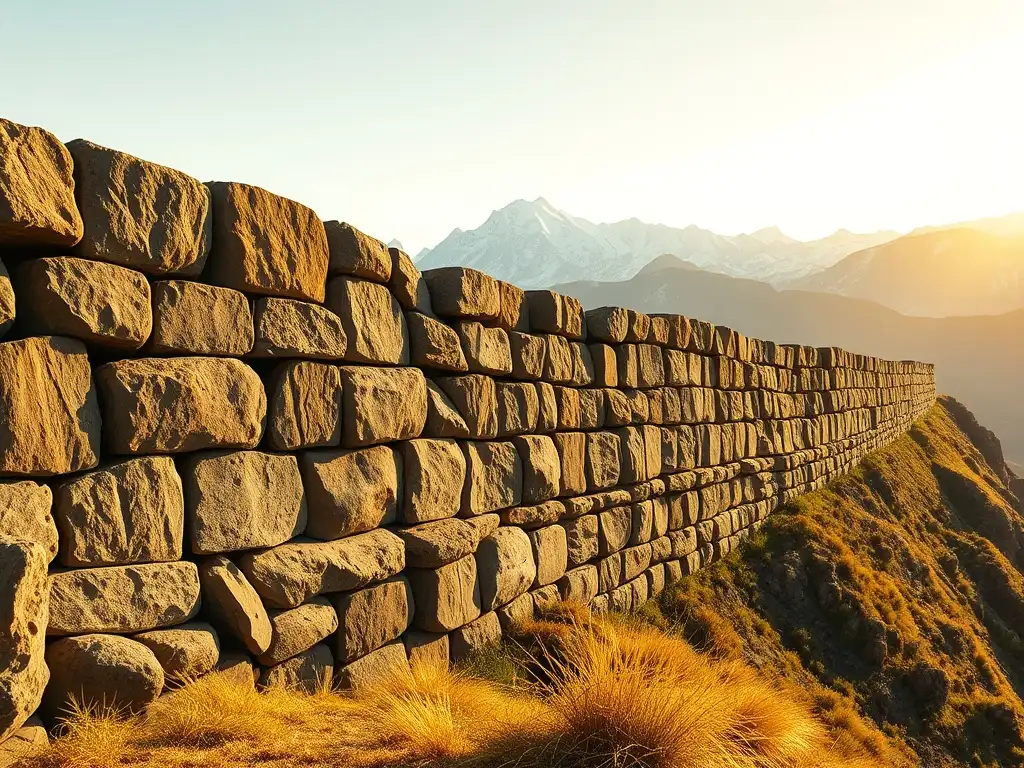
Step into a world lost to time, where ingenuity and artistry converged to create wonders that still defy explanation. Prepare to be amazed as we unravel the mysteries of the Andean Civilizations, exploring their breathtaking achievements in art, culture, and technology. But first, let's delve into a particularly fascinating enigma: the Inca's mastery of earthquake-proof stone walls. Discover the secrets behind their incredible construction techniques and uncover the ingenuity that allowed them to build structures that stand the test of time – and earthquakes. Are you ready to uncover the truth?
- Inca Stonework Secrets: Building Earthquake-Resistant Walls
- Inca Earthquake-Proof Stone Walls: Key Construction Techniques
- The Science Behind Inca Earthquake Resistance
- Inca Architectural Innovations: Beyond Earthquake Resistance
- Exploring Inca Sites: Witnessing Earthquake-Proof Walls Firsthand
- Conclusion: The Enduring Legacy of Inca Stonework
- Frequently Asked Questions
- Final Reflection: Echoes of the Andes: A Legacy in Stone
- Unleash Your Inner Architect: Explore Inca Stonework Today!
Inca Stonework Secrets: Building Earthquake-Resistant Walls
The Inca Empire, renowned for its vast dominion across the Andes Mountains, left behind a legacy of breathtaking architecture that continues to astound and inspire. This article delves into the remarkable engineering feats of the Inca, focusing specifically on their mastery of earthquake-resistant stonework. We will explore the techniques they employed to construct incredibly durable walls that withstood centuries of seismic activity in one of the world's most geologically unstable regions.
Understanding the Inca's approach to building offers valuable insights into ancient engineering practices and provides a fascinating case study for modern earthquake-resistant construction methods. The secrets behind their success lie in a combination of meticulous planning, precise stone cutting, innovative construction techniques, and a deep understanding of the Andean landscape's seismic challenges.
This exploration will reveal how the Inca achieved such remarkable results, using readily available materials and tools, ultimately creating structures that have stood the test of time and continue to inspire awe. The keyword "Inca earthquakeproof stone walls" will be explored throughout the article in various contexts.
The Ingenious Inca Approach to Construction
The Inca's success in building earthquake-resistant structures stemmed from a multifaceted approach. Their mastery began with the careful selection and preparation of building materials. They primarily used andesite, a strong, readily available volcanic rock, expertly quarried and shaped using rudimentary tools. The process was painstaking, requiring immense skill and precision. Instead of using mortar, the Inca perfected the art of ashlar masonry, fitting stones together with such incredible accuracy that even a knife blade couldn't be inserted between them. This meticulous approach minimized the need for binding agents, creating a structure with exceptional stability and flexibility.
This technique, combined with the unique shapes and sizes of the stones, allowed the walls to absorb seismic energy more effectively. The stones were not uniform; instead, they were carefully selected and shaped to interlock, creating a complex puzzle-like structure. This irregular shape, when combined with the precise fitting, allowed the walls to shift and flex during an earthquake without collapsing. Think of it as a complex, three-dimensional jigsaw puzzle, perfectly fitted to withstand powerful forces.
Furthermore, the Inca frequently incorporated large, keystone-like stones to further reinforce the structure's integrity. These larger stones acted as anchors, distributing the seismic forces across the entire wall. The Inca's understanding of structural mechanics was far beyond what one might expect for a civilization without modern tools or scientific knowledge. They intuitively understood the principles of load bearing and stress distribution, resulting in incredibly resilient structures.
Understanding the Seismic Challenges of the Andes
The Andes Mountains are one of the most seismically active regions on Earth, subjected to frequent and powerful earthquakes. The Inca were acutely aware of these risks, and their construction methods directly reflect their understanding of the seismic environment. The region's geological instability, characterized by frequent tremors and significant ground movement, presented a considerable challenge to construction.
The Inca's ingenious solutions to these challenges demonstrate a remarkable adaptation to their environment. The architects and builders deeply understood the land and incorporated their knowledge into every aspect of their construction. They didn't just build structures; they integrated them seamlessly with the landscape, utilizing natural features to enhance stability.
This understanding of the local geology, combined with their sophisticated construction techniques, resulted in structures that withstood the test of time, often surviving earthquakes that would have destroyed buildings constructed using less sophisticated methods. The ingenuity of the Inca in the face of such seismic challenges remains a testament to their engineering prowess and a valuable lesson for modern construction practices. The effects of these earthquakes, and the Inca's response to them, are still being studied today, revealing further secrets of their remarkable construction methods.
Inca Earthquake-Proof Stone Walls: Key Construction Techniques
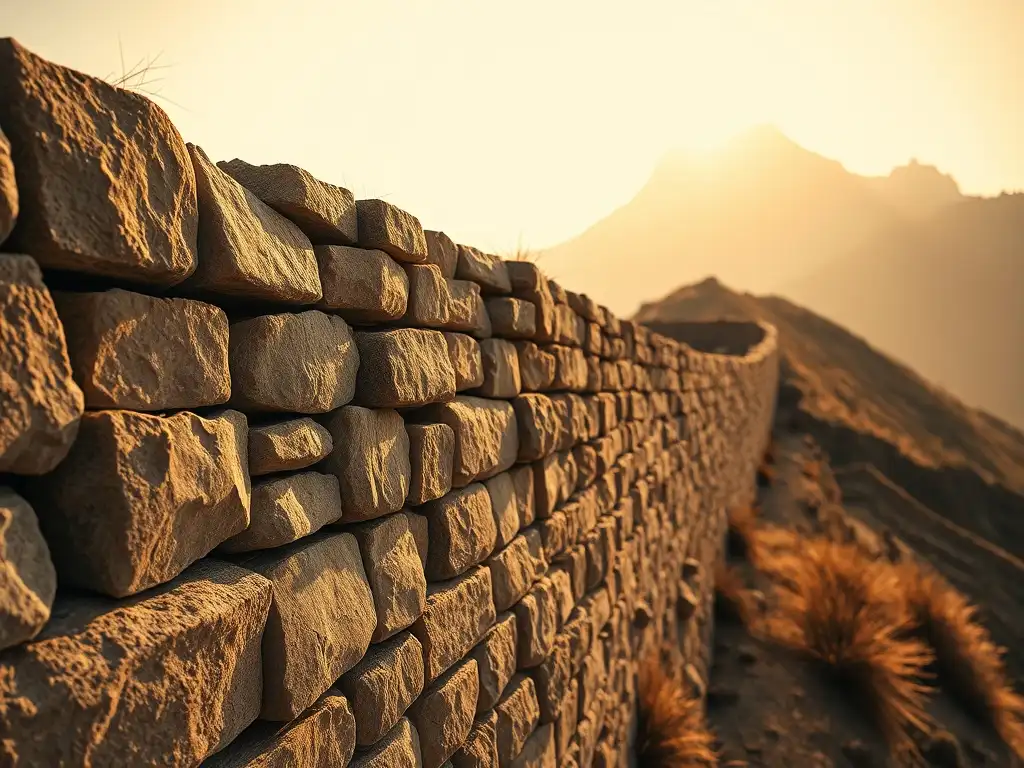
The Incas' mastery of stonework is legendary, particularly their ability to construct earthquake-resistant structures that have withstood the test of time and numerous seismic events. Their success wasn't due to magic, but rather a sophisticated understanding of engineering principles combined with meticulous craftsmanship. This section delves into the key techniques that enabled the Incas to build their famously resilient stone walls, showcasing their advanced knowledge of structural integrity and adaptability to the Andean landscape.
We'll explore how the careful selection and placement of stones, coupled with innovative construction methods, resulted in buildings that not only stood the test of time but also withstood powerful earthquakes. Understanding these techniques reveals a level of architectural sophistication far surpassing what many initially assume about pre-Columbian societies. The keyword "Inca earthquakeproof stone walls" is central to this analysis.
Precisely Cut and Fitted Stones: The Foundation of Stability
The foundation of Inca earthquake-proof walls lies in the incredibly precise cutting and fitting of stones. Inca masons didn't just place stones haphazardly; they meticulously shaped each stone to interlock perfectly with its neighbors. This technique, often referred to as dry-stone masonry, minimized the need for mortar, creating a structure that could flex and absorb seismic energy rather than fracturing under stress. The stones themselves were often enormous, some weighing several tons, requiring incredible skill and precision to shape and position.
This level of precision was not merely aesthetic; it was crucial for the structural integrity of the walls. The tight fit between stones distributed the weight and stress evenly across the entire structure, preventing the concentration of force in any single point which could lead to cracks or collapse during an earthquake. Consider the walls of Sacsayhuamán near Cusco: the sheer size and perfect fit of the stones are a testament to the Inca's remarkable engineering skills and their understanding of earthquake-resistant design.
The precision involved in cutting and fitting these colossal stones, without the aid of modern machinery, is truly awe-inspiring. This level of detail in the construction is a key factor in the walls' ability to withstand seismic activity. Variations in stone size and shape were carefully considered and implemented to further enhance flexibility and stability.
The Use of Ashlar Masonry in Inca Architecture
The Incas frequently employed ashlar masonry, a technique involving the use of precisely cut, rectangular blocks of stone. This method, while seemingly simple, demonstrates a profound understanding of structural mechanics. The uniformity of the blocks allowed for a consistent distribution of weight, minimizing stress points and maximizing the wall's ability to withstand lateral forces—a crucial factor in earthquake resistance.
Furthermore, the carefully chosen stones themselves were often selected for their durability and resistance to weathering and seismic forces. Different types of stone, with varying strengths and properties, were sometimes used in combination to optimize the overall structural performance of the wall. This sophisticated approach to material selection demonstrates a deep understanding of the properties of different stones and their behavior under stress.
The selection wasn't arbitrary; it was part of a larger engineering strategy designed to maximize the longevity and resilience of the structures. Analysis of Inca ashlar masonry reveals a sophisticated understanding of material science and engineering principles far ahead of its time.
Unique Inca Mortarless Construction: A Flexible System
Unlike many other ancient civilizations, the Incas often built their walls without mortar. This seemingly unconventional approach was, in fact, a brilliant solution for earthquake-resistant construction. The absence of mortar allowed the walls to flex and absorb seismic energy more effectively. Mortar, while providing initial strength, can become a point of weakness during an earthquake, as it is more brittle than stone.
The tightly fitted stones in Inca walls, on the other hand, acted as a single, monolithic unit, capable of withstanding significant lateral movement without fracturing. This flexibility was crucial in mitigating the impact of seismic waves. The intricate interlocking of stones created a system that could absorb and dissipate energy, preventing catastrophic failure. The careful selection of stones, their precise shaping, and their interlocking arrangement, all contributed to this remarkably flexible and resilient system.
The absence of mortar wasn't a sign of technological limitation, but rather a deliberate engineering choice reflecting a sophisticated understanding of structural mechanics and seismic forces. This innovative approach is a key element in understanding the remarkable earthquake resistance of Inca stone walls. The "Inca earthquakeproof stone walls" are a testament to this ingenious construction method.
The Importance of Inclined Walls in Seismic Zones
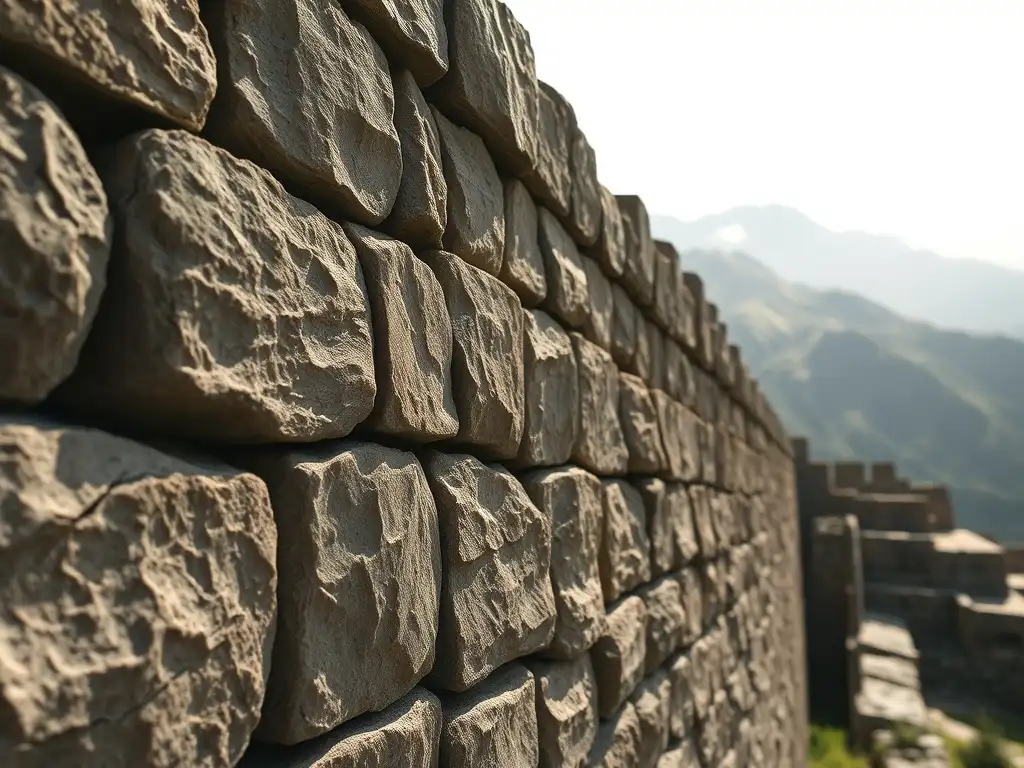
The Incas' mastery of earthquake-resistant architecture is strikingly evident in their use of inclined walls. This wasn't a stylistic choice; it was a crucial engineering solution directly addressing the seismic activity prevalent in the Andes Mountains. Unlike vertical walls that offer little resistance to lateral forces generated during an earthquake, inclined walls, slightly leaning inwards, significantly improve stability. The inward slope allows the walls to better absorb and distribute seismic energy.
Imagine a vertical wall acting like a rigid lever during an earthquake—the force concentrates at the base, potentially causing collapse. An inclined wall, however, acts more like a sturdy wedge, dissipating the force across a larger area and minimizing the stress on any single point. This ingenious design principle, refined over centuries of construction and adaptation to the Andean environment, allowed Inca structures to withstand tremors that would easily topple less sophisticated buildings.
The angle of inclination itself varied depending on the magnitude of expected seismic activity and the specific geological conditions of the site, demonstrating a sophisticated understanding of structural mechanics. Archaeological evidence shows that the degree of inclination was carefully calculated and implemented, highlighting the advanced knowledge of the Inca engineers and their deep understanding of the forces at play. This is a testament to their ability to adapt their building techniques to the environmental challenges they faced.
How Inca Walls Withstood Earthquakes Through Interlocking
The remarkable resilience of Inca stone walls against earthquakes is also attributable to the ingenious interlocking system used in their construction. Instead of relying on mortar, the Incas skillfully fitted stones together with incredible precision, creating a structure that acted as a single, monolithic unit. These perfectly cut stones, often weighing several tons, were meticulously shaped and placed to interlock like pieces of a massive three-dimensional puzzle. The fit was so precise that even a knife blade could barely slip between the stones.
This intricate interlocking system, combined with the inclined walls, acted as a powerful shock absorber, distributing seismic forces throughout the entire structure. When seismic waves hit the wall, the energy was not concentrated at a single point, but rather dissipated throughout the interlocking stones. This minimized stress concentration and prevented the wall from fracturing or collapsing. The absence of mortar further enhanced this resilience.
While mortar can be brittle and crack under stress, the interlocking stones moved together as a unit, maintaining structural integrity even during significant ground movement. This innovative technique, showcasing a profound understanding of structural mechanics and material science, allowed Inca buildings to withstand centuries of earthquakes, a feat unmatched by many later construction methods. The meticulous craftsmanship and the genius of the interlocking system are key elements in understanding the durability and earthquake resistance of Inca stone walls. The survival of many Inca structures to this day is a direct result of this sophisticated technology.
The Science Behind Inca Earthquake Resistance
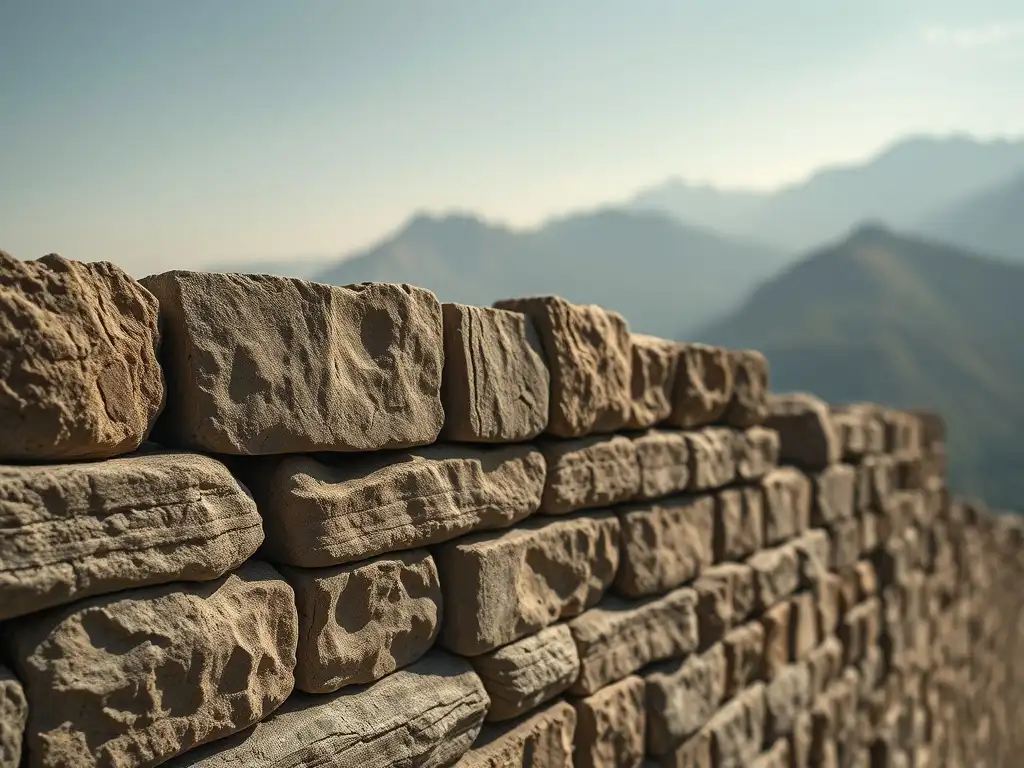
The remarkable resilience of Inca stonework, particularly their earthquake-proof walls, is a testament to their advanced understanding of engineering principles and their deep connection to their environment. While the exact techniques remain partly shrouded in mystery, modern scientific analysis reveals fascinating insights into their mastery of seismic engineering. The Incas didn't simply pile stones together; they developed sophisticated methods that harnessed the very nature of earthquakes to their advantage.
This involved a multifaceted approach encompassing precise stone cutting, innovative fitting techniques, and a keen awareness of local geology. Their success is not just a matter of chance but a result of meticulous planning and execution, demonstrating a level of technological sophistication far beyond what was previously assumed. Understanding the science behind their success allows us to appreciate the ingenuity of Inca builders and to learn from their sustainable and resilient building practices.
The key to their success lay in a combination of factors, each contributing to the overall stability and earthquake resistance of their structures. Let's delve deeper into the specifics.
Analyzing Inca Masonry Techniques
Inca stone masons employed incredibly precise techniques to achieve incredibly tight fits between stones. This wasn't just about aesthetics; the minimal gaps between stones significantly enhanced the structures' ability to withstand seismic forces. Instead of using mortar, which would have cracked under stress, the Incas relied on incredibly precise cuts and shaping, resulting in a dry-stone construction known as ashlar masonry.
Analysis of Inca sites reveals the masterful precision of their work. Stones were often cut to fit together with such accuracy that even a knife blade couldn't be inserted between them. This interlocking system acted as a natural shock absorber, distributing seismic energy across the entire wall rather than concentrating it at specific points.
This is a key element in the understanding of "Inca earthquakeproof stone walls". The meticulous craftsmanship is evident in the uniformity of the stones and the near-perfect interlock, showcasing a deep understanding of structural integrity. Furthermore, the use of different stone types, chosen for their specific properties, added another layer of complexity to their construction methods.
Consider the following table comparing modern and Inca masonry techniques:
| Feature | Modern Masonry | Inca Masonry |
|---|---|---|
| Binding Agent | Cement, Mortar | None (Dry-stone construction) |
| Stone Precision | Variable, often imperfect | Extremely precise, near-perfect fit |
| Seismic Resistance | Moderate, depends on mortar quality | High, due to interlocking stone system |
| Construction Time | Relatively fast | Significantly longer, requiring skill |
Inca Engineering Adaptations for Seismic Activity
The Incas didn't just focus on the precise fitting of stones; they also adapted their building techniques to the specific geological conditions of the site. They skillfully incorporated the natural contours of the landscape into their designs, using the slope of the land to create additional stability. This meant that their structures were not only resistant to earthquakes but also blended harmoniously with their surroundings, minimizing environmental impact.
For instance, the shape and orientation of the walls often followed the natural curves of the hillsides, creating a more resilient structure. This adaptation significantly reduced the risk of landslides and ground shifts, further enhancing the overall stability of their structures. In addition, the Incas strategically used different types of stone in their constructions, selecting materials with varying properties to optimize seismic performance.
This demonstrates a sophisticated understanding of material science and its application in engineering. They also employed techniques such as varying the thickness of walls and using stepped foundations to further distribute seismic forces.
The Role of Keystone Placement in Wall Stability
While not as prominently featured as in some other architectural styles, the placement of keystones played a crucial role in the stability of Inca walls. Although not always visually apparent, strategically placed larger stones acted as anchors, reinforcing the entire structure. These weren't necessarily positioned centrally like in archways, but rather were embedded within the wall itself, often in locations identified as points of potential weakness or stress.
These keystones acted as additional points of support, distributing stress more effectively and minimizing the impact of seismic shocks. Their placement wasn't random; it was likely determined through observation of the site's geology and an understanding of the potential stress points during seismic activity. The careful planning and precise execution of keystone placement, along with other engineering marvels, contributed to the exceptional durability of Inca "earthquakeproof stone walls".
Further research into the precise methods used for identifying optimal keystone locations is needed to fully understand this aspect of Inca engineering. The placement of these keystones, combined with the other techniques already discussed, created a synergistic effect, significantly enhancing the overall earthquake resistance of the structures.
Inca Construction as a Model of Passive Earthquake Resistance
Inca stonework, renowned for its precision and longevity, showcases a remarkable example of passive earthquake resistance. Unlike modern techniques that actively resist seismic forces, Inca builders employed ingenious methods that allowed structures to absorb and dissipate earthquake energy. This passive approach, developed over centuries, proved remarkably effective in protecting buildings from the frequent tremors that characterize the Andean region. The key to their success lay in a combination of meticulous craftsmanship, material selection, and an understanding of geological principles.
Their mastery of these techniques resulted in structures that not only survived centuries but also withstood numerous powerful earthquakes. This is a testament to the sophistication of their engineering knowledge, far surpassing the capabilities of many contemporary societies. The legacy of Inca construction continues to inspire modern earthquake-resistant building designs, highlighting the enduring value of traditional knowledge.
Research into Inca building methods provides invaluable insights for developing sustainable and resilient infrastructure in seismically active zones around the world. Understanding their techniques allows us to move beyond simply withstanding earthquakes to building structures that can seamlessly integrate with the natural environment and minimize damage during seismic events. The Inca’s approach emphasizes harmony between human construction and the forces of nature, a philosophy worth emulating in modern engineering.
Inca Architectural Innovations: Beyond Earthquake Resistance
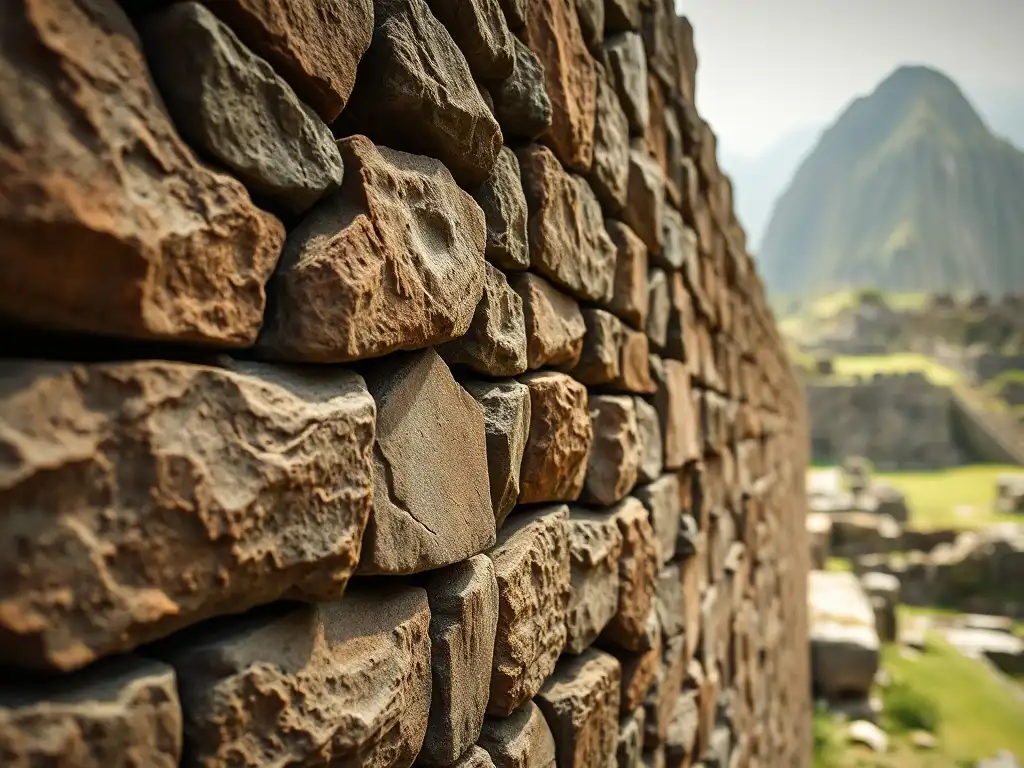
The Inca Empire's mastery of earthquake-resistant stonework is legendary, but their architectural innovations extended far beyond simply building structures that withstood seismic activity. Their understanding of physics, engineering, and even aesthetics contributed to a building style that remains both awe-inspiring and remarkably functional centuries later. The precision and artistry involved in Inca construction demonstrate a sophisticated knowledge base surpassing many contemporary societies. The term "Inca earthquakeproof stone walls" only scratches the surface of their impressive achievements. Understanding their techniques requires appreciating the broader context of their architectural philosophy.
The Aesthetic Beauty of Inca Stonework
Beyond the impressive structural integrity of Inca stone walls, the aesthetic beauty of the work is undeniable. The Inca masons didn't simply stack stones; they crafted them into intricate, interlocking patterns. The famous ashlar masonry, characterized by precisely cut, perfectly fitting stones, is a testament to their skill and artistry.
These stones, often polygonal in shape, were fitted together without mortar, showcasing an understanding of structural mechanics that minimized the need for binding agents. The fit was so precise that even a knife blade couldn't be inserted between many of the stones. This precision wasn't merely decorative; it contributed to the walls' ability to absorb seismic energy, distributing the stress across a larger surface area.
Consider the walls of Sacsayhuamán: the sheer scale and the impeccable fit of the massive stones are breathtaking, a powerful symbol of Inca ingenuity and artistic sensibility. The artistry wasn't limited to the large stones; smaller, meticulously carved stones were often used to fill gaps and complete the intricate patterns, demonstrating a dedication to detail that is rare even in modern construction. The visual impact of this meticulous work, combined with its structural efficiency, represents a high point in ancient Andean architecture.
Inca Stone Quarries and Transportation Methods
The source of the impressive stones used in Inca construction is a crucial aspect of understanding their engineering prowess. Inca quarries were located considerable distances from many construction sites, requiring sophisticated methods of extraction and transportation. Evidence suggests the use of various tools, including copper and bronze chisels, to shape the stones, followed by meticulous polishing to achieve the desired fit.
The transportation of these massive stones, some weighing many tons, across challenging Andean terrain is a feat of engineering in itself. While the exact methods remain a subject of ongoing research, theories suggest the use of ramps, rollers, levers, and possibly even sophisticated systems of ropes and pulleys. The sheer logistical challenge of moving such large stones over long distances highlights the organizational capabilities and advanced engineering knowledge of the Inca civilization.
The precise planning and coordination required for these projects underscores the Inca's exceptional capacity for large-scale undertakings, further enhancing their reputation for sophisticated engineering solutions. [Specific information pending on the exact tools used in different quarries].
The Legacy of Inca Engineering in Modern Construction
The principles of Inca earthquake-resistant construction continue to inspire modern engineers. The use of interlocking stones, minimizing mortar, and distributing seismic stress are all techniques that resonate with contemporary earthquake-resistant building practices. While modern materials and technology have advanced significantly, the fundamental principles of structural stability demonstrated by the Inca remain relevant.
The Inca's ability to create structures that withstand the forces of nature, using only relatively simple tools and materials, serves as a powerful reminder of the ingenuity and resilience of ancient civilizations. Furthermore, the Inca's sustainable approach to construction, utilizing locally sourced materials and minimizing waste, offers valuable lessons for modern architects and engineers striving for environmentally friendly building practices.
The study of Inca stonework continues to offer valuable insights into sustainable and resilient building techniques, demonstrating the enduring legacy of their architectural innovations. The legacy of Inca engineering is not just about replicating their methods; it's about understanding and applying their principles of resilience, precision, and sustainability in contemporary contexts.
Exploring Inca Sites: Witnessing Earthquake-Proof Walls Firsthand
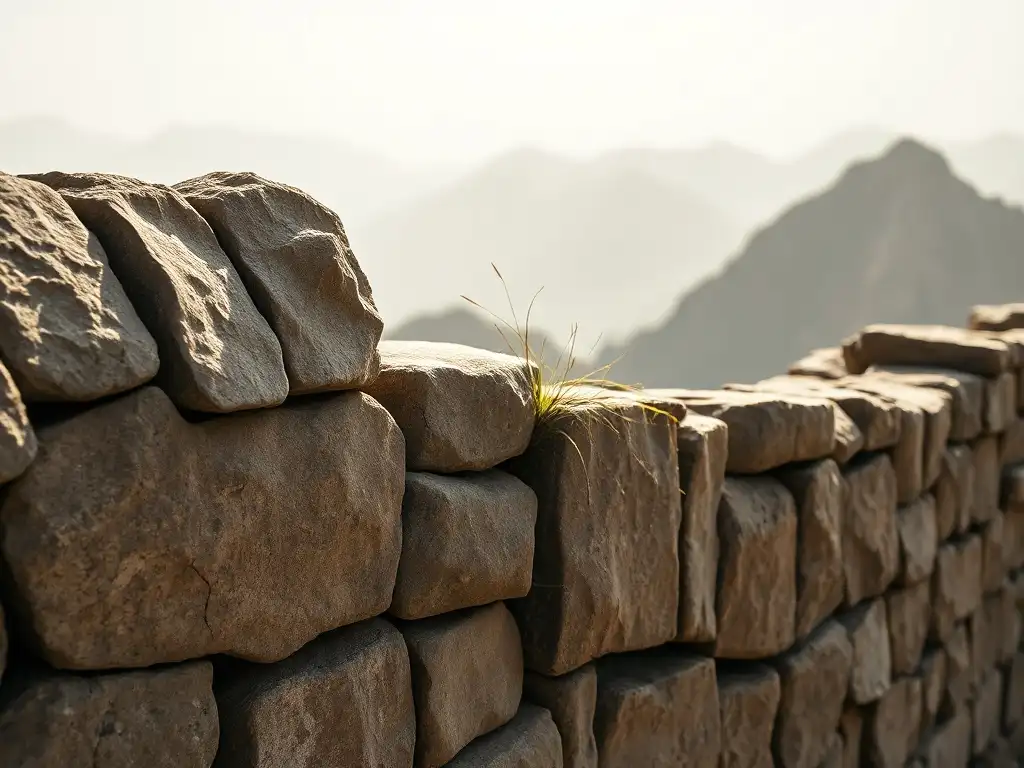
This section delves into the practical observation of Inca earthquake-resistant stonework, focusing on key sites that showcase their mastery of engineering. Understanding these structures firsthand allows us to appreciate the ingenuity and sophistication of Inca construction techniques, solidifying our understanding of how they achieved such remarkable stability in seismically active regions. The Inca's impressive ability to construct earthquakeproof stone walls remains a testament to their advanced knowledge of structural engineering and their deep understanding of the Andean landscape. This section will concentrate on specific examples, demonstrating the principles behind their success.
Sacsayhuamán: A Fortress Exemplifying Inca Earthquake Resistance
Sacsayhuamán, located near Cusco, Peru, stands as a prime example of Inca earthquake-proof stone walls. This imposing fortress, with its cyclopean walls composed of massive, precisely fitted stones, showcases the pinnacle of Inca architectural prowess. The sheer scale of the stones, some weighing over 100 tons, is breathtaking. More importantly, the meticulous craftsmanship is evident in the incredibly tight fit of these colossal blocks.
There is minimal mortar used, relying instead on the precise shaping and placement of the stones to achieve structural integrity. This innovative approach demonstrates a deep understanding of physics and engineering principles, allowing the structure to withstand the powerful tremors that frequently affect the region. The impressive stability of Sacsayhuamán, even after centuries of earthquakes, is a compelling testament to the effectiveness of their techniques. The fortress's survival through numerous seismic events underscores the resilience of the Inca earthquakeproof stone walls.
Analysis of the Interlocking Stone Technique at Sacsayhuamán
The key to Sacsayhuamán's earthquake resistance lies in the intricate interlocking stone technique employed by the Inca masons. Instead of relying on mortar, the stones are precisely shaped and fitted together, creating a remarkably strong and flexible structure. This puzzle-like arrangement allows the walls to absorb seismic energy, distributing the force across the entire structure rather than concentrating it at single points.
Careful observation reveals that the stones are not uniformly shaped; instead, they possess irregular shapes that interlock like pieces of a three-dimensional jigsaw puzzle. This irregular shape, when combined with the precise fit, creates a remarkable level of stability. Furthermore, the varying sizes of the stones further enhances the wall's ability to absorb and dissipate seismic energy.
The ingenious design creates a structure that is both strong and flexible, a crucial combination for withstanding earthquake forces. This unique interlocking system is a cornerstone of Inca earthquakeproof stone wall construction.
Lessons Learned from Sacsayhuamán's Construction
The lessons learned from studying Sacsayhuamán's construction are invaluable for modern engineering and earthquake-resistant design. The Inca's mastery of dry-stone masonry, their understanding of seismic forces, and their innovative approach to structural design continue to inspire architects and engineers today. The precision and intricacy of the interlocking stone technique highlight the importance of meticulous planning and execution in earthquake-resistant construction. The use of locally sourced materials, combined with a deep understanding of the local geology, demonstrates a sustainable and environmentally conscious approach to building.
The absence of mortar, a material prone to deterioration and weakening over time, further enhances the long-term durability of the structure. Sacsayhuamán's enduring legacy is not simply a testament to Inca engineering prowess but also a valuable source of knowledge for modern construction practices. It serves as a reminder that a deep understanding of local conditions and innovative design principles are essential for creating resilient and sustainable structures in seismically active areas. The study of Inca earthquakeproof stone walls continues to yield insights into improving earthquake-resistant building techniques worldwide.
Conclusion: The Enduring Legacy of Inca Stonework
The mastery of Inca stonework, particularly their ability to construct earthquake-proof walls, stands as a testament to their advanced engineering skills and profound understanding of structural mechanics. Their techniques, developed over centuries, continue to fascinate and inspire architects and engineers today. The precision and durability of their constructions are remarkable, considering the tools and materials available to them.
The legacy of Inca stonework isn't merely aesthetic; it represents a sophisticated approach to building that successfully addressed the seismic challenges of the Andean region. Understanding their methods offers valuable insights into sustainable and resilient construction practices relevant even in our modern world. Further research into Inca building techniques could unlock secrets to creating more earthquake-resistant structures, benefitting communities globally.
The precise methods used for cutting and fitting stones, the meticulous planning involved in the construction of walls, and the overall innovative approach are all aspects worthy of continued study and admiration. The Inca's understanding of the properties of the local stones, their ability to use them effectively, and their careful consideration of the natural landscape all contributed to the longevity and resilience of their buildings. This legacy of innovation is a powerful reminder of the ingenuity of the Inca civilization.
The Remarkable Engineering Skills of the Inca Civilization
The Inca's skill in building earthquake-proof stone walls wasn't a matter of luck; it was a direct result of remarkable engineering prowess. Their understanding of stress distribution and load bearing was sophisticated, allowing them to create structures that could withstand powerful seismic activity. They achieved this without mortar, relying instead on incredibly precise stone cutting and fitting. This precision allowed the stones to interlock tightly, creating a strong, flexible structure that could absorb seismic energy rather than collapsing under its pressure.
Consider, for instance, the iconic walls of Sacsayhuamán: the massive stones, some weighing many tons, are fitted together so seamlessly that a knife blade cannot be inserted between them. This level of precision is breathtaking and showcases a deep understanding of geometry and engineering principles. The Inca’s mastery extended beyond simply cutting and fitting; they also carefully selected stones based on their properties and the specific needs of the construction. Different types of stone were used for different purposes, optimizing the overall strength and resilience of the structure.
This careful consideration of materials and their properties underscores the advanced knowledge of the Inca engineers. They weren't merely builders; they were master problem-solvers, adept at adapting their techniques to the challenges of the terrain and the seismic environment. Their achievements serve as a powerful reminder of human ingenuity and the ability to overcome seemingly insurmountable obstacles.
Applying Inca Principles to Modern Construction Challenges
The Inca's approach to earthquake-resistant construction offers valuable lessons for modern engineers. While we have advanced technology and materials, some of their fundamental principles remain strikingly relevant. For example, the Inca's emphasis on precise stone fitting and the creation of interlocking structures is a concept that can be adapted to modern construction using different materials. The focus on creating flexible structures that can absorb seismic energy, rather than rigidly resisting it, is a key principle in modern earthquake engineering.
The Inca's example highlights the importance of understanding the local geology and adapting building techniques to the specific environmental challenges. Researchers are currently studying the Inca's techniques to develop new methods for building earthquake-resistant structures. This includes investigating the use of natural materials and exploring ways to incorporate the principles of interlocking and flexibility into modern designs. Some modern buildings already incorporate aspects of Inca techniques, such as the use of dry-stone construction in certain applications.
However, there's still much to learn from the Inca's ingenuity, and further research could lead to significant advancements in earthquake-resistant construction. The potential benefits are enormous, especially in seismically active regions around the world. The enduring legacy of Inca stonework is not just a historical marvel; it's a source of inspiration and knowledge that can improve our ability to build safer and more resilient structures for the future. The study of Inca earthquakeproof stone walls continues to provide valuable insights into the field of structural engineering.
Frequently Asked Questions
What made Inca stonework so resistant to earthquakes?
Inca builders employed several techniques, including precisely cut stones fitting together without mortar, interlocking designs, and a foundation of layered stones to absorb seismic shocks. This created flexible structures that could withstand powerful tremors.
How did the Incas cut their stones so precisely?
The Incas used sophisticated stone-cutting tools and techniques, possibly involving copper and bronze tools, and a deep understanding of stone properties to achieve such precision. The exact methods remain partially a mystery.
Were all Inca buildings earthquake-proof?
While Inca stonework techniques were remarkably effective, the level of earthquake resistance varied depending on factors like location, building size, and the specific construction methods employed. Not all structures survived all earthquakes intact.
What other Andean civilizations had advanced stonework?
Many Andean cultures, including the Moche, Nazca, and Tiahuanaco, developed impressive stonework skills. While their techniques differed from the Inca's, they also demonstrated a remarkable understanding of building with stone.
Where can I see examples of Inca earthquake-proof stone walls today?
Many examples of Inca stonework can be seen at sites like Machu Picchu and Sacsayhuamán in Peru. These sites offer tangible evidence of the Inca's mastery of earthquake-resistant construction.
Final Reflection: Echoes of the Andes: A Legacy in Stone
The ingenuity of Inca stonework remains a testament to their profound understanding of engineering and their harmonious relationship with the environment. Their mastery of earthquake-resistant construction, achieved without modern tools or technology, continues to inspire awe and serves as a powerful reminder of the importance of sustainable and resilient design in a world increasingly vulnerable to natural disasters. This knowledge, once confined to the high Andes, now holds global significance in the face of climate change and its associated seismic activity.
The enduring legacy of Inca stonework extends far beyond its architectural achievements; it speaks to a deep cultural understanding of living in harmony with nature. Their meticulous craftsmanship, reflecting a profound respect for their environment and a commitment to community, offers a valuable lesson for contemporary society. The mountains are our teachers,
a Quechua proverb reminds us, highlighting the interconnectedness between human ingenuity and the natural world that the Inca so deeply embodied. This philosophy, woven into the very fabric of their stonework, continues to resonate today, prompting us to reconsider our own relationship with the planet and the structures we build.
Consider the implications of this ancient wisdom. How can we, in our modern world, learn from the Inca's innovative techniques and sustainable practices? You have the power to advocate for more resilient infrastructure, to support research into earthquake-resistant building materials, and to promote a deeper understanding of the interconnectedness between human society and the environment. Let the echoes of the Andes inspire you to build a more sustainable and resilient future, one stone – or one informed decision – at a time.
Unleash Your Inner Architect: Explore Inca Stonework Today!
Thank you for exploring the fascinating world of Inca stonework with us! You've discovered the ingenious techniques that allowed their walls to withstand earthquakes. Now, let's put that knowledge to practical use and connect with the incredible legacy of the Inca civilization.
- **Create a project** inspired by Inca techniques! Gather local stones or similar materials and build a small structure, experimenting with principles of stability and strength. You might be surprised at what you can achieve!
- **Share your knowledge! ** Discuss Inca construction techniques with friends, family, or in online forums—you might be amazed at how history can inspire modern design.
- **Enroll in a workshop** or online course focused on traditional building methods to further your understanding and appreciation of ancient architecture. Many resources are available online and in your community.
What innovative ways can you combine ancient wisdom with modern building practices? The possibilities are endless!