
The Influence of PreInca Cultures on Inca Origin Stories and Myths

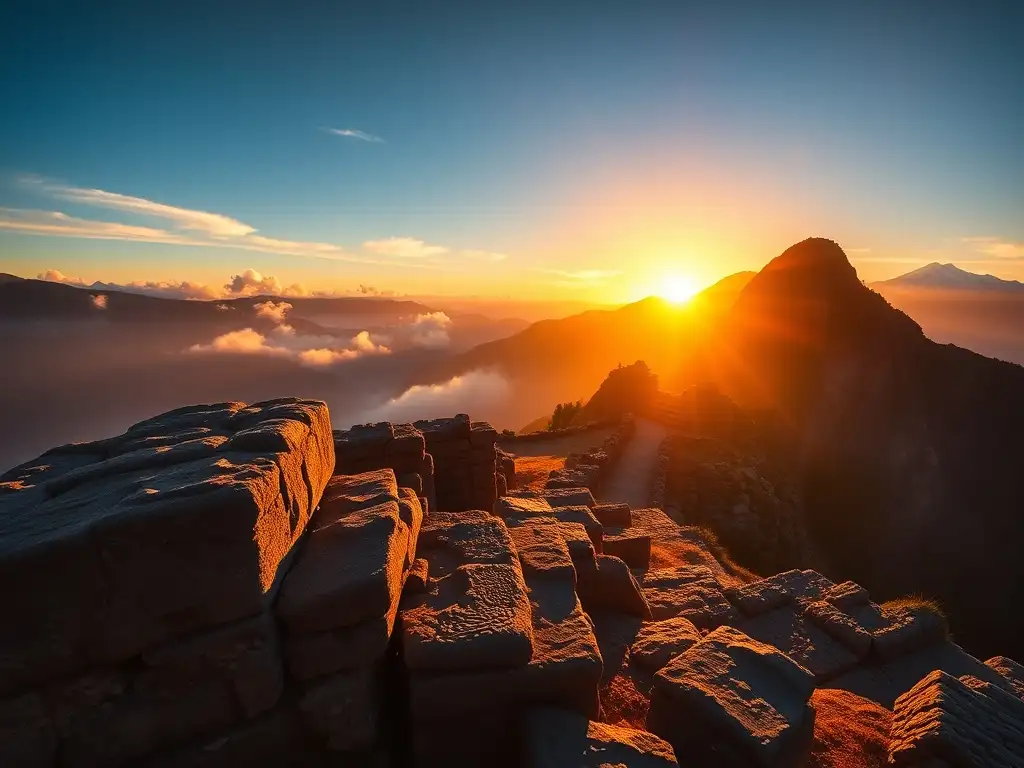
Step into a world lost to time, yet echoing in the majestic Andes. Discover the captivating secrets of the Inca Empire, where towering citadels whisper tales of a civilization shaped by its predecessors. Unravel the mysteries surrounding Inca origin myths and the profound influence of pre-Inca cultures, a legacy woven into the very fabric of Inca identity. Prepare to be amazed as we delve into the rich tapestry of Andean history—a journey that will leave you questioning everything you thought you knew.
The Inca Empire, renowned for its sophisticated infrastructure and vast territorial reach, left behind a rich tapestry of myths and legends. However, understanding the origins of Inca beliefs requires delving deeper than the empire itself. This article explores the significant influence of pre-Inca cultures on the development of Inca origin stories and mythology.
We will examine how the Andean worldview, shaped over millennia by preceding civilizations like the Chavín, Moche, and Tiahuanaco, profoundly impacted the narratives and cosmological beliefs that became central to Inca identity and imperial ideology. By exploring these pre-Inca influences, we gain a richer appreciation for the complexity and depth of Inca mythology, revealing a fascinating story of cultural inheritance and adaptation. The intricate interplay between these cultures underscores the importance of understanding the broader Andean context to fully grasp the Inca's unique cultural heritage.
This exploration will illuminate how the Inca synthesized and reinterpreted existing beliefs, forging a powerful mythology that served both religious and political purposes. Understanding these pre-Inca roots is key to unlocking the true meaning and significance of Inca origin myths.
Understanding Inca Mythology: A Foundation of Andean Beliefs
Inca mythology wasn't born in a vacuum. It represents a culmination of centuries of Andean spiritual and cosmological thought. The Inca worldview was deeply intertwined with the natural world, with mountains, rivers, and celestial bodies holding immense spiritual significance. Their beliefs encompassed a complex pantheon of gods and goddesses, intricate creation myths, and elaborate rituals.
These beliefs weren't solely Inca inventions; they built upon and incorporated elements from preceding Andean cultures, creating a vibrant and evolving system of religious thought. The Inca, masterful synthesizers of culture, absorbed and adapted existing beliefs, forging a unique religious landscape that reflected their imperial ambitions and political strategies. Understanding this foundational layer of pre-Inca influence is critical to interpreting the symbolism and meaning embedded within Inca narratives. This section will lay the groundwork for understanding the broader Andean context that shaped Inca mythology.
Pre-Inca Civilizations: Shaping the Andean Worldview
Several pre-Inca cultures significantly impacted the development of Andean cosmology and religious beliefs. These civilizations, flourishing centuries before the Inca, laid the groundwork for many of the themes and motifs found in Inca mythology. Their artistic expressions, religious practices, and societal structures contributed to a shared Andean worldview that the Inca later inherited and adapted.
The following sections will explore the specific contributions of three key pre-Inca civilizations: the Chavín, the Moche, and the Tiahuanaco. The influence of these cultures reveals the long and complex history of Andean religious and cosmological thought, highlighting the dynamic interplay of cultural exchange and adaptation throughout the region. This shared heritage provided a fertile ground for the Inca to develop their own unique mythology while building upon established traditions and beliefs.
The Legacy of the Chavín Culture on Inca Mythology
The Chavín culture (c. 900 – 200 BCE), known for its iconic artistic style and widespread influence across the Andes, left an indelible mark on subsequent Andean civilizations. Their religious iconography, featuring powerful deities and supernatural beings, likely served as a source of inspiration for later myths and legends. [Specific examples of Chavín iconography and its potential influence on Inca mythology pending].
The Chavín emphasis on a complex pantheon of gods and goddesses, often depicted in intricate carvings and textiles, likely contributed to the rich and diverse religious landscape of the Inca Empire. The stylistic elements and spiritual themes of the Chavín culture resonate throughout subsequent Andean art and religious practices, demonstrating their enduring impact on the development of Inca mythology.
The Moche Civilization's Impact on Inca Origin Narratives
The Moche civilization (c. 100 – 800 CE), known for its sophisticated artistry and elaborate burial practices, provided another layer of influence on Inca mythology. Their intricate ceramic artwork often depicted scenes of mythical beings, rituals, and cosmological events. [Specific examples of Moche pottery depicting mythological scenes and their possible connections to Inca narratives pending].
The Moche's focus on ancestor veneration and their belief in powerful deities associated with the natural world may have influenced the Inca’s own emphasis on these themes. The vibrant and expressive nature of Moche art offers valuable insights into the religious and cosmological beliefs of the time, providing a glimpse into the rich tapestry of Andean mythology that shaped the Inca’s own narratives.
Tiahuanaco's Influence on Inca Cosmology and Creation Stories
The Tiahuanaco culture (c. 1500 – 1100 BCE), with its monumental architecture and sophisticated social organization, played a significant role in shaping Andean cosmology. Their impressive structures, such as the Puerta del Sol (Sun Gate), suggest a sophisticated understanding of astronomy and a strong connection to celestial bodies. [Specific examples of Tiahuanaco architecture and its possible connection to Inca creation myths pending].
The Tiahuanaco's influence on Inca cosmology is evident in the Inca's own emphasis on celestial events and their reverence for the sun. The grandeur of Tiahuanaco's structures and the apparent sophistication of their astronomical knowledge likely contributed to the Inca's own cosmological beliefs and their creation stories. The legacy of Tiahuanaco is visible in the scale and ambition of Inca constructions, reflecting a shared Andean vision of power and cosmic order.
Inca Origin Myths: A Synthesis of Pre-Existing Traditions
The Inca Empire, despite its relatively short lifespan compared to other ancient civilizations, left behind a rich tapestry of myths and legends. However, a closer examination reveals that these stories weren't born in a vacuum. Instead, Inca origin myths represent a sophisticated synthesis of pre-existing traditions, beliefs, and narratives from the diverse Andean cultures that preceded them.
The Inca, masterful administrators and conquerors, cleverly incorporated and adapted existing narratives to legitimize their rule and forge a unified imperial identity. This process of cultural appropriation and reinterpretation is evident in the major Inca origin stories, where we find echoes of earlier Andean cosmologies and beliefs. The careful weaving of these pre-existing threads into the Inca narrative demonstrates a sophisticated understanding of the power of storytelling and the importance of cultural continuity in consolidating power.
The Inca weren't creating entirely new myths; they were skillfully reimagining and repurposing existing ones to serve their own political and ideological goals. This process involved not only the adoption of specific narratives but also the reinterpretation of symbols and iconography, which further strengthened the connection between the Inca and their predecessors.
The Myth of Manco Capac and Mama Ocllo: Exploring Possible Pre-Inca Origins
The most well-known Inca origin myth centers around Manco Capac and Mama Ocllo, siblings who emerged from Lake Titicaca, tasked by the sun god Inti to establish the Inca civilization. While this narrative is central to Inca identity, elements within it hint at pre-Inca influences. The very concept of a divine origin from a sacred lake resonates with similar creation myths found in earlier Andean cultures.
Many cultures revered lakes as sources of life and spirituality, making the choice of Lake Titicaca, a geographically significant and culturally important lake, a powerful symbol of continuity with preceding traditions. Furthermore, the roles assigned to Manco Capac and Mama Ocllo – civilizing the land and establishing social order – echo similar themes found in the origin stories of other Andean groups, suggesting a possible borrowing or adaptation of pre-existing narratives about founding figures.
Scholars continue to debate the precise pre-Inca influences, but the myth's structure and themes strongly suggest a synthesis of pre-existing traditions. The specific details might be Inca innovations, but the underlying framework likely draws upon a broader Andean cultural heritage.
The Pacaritambo Caves: A Pre-Inca Concept of Ancestral Origins?
The Pacaritambo Caves, located in the Cusco region, hold significant importance in Inca mythology, purportedly being the birthplace of the Inca ancestors. However, evidence suggests that these caves were venerated long before the Inca rose to power. Archaeological findings indicate that the caves were used for ritual purposes by earlier Andean cultures, suggesting a pre-Inca connection to the site. The Inca likely inherited this reverence for the caves, incorporating them into their own origin narratives.
This appropriation of a pre-existing sacred site highlights the Inca strategy of integrating existing cultural elements into their own mythology. The caves themselves, therefore, represent a tangible link between Inca mythology and the pre-Inca traditions, demonstrating the continuity of sacred sites and beliefs across different Andean cultures. The use of pre-existing sacred spaces served to legitimize Inca rule by connecting them to a longer, more established spiritual heritage.
Inca Creation Myths and the Influence of Pre-Inca Deities
Inca creation myths often feature a pantheon of gods and goddesses, many of whom exhibit striking similarities to deities worshipped by earlier Andean groups. For instance, the sun god Inti, a central figure in Inca religion, shares characteristics with solar deities found in the mythologies of the Wari, Tiwanaku, and other pre-Inca cultures.
This isn't merely coincidence; it reflects a process of religious syncretism, where the Inca integrated pre-existing deities into their own religious system. This integration was not simply a matter of adopting pre-existing gods; the Inca often redefined or reinterpreted the roles and attributes of these deities within the context of their own imperial ideology.
The resulting pantheon is a complex blend of old and new, reflecting the dynamic interplay between Inca innovation and the appropriation of pre-existing traditions. The continuity of certain deities across different Andean cultures underscores the enduring power of these religious beliefs and their influence on Inca religious practices.
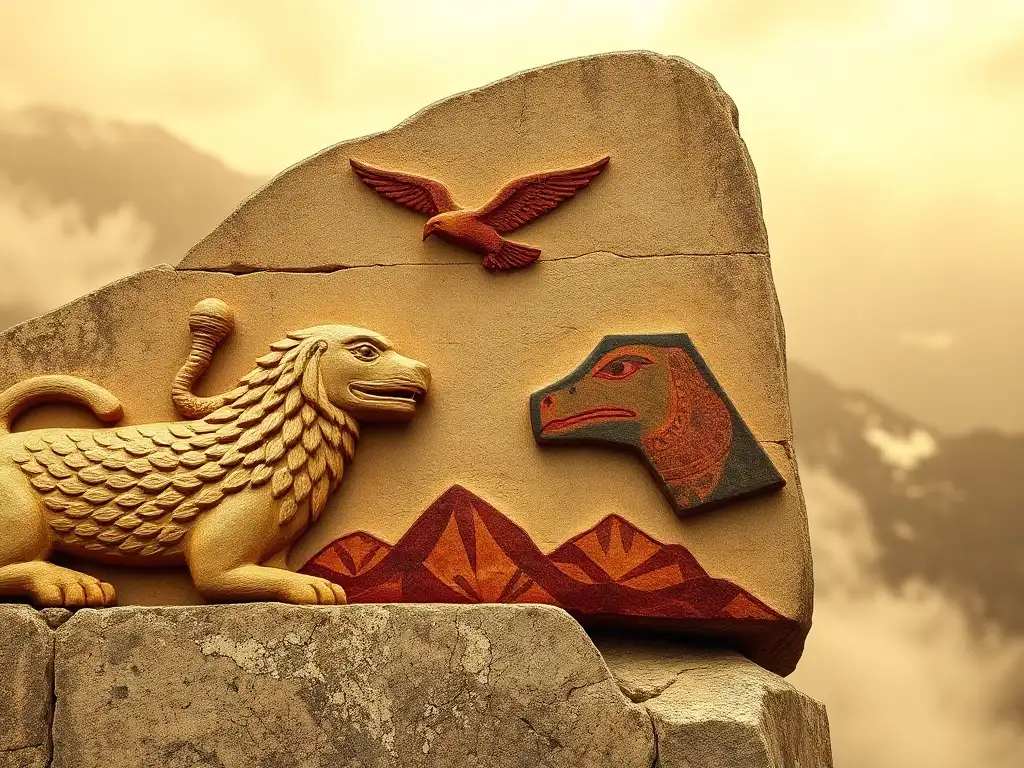
The Inca Empire’s artistic and religious expressions are replete with symbols and iconography that have clear links to pre-Inca cultures. This shared visual language reflects a process of cultural continuity and adaptation, where the Inca adopted and modified existing motifs to serve their own purposes.
The consistent use of these symbols across different Andean cultures demonstrates a shared cultural heritage and the influence of earlier traditions on Inca artistic expression. The deliberate incorporation of these pre-existing symbols into Inca art and religion served to reinforce the connection between the Inca and their predecessors, lending legitimacy to their rule and fostering a sense of unity across the empire.
The Condor, the Puma, and the Serpent: Pre-Inca Symbolism Adopted by the Incas
The condor, puma, and serpent are three powerful symbols frequently found in both pre-Inca and Inca art and mythology. These creatures, representing power, strength, and fertility, held significant meaning in the Andean worldview long before the Inca emerged. Their continued prominence in Inca iconography demonstrates the enduring influence of pre-Inca symbolism on Inca religious and artistic practices.
The Inca adopted these symbols, integrating them into their own iconography, often imbuing them with new meanings within the context of their own imperial ideology. However, the underlying symbolism remained largely consistent across different Andean cultures, highlighting the continuity of cultural beliefs and practices over time. The persistence of these motifs across different periods and cultures highlights their importance in Andean cosmology and the enduring influence of pre-Inca traditions.
The Sun God Inti: Evolution from Earlier Andean Solar Deities
The sun god Inti was a central figure in Inca religion, but his origins are deeply rooted in the pre-Inca traditions of sun worship that were prevalent throughout the Andes. While Inti became the supreme deity in the Inca pantheon, his attributes and iconography share strong similarities with earlier Andean solar deities.
This continuity suggests a process of evolution rather than a complete break with earlier traditions. The Inca, rather than creating a completely new deity, adapted and elevated existing sun worship practices to fit their own imperial ideology.
The evolution of Inti reflects the Inca’s ability to synthesize and adapt pre-existing beliefs into their own religious system, creating a powerful symbol of imperial authority and legitimacy. The shared characteristics of Inti and earlier Andean solar deities emphasize the long history of sun worship in the Andes and the Inca's incorporation of this deeply rooted tradition into their own religious practices.
The Role of Agriculture and Fertility in Pre-Inca and Inca Myths
Agriculture played a pivotal role in the lives of all Andean cultures, and this is reflected in their myths and religious practices. Pre-Inca cultures revered deities associated with fertility, agriculture, and the harvest, and these themes are prominently featured in Inca mythology as well. The Inca maintained and adapted these pre-existing beliefs, integrating them into their own agricultural rituals and religious practices.
The continuity of these themes in both pre-Inca and Inca mythology underscores the importance of agriculture in Andean society and the enduring influence of pre-existing traditions on Inca religious and cultural practices. The emphasis on fertility and the abundance of crops in both pre-Inca and Inca myths demonstrates the profound connection between Andean cultures and their agricultural environment, a connection that shaped their beliefs and practices for centuries.
The Adaptation and Transformation of Pre-Inca Narratives by the Incas
The Inca Empire, at its zenith, controlled a vast and diverse territory encompassing numerous pre-existing cultures with their own rich mythologies and traditions. Rather than simply erasing these existing narratives, the Inca leadership cleverly adapted and transformed them, weaving them into their own imperial ideology. This process wasn't one of simple appropriation; it was a complex negotiation, a constant reinterpretation and recontextualization of older stories to serve the needs of the new imperial power.
The Incas understood the power of narrative and the importance of connecting with the diverse populations under their rule. By incorporating elements from pre-Inca stories, they fostered a sense of continuity and legitimacy, subtly suggesting that their rule was not a disruption but a natural progression, a culmination of existing Andean traditions. This strategy of cultural integration was crucial to maintaining social cohesion and minimizing resistance within the empire.
The Inca's ability to effectively integrate pre-existing narratives highlights their sophisticated understanding of power dynamics and their masterful manipulation of cultural symbols for political gain. This adaptive approach ensured the empire's longevity and its lasting influence on Andean culture.
How the Incas Reinterpreted Pre-Inca Myths to Legitimize Their Rule
One key aspect of this adaptation was the reinterpretation of pre-Inca myths to legitimize their rule and solidify their position as divinely appointed rulers. For example, certain pre-Inca deities and heroes were incorporated into the Inca pantheon, often with their roles and attributes subtly altered to reflect the Inca worldview and reinforce the emperor's authority. This process involved elevating certain figures to positions of prominence within the Inca cosmology while downplaying or reinterpreting the narratives of others.
The narrative of the Inca origins, often linked to the emergence of the first Inca, Manco Capac, was likely influenced by pre-existing creation myths and origin stories from various Andean cultures. These stories, often involving divine beings or powerful ancestors, were re-fashioned to present the Inca lineage as divinely ordained and their rule as a continuation of a long and illustrious history.
By subtly altering and weaving together these different narratives, the Incas created a powerful and persuasive narrative that justified their imperial authority and fostered loyalty among their diverse subjects. This strategic manipulation of pre-existing myths was a crucial element in the Inca’s successful imperial project.
The Political Use of Pre-Inca Symbolism in Inca Imperial Expansion
The Inca's incorporation of pre-Inca symbolism was not merely a matter of cultural assimilation; it was a conscious political strategy employed to facilitate imperial expansion and consolidation of power. By adopting and adapting pre-existing symbols, the Incas effectively neutralized potential resistance and fostered a sense of unity within their diverse empire.
Specific motifs, architectural styles, and religious practices from conquered territories were integrated into Inca imperial projects, signifying the incorporation of these regions into the empire and subtly suggesting a continuity of cultural heritage. This approach cleverly minimized the disruption caused by conquest and fostered a sense of shared identity among diverse populations, contributing to the empire's remarkable stability.
The use of familiar symbols helped reduce friction and facilitated the integration of newly conquered populations into the Inca system. This strategic use of pre-existing symbolism was a powerful tool that helped solidify Inca rule and expand their influence across the Andes.
The Integration of Local Beliefs into the Inca Pantheon
The Inca pantheon wasn't a monolithic entity; it was a dynamic system that actively incorporated local deities and beliefs from the conquered territories. While the sun god, Inti, held a supreme position, local deities were often integrated into the Inca religious system, often retaining much of their original character and significance within their respective regions.
This syncretic approach allowed the Inca to maintain local religious practices while subtly asserting their imperial dominance. The integration wasn't simply a matter of adding new gods to an existing system; it was a complex process of negotiation and adaptation, where the roles and relationships between different deities were carefully redefined to reflect the Inca imperial structure.
This process of religious syncretism was crucial to maintaining social order and preventing widespread religious uprisings during the expansion of the Inca Empire. The flexibility of the Inca religious system allowed for a peaceful coexistence between the imperial religion and local beliefs, fostering a sense of unity and shared identity across the vast empire.
Conclusion: The Enduring Legacy of Pre-Inca Cultures on Inca Mythology
The Interconnectedness of Andean Civilizations
The Inca Empire's mythology wasn't a creation in a vacuum; it was deeply intertwined with the rich tapestry of pre-Inca Andean cultures. The evidence clearly demonstrates the extensive borrowing and adaptation of pre-existing narratives, symbols, and beliefs. This interconnectedness underscores the importance of studying pre-Inca cultures to gain a comprehensive understanding of Inca mythology and the broader Andean cultural landscape. The intricate relationships between different Andean civilizations highlight the dynamism and complexity of Andean cultural development. Ignoring the pre-Inca context risks a significantly incomplete and inaccurate understanding of Inca culture.
The Importance of Understanding Pre-Inca Roots for Inca Studies
Understanding the pre-Inca roots of Inca mythology is crucial for accurate and nuanced interpretations of Inca culture. Without considering the pre-Inca influences, our understanding of Inca beliefs, practices, and worldview would be incomplete and potentially misleading. The intricate layers of cultural interaction and adaptation make it essential to study pre-Inca societies to fully grasp the complexity of Inca civilization. A comprehensive understanding of Inca mythology requires a thorough examination of its pre-Inca antecedents and the processes of cultural exchange and adaptation that shaped it.
Further Research: Exploring the Depths of Pre-Inca Influence on Inca Myths
Further research is needed to fully unravel the complex interplay between pre-Inca cultures and Inca mythology. Detailed comparative studies of specific myths and symbols across different Andean cultures are necessary to shed further light on the processes of adaptation and transformation. Investigating the archaeological evidence, analyzing textual sources (where available), and conducting ethnographic studies in contemporary Andean communities can contribute significantly to a more complete understanding of this fascinating aspect of Andean history.
This area of research promises to yield valuable insights into the dynamics of cultural interaction, power, and identity in the Andean region. The potential for new discoveries and interpretations is immense, promising to enrich our understanding of both Inca and pre-Inca cultures.
- Understanding Inca Mythology: A Foundation of Andean Beliefs
- Pre-Inca Civilizations: Shaping the Andean Worldview
- Inca Origin Myths: A Synthesis of Pre-Existing Traditions
- Shared Symbolism and Iconography: Tracing Pre-Inca Motifs in Inca Art and Religion
- The Adaptation and Transformation of Pre-Inca Narratives by the Incas
- Conclusion: The Enduring Legacy of Pre-Inca Cultures on Inca Mythology
- What is the significance of pre-Inca cultures in understanding Inca origins?
- How did the Moche culture impact Inca mythology?
- What role did the Nazca Lines play in Inca origin narratives?
- Did the Tiahuanaco culture have a direct influence on Inca beliefs about their origins?
- How did the Inca synthesize different pre-Inca influences into their own origin myths?
Frequently Asked Questions
What is the significance of pre-Inca cultures in understanding Inca origins?
The pre-Inca cultures significantly influenced Inca mythology and origin stories. Inca legends often incorporated elements and narratives from earlier Andean civilizations, reflecting a complex process of cultural integration and adaptation. Understanding these influences is crucial to a complete picture.
How did the Moche culture impact Inca mythology?
While not directly influencing Inca origin myths as much as other cultures, Moche artistic representations and sophisticated societal structures might have subconsciously shaped later Andean worldviews. Aspects of Moche iconography may have found echoes in later Inca artistic expressions.
What role did the Nazca Lines play in Inca origin narratives?
The Nazca Lines themselves don't directly appear in known Inca origin myths. However, the Nazca culture's sophisticated astronomical knowledge might have influenced Inca beliefs about the cosmos and their place within it, indirectly shaping their creation stories.
Did the Tiahuanaco culture have a direct influence on Inca beliefs about their origins?
Yes, the Tiahuanaco's advanced civilization and powerful empire significantly impacted the Inca worldview. Inca myths likely incorporated elements of Tiahuanaco's religious beliefs and cosmological ideas, influencing their understanding of their own origins and place in the world.
How did the Inca synthesize different pre-Inca influences into their own origin myths?
The Inca likely selectively adopted and adapted elements from various pre-Inca cultures to create their own unique origin stories. This process involved integrating existing narratives, symbols, and beliefs into a new framework that served to legitimize their own rule and identity.
Final Reflection: Echoes of the Past in Inca Mythology
The enduring legacy of Pre-Inca cultures resonates powerfully within the intricate tapestry of Inca origin stories and myths. These narratives, far from being solely Inca creations, reveal a complex interplay of assimilation, adaptation, and the persistent influence of earlier Andean civilizations. Understanding this interwoven history allows us to appreciate the rich diversity of Andean thought and the dynamic nature of cultural evolution.
The impact of Pre-Inca beliefs on Inca mythology is not merely an academic exercise; it's a crucial lens through which we can understand the very fabric of Inca society and its relationship with the land. The echoes of these earlier cultures continue to shape our understanding of Andean spirituality and cosmology. The past is never dead. It's not even past,
wrote William Faulkner, and this rings profoundly true when examining the persistence of Pre-Inca influences in Inca narratives. These stories, passed down through generations, offer invaluable insights into the continuity and change within Andean cultures.
Consider the profound implications of this interconnected history. You, the reader, now possess a deeper understanding of the complexities behind Inca mythology. Take this knowledge and explore further. Seek out the stories of the Wari, Tiwanaku, and other Pre-Inca cultures. By understanding the roots of Inca mythology, we gain a richer appreciation for the vibrant and enduring legacy of Andean civilization, a legacy that continues to inspire and challenge us today.
Uncover the Rich Tapestry of Andean Myths!
Thank you for exploring the fascinating influence of pre-Columbian cultures on Inca mythology and origin stories! Your journey through this rich history has provided deep insights into the foundational narratives that shaped one of the Andes' most remarkable civilizations.
Now, let's delve even deeper and share the wonder of these ancient tales:
- Expand your knowledge: Explore myths from various pre-Inca cultures, such as the Wari or Tiwanaku, to see how they intertwine with Inca stories. Begin your exploration with our recommended readings on Andean Civilizations .
- Join the discussion: Share your thoughts and insights on our forum. Engage with fellow history enthusiasts and contribute your perspective on how these myths shape our understanding of Andean cultural identity.
- Spread the word: Share this article with friends or on social media, sparking discussions about the lasting impact of ancient Andean civilizations on storytelling today.
What aspects of pre-Inca mythologies resonated most with you, and how do you believe they continue to influence modern narratives?