
The Sacred Water: Climate and Andean Spirituality

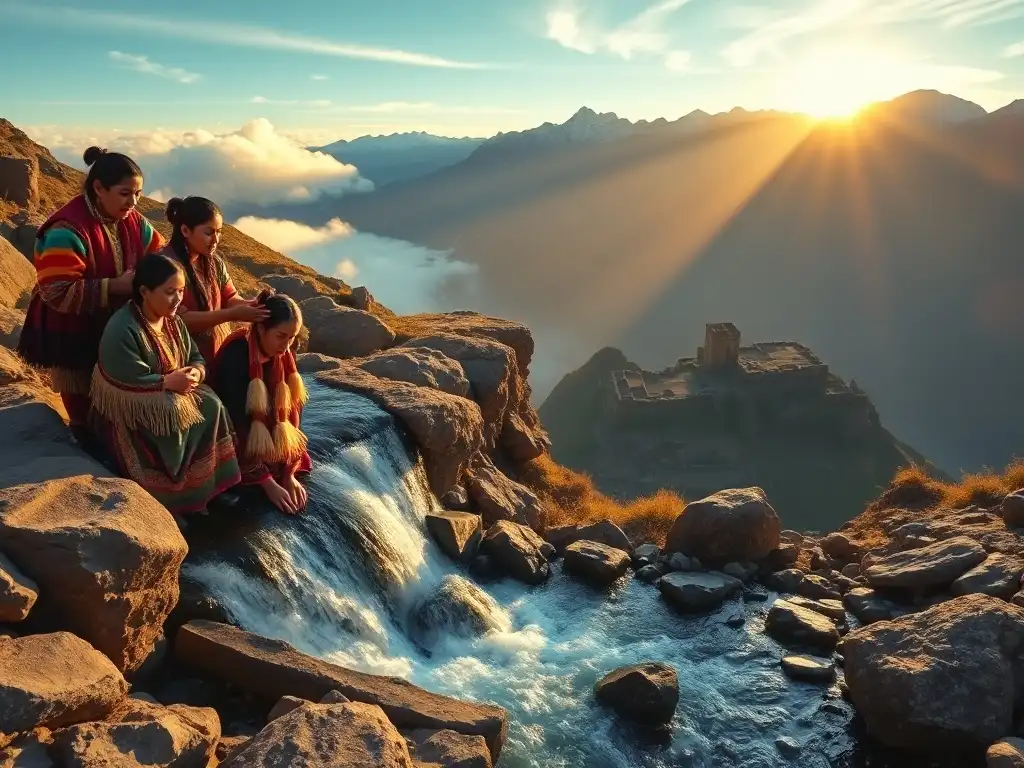
Dive into the captivating world of Andean Civilizations and uncover the secrets of a lost empire. From the towering heights of the Andes to the intricate artistry of their cultures, you're about to embark on a journey through time. But what were the true beliefs behind their mastery of the landscape? Discover the profound connection between climate, spirituality, and life itself, beginning with our exploration of Andean civilizations water rituals. Prepare to be amazed by the ingenuity and spiritual depth of these ancient societies.
Water, a lifeblood coursing through the Andes mountains for millennia, held far more than mere sustenance for the ancient Andean civilizations. It was a sacred element, deeply intertwined with their spirituality, cosmology, and daily life.
This article explores the profound relationship between climate, water management, and the religious practices of cultures like the Inca, Nazca, Moche, and Tiahuanaco, revealing how their survival and spiritual beliefs were inextricably linked to the availability and control of this precious resource. We will delve into the specific rituals, ceremonies, and infrastructure they developed to harness and honor water, demonstrating the crucial role it played in shaping their societies and belief systems.
Understanding this intricate relationship provides invaluable insight into the resilience and ingenuity of these Andean civilizations, and offers a poignant perspective on the challenges they faced—and the parallels we see today with the impacts of climate change. The study of Andean civilizations water rituals offers a unique lens through which to analyze their societal structures and spiritual beliefs, enriching our appreciation for their complex and fascinating history.
Water as a Manifestation of the Divine
The Andean worldview saw water not simply as a physical substance but as a sacred force, a manifestation of powerful deities and spiritual energies. For many Andean cultures, water sources – springs, rivers, lakes – were considered sacred sites, imbued with spiritual power. These weren't just places to collect water; they were locations for rituals, offerings, and communication with the spirit world.
Specific deities were often associated with water, such as the Inca god Tici Viracocha, often depicted as controlling the waters and the creation of the world. The reverence for water extended beyond specific deities; the very act of managing and utilizing water was imbued with spiritual significance, reflecting a deep respect for the natural world and its life-giving forces.
This spiritual connection wasn't just a matter of belief; it was woven into the fabric of daily life, influencing everything from agricultural practices to social structures. Detailed accounts from Spanish chronicles, though often filtered through a colonial lens, offer glimpses into the elaborate ceremonies and rituals surrounding water management.
Andean Water Management Systems and Their Ritual Significance
The ingenious water management systems developed by Andean civilizations weren't simply feats of engineering; they were also deeply intertwined with their spiritual practices. The intricate network of canals, aqueducts, and reservoirs built by cultures like the Inca, for example, weren't just functional; they were also seen as sacred pathways for the flow of life-giving energy. The construction and maintenance of these systems were often accompanied by rituals and ceremonies, designed to appease the water spirits and ensure the continued flow of water.
These rituals included offerings of coca leaves, llama sacrifices (in some cultures), and prayers to ensure the prosperity and well-being of the community. The careful planning and construction of these systems demonstrate a sophisticated understanding of hydrology and a deep respect for the balance of nature.
The integration of spiritual practices into these practical endeavors highlights the holistic worldview of these societies, where the spiritual and material realms were not separate but inextricably linked. Evidence suggests that specific individuals or groups were responsible for maintaining these systems and conducting the associated rituals, highlighting the importance of water management within their social structures.
The Impact of Climate Change on Andean Water Rituals and Beliefs
The impact of climate change on the Andes is undeniable, threatening water resources and challenging the traditional practices and beliefs of the Andean people. Droughts, changes in rainfall patterns, and glacial melt are altering the availability and predictability of water, impacting both agricultural practices and the spiritual rituals that depend on it. The scarcity of water is not merely a practical problem; it also challenges the spiritual connection that Andean communities have cultivated with this vital resource for centuries.
This disruption may lead to adaptations in rituals, the emergence of new beliefs, or even the loss of traditional practices as communities grapple with the effects of a changing climate. Anthropological studies are crucial in documenting these changes and understanding how Andean communities are responding to these challenges, both practically and spiritually.
The interaction between climate change and spiritual beliefs provides a compelling case study of the complex relationship between human societies and their environment. Understanding this dynamic is critical for developing effective strategies for climate change mitigation and adaptation in the region.
- Water as a Manifestation of the Divine
- Andean Water Management Systems and Their Ritual Significance
- The Impact of Climate Change on Andean Water Rituals and Beliefs
Andean Civilizations and the Importance of Water
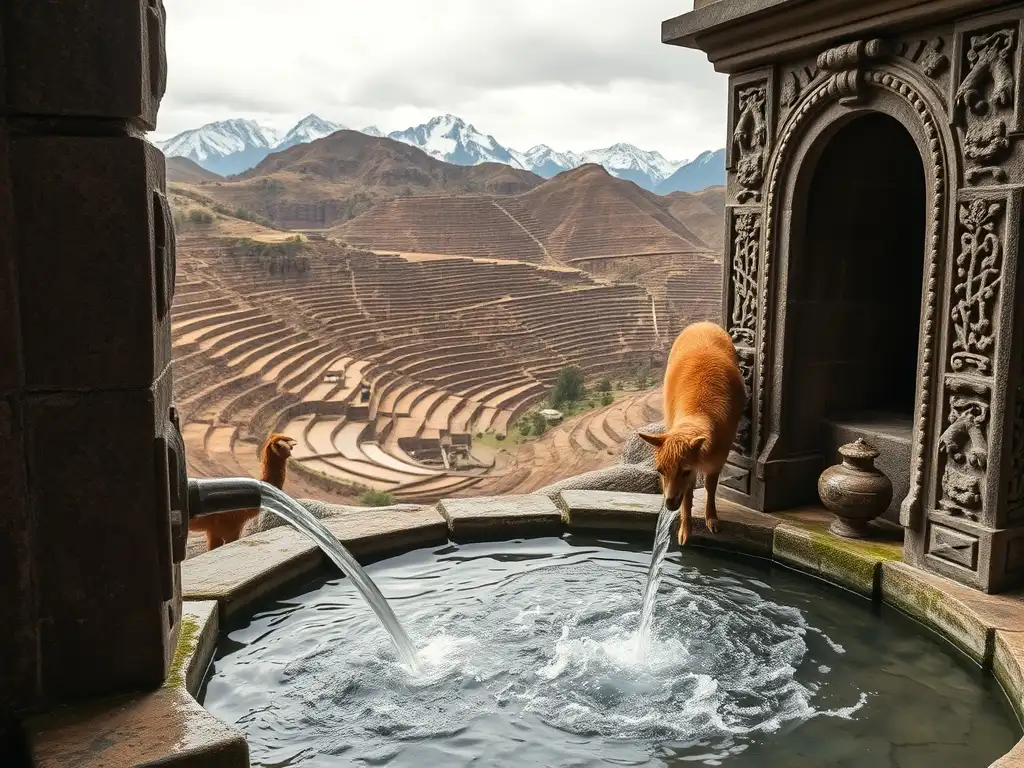
This section delves into the crucial role water played—and continues to play—in the lives and spiritual beliefs of Andean civilizations. Understanding the intricate relationship between these societies and their water resources is key to comprehending their agricultural practices, religious beliefs, and societal structures. The impact of water scarcity, both historically and in the present day, profoundly shaped the development and resilience of these remarkable cultures. Analyzing Andean civilizations' water rituals reveals a deep-seated reverence for this life-giving element, impacting everything from daily life to elaborate ceremonies.
The Vital Role of Water in Andean Agriculture
Water was, and remains, the lifeblood of Andean agriculture. The challenging terrain of the Andes Mountains, characterized by steep slopes, high altitudes, and variable rainfall, necessitated the development of sophisticated irrigation systems. These weren't simply practical solutions; they represented a profound understanding of hydrology and a testament to the ingenuity of Andean engineers. The ingenuity of these systems is remarkable, especially considering the tools available.
For instance, the Nazca civilization, known for their intricate geoglyphs, also built extensive canal networks that channeled water from rivers and streams to their fields, allowing them to cultivate crops in otherwise arid regions. Their understanding of water management allowed them to flourish in a demanding environment. The terraces carved into mountain slopes, a hallmark of Inca engineering, are another prime example.
These weren't just aesthetic features; they were carefully designed to maximize water retention and minimize soil erosion, ensuring optimal crop yields. This intricate system of water management allowed the Inca to support a large and complex empire. Accurate data on the precise yields and efficiency of these ancient irrigation systems is still being researched, but the impact is undeniably significant in understanding Andean agricultural success.
Water as a Sacred Element in Andean Cosmology
Beyond its practical applications, water held immense spiritual significance for Andean civilizations. It was not merely a resource; it was a sacred element, deeply intertwined with their cosmology and religious beliefs. Many Andean cultures viewed water as a manifestation of divine power, a source of life and fertility.
This reverence is evident in numerous rituals and ceremonies surrounding water sources, such as springs, rivers, and lakes. For example, the Inca considered certain springs and lakes to be sacred, associating them with specific deities and offering sacrifices to ensure their continued flow. These rituals weren't merely symbolic; they served a crucial role in maintaining social cohesion and reinforcing the power structures of the empire.
The precise nature of these sacrifices varied between different Andean groups, but often involved offerings of coca leaves, llama wool, and even human sacrifices in some extreme cases. Further research is needed to fully understand the nuances of these practices and their regional variations across different Andean civilizations. The symbolic importance of water is also reflected in their art and iconography, where water motifs frequently appear, symbolizing life, abundance, and divine power.
Andean Societies' Dependence on Irrigation Systems
The dependence on irrigation systems wasn't just limited to agriculture; it shaped the very structure of Andean societies. The construction, maintenance, and management of these systems required collective effort and cooperation, fostering a sense of community and shared responsibility. The distribution of water resources often dictated power dynamics and social hierarchies. Those who controlled access to water held considerable influence and power within their communities.
Moreover, the vulnerability of these systems to drought and other climatic events had profound social and political consequences. Periods of water scarcity could lead to conflict, famine, and social unrest, highlighting the crucial role of water in maintaining stability and social order. Detailed records of such events are often fragmented, making precise quantification of their impact challenging.
However, archeological evidence and historical accounts indicate that periods of drought significantly impacted population density and societal structure within different Andean communities. Understanding this complex relationship between water resources, societal structures, and political power is critical to a complete understanding of Andean civilizations. Further research utilizing advanced techniques like hydrological modeling could provide a more comprehensive picture of the impact of climate variability on Andean societies.
Water Rituals and Ceremonies in Andean Cultures
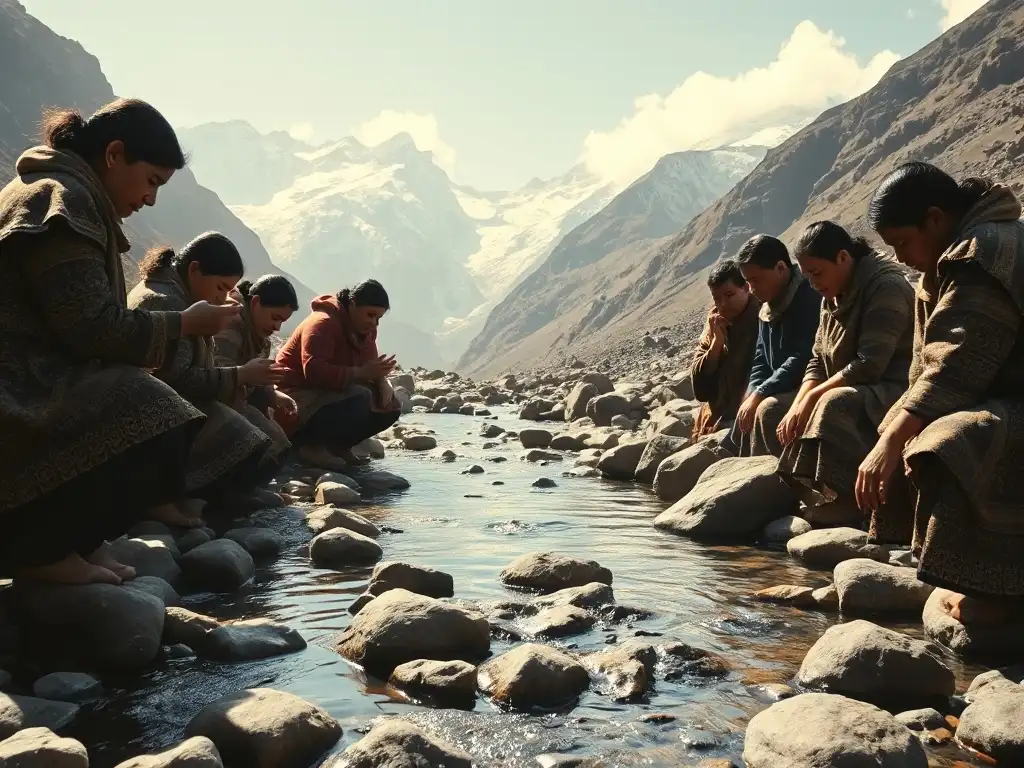
Andean civilizations, renowned for their sophisticated understanding of their environment, deeply intertwined their spiritual beliefs with the vital resource of water. Their reverence for water wasn't merely practical; it formed the bedrock of their religious practices and social structures. Understanding Andean civilizations water rituals provides crucial insight into their worldview and their intricate relationship with the natural world.
The scarcity and unpredictable nature of water in the Andean highlands amplified its sacred significance, shaping elaborate ceremonies and rituals designed to appease the gods and ensure a continuous supply for agriculture and survival. This section explores the diverse expressions of this sacred relationship, highlighting the profound impact of water on Andean spirituality and societal organization.
Andean Water Rituals: A Historical Overview
The reverence for water in Andean cultures is demonstrably ancient, with evidence spanning millennia. Early Andean societies, long before the Inca Empire, developed complex irrigation systems and displayed a clear understanding of the hydrological cycles. This knowledge wasn't solely practical; it was interwoven with their spiritual beliefs.
Archaeological findings, such as the intricate designs on pottery and textiles depicting water deities and rituals, reveal the deep-seated importance of water in their cosmology. For example, the Moche culture, known for its elaborate metalwork and pottery, frequently depicted water deities and scenes of ritual offerings related to water. These representations suggest a sophisticated understanding of the power and life-giving properties of water, going far beyond simple agricultural necessity.
The Nazca lines, though their purpose remains debated, are also believed by some researchers to have been related to water management and possibly astronomical observations related to water cycles, further emphasizing the cultural significance of water. The continuity of water-related rituals across different Andean cultures underscores the enduring power of this belief system.
Significance of Water Offerings in Andean Beliefs
Water offerings were central to Andean spirituality, acting as a means of communication with the apus (mountain spirits) and other deities controlling water sources. These offerings, often involving the pouring of chicha (a fermented corn beverage) or coca leaves into rivers, springs, or lakes, were believed to appease the spirits and ensure the continued flow of water. The act itself wasn't merely symbolic; it was a tangible expression of respect and a plea for the continued well-being of the community.
Failure to perform these rituals was seen as a potential cause of drought or other calamities. The precise nature of the offerings varied across different regions and cultures, reflecting the unique characteristics of local water sources and beliefs. However, the underlying principle of seeking divine favor through respectful offerings remained consistent.
The ritualistic act strengthened the community's bond with their environment and reinforced their dependence on the benevolent forces that governed the water cycle. These rituals were not performed in isolation; they were often integrated into larger community events, creating a shared experience that solidified social cohesion.
The Inti Raymi Festival and Water's Role
The Inti Raymi, the Inca festival celebrating the winter solstice, provides a compelling example of water's integral role in Andean religious ceremonies. While primarily focused on the sun god Inti, water played a significant part in the festivities. The abundance of water was seen as a blessing from the sun god, and the rituals often included symbolic offerings of water to ensure the continuation of this abundance.
The festival's elaborate processions and ceremonies incorporated elements designed to ensure the fertility of the land and the prosperity of the community, with water symbolizing both life and the divine power that sustained it. The precise rituals associated with water during Inti Raymi varied over time and across different regions, but the fundamental connection between the sun, water, and the prosperity of the Inca empire remained central to the celebration.
In essence, the Inti Raymi showcases the deep integration of water into the broader cosmological framework of Andean spirituality, highlighting its importance beyond basic survival needs. The festival served as a powerful reminder of the interdependence between humanity and the natural world, reinforcing the community's commitment to maintaining a harmonious relationship with its environment.
Climate Change and its Impact on Andean Water Sources
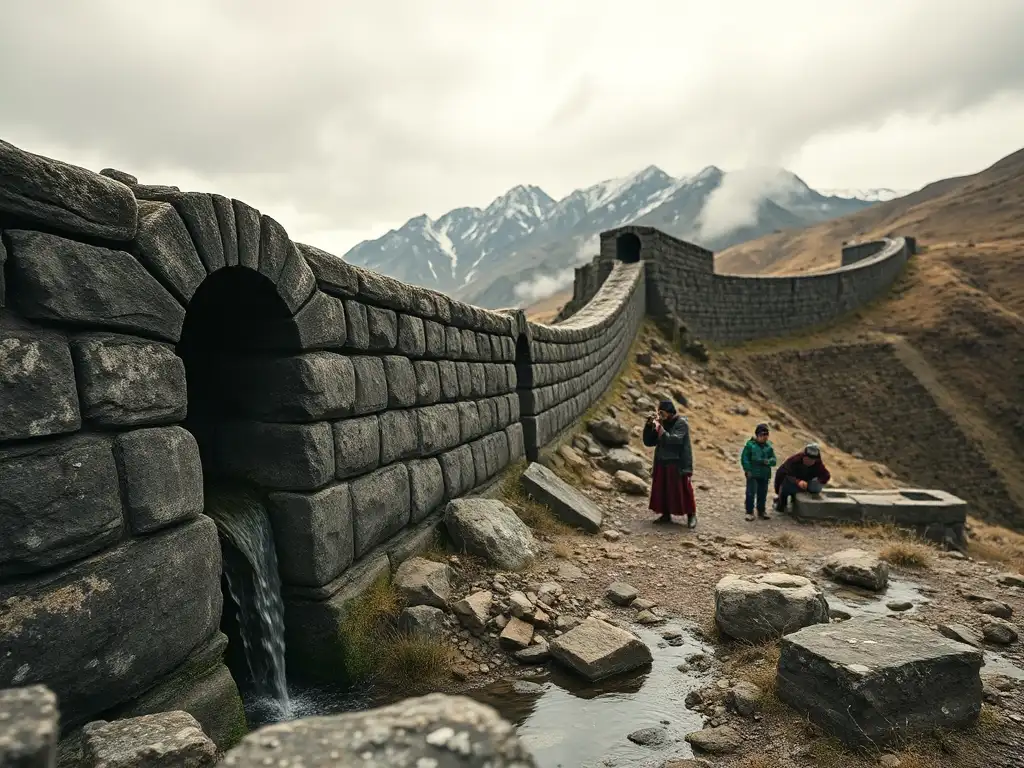
The Andes Mountains, a colossal spine running down the western coast of South America, are a vital source of water for millions. The intricate relationship between Andean civilizations and water, deeply embedded in their spiritual beliefs and agricultural practices, is now severely threatened by climate change. This section explores the multifaceted impact of climate change on Andean water sources, examining how shifting weather patterns are disrupting traditional water management systems and impacting the very fabric of Andean life.
Understanding this complex interplay is crucial for developing effective strategies for adaptation and mitigation. The consequences of inaction are dire, potentially leading to water scarcity, agricultural failure, and displacement of communities deeply rooted in their ancestral lands. The keyword "Andean civilizations water rituals" highlights the profound cultural significance of water, making its preservation a matter of both ecological and cultural urgency.
The Challenge of Climate Change for Andean Communities
Andean communities, many of whom still rely on traditional agricultural methods and water management techniques honed over millennia, face unprecedented challenges due to climate change. The variability and intensity of rainfall are increasing, leading to more frequent and severe droughts and floods. This unpredictability makes it incredibly difficult to plan for crop production and livestock management.
For example, communities in the Altiplano region of Bolivia, historically known for their resilience, are experiencing more erratic rainfall patterns, impacting their potato and quinoa harvests – staples of their diet and economy. This unpredictability is not just affecting agriculture; it also impacts access to potable water, threatening public health and increasing the risk of waterborne diseases. The already fragile ecosystems are further strained, leading to biodiversity loss and increased vulnerability to natural disasters.
These cascading effects underscore the urgent need for climate change adaptation strategies tailored to the specific needs and vulnerabilities of each Andean community. Understanding the traditional knowledge and practices of these communities is essential to building effective and sustainable solutions.
Glacier Melt and its Effect on River Flows
The Andes are home to numerous glaciers, acting as natural reservoirs that regulate water flow throughout the year. However, accelerating glacier melt due to rising global temperatures is significantly altering river flow patterns. Many rivers that rely on glacial meltwater for their baseflow are experiencing reduced water levels during dry seasons, impacting downstream communities reliant on these water sources for irrigation and drinking water.
This is particularly problematic in areas where glacial melt is the primary source of water, as communities have little to no alternative water sources. Studies have shown a significant decline in glacial mass in various parts of the Andes, particularly in the tropical Andes, which directly translates to reduced river discharge during critical periods. The implications are far-reaching, affecting agriculture, hydropower generation, and overall water security in the region.
Predictive modeling and proactive water management strategies are essential to mitigate the negative impacts of glacier melt on Andean water resources. The consequences of inaction could be devastating for these communities, leading to widespread water scarcity and potential conflict over dwindling resources.
Altered Rainfall Patterns and their Impact on Agriculture
Climate change is profoundly altering rainfall patterns in the Andes, leading to increased variability and intensity. While some areas experience more intense rainfall events, leading to devastating floods and soil erosion, others suffer prolonged droughts, severely impacting agricultural production. The unpredictable nature of rainfall makes it increasingly difficult for farmers to plan planting and harvesting cycles, leading to crop failures and reduced yields.
Traditional agricultural practices, often finely tuned to local climatic conditions, are being challenged by these shifting patterns. For instance, the cultivation of native Andean crops like potatoes and quinoa, which thrive under specific temperature and moisture conditions, is becoming increasingly precarious. This agricultural vulnerability has significant socioeconomic implications, contributing to food insecurity, poverty, and migration from rural areas.
Developing climate-resilient agricultural practices, including drought-resistant crop varieties and improved water management techniques, is crucial for ensuring food security and the economic well-being of Andean communities. Investing in research and development of climate-smart agriculture is paramount for the long-term sustainability of Andean livelihoods.
The Spiritual Response to Water Scarcity
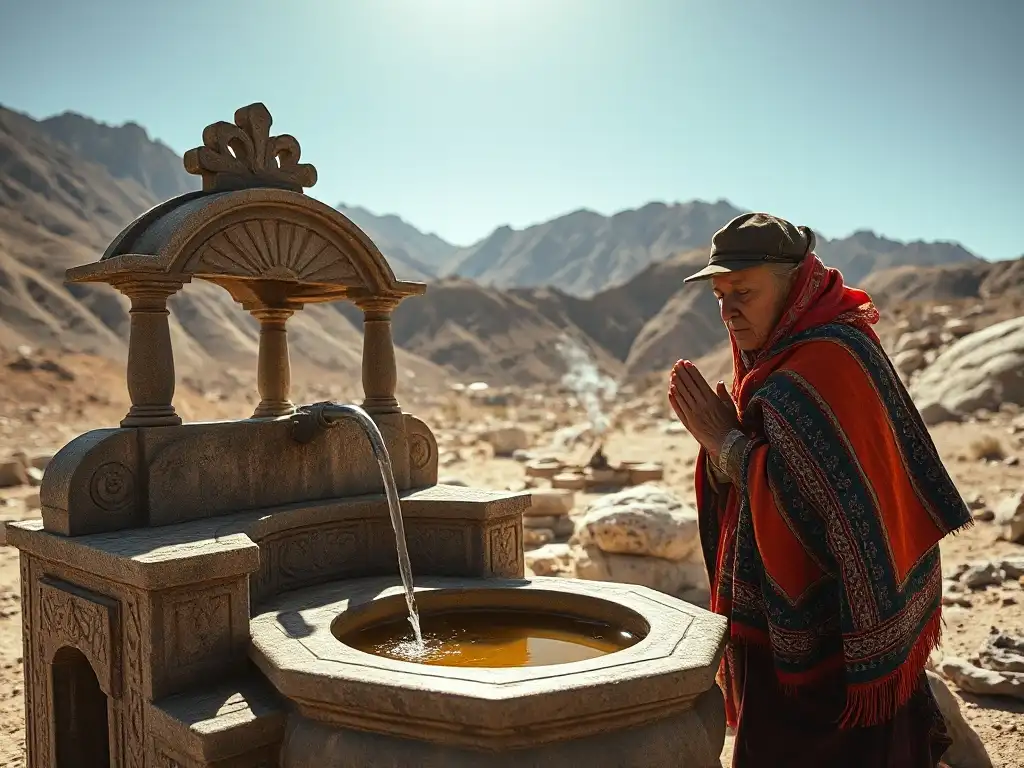
The scarcity of water, a recurring challenge in the harsh Andean environment, profoundly impacted the spiritual beliefs and practices of Andean civilizations. Their relationship with water transcended mere utility; it was deeply intertwined with their cosmology, shaping their worldview and influencing their social structures. Understanding the Andean spiritual response to water scarcity requires examining their intricate belief systems and the rituals developed to appease the forces they believed controlled the vital resource.
This section explores how Andean societies, facing periods of drought and unpredictable rainfall, developed sophisticated strategies that combined practical water management with profound spiritual reverence. The study of these practices offers valuable insights into the resilience and adaptability of these ancient cultures, and highlights the complex interplay between spirituality, environment, and survival.
The impact of water scarcity on their spiritual practices provides a compelling lens through which to understand their unique relationship with their environment. Analyzing "Andean civilizations water rituals" reveals a sophisticated system of beliefs and actions designed to secure a stable water supply.
Andean Spiritual Practices to Seek Water
Andean spirituality viewed water as a sacred element, often personified as powerful deities or spirits. The apu, mountain spirits, were considered guardians of water sources, their favor essential for a bountiful supply. Rituals aimed at appeasing these apu were central to ensuring water security. These rituals often involved offerings, prayers, and ceremonies performed at sacred springs, lakes, and rivers.
For example, the Inca would perform capacocha, a ritual sacrifice of children and animals, to appease the gods and ensure rainfall. While the specifics varied across different Andean cultures (Inca, Moche, Nazca, Tiahuanaco, etc. ), the common thread was the profound respect and reverence for water as a life-giving force demanding respect and appeasement.
Evidence of these practices is found in archaeological discoveries of ceremonial sites located near water sources, showcasing elaborate offerings and intricate designs suggestive of water-related rituals. The frequency and intensity of these rituals likely increased during periods of drought, highlighting the critical role of spirituality in coping with water scarcity. Furthermore, the use of coca leaves and chicha (fermented corn beer) played a significant role in these ceremonies, acting as offerings to the deities associated with water.
The intricate system of huacas (sacred places) further demonstrates the spiritual significance of water. Many huacas were associated with water sources, emphasizing their importance in the Andean worldview. These sites served not only as locations for rituals but also as focal points for community life, reinforcing the social and spiritual dimensions of water management. The preservation of these huacas across generations demonstrates the enduring importance of the spiritual dimension in their relationship with this precious resource. The rituals weren't solely reactive; they were also proactive, seeking to maintain a harmonious relationship with the water spirits to prevent future shortages.
Traditional Knowledge and Water Management
Andean civilizations developed sophisticated systems of water management that were deeply interwoven with their spiritual beliefs. Their understanding of hydrology, combined with their spiritual practices, allowed them to create ingenious irrigation systems, terraces, and reservoirs that maximized water use and minimized losses. This traditional knowledge, passed down through generations, was essential for their survival in a challenging environment.
For example, the intricate canal systems of the Nazca culture, built centuries ago, still stand as a testament to their engineering prowess and their deep understanding of water management. These systems weren't simply engineering feats; they were also imbued with spiritual meaning, reflecting the sacred nature of water in their cosmology. The construction and maintenance of these systems were often accompanied by rituals, ensuring the continued flow of water and the favor of the water spirits.
The integration of spiritual practices and practical water management techniques highlights the holistic approach of Andean societies to resource management. Their understanding of the interconnectedness of spirituality and the environment allowed them to develop sustainable strategies that ensured the long-term availability of water. This approach contrasts sharply with modern, often unsustainable practices that prioritize economic gain over environmental stewardship. Studying their methods offers valuable lessons in sustainable resource management and the importance of integrating ecological and spiritual knowledge. The preservation and application of this traditional knowledge remain crucial for mitigating the impacts of climate change in the Andes today.
Community-Led Initiatives and Spiritual Adaptations
In the face of modern challenges, including climate change and increasing water scarcity, Andean communities continue to adapt their traditional practices, blending ancient wisdom with contemporary needs. Community-led initiatives focusing on water conservation and management often incorporate elements of traditional spirituality, demonstrating the enduring relevance of these beliefs. These initiatives frequently involve collective rituals, ceremonies, and discussions that bring together community members to address water challenges. The integration of traditional knowledge and modern techniques ensures both ecological sustainability and cultural preservation.
For example, many communities continue to perform rituals at sacred springs and lakes, combining these practices with modern water conservation efforts. This blend of ancient traditions and modern science represents a powerful approach to addressing the challenges of water scarcity. The resilience and adaptability of these communities showcase the enduring power of their spiritual beliefs and their ability to adapt to changing circumstances.
The ongoing integration of spiritual practices into community-led initiatives highlights the importance of considering both spiritual and practical aspects in addressing environmental challenges. Documenting and supporting these community-led initiatives is vital for preserving both cultural heritage and ecological sustainability in the Andean region. The success of these initiatives underlines the crucial role of community engagement and the enduring power of traditional knowledge in navigating the challenges of climate change.
The Future of Andean Water and Spirituality
The future of Andean spirituality is inextricably linked to the future of water resources in the region. The dramatic impact of climate change, manifesting as altered precipitation patterns, glacial melt, and increased frequency of extreme weather events, poses a significant threat to the delicate balance between human communities and the sacred landscapes they inhabit. Understanding the intricate relationship between Andean civilizations water rituals and the availability of water is crucial for developing effective strategies for both environmental sustainability and the preservation of cultural heritage.
This section explores potential pathways towards a future where both thrive. The continued practice of traditional Andean water management techniques, coupled with innovative solutions informed by scientific understanding, offers a promising approach to ensuring water security and the ongoing relevance of Andean spiritual practices.
We must consider not only the physical availability of water, but also the cultural and spiritual significance it holds for Andean communities. The loss of access to water is not merely an environmental crisis; it is a profound spiritual crisis as well.
Preserving Andean Water Wisdom
Preserving Andean water wisdom necessitates a multifaceted approach that goes beyond simply documenting traditional practices. It requires active engagement with Andean communities to understand the nuances of their knowledge and ensure its transmission to future generations. This involves:
- Supporting community-led initiatives: Funding and empowering local organizations to manage and protect their water resources using traditional methods is paramount. This includes providing resources for infrastructure maintenance and promoting sustainable agricultural practices.
- Documenting and archiving traditional knowledge: Detailed ethnographic studies, oral histories, and the creation of accessible digital archives can ensure the long-term preservation of this invaluable knowledge. This knowledge should be preserved in both its original languages and in accessible translations.
- Integrating traditional knowledge into modern water management: By combining indigenous perspectives with modern scientific techniques, we can develop more holistic and effective water management strategies. For example, incorporating traditional knowledge of water sources and flow patterns into hydrological models can improve accuracy and inform decision-making.
- Promoting intercultural dialogue: Facilitating dialogue between Andean communities, scientists, and policymakers is crucial for fostering mutual understanding and collaboration in water resource management. This allows for a more collaborative and respectful approach to conservation efforts.
The success of these initiatives hinges on recognizing the intrinsic value of Andean knowledge and treating it not as a mere resource to be exploited, but as a vital component of a sustainable future. The loss of this knowledge represents an irreplaceable loss to humanity as a whole.
Adapting to Climate Change Through Traditional Practices
Andean civilizations have a long history of adapting to environmental challenges, developing sophisticated techniques for water management and conservation. These techniques, honed over centuries, often offer valuable insights for mitigating the impacts of climate change. For example:
- Andenes (terraces): These agricultural terraces, built into the slopes of the Andes, reduce soil erosion, improve water retention, and optimize sunlight exposure, making them highly effective in arid and semi-arid environments. Their continued use and expansion, where appropriate, can significantly enhance agricultural productivity in the face of changing rainfall patterns.
- Achachay (water management systems): These intricate systems of canals, reservoirs, and irrigation channels demonstrate a profound understanding of water flow and distribution. Their restoration and adaptation to modern conditions can improve water access and efficiency in many communities.
- Traditional crop varieties: Andean communities have cultivated drought-resistant and resilient crop varieties over generations. Preserving and promoting the cultivation of these varieties offers a crucial strategy for ensuring food security in a changing climate.
These traditional practices are not simply relics of the past; they are vital tools for adapting to the realities of climate change. By integrating them into modern strategies, we can improve resilience and sustainability in the face of increasing environmental challenges. The application of these practices requires careful consideration of local contexts and environmental conditions.
The Interconnectedness of Climate, Water, and Spirituality in the Andes
The relationship between climate, water, and spirituality in the Andes is deeply intertwined. Water is not merely a physical resource; it is a sacred element, essential for life and deeply embedded in Andean cosmology. Changes in water availability profoundly impact not only the physical environment but also the spiritual and cultural practices of Andean communities.
The scarcity of water can disrupt traditional rituals and ceremonies, leading to a sense of spiritual disharmony and impacting community cohesion. Conversely, the abundance of water is often celebrated through elaborate ceremonies and festivals, reinforcing the strong spiritual connection between the people and their environment. The impacts of climate change, therefore, are not just environmental; they are spiritual and cultural as well.
Understanding this interconnectedness is essential for developing strategies that address both the environmental and socio-cultural dimensions of climate change. The preservation of Andean water rituals is not merely a matter of cultural preservation; it is a vital component of ensuring the long-term sustainability and well-being of Andean communities in a changing world. The future of Andean spirituality and the future of water are inextricably linked; one cannot thrive without the other.
Frequently Asked Questions
What role did water play in Andean spirituality?
Water held sacred significance in Andean cultures. It was seen as a source of life, linked to fertility, abundance, and the divine. Many rituals centered around ensuring a continuous water supply.
How did Andean civilizations manage water resources?
Andean societies developed sophisticated irrigation systems, terraces, and reservoirs to manage water effectively, especially in arid regions. Their understanding of water's importance led to innovative engineering solutions.
What evidence exists for water rituals in Andean civilizations?
Archaeological findings, such as water-related iconography on pottery and textiles, and the presence of ritual sites near water sources, strongly support the prevalence of water rituals. Written accounts from Spanish chronicles also provide valuable insights.
Were water rituals connected to specific deities or events?
Yes, many water rituals were connected to specific deities associated with water, such as the Inca god of water, Tici Viracocha. They were also often performed during important agricultural events, such as planting and harvesting seasons, to ensure good crops.
How did climate affect Andean water rituals?
The variable climate of the Andes significantly impacted water availability and, consequently, the importance and nature of water rituals. Droughts likely led to intensified rituals aimed at appeasing water deities and ensuring rainfall.
Final Reflection: The Enduring Spirit of Water in the Andes
The dwindling glaciers of the Andes serve as a stark reminder of the interconnectedness between climate change and cultural heritage. The sacred water sources, integral to Andean spirituality for millennia, are facing unprecedented threats, highlighting the urgent need for both environmental action and the preservation of indigenous knowledge. This delicate balance, between the physical world and the spiritual realm, is rapidly shifting, demanding our immediate attention.
The impact of climate change on Andean water rituals is not merely an environmental issue; it's a profound cultural crisis. The loss of these traditions represents the erosion of a worldview deeply intertwined with nature. It's a loss that extends beyond the practical; it's a loss of identity, of connection to ancestral wisdom, and of a spiritual heritage that has shaped Andean societies for generations. Water is life, water is memory, water is spirit; to lose it is to lose ourselves.
– (This needs to be replaced with an actual relevant quote from an Andean spiritual leader or scholar).
Consider the profound implications of this crisis. What can you do to support the preservation of Andean water rituals and the fight against climate change? Learn more about the challenges facing these communities, support organizations working to protect their water sources and cultural heritage, and advocate for policies that prioritize environmental sustainability and indigenous rights. Let the enduring spirit of the sacred water inspire you to act, to become a steward of this precious resource, and to ensure that the rich tapestry of Andean spirituality continues to thrive for generations to come.
Embrace the Sacred Water: Take Action for Our Future!
Thank you for exploring the profound connection between climate change and Andean spirituality. Your interest in how sacred practices contribute to environmental stewardship is crucial for inspiring positive change. Now, let's turn understanding into action!
Here are some ways you can honor sacred water and build a sustainable future:
- Support local water conservation efforts: Find and join organizations in your area dedicated to protecting water resources. Every contribution makes a difference.
- Share your knowledge: Discuss the vital link between climate and Andean spirituality with friends, family, and online communities to raise awareness.
- Learn from indigenous communities: Research and engage with local indigenous cultures to understand their perspectives on water conservation and how you can best support their work.
What steps will you take to protect sacred water in your life and community?