
Women in the Inca Empire: Beyond the Stereotypes

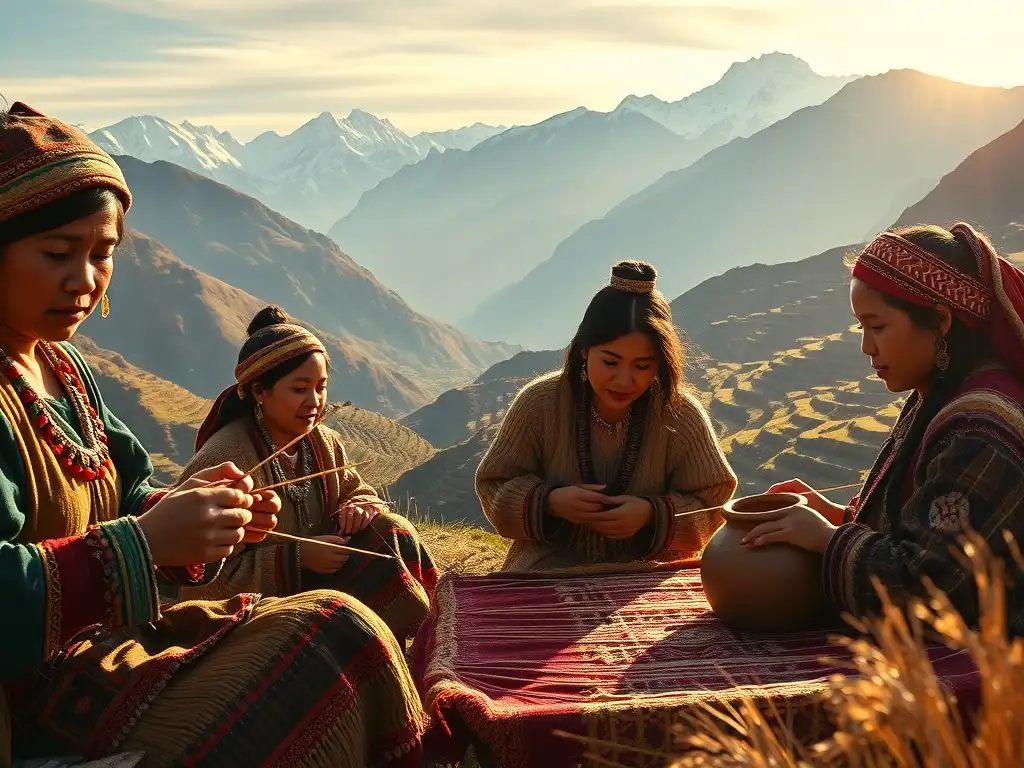
Unravel the mysteries of the Andes! Forget the simplistic narratives; the story of the Inca Empire is far richer and more complex than you imagine. Prepare to be captivated by the unexpected roles and responsibilities of Inca women, a vital force often overlooked in history. Discover their influence – far beyond the stereotypes – and delve into a world where women wielded significant power and shaped the destiny of an empire. Explore their contributions and challenge preconceived notions as we uncover the truth about Inca women roles and responsibilities.
The Inca Empire, a civilization that flourished in the Andes Mountains from the 15th to the 16th century, is often depicted through a lens that minimizes the significant contributions of its women. Common narratives frequently portray Inca women solely within the confines of domesticity, overlooking their multifaceted roles and profound influence on the empire's social, economic, and religious fabric.
This article aims to challenge these misconceptions, exploring the diverse roles and responsibilities of Inca women and highlighting their crucial contributions to the empire's success. We will delve into the realities of Inca women's lives, examining their participation in agriculture, textile production, religious ceremonies, and family life, revealing a far more complex and powerful picture than the simplified stereotypes often presented.
By understanding the true scope of Inca women's roles and responsibilities, we gain a richer and more accurate understanding of this remarkable civilization and its lasting legacy. This exploration will directly address the keyword phrase "Inca women roles and responsibilities," providing a comprehensive overview of their contributions to Inca society.
Challenging Misconceptions about Inca Women
The prevalent image of Inca women as solely domestic figures is a significant oversimplification. Early colonial accounts, often biased and lacking nuanced understanding, significantly contributed to this skewed perspective. These accounts, filtered through the lens of European patriarchal societies, tended to downplay or ignore the agency and power held by Inca women. However, archaeological evidence, coupled with a more critical analysis of surviving historical accounts, reveals a far more dynamic reality.
Inca women were not merely passive participants in society; they held significant power and influence in various spheres of life, contributing significantly to the empire's economic prosperity and social stability. The misconception of their limited roles stems from a lack of complete and unbiased historical record and a tendency to impose modern interpretations onto a vastly different cultural context. Understanding this historical bias is crucial to accurately assessing the true nature of Inca women's lives and contributions.
The Diverse Roles of Women in Inca Society
Inca women occupied a wide range of roles within the intricate social structure of the empire. Their contributions extended far beyond the domestic sphere, encompassing vital economic activities, religious practices, and even political influence. Contrary to the simplistic narratives, Inca women were active participants in the economic engine of the empire, contributing significantly to its prosperity. Their roles were diverse and varied depending on their social standing and location within the empire, but their overall importance was undeniable. The following sections will explore the specifics of their involvement in key areas of Inca life.
Inca Women's Contributions to Agriculture and Textile Production
Inca women played a crucial role in agriculture, the backbone of the Inca economy. They were responsible for cultivating crops such as potatoes, maize, and quinoa, utilizing sophisticated agricultural techniques developed over centuries. Their knowledge of planting cycles, irrigation methods, and crop management was essential to the empire's food security. Beyond agriculture, Inca women were masters of textile production.
They created intricate textiles using techniques passed down through generations, producing clothing, tapestries, and ceremonial items of exceptional quality. These textiles were not only essential for daily life but also held significant symbolic and religious value. The skill and artistry of Inca women in textile production were highly valued, reflecting their economic and social importance within the empire. This expertise contributed significantly to the empire's trade and prestige.
Domestic Responsibilities and Family Life of Inca Women
While Inca women held significant roles outside the home, domestic responsibilities remained a central part of their lives. They managed households, raised children, and prepared food, utilizing their knowledge of traditional cooking and preservation methods. Family life was crucial within Inca society, and women played a central role in maintaining the social fabric of their communities.
The organization of the ayllu, the communal system, often involved women in leadership roles within their family units. The strength and stability of Inca families were directly linked to the roles and responsibilities of women within them. It's important to note that "domestic responsibilities" should not be viewed as solely subservient tasks but rather as integral components of a complex and well-organized social system.
The Significance of Women in Inca Religious Practices
Inca religion held a prominent place in daily life, and women played a vital role in religious ceremonies and practices. They served as priestesses, participating in rituals and ceremonies, and often held positions of authority within religious institutions. Their participation in religious life was not solely confined to supporting roles; they actively contributed to the spiritual well-being of their communities.
Specific roles and responsibilities varied regionally, but the presence and influence of women in Inca religious life are well-documented. The involvement of women in religious ceremonies highlights their social standing and the importance of their contributions to the spiritual fabric of Inca society. Their understanding of sacred rituals and traditions further cemented their critical role within the empire.
Inca Women of Power and Influence
Inca society, while patriarchal in structure, afforded women, particularly those of the elite classes, significant power and influence. Contrary to common misconceptions, women held positions of authority and played crucial roles in the empire's political, economic, and religious spheres. Their roles extended far beyond domestic duties, encompassing leadership, religious authority, and even participation in political decision-making processes. The extent of their influence varied based on social standing, but even women in lower classes contributed significantly to the empire's functioning.
Understanding the diverse roles of Inca women provides a more nuanced and accurate picture of this fascinating civilization. The participation of women in various aspects of Inca life challenges the simplistic narrative of a solely male-dominated society. Their contributions were fundamental to the empire's success and longevity, and their stories deserve to be told and understood in their full complexity.
The Role of the Coya: The Inca Queen
The Coya, the Inca emperor's wife, held immense power and prestige. She was not merely a consort; she was a political figurehead, often acting as a counselor to the Sapa Inca and influencing his decisions. The Coya managed her own household, oversaw the production of textiles and other crafts, and participated in important religious ceremonies. She held considerable authority within the imperial court and played a crucial role in maintaining political alliances through marriage and diplomacy.
Her influence extended throughout the empire, and her actions could have significant consequences for the Inca state. Several Coyas are remembered for their wisdom and political acumen, shaping the course of the empire during their husbands' reigns. Their role as advisors and influential figures contradicts the limited view often presented of Inca women's power.
Women in Inca Royal Lineage and Succession
While the Inca succession was primarily patrilineal, women played a vital role in maintaining the royal lineage. Their marriages to Inca nobles and emperors solidified political alliances and ensured the continuation of the royal bloodline. The women of the royal family were not merely passive participants; they actively contributed to the empire's stability and political landscape.
Their influence on succession decisions, albeit often behind the scenes, should not be underestimated. The prestige and power associated with royal women influenced social structures and provided opportunities for women from elite families to exert considerable political influence. Further research is needed to fully understand the nuanced role of women in Inca succession.
Priestesses and Powerful Religious Figures in Inca Culture
Inca religion held a prominent place in society, and women played significant roles as priestesses and religious figures. These women, often chosen from the elite classes, served in various capacities within the Inca religious system, holding considerable spiritual authority and influence. They oversaw religious ceremonies, maintained sacred sites, and acted as intermediaries between the gods and the people.
Their expertise in religious practices and rituals gave them considerable power and influence within their communities. The presence of powerful female religious figures challenges the common perception of Inca religion as solely male-dominated. More research is needed to document the specific roles and responsibilities of individual women within the religious hierarchy and to fully understand the extent of their influence.
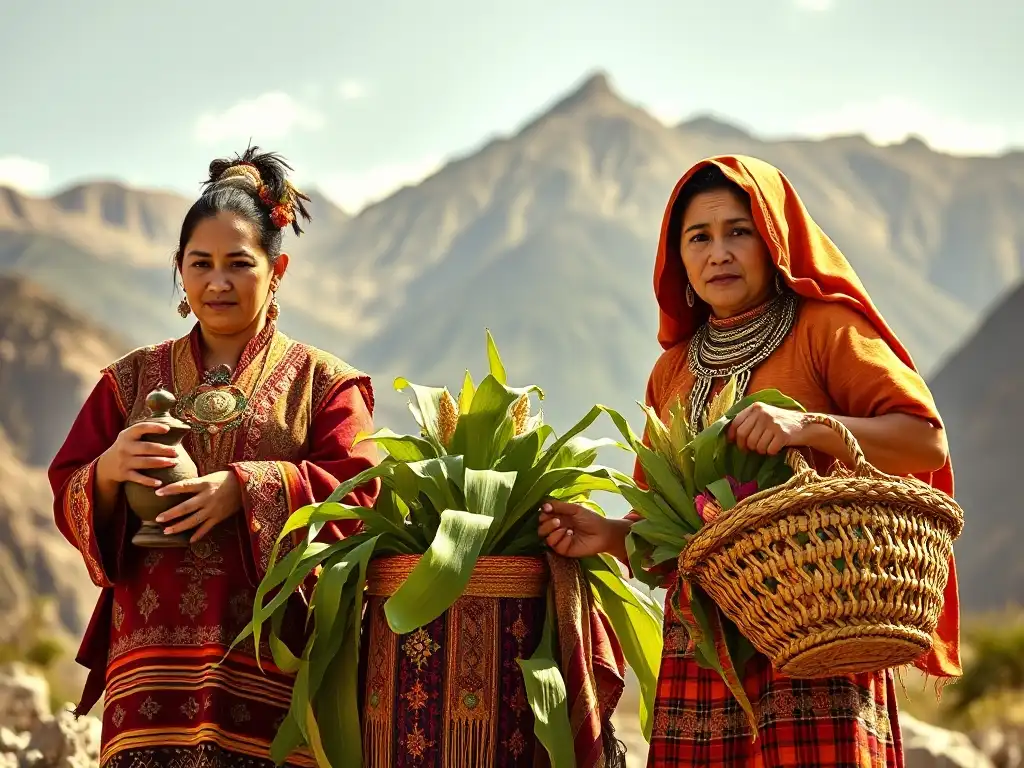
The roles and responsibilities of Inca women varied significantly depending on their social class. While elite women enjoyed significant power and influence, the lives of women in lower social classes were considerably different. However, women in all social strata contributed significantly to the empire's functioning, demonstrating the diverse roles that women played in Inca society. The varying experiences of women across social classes paint a more complete picture of gender dynamics in the Inca Empire.
The Lives of Peasant Women in the Inca Empire
Peasant women were the backbone of Inca agriculture and textile production. They cultivated crops, raised livestock, and produced textiles for their families and the empire. Their work was essential to the empire's economy, and they played a vital role in sustaining Inca society. While their lives were undoubtedly challenging, they maintained a strong communal spirit and contributed significantly to the social fabric of their communities. Their roles deserve recognition for their contributions to the empire's economic stability. [Specific data on the daily lives and working conditions of peasant women is pending].
The Status of Women in Inca Provincial Regions
The status of women in the Inca Empire varied across different regions. While the central government exerted considerable control, local customs and traditions also influenced the roles and responsibilities of women in provincial areas. This regional variation highlights the complexity of gender dynamics within the empire. The differences in women's roles across regions reflect the diversity of Inca society and the interplay between central authority and local practices. Further research is required to adequately document the regional variations in the status and roles of women.
Inca Women and the System of Mit'a Labor
The mit'a system, a form of mandatory labor service in the Inca Empire, impacted women as well as men. While men predominantly engaged in agricultural and construction work, women participated in textile production and other essential tasks through the mit'a system. Their contributions were crucial to the empire's infrastructure and economic production. The mit'a system's impact on women's lives needs further investigation to fully understand its complexities and consequences. [Data on the specific types of mit'a labor performed by women is needed for a more complete understanding].
The Legacy of Inca Women
Inca women, often relegated to secondary roles in simplified historical narratives, played a crucial and multifaceted role in the empire's success. Their contributions extended far beyond domestic duties, shaping the social, economic, and religious fabric of Inca society. Contrary to common misconceptions, Inca women weren't simply passive figures; they were active participants in all aspects of life, wielding significant influence within their communities and families. Their legacy continues to resonate in modern Andean cultures, influencing traditions, beliefs, and social structures.
Understanding their true roles requires moving beyond stereotypical depictions and engaging with the rich tapestry of archaeological and historical evidence. The strength and resilience of Inca women are palpable even centuries later, demanding a more nuanced and accurate portrayal of their history. Their contributions deserve recognition and appreciation for their critical role in building and maintaining the Inca Empire.
Impact of Inca Women on Andean Culture
The impact of Inca women on Andean culture is profound and far-reaching. Their roles in textile production, for instance, were not merely utilitarian. The intricate weaving techniques and the symbolic meanings embedded in the textiles themselves played a significant role in Inca religious practices and social hierarchy.
Women's mastery of textile arts reflected their status and contributed to the empire's visual identity. Furthermore, their participation in agricultural practices, particularly in the cultivation of crucial crops like potatoes and maize, ensured food security for the empire. This contribution directly impacted the empire's economic stability and its ability to support a large population.
Beyond the economic and practical contributions, women also held important positions within religious ceremonies and rituals, often acting as priestesses or healers. Their knowledge of medicinal plants and healing practices was highly valued and contributed significantly to the Inca's sophisticated healthcare system. Their influence extended beyond the material realm; their spiritual roles shaped the religious landscape and beliefs of the Inca civilization.
Understanding the Complexities of Inca Women's Lives
Understanding the complexities of Inca women's lives requires a multi-faceted approach. While some women enjoyed relative privilege within the imperial court or as members of the elite, others experienced different realities based on their social standing and geographical location. The lives of rural women, for example, differed significantly from those of women in urban centers.
Rural women's daily lives revolved around agricultural labor, textile production, and household management, demanding physical strength and endurance. Archaeological evidence suggests a high degree of specialization and skill in various crafts among women, indicating a level of economic independence and agency often overlooked in traditional narratives. Further, the role of women in the Inca family structure was essential.
They were not only responsible for raising children but also played significant roles in family decision-making and property inheritance. Examining their diverse experiences reveals the spectrum of roles and responsibilities Inca women held, enriching our understanding of their contributions to Inca society.
Further Research on Inca Women's History
Further research on Inca women's history is crucial to achieve a more complete and accurate representation of their lives and contributions. Future studies should focus on analyzing archaeological findings with a gendered lens, paying close attention to the artifacts and contexts that reveal aspects of women's lives. This includes examining the distribution of tools, textiles, and other material culture associated with women's activities.
Additionally, a deeper analysis of Inca mythology and religious texts is needed to fully understand the symbolic importance of women in Inca cosmology and religious practices. Ethnohistorical research, exploring the continuity of Inca traditions in contemporary Andean communities, can offer valuable insights into the enduring legacy of Inca women.
By adopting interdisciplinary approaches and engaging with diverse sources, future research can shed light on the complexities and richness of Inca women's lives, challenging existing stereotypes and providing a more complete picture of their multifaceted roles in the Inca Empire. This continued investigation will ensure a more just and representative historical narrative.
- Challenging Misconceptions about Inca Women
- The Diverse Roles of Women in Inca Society
- Inca Women of Power and Influence
- Inca Women in Different Social Classes
- The Legacy of Inca Women
Frequently Asked Questions
What were the main roles of Inca women in society?
Inca women held diverse roles, from farming and weaving to managing households and participating in religious ceremonies. Their contributions were vital to the empire's functioning.
Did Inca women have any political power?
While Inca society was patriarchal, women held influence within their families and communities. Some women, particularly those of noble birth, held positions of authority within the religious sphere.
How did the Inca Empire view the work of women?
The Inca valued women's work, recognizing its essential contribution to the economy and social fabric. Their skills in agriculture, textiles, and domestic management were highly regarded.
Were Inca women involved in religious practices?
Absolutely! Women served as priestesses and participated in religious festivals and rituals. Their roles were crucial in maintaining the spiritual well-being of the community.
What were the typical daily lives of Inca women like?
Daily life varied depending on social class, but many women focused on domestic tasks, agriculture, and textile production. Their lives were often physically demanding but integral to the empire's success.
Final Reflection: Reimagining Inca Women: Power, Resilience, and Legacy
The roles and responsibilities of Inca women, often obscured by colonial narratives, continue to resonate today, challenging our understanding of gender dynamics in pre-Columbian societies and prompting a reassessment of historical biases. The vibrant tapestry of Inca life, woven with threads of female agency and contribution, deserves a more nuanced and accurate portrayal than the simplified stereotypes that have long dominated the historical record.
The enduring legacy of Inca women is a testament to their strength and resilience in the face of societal expectations and historical misrepresentation. Their contributions extended far beyond the domestic sphere, encompassing significant roles in agriculture, textile production, religious practices, and even political influence. The women of the Inca Empire were not merely passive participants in society; they were active agents who shaped the cultural, economic, and social fabric of their world.
This understanding compels us to critically examine how we interpret historical accounts and to actively seek out and amplify the voices of those who have been historically marginalized.
Consider the multifaceted lives of Inca women, their intricate contributions, and the enduring impact of their legacy. You, too, can contribute to a more accurate and inclusive understanding of history by actively seeking diverse perspectives and challenging preconceived notions. Let the stories of these remarkable women inspire you to question narratives, embrace complexity, and champion the untold stories that enrich our collective understanding of the past.
**Celebrate the Strength of Women in the Inca Empire! **
Thank you for exploring the fascinating and complex roles of women in the Inca Empire. Your interest helps to reveal their significant contributions, challenging common misconceptions. Now, let's delve deeper and honor their enduring legacy.
Here are some ways you can continue your exploration:
- **Learn More:** Read about the vital roles Inca women played in agriculture, textile production, and even governance. Understanding their multifaceted contributions provides a richer appreciation of their lives and influence.
- **Share Your Knowledge:** Discuss the remarkable achievements of Inca women with friends, family, or online communities. Sharing this information can inspire a wider understanding of women's history in ancient civilizations.
- **Connect with Others:** Join historical societies, cultural groups focused on Andean cultures, or online forums to engage in discussions and learn from others who share your interest.
How has learning about the roles of women in the Inca Empire changed your perspective on history? Share your thoughts in the comments!