
Beyond Borders: The Reach and Influence of Andean Trade Networks

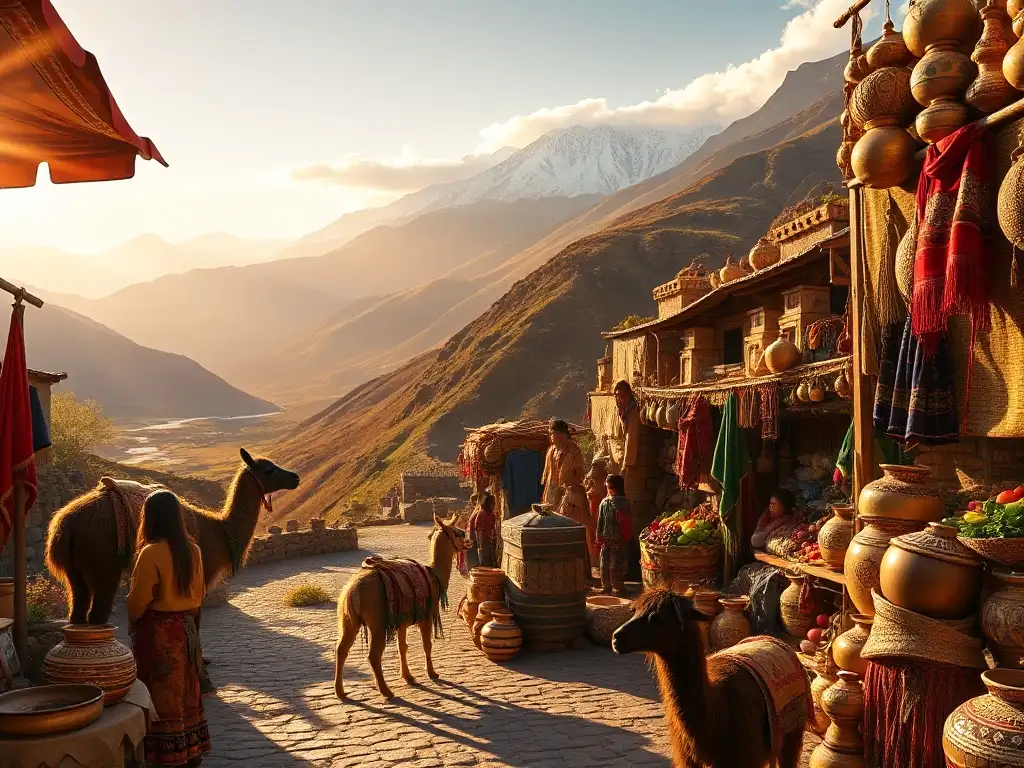
Welcome, explorer! Prepare to unravel the mysteries of a lost world. For centuries, the towering Andes Mountains witnessed the rise and fall of magnificent civilizations. But what truly connected these empires, stretching across vast landscapes and diverse terrains? Discover the fascinating story of the Andean trade network history, a complex web of exchange that shaped the very fabric of Andean societies. Uncover the secrets behind their ingenuity and influence – a journey awaits that will redefine your understanding of these ancient wonders.
The Andes Mountains, a formidable natural barrier, paradoxically fostered a vibrant network of trade routes connecting diverse Andean civilizations for millennia. This intricate system, far from being isolated pockets of cultural exchange, facilitated the movement of goods, ideas, and technologies across vast distances, shaping the political, social, and economic landscapes of pre-Columbian South America. Understanding the Andean trade network history is crucial to grasping the complexity and interconnectedness of these remarkable societies.
This article delves into the reach and influence of these networks, exploring the major routes, traded goods, and the lasting impact on the cultural development of the Andean region. We will examine the sophisticated logistical systems employed, the social structures that facilitated trade, and the consequences of this interconnectedness, from the flourishing of specialized crafts to the spread of religious beliefs and artistic styles.
The exploration of this historical trade network offers invaluable insights into the ingenuity and resilience of Andean civilizations, challenging simplistic narratives of isolated development and revealing a world far more interconnected than previously imagined. Understanding the history of Andean trade networks illuminates how these societies thrived and interacted, leaving a legacy that continues to resonate today.
Introduction to Andean Trade Network History
The history of Andean trade networks is a long and complex one, spanning thousands of years. Evidence suggests that rudimentary exchange systems existed even before the rise of large-scale civilizations. Early trade likely involved the bartering of essential goods like food and tools within relatively small communities. However, as societies grew and developed more sophisticated technologies, the scale and scope of trade expanded dramatically.
The development of agriculture, particularly the cultivation of staple crops like potatoes and maize, created surpluses that could be traded. Furthermore, the discovery and exploitation of mineral resources, such as copper and gold, fueled the demand for long-distance exchange. The construction of impressive road systems, particularly by the Inca Empire, further facilitated the movement of goods and people across the vast Andean landscape. These weren't merely paths; they were sophisticated logistical networks, complete with waystations, bridges, and storage facilities, demonstrating a high level of planning and organization.
The development of sophisticated record-keeping systems, using quipu (knotted strings) for example, allowed for efficient tracking of goods and resources. This intricate network connected coastal communities with highland settlements, linking diverse ecological zones and creating a complex system of interdependence. The impact on cultural exchange was profound, resulting in the dissemination of religious beliefs, artistic styles, and technological innovations across vast geographical areas.
Major Andean Trade Routes
The Andean trade network wasn't a single, unified system; rather, it comprised a series of interconnected routes, each adapted to the specific geography and needs of the region. Coastal routes, often utilizing boats and rafts, facilitated the transport of goods along the Pacific coast. Highland routes, traversing the challenging Andean terrain, required the construction of impressive road systems and the use of pack animals like llamas and alpacas.
These routes often followed river valleys and passes, taking advantage of natural features to minimize the difficulties of travel. Specific examples of major routes are still being researched and mapped, but archaeological evidence suggests extensive networks linking the major cultural centers of the time. The Inca road system, for example, is a testament to the sophistication of Andean engineering and its importance to the empire's control and trade.
The sheer scale of these routes, their resilience to environmental challenges, and their integration into the broader social and political fabric of Andean societies are remarkable achievements. Furthermore, the routes themselves were not simply paths; they also served as communication networks, allowing for the rapid dissemination of information and the maintenance of social and political control.
Goods Traded in the Andean Region
The goods traded across the Andean network were incredibly diverse, reflecting the ecological variety of the region and the specialized skills of its inhabitants. Coastal communities provided fish, shellfish, and salt, while highland regions offered potatoes, maize, coca leaves, and textiles. Metals like copper, gold, and silver, sourced from specific mining regions, were highly valued trade items.
Ceramics, often intricately decorated and reflecting regional styles, were also important commodities. Luxury goods, such as feathers and precious stones, were traded across vast distances, signifying high social status and power. The exchange of these goods wasn't simply an economic transaction; it also played a significant role in reinforcing social hierarchies and political alliances.
The control over key resources and trade routes often translated into political dominance and influence. The distribution of goods across the network also contributed to the standardization of certain practices and beliefs, strengthening cultural ties between different Andean communities. Quantifying the exact volume of trade for each good is challenging due to the limitations of the archaeological record, but the sheer variety of objects found across vast distances testifies to the scale and significance of this interconnected system.
The Impact of Andean Trade Networks
The impact of the Andean trade network extended far beyond the simple exchange of goods. It fostered cultural exchange, technological innovation, and the development of complex social and political structures. The dissemination of agricultural techniques, for example, allowed for the adaptation of crops to different ecological zones, contributing to the food security and population growth of Andean societies.
The exchange of artistic styles and religious beliefs created a shared cultural identity, despite regional variations. The control over trade routes and resources often led to the rise of powerful empires, such as the Inca, which used their control of the network to consolidate their power and extend their influence. Understanding the long-term effects of the Andean trade network is crucial to appreciating the complexity and dynamism of Andean civilizations.
The network's collapse following the Spanish conquest had profound and lasting consequences, disrupting established trade routes and causing widespread economic and social upheaval. The legacy of this intricate system, however, continues to shape the cultural landscape of the Andes today.
- Introduction to Andean Trade Network History
- Major Andean Trade Routes
- Goods Traded in the Andean Region
- The Impact of Andean Trade Networks
- What was the significance of the Andean trade network?
- Which civilizations participated in the Andean trade network?
- What goods were commonly traded within the Andean network?
- How did the geography of the Andes influence the trade network?
- What impact did the Spanish conquest have on the Andean trade network?
The Foundations of Andean Exchange Systems
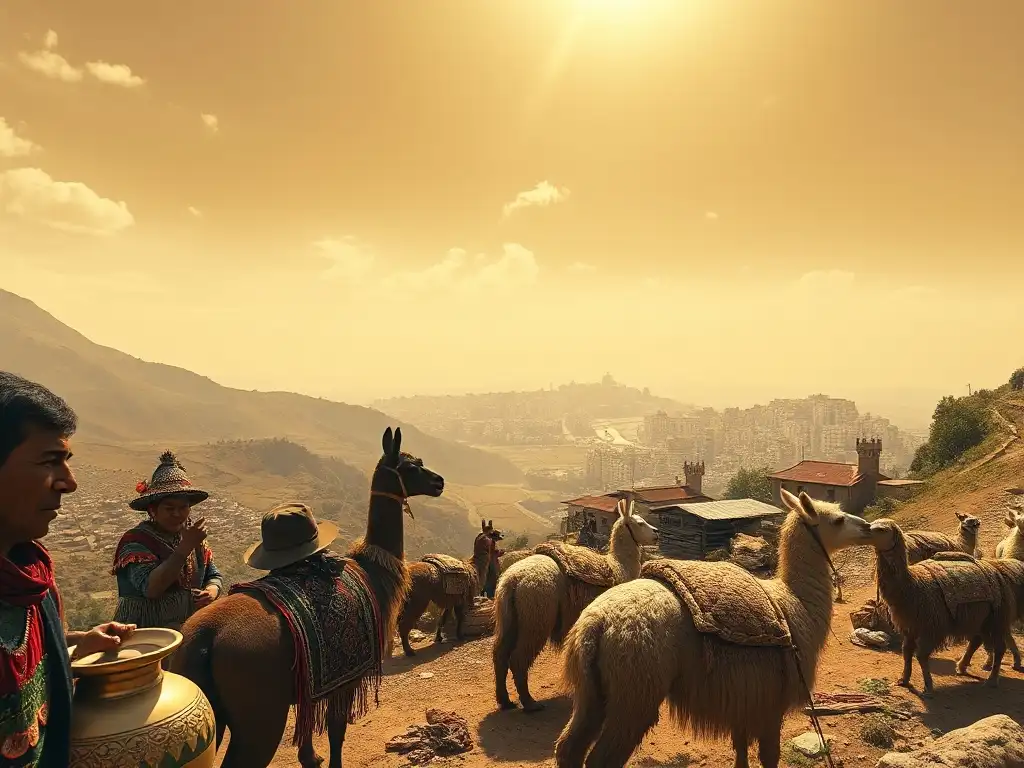
The vibrant tapestry of Andean civilization wasn't woven in isolation. A sophisticated and extensive Andean trade network history underpins the remarkable achievements of cultures like the Inca, Moche, Nazca, and Tiahuanaco. Understanding the foundations of this exchange is crucial to appreciating the interconnectedness and interdependence of these seemingly disparate societies.
The Andean trade network, far from being a simple bartering system, evolved over millennia, shaped by geography, technological advancements, and the ever-shifting political landscape. Its impact resonates even today, influencing economic structures and cultural practices across the region. The scale and complexity of this system are truly remarkable, demonstrating a level of organization and logistical prowess that belies the common perception of isolated pre-Columbian societies.
Early Forms of Trade in the Andes
The earliest forms of Andean trade were likely localized, involving small-scale exchanges within and between nearby communities. These early interactions, perhaps dating back to the pre-ceramic periods, focused on the exchange of essential resources like obsidian for toolmaking, salt for preservation, and specialized agricultural products unavailable in every region. Archaeological evidence suggests a gradual expansion of these networks, with the development of more sophisticated technologies facilitating longer-distance trade.
For example, the emergence of pottery allowed for the efficient transport and storage of goods, while the development of llama domestication provided a crucial means of carrying heavier burdens across challenging terrain. This early period laid the groundwork for the more complex and extensive trade routes that would emerge in later centuries.
The types of goods exchanged during this early phase reveal much about the priorities and resource distributions of these early Andean communities. We see evidence of both utilitarian items and potentially ceremonial or prestige goods, hinting at the development of social hierarchies and complex social interactions.
The Rise of Complex Trade Routes
The development of larger, more complex Andean trade routes was a gradual process, driven by several factors. The increasing population density in certain areas, coupled with the uneven distribution of vital resources, created a demand for long-distance trade. The Inca Empire, while famous for its own extensive road system, inherited and expanded upon pre-existing trade networks, integrating them into its vast administrative structure. The Inca's chasquis, a relay system of runners, ensured rapid communication and facilitated the efficient flow of goods across their empire.
However, the network's history extends far beyond the Inca, with evidence of extensive trade occurring centuries before their rise to power. The intricate network of trails and pathways, often carved into mountain sides, connected distant communities, facilitating the exchange of a wide range of goods. These included textiles, ceramics, metals (gold, silver, copper), coca leaves, and various agricultural products. The development of specialized craft production in certain regions further fueled the growth of trade, creating a demand for goods from distant locales.
This specialization led to economic interdependence and fostered complex relationships between different Andean communities. The sheer logistical achievement of maintaining such a vast and intricate trade network across such challenging geography is a testament to the ingenuity and organizational capacity of Andean societies. The careful planning and meticulous execution involved in this system remain a topic of ongoing research and fascination.
Key Trade Goods in Andean Civilizations
This section delves into the specific goods that fueled the extensive Andean trade networks, highlighting their significance and the impact they had on the economic and social structures of the various Andean civilizations. Understanding these trade goods provides crucial insight into the complexities of Andean trade network history. The sheer variety and value of these items underscore the sophisticated organization and far-reaching influence of these ancient trade routes.
Precious Metals: Gold and Silver Trade
Precious metals, particularly gold and silver, occupied a prominent position in Andean trade. These weren't merely decorative items; they held immense symbolic and religious value, signifying power, divinity, and prestige. The Incas, for example, meticulously controlled gold production and distribution, using it to reinforce their imperial authority.
Gold artifacts, often intricately crafted into religious objects or adornments for elite members of society, circulated along trade routes, solidifying alliances and showcasing Inca power. Silver, while perhaps less visually striking than gold, was equally important. It was used in the creation of tools, jewelry, and utilitarian objects, and its widespread use indicates a robust and well-established silver mining and trade infrastructure.
The extraction and processing of these metals involved advanced techniques, showcasing the sophisticated metallurgical knowledge of Andean societies. Evidence suggests the use of sophisticated smelting techniques, allowing for the creation of high-quality alloys and the production of intricate objects. The distribution of these precious metals wasn't haphazard; it followed established trade routes, connecting distant communities and facilitating cultural exchange alongside economic transactions.
The sheer volume of gold and silver artifacts discovered across the Andes testifies to the scale and longevity of this crucial aspect of Andean trade network history. Detailed records of Inca goldwork, while limited, suggest a highly organized system of production and distribution, possibly involving specialized workshops and state-controlled mines.
Textiles and Weaving as Trade Commodities
Textiles and weaving represented another significant component of Andean trade. The Andean region boasts a rich history of textile production, with diverse techniques and materials employed across different cultures. From the vibrant textiles of the Nazca culture to the intricately woven fabrics of the Inca Empire, textiles served multiple purposes, functioning as clothing, ceremonial items, and even forms of currency. The quality and artistry of these textiles varied considerably, with finer items reserved for elite members of society, while coarser fabrics served everyday needs.
The production of textiles involved skilled artisans and specialized workshops. Alpaca, llama, and vicuña fibers were prized for their softness and warmth, and the dyes used to color the textiles were often derived from natural sources, resulting in a stunning array of colors. The complex designs incorporated into Andean textiles often reflected religious beliefs, social status, or historical events, making them valuable not only for their practical uses but also for their cultural significance. Trade in textiles facilitated the spread of weaving techniques and artistic styles across the Andes, contributing to a vibrant exchange of ideas and cultural practices. The discovery of similar textile motifs across geographically distant sites provides compelling evidence of the extensive reach of Andean trade networks, connecting different cultural groups through the exchange of goods and ideas. Further research into specific textile techniques and designs might reveal even more details about the interconnectedness of Andean societies.
Agricultural Products: The Flow of Food
Agricultural products formed the backbone of Andean trade networks, ensuring the sustenance of populations across diverse ecological zones. The Andes' varied geography—from coastal deserts to high-altitude plains—produced a wide range of crops, creating opportunities for inter-regional exchange. Potatoes, maize, quinoa, and beans were staple crops, and their cultivation and distribution were crucial to the economic stability and social organization of Andean societies. The Inca, in particular, implemented sophisticated agricultural techniques and storage systems to manage food production and distribution across their vast empire.
Beyond staple crops, other agricultural products like coca leaves (for their stimulant properties and ritualistic use) and various fruits and spices also played important roles in trade. The movement of these goods along established routes facilitated regional specialization, with certain areas focusing on the production of specific crops that were then traded for other necessities.
This exchange of agricultural goods not only ensured food security but also fostered economic interdependence between different communities. The intricate system of storage facilities, such as qollqas (Inca storehouses), further demonstrates the organized and efficient nature of food distribution within the Andean trade network.
Analyzing the distribution patterns of specific crops and the types of storage facilities used could provide invaluable insights into the logistical challenges and organizational strategies employed in managing food trade across the Andean region. Archaeological evidence of agricultural surpluses and the widespread distribution of specific crops across vast distances strongly support the notion of a well-established and efficient system of agricultural trade.
Specialized Crafts and Regional Goods
The Andean trade network wasn't just about bulk commodities; it thrived on the exchange of highly specialized crafts and regionally distinct goods. This intricate system fostered economic interdependence and cultural exchange across vast distances. The unique skills and resources of different communities became highly valued, creating a vibrant marketplace of specialized items.
For example, the coastal regions, renowned for their access to marine resources, produced exquisite textiles using cotton and camelid fibers dyed with vibrant, naturally sourced pigments. These textiles, often adorned with intricate designs reflecting their unique artistic styles, were highly sought after in the highlands. The quality and artistry of these coastal textiles contributed significantly to their value in the Andean trade network, making them valuable trade items.
The highlands, on the other hand, offered different specialties. Their mastery of metallurgy, particularly in gold, silver, and copper, produced stunning artifacts—from intricately designed jewelry to ceremonial objects—that were traded across the Andes. The techniques employed in highland metallurgy, passed down through generations, represented a significant technological achievement, and the resulting artifacts were highly prized commodities. Their value went beyond their inherent material worth; they represented prestige and power, solidifying the position of those who possessed them within the social hierarchy. This demonstrates how the value of a trade good could be both economic and symbolic.
Furthermore, the production of ceramics varied significantly across different Andean regions. The Moche culture, for example, is famous for its incredibly lifelike and detailed pottery, depicting scenes of daily life, mythology, and warfare. These ceramics weren't merely utilitarian; they served as important cultural markers and were highly sought after by other Andean societies. This exchange of ceramic artistry contributed to a broader cultural understanding and dissemination of artistic styles across the network.
The unique styles and techniques developed in each region, whether it was the intricate weaving of the coast or the sophisticated metallurgy of the highlands, became essential elements shaping the identity and economy of the entire Andean trade network. The diversity of these specialized crafts illustrates the complex economic and cultural interplay that fueled the Andean trade network's success. The system wasn't simply about bartering goods; it was about exchanging cultural identity and technological expertise.
Major Andean Trade Routes and Their Significance
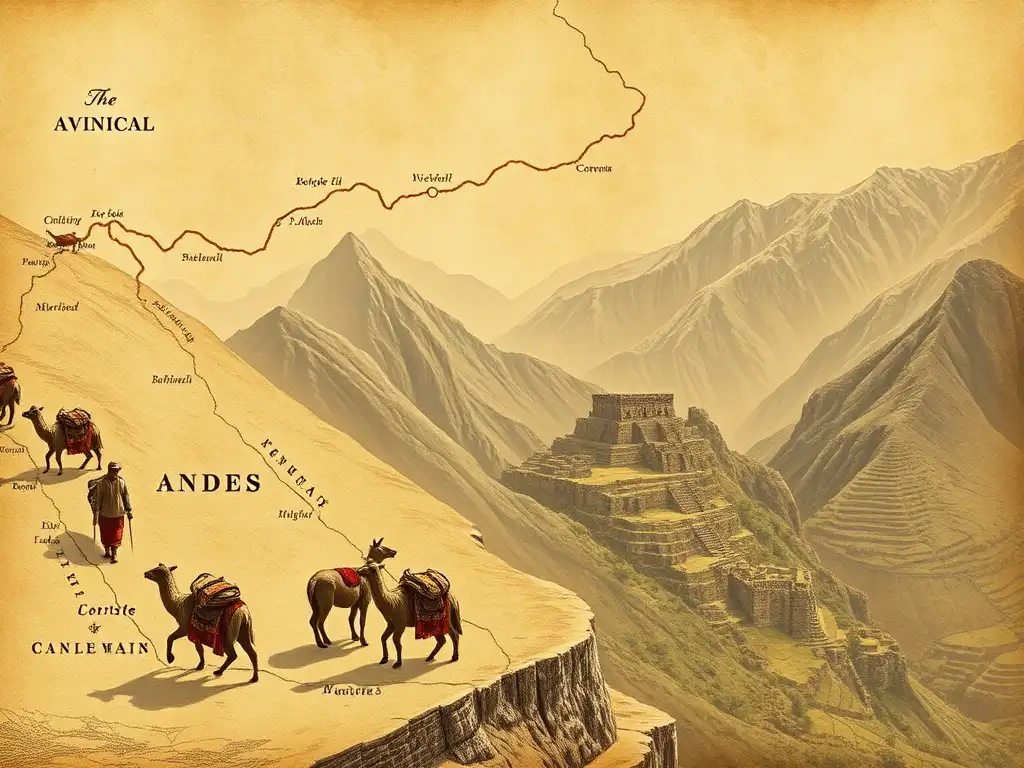
The Andean trade network history is a complex tapestry woven from diverse geographical features and cultural interactions. Understanding its intricacies requires examining the major routes and their significance in shaping Andean societies. This vibrant system, far from being a simple exchange of goods, facilitated the spread of ideas, technologies, and religious beliefs, ultimately contributing to the rise and fall of powerful empires.
The sheer scale of this network, spanning vast distances across challenging terrains, is a testament to the ingenuity and organizational capacity of Andean civilizations. The movement of goods wasn't random; it followed established pathways, often dictated by geography and political control, creating a dynamic system of exchange that shaped the economic and cultural landscape of the Andes for centuries.
Analyzing these routes reveals not only the what of trade but also the how and the why, offering crucial insights into the social structures and power dynamics of the time. This section will delve into the key routes, highlighting their unique characteristics and contributions to the overall Andean trade network.
Coastal Trade Routes and Maritime Exchange
Coastal trade routes played a crucial role in the Andean trade network history, offering a relatively efficient means of transportation for certain goods. The Pacific Ocean provided a vital artery connecting disparate coastal communities. The Moche, for instance, were renowned for their sophisticated maritime technology. Evidence suggests they used reed boats, capable of navigating significant distances along the coast.
Their expertise allowed them to exploit marine resources and engage in extensive maritime trade. These coastal routes facilitated the exchange of marine products like fish, shellfish, and guano (a valuable fertilizer), which were essential for sustaining coastal populations and inland communities. Furthermore, luxury goods such as spondylus shells, highly prized for their beauty and symbolic significance, were transported along these routes, reaching far inland.
The coastal trade wasn't solely focused on goods; the exchange of ideas and cultural practices likely occurred as well, contributing to the cultural homogenization and diversification along the coast. Precise details regarding the organization and control of coastal trade remain somewhat elusive, necessitating further research to fully understand its complexity. However, the sheer scale of marine resources utilized and the geographical extent of spondylus shell distribution clearly indicate a significant and well-established coastal trade network.
Highland Trade Networks and Mountain Passes
The rugged Andean highlands presented formidable challenges to trade, yet ingenious solutions were devised to overcome these obstacles. Highland trade networks relied heavily on well-established mountain passes, often at high altitudes, connecting disparate valleys and communities. These routes were not simply paths; they were carefully managed and protected, often under the control of powerful regional authorities or elites.
Llamas and alpacas, domesticated camelids, became indispensable for transporting goods across these treacherous terrains. Their ability to navigate challenging terrain and carry substantial loads made them ideal pack animals. The goods transported across the highlands varied widely, ranging from agricultural products like potatoes, maize, and quinoa to textiles, metalwork, and other craft items.
The control over these mountain passes often translated into political and economic power, with those controlling key routes wielding significant influence over the flow of goods and resources. Detailed records of these routes are scarce, but archaeological evidence, including the discovery of well-preserved pathways and settlements along these routes, paints a picture of a sophisticated highland trade system. The Inca Empire, in particular, further developed and standardized these networks, utilizing them to consolidate their power and efficiently distribute resources throughout their vast empire.
Interregional Connections and Trade Centers
The Andean trade network history is characterized by the existence of crucial interregional connections and strategically located trade centers. These centers served as hubs, facilitating the exchange of goods between the coast, highlands, and the Amazonian rainforest. Cities like Tiahuanaco and Cusco, prominent in their respective periods, exemplify this function. These centers were not merely marketplaces; they were often sites of religious significance, political power, and cultural exchange.
The presence of diverse artifacts and goods from different regions within these centers underscores their role as vital nodes in the trade network. Interregional trade not only facilitated the flow of goods but also promoted cultural exchange, leading to the transmission of ideas, technologies, and artistic styles across vast distances. The movement of artisans, specialists, and elites between regions further facilitated this process. Analyzing the distribution of specific artifacts can help reconstruct the routes and networks that connected these centers.
For instance, the presence of coastal ceramics in highland sites and vice-versa provides tangible evidence of this interregional connectivity. However, the extent of this exchange and its exact mechanisms remain areas of ongoing research, requiring further investigation into the social, political, and economic factors that shaped these crucial interregional connections and trade centers. The intricate interaction between these centers forms a crucial part of the Andean trade network history.
The Organization and Management of Andean Trade
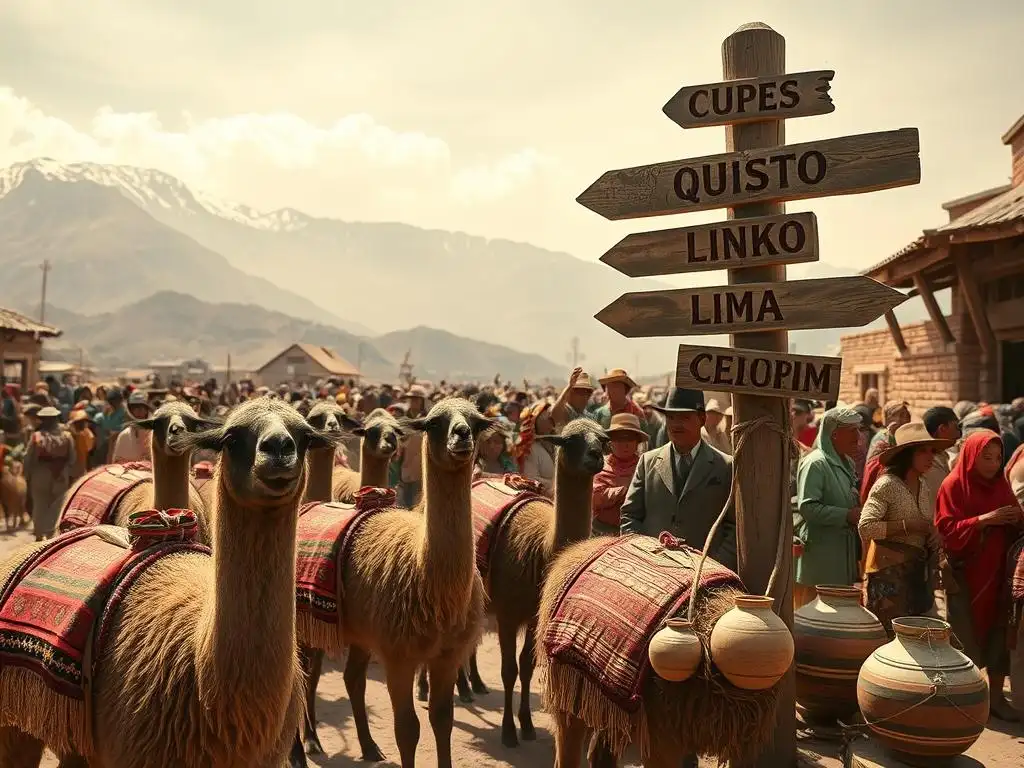
The effective functioning of the Andean trade network, a crucial aspect of Andean trade network history, depended heavily on sophisticated organizational structures. While the specifics varied across different Andean civilizations and time periods, common threads emerge regarding the management of this extensive system. Understanding these organizational aspects is key to appreciating the scale and complexity of pre-Columbian Andean economies.
The intricate web of exchange wasn't haphazard; it was actively managed and regulated, reflecting a high degree of social and political organization. This section delves into the key elements of this management, moving beyond simplistic narratives of isolated communities and highlighting the sophisticated systems in place.
The Role of the State in Trade Regulation
The influence of the state on Andean trade varied considerably depending on the specific civilization and period. In the Inca Empire, for example, the state played a dominant role. The Sapa Inca, the emperor, controlled vast resources and infrastructure, directly impacting trade routes and the movement of goods.
Royal warehouses, known as qollqas, served as strategic points for storing and distributing goods, ensuring a steady supply of essential items throughout the empire. This centralized control allowed the Inca to manage surpluses, redistribute resources to areas in need, and maintain social order. Detailed records, possibly kept using quipus (knotted cords), likely documented trade transactions and resource allocation, though the exact nature of these records remains a subject of ongoing research.
The state's involvement extended beyond simple storage; it actively regulated trade, establishing standards for weights and measures, and possibly even setting prices for certain goods. This contrasts with earlier periods, where trade might have been more decentralized, with local elites or powerful kinship groups playing a larger role in managing exchange.
Barter Systems and Forms of Currency
While a unified monetary system didn't exist across all Andean civilizations, various forms of exchange were employed. Barter, the direct exchange of goods and services, was undoubtedly common, particularly in smaller-scale transactions. However, evidence suggests the use of certain goods as forms of currency or standardized units of value.
For instance, textiles, particularly fine cloths, held significant value and were used in transactions. Precious metals, such as gold and silver, were also highly valued, often used in ceremonial contexts but also potentially in larger commercial exchanges. Shells, especially spondylus shells from the coast, were another valuable commodity that circulated throughout the Andes, serving as both ornaments and a form of currency.
The precise mechanisms of these exchanges and the extent to which these items functioned as true "currency" are still being investigated, but it's clear that Andean societies developed sophisticated systems for valuing and exchanging goods beyond simple bartering. The relative value of these different forms of currency would have fluctuated based on factors such as availability and demand, reflecting a dynamic and complex economic system.
Merchant Classes and Trade Specialists
The Andean trade network wasn't solely reliant on state control; it also involved specialized individuals who dedicated their lives to trade. While evidence of formalized merchant classes isn't as clear-cut as in some other ancient civilizations, the existence of individuals specializing in long-distance trade is undeniable. These individuals likely possessed specialized knowledge of routes, markets, and customs, facilitating the movement of goods across vast distances.
They may have developed networks of contacts and trust, enabling them to navigate the complexities of inter-regional exchange. Furthermore, there is evidence suggesting the existence of specialized artisans whose crafts were highly valued and traded across wide geographical areas. These artisans, skilled in pottery, textiles, metalwork, and other crafts, contributed significantly to the wealth and complexity of Andean trade.
The exact social status and organization of these merchants and artisans remain areas of active research, but their role in the Andean trade network is beyond doubt, illustrating the sophisticated division of labor within Andean societies. Further study is needed to fully illuminate the social structures and hierarchies within these specialized groups within the larger context of Andean trade network history.
Influence of Trade on Andean Societies
The Andean trade network history is inextricably linked to the development and evolution of Andean societies. The vast exchange of goods, spanning hundreds of miles across challenging terrains, wasn't merely an economic activity; it fundamentally shaped cultural identities, economic structures, and political power dynamics across the region. Understanding the impact of this intricate network requires examining its multifaceted influence on the lives of Andean peoples.
The sheer scale of the trade, encompassing diverse goods and reaching remote communities, created a complex web of interconnectedness that profoundly altered the course of Andean civilization. This section will delve into the key ways in which trade influenced Andean societies, focusing on the cultural exchange, economic development, and political control it engendered.
Cultural Exchange and the Spread of Ideas
The flourishing Andean trade network facilitated a remarkable exchange of cultural ideas and practices. The movement of goods was often accompanied by the movement of people, artisans, and religious specialists, leading to a dynamic interplay of beliefs, artistic styles, and technologies. For example, the distinctive pottery styles of the Moche culture, renowned for their intricate depictions of daily life and mythology, spread through trade routes, influencing ceramic traditions in neighboring regions.
Similarly, religious iconography and rituals—potentially including aspects of ancestor veneration or shamanistic practices—were likely disseminated across the Andes through the interactions fostered by trade. The exchange wasn't simply a one-way diffusion; it involved a complex process of adaptation and syncretism, with local traditions blending and transforming as they encountered new influences. This continuous interaction created a vibrant cultural landscape characterized by both regional distinctiveness and shared elements that bound the Andean world together.
The spread of agricultural techniques, such as irrigation systems and specialized crops, also contributed to the overall development of Andean agriculture, benefiting communities across vast distances. The commonality of certain architectural styles across geographically distant sites provides further evidence of the pervasive influence of the Andean trade network on cultural practices and the dissemination of knowledge.
The Andean trade network played a crucial role in shaping the economic landscape and fostering social stratification. The control and management of trade routes and resources generated significant wealth, leading to the emergence of powerful elites who accumulated considerable economic and political power. Evidence suggests that certain communities specializing in the production of high-demand goods, such as textiles, ceramics, or precious metals, experienced significant economic growth, resulting in increased prosperity and a higher standard of living compared to communities primarily involved in subsistence agriculture.
This economic disparity contributed to the development of hierarchical social structures, with elite classes enjoying privileged access to resources and power. The accumulation of wealth through trade also facilitated the construction of monumental architecture, the support of religious institutions, and the development of sophisticated administrative systems.
Moreover, the very existence of the trade network necessitated the development of specialized labor forces, including merchants, traders, artisans, and transporters, creating a more complex and differentiated economy than would have been possible in the absence of widespread trade. The uneven distribution of wealth and opportunities, however, also likely contributed to social tensions and conflicts.
Political Power and the Control of Trade
Control over the Andean trade network was a major source of political power. States and empires, such as the Inca, actively sought to control trade routes and strategically located resources to enhance their power and influence. The Inca, for example, implemented a sophisticated system of mit'a labor, which involved the mobilization of large numbers of people for the construction and maintenance of roads and infrastructure crucial for trade.
This control over infrastructure translated directly into control over the flow of goods and the generation of wealth. Furthermore, the Inca established a complex system of storage facilities and redistribution networks, ensuring the efficient movement and distribution of goods throughout their empire. This centralized control over the economy solidified their political dominance and allowed them to maintain social order and stability.
Other Andean cultures, while perhaps lacking the extensive imperial infrastructure of the Inca, also employed various strategies to secure access to and control over key trade routes and resources, using military force, alliances, and economic incentives to achieve their objectives. Competition for control of these vital economic arteries often fueled conflict and shaped the political landscape of the Andes. The study of the Andean trade network history thus reveals a direct link between economic power and political control, illustrating how the management of trade was essential to the rise and fall of Andean empires and states.
The Inca Empire and the Expansion of Trade Networks
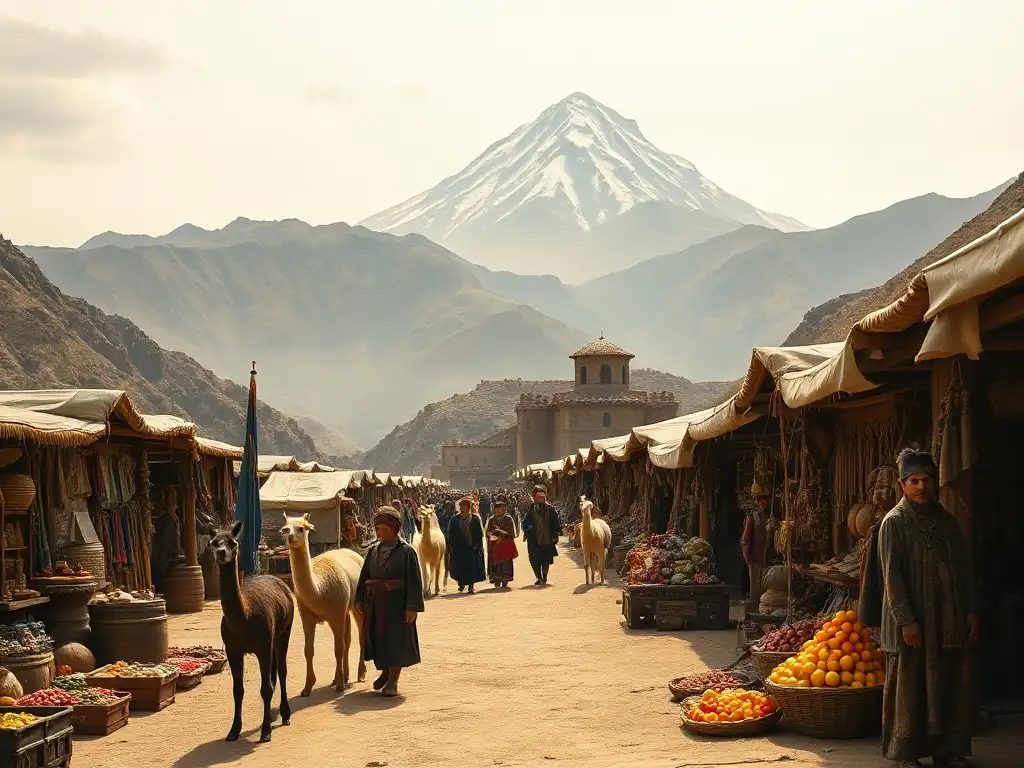
The Inca Empire, at its zenith, controlled a vast territory stretching along the Andes Mountains, encompassing diverse ecological zones and a multitude of pre-existing societies. This geographic expanse significantly impacted the development and expansion of Andean trade networks, transforming them into a highly organized and efficient system supporting a large and complex empire. Understanding the Inca's influence on trade requires examining their infrastructure, labor systems, and the integration of pre-existing routes and practices.
The sheer scale of Inca trade, facilitated by their sophisticated administration, is a testament to their organizational prowess and ability to manage resources across such a diverse landscape. This section delves into the key elements that shaped the Inca contribution to Andean trade network history.
Inca Roads and Infrastructure for Trade
The Inca road system, Qhapaq Ñan, is perhaps the most visible testament to their commitment to efficient trade and communication. This network of roads, spanning thousands of kilometers, connected the farthest reaches of the empire, facilitating the movement of goods, people, and messages. The roads were meticulously engineered, traversing challenging terrain with impressive feats of engineering, such as bridges, tunnels, and stairways carved into mountainsides.
Their construction required a massive workforce and sophisticated knowledge of engineering principles, highlighting the importance the Inca placed on efficient trade routes. The roads weren't merely pathways; they were strategically placed to connect key agricultural regions, mining areas, and population centers, optimizing the flow of resources. The Qhapaq Ñan wasn't just about trade; it was a vital component of imperial control, enabling rapid military response and facilitating the transmission of administrative decrees.
The strategic placement of tambos (roadside inns) along these routes provided rest stops for travelers and storage facilities for goods, further enhancing the efficiency of the trade network. The organization and maintenance of this extensive network are a crucial aspect of understanding the scale and sophistication of Inca trade.
The Mit'a System and Labor Contributions
The mit'a system, a form of mandatory labor service, played a crucial role in maintaining and expanding the Inca trade network. While not exclusively dedicated to trade, the mit'a provided the vast workforce necessary for road construction and maintenance, the transportation of goods, and the operation of state-controlled warehouses. Individuals were assigned mit'a duties based on their skills and location, ensuring that the empire's infrastructure and logistical needs were met.
The system was a cornerstone of Inca social organization, integrating individuals from different communities into the larger imperial project. The mit'a, while demanding, also provided a form of social security and access to resources for those who participated.
The effectiveness of the mit'a in supporting the trade network demonstrates the Inca's ability to mobilize resources and manpower on a massive scale, contributing significantly to their economic and political success. [Specific data on the proportion of mit'a labor dedicated to trade infrastructure is pending].
The Impact of Inca Rule on Pre-Existing Networks
The Inca Empire didn't create its trade networks from scratch. Rather, they inherited and adapted pre-existing regional trade routes and practices from the diverse cultures they incorporated. Inca rule often involved integrating these existing networks into their larger system, standardizing weights and measures, and establishing imperial control over key trade centers.
This process involved both collaboration and coercion, with local elites often playing a crucial role in facilitating trade within the Inca framework. The integration of pre-existing networks ensured a degree of continuity, leveraging the established knowledge and infrastructure of conquered populations. However, the Inca also implemented their own administrative systems and logistical innovations, enhancing the efficiency and reach of the trade routes.
This blending of indigenous practices and imperial policies resulted in a complex and dynamic trade system that reflected both continuity and change in Andean trade network history. The Inca's success in integrating diverse networks into a unified system highlights their ability to adapt and incorporate existing structures while imposing their own imperial authority. Understanding this process is crucial to a nuanced understanding of the Andean trade network history.
Case Study: The Llama Caravans of the Southern Andes
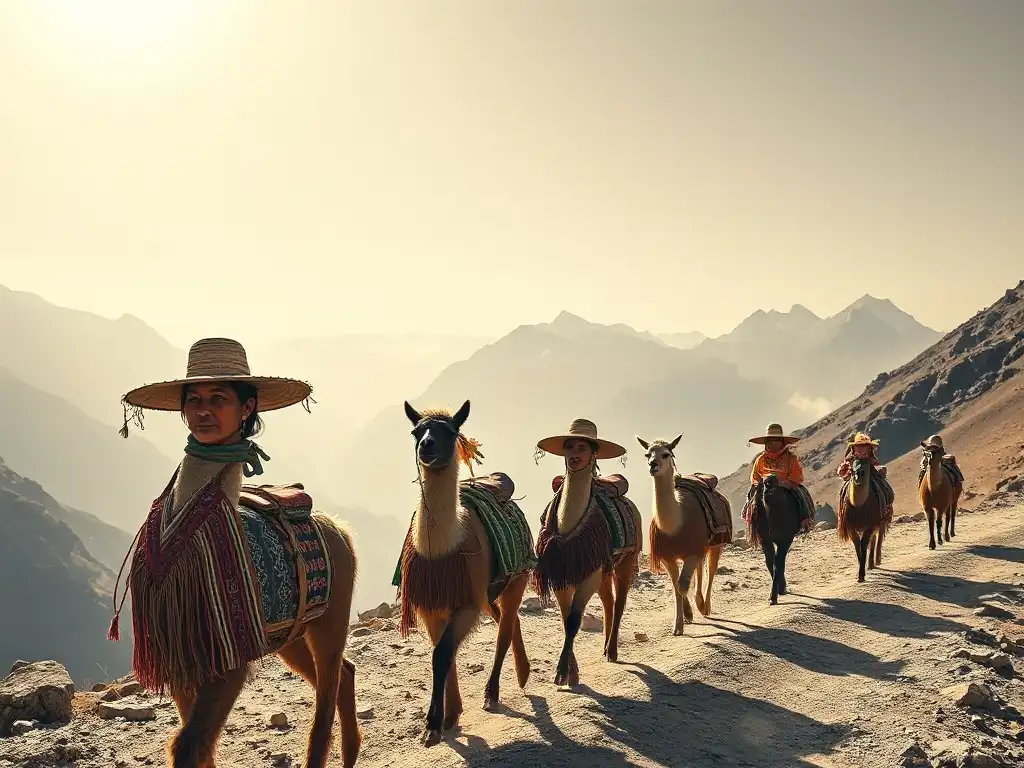
This section delves into the crucial role of llama caravans in shaping the Andean trade network history, focusing specifically on the southern Andes region. The llama, a South American camelid, wasn't just a source of meat and wool; it was the engine of a sophisticated transportation system that connected disparate communities across challenging terrains. Understanding the logistics and impact of these caravans provides critical insight into the intricate web of Andean trade and its lasting legacy.
The efficiency and resilience of this system, even in the face of geographical challenges, underscore the advanced organizational capabilities of the Andean civilizations. This analysis will explore the logistical aspects of these caravans, the goods traded, and the broader societal impacts of this vital trade route.
Llama Caravans: A Detailed Exploration
Llama caravans weren't haphazard affairs; they were meticulously planned and executed operations. Evidence suggests the use of trained arrieros (drivers) who understood the complex Andean geography and possessed considerable knowledge of animal husbandry. Caravans varied in size, depending on the distance and the quantity of goods being transported. Smaller caravans, perhaps consisting of a few dozen llamas, might ply shorter routes, while larger expeditions, numbering hundreds of animals, undertook longer journeys, often lasting weeks or even months.
The llamas themselves were carefully selected, with younger, stronger animals chosen for their carrying capacity. The load each llama carried was carefully regulated to prevent injury and ensure optimal performance. It's estimated that a llama could carry up to 30kg (66 lbs) of goods. This capacity, combined with the relatively large size of the caravans, allowed for the transport of substantial quantities of goods across long distances.
The organization and management of these caravans required sophisticated logistical planning, demonstrating a high level of social and economic organization. Archaeological finds, like remnants of trails and resting places along ancient routes, further support the scale and complexity of these operations. The system's efficiency was further enhanced by the llamas' remarkable endurance and adaptability to the harsh Andean environment. This efficiency played a key role in the success of the Andean trade network.
Goods Exchanged and Trade Dynamics
The goods transported by llama caravans were diverse, reflecting the varied resources and production capabilities of the different Andean regions. Textiles, primarily wool from llamas and alpacas, were a major commodity. High-quality textiles, often intricately woven and dyed, were highly valued and traded across vast distances, indicating a sophisticated level of craft production and a thriving market for luxury goods. Agricultural products, including maize, potatoes, quinoa, and coca leaves, were also significant trade items.
These were often exchanged between regions with varying climates and agricultural capabilities. Furthermore, metalwork, particularly copper and bronze artifacts, were highly prized trade goods. These items represented significant economic value and often held symbolic and ritual significance. The trade in these goods wasn't simply an economic exchange; it also facilitated cultural exchange and the diffusion of ideas and technologies.
The dynamics of trade involved a complex interplay of factors, including reciprocal exchange between communities, tribute payments to ruling elites, and long-distance trade networks connecting distant regions. There's evidence suggesting the existence of specialized markets and trading centers where caravans would converge to exchange goods. This suggests a degree of economic specialization and integration across the region.
The success of this system depended on robust social networks, trust, and established systems of exchange. More research is needed to fully understand the intricacies of these trade dynamics, including price structures and the role of intermediaries. [Specific information pending: detailed analysis of barter systems and pricing mechanisms].
The Route's Impact on Regional Development
The llama caravan routes profoundly impacted the development of the Southern Andes. The establishment of these routes facilitated the integration of previously isolated communities, fostering economic interdependence and cultural exchange. The construction and maintenance of trails and resting places along the routes spurred the growth of settlements and infrastructure. These infrastructure developments, in turn, generated employment opportunities and stimulated economic activity. The increased flow of goods and resources led to increased population density in certain areas, particularly those strategically located along major trade routes.
Moreover, the trade networks contributed to the development of specialized craft production, as communities focused on producing goods that were in high demand across the wider region. This specialization promoted economic diversification and regional prosperity. The impact of the llama caravans extended beyond the purely economic realm.
The routes facilitated the spread of religious beliefs, artistic styles, and political ideas, contributing to the creation of a shared cultural identity across the Andes. The enduring legacy of the llama caravan system is a testament to the ingenuity and organizational capabilities of the Andean civilizations and their profound impact on the region's economic and social development. The success of these networks is a powerful example of how efficient transportation systems can shape the course of history.
Legacy of Andean Trade Networks
This section delves into the lasting impact of the sophisticated Andean trade networks, examining their influence on modern trade practices and highlighting the enduring legacy on Andean culture. We'll explore how the ingenuity and organization of these ancient systems continue to resonate today, offering valuable lessons for contemporary commerce and shaping the cultural landscape of the Andes. Understanding this legacy provides crucial context for appreciating the complexity and sophistication of Andean civilizations.
Lessons for Modern Trade and Commerce
The intricate Andean trade networks, spanning vast distances and diverse terrains, offer compelling case studies for modern businesses. Their success hinged on several key factors that remain relevant today:
- Efficient Logistics: The Inca road system, for example, was a marvel of engineering, facilitating the rapid movement of goods and information across the empire. This highlights the importance of robust infrastructure in supporting efficient trade. Modern supply chain management strategies could learn from the Inca's emphasis on well-maintained roads and strategically placed storage facilities.
- Effective Communication: The chasquis, a relay system of runners, ensured swift communication between distant regions, vital for coordinating trade and responding to market fluctuations. This parallels the importance of modern communication technologies in facilitating global trade. The speed and reliability of information sharing were paramount then, just as they are now.
- Standardized Weights and Measures: While specific details are still under research, evidence suggests a degree of standardization in weights and measures, simplifying transactions and fostering trust between trading partners. This echoes the significance of standardized units and regulations in promoting fair and efficient trade in the modern world. Without such standardization, disputes and inefficiencies would have been far more common.
- Reciprocity and Exchange: Andean trade wasn't solely about profit; reciprocity and exchange played a significant role in maintaining social cohesion and political stability. This emphasizes the importance of building strong relationships with trading partners, a principle that remains crucial for long-term success in international commerce. The concept of ayni, reciprocal labor exchange, underscores the importance of mutual benefit.
The study of Andean trade networks offers valuable insights into optimizing logistics, leveraging communication technologies, and fostering mutually beneficial relationships in modern trade. The lessons learned from these ancient systems can be applied to improve efficiency, reduce costs, and enhance sustainability in contemporary commerce.
Archaeological Evidence and Ongoing Research
Archaeological discoveries continue to shed light on the extent and complexity of Andean trade networks. Excavations at sites across the Andes regularly unearth artifacts from distant regions, providing concrete evidence of extensive exchange. For example, the discovery of coastal ceramics in highland settlements and vice-versa demonstrates the reach of these networks.
The analysis of isotopic signatures in human remains also provides insights into dietary patterns and migration, offering clues about the movement of people and the exchange of goods. These studies help reconstruct trade routes and identify key trading centers. Furthermore, the analysis of textile fibers, metal alloys, and ceramic styles helps researchers trace the origins of traded materials and pinpoint the geographical spread of specific technologies and artistic traditions.
Ongoing research utilizes advanced techniques, such as Geographic Information Systems (GIS) and 3D modeling, to map trade routes and visualize the flow of goods. These technologies allow researchers to create more comprehensive and nuanced reconstructions of past trade patterns. New discoveries and advanced analytical methods continually refine our understanding of the intricate web of Andean trade. The field is vibrant and constantly evolving, with new insights emerging regularly.
The Enduring Influence on Andean Culture
The legacy of Andean trade networks extends far beyond economics. These networks played a crucial role in shaping Andean cultural identities and fostering the exchange of ideas, beliefs, and artistic styles. The spread of religious practices, artistic motifs, and technological innovations across vast distances exemplifies the cultural impact of trade.
For example, the widespread adoption of certain agricultural techniques and the dissemination of specific religious iconography across different Andean cultures reflect the influence of trade in cultural transmission. The stylistic similarities observed in pottery, textiles, and metalwork across geographically dispersed regions provide compelling evidence for cultural exchange facilitated by trade. This intermingling of cultural elements contributed to the rich tapestry of Andean societies.
The integration of different cultural elements through trade fostered a sense of shared identity and facilitated the development of complex social structures. The enduring influence of these ancient trade networks is evident in the cultural landscape of the Andes today, shaping artistic traditions, religious practices, and social interactions. The legacy of this exchange continues to resonate in the vibrant cultural heritage of the region. 🗺️
Conclusion: The Importance of Andean Trade Network History
The study of Andean trade networks offers a crucial lens through which to understand the complexities of pre-Columbian South American societies. These networks weren't simply conduits for goods; they were vital arteries pumping lifeblood into the intricate social, political, and economic systems of civilizations like the Inca, Moche, Nazca, and Tiahuanaco. The sheer scale and longevity of these trade routes, stretching across diverse geographical terrains and connecting disparate cultures, speaks volumes about the sophisticated organizational skills and advanced logistical capabilities of these ancient peoples.
Understanding the history of the Andean trade network provides invaluable insights into their resource management, technological innovations, and social structures. The exchange of goods wasn't simply a matter of economic expediency; it fostered cultural exchange, the diffusion of ideas, and the creation of a shared Andean identity, albeit one marked by regional variations and hierarchical relationships.
The enduring legacy of these networks is evident in the archaeological record, which continues to yield new discoveries illuminating the scope and sophistication of these ancient trading systems. From the meticulously crafted textiles of the Nazca to the intricate metalwork of the Moche, the artifacts unearthed bear witness to the extensive reach and influence of Andean trade.
Furthermore, the persistent presence of certain goods in geographically distant locations demonstrates the robustness and resilience of these networks, even in the face of political upheavals and environmental challenges. Analyzing the distribution patterns of these goods allows researchers to reconstruct the flow of information and power, revealing the complex dynamics that shaped Andean societies.
The study of Andean trade network history is not a static endeavor; it's an ongoing process of discovery and interpretation. New methodologies, technologies, and archaeological findings constantly refine our understanding of these ancient systems. This ongoing research is crucial not only for understanding the past but also for informing contemporary discussions about globalization, resource management, and sustainable development.
By examining the successes and failures of these ancient trade networks, we can gain valuable perspectives on the challenges and opportunities facing our interconnected world today. The Andean trade network history serves as a powerful reminder of the interconnectedness of human societies and the enduring impact of trade on cultural development and societal evolution.
The meticulous examination of these intricate systems continues to enrich our comprehension of Andean civilizations and offers valuable lessons for modern societies navigating a globalized world. Understanding the intricacies of this ancient system helps us appreciate the ingenuity and resilience of past Andean societies and provides valuable parallels for contemporary issues concerning trade, cultural exchange, and societal development.
Frequently Asked Questions
What was the significance of the Andean trade network?
The Andean trade network was crucial for the survival and prosperity of ancient Andean civilizations. It facilitated the exchange of essential resources, fostering economic interdependence and cultural interaction across vast distances. This interconnectedness shaped their societies and influenced their development.
Which civilizations participated in the Andean trade network?
Many Andean civilizations participated, including the Incas, Moche, Nazca, and Tiahuanaco. The network connected diverse groups, leading to a complex system of exchange and interaction across various geographical regions and ecological zones. The extent of participation varied over time.
What goods were commonly traded within the Andean network?
Traded goods ranged from luxury items like gold and textiles to essential resources such as food, coca leaves, and obsidian. The network also facilitated the exchange of knowledge, ideas, and religious beliefs, contributing to cultural exchange and diffusion.
How did the geography of the Andes influence the trade network?
The Andean geography presented challenges, requiring the development of sophisticated transportation systems like roads and trails. The diverse ecological zones of the Andes also played a key role, as different regions specialized in the production of specific goods, creating the basis for extensive trade.
What impact did the Spanish conquest have on the Andean trade network?
The Spanish conquest had a devastating impact, disrupting existing trade routes and systems. The introduction of new diseases, forced labor, and the imposition of colonial trade policies significantly altered the economic landscape and drastically reduced the network's scale and function.
Final Reflection: Echoes of Exchange Across the Andes
The intricate web of Andean trade networks, far from being a relic of the past, continues to resonate in the economic and cultural landscapes of South America today. The enduring legacy of these sophisticated systems, spanning millennia and encompassing diverse communities, serves as a powerful reminder of the interconnectedness of human societies and the enduring impact of cultural exchange. Understanding this history is crucial not only for appreciating the richness of Andean civilizations but also for navigating the complexities of globalization in the modern world.
The echoes of these ancient trade routes are still audible in the vibrant cultural tapestry of the Andes. The exchange of goods, ideas, and technologies fostered a remarkable level of integration across vast distances, shaping the very fabric of Andean societies. This interconnectedness, often overlooked in narratives focused on individual empires, highlights the dynamic and collaborative nature of Andean development. The mountains were not barriers, but bridges,
a Quechua proverb aptly states, encapsulating the spirit of cooperation and exchange that characterized these networks. This resonates deeply with me, emphasizing the power of human connection to overcome geographical and cultural divides.
Consider the impact of these ancient trade routes on your own life. How are you connected to global networks of exchange? What can we learn from the ingenuity and resilience of Andean communities in building and maintaining these vital systems? Let the legacy of Andean trade networks inspire you to appreciate the interconnectedness of our world and to actively participate in building a more just and equitable future, one where collaboration and exchange transcend geographical boundaries.
Unleash Your Curiosity: Dive Deeper into Andean Trade!
Thank you for exploring the fascinating world of Andean trade networks with us! You've uncovered invaluable insights into the rich history and cultural connections that transcended borders. Now, let's delve even further into this captivating topic.
Here are some ways to continue your exploration:
- Join our community: Sign up for our newsletter to receive exclusive content about Andean civilizations and their lasting impact.
- Expand your knowledge: Explore our resource library for in-depth articles, documentaries, and books on Andean trade.
- Share your discoveries: Discuss your insights with friends, colleagues, or on social media. Start a conversation by sharing this article and inviting others to join the exploration.
What new perspectives have you gained on Andean trade that might surprise others? Let's continue the discussion!