
Inca Architecture and the Concept of Balance: Harmony and Symmetry

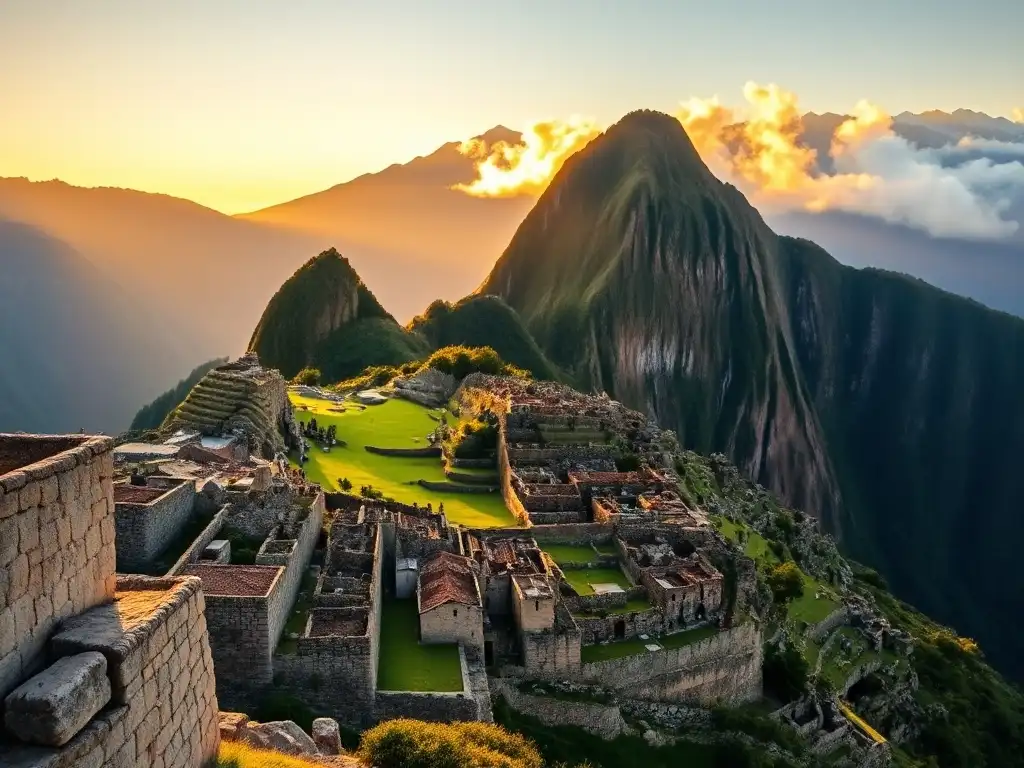
Step into a world lost to time, yet echoing with the whispers of a magnificent empire. Prepare to be amazed by the enigmatic artistry and unparalleled engineering of the Andean civilizations. This journey begins with the Incas, whose mastery of Inca architecture, balance, and symmetry redefined the very concept of structural harmony. But how did they achieve such breathtaking feats? Discover the secrets behind their astonishing achievements and unravel the mysteries of their perfectly balanced world – the answers await within.
The Inca Empire, renowned for its sophisticated social structures and expansive territorial control, left behind a breathtaking legacy in its architectural achievements. This article delves into the fascinating interplay of balance, harmony, and symmetry that defines Inca architecture, revealing the profound connection between their building practices and their worldview. We will explore how these principles were not merely aesthetic choices, but deeply ingrained aspects of Inca cosmology and societal organization, reflecting a holistic understanding of the world and their place within it.
Understanding the Inca's masterful use of balance and symmetry provides crucial insight into their ingenuity, their understanding of engineering principles, and their profound connection to the Andean landscape. This exploration will uncover the intricate details and the underlying philosophy that made Inca architecture a testament to human ingenuity and spiritual harmony.
We will examine specific examples, analyzing the techniques and the symbolic meaning behind their architectural choices. Get ready to embark on a journey through the remarkable world of Inca architecture, where precision, balance, and symmetry reigned supreme.
The Principles of Symmetry and Balance in Inca Construction
Inca builders demonstrated a remarkable understanding of symmetry and balance, evident in their meticulously planned cities, temples, and fortifications. Symmetry, often mirrored across a central axis, created a sense of order and stability, reflecting the Inca's belief in a structured and harmonious cosmos. This wasn't simply about aesthetics; precise measurements and alignments were crucial.
They employed sophisticated techniques to ensure perfect symmetry, often using knotted strings and carefully calibrated instruments to achieve their desired outcomes. For example, the precise placement of stones in walls, the mirroring of building features across central axes, and the careful orientation of structures towards significant astronomical points all highlight this dedication to meticulous balance and symmetry.
The application of these principles wasn't limited to grand structures; even smaller buildings and domestic dwellings often exhibited a remarkable degree of symmetry and balance, demonstrating the pervasiveness of this design philosophy throughout Inca society. The integration of these principles into every aspect of their built environment underscores its importance in their worldview.
Case Study: Machu Picchu – A Masterpiece of Balanced Design
Machu Picchu, the iconic "Lost City of the Incas," serves as a prime example of the Inca's mastery of balanced design. Its terraced layout, seamlessly integrated into the mountainous landscape, showcases a remarkable understanding of both engineering and aesthetics. The city's symmetrical arrangement of buildings, the precise alignment of structures, and the careful use of natural elements all contribute to a sense of harmonious balance.
The meticulous placement of buildings, taking into account factors such as sun exposure and water drainage, further emphasizes the Inca's practical application of their design principles. Even the seemingly random distribution of structures reveals a deliberate plan, one that demonstrates a deep understanding of spatial relationships and the optimization of resources within a challenging terrain. The intricate stonework and the seamless integration of the city into its environment are a testament to the Inca's advanced knowledge of engineering and their profound respect for nature.
The city's overall balance reflects not only their architectural skill but also their deep connection to the surrounding environment and the spiritual significance they attributed to the site. The harmonious blend of human ingenuity and natural beauty is what makes Machu Picchu such a compelling example of Inca architectural brilliance.
Beyond Aesthetics: The Symbolic Significance of Balance
The emphasis on balance and symmetry in Inca architecture extended far beyond mere aesthetics; it held profound symbolic significance within their cosmology. The Inca worldview was deeply interconnected with nature, and their architectural designs reflected this belief. Balance represented the harmony between the earthly and spiritual realms, the duality of opposing forces, and the interconnectedness of all things. The symmetry in their buildings mirrored the perceived order of the universe, reflecting a cosmological balance that permeated their entire culture.
The meticulous precision of their construction was not just a demonstration of technical skill but a ritualistic act aimed at maintaining cosmic harmony. This profound symbolic meaning underscores the importance of balance and symmetry not only in their physical environment but also in their spiritual and social lives. The very act of building was a spiritual practice, aimed at creating a harmonious relationship between the human and divine worlds.
Inca Architectural Techniques and their Contribution to Balance
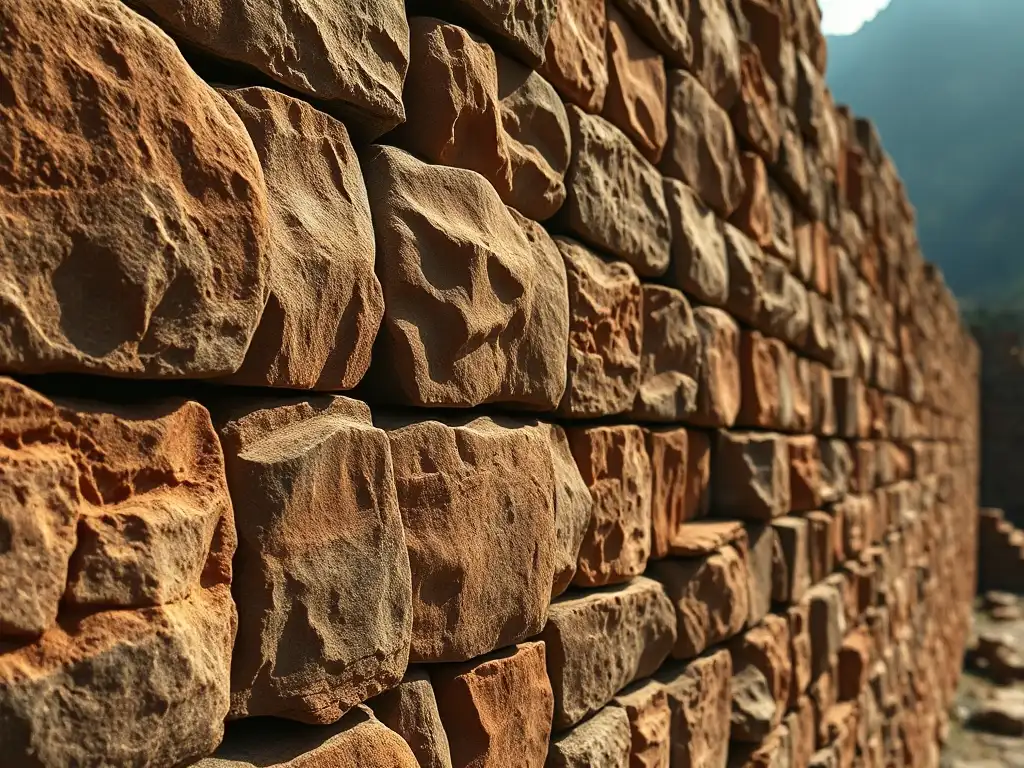
The Inca's remarkable architectural achievements were not only a result of their understanding of balance and symmetry but also a product of their innovative building techniques. Their mastery of dry-stone masonry, a technique that involved precisely fitting stones together without the use of mortar, allowed them to create incredibly strong and durable structures. The precision of their stonework is astounding, with stones often fitted so tightly that a blade cannot be inserted between them.
This technique, combined with their understanding of structural principles, enabled them to build structures that were both aesthetically pleasing and incredibly resilient. Their ability to construct intricate buildings on challenging terrain further demonstrates their engineering prowess and their deep understanding of the natural world.
The integration of these advanced techniques with their design philosophy resulted in architectural marvels that have stood the test of time, showcasing the ingenuity and skill of the Inca civilization. Their innovative approach to construction was intrinsically linked to their concept of balance, ensuring not only structural stability but also a harmonious relationship between the built environment and the natural world.
- The Principles of Symmetry and Balance in Inca Construction
- Case Study: Machu Picchu – A Masterpiece of Balanced Design
- Beyond Aesthetics: The Symbolic Significance of Balance
- Inca Architectural Techniques and their Contribution to Balance
- What is the most striking feature of Inca architecture?
- How did the Incas achieve such precise stonework?
- What role did balance and symmetry play in Inca culture?
- Are there specific examples of Inca architecture showcasing perfect balance?
- How did the Inca's understanding of balance influence other aspects of their society?
The Significance of Balance in Inca Architectural Design
Inca architecture, renowned for its impressive scale and meticulous craftsmanship, reveals a deep-seated preoccupation with balance. This wasn't merely an aesthetic preference; the pursuit of balance—both physical and symbolic—was intrinsically linked to Inca cosmology, worldview, and social order. The carefully planned orientation of structures, the precise placement of stones, and the overall harmony of design all point to a sophisticated understanding of balance as a fundamental principle underpinning their architectural achievements.
This concept extended beyond the purely visual; it encompassed a holistic approach, integrating the built environment with the natural landscape to create a harmonious relationship between humans and their surroundings. The Inca belief system strongly emphasized the interconnectedness of all things, and their architecture reflects this belief through the meticulous balancing of opposing forces – a tangible representation of their spiritual and philosophical ideals.
Analyzing Inca architecture through the lens of balance provides a deeper understanding of their cultural values and the ingenuity of their engineering practices. The precise measurements and weight distribution in their structures are testaments to their advanced knowledge of physics and engineering, showcasing a remarkable ability to achieve stability and durability in challenging terrains.
Understanding Inca Ideals of Harmony and Order
The Inca concept of balance wasn't simply about achieving equilibrium; it represented a broader ideal of ayni, a principle of reciprocity and mutual obligation that permeated all aspects of Inca society. In their architecture, ayni manifested in the careful integration of buildings with their environment. Structures were often built to complement the natural contours of the landscape, minimizing disruption and maximizing harmony.
For example, terraced agriculture, a hallmark of Inca engineering, demonstrates this principle beautifully. The terraces, meticulously constructed on steep slopes, not only increased arable land but also created a visually balanced landscape, blending human intervention seamlessly with the natural environment. Furthermore, the use of locally sourced materials, such as stone, minimized environmental impact and fostered a sense of connection between the built environment and the surrounding ecosystem.
This holistic approach ensured that Inca architecture wasn't just a collection of buildings, but an integral part of a larger, interconnected system reflecting their social and spiritual beliefs. The intricate detail and precision in their stonework further emphasizes the importance of order and harmony in their worldview. Even the smallest elements were carefully considered to contribute to the overall balance and aesthetic appeal of their structures.
The Role of Symmetry in Inca Building Techniques
Symmetry played a crucial role in Inca building techniques, acting as a visual manifestation of the broader principle of balance. Many Inca structures, from monumental buildings like Machu Picchu to smaller residential units, exhibit a remarkable degree of symmetry, both in their overall layout and in the arrangement of individual elements. This symmetry is not merely superficial; it reflects a deep understanding of structural stability and engineering principles. The precise placement of stones, often weighing many tons, required sophisticated knowledge of weight distribution and load-bearing capacity.
The symmetrical arrangement of these stones helped ensure the stability and longevity of the structures, even in challenging seismic zones. For instance, the perfectly fitted stones in walls, without mortar, demonstrate a mastery of engineering precision, ensuring both aesthetic appeal and structural integrity. The symmetry also extended to the internal layouts of buildings, with rooms and corridors often arranged in symmetrical patterns.
This deliberate symmetry suggests a conscious effort to create a sense of order and harmony within the built environment, reflecting the Inca emphasis on balanced living spaces. Detailed studies of Inca masonry reveal a high degree of precision in the cutting and placement of stones, showcasing their advanced understanding of geometry and engineering principles to achieve this symmetrical perfection. The use of symmetry was not only functional but also symbolic, representing the Inca worldview and their striving for cosmic harmony.
Key Features of Inca Architecture Reflecting Balance
Inca architecture, a testament to the ingenuity and sophisticated understanding of engineering principles of the Inca civilization, showcases a profound appreciation for balance and symmetry. This wasn't merely an aesthetic choice; it reflected a deep-seated cosmological worldview where harmony and equilibrium were paramount. The meticulous planning and execution evident in Inca structures demonstrate a remarkable ability to integrate their architectural designs with the challenging Andean landscape, achieving both functional and symbolic balance.
The very essence of Inca architecture is interwoven with the concept of ayni, the principle of reciprocity and balance within their society, mirrored in their buildings' physical form. This section explores key elements that embody this profound sense of equilibrium.
Inca Stonework Mastery and Precise Proportions
The hallmark of Inca architecture is its unparalleled stonework. Inca masons achieved an astonishing level of precision, fitting stones together so seamlessly that even a knife blade couldn't be inserted between them. This meticulous craftsmanship wasn't just about aesthetics; it was crucial for structural integrity, particularly in earthquake-prone regions. The precise proportions and symmetrical arrangements of these stones, often massive in size, created structures that were both visually stunning and remarkably durable.
Consider, for example, the walls of Sacsayhuamán. The enormous stones, some weighing over 100 tons, are fitted together with such accuracy that they appear almost impossible to have been placed by human hands. This level of precision reflects a deep understanding of geometry and engineering, enabling the Incas to build structures that have withstood the test of time.
The perfectly aligned blocks, often polygonal in shape, speak to an advanced knowledge of mathematics and a commitment to achieving a visually harmonious and structurally sound result. The symmetry evident in the arrangement of these stones – often mirrored across a central axis – further reinforces the Inca emphasis on balance. The Inca's mastery of this precise stonework is a key element of the Inca architecture balance and symmetry.
The Use of Terraces and Their Balanced Layout
The Incas' mastery of terracing is another striking example of their commitment to balance. Terraces transformed steep, uneven slopes into productive agricultural land, demonstrating a sophisticated understanding of both engineering and environmental harmony. The terraces themselves were not haphazardly placed; they were meticulously planned and constructed to create a balanced and visually appealing landscape.
The layout of terraces often followed the contours of the land, creating a series of interconnected levels that appeared to flow seamlessly together. The size and shape of individual terraces were carefully considered to maximize agricultural yield while maintaining a sense of overall harmony. Moreover, the use of retaining walls, often built with the same precision as other Inca structures, ensured the stability and longevity of the terraces.
This balanced approach to agriculture not only provided sustenance but also contributed to the overall aesthetic balance of the Inca landscape. The perfectly balanced terraces are an important component of Inca architecture balance and symmetry.
Inca Urban Planning and the Concept of Spatial Harmony
Inca urban planning further demonstrates their dedication to balance and symmetry. Cities like Cusco, the Inca capital, were meticulously planned, with streets arranged in a grid-like pattern and buildings strategically placed to create a sense of order and harmony. The careful placement of structures, including temples, palaces, and residential areas, reflects a deep understanding of spatial relationships and a desire to create a balanced and functional urban environment.
The integration of natural features, such as rivers and mountains, into the urban design further showcases the Inca's commitment to achieving harmony between built and natural environments. The central plaza, often the heart of Inca cities, served as a focal point, symbolizing the balance and order of Inca society. The layout of the plaza itself, usually square or rectangular, reinforced the concept of symmetry and equilibrium.
The careful consideration of scale, proportion, and spatial relationships in Inca urban planning created cities that were not only functional and efficient but also visually stunning and imbued with a sense of profound balance. This understanding of spatial harmony is a key aspect of Inca architecture balance and symmetry.
Examples of Inca Architecture Demonstrating Balance and Symmetry
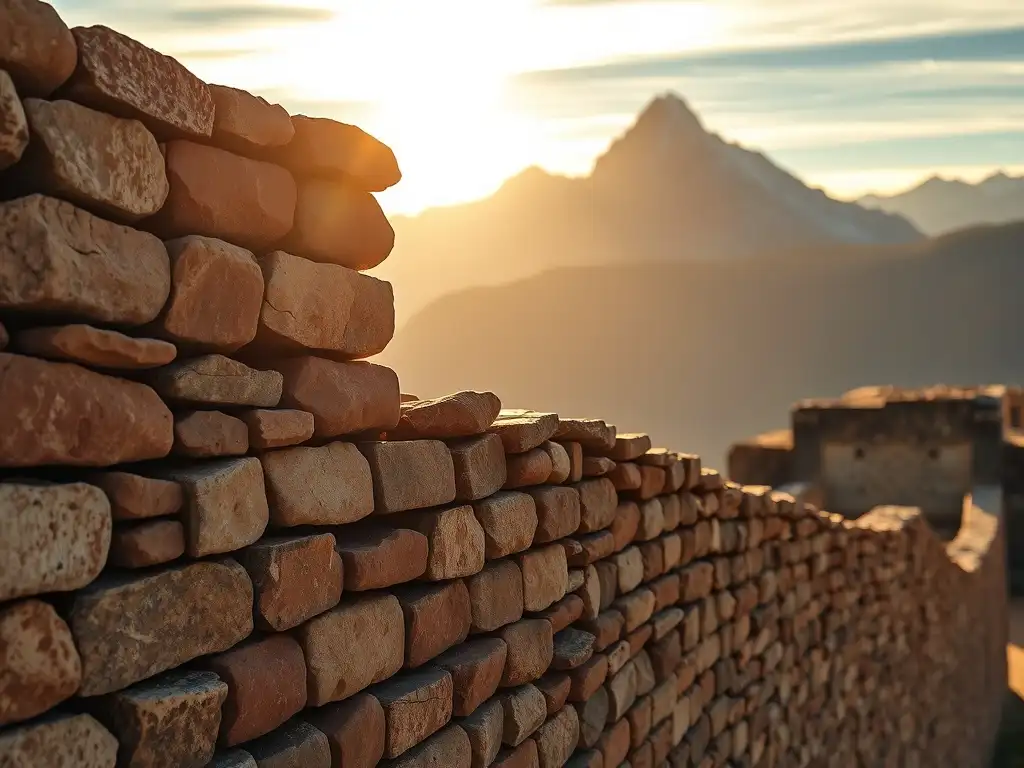
This section explores specific examples of Inca architecture that vividly illustrate their mastery of balance and symmetry, key principles underpinning their architectural achievements. The Incas weren't just building structures; they were crafting a harmonious relationship between their built environment and the natural world, reflecting their worldview and societal structure. This deliberate application of balance and symmetry wasn't arbitrary; it held deep cultural and symbolic significance, connecting the earthly realm with the spiritual. We will delve into three prime examples: Machu Picchu, Cusco, and Ollantaytambo, each showcasing distinct aspects of this architectural philosophy.
Machu Picchu: A Masterpiece of Symmetrical Design
Machu Picchu, the iconic "Lost City of the Incas," is arguably the most compelling example of Inca architectural balance and symmetry. While not perfectly symmetrical in every aspect – the mountainous terrain dictated some adjustments – the city's layout reveals a conscious effort to achieve equilibrium. The central plaza, for instance, demonstrates a clear axial symmetry, with structures mirroring each other across a central axis. This arrangement wasn't merely aesthetic; it likely reflected Inca societal hierarchies and the distribution of power.
The careful placement of buildings, considering their function and relationship to each other, further emphasizes this principle. Residential areas are arranged in a balanced manner, creating a sense of order and harmony. Even the agricultural terraces, meticulously carved into the mountainside, exhibit a remarkable symmetry, reflecting the Incas' deep understanding of both architecture and agriculture.
The integration of these elements—residential, religious, and agricultural—in a balanced composition speaks volumes about their holistic approach to city planning. The precision in stonework, the careful orientation of structures, and the overall layout all contribute to a sense of profound balance and harmony, reflecting the Inca concept of ayni – reciprocity and balance within society and nature. The use of precisely cut stones, fitted together without mortar, further highlights their dedication to achieving structural perfection and visual balance.
Cusco: The Imperial City and its Balanced Architecture
Cusco, the Inca capital, provides another significant illustration of Inca architectural balance and symmetry. While much of the original Inca city has been altered or destroyed over the centuries, remnants and surviving structures still reveal the underlying principles of their urban planning. The city's layout, even in its current state, shows a clear attempt at creating a balanced and symmetrical urban landscape. The main streets, for example, were laid out along a grid pattern, a testament to their advanced understanding of urban design.
The placement of important structures, such as the Qorikancha (Temple of the Sun), further reinforces this idea. The temple's location and its relationship to surrounding structures suggest a conscious effort to create a visual and symbolic balance within the urban fabric. Even the use of specific materials and colors likely contributed to this overall sense of harmony.
The careful integration of buildings into the natural landscape, adapting to the contours of the terrain while maintaining a sense of order, is a hallmark of Inca urban design. Analyzing Cusco's surviving architecture, even with later additions, allows us to appreciate the Incas' sophisticated understanding of balance and symmetry in urban planning, extending beyond individual buildings to encompass the entire city. Further research into pre-Columbian Cusco maps and archaeological evidence could reveal even more details about this fascinating example of Inca urban design.
Ollantaytambo: Evidence of Inca Architectural Precision
Ollantaytambo, a remarkable fortress and agricultural center, offers a different perspective on Inca architectural balance and symmetry. Here, the challenging mountain terrain influenced the city's layout, yet the Incas still managed to incorporate principles of balance and symmetry into their construction. The massive stone terraces, meticulously carved into the mountainside, demonstrate exceptional engineering skills and a remarkable sense of proportion.
The arrangement of buildings within the fortress complex, while adapted to the topography, still reveals a careful consideration of balance and symmetry. The placement of key structures, such as the temples and residential areas, suggests a deliberate effort to create a harmonious relationship between the built environment and the natural landscape.
The precision in stonework at Ollantaytambo is particularly striking, with massive stones fitted together with incredible accuracy, showcasing their advanced understanding of engineering and their commitment to creating visually appealing and structurally sound buildings. The impressive scale of the site and the integration of agriculture and defense further highlights the Incas' ability to achieve balance and harmony within a complex and challenging environment.
The sheer scale of the monolithic stones used in the construction, and their precise placement, speaks to the dedication and skill of Inca architects and workers. This site further underscores the profound connection between Inca architecture and their sophisticated understanding of balance, both structural and symbolic.
The Inca's Relationship with Nature and Architectural Balance
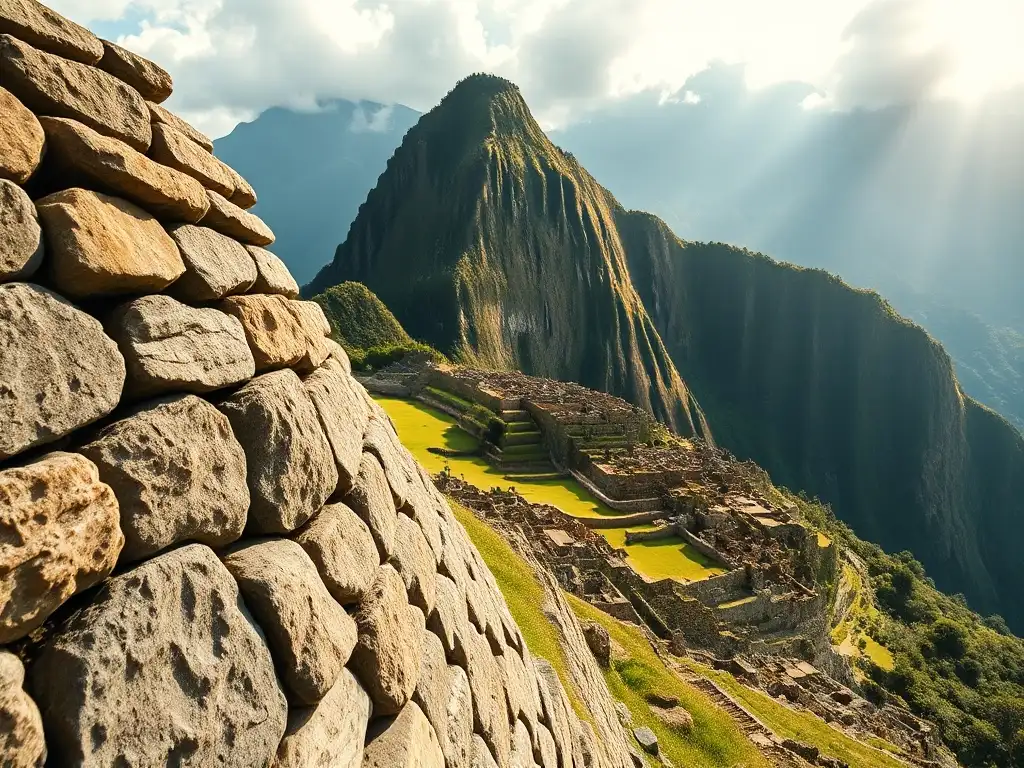
The Inca worldview was deeply intertwined with the natural world, a perspective profoundly reflected in their architectural achievements. Their buildings weren't simply structures; they were expressions of a harmonious relationship between humanity and the environment. This inherent connection fostered a unique architectural style emphasizing balance and symmetry, not merely as aesthetic choices, but as fundamental principles reflecting their cosmology and understanding of the universe.
The Inca's profound respect for Pachamama (Mother Earth) and the interconnectedness of all things shaped their approach to construction, resulting in structures that seamlessly blended with their surroundings. This holistic approach ensured that their buildings were not only functional but also spiritually significant, reinforcing their societal structure and beliefs.
Understanding this connection is key to appreciating the intricacies and underlying philosophy of Inca architecture. The concept of ayni, reciprocal exchange, further underscores this relationship, emphasizing the need for balance and harmony in all aspects of life, including the built environment.
Inca Architecture Integrated with the Landscape
Inca architecture is remarkable for its seamless integration with the landscape. Instead of imposing structures onto the environment, Inca builders skillfully adapted their designs to the natural topography. This is evident in the masterful use of terraces carved into hillsides, creating agricultural land and simultaneously shaping the landscape into aesthetically pleasing forms. The famous Machu Picchu, perched high in the Andes, is a prime example.
Its buildings are not randomly placed; they follow the contours of the mountain, creating a harmonious blend of architecture and nature. This integration wasn't merely practical; it was a spiritual act, reflecting the Inca belief in the interconnectedness of all things. The careful placement of structures, utilizing existing rock formations and minimizing environmental disruption, showcases a deep understanding of sustainable building practices far ahead of its time.
Even seemingly insignificant details, like the orientation of buildings towards the sun or significant geographical features, reveal a sophisticated understanding of the environment and its influence on human life. This profound respect for the landscape is a defining characteristic of Inca architecture and a testament to their sophisticated understanding of environmental harmony. Analysis of various Inca sites reveals consistent patterns of this landscape integration, showcasing a standardized approach to architectural design that prioritized harmony with the natural world.
The Use of Natural Materials to Achieve Harmony
The Inca's commitment to balance and symmetry extended to their choice of materials. They predominantly used locally sourced materials—stone, wood, and thatch—minimizing their environmental impact and fostering a sense of place. The precise fitting of massive stones in structures like Sacsayhuamán, without the use of mortar, is a testament to their engineering prowess and their commitment to creating structures that were both strong and aesthetically pleasing.
The skillful selection and placement of stones, often varying in size and shape but perfectly fitted together, demonstrate a sophisticated understanding of structural engineering and an appreciation for natural beauty. The use of natural pigments in their artwork and architectural decorations further enhances this connection, creating a palette of colors that harmonized with the surrounding environment. This deliberate choice of materials reflects not only a practical approach to construction but also a spiritual connection to the earth, emphasizing the importance of using resources responsibly and respectfully.
The use of these materials, meticulously shaped and placed, created a visual harmony that further reinforced the Inca concept of balance in their built environment. Further research could explore the specific sourcing and treatment of materials to reveal more about Inca architectural techniques and beliefs.
Inca Beliefs About Cosmic Balance Reflected in Architecture
Inca architecture wasn't merely functional; it was a physical manifestation of their cosmological beliefs. Their understanding of the universe was based on a concept of duality and balance, often represented by opposing forces like the sun and moon, the mountains and valleys. This duality is reflected in the symmetrical designs of many Inca structures, where mirrored elements create a sense of equilibrium and harmony.
The careful alignment of buildings with celestial events, such as solstices and equinoxes, further emphasizes this connection between the earthly and celestial realms. The use of specific geometric patterns, such as the chakana (Inca cross), in their architecture symbolizes the four elements and the interconnectedness of the cosmos. This symbolic representation of cosmic balance served not only as an aesthetic element but also as a powerful reminder of the Inca worldview and their place within the larger universe.
The symmetry and precision found in Inca structures are not accidental; they are deliberate choices that reflect a profound understanding of cosmic order and the importance of maintaining balance in all aspects of life. Further studies could delve into the specific astronomical alignments of various Inca sites and their relationship to Inca mythology and beliefs. The intricate details and symbolic elements embedded within Inca architecture offer rich insights into their worldview and the deep connection between their beliefs and their built environment.
The Legacy of Inca Architectural Balance and Symmetry
The Inca Empire's legacy extends far beyond its political and military achievements. Their architectural prowess, deeply rooted in the concept of balance and symmetry, continues to inspire awe and influence modern design. The meticulous planning and execution visible in Inca structures, from the imposing city of Machu Picchu to smaller, more localized buildings, showcase a sophisticated understanding of engineering and a profound connection to their environment.
This inherent sense of equilibrium, reflecting a worldview intertwined with nature and spirituality, is a hallmark of Inca architecture and a key element in understanding their civilization's enduring appeal. The precise placement of stones, the harmonious integration of structures into the landscape, and the overall sense of symmetry all contribute to a powerful aesthetic and functional experience. This section will explore the enduring impact of Inca architectural principles on modern Andean architecture and the continuing fascination with their design philosophy.
Influence on Modern Andean Architecture
The principles of Inca architecture, particularly the emphasis on balance and symmetry, continue to resonate in contemporary Andean design. Modern architects and builders often draw inspiration from Inca techniques and aesthetics, adapting them to contemporary needs and materials. This is evident in the use of natural materials such as stone and wood, the incorporation of traditional building methods, and the integration of structures into the landscape.
For example, many new buildings in Cusco and other Andean cities incorporate elements of Inca design, such as stonework patterns and symmetrical layouts, creating a harmonious blend of ancient and modern aesthetics. This revival is not merely a stylistic choice; it reflects a deeper connection to the cultural heritage of the Andes and a recognition of the enduring value of Inca design principles. The sustainability inherent in Inca building practices – utilizing readily available materials and minimizing environmental impact – also serves as a model for environmentally conscious modern architecture.
The careful consideration of the surrounding environment, a cornerstone of Inca architecture, is mirrored in contemporary efforts to create sustainable and harmonious buildings. We see this reflected in projects aiming for minimal environmental disruption and utilizing locally sourced materials, echoing the Inca’s resourcefulness.
The Enduring Appeal of Inca Design Principles
The enduring appeal of Inca design principles stems from a combination of factors: their inherent beauty, their functional effectiveness, and their profound cultural significance. The precise stonework, the intricate details, and the harmonious integration of buildings into the landscape create a powerful visual impact that transcends time and culture. The symmetry and balance found in Inca structures evoke a sense of order and tranquility, reflecting a deep understanding of harmony and proportion.
Beyond aesthetics, the Inca's mastery of engineering is equally compelling. Their ability to construct complex structures using relatively simple tools and materials, often in challenging terrain, demonstrates remarkable ingenuity and skill. This technological prowess, combined with their artistic sensibility, makes Inca architecture both impressive and inspiring.
Furthermore, the cultural significance of Inca structures, often associated with religious beliefs and social organization, adds another layer of meaning and intrigue, contributing to their enduring appeal. The careful consideration of the cosmos in their building placement and design further enhances the mystique and enduring interest in Inca architecture.
The Significance of Inca Balance
The concept of balance in Inca architecture is not merely an aesthetic principle; it reflects a deeper worldview that emphasizes harmony and equilibrium. This balance manifests itself in several ways: Firstly, the symmetrical layouts of many Inca structures, with carefully aligned walls and precisely placed stones, create a visual sense of equilibrium. Secondly, the integration of buildings into the landscape, often utilizing natural features to enhance the overall design, demonstrates a harmonious relationship between human creation and the natural world.
Finally, the use of carefully selected materials, often sourced locally, reflects a sustainable approach to construction that minimized environmental impact. The Inca's understanding of balance extended beyond the physical realm, encompassing a spiritual dimension. Their architecture was believed to reflect the cosmic order, with structures aligned with celestial events and embodying a sense of harmony between the earthly and spiritual worlds.
This holistic approach to design, incorporating both practical and spiritual considerations, contributes significantly to the unique character and enduring significance of Inca architecture and its emphasis on the “Inca architecture balance and symmetry”. The meticulous attention to detail, the precise alignment of stones, and the overall sense of harmony all point to a sophisticated understanding of balance as a fundamental principle in Inca culture and design.
Frequently Asked Questions
What is the most striking feature of Inca architecture?
The most striking feature is its remarkable balance and symmetry. Inca builders meticulously planned their structures to achieve a harmonious visual effect, reflecting their worldview. This is evident in their precise stonework and symmetrical layouts.
How did the Incas achieve such precise stonework?
The Incas achieved their precise stonework through advanced techniques and a deep understanding of stone cutting and fitting. They used sophisticated tools and methods, resulting in structures that fit together seamlessly, often without mortar.
What role did balance and symmetry play in Inca culture?
Balance and symmetry were not merely aesthetic choices; they reflected the Inca's cosmological beliefs. They believed that maintaining balance in architecture mirrored the cosmic order and harmony of the universe.
Are there specific examples of Inca architecture showcasing perfect balance?
Yes, many examples exist. Machu Picchu, with its meticulously planned terraces and symmetrical structures, is a prime example. Sacsayhuamán's massive, precisely fitted stones also demonstrate this principle.
How did the Inca's understanding of balance influence other aspects of their society?
Their understanding of balance extended beyond architecture, influencing their social structures, agriculture, and religious practices. This holistic approach to balance permeated all aspects of Inca life.
Final Reflection: Echoes of the Andes: A Legacy of Balance
The principles of Inca architecture, built upon the foundations of harmony and symmetry, resonate powerfully in our modern world, reminding us of the enduring human need for balance in both the built and natural environments. Their mastery of engineering and aesthetic sensibility continues to inspire awe and serves as a potent counterpoint to the often chaotic structures of contemporary society. The meticulous attention to detail and the profound understanding of their environment displayed by Inca builders offer valuable lessons for sustainable design and harmonious living.
The Inca's profound connection to their landscape, evident in their architectural achievements, continues to influence our understanding of sustainable design and the importance of integrating human structures with the natural world. Their ability to create structures that not only functioned flawlessly but also aesthetically complemented their surroundings is a testament to their holistic worldview. The mountains are our mother, the rivers are our veins; we are one with the earth.
This sentiment, though possibly apocryphal, encapsulates the deep-seated connection the Inca held with their environment, a connection reflected in the enduring beauty and functionality of their architecture.
Consider the enduring legacy of Inca architecture. How can we, in our own lives, strive for a greater sense of balance – between our built and natural environments, between our individual needs and the needs of our communities, between our aspirations and the realities of our circumstances? Embrace the spirit of Inca ingenuity and seek harmony in your own life, building a future that reflects the enduring principles of balance and symmetry. Let the echoes of the Andes inspire you to create a more beautiful and sustainable world.
Embrace Inca Wisdom: Build Your Balance Today!
Thank you for exploring the fascinating world of Inca architecture and its profound emphasis on balance. You've discovered how harmony and symmetry shaped not only their structures but also their entire way of life. Now, let's apply this ancient wisdom to your own life.
Here are some practical steps you can take to bring more balance and harmony into your daily routine:
- Cultivate a Daily Reflection Practice: Take a few minutes each day to contemplate what balance means to you. Consider journaling or meditating; this mindful practice will build a strong foundation for greater harmony in your life.
- Create a Harmonious Environment: Surround yourself with elements that promote peace and serenity, mirroring the balanced designs of Inca architecture. Rearrange your furniture, add plants, or declutter to create spaces that feel tranquil and supportive.
- Share Your Discoveries: Discuss what you've learned about Inca architecture and the concept of balance with friends and family. Perhaps host a gathering where you can share insights and explore different perspectives on achieving harmony.
What steps will you take to cultivate your own sense of balance, inspired by the Inca's ancient wisdom? Let's discuss your ideas in the comments below!