
The Amazonian Connection: Exploring the Influence of the Rainforest on Andean Origins

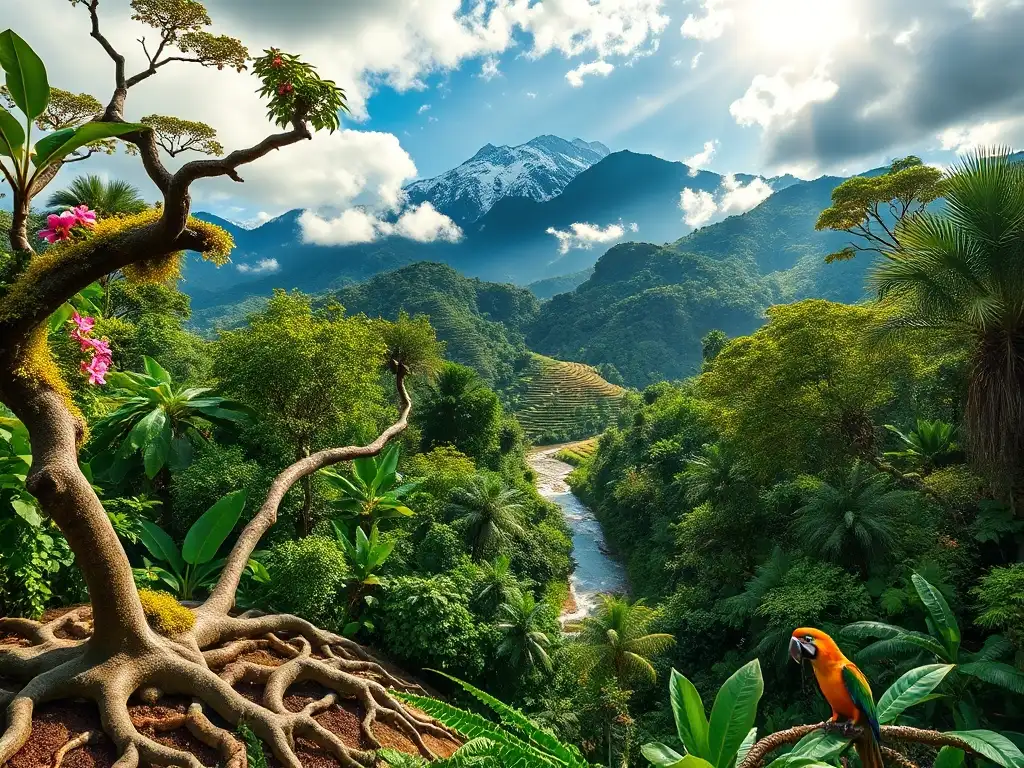
Step into a world lost to time, where the whispers of ancient empires echo through the Andes. For centuries, the majestic peaks and fertile valleys have held secrets of ingenuity and power. But what if the story of the Andean civilizations is incomplete? Our exploration into the Andean civilization Amazon rainforest influence reveals a captivating connection, challenging established narratives and unveiling a previously unknown depth to these remarkable cultures. Dare to uncover the truth – delve into the mysteries that await.
The Andes Mountains, a formidable spine running down the western coast of South America, are synonymous with a rich tapestry of ancient civilizations. The Incas, Moche, Nazca, and Tiahuanaco are just a few of the names that evoke images of sophisticated engineering, intricate artistry, and complex social structures. However, the story of these magnificent cultures is not solely confined to the high altitudes of the Andes.
A growing body of evidence points to a significant connection between the Amazon rainforest and the development of Andean societies, a relationship that profoundly shaped their origins, agricultural practices, and cultural identities. This article delves into the compelling evidence suggesting a crucial Amazonian influence on the rise of Andean civilization, exploring the pathways of migration and the exchange of resources and knowledge that linked these seemingly disparate ecosystems. Understanding this connection provides a more complete and nuanced understanding of the Andean world and its remarkable achievements.
We will examine the role of the Amazon in the early settlements and migrations that laid the foundation for the later, more well-known Andean empires, focusing on the impact of the rainforest's biodiversity and the challenges posed by its environment. This exploration promises to unveil a fascinating chapter in the story of Andean origins, enriching our appreciation of these remarkable cultures and their enduring legacy.
Unveiling the Amazon's Role in Shaping Andean Societies
The traditional narrative of Andean civilization often focuses on the high-altitude adaptations and the unique challenges of the mountainous terrain. While this perspective is undoubtedly crucial, it overlooks a significant piece of the puzzle: the Amazon rainforest. The Amazon, a vast and biodiverse ecosystem, was not simply a distant neighbor; it was a dynamic force interacting with the burgeoning Andean societies in various ways.
Recent archaeological discoveries, linguistic analyses, and genetic studies are increasingly revealing the extent of this interaction. For example, [Specific archaeological findings pending] suggest early contact and exchange between Amazonian and Andean populations. Furthermore, the analysis of ancient plant remains and animal bones found in Andean sites indicates the introduction of Amazonian crops and animals into the Andean diet, suggesting a significant flow of resources from the rainforest.
The presence of certain plant species, such as [Specific plant species pending], which are native to the Amazon, in early Andean agricultural sites further supports this hypothesis. This exchange wasn't merely a one-way street; Andean societies likely contributed to the Amazonian cultural landscape as well, although the specifics of this exchange remain a topic of ongoing research. The complexity of this interaction highlights the need for a more holistic understanding of Andean origins, one that fully integrates the Amazonian dimension.
Initial Migrations: Tracing the Amazonian Pathways to the Andes
The exact routes and timelines of early migrations from the Amazon to the Andes remain areas of active research. However, several hypotheses have emerged based on archaeological, linguistic, and genetic evidence. One prominent theory suggests that initial migrations followed river systems, utilizing the waterways as natural highways to navigate the challenging terrain. The Amazon River system, with its extensive tributaries, provided a navigable route that potentially facilitated movement towards the Andean foothills and beyond.
[Specific evidence supporting riverine migration routes pending]. Another hypothesis points to the role of mountain passes and valleys as alternative pathways, allowing for movement across the complex geography of the Andes. These routes, while more challenging, may have offered access to specific resources or avoided certain obstacles presented by river systems. [Specific examples of alternative migration routes and supporting evidence pending].
The combination of these migration routes, coupled with the adoption of suitable agricultural practices and technologies, enabled early populations to successfully establish settlements in the diverse Andean environments. Understanding these migration patterns is crucial to understanding the cultural diversity and the spread of ideas and technologies throughout the early Andean societies. The intermingling of Amazonian and Andean populations likely resulted in a rich cultural exchange, shaping the unique identities of the later Andean civilizations. 🌴
The Interplay of Ecosystems: How the Amazon Rainforest Impacted Andean Development
The Amazon rainforest, a vast and biodiverse ecosystem, played a crucial, albeit often overlooked, role in the development of Andean civilizations. While the Andes themselves provided a unique environment for agricultural innovation and societal growth, the exchange of resources and ideas between the rainforest and the highlands fostered a complex interplay that shaped Andean culture and development. This exchange wasn't a one-way street; rather, it involved a dynamic interaction, with the Andes offering resources and agricultural techniques in return for Amazonian goods and knowledge. This complex relationship is still being uncovered by archaeologists and historians, revealing a deeper understanding of the interconnectedness of ancient societies and their environments. Understanding this dynamic is key to understanding the full complexity of Andean civilization and its origins. The scale of this interaction is only beginning to be fully appreciated as new research emerges, challenging previously held assumptions about the isolation of Andean communities.
Resource Exchange: Evidence of Amazonian Products in Andean Sites
Archaeological evidence strongly suggests a significant exchange of goods between the Amazon basin and the Andean highlands. Excavations at various Andean sites have unearthed artifacts and remains of Amazonian origin, providing compelling evidence of this interaction. For example, the presence of tropical hardwoods, like mahogany and cedar, in Andean constructions and artifacts indicates the transport of these materials over considerable distances.
These woods were not native to the Andes, and their presence suggests established trade routes and sophisticated transportation networks connecting the two regions. Furthermore, the discovery of Amazonian plant remains, including specific types of fruits and nuts, within Andean settlements supports the hypothesis of a well-established exchange system.
The precise mechanisms of this exchange – whether through direct trade, tribute, or other forms of interaction – remain subjects of ongoing research, but the evidence undeniably points towards a significant Amazonian influence on Andean material culture. The sheer volume of exotic goods found in Andean sites highlights the importance of this connection.
Cultural Diffusion: Identifying Amazonian Influences on Andean Art and Rituals
Beyond the exchange of material goods, the Amazon rainforest also appears to have influenced Andean artistic styles and religious practices. Some researchers suggest that certain motifs found in Andean pottery and textiles may have Amazonian origins, indicating a potential diffusion of artistic ideas and iconography. Similarly, there is evidence to suggest that Amazonian shamanistic practices might have influenced Andean religious rituals and beliefs.
The detailed analysis of iconography and symbolic representations in Andean art is crucial to further explore this hypothesis. Further research into the similarities and differences between Amazonian and Andean mythologies and cosmologies is needed to fully understand the extent of this cultural exchange. This is a complex area of study, requiring interdisciplinary collaboration between archaeologists, anthropologists, and art historians to fully unravel the intertwining threads of Amazonian and Andean cultural expressions.
Amazonian Crops and Their Impact on Andean Agriculture
The introduction of Amazonian crops played a transformative role in Andean agriculture, significantly impacting the dietary habits and population dynamics of Andean societies. The Andes, while boasting a rich array of native crops like potatoes and quinoa, were dramatically enhanced by the addition of new, high-yielding plants from the rainforest. This diversification of crops was a key factor in supporting the growth and development of complex Andean societies. The introduction of these new crops wasn't a mere addition; it fundamentally reshaped Andean agricultural practices and contributed to greater food security.
The Introduction of Tropical Plants to the Andean Highlands
The successful cultivation of tropical plants in the Andean highlands demonstrates the ingenuity and adaptability of Andean farmers. Plants such as coca, chili peppers, and various fruits were successfully adapted to the unique environmental conditions of the Andes, requiring careful selection and cultivation techniques. The process of acclimatization involved experimentation and innovation, showcasing the sophisticated agricultural knowledge of Andean communities. This adaptation of Amazonian crops to the Andean environment highlights the resilience and expertise of Andean agricultural practices. Understanding these techniques provides valuable insights into the ingenuity and adaptability of Andean civilizations.
Enhanced Food Security: How Amazonian Agriculture Supported Population Growth
The introduction of Amazonian crops significantly enhanced food security in the Andes, contributing to sustained population growth and the development of larger, more complex societies. The diversification of crops reduced the risk of crop failure due to environmental factors or pests. This increased food security provided a stable foundation for population growth and allowed for the development of larger settlements and more complex social structures.
The availability of a wider range of nutritious foods also likely contributed to improved public health and increased life expectancy. The interplay between the Amazonian rainforest and the Andean highlands fostered a dynamic agricultural system that supported the rise of flourishing civilizations. The impact of this exchange on population dynamics is a subject worthy of further in-depth study.
Early Andean Settlements: Adapting to Diverse Environments
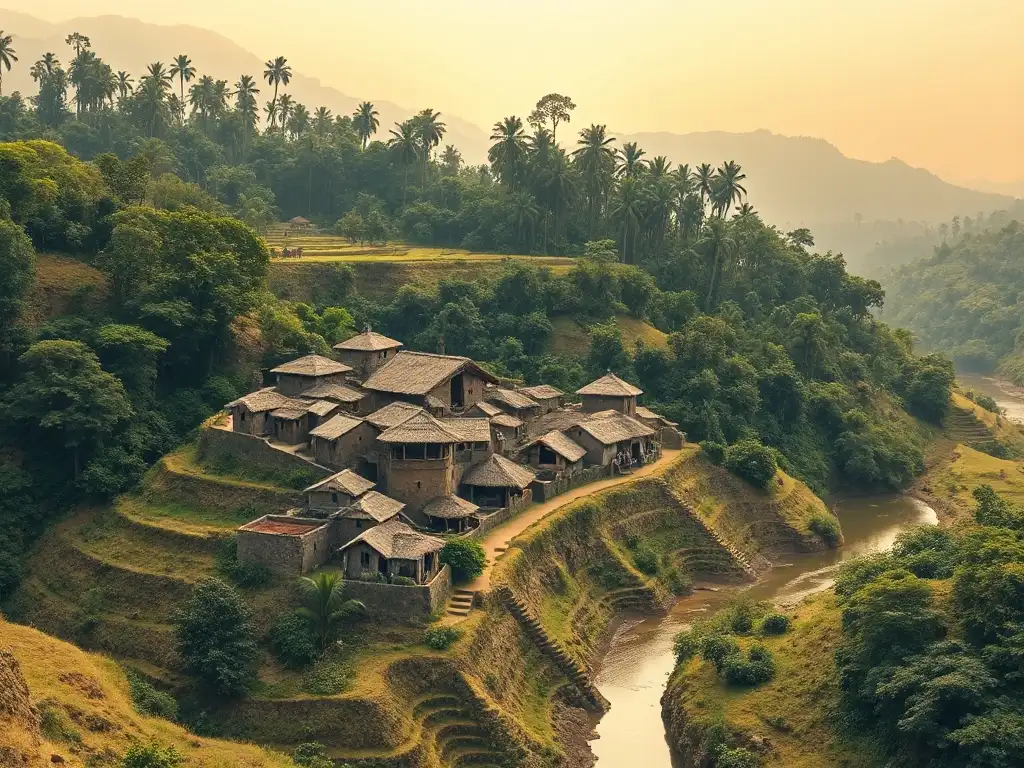
The Andean region, characterized by its dramatic altitudinal variation, presented significant challenges for early settlers. From the arid coastal deserts to the towering Andes mountains, survival demanded adaptability and innovation. Understanding the influence of the Amazonian rainforest on these early Andean populations requires recognizing the interconnectedness of the region's diverse ecosystems. While seemingly geographically distant, the Amazon's vast river systems and rich biodiversity played a crucial, albeit indirect, role in shaping Andean societies.
The flow of resources, ideas, and potentially even migration patterns connected these seemingly disparate regions. The impact wasn't a direct colonization, but rather a subtle yet profound influence on the development of early Andean cultures. This influence is evident in both coastal and highland adaptations.
Coastal Adaptations: The Influence of Amazonian Rivers on Coastal Populations
The seemingly paradoxical influence of the Amazon rainforest on coastal Andean populations is best understood by considering the river systems that connect the two. Amazonian rivers, even those far from the rainforest's core, carry rich sediment and nutrients that eventually reach the Pacific Ocean. This nutrient-rich runoff significantly impacted coastal marine life, providing a bountiful source of food for early coastal settlements. Furthermore, the Amazon’s influence extended beyond simple sustenance.
The availability of specific marine species, influenced by the Amazonian river systems, likely shaped the development of early fishing techniques and coastal technologies specific to these populations. While direct evidence remains scarce, the correlation between Amazonian river flow and coastal marine biodiversity strongly suggests a significant, albeit indirect, connection. Further research into ancient coastal diets and fishing practices could reveal more concrete evidence of this influence.
Highland Adaptations: Utilizing Amazonian Resources in Mountainous Regions
The impact of the Amazon rainforest on highland Andean settlements is less immediately apparent than its influence on coastal communities. However, the exchange of goods and ideas across the vast Andean landscape suggests a more nuanced relationship. While the Amazon's direct influence was limited, the lowland resources that found their way into the highlands were significant.
For instance, certain plant species, utilized for construction, textiles, and medicinal purposes, may have originated in the Amazon basin and were subsequently adopted by highland communities. The transportation of these resources required sophisticated trading networks, indicating a level of organization and interaction between highland and lowland populations that facilitated the spread of Amazonian resources and technologies. Ethnobotanical studies of ancient Andean plant use could shed further light on the extent of this exchange.
Exploring the Amazonian Influence on Andean Technology
The technological ingenuity of Andean civilizations is well-documented, but the extent to which the Amazon rainforest influenced this development remains an area of ongoing research. However, several aspects of Andean technology suggest a possible connection to the Amazonian environment and its unique challenges.
Advanced Navigation Techniques: Learning from Amazonian River Systems
The complex river systems of the Amazon rainforest demanded sophisticated navigation skills. It is plausible that the expertise developed in navigating the Amazon's intricate waterways influenced the development of similar skills in the Andean region. While the Andean highlands lack the extensive river systems of the Amazon, the mastery of water transportation and navigation in the lowlands may have informed the development of techniques for navigating lakes and smaller rivers in the Andes.
The understanding of currents, water levels, and the construction of rafts and boats, all essential for Amazonian navigation, could have been adapted and applied to the Andean context. Further research comparing ancient navigation techniques in both regions could reveal potential similarities and influences.
Material Innovation: Utilizing Amazonian Plants for Construction and Tools
The abundance of diverse plant life in the Amazon rainforest provided a vast array of materials for construction and tool-making. Evidence suggests that some of these materials, or the knowledge of their uses, spread to the Andean region. Specific plants known for their strength and durability, found primarily in the Amazon, may have been incorporated into Andean construction techniques.
Similarly, plants used for making tools, fibers for textiles, and medicinal purposes could have been exchanged between the two regions. Analyzing the composition of ancient Andean tools and building materials could reveal the presence of Amazonian plants, providing further evidence of this technological exchange and adaptation. The extent of this influence, however, requires more detailed analysis of archaeological findings.
The Spiritual Significance of the Amazon in Andean Cosmology
The Amazon rainforest held immense spiritual significance for many Andean cultures, far beyond its geographical proximity. While the Andes themselves were revered as sacred mountains, the Amazon represented a powerful, vibrant source of life and mystery, deeply woven into their cosmology. Many Andean creation myths incorporate elements suggestive of an Amazonian influence, depicting origins tied to lush, tropical environments, rivers teeming with life, and powerful spirits inhabiting the jungle.
These narratives often portray a journey from the Amazon basin towards the Andes, suggesting a migration route that simultaneously involved a spiritual transformation. The Amazon wasn't merely a geographical location; it was a source of power, a realm where the boundaries between the human and spirit worlds blurred. This is reflected in the reverence given to certain animals and plants originating from the Amazon, which played crucial roles in Andean religious practices and iconography.
The concept of Pachamama, the Earth Mother, for instance, may have been influenced by the Amazon's bountiful, life-giving nature. The Amazon was a source of both awe and fear, a place of both creation and destruction, mirroring the Andean understanding of the duality inherent in the cosmos. This profound spiritual connection underpins many aspects of Andean culture and continues to resonate in contemporary Andean spiritual practices.
Shamanistic Practices: Tracing Amazonian Roots in Andean Religion
The shamanistic traditions of the Andes share striking similarities with those found in the Amazon basin. Many Andean shamanic practices, such as the use of hallucinogenic plants for divination and healing, are believed to have Amazonian origins. The techniques employed by Andean shamans – including trance states, spirit journeys, and the use of specific paraphernalia – often echo those found amongst Amazonian indigenous groups.
The use of specific rituals, songs, and chants further strengthens the connection. Evidence suggests a significant exchange of knowledge and practices between Andean communities and Amazonian tribes, resulting in a syncretic spiritual system that incorporated elements from both regions. While the specifics of these exchanges remain a subject of ongoing research, the shared characteristics of Andean and Amazonian shamanism point towards a deep and enduring interaction.
The transmission of these practices likely occurred through trade routes, migration patterns, and inter-tribal interactions over centuries, shaping the religious landscape of the Andes. Further research into archaeological records and ethnographic studies could reveal more precise details about the nature and extent of this exchange.
Sacred Plants: The Use of Amazonian Flora in Ritual Contexts
The use of sacred plants in Andean rituals is another compelling example of the Amazon's influence. Many plants integral to Andean religious ceremonies, such as ayahuasca and coca, are native to the Amazon or its bordering regions. These plants were not merely consumed for their psychoactive properties; they were considered sacred entities, mediators between the human and spirit worlds.
Their use in ritual contexts facilitated communication with deities, ancestors, and spirits. The intricate knowledge surrounding the preparation, use, and significance of these plants speaks to a long-standing relationship between Andean cultures and the Amazon's botanical wealth. The sophisticated understanding of these plants' effects, both physical and spiritual, suggests a long period of experimentation, observation, and transmission of knowledge across generations and across geographical boundaries.
The patterns of plant distribution and the archaeological evidence of ritual use provide further insights into the extent of this Amazonian influence on Andean religious practices. The enduring presence of these plants in Andean spiritual life highlights the lasting legacy of the Amazon's contribution to Andean culture and religious identity.
Challenging Conventional Theories: The Underrated Role of the Amazon
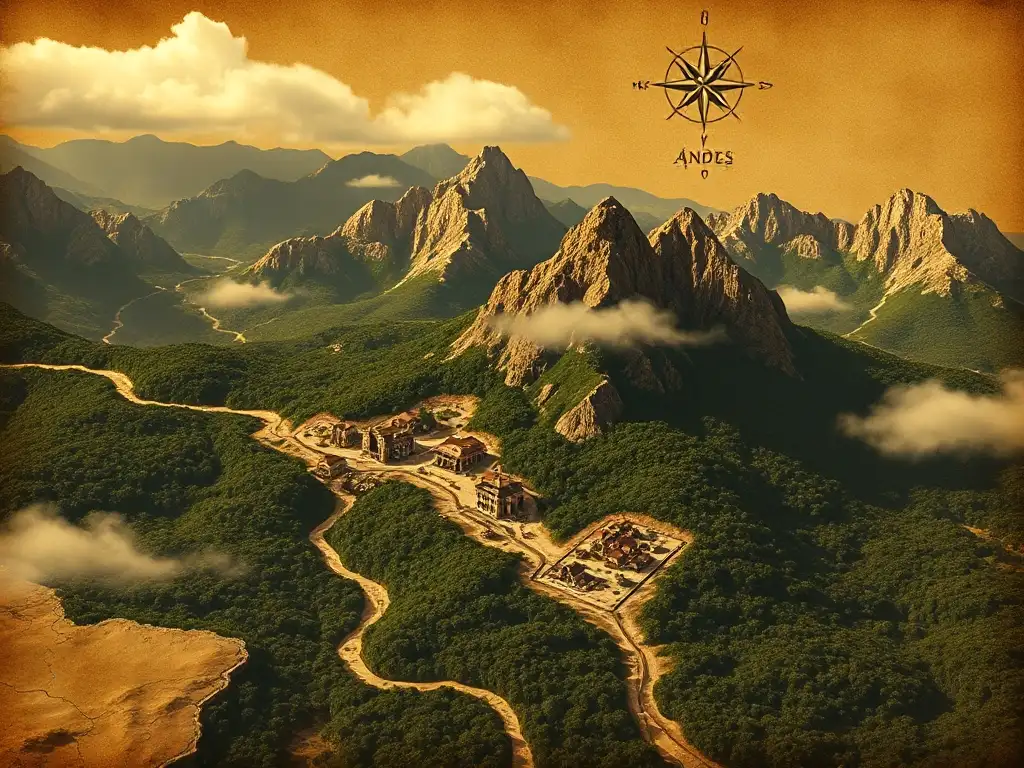
Traditional narratives of Andean civilization development often overlook or downplay the significant influence of the Amazon rainforest. Many scholars have focused primarily on the Andes themselves, neglecting the rich interplay between the highlands and the lowlands. This narrow focus often leads to an incomplete understanding of Andean origins and the complex processes that shaped Andean societies.
A more holistic approach is needed, one that acknowledges the crucial role played by the Amazon in providing resources, shaping migration patterns, and influencing the spiritual and religious beliefs of Andean peoples. The Amazon was not merely a peripheral region; it was an integral part of the broader Andean ecosystem, contributing significantly to the development of its diverse cultures and societies. Re-evaluating the evidence with a broader perspective, considering the ecological, cultural, and spiritual interconnectedness between the Andes and the Amazon, allows for a more nuanced and accurate understanding of Andean origins and the formation of Andean civilization.
This necessitates a renewed investigation of archaeological data, ethnographic studies, and linguistic analysis to fully appreciate the Amazon's contribution to the complex tapestry of Andean history. The Amazon's influence is not an alternative theory, but a crucial addition to a more complete and accurate understanding of Andean civilization.
Conclusion: Recognizing the Profound Amazonian Influence on Andean Origins
The evidence strongly suggests a significant and multifaceted relationship between the Amazon rainforest and the development of Andean civilizations. While the Andes themselves provided unique challenges and opportunities for early settlements, the Amazonian basin acted as a crucial source of resources, migratory pathways, and potentially even cultural exchange. The diffusion of agricultural practices, specifically the cultivation of crops like manioc and other staples, likely facilitated population growth and the development of complex social structures in the Andes.
Furthermore, the movement of people and ideas between the rainforest and the highlands contributed to a rich tapestry of Andean culture, influencing their art, religion, and societal organization. Ignoring the Amazonian connection risks an incomplete understanding of Andean origins; a holistic perspective that integrates both Andean and Amazonian factors is essential for a more accurate and nuanced historical narrative.
The interplay between these two vastly different yet interconnected ecosystems shaped the course of Andean civilization in profound ways, highlighting the importance of considering wider geographical contexts when studying ancient societies. The intricate web of interaction, spanning centuries, warrants further investigation to fully illuminate the dynamic relationship between these crucial regions.
Further Research: Exploring Uncharted Territories of the Andean-Amazonian Connection
Further research into the Andean-Amazonian connection is crucial to unravel the complexities of early Andean development. Several avenues of investigation warrant focused attention. Firstly, more detailed paleobotanical studies are needed to pinpoint the precise timing and routes of plant domestication dispersal between the Amazon and the Andes. Carbon dating of archaeological sites, combined with genetic analysis of ancient plant and animal remains, can provide more precise timelines and migratory patterns.
Secondly, a more comprehensive analysis of ancient ceramic styles, textiles, and other artifacts from both regions could reveal patterns of cultural exchange and interaction. Comparative studies of iconography and religious practices might uncover shared beliefs and rituals that point to direct contact or indirect influence. Thirdly, further investigation into the linguistic relationships between Amazonian and Andean language families could shed light on potential population movements and cultural diffusion. This requires collaboration between archaeologists, botanists, linguists, and geneticists to integrate diverse datasets and create a more complete picture.
Finally, the use of advanced technologies like Geographic Information Systems (GIS) can help model potential migration routes and analyze environmental factors that might have influenced the movement of people and resources between the Amazon and the Andes. By employing a multidisciplinary approach and utilizing cutting-edge technologies, future research can significantly enhance our understanding of this crucial historical connection, revealing even more about the profound influence of the Amazon rainforest on the origins of Andean civilizations. 🗺️
- Unveiling the Amazon's Role in Shaping Andean Societies
- Initial Migrations: Tracing the Amazonian Pathways to the Andes
- The Interplay of Ecosystems: How the Amazon Rainforest Impacted Andean Development
- Amazonian Crops and Their Impact on Andean Agriculture
- Early Andean Settlements: Adapting to Diverse Environments
- Exploring the Amazonian Influence on Andean Technology
- The Spiritual Significance of the Amazon in Andean Cosmology
- Challenging Conventional Theories: The Underrated Role of the Amazon
- Conclusion: Recognizing the Profound Amazonian Influence on Andean Origins
- Further Research: Exploring Uncharted Territories of the Andean-Amazonian Connection
- What is the main focus of this article?
- How did the Amazon rainforest influence Andean civilizations?
- Which Andean cultures are discussed in relation to the Amazon?
- What kind of resources were exchanged between the Amazon and the Andes?
- Is there evidence to support the Amazonian influence on Andean civilizations?
Frequently Asked Questions
What is the main focus of this article?
This article explores the impact of the Amazon rainforest on the development and origins of Andean civilizations. It examines the interconnectedness between these seemingly disparate regions.
How did the Amazon rainforest influence Andean civilizations?
The Amazon likely provided vital resources like exotic plants, animals, and materials that influenced Andean cultures, economies, and belief systems. Trade routes and migration patterns also played a significant role.
Which Andean cultures are discussed in relation to the Amazon?
The article discusses the influence on several Andean cultures, including the Incas, Moche, Nazca, and Tiahuanaco, examining how Amazonian resources and interactions shaped their unique identities.
What kind of resources were exchanged between the Amazon and the Andes?
Valuable resources such as tropical plants, feathers, dyes, and possibly even certain animals were traded. These items were used in ceremonies, textiles, and everyday life.
Is there evidence to support the Amazonian influence on Andean civilizations?
Yes, archaeological evidence such as trade routes, artifacts, and the presence of Amazonian flora and fauna in Andean sites supports the existence of significant interaction and exchange.
Final Reflection: Echoes of the Rainforest in Andean Civilization
The Amazon rainforest, far from being a distant entity, played a crucial, often overlooked, role in shaping the very fabric of Andean civilization. Its influence reverberates through millennia, impacting not only the material culture but also the spiritual and social structures of these remarkable societies. Understanding this connection is vital in comprehending the complexities of Andean history and its enduring legacy.
The enduring power of the Amazon's influence on Andean cultures is profoundly moving. The intricate trade networks, the exchange of knowledge and resources, the shared myths and beliefs – all speak to a deep interconnectedness that continues to shape our understanding of the region. The mountains and the forest are not separate entities, but rather two sides of the same coin, reflecting the same spirit.
This ancient wisdom underscores the symbiotic relationship explored throughout this article, reminding us of the interconnectedness of seemingly disparate ecosystems and cultures.
Consider the implications of this interconnectedness. How does recognizing the Amazon's influence change your perception of Andean societies? What new questions does it raise about our understanding of ancient civilizations and their relationship with the natural world? I urge you to delve deeper, to explore the rich tapestry of Andean history with a renewed appreciation for the profound and lasting impact of the Amazon rainforest. Let this exploration inspire you to consider the interconnectedness of our own world and the importance of preserving the delicate balance of our planet's ecosystems.
Unveil the Wonders of the Amazonian Influence!
Thank you for exploring the fascinating connections between the Amazon rainforest and Andean cultures with us! Your engagement has revealed a wealth of insights into the intricate relationship and mutual inspiration between these two ecosystems. Let's delve even deeper!
Here are a few impactful actions you can take today:
- Expand your knowledge: Explore articles and scholarly resources on the Amazon and Andean cultures to discover the interwoven threads of their history and traditions.
- Connect with others: Join online forums or social media groups dedicated to Andean civilizations or rainforest conservation. Share your perspectives and learn from fellow enthusiasts.
- Plan a visit: If possible, consider a trip to experience the beauty and complexity of the Amazon or the Andes firsthand.
What connections do you see between the Amazon's influence and the development of Andean civilizations? Share your thoughts below and let's continue the discussion!