
Tapestry Tales: Stories Woven into the Fabric of Andean Culture

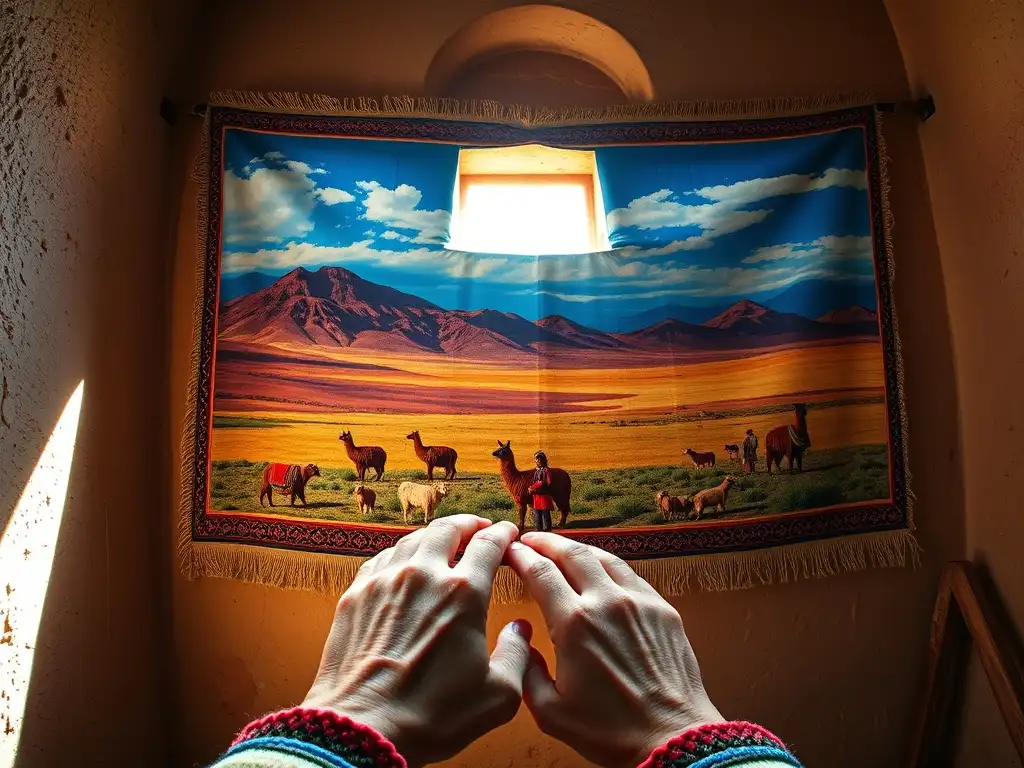
Unravel the mysteries woven into the vibrant Andean civilizations tapestry stories. Journey with us through a captivating world of ancient empires, where intricate artistry and breathtaking ingenuity intertwine. From the soaring heights of Machu Picchu to the enigmatic Nazca Lines, discover the hidden narratives embedded in the art and iconography of the Incas, Moche, Nazca, and Tiahuanaco. Prepare to be amazed as we delve into the rich tapestry of Andean culture – a story waiting to be explored.
The vibrant threads of Andean culture are intricately woven not only into their breathtaking textiles but also into the very fabric of their history and beliefs. This article delves into the captivating world of Andean tapestries, exploring how these seemingly simple pieces of cloth served as powerful mediums for storytelling, preserving ancestral knowledge, and transmitting complex social and religious narratives across generations.
From the intricate designs of the Nazca lines reflected in their textiles to the symbolic representations of Inca power in their finely spun garments, we'll unravel the rich tapestry of meanings embedded within these remarkable artifacts. Understanding these textile narratives offers a unique and profound insight into the beliefs, practices, and social structures of the diverse Andean civilizations, enriching our comprehension of their sophisticated cultures far beyond what archaeological digs alone can reveal.
We will examine specific examples from various Andean cultures, highlighting the techniques, symbolism, and the stories they tell, ultimately demonstrating the crucial role textiles played in shaping Andean identities and legacies.
Decoding the Designs: Symbolism in Andean Textiles
Andean textiles are far more than just decorative objects; they are complex visual narratives. Each color, pattern, and motif carries deep symbolic meaning, often reflecting cosmological beliefs, social hierarchies, and historical events. For instance, the use of specific colors like red (associated with blood, fertility, and power) or yellow (representing gold, the sun, and royalty) wasn't arbitrary.
These weren't simply aesthetic choices; they were carefully chosen components in a larger visual language. Detailed studies of surviving textiles reveal intricate representations of animals, deities, and mythical creatures, offering glimpses into the rich cosmology of these ancient cultures. The repetition of certain motifs, such as geometric patterns or stylized depictions of flora and fauna, often reinforces specific cultural messages or narratives.
Further research into the techniques used, such as the intricate backstrap loom weaving, also adds another layer to the story, revealing the sophisticated technological skills of Andean artisans. Consider, for example, the intricate knotting techniques used in some textiles—each knot potentially representing a word or idea in a complex visual code.
The Inca Empire: Imperial Threads and Royal Propaganda
The Inca Empire, renowned for its sophisticated organization and vast territory, utilized textiles as a powerful tool for projecting imperial power and consolidating control. Royal textiles, often adorned with intricate designs and luxurious materials like vicuña wool, served as potent symbols of authority and divine right. These garments, reserved for the elite, were not merely clothing; they were visual statements of status and power.
The use of specific colors, patterns, and motifs—perhaps depicting the Inca sun god Inti or other important deities—reinforced the Inca's claim to divine legitimacy and their control over the vast empire. Furthermore, the production and distribution of textiles were carefully regulated, ensuring that only certain individuals or groups had access to the finest materials and most elaborate designs.
This controlled production further solidified the Inca's control and reinforced social hierarchies. Archaeological evidence reveals the existence of specialized workshops and skilled weavers who dedicated their lives to producing these magnificent textiles, highlighting the significant economic and social importance of textile production in the Inca Empire.
Beyond the Inca: Textile Traditions of Other Andean Cultures
While the Inca Empire's textile traditions are well-documented, many other Andean cultures developed their own unique and sophisticated textile arts. The Moche, known for their elaborate ceramics, also created exquisite textiles, often depicting scenes from their daily life, religious rituals, and mythical narratives. The Nazca culture, famous for its enigmatic lines etched into the desert landscape, produced textiles with equally striking imagery, often reflecting the same iconography found in their monumental artwork.
The Tiahuanaco culture, characterized by its monumental architecture and sophisticated social organization, also created textiles with distinct stylistic features, reflecting their unique worldview and artistic sensibilities. Each culture's textile tradition offers a distinct window into their worldview, artistic expression, and technological prowess.
Further research into these diverse traditions reveals the remarkable creativity and innovation of Andean artisans across different time periods and geographical locations. The diversity of these styles showcases the richness and complexity of Andean textile art as a whole.
Preserving the Legacy: Textiles as Historical Documents
Andean textiles are not merely beautiful objects; they are invaluable historical documents. They provide tangible evidence of past societies, offering insights into their lives, beliefs, and technologies that are often unavailable through other sources. The meticulous detail of these textiles allows researchers to reconstruct aspects of Andean social structures, religious practices, and daily life.
The survival of these textiles, often discovered in archaeological contexts, provides crucial information about the materials used, the techniques employed, and the social context in which they were created. By carefully analyzing these artifacts, scholars can piece together a more comprehensive understanding of Andean civilizations, enriching our appreciation of their complex and fascinating cultures.
The ongoing study and preservation of these textiles are essential for ensuring that the stories woven into their fabric continue to resonate for generations to come. The meticulous documentation and careful preservation of these fragile pieces are crucial to safeguarding this irreplaceable cultural heritage.
- Decoding the Designs: Symbolism in Andean Textiles
- The Inca Empire: Imperial Threads and Royal Propaganda
- Beyond the Inca: Textile Traditions of Other Andean Cultures
- Preserving the Legacy: Textiles as Historical Documents
The Significance of Andean Tapestries in Ancient Civilizations
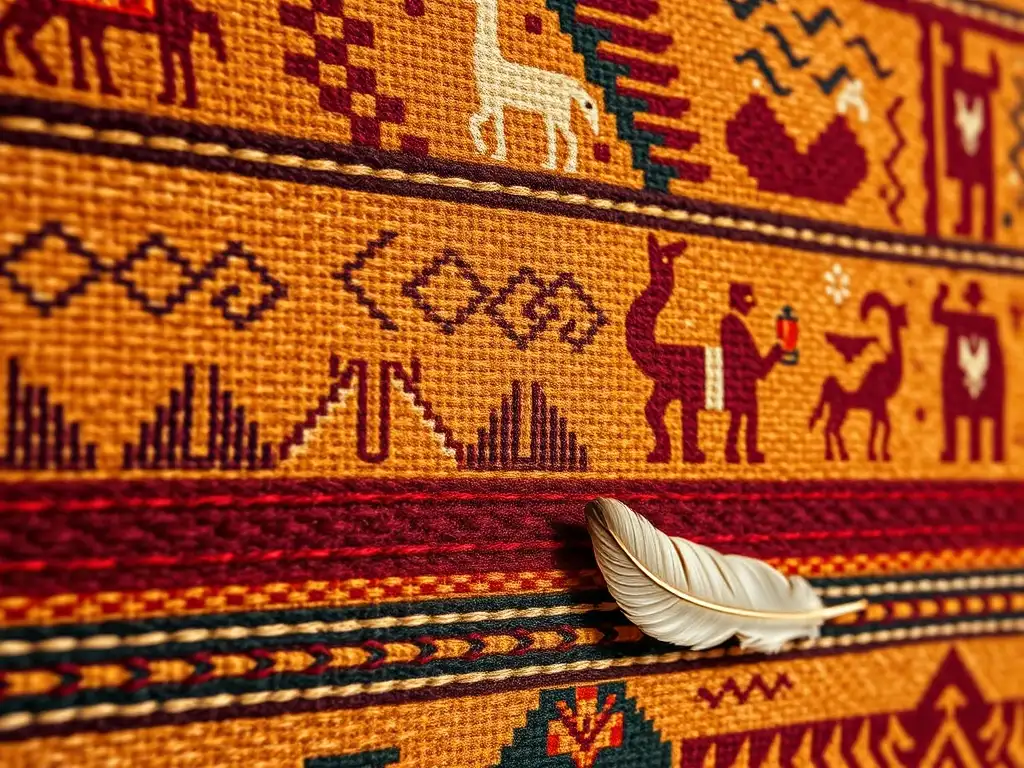
Andean tapestries weren't merely decorative items; they were powerful expressions of Andean civilizations' rich cultural heritage. These intricately woven textiles served as vital components of social structures, religious practices, and daily life, offering a unique window into the beliefs, values, and artistic skills of these fascinating societies. The enduring legacy of these tapestries is evident in their continued relevance to our understanding of Andean history and the enduring power of textile art.
Analyzing their designs, materials, and techniques reveals a wealth of information about the social hierarchy, religious beliefs, and technological advancements of various Andean cultures, including the Inca, Nazca, and Moche civilizations. The preservation of these tapestries, often found in burial sites or as remnants of everyday life, allows us to piece together a complex narrative of Andean life and artistry.
Their survival, despite the passage of centuries, underscores their importance within their respective societies. Their creation demanded significant time, skill, and resources, reflecting their high social value.
Andean Textile Art as a Form of Communication
Andean textile art transcended mere aesthetics; it was a sophisticated system of communication. Through intricate designs, vibrant colors, and symbolic motifs, weavers conveyed complex narratives, religious beliefs, and social hierarchies. For example, the use of specific colors could represent different deities, social status, or even historical events.
The choice of materials – alpaca wool, cotton, or camelid fibers – also held symbolic meaning, reflecting the weaver's social standing and access to resources. Consider the intricate khipus, knotted cords used by the Inca for record-keeping. While not strictly tapestries, these knotted strings demonstrate the Andean peoples' mastery of encoding information through textile techniques.
These complex systems of knots represented numerical data, historical events, and even mythological stories, highlighting the sophisticated communication systems embedded within their textile traditions. The detailed iconography found in many tapestries, from depictions of animals and deities to representations of agricultural practices, provides a visual record of Andean life and cosmology. The preservation of these visual narratives offers invaluable insights into the worldview and cultural values of these ancient Andean societies.
The Cultural Importance of Weaving in Andean Societies
Weaving held immense cultural importance in Andean societies, deeply embedded in their social fabric and religious practices. It was a highly valued skill, often passed down through generations within families, with specialized roles and responsibilities assigned based on expertise and lineage. The creation of a tapestry was a communal endeavor, sometimes involving entire villages, reflecting the collaborative nature of Andean society.
Textile production was not merely a craft; it was integral to social organization and religious rituals. Tapestries served as offerings to deities, adorned ceremonial attire, and played a key role in marriage ceremonies and other significant life events. The intricate designs and techniques reflected the weavers' deep connection to their environment and spiritual beliefs, often incorporating motifs representing the natural world, such as mountains, animals, and celestial bodies.
The value placed on these textiles is evident in their frequent inclusion within elite burials, suggesting their importance in the afterlife. Furthermore, the skill required for weaving was often associated with shamanic or religious authority, further cementing the connection between textiles and spiritual power. The cultural significance of weaving extended beyond the creation of tapestries to encompass numerous aspects of Andean life, reinforcing its status as a cornerstone of their civilization.
Tapestries: More Than Just Decoration
Andean tapestries were far more than just decorative items; they were functional objects imbued with deep cultural and spiritual significance. They served a multitude of purposes, from clothing and bedding to ceremonial banners and burial shrouds. Their use extended beyond the realm of decoration, representing a vital connection between the material world and the spiritual realm.
The durability and craftsmanship of these textiles ensured their longevity, allowing them to serve multiple generations and become family heirlooms. The intricate designs, often featuring symbolic representations of deities, animals, and celestial bodies, served as powerful visual narratives, reflecting the beliefs and values of the Andean people. Many tapestries featured detailed depictions of agricultural practices, reflecting the importance of agriculture in Andean life.
This blend of practicality and symbolism highlights the multifaceted role of tapestries within Andean society. Studying these tapestries allows us to appreciate the complexity and sophistication of Andean culture, revealing a civilization that deeply valued art, craftsmanship, and the symbolic power of textiles. The enduring legacy of these tapestries serves as a testament to the ingenuity and artistry of the Andean people.
Materials and Techniques in Andean Weaving Traditions
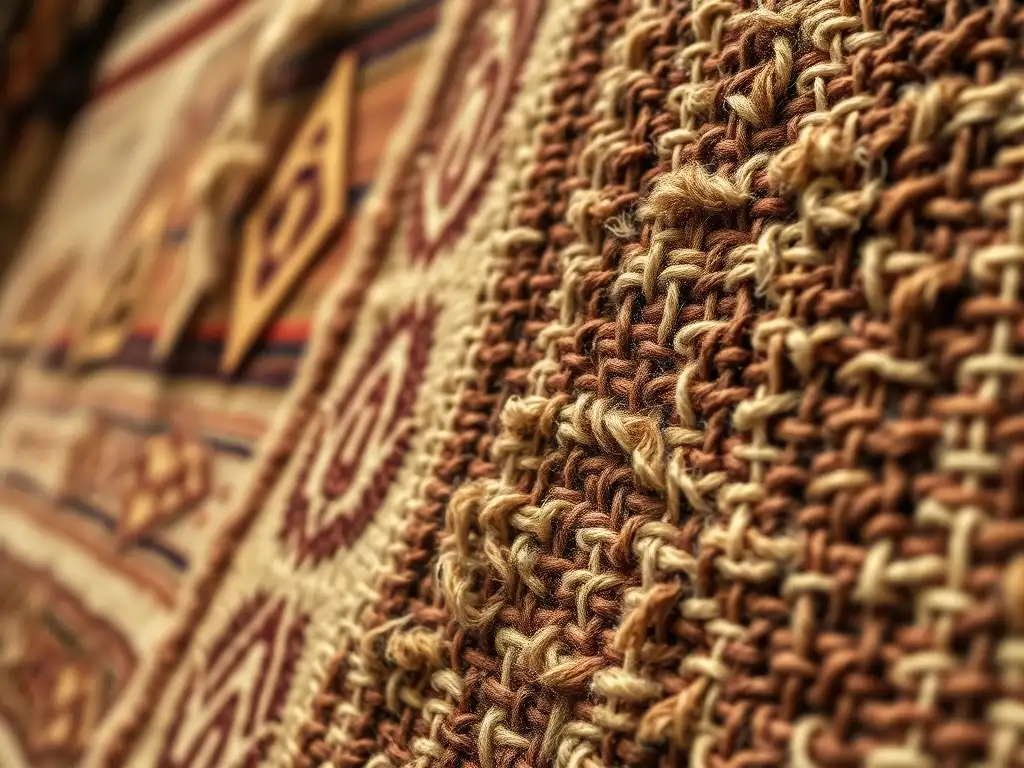
The creation of the exquisite textiles that define Andean civilizations tapestry stories relied heavily on the readily available natural resources of the region. The mastery of these materials, coupled with innovative techniques, resulted in fabrics of unparalleled beauty and durability. Understanding the materials and techniques is crucial to appreciating the artistry and cultural significance embedded within each woven piece.
Natural Fibers Used in Ancient Andean Textiles
Ancient Andean weavers skillfully utilized a variety of natural fibers, each offering unique properties suited to different textile applications. The most prominent were:
- Alpaca and Llama Wool: These luxurious fibers, sourced from camelids domesticated for centuries, provided softness, warmth, and strength. Alpaca wool, known for its exceptional fineness and luster, was often reserved for elite garments and ceremonial textiles. Llama wool, while coarser, was more readily available and used for everyday clothing and utilitarian items. The variations in fiber quality, from the softness of baby alpaca to the strength of adult llama wool, allowed for a wide range of textile textures and weights. Careful selection of fiber based on the intended use demonstrates a deep understanding of material properties.
- Cotton: Grown in the warmer coastal regions, cotton provided a lighter, cooler alternative to wool. Its strength and absorbency made it ideal for clothing worn in hotter climates. Different varieties of cotton yielded variations in fiber length and texture, allowing for diverse textile creations. The use of cotton alongside wool highlights the Andean weavers' adaptive approach to material selection.
- Vicuña and Guanaco Wool: These rarer fibers, from wild camelids, were highly prized for their exceptional softness and fineness. Their use signified high social status and were often incorporated into elite textiles, underscoring the value placed on these materials. Textiles containing vicuña or guanaco wool represent a pinnacle of Andean weaving craftsmanship.
The careful selection and blending of these fibers, often within a single textile, showcase the sophisticated understanding of material properties and the nuanced artistic expression of Andean weavers. The choice of fiber wasn't merely practical; it held symbolic weight reflecting social status, ritual significance, and environmental adaptation.
Dyeing Techniques and Color Symbolism in Andean Tapestries
The vibrant colors found in Andean tapestries weren't just aesthetic choices; they carried profound cultural and symbolic meanings. The dyes themselves were derived from natural sources, predominantly plants and insects, and the techniques employed were both sophisticated and sustainable.
- Plant-based Dyes: A wide array of plants provided dyes in various shades. Cochineal insects, for example, produced a brilliant crimson, while various barks, roots, and flowers yielded yellows, browns, oranges, and greens. The complexity of the color palette available, and the skill required to achieve consistent results, is remarkable.
- Mineral Dyes: Certain minerals, such as ochre, provided earthy tones like yellows, reds, and browns. These pigments often contributed to the durability and longevity of the dyes.
- Color Symbolism: Colors held significant symbolic value. Red, for instance, often represented blood, sacrifice, and power, while yellow might signify the sun or divinity. Green could represent fertility, and black, mourning or the underworld. The careful selection and combination of colors in Andean tapestries were not arbitrary; they communicated complex narratives and beliefs. Further research is needed to fully understand the nuances of color symbolism across different Andean cultures. [Specific information pending on regional variations in color symbolism].
Traditional Looms and Weaving Methods of Andean Cultures
Andean weaving wasn't simply a craft; it was a complex technological feat, employing sophisticated looms and techniques. The backstrap loom, a portable and versatile device, was central to Andean weaving traditions for centuries.
- Backstrap Looms: This simple yet effective loom, using a backstrap to provide tension, allowed for the creation of intricate designs and varied textile structures. The weaver's body provided the tensioning system, allowing for portable weaving and efficient production. The ability to weave while moving highlights the practicality and adaptability of this technology.
- Vertical Looms: In some regions and for larger projects, vertical looms were used, offering greater control and capacity for larger-scale textile production. These looms, while less portable, allowed for the creation of exceptionally large and intricate tapestries.
- Weaving Techniques: Beyond the loom itself, the weaving techniques were remarkably diverse. Techniques like tapestry weaving, brocade, and supplementary weft allowed for complex designs and textures. The intricate detail and precision evident in many Andean textiles demonstrate a high level of skill and mastery of these techniques. The Andean weavers’ ingenuity and adaptability are evident in their development and refinement of these techniques, ensuring the creation of durable and aesthetically stunning textiles.
Exploring the Iconography of Andean Tapestry Stories
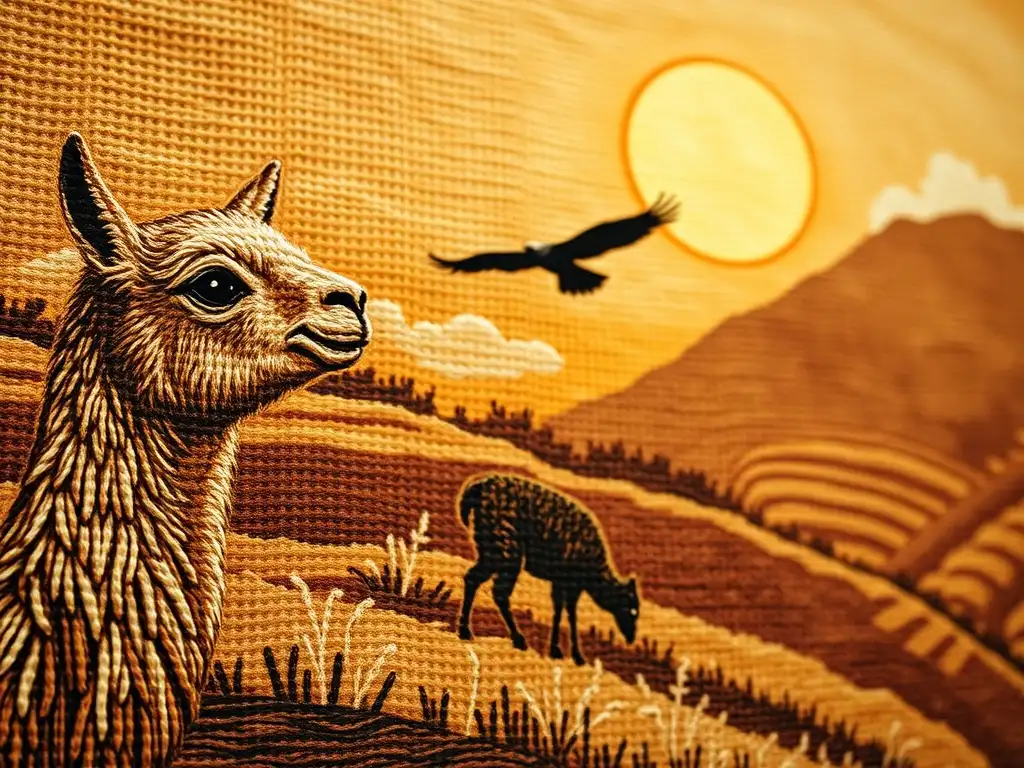
This section delves into the rich symbolic language woven into the tapestries of Andean civilizations. Understanding the iconography is key to deciphering the narratives and beliefs embedded within these intricate textile masterpieces. The vibrant colors, complex patterns, and carefully chosen motifs weren't merely decorative; they served as powerful vehicles for storytelling, transmitting history, beliefs, and social structures across generations. Analyzing Andean tapestry stories requires a multi-faceted approach, considering the cultural context, the specific techniques employed, and the materials used.
The use of camelid fibers, such as alpaca and llama wool, for instance, adds another layer of meaning, reflecting the importance of these animals in Andean society. The intricate weaving techniques themselves, passed down through generations, are a testament to the skill and dedication of Andean artisans. The enduring legacy of these tapestries is a testament to the enduring power of Andean storytelling.
Symbolic Motifs and Patterns in Andean Weavings
Andean weavers employed a vast repertoire of symbolic motifs and patterns, each carrying specific meanings within their cultural context. Geometric designs, such as stepped frets, zigzags, and spirals, often represented concepts like mountains, rivers, and the cosmos, reflecting the Andean worldview deeply connected to the natural environment. For example, the khipu, a complex system of knotted cords used for record-keeping, influenced the design of many tapestries, incorporating elements of its intricate knotting patterns.
Animal representations, such as condors, jaguars, and llamas, were frequently incorporated, signifying power, strength, and fertility. Furthermore, anthropomorphic figures, often depicted in stylized forms, likely represented deities, ancestors, or important figures within the community. The specific arrangement and combination of these motifs within a given tapestry helped convey a deeper narrative, suggesting a complex system of visual communication.
Detailed studies of these motifs reveal a sophisticated understanding of symbolism and visual storytelling that is unparalleled in other ancient cultures. Further research is needed to fully understand the subtle nuances of meaning embedded within each individual motif.
Narratives and Myths Depicted in Andean Tapestries
Beyond individual motifs, many Andean tapestries depict entire narratives and myths. These visual stories often recount significant events, such as battles, harvests, or religious ceremonies. The use of color plays a crucial role in conveying these narratives.
For example, red might symbolize blood or sacrifice, while yellow might represent the sun or gold. The arrangement of figures and scenes within the tapestry creates a visual sequence, guiding the viewer through the unfolding narrative. While the exact meaning of many scenes remains a subject of ongoing scholarly debate, careful analysis of stylistic elements and contextual clues helps in reconstructing these ancient stories.
One example could be the representation of a specific myth related to a particular deity or ancestor, with the tapestry serving as a visual record of that myth's importance within the community. The detailed depiction of events, even those seemingly mundane, such as hunting scenes or agricultural activities, reveals valuable insights into the daily life and beliefs of Andean communities.
The Role of Andean Tapestries in Religious Ceremonies
Andean tapestries played a vital role in religious ceremonies and rituals. Many tapestries were used as offerings to deities or ancestors, signifying a connection between the human and spiritual worlds. Their intricate designs and vibrant colors were believed to possess magical or ritualistic power.
Tapestries often adorned temples and sacred sites, serving as visual representations of religious beliefs and cosmology. The use of specific colors and motifs in these ceremonial tapestries may have amplified their ritual significance, further highlighting their importance in religious practices. Some tapestries may have been used during specific rituals, their designs echoing the actions or themes of the ceremony itself.
The creation of these tapestries was likely a sacred act itself, with the weavers holding a special status within their communities due to their knowledge and skill. The preservation of these tapestries, despite the passage of centuries, highlights their enduring importance within Andean spiritual traditions. Further investigation into the use of these tapestries in specific ceremonies would greatly enhance our understanding of Andean religious practices.
Specific Examples of Andean Tapestry Art
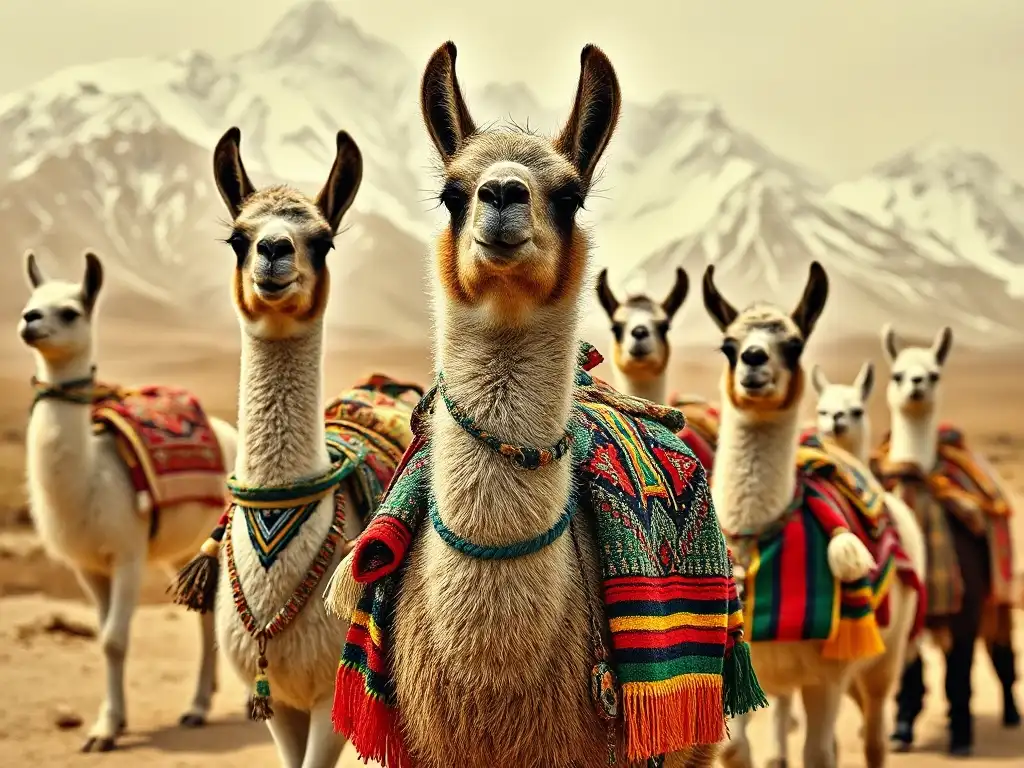
This section delves into the intricate world of Andean tapestry, showcasing specific examples that highlight the diverse techniques, symbolic meanings, and cultural significance woven into these remarkable textiles. Understanding these examples allows us to appreciate the artistry and sophistication of Andean civilizations' textile traditions, solidifying their place in the rich history of "Andean civilizations tapestry stories."
The Paracas Mantles: Detailed Embroidered Textiles
The Paracas culture (circa 800-100 BCE), flourishing on the south coast of Peru, is renowned for its exquisitely detailed textiles, particularly its mantles. These weren't merely garments; they were complex narratives woven into fabric. Paracas mantles are characterized by their immense size, often reaching several meters in length, and their incredibly dense embroidery. Imagine the meticulous work involved!
The embroidery itself employed a variety of techniques, including tapestry weaving, which involved interlacing colored threads to create intricate patterns, and surface embroidery, where threads were stitched onto a pre-woven base. The colors were vibrant, derived from natural dyes extracted from plants, insects, and minerals. These dyes, remarkably, have retained their intensity for millennia, a testament to the mastery of Paracas artisans.
The imagery on these mantles is rich with symbolic meaning. Common motifs include stylized figures, both human and animal, often depicted in dynamic poses. These figures, alongside geometric patterns and abstract designs, likely represented mythological beings, shamanistic rituals, or cosmological beliefs.
Scholars continue to decipher the narratives encoded within these textiles, revealing deeper insights into Paracas worldview and social structures. The sheer scale and complexity of the embroidery suggest a highly specialized workforce, perhaps indicating a hierarchical social organization where textile production held significant economic and social importance. Analyzing the techniques and motifs found in these mantles provides invaluable information about the "Andean civilizations tapestry stories" and their intricate cultural fabric.
The Wari Tapestries: Geometric Designs and Royal Power
The Wari Empire (circa 600-1000 CE) controlled a vast territory across the central Andes, and their influence extended to the realm of textile production. While less renowned for the sheer scale of Paracas mantles, Wari tapestries stand out for their sophisticated use of geometric designs and their association with royal power.
Unlike the more figurative representations in Paracas textiles, Wari tapestries often feature intricate geometric patterns, including stepped frets, interlocking triangles, and other complex motifs. These designs, while seemingly abstract, likely conveyed specific meanings related to Wari cosmology, social organization, or political ideology. The use of standardized patterns across various textiles suggests a centralized system of production, possibly overseen by the ruling elite.
The colors used in Wari tapestries are generally less vibrant than those of Paracas textiles, often featuring a palette of muted earth tones. However, the precision and intricacy of the weaving techniques are equally impressive, demonstrating a high level of technical skill. Furthermore, the discovery of Wari tapestries in elite contexts, such as tombs and palaces, strongly suggests their association with power and status. These tapestries, therefore, served not only as functional garments but also as powerful symbols of royal authority, further enriching the narrative of "Andean civilizations tapestry stories."
Inca Unku: Tunics as Markers of Rank and Status
The Inca Empire (circa 1438-1533 CE) inherited and refined the textile traditions of its predecessors. The unku, a type of tunic, became a crucial marker of social rank and status within the Inca society. These tunics, often made of fine vicuña or alpaca wool, were adorned with intricate designs and unique embellishments that denoted the wearer's position within the social hierarchy.
Inca unku often featured intricate designs woven into the fabric itself, displaying geometric patterns, stylized animals, and representations of sacred objects. The quality of the wool, the complexity of the design, and the use of particular colors all contributed to signaling the wearer's social standing. For instance, tunics made of fine vicuña wool, a luxurious fiber reserved for the elite, were indicative of high status. Similarly, the use of specific colors, such as purple or red, could indicate a connection to royalty or religious authority.
The production of Inca unku was a highly regulated process, with specialized workshops and skilled artisans producing these garments. The control over textile production allowed the Inca state to maintain social order and reinforce its power. The unku is a prime example of how textiles served as powerful symbols of social status and political authority within the Inca Empire, adding another fascinating layer to the "Andean civilizations tapestry stories."
The Enduring Legacy of Andean Tapestry Art
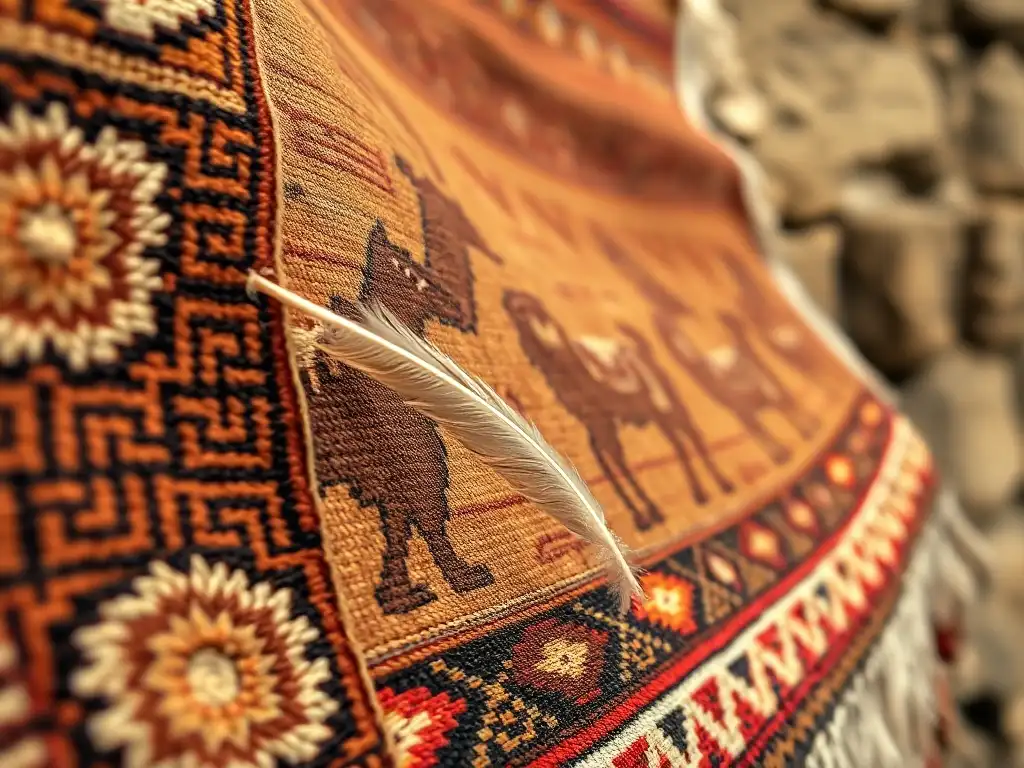
The legacy of Andean tapestry art extends far beyond its breathtaking beauty. These intricate textiles are not merely decorative objects; they are living archives, preserving centuries of knowledge, beliefs, and social structures. The vibrant colors, complex designs, and the very fibers used speak volumes about the ingenuity and artistry of Andean civilizations. From the intricate knotting of the Paracas culture to the masterful weaving of the Inca, each tapestry tells a unique story, reflecting the specific cultural context in which it was created.
Understanding these stories requires delving into the symbolism embedded within the designs, the techniques employed, and the materials used – a truly multidisciplinary approach to appreciating this rich heritage. The enduring appeal of Andean tapestries lies in their ability to bridge the gap between past and present, offering a tangible connection to ancient Andean societies. Analyzing their composition, we find not just aesthetic beauty but also historical, anthropological, and even sociological insights into these fascinating civilizations.
The use of specific dyes derived from natural sources, for example, reveals sophisticated knowledge of botany and chemistry. Similarly, the repetitive motifs often found across different tapestries suggest a shared cultural identity and a transmission of knowledge across generations. The study of Andean tapestry art is, therefore, a crucial element in understanding the broader context of Andean civilizations.
Modern Interpretations of Ancient Andean Weaving Techniques
Contemporary artisans continue to draw inspiration from ancient Andean weaving techniques, often adapting and innovating upon traditional methods. This resurgence of interest in traditional crafts has led to a fascinating blend of old and new, resulting in unique and contemporary textile art. For example, modern weavers are experimenting with new materials while maintaining traditional Andean patterns and color palettes.
Some are even incorporating modern technologies, such as digital design tools, to create fresh interpretations of classic Andean designs. This creative fusion ensures that the ancient weaving traditions remain relevant and accessible in the 21st century. The process of learning and mastering these techniques requires dedication and patience, often passed down through generations within families or taught in specialized workshops.
The preservation of these skills is crucial not only for the continuation of a rich cultural heritage but also for the economic empowerment of Andean communities. The economic impact of this revival is significant, providing opportunities for artisans to showcase their skills and generate income through the sale of their work, both locally and internationally. The ongoing study of ancient Andean weaving techniques continues to reveal new insights into the ingenuity and artistry of past civilizations, inspiring contemporary artisans and researchers alike.
The Influence of Andean Tapestries on Contemporary Art
The influence of Andean tapestries extends far beyond the realm of textile art. Their bold colors, intricate patterns, and symbolic imagery have captivated artists across various disciplines, inspiring works in painting, sculpture, and even fashion design. Contemporary artists frequently incorporate Andean motifs into their work, reinterpreting traditional designs in new and exciting ways.
This cross-pollination of artistic styles enriches both the contemporary art world and the understanding of Andean cultural heritage. The unique aesthetic of Andean tapestries, characterized by their geometric precision and vibrant color palettes, has become a recognizable and influential style in contemporary art. Many contemporary artists, particularly those working with textiles, draw directly from Andean designs, adapting and reinterpreting them for modern audiences.
This borrowing and reinterpretation, however, is not simply imitation; rather, it represents a dialogue between past and present, between tradition and innovation. The resulting works often reflect contemporary concerns and perspectives while still acknowledging and honoring their Andean roots. This ongoing exchange underscores the enduring relevance and aesthetic power of Andean tapestry art.
Preserving the Rich Heritage of Andean Textile Traditions
The preservation of Andean textile traditions is a multifaceted endeavor requiring collaborative efforts from researchers, artisans, and institutions. Documentation of ancient techniques, the safeguarding of existing tapestries, and the support of contemporary weavers are all essential components in this vital work. Efforts to preserve these traditions involve a range of activities, including meticulous cataloging of existing collections in museums and private holdings, the establishment of archives documenting weaving techniques and patterns, and the support of educational programs designed to train new generations of Andean weavers.
Furthermore, the promotion of sustainable practices in the sourcing of materials and the fair compensation of artisans are crucial to ensuring the long-term viability of these traditions. The challenges facing the preservation of these traditions include the loss of traditional knowledge due to globalization and economic pressures, the scarcity of resources for conservation efforts, and the difficulty in balancing the preservation of authenticity with the need for adaptation to changing circumstances.
These challenges highlight the importance of continued research, collaboration, and investment in the preservation of this invaluable cultural heritage. The future of Andean tapestry art hinges upon the success of these preservation efforts, ensuring that these vibrant stories continue to be woven into the fabric of Andean culture for generations to come.
Understanding the Andean civilizations tapestry stories through its Fabrics
This section delves into the intricate relationship between Andean textiles and the narratives they convey, exploring how these woven stories offer invaluable insights into the lives, beliefs, and societal structures of ancient Andean civilizations. We will examine the diverse techniques, symbolic motifs, and cultural contexts embedded within these remarkable artifacts, revealing the rich tapestry of Andean history and cultural expression.
The analysis will focus on how these textiles serve as primary sources for understanding Andean civilizations, moving beyond simple aesthetics to uncover the deeper meanings woven into their very fabric. Understanding these stories requires appreciating the craftsmanship and the complex symbolic language employed by Andean weavers.
Andean Textile Stories: A Window into the Past
Andean textiles weren't merely functional items; they were vibrant carriers of cultural knowledge, transmitting narratives across generations. The intricate designs, often incorporating geometric patterns, stylized animals, and human figures, communicate complex social, religious, and political messages. For instance, the use of specific colors, like deep reds signifying power or vibrant blues representing the sky and water, reveals the symbolic significance attributed to different hues within Andean cosmology. The choice of fiber – llama wool, alpaca wool, cotton – also held meaning, reflecting the status of the wearer and the occasion for which the textile was created.
Consider the k'eperos, the colorful woven bands worn by Andean women. These seemingly simple accessories are, in fact, rich tapestries of personal and community history. Each band tells a unique story, reflecting the wearer's family lineage, marital status, and even her skills as a weaver.
Their intricate designs, often passed down through family traditions, provide valuable insights into kinship structures and social hierarchies within Andean communities. The detailed patterns and the choice of colors also acted as visual identifiers, allowing for quick recognition of social standing and regional affiliation. Even the seemingly insignificant details – the type of knot used, the direction of the weave – held cultural significance.
The Narratives Woven into Andean Textiles
The narratives embedded within Andean textiles are multifaceted, encompassing religious beliefs, historical events, and daily life. Many textiles depict scenes from Andean mythology, showcasing mythical beings, deities, and cosmological representations. These visual narratives offer unparalleled insights into the religious beliefs and spiritual world of ancient Andean cultures. For example, representations of the puma, a powerful feline symbol associated with royalty and strength, frequently appear in textiles from various Andean cultures, reflecting the importance of this animal in their cosmology. Similarly, depictions of stylized birds and serpents often appear, highlighting the significance of these creatures within the Andean worldview.
Furthermore, intricate textile designs often record historical events and commemorate significant moments in Andean history. Certain patterns might represent battles, harvests, or the establishment of new settlements. The meticulous rendering of these events in textile form suggests that these artifacts were valued not only for their aesthetic beauty but also as historical records, passed down through generations to preserve collective memory. Analyzing these patterns provides invaluable context for understanding the historical trajectory of Andean societies. The complexity of these narratives underscores the sophisticated understanding of storytelling inherent in Andean textile production.
Ancient Andean Tapestries as Historical Records
The longevity and resilience of Andean textiles make them exceptional historical documents. Unlike perishable materials like wood or organic matter, textiles can survive for centuries, preserving their intricate designs and embedded narratives. This remarkable preservation allows scholars to access valuable information about past Andean societies, their artistic traditions, and their cultural beliefs. The durability of the textiles, combined with their intricate designs, offers a unique window into the past, allowing researchers to reconstruct aspects of Andean life with a level of detail seldom found elsewhere.
The analysis of Andean tapestries provides insight into a wide range of aspects of Andean life, including:
| Aspect of Life | Evidence in Textiles | Example |
|---|---|---|
| Social Organization | Representations of social hierarchies, kinship structures | Different types of k'eperos for various statuses |
| Religious Beliefs | Depictions of deities, mythical creatures, cosmological elements | Representations of the sun god Inti |
| Economic Activities | Images of agricultural practices, animal husbandry | Scenes of llama herding, agricultural rituals |
| Political Structures | Symbols of power, royal insignia | Images of rulers and their regalia |
| Daily Life | Scenes of daily activities, clothing, tools | Depictions of weaving, farming, and hunting |
The continued study and preservation of these textiles are crucial for a deeper understanding of Andean civilizations and their enduring legacy. The stories woven into these fabrics continue to resonate, offering invaluable insights into the rich tapestry of Andean culture and history. Further research, focusing on [specific information pending: detailed analysis of specific textile examples from different Andean cultures], will undoubtedly uncover even more intricate details of these captivating narratives.
Frequently Asked Questions
What are Andean civilizations?
Andean civilizations refer to the complex societies that flourished in the Andes Mountains of South America, including cultures like the Inca, Moche, Nazca, and Tiahuanaco. They left behind a remarkable legacy of art, architecture, and engineering.
How did Andean people tell their stories?
Andean people used various methods to tell their stories, including elaborate textiles, ceremonial objects, and oral traditions. These narratives often depicted their mythology, history, and daily life.
What role did textiles play in Andean storytelling?
Textiles were incredibly important; they served as visual narratives, conveying complex mythological and historical information through intricate designs and symbols. This was a powerful form of communication.
What are some examples of stories woven into Andean tapestries?
Tapestries often depicted scenes from mythology, such as stories about gods and creation, as well as scenes from daily life, like agriculture and ceremonies. They also displayed social status and lineage.
How can I learn more about Andean tapestry stories?
You can explore museums showcasing Andean textiles, read academic articles and books on the subject, and even visit Peru and other Andean countries to experience the culture firsthand. Many online resources are also available.
Final Reflection: The Enduring Threads of Andean Narrative
The vibrant narratives woven into Andean tapestries are not relics of a bygone era; they are living threads connecting past, present, and future. These intricate designs, far from being mere decoration, serve as powerful repositories of cultural memory, echoing across millennia and continuing to shape Andean identities today. Their enduring relevance in a rapidly changing world underscores the importance of preserving and understanding these rich traditions.
The impact of these stories extends far beyond the textiles themselves; they are a testament to the resilience and adaptability of Andean cultures. They speak to a deep connection with the land, a sophisticated understanding of the cosmos, and a complex social structure reflected in the intricate patterns and symbolic imagery. As the anthropologist, June Nash, eloquently stated, The Andean worldview is not a static entity but a dynamic process of negotiation and adaptation.
This dynamic process is precisely what makes the study of Andean tapestries so compelling and endlessly revealing. It highlights the ongoing evolution of cultural expression and the enduring power of storytelling to transmit values and beliefs across generations.
Consider the stories embedded within these tapestries. Let their vibrant colors and intricate designs inspire you to delve deeper into the rich tapestry of human experience. You, too, are a weaver of stories, shaping your own narrative through your actions and interactions with the world. Embrace the power of storytelling, find the threads that connect you to your own heritage and community, and weave your own unique contribution into the vibrant tapestry of human history.
Unveil the Vibrant Stories of the Andes!
Thank you for exploring the rich tapestry of Andean culture with us! We hope you've gained valuable insights and inspiration from the stories embedded within this incredible civilization. Now, let's translate that inspiration into action. Here are some ways you can deepen your connection with Andean culture and share your experience:
- Explore local Andean art: Visit galleries, museums, or local markets to discover Andean-inspired works and support the artisans who create them.
- Participate in a cultural workshop: Try a textiles, pottery, or traditional Andean cooking class to create your own connection to this rich history.
- Share your newfound knowledge: Post about your experience on social media—summarize what you learned and tag us to connect with other enthusiasts!
What aspect of Andean culture resonated most with you, and how will you share your discoveries with others?