
The Aymara Weavers: Preserving Tradition in Textiles

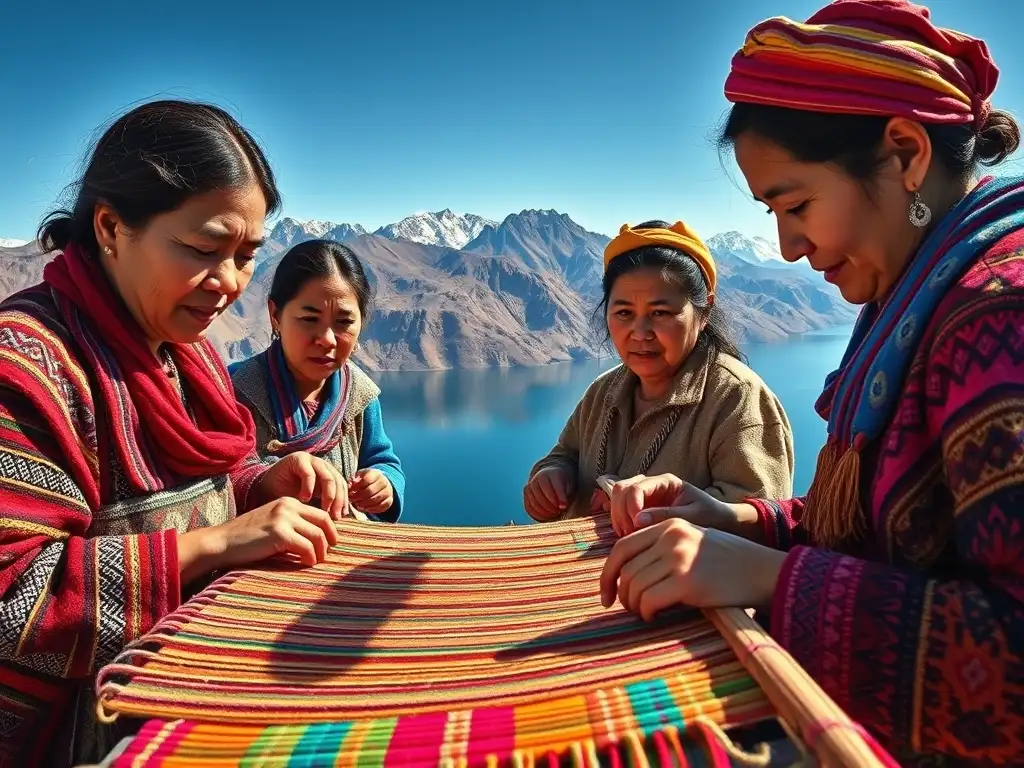
Step into a world woven with threads of time and tradition. For centuries, the Andes have echoed with the stories of remarkable civilizations, their legacies etched in stone and, perhaps most vibrantly, in their textiles. Discover the enduring artistry of the Andean people, and delve into the fascinating world of Aymara textiles preservation techniques—a journey that reveals not just intricate designs, but the enduring spirit of a culture striving to safeguard its heritage. Prepare to be captivated by the legacy of the Aymara weavers and the secrets they hold.
The vibrant tapestry of Andean history is richly woven with the threads of countless cultures, each contributing unique artistry and innovation. This article delves into the enduring legacy of the Aymara people, focusing on their masterful textile traditions and the ingenious preservation techniques employed to safeguard this invaluable cultural heritage.
We will explore the historical context of Aymara weaving, examining its evolution and significance within the broader Andean landscape, and the vital role it plays in maintaining Aymara identity and cultural continuity. Understanding Aymara textile preservation techniques is crucial not only for appreciating their artistic merit but also for recognizing the profound cultural importance these textiles hold for the Aymara community and their connection to their ancestral past.
This exploration will highlight the dedication and skill involved in preserving these exquisite textiles for future generations, ensuring the survival of a unique and irreplaceable aspect of Andean cultural heritage. The techniques employed are not simply about maintaining fabric; they represent a commitment to preserving a living tradition, a tangible link to the past, and a powerful symbol of cultural resilience.
Introduction to Aymara Textile Heritage
Aymara textiles represent a sophisticated and deeply symbolic art form. More than mere cloth, they are imbued with rich cultural meaning, embodying narratives, beliefs, and social structures. The intricate designs, vibrant colors, and diverse techniques employed reflect centuries of accumulated knowledge and artistic refinement passed down through generations. From the selection of raw materials – often locally sourced alpaca and llama wool – to the complex weaving processes and finishing techniques, each stage is steeped in tradition and imbued with spiritual significance.
The textiles themselves serve a multitude of purposes, from everyday clothing and household items to ceremonial garments and sacred objects. Their creation is not simply a craft; it is a deeply meaningful act that connects the weaver to their ancestors and their community. Understanding the techniques used in their creation and preservation is essential to grasping the depth and complexity of Aymara culture.
The Aymara People and Their Cultural Significance
The Aymara are an indigenous people inhabiting the Andean highlands of Bolivia, Peru, and Chile. Their history is marked by resilience and adaptation in the face of significant challenges, including colonization and societal changes. Aymara culture is profoundly intertwined with their environment, with their worldview and practices deeply rooted in the Andean landscape. Their textiles are a powerful expression of this connection, often featuring motifs representing Andean flora, fauna, and cosmology.
The intricate designs frequently incorporate symbolic representations of mountains, lakes, and celestial bodies, reflecting the Aymara’s deep spiritual relationship with their environment. The significance of these textiles extends beyond their aesthetic appeal; they serve as potent symbols of identity, social status, and cultural continuity within the Aymara community. Preserving these textiles is therefore crucial for safeguarding not only a unique artistic tradition but also the cultural identity of the Aymara people.
The Historical Context of Aymara Weaving
Aymara weaving boasts a long and rich history, with evidence suggesting its practice dating back centuries. While precise dating of specific techniques is challenging, archaeological findings reveal the consistent use of sophisticated weaving techniques throughout different periods of Aymara history. The evolution of Aymara weaving reflects both indigenous innovation and the influence of external factors, including contact with other Andean cultures and the impact of colonization.
Despite these influences, Aymara weavers have consistently maintained their distinct artistic style and techniques, adapting and innovating while preserving the core elements of their tradition. The historical context of Aymara weaving highlights its remarkable continuity and resilience, demonstrating its enduring importance to the Aymara people and its enduring contribution to Andean cultural heritage.
The preservation of these techniques is a testament to the Aymara people's commitment to maintaining their cultural identity across generations. Further research is needed to fully document the evolution of specific techniques and their regional variations, providing a more comprehensive understanding of this rich textile tradition.
- Introduction to Aymara Textile Heritage
- The Aymara People and Their Cultural Significance
- The Historical Context of Aymara Weaving
- Protecting Aymara Textiles from Insect Damage
- Traditional Storage Techniques for Aymara Textiles
- Modern Approaches to Aymara Textile Conservation
- The Role of Communities in Aymara Textile Preservation
- Traditional Dyeing Techniques and Their Preservation
- Challenges and Threats to Aymara Textile Preservation
- What are some traditional Aymara textile techniques?
- Why is the preservation of Aymara textiles important?
- What challenges do Aymara weavers face in preserving their traditions?
- What are some modern methods used to preserve Aymara textiles?
- How can I support the preservation of Aymara textile traditions?
Aymara Textiles: Techniques and Materials
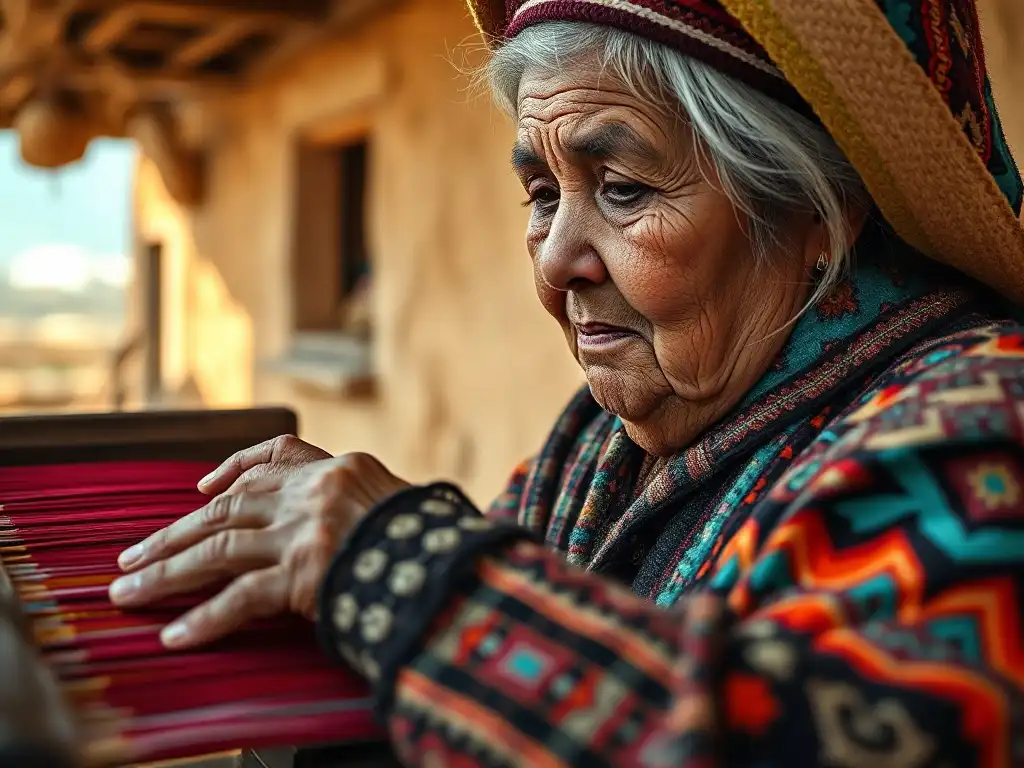
The Aymara people, inhabiting the Andean highlands of Bolivia, Peru, and Chile, possess a rich textile tradition passed down through generations. Their vibrant textiles, imbued with symbolic meaning and intricate designs, are not merely clothing; they are living testaments to their cultural heritage. Understanding the techniques and materials employed in Aymara textile production is key to appreciating their enduring legacy and the ongoing efforts in Aymara textiles preservation techniques.
This section delves into the intricacies of their craft, highlighting the unique methods and resources that contribute to their distinctive aesthetic and cultural significance. The preservation of these techniques is crucial for safeguarding a vital part of Andean cultural identity.
Traditional Aymara Weaving Techniques
Aymara weaving is predominantly done on a backstrap loom, a portable and versatile tool allowing for intricate patterns and varying fabric widths. This traditional loom, often crafted from locally sourced wood, is skillfully manipulated by the weaver, who controls the warp threads using their body weight and a series of intricate movements. The process is labor-intensive, requiring patience and expertise honed over years of practice. Different weaving techniques are employed depending on the desired outcome: plain weave for basic fabrics, tapestry weave for intricate designs, and supplementary weft techniques for added texture and detail.
The designs themselves are often geometric, reflecting the Aymara worldview and their connection to the Andean landscape. These patterns frequently incorporate symbolic motifs representing animals, plants, and celestial bodies, each carrying deep cultural and spiritual significance. The precision and skill involved in creating these designs are remarkable, showcasing the weavers' mastery of their craft. Many designs are passed down through families, becoming a unique identifier of lineage and community.
The knowledge transfer of these techniques often occurs through intergenerational learning, with younger generations learning from their elders, ensuring the continuity of this vital tradition. Unfortunately, the adoption of modern machinery poses a significant threat to the preservation of these traditional techniques. [Data on the percentage of Aymara weavers still using backstrap looms pending].
Natural Dyes and Their Significance in Aymara Textiles
The colors used in Aymara textiles are rarely synthetic. Instead, the Aymara rely on a rich palette of natural dyes derived from plants, insects, and minerals found in their environment. This connection to the natural world is integral to their cultural identity.
Cochineal insects, for example, yield a vibrant crimson, while various plants such as tarwi (lupines) provide yellows and browns. The process of dye extraction and application is itself a complex and time-consuming process, requiring specialized knowledge and meticulous attention to detail. The preparation of the dyes often involves careful processing and precise measurement to achieve the desired shade and intensity.
The significance of these natural dyes extends beyond mere aesthetics. The colors themselves carry symbolic meaning, often related to the Andean cosmology and spiritual beliefs. Specific colors might be associated with particular deities, events, or social statuses. For instance, certain shades of red might be associated with fertility and power, while other colors could symbolize protection or spiritual connection. The use of natural dyes also reflects the Aymara's sustainable approach to textile production, minimizing environmental impact and aligning with their respect for nature. [Specific examples of color symbolism and their associated meanings pending].
Raw Materials Used in Aymara Textile Production: Alpaca and Sheep Wool
The primary raw materials for Aymara textiles are alpaca and sheep wool. Alpaca fiber, renowned for its softness, warmth, and lustrous quality, is highly prized. Different alpaca breeds yield fibers of varying colors and textures, contributing to the diversity of Aymara textile production. Sheep wool, while not as luxurious as alpaca, is also widely used, often blended with alpaca fiber to create durable and affordable fabrics.
The process of obtaining the fiber begins with shearing the animals. This is followed by meticulous cleaning and sorting of the wool, which is often done by hand. The quality of the fiber is crucial for the final product, influencing both the texture and the durability of the finished textile.
The careful selection and preparation of these raw materials underscore the Aymara's commitment to quality and their deep understanding of the properties of their chosen resources. The sustainability of this process is also notable, reflecting a responsible approach to resource management within their environment.
[Data on the ratio of alpaca to sheep wool used in typical Aymara textiles pending]. The meticulous care taken in every step, from shearing the animals to the final weaving, ensures the creation of textiles that are not just beautiful but also durable and functional, reflecting the ingenuity and resourcefulness of the Aymara people and their dedication to preserving their cultural heritage through Aymara textiles preservation techniques.
The Importance of Aymara Textiles Preservation
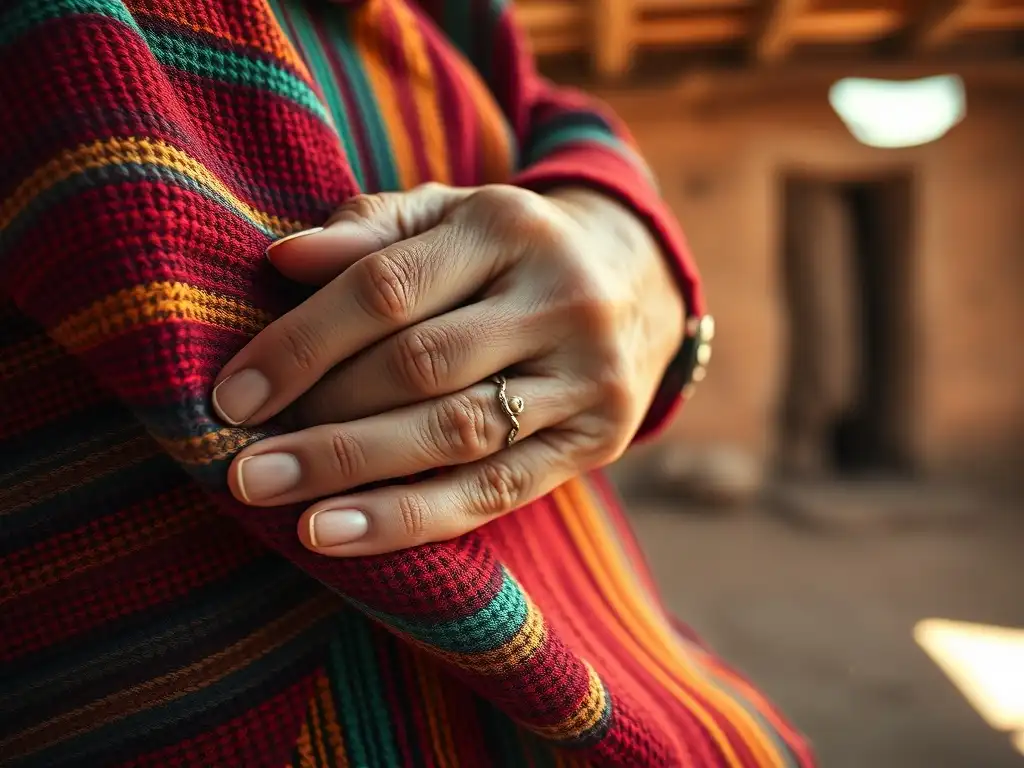
Aymara textiles represent far more than just clothing; they are living archives of a rich cultural heritage, embodying centuries of knowledge, beliefs, and artistic expression. Preserving these textiles is not merely about safeguarding beautiful artifacts; it's about protecting a vital part of Andean identity and ensuring the continuity of a unique artistic tradition. The intricate designs, vibrant colors, and the very fibers themselves tell stories of Andean cosmology, social structures, and historical events.
Understanding and implementing effective preservation techniques is therefore crucial for future generations to appreciate and learn from this invaluable legacy. The loss of these textiles would represent an irreplaceable loss to our collective understanding of Andean civilization and its enduring impact on the world. The techniques used, passed down through generations, are also a significant aspect requiring preservation – a tangible link to the past that deserves careful attention and proactive measures.
Why Preserving Aymara Weaving Traditions is Crucial
The preservation of Aymara weaving traditions is crucial for several interconnected reasons. Firstly, it safeguards a unique artistic heritage. Aymara textiles are renowned for their intricate designs, vibrant colors derived from natural dyes, and the masterful techniques employed in their creation. These textiles are not simply decorative objects; they are imbued with deep cultural significance, often reflecting cosmological beliefs, social structures, and historical events. Losing this knowledge would be akin to losing a significant piece of a cultural puzzle.
Secondly, preserving these traditions supports the livelihoods of Aymara communities. Weaving is often a primary source of income for many Aymara families, providing economic stability and empowering women, who traditionally play a central role in this craft. The preservation of traditional techniques ensures the continued viability of this economic activity, contributing to the overall well-being of Aymara communities. The economic impact of tourism centered around these unique textiles is also substantial, further highlighting the importance of preservation efforts.
Finally, the preservation of Aymara weaving traditions contributes to broader cultural diversity and understanding. By safeguarding these traditions, we contribute to the richness and complexity of the global cultural landscape. The unique aesthetic qualities and cultural significance of Aymara textiles offer valuable insights into Andean history and worldview, enriching our understanding of human creativity and cultural expression. The preservation of these textiles directly contributes to the broader aim of cultural preservation worldwide.
Challenges Faced in the Preservation of Aymara Textiles
Preserving Aymara textiles presents a unique set of challenges. The materials themselves, often natural fibers like alpaca and llama wool, are susceptible to damage from insects, light, and humidity. Traditional dyeing techniques, while producing stunning colors, can also be unstable over time, leading to fading or discoloration. Furthermore, the very act of handling and displaying these delicate textiles can contribute to their deterioration. [Specific data on the rate of deterioration of different types of Aymara textiles pending].
Another significant challenge is the lack of awareness and resources dedicated to preservation efforts. Many communities lack access to appropriate storage facilities, conservation materials, and specialized training in textile preservation techniques. This lack of resources can lead to significant losses of valuable textiles. Additionally, the rapid pace of globalization and the influence of mass-produced textiles pose a threat to traditional weaving practices, potentially leading to a decline in the number of skilled artisans. The challenge, therefore, lies not only in preserving existing textiles but also in fostering the continuation of traditional weaving practices among younger generations.
Key Elements of Aymara Textiles Preservation
Effective Aymara textiles preservation requires a multifaceted approach incorporating several key elements. Firstly, proper storage conditions are paramount. Textiles should be stored in a cool, dark, and dry environment, away from direct sunlight and sources of humidity. [Specific recommendations for temperature and humidity levels pending]. The use of acid-free archival materials for storage and handling is also crucial.
Secondly, regular inspection and monitoring are essential to identify and address any signs of damage or deterioration early on. [Specific guidelines for frequency of inspection pending]. This includes checking for insect infestation, fading, or physical damage. Prompt intervention can often prevent further damage and prolong the lifespan of the textiles.
Thirdly, training and education are critical for the long-term preservation of Aymara textiles. Providing communities with access to specialized training in textile conservation techniques, including proper handling, cleaning, and storage, empowers them to actively participate in safeguarding their cultural heritage. This training should also incorporate the use of modern conservation techniques while respecting traditional practices. The active engagement of the Aymara communities themselves is vital to the success of any preservation initiative. Finally, documentation plays a crucial role.
Detailed records of textile design, materials, and techniques help us understand and appreciate the cultural significance of these artifacts. This documentation can also inform future conservation and restoration efforts. The creation of a comprehensive database of Aymara textiles would be a valuable resource for researchers and preservationists alike. The combination of these elements provides a solid foundation for effective and sustainable Aymara textiles preservation.
Specific Aymara Textiles Preservation Methods
The Aymara people, inhabiting the Altiplano region of the Andes, possess a rich textile tradition passed down through generations. Their vibrant textiles, imbued with deep cultural significance, are facing numerous challenges, demanding careful preservation efforts. Understanding the specific techniques employed to safeguard these invaluable artifacts is crucial for ensuring their longevity and continued cultural relevance. This section details some key methods used in the preservation of Aymara textiles, focusing on both traditional and modern approaches.
The effective preservation of Aymara textiles requires a multifaceted strategy, addressing issues ranging from insect damage to environmental factors. The goal is not only to maintain the physical integrity of these textiles but also to preserve their cultural heritage for future generations. This commitment to Aymara textiles preservation techniques is critical for understanding the enduring legacy of Aymara artistry.
Protecting Aymara Textiles from Insect Damage
Insect infestations pose a significant threat to the longevity of Aymara textiles. Moths, beetles, and other insects can cause irreparable damage by feeding on the natural fibers, weakening the fabric structure and leading to significant loss of detail. Traditional methods employed by Aymara communities to combat these pests often involved natural repellents. For example, the use of certain herbs and plants known for their insect-repelling properties, placed amongst stored textiles, was common. These practices, passed down through oral tradition, represent an integral part of the broader Aymara textile preservation strategy.
More recently, however, the introduction of modern pest control methods has become necessary. These methods often include careful monitoring for signs of infestation, the use of controlled-environment storage, and in some cases, the application of approved insecticides. The application of insecticides, however, must be undertaken with extreme caution, given the delicate nature of the textiles and the potential for damage from harsh chemicals.
Therefore, a thorough understanding of the textile's composition and the potential impact of any treatment is paramount. The balance between traditional knowledge and modern scientific approaches is key to successful pest management in Aymara textile conservation. Careful documentation of any treatment, including the type of insecticide used, application method, and any observed effects, is crucial for future reference and to inform best practices.
Traditional Storage Techniques for Aymara Textiles
Traditional storage methods for Aymara textiles are deeply intertwined with their cultural significance. Textiles are often not simply stored; they are carefully curated and treated with reverence. This careful handling contributes significantly to their long-term preservation. Common traditional techniques include storing textiles in dark, dry, and well-ventilated spaces, often within the home. These spaces are frequently elevated off the ground, minimizing contact with moisture and dampness.
Moreover, textiles are often wrapped in layers of natural materials such as cotton or llama wool, acting as a buffer against environmental factors and potentially deterring insect activity. The choice of storage location and materials reflects a deep understanding of the environmental conditions in the Altiplano and their potential impact on the textiles. This traditional knowledge, often passed down through generations, provides valuable insights into effective preservation strategies.
Furthermore, the social context of storage – often within the family home, passed down through inheritance – underscores the textiles' importance within Aymara society and highlights the community's active role in their preservation. This holistic approach, combining physical safeguards with cultural practices, is essential for maintaining the integrity of these valuable artifacts.
Modern Approaches to Aymara Textile Conservation
Modern approaches to Aymara textile conservation build upon traditional knowledge while incorporating scientific advancements. These methods often involve a more rigorous and systematic approach to preservation, incorporating techniques such as environmental monitoring, controlled-atmosphere storage, and specialized cleaning and repair methods. Environmental monitoring involves carefully tracking temperature, humidity, and light levels within storage areas to optimize conditions for textile preservation. This often includes the use of specialized equipment to maintain stable conditions, minimizing the risk of damage from fluctuations in the environment.
Controlled-atmosphere storage, often utilizing specialized enclosures, helps to further minimize exposure to environmental stressors. Specialized cleaning and repair techniques involve the use of specialized tools and materials to carefully clean and repair damaged textiles without causing further harm. This may include the use of gentle cleaning solutions and specialized stitching techniques to mend tears and reinforce weakened areas. The application of these modern techniques, however, must always be carefully considered in light of the textile's cultural significance and the potential risks associated with intervention.
A collaborative approach, involving both traditional knowledge holders and conservation professionals, is essential to ensuring the ethical and effective preservation of Aymara textiles for future generations. The careful balance between tradition and innovation is crucial in safeguarding this invaluable cultural heritage. Careful documentation of all conservation treatments is essential for future researchers and conservators.
The Role of Communities in Aymara Textile Preservation
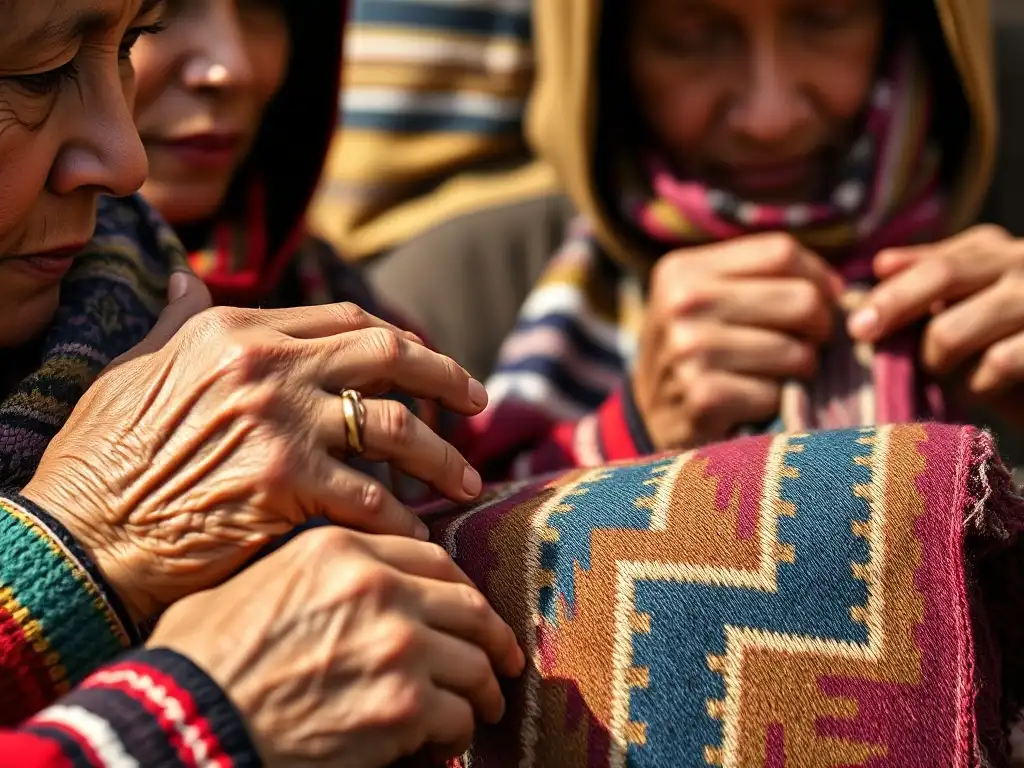
The preservation of Aymara textiles isn't solely the responsibility of museums or individual artisans; it's deeply ingrained in the fabric of Aymara communities themselves. These communities actively participate in a multifaceted approach to safeguarding their textile heritage. Knowledge transmission plays a crucial role.
Older generations, the keepers of traditional techniques, directly teach younger members, ensuring the continuity of skills and patterns across generations. This isn't simply a classroom setting; it's a hands-on, immersive process, often taking place within the family home or during community gatherings. Learning isn't just about replicating designs; it's about understanding the cultural significance embedded within each stitch and color.
Furthermore, collective efforts are vital for procuring and maintaining raw materials. The sourcing of high-quality alpaca and llama wool, often from community-owned herds, is integral to the process. This collective ownership promotes sustainable practices, preventing overgrazing and ensuring the continued availability of this crucial resource for future generations of Aymara weavers.
The communal aspect extends beyond the materials; it also encompasses the creation of finished products. Many Aymara communities engage in collaborative weaving projects, where multiple individuals work together on a single textile, sharing their expertise and strengthening their collective identity. This collaborative approach not only produces stunning textiles but also reinforces the social bonds within the community, perpetuating the tradition through shared experience.
The result is a vibrant and resilient system of textile preservation where individual skills are combined with communal responsibility to ensure the Aymara textile tradition thrives. This is a powerful example of how cultural preservation is directly linked to social cohesion and economic sustainability within the Aymara communities. The very act of weaving, therefore, becomes a powerful act of cultural preservation, a testament to the enduring spirit and ingenuity of the Aymara people.
Traditional Dyeing Techniques and Their Preservation
The vibrant colors of Aymara textiles are not merely aesthetic; they hold deep symbolic meaning and are achieved through traditional dyeing techniques passed down through generations. These techniques utilize natural dyes derived from plants, minerals, and insects found within the Andean region. The preservation of these dyeing practices is crucial for maintaining the authenticity and cultural integrity of Aymara textiles.
For example, the use of cochineal insects for vibrant reds and purples, or the extraction of yellows from various plants, are carefully guarded secrets, passed down orally within families and communities. These methods are not simply recipes; they are intertwined with spiritual beliefs and practices, adding another layer of complexity to their preservation.
However, the challenge lies in the increasing scarcity of some of these natural dyes and the pressure to adopt commercially produced alternatives. The preservation efforts therefore involve not only documenting the traditional methods but also actively cultivating the plants and insects used in the dyeing process. Community gardens and collaborative initiatives are playing a vital role in ensuring the continued availability of these resources.
Furthermore, efforts are underway to document and archive the traditional knowledge associated with these dyeing techniques, translating oral traditions into written records and visual guides. This documentation serves as a valuable resource for future generations, protecting this valuable knowledge from being lost.
The preservation of traditional Aymara dyeing techniques is a critical component of textile preservation, ensuring that the rich symbolism and cultural significance woven into each textile are maintained for years to come. These efforts demonstrate a conscious commitment to preserving not just the aesthetics but also the deep cultural heritage embedded within the vibrant colors of Aymara textiles.
Challenges and Threats to Aymara Textile Preservation
Despite the strong community involvement, the preservation of Aymara textiles faces significant challenges. One major obstacle is the increasing influence of globalization and mass-produced textiles. The readily available and cheaper alternatives pose a threat to the economic viability of traditional Aymara weaving, potentially discouraging younger generations from pursuing this craft. This economic pressure can lead to a decline in the number of active weavers and a loss of traditional techniques.
Another challenge involves the documentation and archiving of the vast knowledge associated with Aymara textile production. While oral traditions are strong, the lack of written records makes the transmission of knowledge vulnerable to being lost due to the passing of elders. This highlights the urgency of documenting and preserving this intangible cultural heritage.
Furthermore, climate change is impacting the availability of raw materials, such as alpaca and llama wool, and the plants used for natural dyes. Changes in weather patterns and the increasing scarcity of resources pose a significant threat to the sustainability of Aymara textile production. Finally, the lack of adequate support and funding for preservation initiatives hinders the efforts of communities and organizations working to safeguard this cultural heritage.
This includes the need for training programs, resources for documentation, and mechanisms to support the economic viability of traditional textile production. Addressing these challenges requires a multi-pronged approach involving community engagement, government support, and international collaboration to ensure the long-term survival of Aymara textile traditions. These challenges underscore the importance of proactive measures to protect this rich cultural heritage for future generations.
The Aymara Textile Legacy: Beyond Craftsmanship
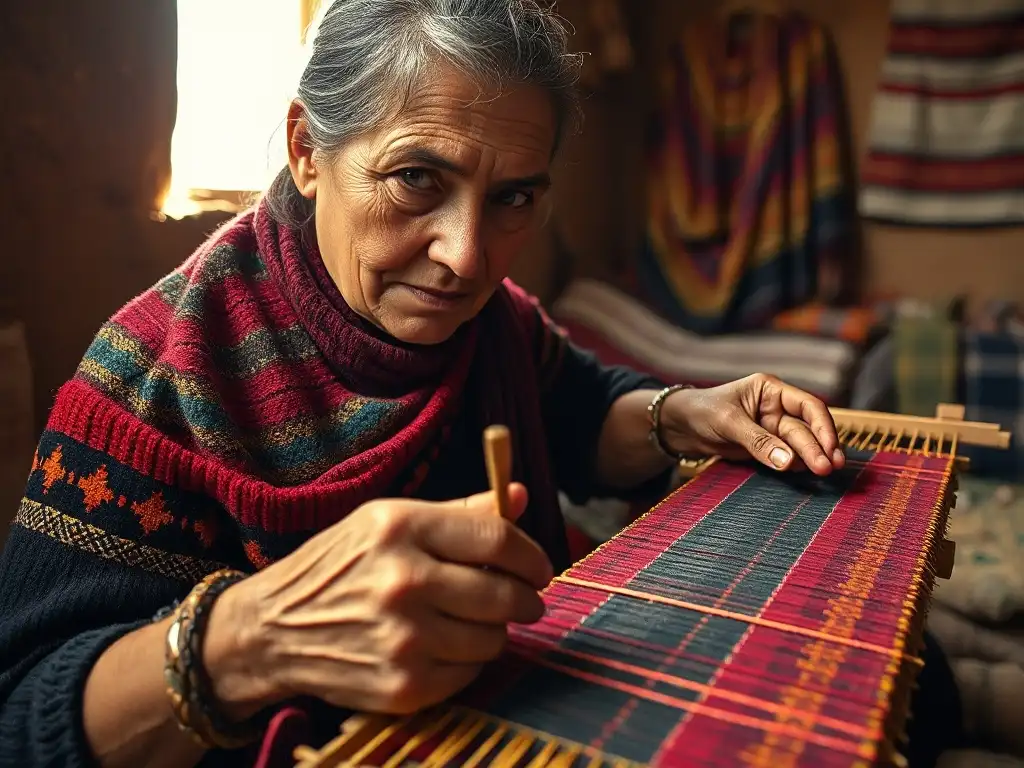
The Aymara people, inhabiting the high Andes of Bolivia, Peru, and Chile, possess a rich and enduring textile tradition. Their vibrant textiles are not merely decorative items; they represent a profound connection to their ancestral heritage, a testament to their resilience, and a powerful means of cultural expression. Aymara textiles preservation techniques are crucial for safeguarding this invaluable legacy, which faces challenges from globalization, changing lifestyles, and the loss of traditional knowledge.
Understanding the intricacies of Aymara weaving reveals a complex interplay of artistry, symbolism, and social function, far exceeding the simple notion of "craftsmanship." The creation of these textiles involves meticulous processes, passed down through generations, demanding immense skill and patience.
From the shearing of the alpaca and llama fleece to the dyeing with natural pigments and the intricate weaving techniques, each step is imbued with cultural significance. This section delves into the deeper meaning and significance embedded within Aymara textiles, exploring their role in preserving Aymara identity and cultural heritage.
The Symbolic Meaning of Aymara Textile Patterns
Aymara textile patterns are far more than aesthetically pleasing designs; they are visual narratives, conveying complex stories, beliefs, and social structures. Geometric patterns, often featuring intricate repetitions of squares, triangles, and zigzags, symbolize the Andean landscape, reflecting the importance of the environment in Aymara cosmology. For example, the recurring motif of the chakana (Andean cross) represents the four cardinal directions, the four elements, and the cyclical nature of life and death. Other patterns depict animals, such as llamas and condors, which hold significant spiritual and economic importance for the Aymara.
The colors themselves also carry symbolic weight. Deep reds represent fertility and life, while blues symbolize the sky and water, vital resources in the high-altitude environment. The meticulous arrangement and combination of these patterns and colors create a tapestry of meaning, reflecting the worldview and social values of the Aymara community. Each textile, therefore, becomes a unique expression of cultural identity, a tangible representation of shared history and beliefs.
Detailed studies of Aymara textile patterns reveal a sophisticated system of visual communication, a silent language that speaks volumes about the Aymara understanding of the world. Further research into specific patterns and their regional variations is needed to fully unlock the secrets of this visual code. This deeper understanding is essential for effective Aymara textiles preservation techniques.
The Transmission of Aymara Weaving Knowledge
The preservation of Aymara weaving traditions relies heavily on the successful transmission of knowledge across generations. This process, however, faces significant challenges in the modern era. Traditionally, weaving skills were passed down within families, from mothers to daughters, and knowledge was shared through apprenticeship and observation. This informal system fostered a deep understanding of techniques and symbolic meanings.
However, with increasing urbanization and the allure of modern lifestyles, younger generations are often less inclined to embrace traditional crafts. This has led to a decline in the number of active weavers and a potential loss of valuable knowledge. Efforts to preserve this heritage include establishing weaving workshops, schools, and community centers that offer formal training. These initiatives not only teach the technical aspects of weaving but also strive to transmit the cultural and spiritual significance of the craft.
Documenting and archiving traditional techniques, through video recordings, written accounts, and detailed pattern collections, is also crucial for future generations. The integration of modern technology, while respecting traditional practices, can play a vital role in safeguarding Aymara textiles preservation techniques. For example, digital archiving can create accessible records of intricate patterns and techniques, ensuring their availability even if traditional practices decline.
Aymara Textiles as a Form of Cultural Identity
Aymara textiles are not merely functional items; they are powerful symbols of cultural identity and a vital component of the community's collective memory. The intricate designs and vibrant colors reflect the Aymara people's deep connection to their ancestral heritage and their unique adaptation to the challenging environment of the high Andes. Wearing traditional Aymara textiles signifies pride in one's heritage and strengthens social bonds within the community.
These textiles are often worn during important ceremonies and festivals, reinforcing their role in maintaining cultural continuity. The production and exchange of textiles also serve as important social and economic activities, contributing to the overall well-being of the community. The preservation of Aymara weaving traditions is, therefore, essential for maintaining cultural identity and fostering a sense of collective belonging.
Supporting Aymara weavers and promoting the sale of their textiles not only helps preserve their livelihoods but also contributes to the preservation of their cultural heritage. This active engagement with the community is crucial for the long-term success of Aymara textiles preservation techniques, ensuring that this rich cultural legacy continues to flourish for generations to come. The continued use and appreciation of Aymara textiles are a testament to the resilience and cultural richness of the Aymara people.
The Future of Aymara Textiles: Innovation and Preservation
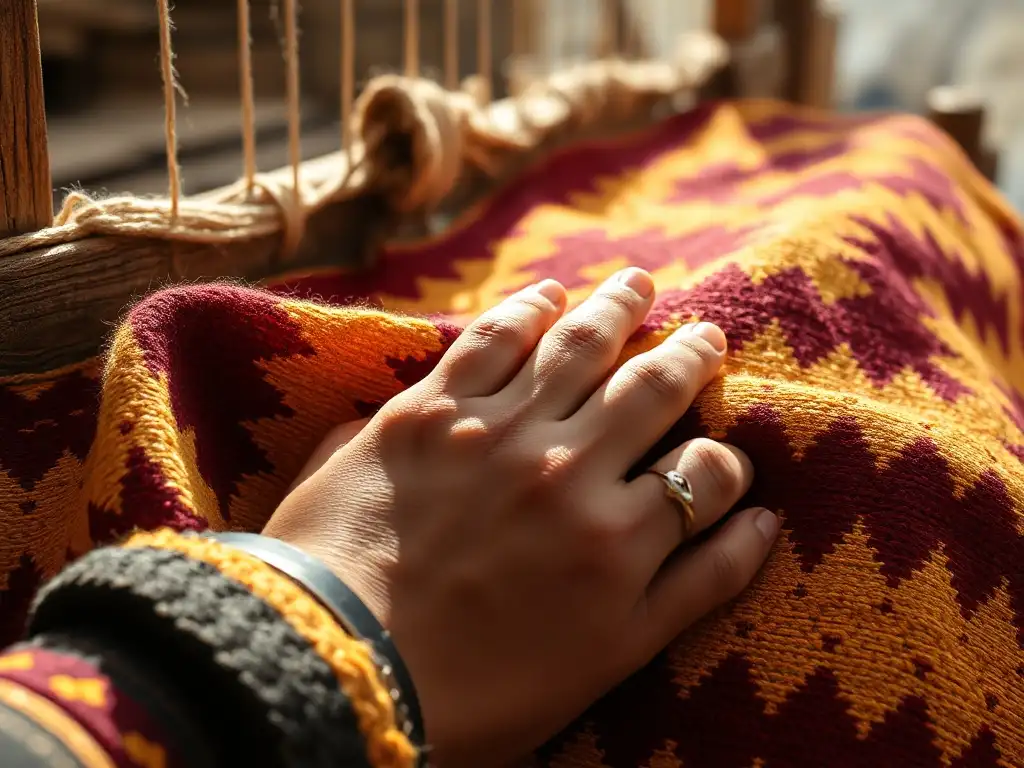
The vibrant tapestry of Aymara textile traditions faces a complex future, interwoven with threads of both challenge and opportunity. The preservation of these unique weaving techniques and designs is paramount, not only for safeguarding cultural heritage but also for supporting the livelihoods of Aymara communities. The question isn't simply how to preserve these textiles, but how to ensure their continued relevance and vibrancy in a rapidly changing world.
This requires a multifaceted approach encompassing economic sustainability, technological innovation, and a commitment to cultural revitalization. The ongoing efforts to document and archive Aymara weaving techniques—through detailed photographic records, video tutorials, and even digital 3D models—are crucial for future generations. However, simply archiving isn't enough; active participation and engagement are vital.
Supporting Aymara Weavers and Their Craft
Sustaining Aymara textile production requires a concerted effort to improve the economic viability of the craft. Fair trade practices, ensuring weavers receive just compensation for their intricate work, are fundamental. This includes transparent pricing models and direct access to markets, bypassing exploitative intermediaries. Moreover, initiatives focused on skills development and training are crucial. Workshops offering advanced techniques, design innovation, and business management skills can empower Aymara weavers to adapt to evolving market demands while preserving the authenticity of their craft.
Access to improved equipment, such as high-quality looms and natural dyes sourced sustainably, can also significantly boost productivity and quality. Data on the economic impact of these support programs is needed to fully assess their effectiveness and inform future strategies. [Specific economic impact data pending]. The success of these initiatives hinges on collaborative partnerships between governmental organizations, non-governmental organizations (NGOs), and the Aymara communities themselves.
Initiatives Promoting Aymara Textile Art
Numerous initiatives are actively working to promote and preserve Aymara textile art. These include museums and cultural centers hosting exhibitions showcasing the beauty and complexity of Aymara textiles. Educational programs in schools and communities are educating younger generations about the cultural significance of weaving and the techniques involved. Furthermore, there's a growing interest in incorporating Aymara textile designs into contemporary fashion and design, creating new markets for Aymara artisans.
This necessitates careful consideration to avoid cultural appropriation and ensure that Aymara communities benefit directly from these collaborations. The use of digital platforms to showcase and sell Aymara textiles offers a powerful avenue for expanding market reach and promoting cultural exchange. [Specific examples of successful initiatives pending]. However, challenges remain in balancing the need for commercial viability with the preservation of traditional practices.
Balancing Tradition and Modernity in Aymara Weaving
The preservation of Aymara textiles requires a delicate balance between upholding tradition and embracing innovation. While maintaining the authenticity of traditional techniques and designs is crucial, incorporating modern technologies and approaches can enhance both the production process and the market reach of Aymara textiles. This might include exploring sustainable dyeing techniques using natural resources, experimenting with new loom technologies that improve efficiency without compromising quality, or even integrating digital design tools to create new patterns while staying true to traditional aesthetics.
The key lies in ensuring that any innovation serves to empower Aymara weavers and strengthens their cultural identity, rather than undermining it. This requires ongoing dialogue and collaboration between Aymara communities, designers, and other stakeholders. The successful integration of modern techniques will depend on careful consideration of the social and cultural implications, ensuring that it enhances, rather than diminishes, the cultural significance of Aymara textiles.
The ongoing evolution of Aymara textile production is a testament to the enduring spirit of Aymara culture and its ability to adapt while preserving its rich heritage. The future of Aymara textiles is bright, but it requires a committed and collaborative effort to ensure its continued flourishing. 🧶
The Economic Impact of Aymara Textiles
The economic significance of Aymara textiles is multifaceted and deeply intertwined with the cultural preservation efforts. For many Aymara communities, textile production represents a vital source of income, providing livelihoods for artisans and their families. The sale of handcrafted textiles, ranging from intricate clothing and blankets to smaller decorative items, contributes significantly to the local economy, particularly in rural areas where alternative employment opportunities are limited. This economic contribution is not solely confined to direct sales; it also extends to tourism.
The unique artistry and cultural value of Aymara textiles attract visitors, bolstering the local tourism sector and creating further economic opportunities through related businesses such as restaurants, accommodations, and guided tours. The economic impact is further amplified by the growing international demand for authentic, ethically sourced textiles, leading to increased export opportunities and higher prices for high-quality Aymara products. However, this economic dependence also presents challenges. Fluctuations in demand, competition from mass-produced goods, and the need to balance economic viability with the preservation of traditional techniques require careful navigation.
Sustainable economic models that ensure fair wages and support the continuation of traditional weaving practices are crucial for the long-term economic health of Aymara communities and the preservation of their textile heritage. This requires collaboration between artisans, government agencies, and non-governmental organizations to promote fair trade practices and access to markets. The economic vitality of Aymara textile production is, therefore, intrinsically linked to the ongoing efforts for its preservation and sustainable development. The future of Aymara textiles rests on a delicate balance between economic viability and cultural integrity.
Conclusion: The Enduring Value of Aymara Weaving
The vibrant legacy of Aymara textiles extends far beyond mere artistry; it represents a profound connection to ancestral knowledge, cultural identity, and the enduring spirit of the Andean people. The intricate designs, vibrant colors, and meticulous techniques employed in Aymara weaving are not merely aesthetic choices; they are powerful symbols of history, storytelling, and community. Understanding and appreciating this rich tapestry is crucial for comprehending the depth and complexity of Andean civilization.
The techniques used in their creation are a testament to the ingenuity and resilience of the Aymara people, and their preservation is paramount for safeguarding a vital part of their cultural heritage. Their continued practice ensures that these traditions will continue to thrive for generations to come. The economic impact of preserving this craft should also not be overlooked; it provides livelihoods and empowers communities.
The Importance of Continued Efforts in Aymara Textile Preservation
Continued efforts in Aymara textile preservation are not simply about archiving artifacts; they are about fostering a living culture. This requires a multifaceted approach encompassing several key areas:
- Documentation: Thorough documentation of weaving techniques, dyeing processes, and symbolic meanings embedded within the designs is crucial. This involves detailed photographic records, video documentation of master weavers at work, and ethnographic studies capturing oral histories and traditional knowledge. This documentation needs to be readily accessible to researchers, educators, and the Aymara communities themselves.
- Education: Educational initiatives, both within Aymara communities and beyond, are essential. Workshops, apprenticeships, and school programs can help transmit traditional skills to younger generations, ensuring the continuity of these invaluable techniques. This also includes educating a wider audience about the significance of Aymara textiles and the importance of their preservation.
- Community Involvement: Active collaboration with Aymara communities is paramount. Preservation efforts must be driven by the communities themselves, respecting their intellectual property rights and ensuring that they benefit directly from any initiatives. This collaborative approach guarantees the authenticity and sustainability of preservation efforts.
- Sustainable Practices: Promoting sustainable practices in sourcing materials and minimizing environmental impact is crucial for the long-term viability of Aymara weaving. This includes using eco-friendly dyes and supporting sustainable agriculture practices.
The success of Aymara textile preservation hinges on the collective commitment of researchers, educators, policymakers, and most importantly, the Aymara communities themselves. Only through a collaborative and respectful approach can we ensure the enduring legacy of this remarkable cultural heritage. The need for funding and support for these initiatives is critical; without adequate resources, many valuable skills and traditions risk being lost forever. This is a challenge that requires sustained and focused effort from all stakeholders.
Aymara Textiles as a Living Heritage
Aymara textiles are not merely historical artifacts; they are a living heritage, constantly evolving while retaining their core traditions. The designs themselves often reflect current events, beliefs, and aspirations of the community. This dynamic interplay between tradition and innovation is a key characteristic of Aymara textile production. They are not static objects in a museum, but rather, vibrant expressions of a culture that continues to thrive.
The use of traditional patterns alongside modern interpretations highlights this adaptability and resilience. This dynamic relationship allows the craft to remain relevant and meaningful to contemporary Aymara society, ensuring its survival and continued evolution. The ability to adapt while maintaining the core elements of the craft is a testament to the strength and ingenuity of Aymara culture.
Further Exploration of Andean Textiles
The Aymara tradition of textile production forms part of a broader and fascinating tapestry of Andean textile artistry. Further research into the textile traditions of other Andean cultures, such as the Inca, Moche, and Nazca civilizations, reveals remarkable similarities and striking differences in techniques, designs, and symbolic meanings. Comparative studies can illuminate the evolution of Andean textile production and the intricate networks of exchange and cultural interaction that existed across the region.
Exploring these connections provides a richer understanding of the cultural landscape of the Andes and the diverse ways in which textiles served as vehicles for artistic expression, social communication, and spiritual practices. Understanding the Aymara tradition within this wider context enhances our appreciation of the complexity and richness of Andean textile arts as a whole. This comparative approach allows for a more holistic understanding of the history and cultural significance of Andean textiles.
Frequently Asked Questions
What are some traditional Aymara textile techniques?
Aymara textile traditions involve complex weaving patterns passed down through generations. Techniques include backstrap loom weaving, using natural dyes from plants and minerals, and intricate spinning of alpaca and llama fibers.
Why is the preservation of Aymara textiles important?
Preserving Aymara textiles is crucial for maintaining cultural heritage. These textiles tell stories of Aymara history, beliefs, and artistic skill, and their loss would represent a significant cultural loss. Protecting these traditions ensures their continuity for future generations.
What challenges do Aymara weavers face in preserving their traditions?
Challenges include the competition from mass-produced textiles, the loss of traditional knowledge, and the difficulty in accessing markets for their handcrafted goods. Modernization also poses threats to traditional practices.
What are some modern methods used to preserve Aymara textiles?
Modern preservation techniques include archival storage using climate-controlled environments to prevent damage from light, humidity, and pests. Digital documentation of weaving techniques and designs helps ensure their survival.
How can I support the preservation of Aymara textile traditions?
You can support Aymara weavers by purchasing authentic textiles, visiting museums and exhibitions showcasing their work, and supporting organizations dedicated to preserving Andean cultural heritage. Raising awareness of their art is also vital.
Final Reflection: Weaving a Future from the Past
The intricate artistry of Aymara textiles isn't merely a historical artifact; it's a vibrant, living tradition that continues to shape cultural identity and offers invaluable lessons in sustainability. The techniques employed by these weavers, passed down through generations, represent a powerful resilience in the face of modernization and globalization. Their continued practice is a testament to the enduring power of cultural heritage.
The profound impact of Aymara weaving extends beyond the aesthetic; it speaks to the interconnectedness of community, environment, and artistic expression. The dyes derived from natural sources, the intricate patterns reflecting ancestral stories, and the collaborative nature of the weaving process all contribute to a holistic worldview that is increasingly relevant in our fragmented modern society. The threads we weave are not just threads, but the stories of our ancestors, the hopes of our future.
This sentiment, though not directly quoted from an Aymara weaver, encapsulates the spirit of their work and its enduring legacy.
Consider the threads of your own life. What traditions, skills, or stories are you weaving into the fabric of your existence? Take a moment to reflect on the enduring power of heritage and the importance of preserving the unique cultural expressions that enrich our world. Let the legacy of the Aymara weavers inspire you to actively participate in the preservation of cultural heritage, whether through supporting artisans, learning traditional crafts, or simply appreciating the beauty and significance of cultural diversity.
Embrace the Legacy of Aymara Weavers!
Thank you for exploring the rich tradition of Aymara weaving. Your interest helps preserve this fascinating heritage and artistry. Let's work together to support and honor this unique culture.
Here are some ways you can get involved:
- Visit a local artisan market to discover and buy authentic Aymara textiles. Support these skilled craftspeople directly by purchasing their beautiful work.
- Share your appreciation for Aymara weaving with friends and family, or post about it on social media. Help spread the word about this important cultural tradition.
- Support organizations that work directly with Aymara weavers. Consider volunteering your time or making a donation to help sustain their craft.
What aspect of Aymara weaving most captivates you, and how can you help ensure this ancient tradition continues?