
The Execution of Atahualpa: Justice, Treachery, or Political Necessity?

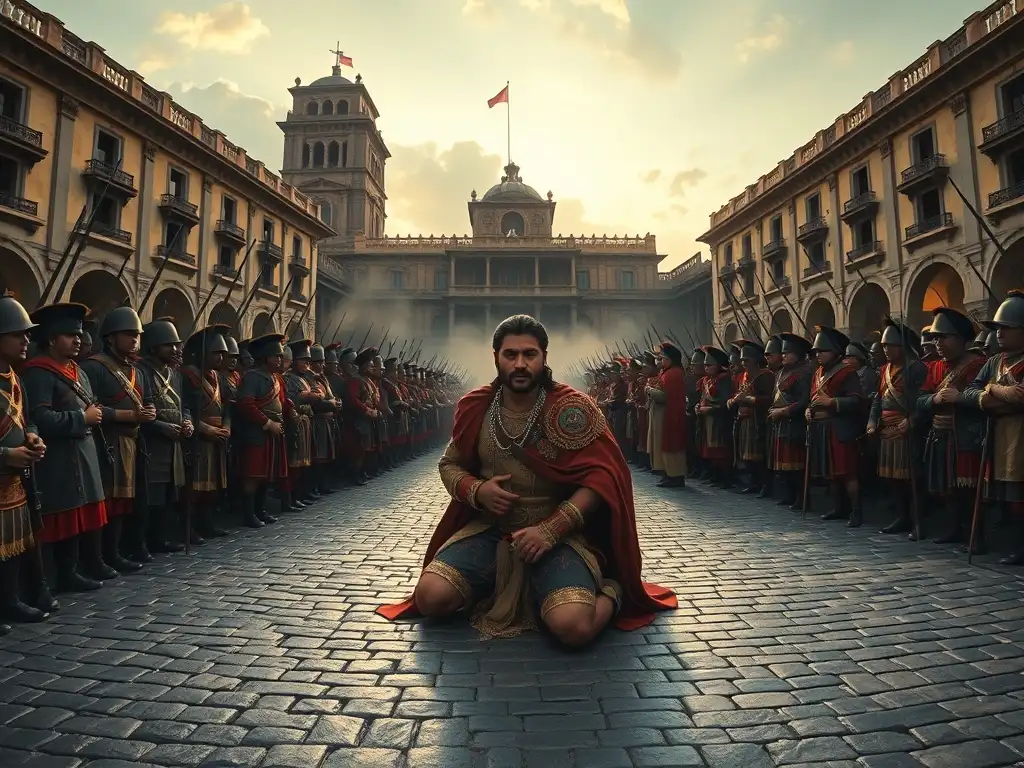
Step into a world lost to time, yet echoing with power and mystery. Andean Civilizations unveils the captivating story of ancient empires, their breathtaking artistry, and advanced technologies. But some legacies are etched in blood... Prepare to delve into the controversial Atahualpa execution historical analysis, a gripping examination of justice, treachery, and the brutal realities of the Spanish Conquest. Uncover the truth behind this pivotal moment – dare to explore further?
The execution of Atahualpa, the last Sapa Inca of the independent Inca Empire, remains one of the most controversial events in the history of the Spanish conquest of the Americas. This act, shrouded in a complex interplay of religious fervor, political maneuvering, and brutal conquest, continues to spark debate among historians. Was it a justified punishment for a ruler who, according to Spanish accounts, committed heinous acts?
Or was it a cold-blooded murder driven by greed and a desire to consolidate Spanish power in the newly conquered territories? This analysis delves into the historical context surrounding Atahualpa's demise, examining the events leading to his capture, his strategic decisions, and the ultimate consequences of his execution, aiming to provide a nuanced understanding of this pivotal moment in Andean history. By exploring the perspectives of both the Spanish conquistadors and the Inca population, we hope to shed light on the multifaceted nature of this tragic event and its enduring legacy.
This exploration will help us understand the impact of the execution on the Inca Empire’s fate and the subsequent trajectory of the Spanish colonization in the Andes. The keyword "Atahualpa execution historical analysis" will be the focus of this comprehensive review of available historical data, aiming to provide a balanced and informed perspective.
Introduction: Setting the Stage for Atahualpa's Demise
The Inca Empire, at the height of its power, was a marvel of engineering and administration, stretching across a vast territory encompassing present-day Peru, Bolivia, Ecuador, Colombia, Argentina, and Chile. However, this seemingly invincible empire was vulnerable. Internal strife, stemming from a succession crisis following the death of Huayna Capac, weakened its foundations.
Atahualpa, one of Huayna Capac's sons, emerged victorious in a brutal civil war against his brother Huáscar, but this victory came at a significant cost, leaving the empire fractured and ripe for exploitation. The arrival of Francisco Pizarro and his conquistadors in 1532 was not merely an act of aggression; it was an invasion into a society already reeling from internal conflict. This internal instability, coupled with the Spanish's superior weaponry and strategic alliances with indigenous groups resentful of Inca rule, created the perfect storm that led to Atahualpa's capture and eventual execution.
The stage was set for a tragedy of epic proportions, a turning point that irrevocably altered the course of Andean history. The consequences of this event are still felt today.
The Capture of Atahualpa: A Turning Point in Inca History
The capture of Atahualpa at Cajamarca in 1532 is often cited as a masterful example of Spanish military strategy and Inca naiveté. Pizarro, employing a carefully planned ambush, used superior weaponry and the element of surprise to overwhelm Atahualpa's army. The sheer brutality of the encounter, depicted in numerous historical accounts, underscores the disparity in military capabilities between the two forces.
While some accounts emphasize Atahualpa's arrogance and underestimation of the Spanish threat, others highlight the element of betrayal by some within the Inca court. The aftermath of the capture saw Atahualpa held for ransom, a period marked by both the immense wealth extracted from the Inca Empire and the growing tension between the Inca and Spanish forces.
This period of captivity, though seemingly a time of negotiation, was ultimately a prelude to the tragic end for Atahualpa. The capture marked a significant turning point, not just for Atahualpa himself, but for the entire Inca Empire, signaling its inevitable downfall.
Atahualpa's Strategic Miscalculations and the Spanish Advantage
Atahualpa's actions following his capture remain a subject of intense scrutiny. While some argue that his willingness to negotiate and pay a substantial ransom demonstrated a strategic attempt to buy time and regroup, others see it as a sign of his underestimation of the Spanish intentions. The vast amount of gold and silver offered as ransom, though ultimately collected, failed to prevent his execution.
Several factors contributed to the Spanish advantage. Beyond their superior weaponry, the Spanish skillfully exploited existing divisions within the Inca Empire, forming alliances with rival factions and exploiting the internal power struggles that had weakened the Inca state. The Spanish also leveraged their religious ideology, portraying themselves as divinely appointed conquerors, further undermining Inca resistance.
Ultimately, Atahualpa's strategic miscalculations, coupled with the Spanish's cunning and ruthlessness, sealed his fate and precipitated the collapse of the Inca Empire. The imbalance of power, both military and political, proved insurmountable for the Inca ruler.
- Introduction: Setting the Stage for Atahualpa's Demise
- The Capture of Atahualpa: A Turning Point in Inca History
- Atahualpa's Strategic Miscalculations and the Spanish Advantage
The Trial of Atahualpa: A Legal Farce or a Just Process?
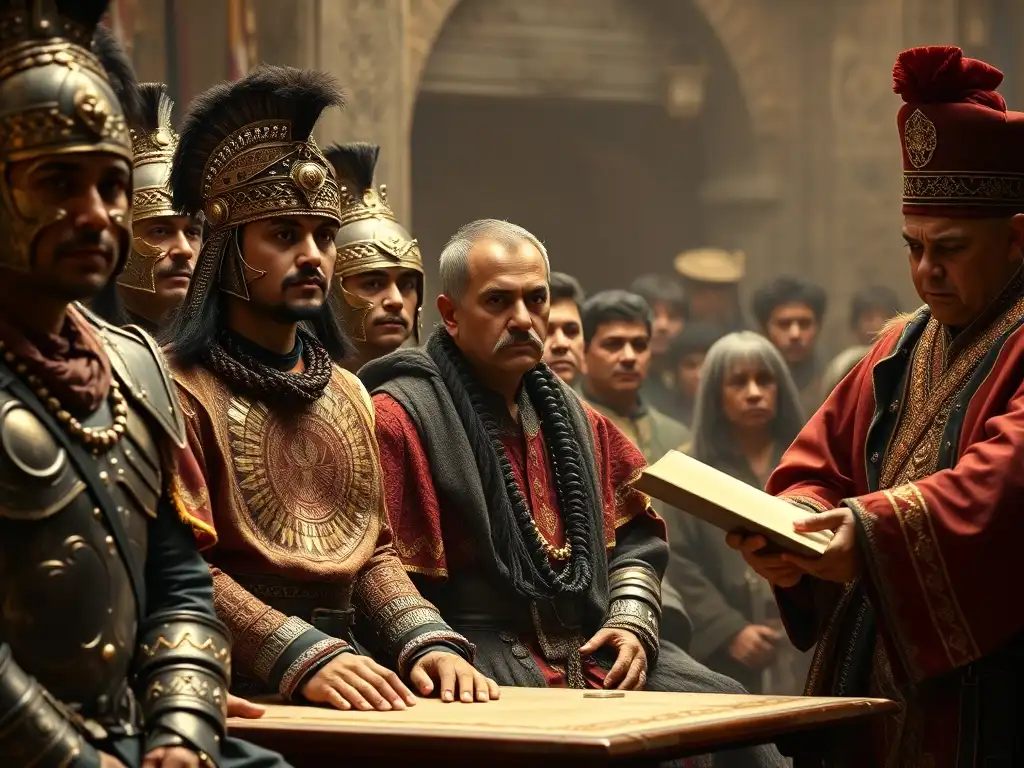
This section delves into the legal proceedings surrounding Atahualpa's execution, analyzing whether it constituted a legitimate trial or a politically motivated sham. The "Atahualpa execution historical analysis" requires a nuanced understanding of the legal framework—or lack thereof—applied during the Spanish conquest. We will examine the accusations, the trial's structure, and Atahualpa's limited ability to defend himself within a completely foreign legal system. The ultimate question remains: was Atahualpa's fate a consequence of justice, treachery, or a calculated political maneuver to consolidate Spanish power?
Accusations Against Atahualpa: Examining the Spanish Charges
The charges against Atahualpa were multifaceted, reflecting the Spanish desire to justify their actions and consolidate their control. The accusations ranged from accusations of idolatry and human sacrifice – practices common in Inca religion but considered barbaric by the Spanish – to more politically expedient claims of rebellion and conspiracy.
The Spanish meticulously documented these accusations, but the record is heavily biased. For example, Atahualpa was accused of ordering the deaths of his brothers in a power struggle, a common occurrence within Inca succession practices. However, the Spanish framed this as evidence of his inherent cruelty and unsuitability to rule, conveniently ignoring the complex dynamics of Inca imperial politics.
Furthermore, the charge of rebellion against the Spanish was easily leveraged, given the inevitable clash between the Inca Empire and the invading force. The Spanish manipulated these accusations, transforming them into justifications for conquest and the execution of the Inca emperor. The lack of impartiality in the accusations significantly undermines the legitimacy of the entire process.
The Inquisitorial Nature of Atahualpa's Trial
Atahualpa's trial was conducted under the inquisitorial system, a process starkly different from the adversarial system familiar to modern legal practices. The inquisitorial system placed the burden of proof on the accused, limiting their ability to challenge the prosecution's claims effectively. The Spanish court, composed entirely of Spanish officials with a vested interest in the outcome, acted as both judge and jury. Atahualpa, unfamiliar with Spanish law and customs, faced insurmountable odds.
He lacked legal representation capable of navigating the intricacies of the Spanish legal system and understanding the nuances of the charges against him. This inherent bias renders the proceedings questionable from a modern legal perspective. The lack of a neutral arbiter and the inherent power imbalance completely skewed the "trial" in favor of the Spanish conquistadors.
Atahualpa's Defense: Limited Options and Cultural Barriers
Atahualpa's defense was severely hampered by the significant cultural and linguistic barriers between the Inca and Spanish worlds. While he attempted to explain his actions within the context of Inca traditions and power dynamics, his explanations were likely misinterpreted or dismissed by the Spanish court. Furthermore, the lack of a truly independent interpreter further complicated the process. The nuances of Inca governance and religious practices were lost in translation, leading to a distorted understanding of Atahualpa's actions.
He was essentially forced to defend himself against accusations framed within a legal system and cultural framework entirely foreign to him, making a fair defense virtually impossible. The inability to effectively communicate his perspective created a fundamental injustice, contributing significantly to the unfairness of his trial and subsequent execution. This highlights a crucial aspect of the "Atahualpa execution historical analysis": the inherent power imbalance and cultural clash profoundly influenced the outcome.
Atahualpa's Execution: A Historical Analysis of the Decision
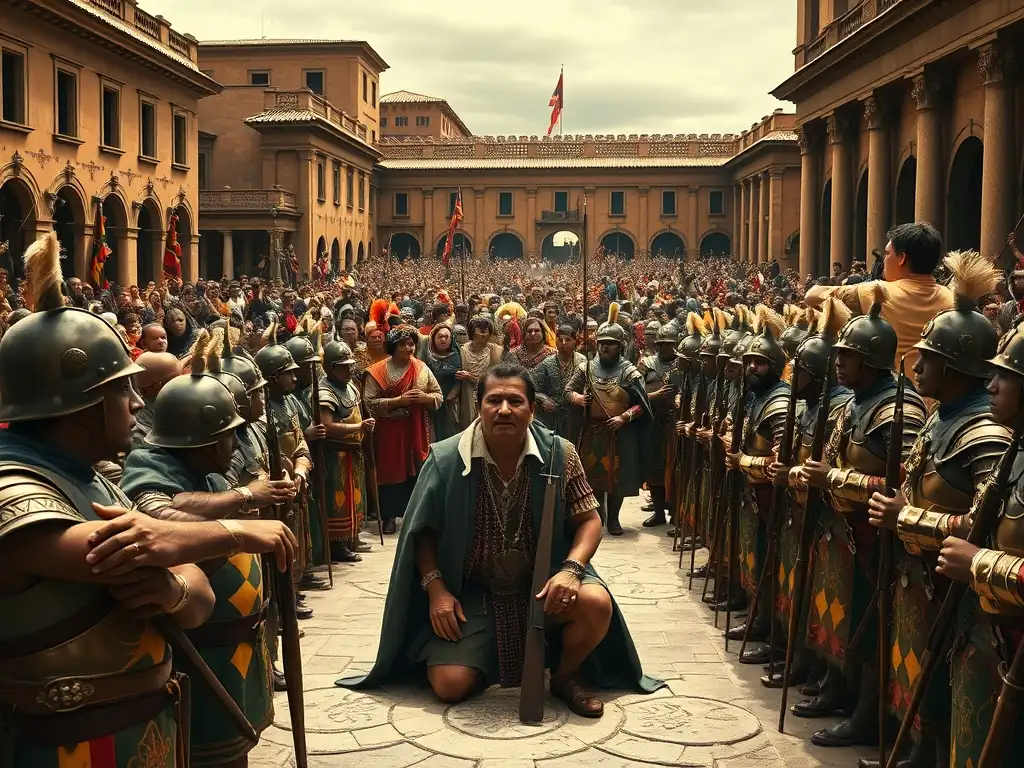
This section delves into the multifaceted decision-making process surrounding the execution of Atahualpa, the last Sapa Inca of the Inca Empire. Analyzing this pivotal moment requires careful consideration of various factors, moving beyond simplistic narratives of conquest and focusing on the political machinations, religious justifications, and ultimately, the pragmatic choices made by Francisco Pizarro and his conquistadors.
The execution of Atahualpa wasn't a spontaneous act but a calculated decision born from a complex interplay of power struggles, shifting alliances, and the inherent brutality of colonial expansion. A thorough examination of the events leading to Atahualpa's death offers a nuanced understanding of this crucial turning point in Andean history, enriching our comprehension of the "Atahualpa execution historical analysis."
The Initial Death Sentence: Burning at the Stake
The initial sentence handed down to Atahualpa was a horrific one: burning at the stake. This was not merely a random act of cruelty; it was a common punishment under Spanish law for those found guilty of rebellion and idolatry. The conquistadors accused Atahualpa of precisely these crimes, citing his resistance to Spanish authority and the perceived pagan nature of Inca religious practices.
The threat of immolation served a dual purpose. Firstly, it was a powerful tool to instill fear and break the spirit of the Inca populace. Secondly, it provided a stark example of the consequences of defying the newly established Spanish power.
The Inca empire's sophisticated religious system, with its complex pantheon of deities and elaborate rituals, was viewed through a lens of European religious prejudice, thereby justifying the extreme punishment. However, the initial sentence of burning at the stake wasn't the final chapter in this story. The narrative took a significant turn due to strategic considerations and internal conflicts within the conquistador ranks.
Atahualpa's Conversion to Christianity: A Strategic Move?
Before his execution, Atahualpa underwent a baptism and professed his conversion to Christianity. This seemingly sudden religious shift has been the subject of much debate among historians. Was it a genuine act of faith, a pragmatic political maneuver, or a combination of both?
Some historians argue that Atahualpa's conversion was a strategic ploy to save his life, offering a concession to appease his captors. Others suggest that the Inca ruler, facing imminent death, may have genuinely embraced the Christian faith, finding solace or a new understanding in its teachings. The evidence remains ambiguous.
Regardless of Atahualpa's true intentions, his conversion allowed Pizarro to present a more palatable justification for a less brutal form of execution to his men, who may have been concerned about the potential repercussions of such a public display of violence. This strategic element underscores the political maneuvering at play, adding another layer to the "Atahualpa execution historical analysis."
The Garrote: A Modified Execution and Its Implications
Ultimately, Atahualpa was executed by garrote, a form of strangulation. This shift from burning at the stake to garroting represents a significant alteration in the planned execution, possibly influenced by several factors. Pizarro, faced with internal disagreements among his conquistadors and possibly recognizing the potential negative consequences of a public burning, opted for a less visually shocking method.
The garrote, while still a brutal form of execution, was arguably a more "dignified" demise, particularly considering Atahualpa's newly acquired Christian status. This modification, however, does not diminish the inherent injustice of the act. The execution, regardless of the method, solidified Spanish dominance in the Andes and marked a pivotal moment in the brutal conquest of the Inca Empire.
The change in the method of execution further complicates the narrative, highlighting the complex interplay of power, religion, and political expediency in the "Atahualpa execution historical analysis." The choice of garrote, therefore, was not simply a change in method but a reflection of the shifting dynamics of power and the pragmatic calculations of the conquistadors.
The Motives Behind Atahualpa's Execution: Unraveling the Complexities
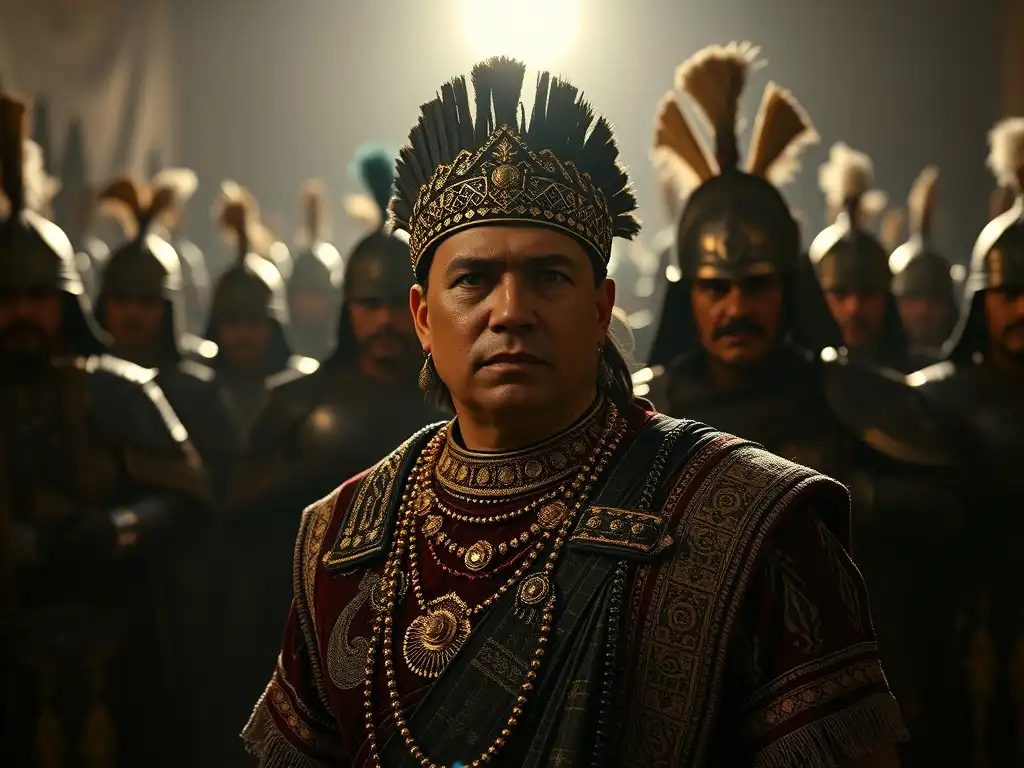
The execution of Atahualpa, the last Sapa Inca of the independent Inca Empire, remains a pivotal and controversial event in Andean history. Analyzing Atahualpa's execution requires moving beyond simplistic narratives of conquest and exploring the multifaceted motives that fueled this decisive act. This analysis will delve into the interwoven threads of personal ambition, political expediency, and the complex dynamics of inter-tribal alliances that ultimately sealed Atahualpa's fate. Understanding these complexities is crucial for a nuanced understanding of the "Atahualpa execution historical analysis".
Pizarro's Ambition and the Quest for Power
Francisco Pizarro's ambition was the driving force behind many of his actions in Peru. While the ransom paid by Atahualpa was substantial, it was likely insufficient to satisfy Pizarro's insatiable greed. The vast riches of the Inca Empire, however, represented far more than just gold and silver; they symbolized power and control.
Eliminating Atahualpa, the legitimate ruler, allowed Pizarro to consolidate his power and claim the empire for himself and his conquistadors. Pizarro's actions were not solely driven by economic gain; his relentless pursuit of power and prestige played a crucial role in the decision to execute the Inca emperor. He needed to eliminate any potential rivals who could challenge his newly established authority and threaten his carefully constructed control over the conquered territories.
The execution can be viewed as a calculated move to eliminate a powerful obstacle in his quest for absolute dominance. The historical record suggests that Pizarro feared Atahualpa's potential to rally resistance and reclaim his throne, even after his captivity.
Political Instability and the Fear of an Inca Uprising
Beyond personal ambition, Pizarro and his men faced a volatile political landscape. Even with Atahualpa's capture, the Inca Empire was far from subdued. Civil war had already weakened the empire, creating factions and resentments among different Inca groups.
Pizarro, acutely aware of this instability, feared that Atahualpa's continued existence, even as a prisoner, could ignite a widespread rebellion. The Inca people, deeply loyal to their Sapa Inca, could easily rally behind Atahualpa, potentially leading to a devastating war that threatened the conquistadors' precarious hold on their newly acquired territory. The decision to execute Atahualpa, therefore, could be interpreted as a preemptive strike, designed to prevent a potentially catastrophic uprising and solidify Spanish control.
The fear of a large-scale rebellion, fueled by Atahualpa's charisma and the enduring loyalty of his people, heavily influenced Pizarro's decision. This fear underscores the political necessity behind the act, adding another layer to the "Atahualpa execution historical analysis".
The Role of Indigenous Allies in Atahualpa's Downfall
Pizarro's conquest wasn't solely a Spanish endeavor. He skillfully exploited existing tensions and rivalries between different indigenous groups within the Inca Empire. Many groups, oppressed under Inca rule, saw an opportunity for liberation through alliance with the Spanish. These indigenous allies provided crucial intelligence, logistical support, and manpower, contributing significantly to the Spanish victory. Their influence on the decision to execute Atahualpa shouldn't be underestimated. By eliminating Atahualpa, Pizarro appeased and rewarded his indigenous allies, solidifying their loyalty and preventing potential defections. The support of these allies was vital for maintaining Spanish control and suppressing any future Inca resistance. This complex interplay of inter-tribal politics and strategic alliances significantly shaped the events leading to Atahualpa's execution and adds another dimension to any "Atahualpa execution historical analysis". The execution, therefore, served not only Pizarro's ambitions but also the interests of his indigenous allies, highlighting the multifaceted nature of this historical event.
Economic Factors and the Lure of Inca Riches
The execution of Atahualpa was undeniably intertwined with the immense wealth of the Inca Empire. The Spanish conquistadors, already seasoned in the plunder of other indigenous populations, were captivated by tales of the Inca's gold, silver, and other precious resources. Chronicles of the time vividly describe the sheer volume of gold and silver amassed in Cusco, the Inca capital, and the rumors of even greater riches hidden in remote locations fueled the conquistadors' insatiable greed. This economic incentive played a crucial role in shaping Pizarro's decisions, transforming the conquest from a military campaign into a ruthless pursuit of economic gain.
The ransom Atahualpa offered – a room filled with gold and twice its size filled with silver – while a testament to Inca wealth, also highlighted the potential for unimaginable riches that could be seized through the Inca emperor's demise. The sheer magnitude of the ransom itself fueled the avarice of the Spanish soldiers, who likely saw Atahualpa's death as a necessary step to secure this wealth. The subsequent looting of Inca treasures, following Atahualpa's execution, underscores the profound economic motives that underpinned the conquest and, specifically, the emperor's execution. The promise of untold riches far outweighed any considerations of justice or diplomacy.
The Spanish crown also stood to gain immensely from the spoils of the conquest, further solidifying the economic rationale behind Atahualpa's fate. This economic analysis of the Atahualpa execution therefore reveals a critical aspect of the conquest: the relentless pursuit of wealth, which overshadowed all other concerns and ultimately sealed the Inca emperor's fate. The lure of Inca riches, therefore, acted as a powerful catalyst, driving the events that led to Atahualpa's execution and shaping the narrative of the Spanish conquest.
The Aftermath of Atahualpa's Death: Consequences and Legacy
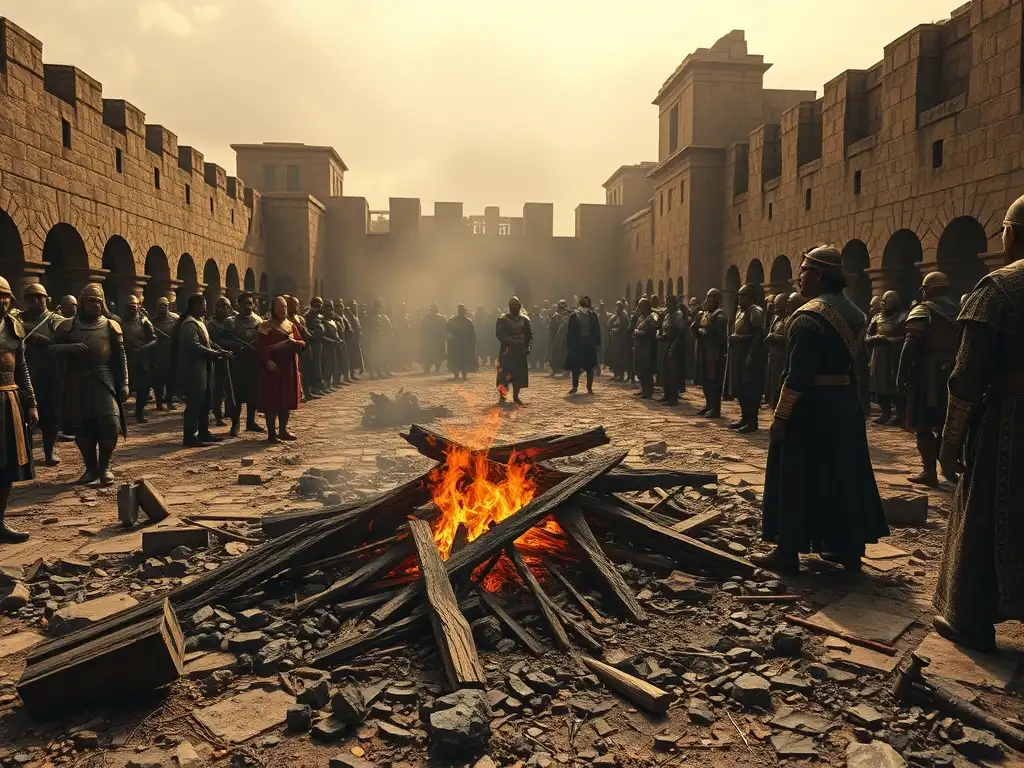
The execution of Atahualpa in 1533 profoundly altered the course of the Inca Empire and the subsequent Spanish conquest. His death created a power vacuum, triggering a cascade of events that ultimately led to the complete subjugation of the Andean region. This section will explore the immediate and long-term consequences of this pivotal moment, focusing on the disintegration of Inca authority and the lasting impact on indigenous resistance.
Analyzing Atahualpa's execution through a historical lens reveals a complex interplay of political maneuvering, religious beliefs, and the brutal realities of colonial expansion. The event serves as a powerful illustration of the devastating effects of conquest on pre-Columbian societies. Understanding the aftermath provides crucial context for comprehending the enduring legacy of Atahualpa and the Inca civilization.
Atahualpa's death didn't simply remove a leader; it shattered the fragile unity of the Inca Empire. The empire, already weakened by internal strife and the initial Spanish incursions, fractured into competing factions vying for control. His brothers, Huáscar and Manco Inca Yupanqui, emerged as prominent claimants, further exacerbating the existing power struggle. This internal conflict significantly aided the Spanish conquest, as Pizarro and his men shrewdly exploited the divisions to their advantage.
The absence of a strong, centralized authority allowed the conquistadors to conquer vast swathes of territory with relative ease. The ensuing civil war amongst the Inca nobility drastically reduced their military strength and organizational capacity, leaving them vulnerable to Spanish domination. The carefully constructed Inca administrative system, renowned for its efficiency and control, began to unravel, making resistance against the Spanish increasingly difficult.
The swiftness with which the Spanish conquered the remaining Inca territories after Atahualpa's death underscores the crucial role his demise played. Without a unifying figurehead, the Inca resistance lacked the strategic cohesion and leadership necessary to effectively challenge the Spanish forces. The execution of Atahualpa can therefore be seen as a strategically significant moment in the Spanish conquest, a turning point that facilitated the swift and complete collapse of the once mighty Inca Empire.
This highlights the fragility of power structures in the face of both internal conflict and external aggression. The subsequent installation of puppet rulers by the Spanish further cemented their control over the Andean region.
The Impact of Atahualpa's Execution on Indigenous Resistance
While Atahualpa's execution significantly weakened the Inca Empire, it did not extinguish indigenous resistance. His death, paradoxically, served as a catalyst for further rebellion. Many Inca and other indigenous groups viewed Atahualpa's killing as an act of injustice and a profound violation of their sovereignty. This ignited widespread resentment and fueled resistance movements throughout the Andean region. While initially disorganized, these resistance efforts gained momentum over time, evolving into sustained revolts that challenged Spanish authority for decades after the initial conquest.
The execution became a powerful symbol of oppression, galvanizing indigenous communities and inspiring acts of defiance. The memory of Atahualpa's unjust death was passed down through generations, shaping indigenous identities and contributing to the long and complex struggle for liberation from colonial rule. While the initial response to Atahualpa's death was characterized by confusion and internal conflict, the long-term effect was a hardening of indigenous resolve.
The resistance movements that followed, though ultimately unsuccessful in regaining complete independence, significantly shaped the trajectory of Andean history, demonstrating the enduring spirit of resistance in the face of colonial domination. The legacy of Atahualpa's execution continued to resonate long after the initial conquest, influencing the cultural and political landscape of the Andean region for centuries to come.
Atahualpa's Place in History: A Symbol of Inca Resistance and Tragedy
Atahualpa's execution remains a profoundly significant event in Andean history, representing both a catastrophic loss for the Inca Empire and a powerful symbol of resistance against Spanish colonialism. His death, despite facilitating the Spanish conquest, paradoxically solidified his place as a pivotal figure in Inca history. He transitioned from a controversial ruler embroiled in civil war to a martyr, embodying the tragedy of Inca subjugation and the brutality of the conquest. This transformation of his image highlights the complex power dynamics at play during the conquest and the enduring impact of colonial narratives on historical interpretations.
Atahualpa's legacy is multifaceted. He's remembered as a ruler who oversaw a period of both internal conflict and significant societal achievements within the Inca Empire. The immense ransom he offered the Spanish, although ultimately insufficient to save his life, showcased the Inca's wealth and advanced economic systems.
However, his image has been predominantly shaped by his untimely and controversial execution, transforming him into a symbol of Inca resistance and a tragic figurehead for the indigenous struggle against colonial oppression. His story, therefore, serves as a powerful reminder of the devastating consequences of colonial expansion and the enduring resilience of indigenous populations in the face of overwhelming adversity.
The continued interest in Atahualpa's life and death underscores the enduring significance of his story within the broader context of "Atahualpa execution historical analysis". His legacy continues to resonate, serving as a constant reminder of the complex and often tragic interplay between conquest, resistance, and the construction of historical narratives.
Different Perspectives on Atahualpa's Execution: A Multifaceted View
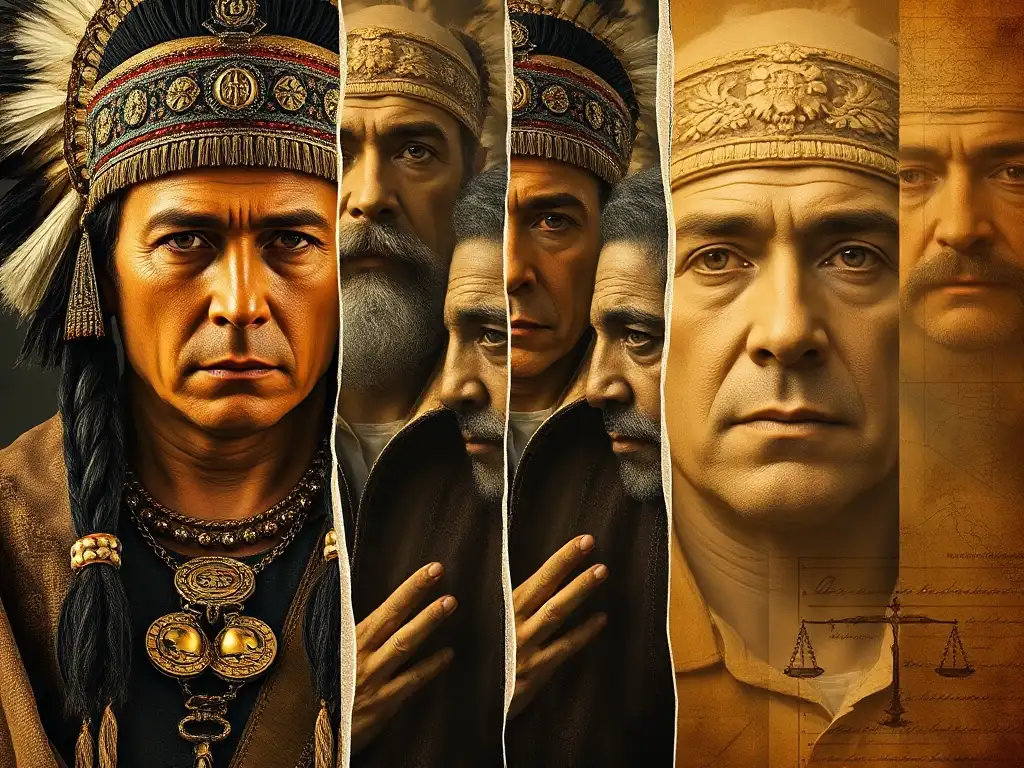
The execution of Atahualpa, the last Sapa Inca, remains a deeply controversial event, sparking heated debate among historians for centuries. Understanding this pivotal moment requires examining it through multiple lenses, considering the vastly different perspectives of the Spanish conquistadors, the Indigenous population, and modern historical analysis. Analyzing these viewpoints allows for a more nuanced understanding of the "Atahualpa execution historical analysis," moving beyond simplistic narratives of heroism and villainy.
Spanish Chroniclers and Their Justification of the Execution
Spanish chroniclers, often participants or close witnesses to the conquest, provided accounts heavily biased towards justifying Spanish actions. Their narratives frequently portray Atahualpa as a tyrannical ruler, deserving of punishment for his perceived crimes against the Inca Empire itself and against the Spanish. These accounts, while valuable as primary sources, must be scrutinized carefully for their inherent biases.
For example, chroniclers like Pedro Pizarro, a cousin of Francisco Pizarro, often emphasized Atahualpa's alleged cruelty and religious intolerance to legitimize the conquest and the subsequent execution. These narratives often downplayed or ignored the brutality of the Spanish conquest, focusing instead on Atahualpa's perceived flaws as justification for his death. The emphasis on Atahualpa's supposed treachery and rebellion against the Spanish, often presented as a violation of agreements, served as a convenient narrative to conceal the systematic dismantling and exploitation of the Inca Empire.
The sheer volume of gold and silver extracted following Atahualpa's capture further fueled the perception of the Inca ruler as a wealthy and powerful figure who deserved to be punished for his perceived resistance to Spanish authority. This perspective, however, fails to adequately address the power imbalance and the systematic exploitation that characterized the conquest.
Indigenous Accounts and the Perception of Treachery
Indigenous accounts, though often fragmented and passed down through oral tradition, offer a starkly contrasting perspective. These narratives, gleaned from surviving documents and archaeological evidence, paint a picture of systematic betrayal and treachery on the part of the Spanish. The Inca perspective emphasizes the violation of agreements, the use of deceit and subterfuge, and the brutal subjugation of a people under a foreign power.
From this viewpoint, Atahualpa's execution was not a matter of justice but a calculated act of political expediency designed to secure Spanish control over the vast resources of the Inca Empire. The Inca viewed the Spanish as invaders who violated sacred spaces, exploited the population, and ultimately destroyed a thriving civilization. While the details vary depending on the specific source, the core message remains consistent: the Spanish acted with deceit and brutality, and Atahualpa's execution was the culmination of this systematic oppression.
The indigenous perspective highlights the cultural clash and the inherent power imbalance that shaped the events surrounding Atahualpa's capture and death. Understanding this perspective is crucial for a complete "Atahualpa execution historical analysis."
Modern Historical Interpretations of Atahualpa's Fate
Modern historians, armed with a broader range of sources and a more nuanced understanding of the historical context, offer diverse interpretations of Atahualpa's execution. Some scholars argue that Atahualpa's execution was a politically motivated act designed to eliminate a powerful obstacle to Spanish domination. Others emphasize the role of religious differences and the clash of cultures in shaping the events.
Still others point to the inherent brutality of the conquest and the systematic exploitation of the Inca population as the primary factors driving Atahualpa's fate. A comprehensive "Atahualpa execution historical analysis" necessitates considering the complex interplay of these factors. The debate continues, with historians actively reevaluating primary sources and incorporating new evidence to arrive at a more complete understanding.
Recent scholarship has increasingly highlighted the systematic nature of Spanish violence and the devastating impact of the conquest on the Inca population, shifting the focus away from individual actions and towards the broader context of imperial conquest and colonial violence. The ongoing reassessment of the evidence underscores the enduring significance of Atahualpa's execution and its lasting impact on the understanding of the Spanish conquest of the Inca Empire.
Examining the Ethical and Moral Dimensions of the Execution
The execution of Atahualpa remains a deeply troubling event, prompting intense ethical and moral scrutiny even centuries later. From a modern perspective, the act is unequivocally condemned as a violation of fundamental human rights. The blatant disregard for Atahualpa's life, even after he had fulfilled Pizarro's exorbitant ransom demands, highlights the brutality and inherent injustice of the conquest.
The Spanish conquistadors, operating under a framework of religious justification and colonial ambition, failed to recognize Atahualpa's inherent humanity and his right to due process. This lack of respect for basic human dignity forms the bedrock of the ethical condemnation surrounding his execution.
The moral implications extend beyond the immediate act itself. The execution served as a chilling example of the power dynamics at play during the conquest. It demonstrated the vulnerability of indigenous populations facing a technologically superior and ruthlessly ambitious European force. The event set a precedent for future atrocities, fostering a climate of fear and oppression that significantly impacted the social, political, and cultural fabric of Andean societies for generations.
The moral stain of Atahualpa's execution, therefore, extends far beyond the individual act, casting a long shadow over the subsequent history of the region. The legacy of this event serves as a potent reminder of the importance of upholding ethical principles, even—and especially—in the face of political expediency. The event continues to fuel debates about the responsibilities of conquerors and the enduring consequences of unchecked power.
Analyzing the ethical and moral dimensions of Atahualpa's death is crucial to understanding the larger context of the Spanish conquest and its lasting impact. It compels us to critically examine our own moral compass and the importance of respecting human dignity in all circumstances. The execution serves as a cautionary tale, reminding us of the dangers of unchecked power and the enduring importance of justice and human rights.
Conclusion: Reflecting on the Significance of Atahualpa's Execution
The execution of Atahualpa remains a pivotal event in the history of the Spanish conquest of the Inca Empire, a dramatic moment that continues to fuel debate and scholarly analysis. Was it a righteous act of justice, a calculated act of treachery, or a politically expedient necessity for the Spanish conquistadors? The answer, as we've explored, is likely a complex interplay of all three.
Understanding the nuances of this event requires careful consideration of the political landscape, the cultural clashes, and the inherent biases present in the historical record. The sheer volume of conflicting accounts underscores the difficulty in arriving at a definitive conclusion, highlighting the importance of critical engagement with primary and secondary sources. This analysis aims to provide a more nuanced understanding of this pivotal moment in Andean history, promoting a more thorough comprehension of the “Atahualpa execution historical analysis.”
The Enduring Debate Surrounding Atahualpa's Death
The death of Atahualpa continues to spark heated discussions among historians. Some argue that Atahualpa, despite his role as Inca emperor, was a ruthless ruler responsible for numerous deaths and internal conflicts within the Inca Empire. They point to the fact that his claim to the throne was itself the result of a bloody civil war, suggesting that his execution was a consequence of pre-existing power struggles and internal instability.
This perspective often highlights the complexities of Inca society and governance, arguing that Atahualpa’s reign was far from idyllic. Conversely, other historians emphasize the brutality and treachery of the Spanish conquest, arguing that Atahualpa's execution was a blatant act of violence and theft, fueled by avarice and a desire to seize control of the Inca Empire’s vast resources. They point to the broken promises and manipulative tactics employed by Pizarro and his men, arguing that Atahualpa was unjustly condemned.
This debate underscores the enduring power of conflicting narratives and the importance of critically examining historical sources, especially those written by the conquerors themselves. The conflicting narratives surrounding the event demonstrate the continued relevance of "Atahualpa execution historical analysis."
The Importance of Understanding the Complexities of the Conquest
Understanding Atahualpa's execution necessitates a broader understanding of the Spanish conquest itself. It wasn't a simple clash between two civilizations, but a complex process involving political maneuvering, economic exploitation, religious zeal, and brutal violence. The Inca Empire, while powerful, was not monolithic. Internal divisions and power struggles weakened the empire, making it more vulnerable to the Spanish. The Spanish, for their part, were not a unified force.
Their actions were driven by a variety of motivations, including the desire for gold, land, and religious conversion. Analyzing Atahualpa's execution within this broader context reveals the intricate web of factors that contributed to the fall of the Inca Empire. This holistic approach is crucial for a well-rounded "Atahualpa execution historical analysis." The event serves as a microcosm of the larger imperialistic project, reflecting the complexities of intercultural contact and the devastating consequences of conquest.
Atahualpa's Execution: Final Historical Analysis
The execution of Atahualpa was not a simple event with a clear-cut explanation. It was a multifaceted tragedy born from a confluence of factors: Inca internal strife, Spanish ambition, religious fervor, and the inherent power imbalances between the two societies. While some may argue for a degree of justice in light of Atahualpa's own actions, the overwhelming evidence points to a brutal act of betrayal and conquest. The immense riches extracted after his death highlight the primarily economic motives driving the conquistadors. Analyzing this event requires a nuanced approach, acknowledging the complexities of the situation while simultaneously condemning the violence and injustice perpetrated by the Spanish. A thorough "Atahualpa execution historical analysis" demands a critical examination of all available sources, a recognition of the biases inherent within them, and a commitment to understanding the lasting consequences of this pivotal moment in Andean history. The legacy of Atahualpa’s death continues to shape discussions of colonialism, imperialism, and the ethical implications of conquest. It serves as a stark reminder of the importance of historical understanding and the ongoing need for critical analysis of the past.
Frequently Asked Questions
What led to Atahualpa's execution?
The execution of Atahualpa was a complex event stemming from Spanish ambitions for conquest and Atahualpa's perceived threat to their control. His refusal to fully submit and internal Inca conflicts played significant roles.
Was Atahualpa's execution a just act?
Whether Atahualpa's execution was just is a matter of ongoing debate. From a Spanish perspective, it may have been seen as necessary to secure their power. However, from an Inca perspective, it was a brutal act of betrayal and conquest.
What role did religion play in Atahualpa's fate?
Religious differences between the Inca and Spanish significantly influenced Atahualpa's fate. The Spanish viewed the Inca religion as pagan and sought to impose Christianity, leading to conflicts and justifying actions against the Inca emperor.
What were the long-term consequences of Atahualpa's execution?
Atahualpa's death destabilized the Inca Empire, weakening its resistance to Spanish conquest. This paved the way for the complete subjugation of the Inca and the subsequent colonial era.
How is Atahualpa's execution viewed today?
Modern interpretations of Atahualpa's execution emphasize the brutality of colonialism and the injustices inflicted upon the Inca. It serves as a stark reminder of power imbalances and the lasting impact of conquest.
Final Reflection: Echoes of Conquest: Atahualpa's Legacy and Our Present
The brutal execution of Atahualpa remains a chilling testament to the unchecked power of conquest, a stark reminder that the justifications of the past often mask brutal realities. Its impact resonates far beyond the dusty pages of history books, shaping our understanding of colonialism, power dynamics, and the enduring consequences of unchecked ambition. The events surrounding his death continue to fuel debate, forcing us to confront uncomfortable truths about the narratives we inherit and the ethical complexities of historical interpretation.
The story of Atahualpa's execution is not merely a historical event; it is a living narrative that continues to shape our understanding of indigenous rights, the ethics of colonialism, and the enduring legacy of injustice. History is not merely what happened, but what is remembered, and how it is remembered.
This quote highlights the crucial role of interpretation in shaping our understanding of the past, and the need to critically examine the dominant narratives surrounding events like Atahualpa's death. The ongoing struggle for indigenous rights and recognition across the globe serves as a powerful testament to the enduring relevance of this historical tragedy.
Consider the weight of this legacy. How does the story of Atahualpa's execution challenge your own understanding of justice, power, and the responsibility we bear to confront the injustices of the past? Let Atahualpa's story be a catalyst for critical thinking, a call to examine the narratives we accept, and a commitment to building a future where such atrocities are not only remembered but actively prevented. Engage with the complexities of this history, and let it inspire you to advocate for a more just and equitable world.
Unveil the Truth: Reflect on Atahualpa's Legacy
Thank you for exploring the fascinating and complex story of Atahualpa. Your engagement with this pivotal moment in history allows us to reflect on justice, treachery, and the choices that shaped a civilization. Now, let's consider how we can build on this understanding.
Here are some ways to deepen your knowledge and engage with this powerful narrative:
- Join the Discussion: Share your thoughts on Atahualpa's fate in the comments section below. We are eager to hear your interpretations and insights.
- Expand Your Knowledge: Explore our related articles on key events in Andean history to gain a broader understanding of this crucial period.
- Share Your Discoveries: Encourage friends and family to learn about Atahualpa. Share this article on social media and spark conversations about history's impact on our values and choices today.
What lessons can we draw from Atahualpa's story that remain relevant in our world today?