
The Inca's Use of Retaining Walls: Stabilizing Terraces

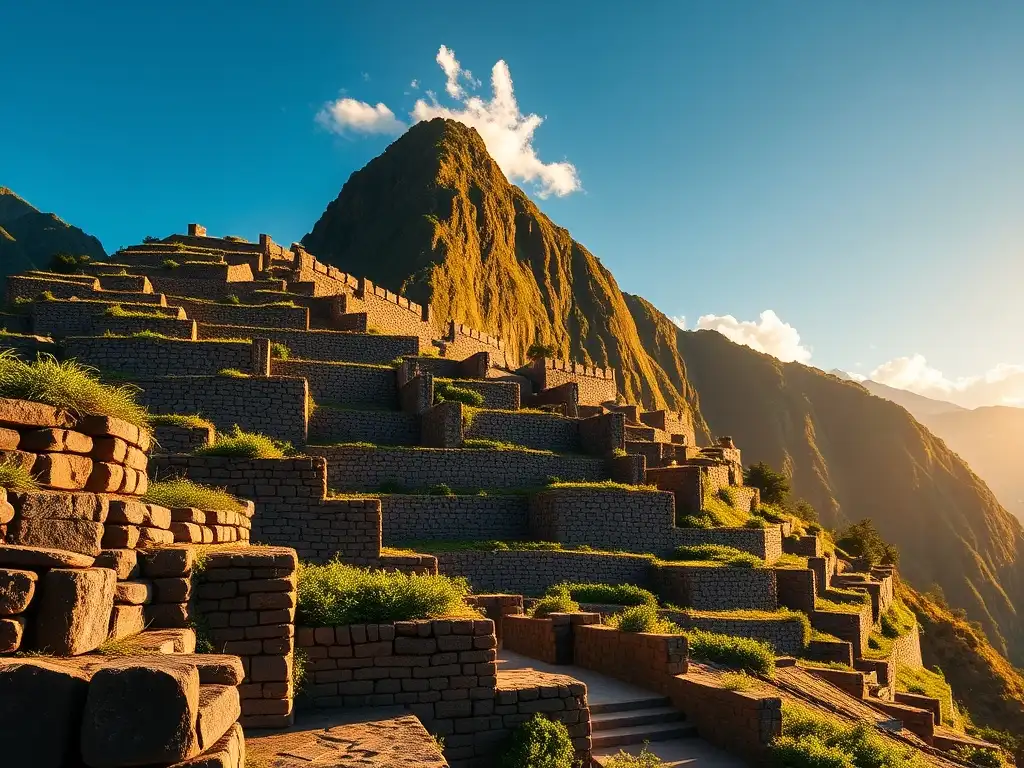
Uncover the secrets of a lost world—a world of breathtaking ingenuity and architectural mastery. For centuries, the Andes Mountains have held the echoes of powerful empires, none more captivating than the Inca. But how did they conquer the treacherous terrain and create their awe-inspiring cities? Prepare to be amazed as we delve into the intricate world of Inca retaining wall terrace construction, a testament to their remarkable engineering skills and a key to understanding their enduring legacy. Journey with us to discover the ingenious techniques that allowed them to transform harsh landscapes into thriving agricultural oases.
The Inca Empire, renowned for its sophisticated infrastructure and agricultural prowess, mastered the art of terrace construction using intricate retaining walls. This innovative approach to agriculture allowed them to cultivate crops on steep, mountainous terrain, maximizing arable land in a challenging environment. This article delves into the ingenious techniques employed by the Inca in building these retaining walls, exploring the materials, construction methods, and the overall impact on their agricultural success and societal development.
We will examine how their mastery of retaining wall terrace construction not only fed their burgeoning population but also served as a testament to their advanced engineering skills and profound understanding of their environment. Understanding Inca retaining wall terrace construction provides valuable insight into their societal organization, resource management, and remarkable adaptability. This exploration will reveal the impressive scale and precision of their work, highlighting the enduring legacy of Inca engineering.
Materials Used in Inca Retaining Wall Construction
Inca builders demonstrated remarkable resourcefulness in selecting materials for their retaining walls. The choice of material varied depending on the local availability and the specific needs of the project. Common materials included:
- Stone: This was the most prevalent material, often sourced from nearby quarries. The Inca were masters of stonework, meticulously shaping and fitting stones to create incredibly strong and durable walls. They utilized a variety of stone types, selecting those that were both readily available and suitable for their construction purposes. The size and shape of the stones varied depending on the location and the scale of the project, ranging from small, carefully fitted stones to massive blocks.
- Mud Bricks (Adobe): In regions where suitable stone was scarce, the Inca utilized mud bricks, a readily available and cost-effective material. These bricks were carefully sun-dried to ensure durability. The use of adobe bricks demonstrates the Inca's adaptability and their capacity to create effective structures using locally sourced materials.
- Mortar: While not always used, mortar played a crucial role in strengthening the walls, particularly in areas prone to seismic activity. The composition of the mortar varied, often including a mixture of clay, sand, and other binding agents. The precise composition and application techniques remain subjects of ongoing research, but evidence suggests that the Inca's mortar was exceptionally durable.
Construction Techniques: Precision and Ingenuity
The construction of Inca retaining walls was a testament to their advanced engineering and organizational skills. The process involved several key stages:
- Site Preparation: Careful site selection and preparation were paramount. The terrain was meticulously leveled and graded to create a stable foundation for the walls. This involved significant earthworks, demonstrating a deep understanding of soil mechanics and drainage.
- Stone Selection and Shaping: Stones were carefully selected for size, shape, and durability. The Inca employed sophisticated techniques to shape and fit the stones, achieving an incredibly tight and precise fit without the use of modern tools. This meticulous approach minimized gaps and ensured the structural integrity of the walls.
- Wall Construction: The walls were built in layers, with each layer carefully fitted and interlocked. Larger stones were often placed at the base for increased stability, while smaller stones were used to fill gaps and create a smooth surface. The use of mortar further enhanced the structural strength and stability of the walls.
- Drainage Systems: An often overlooked but crucial aspect of Inca retaining wall construction was the incorporation of drainage systems. These systems prevented water buildup behind the walls, which could lead to erosion and structural failure. Channels and drainage outlets were strategically placed to ensure efficient water management.
The Impact of Inca Retaining Wall Terraces
The impact of Inca retaining wall terrace construction extended far beyond simple agricultural production. These terraces:
- Increased Arable Land: The most immediate impact was the dramatic increase in arable land, allowing the Inca to support a larger population. This was crucial in a mountainous region with limited flat land suitable for agriculture.
- Improved Soil Conservation: The terraces helped to prevent soil erosion, preserving valuable topsoil and ensuring long-term agricultural productivity. This demonstrates a remarkable understanding of sustainable land management practices.
- Controlled Water Management: The terraces facilitated efficient water management, allowing for irrigation and preventing water runoff. This was particularly important in dry regions, where access to water was crucial for agricultural success.
- Social and Economic Significance: The construction and maintenance of these terraces required significant labor and coordination, reflecting the sophisticated social and economic organization of the Inca Empire. The terraces served as a symbol of Inca power and ingenuity, reflecting their ability to transform the landscape to suit their needs.
Further Research and Ongoing Discoveries
The study of Inca retaining wall terrace construction remains a vibrant area of research. Ongoing archaeological investigations continue to uncover new details about their construction techniques, materials, and the broader societal implications of this remarkable feat of engineering. Further research promises to shed more light on the ingenuity and organizational skills of the Inca, reinforcing their place as masters of Andean engineering and sustainable land management. The ongoing discoveries and analyses of these structures continue to surprise and inspire, adding layers to our understanding of this remarkable civilization.
- Materials Used in Inca Retaining Wall Construction
- Construction Techniques: Precision and Ingenuity
- The Impact of Inca Retaining Wall Terraces
- Further Research and Ongoing Discoveries
- What is the significance of retaining walls in Inca agriculture?
- How did the Incas build their retaining walls?
- What materials did the Incas primarily use for their retaining walls?
- What was the purpose of the terraced fields created by these retaining walls?
- How did the Inca retaining wall and terrace construction impact their civilization?
The Ingenious Inca Engineering: Retaining Walls and Terraced Agriculture
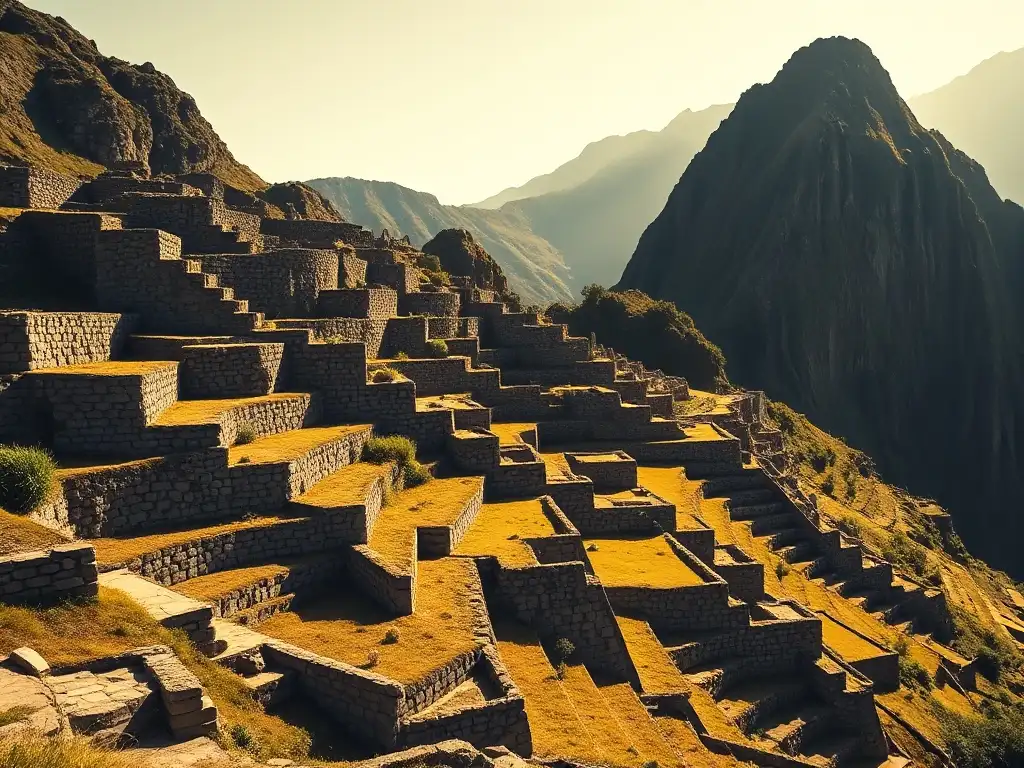
The Inca Empire, renowned for its sophisticated societal structures and impressive architectural feats, mastered the art of manipulating the Andean landscape to maximize agricultural output. Their ingenuity is perhaps most strikingly evident in their extensive system of terraced agriculture, a testament to their profound understanding of engineering and environmental adaptation. This system, however, relied heavily on the construction of robust retaining walls, crucial for the stability and longevity of these remarkable agricultural terraces.
The precise techniques employed by Inca engineers, combined with their deep knowledge of local geology and hydrology, allowed them to create a remarkably efficient and sustainable agricultural system that thrived in challenging mountainous terrain. This section will delve into the specifics of Inca retaining wall terrace construction, exploring the materials, techniques, and the overall impact on Inca society.
Understanding Inca Agricultural Terraces and Their Need for Support
Inca agricultural terraces, carved into the steep slopes of the Andes Mountains, represent a marvel of ancient engineering. These meticulously constructed terraces transformed otherwise unusable, steep inclines into productive farmland, significantly increasing the empire's food production capacity. The need for robust support structures was paramount.
The steep slopes, prone to erosion and landslides, necessitated the construction of strong retaining walls to prevent soil slippage and maintain the integrity of the terraces. The walls not only held the soil but also created level platforms ideal for planting and cultivating crops like potatoes, maize, and quinoa – staples of the Inca diet. The scale of this undertaking is staggering; thousands of kilometers of terraces were built across the Andes, showcasing the Inca's organizational prowess and commitment to agricultural sustainability.
The construction itself was a complex process, requiring careful planning, precise measurements, and a highly skilled workforce. The choice of materials and construction techniques were carefully adapted to the specific geological conditions of each location, demonstrating a sophisticated understanding of local geotechnical properties.
The Role of Retaining Walls in Inca Terrace Systems
The retaining walls in Inca terrace systems were not merely static barriers; they were integral components of a complex hydrological system. They were designed to manage water flow, preventing erosion and ensuring optimal irrigation. Many walls incorporated drainage channels and carefully placed spillways to control the water runoff, preventing damage to the terraces and maximizing water utilization. The walls themselves were typically constructed from locally sourced materials, predominantly stone. Large, precisely cut stones were often used for the foundation, ensuring stability. Smaller stones and earth filled the spaces between the larger stones, creating a strong and durable structure. The construction techniques varied depending on the terrain and available resources. In some areas, dry-stone masonry was employed, a technique that involved fitting stones together without the use of mortar. In other areas, mortar might have been used, although its application was often limited to specific sections needing extra reinforcement. The walls were built with a slight inward incline, further enhancing their stability and resistance to pressure from the soil behind them. This careful attention to detail is a hallmark of Inca engineering, reflecting a deep understanding of structural mechanics and a commitment to building long-lasting, resilient infrastructure. The effectiveness of these retaining walls is evident in the fact that many Inca terraces remain standing even today, a testament to the ingenuity and skill of the Inca builders. The precise methods of construction, including the selection of stone types and the strategies for optimizing stability and water management, continue to be studied by modern engineers, offering valuable insights into sustainable building practices. Analyzing the surviving structures provides invaluable data for understanding Inca Inca retaining wall terrace construction techniques and their lasting impact on landscape engineering.
Inca Retaining Wall Terrace Construction Techniques
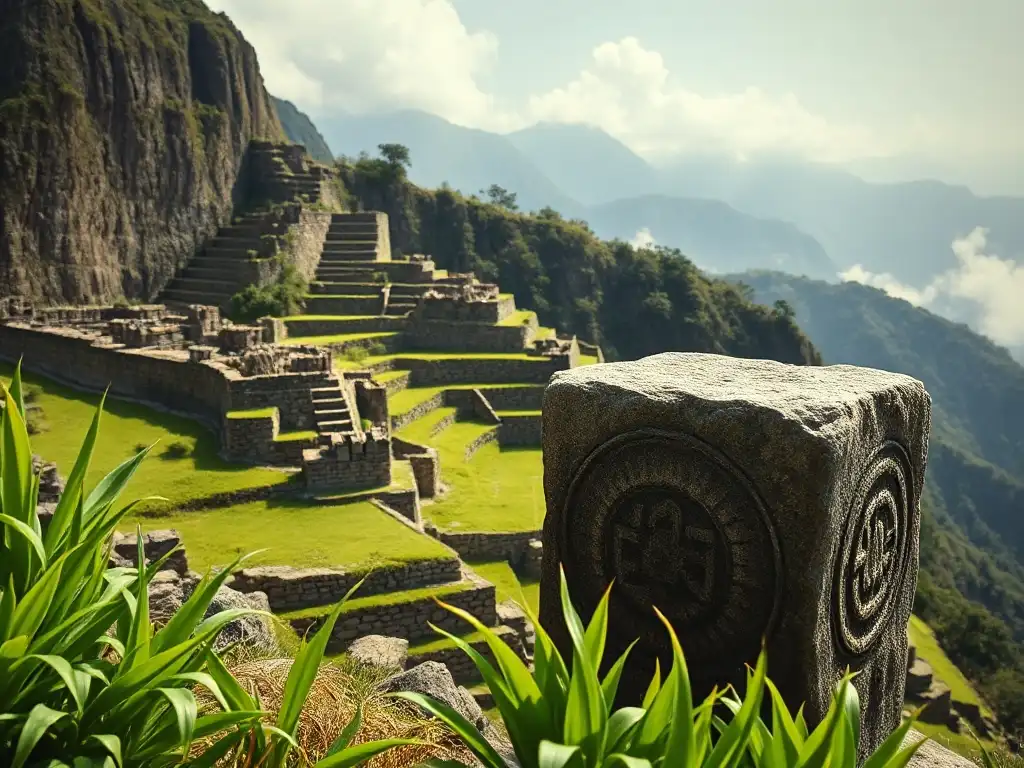
The Inca Empire's mastery of engineering is perhaps most dramatically showcased in their extensive agricultural terraces. These weren't simply haphazard hillside modifications; they represent a sophisticated understanding of hydrology, soil science, and structural engineering, all culminating in the impressive and enduring Inca retaining wall terrace construction. Their success stemmed from a combination of meticulous planning, innovative techniques, and a deep understanding of their environment.
This section will delve into the specifics of their construction methods, highlighting the ingenuity and precision involved in creating these remarkable agricultural landscapes. The sheer scale of these projects, often carved into incredibly steep slopes, remains a testament to the Inca's organizational prowess and their commitment to sustainable agriculture.
Understanding their techniques offers invaluable insights into their societal structures and technological advancements. The keyword "Inca retaining wall terrace construction" is central to this discussion, encompassing the material selection, construction methods, and the overall impact of this technology on Inca society.
Material Selection for Inca Retaining Walls: Stone and Earth
The Incas were pragmatic in their material selection for retaining wall construction, prioritizing readily available and durable resources. Stone, particularly the readily available andesite, formed the backbone of their terrace walls. The size and shape of the stones varied depending on the location and the specific requirements of the wall. Larger, carefully fitted stones were used for the foundation and more exposed sections, providing greater stability. Smaller stones filled the gaps, creating a robust and interlocking structure. This wasn't just about strength; the careful selection and placement of stones also contributed to the aesthetic appeal of the terraces.
The use of earth was equally crucial. Earth, often mixed with clay and other binding agents, acted as a mortarless filler between stones, further enhancing the stability of the walls. This earth fill wasn't randomly packed; evidence suggests that it was compacted in layers, ensuring even weight distribution and minimizing the risk of settling.
The choice of earth type varied depending on local conditions, reflecting the Incas' deep understanding of the properties of different soils. This careful selection and placement of earth significantly contributed to the longevity of the terrace walls, allowing them to withstand the elements and the pressures of the surrounding terrain. The combination of stone and earth created a synergistic effect, enhancing the structural integrity and durability of the Inca retaining wall terrace construction.
The Precise Construction Methods of Inca Terrace Walls
The construction of Inca terrace walls was a meticulous process, demanding considerable skill and precision. The Incas didn't simply pile stones together; they employed sophisticated techniques to ensure the stability and longevity of their structures. This involved a deep understanding of gravitational forces, soil mechanics, and the properties of the materials they used. The overall design and construction were optimized for both stability and water management, crucial for successful agriculture in the Andes' challenging terrain. The construction process itself was likely a highly organized undertaking, involving specialized labor and sophisticated planning.
Dry Stone Masonry Techniques in Inca Retaining Walls
The hallmark of Inca retaining wall construction was their mastery of dry stone masonry. This technique, which involved fitting stones together without the use of mortar, required an exceptional level of skill and precision. Stones were carefully selected and shaped to fit snugly together, creating a remarkably strong and stable structure. The interlocking nature of the stones minimized the need for additional binding agents, making the walls incredibly resilient to earthquakes and other seismic activity.
The careful selection and placement of stones also enhanced the aesthetic appeal of the walls, creating intricate patterns and textures that reflect the Inca's artistic sensibilities. The dry stone masonry technique exemplifies the Incas' ingenuity and their ability to harness readily available resources to create impressive and durable structures. This highly specialized technique is a key feature contributing to the lasting impact of Inca retaining wall terrace construction.
Advanced Inca Wall Building for Slope Stabilization
The Inca's understanding of slope stabilization was crucial for the success of their terrace farming. Their retaining walls weren't just barriers; they were integral parts of a complex system designed to manage water flow and prevent soil erosion. The walls were often built in a stepped pattern, following the contours of the land.
This design not only enhanced stability but also facilitated the creation of level platforms for cultivation. Furthermore, the Inca engineers integrated drainage systems into the walls, ensuring that excess water could escape without causing damage. This involved creating channels and outlets that redirected water away from the walls and prevented waterlogging.
These advanced techniques were crucial for the long-term success of their agricultural terraces, enabling them to cultivate crops on otherwise unusable slopes. The effectiveness of these techniques is a testament to the Inca's sophisticated understanding of engineering principles and their ability to adapt their construction methods to the challenges of their environment. The enduring legacy of Inca retaining wall terrace construction highlights the effectiveness of these advanced slope stabilization techniques.
The Importance of Drainage in Inca Retaining Wall Design
The ingenious Inca retaining wall terrace construction wasn't just about stacking stones; it was a sophisticated system deeply intertwined with the Andean environment. Effective drainage was paramount to the long-term success of these agricultural terraces, preventing soil erosion and ensuring crop productivity in the challenging Andean terrain. The Incas understood that water, while essential for agriculture, could also be a destructive force if not properly managed. Water accumulating behind the walls could exert immense pressure, leading to structural failure and the collapse of the entire terrace system.
To mitigate this risk, the Inca engineers incorporated several clever drainage strategies. One common technique involved using porous stones in the construction of the walls themselves. This allowed water to seep through the structure, reducing the pressure buildup. Furthermore, strategically placed drainage channels were built into the walls, directing excess water away from the terraces. These channels were often lined with smoother stones to facilitate water flow and prevent clogging. The channels were meticulously graded, ensuring a consistent and controlled flow of water downhill, away from the agricultural fields.
The design and placement of these drainage systems were not arbitrary. They were carefully adapted to the specific topography and soil conditions of each location. In areas with high rainfall, more extensive and robust drainage systems were implemented. Conversely, in drier regions, the focus might have been on channeling scarce water resources to the fields.
This adaptability showcases the advanced understanding of hydrology and engineering possessed by the Inca builders. The effectiveness of their drainage techniques is evident in the longevity of many Inca terraces, which remain functional even today, a testament to their masterful construction and planning. Understanding the importance of drainage in Inca retaining wall design provides crucial insight into their sophisticated agricultural practices and their ability to adapt to the demanding environment of the Andes. The careful consideration of drainage was not merely a detail; it was fundamental to the entire system's success.
The Functional Benefits of Inca Retaining Walls
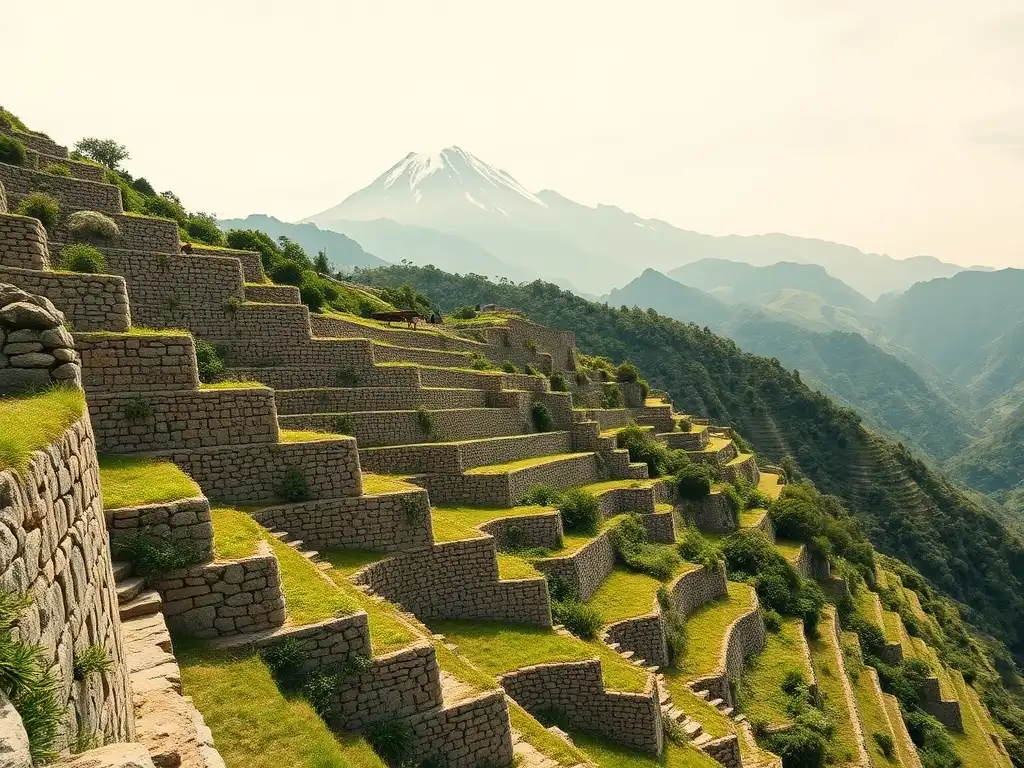
The Inca's mastery of retaining wall terrace construction is a testament to their advanced understanding of engineering and agriculture. Their innovative techniques weren't merely aesthetically pleasing; they served crucial functional purposes, directly impacting the sustainability and productivity of their empire. This section delves into the key functional benefits of these iconic structures, highlighting their ingenuity and impact on Inca society.
Understanding the why behind their construction is key to appreciating the full scope of Inca ingenuity and their lasting legacy. The keyword "Inca retaining wall terrace construction" is central to this analysis, revealing the intricate relationship between engineering prowess and agricultural success.
Preventing Soil Erosion with Inca Terrace Walls
Soil erosion posed a significant threat to agriculture in the steep Andean slopes. The Inca addressed this challenge head-on through their sophisticated system of retaining walls. These walls, often built from locally sourced stone meticulously fitted together without mortar (a technique known as ashlar masonry), created a series of level terraces that effectively slowed and controlled the flow of water.
This prevented the topsoil from being washed away by rainfall or melting snow, preserving the fertile land crucial for cultivation. The carefully constructed walls acted as barriers, trapping sediment and creating a stable environment for crops. Studies have shown that the effectiveness of Inca terrace systems in preventing erosion is remarkably high, even by modern standards.
The intricate design, incorporating drainage channels and carefully graded slopes, minimized water runoff and maximized soil retention. This is a prime example of sustainable agricultural practices, showing the Inca’s deep understanding of environmental factors and their impact on food production. The effectiveness of their techniques is still studied and emulated today, demonstrating the enduring relevance of Inca retaining wall terrace construction.
Creating Level Agricultural Land through Retaining Wall Systems
The Andean landscape, characterized by its steep slopes and mountainous terrain, presented a major obstacle to large-scale agriculture. The Inca ingeniously overcame this limitation through the construction of extensive terrace systems, supported by robust retaining walls. These walls transformed the uneven slopes into a series of level platforms, dramatically increasing the amount of arable land available for farming. The creation of these level agricultural plots allowed for efficient irrigation and cultivation, maximizing the use of available resources.
The scale of this undertaking was immense, with some terrace systems stretching for kilometers along mountain slopes. This monumental effort speaks to the Inca's organizational capabilities and their commitment to ensuring food security for their vast empire. The precise measurements and careful planning evident in the construction of these terraces showcase a sophisticated understanding of geometry and surveying, further highlighting the advanced engineering skills that underpinned Inca retaining wall terrace construction.
Maximizing Agricultural Yields using Inca Terraces
The functional benefits of Inca retaining walls extended beyond simply preventing erosion and creating level land. The terraced fields themselves contributed significantly to maximizing agricultural yields. The level platforms created by the retaining walls allowed for efficient water management, ensuring that crops received adequate irrigation even in arid conditions.
Furthermore, the terraces created microclimates, offering variations in sunlight exposure and temperature that were beneficial for diverse crops. This allowed the Inca to cultivate a wide range of crops, increasing the overall productivity and resilience of their agricultural system. Evidence suggests that the Inca carefully selected crops suited to the specific conditions of each terrace, further optimizing yields.
The combination of controlled irrigation, microclimate variations, and crop diversification made Inca terrace systems exceptionally productive, contributing significantly to the prosperity and stability of their empire. This demonstrates the sophisticated integration of engineering and agricultural knowledge, making Inca retaining wall terrace construction a truly remarkable achievement. The high yields achieved through these systems are a testament to the Inca’s understanding of sustainable and efficient agricultural practices.
Examples of Inca Retaining Wall Structures
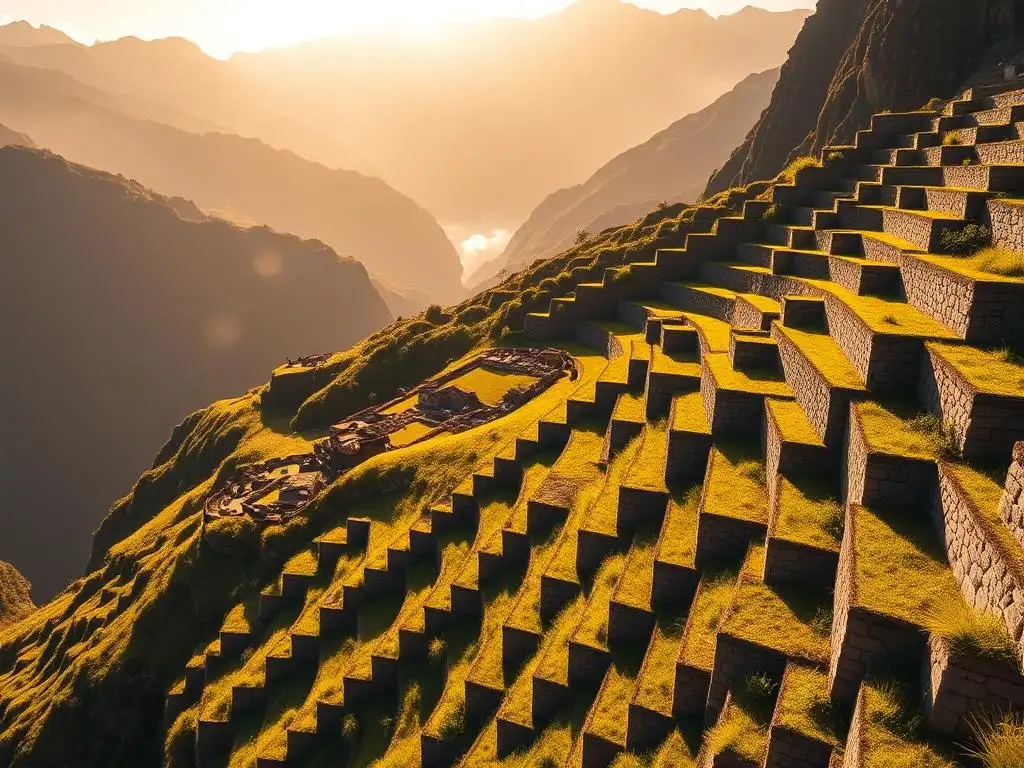
This section delves into the remarkable examples of Inca retaining wall construction, showcasing the ingenuity and scale of their terracing projects. These structures weren't merely agricultural solutions; they were integral to the Inca worldview, reflecting their profound understanding of both engineering and the environment. The careful placement and construction of these walls demonstrate a mastery of stonework rarely seen in other ancient civilizations. Understanding these examples provides crucial insight into the Inca retaining wall terrace construction techniques and their lasting impact on the Andean landscape.
Notable Inca Terrace Systems and Their Retaining Walls
The Inca Empire's mastery of Inca retaining wall terrace construction is evident in the numerous terrace systems found throughout the Andes. These weren't haphazard arrangements; they were meticulously planned and executed, adapting to the diverse topography and maximizing agricultural potential. The scale of these projects is astonishing, transforming steep, rugged slopes into productive farmland. The precision in stone fitting, the careful consideration of drainage, and the overall structural integrity are testaments to the Inca's advanced engineering skills. This section will highlight two particularly impressive examples: Ollantaytambo and Machu Picchu.
Ollantaytambo: A Prime Example of Inca Terracing
Ollantaytambo's agricultural terraces are arguably the most impressive example of Inca terracing. The sheer scale of the project, climbing the mountainside in a series of cascading terraces, is breathtaking. The retaining walls, built from precisely fitted stones, are incredibly strong and stable, having withstood centuries of erosion and seismic activity. The walls themselves are not uniform; their height and thickness vary depending on the slope and the type of soil they retain.
This adaptability shows a deep understanding of structural mechanics and soil dynamics. Analysis of the stonework reveals the use of different techniques, including dry-stone masonry (without mortar), showcasing both efficiency and precision. The integration of water management systems, including channels and drainage features, further highlights the sophistication of the design. The Ollantaytambo terraces stand as a powerful symbol of Inca ingenuity and their ability to harness the power of nature for agricultural production.
Machu Picchu: Terraces and Retaining Walls of the Sacred City
While Machu Picchu is famed for its iconic architecture, its agricultural terraces are equally remarkable. These terraces, though smaller in scale than those at Ollantaytambo, are no less impressive in their construction. The retaining walls, often built into the steep mountain slopes, are remarkably stable, demonstrating a sophisticated understanding of load-bearing and structural integrity.
The use of different types of stone, depending on availability and suitability, highlights a pragmatic approach to construction. The terraces were not only vital for food production but also likely played a symbolic role, integrated into the sacred landscape of the city. The precise fitting of the stones, even in the most challenging locations, speaks volumes about the skill and dedication of the Inca builders.
The integration of these terraces into the overall design of Machu Picchu emphasizes their importance within the city's social and spiritual fabric. The meticulous craftsmanship evident in the Inca retaining wall terrace construction at Machu Picchu underscores the city's significance as both a political and spiritual center.
Analyzing the Engineering Behind Inca Retaining Walls
The engineering principles behind Inca retaining walls are a testament to their advanced knowledge of structural mechanics and material science. The walls weren't simply stacked stones; they were carefully designed structures, employing techniques that ensured stability and longevity. Several key aspects contributed to their success:
- Precise Stone Fitting: Inca masons were masters of dry-stone construction, fitting stones together with incredible precision, minimizing the need for mortar. This technique, combined with the careful selection of stones, created incredibly strong and stable walls.
- Drainage Systems: Incorporated into the wall design were drainage systems to prevent water buildup and erosion. This is crucial in mountainous regions where heavy rainfall is common. Channels and strategically placed stones diverted water, protecting the walls and the terraces they supported.
- Graded Terraces: The terraces themselves were carefully graded, further enhancing drainage and preventing soil erosion. This thoughtful planning minimized the pressure on the retaining walls and ensured the long-term stability of the agricultural system.
- Adaptability to Terrain: The design of the retaining walls varied depending on the terrain. In steeper areas, walls were taller and thicker, reflecting an understanding of the increased forces involved. In gentler slopes, smaller and less massive walls were sufficient. This adaptability showcases the Inca’s deep understanding of both engineering and the natural environment.
The longevity of these structures, many of which still stand today, is a powerful testament to the ingenuity and skill of the Inca builders. The enduring legacy of Inca retaining wall terrace construction continues to inspire awe and admiration, serving as a reminder of the remarkable achievements of this ancient civilization.
The Legacy of Inca Retaining Walls: Lessons for Modern Engineering
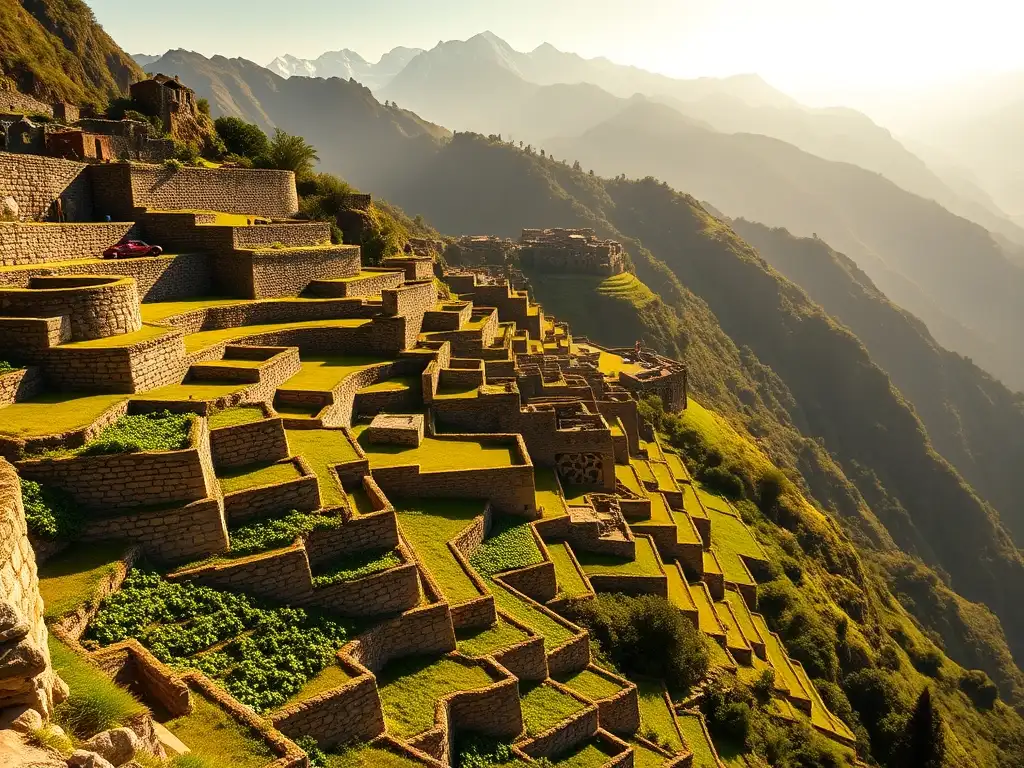
The Inca's mastery of retaining wall terrace construction remains a testament to their advanced engineering skills and profound understanding of their environment. Their techniques, developed over centuries, allowed them to transform steep, challenging Andean slopes into productive agricultural land, a feat that continues to inspire awe and study. The ingenuity behind their retaining walls wasn't merely about creating flat surfaces; it was a sophisticated system that addressed erosion control, water management, and seismic stability—aspects crucial even in modern construction.
Understanding their methods offers valuable insights for contemporary engineers tackling similar challenges in diverse geographical locations. The Inca's success wasn't accidental; it was the result of meticulous planning, precise execution, and a deep respect for the land. Their legacy extends beyond the impressive visual impact of their terraces; it provides a blueprint for sustainable and resilient construction practices.
Inca Engineering Principles Applicable to Modern Construction
Inca retaining wall construction demonstrates several principles still relevant today. They prioritized the use of locally sourced materials, minimizing transportation costs and environmental impact. Their walls, primarily constructed from stone, were meticulously fitted together without mortar, relying on the precise shaping and interlocking of the stones for stability. This "dry-stone" technique, while seemingly simple, requires exceptional skill and understanding of stone properties.
The precise fitting minimized gaps, reducing water penetration and erosion. Furthermore, the incorporation of drainage systems within the walls—often unseen channels and carefully placed stones—was crucial in managing water flow and preventing pressure build-up behind the walls. This sophisticated drainage system prevented water damage and ensured the longevity of the structures. Modern engineers can learn from the Incas’ emphasis on material selection, precise construction, and integrated drainage systems to improve the durability and sustainability of their own projects.
For instance, the careful consideration of drainage is crucial in preventing landslides and ensuring the long-term stability of retaining walls, mirroring the Inca’s foresight. The Inca’s understanding of load distribution and the use of gravity to stabilize their structures are also points of study for modern engineers. Their terraces, built to withstand earthquakes and heavy rains, showcase an intuitive understanding of structural engineering principles.
The Sustainability of Inca Terrace Construction Methods
The sustainability of Inca terrace construction is striking. Their methods minimized environmental disruption by using locally available materials and integrating the structures seamlessly into the existing landscape. The terraces themselves increased arable land, enhancing food security and reducing pressure on fragile ecosystems. The careful management of water resources through intricate irrigation channels, often integrated into the terrace system, promoted efficient water use and minimized water waste.
This holistic approach to construction and resource management provides a compelling model for sustainable development. The long-term success of Inca terraces, some of which remain standing even today, underscores the enduring benefits of sustainable construction practices. The low environmental impact of their methods—using readily available materials and minimizing waste—contrasts sharply with many modern construction practices that often involve significant resource consumption and waste generation.
Studying Inca methods can inspire the development of more environmentally friendly and resource-efficient construction techniques in the 21st century. The emphasis on long-term durability and resilience, rather than short-term gains, is a key lesson from the Inca’s approach to terrace construction, highlighting the importance of considering the lifecycle impacts of building projects. The Inca’s approach to sustainable construction serves as a powerful example of how to create structures that are both functional and environmentally responsible, a crucial consideration for modern engineering.
Conclusion: The Enduring Impact of Inca Retaining Walls
The ingenuity of Inca retaining wall terrace construction continues to inspire awe and admiration centuries later. Their mastery of stonework, coupled with a deep understanding of Andean geography and agricultural needs, resulted in a sophisticated system that not only maximized arable land but also mitigated the risks associated with steep slopes and erosion. The legacy of these structures extends far beyond their historical significance; they offer valuable lessons for contemporary engineering and sustainable agriculture.
Understanding the principles behind Inca retaining wall construction can inform modern approaches to hillside farming, erosion control, and even disaster mitigation in mountainous regions globally. The precision and durability of these walls, many of which still stand today, are a testament to the Inca's advanced knowledge of engineering and their profound connection to the Andean landscape. The impact of their work resonates even today, influencing modern agricultural practices and inspiring innovative solutions to contemporary challenges.
The Significance of Inca Retaining Wall Technology
The Inca's approach to retaining wall terrace construction wasn't merely about creating flat land; it was a holistic system designed for long-term sustainability. Several key aspects contributed to their success:
- Precise Stonework: The Incas were masters of dry-stone masonry, fitting stones together with incredible precision without the use of mortar. This technique, which required a deep understanding of stone properties and geometry, resulted in incredibly strong and stable structures capable of withstanding seismic activity and heavy rains. The interlocking nature of the stones minimized the need for additional binding agents, showcasing a remarkable understanding of structural integrity. Variations in stone size and shape were carefully considered to optimize stability and drainage.
- Strategic Placement and Design: The location and orientation of terraces were carefully chosen to maximize sunlight exposure and minimize erosion. The walls themselves were often curved or stepped, further enhancing stability and water management. The angle of the terraces was carefully considered to optimize water runoff and prevent soil saturation. This thoughtful design demonstrates a keen understanding of hydrology and its impact on agricultural productivity.
- Integrated Water Management: Inca terraces incorporated sophisticated water management systems, including channels and reservoirs, to ensure a consistent water supply for crops. These systems were seamlessly integrated into the terrace design, further enhancing the overall functionality and sustainability of the agricultural landscape. This sophisticated approach to water management was crucial in maximizing crop yields in a challenging environment. Evidence suggests that they understood the importance of controlled irrigation and drainage to prevent waterlogging and erosion.
- Adaptability to Terrain: The Inca's ability to adapt their retaining wall techniques to diverse terrains is a testament to their engineering prowess. They constructed terraces on incredibly steep slopes, demonstrating an impressive understanding of structural mechanics and soil dynamics. This adaptability allowed them to cultivate land that would otherwise be unusable, significantly increasing agricultural output. Their mastery of engineering enabled them to overcome significant geographical challenges.
The longevity and effectiveness of Inca retaining wall terrace construction demonstrate a remarkable level of technological sophistication and a deep respect for the environment. Their innovative approach to agriculture continues to inspire researchers and engineers today, offering valuable insights into sustainable land management and disaster mitigation in challenging environments. The legacy of Inca engineering is not just a testament to their past achievements but also a source of inspiration for the future. The precise techniques employed, coupled with their integrated water management systems, demonstrate a level of understanding that remains relevant in modern agricultural practices.
Frequently Asked Questions
What is the significance of retaining walls in Inca agriculture?
Retaining walls were essential for Inca agriculture. They allowed the creation of terraces on steep, mountainous terrain, maximizing arable land and preventing soil erosion. This innovative technique was crucial to their successful farming practices.
How did the Incas build their retaining walls?
Inca engineers used dry-stone masonry, fitting stones together precisely without mortar. They selected locally sourced stones and meticulously shaped them to create incredibly strong and durable structures. The precision of the fit is remarkable.
What materials did the Incas primarily use for their retaining walls?
The Incas primarily used stone, carefully selected and fitted together. The type of stone varied depending on the local availability, but the focus was always on finding stones that would interlock securely. They rarely used mortar.
What was the purpose of the terraced fields created by these retaining walls?
The terraced fields, supported by retaining walls, allowed the Incas to cultivate crops on steep slopes. This significantly increased agricultural productivity and provided food security for their large population. These terraces also helped manage water resources effectively.
How did the Inca retaining wall and terrace construction impact their civilization?
The innovative engineering behind Inca retaining walls and terraces was fundamental to their societal success. It allowed for sustainable agriculture, supporting a large population and contributing to the economic and political stability of the Inca Empire.
Final Reflection: Echoes of the Andes: A Legacy in Stone
The Inca's mastery of retaining wall construction wasn't merely a feat of engineering; it was a testament to their profound understanding of their environment and a powerful demonstration of sustainable living. Their innovative techniques, honed over centuries, continue to inspire awe and offer valuable lessons for contemporary challenges in agriculture, land management, and even urban planning.
The ingenuity of the Inca's terraced landscapes continues to resonate today, a powerful symbol of human adaptation and resilience. Their ability to transform steep, seemingly unusable slopes into fertile agricultural land speaks volumes about their resourcefulness and respect for the land. The Inca did not conquer the Andes; they learned to live with them, and in doing so, they transformed them.
This quote encapsulates the essence of their approach, a philosophy that prioritizes harmony with nature over domination. Their legacy is not just in the physical structures that remain, but in the enduring principles of sustainable development they embodied.
Consider the implications of their achievements. How can we, in our modern world, learn from their commitment to sustainable agriculture and land management? How can we apply their innovative techniques to address contemporary challenges like soil erosion and food security? You, the reader, hold the power to carry this legacy forward. Reflect on the Inca's ingenuity, and consider how you can contribute to a more sustainable future, inspired by the enduring strength and beauty of their retaining walls.
Unveil the Secrets of Inca Engineering Today!
Thank you for joining us on this journey through the remarkable world of Inca engineering. By exploring the ingenious use of retaining walls to create stable terraces, you've uncovered a key aspect of the Andean civilizations' impressive architectural skills. Now, let's explore ways you can further connect with this fascinating heritage!
Here are some inspiring steps you can take:
- Explore Inca terraces and retaining walls firsthand. Visit historical sites in your area or take a virtual tour online.
- Share your knowledge! Discuss the Incas' sustainable agricultural techniques with friends, family, or online communities.
- Preserve this legacy by supporting local conservation efforts that protect these ancient structures, or by promoting similar sustainable practices in your community.
What aspect of Inca engineering most surprises you, and how could these innovative techniques inspire modern sustainable solutions?