
The Paracas Necropolis: Unmasking the Elite Burials

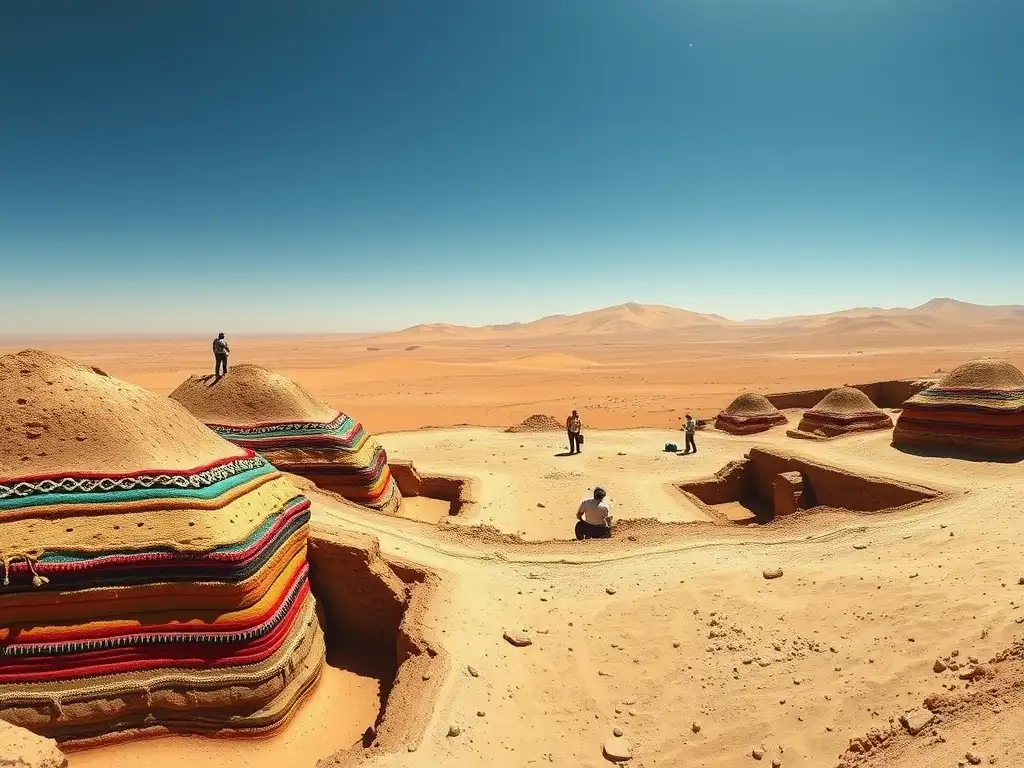
Welcome to Andean Civilizations, where the echoes of a lost world whisper secrets of ingenuity and power. Journey with us through the captivating tapestry of Andean history, art, and culture, from the majestic Incas to the enigmatic Nazca. But first, prepare to be amazed: delve into the mysteries of the Paracas Necropolis and uncover the astonishing elite burial practices that reveal a society obsessed with death and the afterlife. Dare to explore the rituals and artifacts that continue to baffle researchers – the answers await within.
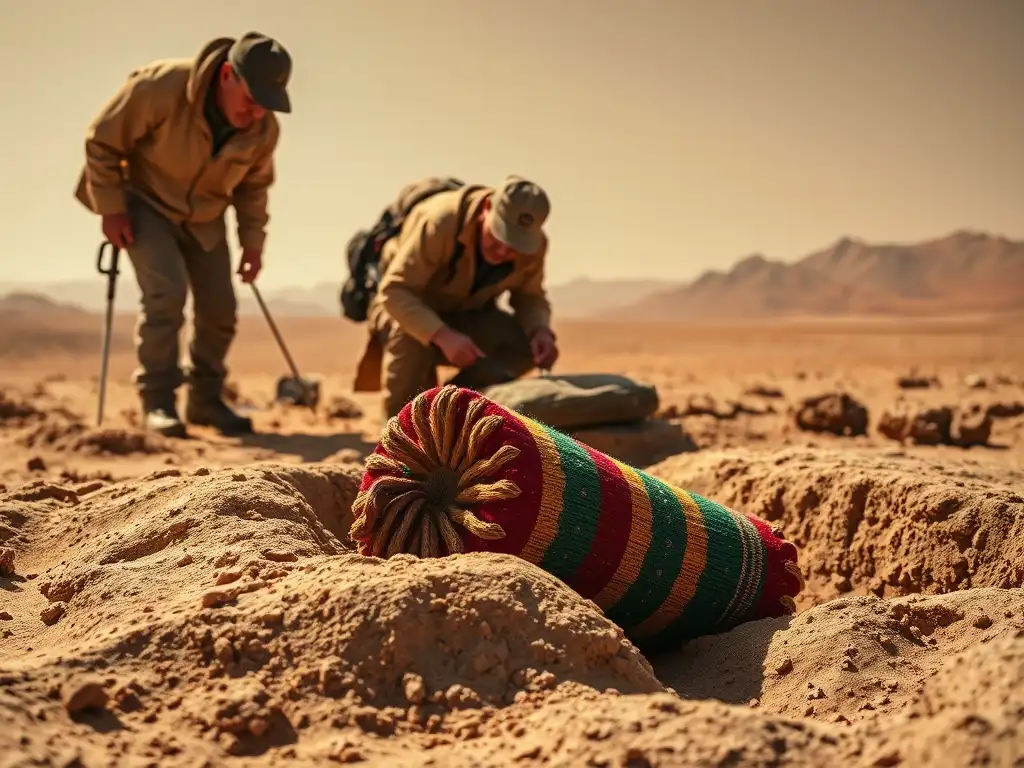
The Paracas Necropolis, located on the southern coast of Peru, stands as a testament to the sophisticated burial rituals and social hierarchy of the Paracas culture (ca. 800 BCE – 200 CE). This ancient site, a sprawling cemetery containing thousands of tombs, offers an unparalleled window into the lives and beliefs of this enigmatic civilization.
Unlike simpler burials found elsewhere, the Necropolis reveals a complex system of elite burial practices, reflecting a highly stratified society with distinct social classes and powerful leaders. This article delves into the fascinating world of Paracas elite burial practices, examining the intricate grave goods, elaborate mummification techniques, and the social implications of these mortuary rituals. Understanding these practices provides crucial insights into the political structure, religious beliefs, and economic power of the Paracas elite, shedding light on their significant contributions to the rich tapestry of Andean history.
We will explore the evidence that reveals not just how the elite were buried, but also why these practices were so elaborate, and what they tell us about the culture's worldview and social organization. The keyword "Paracas Necropolis elite burial practices" will be explored through the detailed examination of archaeological evidence and scholarly interpretations.
The Architecture of Power: Tomb Construction and Location
The construction of Paracas elite tombs was far from haphazard. These were not simple graves, but rather carefully planned structures reflecting considerable investment of labor and resources. Many elite tombs were located in prominent positions within the Necropolis, suggesting a deliberate attempt to visually assert the status and power of the deceased.
Tombs varied in size and complexity, with the most elaborate belonging to the highest-ranking individuals. Archaeological evidence suggests the use of sophisticated engineering techniques, including the construction of subterranean chambers and the use of durable materials like adobe bricks and stone. The size and complexity of the tomb itself served as a clear indicator of the social standing of the deceased, visually communicating their power and importance to both the living and the dead.
The meticulous planning and execution of these burial structures underscore the significance placed on death and the afterlife within Paracas society. The placement of tombs, often near important ceremonial sites or overlooking the fertile valleys, further reinforced the connection between the elite and the land's prosperity.
Grave Goods: Reflections of Wealth and Status
The sheer abundance and diversity of grave goods found within elite Paracas tombs are truly remarkable. These included textiles of unparalleled artistry, intricately woven and adorned with vibrant colors and complex designs. The quality of the textiles, often made from fine vicuña or alpaca wool, clearly indicated the high social status of the deceased. Additionally, elaborate pottery vessels, finely crafted tools, and ornaments made of precious metals like gold and silver were frequently discovered.
The presence of such valuable items speaks to the considerable wealth and power accumulated by the Paracas elite, and the importance of material possessions in marking social status in the afterlife. A detailed analysis of these grave goods reveals a complex system of symbols and imagery, providing valuable insights into the religious beliefs and cosmological views of the Paracas people. 🏆
Mummification: Preserving the Elite for Eternity
Paracas mummification techniques were exceptionally advanced for their time. The meticulous process involved the removal of internal organs, the careful desiccation of the body, and the wrapping of the remains in layers of fine textiles. The mummies were often adorned with elaborate masks and headdresses, further emphasizing their social status. The exceptional preservation of these mummies has allowed researchers to learn much about Paracas physical characteristics, health, and diet.
The amount of time and resources invested in mummification underscores the belief in an afterlife and the importance of preserving the elite for eternity. The intricate process itself was a ritualistic act that reinforced social hierarchies and celebrated the power of the deceased. The mummies, therefore, were not simply preserved bodies, but rather powerful symbols of social status and religious significance.
The elaborate burial practices of the Paracas elite reveal a society with a strong emphasis on social hierarchy and the importance of lineage. The differences in tomb construction, grave goods, and mummification techniques clearly distinguished the elite from the commoners. These practices served to reinforce the power structure and legitimize the rule of the elite.
The investment of significant resources in elite burials also highlights the economic power of the Paracas ruling class, indicating their control over resources and labor. The elaborate rituals surrounding death were not just individual events but rather public displays of power that served to maintain social order and consolidate the authority of the ruling class.
Further research into the social networks and kinship systems of the Paracas elite will provide a more complete picture of their political and social organization. The study of Paracas Necropolis elite burial practices continues to uncover new insights into this remarkable civilization.
- The Architecture of Power: Tomb Construction and Location
- Grave Goods: Reflections of Wealth and Status
- Mummification: Preserving the Elite for Eternity
- Social Implications of Elite Burial Practices
- What makes the Paracas Necropolis significant in the study of Andean civilizations?
- What are some notable features of the elite burials found in the Paracas Necropolis?
- How did the Paracas elite differ from the commoners in terms of burial practices?
- What role did textiles play in Paracas elite burial practices?
- What can the study of Paracas Necropolis elite burial practices tell us about their society?
Discovering the Paracas Necropolis: A Window into Ancient Andean Society
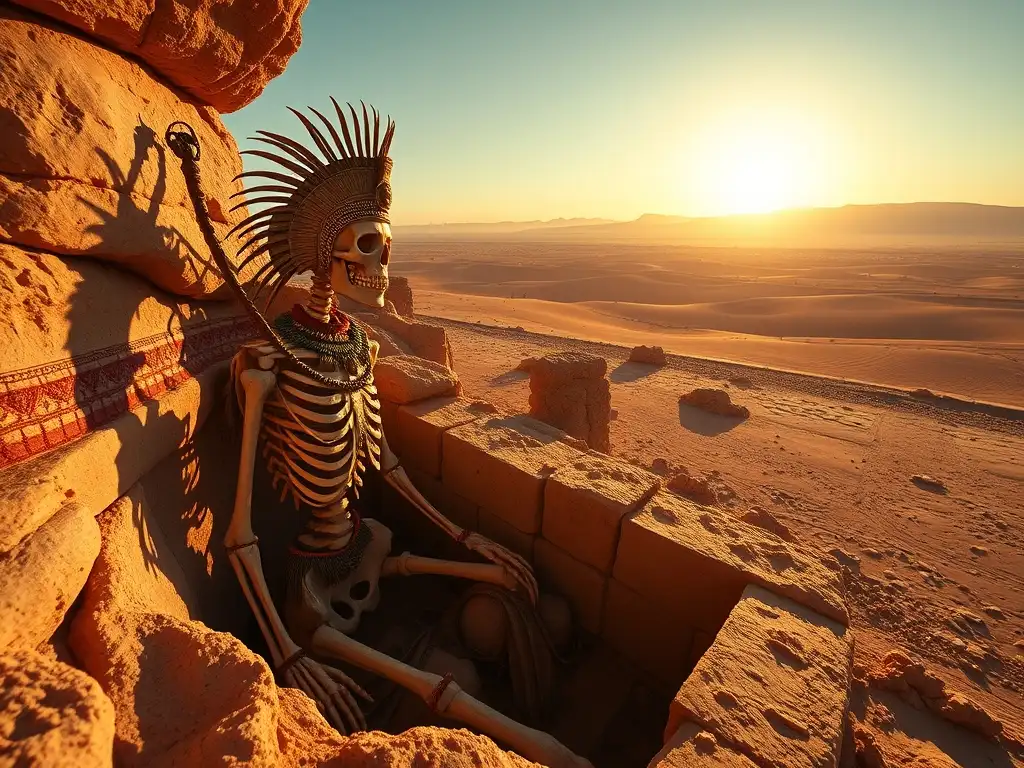
This section delves into the fascinating world of the Paracas Necropolis, a site of unparalleled importance for understanding elite burial practices in ancient Andean societies. The sheer scale and complexity of the necropolis offer invaluable insights into Paracas social structures, religious beliefs, and technological capabilities.
Analyzing the intricate details of these elite burials allows us to reconstruct a vibrant picture of this pre-Inca civilization, illuminating their unique cultural identity and their place within the broader tapestry of Andean history. The meticulous preservation of textiles, artifacts, and human remains within the tombs provides a wealth of information for archaeologists and historians alike, contributing significantly to our understanding of "Paracas Necropolis elite burial practices."
The Location and Significance of the Paracas Burial Site
The Paracas Necropolis is situated on the arid coastal plains of southern Peru, near the modern-day town of Paracas. Its location, strategically positioned near abundant marine resources and fertile valleys, suggests a connection between the elite's power and control over vital resources. The desert environment, while seemingly harsh, proved remarkably effective in preserving organic materials, resulting in the exceptional preservation of textiles, mummies, and other artifacts found within the tombs.
This remarkable preservation is a key factor contributing to the exceptional value of the Necropolis for archaeological research. The sheer number of tombs, estimated to be in the thousands, highlights the scale of Paracas mortuary practices and the importance given to death and ancestor veneration within their society. The elite burials, in particular, showcase elaborate rituals and a significant investment of resources, indicating a hierarchical social structure with clearly defined elite classes.
The careful arrangement of grave goods within these elite tombs also provides crucial information about the beliefs and values of the Paracas people, reflecting their worldview and their relationship with the supernatural. The layout of the necropolis itself, with its seemingly deliberate organization of tombs, further suggests a sophisticated understanding of spatial planning and social organization. Further research into the precise geographical positioning of the necropolis in relation to celestial bodies and other geographical features could shed further light on its significance.
Unearthing the Paracas Culture and its Burial Rituals
The Paracas culture, flourishing between approximately 800 BCE and 100 CE, is known for its distinctive textile traditions. The Necropolis provides compelling evidence of this mastery. Elite burials often contained incredibly intricate textiles, demonstrating advanced weaving techniques and a sophisticated understanding of color and design. These textiles, often adorned with elaborate imagery of mythical creatures and stylized figures, served not only as grave goods but also potentially as representations of the deceased's social status and spiritual identity. The mummies themselves provide further insight into Paracas burial rituals.
Many mummies were found wrapped in multiple layers of fine textiles, sometimes adorned with elaborate headdresses and other ornaments. The process of mummification itself was complex and involved extensive manipulation of the body, suggesting a significant investment of time and effort. The inclusion of grave goods, ranging from pottery and tools to food offerings, further illuminates the beliefs and practices surrounding death and the afterlife. The diversity of these offerings suggests that the Paracas believed in a complex afterlife, with varying needs and desires depending on the individual's social standing.
The presence of certain artifacts, such as ceremonial objects and elaborate jewelry, in elite burials reinforces the significance of social hierarchy and the symbolic representation of power within the Paracas society. Analysis of the skeletal remains found within the tombs can also provide insights into the health and lifestyle of the Paracas elite, potentially revealing information about diet, disease, and social inequalities. Further research into isotopic analysis of bone samples could help uncover details about their diet and geographic origins, adding another layer of understanding to "Paracas Necropolis elite burial practices." The sheer volume of data available from the Necropolis underscores its enduring importance as a primary source for understanding this fascinating ancient Andean culture.
Elite Burial Practices within the Paracas Necropolis
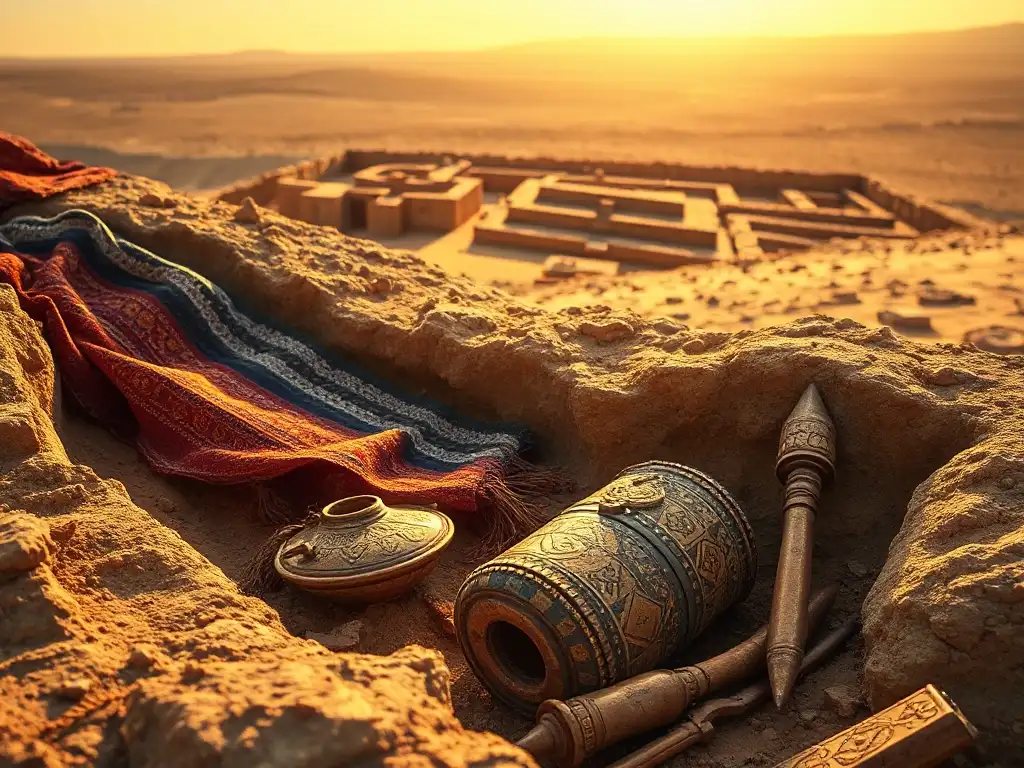
The Paracas Necropolis, located in southern Peru, stands as a testament to the complex social organization and elaborate funerary rituals of the Paracas culture (ca. 800 BCE – 200 CE). This vast cemetery, containing thousands of tombs, reveals a fascinating glimpse into the lives and beliefs of its inhabitants, particularly concerning the burial practices of its elite members.
Analysis of these elite burials provides crucial insights into Paracas societal structures, religious beliefs, and technological advancements. The sheer scale and complexity of these burials, far exceeding those of commoners, highlight the significant power and prestige held by certain individuals within the Paracas society. Understanding the nuances of these elite burial practices is key to unlocking a deeper understanding of "Paracas Necropolis elite burial practices."
The most striking feature differentiating elite from commoner burials in the Paracas Necropolis is the quantity and quality of grave goods. Elite tombs are overflowing with an abundance of meticulously crafted artifacts, reflecting the deceased's high social standing and access to resources. These goods are not simply utilitarian objects; they are powerful symbols of status, wealth, and religious significance.
Commoner burials often contain only basic tools and pottery. In contrast, elite burials boast an array of elaborate textiles, finely worked gold and silver ornaments, intricate ceramics, and even human sacrifices. For example, some elite tombs contain numerous ceramic vessels depicting mythological scenes, suggesting a connection between the elite and the supernatural realm. The presence of elaborate headdresses made from feathers and precious metals further underscores the social hierarchy.
| Grave Goods Category | Elite Burial | Commoner Burial |
|---|---|---|
| Textiles | Abundant, intricately woven, richly colored | Sparse, simple weaving |
| Metalwork | Gold and silver ornaments, elaborate jewelry | Absent or very limited |
| Ceramics | Large quantities, fine craftsmanship, often decorated with elaborate designs | Few, simple, undecorated pottery |
| Human Sacrifices | Present in some cases | Absent |
| Other artifacts | Specialized tools, musical instruments | Basic tools, limited everyday objects |
The sheer variety and quantity of these goods clearly distinguish elite burials, providing strong evidence for a stratified social system within Paracas society. Further research is needed to [specific information pending] on the specific symbolic meaning of each artifact type and its correlation with specific social roles or lineages within the elite class.
The Art of Mummification in Paracas Elite Burials
Paracas mummification techniques were remarkably advanced, especially for the elite. While the basic process involved removing internal organs and desiccation, the elite received far more elaborate treatment. Their bodies were often wrapped in multiple layers of fine textiles, adorned with elaborate masks and jewelry, and sometimes even placed within intricately decorated shrouds. This meticulous preparation suggests a belief in an afterlife and the importance of preserving the body for its journey to the next world.
The quality of the mummification itself also differed. Elite mummies show a higher level of preservation, indicating a more skilled and time-consuming process. [specific information pending] on the specific embalming techniques used on elite mummies compared to those of commoners.
This difference reflects the value placed upon the elite within Paracas society and the resources devoted to their proper burial. The mummies themselves, with their intricately wrapped forms and often-preserved facial features, are powerful visual representations of the Paracas belief system and their reverence for their ancestors. The skill involved in these mummification processes highlights the advanced knowledge of anatomy and preservation techniques possessed by Paracas specialists.
Elaborate Textile Offerings and their Symbolic Meaning
Textiles play a central role in Paracas elite burial practices. The sheer quantity and quality of textiles found in elite tombs are astounding. These are not simply functional fabrics; rather, they are highly sophisticated works of art, often featuring intricate designs and vibrant colors. They include mantles, turbans, tunics, and other garments, many decorated with complex iconography and symbolic motifs.
The textiles are often made from fine materials like cotton and alpaca wool, indicating access to rare and high-quality resources. The designs themselves are rich in symbolism, often depicting mythological creatures, deities, and scenes from Paracas mythology. These textile offerings likely served multiple purposes: as markers of social status, as offerings to the gods, and as protection for the deceased in the afterlife.
The intricate weaving techniques and symbolic imagery found in these textiles demonstrate the high level of artistic skill and sophisticated worldview of the Paracas elite. Analyzing these textiles provides valuable insight into the religious beliefs and cosmological understanding of the Paracas culture, offering a window into their complex spiritual world.
Further research is needed to [specific information pending] on the specific meaning of different textile motifs and their connection to specific social or religious groups within the Paracas elite. The study of these textiles is crucial for a complete understanding of "Paracas Necropolis elite burial practices."
Analyzing the Paracas Necropolis: Insights into Elite Life
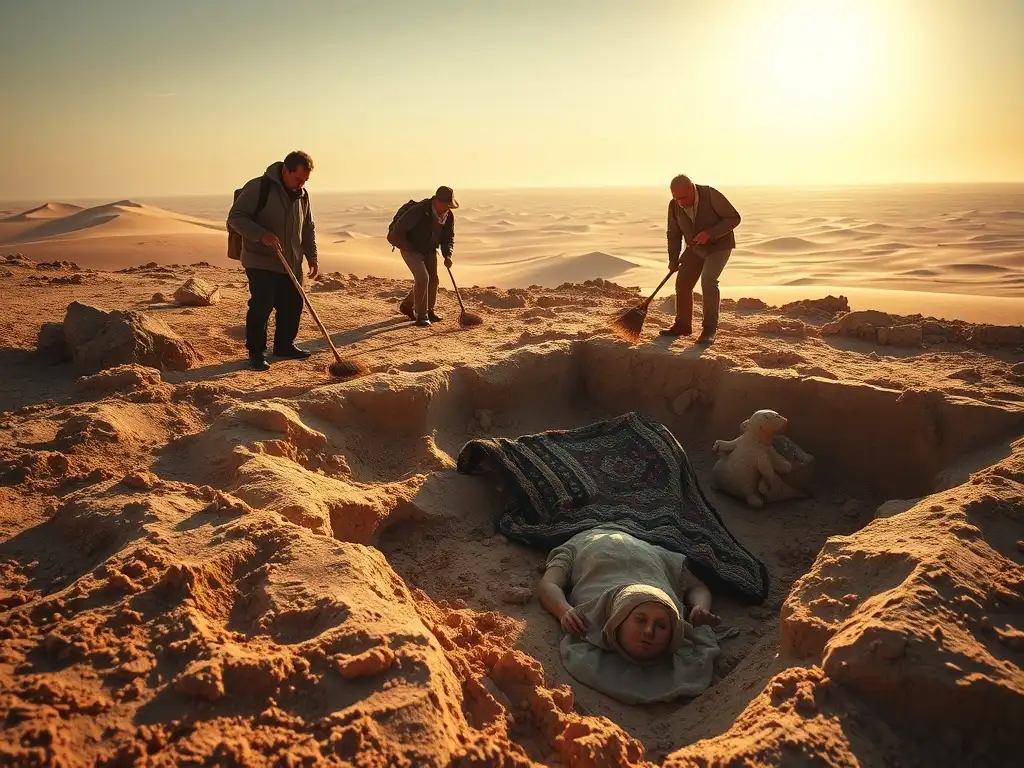
The Paracas Necropolis, a sprawling cemetery located in the southern coast of Peru, offers a unique window into the burial practices of the Paracas culture (c. 800 BCE – 200 CE). Its significance lies not just in the sheer number of burials, but in the striking evidence of elaborate funerary rituals and the clear differentiation in treatment based on social standing. The necropolis provides invaluable insights into the social stratification, religious beliefs, and power dynamics of this fascinating Andean civilization.
Studying these elite burial practices reveals crucial aspects of Paracas society, demonstrating a complex and hierarchical social structure. The sheer scale of the necropolis, with its thousands of tombs, underscores the importance placed on death and the afterlife by the Paracas people. Analyzing the contents of these tombs, particularly those of the elite, allows us to reconstruct aspects of their daily lives, religious beliefs, and social structures.
Cranial Deformation and Ritualistic Practices
Cranial deformation, a deliberate reshaping of the skull, was a common practice among the Paracas elite, indicative of their high social status. This wasn't merely a cosmetic procedure; it was deeply embedded in their cultural and religious beliefs, signifying their connection to the divine or ancestral lineage. The meticulousness and variety of deformation techniques observed in the Necropolis suggest a specialized knowledge and skill possessed by those entrusted with this practice, further highlighting the elite's privileged access to resources and expertise.
Several hypotheses exist regarding the significance of cranial deformation. Some scholars believe it indicated membership in specific social groups or lineages, while others suggest it reflected a spiritual connection to the gods or ancestors. The careful placement of deformed skulls within elaborate burial bundles, often accompanied by rich grave goods, strongly suggests its importance in defining elite status and reinforcing social hierarchy.
The consistent presence of cranial deformation in elite burials, compared to its relative rarity in commoner burials, emphasizes its role as a marker of social distinction within Paracas society. Further research, including isotopic analysis of skeletal remains and advanced imaging techniques, could shed more light on the health implications and social meaning of this practice among the Paracas elite.
The Role of Power and Status in the Afterlife
The Paracas clearly believed in an afterlife, and the contents of elite burials reflect a strong desire to provide the deceased with the resources and status they enjoyed in life. These tombs often contained an astonishing array of artifacts, including finely woven textiles, intricate pottery, gold ornaments, and other precious materials. The quantity and quality of these grave goods directly correlate with the social status of the deceased, indicating a belief that material possessions and social standing would carry over into the afterlife.
The sheer opulence of some burials, with their abundance of textiles and precious metals, suggests a strong belief in the continuation of social hierarchies beyond death. For example, the presence of elaborate headdresses and ceremonial garments points to the continued importance of social rank and power in the afterlife. These items were not merely decorative; they served as powerful symbols of status and authority, ensuring the deceased maintained their prestige even in death. The meticulous arrangement of grave goods within the tombs also suggests a deliberate attempt to recreate the deceased's social world in the afterlife.
The layout and organization of the Paracas Necropolis itself offer significant insights into the social structure of the society. The distribution of tombs, their size, and the richness of their contents reveal a clear social hierarchy. Elite burials are typically larger and more elaborately constructed, often located in prominent positions within the necropolis, while commoner burials are simpler and more densely clustered. This spatial organization reflects the social stratification of Paracas society, with the elite occupying a privileged position both in life and in death.
Furthermore, the presence of specific architectural features, such as stone chambers or elevated platforms, might indicate distinct social groups or lineages. The spatial arrangement of tombs within the necropolis might reflect kinship ties or alliances, allowing archaeologists to piece together the social networks and family structures of the Paracas elite. Further analysis of spatial patterns and the distribution of grave goods could reveal additional insights into social organization and kinship relations within the Paracas culture.
Detailed mapping and 3D modeling of the Necropolis could significantly enhance our understanding of this complex social landscape. The Paracas Necropolis, therefore, serves not just as a burial ground but as a powerful testament to the social complexity and hierarchical structure of the Paracas civilization. Continued research and analysis of this remarkable site will undoubtedly reveal further details about their fascinating society and their beliefs regarding death and the afterlife.
Comparing Paracas Elite Burials with Other Andean Cultures
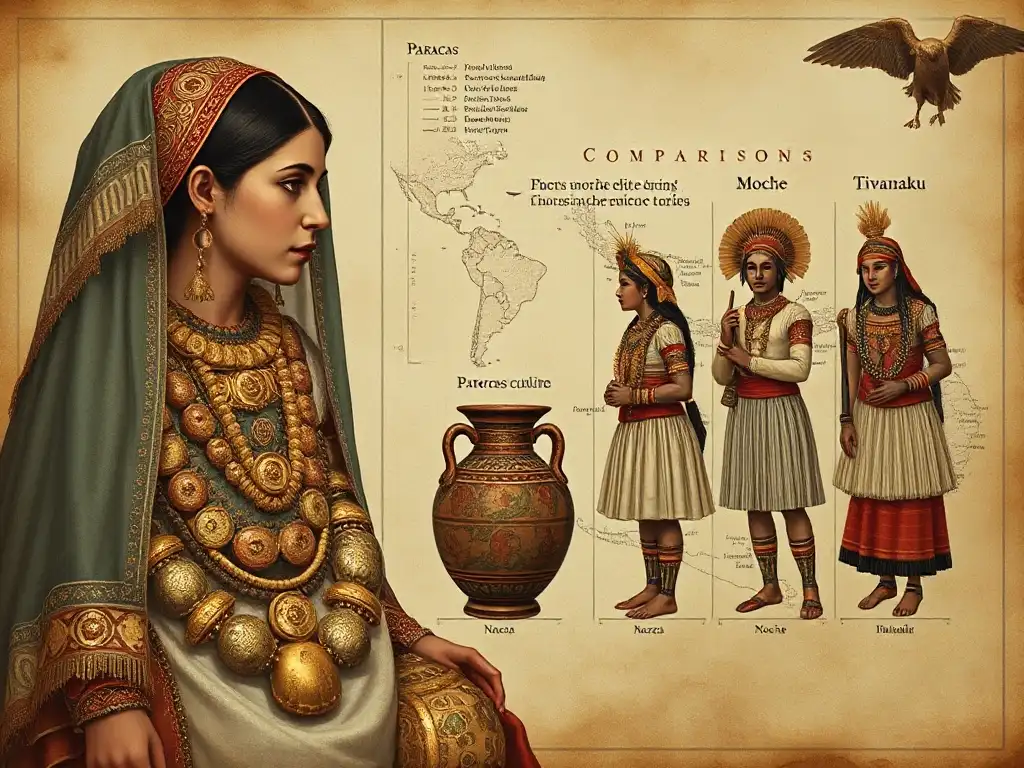
This section delves into the comparative analysis of Paracas elite burial practices within the broader context of Andean funerary traditions. By examining similarities and differences with other prominent cultures, we can better understand the unique aspects of Paracas mortuary rituals and their significance within the Andean world. The focus will be on discerning patterns and variations in burial goods, tomb architecture, and the overall ritualistic context surrounding elite interments. Understanding these nuances provides valuable insights into social hierarchies, religious beliefs, and the evolving cultural landscape of ancient Peru.
Contrasting Moche and Paracas Burial Customs
The Moche and Paracas cultures, while geographically proximate and contemporaneous in certain periods, exhibited distinct approaches to elite burial. Moche burials, often found within elaborate pyramids or monumental structures, frequently featured the interment of individuals accompanied by lavish grave goods reflecting their high social standing. These goods often included finely crafted ceramics depicting scenes of warfare, ritual, and daily life, ornate textiles, and precious metals. The Moche also practiced sacrificial offerings, including human sacrifice, sometimes accompanying their elite burials.
In contrast, Paracas elite burials, located within the vast Necropolis, while also containing impressive grave goods, displayed a different emphasis. While richly adorned textiles and intricate headdresses were common, the sheer quantity and variety of grave goods often surpassed those found in Moche tombs. The focus seemed less on depicting scenes of power and conquest, and more on elaborate displays of textiles, demonstrating a mastery of weaving techniques and a focus on symbolic representation through complex iconography.
Human sacrifice, while documented in some Paracas contexts, doesn't appear as consistently or prominently associated with elite burials as it does in Moche culture. The architectural differences are also striking; Moche elites were frequently interred within more structured settings, while Paracas burials, although organized, were less architecturally defined, with a greater emphasis on the individual bundles themselves.
The table below summarizes the key differences:
| Feature | Moche Elite Burials | Paracas Elite Burials |
|---|---|---|
| Location | Pyramids, monumental structures | Paracas Necropolis, less architecturally defined |
| Grave Goods | Ceramics, metals, textiles (less quantity) | Textiles (vast quantities), headdresses |
| Iconography | Warfare, ritual, daily life | Symbolic representation, complex designs |
| Human Sacrifice | Frequent | Less frequent, less prominent association |
Paracas Necropolis and the Later Inca Burial Rites
While separated by centuries, comparing Paracas Necropolis elite burial practices with those of the later Inca Empire reveals interesting parallels and divergences. Both cultures placed significant importance on elaborate funerary rituals and the provision of grave goods for their elite. However, the Inca, known for their centralized state and imperial power, formalized their burial practices to a greater extent.
Inca elite burials were often located within carefully constructed mausoleums or within royal estates, reflecting the hierarchical structure of their empire. Mummification was a significant aspect of Inca funerary rites, with the bodies of rulers often treated with elaborate care and adorned with royal regalia. These practices were often connected to their complex religious beliefs and the perpetuation of royal lineage.
The Paracas, while possessing intricate mummification techniques, lacked the same level of centralized control over burial practices as the Inca. The vast Necropolis itself suggests a level of organizational complexity, but individual burial practices seem more varied and less rigidly standardized than those of the Inca elite. While both cultures used textiles extensively, the Inca's demonstrated a more standardized style and use of specific materials, reflecting imperial control over production and resources. The Inca also incorporated significant quantities of gold and silver into their royal burials, whereas this is less common in Paracas elite interments.
The Uniqueness of Paracas Elite Burial Practices
The Paracas Necropolis stands out for its sheer scale and the remarkable preservation of its contents. The exceptional quality and quantity of textiles found within these burials are unparalleled in the Andean region. The intricate designs, vibrant colors, and sophisticated weaving techniques demonstrate an advanced understanding of textile production and a sophisticated aesthetic sensibility. These textiles are not merely grave goods; they are complex artistic expressions that convey social status, religious beliefs, and possibly even narratives of the deceased's life.
The focus on textiles, rather than precious metals or elaborate architecture, distinguishes Paracas elite burials from those of other Andean cultures. This emphasis on textiles reflects a unique cultural value system that placed a high premium on this craft.
The complexity of the mummification process, with its extensive use of organic materials and intricate wrapping techniques, further highlights the unique approach to death and the afterlife practiced by the Paracas elite. The extensive use of unique and intricate headdresses, often made of feathers and textiles, also adds to the unique visual identity of Paracas elite burial practices.
Further research into the symbolic meaning of these intricate designs and the specific rituals surrounding the mummification process is crucial to a fuller understanding of "Paracas Necropolis elite burial practices." The unique combination of these elements – the scale of the necropolis, the exceptional textiles, the sophisticated mummification, and the distinctive headdresses – makes the Paracas elite burial practices a singular and fascinating aspect of Andean funerary traditions.
The Legacy of the Paracas Necropolis and its Impact on Andean Studies
The Paracas Necropolis, a sprawling cemetery on the southern coast of Peru, stands as a monumental testament to the sophisticated burial practices of the Paracas culture (ca. 800 BCE – 200 CE). Its discovery profoundly impacted Andean studies, shifting our understanding of pre-Columbian societies and their complex social structures.
The sheer scale of the necropolis—containing thousands of elaborate tombs—and the exceptional preservation of its contents, provided unparalleled insights into Paracas beliefs about death, the afterlife, and social hierarchy. The unique textile artistry, intricate mummification techniques, and the lavish grave goods associated with elite burials have become iconic representations of Paracas culture, influencing subsequent archaeological investigations across the Andean region and shaping our perceptions of Andean artistic and technological achievements.
The legacy of the Necropolis extends beyond the artifacts themselves; it represents a crucial turning point in our understanding of the complexities of Paracas society and its place within the broader tapestry of Andean civilization. The Necropolis's impact continues to resonate today, driving new research and inspiring ongoing efforts to protect and interpret this extraordinary archaeological site.
Preserving and Understanding the Paracas Heritage
The fragility of the Paracas textiles and the delicate nature of the mummified remains necessitate careful preservation strategies. This involves employing advanced conservation techniques to mitigate the effects of environmental factors such as humidity and temperature fluctuations. Researchers utilize specialized materials and methods to stabilize the textiles and prevent further deterioration.
Furthermore, detailed cataloging and documentation of each artifact, including high-resolution photography and 3D scanning, are crucial for creating a comprehensive digital archive. This digital record not only safeguards the cultural heritage for future generations but also facilitates in-depth analysis by researchers worldwide. The ongoing efforts to understand and preserve the Paracas heritage are a testament to the international collaboration and commitment to protecting this invaluable historical resource.
The meticulous documentation and conservation efforts ensure that the legacy of the Paracas Necropolis continues to inspire awe and understanding for years to come. This commitment to preservation is vital for ensuring that the Paracas Necropolis elite burial practices remain a source of knowledge and fascination for future generations.
The Importance of the Necropolis for Archaeological Research
The Paracas Necropolis is of paramount importance for archaeological research due to its exceptional preservation of organic materials. Unlike many other ancient sites, the arid desert climate of the Paracas Peninsula has protected the textiles, mummies, and other organic artifacts from decay. This unique preservation has allowed researchers to study the complex mummification techniques employed by the Paracas, revealing intricate details about their medical knowledge and beliefs about the afterlife.
Analysis of the textiles has also provided insights into the sophisticated weaving techniques and artistic styles of the Paracas, showcasing their mastery of textile production. The grave goods found within the tombs—including elaborate headdresses, ceremonial objects, and finely crafted pottery—further illuminate the social hierarchy and religious beliefs of the Paracas society.
The Necropolis serves as a crucial primary source for understanding Paracas culture, offering a wealth of information that would otherwise be inaccessible. The ongoing research at the Necropolis continues to refine our understanding of Paracas culture, challenging existing theories and prompting the formulation of new hypotheses.
New Discoveries and Ongoing Investigations at the Paracas Site
Despite decades of research, the Paracas Necropolis continues to yield new discoveries. Ongoing excavations and analyses reveal previously unknown details about Paracas burial practices and social organization. Recent technological advancements, such as advanced imaging techniques and DNA analysis, are providing researchers with unprecedented opportunities to investigate the human remains and gain insights into the genetic relationships between individuals buried within the Necropolis.
These investigations are helping to shed light on the migration patterns and population dynamics of the Paracas culture. Moreover, the application of new analytical methods to the artifacts is leading to a deeper understanding of the materials used, the production techniques employed, and the symbolic meanings embedded within the objects. The ongoing research at the Paracas site promises to further illuminate the complexities of Paracas society and its contribution to the rich tapestry of Andean history.
The Paracas Necropolis elite burial practices, therefore, remain a vibrant area of ongoing research, constantly evolving our understanding of this fascinating civilization. The potential for future discoveries remains immense, promising even more revelations about this enigmatic culture.
Frequently Asked Questions
What makes the Paracas Necropolis significant in the study of Andean civilizations?
The Paracas Necropolis is significant due to its exceptionally well-preserved elite burials, offering invaluable insights into Paracas culture, social hierarchy, and funerary rituals. It provides crucial evidence for understanding Andean mortuary practices.
What are some notable features of the elite burials found in the Paracas Necropolis?
Elite burials often contained elaborate textiles, gold and silver ornaments, and ceremonial objects. The mummification techniques were also sophisticated, showcasing advanced medical knowledge.
How did the Paracas elite differ from the commoners in terms of burial practices?
Elite burials were far more elaborate than those of commoners, reflecting their high social status. The quantity and quality of grave goods significantly differentiated the elite from the rest of the population.
What role did textiles play in Paracas elite burial practices?
Textiles played a central role, with intricate and colorful fabrics used to wrap mummies and create elaborate shrouds. The complexity of the textiles indicated the deceased's social standing.
What can the study of Paracas Necropolis elite burial practices tell us about their society?
The burials reveal much about Paracas social hierarchy, religious beliefs, and technological advancements. They offer a window into the power structures and worldview of this fascinating Andean civilization.
Final Reflection: Echoes of Power in the Sands of Time
The meticulous craftsmanship and opulent grave goods unearthed from the Paracas Necropolis continue to resonate today, offering a powerful testament to the complex social structures and beliefs of a vanished civilization. These weren't simply burials; they were carefully constructed narratives of power, prestige, and a profound connection to the afterlife, revealing a society far more sophisticated than previously imagined. The sheer scale of the necropolis and the enduring mystery surrounding its inhabitants demand our continued attention and respect.
The Paracas' dedication to elaborate burial rituals speaks volumes about their worldview, a worldview that prioritized ancestor veneration and the maintenance of social hierarchies. Their legacy isn't confined to the arid landscape of Peru; it continues to shape our understanding of ancient Andean cultures and the universal human need to commemorate the deceased. The dead are never truly gone as long as they are remembered.
This simple truth underscores the enduring power of the Paracas Necropolis and its elite burial practices, reminding us of the enduring human impulse to leave a mark on the world, even beyond the confines of mortality.
Consider the implications of these discoveries. What can we learn from the Paracas' meticulous attention to detail, their commitment to preserving their history through elaborate funerary rites? You, the reader, are now part of this ongoing conversation. Take a moment to reflect on your own relationship with mortality, with legacy, and with the enduring power of human culture. Let the echoes of the Paracas Necropolis inspire you to explore your own connection to the past and to consider the lasting impact you wish to leave on the world.
**Unveil the Secrets of the Paracas Necropolis! **
Thank you for exploring the fascinating world of the Paracas Necropolis with us! Your interest in these elite burial sites deepens our understanding of ancient Andean civilizations and their unique funerary practices. Let's continue your exploration!
- **Visit a museum:** Plan a trip to a museum showcasing Paracas artifacts, or take a virtual tour to experience this incredible history firsthand.
- **Share your knowledge:** Discuss the significance of these remarkable burials with friends, family, or online—let's spread awareness of the wonders of the Andean past!
- **Learn more:** Delve deeper into the rich culture of ancient Peru by exploring our other articles and resources at andeancivilizations.com.
What aspect of the Paracas Necropolis captivates you most, and how do you believe it reflects the societal values of the time?