
The Legacy of Andean Ancestor Veneration: Shaping Contemporary Culture

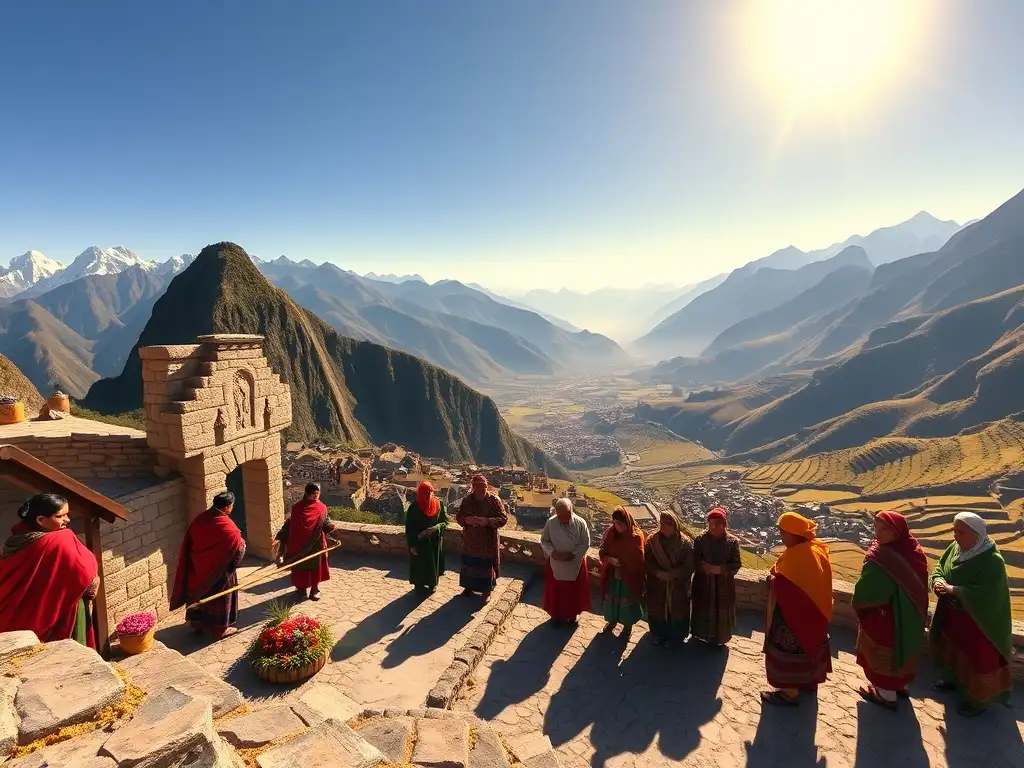
Step into a world lost to time, yet echoing powerfully in the present. Discover the intricate tapestry of Andean civilizations, where towering empires rose and fell, leaving behind a legacy as breathtaking as the Andes themselves. But what unseen threads connect these ancient societies to modern life? The answer lies in the profound impact of Andean ancestor veneration, a practice far more complex and influential than you might imagine. Journey with us to unravel its mysteries and uncover how this ancient belief system continues to shape contemporary Andean culture.
Ancestor veneration played, and continues to play, a pivotal role in shaping the cultural landscape of the Andes. This deeply ingrained practice, far from being a relic of the past, profoundly influences contemporary Andean societies in ways both visible and subtle.
From vibrant festivals and intricate rituals to family structures and land management practices, the legacy of ancestor veneration permeates daily life, demonstrating its enduring power and significance. This article explores the historical roots and contemporary manifestations of this rich tradition, examining its impact on various aspects of Andean culture and demonstrating how the veneration of ancestors continues to shape the identities and beliefs of communities across the region.
We will delve into the specific practices, the historical context, and the lasting impact of this crucial aspect of Andean cosmology and worldview, addressing the question of how Andean ancestor veneration impacts modern life. Understanding this legacy is crucial to appreciating the complexity and richness of Andean cultures, past and present.
Understanding Andean Ancestor Veneration Practices
Andean ancestor veneration is not a monolithic practice; it varies significantly across different groups and regions. However, several common threads weave through these diverse expressions. The belief that ancestors remain active participants in the lives of the living is central. They are seen not as distant figures but as powerful intermediaries between the human and spiritual worlds. This belief manifests in numerous ways:
- Ritual Offerings: Regular offerings of food, drink, coca leaves, and other items are made to appease and honor ancestors. These offerings are often left at designated sites, such as ancestral burial grounds or family altars. The act of offering is believed to maintain a vital connection with the ancestors and ensure their continued blessings.
- Celebrations and Festivals: Many Andean festivals incorporate elements of ancestor veneration, with specific ceremonies dedicated to honoring deceased relatives. These events often involve music, dance, and feasting, creating a vibrant atmosphere of remembrance and connection. The Day of the Dead (Día de los Muertos) is a prime example, albeit with regional variations.
- Invocation and Consultation: In times of need or uncertainty, individuals and communities may invoke their ancestors for guidance and support. This might involve seeking advice through divination or simply communicating with them through prayer and meditation. The ancestors are seen as sources of wisdom and protection.
- Maintaining Ancestral Sites: The preservation of ancestral burial grounds and other significant sites is a crucial aspect of ancestor veneration. These locations are considered sacred spaces, and their maintenance is seen as a way of honoring the ancestors and maintaining a connection with the past. This often involves collective community efforts.
The Historical Roots of Andean Ancestral Worship
The roots of Andean ancestor veneration stretch back millennia, intertwined with the development of complex Andean societies. Evidence suggests that ancestor worship was already prevalent during the pre-Inca periods, with practices varying across different cultures such as the Moche, Nazca, and Tiahuanaco. The Inca Empire further formalized and expanded upon these existing traditions, incorporating ancestor veneration into the imperial ideology and integrating it into their sophisticated state structures.
The Inca, for example, meticulously preserved the mummies of their rulers and other important figures, treating them with reverence and offering them regular sacrifices. The royal mummies were considered powerful sources of spiritual power and were consulted on matters of state. This practice highlights the deep-seated belief in the continued influence and power of the deceased.
The impact of these practices on subsequent cultures is undeniable, with many contemporary traditions tracing their origins to these ancient rituals and beliefs. Further research is needed to fully elucidate the nuances of ancestor veneration across different pre-Columbian Andean societies, and to better understand the continuities and discontinuities between these ancient practices and contemporary expressions. The study of archaeological remains, alongside oral histories and ethnographic studies, continues to reveal the rich tapestry of Andean ancestor veneration.
Key Concepts in Andean Ancestor Beliefs
Andean ancestor veneration wasn't simply about remembering the deceased; it was a deeply ingrained cosmological belief system impacting daily life. The Andean worldview saw the living and the dead as interconnected, existing within a continuous flow of energy and influence. Ancestor spirits, believed to retain power and influence even after death, played a vital role in the well-being of the community.
This wasn't a passive remembrance; it was an active engagement, a continuous dialogue between the living and the departed. The ancestors were seen as protectors, providers, and guides, their continued presence essential for prosperity and balance in the community. This concept of ancestor veneration significantly shaped social structures, political systems, and even agricultural practices.
The belief that ancestors influenced harvests and the overall well-being of the community fostered a deep respect and ongoing connection to those who came before. The impact of this belief is still felt in many Andean communities today.
The Role of the Mallki in Andean Spirituality
The mallki, often translated as "ancestor," held a central position in Andean spirituality. It wasn't merely a familial ancestor but represented a powerful spiritual force connected to the land and its resources. The mallki embodied the accumulated wisdom, knowledge, and power of preceding generations, acting as intermediaries between the living and the supernatural realm. Their presence wasn't limited to the spiritual plane; mallki were believed to exert influence on the material world, impacting harvests, health, and overall community prosperity.
Specific lineages often traced their authority and legitimacy back to powerful mallki, strengthening social hierarchies and political structures. Understanding the role of the mallki is crucial to grasping the depth and complexity of Andean ancestor veneration and its lasting impact on Andean culture. The reverence for the mallki continues to shape traditions and beliefs in contemporary Andean communities.
Connecting with the Apu: Mountain Spirits and Ancestral Lineages
The apu, revered mountain spirits, played a crucial role in connecting ancestral lineages to the land and its spiritual energies. Andean communities often viewed mountains as dwelling places of powerful ancestral spirits, their peaks seen as portals to the supernatural realm. Rituals and offerings were frequently directed towards the apu, seeking their blessings for protection, prosperity, and successful harvests.
The connection between apu and ancestral lineages is profound; families and communities often traced their origins and identities to specific mountains, linking their history and spiritual well-being to these sacred sites. This intertwining of ancestral spirits and mountain deities underscores the deep connection between the Andean people and their environment, a relationship profoundly shaped by ancestor veneration. The enduring reverence for apu highlights the enduring power of Andean cosmology.
The Rituals and Ceremonies of Andean Ancestral Veneration
The rituals surrounding Andean ancestor veneration were complex and varied, reflecting the rich diversity of Andean cultures. These ceremonies weren't merely solemn commemorations; they were active engagements, reaffirming the bond between the living and the dead, and ensuring the continued well-being of the community. The rituals were often tied to the agricultural cycle, reflecting the deep connection between ancestral spirits and the land's fertility.
Specific rituals were performed at significant life cycle events, such as births, marriages, and deaths, further emphasizing the continuous flow of life and the enduring influence of ancestors. The meticulous nature of these rituals demonstrates the profound significance placed on maintaining a harmonious relationship with the ancestral world. The continuity of these traditions, even in the face of modernization, showcases the resilience of Andean cultural heritage.
Offerings and Sacrifices to the Ancestors
Offerings and sacrifices formed a cornerstone of Andean ancestor veneration. These weren't acts of appeasement but rather expressions of respect, gratitude, and a desire to maintain a reciprocal relationship with the ancestral world. Offerings could range from simple gifts of food and drink to more elaborate sacrifices of llamas or other animals. The specific offerings varied depending on the occasion, the community, and the particular ancestor being honored.
The act of offering wasn't merely symbolic; it was believed to strengthen the connection between the living and the dead, ensuring the continued support and protection of the ancestors. The careful preparation and presentation of these offerings underscored the reverence and respect held for the ancestral spirits. The practice continues to be an important aspect of Andean religious and cultural life.
The Significance of Music and Dance in Ancestral Celebrations
Music and dance played a vital role in Andean ancestral celebrations. They weren't merely forms of entertainment; they were integral components of the rituals, serving to connect the living with the spirits of their ancestors. Specific rhythms, melodies, and dance styles were associated with specific ancestral spirits or deities.
The performance of these traditional arts was believed to invoke the presence of the ancestors, creating a space for communication and interaction. The vibrant and energetic nature of these performances underscores the joyful and celebratory aspects of ancestor veneration, showcasing a vibrant and dynamic relationship with the past. The preservation of these musical and dance traditions is crucial for maintaining the cultural heritage of the Andean region.
Communal Gatherings and the Remembrance of the Deceased
Communal gatherings were central to the remembrance of the deceased in Andean cultures. These weren't isolated family affairs but collective events that reinforced community bonds and reaffirmed the shared heritage. These gatherings provided opportunities for storytelling, sharing memories of the deceased, and reinforcing the importance of ancestral lineage. The collective nature of these events underscored the communal aspect of ancestor veneration, emphasizing the shared responsibility of maintaining the connection with the past.
These gatherings often involved ritualistic practices, music, dance, and feasting, creating a vibrant and celebratory atmosphere. The continuation of these communal gatherings speaks to the enduring power of collective memory and the importance of ancestor veneration in shaping Andean communities. The impact of these gatherings on social cohesion and cultural continuity is undeniable.
Andean Ancestor Veneration Impact on Modern Andean Culture
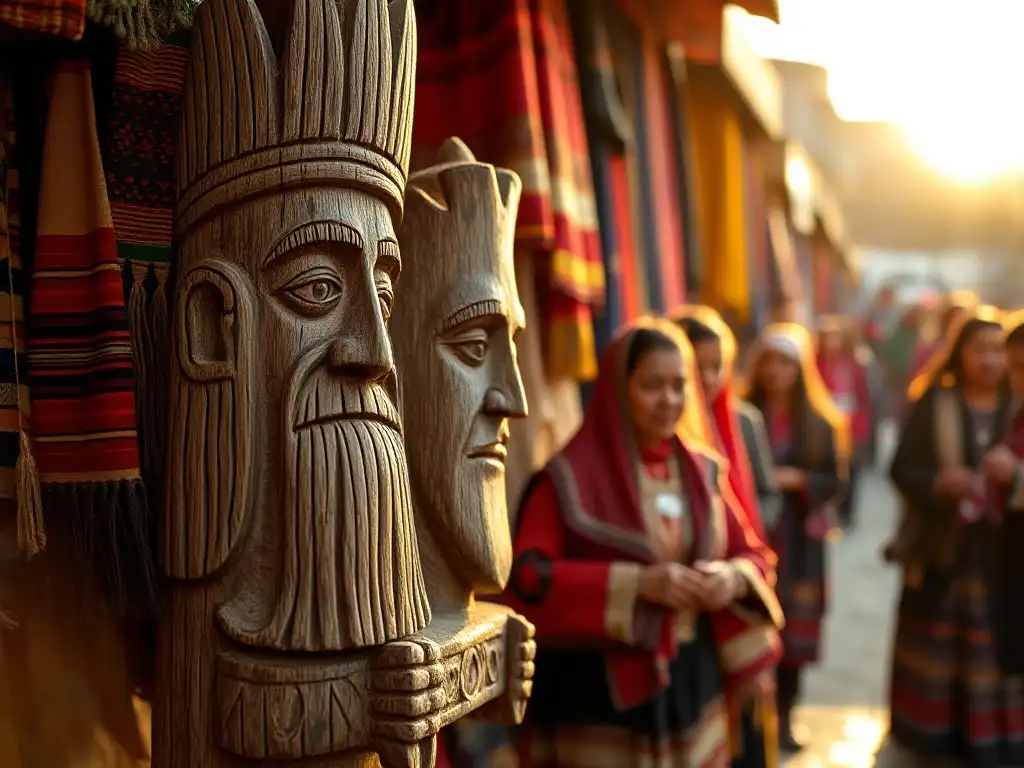
The impact of Andean ancestor veneration on modern Andean culture is profound and multifaceted. It's not simply a historical relic; rather, it's a living tradition that continues to shape social structures, spiritual practices, and even economic activities in many communities. The reverence for ancestors permeates daily life, influencing everything from agricultural practices and family structures to artistic expressions and political organization.
This enduring connection to the past provides a sense of continuity and identity, fostering a strong sense of community and collective responsibility. The influence is visible in the intricate textiles, vibrant ceremonies, and deeply rooted respect for elders, all reflecting the ongoing significance of ancestral legacies.
Understanding this impact requires recognizing the diverse ways in which ancestor veneration manifests across different Andean communities, acknowledging the nuances and variations in practice while appreciating the underlying unifying principle of honoring the past to inform the present. The strength of this tradition demonstrates its remarkable resilience in the face of globalization and modernization.
The Enduring Presence of Ancestral Beliefs in Andean Communities
Despite centuries of colonization and the introduction of new religious beliefs, ancestral veneration remains a vibrant and integral aspect of life in many Andean communities. This enduring presence is a testament to the deep-rooted nature of these traditions and their ability to adapt and integrate with other belief systems.
While some communities might incorporate elements of Catholicism or other religions into their ancestral practices, the core beliefs and rituals surrounding ancestor veneration persist. This syncretism, the blending of indigenous traditions with external influences, is a common feature of Andean spirituality and highlights the adaptability and resilience of these cultural practices.
The continued performance of traditional ceremonies, the preservation of ancestral knowledge through oral traditions and storytelling, and the dedication of specific spaces and objects for ancestral veneration all point to the enduring vitality of these beliefs. The transmission of these beliefs across generations ensures that the legacy of ancestor veneration continues to thrive.
How Andean Ancestor Veneration Influences Daily Life
Andean ancestor veneration significantly influences daily life in various ways. For example, agricultural practices are often guided by ancestral knowledge and rituals, with specific ceremonies performed to ensure a successful harvest. Decisions regarding land use, water management, and planting cycles are frequently influenced by ancestral guidance, interpreted through dreams, signs, or consultation with traditional healers.
Family structures are also deeply affected, with elders holding positions of great respect and authority, often acting as repositories of ancestral wisdom and knowledge. Daily routines may include offerings of food, drink, or coca leaves to appease and honor ancestors, seeking their blessings and protection. Even seemingly mundane activities, such as weaving or pottery making, might be imbued with spiritual significance, connecting the present-day craftsperson to ancestral techniques and traditions.
This constant interaction with the ancestral world shapes the rhythm and meaning of daily life in profound ways. The concept of ayni, reciprocal exchange, extends to ancestors, emphasizing the ongoing relationship of give and take.
The Impact of Ancestral Guidance on Decision-Making
In many Andean communities, decisions of significant importance—from choosing a spouse to resolving land disputes or making political choices—are often guided by ancestral spirits. This guidance might manifest through dreams, visions, or consultations with spiritual leaders who interpret signs and omens. The belief that ancestors continue to watch over and guide their descendants fosters a sense of responsibility and accountability.
Before undertaking important ventures, individuals or communities might perform rituals to seek ancestral approval and blessings, ensuring that actions align with ancestral wisdom and values. This process emphasizes the importance of considering the long-term consequences of decisions and acting in a way that honors the legacy of previous generations.
This deeply ingrained practice underscores the interconnectedness between the living and the dead, highlighting the enduring influence of the past on the present and future of Andean communities. The weight given to ancestral guidance underscores the holistic worldview that pervades Andean cosmology.
The Interwoven Relationship Between Andean Cosmology and Ancestor Veneration
Andean cosmology, with its intricate web of beliefs about the universe, the cosmos, and humanity's place within it, is deeply intertwined with ancestor veneration. The Andean worldview didn't perceive death as an absolute end but rather as a transition to another realm, a continuation of existence in a different form. This perspective fundamentally shaped their understanding of the relationship between the living and the dead.
Ancestors were not simply remembered; they were believed to actively participate in the lives of their descendants, influencing harvests, providing protection, and even intervening in daily affairs. The respect and reverence shown to ancestors wasn't merely a cultural practice; it was a vital component of maintaining cosmic balance and ensuring the prosperity of the community. This belief system permeated all aspects of Andean life, from agricultural practices to political structures, and continues to influence contemporary Andean cultures in profound ways.
The cyclical nature of life, death, and rebirth, central to Andean cosmology, strengthened the importance of respecting and honoring ancestors whose spirits were believed to cycle through the world. This continuous cycle reinforced the interconnectedness between generations and the ongoing influence of ancestors on the living.
The Cycle of Life, Death, and Rebirth in Andean Beliefs
The Andean understanding of life, death, and rebirth wasn't linear; instead, it was cyclical, mirroring the cycles of nature – the seasons, the sun, and the moon. Death wasn't viewed as a finality but as a transition to a different state of being. Ancestors, having transitioned to the spirit world, were believed to retain a significant connection to the living, acting as intermediaries between the human world and the supernatural realm.
This cyclical perspective is reflected in many Andean rituals and ceremonies, which aimed to honor and maintain communication with ancestors. The concept of pachamama, Mother Earth, also plays a crucial role. She is seen as a life-giving force, and the cycle of life and death is intimately connected to her rhythms.
Death, therefore, is not seen as an end but as a return to the earth, a reintegration into the cycle of life, preparing for a potential rebirth or continued spiritual influence. This profound understanding of cyclical existence deeply influenced Andean ancestor veneration practices.
The Connection Between the Living and the Dead in Andean Society
The connection between the living and the dead in Andean society was not merely spiritual; it was deeply practical and social. Ancestors were viewed as integral members of the community, continuing to play a role in the lives of their descendants. Their guidance and protection were sought in matters of agriculture, health, and social harmony.
This close relationship necessitated ongoing communication and interaction. Rituals, offerings, and ceremonies served as channels for this communication, allowing the living to seek advice, express gratitude, or request assistance from their ancestors. Family lineages were meticulously traced, providing a framework for understanding one's place within the continuous chain of generations.
The importance of lineage wasn't just genealogical; it established a direct link to the spiritual power and protection offered by ancestors. This social aspect of ancestor veneration reinforced community cohesion and strengthened social bonds across generations. The living were responsible for providing for their ancestors' needs in the afterlife, ensuring their continued well-being and influence.
Examples of Andean Ancestor Veneration in Art and Architecture
The profound respect for ancestors in Andean cultures is vividly reflected in their art and architecture. These creations serve not only as aesthetic expressions but also as powerful testaments to the enduring influence of ancestral spirits. The careful craftsmanship, intricate details, and symbolic representations all point to the deep reverence held for those who came before. The imagery and structures themselves were often designed to facilitate communication with and honor the ancestors.
The legacy of this veneration continues to be seen in contemporary Andean societies, showcasing the lasting impact of these ancient beliefs. The forms of expression varied across different Andean cultures, reflecting their unique cosmological interpretations and artistic styles. However, the underlying theme of ancestor veneration remains consistent throughout.
Depictions of Ancestors in Ancient Andean Pottery and Textiles
Ancient Andean pottery and textiles are rich repositories of information about their ancestor veneration practices. Many pieces feature stylized depictions of ancestors, often portrayed with specific attributes or symbols that denote their status, power, or role within the community. These depictions weren't simply decorative; they served a ritualistic purpose, helping to maintain the connection between the living and the dead. The use of specific colors, patterns, and materials often held symbolic meanings, further emphasizing the spiritual significance of these artifacts.
For example, certain colors might be associated with specific deities or ancestral spirits, while particular patterns could represent lineage or social status. The detailed craftsmanship and quality of materials used in these creations highlight the importance placed upon honoring ancestors through artistic expression. These objects weren't just everyday items; they were imbued with spiritual power and served as tangible links to the ancestral realm.
Architectural Structures Dedicated to Ancestral Remembrance
Andean architecture also provides compelling evidence of ancestor veneration. Many structures, from monumental sites like Machu Picchu to smaller domestic buildings, incorporated elements designed to honor and connect with ancestors. These structures often incorporated specific architectural features, such as niches or burial chambers, which were specifically intended for ancestral remains or offerings.
The placement of these structures within the landscape also held symbolic meaning, often reflecting cosmological beliefs and the relationship between the human world and the spirit world. The meticulous planning and construction of these sites demonstrate the immense importance placed on creating spaces dedicated to ancestral remembrance. The scale and grandeur of some of these structures further underscore the significance of ancestor veneration within Andean society.
These architectural marvels serve as lasting monuments to the enduring influence of ancestral spirits on Andean cultures. The careful preservation and continued use of many of these sites in contemporary Andean communities highlight the enduring legacy of these ancient beliefs.
The Modern Day Relevance of Andean Ancestor veneration
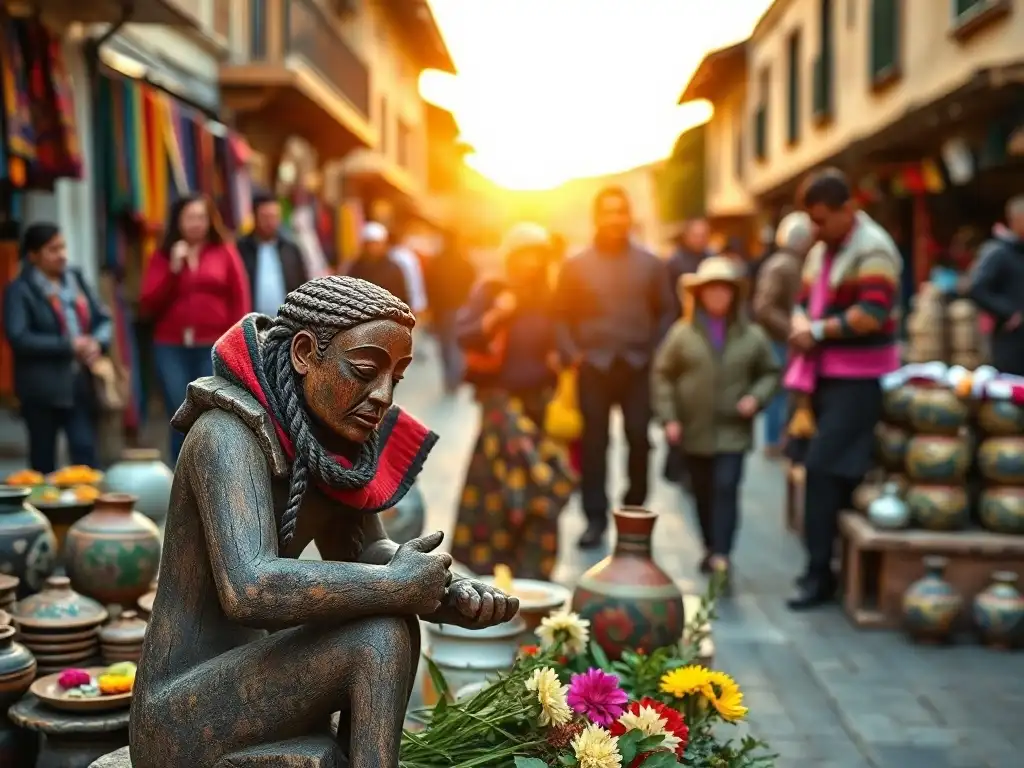
Andean ancestor veneration, far from being a relic of the past, remains a vibrant and integral part of contemporary Andean culture. Its influence permeates daily life, shaping social structures, religious practices, and even economic activities. The profound respect for ancestors isn't merely a historical curiosity; it's a living tradition that continues to provide a framework for understanding the world and one's place within it.
This enduring relevance stems from the belief that ancestors are not simply deceased relatives, but powerful intermediaries between the living and the spiritual realm. They are seen as protectors, guides, and sources of strength, offering continuous support and influencing the course of events in the lives of their descendants. The concept of ayni, reciprocal exchange, extends beyond human interactions to encompass a relationship of mutual obligation between the living and the deceased.
This means offerings, prayers, and rituals are not simply acts of piety, but essential components of maintaining a harmonious balance within the cosmos. The continued practice of ancestor veneration ensures the continuity of cultural identity and the transmission of valuable knowledge across generations.
Preserving Traditional Practices in Contemporary Andean Societies
Despite the pressures of modernization, many Andean communities actively work to preserve their ancestral traditions. This preservation manifests in various ways, from the meticulous maintenance of ancient burial sites and the performance of traditional ceremonies to the transmission of oral histories and the creation of contemporary art inspired by ancestral motifs. Community-led initiatives play a vital role in safeguarding these practices.
For example, many communities organize annual ceremonies, involving elaborate rituals, offerings, and communal feasts, to honor their ancestors. These events serve not only as religious observances but also as crucial opportunities for social cohesion, strengthening community bonds and transmitting cultural knowledge to younger generations. Furthermore, the incorporation of ancestral wisdom into contemporary practices, such as agriculture and medicine, further underscores the enduring relevance of these traditions.
The knowledge passed down through generations proves invaluable in adapting to modern challenges while maintaining a strong connection to the past. The commitment to preserving these practices demonstrates the deep-rooted significance of ancestor veneration in shaping contemporary Andean identities.
The Spiritual Significance of Andean Ancestral Wisdom Today
The spiritual significance of Andean ancestral wisdom continues to resonate deeply within contemporary Andean societies. Ancestor veneration provides a framework for understanding the world, offering explanations for natural phenomena and guiding principles for ethical living. The wisdom passed down through generations is not just a historical record; it's a living source of guidance that helps individuals navigate the complexities of modern life.
This wisdom is often interwoven with a deep respect for nature and a holistic worldview that emphasizes the interconnectedness of all living things. The spiritual dimension of ancestor veneration fosters a sense of belonging and provides comfort in times of uncertainty. It offers a connection to a larger, enduring spiritual reality that transcends the limitations of the material world.
This enduring spiritual significance is a testament to the power of Andean ancestor veneration to provide both solace and direction in the face of the challenges of the modern world. It allows for a continuity of spiritual practice and a reaffirmation of cultural identity.
Challenges to Andean Ancestor Veneration in the Modern World
Despite its enduring relevance, Andean ancestor veneration faces significant challenges in the modern world. The encroachment of globalization, urbanization, and the spread of other religious beliefs pose significant threats to the preservation of these traditions. The pressures of modernization can lead to the erosion of traditional practices, the loss of ancestral knowledge, and a weakening of community bonds. Migration from rural areas to urban centers often results in a disconnection from traditional practices and a loss of access to ancestral sites and knowledge keepers.
The influence of globalized culture, including the spread of different religious beliefs, can lead to the dilution or abandonment of traditional practices. Furthermore, the lack of resources and support for cultural preservation initiatives can hinder efforts to protect these valuable traditions. These factors underscore the importance of proactive measures to safeguard Andean ancestor veneration for future generations.
The Impact of Globalization on Traditional Andean Beliefs
Globalization's impact on traditional Andean beliefs is complex and multifaceted. While globalization has brought about opportunities for economic development and increased access to information, it has also led to significant challenges for the preservation of traditional Andean cultural practices. The influx of external religious and cultural influences often clashes with traditional Andean beliefs, leading to a decline in the practice of ancestor veneration in some communities.
The spread of consumerism and secular values can also undermine the importance of traditional practices, leading to a gradual erosion of cultural identity. However, it is important to note that globalization is not solely a destructive force. Some Andean communities have successfully adapted and integrated elements of globalization while preserving their core cultural values.
They have used technology to disseminate their traditions and connect with wider audiences, demonstrating a resilience and adaptability that allows them to thrive in the modern world. This resilience showcases the enduring power of Andean traditions to adapt and persist in the face of change.
The Importance of Cultural Preservation and Transmission
The preservation and transmission of Andean ancestor veneration are of paramount importance for maintaining cultural identity and ensuring the continuity of these rich traditions. Active efforts are needed to document and safeguard ancestral knowledge, support community-led initiatives, and promote intercultural dialogue. Education plays a crucial role in fostering understanding and appreciation for Andean ancestor veneration among younger generations.
By integrating these traditions into educational curricula and promoting cultural exchange programs, we can ensure that future generations have the opportunity to learn about and connect with their ancestral heritage. Furthermore, the creation of museums, archives, and other cultural institutions dedicated to preserving and promoting Andean culture can help to raise awareness and foster appreciation for these valuable traditions worldwide.
This multifaceted approach is crucial for ensuring the survival of Andean ancestor veneration and its continued contribution to contemporary Andean societies. The active engagement of communities and supportive governmental policies are critical elements in achieving this goal.
The Future of Andean Ancestor Veneration
The future of Andean ancestor veneration is intrinsically linked to the preservation of cultural heritage and the ongoing adaptation of traditions to modern contexts. While the core principles of respecting and honoring ancestors remain steadfast, the ways in which this reverence is expressed are constantly evolving. Younger generations, while embracing modern technologies and global influences, are also actively seeking to understand and reconnect with their ancestral roots.
This renewed interest is fueled by a growing awareness of the importance of cultural identity and the need to preserve traditional practices for future generations. The challenge lies in finding a balance between honoring ancient customs and adapting them to contemporary societal structures and beliefs.
This delicate balance requires careful consideration and a collaborative approach involving community elders, younger generations, and researchers alike. The preservation of ancestral knowledge, including oral traditions, rituals, and artistic expressions related to ancestor veneration, is paramount to ensuring its continuity.
Ensuring the Continuity of Ancestral Traditions
The continuity of ancestral traditions hinges on several key factors. Firstly, the active participation of younger generations is crucial. Efforts to engage youth through educational programs, storytelling initiatives, and community-based projects are essential. These initiatives should not only transmit knowledge but also foster a sense of pride and ownership in ancestral heritage.
Secondly, the documentation and preservation of ancestral practices are vital. This involves meticulously recording oral histories, rituals, and artistic expressions, ensuring that this invaluable knowledge is not lost to time. This documentation can take various forms, from written records and audio-visual archives to digital platforms that make this information accessible to a wider audience. Furthermore, supporting community-led initiatives that actively promote and practice ancestral traditions is crucial.
This might include providing resources for traditional ceremonies, craft workshops, and cultural festivals. Finally, fostering collaboration between communities, researchers, and cultural institutions is essential to create a holistic and sustainable approach to preserving Andean ancestor veneration. This collaborative effort ensures the accurate representation and respectful dissemination of ancestral knowledge.
The Significance of Education and Awareness
Education plays a pivotal role in securing the future of Andean ancestor veneration. Through comprehensive educational programs within schools and community centers, younger generations can gain a deeper understanding of the significance of ancestor veneration within Andean cosmology and its impact on contemporary society. These programs should go beyond simple historical accounts; they should actively engage students, encouraging them to explore the cultural, social, and spiritual dimensions of these traditions.
Furthermore, raising awareness among a wider audience, beyond Andean communities, is equally important. This can be achieved through public lectures, exhibitions, documentaries, and online resources that accurately portray the richness and complexity of Andean ancestor veneration, dispelling misconceptions and fostering greater appreciation for this vital aspect of Andean culture.
By promoting education and awareness, we can ensure that the legacy of ancestor veneration continues to inspire and enrich lives for generations to come. This conscious effort to educate and inform can help counter the erosion of traditions resulting from globalization and modernization.
Conclusion: Honoring the Ancestors, Shaping the Future
Andean ancestor veneration is not merely a historical practice; it is a living tradition that continues to shape contemporary Andean culture and identity. By understanding the profound significance of ancestor veneration, we gain valuable insights into the Andean worldview and its enduring impact on the present. The future of this tradition rests on the shoulders of both the younger generations and those dedicated to preserving this rich cultural heritage. Through collaborative efforts focused on education, documentation, and community engagement, we can ensure the continuity of this vital tradition, allowing it to continue to inspire and guide Andean communities for generations to come.
The continued practice of ancestor veneration not only honors the past but also enriches the present and shapes a vibrant future rooted in deep cultural connections. The legacy of respect for ancestors serves as a powerful reminder of the enduring strength and resilience of Andean cultures. 🌎
- Understanding Andean Ancestor Veneration Practices
- The Historical Roots of Andean Ancestral Worship
- Key Concepts in Andean Ancestor Beliefs
- The Rituals and Ceremonies of Andean Ancestral Veneration
- Andean Ancestor Veneration Impact on Modern Andean Culture
- The Enduring Presence of Ancestral Beliefs in Andean Communities
- The Interwoven Relationship Between Andean Cosmology and Ancestor Veneration
- Examples of Andean Ancestor Veneration in Art and Architecture
- The Modern Day Relevance of Andean Ancestor veneration
- Challenges to Andean Ancestor Veneration in the Modern World
- The Future of Andean Ancestor Veneration
- Conclusion: Honoring the Ancestors, Shaping the Future
- What is ancestor veneration in Andean cultures?
- How did ancestor veneration impact Andean social structures?
- What role did mummies play in Andean ancestor veneration?
- How did ancestor veneration influence Andean art and architecture?
- What is the lasting impact of Andean ancestor veneration on contemporary culture?
Frequently Asked Questions
What is ancestor veneration in Andean cultures?
Ancestor veneration in Andean cultures involved complex rituals and practices aimed at honoring deceased relatives. It was believed that ancestors continued to influence the living, providing protection and guidance. This involved offerings, ceremonies, and the preservation of ancestral remains.
Ancestor veneration reinforced social hierarchies and legitimized power. Lineage and connection to powerful ancestors were crucial for social status and political authority. This belief system strengthened kinship ties and community bonds.
What role did mummies play in Andean ancestor veneration?
Mummies held a central role, representing the physical embodiment of the ancestor. They were often elaborately dressed and adorned, treated with reverence, and participated in social events. Their presence served as a constant reminder of the ancestors' enduring influence.
How did ancestor veneration influence Andean art and architecture?
Andean art and architecture frequently depicted ancestral figures and symbols. Tombs and burial sites were often grand architectural feats, showcasing the importance of the deceased and the rituals surrounding them. Textiles, ceramics, and metalwork also reflect this veneration.
What is the lasting impact of Andean ancestor veneration on contemporary culture?
Many contemporary Andean communities still practice forms of ancestor veneration, albeit often adapted to modern contexts. These traditions continue to shape social values, beliefs, and cultural practices, demonstrating the enduring legacy of this ancient belief system.
Final Reflection: Echoes of the Ancestors: A Living Legacy
The enduring practice of Andean ancestor veneration continues to profoundly shape contemporary Andean cultures, demonstrating the remarkable resilience of tradition in a rapidly changing world. Its influence extends far beyond mere ritual; it underpins social structures, economic practices, and even political ideologies, proving that the past is not simply a relic, but a vibrant force shaping the present.
The profound respect for ancestors, woven into the very fabric of Andean life, is a testament to the enduring power of community and the cyclical understanding of time. This deep connection to the past fosters a sense of belonging and continuity, offering a powerful counterpoint to the often isolating forces of modernity. The ancestors are not merely the past; they are the living presence that guides us, reminding us of our responsibilities to the land and to each other.
This quote, though paraphrased from various Andean oral traditions, encapsulates the fundamental belief that connects the living with those who came before. The impact of this worldview is palpable, influencing everything from agricultural practices to artistic expression.
Consider the ways in which ancestor veneration has shaped your own understanding of community and heritage. How might embracing a deeper appreciation for the wisdom and experiences of those who came before us enrich our lives and foster a more sustainable and interconnected future? Let the echoes of the ancestors inspire you to build a legacy of your own, one that honors the past while forging a path towards a more just and harmonious world.
Embrace the Legacy: Honor Your Roots Today!
Thank you for exploring the profound traditions of Andean ancestor veneration. Understanding this rich heritage provides a deeper appreciation for the cultural forces shaping our world. Now, let's put this wisdom into practice!
Here are some meaningful ways to connect with your ancestors:
- Create a personal ancestor altar: Gather photographs and cherished mementos of loved ones to honor their memory and celebrate their impact on your life.
- Share your newfound knowledge: Discuss what you've learned with friends and family, fostering a greater understanding of ancestral connections within your community.
- Participate in local cultural events: Seek out festivals or workshops celebrating Andean culture and immerse yourself in the customs that honor ancestors.
Reflect on this: How might acknowledging your ancestors influence your approach to life's challenges?