
The Mummification Process: Preserving the Inca Dead for the Afterlife

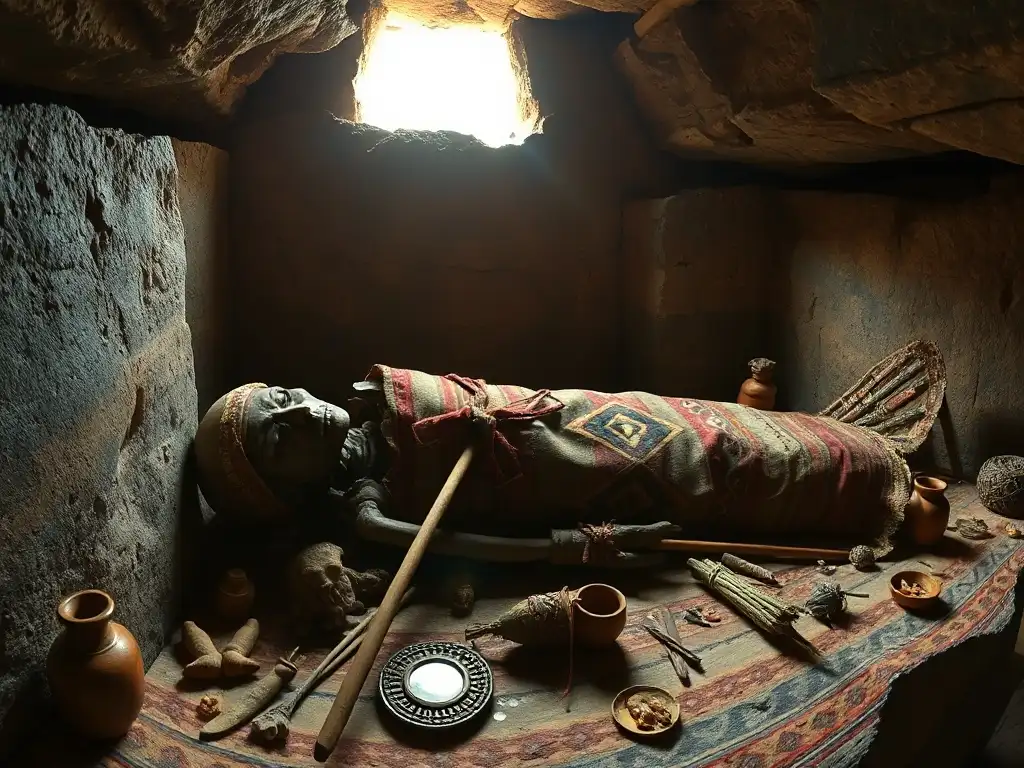
Step into a world lost to time, yet echoing with the whispers of a magnificent empire. Journey with us to the heart of the Andes, where the breathtaking landscapes hold secrets as profound as the civilizations that thrived within them. Discover the intricate artistry, advanced engineering, and deeply spiritual beliefs of the ancient Andean cultures – and prepare to be captivated by the mysteries surrounding the Inca mummification process. Unravel the rituals and techniques behind this ancient practice, and learn how the Inca prepared their dead for a journey to the afterlife. Dare to delve deeper?
- The Inca Mummification Process: Preserving the Dead for the Afterlife
- Preparing the Body for Inca Mummification
- The Inca Mummification Process: A Step-by-Step Guide
- Types of Inca Mummies and Their Significance
- The Afterlife in Inca Beliefs and the Role of Mummies
- The Preservation and Study of Inca Mummies Today
- Conclusion: The Legacy of Inca Mummification
- Frequently Asked Questions
- Final Reflection: Echoes of Eternity: The Enduring Legacy of Inca Mummification
- Unveil the Secrets of Inca Mummification Today!
The Inca Mummification Process: Preserving the Dead for the Afterlife
The Inca Empire, a civilization that flourished in the Andes Mountains from the 15th to the 16th century, left behind a legacy rich in intricate customs and traditions. This article delves into one of the most fascinating aspects of Inca culture: their elaborate mummification process. Understanding Inca mummification requires exploring their deeply held beliefs about death and the afterlife, beliefs that shaped not only their funeral rites but also their societal structures.
We will examine the meticulous techniques employed, the significance of mummified remains in Inca society, and the lasting impact of this practice on our understanding of this remarkable civilization. This exploration will reveal the intricate connection between Inca religious beliefs and their advanced embalming practices, solidifying the Inca mummification process as a key element in understanding their rich cultural tapestry.
The meticulous detail and reverence shown in their mummification techniques provide invaluable insights into their worldview and societal values. We’ll uncover how the Inca mummification process wasn't merely a preservation technique, but a sacred ritual integral to their spiritual beliefs and social order.
Introduction to Inca Death Rituals and Beliefs
Inca cosmology centered around a complex interplay of deities, ancestors, and the natural world. Death wasn't viewed as an end, but rather a transition to a different realm. The Inca believed that the deceased continued to exist in the afterlife, maintaining a connection with the living.
This belief profoundly influenced their funerary practices, with elaborate rituals designed to ensure a smooth passage for the deceased and maintain their continued influence on the community. The preparation of the body for this journey was crucial, hence the development of sophisticated mummification techniques. The mummies weren't simply preserved corpses; they were considered active participants in the community, receiving offerings and participating, in a sense, in family affairs.
The ayllu, the fundamental social unit of Inca society, played a critical role in these death rituals, reflecting the community's collective responsibility for the well-being of its members, even in death. This communal aspect underscores the deep social and spiritual significance of Inca burial practices. The process wasn't solely the responsibility of specialized priests or shamans; the entire ayllu was involved, highlighting the collective importance placed on the afterlife.
The Significance of Mummification in Inca Culture
Mummification wasn't a ubiquitous practice across all Inca social strata. While the elite—emperors, nobles, and high-ranking officials—received the most elaborate treatments, mummification was practiced to varying degrees for other social classes. The process itself was a complex ritual, often taking several months to complete. The body was meticulously cleaned and eviscerated, then treated with herbs, resins, and other substances to prevent decomposition.
The body was then wrapped in textiles, often adorned with elaborate jewelry and other grave goods reflecting the deceased's status and possessions. These mummies weren't simply hidden away; they were often kept within the family's home and treated as living members of the household. They were dressed, attended to, and participated in family celebrations. This practice highlights the enduring significance of ancestors and their continued role in the lives of the living.
Moreover, the mummies of Inca rulers held particular importance, serving as powerful symbols of authority and continuity. Their presence served as a reminder of past rulers' legacy and their continuing spiritual influence on the empire. The survival of these mummies provides us with an unparalleled window into the lives, customs, and beliefs of this fascinating civilization. The meticulous care given to their preservation speaks volumes about the Inca’s profound respect for their ancestors and their unwavering belief in the continuity of life beyond death.
Preparing the Body for Inca Mummification
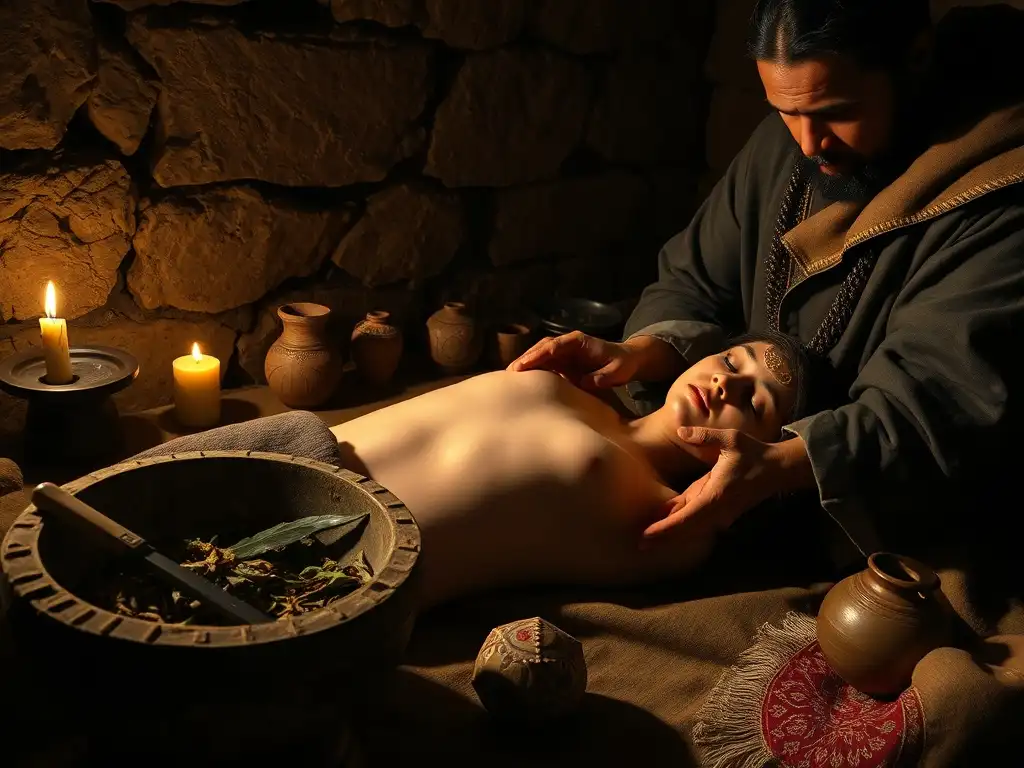
The Inca mummification process, a complex ritual reflecting their deeply held beliefs about the afterlife, wasn't a simple preservation technique. It was a meticulously executed series of procedures designed to ensure the deceased's successful transition to the next world. The meticulous nature of Inca mummification, a testament to their advanced understanding of anatomy and preservation techniques, varied depending on the social status of the deceased.
While details remain scarce due to the delicate nature of the surviving mummies and the limited surviving written records, archaeological evidence paints a vivid, if incomplete, picture of this fascinating practice. The entire process aimed to create a likeness of the deceased, ready to continue their existence in the spirit world.
Understanding the Inca mummification process requires exploring each step with careful consideration. The process itself was a complex undertaking involving multiple steps, each contributing to the final result, a preserved body ready for the afterlife.
Initial Steps in Inca Corpse Preparation
The initial steps involved a thorough cleansing of the body. This wasn't merely a washing; it was a ritualistic purification, often involving herbal washes and the removal of any bodily fluids. Evidence suggests that the body was carefully cleaned, and any wounds or injuries were treated before the more invasive procedures began.
This initial preparation was crucial, as it laid the foundation for the longevity of the mummification. The care taken at this stage highlights the respect and reverence the Inca held for the deceased, even in death. The use of specific herbs and washes – the precise composition of which remains largely unknown – suggests a sophisticated understanding of both hygiene and the preservation of the body.
Furthermore, the meticulous preparation indicates a strong belief in the importance of presenting the deceased in a pure and presentable state for their journey into the afterlife. The social status of the deceased likely influenced the extent of this initial cleansing, with elites receiving more elaborate preparations.
The Extraction of Organs in Inca Mummification
Following the initial cleansing, the Inca practiced evisceration – the removal of internal organs. This critical step aimed to prevent decomposition. While the exact methods remain debated among scholars, evidence suggests that incisions were made in the abdomen, and the organs were carefully removed and then either discarded or, in some cases, possibly placed in separate containers. The precision required for this procedure implies a significant level of anatomical knowledge, surpassing the medical understanding of many contemporaneous cultures.
The skill displayed in performing this delicate surgery minimizes the damage to the body, furthering the belief that this was a highly ritualistic and respected procedure. The removal of the organs was not a haphazard act; it was a carefully orchestrated part of the ritual, aiming to preserve the physical shell of the deceased. Unfortunately, the lack of detailed written records leaves many questions about the specifics of this process unanswered.
Inca Techniques for Drying and Preserving the Body
After evisceration, the body underwent a drying process. This involved several methods, including air drying, smoking, and possibly the use of desiccants. The body was then packed with various materials, such as herbs, cotton, and textiles, to maintain its shape and prevent further deterioration.
These materials varied depending on the social status of the deceased, with elites receiving more elaborate treatments and higher-quality materials. The precise composition of these materials, and their potential medicinal or preservative properties, is a subject of ongoing research. The drying process was crucial in preventing decomposition and preserving the body for the long term.
The use of herbs and other organic materials might have also had symbolic significance, reflecting the Inca's belief in the connection between the living and the dead. The meticulous attention to detail in the drying and packing process highlights the importance the Inca placed on preserving the physical form of the deceased for their journey into the afterlife. The mummification process was not just a practical exercise; it was a deeply spiritual act, reflecting their worldview and beliefs about death and the afterlife.
The Inca Mummification Process: A Step-by-Step Guide
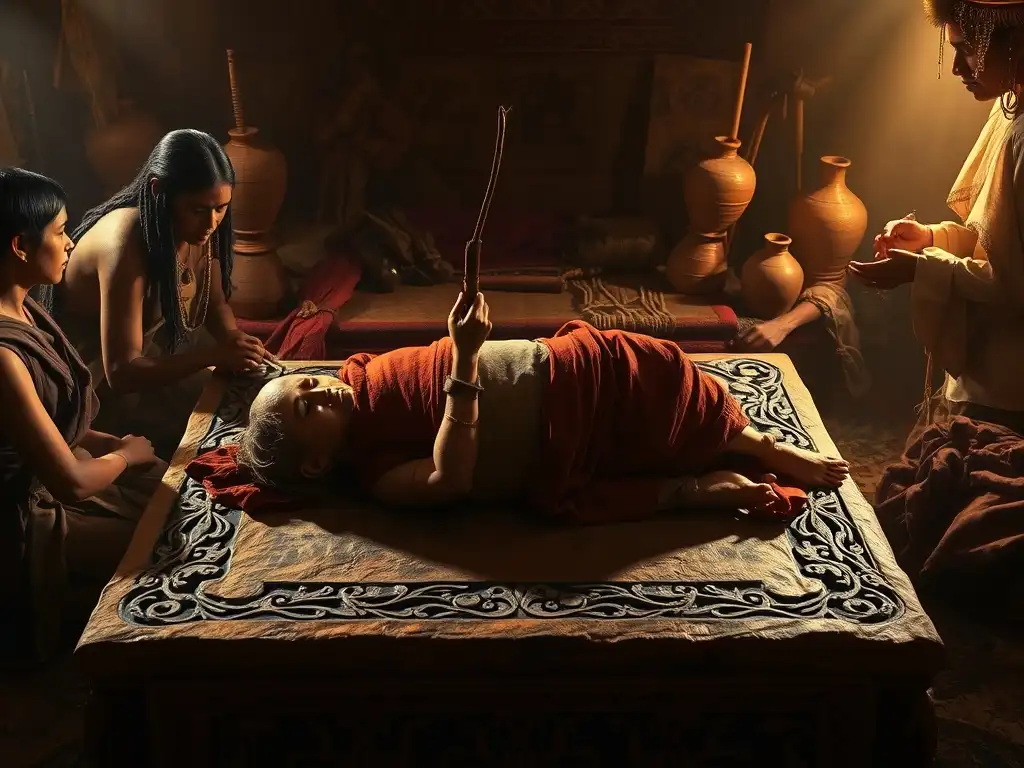
The Inca mummification process, a complex ritualistic practice, wasn't simply about preserving the body; it was about preparing the deceased for a continued existence in the afterlife. This intricate procedure, reflecting the Inca worldview and their deep reverence for ancestors, involved a series of carefully executed steps aimed at ensuring the physical integrity and spiritual well-being of the mummy.
The Inca mummification process differed significantly from Egyptian techniques, utilizing readily available Andean resources and reflecting a unique cultural understanding of death and the spiritual realm. This section delves into the key stages of this fascinating process, revealing the meticulous care and attention given to each step.
Embalming and Treatment of the Inca Dead
The initial phase of Inca mummification involved the careful removal of internal organs. While not as systematic as in some other ancient cultures, evidence suggests that evisceration, particularly of the intestines, did occur in some cases. This was followed by a thorough cleansing of the body using water and possibly herbal preparations.
The specifics of these cleansing agents remain debated amongst researchers, with some suggesting the use of coca leaves or other locally sourced plants with antiseptic properties. The goal was not merely to remove decay-causing elements but also to purify the body, symbolically preparing it for its journey to the next world.
Following the cleansing, the body underwent a process of embalming. This involved the application of various substances, including resins, herbs, and possibly even coca paste 1 . These substances, applied both internally and externally, aided in the preservation of the body by inhibiting bacterial growth and preventing decomposition. The precise composition of these embalming mixtures remains partially unknown, highlighting the need for further research into the specifics of Inca funerary practices. Archaeological findings consistently reveal traces of these substances on mummies, offering valuable clues to the techniques employed. The application of these materials was likely a lengthy and painstaking process, reflecting the importance the Inca placed on the proper preparation of their deceased.
1 Further research is needed to confirm the exact composition and application methods of these pastes.
The Use of Natural Preservatives in Inca Mummification
The Inca's mastery of mummification lay not only in their techniques but also in their effective use of readily available natural preservatives. The arid climate of the Andes played a significant role, naturally slowing down the decomposition process. However, the Inca actively enhanced this natural preservation by employing various plant-based materials.
These included resins from local trees, which acted as powerful antimicrobials, preventing bacterial and fungal growth that could lead to decay. Furthermore, the Inca likely utilized various herbs and other plant extracts known for their antiseptic and preservative properties. These natural materials were likely carefully selected and combined to maximize their effectiveness.
The specific plants and their methods of application remain areas of ongoing research. However, analyses of Inca mummy wrappings have revealed traces of diverse plant compounds, suggesting a complex and sophisticated understanding of herbal remedies and their preservative qualities. This knowledge, passed down through generations of Inca practitioners, ensured the long-term preservation of their revered ancestors.
The use of natural preservatives not only reflects the Inca's ingenuity but also highlights their deep connection to their environment and its resources. The successful mummification, a testament to their understanding of both natural processes and herbal medicine, ensured that the deceased could be venerated and remembered for generations.
Wrapping and Binding the Inca Mummies
After embalming and treatment, the Inca mummification process proceeded to the final stage: wrapping and binding. The body was carefully wrapped in layers of textiles, often fine fabrics such as cotton or llama wool. These textiles served both a practical purpose – protecting the body from further deterioration – and a symbolic one – representing the rebirth and renewal of the deceased. The wrapping was not simply a haphazard process; it was methodical and meticulous, with each layer carefully placed to ensure the body's integrity.
The use of different colored textiles, often imbued with symbolic meaning, added another layer of complexity to the process. Some mummies were adorned with elaborate headdresses and other ornaments, reflecting the status and position of the deceased within Inca society. The careful arrangement of these items further emphasized the ritualistic aspect of mummification.
The final product was more than just a preserved body; it was a carefully constructed representation of the individual, preserved for veneration and continued participation in the community of the living. The entire process, from embalming to wrapping, represents a profound testament to the Inca's reverence for their ancestors and their belief in the continuity of life beyond death. The intricate detail and careful execution of each step highlight the significant role of mummification within Inca culture and religion.
Types of Inca Mummies and Their Significance
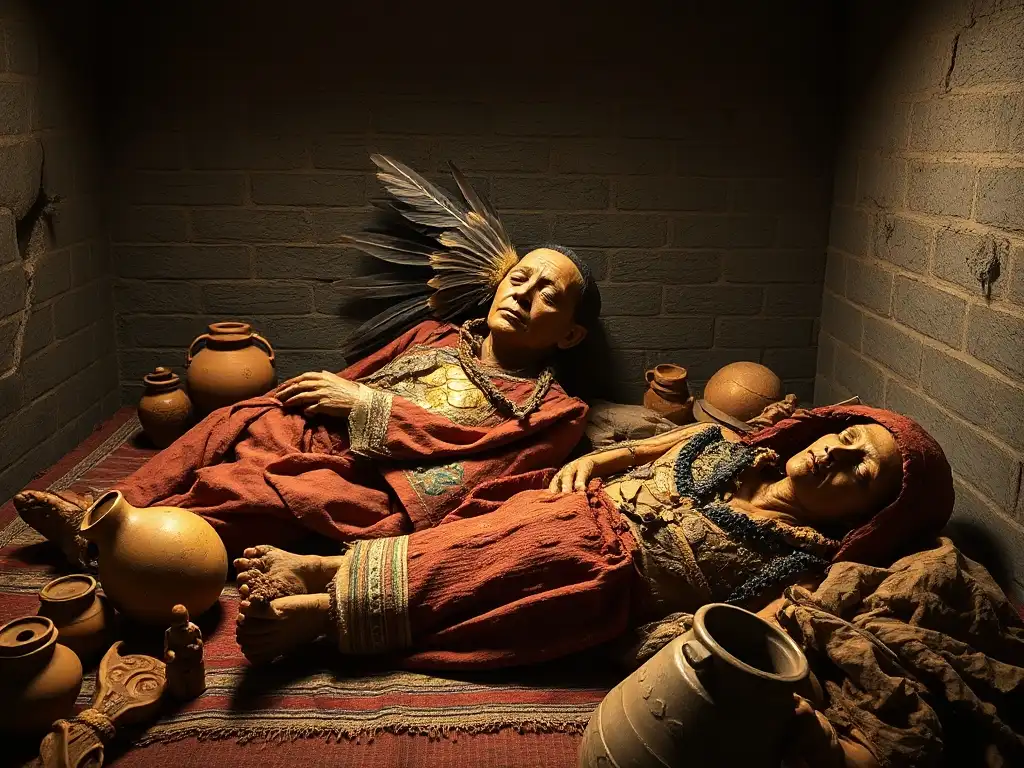
The Inca mummification process wasn't a uniform practice applied equally to all members of society. The treatment of the deceased, the materials used, and the elaborate burial rituals varied significantly depending on the social standing of the individual. This differentiation reflects the complex social hierarchy and religious beliefs of the Inca Empire, where the afterlife held profound importance.
Understanding these variations allows us to gain valuable insights into Inca social structure and spiritual practices, providing a richer understanding of the Inca mummification process itself. The careful preservation of bodies wasn't simply a matter of preserving the physical remains; it was an act of ensuring continuity and maintaining the connection between the living and the dead. The quality of the mummification directly correlated with the deceased's social status.
Royal Inca Mummies: The Highest Honor
Royal Inca mummies received the most meticulous attention. These individuals, typically emperors, empresses, and other high-ranking members of the royal family, were treated with extraordinary care. The process involved a complex series of steps, often beginning with evisceration and thorough cleansing of the body. Then, the body was meticulously dried, often using a combination of natural desiccation and possibly the application of specific herbs and substances – the exact composition of which remains partially unknown, though ongoing research continues to shed light on these techniques. 1 Following the drying process, the mummy was carefully wrapped in fine textiles, often adorned with gold, silver, and other precious materials. These royal mummies were frequently interred in elaborate tombs, accompanied by a wealth of grave goods reflecting their status and power. The sheer quantity and quality of the grave goods associated with royal mummies underscore the reverence and resources dedicated to preserving these individuals for the afterlife. Examples of this treatment can be observed in the remarkably well-preserved mummies discovered at various sites, showcasing the sophisticated techniques and resources employed in the mummification of Inca royalty. Their preservation offers invaluable insights into Inca royal attire, jewelry, and the broader understanding of Inca aesthetics and cultural values.
In contrast to the elaborate treatment afforded to royal mummies, the mummification process for commoners was significantly simpler. While still exhibiting care and respect, the materials and techniques employed were less elaborate. These mummies often show less meticulous preservation, with less attention to detail in the removal of organs or the application of preservatives.
The textiles used to wrap them were typically coarser, and grave goods were less abundant and less valuable. However, even these simpler burials offer important clues to the daily lives and social structures of the Inca Empire. The clothing, tools, and other artifacts found with commoner mummies provide valuable insights into their occupations, social roles, and daily routines.
Analyzing the differences between royal and commoner mummies provides a clearer picture of the social stratification within Inca society and the nuanced ways in which death rituals reflected social standing. Further research into the specific techniques and materials used in the mummification of commoners is needed for a more complete understanding. [Specific information pending on commoner mummification techniques and materials].
Inca Child Mummies: Ritual Sacrifice and Preservation
The discovery of Inca child mummies has provided chilling evidence of capacocha, a ritual sacrifice practiced within the Inca Empire. These mummies, often remarkably well-preserved, represent a distinct category within the broader spectrum of Inca mummification. While the mummification process itself might have shared some similarities with adult mummification techniques, the context of their discovery and the accompanying ritual objects tell a different story.
These children, often selected from across the empire based on their perceived purity and lineage, were considered offerings to the gods and were treated with a special, ritualized reverence. The careful preservation of their bodies underscores their sacred significance within the Inca cosmology. The analysis of these mummies, along with the accompanying artifacts, offers a glimpse into the complex religious beliefs and practices of the Inca, highlighting the significant role of ritual sacrifice in Inca society.
The condition of these mummies, often found with elaborate clothing and offerings, reveals the high status granted to these child sacrifices within the Inca worldview, contrasting sharply with the mummification practices for commoners. Understanding these contrasting approaches illuminates the multifaceted nature of Inca beliefs and practices surrounding death and the afterlife.
1 Ongoing research continues to reveal more about the specific techniques and ingredients used in Inca mummification.
The Afterlife in Inca Beliefs and the Role of Mummies
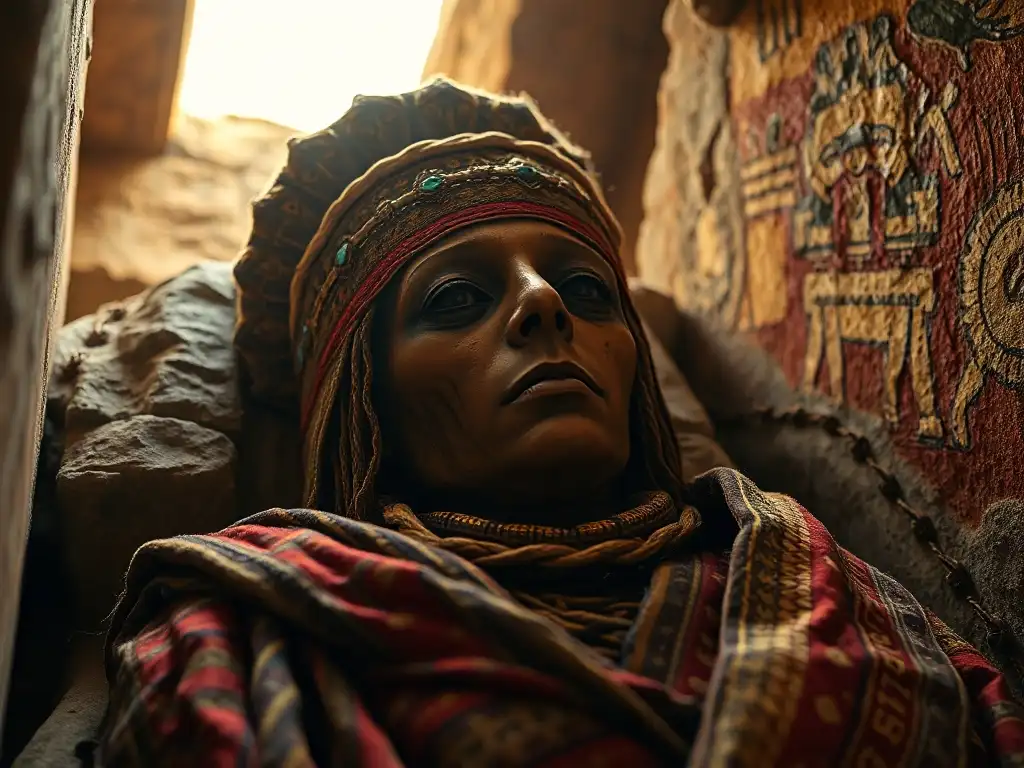
The Inca worldview profoundly impacted their elaborate mummification practices. Unlike many other cultures that viewed death as an end, the Inca believed in a continuation of life in a spirit world, a belief deeply intertwined with their reverence for ancestors. This concept of the pacha (world) encompassing both the living and the dead fueled their meticulous preservation of the deceased, particularly those of high social standing.
The Inca weren't simply preserving bodies; they were actively maintaining a connection with their ancestors, ensuring their continued presence and influence in the affairs of the living. This belief system directly explains the intricate and often time-consuming nature of the Inca mummification process. The effort invested reflected the significant role mummies played in Inca society, far beyond a simple burial ritual.
The meticulous care demonstrated a profound respect for the deceased and their continued spiritual power. The preservation wasn't merely about physical preservation; it was about sustaining a living link between the past, present, and future generations.
Inca Conceptions of Death and the Spirit World
Inca beliefs about death and the afterlife were complex and multifaceted. Death wasn't viewed as a complete severance from life. Instead, the deceased transitioned to a different realm, a continuation of existence in a spiritual form.
This spirit world held a significant place in Inca cosmology, believed to interact with the physical world. Shamans and priests played crucial roles in mediating this interaction, often communicating with ancestral spirits through rituals and offerings. The mummies themselves were considered powerful intermediaries between the living and the dead, acting as conduits for blessings, guidance, and protection.
Detailed accounts from Spanish chroniclers, while often biased, offer glimpses into these beliefs, describing how Inca rulers consulted mummies for advice and guidance on matters of state. This practice further underlines the profound significance of mummification in the Inca worldview. The Inca believed that the spirit of the deceased remained tied to the preserved body, making the mummies potent symbols of ancestral power and continuity.
Mummies as Ancestral Figures and Their Importance
The mummified remains weren't simply relics of the past; they held significant social and political power within Inca society. They were venerated as ancestral figures, actively participating in the life of the community. Mummies of past rulers, for example, continued to hold positions of influence, consulted on important decisions and their presence ensured the legitimacy of the ruling lineage.
They were dressed in fine clothing, adorned with jewelry, and often placed in special shrines or mausoleums where they received regular offerings and care. These offerings weren't symbolic; they were believed to nourish and sustain the spirit of the deceased, maintaining their connection to the living world. Festivals and ceremonies were held to honor the mummies, reinforcing their importance and ensuring their continued influence.
The meticulous preservation of the mummies, therefore, was not merely a funerary practice but a vital aspect of maintaining social order and continuity. The careful attention to detail in the mummification process reflects the high status and power associated with these ancestral figures.
The Connection Between Mummies and the Inca Lineage
The Inca mummification process was particularly elaborate for members of the royal family and the elite. This practice strengthened the Inca lineage, symbolizing the unbroken continuity of power and legitimacy. The mummies of past emperors served as powerful symbols of dynastic authority, reinforcing the current ruler’s claim to power.
Their presence at important ceremonies legitimized the current ruler's reign, connecting them directly to a long line of powerful ancestors. This practice underscores the political significance of mummification within the Inca Empire. The meticulous preservation of these royal mummies served to consolidate the power of the Inca rulers and solidify their claim to the throne, emphasizing the continuity of the imperial lineage.
The preservation of their bodies was a crucial element in maintaining the social and political order of the empire, demonstrating the inseparable link between the living and the dead within the Inca worldview. The Inca mummification process, therefore, was not only a religious practice but also a crucial element in the perpetuation of political power.
The Preservation and Study of Inca Mummies Today
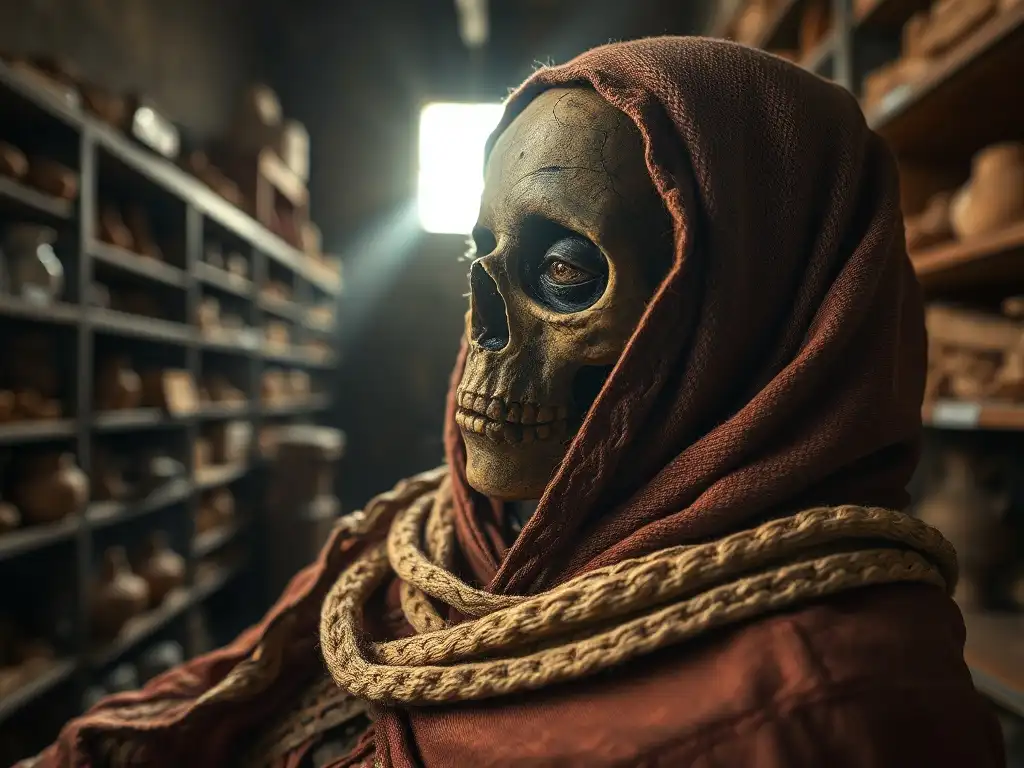
The Inca mummification process, while fascinating in its own right, also presents modern researchers with unique challenges and opportunities. The delicate nature of these ancient remains requires careful preservation and advanced techniques to unlock the secrets they hold. Understanding the Inca mummification process through modern scientific lenses allows us to gain a deeper appreciation for their beliefs and practices surrounding death and the afterlife.
The survival of these mummies provides invaluable insights into Inca society, health, and daily life, far beyond what written records could ever offer. Careful study of these artifacts helps us reconstruct a more complete picture of this remarkable civilization.
Archaeological Discoveries of Inca Mummies
Archaeological discoveries of Inca mummies continue to reshape our understanding of Inca burial practices and the Inca mummification process itself. The discovery of the "Lady of Ampato" frozen high in the Andes, for example, provided unprecedented insights into Inca funerary rituals and the social status of the individuals selected for this elaborate form of preservation. Her remarkably well-preserved body offered detailed information about her diet, health, and even the clothing and artifacts buried with her.
Other significant finds, such as the mummies unearthed in the Royal Tombs of Sipán, showcase the sophisticated techniques employed in the Inca mummification process and the elaborate preparations for the afterlife. These discoveries, along with ongoing excavations, continually refine our knowledge of the Inca mummification process, revealing new details about their techniques and beliefs. The careful documentation and analysis of these finds are crucial for understanding the broader context of Inca culture and society.
Indeed, each new discovery adds another piece to the complex puzzle of Inca life and death. The sheer number of mummies discovered, each with its own unique story, underscores the importance of this practice within Inca society. Analysis of the mummies' clothing, jewelry, and accompanying grave goods provides invaluable information about social stratification and economic practices.
Modern Techniques for Studying Inca Mummified Remains
Modern science offers sophisticated tools for studying Inca mummified remains far beyond the capabilities available to previous generations. Advanced imaging techniques, such as X-ray computed tomography (CT) scanning and 3D modeling, allow researchers to examine the mummies' internal structures without causing damage. This non-invasive approach provides detailed insights into the Inca mummification process itself, revealing the techniques used for evisceration, desiccation, and the application of various materials.
Furthermore, isotopic analysis of the mummies' hair and bones reveals details about their diet, geographic origins, and overall health. DNA analysis, although challenging due to the age and condition of the remains, can offer insights into genetic relationships and population history. These advanced methods enhance our understanding of the Inca mummification process and its implications for Inca society, offering a more nuanced perspective on this intricate ritual.
The combination of traditional archaeological methods with cutting-edge scientific techniques provides a more comprehensive approach to the study of Inca mummies. The application of these scientific methods allows researchers to address questions about the health of the individuals, the causes of death, and the social structures within the Inca Empire.
Ethical Considerations in Researching Inca Mummies
The study of Inca mummies necessitates a careful consideration of ethical implications. These remains represent individuals who were once part of a vibrant culture, and their treatment demands respect and sensitivity. The Inca mummification process itself highlights the spiritual significance of the deceased, underscoring the importance of treating these remains with reverence.
Researchers must adhere to strict ethical guidelines that prioritize the preservation and protection of these invaluable artifacts. This includes obtaining appropriate permits and working in collaboration with local communities and indigenous groups who may have ancestral ties to the mummies. Furthermore, transparency in research methodologies and the dissemination of findings are crucial to ensure responsible stewardship of these cultural treasures.
The ethical considerations surrounding Inca mummification research are paramount, emphasizing the importance of balancing scientific inquiry with cultural sensitivity and respect for ancestral heritage. Striking this balance ensures that the study of Inca mummies contributes to a deeper understanding of their culture while upholding the dignity of the individuals represented. The long-term preservation of these mummies and the knowledge they hold is a crucial aspect of ethical research.
Conclusion: The Legacy of Inca Mummification
The Inca mummification process wasn't merely a preservation technique; it was a complex ritual deeply intertwined with Inca cosmology and beliefs about the afterlife. The meticulous care taken in preparing the deceased, the elaborate offerings placed with them, and the continued veneration of mummies within the community all speak to the profound significance of death and ancestor worship in Inca society. This practice, far from being a morbid undertaking, served as a powerful means of maintaining social bonds across generations, reinforcing lineage, and solidifying the Inca worldview.
The surviving mummies offer invaluable insights into Inca life, providing physical evidence of their health, diet, and social structures. Studying these remarkable artifacts continues to unlock secrets about this fascinating civilization, enriching our understanding of their complex culture and beliefs.
The Inca mummification process, therefore, stands as a testament to the ingenuity and spiritual depth of the Inca people, leaving a lasting legacy that continues to captivate and inspire researchers today. Further research into the specific chemical compositions of the embalming agents used and a more detailed analysis of the textiles and artifacts found with the mummies could offer even more profound understanding of Inca society.
The Enduring Mystery of Inca Mummification Practices
Despite significant advancements in our understanding of Inca mummification, several aspects remain shrouded in mystery. The precise recipes for the embalming compounds, for example, are still debated. While we know that herbs and other natural substances were used, the exact proportions and their synergistic effects are yet to be definitively determined. The variability in mummification techniques observed across different regions and social strata also raises questions about the standardization of the process and potential regional variations in beliefs and practices.
Furthermore, the long-term preservation of some mummies under varying environmental conditions presents a challenge to our current understanding of the process's efficacy. The survival of some mummies for centuries, while others have deteriorated, points to potentially subtle differences in the techniques employed or environmental factors influencing decay. This persistent enigma fuels ongoing research, driving efforts to uncover further details about this intricate and fascinating ritualistic practice.
The secrets held within these ancient remains continue to beckon archaeologists and scientists to unravel the complexities of Inca funerary rites. The more we learn, the more questions arise, highlighting the enduring legacy of the Inca mummification process as a subject of ongoing inquiry. Future research focusing on isotopic analysis of the mummies and detailed comparative studies of different mummification techniques may help shed light on these unanswered questions.
Understanding Inca Culture Through Their Mummies
Inca mummies serve as exceptional windows into the past, offering invaluable insights into various facets of Inca culture. The analysis of their physical remains reveals information about diet, disease, and overall health status, providing a tangible picture of daily life. The clothing, jewelry, and other artifacts found buried with the mummies reveal details about social status, economic prosperity, and artistic expression.
The position of the mummy within the tomb, the presence of specific offerings, and the elaborate rituals surrounding their placement further illuminate Inca religious beliefs and funerary practices. For instance, the presence of coca leaves suggests the importance of this plant in religious ceremonies, while the inclusion of finely crafted textiles indicates the high level of skill possessed by Inca artisans. The careful preservation of mummies, often over generations, reflects the enduring importance of ancestors in Inca society and their continuous role in the lives of the living.
By studying these carefully preserved remains and their associated grave goods, researchers gain a deeper understanding of the social hierarchy, religious beliefs, and technological capabilities of the Inca civilization. The study of Inca mummies, therefore, is not simply a study of death, but a rich exploration of Inca life, beliefs, and cultural practices. The mummies themselves become powerful cultural artifacts, telling stories that extend far beyond their physical existence.
Frequently Asked Questions
What was the purpose of Inca mummification?
Inca mummification wasn't solely for preservation; it was a spiritual practice. The mummies were believed to retain the spirit of the deceased and remained part of the family, participating in daily life. Ancestor veneration was central to their beliefs.
How did the Inca mummify their dead?
The process involved evisceration, removing internal organs, followed by drying the body with herbs and salt. Then, the body was wrapped in textiles and adorned with ornaments and offerings. Finally, the mummy was placed in a tomb.
Were all Inca people mummified?
No, mummification was reserved for the elite and important members of society, such as rulers and priests. The process was complex and time-consuming, requiring significant resources. Commoners were typically buried without mummification.
What materials were used in the Inca mummification process?
The Incas used a variety of materials including natural herbs, salts, and textiles. They also used special resins and binding agents to preserve the bodies and protect them from decomposition. The quality of materials reflected the social standing of the deceased.
How long did the Inca mummification process take?
The entire process could take several weeks or even months, depending on the techniques used and the size of the body. The preparation and subsequent rituals surrounding the mummification were elaborate and significant.
Final Reflection: Echoes of Eternity: The Enduring Legacy of Inca Mummification
The meticulous art of Inca mummification, far from being a relic of a bygone era, offers a powerful lens through which to examine our own enduring fascination with death and the afterlife. The techniques employed, the societal significance imbued within the process, and the remarkable preservation achieved continue to captivate and inspire awe, reminding us of humanity's timeless quest for meaning beyond mortality.
The Inca's profound reverence for their ancestors, evident in the elaborate rituals surrounding mummification, profoundly shaped their social structure and worldview. Their belief in the continued existence of the deceased, and the importance of maintaining a connection with them, resonates even today. Death is not an ending, but a transformation.
This sentiment, though not directly from an Inca source, captures the essence of their beliefs and the enduring power of their mummification practices. The meticulous care taken in preserving the bodies speaks volumes about their deep-seated spiritual convictions and their sophisticated understanding of both anatomy and preservation techniques.
Consider the implications of this ancient practice. What does it reveal about our own anxieties surrounding death? How does the Inca approach to mortality challenge our modern perspectives?
You, the reader, are invited to reflect on these questions, to explore the echoes of eternity that reverberate from these ancient practices, and to consider how our own understanding of life and death might be enriched by engaging with this fascinating chapter of human history. Let the legacy of the Inca mummies inspire you to contemplate your own mortality, not with fear, but with a renewed appreciation for the preciousness of life and the enduring power of human connection across time.
Unveil the Secrets of Inca Mummification Today!
Thank you for exploring the fascinating world of Inca mummification with us! We hope you gained a deeper understanding of the intricate processes and beliefs surrounding death and the afterlife in this remarkable civilization. Now, let's put that knowledge into action!
Here are some exciting ways you can delve deeper and share this captivating story:
- Take a Virtual Tour: Explore the beauty of ancient Inca sites and their mummification practices through readily available online tours.
- Share Your Discoveries: Discuss what you've learned with friends, family, or on social media. What aspect of Inca mummification did you find most intriguing?
- Expand Your Research: Explore books and documentaries on Andean cultures to further enrich your understanding and appreciation of their rich traditions.
What new insights into Inca mummification will you uncover and share with others? Let's continue the conversation!