
Beyond Decoration: The Functional Roles of Andean Textiles in Daily Life

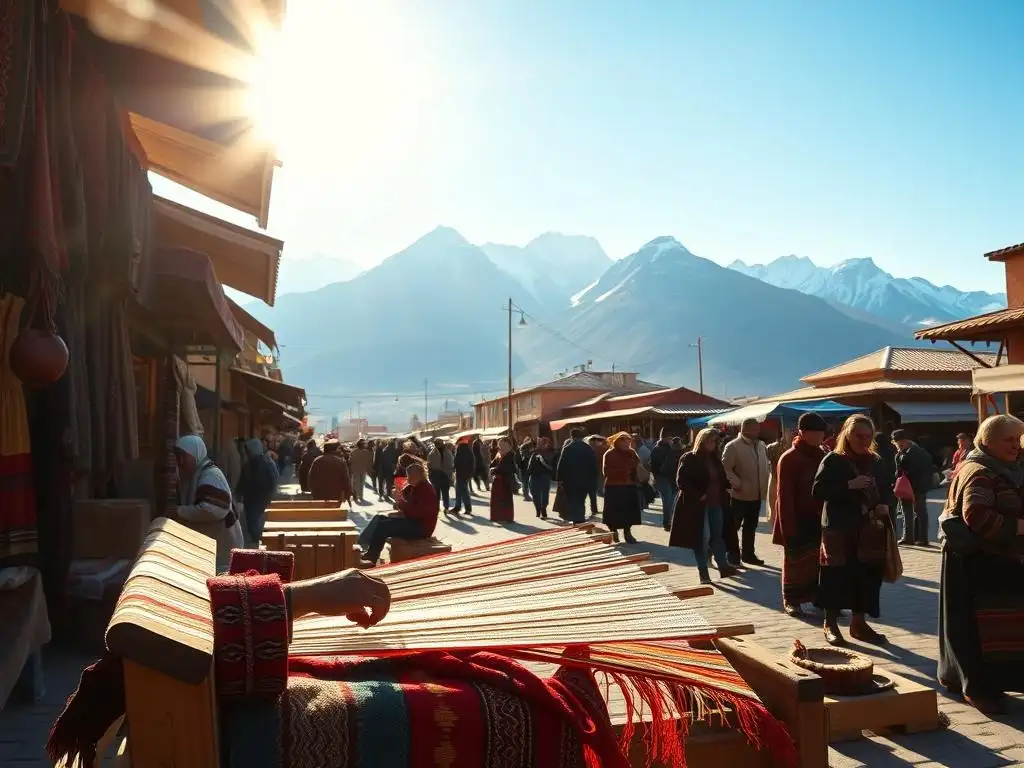
Unravel the mysteries woven into the very fabric of the Andes! For centuries, Andean textiles have been more than mere adornment; they held a power and purpose far exceeding their beauty. Dive into the captivating world of ancient Andean civilizations and discover the surprising functional roles these intricate creations played in daily life, from the towering heights of the Inca Empire to the enigmatic Nazca lines. Prepare to be amazed by the ingenuity and artistry behind these remarkable threads – a legacy that continues to inspire awe today. Journey with us to uncover the secrets woven within…
- Beyond Decoration: Unveiling the Functional Roles of Andean Textiles in Daily Life
- The Practical Applications of Andean Textiles
- Andean Textiles as Social and Cultural Indicators
- Preserving and Learning from the Legacy of Andean Textiles
-
Frequently Asked Questions
- What were the primary functional roles of Andean textiles beyond decoration?
- How did the different Andean cultures utilize textiles differently?
- What materials were commonly used in Andean textile production?
- How did the technology involved in Andean textile production reflect the society's sophistication?
- What evidence exists to support the functional roles of Andean textiles?
- Final Reflection: Weaving a Legacy: The Enduring Power of Andean Textiles
- **Unveil the Practical Magic of Andean Textiles! **
Beyond Decoration: Unveiling the Functional Roles of Andean Textiles in Daily Life
Andean textiles are renowned for their breathtaking beauty, vibrant colors, and intricate designs. These stunning creations, often showcased in museums and galleries worldwide, represent a pinnacle of artistic achievement.
However, to understand the true significance of Andean textiles, we must look beyond their aesthetic appeal and delve into their crucial functional roles within the daily lives of ancient Andean societies. This article explores the multifaceted utility of these textiles, revealing how they served not merely as decorative items, but as essential tools, clothing, and even social identifiers, deeply intertwined with the fabric of Andean life.
We will examine specific examples from various Andean cultures, including the Inca, Moche, Nazca, and Tiahuanaco, highlighting the ingenious ways these societies utilized textiles to navigate their environment and build their complex social structures. Understanding these functional aspects provides a richer and more complete appreciation for the ingenuity and sophistication of Andean textile production and its enduring legacy.
Introduction: More Than Just Beautiful Weavings
The vibrant tapestries, intricately woven garments, and finely spun threads of Andean civilizations are often perceived solely for their aesthetic value. While their beauty is undeniable, reducing Andean textiles to mere decoration ignores their profound practical significance. For the Inca, Moche, Nazca, and other Andean cultures, textiles were indispensable tools, serving a wide range of purposes far exceeding decorative intent. From providing warmth and protection to acting as crucial components in rituals and social interactions, textiles were deeply integrated into the everyday lives of these societies.
This section will introduce the diverse functional roles these textiles fulfilled, setting the stage for a deeper exploration of their significance in subsequent sections. We will uncover how the material itself, the techniques employed, and the designs woven into the fabric all contributed to the multifaceted functionality of Andean textiles. The intricate interplay of aesthetics and functionality is a key element in understanding the true legacy of these remarkable creations.
The sheer variety of uses, from everyday clothing to complex ritual objects, speaks to the mastery of Andean textile artisans and their profound understanding of the properties of their materials. Think of the alpaca wool's warmth and durability, or the ingenious techniques employed to create waterproof fabrics in challenging climates. These were not just artistic choices, but crucial considerations for survival and prosperity.
The Practical Applications of Andean Textiles
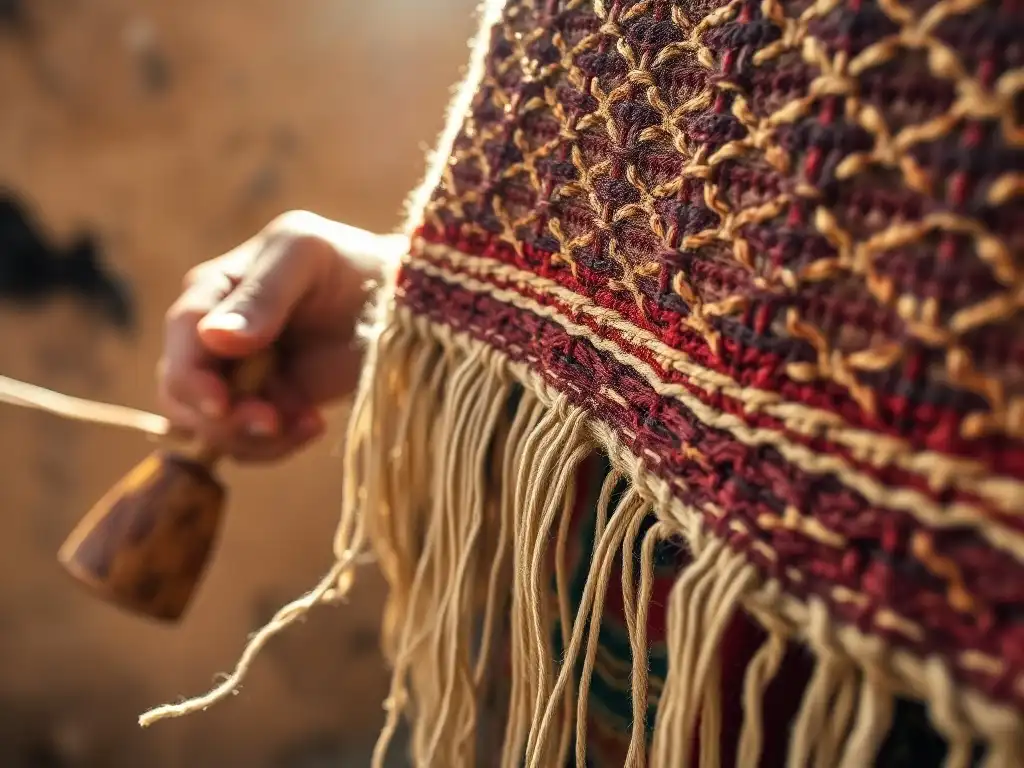
Andean textiles, often admired for their vibrant colors and intricate designs, served far more than decorative purposes in daily life. Their functionality was deeply intertwined with the survival and prosperity of Andean civilizations, reflecting a sophisticated understanding of materials, techniques, and environmental adaptation. This section will explore the diverse practical applications of these remarkable textiles, highlighting their crucial role in shaping Andean societies. Understanding the Andean textiles functional roles reveals a level of ingenuity and resourcefulness that continues to inspire awe.
Clothing and Protection: Adapting to Harsh Environments
The varied Andean landscape, encompassing high altitudes, arid deserts, and lush rainforests, demanded clothing adapted to extreme conditions. Andean textiles provided precisely this crucial protection. Woven from alpaca, llama, vicuña, and cotton fibers, garments offered warmth in frigid mountain climates and breathability in warmer regions. The techniques employed, such as the creation of complex weaves and the use of multiple layers, maximized insulation and weather resistance.
For instance, the chumpi, a type of woven belt, wasn't merely a decorative accessory. Its robust construction provided support for carrying heavy loads, while its thick weave offered protection from the elements. Similarly, intricately woven ponchos and tunics shielded individuals from harsh sun, wind, and rain.
The specific type of fiber and weave varied according to altitude and climate, demonstrating a keen understanding of material properties and their application. Detailed analysis of surviving textiles reveals sophisticated knowledge of insulation and moisture-wicking techniques, far surpassing the capabilities of many modern-day fabrics. This mastery of textile production ensured the survival and comfort of Andean populations across diverse environments.
Storage and Transport: Facilitating Daily Tasks
Beyond clothing, Andean textiles played a vital role in storage and transportation. Woven bags, pouches, and containers, often decorated with symbolic patterns, were essential for carrying food, supplies, and personal belongings. Their durability and water resistance made them ideal for transporting goods across challenging terrain. The size and design of these textiles varied depending on their intended use, from small pouches for storing coca leaves to large bags for carrying agricultural products.
Consider the llantas, large woven bags used to transport goods on the backs of llamas and alpacas. Their sturdy construction and ergonomic design allowed for efficient and comfortable transport over long distances. The strength and flexibility of the textiles were crucial for withstanding the rigors of travel in the Andes. The intricate weaving techniques not only enhanced the aesthetic appeal but also contributed to the bags' exceptional durability and load-bearing capacity. The efficiency of these transport systems was intrinsically linked to the quality and functionality of the Andean textiles used.
Tools and Equipment: Extending Functionality
The ingenuity of Andean textile production extended beyond clothing and storage. Textiles were also incorporated into tools and equipment, enhancing functionality and efficiency. For example, woven slings were used for hunting, their precise construction ensuring accuracy and power. Textile straps and ropes were essential components of various tools and agricultural implements, providing strength and durability.
Moreover, the use of textiles in suspension bridges showcases a remarkable understanding of engineering principles. These bridges, often spanning deep ravines, relied on strong, durable textiles interwoven with other materials to create stable and safe crossings. The meticulous craftsmanship and material selection demonstrate a sophisticated understanding of structural integrity and load distribution.
The significance of textiles in these crucial infrastructure projects underscores their multifaceted role in the daily life of Andean communities. The longevity and effectiveness of these textile-based tools and equipment further highlight the advanced skills and knowledge of Andean textile artisans. The functionality of these items demonstrates that Andean textiles functional roles extended far beyond mere decoration.
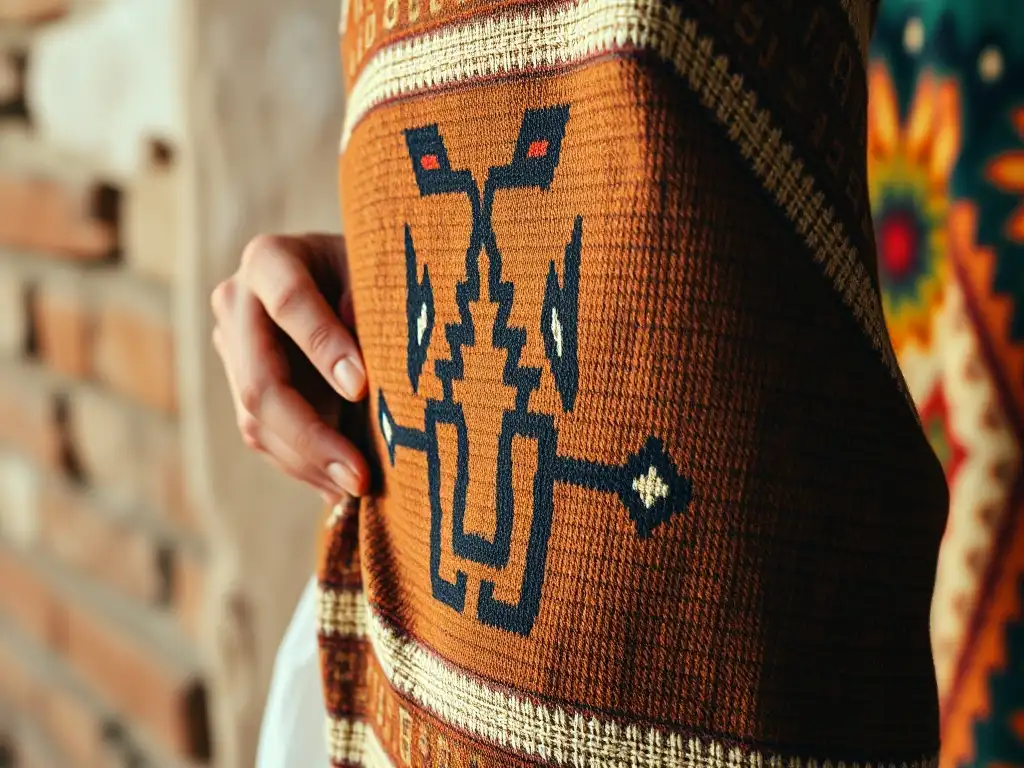
Andean textiles weren't merely decorative; they served as powerful indicators of social standing, religious beliefs, and even historical records. The intricate designs, the quality of the materials, and the techniques employed all conveyed crucial information about the wearer and their place within Andean society. Understanding these functional roles reveals a deeper appreciation for the sophistication and complexity of these ancient cultures.
Analyzing Andean textiles through this lens allows us to move beyond simply admiring their aesthetic beauty and delve into their multifaceted significance within the social and spiritual fabric of Andean life. The meticulous craftsmanship evident in these textiles reflects a profound understanding of material culture and its capacity to communicate meaning across generations. The study of Andean textiles functional roles offers a window into the rich tapestry of Andean civilization.
The type of fiber, the weaving technique, and the complexity of the design in Andean textiles directly correlated with social status. Elite individuals, such as Inca royalty and high-ranking priests, wore garments made from the finest vicuña wool, renowned for its softness and luxurious feel. These garments often featured elaborate designs, intricate embroidery, and precious metal adornments, signifying their high social standing. In contrast, commoners typically wore clothing made from coarser fibers like llama or alpaca wool, with simpler designs and less ornamentation.
The use of specific colors also held significance. Certain dyes, obtained from rare plants or minerals, were reserved for the elite, further emphasizing their privileged position. For example, deep purple, achieved through a laborious process using mollusks, was a color exclusively associated with Inca royalty.
Detailed inventories from Spanish colonial records, while biased, provide glimpses into the strict regulations surrounding textile production and distribution, highlighting the close link between textile production and social hierarchy. Archaeological evidence, such as the discovery of richly adorned mummies in elite tombs, further supports this connection between clothing and social status. Analyzing the textile remains alongside other artifacts found in these contexts provides a more complete picture of the social structure of these societies.
Ritual and Religious Significance: Connecting with the Spiritual World
Beyond their social function, Andean textiles played a crucial role in religious rituals and ceremonies. Textiles were often used as offerings to deities, adorning sacred spaces and objects. Specific patterns and symbols woven into the textiles held deep spiritual meanings, representing deities, ancestral spirits, or cosmological concepts. The intricate designs found on textiles from various Andean cultures, such as the Nazca and Paracas, often depict mythological figures and scenes from creation myths, suggesting their use in religious contexts.
Some textiles were specifically created for use in ceremonies, such as the chumpi, a type of woven belt often worn by shamans or religious leaders. These ceremonial textiles were frequently made with exceptional skill and incorporated rare materials, reflecting their sacred nature. The use of specific colors and symbols in these textiles further enhanced their religious significance, acting as visual representations of the spiritual world.
The careful preservation of these textiles in archaeological contexts indicates their enduring spiritual value. The ongoing research into the iconography and symbolism woven into these textiles continues to shed light on the rich religious beliefs of Andean civilizations.
Communication and Record Keeping: Beyond the Spoken Word
Andean textiles also served as a form of communication and record-keeping, conveying information that transcended spoken language. The intricate designs and patterns woven into the textiles acted as a visual language, capable of transmitting complex messages and narratives across generations. Archaeologists and textile scholars have painstakingly deciphered some of these designs, revealing information about historical events, social structures, and astronomical observations.
Specific motifs, such as geometric patterns or depictions of animals and plants, held symbolic meanings that varied across different Andean cultures and time periods. These symbolic representations allowed for the transmission of knowledge and stories that were not otherwise recorded in written form. The discovery of textiles with calendar-related designs suggests their use in tracking time and agricultural cycles.
The longevity and durability of textiles, combined with their intricate designs, made them an effective medium for long-term information storage. Furthermore, the continuity of certain motifs across different Andean cultures suggests a complex system of visual communication that extended beyond individual groups. The continued study of Andean textile iconography promises to further illuminate the sophisticated communication systems of these ancient civilizations.
Preserving and Learning from the Legacy of Andean Textiles
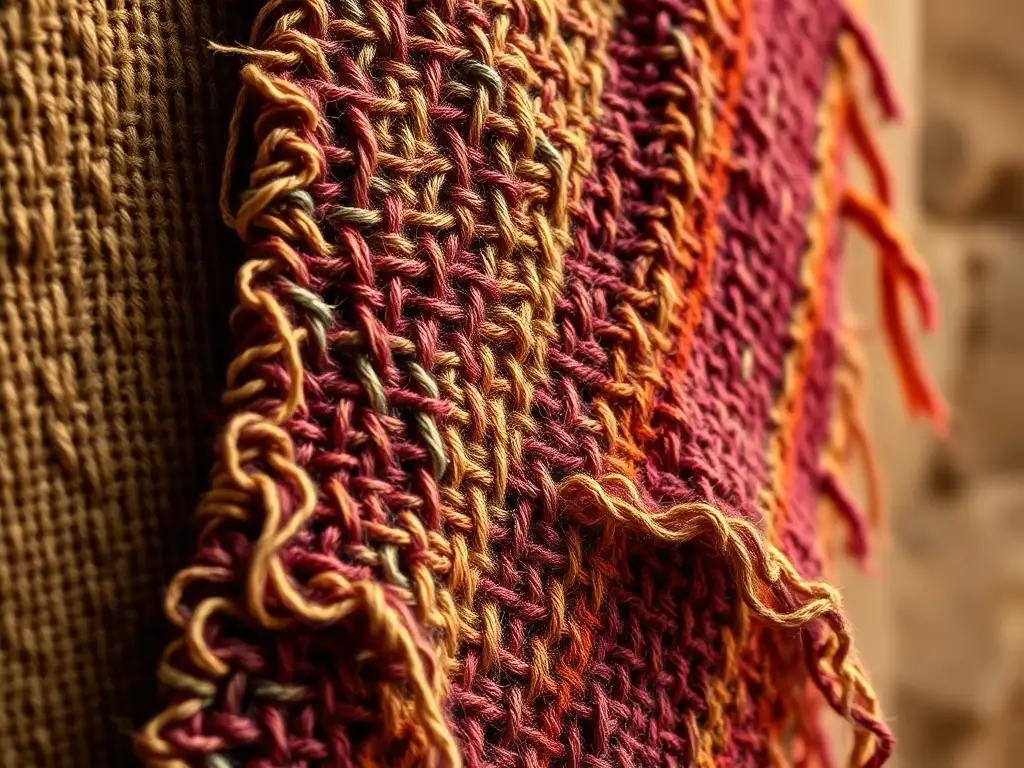
The study of Andean textiles offers a profound understanding not only of artistic expression but also of the intricate relationship between Andean societies and their environment. These textiles, far from being mere decorative items, played crucial roles in daily life, reflecting social structures, religious beliefs, and technological prowess. Preserving this legacy requires a multi-faceted approach, combining meticulous archival research with active support for contemporary Andean artisans.
The detailed analysis of surviving textiles, coupled with ethnographic studies of weaving traditions, allows us to reconstruct the complex social and economic systems that shaped their production and use. Understanding the techniques employed, the materials utilized, and the symbolism embedded within the designs unveils a wealth of information about the lives and beliefs of past Andean communities.
This knowledge is not merely historical; it holds immense value for contemporary textile preservation efforts and the appreciation of cultural heritage. By documenting and analyzing these textiles, we can gain insights into sustainable practices, innovative techniques, and the resilience of Andean cultures in the face of change.
The Enduring Relevance of Traditional Techniques
Traditional Andean weaving techniques, passed down through generations, showcase remarkable ingenuity and adaptation to available resources. For instance, the use of natural dyes derived from plants, insects, and minerals demonstrates a deep understanding of the Andean ecosystem and its potential. The vibrant colors achieved through these natural processes are not only aesthetically pleasing but also environmentally sustainable, a stark contrast to the harmful chemicals used in modern industrial dyeing.
Further, the intricate weaving techniques, such as warp-faced plain weave, tapestry weave, and double-cloth techniques, demonstrate a high level of skill and precision. These techniques, often passed down through families, are not only aesthetically significant but also contribute to the durability and functionality of the textiles. The enduring relevance of these techniques lies in their adaptability and sustainability.
They provide valuable lessons for contemporary textile production, offering alternatives to environmentally damaging industrial practices. The preservation of these traditional techniques is crucial for the continuation of Andean textile traditions and the promotion of sustainable practices in the global textile industry.
Understanding the Significance of Functional Design
Andean textiles were not simply decorative; their designs and construction were deeply intertwined with their practical functions. Consider the chumpi, a woven belt often used to secure clothing. The chumpi's intricate designs often reflected the wearer's social status or community affiliation.
Similarly, llantas, woven bags, were designed with specific compartments and sizes to suit their intended uses, from carrying agricultural produce to storing personal belongings. The functionality of these textiles was not merely practical; it was also symbolic. The choice of colors, patterns, and weaving techniques communicated social status, religious beliefs, and even personal narratives.
Analyzing the functional design of Andean textiles reveals a deep understanding of the interplay between aesthetics and utility, where form and function are inextricably linked. This understanding provides a valuable framework for contemporary design, emphasizing the importance of considering both aesthetic and practical aspects in the creation of functional objects. The study of functional design in Andean textiles highlights the ingenuity and sophistication of Andean societies, demonstrating a holistic approach to textile production that prioritizes both beauty and utility.
Explore Further and Support Andean Artisans
The preservation of Andean textile traditions requires active engagement and support for contemporary Andean artisans. These artisans are the keepers of invaluable knowledge and skills, representing a living link to a rich cultural heritage. Their continued practice ensures the survival of traditional weaving techniques and the creation of unique, high-quality textiles.
Supporting these artisans can take various forms, from purchasing their work directly to participating in workshops and educational initiatives. Moreover, promoting ethical and sustainable practices within the textile industry is crucial in ensuring that the future of Andean textiles remains vibrant and thriving. By appreciating and supporting the work of contemporary Andean artisans, we actively contribute to the preservation of a unique cultural heritage and the promotion of sustainable practices in the global textile industry.
This active participation ensures that the legacy of Andean textiles continues to inspire and enrich future generations. The commitment to preserving this heritage is not just a matter of historical significance, but a celebration of cultural resilience and an investment in a sustainable future.
Frequently Asked Questions
What were the primary functional roles of Andean textiles beyond decoration?
Andean textiles served many vital purposes beyond ornamentation. They provided warmth and protection from harsh weather conditions, acting as clothing and blankets. They were also crucial for shelter, used in building construction and as furnishings.
How did the different Andean cultures utilize textiles differently?
Each culture had its unique textile traditions. The Inca used textiles extensively for administrative purposes, creating intricate khipus (knotted cords) for record-keeping. The Nazca are renowned for their complex weaving techniques used in both clothing and ceremonial items.
What materials were commonly used in Andean textile production?
Andean textiles utilized readily available resources. Alpaca, llama, and vicuña wool were prized for their softness and warmth. Cotton was also a significant fiber, particularly in warmer coastal regions. Natural dyes from plants and minerals produced vibrant colors.
How did the technology involved in Andean textile production reflect the society's sophistication?
The advanced techniques used, such as backstrap loom weaving and intricate dyeing processes, demonstrate a high level of skill and technological sophistication. These skills were often passed down through generations, highlighting the importance of textile traditions within Andean societies.
What evidence exists to support the functional roles of Andean textiles?
Archaeological evidence, including well-preserved textiles found in mummies' burial sites and in everyday artifacts, clearly demonstrates the widespread and diverse use of textiles. Ethnographic studies of later Andean communities also reveal the continued importance of textiles in practical and symbolic contexts.
Final Reflection: Weaving a Legacy: The Enduring Power of Andean Textiles
The intricate artistry of Andean textiles is not merely decorative; it represents a profound connection to history, community, and the very fabric of daily life. These vibrant threads, woven through centuries of tradition, continue to hold immense cultural significance, impacting everything from social status to environmental sustainability. Their enduring relevance in a rapidly changing world is a testament to the ingenuity and resilience of Andean cultures.
The enduring power of Andean textiles lies not just in their beauty, but in their ability to narrate stories, transmit knowledge, and provide essential functionality. They are more than just clothing; they are living archives, carrying the weight of generations and reflecting the ever-evolving relationship between humans and their environment. As the anthropologist, Edward T. Hall, wisely observed: Culture is communication,
and Andean textiles communicate volumes about the societies that created them. Their continued use in contemporary Andean life underscores their ongoing importance and adaptability.
Consider the intricate details, the symbolic patterns, the sheer practicality of these textiles. Think about how they have shaped, and continue to shape, the lives of Andean communities. Now, I invite you to reflect on the ways in which your own life is interwoven with the objects and traditions that surround you. What stories do your belongings tell? What is the legacy you wish to leave behind? Let the enduring strength and beauty of Andean textiles inspire you to appreciate the functional and symbolic power inherent in the objects that shape our lives.
**Unveil the Practical Magic of Andean Textiles! **
Thank you for exploring the fascinating world of Andean textiles with us! We hope you've discovered their profound significance, extending far beyond mere decoration, and understand their vital role in daily life. Now, let's put that knowledge into action and embrace the rich heritage of these extraordinary fabrics.
Here are some ways you can deepen your connection with this vibrant culture:
- **Support local artisans** who create Andean-inspired textiles. A purchase is a wonderful way to appreciate their craftsmanship and help preserve their traditions.
- **Share your knowledge** of Andean textiles with friends and family. Discuss their cultural importance and inspire others to appreciate their beauty and practicality.
- **Connect with online communities** dedicated to Andean culture, textiles, or art. Engaging with fellow enthusiasts provides opportunities for sharing experiences and learning more.
How have you incorporated the timeless beauty of Andean textiles into your life? We'd love to hear your thoughts and experiences in the comments below!