
The Role of Storytelling and Oral Tradition in Inca Religious Life

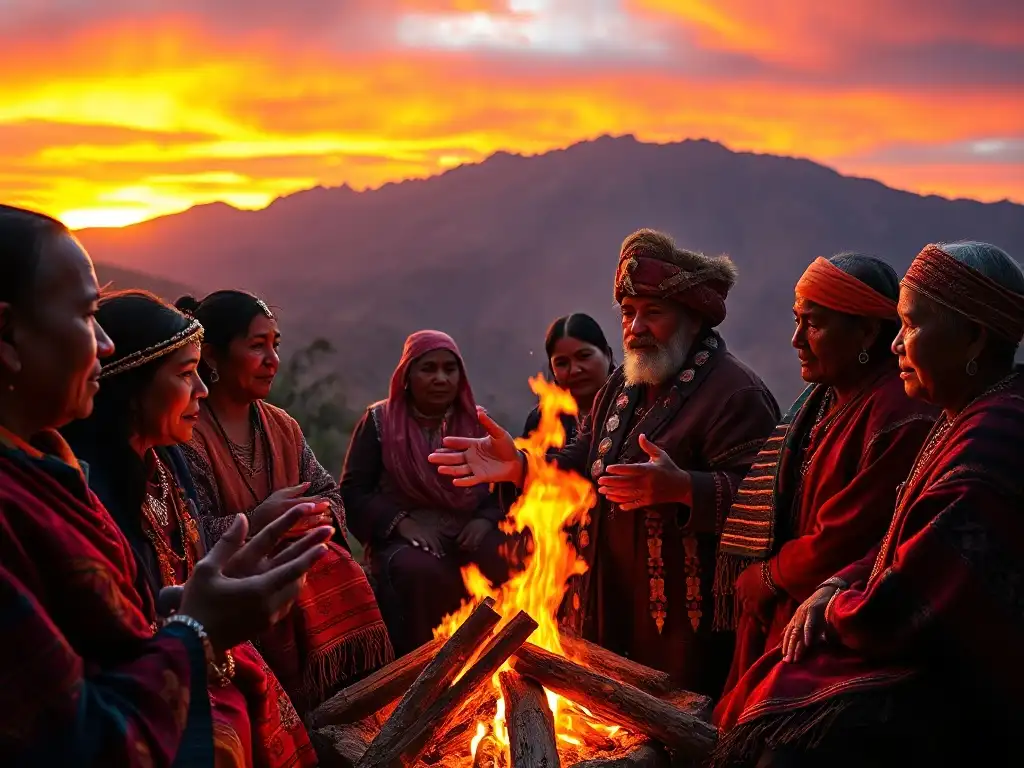
Step into a world lost to time, yet echoing with vibrant voices. Imagine the majestic Andes, where the whispers of ancient spirits still linger in the breathtaking landscapes. This is the realm of the Andean civilizations, and here, we delve into the fascinating legacies of the Incas, Moche, Nazca, and Tiahuanaco.
But our journey begins with a captivating mystery: the power of Inca oral storytelling traditions. Prepare to uncover the profound role these stories played in shaping Inca religious life – a tale woven with myth, magic, and the enduring spirit of a vanished empire. Unravel the secrets... read on.
The Inca Empire, a civilization renowned for its sophisticated engineering, intricate social structures, and expansive territory, also possessed a rich tapestry of religious beliefs and practices deeply interwoven with oral traditions and storytelling. Unlike many other ancient civilizations that relied heavily on written records, the Inca primarily transmitted their knowledge, history, religious myths, and moral codes through generations via meticulously crafted narratives and songs.
This article delves into the crucial role these oral storytelling traditions played in shaping Inca religious life, exploring how myths, legends, and historical accounts served not only to entertain but also to instruct, inspire awe, and maintain social order. Understanding the power of Inca oral storytelling provides invaluable insight into the heart of their beliefs and the enduring legacy of their unique worldview.
This exploration will reveal how these traditions helped solidify the Inca's complex religious system and their connection to the natural world and their ancestors. We will examine specific examples of these narratives and analyze their impact on various aspects of Inca society, from religious rituals to everyday life.
Myths and Legends: Shaping the Inca Cosmology
Inca mythology, passed down through generations of storytellers, provided a framework for understanding the world and their place within it. These myths explained the creation of the cosmos, the origins of humankind, and the relationship between the Inca people and the gods. Narratives often featured powerful deities like Inti (the sun god), Viracocha (the creator god), and Mama Killa (the moon goddess), whose actions and interactions shaped the landscape and influenced human destiny.
The detailed descriptions of these deities, their powers, and their interactions with mortals not only provided a cohesive cosmological understanding but also served as moral guides, emphasizing the importance of obedience to the gods and respect for the natural order. These stories, often embellished with vivid imagery and dramatic events, were designed to captivate audiences and instill a profound sense of reverence for the divine.
The repetition of these stories during ceremonies and festivals reinforced their importance and ensured their survival through time. Specific examples, although often fragmented due to the absence of a written language, highlight the importance of natural elements and ancestors in shaping Inca beliefs.
The Role of Amautas and Oral Transmission
The preservation and transmission of these vital narratives depended heavily on specialized storytellers known as amautas. These individuals were highly respected members of society, possessing exceptional memory, eloquence, and a deep understanding of Inca history, mythology, and religious practices. Their role extended beyond mere entertainment; they were responsible for educating the populace, transmitting moral values, and ensuring the continuity of Inca traditions.
The amautas used mnemonic devices, songs, and dramatic performances to enhance the memorability and impact of their stories. They carefully selected the appropriate stories for different audiences and occasions, tailoring their narratives to the age, social standing, and purpose of the gathering.
The training of new amautas was a rigorous process, requiring years of dedicated study and apprenticeship, ensuring that the accuracy and integrity of the oral traditions were maintained across generations. The loss of the amauta tradition with the Spanish conquest represents a significant loss for understanding the full complexity of Inca religious life.
Oral Traditions in Inca Rituals and Ceremonies
Inca religious rituals and ceremonies were inextricably linked to oral storytelling traditions. Many rituals involved the recitation of myths, legends, and historical accounts, which served to invoke the presence of the gods, honor ancestors, and ensure the well-being of the community. These narratives provided a context for the ritual actions, explaining their significance and reinforcing their power.
For example, the capacocha sacrifices, while undeniably tragic, were often framed within elaborate narratives that justified the act as a necessary offering to maintain cosmic balance and ensure the prosperity of the empire. The use of songs, chants, and dramatic performances further enhanced the emotional impact of these rituals, creating a powerful and immersive experience for participants.
The precise details of many of these rituals remain elusive, but the surviving accounts highlight the profound role of oral tradition in shaping their meaning and purpose. The integration of storytelling with ritual helped to deepen the spiritual significance of the ceremonies and helped solidify the Inca's religious beliefs.
The Impact of the Spanish Conquest on Inca Oral Traditions
The Spanish conquest of the Inca Empire in the 16th century had a devastating impact on Inca oral traditions. The destruction of Inca temples, the suppression of religious practices, and the imposition of Christianity led to the loss of many valuable narratives and the disruption of the oral transmission process. While some stories survived, often fragmented and adapted, the systematic eradication of Inca culture resulted in an irreplaceable loss of knowledge.
The suppression of the amautas and their methods of storytelling contributed significantly to this cultural loss. The surviving fragments of Inca oral traditions offer a glimpse into a rich and complex religious system, but much remains unknown, highlighting the enduring effects of colonialism on the preservation of indigenous knowledge. Further research and the ongoing efforts to preserve and revitalize indigenous languages and traditions are crucial to recover the lost fragments of this vital aspect of Inca history.
- Myths and Legends: Shaping the Inca Cosmology
- The Role of Amautas and Oral Transmission
- Oral Traditions in Inca Rituals and Ceremonies
- The Impact of the Spanish Conquest on Inca Oral Traditions
Inca Cosmovision and the Importance of Oral History
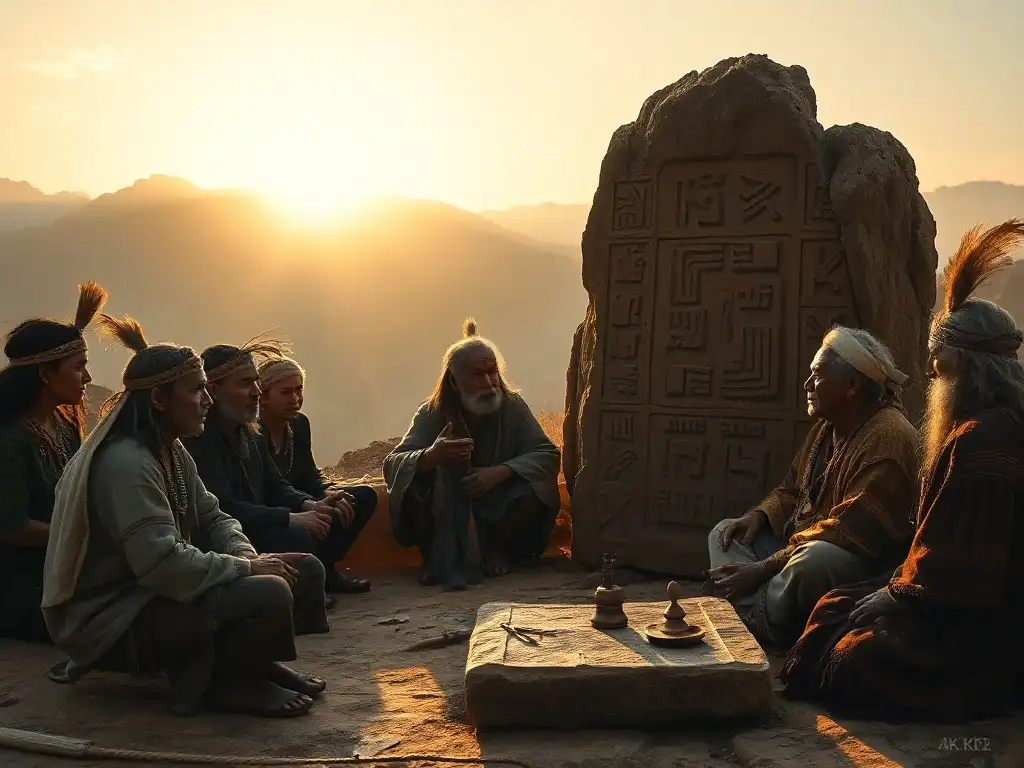
The Inca worldview, or cosmovision, was deeply intertwined with their sophisticated oral storytelling traditions. Understanding the Inca Empire's religious practices requires acknowledging the central role of narratives in shaping their perception of the universe and their place within it. Unlike many other civilizations that relied heavily on written records, the Inca civilization thrived on a complex system of oral transmission of knowledge, beliefs, and history.
This oral tradition wasn't merely a means of entertainment; it was the very foundation upon which their religious beliefs and practices were built. The Inca cosmovision was a dynamic, ever-evolving entity, shaped and reshaped by the continuous retelling and interpretation of these stories. This constant re-evaluation ensured that the religious beliefs remained relevant and adaptable to the changing social and environmental contexts.
The fluidity of oral tradition allowed for the incorporation of new experiences and interpretations, maintaining a vibrant and living religious system. The Inca oral storytelling traditions weren't static; they were a living, breathing part of their culture, constantly evolving and adapting to the needs of the community.
Understanding the Inca World Through Narratives
Inca oral narratives weren't simply tales of heroes and gods; they served as powerful tools for explaining the natural world, social structures, and the very origins of the Inca people. Myths and legends, passed down through generations, provided explanations for natural phenomena like earthquakes, floods, and eclipses. For example, the story of Viracocha, the creator god, explained the creation of the world and the Inca people's divine origins. These narratives instilled a sense of order and meaning in the Inca world, linking the human realm to the spiritual one.
Furthermore, these stories reinforced the Inca social hierarchy, legitimizing the power of the Sapa Inca and the nobility. The recounting of ancestral achievements and heroic deeds cemented the legitimacy of the ruling lineage and fostered loyalty amongst the populace. Think of it as a sophisticated form of propaganda, but one deeply embedded within the fabric of their religious beliefs.
The stories weren't just heard; they were experienced, shaping the Inca understanding of their identity, their history, and their place within the cosmos. The effectiveness of this system is evidenced by the longevity and cohesion of the Inca Empire before the Spanish conquest. The detailed narratives ensured a shared cultural identity across vast distances and diverse populations, a remarkable feat considering the absence of a written language.
The Sacred Nature of Inca Oral Traditions
The Inca oral storytelling traditions weren't merely secular forms of entertainment; they held a profoundly sacred significance. The amautas, or wise men and women, were responsible for preserving and transmitting these sacred narratives. They were highly respected members of society, possessing a deep understanding of Inca mythology, history, and religious practices. These individuals weren't simply storytellers; they were custodians of cultural memory and religious knowledge.
The act of storytelling itself was considered a sacred ritual, often performed during religious ceremonies and festivals. The setting, the tone, and even the time of day were carefully considered, imbuing the narratives with a sense of awe and reverence. The use of mnemonic devices, such as songs, chants, and symbolic objects, helped to ensure the accurate transmission of these complex and layered stories.
The preservation of these traditions was critical to maintaining the continuity of Inca religious practice and cultural identity. The amautas’ role highlights the deep spiritual connection between storytelling and religious life within the Inca civilization. Their specialized knowledge and revered status underscore the importance of oral tradition within Inca society.
Transmission of Religious Beliefs Through Storytelling
The Inca oral storytelling traditions played a crucial role in transmitting religious beliefs and values across generations. Stories of the gods, their interactions with humans, and the consequences of defying divine will were used to teach moral lessons and reinforce social norms. The narratives often highlighted the importance of obedience to the Sapa Inca, respect for elders, and adherence to Inca customs and laws. For example, stories about the punishments meted out to those who disobeyed the gods or violated Inca laws served as cautionary tales, reinforcing social control and maintaining order.
The intricate details of Inca religious rituals, including sacrifices, offerings, and ceremonies, were also passed down through oral tradition. This ensured that religious practices remained consistent across different regions and social groups. The impact of these stories extended far beyond the immediate context of the telling; they shaped individual behavior, social interactions, and the overall moral fabric of Inca society.
The effectiveness of this method is evident in the remarkably consistent religious practices observed throughout the vast Inca Empire. The oral transmission of religious beliefs created a shared understanding of the divine world and its relationship to the human realm, solidifying the Inca religious identity. The Inca oral storytelling traditions, therefore, were not just a form of entertainment or historical record-keeping; they were essential tools for maintaining religious cohesion and social order within the empire.
Inca Myths and Legends: Shaping Religious Practices
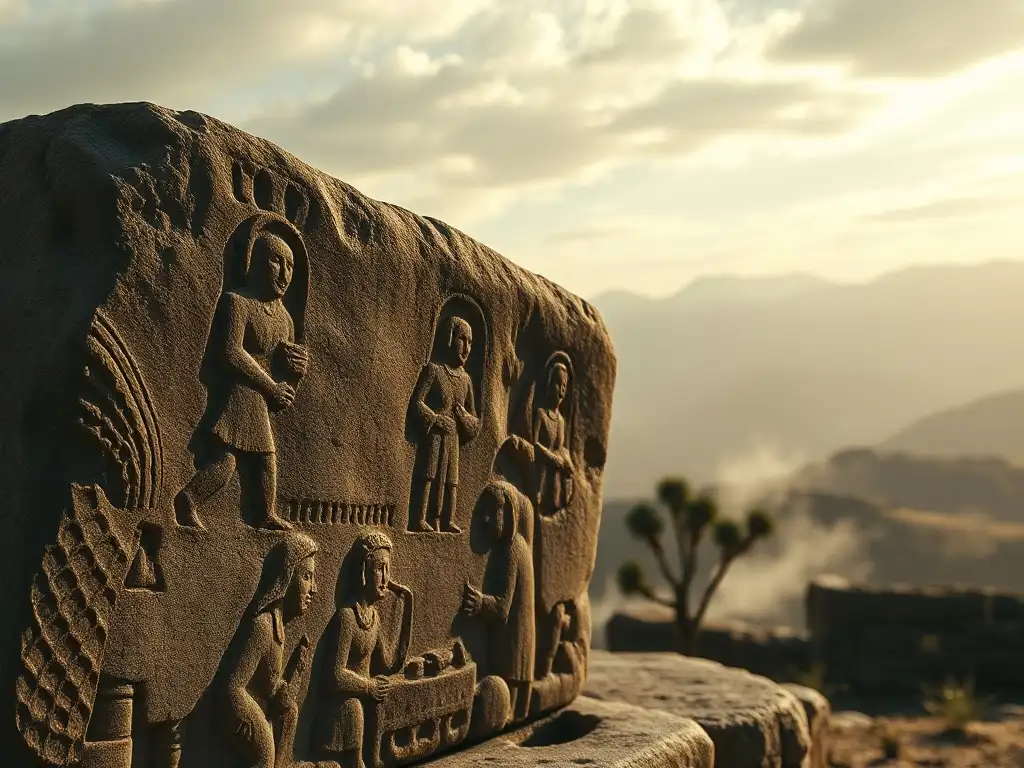
The Inca Empire, renowned for its sophisticated architecture and intricate social structures, also possessed a rich tapestry of oral storytelling traditions that profoundly impacted its religious life. These narratives, passed down through generations, served not merely as entertainment but as vital tools for transmitting religious beliefs, moral codes, and historical accounts. The Inca oral storytelling traditions were integral to maintaining social order and reinforcing the legitimacy of the ruling Sapa Inca.
Understanding these narratives is crucial to comprehending the complexities of Inca religion and its enduring legacy. The power of these stories lay in their ability to connect the past, present, and future, weaving together cosmological beliefs with everyday life. This section will explore key aspects of these traditions, focusing on their role in shaping religious practices.
Creation Myths and the Origins of the Inca Empire
Inca creation myths provided a framework for understanding the world and the Inca's place within it. These narratives often involved powerful deities like Viracocha, the creator god, who is depicted in various ways, sometimes as a benevolent creator and other times as a destructive force. Stories of Viracocha's actions, such as creating the world, the sun, the moon, and humanity, were meticulously preserved and recounted during religious ceremonies.
These narratives explained the origins of the Inca Empire, legitimizing the rule of the Sapa Inca by connecting him to a divine lineage. For example, the story of Viracocha emerging from Lake Titicaca and creating the first humans established a sacred connection between the lake and the Inca royal family. The consistent retelling of these myths reinforced the Inca worldview, establishing a sense of shared identity and purpose.
Specific details about the creation process, including the order in which elements were created and the challenges faced by Viracocha, varied depending on the region and the storyteller, highlighting the dynamic nature of these oral traditions. The variations themselves were not seen as contradictions but rather as enriching interpretations of the central themes. The oral tradition allowed for flexibility and adaptation, ensuring the continued relevance of these foundational myths throughout the empire's history.
The Stories of Inti, Viracocha, and Mama Quilla in Inca Religion
The sun god, Inti, held paramount importance in Inca religion. Stories surrounding Inti's power and influence were central to Inca religious practice. He was not only the source of life and energy but also the ancestor of the Inca royal family. Narratives detailing Inti's interactions with other deities and humans illustrated his benevolence and power.
These stories, often accompanied by elaborate rituals and ceremonies, reinforced the importance of sun worship and the Sapa Inca's divine right to rule. Similarly, Mama Quilla, the moon goddess, featured prominently in Inca mythology. Stories of Mama Quilla emphasized her relationship with Inti and her influence on the agricultural cycle. These narratives highlighted the interconnectedness of celestial bodies and their impact on human life, emphasizing the importance of observing and understanding the natural world.
The interplay between Inti, Viracocha, and Mama Quilla, as depicted in these stories, reflects a complex cosmological system where different deities held varying levels of influence and power. The oral transmission of these stories preserved the nuanced relationships between these deities, ensuring the continuity of Inca religious beliefs and practices. These narratives were not static; they evolved over time, reflecting the changing needs and perspectives of the Inca people.
Legends of Manco Capac and Mama Ocllo: Their Role in Inca Society
The legend of Manco Capac and Mama Ocllo, the founders of the Inca Empire, is a cornerstone of Inca oral storytelling traditions. These narratives, often intertwined with creation myths, described their emergence from Lake Titicaca and their subsequent journey to Cusco, where they established the Inca civilization. The stories of Manco Capac and Mama Ocllo served several crucial functions. First, they provided a mythical origin story for the Inca royal family, linking the Sapa Inca to a divine ancestry.
Second, they reinforced the Inca ideology of order and civilization, contrasting the founders' actions with the chaotic state of the world before their arrival. Third, they transmitted important moral values, emphasizing the importance of hard work, community, and respect for authority. These narratives were not merely historical accounts; they were powerful tools for shaping social behavior and maintaining social cohesion.
Specific details of their journey, including the challenges they overcame and the lessons they taught, varied across different versions of the legend, reflecting the diverse experiences and perspectives of the Inca people. The consistent retelling of these legends, however, cemented their significance within Inca society and helped to consolidate the Inca Empire's power and authority. The enduring power of these stories underscores the importance of oral tradition in shaping and maintaining Inca religious life and social structures.
The Significance of Storytellers in Inca Society
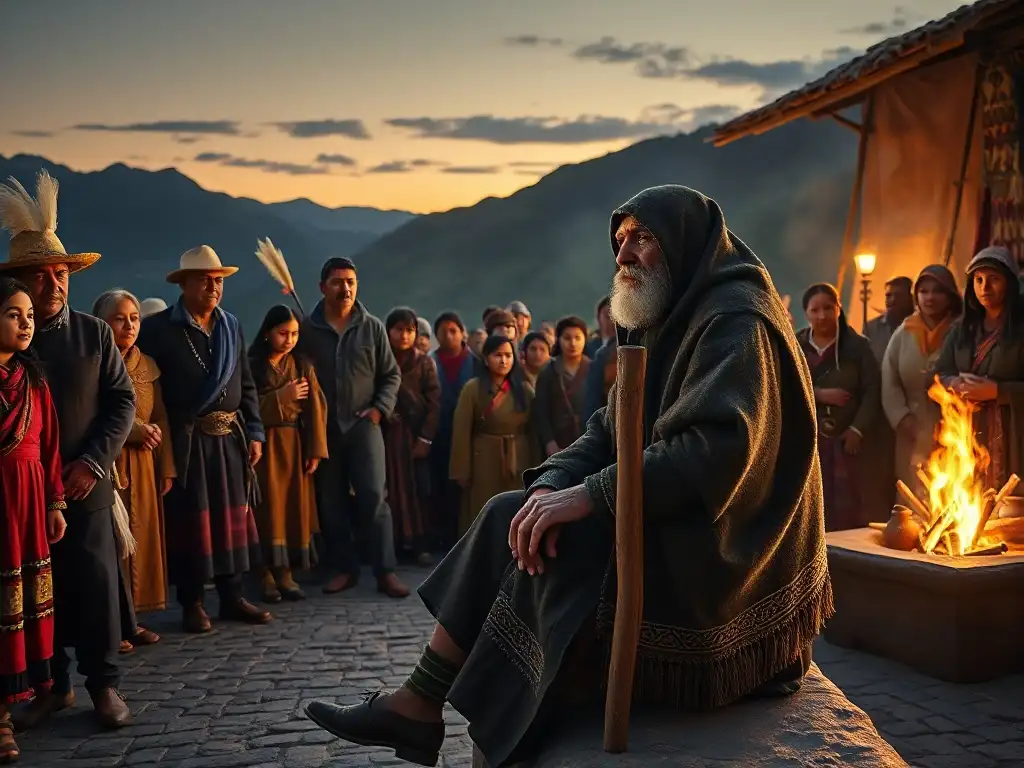
The Inca Empire, renowned for its sophisticated infrastructure and administrative prowess, also possessed a vibrant oral tradition that played a crucial role in religious life. Unlike many societies that relied on written records, the Incas primarily transmitted their history, beliefs, and cultural values through meticulously preserved oral narratives. This reliance on oral storytelling fostered a strong sense of community and collective memory, binding generations together through shared narratives and reinforcing the authority of the Inca rulers.
The effectiveness of this system is evidenced by the relatively complete picture of Inca culture we possess today, pieced together from the accounts of Spanish chroniclers who recorded these oral traditions. Understanding the significance of storytelling within Inca society is key to comprehending their religious beliefs and practices.
The intricate relationship between oral narratives, religious rituals, and the Inca worldview is a testament to the power of storytelling as a tool for social cohesion and spiritual guidance. The precision and consistency with which these stories were passed down, despite the lack of a written language, highlights the dedication and skill of the Inca storytellers.
The Role of Amautas as Custodians of Knowledge
The amautas were highly respected intellectuals and teachers within Inca society. Their primary function was not merely to recount stories, but to interpret and contextualize them, ensuring their accuracy and relevance across generations. They were the custodians of Inca knowledge, responsible for preserving and transmitting the complex web of myths, legends, and historical accounts that formed the foundation of Inca religious beliefs.
Their expertise extended beyond simple recitation; amautas possessed a deep understanding of the symbolic meaning embedded within the stories, capable of explaining their significance to both the elite and the common people. They were often involved in religious ceremonies, using their storytelling abilities to enhance the spiritual experience and reinforce the connection between the Inca people and their deities. The amautas acted as living libraries, their memories preserving vital information that formed the backbone of Inca identity and social structure.
Their authority stemmed not only from their knowledge but also from their ability to connect the past with the present, ensuring the continuity of Inca culture and religious practices. Think of them as a combination of historian, theologian, and educator, all rolled into one respected figure. [Specific examples of amauta influence on particular Inca rituals pending].
The Transmission of Religious Knowledge by Yachaq
While amautas focused on broader historical and cultural narratives, the yachaq, often translated as "wise one" or "shaman," played a crucial role in transmitting religious knowledge through storytelling. Their narratives often centered on the origins of the world, the creation myths, and the interactions between humans and the supernatural realm. These stories were not mere entertainment; they served as a powerful tool for understanding the Inca cosmology and the intricate relationship between the Inca people and their deities.
The yachaq used storytelling to explain natural phenomena, interpret dreams, and provide guidance in times of crisis. Their narratives were often accompanied by rituals and ceremonies, further emphasizing their spiritual significance. Their ability to weave together myth, ritual, and practical advice made them essential figures in Inca society, particularly in times of uncertainty or when seeking divine intervention.
The yachaq's storytelling was not just about recounting established tales, but also about adapting and interpreting these narratives to fit specific contexts and individual needs. This dynamic approach ensured the continued relevance and power of Inca religious beliefs. [Specific examples of yachaq narratives and their accompanying rituals pending].
Inca Storytelling Performances and Rituals
Inca storytelling was not a passive activity; it was a dynamic performance art that incorporated music, dance, and elaborate costumes. These performances were often integrated into religious rituals, adding another layer of meaning and significance to the narratives. The act of storytelling itself became a ritual, connecting the performers and the audience to the spiritual world. Storytelling events served as important social gatherings, fostering community bonds and reinforcing shared values.
The use of dramatic elements, such as changes in voice, gestures, and the incorporation of musical instruments, enhanced the emotional impact of the stories, ensuring their message resonated deeply within the audience. These performances were not only entertaining but also served as a vital tool for transmitting religious knowledge, moral values, and historical accounts across generations. The intricate interplay between storytelling, music, dance, and ritual demonstrates the profound significance of oral tradition within Inca religious life.
The vibrant and engaging nature of these performances ensured the continued relevance and vitality of Inca cultural heritage. The precise choreography and symbolic elements used in these performances require further research to fully understand their nuanced meaning. 🪶 [Further details on specific rituals and their associated stories pending].
Rituals and Ceremonies: Oral Tradition in Practice
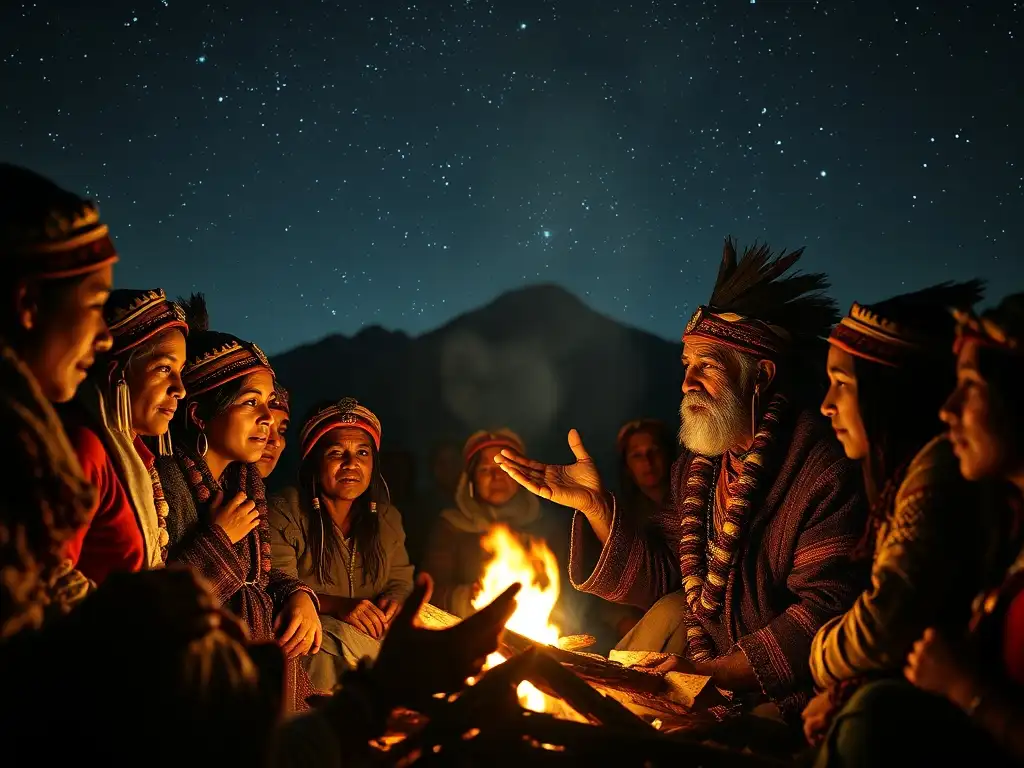
The Inca Empire, renowned for its sophisticated infrastructure and intricate social organization, also possessed a vibrant oral tradition deeply intertwined with its religious life. Religious rituals and ceremonies were not merely actions; they were performances, heavily reliant on the spoken word to transmit beliefs, values, and historical narratives. The skillful recitation of myths, legends, and historical accounts served to reinforce social order, legitimize power, and connect the living with their ancestors.
This section explores how oral storytelling traditions were woven into the fabric of Inca religious practices, shaping the understanding and experience of the divine. Understanding the Inca oral storytelling traditions is crucial to grasping the full complexity of their religious world.
The Use of Stories in Inti Raymi and other Religious Festivals
Inti Raymi, the festival dedicated to the sun god Inti, provides a compelling example of the integration of oral storytelling into Inca religious celebrations. The festival, lasting several days, involved elaborate processions, sacrifices, and theatrical performances. These performances were not simply dramatic displays; they were vehicles for transmitting crucial religious narratives.
Storytellers, often members of the priestly class, would weave tales of Inti’s creation, his relationship with other deities, and his influence on the Inca world. These narratives served multiple purposes: they reinforced the importance of Inti's worship, explained the cyclical nature of the agricultural year, and instilled a sense of awe and reverence for the divine.
Beyond Inti Raymi, other religious festivals, such as Capac Raymi (the festival honoring the Inca ruler) and Coya Raymi (honoring the female deity Mama Killa, the Moon), similarly incorporated oral storytelling. Specific myths and legends associated with each deity were recounted, ensuring the continued transmission of religious knowledge and beliefs across generations.
The use of dramatic storytelling techniques, including chanting, music, and dramatic gestures, enhanced the impact of the narratives, making them memorable and emotionally resonant for the participants. The vibrant atmosphere of these festivals, combined with the power of oral narratives, ensured the perpetuation of Inca religious beliefs and practices.
Recitation of Myths in Coricancha and other Inca Sacred Spaces
The Coricancha, the main temple dedicated to the sun god in Cusco, served as more than just a place of worship; it was a repository of sacred knowledge, where myths and legends were recited and preserved. Priests, highly skilled in memorization and oral performance, would regularly recount creation myths, the stories of Inca ancestors, and the origins of various religious practices. These recitations weren't simply for entertainment; they served to connect the present with the past, legitimizing the Inca rule and reinforcing the social hierarchy.
Similar practices occurred in other sacred spaces throughout the empire. Smaller temples, shrines dedicated to local deities, and even certain natural features, like mountains and springs, became locations for the performance of oral narratives. These narratives often intertwined historical accounts with mythical explanations, creating a rich tapestry of religious belief and cultural identity. The consistent recitation of these stories in sacred spaces helped maintain a cohesive religious understanding across the vast Inca Empire. The power of place, combined with the power of narrative, ensured the preservation and transmission of Inca religious beliefs across vast distances and varied populations.
Oral Storytelling and the Inca Calendar
The Inca calendar, deeply intertwined with their agricultural cycle and religious practices, was also intimately connected to their oral storytelling traditions. The calendar’s intricate system of festivals and rituals was explained and remembered through narratives. Storytellers would recount myths explaining the significance of specific dates, the astronomical events that marked the seasons, and the rituals associated with each period.
For example, the stories surrounding the solstices and equinoxes were likely rich with symbolic meaning, explaining the agricultural cycles and the Inca's relationship with the cosmos. These narratives not only served as a practical guide to the calendar but also helped to reinforce the Inca worldview, emphasizing the interconnectedness between the human world, the natural world, and the divine.
The oral transmission of this calendrical knowledge ensured the continuity of their agricultural practices and religious observances, highlighting the vital role of Inca oral storytelling traditions in the maintenance of their complex societal structure. The precise details of many of these stories, unfortunately, remain lost to us, but their importance in shaping Inca life is undeniable.
Impact of Inca Oral Storytelling Traditions on Society
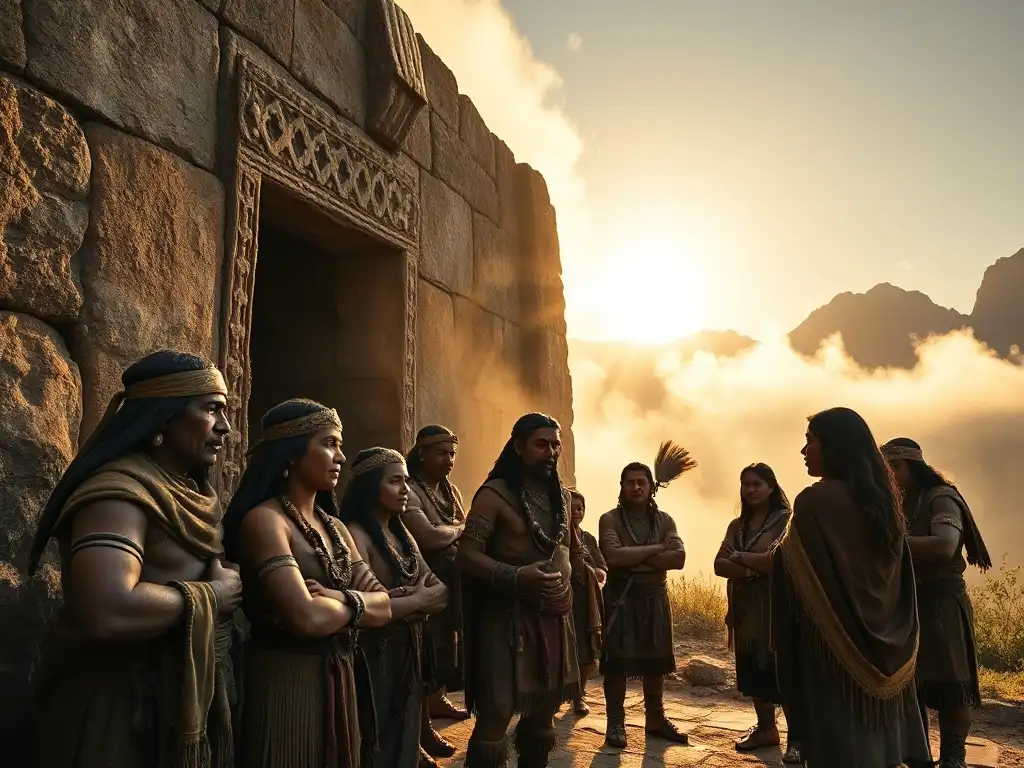
The Inca Empire, renowned for its sophisticated engineering and intricate social structures, relied heavily on oral storytelling traditions to transmit knowledge, maintain social order, and reinforce religious beliefs. These weren't mere tales; they were vital tools for shaping Inca identity and ensuring cultural continuity across generations. The Inca oral storytelling traditions were far more than entertainment; they were a cornerstone of their civilization, deeply intertwined with their religious life and societal fabric. Understanding their impact requires examining how these narratives influenced various aspects of Inca life, from individual morality to the preservation of their rich history.
The Influence of Narratives on Inca Morality and Values
Inca oral narratives weren't just entertaining stories; they served as powerful moral compasses. Many tales centered around the huacas, sacred places and objects believed to possess spiritual power. Stories of individuals who honored the huacas often depicted them receiving blessings and prosperity, while those who disrespected them faced misfortune or divine punishment.
This instilled a deep respect for both the natural world and the spiritual realm. For example, stories about the creator god Viracocha often highlighted the importance of obedience, humility, and community cooperation. These narratives reinforced key Inca values such as ayni (reciprocity) and mita (labor service), essential for the functioning of their complex societal structure.
The consequences of defying these values were vividly portrayed, shaping individual behavior and maintaining social cohesion. The consistent repetition of these moral lessons across generations ensured their enduring influence on Inca society. Analysis of surviving colonial accounts reveals consistent themes emphasizing the importance of community, respect for authority, and the consequences of individual actions.
Inca oral storytelling traditions also played a crucial role in upholding the empire's rigid social hierarchy. Stories of the Inca rulers, often imbued with divine lineage, emphasized their authority and the importance of obedience to those in power. These narratives presented the Sapa Inca as a direct descendant of the sun god, Inti, thus legitimizing his absolute power and reinforcing the divine right to rule. Conversely, stories about commoners who challenged authority often ended with dire consequences, further solidifying the existing power structure.
The carefully crafted narratives ensured that the social order was not only maintained but also actively reinforced through generations. Detailed accounts from Spanish chroniclers, while often biased, offer glimpses into the ways these stories were used to control and manage the vast population of the Inca Empire. The power dynamics inherent in the narratives were carefully constructed to prevent social unrest and maintain the status quo.
The Preservation of History and Culture Through Oral Tradition
In the absence of a written language, Inca oral traditions served as the primary means of preserving their history, culture, and knowledge. Specialized amautas (wise men) were responsible for memorizing and transmitting vast amounts of information, including genealogical records, historical events, agricultural techniques, and religious practices. These individuals acted as living libraries, ensuring the continuity of Inca culture across generations.
Their role was paramount in preserving not just facts, but also the underlying values and beliefs that shaped Inca society. The intricate system of memorization and recitation, coupled with the use of mnemonic devices and symbolic representations, allowed for the accurate transmission of complex information. While the precise methods remain partially obscure, the effectiveness of this system is evident in the rich tapestry of Inca culture that survived the Spanish conquest.
The enduring legacy of their oral traditions underscores their sophistication and importance in maintaining cultural identity and historical memory. Further research into surviving colonial accounts and archaeological findings could shed more light on the specific techniques employed by the amautas in preserving and transmitting this vital information.
The Legacy of Inca Oral Storytelling
The Inca Empire, renowned for its sophisticated infrastructure and intricate social organization, lacked a written language. This absence, however, didn't hinder the transmission of knowledge, beliefs, and history. Instead, the Inca relied heavily on a vibrant system of oral storytelling traditions, meticulously passed down through generations.
These traditions weren't merely entertaining narratives; they served as the cornerstone of Inca religious life, shaping their worldview, guiding their rituals, and reinforcing their social structures. The quipus, knotted strings used for record-keeping, while offering numerical data, likely supplemented, rather than replaced, the rich tapestry of oral narratives. The effectiveness of this system is evident in the survival of many Inca myths and legends even today.
The intricate details and consistent themes found across different versions of these stories highlight the rigorous methods employed in their preservation and transmission. Furthermore, the sheer volume of surviving narratives, even in fragmented forms, points to the central role that oral storytelling played in Inca society, far exceeding mere entertainment. The precision and consistency demonstrate a sophisticated system of cultural memory, far beyond simple rote memorization.
The Survival of Inca Myths and Legends Today
Despite the Spanish conquest and the subsequent suppression of Inca culture, many Inca myths and legends have survived. These narratives, often passed down through indigenous communities in the Andes, offer invaluable insights into Inca cosmology, mythology, and social values. For example, the story of Viracocha, the creator god, continues to be recounted, albeit with variations reflecting regional differences and syncretism with later religious influences.
The tale of Manco Cápac and Mama Ocllo, the founders of Cusco, remains a cornerstone of Inca origin myths, albeit with varying details across different tellings. These variations, rather than diminishing their importance, highlight the dynamic and adaptive nature of Inca oral traditions. They also underscore the importance of considering multiple versions of these stories to gain a comprehensive understanding of Inca beliefs.
The persistence of these narratives across centuries, despite facing significant challenges to their preservation, speaks volumes about their enduring power and cultural significance. This resilience reflects not only the importance of the stories themselves, but also the deep-rooted commitment of successive generations to upholding their cultural heritage. The continued oral recitation of these myths in Quechua and other Andean languages ensures their continued relevance and provides a living link to the Inca past.
The Importance of Preserving Inca Oral Histories
Preserving these Inca oral histories is crucial for several reasons. Firstly, they represent a unique and irreplaceable source of information about a complex civilization that lacked a written history in the conventional sense. These narratives provide insights into Inca social structures, political systems, religious beliefs, and daily life that are unavailable elsewhere.
Secondly, the preservation of these traditions is essential for maintaining cultural continuity and identity within indigenous Andean communities. These stories are not just historical accounts; they are integral to the cultural fabric of these communities, shaping their worldviews and informing their present-day practices. Thirdly, the study and preservation of Inca oral traditions contribute to a more comprehensive and nuanced understanding of Andean history, challenging Eurocentric narratives that often marginalized or misrepresented indigenous perspectives.
The systematic documentation and analysis of these oral histories are therefore crucial for ensuring that these voices are heard and understood within the broader historical narrative. Failure to preserve these traditions would represent an irreversible loss of invaluable cultural heritage, potentially leading to the erosion of indigenous identities and a skewed understanding of Andean history. Dedicated efforts towards archiving and analyzing these stories are thus not simply academic exercises; they are critical steps in safeguarding a vital part of human cultural heritage.
Contemporary Interpretations of Inca Oral Traditions
Contemporary scholars and indigenous communities continue to engage with Inca oral traditions in diverse and evolving ways. Anthropologists and historians use these narratives to reconstruct Inca history, cosmology, and social structures, often comparing and contrasting different versions of the same story to identify common themes and variations. Indigenous communities, meanwhile, continue to actively utilize these stories in their cultural practices, often integrating them into contemporary celebrations, rituals, and educational initiatives.
This ongoing interaction between academic study and community practice ensures that Inca oral traditions remain dynamic and relevant in the 21st century. Furthermore, the use of modern technologies, such as audio and video recordings, allows for the preservation and dissemination of these stories in new and accessible formats. However, careful consideration must be given to ethical considerations, ensuring respect for indigenous knowledge and intellectual property rights.
The continuing evolution of interpretations and applications of Inca oral traditions reflects their enduring power and adaptability, demonstrating their continued relevance in understanding both the Inca past and the present-day Andean world. This vibrant interplay of scholarly analysis and cultural revitalization underscores the richness and enduring legacy of Inca oral storytelling traditions.
Frequently Asked Questions
What role did storytelling play in Inca society?
Storytelling was central to Inca life, transmitting history, values, and religious beliefs across generations. It served as a vital tool for education, social control, and maintaining cultural identity.
How did Inca oral traditions impact their religious beliefs?
Inca oral traditions were inseparable from their religious beliefs. Myths and legends explained the origins of the world, the gods, and Inca royal lineage, shaping their worldview and rituals.
What were some common themes in Inca oral stories?
Common themes included the creation of the world, the deeds of heroes and gods, and the importance of maintaining order in the cosmos and society. These stories reinforced Inca values and social structures.
How were Inca stories passed down through generations?
Stories were passed down through generational storytelling, with specialized storytellers, amautas, playing a crucial role in preserving and transmitting the oral tradition. Rituals and ceremonies further embedded these narratives within Inca culture.
How did the Inca oral tradition influence their art and architecture?
Inca art and architecture often depicted scenes and figures from their oral traditions, visually representing myths, legends, and important historical events. This connection reinforced the cultural significance of their stories.
Final Reflection: Echoes of the Andes: The Enduring Power of Inca Storytelling
The vibrant tapestry of Inca religious life, woven intricately with threads of oral tradition and storytelling, continues to resonate in the modern world. These narratives, passed down through generations, weren't mere entertainment; they were the bedrock of Inca society, shaping their worldview, beliefs, and social structures. Their enduring power speaks volumes about the human need for narrative and the profound impact of shared stories.
The influence of Inca oral traditions extends far beyond the crumbling walls of Machu Picchu. These stories, imbued with cosmology, mythology, and ancestor veneration, continue to shape the cultural identity of Andean communities today. Their persistence underscores the resilience of oral culture in the face of colonization and modernization. The stories we tell ourselves shape the world we live in.
This simple truth rings particularly true when considering the enduring legacy of Inca storytelling, which continues to inform perspectives on history, spirituality, and community.
Consider the power of narrative in your own life. How have the stories you've heard, read, or shared shaped your understanding of the world? I invite you to reflect on the narratives that define your own identity and community, and to consider how the act of storytelling can foster connection, understanding, and a deeper appreciation for the rich tapestry of human experience. Let the echoes of the Andes inspire you to preserve and share your own stories, ensuring that the threads of your own cultural heritage remain vibrant for generations to come.
Embrace the Power of Storytelling Today!
Thank you for exploring the fascinating world of Inca religious life and the crucial role storytelling played in their culture. You've gained valuable insights into how oral traditions shaped their beliefs, rituals, and community identity. Now, let's put this knowledge into practice!
Here are some ways you can explore and celebrate the art of storytelling in your own life:
- Start a Storytelling Circle: Gather friends and family to share personal experiences and cultural stories. Create a welcoming environment where everyone feels comfortable contributing, ensuring each voice and perspective is valued.
- Explore Diverse Cultural Narratives: Immerse yourself in books and documentaries that explore Indigenous storytelling traditions from around the globe, including those from the Andes. Consider how these narratives relate to contemporary issues and connect us all.
- Share a Favorite Inca Story: Post an Inca legend or tale on social media. Engaging your network can generate interest and encourage discussions about cultural heritage and values.
What story has significantly influenced your understanding of your own culture or beliefs? Share your thoughts below!