
The Inca High Priest: Navigating the Spiritual Realm of the Empire

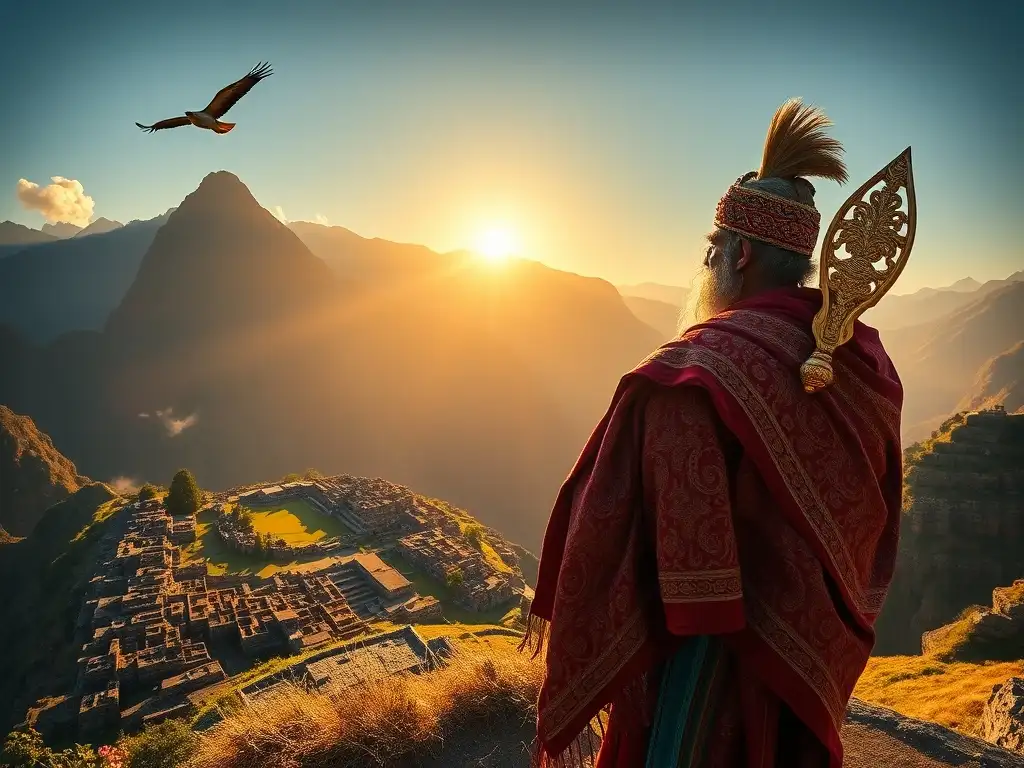
Step into a world lost to time, yet echoing with the whispers of powerful Andean empires. Prepare to unravel the mysteries of a civilization that flourished high in the Andes, where celestial observations met earthly power. This journey begins with the enigmatic Inca high priest, whose spiritual role shaped the very fabric of the empire. Discover the hidden truths behind their influence and unlock the secrets of their sacred practices – a story waiting to be revealed.
The Inca Empire, renowned for its sophisticated infrastructure and intricate social organization, also possessed a deeply complex and influential religious system. At the heart of this system resided the willaq umu, the Inca high priest, a figure whose spiritual authority permeated every aspect of imperial life, from state rituals and agricultural cycles to the legitimacy of the Sapa Inca himself.
This article delves into the multifaceted spiritual role of the willaq umu, exploring his supreme authority, his identity, and his significant influence within the hierarchical structure of the Inca Empire. Understanding the willaq umu is crucial to grasping the intricate interplay between religion, politics, and society within this fascinating civilization.
The Inca high priest's spiritual role wasn't merely ceremonial; it was the bedrock upon which the empire's power and stability rested. We will examine this crucial role, exploring the evidence available to understand the true extent of their influence and the nature of their responsibilities.
The willaq umu held the highest religious office in the Inca Empire. He was not simply a priest; he was the intermediary between the Inca gods and the human world, responsible for maintaining cosmic order and ensuring the prosperity of the empire.
His authority stemmed from his perceived connection to the divine, a connection that was reinforced through elaborate rituals, ceremonies, and his privileged access to sacred knowledge and artifacts. The willaq umu’s role went far beyond the performance of religious rites; he actively participated in political decision-making, advising the Sapa Inca on matters of state, interpreting omens, and ensuring the continuation of the empire's prosperity through appropriate sacrifices and appeasement of the gods.
His pronouncements carried immense weight, influencing everything from agricultural practices and warfare strategies to the construction of temples and the management of resources. The success or failure of the empire was, in many ways, seen as directly linked to the competence and piety of the willaq umu.
The willaq umu's influence extended to all aspects of Inca life. For example, his pronouncements on auspicious dates for planting and harvesting were crucial for the empire's agricultural success. His interpretation of celestial events and oracles guided military campaigns and political decisions. Even the Sapa Inca, while holding ultimate political power, relied on the willaq umu's spiritual guidance to legitimize his rule and maintain harmony with the supernatural realm. This close relationship between religious and political authority is a defining characteristic of the Inca Empire.
Who Was the Willaq Umu? Understanding the Inca High Priest's Title
While the title willaq umu clearly denotes the high priest, the specifics regarding their selection, training, and social background remain somewhat shrouded in mystery. Archaeological evidence and surviving chronicles offer fragmented insights, suggesting a complex process involving hereditary succession within specific lineages, rigorous training in religious practices and rituals, and a deep understanding of Inca cosmology and mythology.
It's likely that candidates for the position underwent extensive periods of education and apprenticeship, mastering intricate ceremonies, interpreting prophecies, and becoming intimately familiar with the vast Inca pantheon of gods and spirits. The willaq umu was not just a religious leader; he was a scholar, a politician, and a powerful figure whose influence extended far beyond the confines of the temple.
The precise lineage and selection process of the willaq umu requires further research. While some accounts suggest a hereditary element, the extent of this inheritance and the criteria for selection beyond lineage remain unclear. Further investigation into surviving records and archaeological findings is crucial for a more complete understanding of this key figure in Inca society. The complexities of Inca social structure and the scarcity of detailed written records present challenges in unraveling the full story.
The Willaq Umu's Power and Influence within the Inca Hierarchy
The willaq umu occupied a position of immense power and influence within the Inca hierarchy, second only to the Sapa Inca himself. His authority was not solely religious; it extended into the political and social spheres, shaping policy, influencing decisions, and acting as a moral compass for the empire. He was consulted on matters of state, his advice sought on critical issues ranging from warfare and diplomacy to internal conflicts and economic policies.
The willaq umu's pronouncements often determined the fate of individuals and communities, highlighting the profound impact of religion on all aspects of Inca life. His influence was evident in the construction of elaborate temples, the organization of religious festivals, and the management of sacred sites throughout the empire.
The willaq umu's power was further amplified by his control over sacred objects, including the mamacona, the chosen women dedicated to the service of the Inca gods, and the vast network of priests and priestesses who served under him. This extensive network allowed him to exert influence across the entire empire, ensuring the consistent application of religious doctrines and the maintenance of religious order. The close relationship between the willaq umu and the Sapa Inca, however, suggests a delicate balance of power, with the willaq umu wielding significant influence while ultimately remaining subordinate to the emperor.
The precise nature of this relationship requires further investigation and analysis. The interplay between religious and political power within the Inca Empire remains a topic of ongoing scholarly debate.
- The Supreme Authority: Defining the Role of the Willaq Umu
- Who Was the Willaq Umu? Understanding the Inca High Priest's Title
- The Willaq Umu's Power and Influence within the Inca Hierarchy
- What was the primary role of the Inca High Priest?
- How was the Inca High Priest chosen?
- What were some of the key responsibilities of the Inca High Priest beyond rituals?
- What was the significance of the Inca High Priest's connection to the Inca ruler?
- How did the Inca High Priest influence daily life in the Inca Empire?
The Willaq Umu's Spiritual Responsibilities and Rituals
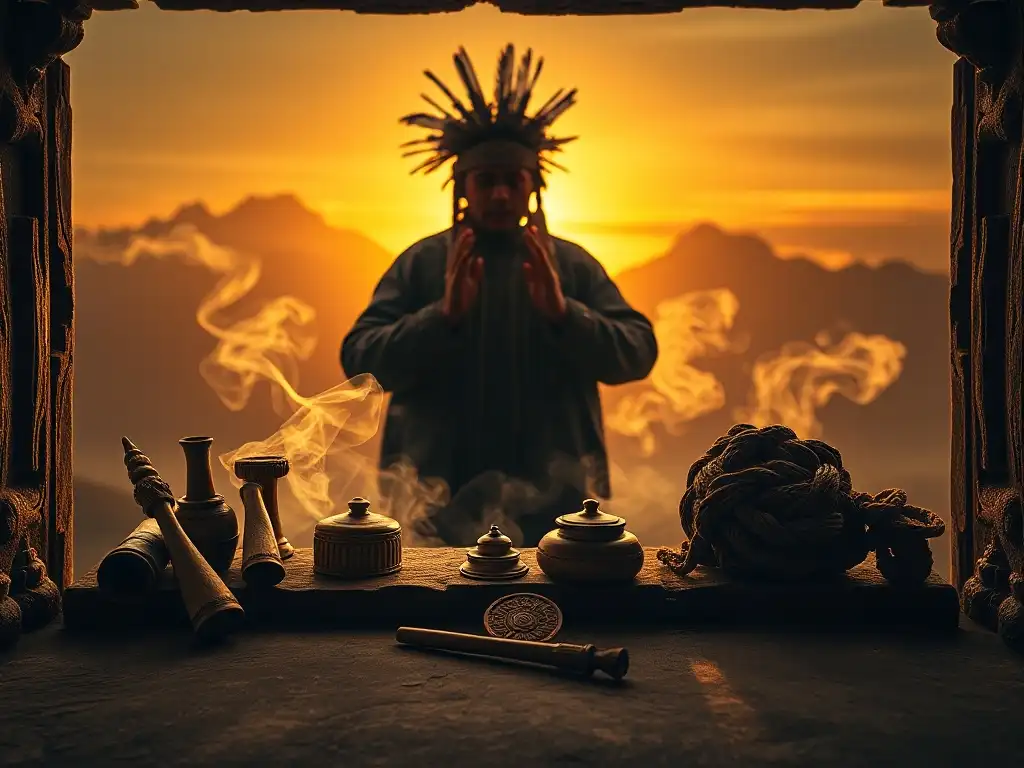
The Willaq Umu, the highest-ranking priest in the Inca Empire, held a position of immense power and influence, acting as the intermediary between the Inca emperor and the divine realm. His spiritual role extended far beyond simple religious ceremonies; he was the architect of the empire's spiritual landscape, shaping its beliefs and practices. Understanding the Willaq Umu's responsibilities requires appreciating the deeply ingrained religious nature of Inca society, where the emperor's authority was inextricably linked to the favor of the gods.
The Inca high priest spiritual role was not merely ceremonial; it was the cornerstone of imperial legitimacy and social order. The intricate web of rituals and responsibilities entrusted to the Willaq Umu ensured the continued prosperity and stability of the empire.
Main Religious Duties of the Willaq Umu
The Willaq Umu's primary duty was the maintenance of huacas, sacred places and objects believed to possess supernatural power. This involved overseeing the intricate rituals and ceremonies performed at these sites, ensuring their continued sanctity and efficacy. These duties included:
- Maintaining the Calendar: The Inca calendar, a complex system of agricultural and religious cycles, was integral to Inca life. The Willaq Umu played a crucial role in interpreting its significance and guiding agricultural practices accordingly. This involved meticulous observation of celestial events and their correlation to earthly affairs.
- Interpreting Omens and Dreams: The Willaq Umu was responsible for interpreting omens and dreams, providing guidance to the emperor and other high officials on matters of state and personal well-being. This predictive function solidified his position as a key advisor.
- Leading Religious Festivals: The Willaq Umu oversaw major religious festivals, coordinating the participation of priests, nobles, and commoners. These festivals, often involving elaborate processions and sacrifices, were crucial for maintaining social cohesion and ensuring the favor of the gods. The scale and complexity of these events highlight the immense organizational skills demanded by the position.
- Training and Supervising Lower Priests: The Willaq Umu was responsible for training and supervising lower-ranking priests, ensuring the standardization and continuity of religious practices throughout the empire. This involved establishing clear guidelines and maintaining the integrity of religious dogma.
Overseeing Sacrifices and Offerings: The Willaq Umu's Role
Sacrifice was a central aspect of Inca religion, with offerings ranging from agricultural products to precious metals and, in some cases, human lives. The Willaq Umu played a pivotal role in these practices. He didn't necessarily perform all sacrifices himself but determined their nature, timing, and location. His decisions were crucial, influencing the perceived relationship between the Inca and the divine.
The selection of offerings, the rituals surrounding the sacrifice, and the interpretation of the ensuing events were all under his purview. Detailed records, though scarce, suggest a complex system of determining the appropriate sacrifice for specific circumstances, a system the Willaq Umu masterfully managed. Evidence suggests the Inca high priest's spiritual role in these matters was both deeply ritualistic and profoundly political, influencing everything from agricultural success to military campaigns.
The Importance of Prophecy and Divination in Inca Spiritual Life
Prophecy and divination were integral to Inca spiritual life, and the Willaq Umu held a monopoly on their interpretation. He employed various methods, including:
- Observing Natural Phenomena: The Willaq Umu carefully studied natural phenomena like the flight of birds, the patterns of stars, and unusual weather events, interpreting them as messages from the gods. This constant observation contributed significantly to his understanding of the spiritual landscape.
- Interpreting Dreams: Dreams were considered powerful sources of divine communication, and the Willaq Umu was skilled in their interpretation, offering guidance to the emperor and nobility. The ability to interpret these dreams effectively was a key component of his authority.
- Using Divination Tools: The Willaq Umu used various divination tools, perhaps including llama bones or coca leaves, to ascertain the will of the gods. While the exact methods remain partially obscured by time, their significance in his spiritual role is undeniable.
The Inca high priest's spiritual role in the realm of prophecy and divination was paramount. His interpretations influenced major decisions, shaping the empire's political, economic, and military strategies. The ability to predict the future, or at least to convincingly interpret omens, provided the Willaq Umu with immense influence and solidified his position as a key advisor to the Sapa Inca.
The Willaq Umu as Interpreter of Omens and Signs
The Willaq Umu, the highest-ranking priest in the Inca empire, held a crucial role in interpreting omens and signs, a task deeply intertwined with the Inca understanding of the cosmos and their relationship with the gods. Their ability to decipher these messages was considered vital for the well-being of the Sapa Inca, the royal family, and the entire empire. The Inca believed that the gods communicated through various natural phenomena, and the Willaq Umu was the conduit through which these messages were understood.
This interpretation wasn't a simple process of reading tea leaves; it involved a complex understanding of Inca cosmology, including the intricate system of celestial observation and the symbolic meanings attributed to different animals, plants, and natural events. For example, the flight patterns of condors, the behavior of llamas, or even unusual weather patterns were all meticulously observed and interpreted by the Willaq Umu and his assistants.
These observations weren't taken lightly; they formed the basis of crucial decisions, from military campaigns to agricultural practices. A negative omen might lead to the postponement of a planned war or a change in the planting schedule, highlighting the profound influence of the Willaq Umu's interpretations on Inca life.
The Willaq Umu's interpretations were not solely based on observation; they also involved intricate rituals and ceremonies. These rituals often involved the use of coca leaves, a sacred plant to the Inca, for divination. By carefully examining the patterns and configurations of coca leaves, the Willaq Umu could gain further insights into the divine messages.
Additionally, the use of other sacred objects and the consultation of ancient texts likely played a role in the interpretative process, although the exact methods remain partially shrouded in mystery due to the limited surviving written records. The process was likely a combination of observation, ritual, and a deep understanding of Inca mythology and symbolism.
The accuracy and influence of these interpretations cemented the Willaq Umu's position as a key figure in Inca society, a bridge between the human and spiritual realms. The weight of such responsibility was immense, demanding not only profound spiritual understanding but also a degree of political acumen to communicate the divine messages effectively to the Sapa Inca.
The Willaq Umu: Guardian of Sacred Spaces and Temples
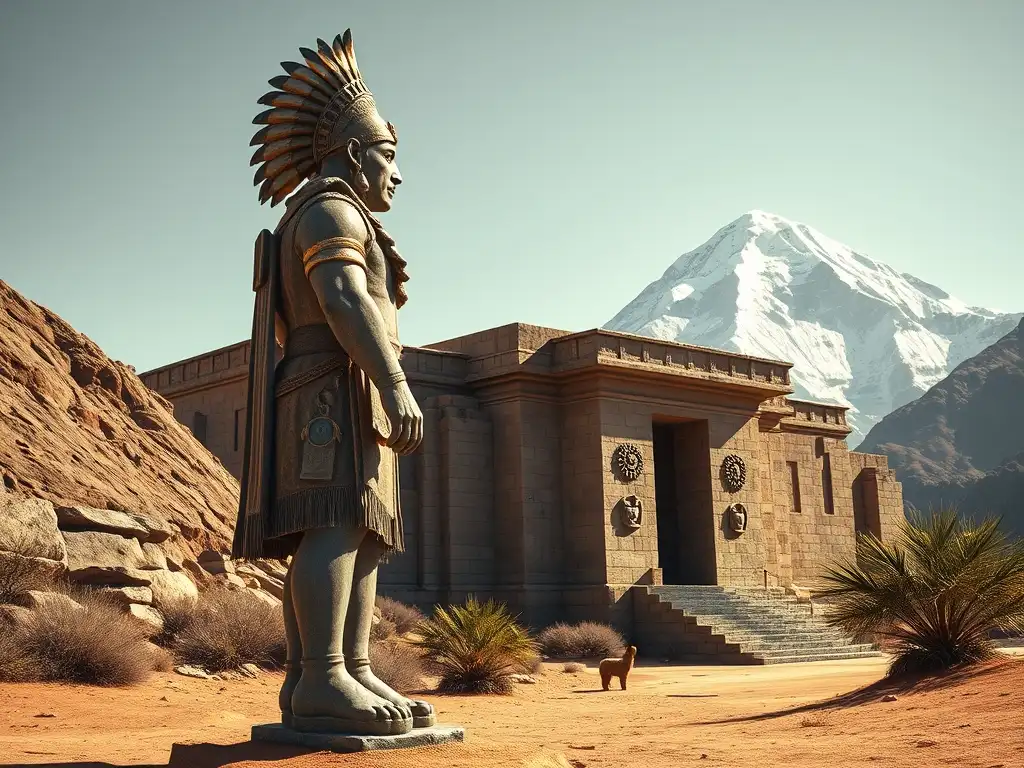
The Willaq Umu, often translated as "high priest," held a position of immense power and influence within the Inca Empire. Their spiritual role extended far beyond simple religious rituals; they were the custodians of the Inca worldview, responsible for maintaining the delicate balance between the human and spiritual realms. This involved the meticulous upkeep of sacred spaces, temples, and the intricate network of huacas (sacred places) scattered throughout the empire.
Understanding the Willaq Umu's responsibilities requires recognizing their multifaceted role as both a religious leader and a key figure in Inca political and social structures. Their influence permeated every aspect of Inca life, from agricultural cycles and royal succession to warfare and diplomacy. The Inca high priest spiritual role wasn't simply a matter of conducting ceremonies; it was about upholding the ayni, the principle of reciprocity and balance that underpinned Inca society.
Failure to maintain this balance, as believed by the Inca, could have catastrophic consequences for the entire empire. The Willaq Umu's actions, therefore, were scrutinized closely, and their pronouncements carried significant weight.
The Role of the Willaq Umu in Maintaining Sacred Sites
The Willaq Umu's responsibilities extended beyond performing ceremonies. They oversaw the meticulous upkeep of huacas, including cleaning, repairing, and decorating these sacred spaces. This wasn't merely a matter of physical maintenance; the Willaq Umu infused these acts with spiritual significance, ensuring the continued flow of pacharina (spiritual energy) vital to the Inca way of life. This involved the careful selection of materials, specific rituals, and the involvement of skilled artisans and craftsmen.
The Willaq Umu would often personally inspect the work, ensuring that it met the high standards demanded by the Inca religion. Imagine the detailed planning and coordination required to maintain hundreds, perhaps thousands, of huacas across a vast empire! This logistical feat, in itself, highlights the Willaq Umu's organizational skills and administrative prowess.
Further research is needed to fully understand the specific tasks and responsibilities involved in the upkeep of various types of huacas, ranging from small local shrines to grand imperial temples. We know that different huacas had different levels of significance and required varying degrees of maintenance. The Inca high priest spiritual role was deeply intertwined with the physical world, demonstrating the holistic nature of their beliefs.
The Willaq Umu's Connection with the Temple of the Sun (Coricancha) in Cusco
The Coricancha, or Temple of the Sun, in Cusco stood as the most important religious center in the Inca Empire. The Willaq Umu held a particularly crucial position within this sacred complex. Not only did they oversee the daily rituals and ceremonies performed within the Coricancha, but they also held responsibility for the preservation of its many treasures, including gold and silver artifacts, and the mummies of past Inca rulers. These items were not merely historical relics; they were believed to possess immense spiritual power.
The Willaq Umu's connection to the Coricancha was symbolic of their own position as the highest spiritual authority in the empire. The sheer opulence and grandeur of the Coricancha further emphasized the Willaq Umu's influence and power within Inca society. The intricate gold work that adorned the temple walls, the meticulously crafted statues, and the carefully maintained gardens all served as testaments to the Inca commitment to their religion, and the Willaq Umu was the central figure in ensuring its continued reverence. The Inca high priest spiritual role was inextricably linked to the Coricancha, making it the epicenter of their power and influence.
Detailed accounts of the Willaq Umu's specific duties within the Coricancha are scarce, making further research essential to fully understand this crucial aspect of their role. However, the sheer scale and significance of the temple leave no doubt about the importance of the Willaq Umu's responsibilities there. The temple's surviving ruins still whisper tales of the intricate rituals and ceremonies overseen by this powerful figure.
The Willaq Umu and the Imperial Calendar
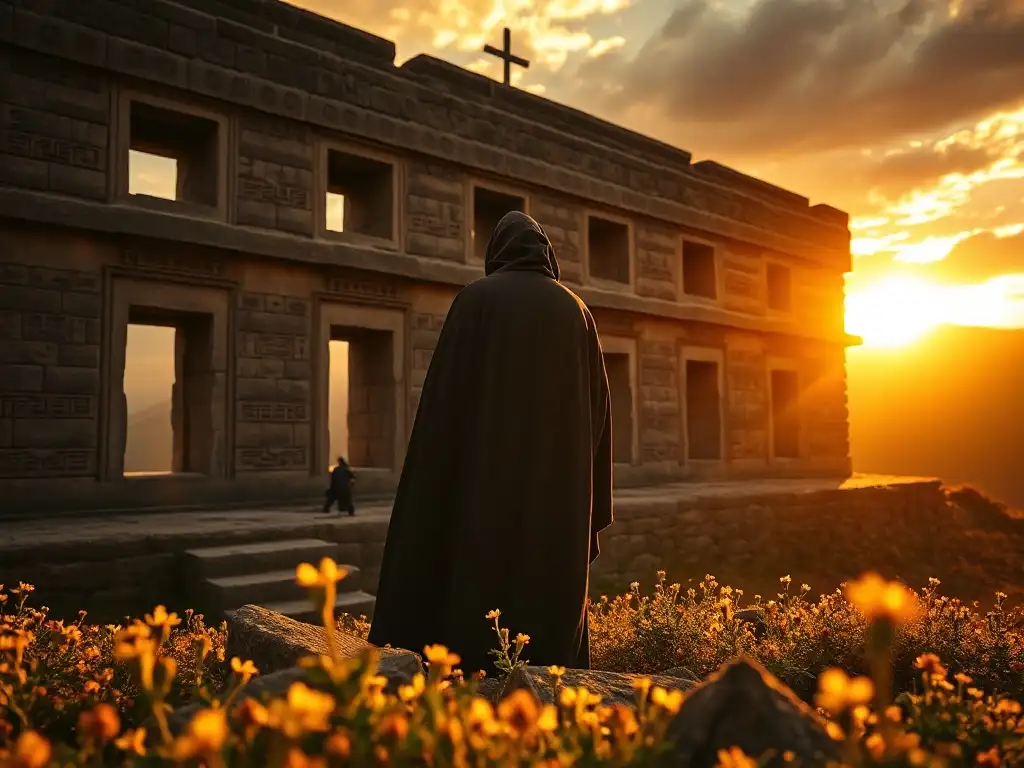
The Willaq Umu, the highest-ranking priest in the Inca empire, held a position of immense power and influence, deeply intertwined with the intricate Inca calendar. His understanding and interpretation of this calendar were crucial for the empire's social, political, and agricultural stability. The Inca calendar, a sophisticated system based on observations of the sun, moon, and stars, dictated the timing of agricultural activities, religious festivals, and even military campaigns.
The Willaq Umu, therefore, acted as the primary interpreter of celestial events, translating their meaning for the Sapa Inca and the entire empire. This spiritual role extended far beyond simple religious duties; it was fundamental to the very fabric of Inca society.
The accuracy and effectiveness of his interpretations directly impacted the success of the empire's agricultural production and the morale of its people. This section will delve into the specifics of the Willaq Umu's influence on the Inca calendar and its implications for the empire.
The Willaq Umu's Influence on Agricultural Cycles and Festivities
The Inca Empire's agricultural success was significantly dependent on the precise timing of planting and harvesting. The Willaq Umu played a critical role in determining these crucial dates. His observations of the celestial bodies allowed him to predict the optimal times for sowing and reaping, maximizing crop yields and ensuring food security for the vast population. This wasn't simply a matter of observation; it involved a complex understanding of agricultural practices and environmental conditions specific to different regions within the empire.
For instance, the timing of planting in the high Andes would differ significantly from that in the coastal valleys. The Willaq Umu, aided by a network of lesser priests and specialists, ensured that this knowledge was disseminated effectively throughout the empire. Failure to adhere to the calendar's dictates could result in crop failures and widespread famine, potentially destabilizing the entire empire.
The Willaq Umu's accurate predictions, therefore, were essential for maintaining social order and preventing unrest. His influence extended beyond the practical; he also shaped the calendar's integration into elaborate agricultural festivals, connecting the spiritual and the practical aspects of Inca life. These festivals, timed meticulously according to the calendar, were vital for reinforcing social cohesion and celebrating the bounty of the land.
Coordinating Rituals and Ceremonies with the Inca Calendar
The Inca calendar wasn't just an agricultural tool; it formed the backbone of the empire's religious life. The Willaq Umu was responsible for coordinating countless rituals and ceremonies, ensuring that they aligned precisely with the celestial cycles. This involved not only predicting auspicious dates but also orchestrating complex rituals that involved elaborate costumes, offerings, and processions. These rituals, performed throughout the year, served to reinforce the Inca worldview, honoring the gods and maintaining the cosmic balance.
The precision of these ceremonies was paramount; even minor deviations from the prescribed schedule could be interpreted as unfavorable omens. The Willaq Umu's expertise was vital in preventing such mishaps. Furthermore, he held significant power in interpreting the meaning of various omens and signs, using his knowledge of the calendar to provide guidance to the Sapa Inca and other important officials.
His interpretations could influence crucial decisions, from military campaigns to infrastructure projects. The Willaq Umu's role extended beyond simple religious observance; it was a position of political and social influence, deeply intertwined with the power structures of the Inca empire. His ability to connect the spiritual and the temporal was a cornerstone of Inca governance.
The Willaq Umu's Role in Key Inca Festivals
Several key Inca festivals revolved around the agricultural calendar and were overseen by the Willaq Umu. These festivals, often elaborate and spectacular affairs, served multiple purposes: they celebrated the harvest, reinforced social cohesion, and reaffirmed the power of the Inca state. For example, the Inti Raymi, the festival of the sun, was a major event marking the solstice and was meticulously planned and executed by the Willaq Umu. This festival involved vast numbers of participants, elaborate offerings, and complex rituals, all precisely timed according to the Inca calendar.
The Willaq Umu’s influence was not only in the timing but also in the interpretation of the festival’s success or failure, influencing the perceptions of the Sapa Inca's legitimacy and the overall well-being of the empire. Other significant festivals, such as the Capac Raymi and the Coya Raymi, also fell under the Willaq Umu's purview. His expertise in coordinating these events, and his ability to interpret their significance, solidified his position as one of the most powerful figures in the Inca empire.
The success or failure of these festivals, largely dependent on the Willaq Umu's planning and execution, directly impacted the morale and stability of the empire. The Willaq Umu's role in these festivals underscores the profound connection between religion, agriculture, and political power in Inca society. His spiritual authority was inextricably linked to the practical needs of the empire, making him a vital figure in Inca governance.
The Willaq Umu and the Connection with the Divine
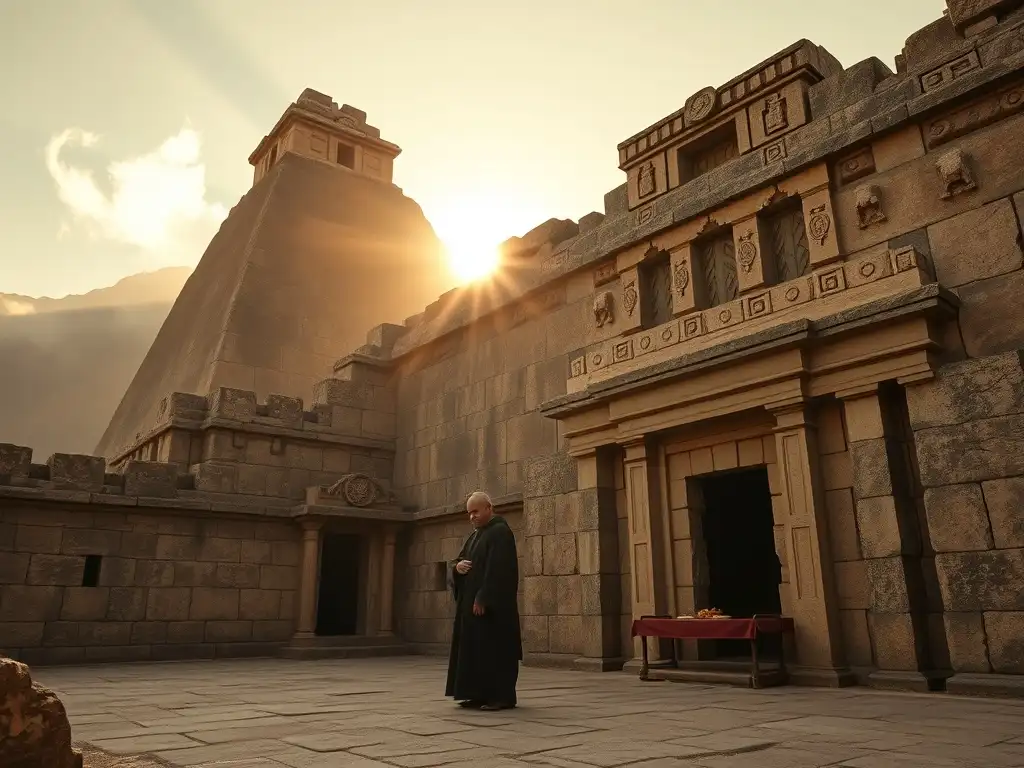
The Inca high priest, known as the Willaq Umu, held a position of immense power and influence within the Inca Empire. His spiritual role transcended mere religious leadership; he was the conduit between the human and divine realms, a crucial figure in maintaining the cosmic balance that underpinned Inca society. Understanding the Willaq Umu's spiritual role requires examining his multifaceted responsibilities and the profound influence he wielded over the lives of the Inca people.
The Inca high priest spiritual role was intricately woven into the fabric of the empire's political, social, and agricultural life. His pronouncements guided decisions on everything from warfare to harvests, highlighting the deeply theocratic nature of Inca governance.
The Willaq Umu as an Intermediary Between Gods and People
The Willaq Umu served as the primary intermediary between the Inca gods and the people. He was responsible for interpreting divine will, offering prayers and sacrifices, and ensuring the continued favor of the gods. This involved a complex system of rituals, ceremonies, and divination practices, many of which remain shrouded in mystery due to the limited surviving records.
The Inca high priest's spiritual authority stemmed from his perceived ability to communicate directly with the divine. He was not merely a religious leader; he was a powerful shaman, possessing knowledge of ancient traditions and esoteric practices. This expertise granted him access to the spiritual world, allowing him to influence events on both the earthly and celestial planes.
His pronouncements, often delivered during elaborate ceremonies involving intricate symbolism and offerings, held immense weight for the Inca people. For example, predictions regarding crop yields directly impacted agricultural practices and resource allocation, demonstrating the practical implications of the Willaq Umu's spiritual role.
The Concept of Inti (Sun God) and the Willaq Umu's Relationship
The Inca's supreme deity, Inti, the Sun God, held a central position within their cosmology. The Willaq Umu's relationship with Inti was paramount. He was responsible for performing daily rituals to honor Inti, ensuring the sun's continued journey across the sky, a vital aspect of Inca life and agriculture.
The Willaq Umu's role extended beyond simple worship. He acted as a sort of advisor to the Sapa Inca (emperor), offering guidance based on his interpretations of Inti's will. This close connection between the spiritual and political spheres solidified the Willaq Umu's position as one of the most influential figures in the empire.
Specific details regarding the precise nature of the Willaq Umu's interactions with Inti are scarce, but archaeological evidence suggests elaborate sun temples and observatories were used to track the sun's movements and conduct ceremonies related to solar worship. These structures served as focal points for the Willaq Umu's rituals, emphasizing the importance of his role in maintaining the cosmic order. The Inca high priest spiritual role was thus inextricably linked to the worship of Inti and the maintenance of the empire's prosperity.
The Role of the Willaq Umu in the Inca Cosmovision
The Inca cosmovision, a complex worldview encompassing the interconnectedness of the physical and spiritual realms, heavily influenced the Willaq Umu's responsibilities. He was tasked with maintaining harmony within this intricate system, ensuring the balance between the human world ( Kay Pacha) and the underworld ( Ukhu Pacha) and the upper world ( Hanan Pacha). This involved a deep understanding of Inca mythology, astronomy, and agricultural cycles.
The Inca high priest's spiritual role wasn't limited to appeasing the gods; it extended to interpreting natural phenomena and ensuring social order. For instance, unusual weather patterns or natural disasters were often attributed to imbalances in the cosmos, requiring the Willaq Umu's intervention through specific rituals and sacrifices to restore equilibrium. The Willaq Umu's knowledge of Inca cosmology and his ability to interpret its implications were vital to maintaining the empire's stability.
His actions were not just religious; they were deeply political and practical, impacting every aspect of Inca life. Understanding the Inca high priest spiritual role necessitates a deep appreciation for the intricate web of beliefs and practices that shaped Inca society. Further research is needed to fully elucidate the subtleties of this complex role and its lasting impact on the Andean world.
The Legacy of the Willaq Umu: Impact and Influence on Inca Society
The Willaq Umu, the highest-ranking priest in the Inca Empire, held immense power and influence, extending far beyond mere religious duties. Their spiritual authority permeated every aspect of Inca life, from agricultural practices and state ceremonies to the daily routines of individual citizens.
The Willaq Umu wasn't simply a religious leader; they were a key figure in the political and social fabric of the empire, acting as an advisor to the Sapa Inca, the emperor, and influencing major decisions impacting the entire population. Their pronouncements carried significant weight, shaping laws, influencing warfare strategies, and even determining the timing of crucial agricultural events.
The Inca belief system, deeply intertwined with the natural world, placed the Willaq Umu at the center of maintaining cosmic balance. They were responsible for interpreting the will of the gods, predicting natural phenomena, and ensuring the continuity of the empire’s prosperity. This role significantly impacted the Inca's relationship with their environment.
For example, successful harvests, attributed to the Willaq Umu's rituals and prayers, were crucial for the empire's stability and reinforced their spiritual authority. Conversely, periods of drought or natural disasters might have led to questioning of the Willaq Umu's abilities, although historical accounts of such challenges are limited and require further research. [Specific information pending: detailed accounts of challenges to Willaq Umu authority due to natural disasters].
The End of the Willaq Umu's Era: The Spanish Conquest and its Aftermath
The Spanish conquest dramatically altered the Inca spiritual landscape. The arrival of the Spanish conquistadors in the 16th century marked the beginning of the end for the Willaq Umu's authority and the Inca religion as a whole. The Spanish systematically dismantled the Inca religious structure, suppressing indigenous practices and replacing them with Catholicism. Temples were destroyed, priests were persecuted, and the intricate system of Inca religious beliefs was actively undermined. The Willaq Umu's influence, once pervasive, was rapidly eroded, leading to a significant loss of traditional knowledge and spiritual practices.
The destruction wasn't merely physical; it was also cultural. The Spanish conquest led to the suppression of the Quechua language, the primary language of the Inca, further hindering the transmission of religious knowledge and traditions across generations. This cultural disruption profoundly impacted the Inca people's understanding of their own history and spirituality, resulting in a significant loss of cultural heritage related to the Inca high priest spiritual role.
The subsequent colonial period saw a forced assimilation into the Catholic faith, further weakening the legacy of the Willaq Umu and the Inca religious system. The impact of this forced conversion is still felt today in the Andean communities.
Studying the Spiritual Role of the Willaq Umu Today
Understanding the spiritual role of the Willaq Umu today requires a multidisciplinary approach, combining archaeological evidence, ethnohistorical accounts, and anthropological studies. Archaeological excavations of Inca sites continue to uncover valuable artifacts and architectural remains that shed light on religious practices and the role of the Willaq Umu within the Inca societal structure. Ethnohistorical research, which examines historical documents and indigenous oral traditions, provides crucial insights into the Willaq Umu's functions and the beliefs surrounding their position. Anthropological studies contribute to a deeper understanding of the surviving Andean cultures and their relationship to the Inca legacy.
The study of the Inca high priest spiritual role is also significantly aided by the careful analysis of surviving textiles, ceramics, and metalwork. These artifacts often depict religious scenes and symbols, providing valuable clues about religious beliefs and rituals. Furthermore, the study of Inca architecture, particularly the design and function of religious structures such as temples and shrines, provides further insights into the Willaq Umu's role in the religious life of the empire. The integration of these different research methods is essential for a comprehensive understanding of the Willaq Umu's significance.
Significance of the Willaq Umu's Figure in Modern Understanding
The Willaq Umu's figure remains highly significant in modern understanding of Inca civilization for several reasons. Firstly, their role highlights the deep integration of religion and politics in the Inca Empire. The Willaq Umu's influence wasn't confined to religious matters; they were central to political decision-making, demonstrating the profound interconnectedness of these spheres. Secondly, studying the Willaq Umu allows us to explore the complex cosmology and worldview of the Inca people. Their rituals and beliefs provide valuable insights into their understanding of the cosmos, their relationship with nature, and their social organization.
Finally, the legacy of the Willaq Umu serves as a reminder of the cultural devastation caused by the Spanish conquest. The suppression of the Inca religion and the destruction of their spiritual leadership represent a significant loss of cultural heritage. Understanding the Willaq Umu's role allows us to appreciate the richness and complexity of Inca culture and to acknowledge the enduring impact of colonialism on indigenous communities.
Their story, therefore, is not only a historical account but also a testament to the resilience and enduring spirit of Andean cultures. The continued study of the Inca high priest spiritual role is crucial for preserving and understanding this vital aspect of Andean history and heritage.
Frequently Asked Questions
What was the primary role of the Inca High Priest?
The Inca High Priest, or Willaq Uma, held the highest spiritual authority in the empire. His main responsibility was to maintain the cosmic order and ensure the well-being of the Inca ruler and the entire realm through rituals and ceremonies.
How was the Inca High Priest chosen?
The selection process for the Willaq Uma was shrouded in mystery, but it was believed to involve hereditary lineage combined with demonstrated spiritual abilities and knowledge of Inca religious practices. The Inca ruler likely played a key role in the final decision.
What were some of the key responsibilities of the Inca High Priest beyond rituals?
Besides conducting rituals, the Willaq Uma advised the Sapa Inca on important matters, interpreted omens and prophecies, and oversaw the training of priests. He was a crucial advisor on matters of state impacting the spiritual realm.
What was the significance of the Inca High Priest's connection to the Inca ruler?
The High Priest's relationship with the Sapa Inca was paramount. The priest's spiritual well-being was directly linked to the emperor's success and legitimacy. The priest acted as an intermediary between the divine and the earthly ruler.
How did the Inca High Priest influence daily life in the Inca Empire?
The Willaq Uma's influence extended far beyond the royal court. His interpretations of religious beliefs and practices guided daily life, impacting everything from agriculture and festivals to social structures and law.
Final Reflection: Echoes of the Inca High Priest in the Modern World
The intricate spiritual role of the Inca high priest resonates deeply with our contemporary understanding of faith, leadership, and the human connection to the cosmos. The meticulous rituals, profound astronomical knowledge, and immense societal influence wielded by these figures remain strikingly relevant in a world grappling with questions of purpose, community, and our place within the universe. Their legacy challenges us to reconsider the power of spiritual guidance and the enduring human need for meaning.
The Inca high priest's influence extended far beyond the temple walls; it shaped the very fabric of Inca society, influencing everything from agricultural practices to political decisions. Their deep understanding of the Andean landscape and its celestial rhythms served as a powerful unifying force. The priest was not merely a religious figure, but a vital component of the Inca state, a conduit between the divine and the earthly realm.
This quote encapsulates the profound impact these individuals had, a legacy that continues to inspire awe and intrigue centuries later. Their ability to weave together the spiritual and the practical offers a valuable lesson in leadership and societal cohesion, a lesson particularly pertinent in our increasingly fragmented world.
Consider the echoes of the Inca high priest in your own life. How do you seek meaning and connection? What role does spirituality play in your understanding of the world and your place within it? Let the legacy of these powerful figures inspire you to explore your own spiritual path, to seek connection with something larger than yourself, and to strive for a more harmonious and meaningful existence. The Inca high priest's story is not just a historical account; it's a timeless reflection on the enduring human quest for spiritual understanding and the profound impact of faith on society.
Unveil the Spiritual Wisdom of the Inca Empire!
Thank you for exploring the fascinating world of Inca spirituality! We hope you've gained valuable insights into how deeply spiritual beliefs shaped the empire's values and decisions. Now, let's build on that knowledge and further connect with this rich history.
Here are a few ways to continue your exploration:
- **Deepen your understanding:** Explore additional resources such as books, documentaries, or online courses dedicated to Inca spirituality. These can offer even greater insights into this complex subject.
- **Share your discoveries:** Discuss your newfound knowledge with friends, family, or in a local history group. Starting a conversation can reveal diverse perspectives on the influence of spirituality on ancient civilizations.
- **Connect with fellow enthusiasts:** Join online forums or communities focused on Andean history. Sharing your thoughts and questions with others can enrich your learning experience and foster a deeper appreciation for the subject.
Which aspect of Inca spirituality resonates most with you, and how do you see its influence on contemporary spiritual practices?