
The Cutting Edge: Andean Tools and Their Metallurgical Composition

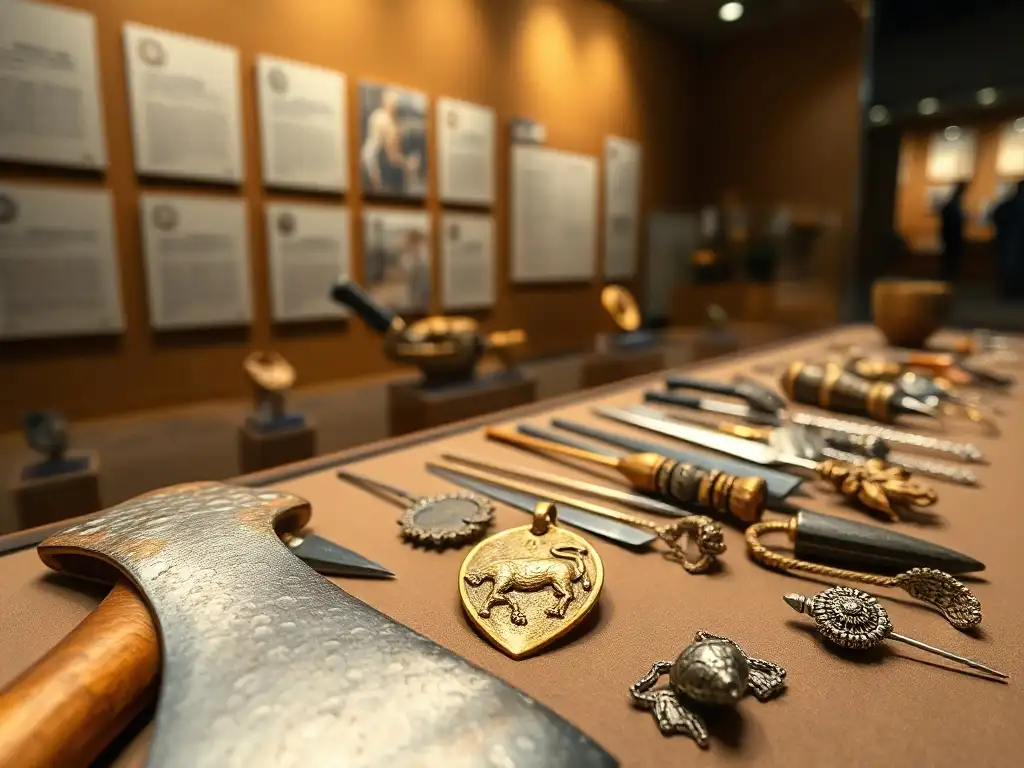
Step into a world lost to time, yet echoing with the ingenuity of masterful artisans. Imagine the intricate workings of Andean metallurgical tools, forged in the heart of the Andes Mountains. This is more than just history; it's a glimpse into a civilization that pushed the boundaries of technology centuries ahead of its time. Uncover the secrets behind their remarkable achievements and delve into the fascinating world of Andean Technology and Innovation – the story of their tools awaits.
The Andes Mountains, a spine of towering peaks running down the western coast of South America, were home to a series of remarkable civilizations whose ingenuity and technological prowess continue to fascinate and inspire. This article delves into the fascinating world of Andean metallurgical tools, exploring the sophisticated techniques employed by ancient Andean societies in crafting tools and ornaments from metals like copper, gold, and silver.
We'll examine the evolution of these metallurgical practices, from the early stages of copper working to the intricate gold and silver artistry of later periods, highlighting the ingenuity and skill of Andean metallurgists and their profound impact on the development of Andean civilizations. Understanding the metallurgical composition of these tools provides crucial insights into their functionality, the resources available to these ancient societies, and the advanced level of technological understanding they possessed.
This exploration will showcase the remarkable achievements of Andean cultures and their mastery of metalworking, solidifying their place as pioneers in metallurgical innovation. We will be focusing on the key Andean metallurgical tools and the techniques used to create them, providing a deeper understanding of "Andean metallurgical tools."
Introduction to Andean Metallurgical Practices
Andean metallurgy wasn't a monolithic entity; it evolved significantly across time and varied geographically. Early metalworking, primarily focused on copper, began in the Andes around 2500 BCE. This initial phase involved techniques such as hammering and annealing to shape the metal. The process was labor-intensive, requiring significant skill and knowledge of the metal's properties.
Later, Andean metallurgists developed more sophisticated techniques, including casting and alloying. Alloying, the process of combining different metals to create a new material with enhanced properties, was crucial in improving the strength and durability of Andean tools. For instance, the addition of arsenic to copper created a harder, more resilient bronze.
The development of these techniques and the transition to more complex alloys mark a significant leap forward in Andean metallurgical technology. The use of different alloys also reflects the diverse resources available across various Andean regions, influencing the specific characteristics of tools and artifacts produced. This diversity highlights the adaptive nature of Andean metallurgical practices.
The precise methods used for smelting and refining ores varied across different cultures and time periods, with evidence suggesting techniques ranging from simple open-air furnaces to more sophisticated systems. The exact composition of alloys often varied, reflecting both the available resources and the desired properties of the finished product.
Archaeological findings, including metallurgical waste and discarded tools, offer valuable insights into these ancient processes and highlight the sophistication of Andean metallurgical knowledge. The development of Andean metallurgical practices wasn't isolated but rather interacted with social, economic, and political structures, influencing the production and distribution of metal goods across the Andes.
Pre-Inca Metalworking: Early Andean Tools and Techniques
Before the Inca Empire rose to prominence, several other Andean cultures developed remarkable metallurgical skills. The Moche, Nazca, and Tiahuanaco cultures, among others, produced a wide range of tools and artifacts using copper, gold, and silver. These societies developed sophisticated techniques for shaping, casting, and decorating metal. Their tools weren't simply utilitarian; they often possessed intricate designs and served both practical and symbolic purposes.
The Development of Copper Tools in the Andes
Copper, readily available in the Andes, was the first metal widely worked. Early copper tools were relatively simple, often made by hammering and annealing. However, over time, Andean metallurgists developed more refined techniques, such as casting, which allowed them to create more complex shapes.
The development of lost-wax casting, a technique that involved creating a wax model, covering it in clay, melting out the wax, and pouring molten metal into the resulting mold, was a crucial advancement. This allowed for the creation of intricate and detailed tools and ornaments. The increasing sophistication of copper tools reflects the growing understanding of metallurgy and the capacity to manipulate the metal to achieve desired shapes and functionalities.
Analysis of surviving copper tools reveals varying levels of alloying, with some exhibiting traces of arsenic or tin, suggesting deliberate attempts to improve the metal's properties. The development of copper tools was fundamental to the advancement of agriculture, construction, and warfare in Andean societies.
Gold and Silver Working in Ancient Andean Societies
The mastery of gold and silver working in the Andes reached remarkable heights. These precious metals were not only used for practical tools but also played a significant role in religious ceremonies and elite status. The techniques employed were incredibly advanced, including techniques like repoussé (hammering from the back to create raised designs) and filigree (creating delicate patterns from thin wires).
The Inca, in particular, were renowned for their intricate gold and silver work, producing elaborate ornaments, vessels, and religious paraphernalia. The precise composition of these gold and silver objects often reveals the presence of other metals, suggesting deliberate alloying to enhance properties or alter the color of the metal. The use of gold and silver in Andean societies was deeply intertwined with their religious beliefs and social hierarchies, reflecting the significant value placed upon these precious metals.
The artistry and skill demonstrated in these gold and silver artifacts are a testament to the advanced metallurgical knowledge and aesthetic sensibilities of Andean cultures. The detailed craftsmanship and intricate designs showcase the high level of skill and artistic expression achieved in Andean metalworking.
Inca Metalworking: Advancements in Andean Metallurgical Tools
The Inca Empire, renowned for its sophisticated infrastructure and intricate artistry, also displayed remarkable advancements in metallurgy. Their metalworking techniques, passed down through generations, represent a pinnacle of Andean metallurgical tools and practices. Inca artisans weren't merely replicating existing technologies; they were innovating and refining them, resulting in tools of exceptional quality and functionality. The precision and artistry evident in Inca metalwork, from delicate jewelry to robust agricultural implements, highlight a deep understanding of material properties and manipulation.
Their mastery extended beyond the creation of aesthetically pleasing objects; it significantly impacted their ability to build, farm, and govern their vast empire. The Inca's success was inextricably linked to their metallurgical prowess, making it a cornerstone of their societal and technological advancement. This sophisticated understanding allowed for the creation of tools far superior to those of preceding Andean cultures.
The Inca Mastery of Bronze Production
Inca bronze production stands out as a testament to their advanced metallurgical skills. Unlike some earlier Andean cultures that primarily relied on copper, the Inca successfully mastered the art of alloying copper with tin and other elements to create bronze. This allowed them to produce tools that were harder, more durable, and less prone to corrosion than pure copper.
The precise ratios of copper and tin used varied depending on the intended purpose of the tool. For example, tools requiring greater strength, like chisels or axes, would have a higher tin content than those requiring more flexibility. Evidence suggests the Inca possessed a sophisticated understanding of the relationship between alloy composition and the resulting properties of the metal.
Careful control over the smelting process was crucial to achieving the desired characteristics. This sophisticated control demonstrates a level of metallurgical knowledge that was exceptional for its time. The precise methods used for controlling the temperature and duration of smelting remain a subject of ongoing research, but the results speak for themselves.
Inca Tools for Mining and Processing Ores
The Inca's mining operations were facilitated by a range of specialized metallurgical tools. These tools, meticulously crafted from bronze and other metals, allowed them to extract ores from challenging terrains with remarkable efficiency. Examples include sturdy picks and shovels for removing rock and earth, chisels for shaping stone, and hammers for crushing ore.
The design of these tools reflects an understanding of ergonomics and efficiency. Handles were often made of wood or other suitable materials, carefully fitted to the metal heads to provide a comfortable and secure grip. The metal heads themselves were shaped and hardened to withstand the rigors of mining and ore processing.
The precise shapes and sizes of these tools varied depending on their specific function and the type of ore being processed. Archaeological findings consistently reveal the high quality and durability of these tools, reflecting Inca metallurgical expertise and its importance in sustaining their empire's economic power.
The Use of Andean Metallurgical Tools in Agriculture and Construction
Andean metallurgical tools played a vital role in both agriculture and construction within the Inca Empire. In agriculture, bronze-tipped plows and hoes allowed for more efficient land cultivation, boosting food production. These tools, superior to those made of stone or wood, significantly improved the speed and efficiency of farming. The improved efficiency contributed directly to the Inca's ability to support a large population.
In construction, tools like bronze chisels and hammers were essential for shaping and fitting the massive stones used in Inca structures, such as Machu Picchu. The precision required for the construction of these monumental structures speaks volumes about the quality and effectiveness of Inca metallurgical tools. The ability to create such finely crafted tools was a key factor in the Inca's architectural achievements.
Metallurgical Composition of Andean Tools: Material Analysis
The metallurgical composition of Andean tools reveals much about the technological sophistication of ancient Andean societies. By analyzing the chemical makeup of these artifacts, researchers can gain insights into the materials used, the smelting techniques employed, and the overall level of technological advancement achieved. This analysis is crucial for understanding the evolution of metallurgy in the Andes and its impact on various aspects of Andean life. The tools themselves serve as tangible evidence of a rich and complex metallurgical history.
Identifying the Alloys Used in Andean Metalwork
Identifying the alloys used in Andean metalwork requires advanced analytical techniques. Researchers typically employ methods such as X-ray fluorescence (XRF) and inductively coupled plasma mass spectrometry (ICP-MS) to determine the precise composition of ancient metal artifacts. These techniques allow for the identification of not only the major components, such as copper and tin, but also trace elements that can provide valuable information about the ore sources and smelting practices.
For example, the presence of certain trace elements can indicate the specific geographic origin of the ore used in the metalworking process. This information helps to reconstruct ancient trade networks and resource management strategies. The detailed analysis provides a comprehensive picture of the materials used and their origins.
The Role of Arsenic and Tin in Andean Metal Alloys
Arsenic and tin played significant roles in Andean metal alloys. While tin was primarily used to harden copper and create bronze, arsenic's function is more complex. In some cases, arsenic was intentionally added to alloys to enhance their properties, such as hardness or workability. However, arsenic is also a toxic element, and its presence in some Andean artifacts may indicate unintentional contamination during the smelting process.
Determining the intentional versus unintentional inclusion of arsenic requires careful analysis and consideration of other factors. The concentration of arsenic in different artifacts can vary significantly, reflecting variations in ore sources or smelting techniques. Further research is needed to fully understand the role of arsenic in Andean metallurgy.
Examining the Techniques of Metal Smelting in the Andes
Examining the techniques of metal smelting in the Andes requires a multidisciplinary approach. Archaeological excavations provide evidence of smelting furnaces and other tools used in the metalworking process. Metallurgical analysis of the artifacts themselves helps to determine the temperatures and conditions under which the metals were smelted.
Ethnographic studies of traditional metalworking practices in the Andes can provide valuable insights into the techniques used in the past. By combining these different lines of evidence, researchers can reconstruct the evolution of Andean smelting techniques and understand the technological challenges faced by ancient Andean metallurgists. The complexity of these techniques underscores the advanced knowledge and skill possessed by Andean artisans.
The Significance of Andean Metalworking Technology
Andean metalworking technology represents a remarkable achievement in pre-Columbian history. Its significance extends far beyond simple tool creation; it reflects a sophisticated understanding of metallurgy, resource management, and societal organization. The mastery of metalworking allowed Andean societies to develop advanced agricultural techniques, build impressive infrastructure, and create intricate works of art.
The ability to craft tools from metal, particularly copper, bronze, and gold, provided a significant advantage over societies reliant solely on stone or wood implements. This technological leap facilitated advancements in various sectors, contributing significantly to the overall prosperity and complexity of Andean civilizations. The precise techniques employed, including smelting, alloying, and casting, demonstrate a high level of skill and knowledge passed down through generations of artisans.
This technological prowess played a crucial role in shaping the social structures, political power dynamics, and artistic expressions of these fascinating cultures. The sheer volume and variety of metal artifacts discovered across the Andes – from everyday tools to ornate ceremonial objects – underscores the pervasive influence of metallurgy on Andean life.
Andean Metallurgical Tools and their Impact on Society
The impact of Andean metallurgical tools on society was profound and multifaceted. Agricultural production, for instance, was revolutionized by the introduction of metal tools like hoes and axes, enabling more efficient land clearing and cultivation. This increased food production supported larger and more densely populated settlements.
The development of sophisticated irrigation systems was also facilitated by the use of metal tools for digging canals and shaping water channels. Beyond agriculture, metal tools played a critical role in construction projects. The construction of monumental structures like temples and palaces, often involving the precise cutting and shaping of massive stone blocks, relied heavily on metal chisels, hammers, and other specialized tools.
Furthermore, the production and trade of metal tools themselves created specialized labor roles and fostered economic exchange networks across vast distances. The prestige associated with metalworking also contributed to the establishment of hierarchical social structures, with skilled artisans holding positions of power and influence. In essence, Andean metallurgical tools were not merely practical implements; they were fundamental instruments of social and economic transformation.
The Legacy of Andean Metalworking Techniques
The legacy of Andean metalworking techniques continues to inspire awe and admiration. The sophisticated metallurgical processes developed by Andean artisans, including the use of lost-wax casting and advanced alloying techniques, represent a high point of pre-Columbian technological achievement. While many specific techniques remain partially understood, archaeological evidence reveals a remarkable level of expertise and innovation.
The intricate designs and masterful craftsmanship evident in surviving artifacts demonstrate a deep understanding of material properties and a commitment to artistic excellence. The knowledge and skills accumulated over centuries were meticulously passed down through generations, shaping the cultural identity and artistic traditions of Andean societies.
The legacy of these techniques is not only preserved in the surviving artifacts themselves, but also in the ongoing efforts of scholars and researchers to decipher the secrets of Andean metallurgy. This enduring legacy serves as a testament to the ingenuity and creativity of Andean artisans and their profound contribution to the history of technology.
Conclusion: The Enduring Ingenuity of Andean Metallurgical Craftsmanship
The study of Andean metallurgical tools reveals an enduring ingenuity and a sophisticated understanding of material science. From the simple practicality of everyday implements to the artistic complexity of ceremonial objects, Andean metalworking demonstrates a remarkable mastery of technique and artistry.
The impact of these tools extended far beyond their immediate function, shaping social structures, economic systems, and artistic expressions across Andean societies. The legacy of Andean metallurgical craftsmanship continues to inspire researchers and artisans alike, reminding us of the remarkable achievements of pre-Columbian cultures and their lasting contribution to the history of technology.
The enduring appeal of Andean metalwork lies not only in its technical brilliance but also in its profound cultural significance, reflecting the ingenuity and creativity of a civilization that harnessed the power of metal to shape its world. Further research into Andean metallurgical practices promises to unlock even deeper insights into the remarkable achievements of these ancient societies and their profound impact on the course of human history.
- Introduction to Andean Metallurgical Practices
- Pre-Inca Metalworking: Early Andean Tools and Techniques
- Inca Metalworking: Advancements in Andean Metallurgical Tools
- Metallurgical Composition of Andean Tools: Material Analysis
- The Significance of Andean Metalworking Technology
- Conclusion: The Enduring Ingenuity of Andean Metallurgical Craftsmanship
- What materials were primarily used in Andean metallurgical tools?
- How did Andean civilizations develop their metallurgical techniques?
- What types of tools were commonly made using Andean metallurgical techniques?
- What is the significance of Andean metallurgical tools in understanding their societies?
- Where can I learn more about Andean metallurgical tools and their composition?
Frequently Asked Questions
What materials were primarily used in Andean metallurgical tools?
Andean metallurgists skillfully utilized copper, bronze, and gold, sometimes in alloys, to craft their tools. The availability of these metals varied regionally, influencing tool types and designs.
How did Andean civilizations develop their metallurgical techniques?
The development of Andean metallurgy involved a gradual process of experimentation and innovation. Over centuries, they mastered techniques like lost-wax casting and hammering to produce sophisticated tools.
What types of tools were commonly made using Andean metallurgical techniques?
A wide array of tools were produced, including axes, knives, chisels, spades, and adzes. These tools were crucial for agriculture, construction, and warfare.
What is the significance of Andean metallurgical tools in understanding their societies?
Andean metallurgical tools offer valuable insights into the social organization, economic systems, and religious beliefs of these civilizations. Their distribution and craftsmanship reflect power structures and trade networks.
Where can I learn more about Andean metallurgical tools and their composition?
Numerous museums and academic publications provide detailed information on Andean metallurgy. Researching specific civilizations like the Incas or Moche will yield more focused results.
Final Reflection: Echoes of the Andes: A Legacy Forged in Metal
The mastery of Andean metallurgy wasn't merely a technological achievement; it was the bedrock of a civilization's power, prosperity, and spiritual identity, a legacy whose echoes resonate powerfully even today. The intricate techniques, the sophisticated alloys, and the breathtaking artistry displayed in these ancient tools continue to inspire awe and wonder, reminding us of the ingenuity of past societies and the enduring power of human creativity. This sophisticated understanding of metalworking wasn't just about practicality; it was deeply intertwined with their cosmology and social structures.
The enduring influence of Andean metallurgical techniques is undeniable, shaping not only the archaeological record but also our understanding of pre-Columbian societies. Their advancements in alloying, casting, and hammering techniques were far ahead of their time, influencing later cultures and leaving an indelible mark on the history of metallurgy. As the renowned archaeologist, Michael E. Moseley, once stated, The Andean metallurgical tradition represents a remarkable achievement in human technological development, demonstrating a sophisticated understanding of materials science and engineering.
This quote encapsulates the profound impact of these tools, extending beyond their immediate use to represent a complex interplay of knowledge, skill, and cultural significance.
Consider the implications of this legacy. What can we learn from the ingenuity and perseverance of these ancient Andean metalworkers? How can we, in our own time, harness innovation and collaboration to address the challenges facing our world? Let the intricate beauty and technological prowess of these ancient tools inspire you to explore your own potential for creativity and problem-solving. Embrace the spirit of innovation that echoes from the Andes, and let it guide you towards a future shaped by ingenuity and a deep respect for the achievements of those who came before us.
Unveil the Secrets of Andean Metallurgy!
Thank you for exploring the fascinating world of Andean tools and their metallurgical achievements! You've learned how these ancient civilizations used metalworking to shape their world. Now, let's delve deeper!
- Connect with Others: Join local history groups or online communities to discuss Andean metallurgy and its significance. Sharing knowledge broadens everyone's understanding.
- Get Hands-On: Try making simple tools using traditional techniques. Visit a local blacksmith or take a metalworking workshop to experience this ancient craft firsthand.
- Deepen Your Research: Explore academic journals and museum exhibits featuring Andean artifacts to uncover the intricacies of their craftsmanship.
How will you incorporate the rich heritage of Andean metallurgy into your work or conversations?