
Andean Iconography: A Journey Through Time and Symbolism

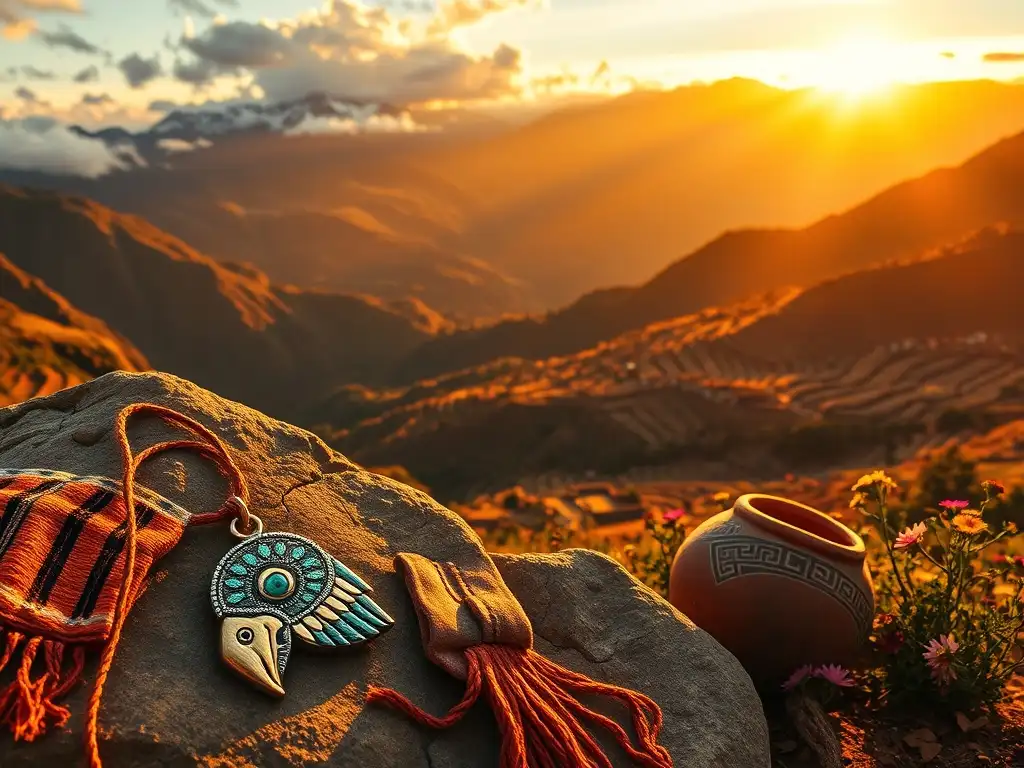
Welcome, explorer! Prepare to unravel the mysteries hidden within the vibrant tapestry of Andean civilization iconography. From the soaring heights of the Andes to the intricate designs etched in pottery and textiles, a world of symbolic power awaits your discovery. Journey with us as we decipher the captivating imagery that reveals the beliefs, rituals, and daily lives of these fascinating ancient cultures. What secrets do the symbols hold? Dive in and uncover the answers.
- Andean Civilization Iconography: A Journey Through Time and Symbolism
- Understanding the Roots of Andean Iconography
- Exploring Iconographic Themes Across Andean Cultures
- The Inca Empire and its Unique Iconographic Expressions
- Common Iconographic Elements and their Interpretations
- The Legacy of Andean Iconography and its Modern Relevance
- Frequently Asked Questions
- Final Reflection: Echoes of the Andes: A Legacy of Symbolism
- Unveil the Secrets of Andean Symbolism!
Andean Civilization Iconography: A Journey Through Time and Symbolism
The Andes Mountains, a majestic spine running down the western coast of South America, nurtured a tapestry of vibrant and sophisticated civilizations for millennia. From the intricate artistry of the Nazca lines to the meticulously crafted goldwork of the Incas, Andean cultures left behind a rich legacy of visual symbolism deeply interwoven with their beliefs, rituals, and daily lives. This exploration into Andean civilization iconography delves into the fascinating world of their art, uncovering the stories, meanings, and enduring power of their symbolic representations.
We will journey through time, examining the unique iconographic systems of various Andean cultures, highlighting their shared threads and distinct characteristics. Understanding Andean iconography provides a crucial key to unlocking a deeper appreciation for the complexity and ingenuity of these remarkable societies. This journey will uncover the hidden meanings behind seemingly simple designs, revealing the profound spiritual and social significance embedded within their artistic expressions.
We will analyze recurring motifs, decipher symbolic languages, and appreciate the artistic mastery that continues to inspire awe and wonder today. Prepare to be amazed by the enduring legacy of Andean artistic expression and the profound insights it offers into the lives and beliefs of these ancient peoples.
Decoding the Language of Andean Art: Common Motifs and Their Meanings
Andean iconography is not a random collection of images; rather, it's a sophisticated system of communication employing recurring motifs laden with symbolic weight. Certain elements appear across various cultures and time periods, suggesting a shared understanding of their significance. For example, the condor, a powerful bird of the Andes, frequently symbolizes power, royalty, and connection to the spiritual realm.
Its presence in art often indicates a deity, a ruler, or a person of high status. Similarly, the puma, a formidable feline, represents strength, ferocity, and earthly power. Often depicted alongside the condor, these two animals created a powerful duality reflecting the balance between the earthly and spiritual worlds.
Other common motifs include serpents, which can represent fertility, water, and the underworld; and stylized representations of plants, such as maize and coca leaves, symbolizing life, sustenance, and ritual practices. The intricate weaving techniques themselves, with their complex patterns and colors, also serve as a form of visual communication, encoding information about social status, clan affiliation, and even historical events. [Specific examples of textiles and their meanings pending].
Regional Variations: A Diverse Tapestry of Iconography
While certain motifs appear across different Andean cultures, significant regional variations exist, reflecting the unique beliefs and practices of each society. The Nazca, renowned for their enigmatic geoglyphs, developed a distinct iconographic style characterized by stylized figures of animals, plants, and mythical creatures. Their intricate designs, often created on a monumental scale, likely held profound religious significance, possibly linked to astronomical observations and ritual practices.
[Specific examples of Nazca iconography and their interpretations pending]. In contrast, the Moche civilization, known for its sophisticated pottery, employed a highly realistic style, depicting scenes of daily life, warfare, and religious rituals with remarkable detail. Their pottery often features powerful figures, including warriors, priests, and mythical beings, providing invaluable insights into their social structure, beliefs, and worldview.
[Specific examples of Moche pottery and their iconographic significance pending]. The Inca, with their vast empire, developed a more standardized iconography, using symbols to represent different provinces, clans, and deities within their complex administrative system. [Specific examples of Inca iconography and their administrative uses pending].
The Enduring Legacy: Andean Iconography in the Modern World
The symbolic language of Andean civilizations continues to resonate today. Many motifs and designs are still used in contemporary Andean art, textiles, and ceremonies, demonstrating the enduring power of these ancient traditions. The vibrant colors, intricate patterns, and profound symbolism of Andean art continue to inspire artists, designers, and scholars alike, serving as a testament to the richness and complexity of these remarkable cultures.
The study of Andean iconography provides not only a deeper understanding of the past, but also a valuable connection to the living cultural heritage of the Andes. The ongoing research and interpretations of these ancient symbols remind us of the importance of preserving and celebrating the diverse artistic traditions of the Andean world.
Moreover, the accessibility and growing interest in Andean iconography through museums, educational initiatives, and cultural events are ensuring its continued relevance and appreciation by a global audience. The study of these symbols offers a path to understanding not only the past, but also the present, highlighting the enduring connection between ancient traditions and contemporary Andean cultures.
Understanding the Roots of Andean Iconography
This section delves into the profound significance of visual language within Andean cultures, laying the groundwork for understanding the complex iconography that flourished across various Andean civilizations. The Andean worldview, deeply intertwined with nature and spirituality, found powerful expression through art. Unlike written language prevalent in other ancient societies, visual representation became the primary means of transmitting knowledge, beliefs, and narratives across generations.
This reliance on visual communication shaped the development of a rich and multifaceted iconographic system, one that continues to fascinate and inspire scholars today. Understanding the context of this visual language is crucial to interpreting the symbols and motifs found in Andean art.
The intricate detail and layered meanings embedded within these works reflect a sophisticated understanding of the world and the cosmos. This is not simply decoration; it is a codified system carrying profound historical, religious, and social significance, reflecting the Andean civilization's unique perspective and its enduring legacy.
The Significance of Visual Language in Andean Cultures
Andean iconography wasn't merely decorative; it served as a powerful tool for communication and social control. Consider the intricate textiles, ceramics, and metalwork: each piece is a testament to the importance of visual storytelling. These artifacts weren't just objects; they were repositories of knowledge, conveying narratives of origin myths, historical events, and social hierarchies.
For example, the use of specific colors and patterns in textiles often indicated social status or clan affiliation. Similarly, the depiction of certain deities or animals on pottery could signify religious beliefs or ritual practices. This visual communication transcended linguistic barriers, uniting diverse communities under shared symbolic systems.
The effectiveness of this visual language is evidenced by the longevity and widespread influence of Andean iconographic motifs throughout the region and across different cultures, showcasing a remarkable continuity in artistic expression and belief systems. The persistence of these symbols, even after the decline of specific empires, highlights their deep-seated cultural significance and enduring power.
The absence of a widespread written language further amplified the importance of visual representation. This visual culture fostered a unique relationship between image and meaning, resulting in a deeply nuanced and symbolic artistic tradition. The level of detail and precision found in many Andean artifacts demonstrates a high level of artistic skill and a deep understanding of symbolic representation. The careful selection and arrangement of motifs were not arbitrary; they reflected a sophisticated knowledge system, transmitted through generations of skilled artisans and religious leaders. The visual language was the key to unlocking their worldview.
Pre-Inca Iconography: Laying the Foundation
Before the Inca Empire's rise, a rich tapestry of pre-Inca cultures—including the Moche, Nazca, and Tiahuanaco—developed their own distinct iconographic traditions. These traditions, while regionally diverse, shared some common threads, suggesting a degree of cultural exchange and interaction. For example, the recurring motif of the feline, representing power and divinity, appeared in various forms across different cultures.
However, each culture imbued these motifs with unique meanings and stylistic interpretations. The Moche, known for their elaborate ceramics, depicted detailed scenes of daily life, mythology, and ritual practices, offering invaluable insights into their beliefs and social structures. Their iconography often featured anthropomorphic figures, hybrid creatures, and powerful deities, reflecting a complex cosmology and a vibrant religious life.
The Nazca lines, while not strictly iconographic in the traditional sense, represent a remarkable example of large-scale visual communication. Their purpose remains debated, but their monumental scale and precision suggest a deep understanding of astronomy and geometry, possibly serving ritual or religious functions. The Nazca culture's pottery also displays a unique style, with its characteristic stylized figures and complex geometric patterns. These patterns, while seemingly abstract, likely carried significant symbolic meaning within their cultural context.
Similarly, the Tiahuanaco culture, known for its monumental architecture and intricate stone carvings, developed a sophisticated iconographic system centered around religious and political themes. Their monumental sculptures often depict stylized figures with elaborate headdresses and ceremonial attire, symbolizing power, authority, and divine connection. Analyzing these pre-Inca traditions provides a crucial foundation for understanding the later development of Inca iconography.
Key Motifs and Symbols in Early Andean Art
Several key motifs and symbols recur throughout early Andean art, demonstrating a continuity of ideas and beliefs across different cultures and time periods. The puma, for instance, frequently represents power, strength, and royalty. Its depiction varied across cultures, but its symbolic significance remained consistent. Similarly, the condor, a majestic bird of the Andes, often symbolized the upper world and divine power. The serpent, on the other hand, frequently represented fertility, water, and the underworld. These motifs, often combined with other elements, created complex narratives and conveyed layered meanings.
Beyond these animal representations, geometric patterns such as stepped pyramids, spirals, and zigzags frequently appeared, likely representing cosmological concepts, agricultural cycles, or social hierarchies. The use of specific colors also carried symbolic weight. For example, red often symbolized blood, sacrifice, and fertility, while yellow represented the sun and gold. Careful analysis of these motifs and symbols, considering their context within specific artifacts and cultural traditions, offers valuable insights into the beliefs, values, and social structures of early Andean civilizations.
The intricate interplay of these elements highlights the sophisticated nature of Andean iconography and its enduring legacy. Further research is needed to fully decipher the meanings embedded within these complex visual systems, but the available evidence already reveals a rich and fascinating world of symbolism. The study of Andean civilization iconography promises to continue yielding new discoveries and deeper understandings of these remarkable cultures.
Exploring Iconographic Themes Across Andean Cultures
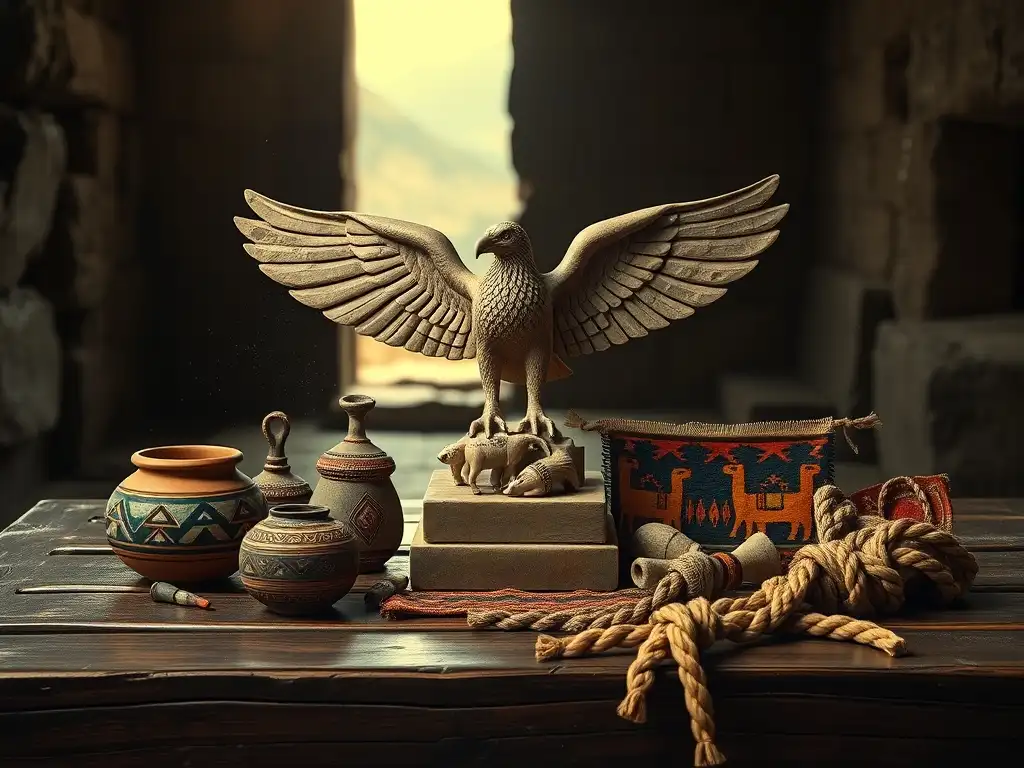
This section delves into the diverse and fascinating iconographic themes prevalent across various Andean civilizations. Understanding these visual representations provides crucial insights into their beliefs, social structures, and daily lives. We will explore recurring motifs, analyzing their symbolic meaning and cultural significance, focusing on the unique styles and interpretations of different Andean cultures. The rich tapestry of Andean civilization iconography offers a window into a complex and vibrant past, revealing the sophisticated artistic and intellectual achievements of these ancient societies.
The Iconography of the Moche Civilization: Power and Ritual
The Moche civilization (c. 100-800 CE), known for its sophisticated artistry and intricate metalwork, left behind a powerful visual legacy. Their iconography, predominantly found on ceramic vessels, reveals a society deeply concerned with power, ritual, and the supernatural. Moche art is characterized by its realistic depictions, often showing scenes of daily life alongside mythical beings and ritualistic practices.
This detailed approach offers unprecedented access to understanding their worldview. The vibrant colors and dynamic compositions are striking even today, underscoring the skill and artistry of Moche artisans. Analyzing Moche iconography allows us to decipher their complex social hierarchy and religious beliefs.
Moche Ceramic Iconography: Depicting Daily Life and Mythology
Moche pottery is not merely decorative; it's a visual narrative. Scenes of fishing, agriculture, warfare, and religious ceremonies are meticulously rendered, offering glimpses into daily life. Alongside these realistic depictions, we find fantastical creatures, often intertwined with human figures, suggesting a cosmology where the natural and supernatural worlds were closely connected.
For example, the frequent portrayal of shamans performing rituals with supernatural beings points to the importance of religious practices in Moche society. The level of detail in these depictions is remarkable, providing valuable information about their clothing, tools, and social interactions. Even seemingly mundane activities, like preparing food or weaving textiles, are presented with a level of artistry that transforms the ordinary into the extraordinary.
The Importance of the Decapitator Figure in Moche Art
A recurring and striking motif in Moche iconography is the "decapitator" figure. This figure, often depicted wielding a knife or club, is involved in the ritualistic sacrifice and decapitation of prisoners of war or high-ranking individuals. While the precise meaning of this iconography remains debated, it likely reflects the importance of warfare, human sacrifice, and the consolidation of power within the Moche elite. The graphic nature of these depictions suggests a complex relationship between violence, power, and religious beliefs.
Some scholars suggest that these scenes may represent a form of ritualized control and the assertion of dominance, while others argue they could have symbolic meanings related to fertility or renewal. Further research is needed to fully understand the nuanced interpretations of this prevalent motif. The consistent appearance of the decapitator, however, underscores its significance within Moche society.
Nazca Lines: Iconography on a Grand Scale
The Nazca Lines, a series of enormous geoglyphs etched into the desert of southern Peru, represent a unique form of Andean civilization iconography. These colossal figures, visible only from the air, depict animals, plants, and geometric patterns, posing intriguing questions about their purpose and creation. Their scale and precision are remarkable, suggesting a sophisticated understanding of geometry, surveying, and social organization. The sheer effort required to create these immense works highlights the significance they held within Nazca culture.
The Purpose and Interpretation of Nazca Geoglyphs
The purpose of the Nazca Lines remains a subject of ongoing debate among scholars. While some theories propose astronomical or ritualistic functions, others suggest that they may have served as markers for pilgrimage routes or territorial boundaries. The complexity of the designs, their scale, and the precision of their execution suggest a level of planning and coordination that implies a highly structured and organized society. The lines' longevity, their survival across centuries, and their continued mystery contribute to their enduring fascination. The lack of definitive answers only adds to their allure, prompting continuous investigation and fresh interpretations.
Animals and Mythical Beings in Nazca Iconography
Many of the Nazca Lines depict animals, including birds, monkeys, lizards, and spiders. These representations may reflect the importance of the natural world in Nazca cosmology, or they may have symbolic meanings related to fertility, water, or other vital resources. The stylized representations of these creatures, often combining realistic features with abstract elements, suggests a sophisticated artistic vocabulary.
Some geoglyphs depict figures that appear to be mythical or supernatural beings, further emphasizing the intertwining of the natural and supernatural realms in Nazca beliefs. The specific meanings of these representations remain a subject of ongoing study, highlighting the enduring enigma of these monumental works. The sheer variety of creatures depicted underscores the richness and complexity of Nazca iconography.
Tiahuanaco Iconography: The Gateway of the Sun and Beyond
The Tiahuanaco culture, flourishing in the Bolivian Altiplano between approximately 500 and 1000 CE, left behind a remarkable legacy of monumental architecture and intricate iconography. Their artistic expressions, deeply intertwined with their cosmology and religious beliefs, continue to fascinate and inspire researchers today. The most iconic example of Tiahuanaco art is undoubtedly the Gateway of the Sun, a monolithic structure adorned with a complex array of figures and symbols. This gateway isn't just a doorway; it's a visual encyclopedia of Tiahuanaco beliefs, showcasing a pantheon of deities, stylized animals, and intricate geometric patterns.
Scholars continue to debate the precise meaning of these symbols, but prevailing interpretations often link them to agricultural cycles, celestial events, and the worship of powerful deities. The intricate carvings, executed with remarkable precision, suggest a high level of artistic skill and a deep understanding of symbolic representation. The Gateway of the Sun is not an isolated example; other Tiahuanaco artifacts, such as intricately carved stone heads and ceramic vessels, further reveal the richness and complexity of their iconographic system.
These artifacts provide valuable insights into the social structures, religious practices, and worldview of this influential Andean civilization. Analyzing these elements helps us understand the sophisticated symbolic language employed by the Tiahuanaco people to express their understanding of the world and their place within it. The meticulous detail and the recurring motifs suggest a highly organized and centralized system of belief, reflecting a powerful and influential society.
The Centrality of the Staff God in Tiahuanaco Art
The Staff God, a recurring figure in Tiahuanaco iconography, holds a prominent position in the pantheon of their deities. Depicted with a staff, often adorned with stylized animals or symbols, this figure is frequently associated with power, authority, and perhaps even divine kingship. The Staff God appears in various contexts, from the Gateway of the Sun to smaller ceramic artifacts, suggesting its importance across different aspects of Tiahuanaco life.
The consistent representation of the Staff God, with only minor variations in style, underlines its central role in their religious system. Some interpretations suggest the Staff God represents a creator deity or a powerful intermediary between the human and divine realms. The staff itself is often interpreted as a symbol of power and control, possibly representing the ability to influence the natural world or to maintain social order.
Further research into the Staff God's iconographic features and contextual appearances is needed to fully grasp the nuances of its symbolic meaning within the broader context of Tiahuanaco religion and society. The prevalence of this figure across a wide range of media highlights its enduring significance and its deep integration into the cultural fabric of Tiahuanaco civilization.
The Significance of the Puma and Condor in Tiahuanaco Iconography
The puma and the condor, two powerful Andean animals, hold significant symbolic weight in Tiahuanaco iconography. The puma, a terrestrial predator, is often associated with strength, power, and the earthly realm. The condor, a majestic bird of prey soaring high above the mountains, is linked to the celestial sphere, representing power, vision, and spiritual connection.
These powerful animals are frequently depicted together, symbolizing the balance between the earthly and heavenly realms, or perhaps representing the dual nature of power and authority. Their presence in Tiahuanaco art likely reflects the importance of these animals in the culture's worldview, possibly embodying concepts of leadership, spiritual authority, and the cyclical nature of life and death. The stylistic representations of these creatures vary, sometimes appearing as realistic depictions and other times as stylized forms, integrated into more complex iconographic designs.
The juxtaposition of these animals in various contexts, such as on the Gateway of the Sun or on smaller artifacts, suggests a complex interplay of symbolic meanings that continue to challenge and fascinate researchers studying Andean civilization iconography. Further research into the specific contexts in which the puma and condor appear could illuminate their deeper symbolic significance within Tiahuanaco culture. The enduring power of these animal symbols speaks to the lasting influence of Tiahuanaco art and its continued relevance in understanding Andean cosmology.
The Inca Empire and its Unique Iconographic Expressions
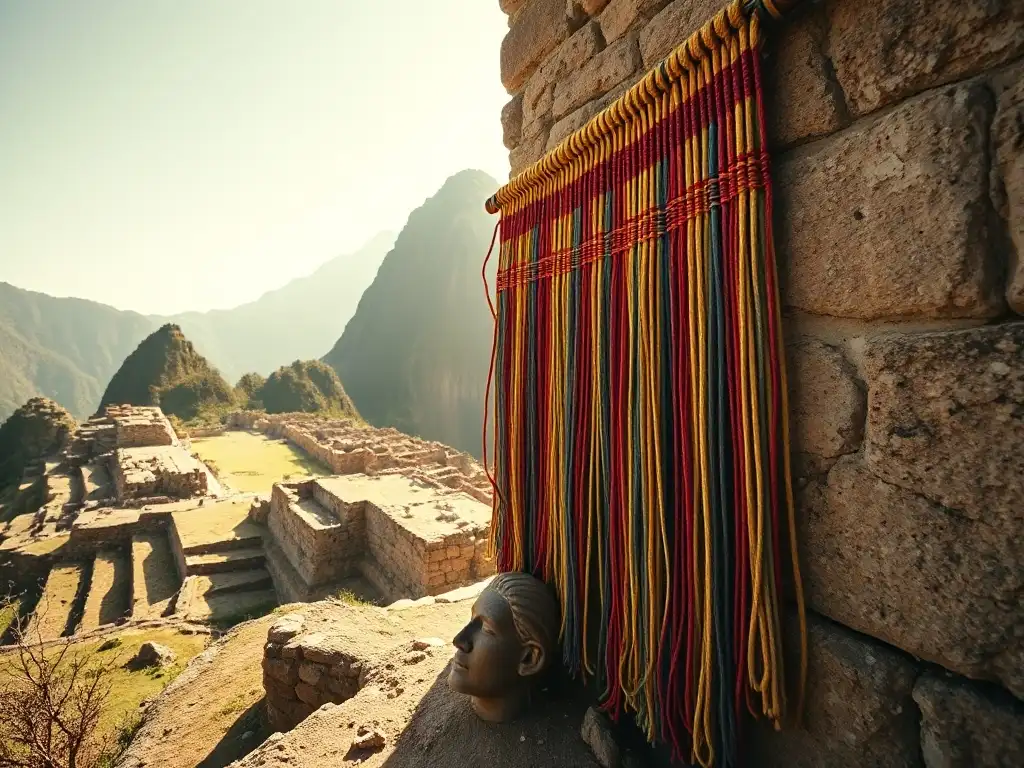
The Inca Empire, spanning across the Andes Mountains from the 15th to the 16th century, left behind a rich legacy of iconography reflecting their sophisticated worldview and imperial power. Unlike some other Andean civilizations, Inca iconography wasn't solely focused on depicting deities in a naturalistic way. Instead, it emphasized abstract representations of power, cosmic order, and the emperor's divine connection. This unique approach to visual communication underscores the Inca's centralized political system and their belief in a hierarchical universe mirroring their social structure.
Understanding Inca iconography requires acknowledging the intricate relationship between religious beliefs, political authority, and artistic expression. The use of specific colors, motifs, and materials played a crucial role in conveying meaning and status within the Inca society. This section delves into some of the key aspects of Inca iconography, exploring its symbolism and its significance within the broader context of Andean civilization iconography.
Inca Iconography: Imperial Power and Cosmic Order
Inca iconography was deeply intertwined with their belief system, which centered on the concept of Tawantinsuyu, the "Four Regions" of their empire, mirroring the four cardinal directions. This cosmic order permeated all aspects of Inca life, influencing their architecture, textiles, and artistic representations. The emperor, considered a divine intermediary between the human and spiritual realms, was at the heart of this cosmic order.
His image, often stylized and symbolic rather than realistic, appeared in various forms throughout the empire, reinforcing his authority and legitimacy. The use of specific colors, like red (representing blood and power) and yellow (associated with gold and the sun), further enhanced the symbolic weight of these representations. The deliberate use of repetition and symmetry in Inca art also reinforced the idea of order and stability vital to the empire's ideology.
The Sun God (Inti) and its Representation in Inca Art
The Sun God, Inti, held paramount importance in Inca religion and was central to their imperial ideology. Inti wasn't simply a deity; he was considered the ancestor of the Inca emperors, legitimizing their rule and connecting them to the divine. Representations of Inti varied, sometimes appearing as a stylized sun disc, often adorned with radiating rays and sometimes anthropomorphized with a human-like face.
The depiction frequently incorporated gold, a metal highly valued by the Inca and associated with the sun's radiance and divine power. The sun's significance is also reflected in Inca architecture, with temples and palaces oriented towards the sunrise, symbolizing the emperor's alignment with the cosmic order. Detailed analyses of Inca goldwork reveal the meticulous craftsmanship and the symbolic richness embedded in these representations of Inti, providing further insights into Andean civilization iconography.
The Role of Royal Insignia and Symbols of Authority
Beyond the representation of Inti, Inca iconography employed a range of royal insignia and symbols to visually communicate power and authority. The tocapu, a richly decorated headdress worn by the emperor, was a powerful symbol of his divine status. The mascapaicha, a gold and feather headdress worn by the Sapa Inca, was also a significant symbol of royal authority.
These insignia, often depicted in textiles and ceramics, served to reinforce the emperor's power and to visually distinguish him from the rest of the population. The use of specific motifs, such as the khipu (a system of knotted cords used for record-keeping) and the chakana (the Andean cross), further emphasized the emperor's connection to the Inca's complex administrative and spiritual systems.
The strategic placement of these symbols in public spaces served as powerful reminders of imperial control and the cosmic order it represented. Further research is needed to fully understand the nuances of these symbols and their evolution throughout the Inca Empire's history.
Analyzing Inca Textile Iconography and its Meaning
Inca textiles represent a significant aspect of their iconography. These weren't simply functional garments; they were meticulously crafted works of art, conveying social status, religious beliefs, and historical narratives. The intricate designs, woven with vibrant colors and diverse techniques, communicate complex messages.
Different types of textiles were used to indicate social rank, with the finest and most elaborate reserved for the Inca elite. The use of specific motifs, such as geometric patterns, stylized animals, and representations of deities, added further layers of meaning. For example, the presence of a particular bird species might signify a specific clan or region, while intricate geometric patterns could symbolize celestial events or agricultural cycles.
The study of Inca textiles offers invaluable insights into the Inca worldview and their sophisticated understanding of symbolism. Analyzing the techniques, materials, and motifs used in Inca textiles allows scholars to decipher the complex messages woven into these remarkable artifacts, enriching our understanding of Andean civilization iconography. The preservation and study of these textiles are crucial for continuing to unravel the secrets they hold.
Common Iconographic Elements and their Interpretations
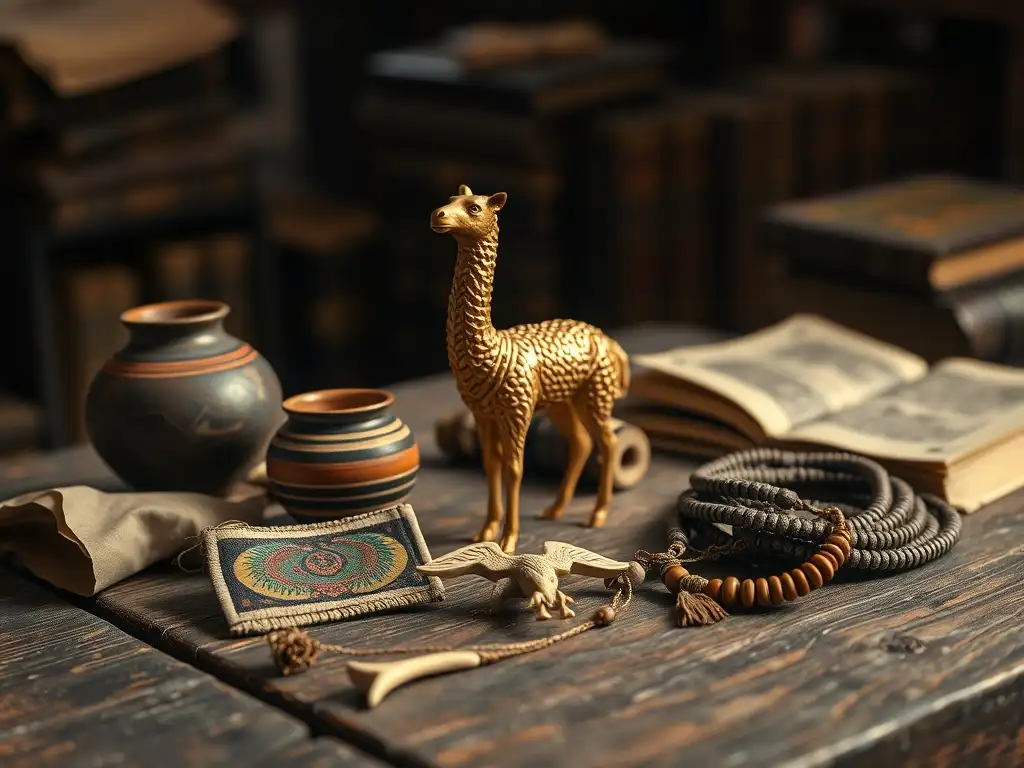
This section delves into the recurring motifs and symbols found across various Andean cultures, exploring their potential meanings and significance within the broader context of Andean civilization iconography. Understanding these common threads helps us unravel the complex tapestry of beliefs, rituals, and social structures that shaped these fascinating societies. The analysis presented here draws upon archaeological findings, ethnohistorical accounts, and scholarly interpretations, offering a nuanced perspective on the iconography's multifaceted nature.
We will examine how these symbols evolved over time and varied across different Andean groups, highlighting the rich diversity and dynamism of their artistic expressions. The interpretation of these symbols remains a subject of ongoing scholarly debate; however, the presented analysis aims to provide a current understanding based on available evidence.
The Prevalence of Zoomorphic Representations in Andean Art
Zoomorphic motifs—representations of animals—are ubiquitous throughout Andean art, from textiles and ceramics to monumental sculptures and metalwork. These weren't mere decorative elements; they carried deep symbolic weight, reflecting the Andean worldview and their relationship with the natural world. The prevalence of specific animals often indicates a connection to particular deities, myths, or cosmological beliefs.
For instance, the condor, with its majestic flight and association with the upper world, frequently appears in elite contexts, suggesting a link to power and divinity. Conversely, the llama, a vital part of Andean life, often appears in scenes of everyday life, reflecting its economic and social importance. The careful observation of the animal's posture, context, and associated elements provides crucial clues to its intended meaning.
The Meaning of the Serpent, Jaguar, and other Animals
The serpent, a powerful symbol across many cultures, holds particular significance in Andean iconography. Often depicted in intricate detail, the serpent frequently represents water, fertility, and the underworld. Its association with life-giving forces is evident in its appearance on textiles and ceramics related to agriculture and ritual practices. Similarly, the jaguar, a formidable predator, embodies strength, power, and sometimes shamanic abilities. Its presence in art often suggests a connection to the supernatural and the control over earthly and spiritual realms.
Beyond these prominent figures, numerous other animals feature in Andean art, each carrying its unique symbolic meaning. The hummingbird, for instance, is associated with speed, agility, and the messenger between worlds. The puma, a powerful feline, frequently appears in connection with rulers and elite figures, representing strength, leadership, and territorial control. The detailed study of these animal representations, considering their stylistic variations across different cultures and time periods, offers valuable insights into the symbolic landscape of Andean civilization. Further research is needed to fully understand the nuances of some rarer animal representations in the diverse Andean artistic traditions.
Anthropomorphic Figures and their Symbolic Significance
Anthropomorphic figures—human-like representations—constitute another major category within Andean iconography. These figures vary widely in style, attire, and accompanying elements, reflecting the diverse social structures and beliefs of the different Andean cultures. The depiction of these figures often provides insights into social hierarchy, ritual practices, and cosmological beliefs. For example, the portrayal of individuals adorned with elaborate headdresses, jewelry, and regalia suggests high social status and perhaps a connection to religious authority. The careful analysis of posture, gestures, and accompanying objects helps to decipher the figures' roles and significance within their respective cultural contexts.
Detailed studies of the iconography reveal that some figures represent deities or mythical beings, while others may represent ancestors or shamanic figures. The presence of specific attributes, such as staffs, scepters, or ritual objects, further clarifies their function and identity. Furthermore, the context in which these figures are found—whether on textiles, ceramics, or monumental architecture—provides further clues to their interpretation.
For instance, anthropomorphic figures depicted on funerary objects may represent deceased individuals or spirits associated with the afterlife. The ongoing research and analysis of these representations continue to refine our understanding of Andean spiritual beliefs and social structures. More research is needed on the less-represented forms of anthropomorphic figures across the different Andean societies to establish a more complete and accurate depiction.
The study of Andean civilization iconography offers a captivating glimpse into the rich spiritual and social life of these ancient societies. The detailed analysis of zoomorphic and anthropomorphic representations, along with other recurring symbols, provides valuable insights into the beliefs, rituals, and worldview of the Andean people. While much remains to be discovered, the existing evidence offers a compelling narrative of a complex and fascinating civilization.
Geometric Patterns and their Cultural Importance
Geometric patterns are ubiquitous in Andean iconography, appearing across diverse cultures and time periods. These aren't merely decorative elements; they hold profound cultural and symbolic significance, often reflecting cosmological beliefs, social structures, and agricultural practices. The intricate designs, frequently woven into textiles, carved into pottery, or painted onto murals, reveal a sophisticated understanding of geometry and its connection to the natural world. For instance, the recurring use of triangles, squares, and stepped patterns in Nazca textiles might represent mountains, agricultural terraces ( andenes), and the layered structure of the cosmos.
Similarly, the complex geometric designs found on Moche pottery often incorporate stylized representations of animals and plants, suggesting a deep interconnectedness between the human world and the natural environment. The precision and complexity of these patterns highlight the high level of skill and artistic sophistication achieved by Andean artisans. Furthermore, the repetition of specific motifs within a single piece, or across multiple artifacts, suggests a codified system of visual communication, potentially conveying specific messages or narratives.
The study of these patterns provides invaluable insights into the worldview and social organization of these ancient civilizations. Detailed analysis of the variations in geometric patterns across different regions and time periods allows researchers to trace cultural exchange, migration, and the evolution of artistic styles within Andean societies. The prevalence of such intricate designs underscores the importance of visual communication and the symbolic language embedded within the seemingly simple lines and shapes.
The Use of Color in Conveying Meaning in Andean Iconography
Color played a vital role in Andean iconography, with specific hues carrying symbolic weight and conveying complex meanings. The vibrant palette used by Andean artists wasn't arbitrary; instead, colors were carefully chosen to represent specific concepts, deities, or natural phenomena. For example, red, often derived from cinnabar, frequently symbolized blood, fertility, and the life-giving force of the sun. In contrast, yellow, frequently obtained from minerals or plant dyes, often represented gold, the sun, and royal power. The Inca, for example, strongly associated yellow with the Inca royalty and divinity.
Blue, a more difficult color to achieve, was typically associated with water, the sky, and the supernatural realm. The use of these colors, and others, often varied depending on the specific culture and time period. The Moche, for instance, employed a more diverse range of colors in their pottery compared to the Nazca, reflecting differences in artistic traditions and cultural beliefs. The significance of color is further emphasized by its placement and juxtaposition within an artwork.
The careful arrangement of colors could enhance the symbolic meaning of particular elements within a design, creating a visual narrative that integrated both form and color to transmit complex information. The enduring fascination with Andean color palettes showcases their enduring power and the sophisticated understanding of color symbolism possessed by these ancient civilizations. The careful study of color usage in Andean iconography offers a rich lens through which to understand the beliefs, values, and social structures of these remarkable societies. The interplay of color and form created a powerful visual language, capable of communicating profound ideas across generations.
The Legacy of Andean Iconography and its Modern Relevance
The enduring power of Andean civilization iconography is undeniable. These intricate designs, woven into textiles, carved into ceramics, and etched into stone, offer a window into the beliefs, social structures, and daily lives of ancient Andean peoples. From the soaring condors of the Nazca lines to the meticulously crafted gold artifacts of the Moche, the visual language of these cultures continues to captivate and inspire.
Understanding this legacy is crucial not only for appreciating the aesthetic beauty of the art but also for grasping the complex history and cultural richness of the Andes. The vibrant colors, symbolic animals, and geometric patterns are more than mere decoration; they are powerful expressions of a worldview deeply connected to the natural world and the spiritual realm. The survival of these visual narratives, often painstakingly preserved across millennia, speaks to the enduring strength of Andean traditions and their profound impact on subsequent cultures.
The study of Andean iconography provides valuable insights into the sophisticated cognitive abilities and artistic achievements of these civilizations, challenging preconceived notions and enriching our understanding of human history. This rich visual heritage has profoundly influenced contemporary art, design, and cultural expression, showcasing its continued relevance in the modern world.
Preserving and Studying Andean Iconography Today
Preserving and studying Andean iconography requires a multi-faceted approach. The delicate nature of many artifacts necessitates careful conservation techniques, including climate-controlled storage and specialized cleaning methods. Furthermore, meticulous documentation through high-resolution photography, digital archiving, and detailed cataloging is vital for future research. Scholars utilize a combination of techniques, including stylistic analysis, iconographic interpretation, and contextual studies, to decipher the meaning and significance of different symbols.
This requires collaboration between archaeologists, art historians, anthropologists, and other specialists. For instance, the study of textile fragments often reveals intricate designs and color palettes that shed light on social status, ritual practices, and cosmological beliefs. Similarly, the analysis of ceramic vessels can provide insights into agricultural practices, trade networks, and religious ceremonies.
The ongoing effort to protect and interpret Andean iconography is not just about preserving physical objects; it is about safeguarding a vital part of human history and understanding the cultural heritage of the Andes. This includes promoting ethical collecting practices and combating the illicit trafficking of ancient artifacts. 🌱
Andean Symbols in Contemporary Art and Culture
Andean symbols continue to resonate powerfully in contemporary art and culture. Many artists draw inspiration from the rich visual vocabulary of pre-Columbian cultures, reinterpreting traditional motifs in innovative ways. The use of geometric patterns, stylized animal figures, and symbolic colors is prominent in contemporary textiles, ceramics, jewelry, and even digital art. For example, the iconic Chakana cross, a symbol deeply rooted in Inca cosmology, frequently appears in modern designs, often representing a connection to Andean heritage and spirituality.
Furthermore, the vibrant colors and intricate designs found in ancient textiles continue to inspire modern fashion designers and textile artists. This enduring influence is not limited to visual arts. Andean motifs and imagery also appear in contemporary music, literature, and film, reflecting the ongoing cultural relevance of these ancient symbols.
The reappearance of these symbols in contemporary works reflects a growing interest in reclaiming and celebrating indigenous cultures and their artistic contributions. This resurgence demonstrates the enduring power of Andean civilization iconography to inspire and engage audiences across generations. 🎨
The Enduring Influence of Andean Visual Language
The enduring influence of Andean visual language extends far beyond its immediate geographic context. The sophisticated artistry and symbolic richness of Andean iconography have captivated scholars and artists for centuries, leaving an indelible mark on global art and design. The stylistic innovations and technical mastery evident in ancient Andean textiles, ceramics, and metalwork continue to inspire awe and admiration.
The precise geometric patterns, the expressive depictions of animals and humans, and the masterful use of color have influenced numerous artistic movements and styles. Moreover, the symbolic meanings embedded within these visual narratives offer a profound understanding of the Andean worldview and its connection to the natural and spiritual realms. The legacy of Andean iconography is not simply a matter of aesthetic appreciation; it is a testament to the creative genius and cultural sophistication of these ancient civilizations.
The ongoing study and interpretation of these visual languages continue to enrich our understanding of human creativity and cultural expression, demonstrating the timeless relevance of Andean civilization iconography. ✨
Frequently Asked Questions
What is Andean iconography?
Andean iconography refers to the visual symbols and imagery used by the ancient Andean civilizations. It encompasses a wide range of artistic expressions, from pottery and textiles to architecture and metalwork, all conveying meaning and beliefs. These symbols offer insights into their complex societies.
How did Andean civilizations use iconography?
Iconography served various purposes, including religious rituals, social status, and historical narratives. Images of deities, animals, and mythical creatures were frequently used to communicate complex ideas and stories. This visual language is vital for understanding their worldview.
What are some common symbols in Andean iconography?
Common symbols include the condor, representing power and strength; the puma, symbolizing earthly power; and the snake, often associated with fertility and the underworld. Geometric patterns also held significant meaning, often linked to cosmology and spirituality.
How does Andean iconography relate to the Inca civilization?
Inca iconography is a significant part of the broader Andean tradition, but with its own unique characteristics. Inca art frequently depicts imperial power, divine authority, and the Inca ruler. It often features motifs reflecting their vast empire and sophisticated administrative system.
Where can I learn more about Andean civilization iconography?
You can explore museums with Andean artifact collections, consult academic journals and books on Andean art history, and visit archaeological sites in the Andes themselves. Many online resources also offer valuable information and images.
Final Reflection: Echoes of the Andes: A Legacy of Symbolism
The vibrant tapestry of Andean iconography, far from being a relic of a bygone era, continues to resonate powerfully in contemporary society. Its enduring symbols, meticulously crafted and imbued with deep meaning, offer a potent lens through which to understand not only the past but also the present struggles and triumphs of indigenous communities and the global appreciation for diverse cultural heritage. The intricate designs, once adorning textiles, ceramics, and monumental structures, now serve as a powerful reminder of the resilience and ingenuity of Andean civilizations.
The enduring influence of Andean iconography is profoundly moving; its symbols transcend mere decoration, acting as potent vehicles for storytelling, spiritual expression, and cultural identity. These images, passed down through generations, speak volumes about the interconnectedness of life, the reverence for nature, and the enduring human spirit. The past is never dead. It's not even past.
– William Faulkner. This quote perfectly encapsulates the ongoing relevance of Andean iconography, its symbols continuing to shape narratives and inspire new interpretations in the modern world. The impact of this rich visual language extends beyond academic circles, influencing contemporary art, fashion, and even political discourse, demonstrating its enduring power and relevance.
Consider the intricate details, the vibrant colors, the profound symbolism woven into each piece of Andean art. You too can become a custodian of this legacy. Take a moment to appreciate the depth and complexity of these ancient expressions, and allow their enduring power to inspire you. Seek out opportunities to learn more, to engage with the stories they tell, and to share this rich cultural heritage with others. Let the echoes of the Andes resonate within you, fostering a deeper understanding and appreciation for the enduring power of human creativity and cultural expression.
Unveil the Secrets of Andean Symbolism!
Thank you for joining us on this fascinating journey through the rich tapestry of Andean iconography! Your curiosity has unlocked the stories and meanings embedded within these powerful symbols. Let's delve deeper and strengthen your connection to these ancient civilizations.
Here are some ways to further immerse yourself in this captivating world:
- Explore local museums and cultural centers showcasing Andean artifacts and art. Engage with the curators and experts; don't hesitate to ask questions!
- Join an online community or forum dedicated to Andean cultures to share your knowledge and learn from fellow enthusiasts.
- Create your own artwork inspired by Andean symbolism—let your creativity guide you as you reflect on the personal meaning these symbols hold for you.
As you continue your exploration, consider: Which Andean symbol resonates most strongly with you, and how can you integrate its meaning into your daily life?