
The Coastal Pioneers: How Early Andean Peoples Adapted to the Pacific

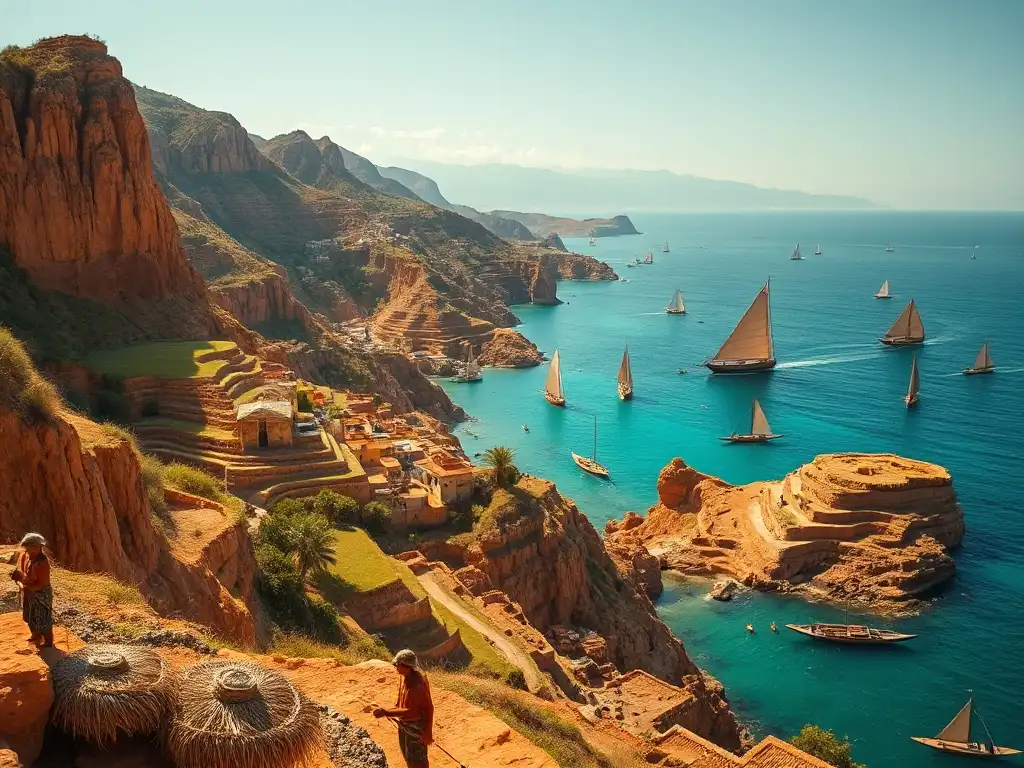
Dive into a world lost to time, yet echoing with innovation and resilience. Imagine a civilization thriving on a harsh, unforgiving coastline, wresting life from the Pacific's embrace. This is the story of Andean coastal civilization adaptation, a testament to human ingenuity and the enduring spirit of the ancient Andean peoples. Uncover the secrets of their remarkable survival and flourishing in our exploration of the Incas, Moche, Nazca, and Tiahuanaco – their ingenuity will leave you breathless. Prepare to be amazed.
The Andean coastal region, a seemingly harsh environment of deserts, fog, and a powerful ocean, paradoxically fostered some of the earliest and most innovative civilizations of South America. Long before the Inca Empire rose to prominence, ingenious peoples developed sophisticated strategies to thrive in this challenging landscape. This article explores the remarkable adaptations of early Andean coastal communities, highlighting their ingenuity in harnessing the resources of the Pacific Ocean and the arid coastal plains.
We will delve into the pre-ceramic period, examining the development of fishing techniques, resource management, and settlement patterns that laid the foundation for the complex societies that would follow. Understanding their achievements provides crucial insight into the resilience and adaptability of human societies, and offers a compelling narrative of innovation in the face of environmental challenges. This exploration of "Andean coastal civilization adaptation" unveils a fascinating story of human ingenuity and survival.
Introduction to Early Andean Coastal Settlements
The Andean coast, stretching thousands of kilometers along the Pacific Ocean, presents a diverse range of environments. From the arid deserts of northern Peru to the slightly more temperate climates further south, early inhabitants faced unique challenges. Limited freshwater resources, fluctuating weather patterns, and the ever-present power of the ocean demanded innovative solutions. Yet, these challenges spurred remarkable ingenuity. Evidence suggests that settlements emerged surprisingly early, with some archaeologists proposing initial occupation dating back to at least 10,000 years ago. 1 These early settlements weren't simply temporary camps; they represented a conscious decision to establish permanent homes in this demanding but resource-rich environment. The success of these early communities laid the groundwork for the later flourishing of complex coastal societies. Their legacy is visible not only in the archaeological record, but also in the enduring relationship between Andean peoples and the sea.
The Pre-Ceramic Period and Initial Coastal Adaptation Strategies
The pre-ceramic period (roughly 8000-1800 BCE) witnessed the initial stages of human adaptation to the Andean coast. This era, predating the widespread use of pottery, is characterized by a remarkable development of specialized technologies and social organization geared towards exploiting the abundant marine resources. The lack of widespread agriculture initially forced a heavy reliance on the ocean, leading to the development of highly effective techniques for fishing and gathering.
The ingenuity of these early peoples is evident in the sophisticated tools and strategies they employed. This period provides a foundational understanding of how humans successfully navigated the challenges of coastal life, paving the way for the later development of more complex societal structures. The innovations of this era were not simply technological; they also involved social adaptations, such as the development of cooperative fishing practices and resource sharing networks.
Early Fishing Techniques and Tools along the Andean Coast
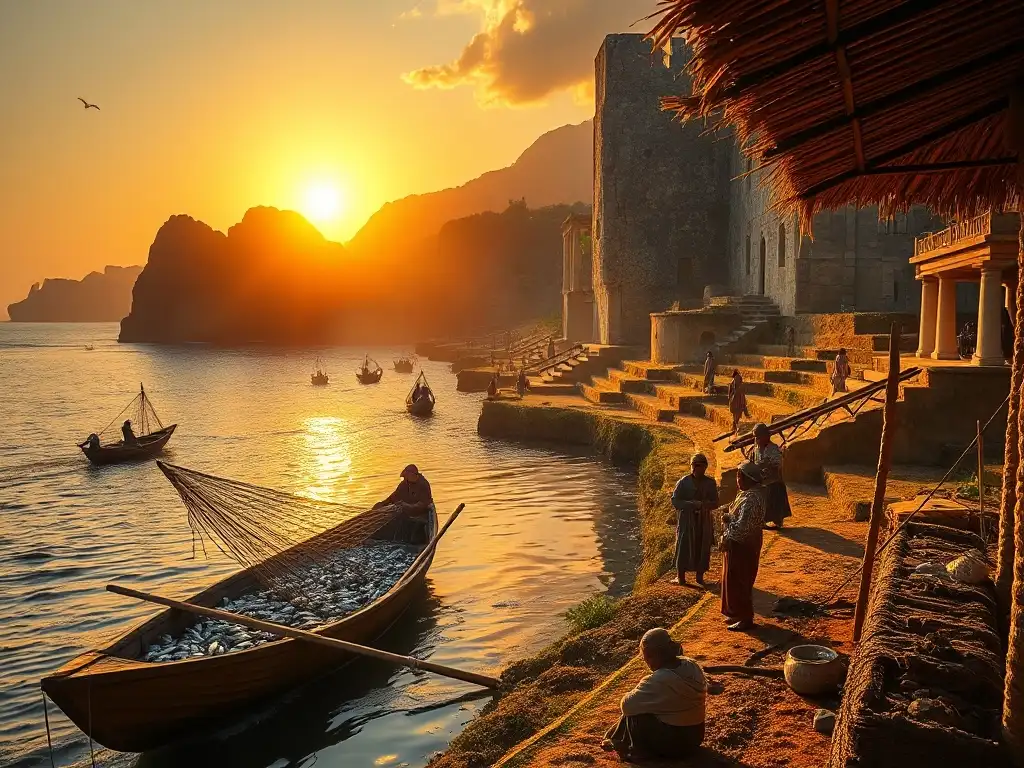
Early Andean coastal peoples developed a range of fishing techniques, reflecting their deep understanding of marine ecosystems. Evidence suggests the use of simple, yet effective, tools such as hooks made from bone or shell, and nets woven from plant fibers. The development of these tools, combined with knowledge of fish migration patterns and behaviors, allowed for consistent and reliable harvests.
Further, the construction of specialized fishing platforms and weirs along the coast provided additional advantages, increasing the efficiency of fishing operations. The sophistication of these early fishing techniques is a testament to the observation skills and problem-solving abilities of these coastal communities. Archaeological excavations have uncovered numerous examples of these early tools, providing concrete evidence of their technological prowess.
Gathering and Exploitation of Marine Resources
Fishing was not the only source of sustenance for these early coastal communities. They also skillfully exploited a wide array of marine resources, including shellfish, seabirds, and marine mammals. Shell middens – large mounds of discarded shells – are common throughout the Andean coast, providing substantial evidence of the significant role shellfish played in their diet.
The collection and processing of these resources required specialized knowledge and tools. The ability to sustainably exploit these resources was crucial to the survival and growth of these early settlements. Evidence suggests that the exploitation of these resources was carefully managed, indicating a sophisticated understanding of ecosystem dynamics and the importance of resource sustainability, even at this early stage.
Initial Settlements and Coastal Living Patterns
The development of efficient fishing and gathering techniques allowed for the establishment of relatively stable settlements along the Andean coast. These early settlements were often located near abundant resources, such as estuaries and sheltered bays. The architectural styles varied across different regions, reflecting local environmental conditions and cultural preferences. While many early settlements were relatively small, they provided a foundation for the growth of larger and more complex communities in later periods.
The organization of these settlements suggests the emergence of social structures and cooperative labor practices. Their location near resources, combined with their relatively stable nature, speaks to a high level of adaptability and planning in these early coastal communities. The study of these early settlements illuminates the complex interplay between environment, technology, and social organization in the development of Andean coastal societies.
1 Further research is needed to refine the dating of the earliest settlements. [Specific information pending]
Key Challenges Faced by Early Andean Coastal Populations
The Arid Coastal Environment and Water Scarcity
The arid climate of the Andean coast presented a significant challenge to early inhabitants. Rainfall was scarce and unpredictable, making freshwater a precious and limited resource. Communities had to develop sophisticated strategies to secure potable water, often relying on techniques like harvesting morning dew or constructing complex canal systems to channel water from limited sources like underground aquifers or seasonal streams. The ingenuity displayed in overcoming this challenge is evident in the archaeological record, which reveals intricate water management systems that were remarkably effective in supporting relatively dense populations.
The lack of readily available water also impacted agriculture, forcing populations to develop innovative irrigation systems and to cultivate drought-resistant crops. The absence of widespread rainfall necessitated a deep understanding of local hydrology and the careful management of any available water sources. This constant struggle for water fundamentally shaped the social and economic structures of these early coastal societies.
Adapting to the Dynamic Pacific Ocean Conditions
The Pacific Ocean, while providing sustenance, also presented considerable hazards. The El Niño Southern Oscillation (ENSO) caused unpredictable and dramatic shifts in weather patterns, leading to both devastating floods and severe droughts. Coastal communities had to contend with powerful ocean currents, unpredictable waves, and the ever-present threat of storms. These factors significantly influenced settlement patterns, with villages often situated on elevated ground or strategically positioned to minimize exposure to the most extreme weather events.
Navigating the ocean for fishing and trade required advanced seafaring skills and sophisticated knowledge of ocean currents and weather patterns. Understanding and predicting these oceanic fluctuations was crucial for survival and economic prosperity. The development of robust fishing techniques and navigation skills became essential for the success and longevity of these coastal cultures. The constant adaptation to these dynamic conditions fostered resilience and resourcefulness within these communities.
Resource Management and Sustainability Challenges
The limited resources available in the arid coastal environment meant that early Andean populations had to develop sustainable practices for resource management. Overfishing could easily deplete fish stocks, while unsustainable agricultural practices could lead to soil erosion and desertification. Evidence suggests that these communities employed various strategies to ensure long-term resource availability. These included carefully managing fishing grounds, rotating agricultural fields, and developing techniques for efficient water use.
The development of sophisticated storage techniques for food and other essential resources also played a crucial role in ensuring community resilience during periods of scarcity. Understanding the delicate balance of their ecosystem was crucial for their survival, highlighting the remarkable environmental awareness of these early coastal populations. The long-term sustainability of their resource management is a testament to their ability to adapt and thrive in a challenging environment.
Technological Innovations in Early Andean Coastal Life
Development of Specialized Fishing Gear
The abundance of marine life along the coast fueled the development of sophisticated fishing technologies. Early Andean peoples crafted intricate fishing nets, hooks, and lines, often employing materials like cotton, reeds, and specialized woods. The design and construction of these tools demonstrated a deep understanding of marine biology and the behavior of different fish species.
Evidence from archaeological sites reveals the presence of specialized fishing implements designed for catching specific types of fish, reflecting a high degree of technological sophistication and adaptation to the specific ecological niches of the coastal environment. The development of these technologies was crucial not only for sustenance but also for the economic and social development of coastal communities, fostering trade and exchange networks.
Construction of Coastal Dwellings and Shelters
The construction of dwellings and shelters presented unique challenges in the coastal environment. Early Andean peoples utilized readily available materials such as reeds, wood, and mud to build houses that were well-suited to the local climate and conditions. Many coastal settlements were built on elevated platforms to protect against flooding and erosion, demonstrating a keen awareness of the environmental risks.
The architectural styles varied depending on the specific location and available resources, reflecting the adaptability of these communities. The construction techniques employed show a remarkable understanding of structural engineering and material science, allowing them to create durable and functional shelters in a challenging environment. These structures not only provided protection but also served as important social and economic centers within the communities.
Early Forms of Maritime Transportation
The need to transport goods and people along the coast led to the development of early forms of maritime transportation. Evidence suggests that early Andean peoples used reed rafts and small boats, often crafted from bundled reeds or wood, to navigate the coastal waters. These vessels were adapted to the specific conditions of the Pacific Ocean, capable of withstanding the powerful currents and waves.
The construction of these boats required specialized skills and knowledge of shipbuilding, indicating a level of technological sophistication that facilitated trade and communication along the coast. The ability to navigate the ocean played a crucial role in the cultural exchange and economic development of coastal Andean communities. These early forms of maritime transportation were fundamental to the expansion and integration of these coastal societies.
The Rise of Complex Coastal Societies
The development of complex societies along the Andean coast was a remarkable feat of human adaptation. These societies, flourishing despite the challenges of a seemingly harsh environment, demonstrated ingenuity and resilience in their interactions with the Pacific Ocean. Their success wasn't solely based on overcoming environmental hurdles; it was also fueled by innovative social structures, economic strategies, and spiritual beliefs.
The rich tapestry of their achievements offers valuable insights into the complexities of early human civilization and the dynamic relationship between humans and their surroundings. The ability to harness the resources of the sea and land, coupled with sophisticated social organization, allowed for population growth and the establishment of enduring settlements.
This, in turn, fostered the development of specialized labor, complex social hierarchies, and ultimately, the rise of powerful coastal states. The story of these early coastal societies is one of remarkable innovation and adaptation, a testament to human ingenuity in the face of adversity.
Increased Population Density and Social Organization
The increasing population density along the Andean coast directly correlated with the development of more sophisticated social structures. As settlements grew larger and more permanent, the need for organized governance became paramount. This resulted in the emergence of specialized roles and hierarchical social organizations, where individuals held specific responsibilities within the community.
Archaeological evidence, such as the size and layout of settlements, burial practices, and the presence of elaborate artifacts, suggests a clear stratification of society, with elites possessing greater access to resources and power. This social organization was crucial for managing resources, coordinating labor, and resolving conflicts, all essential for the sustainability and growth of these burgeoning coastal communities. The intricate interplay between population growth and social complexity is a key factor in understanding the trajectory of Andean coastal civilizations.
Emergence of Coastal Trade Networks
The rich resources of the Andean coast, including fish, shellfish, guano, and various minerals, fostered the development of extensive trade networks. Coastal communities didn't exist in isolation; they actively engaged in the exchange of goods and ideas with inland populations and other coastal settlements. This exchange facilitated the flow of resources, stimulated economic growth, and contributed to cultural exchange.
The nature of these trade networks varied over time and across different regions, but they played a vital role in the development and expansion of Andean coastal societies. The existence of these networks highlights the interconnectedness of early Andean communities and their ability to adapt and thrive through cooperation and exchange. Evidence of these trade networks includes the distribution of specific artifacts, the presence of exotic materials in coastal settlements, and the standardization of certain tools and technologies.
Evidence of Early Coastal Rituals and Beliefs
Religious beliefs and rituals played a significant role in the lives of early Andean coastal peoples. The ocean, a source of both sustenance and potential danger, held a prominent place in their worldview. Archaeological findings such as elaborate burials, the presence of ceremonial objects, and the depiction of marine deities in art suggest a deep connection between these communities and the sea.
These rituals likely served to ensure successful harvests, appease the spirits of the ocean, and maintain social cohesion. Understanding these beliefs provides insights into the values, anxieties, and social structures of these ancient societies, enriching our comprehension of their complex cultural landscape. Further research is needed to fully understand the nuances of their religious practices and their role in shaping their social and political organization.
Case Study: The Chinchorro Culture of Northern Chile
The Chinchorro culture, flourishing in northern Chile between approximately 7020 and 1500 BCE, provides a compelling example of adaptation to the harsh coastal environment. Their sophisticated mummification techniques, along with their mastery of marine resource exploitation, illustrate their remarkable resilience and adaptability. The Chinchorro people represent a pivotal stage in the development of complex coastal societies in the Andes, showcasing a unique blend of cultural practices and technological advancements. Their story demonstrates the diverse paths to societal complexity in early Andean history.
Archaeological Evidence of Chinchorro Adaptation Strategies
Archaeological excavations have revealed a wealth of evidence illuminating the Chinchorro's remarkable adaptation strategies. Their settlements, often located near abundant marine resources, showcase a deep understanding of their environment. The discovery of specialized fishing tools, intricate knowledge of marine species, and evidence of sophisticated food preservation techniques indicates a mastery of resource management.
Furthermore, the construction of elaborate burial sites and the intricate process of mummification demonstrate complex social organization and sophisticated technological capabilities. These findings highlight the Chinchorro's capacity to thrive in a challenging environment through innovation and resourcefulness. The meticulous nature of their mummification techniques, for example, required specialized skills and knowledge passed down through generations.
Chinchorro's Contribution to Understanding Andean Coastal Development
The Chinchorro culture offers invaluable insights into the early development of coastal societies in the Andes. Their advanced mummification practices, dating back thousands of years before similar practices in Egypt, demonstrate a high level of technological and social complexity. Their sophisticated fishing techniques, coupled with their understanding of marine ecosystems, provide a model for successful resource management in a challenging environment.
The Chinchorro culture provides a crucial link in understanding the broader trajectory of Andean coastal development, highlighting the diversity of adaptations and the ingenuity of early Andean peoples. Their story is a testament to the resilience and innovation of human societies in the face of environmental challenges.
Insights into the Daily Life of Chinchorro Inhabitants
While much remains to be discovered, archaeological evidence offers glimpses into the daily lives of the Chinchorro people. Their settlements suggest a relatively sedentary lifestyle, with evidence of permanent structures and storage facilities. Their diet, heavily reliant on marine resources, reveals a sophisticated understanding of the coastal ecosystem. The discovery of tools used for fishing, processing food, and crafting artifacts provides insight into their daily activities and technological capabilities.
The complexity of their mummification practices hints at a structured society with specialized roles and elaborate rituals. While many aspects of their daily lives remain mysterious, ongoing research continues to unveil further details about this remarkable culture. The Chinchorro's story is a testament to the rich and complex history of Andean coastal civilizations.
The Impact of Climate Change on Early Coastal Adaptation
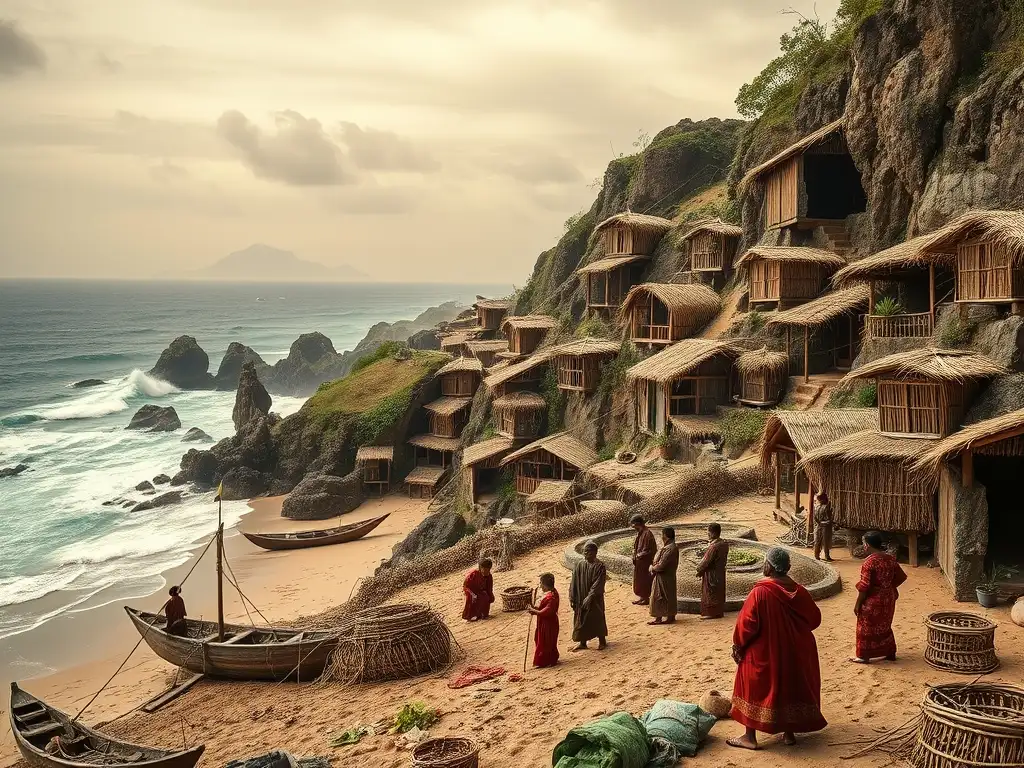
The early Andean coastal civilizations faced significant challenges due to fluctuating climate patterns. Understanding how these ancient societies adapted to the unpredictable nature of the Pacific Ocean is crucial to comprehending their resilience and ingenuity. Changes in sea level, ocean temperatures, and rainfall significantly impacted resource availability, forcing communities to develop innovative strategies for survival.
Archaeological evidence reveals a complex interplay between environmental pressures and human responses, illustrating a remarkable capacity for adaptation in the face of adversity. The precise nature of these climate shifts and their timing are still being refined through ongoing research, integrating data from various sources, like isotopic analysis of marine shells and sediment cores, alongside detailed analyses of settlement patterns and agricultural practices. These studies are revealing a dynamic picture of human-environment interactions, far more nuanced than previously understood.
The Role of El Niño Events in Coastal Dynamics
El Niño-Southern Oscillation (ENSO) events, characterized by unusually warm ocean temperatures in the central and eastern tropical Pacific, played a significant role in shaping coastal environments and influencing the lives of Andean peoples. These periodic climate shifts caused dramatic changes in marine productivity, impacting fish stocks and the availability of other marine resources.
Strong El Niño events could lead to devastating floods and coastal erosion, while weaker events might result in more moderate changes. The frequency and intensity of El Niño events varied over time, creating periods of abundance and scarcity that profoundly affected coastal settlements.
The impact of these events on Andean societies is reflected in their adaptive strategies, such as the diversification of food sources and the development of sophisticated irrigation systems. Analyzing ancient sediment layers, pollen records, and even the remains of fish bones can offer insights into the frequency and severity of past El Niño events and their effects on human populations.
Responses to Environmental Fluctuations
Early Andean coastal communities developed a range of strategies to cope with environmental fluctuations. These included diversifying their food sources, relying on both marine and terrestrial resources. They developed sophisticated fishing techniques, utilizing various tools and boats adapted to the specific conditions of the Pacific coast. Agricultural practices also played a crucial role, with the development of irrigation systems to ensure a reliable supply of freshwater for crops, even during periods of drought.
Evidence suggests that some communities developed complex social structures and networks to facilitate resource sharing and risk management during times of scarcity. The ability to adapt to environmental variability was essential for the survival and prosperity of these early coastal societies. This adaptability is seen in the shifting settlement patterns observed across different time periods, reflecting the constant negotiation between human populations and their environment.
Long-Term Effects on Coastal Settlement Patterns
The long-term impact of climate change and environmental fluctuations on coastal settlement patterns is evident in the archaeological record. Periods of environmental stress often resulted in shifts in population density and the abandonment of certain settlements. Conversely, periods of environmental stability and resource abundance often led to population growth and the expansion of settlements.
The location and size of settlements were clearly influenced by factors such as access to water, fertile land, and protection from natural hazards. This intricate relationship between environmental factors and settlement patterns is a key area of ongoing research, using geographic information systems (GIS) and spatial analysis techniques to map changes in settlement distribution over time and understand the underlying environmental drivers. The resulting models help us to better understand the complex dynamics of early coastal settlement.
The Legacy of Early Andean Coastal Adaptation
The ingenuity and resilience of early Andean coastal peoples left a lasting legacy that shaped the development of later Andean civilizations. Their adaptive strategies, technological innovations, and social structures provided a foundation for subsequent societies to build upon. The understanding of the marine environment and the development of sophisticated maritime technologies were crucial for their success.
Influence on Later Andean Civilizations
The adaptive strategies developed by early coastal communities significantly influenced the development of later Andean civilizations, such as the Moche and Inca. The knowledge of marine resources, fishing techniques, and irrigation systems were passed down through generations, contributing to the economic and social prosperity of these later societies. The ability to manage resources effectively and adapt to environmental challenges played a vital role in their success. Many of the innovative strategies employed by early coastal communities were adopted and refined by later civilizations, highlighting a continuous process of adaptation and innovation across Andean history.
Contributions to Maritime Knowledge and Technology
Early Andean coastal societies made significant contributions to maritime knowledge and technology. They developed sophisticated fishing techniques, including the use of various types of nets, hooks, and lines. They also constructed boats capable of navigating the challenging waters of the Pacific Ocean. These advancements in maritime technology enabled them to exploit marine resources effectively and expand their trade networks. The development of advanced boat building techniques, navigational skills, and knowledge of ocean currents were crucial for their success. These innovations were fundamental to their survival and prosperity and laid the groundwork for future maritime activities in the Andes.
The Enduring Relationship Between Andean Peoples and the Pacific
The relationship between Andean peoples and the Pacific Ocean has endured for millennia. The ocean has served as a vital source of food, transportation, and trade for countless generations. The coastal environment has shaped the culture, technology, and social structures of Andean societies, leaving an indelible mark on their history and identity.
Even today, the Pacific Ocean continues to play a crucial role in the lives of Andean communities, highlighting the enduring importance of this relationship. The continued study of early Andean coastal adaptations offers valuable insights into the complex interplay between humans and their environment, providing lessons relevant to contemporary challenges of coastal resource management and climate change adaptation.
Conclusion: The Significance of Coastal Adaptation in Andean History
The ingenuity and resilience displayed by early Andean coastal peoples in adapting to their challenging environment profoundly shaped the trajectory of Andean civilization. Their innovative strategies for harnessing marine resources, developing sophisticated irrigation systems in arid coastal deserts, and constructing durable architecture capable of withstanding seismic activity laid the groundwork for later, more complex societies.
The mastery of fishing techniques, exemplified by the development of specialized boats and fishing tools, provided a crucial protein source, supporting population growth and societal complexity. This economic foundation, built upon the bounty of the Pacific, fueled the development of trade networks, cultural exchange, and the rise of powerful coastal settlements.
The impact of coastal adaptation extends far beyond mere sustenance. The development of sophisticated irrigation technologies, such as the canales and acequias employed by various coastal cultures, demonstrates a deep understanding of hydrology and a commitment to sustainable agriculture. This knowledge wasn't simply limited to food production; it also influenced urban planning and societal organization, as settlements were often strategically located near reliable water sources.
The architectural innovations, such as the use of adobe bricks and the construction of earthquake-resistant structures, reveal an understanding of engineering principles far beyond what might be initially expected from "early" civilizations. This knowledge directly impacted the ability of these societies to withstand natural disasters and thrive in a volatile environment.
Furthermore, the vibrant artistic expressions found in coastal Andean cultures, often reflecting their close relationship with the sea, serve as a testament to the enduring human spirit and the cultural richness born from adaptation. The intricate textile designs, the elaborate ceramics depicting marine life, and the monumental constructions along the coast all speak to a flourishing culture deeply intertwined with its maritime environment.
The legacy of these coastal pioneers continues to resonate today, reminding us of the remarkable achievements of early Andean peoples and the importance of understanding human adaptation to diverse and challenging ecosystems. Their success in transforming a seemingly hostile environment into a cradle of civilization stands as a powerful example of human ingenuity and resilience, highlighting the profound influence of the Pacific Ocean on the development of Andean cultures.
The study of Andean coastal adaptation offers valuable insights into human resilience, technological innovation, and the intricate relationship between humans and their environment, enriching our understanding of the complexities of Andean history. The enduring legacy of these coastal pioneers continues to inspire and inform our understanding of human adaptability and cultural development.
- Introduction to Early Andean Coastal Settlements
- The Pre-Ceramic Period and Initial Coastal Adaptation Strategies
- Key Challenges Faced by Early Andean Coastal Populations
- Technological Innovations in Early Andean Coastal Life
- The Rise of Complex Coastal Societies
- Case Study: The Chinchorro Culture of Northern Chile
- The Impact of Climate Change on Early Coastal Adaptation
- The Legacy of Early Andean Coastal Adaptation
- Conclusion: The Significance of Coastal Adaptation in Andean History
Frequently Asked Questions
What challenges did Andean coastal civilizations face?
Andean coastal civilizations faced challenges like arid climates, limited freshwater sources, and unpredictable weather patterns. They also had to contend with seismic activity and steep, rugged terrain.
How did coastal peoples obtain fresh water?
They developed ingenious systems for water management, including canals, reservoirs, and sophisticated irrigation techniques to capture and store scarce water resources. Fog harvesting (camanchaca) was also utilized in some areas.
What role did the ocean play in their survival?
The ocean was vital for survival, providing food sources (fish, shellfish) and resources for tools and construction. Coastal communities developed advanced fishing and navigation technologies.
What are some examples of their technological adaptations to the environment?
Andean coastal peoples developed complex irrigation systems, innovative fishing techniques, and unique architectural styles adapted to the coastal environment. They also mastered terracing to maximize agricultural land.
Coastal communities developed specialized labor divisions based on fishing, agriculture, and craft production. Social hierarchies and political organization varied, reflecting the diverse environments and resources available.
Final Reflection: Echoes of the Coastal Pioneers
The ingenuity of the early Andean peoples in adapting to the harsh yet bountiful Pacific coast remains a powerful testament to human resilience and a crucial lens through which we can understand our own relationship with the environment. Their innovative solutions to challenges of resource management, social organization, and technological advancement continue to resonate in the face of modern climate change and resource scarcity. The lessons learned from their triumphs and failures offer invaluable insights for navigating the complexities of the 21st century.
The enduring legacy of these coastal pioneers is not merely an archaeological curiosity; it's a living narrative woven into the fabric of Andean culture and identity. Their sophisticated understanding of marine ecosystems, their mastery of fishing techniques, and their development of complex irrigation systems continue to inform contemporary practices and inspire ongoing research. The past is never dead. It's not even past,
wrote William Faulkner, and this rings profoundly true when considering the enduring impact of these early Andean civilizations. Their innovative strategies for survival continue to shape the region's relationship with the sea and its resources.
Consider the challenges we face today: climate change, resource depletion, and the need for sustainable development. The ingenuity and adaptability of the coastal pioneers offer a powerful example of how human societies can thrive even in the face of adversity. You too can draw inspiration from their story.
Reflect on how their resourcefulness, their community-based solutions, and their deep connection to their environment can inform your own approach to sustainability and responsible living. Let their legacy inspire you to find innovative solutions to the challenges of our time, fostering a future where human ingenuity and environmental stewardship go hand in hand.
Embark on Your Journey of Coastal Discovery!
Thank you for exploring the fascinating world of the Andean coastal pioneers! We hope you gained valuable insights into their remarkable adaptation to a challenging environment. Now, let's delve deeper into their history and culture.
Here's how you can continue your exploration:
- Visit local museums and cultural centers to see Andean artifacts and learn about their innovative strategies for coastal living.
- Participate in online forums and discussions about Andean civilizations to share your knowledge and learn from others' perspectives.
- Follow our website for more articles on ancient cultures, and share your discoveries on social media to engage your network in these fascinating topics.
How might the ingenuity of these early Andean peoples inspire modern communities facing similar environmental challenges?