
Tracing the Footsteps of Nomads: The HunterGatherer Lifestyle in the PreCeramic Andes

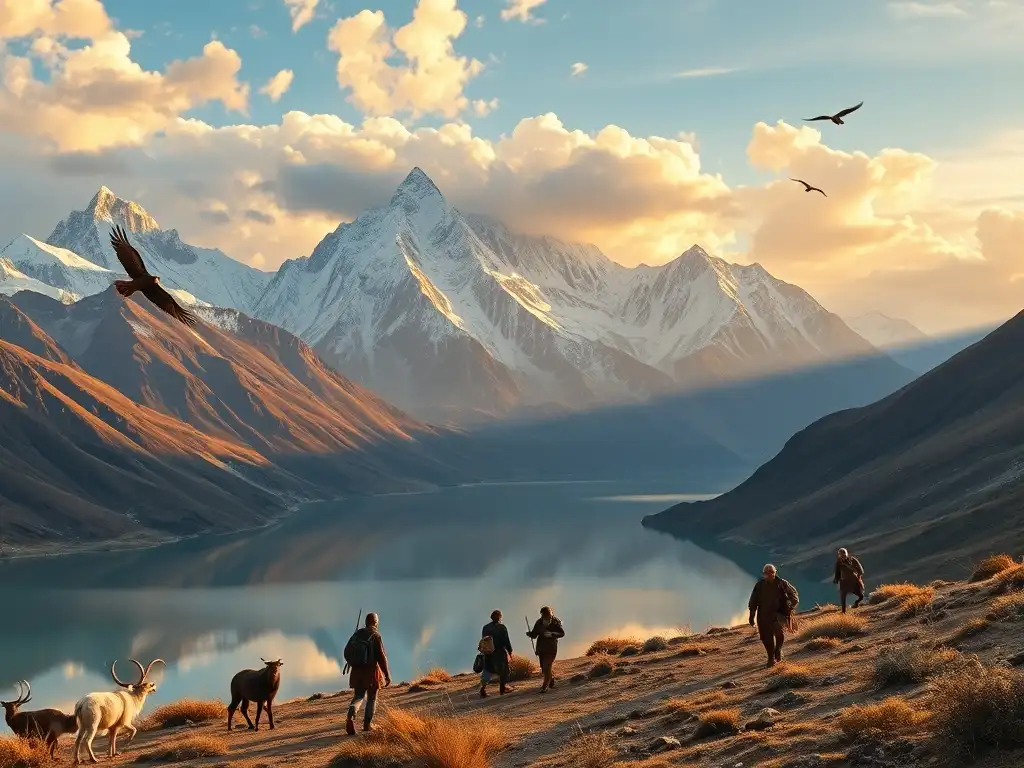
Step into a world lost to time, where the echoes of ancient footsteps still resonate across the Andes. Before the grandeur of the Incas, before the intricate artistry of the Nazca, existed a vibrant tapestry of PreCeramic Andean hunter-gatherer lifestyle. Discover how these resourceful nomads shaped the very foundations of Andean civilization—a story of resilience, innovation, and a profound connection to the land that will leave you breathless. Unravel the mysteries of their existence and witness the dawn of a magnificent culture in our exploration of this fascinating era.
The Pre-Ceramic period in the Andes, a time before the invention of pottery, represents a crucial chapter in the development of Andean civilizations. This era, spanning millennia, witnessed the emergence of complex hunter-gatherer societies that adapted remarkably to the diverse and challenging Andean landscape. Understanding their lifestyle is key to unlocking the foundation upon which later, more sophisticated Andean cultures were built.
This article delves into the fascinating world of these early Andean inhabitants, exploring their strategies for survival, their social structures, and the lasting impact they had on the region's cultural heritage. We will trace their movements across the Andes, examining their unique adaptations to high-altitude environments and uncovering the richness of their pre-ceramic artistic expressions, all while focusing on the "PreCeramic Andean huntergatherer lifestyle". Prepare to embark on a journey back in time, to a period that laid the groundwork for the impressive civilizations that would follow.
Introduction to the Pre-Ceramic Andean World
The Andes Mountains, a formidable and breathtaking range, presented both challenges and opportunities to the earliest inhabitants. The diverse geography, ranging from arid coastal deserts to lush highlands and Amazonian foothills, fostered a remarkable variety of plant and animal life. However, this diversity also meant that survival required adaptability and ingenuity. Pre-Ceramic Andean hunter-gatherers developed sophisticated strategies to exploit the available resources, developing a deep understanding of their environment and its rhythms.
Their lives were intimately connected to the seasonal changes, the availability of water, and the migratory patterns of their prey. This intimate relationship with nature is reflected in their art, their tools, and their social structures. Their ingenuity and resilience laid the groundwork for the later development of agriculture and the rise of complex societies in the Andes. This period, often overlooked, is crucial for understanding the complete tapestry of Andean history.
Defining the Pre-Ceramic Period in the Andes
The Pre-Ceramic period in the Andes is defined by the absence of pottery, a significant technological advancement that marks a clear transition in Andean archaeology. However, this does not imply a lack of sophistication or cultural complexity. Instead, this era is characterized by the development of other technologies and cultural practices that reflect a profound understanding of the environment and social organization.
The absence of pottery allows archaeologists to focus on other material remains to reconstruct the lives of these early inhabitants, such as stone tools, textiles, and cave paintings. These artifacts provide invaluable insights into their hunting and gathering techniques, their artistic expressions, and their social structures.
Key Characteristics of the Pre-Ceramic Era
The Pre-Ceramic period is characterized by several key features:
- Hunter-gatherer subsistence: The primary means of sustenance was hunting and gathering wild plants and animals.
- Technological innovation: While lacking pottery, they developed sophisticated stone tool technologies, including projectile points, grinding stones, and tools for processing plant materials.
- Sedentary and nomadic tendencies: Evidence suggests a mix of both sedentary and nomadic lifestyles, depending on resource availability and seasonal changes.
- Early forms of social organization: While the exact nature of their social structures is still under investigation, evidence suggests the development of complex social networks and possibly early forms of leadership.
- Artistic expression: Cave paintings, rock art, and early textiles showcase the artistic talents of these early Andean communities.
Chronology of Early Andean Hunter-Gatherers
Establishing a precise chronology for the Pre-Ceramic period is an ongoing process, with new discoveries constantly refining our understanding. However, current research suggests a broad timeframe, with the earliest evidence of human occupation in the Andes dating back tens of thousands of years. This long period saw gradual changes in technology, subsistence strategies, and social organization. The development of more efficient hunting techniques, improved toolmaking, and the exploitation of a wider range of resources contributed to population growth and the expansion of human settlements across the diverse Andean landscape.
Further research and radiocarbon dating are continually refining our understanding of the precise timeline and the complexities within this fascinating era. The timeline remains a subject of ongoing research and debate among archaeologists. More precise dates and subdivisions are constantly being refined as new data emerges.
- What is the PreCeramic period in the Andes?
- How did hunter-gatherer groups survive in the diverse Andean landscape?
- What evidence reveals the hunter-gatherer lifestyle in the PreCeramic Andes?
- Were PreCeramic Andean hunter-gatherers nomadic or sedentary?
- How did the PreCeramic hunter-gatherer lifestyle influence later Andean civilizations?
The Hunter-Gatherer Way of Life in the Andes
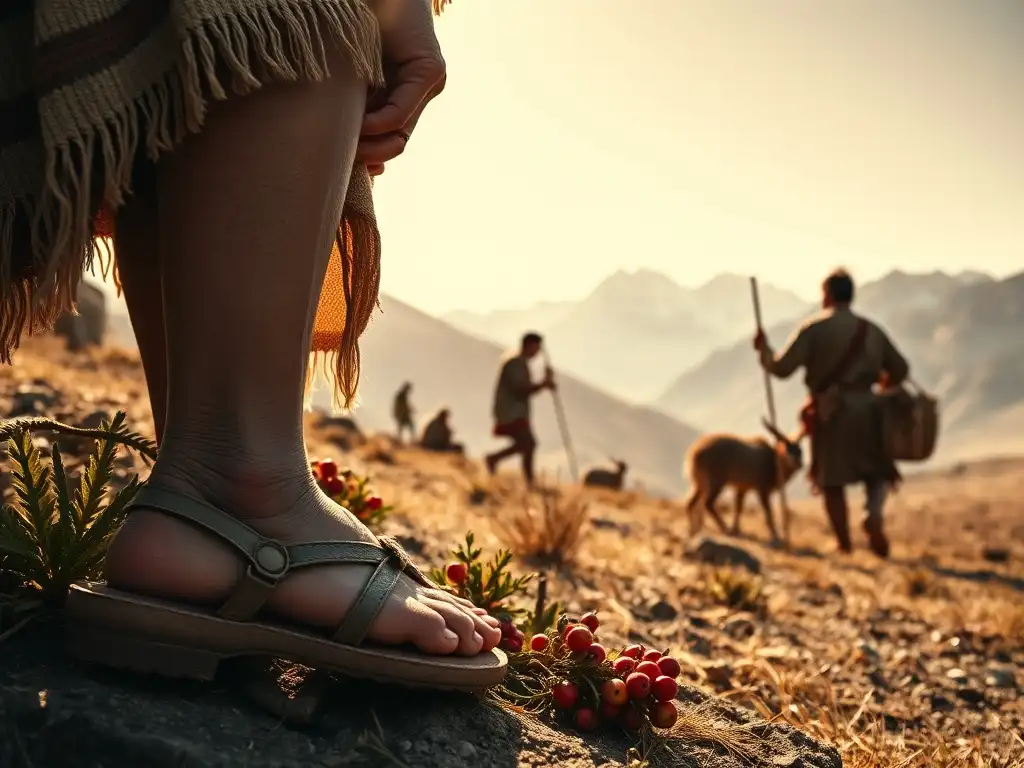
This section delves into the fascinating world of Pre-Ceramic Andean hunter-gatherer lifestyles, exploring their subsistence strategies, social structures, and remarkable adaptations to the challenging Andean environment. Understanding these early inhabitants is crucial to comprehending the later development of complex Andean civilizations. The term "Pre-Ceramic Andean hunter-gatherer lifestyle" encapsulates the unique challenges and innovations of these early peoples.
Subsistence Strategies of Pre-Ceramic Andean Peoples
The Pre-Ceramic Andean hunter-gatherers, existing prior to the development of agriculture and pottery, relied entirely on their environment for survival. Their existence was a delicate balance between acquiring sufficient food and adapting to the diverse and often harsh conditions of the Andes. This subsistence strategy dictated their social organization and mobility patterns.
Hunting Techniques and Tools
Hunting played a vital role in their subsistence. Evidence suggests a diverse range of hunting techniques, adapted to the specific prey and terrain. Early Andean hunters likely used a combination of strategies, including:
- Individual hunting: Using traps, snares, and possibly atlatls (spear-throwers) to ambush smaller animals.
- Cooperative hunting: Larger game, such as guanacos and vicuñas, likely required coordinated group efforts. [Specific details on cooperative hunting strategies pending].
- Tools: Stone tools, including projectile points, knives, and scrapers, were essential for hunting and processing animal carcasses. Analysis of these tools reveals a sophisticated understanding of stone knapping techniques. The types of stone used varied depending on regional availability.
Gathering Practices and Plant Use
Gathering wild plants and other resources formed the other crucial pillar of their subsistence. This included:
- Plant foods: A wide variety of wild plants, fruits, roots, nuts, and seeds provided essential carbohydrates, vitamins, and minerals. [Specific plant species identified in archaeological remains pending].
- Insects and other invertebrates: These provided a supplementary source of protein.
- Gathering techniques: Knowledge of plant life cycles and seasonal availability was crucial. [Further details on gathering techniques pending].
Adaptation to Diverse Andean Environments
The Andean landscape presents a range of ecological zones, from high-altitude puna grasslands to lower-altitude valleys and coastal deserts. The Pre-Ceramic Andean hunter-gatherers displayed remarkable adaptability, developing specialized strategies for each environment. Their mobility was directly linked to resource availability and seasonal changes. They moved across the landscape following migrating herds and the seasonal availability of plants. This adaptability is a hallmark of their resilience and ingenuity.
The social structure and mobility patterns of these early Andean societies are complex and continue to be researched. However, preliminary findings paint a picture of dynamic adaptations to their challenging environment.
Nomadism and Seasonal Movements
The term "nomadism" is often used to describe the movement patterns of Pre-Ceramic Andean hunter-gatherers. However, it's important to avoid simplistic generalizations. Their movements weren't random wanderings but rather carefully planned seasonal migrations linked to resource availability. They established temporary camps in areas rich in resources during specific seasons, returning to other locations as resources shifted. This sophisticated understanding of their environment allowed for consistent access to food and other necessities.
Band-Level Social Structures
The prevailing social organization was likely based on small, mobile bands of related individuals. These bands maintained flexible alliances and interactions with other bands, depending on resource availability and social needs. [Further details on band composition and interactions pending]. The size of these bands likely varied seasonally, increasing during times of abundance and potentially decreasing during leaner periods.
Evidence of Early Social Complexity
While primarily characterized by band-level social structures, emerging evidence suggests a level of complexity exceeding simple hunter-gatherer societies. This includes:
- Evidence of trade: The discovery of obsidian artifacts far from their sources suggests the existence of trade networks and social interactions between different groups.
- Elaborate burial practices: Some sites reveal intricate burial rituals, indicating social hierarchies and beliefs beyond basic survival needs. [Specific examples of elaborate burial practices pending]. These findings challenge simple notions of egalitarian band societies and suggest a more nuanced understanding of social organization is needed. The careful study of these early Andean societies continues to enrich our understanding of human adaptability and societal development.
Archaeological Evidence of Pre-Ceramic Andean Hunter-Gatherers
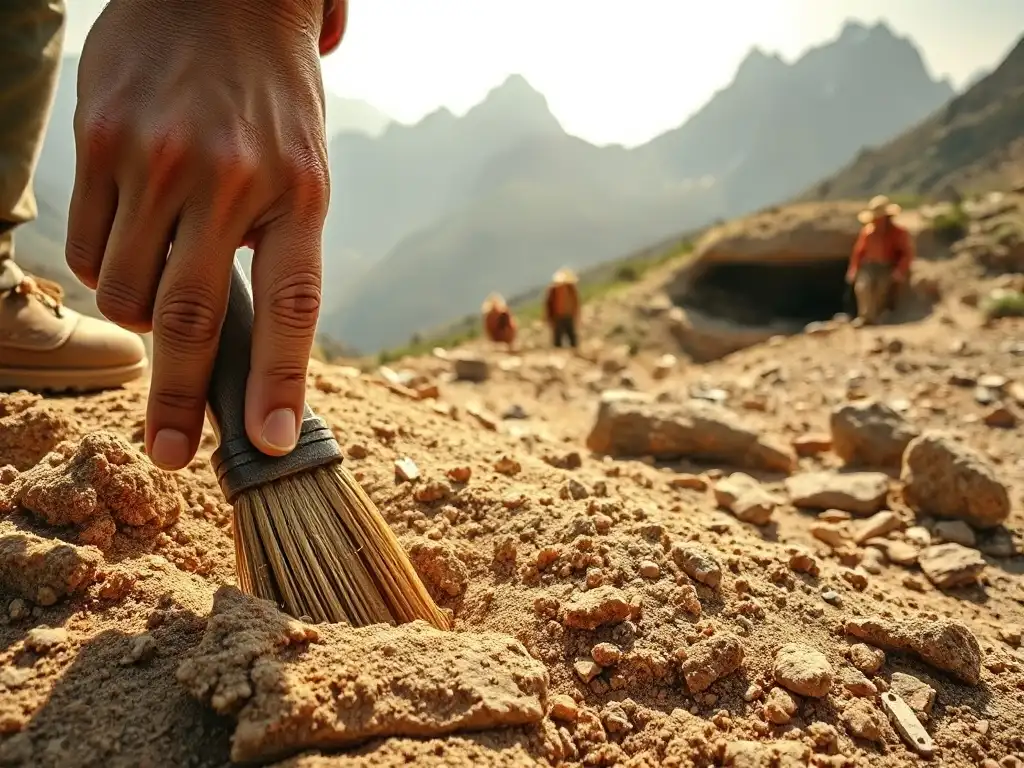
The PreCeramic Andean hunter-gatherer lifestyle, a crucial phase in the development of Andean civilizations, is vividly illustrated through a wealth of archaeological evidence. Understanding this period provides invaluable insights into the adaptive strategies and cultural innovations that laid the foundation for later complex societies. The scarcity of written records necessitates a heavy reliance on material culture analysis to reconstruct the lives and practices of these early inhabitants.
Examining the artifacts unearthed from various sites across the Andes reveals a nuanced picture of their subsistence strategies, social structures, and technological advancements. This section will delve into key archaeological sites and discoveries, shedding light on the daily lives and cultural expressions of these pioneering Andean groups.
Key Archaeological Sites and Discoveries
Several key archaeological sites in the Andes have yielded invaluable information regarding the PreCeramic Andean hunter-gatherer lifestyle. These sites, spanning diverse geographical locations and ecological zones, offer a comparative perspective on the adaptability and resilience of these early populations. The findings from these locations provide crucial data points for understanding the evolution of human occupation and cultural development in the Andean region.
Monte Verde and its Significance
Monte Verde, located in Chile, stands as a remarkable example, pushing back the timeline of human presence in South America significantly. Excavations have revealed remarkably well-preserved organic materials, offering unparalleled insights into the daily lives of these hunter-gatherers. Evidence of sophisticated habitation structures, diverse plant remains, and a variety of tools suggests a settled, rather than strictly nomadic, lifestyle, challenging earlier assumptions about the PreCeramic period.
This challenges the traditional narrative of late arrival of humans to South America, significantly impacting our understanding of the PreCeramic Andean hunter-gatherer lifestyle and its timeline. The discovery of evidence of plant domestication at Monte Verde also suggests a more complex relationship with the environment than previously assumed.
Pikimachay Cave and its Findings
Pikimachay Cave, situated in Ayacucho, Peru, provides another crucial window into the early Andean past. The cave's stratified deposits have yielded a long sequence of archaeological materials, demonstrating continuous human occupation over millennia. Stone tools, including projectile points and scrapers, unearthed from Pikimachay Cave, reveal advancements in lithic technology and hunting techniques. The diversity of tool types suggests a flexible adaptation to the changing environmental conditions and a nuanced understanding of available resources. Further analysis of faunal remains from Pikimachay Cave continues to refine our understanding of the diet and subsistence patterns of these early hunter-gatherers.
Guitarrero Cave and its Contributions to Understanding
Guitarrero Cave, located in the northern Peruvian Andes, is notable for its early evidence of plant domestication. The discovery of various plant remains, including squash and possibly other crops, suggests that these early inhabitants were actively shaping their environment through cultivation. This finding significantly contributes to our understanding of the transition from foraging to agriculture in the Andes and the development of settled communities.
The presence of both plant and animal remains underscores the importance of both plant and animal resources in their subsistence strategy, indicating a diversified approach to food procurement. Further research is needed to fully understand the extent and nature of these early agricultural practices and their impact on the PreCeramic Andean hunter-gatherer lifestyle.
Material Culture of Early Andean Hunter-Gatherers
The material culture left behind by PreCeramic Andean hunter-gatherers offers invaluable insights into their technological capabilities, social organization, and symbolic expressions. The analysis of these artifacts provides a tangible link to the past, enabling us to reconstruct their daily lives and understand their adaptive strategies within their environment. The careful study of these artifacts helps paint a richer and more complete picture of the PreCeramic Andean hunter-gatherer lifestyle.
Stone Tools and Technology
Stone tools represent a significant component of the material culture of PreCeramic Andean hunter-gatherers. The development and refinement of lithic technology demonstrate a growing understanding of material properties and an increasing sophistication in tool production techniques. Analysis of these tools reveals a diverse range of functions, including hunting, butchering, woodworking, and plant processing. The presence of specialized tools, such as projectile points and scrapers, indicates increasingly efficient hunting and resource processing strategies. Furthermore, the variation in tool types across different sites suggests regional differences in technology and adaptation to specific environmental conditions.
Evidence of Basketry and Weaving
While less durable than stone tools, evidence of basketry and weaving provides compelling insight into the technological skills and artistic expressions of these early groups. Fragments of woven textiles and basketry have been discovered at several sites, indicating a sophisticated understanding of plant fibers and weaving techniques. These artifacts likely served a variety of purposes, including storage, transportation, and clothing.
The intricate patterns and designs found on some fragments suggest a potential symbolic or ritualistic significance, adding a layer of complexity to our understanding of the PreCeramic Andean hunter-gatherer lifestyle. The discovery of these delicate artifacts highlights the ingenuity and artistic capabilities of these early Andean populations.
Use of Animal Remains and Bone Artifacts
Animal remains and bone artifacts provide essential information about the diet, hunting practices, and potential symbolic uses of animals by PreCeramic Andean hunter-gatherers. The types of animals represented in the faunal assemblages vary across different sites, reflecting the diverse ecological zones and available resources. Analysis of cut marks on bones and the presence of specialized tools for butchering indicate efficient hunting and processing techniques.
In some cases, bone artifacts have been modified into tools or ornaments, suggesting a symbolic value attributed to certain animals. The study of animal remains offers crucial insights into the subsistence strategies and worldview of these early Andean populations, further enriching our understanding of the PreCeramic Andean hunter-gatherer lifestyle.
Art and Symbolic Expression in Pre-Ceramic Andean Societies
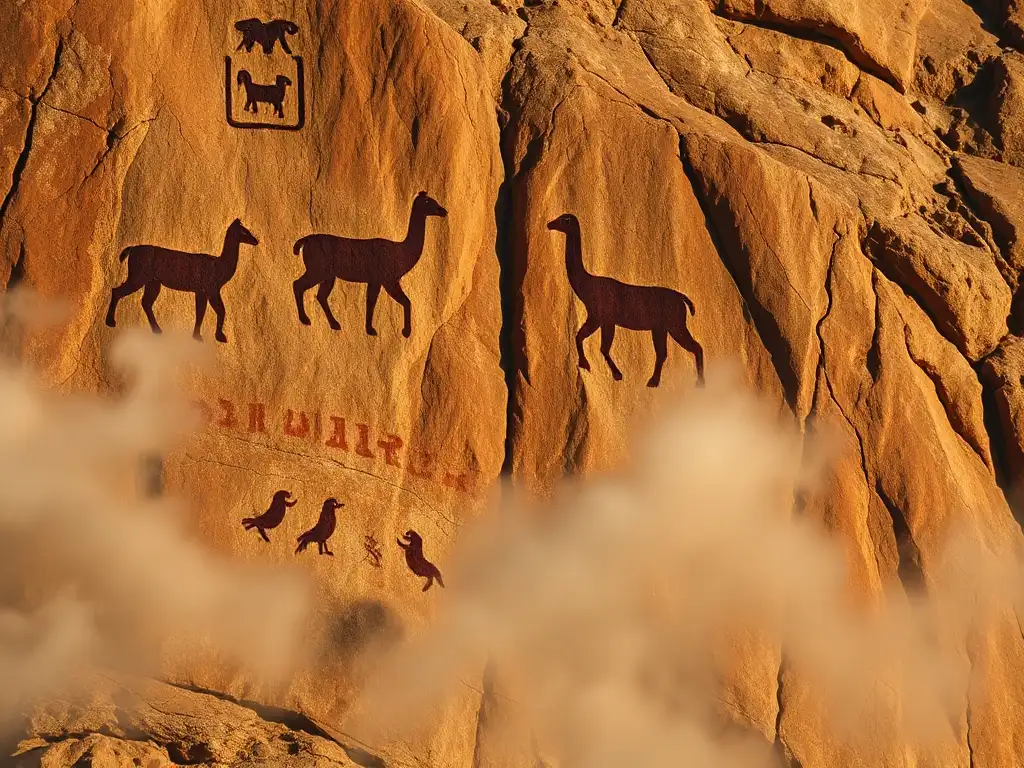
The PreCeramic Andean huntergatherer lifestyle, while characterized by its nomadic nature and dependence on readily available resources, was far from devoid of artistic expression and symbolic representation. These early forms of communication, often deeply entwined with spiritual beliefs and ritual practices, offer invaluable insights into the worldview of these early Andean inhabitants. The scarcity of easily transportable materials, however, meant that artistic expression often took the form of rock art and cave paintings, rather than portable artifacts.
The sheer longevity of these forms of expression testifies to their importance in the lives of these communities, even as they moved across the varied landscapes of the Andes. These weren't merely decorative elements; they were powerful tools for storytelling, transmitting knowledge, and establishing social identities.
Early Forms of Rock Art and Cave Paintings
The arid and semi-arid regions of the Andes provided numerous suitable surfaces for rock art creation. These early expressions, primarily found in caves and rock shelters, showcase a range of techniques and styles, reflecting the diverse cultural groups inhabiting the region. The use of natural pigments, such as ochre and charcoal, suggests a sophisticated understanding of material properties and color manipulation, even at this early stage.
The motifs themselves, often geometric shapes, animal representations, and abstract symbols, remain largely open to interpretation, although ongoing research helps shed light on their possible meanings. Further study is needed to definitively categorize the different styles and their geographic distribution, but initial findings suggest a fascinating diversity within the PreCeramic artistic landscape.
Toquepala Cave Paintings
The Toquepala cave paintings in southern Peru stand as a significant example of PreCeramic rock art. These paintings, characterized by their vibrant ochre hues and relatively large scale, depict various animal figures, including camelids, birds, and possibly human-like forms. The style is relatively straightforward, focusing on clear outlines and relatively simple representations of the animals, suggesting a focus on capturing the essence of the creatures rather than detailed anatomical accuracy.
The location of the paintings within a protected cave suggests a deliberate choice of placement, perhaps indicating a sacred or ritualistic significance. Further investigation is required to fully understand the context and meaning of these remarkable images. [Specific dating of Toquepala paintings pending].
Interpretation of Artistic Motifs
Interpreting the meaning of PreCeramic Andean art presents a significant challenge. The lack of written records necessitates a reliance on contextual evidence, comparative studies with later Andean art forms, and careful analysis of the stylistic choices made by the artists. Geometric patterns, for example, might represent clan affiliations, territorial boundaries, or astronomical observations.
Animal depictions could symbolize totems, sources of sustenance, or elements within the spiritual world. The combination of motifs within a single panel might suggest narratives or complex symbolic relationships. While definitive conclusions remain elusive, ongoing research using a multidisciplinary approach, incorporating archaeological, anthropological, and art historical perspectives, is slowly unlocking the secrets held within these ancient images.
Evidence of Ritual Practices and Beliefs
The PreCeramic Andean huntergatherer lifestyle was deeply infused with spiritual beliefs and ritual practices. Evidence for this is found not only in the artistic expressions discussed above but also in burial customs, the presence of grave goods, and potential evidence of shamanic practices. The careful preparation of bodies, the selection of burial sites, and the inclusion of specific artifacts in graves all point to a complex belief system surrounding death and the afterlife. This belief system, while distinct from later Andean religions, clearly played a central role in shaping the social structure and daily lives of these early communities.
Burial Customs and Grave Goods
Burial practices varied across different PreCeramic Andean groups, reflecting regional differences and potentially distinct beliefs. Some burials involved simple inhumations, while others involved more elaborate preparations, including the placement of the body in a flexed position or the use of grave goods. These grave goods, which might include tools, ornaments, pigments, or food offerings, provide invaluable information about the social status of the deceased, the beliefs surrounding death and the afterlife, and the importance of certain objects within their culture.
The presence of specific artifacts in certain graves suggests a hierarchical social structure, or at least the recognition of individual importance within the community. The careful placement of these objects suggests a ritualized process, implying a structured belief system about death and the afterlife.
Possible Shamanic Practices
The presence of certain artifacts, such as intricately carved stones or bone tools, in some PreCeramic Andean burials suggests the possibility of shamanic practices. These objects, often associated with altered states of consciousness or ritual healing, might indicate the existence of individuals with specialized religious roles within the community. While direct evidence of shamanic rituals remains scarce, the combination of artistic motifs, burial practices, and the presence of these specialized objects strongly suggests the presence of a complex religious system involving specialized practitioners.
Further research into the chemical composition of certain artifacts might reveal the use of hallucinogenic plants, providing additional support for the hypothesis of shamanic practices in PreCeramic Andean societies. The study of these early practices is crucial for understanding the development of Andean spiritual traditions.
The Transition from Hunter-Gatherers to Sedentary Life in the Andes
The shift from a nomadic hunter-gatherer lifestyle to a sedentary, agricultural existence in the Andes was a gradual process, spanning millennia and varying significantly across different regions. This transition, crucial to understanding the development of later Andean civilizations, wasn't a sudden revolution but a complex interplay of environmental pressures, technological innovations, and social changes. The PreCeramic Andean hunter-gatherer lifestyle, characterized by mobility and resource exploitation, gradually gave way to a more settled existence centered around cultivated plants and domesticated animals. This section explores the key factors that propelled this transformative period in Andean prehistory.
Factors Contributing to Sedentism and Agriculture
Several interconnected factors contributed to the adoption of sedentary agriculture in the Andes. Understanding these factors is key to appreciating the complexity of the transition from the PreCeramic Andean hunter-gatherer lifestyle to the development of early Andean societies. These factors weren't isolated events but rather interwoven processes that influenced one another.
Climate Change and Environmental Shifts
The Andean environment during the PreCeramic period was not static. Fluctuations in climate, including periods of both increased aridity and increased rainfall, significantly impacted the availability of wild resources. Periods of drought likely forced hunter-gatherer groups to become more reliant on locally available resources, potentially encouraging experimentation with plant cultivation.
Conversely, periods of increased rainfall might have provided opportunities for expanding agricultural practices. Evidence from paleoclimatology and pollen analysis helps us reconstruct these environmental changes and their impact on human adaptation. Detailed studies of sediment cores and ancient lake levels provide crucial data for understanding the environmental context of this transition.
The Rise of Plant Domestication
The domestication of plants, a cornerstone of the shift towards sedentary life, involved a gradual process of human selection and cultivation. Early Andean farmers began to intentionally cultivate plants like squash, beans, and potatoes – all staples of later Andean diets. The process of domestication involved selecting plants with desirable traits, like larger fruit size or increased yield, and planting them in closer proximity to human settlements.
This led to a more reliable food source and reduced the need for extensive foraging. Genetic studies of ancient plant remains offer insights into the timeline and processes of domestication, revealing the remarkable adaptability of these plants and the ingenuity of early Andean farmers. The discovery of early agricultural tools further supports the argument for intentional cultivation.
The Development of Early Villages
As reliance on agriculture increased, so did the tendency towards settlement in permanent locations. The establishment of early villages marked a significant departure from the mobile lifestyle of hunter-gatherers. These villages provided a more stable base for agricultural activities, allowing for the storage of food surpluses and the development of more complex social structures.
Archaeological evidence, including the remains of houses, storage pits, and other structures, provides valuable insights into the size, layout, and social organization of these early settlements. The location of these villages often reflects a strategic choice based on access to water resources and fertile land. Analyzing the spatial distribution of these early villages reveals patterns of settlement and resource management.
Legacy of the Pre-Ceramic Hunter-Gatherers
The PreCeramic Andean hunter-gatherer lifestyle, despite its eventual transition to agriculture, left a lasting impact on Andean societies. Understanding this legacy is crucial for a complete picture of Andean development.
Foundations for Later Andean Civilizations
The hunter-gatherer period laid important foundations for the later, more complex civilizations of the Andes. The knowledge of the environment, plant and animal resources, and resource management techniques acquired during this period were essential for the success of subsequent agricultural societies. This includes a deep understanding of the Andean landscape and its ecological diversity. The ingenuity and adaptability displayed by these early inhabitants provided a crucial base for innovations in agriculture and social organization.
The Importance of Understanding Pre-Ceramic Adaptations
Understanding the PreCeramic Andean hunter-gatherer lifestyle is not simply a matter of historical curiosity; it's vital for comprehending the broader trajectory of Andean development. By studying these early adaptations, we gain insights into human resilience, innovation, and the complex interaction between humans and their environment. This perspective is crucial for understanding the sustainability of later Andean societies and the challenges they faced.
The Enduring Influence of Early Andean Lifeways
Even after the adoption of agriculture, elements of the hunter-gatherer lifestyle persisted in many Andean regions. The continued exploitation of wild resources, alongside cultivated crops, ensured dietary diversity and resilience against agricultural failures. This flexibility and adaptability are hallmarks of Andean cultures throughout history. The integration of both cultivated and wild resources reflects a sophisticated understanding of resource management and ecological balance. This enduring influence showcases the lasting legacy of the PreCeramic Andean hunter-gatherer lifestyle.
Frequently Asked Questions
What is the PreCeramic period in the Andes?
The PreCeramic period in the Andes refers to the time before the development of pottery, generally spanning from roughly 8000 BCE to 1800 BCE. It's a crucial era for understanding the development of early Andean societies.
How did hunter-gatherer groups survive in the diverse Andean landscape?
Andean hunter-gatherers adapted remarkably to the diverse environments. They exploited varied resources, from coastal seafood to high-altitude camelids, using sophisticated knowledge of their surroundings.
What evidence reveals the hunter-gatherer lifestyle in the PreCeramic Andes?
Archaeological evidence, including lithic tools, plant remains, and animal bones found at sites across the Andes, reveals their subsistence strategies and settlement patterns. Cave paintings also offer insights into their beliefs and practices.
Were PreCeramic Andean hunter-gatherers nomadic or sedentary?
Many groups were likely semi-nomadic, moving seasonally to follow resources. However, evidence suggests some degree of sedentism in certain areas with abundant resources, showing varied settlement patterns.
How did the PreCeramic hunter-gatherer lifestyle influence later Andean civilizations?
The adaptive strategies and resource management techniques developed during the PreCeramic period laid the foundation for the complex agricultural societies and empires that followed in the Andes, influencing later social structures and technological advancements.
Final Reflection: Echoes of the Past, Lessons for the Future
The resilience and adaptability of Preceramic Andean hunter-gatherers remain strikingly relevant today, offering a powerful counterpoint to our increasingly complex and resource-intensive modern lifestyles. Their intimate understanding of their environment, their sustainable practices, and their intricate social structures provide invaluable lessons for navigating the challenges of climate change, resource scarcity, and social inequality in the 21st century. Their story is not just a historical account; it's a blueprint for a more sustainable and equitable future.
The profound connection these ancient peoples had with their land and its resources continues to resonate, reminding us of the delicate balance between human society and the natural world. Their ingenuity in adapting to fluctuating environments, their deep knowledge of plant and animal life, and their sophisticated social organization offer a compelling alternative to the often unsustainable practices of modern society. The earth provides enough to satisfy every man's needs but not every man's greed.
- Mahatma Gandhi. This quote perfectly encapsulates the contrast between the sustainable practices of the Preceramic Andean hunter-gatherers and the unsustainable consumption patterns prevalent in many parts of the world today.
Consider the ingenuity and resourcefulness demonstrated by these early Andean communities. Think about how their deep understanding of their environment allowed them to thrive for millennia. Now, consider how you can apply these principles to your own life. Can you reduce your environmental impact? Can you foster stronger connections within your community? Can you find ways to live more sustainably and in greater harmony with the natural world? The echoes of the past call to us, urging us to embrace a more mindful and responsible approach to our future.
Embark on Your Own Journey of Discovery!
Thank you for exploring the fascinating world of hunter-gatherers in the Pre-Ceramic Andes! We hope you found the insights into their way of life and their deep connection with their environment inspiring. Now, let's delve deeper. Here are some ways to continue your exploration:
- Expand your knowledge: Explore more articles on our site about ancient Andean civilizations to further your understanding of their rich cultures and remarkable achievements.
- Connect with others: Join the conversation! Participate in discussions on our forums or social media channels dedicated to ancient history and archaeology to connect with fellow enthusiasts.
- Explore local resources: Visit museums or archaeological sites near you that showcase hunter-gatherer societies and their relationship to Andean cultures. Many offer engaging exhibitions and tours.
Reflect on the aspects of the hunter-gatherer lifestyle that resonate most with you, and consider how these insights might inform your understanding of contemporary societies.