
The Land Before Time: Unearthing the Paleolithic Roots of Andean Culture


Dive into a world lost to time, where the echoes of ancient footsteps resonate across the Andes. Forget everything you think you know about the Incas. This isn't just a story of empires; it's a journey to the dawn of Andean civilization itself. Uncover the mysteries of Paleolithic Andean culture, a hidden chapter that rewrites the narrative of this remarkable region. Prepare to be amazed by what lies beneath the surface… Are you ready to explore?
The majestic Andes Mountains, a spine of rock and ice running down the western coast of South America, have witnessed millennia of human history. While the Inca Empire often dominates narratives of Andean civilization, a far richer and deeper story unfolds when we delve into the Paleolithic period – the era before agriculture, before monumental architecture, before the empires themselves.
This article explores the fascinating, albeit often fragmentary, evidence of Paleolithic Andean culture, tracing the earliest human presence in the region and revealing the foundations upon which later, more complex societies were built. We will examine the challenges of this early Andean life, the innovative adaptations made by its inhabitants, and the enduring legacy of these pioneering people.
Understanding this prehistoric foundation is crucial to appreciating the full tapestry of Andean civilization and its remarkable achievements. The journey into the Paleolithic Andean past illuminates not only the origins of Andean cultures but also the resilience and ingenuity of humankind in one of the world's most challenging environments.
Early Human Migrations to the Andes: Tracing the First Footprints
The precise timing and routes of the first human migrations into the Andes remain subjects of ongoing research and debate. However, archaeological evidence, including the discovery of early stone tools and human remains, suggests that humans arrived in South America significantly earlier than previously thought. The challenges posed by the Andes – high altitudes, diverse climates, and varied terrains – necessitated remarkable adaptability.
Early inhabitants developed strategies for survival in these harsh conditions, including specialized hunting techniques for the unique Andean fauna and the innovative use of available resources for shelter and tools. Understanding these early adaptations is key to comprehending the subsequent development of Andean societies. Further research, including advanced dating techniques and more extensive excavations, promises to refine our understanding of these initial migrations.
The sheer scale and complexity of the Andean mountain range makes this a particularly challenging, yet rewarding, area of archaeological investigation. The discovery of new sites and artifacts continually reshapes our understanding of this pivotal period.
Paleolithic Technology in the Andes: Innovation in a Harsh Landscape
The Paleolithic inhabitants of the Andes were not simply survivors; they were innovators. Faced with the limitations of their environment, they developed sophisticated stone tool technologies tailored to their specific needs. These tools, ranging from simple choppers to more refined projectile points, reflect a deep understanding of the available materials and their properties.
Evidence suggests the use of obsidian, a volcanic glass prized for its sharpness, as well as other locally sourced stones. The design and manufacture of these tools reveal a level of skill and planning that speaks to the cognitive abilities of these early Andeans. Furthermore, the discovery of early cave paintings and other forms of symbolic expression indicates a developing capacity for abstract thought and cultural transmission.
The creation of these artifacts reflects not only practical needs but also a growing sense of identity and community within these early Andean groups. Unfortunately, much of the Paleolithic record remains elusive, making the preservation and study of these fragile artifacts crucial for future research.
Subsistence Strategies: Hunting, Gathering, and Early Adaptations
The subsistence strategies of Paleolithic Andean populations were necessarily diverse, reflecting the varied environments they inhabited. Hunting played a significant role, targeting a range of animals adapted to the high altitudes and diverse ecosystems. Gathering of wild plants, fruits, and roots also provided crucial sustenance. Evidence suggests a sophisticated understanding of seasonal changes and the availability of different resources throughout the year.
The development of specialized hunting techniques, such as the use of atlatls (spear-throwers), enhanced their ability to procure food. These early Andeans possessed an intimate knowledge of their environment, adapting their strategies to the challenges of the fluctuating climate and the available resources. The development of these diverse subsistence strategies laid the groundwork for the later agricultural innovations that would transform Andean societies. The ability to exploit a wide range of resources was essential for survival in this demanding environment.
The Legacy of the Paleolithic: Shaping Future Andean Civilizations
The Paleolithic period, though often overlooked in narratives of Andean history, laid the crucial groundwork for the development of later, more complex societies. The technological innovations, subsistence strategies, and adaptive capacities developed during this era provided the foundation for subsequent cultural and societal advancements. The intimate knowledge of the Andean environment, the sophisticated toolmaking skills, and the capacity for social organization all contributed to the emergence of the remarkable civilizations that would later flourish in this region.
Understanding the Paleolithic roots of Andean culture offers a deeper appreciation of the ingenuity and resilience of its people, and illuminates the long and complex trajectory of human history in the Andes. Further research into this often-neglected period is crucial for a more complete and nuanced understanding of Andean civilization as a whole. The legacy of the Paleolithic Andean people continues to resonate in the cultural landscape of the region.
- Early Human Migrations to the Andes: Tracing the First Footprints
- Paleolithic Technology in the Andes: Innovation in a Harsh Landscape
- Subsistence Strategies: Hunting, Gathering, and Early Adaptations
- The Legacy of the Paleolithic: Shaping Future Andean Civilizations
- What is the Paleolithic period in the Andes, and how does it relate to later civilizations?
- How did Paleolithic Andean people adapt to the challenging Andean environment?
- What evidence exists to support the study of Paleolithic Andean culture?
- How did Paleolithic Andean technology influence later civilizations?
- Are there any ongoing research projects focused on Paleolithic Andean culture?
Introduction to the Andean Paleolithic Period

The Andean region, often associated with the monumental achievements of later civilizations like the Inca, boasts a far deeper history stretching back tens of thousands of years to the Paleolithic period. This era, preceding the development of agriculture and pottery, laid the crucial groundwork for the complex societies that would flourish millennia later. Understanding the Andean Paleolithic is key to comprehending the full trajectory of Andean cultural development, revealing a rich tapestry of adaptation, innovation, and resilience in the face of challenging environmental conditions.
This section delves into the defining characteristics of this crucial period, highlighting its significance and outlining the journey we'll undertake to explore its fascinating legacy. The study of Paleolithic Andean culture provides invaluable insights into the very origins of human presence and societal evolution in this remarkable region.
Defining the Paleolithic Era in the Andes
The Andean Paleolithic, spanning roughly from the initial human arrival in the Andes to the emergence of pre-ceramic societies (circa 10,000 BCE), is characterized by a hunter-gatherer lifestyle. Unlike the later agricultural societies, Paleolithic Andean groups relied on hunting megafauna (such as camelids and ground sloths), gathering wild plants, and exploiting diverse ecological niches across the Andes' varied landscapes. Evidence suggests a remarkable adaptability to high altitudes, arid coastal deserts, and lush Amazonian foothills.
Their technology was primarily lithic, meaning stone tools were central to their survival strategies. These tools, often meticulously crafted from obsidian and other readily available materials, served a variety of purposes, from butchering game to preparing plant foods. Archaeological findings, such as the discovery of early stone tools and the remnants of campsites, provide crucial clues to reconstructing their daily lives and social structures.
The precise dating of the earliest human presence in the Andes remains a subject of ongoing research, with new discoveries constantly refining our understanding of this pivotal period. However, the existing evidence strongly suggests a long and complex Paleolithic history, far richer and more nuanced than previously imagined.
Importance of Studying Early Andean Settlements
Studying early Andean settlements is paramount for several reasons. First, it allows us to trace the origins of human adaptation to diverse Andean environments. Understanding how these early inhabitants coped with the challenges of high altitude, fluctuating climates, and limited resources provides valuable insights into human resilience and ingenuity.
Second, the analysis of Paleolithic artifacts offers invaluable clues about technological advancements and social organization. The sophistication of early stone tools, for instance, suggests a level of cognitive development and collaborative skills that are often underestimated. Third, investigating these early settlements helps us understand the long-term processes that shaped later Andean civilizations.
The patterns of settlement, resource use, and social interaction established during the Paleolithic period undoubtedly laid the foundation for the subsequent development of more complex societies. Finally, studying the Paleolithic Andean culture helps us challenge Eurocentric narratives of human history, highlighting the significant contributions of Andean peoples to the broader story of human evolution. This investigation into the origins of Andean civilization offers a more complete and nuanced understanding of humanity's past.
Overview of the Article: Tracing Pre-Ceramic Andean History
This article embarks on a journey through time, tracing the pre-ceramic history of the Andes from the initial Paleolithic settlements to the cusp of the Ceramic period. We will explore the evolution of technology, the adaptation to diverse environments, and the development of social structures during this crucial era.
We will examine key archaeological sites, analyze the evidence for early human activity, and discuss the ongoing debates and research within the field. The aim is to present a comprehensive overview of Paleolithic Andean culture, emphasizing the complexity and richness of this often-overlooked period.
By the end of this exploration, we hope to provide a clearer understanding of the profound legacy of the Paleolithic era on the subsequent development of Andean civilizations, showcasing the continuity and change that shaped the region's rich cultural heritage. The journey promises to be both fascinating and illuminating, revealing the deep roots of Andean civilization and its remarkable story of survival and adaptation.
Early Human Arrival and Settlement in the Andes
The Andes Mountains, a formidable geographical barrier, presented a unique challenge and opportunity for early human migration. Understanding the timing and routes of these initial settlements is crucial to comprehending the development of Paleolithic Andean culture. The harsh, high-altitude environments, coupled with diverse ecosystems ranging from coastal deserts to lush Amazonian foothills, shaped the strategies and adaptations of these pioneering populations.
The narrative of early Andean settlement is a testament to human resilience and ingenuity in the face of challenging environments, laying the foundation for the complex societies that would flourish millennia later. The evidence, though fragmented, paints a picture of gradual adaptation and innovation, a story continuously being refined by ongoing archaeological discoveries. This section delves into the current understanding of the initial human presence in the Andes, tracing their arrival and exploring the evidence that illuminates their lives.
The First Migrations: Routes into South America
The precise routes taken by the first humans to reach the Andes remain a subject of ongoing research and debate. However, prevailing theories suggest multiple migration waves, potentially originating from both North and South America. One significant hypothesis points to a coastal route along the Pacific coast, allowing for relatively easier movement and access to resources.
This coastal migration may have been facilitated by the presence of readily available seafood and other coastal resources, supporting population growth and expansion. Another theory proposes inland routes, perhaps following river valleys and utilizing established ecological corridors. These inland routes likely presented greater challenges, requiring adaptation to diverse terrains and climates.
The timing of these migrations is also debated. While some evidence suggests early arrivals as far back as 20,000 years ago, the precise dating continues to be refined. This uncertainty stems from the challenges of dating ancient organic materials and the limitations of archaeological sites themselves.
Future research, incorporating advanced dating techniques and a broader range of evidence, will hopefully provide more definitive answers. The complexity of these early migrations underscores the need for a nuanced understanding of the processes that shaped the initial human settlement of the Andes. The interplay of environmental factors, available resources, and human adaptability played a crucial role in determining the success of these early ventures.
Evidence of Initial Human Presence in the Andean Region
Evidence for Paleolithic Andean culture is scarce compared to later periods, but crucial discoveries provide essential insights. Archaeological excavations have unearthed stone tools, the primary evidence for early human activity. These artifacts, often simple in design, represent a basic toolkit adapted to the available resources and environmental conditions.
The types of tools found vary depending on the location and time period, reflecting the diverse environments and subsistence strategies employed. For example, tools suitable for hunting and processing animal remains might be more common in areas with abundant wildlife, while tools suited for plant processing might be found in regions with a greater abundance of edible plants.
Furthermore, the analysis of ancient DNA (aDNA) from skeletal remains, when available, provides invaluable genetic information about the early Andean populations. This information can help determine the origins of these populations, track migration patterns, and understand the genetic diversity within these early communities. However, the preservation of aDNA in the challenging Andean environment is often problematic, limiting the amount of available data.
The ongoing development of aDNA extraction and analysis techniques holds great promise for significantly enriching our understanding of these early populations. The combination of artifact analysis and aDNA research is essential for a comprehensive understanding of Paleolithic Andean culture.
Key Paleolithic Sites in the Andes: Pikimachay Cave and Monte Verde
Two significant sites exemplify the challenges and rewards of studying Paleolithic Andean culture: Pikimachay Cave in Ayacucho, Peru, and Monte Verde in southern Chile. Pikimachay Cave has yielded evidence of human occupation dating back tens of thousands of years, including stone tools and animal bones. The cave's location, high in the Andes, highlights the remarkable adaptability of early humans to challenging environments.
However, the interpretation of the evidence from Pikimachay Cave, as with many early sites, is often debated, with uncertainties surrounding the precise dating and the nature of human activity at the site. The ongoing research at Pikimachay Cave continues to refine our understanding of early human presence in the high Andes.
Monte Verde, in contrast, offers a different perspective. Located in a more temperate coastal region, Monte Verde presents compelling evidence of a relatively sophisticated Paleolithic culture. The site contains remarkably well-preserved organic materials, including plant remains and wooden artifacts, providing insights into the subsistence strategies and daily lives of these early inhabitants.
The dating of Monte Verde pushes back the timeline of human presence in South America, challenging previous assumptions and contributing significantly to our understanding of the timing and patterns of early human migration in the region. The contrasting evidence from Pikimachay Cave and Monte Verde highlights the diversity of Paleolithic Andean culture and the need for further research across the vast and diverse Andean landscape. The discovery and study of more sites are critical to developing a comprehensive picture of Paleolithic Andean culture and its remarkable resilience.
Lithic Technology and Tools of the Andean Paleolithic
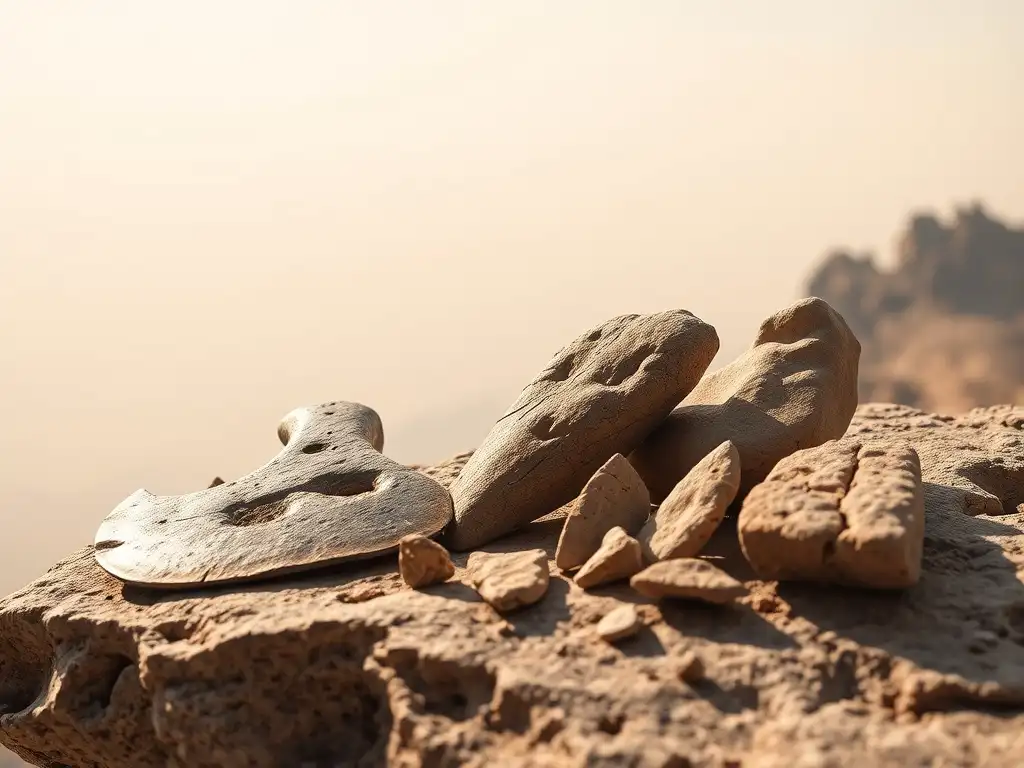
The Andean Paleolithic, spanning millennia before the emergence of complex societies, presents a fascinating study of human adaptation and technological innovation in a challenging environment. Understanding the lithic technology—the technology of stone tools—of this period is crucial to grasping the foundations of later Andean cultures. The Paleolithic Andean culture wasn't a monolithic entity; rather, it witnessed regional variations in toolmaking traditions, reflecting diverse environmental pressures and human ingenuity.
These early inhabitants skillfully utilized available resources to create tools essential for survival, shaping the landscape and their own cultural trajectory. The persistence of certain techniques and the evolution of others over vast stretches of time provide invaluable insights into the cognitive abilities and adaptive strategies of these early Andean populations.
The analysis of these tools allows us to reconstruct their daily lives, their hunting strategies, and their evolving relationship with the Andean environment. This section will delve into the specifics of these early technologies, examining the types of tools produced, the materials used, and the evolution of techniques over time.
Analyzing Stone Tool Industries: Paijan Industry
One prominent example of Paleolithic Andean toolmaking is the Paijan industry, found in coastal Peru. Characterized by its distinctive flaked stone tools, the Paijan industry showcases a remarkable level of skill in stone knapping—the process of shaping stone by striking flakes from a core. Archaeological evidence suggests a focus on creating tools suitable for processing plant materials and potentially small animals.
The tools themselves often exhibit a degree of standardization, implying a degree of learned technique passed down through generations. Analysis of the wear patterns on these tools reveals information about their specific uses, suggesting activities like cutting, scraping, and pounding. The Paijan industry is not just a collection of isolated artifacts; it's a testament to the cognitive sophistication and adaptability of early Andean peoples, demonstrating their capacity for creating and maintaining a consistent technological tradition across significant periods.
Further research into the Paijan industry may reveal even more nuanced aspects of Paleolithic Andean life. The diversity of tool forms within the industry suggests a range of activities and a sophisticated understanding of material properties by the toolmakers.
Raw Materials Used in Paleolithic Andean Toolmaking
The raw materials used in Paleolithic Andean toolmaking were largely dictated by the local geology. Obsidian, readily available in certain regions, was a highly prized material due to its sharp edges and ease of flaking. Other common materials included quartzite, chert, and various types of volcanic rock.
The selection of raw materials wasn't arbitrary; the toolmakers carefully chose materials based on their properties, demonstrating a keen understanding of the physical characteristics of different stones. For example, obsidian's conchoidal fracture—its tendency to break in smooth, curved surfaces—made it ideal for creating sharp blades and points. The selection and transportation of these raw materials over sometimes considerable distances implies complex social networks and an understanding of resource distribution.
The study of these materials reveals not only technological proficiency but also the complex relationship between early Andean peoples and their environment. Further investigation into the sourcing of these materials could illuminate trade networks and settlement patterns. The variation in raw materials used across different sites further emphasizes the regional diversity within Paleolithic Andean culture.
Evolution of Tool Technology During the Early Andean Period
The evolution of tool technology during the early Andean period reflects a gradual but significant increase in complexity. Early tools were characterized by simple flake tools, but over time, more sophisticated techniques emerged. This evolution wasn't linear; there were periods of innovation followed by periods of relative stability. The development of pressure flaking, a technique involving applying pressure to remove smaller flakes, allowed for finer control over tool shape and edge sharpness.
This innovation, along with the development of more complex tool forms such as bifaces (tools shaped on two sides) and projectile points, reflects a growing understanding of stone knapping techniques and an increased focus on hunting efficiency. The transition to more complex tools also suggests changes in social organization and subsistence strategies. The development of specialized tools for specific tasks implies a greater level of division of labor within early Andean communities.
Understanding this technological trajectory is essential for a complete picture of Paleolithic Andean culture and its transition to later periods. Further research is needed to fully understand the factors driving this technological evolution, including environmental changes and population dynamics. The study of Paleolithic Andean tool technology offers a window into the cognitive abilities and adaptive strategies of early humans in the Andes, showcasing their resilience and ingenuity in the face of environmental challenges.
Subsistence Strategies of Paleolithic Andean Peoples
The Paleolithic period in the Andes, spanning millennia before the rise of sophisticated civilizations, witnessed the development of surprisingly diverse subsistence strategies. Understanding these strategies is key to comprehending the ingenuity and resilience of early Andean inhabitants. Their ability to thrive in such varied and challenging environments laid the foundation for the complex societies that followed.
The available evidence, primarily from archaeological digs uncovering ancient tools and remnants of food sources, paints a picture of resourceful hunter-gatherers who skillfully adapted to the unique conditions of the Andes Mountains. This section will delve into the specifics of their hunting, gathering, and environmental adaptation. The term "Paleolithic Andean culture" itself highlights the unique blend of early human adaptation and the distinctive Andean landscape.
Hunting Practices and Animal Prey in the Andes
Paleolithic Andean hunting practices were shaped by the available fauna and the rugged terrain. While large-scale organized hunts, as seen in later periods, are unlikely, evidence suggests targeted hunting of various animals. The specific prey varied greatly depending on altitude and environment. In higher altitudes, such as the puna, camelids like guanacos and vicuñas were likely important sources of protein and materials. Archaeological findings of bone fragments and tools suggest these animals were hunted, though the exact methods remain partially unknown. [Specific hunting techniques pending further research].
Lower altitudes, on the other hand, likely offered a wider variety of prey, including smaller mammals like rabbits and rodents, and birds. The diversity of hunting strategies was crucial for survival, as relying on a single animal species would have been extremely risky. The development of sophisticated hunting tools, including projectile points and traps, likely played a significant role in successful hunting.
The efficiency of these tools is evident in the relatively consistent evidence of animal remains found at Paleolithic sites across the Andes. Analyzing the isotopic composition of bone remains further helps researchers understand the diet and hunting practices of these early Andean peoples.
The analysis shows a clear preference for certain animal species, suggesting a sophisticated understanding of animal behavior and distribution. This highlights the importance of ecological knowledge in shaping their survival strategies. The evidence strongly suggests a nuanced and adaptable approach to hunting, reflecting the intricate relationship between the human inhabitants and the Andean ecosystem.
Gathering and Plant Use by Early Andean Inhabitants
Alongside hunting, gathering played a vital role in the subsistence of Paleolithic Andean peoples. The Andes boast an incredible biodiversity, and early inhabitants exploited this richness. While the exact extent of plant use is difficult to determine from limited archaeological remains, studies of pollen and phytolith evidence suggest a wide range of plant foods. The evidence points towards the use of wild tubers, fruits, nuts, and seeds. These plants provided essential carbohydrates, vitamins, and minerals, complementing the protein obtained from hunting.
Examples of Plant Use
- Tubers: Various wild potato species and other tuberous plants were likely crucial sources of carbohydrates.
- Fruits and Berries: Seasonal fruits and berries provided essential vitamins and sugars.
- Seeds and Nuts: Seeds and nuts offered additional calories and nutrients.
The knowledge of plant properties and seasonal availability was paramount for survival. This suggests a deep understanding of the local ecology and a sophisticated system of plant knowledge, passed down through generations. Evidence suggests that early Andean peoples were not merely passive gatherers but actively managed plant resources. [Further research is needed to clarify the extent of plant cultivation during the Paleolithic period]. The ability to identify edible plants and to understand their growth cycles was a critical element in their long-term survival. This knowledge formed the basis for later agricultural developments.
Adapting to Diverse Andean Environments: Highland Puna
The puna, the high-altitude grasslands of the Andes, presented unique challenges for Paleolithic inhabitants. The harsh climate, characterized by extreme temperatures, thin air, and intense solar radiation, demanded specific adaptations. The limited availability of resources further intensified the need for resourceful subsistence strategies. The combination of hunting guanacos and vicuñas, along with gathering hardy high-altitude plants, was crucial for survival in this challenging environment.
| Environmental Factor | Adaptation Strategy | Evidence |
|---|---|---|
| Extreme Temperatures | Use of caves and rock shelters for shelter; development of warm clothing (likely from animal hides) | Archaeological findings of shelters and animal bone fragments |
| Thin Air | Physiological adaptations likely developed over generations; careful management of energy expenditure | Genetic studies of ancient Andean DNA [Data pending] |
| Limited Resources | Highly efficient hunting and gathering techniques; deep knowledge of local plant and animal life | Analysis of tool types and distribution of animal remains |
The success of Paleolithic Andean peoples in the puna highlights their remarkable adaptability and resilience. Their survival in such a demanding environment serves as a testament to their understanding of the natural world and their ability to develop sustainable subsistence strategies. The development of sophisticated tools and techniques, coupled with an intimate knowledge of the puna ecosystem, allowed them to thrive in a landscape that would seem inhospitable to many. The legacy of these early inhabitants continues to inspire awe and admiration.
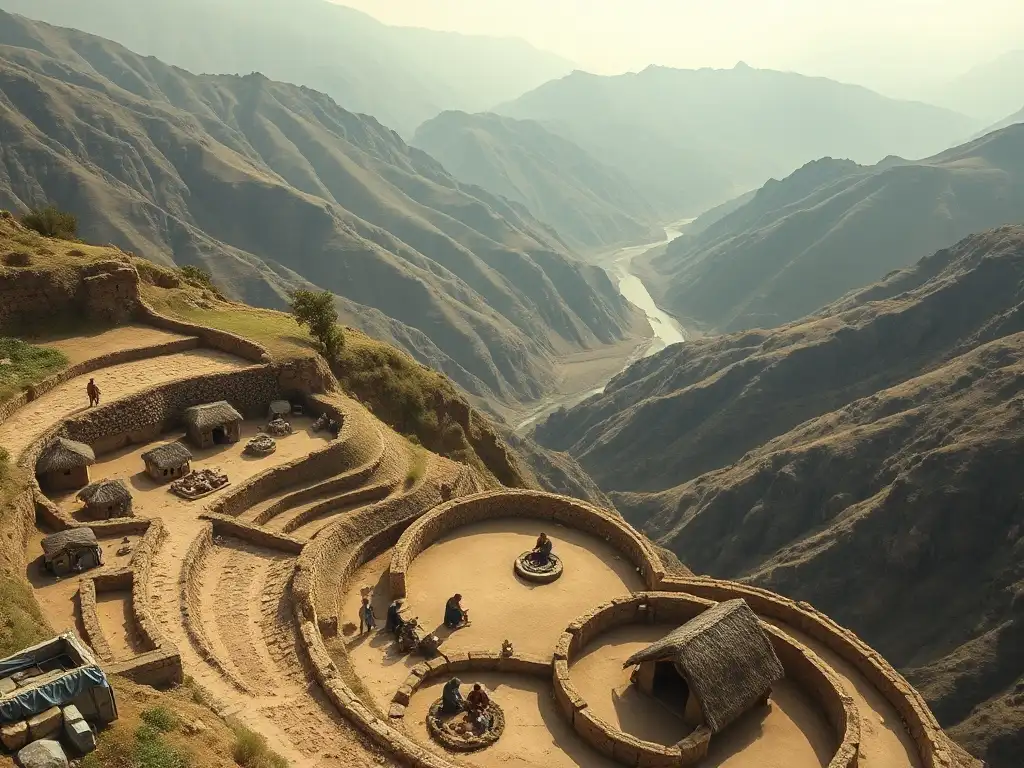
The understanding of social organization in Paleolithic Andean communities is challenging due to the limited and fragmented nature of the archaeological record. However, careful analysis of available evidence suggests a degree of social complexity beyond simple hunter-gatherer bands. The scarcity of large-scale settlements doesn't necessarily equate to a lack of social structure. Instead, it might reflect a highly mobile lifestyle adapted to the diverse Andean environments, with smaller, more fluid groups forming alliances and networks based on resource availability and kinship ties.
Archaeological findings, while sparse, hint at potential social stratification within Paleolithic Andean groups. The careful crafting of certain tools, the presence of elaborate burial practices (even if simple), and the distribution of artifacts across different sites suggest variations in status or roles within these communities. For example, the discovery of intricately worked obsidian blades at certain sites, alongside simpler tools at others, could indicate specialized labor or a hierarchical distribution of resources.
Further research is needed to fully understand the implications of these findings. More detailed analysis of isotopic ratios in human remains could shed light on dietary differences, potentially reflecting varying social standing. Furthermore, the study of spatial organization within Paleolithic settlements, even if temporary, could reveal patterns reflecting social groupings or activity areas.
Currently, however, the evidence remains insufficient to definitively establish the presence of formalized social hierarchies, but the potential for further investigation is significant. The limited evidence available suggests a complex interplay of factors influencing social organization, which requires further research to fully unravel.
Artistic Expressions and Symbolic Behavior in the Andean Paleolithic
The Paleolithic Andean populations were not merely concerned with survival; they also engaged in symbolic behavior and artistic expression, leaving behind tangible evidence of their beliefs and worldview. While not as abundant as in other regions, the surviving artifacts demonstrate a capacity for abstract thought and creative expression.
Artistic Expressions and Symbolic Behavior in the Andean Paleolithic
The discovery of ochre pigments and engraved stones provides compelling evidence of early artistic expression. These pigments were likely used for body painting and rock art, suggesting ritualistic or symbolic practices. The engravings, often abstract geometric patterns or representations of animals, hint at a sophisticated understanding of symbolism and communication.
While the precise meaning of these symbols remains a subject of ongoing research and interpretation, they undeniably represent a significant step in the development of human consciousness and cultural expression in the Andean region. The limited evidence necessitates further exploration and careful analysis of newly discovered artifacts to fully appreciate the extent and significance of Paleolithic Andean art.
The discovery of more sites with similar artifacts could provide a broader context for understanding the meaning and function of these symbolic expressions. The potential for uncovering more detailed cave paintings or rock art would greatly enhance our understanding of Paleolithic Andean artistic practices and beliefs.
The Emergence of Cultural Traditions in the Pre-Ceramic Andes
The transition from the Paleolithic to the Pre-Ceramic period in the Andes marks a significant shift in human adaptation and cultural development. While the Paleolithic era is characterized by nomadic hunter-gatherer lifestyles, the Pre-Ceramic period witnesses the emergence of settled villages, increased agricultural practices, and the development of distinct cultural traditions. This transition was not sudden but rather a gradual process spanning millennia. The development of new technologies and social structures facilitated this shift towards a more sedentary lifestyle, leading to the evolution of complex societies.
The Emergence of Cultural Traditions in the Pre-Ceramic Andes
The Pre-Ceramic period in the Andes saw the development of various technologies crucial to the shift from nomadic to sedentary lifestyles. The most significant of these was the adoption of agriculture, with the cultivation of native plants like potatoes, beans, and squash. This provided a more reliable food source, allowing for larger, more permanent settlements.
The development of pottery also played a vital role. The creation and use of pottery allowed for food storage, transportation, and cooking, all contributing to a more stable and productive way of life. Additionally, the development of improved tools for hunting and gathering enhanced efficiency and resource acquisition.
These technological advancements led to population growth, the emergence of social hierarchies, and the development of distinct regional cultures, paving the way for the later flourishing of complex Andean civilizations. Further research into the specific timelines and regional variations of these advancements will provide a more nuanced understanding of the transition from the Paleolithic to the Pre-Ceramic periods in the Andes. The study of ancient plant remains and the analysis of isotopic signatures in human bones can provide valuable insights into dietary changes and the impact of agriculture on the health and lifestyle of early Andean populations.
Environmental Context of the Andean Paleolithic
The Andean Paleolithic, a period spanning millennia before the rise of iconic civilizations like the Inca, was profoundly shaped by its unique environmental context. Understanding this context is crucial to deciphering the strategies employed by early Andean populations for survival and adaptation.
The region's diverse geography, ranging from arid coastal deserts to high-altitude grasslands and lush Amazonian foothills, presented both challenges and opportunities for these early inhabitants. The interplay between climate, geology, and resource availability significantly influenced their settlement patterns, technological innovations, and social structures, ultimately laying the foundation for the complex societies that would follow.
This section will explore the key environmental factors that defined the Andean Paleolithic landscape and their impact on the lives of its earliest inhabitants, focusing on the crucial interplay between climate change, geological features, and resource distribution. Analyzing these factors allows us to paint a more comprehensive picture of Paleolithic Andean culture and its remarkable resilience.
Climate Change and its Impact on Early Andean Populations
Climate change was a powerful force shaping the lives of Paleolithic Andean populations. While precise dating of climatic shifts remains a challenge, evidence suggests significant fluctuations in temperature and precipitation throughout the period. For instance, periods of increased aridity in the coastal regions likely forced migrations inland, leading to the exploitation of different resources and potentially impacting population density.
Conversely, periods of increased rainfall may have opened up new territories for settlement and facilitated the development of agriculture in some areas, albeit likely on a small scale within the Paleolithic timeframe. The impact of these fluctuations varied regionally, with some areas experiencing more pronounced changes than others. Studies of pollen and other paleoclimatic indicators are helping researchers piece together a more detailed picture of past climates and their influence on early human populations.
Understanding these shifts is crucial to explaining variations in archaeological findings across different regions and time periods, offering insight into the adaptability and resourcefulness of Paleolithic Andean communities. Further research, particularly detailed isotopic analysis of human remains, is needed to fully understand the dietary shifts and potential health consequences resulting from these environmental changes.
Geological Features and Resource Availability
The varied geology of the Andes Mountains and surrounding regions significantly influenced the distribution of resources and, consequently, the settlement patterns of Paleolithic peoples. The presence of rivers, lakes, and coastal areas provided access to freshwater, fish, and other aquatic resources, attracting settlements to these locations. The availability of lithic resources, such as obsidian and chert, suitable for toolmaking, also played a crucial role in determining settlement locations.
High-altitude regions, while offering unique resources like certain plants and animals adapted to high elevations, presented challenges related to temperature, oxygen availability, and accessibility. The distribution of these resources was not uniform; some areas were rich in specific materials, while others were comparatively less abundant.
This uneven distribution likely influenced trade networks, even at this early stage of human development, and contributed to the diversity observed in Paleolithic Andean toolkits and technologies. Detailed geological mapping combined with archaeological surveys are essential for understanding the relationship between resource availability and settlement patterns across the Andean region.
Understanding Past Environments to Understand Andean Paleolithic Life
Reconstructing the past environments of the Andean Paleolithic is crucial for a comprehensive understanding of the lives and adaptations of its inhabitants. By combining geological data, paleoclimatic records, and archaeological findings, researchers can build a more complete picture of the challenges and opportunities faced by these early communities. For example, the identification of specific plant and animal remains in archaeological sites provides insights into dietary habits and subsistence strategies.
Analysis of ancient DNA (aDNA) from both human and animal remains can further illuminate population movements, genetic diversity, and the impact of environmental changes on population health. The study of ancient tool technologies reveals the ingenuity and resourcefulness of Paleolithic Andean populations in adapting their tools to the available resources and the specific environmental challenges they faced.
Ultimately, a multidisciplinary approach, integrating data from various scientific fields, is essential for a more nuanced and accurate understanding of Paleolithic Andean culture and its enduring legacy. This integrated approach helps us move beyond simple descriptions of artifacts and settlements to a deeper understanding of the complex interplay between humans and their environment in this fascinating region.
Connecting the Paleolithic to Later Andean Civilizations
The Andean region, often associated with the impressive achievements of the Inca and other later civilizations, possesses a far deeper history rooted in the Paleolithic period. While the evidence is less readily visible than the monumental architecture of later eras, careful archaeological research reveals a rich Paleolithic Andean culture that profoundly shaped subsequent developments. Understanding this connection is crucial to appreciating the full complexity and continuity of Andean civilization.
The Paleolithic period, spanning from approximately 2.6 million years ago to 10,000 BCE, laid the groundwork for the later flourishing of agriculture, sophisticated social structures, and technological advancements in the Andes. This section will explore the enduring legacy of this early period, demonstrating how its foundations influenced the trajectory of Andean societies for millennia.
The study of Paleolithic tools, settlements, and subsistence strategies provides invaluable insights into the adaptive strategies employed by early Andean inhabitants, offering a crucial lens through which to interpret the later cultural achievements of the region. Analyzing the subtle shifts and continuities across these vast timescales allows for a more nuanced understanding of the "Paleolithic Andean culture" and its impact.
Tracing Cultural Continuities from the Paleolithic to the Archaic
Tracing direct cultural lines across such a vast temporal gap presents challenges. However, several key continuities suggest a strong link between Paleolithic Andean culture and the subsequent Archaic period (circa 10,000 BCE – 2000 BCE). One prominent example is the continued use of specific lithic technologies. Analysis of stone tools from both periods reveals similarities in techniques like pressure flaking and the consistent preference for certain types of raw materials.
This suggests a transmission of knowledge and skills across generations, demonstrating cultural continuity. Furthermore, the location of early Paleolithic settlements often correlates with later Archaic sites, indicating a preference for specific geographic features conducive to resource availability and defense. This spatial continuity highlights a persistent understanding of the landscape and its resources, passed down through generations. The transition from nomadic hunter-gatherer lifestyles of the Paleolithic to the more sedentary agricultural communities of the Archaic was not abrupt.
Archaeological evidence suggests a gradual shift, with some Paleolithic groups experimenting with early forms of plant cultivation and animal domestication. This process of adaptation and innovation built upon the foundation of Paleolithic knowledge and resource management strategies. The study of Paleolithic art, though scarce, also offers potential clues to cultural continuities, hinting at the development of symbolic thought and expression that continued into later periods. Further research into Paleolithic rock art and other forms of symbolic expression could reveal additional connections.
How the Paleolithic Shaped Andean Cultural Development
The Paleolithic period played a pivotal role in shaping the cultural development of the Andes. The long period of adaptation to the diverse Andean environments during the Paleolithic era instilled a deep understanding of the region's resources and ecological dynamics. This intimate knowledge of the environment served as a crucial foundation for the later development of agriculture and sophisticated resource management techniques.
The Paleolithic emphasis on hunting and gathering, honed over millennia, fostered a profound understanding of animal behavior, plant life cycles, and seasonal variations. This expertise was crucial for the successful transition to agriculture in the Archaic period. Furthermore, the social structures that emerged during the Paleolithic, though likely less complex than those of later periods, provided the basis for the development of more intricate social hierarchies and political organizations.
The development of effective communication and cooperation, necessary for successful hunting and gathering strategies, laid the groundwork for the complex social interactions characteristic of later Andean societies. The Paleolithic period also witnessed the initial development of symbolic thought and expression, as evidenced by early forms of art and ritual practices. This capacity for symbolic representation formed a crucial basis for the later development of elaborate religious beliefs and rituals that played a significant role in the social and political life of Andean civilizations.
The Legacy of the Andean Paleolithic in Subsequent Andean Societies
The legacy of the Paleolithic Andean culture is not simply a historical curiosity; it is a fundamental component of understanding the overall trajectory of Andean civilization. The skills, knowledge, and social structures developed during this early period provided a crucial foundation upon which subsequent societies built. The mastery of lithic technology, perfected over millennia, continued to inform toolmaking practices throughout the Archaic and later periods. The deep understanding of the Andean environment, cultivated during the Paleolithic, ensured the success of agricultural innovations and sustainable resource management.
Moreover, the social structures and communication strategies developed during the Paleolithic facilitated the growth of larger and more complex societies. The enduring impact of the Paleolithic is evident in the continuity of certain cultural practices, beliefs, and artistic expressions across millennia. While the monumental architecture and sophisticated state organizations of later Andean societies are undeniably impressive, they represent the culmination of a long and complex process of cultural development, deeply rooted in the Paleolithic era.
Understanding the Paleolithic Andean culture is therefore essential for a complete and nuanced understanding of the rich tapestry of Andean civilization. Further research into Paleolithic sites and artifacts promises to further illuminate this crucial, yet often overlooked, chapter in Andean history. The ongoing investigation of Paleolithic Andean culture continues to refine our understanding of the foundational elements that shaped the remarkable achievements of later Andean societies.
Conclusion: The Significance of the Andean Paleolithic
The investigation into Paleolithic Andean culture reveals a complex and nuanced picture of early human adaptation and innovation in a challenging yet resource-rich environment. Far from being a mere precursor to later, more sophisticated civilizations, the Paleolithic period laid the groundwork for the remarkable achievements of the Andean region.
Understanding this foundational era is crucial for a complete appreciation of the later Inca, Moche, Nazca, and Tiahuanaco cultures. The evidence unearthed, though often fragmentary, paints a vibrant portrait of early human ingenuity and resilience, demonstrating a sophisticated understanding of their surroundings and a capacity for adaptation that continues to inspire awe.
The enduring legacy of these early Andean inhabitants is not just a matter of historical curiosity; it's a vital piece of the puzzle in comprehending the full spectrum of human history and cultural development. The Paleolithic Andean culture, while less visually striking than its later counterparts, provides a critical context for understanding the remarkable achievements of the later Andean civilizations.
Recap of Key Findings in Andean Paleolithic Research
Research into Paleolithic Andean culture has yielded several significant findings that reshape our understanding of early human settlement in the Andes. The discovery of early stone tools, such as the meticulously crafted projectile points and scrapers found at [specific site pending], demonstrates a level of technological sophistication previously underestimated. Furthermore, analysis of these tools, combined with isotopic studies of ancient human remains, indicates a surprisingly diverse diet, suggesting an intricate understanding of local flora and fauna.
This contrasts with earlier assumptions of a more limited, possibly nomadic, lifestyle. Excavations have also uncovered evidence of early forms of social organization, hinted at by the spatial distribution of artifacts and the presence of rudimentary structures. While definitive evidence of complex social structures remains scarce, the available data suggests a more structured society than previously believed.
The emerging picture is one of adaptability, innovation, and a deep connection to the Andean landscape, laying the foundation for the remarkable cultural developments that followed. The ongoing research into Paleolithic Andean lifeways promises to further refine our understanding of this crucial period.
Future Directions in Exploring Early Andean Cultures
Future research in Paleolithic Andean culture should focus on several key areas to further illuminate this crucial period. Firstly, more extensive and systematic surveys are needed to identify and excavate additional sites, expanding our understanding of the geographic distribution of early human populations. Advanced dating techniques, such as improved radiocarbon dating and luminescence dating, are crucial for accurately establishing chronological sequences and refining our understanding of cultural changes over time.
Furthermore, interdisciplinary collaborations are essential. Integrating geological, botanical, and zoological data with archaeological findings will provide a more holistic picture of the environment and its influence on early human adaptation. Genetic studies of ancient human remains will shed light on population movements, migration patterns, and the relationships between different Paleolithic groups.
Finally, the development of sophisticated 3D modeling and virtual reconstruction techniques can help to visualize and interpret the archaeological evidence more effectively, leading to more nuanced interpretations of Paleolithic Andean life. This multi-faceted approach will unlock further insights into the development of Andean societies and their connection to the land.
The Enduring Importance of Understanding Pre-Ceramic Andean History
Understanding the Paleolithic Andean culture is not simply an academic exercise; it has profound implications for our appreciation of Andean history and culture as a whole. The ingenuity and resilience of these early inhabitants shaped the trajectory of subsequent civilizations. Their sophisticated adaptation to the challenging Andean environment laid the foundation for the agricultural innovations, complex social structures, and remarkable artistic achievements of later periods.
By studying this era, we gain a deeper understanding of the long-term processes of cultural evolution and the profound relationship between humans and their environment in the Andes. This knowledge is not only vital for historical accuracy but also provides valuable insights into the challenges and opportunities faced by human societies in adapting to diverse and often challenging environments. Furthermore, appreciating the deep history of the Andes fosters a greater respect for the diverse cultures that have thrived in this region for millennia.
The legacy of the Paleolithic Andean people continues to resonate in the vibrant cultures of the region today, reminding us of the enduring power of human adaptation and innovation. Ignoring this foundational period would be to neglect a critical piece of the rich tapestry of Andean civilization.
Frequently Asked Questions
What is the Paleolithic period in the Andes, and how does it relate to later civilizations?
The Paleolithic period in the Andes refers to the early stone age, dating back to at least 12,000 years ago. These early inhabitants laid the foundation for later Andean cultures, developing basic technologies and adapting to the diverse Andean environment. Their legacy is visible in subsequent cultural developments.
How did Paleolithic Andean people adapt to the challenging Andean environment?
Paleolithic Andean populations developed sophisticated strategies for survival in the high altitudes, diverse climates, and varied terrains. They utilized available resources, developed innovative hunting and gathering techniques, and adapted their settlements to the local conditions.
What evidence exists to support the study of Paleolithic Andean culture?
Evidence comes from archaeological discoveries such as stone tools, early settlements, and animal remains. Cave paintings and other artifacts offer insights into their beliefs and lifestyles. Ongoing research continues to uncover new information.
How did Paleolithic Andean technology influence later civilizations?
Basic toolmaking techniques and knowledge of the environment passed down through generations, influencing the development of agriculture, pottery, and other technologies in later Andean civilizations. This foundation shaped their societal structures and cultural practices.
Are there any ongoing research projects focused on Paleolithic Andean culture?
Yes, numerous archaeological expeditions and research projects are actively investigating Paleolithic sites throughout the Andes. New discoveries constantly refine our understanding of these early inhabitants and their impact on subsequent Andean societies.
Final Reflection: Echoes of the Past, Shaping the Present
The echoes of the Paleolithic resonate powerfully in the Andes today, a testament to the enduring legacy of early human ingenuity and adaptation. The sophisticated agricultural techniques, intricate social structures, and profound spiritual beliefs that characterize Andean civilizations didn't emerge in a vacuum; they are built upon foundations laid millennia ago by Paleolithic peoples who first navigated this challenging landscape. Understanding this deep connection allows us to appreciate the richness and complexity of Andean culture in a far more nuanced way.
The enduring influence of the Paleolithic on Andean culture is profoundly moving. It underscores the remarkable continuity of human experience across vast stretches of time, reminding us that our present is inextricably linked to our past. The past is never dead. It's not even past.
– William Faulkner. This quote perfectly encapsulates the enduring relevance of Paleolithic Andean culture, demonstrating how its impact continues to shape the region's identity and worldview. The resilience and innovation displayed by these early inhabitants serve as an inspiration, demonstrating the remarkable capacity of humanity to adapt and thrive even in the most challenging environments.
Consider the implications of this connection. How does understanding the Paleolithic roots of Andean culture change your perspective on its modern expressions? I urge you to delve deeper, to explore the archaeological evidence, and to contemplate the unbroken thread that connects the ancient past to the vibrant present of the Andes. Let the echoes of the past inspire you to appreciate the enduring power of human resilience, ingenuity, and the profound connection between humanity and the land.
Unveil the Rich Heritage of the Andes!
Thank you for joining us on this captivating journey through the ancient history of Andean culture! You've discovered valuable insights into the rich tapestry of this fascinating region's past. Now, let's put that knowledge to use in your own explorations.
Here are a few ways to delve deeper into the wonders of Andean civilizations:
- **Explore local museums:** Visit a local museum or cultural center to see artifacts and exhibits showcasing Andean history. Many offer engaging displays and educational programs.
- **Share your discoveries:** Discuss what you've learned with friends and family, or share this article on social media to spark interesting conversations.
- **Connect with fellow enthusiasts:** Search for online or in-person communities dedicated to South American history to connect with like-minded individuals.
What aspect of ancient Andean cultures has surprised or inspired you the most? Share your thoughts—we'd love to hear them!