
The Fading Colors of History: Preserving Ancient Andean Textile Dyes

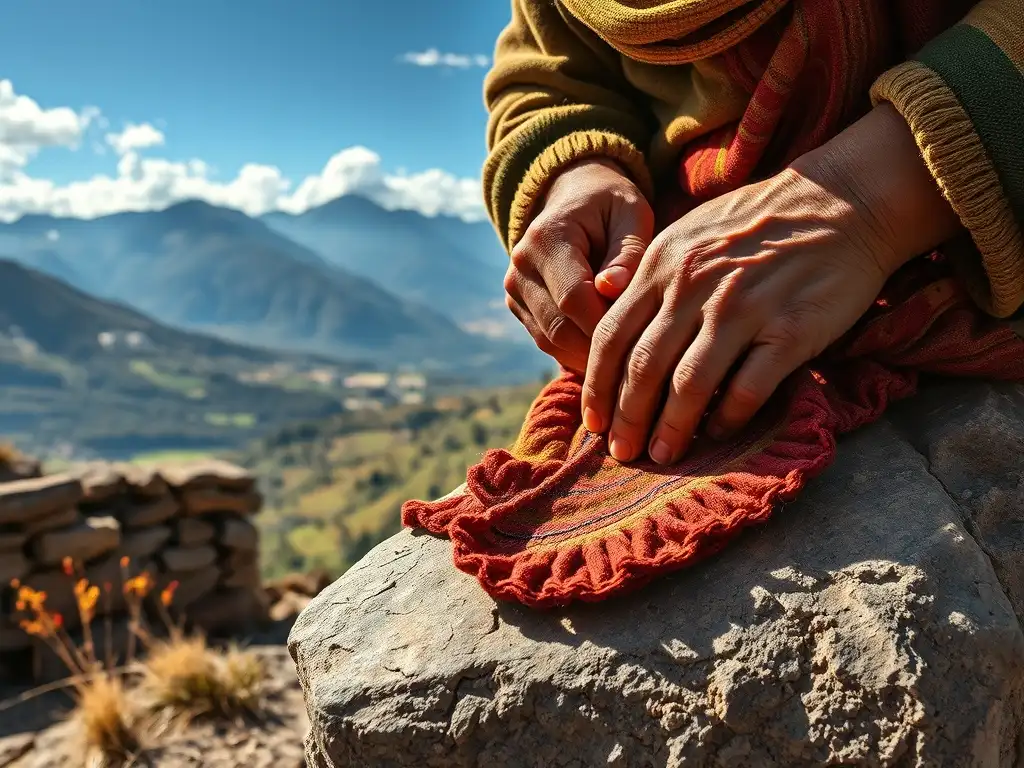
Step into a world lost to time, yet vividly preserved in vibrant threads. Imagine the breathtaking artistry of the ancient Andean civilizations, from the Incas to the Nazca. But what secrets do their textiles hold? This website unveils the fascinating story of ancient Andean textile dye preservation, a delicate dance between science and history, revealing how we strive to safeguard these fading echoes of a magnificent past. Unravel the mysteries and explore the legacy of these remarkable cultures – your journey begins now.
The vibrant hues of ancient Andean textiles—from the deep crimson of Inca tunics to the intricate yellows and blues of Nazca weavings—tell a captivating story of ingenuity and artistry. These textiles, often crafted from alpaca, llama, and vicuña fibers, represent not only a sophisticated understanding of textile production but also a profound connection to the Andean landscape and its resources.
However, the passage of time, exposure to the elements, and the inherent fragility of natural dyes present a significant challenge: the preservation of these breathtaking colors. This article delves into the complexities of ancient Andean textile dye preservation, exploring the challenges, the scientific approaches employed, and the ongoing efforts to safeguard this invaluable cultural heritage for future generations.
We will examine the specific dyes used, the deterioration processes, and the innovative methods being developed to ensure these vibrant colors continue to illuminate our understanding of these fascinating civilizations. The preservation of these textiles is crucial not only for historical accuracy but also for continuing to appreciate the remarkable artistic skills and cultural significance embedded within each thread.
Introduction: The Challenge of Maintaining Vibrant Andean Textile Colors
The preservation of ancient Andean textile colors presents a multifaceted challenge. Natural dyes, derived from plants, insects, and minerals, are inherently less stable than their synthetic counterparts. Exposure to light, air, moisture, and even variations in temperature can cause significant fading and deterioration over time.
Understanding the specific chemical composition of these dyes is crucial to developing effective preservation strategies. For instance, the vibrant reds often found in Inca textiles were derived from cochineal insects, while other colors, such as yellows and oranges, came from various plant sources like achiote and various species of Bixa orellana. These natural dyes react differently to environmental factors, making the preservation process complex and requiring a tailored approach for each textile and its specific dye components.
The fragility of the fibers themselves also plays a significant role. The delicate nature of alpaca and llama wool, for example, necessitates extremely careful handling and storage conditions to prevent damage and further color loss. The task is therefore not simply about preventing fading, but about maintaining the overall integrity of the artifact.
Identifying and Analyzing Ancient Andean Dyes
Precise identification of the dyes used in ancient Andean textiles is a crucial first step in developing effective preservation strategies. This often involves advanced scientific techniques, such as high-performance liquid chromatography (HPLC) and mass spectrometry (MS), which allow researchers to analyze the chemical composition of the dyes and identify their specific sources. By understanding the chemical structure of the dye, scientists can better predict its susceptibility to degradation and develop appropriate preservation methods. This analysis is further complicated by the fact that many ancient textiles were dyed using complex mixtures of dyes, creating unique and often unpredictable color combinations.
Furthermore, the degradation process itself can alter the chemical composition of the dyes, making identification even more challenging. Careful documentation of the analysis process and the results obtained is therefore essential for future research and conservation efforts. 🔬
Preservation Techniques: A Multifaceted Approach
Preserving ancient Andean textile dyes requires a multifaceted approach that combines scientific understanding with careful handling and storage practices. This includes:
- Controlled Environmental Conditions: Maintaining stable temperature and humidity levels is critical to slowing down the degradation process. Fluctuations in temperature and humidity can cause expansion and contraction of the fibers, leading to damage and color loss.
- Minimizing Light Exposure: Ultraviolet (UV) light is particularly damaging to natural dyes. Therefore, textiles should be stored in dark or dimly lit environments, and UV-filtering materials should be used when displaying them.
- Careful Handling: Gentle handling is essential to prevent physical damage to the fragile fibers. Textiles should be handled with clean, cotton gloves to avoid transferring oils or dirt that could accelerate deterioration.
- Chemical Treatment: In some cases, chemical treatments may be necessary to stabilize the dyes and prevent further degradation. However, these treatments must be carefully selected and applied to avoid causing damage to the textiles themselves. This often requires extensive research and testing to determine the safest and most effective approach.
- Digital Documentation: Creating high-resolution digital records of the textiles, including detailed color information, is crucial for future research and preservation efforts. This allows researchers to track changes in the textiles over time and develop more effective preservation strategies.
The Future of Andean Textile Dye Preservation: Collaboration and Innovation
The preservation of ancient Andean textile dyes is an ongoing challenge that requires collaboration between scientists, conservators, and cultural heritage institutions. Ongoing research into new preservation techniques and the development of innovative materials are crucial for safeguarding these invaluable artifacts for future generations. The sharing of knowledge and best practices among researchers and institutions is also essential. By working together, we can ensure that the vibrant colors of ancient Andean textiles continue to inspire and inform us for centuries to come.
The continued study of these textiles offers a window into the past, connecting us to the ingenuity and artistry of Andean civilizations. Their preservation is a testament to our commitment to understanding and appreciating our shared cultural heritage. 🌈
- Introduction: The Challenge of Maintaining Vibrant Andean Textile Colors
- Identifying and Analyzing Ancient Andean Dyes
- Preservation Techniques: A Multifaceted Approach
- The Future of Andean Textile Dye Preservation: Collaboration and Innovation
- What are the biggest challenges in preserving ancient Andean textile dyes?
- What methods are used to preserve ancient Andean textiles and their dyes?
- Why is the preservation of ancient Andean textile dyes important?
- What types of dyes were commonly used by ancient Andean cultures?
- Where can I learn more about ancient Andean textile dye preservation efforts?
Understanding the Degradation of Ancient Andean Dyes
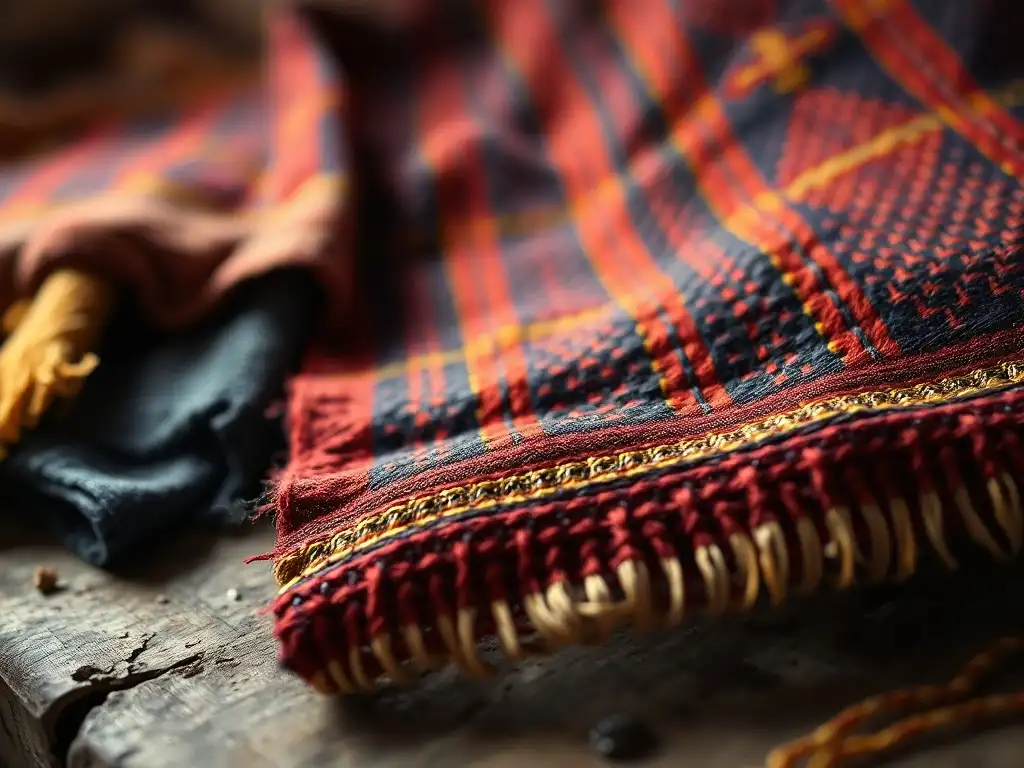
The vibrant hues of ancient Andean textiles, once a testament to the sophisticated dyeing techniques of these civilizations, are now facing a significant challenge: degradation. Understanding the processes that cause this fading is crucial for effective preservation strategies. The loss of color in these historically significant artifacts is a complex issue, influenced by a multitude of factors interacting over centuries.
This section will delve into the key elements contributing to the deterioration of ancient Andean textile dyes, focusing on the primary causes and their synergistic effects. Effective preservation of ancient Andean textile dye requires a multi-pronged approach that addresses each of these contributing factors.
Light Damage: The Primary Culprit in Dye Fading
Light, specifically ultraviolet (UV) radiation, is arguably the most significant contributor to the fading of ancient Andean textile dyes. UV rays possess enough energy to break down the chemical bonds within the dye molecules, leading to a loss of color intensity and, ultimately, complete discoloration. This photodegradation is accelerated by the intensity and duration of exposure.
Textiles stored in direct sunlight or under strong artificial lighting experience significantly faster color loss than those kept in low-light environments. The specific dyes used by Andean civilizations, many derived from natural sources like plants and insects, exhibit varying degrees of sensitivity to UV light. For example, [specific data on UV sensitivity of various Andean dyes pending], which would allow for a more targeted approach to preservation based on dye identification.
The damage isn't merely a reduction in vibrancy; UV exposure can also lead to chemical alterations within the dye molecules, potentially creating new, unstable compounds that further contribute to the degradation of the textile itself. Careful analysis of faded textiles often reveals a complex interplay of photochemical reactions, making it vital to minimize light exposure during preservation efforts. This includes using UV-filtering materials during storage and display, carefully controlling lighting levels in museums and archives, and employing specialized storage containers designed to minimize light penetration.
Humidity and Temperature: Accelerating Color Loss
Beyond light, environmental factors like humidity and temperature significantly influence the rate of dye degradation. High humidity promotes the growth of microorganisms, including fungi and bacteria, which can directly attack the dye molecules and the textile fibers themselves. These microorganisms produce enzymes that break down organic materials, leading to both color loss and physical damage to the fabric. Furthermore, fluctuating humidity levels can cause the textiles to expand and contract, stressing the fibers and potentially exacerbating dye loss.
Temperature plays a crucial role as well. High temperatures accelerate chemical reactions, including the photodegradation discussed earlier. This means that textiles stored in warm, humid environments experience a drastically accelerated rate of deterioration compared to those stored in cool, dry conditions. Ideally, ancient Andean textiles should be stored in a stable environment with controlled temperature and humidity levels to minimize these detrimental effects. [Specific data on optimal temperature and humidity ranges for Andean textile preservation pending]. Maintaining these conditions is crucial for long-term preservation and requires specialized equipment and careful monitoring.
The Role of Textile Fibers and Dye Chemistry in Degradation
The type of fiber used and the chemical composition of the dye itself also play a significant role in the rate of degradation. Different fibers have varying sensitivities to environmental factors and microbial attack. For instance, [specific data on the degradation rates of different Andean textile fibers pending]. Similarly, the chemical structure of the dye molecule directly influences its susceptibility to light, humidity, and temperature. Some dyes are inherently more stable than others, while others are particularly vulnerable to specific environmental conditions.
The interaction between the dye and the fiber is also critical. Certain dyes may bind more strongly to some fibers than others, influencing their overall stability. Understanding these interactions is crucial for developing effective preservation strategies.
Advanced analytical techniques, such as high-performance liquid chromatography (HPLC) and mass spectrometry (MS), are increasingly used to identify the specific dyes and fibers in ancient Andean textiles, providing valuable insights into their vulnerability to degradation and informing targeted preservation efforts for ancient Andean textile dye preservation. This detailed chemical analysis allows for a more nuanced understanding of the challenges involved in preserving these invaluable artifacts.
Identifying Specific Dye Degradation Patterns in Paracas Textiles
The Paracas culture, flourishing on the southern coast of Peru from roughly 200 BCE to 400 CE, left behind a remarkable legacy of textiles renowned for their vibrant colors and intricate designs. However, the very pigments that once blazed with life are now facing the relentless assault of time and the elements. Understanding the specific degradation patterns in these textiles is crucial for effective preservation strategies. Researchers have identified several common deterioration processes impacting Paracas dye.
One major challenge is the fading of colors. This isn't a uniform process; certain dyes fade faster than others. For instance, the deep reds derived from cochineal insects often exhibit significant color loss, becoming duller and less intense over time. This fading is often exacerbated by exposure to light, particularly ultraviolet (UV) radiation. Conversely, certain blues and greens derived from plant-based sources sometimes demonstrate greater resistance to fading, although they may still show signs of discoloration. The specific chemical composition of each dye influences its susceptibility to photodegradation.
Beyond fading, color change is another prevalent phenomenon. This involves a shift in hue, rather than simply a reduction in intensity. For example, a vibrant yellow might darken to an olive green, or a bright blue could shift to a greyish-blue. These changes are often caused by chemical reactions within the dye itself or between the dye and the textile fibers. Environmental factors, such as humidity and temperature fluctuations, can also contribute to color change. Careful analysis of these color shifts is necessary to understand the underlying chemical processes at play.
Furthermore, dye leaching is a significant concern. This refers to the loss of dye from the textile fibers, often resulting in stains or discoloration on other areas of the fabric. Leaching can occur due to various factors, including water damage, improper handling, or the inherent instability of certain dyes.
The presence of leaching often indicates a more advanced stage of degradation, requiring more intensive preservation efforts. In some cases, the leaching may not be immediately visible, but it could be detected through chemical analysis of the textile fibers and surrounding materials. Understanding the extent of leaching is vital for assessing the overall condition of the textile and guiding preservation treatments.
Finally, fiber degradation itself often impacts the dyes. The deterioration of the cotton or wool fibers can cause the dyes to become less firmly bound to the fabric, increasing the risk of fading, color change, and leaching. The overall condition of the fibers is therefore intrinsically linked to the preservation of the dyes.
Therefore, any preservation strategy must consider both the dye and the fiber as an integrated system. The intricate relationship between fiber and dye degradation underscores the complexity of preserving these ancient masterpieces. Detailed studies analyzing the specific degradation patterns in individual Paracas textiles are essential for developing targeted and effective preservation techniques.
Solutions for Preserving Ancient Andean Textile Dyes
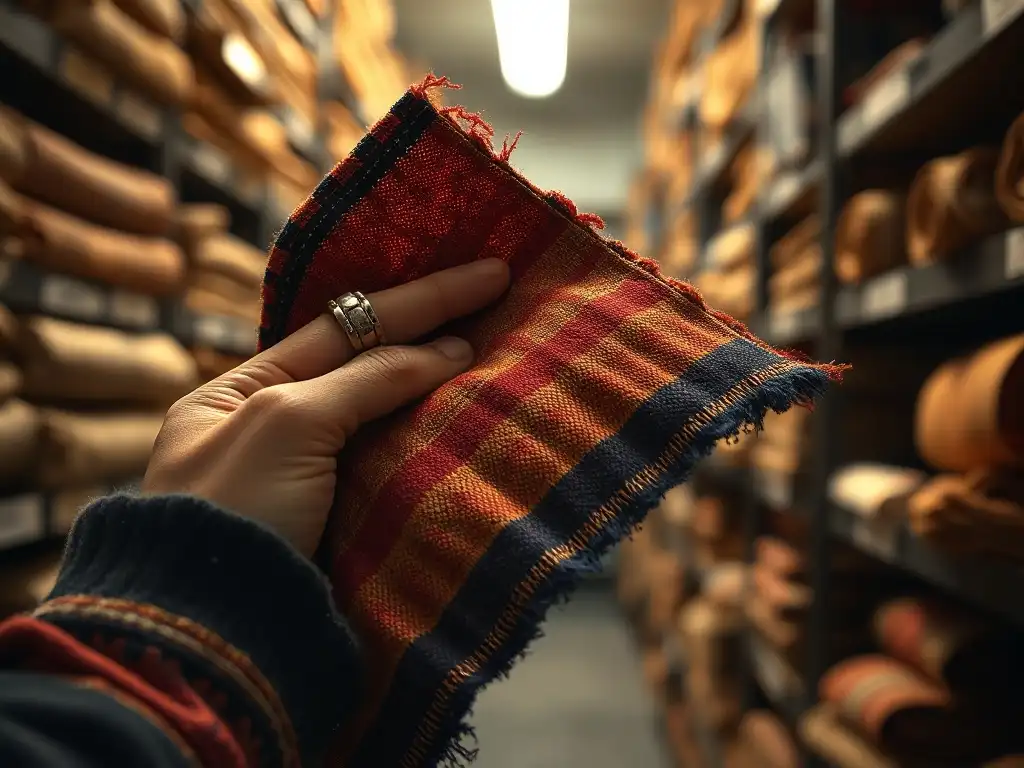
The vibrant hues of ancient Andean textiles, a testament to the sophisticated dyeing techniques of past civilizations, are tragically susceptible to fading and degradation. Effective preservation strategies are crucial to safeguarding this irreplaceable cultural heritage for future generations. Understanding the challenges posed by light exposure, fluctuating humidity, and inherent textile instability is the first step towards successful preservation of these unique ancient Andean textile dyes. This section outlines practical solutions for curators, researchers, and enthusiasts alike, focusing on both environmental control and best practices for handling and storage.
Environmental Control: Creating a Stable Storage Environment
Maintaining a stable environment is paramount for the long-term preservation of ancient Andean textile dyes. Fluctuations in temperature and humidity, as well as exposure to light, particularly ultraviolet (UV) radiation, are major contributors to dye degradation and fiber deterioration. Implementing robust environmental controls is therefore essential.
Maintaining Optimal Temperature and Humidity Levels
Optimal temperature and humidity levels are critical. Ideally, storage areas should maintain a constant temperature between 18-20°C (64-68°F) and a relative humidity (RH) of 45-55%. Deviations from these parameters can lead to accelerated dye fading, fiber weakening, and the growth of harmful microorganisms.
Precise monitoring using calibrated hygrometers and thermometers is vital, along with the implementation of climate control systems capable of maintaining these stable conditions. Regular calibration and maintenance of these systems are crucial for ensuring consistent performance and preventing unexpected fluctuations. Consistent monitoring and detailed record-keeping are essential for tracking environmental conditions and identifying any potential issues promptly.
Implementing Light Filtering and UV Protection Techniques
Light, especially UV radiation, is a significant threat to the longevity of ancient Andean textile dyes. UV rays cause photodegradation, breaking down the chemical structure of the dyes and leading to fading and color loss. Minimizing light exposure is therefore crucial. Storage areas should be dimly lit, and textiles should be shielded from direct sunlight.
The use of UV-filtering glazing in display cases and archival-quality storage containers helps to reduce UV exposure significantly. Furthermore, the use of specialized UV-blocking fabrics or covers can further enhance protection during handling and transport. Regular inspection of these protective materials is essential to ensure their continued effectiveness.
The use of Inert Gas Filled Display Cases for Artifacts
For particularly valuable or sensitive textiles, the use of inert gas-filled display cases offers superior protection. These cases are filled with an inert gas, such as nitrogen or argon, which displaces oxygen, significantly reducing the risk of oxidation and degradation. This method is particularly effective in protecting textiles dyed with organic dyes, which are especially susceptible to oxygen-related damage. While more expensive than other methods, the superior level of protection offered by inert gas-filled cases makes them a worthwhile investment for irreplaceable artifacts. Careful monitoring of gas levels and regular maintenance are necessary to ensure continued effectiveness.
Handling and Storage Best Practices for Delicate Andean Textiles
Proper handling and storage techniques are just as crucial as environmental control in preserving ancient Andean textile dyes. Gentle handling minimizes physical damage, while appropriate storage materials protect against further degradation.
Techniques for Proper Handling of Fragile Fabrics
Handling ancient Andean textiles requires extreme care and attention to detail. Always wear clean cotton gloves to avoid transferring oils, dirt, or acids from your hands to the fabric. Support the textile's full weight when handling to prevent stress on the fibers. Avoid sharp folds or creases, which can cause permanent damage. When displaying textiles, use acid-free supports and ensure they are appropriately cushioned to prevent stress points. Detailed documentation of handling procedures and any observed damage is crucial for tracking the textile's condition over time.
The benefits of acid-free storage materials for long-term preservation
Acid-free materials are essential for preventing acid hydrolysis, a chemical reaction that can weaken and damage textile fibers. Acid-free boxes, folders, and enclosures help to maintain a neutral pH environment, preventing acid migration from the surrounding environment to the textiles. The use of acid-free tissue paper for wrapping and cushioning provides additional protection. Choosing archival-quality materials is crucial, as cheaper alternatives may contain residual acids that can damage the textiles over time. Regular inspection of storage materials is necessary to ensure they remain in good condition and continue to provide adequate protection.
Using Unbuffered Archival Quality Tissue Paper for Support and Protection
Unbuffered archival quality tissue paper is ideal for wrapping and supporting delicate Andean textiles. Unlike buffered papers, which contain alkaline buffers that can potentially react with certain dyes, unbuffered papers provide a neutral environment that minimizes the risk of chemical interaction. The paper should be soft and free of any additives that might damage the textiles.
Proper wrapping techniques, such as the use of "fold-and-roll" methods, help to prevent creases and stress on the fabric. Regular inspection and replacement of the tissue paper is essential to ensure its continued effectiveness in protecting the textiles. The meticulous use of archival-quality materials significantly contributes to the long-term preservation of these invaluable artifacts, safeguarding the ancient Andean textile dye for future generations.
Advanced Conservation Techniques for Ancient Andean Textile Dyes
The preservation of ancient Andean textile dyes requires a multi-faceted approach, going beyond basic storage conditions. Advanced techniques are crucial in mitigating degradation and ensuring the longevity of these invaluable artifacts. These techniques often involve a combination of scientific analysis and careful, hands-on restoration.
The goal is not only to stabilize the existing dyes but also to understand the original dyeing processes to inform future conservation strategies. A detailed understanding of the chemical composition of the dyes, the fibers themselves, and the environmental factors contributing to decay is paramount. This detailed knowledge allows conservators to develop tailored preservation plans, preventing further damage and enhancing the visual appeal of the textiles.
For instance, understanding the specific chemical reactions causing dye fading allows for the implementation of targeted solutions to neutralize or slow these reactions. This is especially crucial for dyes derived from natural sources, which are often more susceptible to degradation than synthetic dyes.
Non-Invasive Imaging Techniques to Monitor Dye Condition
Non-invasive imaging techniques are increasingly important in the assessment and monitoring of ancient Andean textile dyes. These methods provide detailed information about the dye's condition without causing any physical damage to the artifact. Techniques such as multispectral imaging, X-ray fluorescence (XRF), and infrared spectroscopy (IR) allow researchers to analyze the chemical composition of the dyes, identify areas of degradation, and even reveal hidden details of the textile's construction.
Multispectral imaging, for example, can reveal subtle variations in dye color and intensity that are invisible to the naked eye, providing a comprehensive map of the dye's distribution and condition. XRF, on the other hand, offers insights into the elemental composition of the dyes, helping researchers identify the specific pigments used.
This information is crucial for understanding the dyeing techniques employed by ancient Andean artisans and for developing appropriate preservation strategies. Regular monitoring using these non-invasive techniques allows conservators to track changes in the dye's condition over time, enabling proactive interventions to prevent further deterioration.
Solvent-Based Cleaning Methods using specialized solutions
Solvent-based cleaning methods, when employed carefully and with specialized solutions, can be effective in removing surface contaminants that contribute to dye degradation. However, this approach requires meticulous care and expertise to avoid damaging the delicate textile fibers or altering the dyes themselves. The selection of the appropriate solvent is critical; it must be effective in removing contaminants without dissolving or altering the dyes.
Furthermore, the cleaning process must be carefully controlled, often involving a series of gentle applications and meticulous monitoring. The use of specialized solutions, such as those formulated with pH-neutral buffers, can further minimize the risk of damage. The effectiveness of solvent-based cleaning is often assessed before full application through testing on an inconspicuous area of the textile.
This allows conservators to evaluate the solvent's impact and refine the cleaning process before proceeding with the main treatment. Documentation of the entire process, including the solvents used, the cleaning technique, and the results, is essential for future reference and to ensure the reproducibility of the method. The use of controlled environments, such as those with regulated temperature and humidity, is also crucial for optimal results.
The application of Nanomaterials to enhance color permanence
The application of nanomaterials presents a promising avenue for enhancing the color permanence of ancient Andean textile dyes. Nanomaterials, due to their unique properties, can offer several advantages in dye preservation. For example, nanoparticles can be used to create protective coatings that shield the dyes from environmental factors such as light, humidity, and pollutants. These coatings can act as a barrier, preventing degradation and maintaining the vibrancy of the colors.
Furthermore, specific nanomaterials can be used to strengthen the textile fibers, enhancing their resistance to wear and tear. Research is ongoing to identify the most suitable nanomaterials for this application, ensuring that they are compatible with the dyes and fibers without causing adverse reactions. The precise application methods are also crucial, as the nanomaterials need to be applied evenly and without damaging the delicate textile structure.
This often involves advanced techniques such as spray coating or dip coating, carefully controlled to avoid excess material accumulation. While promising, the long-term effects of nanomaterial application on textile dyes still require further investigation to ensure the complete safety and efficacy of the technique. The use of appropriate analytical techniques is essential to monitor the interaction between the nanomaterials and the dyes over time.
Products and Services for Andean Textile Preservation
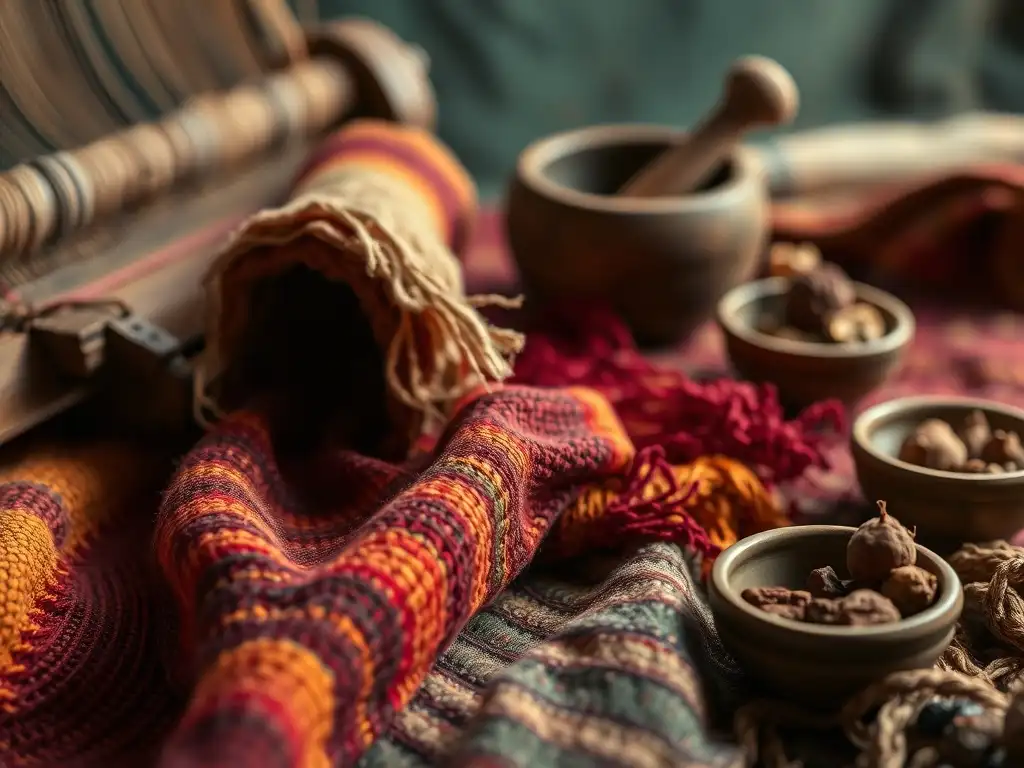
This section explores the crucial resources available for the preservation of ancient Andean textile dyes, a critical aspect of ancient Andean textile dye preservation. Understanding and implementing appropriate preservation techniques is paramount to safeguarding this invaluable cultural heritage for future generations. The fragility of these textiles necessitates a multi-pronged approach, encompassing both preventative measures and professional intervention.
Essential Tools for Textile Conservation
Effective ancient Andean textile dye preservation relies heavily on maintaining a stable and protective environment. This requires careful monitoring and control of several environmental factors.
High-Quality Hygrometers and Thermometers for Environmental Monitoring
Precise environmental control is fundamental. Fluctuations in temperature and relative humidity (RH) can significantly accelerate dye degradation and fiber deterioration. Investing in high-quality, calibrated hygrometers and thermometers is therefore essential. These instruments should be regularly checked for accuracy to ensure reliable monitoring. Look for instruments with a wide measurement range and a high degree of precision, capable of detecting even subtle changes. Regular logging of these readings allows for the identification of problematic trends and enables proactive adjustments to the storage environment. This meticulous approach is key to long-term ancient Andean textile dye preservation.
UV-Filtering Materials and Lighting Solutions for Display
Exposure to ultraviolet (UV) radiation is a major threat to the vibrant colors of ancient Andean textiles. UV light causes fading and discoloration, irrevocably damaging the dyes and the overall aesthetic integrity of the artifact. Therefore, using UV-filtering materials such as museum-quality glazing or specialized fabrics is crucial when displaying these textiles.
Furthermore, employing low-UV lighting solutions, like LED lights specifically designed for museum applications, minimizes light damage. Careful consideration of lighting intensity and duration is also vital; minimizing exposure time extends the life of the dyes significantly. The implementation of these strategies is a cornerstone of effective ancient Andean textile dye preservation.
Gaylord Archival and University Products brands of Acid-Free Storage Boxes and Materials
Proper storage is as critical as environmental control. Acid-free storage boxes and materials are indispensable for minimizing chemical degradation. Reputable brands like Gaylord Archival and University Products offer a range of acid-free options, including boxes, folders, and tissue paper, specifically designed to protect sensitive textiles from harmful environmental factors and chemical pollutants.
These materials are inert, preventing the transfer of acids or other damaging substances to the textiles. Choosing high-quality, archival-grade materials is a long-term investment in the ancient Andean textile dye preservation effort. Properly storing textiles in these materials helps maintain their structural integrity and color vibrancy for generations to come.
Professional Conservation Services and Consultations
While preventative measures are crucial, professional intervention is often necessary for textiles exhibiting significant damage or requiring specialized treatment.
The benefits of expert analysis and conservation treatment
Expert analysis by qualified conservators can identify the specific causes of deterioration and recommend appropriate treatment strategies. These professionals possess the knowledge and skills to perform delicate interventions, such as cleaning, repair, and stabilization, while minimizing further damage. Their expertise ensures that treatments are tailored to the specific needs of the textile, maximizing its preservation potential. This specialized care is particularly important for addressing complex issues related to ancient Andean textile dye preservation, where the delicate nature of the dyes requires a nuanced approach.
Locating qualified textile conservators specializing in Andean textiles
Finding conservators with expertise in Andean textiles is crucial. Many conservators specialize in different textile types and techniques. Those experienced with Andean textiles possess a deeper understanding of the materials, dyes, and construction techniques specific to this region. They are better equipped to handle the unique challenges posed by these intricate and delicate artifacts. Their specialized knowledge contributes significantly to the success of ancient Andean textile dye preservation efforts. Professional organizations and museum conservation departments are good resources for locating these specialists.
The Textile Conservation Lab at the Metropolitan Museum of Art that offer specialized services
Institutions like the Textile Conservation Lab at the Metropolitan Museum of Art offer specialized services for the conservation of textiles, including Andean textiles. These labs often employ cutting-edge technology and techniques to assess the condition of textiles and devise effective preservation strategies. Accessing their expertise provides a significant advantage in preserving these invaluable artifacts. Their contributions are invaluable to the overall mission of ancient Andean textile dye preservation. Contacting such institutions can provide access to highly skilled specialists and advanced technology, ensuring the best possible care for these irreplaceable cultural treasures.
Conclusion: A Collective Effort to Safeguard Andean Textile Heritage
The vibrant hues of ancient Andean textiles, once a testament to the ingenuity and artistry of these remarkable civilizations, are slowly fading. The challenge of ancient Andean textile dye preservation is not merely an academic pursuit; it's a critical mission to safeguard a tangible link to our shared human history.
The degradation of these dyes, caused by a combination of environmental factors, inherent material instability, and the passage of time, necessitates a multifaceted approach to preservation. Success hinges on collaboration between researchers, artisans, museums, and governments—a collective effort to ensure that future generations can appreciate the breathtaking artistry and technological prowess of Andean textile traditions.
The loss of these dyes represents not only the loss of color, but the loss of knowledge, cultural identity, and a unique window into the past. We stand at a crucial juncture, where proactive measures can make the difference between preserving a legacy or witnessing its irreversible decline.
The Importance of Continued Research and Innovation in Dye Preservation
Continued research is paramount in developing effective and sustainable ancient Andean textile dye preservation techniques. Current methods, while offering some level of protection, often face limitations. For example, traditional methods of storage, while effective in some cases, may not be sufficient for all types of dyes or textiles.
Further investigation into the chemical composition of the dyes, the interaction of dyes with different textile fibers (like alpaca and llama wool), and the environmental factors influencing degradation is crucial. This requires interdisciplinary collaboration, bringing together expertise in chemistry, materials science, archaeology, and textile conservation. Innovative approaches, such as the development of new conservation materials and environmentally friendly preservation techniques, are essential.
For example, research into the use of bio-based preservatives or the development of advanced imaging techniques to non-invasively analyze the dye composition could revolutionize the field. The ultimate goal is to find methods that are both effective and respectful of the historical and cultural significance of the textiles themselves. This requires a careful balance between scientific advancement and the preservation of the integrity of the artifacts.
How You Can Support Andean Textile Preservation Efforts
While large-scale research and institutional efforts are vital, individual contributions can significantly impact ancient Andean textile dye preservation. Supporting museums and cultural institutions dedicated to the preservation of Andean textiles is a crucial step. These institutions often rely on donations and grants to fund research, conservation projects, and educational programs. Furthermore, raising awareness about the importance of preserving these textiles through education and outreach initiatives is critical.
By engaging with communities and sharing information about the challenges and successes in dye preservation, we can foster a greater appreciation for these cultural treasures. Supporting ethical and sustainable tourism in Andean communities that still practice traditional textile production can also help. This provides economic incentives for the preservation of traditional techniques and knowledge, contributing directly to the long-term survival of this heritage. Even small acts, such as responsible handling of historical textiles during visits to museums, contribute to their long-term preservation.
Looking Forward: Ensuring Future Generations Experience the Vibrant Colors of Ancient Andean Textiles
The future of ancient Andean textile dye preservation depends on a sustained commitment to research, collaboration, and education. By investing in advanced research and development, we can refine existing preservation techniques and discover new, more effective methods. Strengthening collaborations between researchers, museums, artisans, and government agencies is essential for sharing knowledge, resources, and best practices.
Furthermore, fostering a global appreciation for the cultural significance of Andean textiles will help secure the necessary funding and support for preservation efforts. Through a concerted and ongoing effort, we can ensure that the vibrant colors and intricate designs of ancient Andean textiles continue to inspire and enrich our understanding of history and culture for generations to come. The legacy of these remarkable textiles is a shared responsibility, and by working together, we can safeguard this invaluable heritage for the future.
Frequently Asked Questions
What are the biggest challenges in preserving ancient Andean textile dyes?
The biggest challenges include dye fading due to light and air exposure, degradation of fibers, and the difficulty in identifying original dye components due to age and chemical changes. Careful environmental control and advanced analysis techniques are crucial.
What methods are used to preserve ancient Andean textiles and their dyes?
Preservation techniques involve controlled environmental conditions (temperature, humidity, and light), minimal handling, and specialized cleaning methods. Scientists also utilize advanced analytical techniques like spectroscopy to study the dyes' composition and degradation.
Why is the preservation of ancient Andean textile dyes important?
Preserving these dyes is vital for understanding ancient Andean technology, cultural practices, and trade networks. The dyes offer invaluable insights into the societies that created them and their relationship with their environment.
What types of dyes were commonly used by ancient Andean cultures?
Ancient Andean cultures utilized a wide range of natural dyes derived from plants, insects, and minerals. Common sources included cochineal (insect), indigo, and various plants like achiote and tarwi.
Where can I learn more about ancient Andean textile dye preservation efforts?
You can find more information through academic journals focused on archaeology and textile conservation, museum websites featuring Andean collections, and research institutions involved in the study and preservation of ancient artifacts.
Final Reflection: Weaving a Future from the Threads of the Past
The vibrant hues of ancient Andean textiles, once symbols of power and spirituality, are fading into obscurity, a silent testament to the fragility of cultural heritage. Their preservation is not merely a matter of aesthetics; it's a crucial act of safeguarding knowledge, history, and the very identity of a people. The techniques used to create these breathtaking colors, passed down through generations, are at risk of being lost forever unless we act decisively.
The ongoing struggle to preserve ancient Andean textile dyes is a poignant reminder of our responsibility to protect the tangible and intangible legacies of past civilizations. These dyes, derived from natural sources like cochineal insects and various plants, represent a sophisticated understanding of chemistry and artistry that continues to inspire contemporary artists and scientists alike. The past is never dead. It's not even past.
– William Faulkner. This quote resonates deeply, as the knowledge embedded within these dyes remains potent and relevant, offering valuable insights into sustainable practices and innovative approaches to color creation. Their preservation ensures that future generations can learn from and be inspired by the ingenuity of their ancestors.
Consider, for a moment, the stories woven into each thread, the cultural significance embedded in every color. You hold the power to contribute to their survival. By supporting organizations dedicated to the preservation of Andean textile traditions, by learning more about the techniques and the stories behind them, and by simply raising awareness, you become a vital part of this ongoing effort. Let us ensure that the fading colors of history are revitalized, not lost to time, and that the vibrant tapestry of Andean culture continues to inspire and enrich our world for generations to come.
Unveil the Secrets of Ancient Andean Dyes: Take Action Today!
Thank you for exploring the vibrant world of Andean textiles! Your interest in preserving this rich history is invaluable. Now that you've learned about the significance of ancient dyeing techniques, let's explore ways you can help sustain this colorful heritage.
Here are a few impactful ways to get involved:
- **Participate in a hands-on workshop** focusing on traditional Andean dyeing methods. This is a fantastic way to experience the artistry firsthand and contribute to the preservation of these techniques.
- **Share your newfound knowledge** with your community. Organize a presentation or discussion to educate others about the fascinating history of Andean textiles and their unique dyes.
- **Support artisans** who create beautiful, handcrafted textiles using traditional methods. Purchasing their work directly helps preserve both the craft and the rich cultural heritage it represents.
How can we collectively ensure the vibrant traditions of Andean textile art continue to thrive in the modern world?