
The Story of Andean Cotton: From Ancient Weaving to Modern Uses


Dive into a world lost in time, yet vibrantly alive in its legacy. Imagine the intricate artistry of Andean cotton weaving techniques, a skill passed down through generations of masterful artisans. From the towering heights of the Andes to the fertile valleys below, uncover the secrets of ancient Andean civilizations and their profound connection to the land. Their ingenuity, reflected in their textiles, is only the beginning of a captivating story – are you ready to unravel it?
Andean cotton, a fiber as rich in history as the civilizations that cultivated it, holds a unique place in the tapestry of Andean culture. From the pre-Inca cultures to the Inca Empire and beyond, cotton played a vital role, not just as a clothing material, but as a symbol of status, power, and spiritual significance. This article delves into the fascinating story of Andean cotton, exploring its cultivation, the intricate weaving techniques employed throughout history, and its enduring legacy in modern applications.
We'll uncover how Andean cotton weaving techniques evolved, reflecting the ingenuity and artistry of Andean peoples, and how this ancient craft continues to thrive today, blending tradition with innovation. Prepare to be amazed by the resilience and enduring beauty of this remarkable fiber and its intricate connection to the Andean world.
We will explore the nuances of its cultivation and the sophisticated techniques used to transform this humble plant into breathtaking textiles. This journey will illuminate the enduring significance of Andean cotton weaving techniques, a testament to the enduring spirit and creativity of the Andean civilizations.
Introduction to Andean Cotton and its Historical Significance
Andean cotton ( Gossypium barbadense), distinct from other cotton varieties, boasts exceptionally long, strong fibers, prized for their luxurious softness and durability. Its cultivation in the Andes dates back millennia, with evidence suggesting its use by pre-Inca cultures like the Nazca and Moche as early as 2000 BCE. Archaeological finds, including intricately woven textiles and fragments of cotton clothing, provide compelling evidence of its widespread use and the advanced techniques employed in its processing.
The cotton plant's importance extended beyond mere utility; it became deeply intertwined with Andean cosmology and social structures. For example, the color of the cotton and the complexity of the weave often indicated the wearer's social standing within the community. The vibrant hues, achieved through natural dyes derived from local plants and minerals, further enhanced the aesthetic and symbolic value of Andean cotton textiles.
The production of these textiles was not merely a craft; it was a highly specialized skill passed down through generations, reflecting a deep connection between the people and their environment. The sophisticated agricultural techniques employed in cotton cultivation, combined with the advanced weaving techniques, showcase the remarkable ingenuity and adaptability of Andean civilizations. The cotton plant, therefore, holds a key to understanding the complexity and sophistication of Andean societies.
Ancient Andean Cotton Cultivation Techniques
The cultivation of Andean cotton required a deep understanding of the environment and meticulous agricultural practices. Evidence suggests that Andean farmers employed sophisticated irrigation systems, terracing techniques, and crop rotation methods to maximize yields. The specific techniques varied depending on the altitude and climate, highlighting the adaptability of Andean agriculture. Farmers selected superior cotton strains, ensuring high-quality fibers and vibrant colors.
The process involved planting, tending to the plants, harvesting the ripe bolls, and carefully separating the fibers from the seeds. This labor-intensive process demanded significant skill and knowledge, passed down through generations of farmers. The success of Andean cotton cultivation was intrinsically linked to the understanding of the local ecology and the ability to adapt to the diverse Andean landscapes.
These sophisticated agricultural techniques were crucial to the success of the Andean cotton industry and the creation of the magnificent textiles that are still admired today. Further research is needed to fully understand the nuances of pre-Columbian cotton cultivation practices across different regions of the Andes. [Specific information pending regarding detailed accounts of irrigation systems employed by specific Andean cultures].
Exploring Diverse Andean Cotton Weaving Techniques
Andean cotton weaving techniques showcased remarkable diversity across different cultures and time periods. From the intricate tapestry of the Paracas culture to the finely woven textiles of the Inca Empire, each civilization developed its own unique style and techniques. The use of different looms, spinning techniques, and weaving patterns resulted in a wide array of textiles, each with its own distinctive characteristics.
The use of natural dyes further enhanced the visual appeal of these textiles, creating a rich palette of colors. The complexity and sophistication of these techniques reflect the high level of skill and artistry achieved by Andean weavers. These techniques were not merely functional; they served as powerful tools for communication and self-expression, allowing weavers to convey messages and stories through their art.
The sheer variety of techniques employed across the Andes highlights the richness and diversity of the region's textile traditions. Further research is required to fully catalog and classify the multitude of weaving techniques across the numerous Andean cultures. [Specific examples of weaving techniques from different Andean cultures pending, with detailed descriptions].
Andean Cotton Weaving Techniques: From the Past to the Present
Despite the passage of centuries, Andean cotton weaving techniques continue to thrive, albeit with adaptations to modern circumstances. Many communities in the Andes maintain traditional weaving methods, preserving ancient knowledge and skills. However, the integration of modern technologies and materials has also influenced the industry, leading to new innovations and designs.
The resilience of these traditional techniques reflects the enduring cultural significance of Andean cotton and the pride communities take in their heritage. Contemporary Andean weavers often blend traditional techniques with modern designs, creating unique and innovative textiles that reflect both their heritage and present-day realities. This fusion of tradition and modernity ensures the survival and evolution of Andean cotton weaving, guaranteeing its continued place in the cultural landscape.
The preservation of these traditional techniques is crucial for safeguarding not only a unique craft but also a vital part of Andean cultural identity. [Specific examples of modern adaptations and innovations in Andean cotton weaving techniques pending].
- Introduction to Andean Cotton and its Historical Significance
- Ancient Andean Cotton Cultivation Techniques
- Exploring Diverse Andean Cotton Weaving Techniques
- Andean Cotton Weaving Techniques: From the Past to the Present
- Challenges Facing Andean Cotton Cultivation
- Efforts to Protect Indigenous Weaving Knowledge
- Promoting Fair Trade and Ethical Sourcing of Andean Cotton
- The Role of Cultural Preservation in Sustainability
- Revitalizing Traditional Andean Cotton Weaving Techniques
- The Economic and Social Impact of Preserving Andean Cotton
Ancient Andean Cotton Cultivation and Varieties
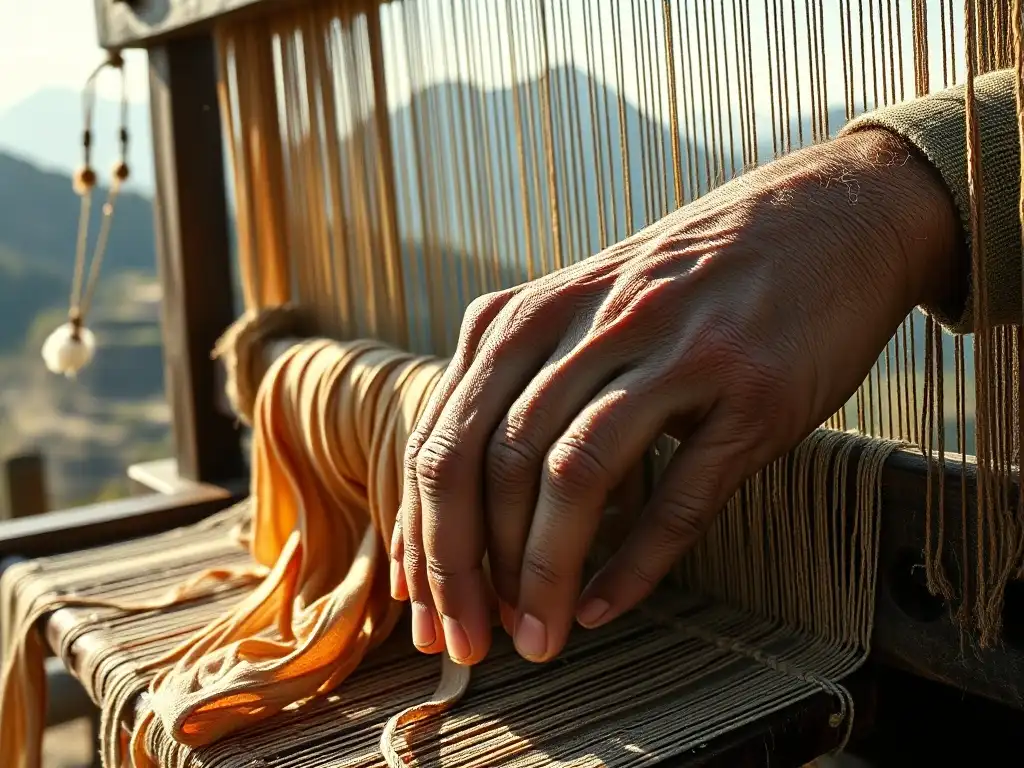
This section delves into the fascinating world of ancient Andean cotton cultivation, exploring the diverse varieties grown and the sophisticated techniques employed by pre-Columbian civilizations. Understanding these practices provides crucial insight into the ingenuity and resourcefulness of Andean cultures and their deep connection to the land. The mastery of cotton cultivation and weaving was integral to their social, economic, and spiritual lives. The resilience of these ancient techniques, and the enduring legacy of Andean cotton itself, continues to impact modern practices and inspire new innovations.
Native Andean Cotton Species and Their Characteristics
The Andes Mountains boasted a remarkable diversity of native cotton species, each uniquely adapted to the varied altitudes and climates. While precise species identification from archaeological remains can be challenging, genetic analysis and historical accounts suggest at least three primary types were widely cultivated: Gossypium barbadense, Gossypium hirsutum, and Gossypium raimondii. These species exhibited distinct characteristics, influencing fiber length, strength, and color.
Gossypium barbadense, known for its extra-long staple fibers, was highly prized for its luxurious softness and sheen, often used in fine textiles for elite members of society. Its cultivation likely focused on lower altitudes with warmer temperatures and ample water. In contrast, Gossypium hirsutum, with its shorter staple length and greater resilience, was more widely adapted to diverse Andean environments.
Finally, Gossypium raimondii, a wild species found at higher altitudes, played a significant role in the genetic diversity of cultivated cotton, potentially contributing to the development of hardier strains. Further research is needed to fully understand the complex interplay between these species and their adaptations to specific ecological niches. Archaeological excavations continue to unearth valuable data to refine our understanding of this genetic diversity.
Early Evidence of Cotton Farming in the Andes
The earliest evidence of cotton cultivation in the Andes dates back to around 3000 BCE, discovered in coastal Peru. This suggests that cotton farming predates the rise of many prominent Andean civilizations, including the Nazca and Inca. Early evidence comes from the discovery of cotton fibers in textiles and the presence of cotton seeds in archaeological sites.
Radiocarbon dating and analysis of plant remains play a crucial role in establishing these timelines. The gradual spread of cotton cultivation across the Andean region, from coastal areas to higher altitudes, reflects a sophisticated understanding of the plant's needs and adaptability.
The early adoption of cotton farming indicates its importance as a valuable resource for Andean societies, demonstrating a deep integration into their agricultural systems early in their development. The earliest evidence points to a gradual spread of cotton farming techniques, suggesting a process of experimentation and adaptation to varied environmental conditions across the Andes.
Traditional Andean Farming Practices for Cotton
Traditional Andean cotton farming was far from haphazard. Farmers developed intricate techniques tailored to the specific challenges of the Andean environment, including the high altitudes, steep slopes, and variable rainfall patterns. These practices involved meticulous land preparation, careful seed selection, and sophisticated irrigation systems.
| Practice | Description | Impact |
|---|---|---|
| Terracing | Creating level platforms on slopes to prevent erosion and optimize water retention. | Increased land suitable for cultivation, reduced soil loss. |
| Waru Waru | Raised beds with irrigation channels, enhancing water management and soil fertility. | Improved water use efficiency, increased crop yields in arid and semi-arid areas. |
| Crop Rotation | Alternating cotton with other crops to maintain soil health and prevent pest buildup. | Enhanced soil fertility, reduced pest and disease pressure. |
| Seed Selection | Choosing seeds from the most productive and desirable plants for the next season. | Improved crop quality and yield over time. |
The integration of these practices showcased a deep understanding of ecological principles and a commitment to sustainable agriculture. These techniques demonstrate the advanced agricultural knowledge of Andean civilizations, allowing them to successfully cultivate cotton in challenging environments for millennia. The legacy of these sustainable practices continues to inspire modern agricultural techniques aiming for environmental stewardship and resilience. Further research into these traditional practices could offer valuable insights for sustainable agriculture in similar challenging environments today.
The Art of Andean Cotton Weaving Techniques
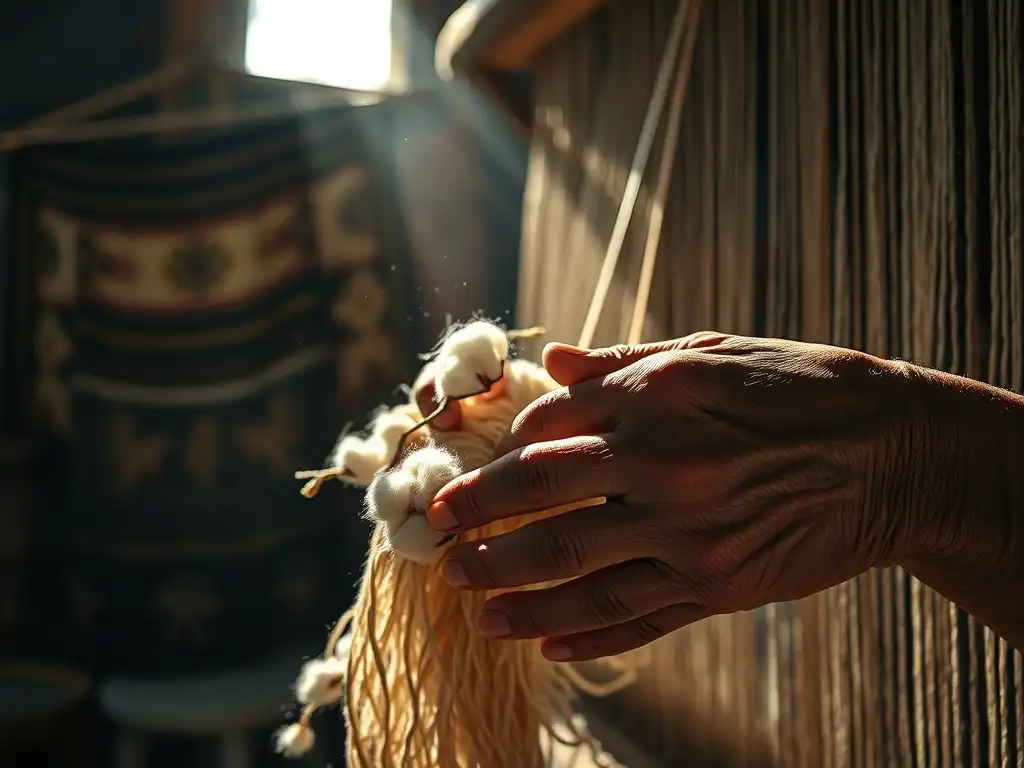
This section delves into the fascinating world of Andean cotton weaving, exploring the techniques, tools, and cultural significance that have shaped this ancient craft for millennia. From the pre-Inca periods to the present day, Andean cotton weaving has demonstrated remarkable resilience and innovation, reflecting the ingenuity and artistry of the Andean peoples. We will examine the evolution of these techniques, the role of cotton in textile production, and the intricate symbolism embedded within the patterns themselves. Understanding these techniques provides a deeper appreciation for the rich cultural heritage of the Andes.
Pre-Incan Weaving Methods and Tools
Long before the Inca Empire, sophisticated weaving traditions flourished throughout the Andes. Evidence suggests that cotton cultivation and weaving were practiced as early as 5000 BCE. Pre-Inca cultures, such as the Paracas and Nazca, developed incredibly complex weaving techniques, utilizing a variety of tools and materials. Their mastery of spinning and dyeing techniques is evident in the vibrant colors and intricate designs preserved in their textiles.
The tools used were remarkably simple yet effective. Spindles, made from wood or bone, were used to spin the cotton fibers into yarn. These spindles were often weighted with clay or stone to aid in the spinning process.
Looms, typically backstrap looms, were the primary tools for weaving. These looms, often portable and easily adaptable to various terrains, allowed weavers to create textiles of varying sizes and complexities. The construction of these looms involved intricate knowledge of knotting and tensioning techniques, passed down through generations.
The use of natural dyes, derived from plants, minerals, and insects, further enhanced the visual appeal and durability of the textiles. For example, the vibrant reds were often obtained from cochineal insects, while yellows came from various plants and minerals. The precision and artistry displayed in pre-Inca textiles demonstrate a deep understanding of both agricultural practices and weaving techniques, highlighting the interconnectedness of these aspects of Andean life.
The Role of Andean Cotton in Textile Production
Andean cotton, Gossypium barbadense, holds a unique place in the history of textile production. Its long, fine fibers, known for their strength and softness, were highly prized by Andean cultures. The cultivation of this cotton was carefully managed, with farmers employing sophisticated irrigation systems and agricultural practices to ensure high yields.
The quality of the cotton directly impacted the quality of the finished textiles, influencing their durability and aesthetic appeal. The cotton's unique properties allowed for the creation of incredibly fine and intricate textiles, ranging from everyday clothing to elaborate ceremonial garments and tapestries. The production of Andean cotton textiles was not merely a craft; it was an integral part of the Andean economy and social structure.
Textiles served as a form of currency, a symbol of status, and a crucial component of religious ceremonies. The intricate designs and the quality of the materials reflected the skill and status of both the weaver and the wearer. Different types of cotton were also used depending on the desired outcome, demonstrating a sophisticated understanding of the plant's properties.
The production process involved several stages, each demanding specialized skills and knowledge. The harvesting, cleaning, spinning, and dyeing of the cotton were all crucial steps in the creation of the finished product. The intricate processes were often divided by gender and age, reflecting the communal nature of textile production within Andean societies. The high value placed on Andean cotton textiles is reflected in their preservation and continued use in modern times.
Intricate Andean Textile Patterns and Their Meanings
Andean textiles are renowned for their stunningly intricate patterns and designs, which extend far beyond mere decoration. These patterns often hold deep symbolic meaning, reflecting the cosmology, mythology, and social structures of the Andean cultures. The use of geometric shapes, zoomorphic and anthropomorphic figures, and stylized representations of plants and animals all convey specific messages, often related to fertility, power, and spirituality.
For example, the repetition of certain motifs, such as the khipu (a system of knotted cords used for record-keeping), might represent historical events or genealogical lineages. Other patterns could depict deities, mythical creatures, or celestial bodies, reflecting the Andean worldview. The colors used also held symbolic significance, with different hues associated with specific meanings.
The careful placement and combination of these elements created complex narratives woven into the very fabric of the textiles. Analyzing these patterns provides valuable insights into the beliefs, values, and social structures of Andean societies. The study of Andean textile patterns continues to reveal new information about these ancient cultures, highlighting the enduring legacy of their artistic and symbolic traditions.
Further research into specific patterns and their regional variations is needed to fully unlock the secrets encoded within these remarkable textiles. The ongoing decipherment of these visual languages underscores the enduring power and complexity of Andean cotton weaving techniques.
Andean Cotton Weaving Techniques: A Closer Look
Andean cotton weaving wasn't merely a craft; it was an art form deeply intertwined with the spiritual and social fabric of Andean societies. The techniques employed varied across different cultures and time periods, reflecting unique artistic styles and technological advancements. From the intricate designs of the Paracas textiles to the vibrant tapestries of the Inca Empire, Andean cotton weaving showcased remarkable skill and ingenuity.
The process began with the cultivation of the cotton itself, carefully selecting and tending to the plants to ensure high-quality fiber. Different varieties of cotton, each with unique properties, were cultivated depending on the altitude and climate. This meticulous attention to the raw material directly impacted the final product's quality and texture.
The spinning process involved using a drop spindle, a simple yet effective tool that allowed for the creation of strong and even yarn. Spinners, often women, would skillfully twist the cotton fibers, creating long strands ready for weaving. The skill involved in spinning was crucial, as the evenness of the yarn directly impacted the quality of the finished textile. Variations in spinning techniques resulted in different textures and thicknesses, which were used to create various effects in the woven fabric. For example, finer yarns were used for intricate designs, while thicker yarns were used for sturdier fabrics.
Weaving itself was a complex process, often involving backstrap looms. These looms, which were portable and adaptable, allowed weavers to create textiles of varying sizes and complexities. The intricate designs found in Andean textiles were achieved through a combination of techniques, including supplementary weft weaving, tapestry weaving, and brocade. Supplementary weft weaving involved adding extra weft threads to create intricate patterns and designs on the surface of the fabric.
Tapestry weaving, on the other hand, involved weaving different colored yarns side-by-side to create detailed images. Brocade, a more complex technique, involved using supplementary weft threads to create raised patterns on the surface of the fabric, adding texture and dimensionality to the textile. Master weavers possessed an incredible understanding of color theory, combining natural dyes derived from plants, minerals, and insects to create a vibrant palette of colors. The precise control over color and texture allowed them to create textiles that were both visually stunning and technically impressive.
The Andean cotton weaving techniques represent a sophisticated understanding of textile production, reflecting both artistic expression and practical functionality. These techniques, passed down through generations, continue to inspire and influence textile artists today. The legacy of Andean cotton weaving lives on, a testament to the enduring creativity and skill of Andean artisans.
Andean Cotton in the Inca Empire
The Inca Empire, at its zenith, controlled a vast territory encompassing much of the Andes Mountains. This expansive realm significantly impacted the cultivation and utilization of Andean cotton, transforming it from a regional resource into a crucial element of the empire's economic and social structure. The Inca's sophisticated administrative system played a pivotal role in this transformation, ensuring a steady supply of cotton for their intricate textile production.
Their mastery of Andean cotton weaving techniques contributed significantly to the empire's power and cultural identity. The sheer scale of Inca cotton production is evidenced by the large quantities of textiles discovered in archaeological sites throughout the empire, showcasing the importance of cotton to the Inca way of life. Understanding the Inca's approach to cotton reveals insights into their agricultural practices, social organization, and technological prowess.
Inca Control and Expansion of Cotton Production
Inca control over cotton production wasn't merely about extraction; it was a meticulously planned system designed to maximize yield and ensure equitable distribution. The mita system, a form of mandatory labor, was employed to cultivate cotton in various regions. This ensured that even areas less suitable for cotton growth contributed to the empire's textile industry.
Inca administrators carefully selected land suitable for cotton cultivation, often utilizing terracing techniques inherited from earlier Andean cultures to optimize water management and soil conditions. They also developed sophisticated irrigation systems to support cotton growth in arid regions, showcasing their advanced understanding of hydraulic engineering. Furthermore, the Inca likely implemented crop rotation and other sustainable agricultural practices to maintain soil fertility and ensure consistent cotton yields.
Evidence suggests that specific varieties of cotton were cultivated in different ecological zones, highlighting a deep understanding of the plant's needs and adaptability. This efficient and centralized approach to cotton production underscores the Inca's ability to manage resources on a large scale.
The Importance of Textiles in Inca Society
Textiles were far more than mere clothing in Inca society; they held profound social, religious, and economic significance. The quality and type of textiles worn indicated social status, with elite members of society adorned in finely woven garments of superior cotton, often embellished with intricate designs and precious metals. Textiles played a central role in religious ceremonies, with specific fabrics and designs used in rituals and offerings.
The production and distribution of textiles were closely monitored by the Inca state, reflecting their importance in the empire's economic system. The intricate weaving techniques and the use of vibrant natural dyes further elevated the status of textiles, transforming them into objects of immense cultural value.
The vibrant colors and patterns woven into Inca textiles were not merely decorative; they often conveyed symbolic meanings and narratives, demonstrating the sophistication of Inca artistic expression. Archaeological findings reveal the use of complex weaving techniques, like tapestry and brocade, signifying a high level of skill and artistry.
Inca Weaving Workshops and Skilled Artisans
The creation of Inca textiles wasn't a haphazard process; it was carried out in specialized workshops staffed by highly skilled artisans. These workshops, often located near major population centers, were organized and managed by the Inca state, ensuring a consistent supply of high-quality textiles. The artisans, who likely passed down their skills through generations within their families, were highly specialized, with some focusing on specific weaving techniques, while others mastered dyeing or embroidery.
The Inca state provided these artisans with the necessary resources, including raw cotton, dyes, and tools, ensuring a smooth production process. The hierarchical structure of these workshops is evidenced by the varying quality and complexity of the textiles produced, reflecting the different levels of skill and specialization among the artisans. The organization of these workshops showcases the Inca's ability to effectively manage labor and resources to achieve their economic and social goals.
The intricate designs and patterns found in Inca textiles bear testament to the exceptional skill and artistic talent of these artisans, showcasing the high level of artistic sophistication within the Inca Empire. The legacy of these Andean cotton weaving techniques continues to inspire textile artists even today.
Andean Cotton and its use in Inca Clothing
Andean cotton, prized for its softness, warmth, and durability, played a pivotal role in Inca clothing. The quality of the cotton, and the intricacy of the weaving, often signified social status. Inca textiles weren't merely garments; they were a powerful form of visual communication, conveying information about the wearer's social standing, clan affiliation, and even their geographic origin. The vibrant colors, achieved through natural dyes derived from plants and minerals found throughout the Andes, further enhanced the symbolic meaning of the clothing.
For example, specific colors might be associated with particular deities or ceremonies. The use of specific patterns and motifs also held significant cultural meaning, often depicting animals, plants, or celestial events. Master weavers, highly respected within Inca society, passed down their knowledge and skills through generations, ensuring the continuity of these intricate traditions.
Their expertise was crucial not only for creating everyday clothing but also for producing elaborate ceremonial garments worn by the elite and during important religious events. The production and distribution of cotton and textiles were carefully controlled by the Inca state, reflecting its importance in the empire's economic and social structure. The Inca's mastery of Andean cotton weaving techniques directly contributed to their sophisticated and highly organized society.
The Inca's use of Andean cotton extended beyond simple clothing. Highly skilled artisans created intricate tapestries, wall hangings, and ceremonial banners using the finest cotton threads. These textiles, often adorned with complex designs and rich symbolism, served both practical and religious purposes.
Some were used to decorate palaces and temples, while others played a vital role in religious ceremonies and rituals. The creation of these textiles was a time-consuming and labor-intensive process, requiring a high level of skill and precision. The meticulous attention to detail evident in these surviving artifacts underscores the high value placed upon Andean cotton and the expertise of the Inca weavers.
Archaeological discoveries continue to unveil the extent of Inca textile production and the sophistication of their Andean cotton weaving techniques, revealing a rich tapestry of cultural and social significance. The legacy of Inca textile artistry continues to inspire and amaze, serving as a testament to the ingenuity and skill of this remarkable civilization.
Modern Uses and the Future of Andean Cotton
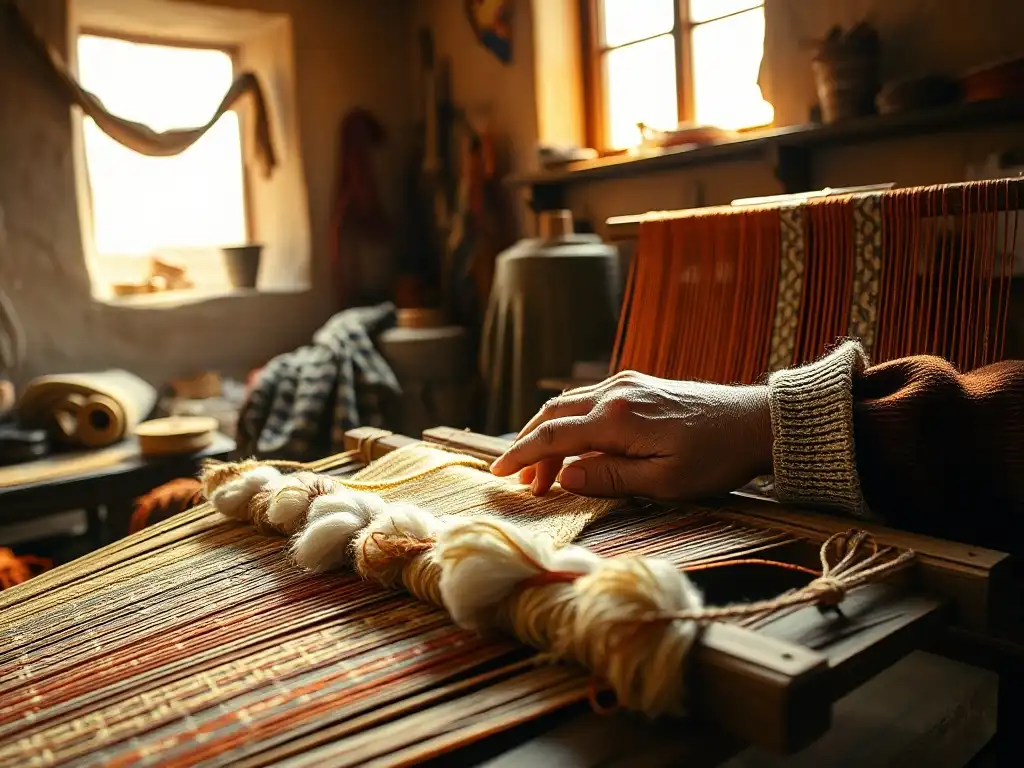
Andean cotton, celebrated for its unique qualities for centuries, continues to find innovative applications in the modern world. Its inherent softness, strength, and hypoallergenic properties make it a highly sought-after fiber in various industries. Beyond its traditional use in textiles, research is exploring its potential in new and exciting ways. This section will delve into the contemporary uses of Andean cotton and examine the promising future of this remarkable natural resource.
Contemporary Applications of Andean Cotton
Today, Andean cotton is not just used for clothing. Its exceptional characteristics have led to its incorporation into a wider range of products. For example, the superior absorbency of Andean cotton makes it ideal for use in high-quality towels and bedding.
Its hypoallergenic nature is a significant advantage for individuals with sensitive skin, increasing demand for Andean cotton baby clothes and medical textiles. Furthermore, the strength and durability of the fiber make it suitable for specialized applications like industrial cleaning cloths and high-end upholstery. The unique luster of some varieties also lends itself to decorative purposes, finding its way into high-fashion designs and artisanal crafts.
Companies are increasingly recognizing the value proposition of using Andean cotton, highlighting its sustainability and unique qualities in their marketing. The growing consumer demand for ethically sourced and environmentally friendly products further fuels this trend. While precise market data on the specific applications of Andean cotton requires further research, its presence in niche markets is undeniable and continually expanding.
Sustainable Andean Cotton Farming Initiatives
The cultivation of Andean cotton is intrinsically linked to the preservation of biodiversity and sustainable agricultural practices. Many initiatives are underway to ensure the long-term viability of this crop while minimizing its environmental impact. These efforts often focus on promoting organic farming techniques, reducing water consumption through efficient irrigation methods, and minimizing the use of pesticides and chemical fertilizers.
The emphasis on traditional knowledge and indigenous farming practices plays a crucial role in these initiatives, as these techniques often prioritize ecological balance. For instance, some projects focus on crop rotation and intercropping to improve soil health and reduce pest infestations. Furthermore, organizations are working to support local farmers by providing access to fair trade markets and promoting the unique qualities of Andean cotton to consumers.
This collaborative approach ensures that the economic benefits of Andean cotton cultivation are directly shared with the communities that have traditionally grown and processed it. The success of these initiatives is crucial for ensuring the long-term sustainability of Andean cotton production. However, comprehensive data on the overall impact of these initiatives is still under development.
The Revival of Traditional Andean Cotton Weaving
The resurgence of interest in traditional Andean cotton weaving techniques represents a significant cultural and economic opportunity. This revival is driven by a growing appreciation for handcrafted textiles and a renewed interest in the rich cultural heritage of the Andean region. Weaving workshops and training programs are playing a vital role in transmitting ancient knowledge and skills to new generations.
This preservation of traditional techniques ensures that the unique aesthetic and cultural significance of Andean textiles are maintained. Moreover, the revival of traditional weaving is creating economic opportunities for artisan communities, empowering them to preserve their cultural heritage while generating income. The increasing demand for authentic Andean textiles in both domestic and international markets further supports this trend.
Many organizations are working to promote and support these artisans, helping them to reach wider audiences and receive fair compensation for their work. While the exact number of artisans involved in this revival is difficult to quantify precisely, the visible growth of this sector is a testament to the enduring appeal of traditional Andean cotton weaving. The intricate designs and superior quality of these textiles continue to capture the imagination of consumers worldwide.
Global Market Trends for Andean Cotton
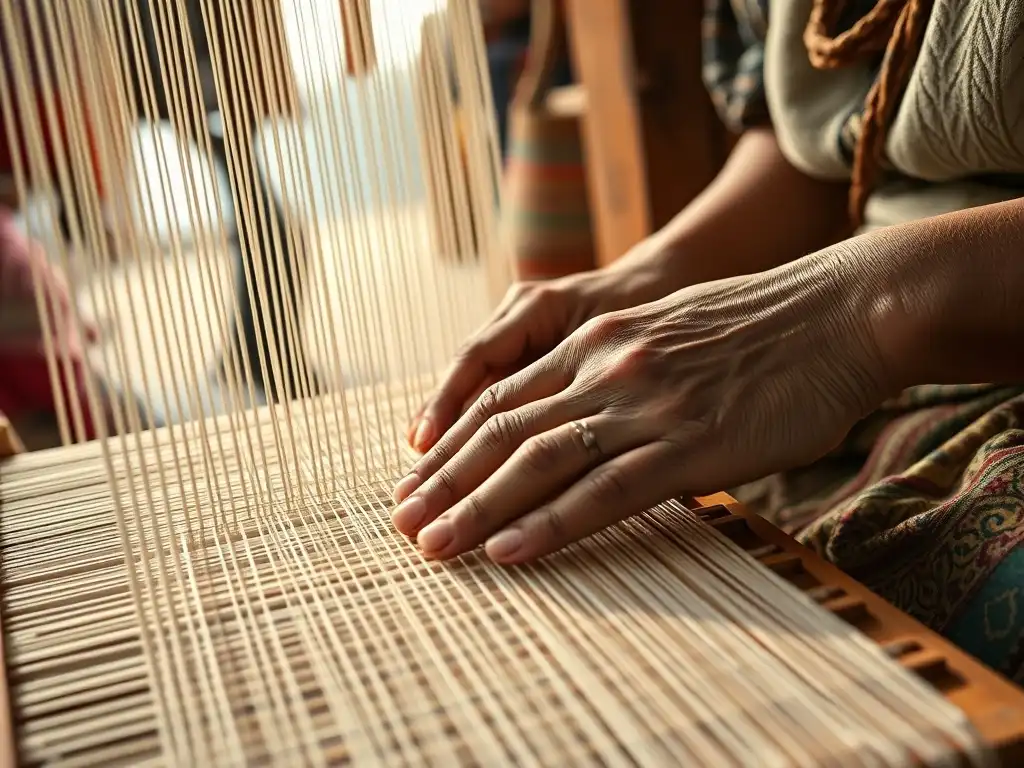
The global market for Andean cotton, particularly its high-quality pima and other extra-long staple varieties, is experiencing fluctuating trends. Demand remains strong, driven by the growing interest in luxury textiles and sustainable fashion. Consumers are increasingly aware of the superior qualities of Andean cotton – its softness, durability, and lustrous sheen – leading to a premium price point compared to conventionally grown cotton. However, the market is also susceptible to global economic shifts and competition from other high-quality cotton producers.
Factors such as fluctuating exchange rates, tariffs, and global supply chain disruptions can impact the price and availability of Andean cotton in international markets. Furthermore, the increasing awareness of ethical sourcing and fair trade practices is influencing consumer choices, pushing producers towards more sustainable and transparent farming methods. This has led to a growing demand for organically produced Andean cotton, commanding even higher prices but potentially limiting overall supply. The challenge for Andean cotton producers lies in balancing the demand for high-quality, sustainably produced fibers with the economic realities of a volatile global market.
Effective marketing strategies that highlight the unique qualities and sustainability of Andean cotton are crucial to maintaining its competitive edge and ensuring its continued success in the international textile industry. Analysis of recent market data reveals a positive, albeit unsteady, growth trajectory, with opportunities for expansion into new niche markets, particularly those prioritizing ethical and luxury goods. The future success of Andean cotton will depend on the ability of producers and stakeholders to adapt to evolving market demands and maintain their commitment to sustainable practices.
Andean Cotton in the Sustainable Fashion Movement
The sustainable fashion movement has provided a significant boost to the demand for Andean cotton. Consumers are increasingly seeking out ethically sourced and environmentally friendly materials for their clothing and textiles. Andean cotton, with its inherent sustainability due to traditional cultivation methods and relatively low environmental impact, perfectly aligns with this growing demand.
Many fashion brands are now actively incorporating Andean cotton into their collections, highlighting its unique properties and sustainable production as key selling points. This has not only increased the demand for the fiber but has also incentivized farmers to adopt sustainable farming practices, further enhancing the eco-friendly credentials of Andean cotton. The transparency and traceability of the supply chain are also becoming increasingly important, with consumers wanting to know the origin and journey of their clothing.
This has pushed for greater collaboration between producers, brands, and consumers to ensure ethical and sustainable practices throughout the entire production process. The focus on fair trade practices and the empowerment of Andean communities involved in cotton production further reinforces the appeal of Andean cotton within the ethical fashion sector. The sustainable fashion movement, therefore, presents a significant opportunity for the growth and development of the Andean cotton industry, provided that producers can meet the increasing demand for transparency, sustainability, and ethical sourcing.
Technological Innovations and Andean Cotton Production
Technological innovations are playing an increasingly important role in enhancing the efficiency and sustainability of Andean cotton production. While traditional methods remain crucial to preserving the quality of the fiber, advancements in areas such as irrigation techniques, pest control, and harvesting methods are improving yields and reducing environmental impact. Precision agriculture techniques, utilizing data-driven approaches to optimize water and fertilizer use, are helping to minimize resource consumption and improve crop yields.
The development of new, more resistant cotton varieties that are less susceptible to pests and diseases is also reducing the need for chemical pesticides, contributing to more sustainable farming practices. Furthermore, innovations in textile processing technologies are enhancing the efficiency and quality of yarn production. These advancements help to reduce waste and improve the overall quality of the finished product.
The integration of technology across the entire value chain, from farming to production, is crucial for the future growth and competitiveness of the Andean cotton industry. While maintaining the traditional aspects of Andean cotton production is essential for preserving its unique quality, embracing technological advancements can help to optimize productivity and sustainability, ensuring the continued prosperity of this valuable crop.
Preserving Andean Cotton Heritage
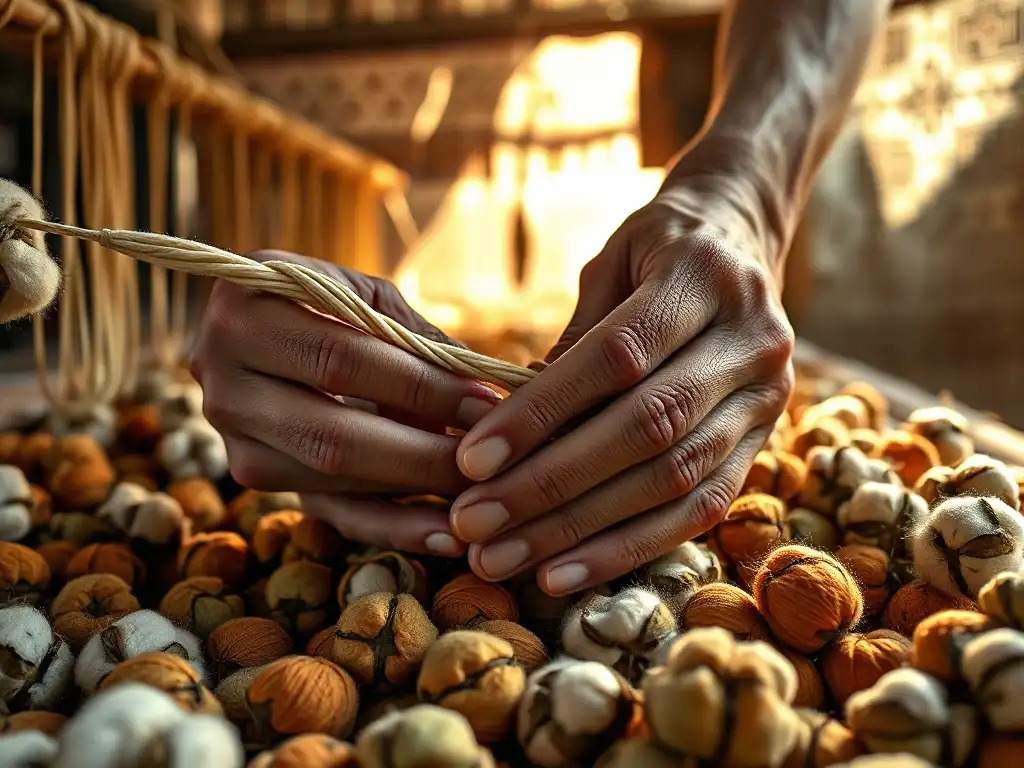
The enduring legacy of Andean cotton weaving is a testament to the ingenuity and artistry of ancient civilizations. For centuries, Andean communities perfected sophisticated techniques, resulting in textiles of exceptional quality and beauty. These techniques, passed down through generations, represent a vital part of their cultural identity and a significant contribution to global textile history.
Understanding the historical context of Andean cotton weaving is crucial to appreciating its continued relevance and the need for its preservation. The intricate designs, often imbued with symbolic meaning reflecting cosmology, social structures, and daily life, are not merely aesthetic; they are powerful narratives woven into the very fabric of Andean cultures. These textiles served diverse purposes, from everyday clothing and household items to elaborate ceremonial garments and offerings for religious rituals.
The vibrant colors, achieved through natural dyes derived from local plants and minerals, further enhanced the aesthetic and cultural significance of these creations. Analyzing the surviving examples – from fragments unearthed in archaeological sites to meticulously preserved garments in museums – reveals a remarkable continuity of techniques and designs, showcasing the resilience and adaptability of Andean textile traditions. The precision and skill involved in spinning, dyeing, and weaving the cotton are truly remarkable, reflecting a deep understanding of both the material properties of the fiber and the artistic possibilities it offers.
Challenges Facing Andean Cotton Cultivation
Andean cotton cultivation faces numerous challenges in the modern era, threatening the very survival of this unique heritage. Climate change, with its unpredictable weather patterns and increasing frequency of extreme events like droughts and floods, significantly impacts crop yields. The delicate nature of Andean cotton, less resilient than commercially produced varieties, makes it particularly vulnerable. Furthermore, the encroachment of industrial agriculture and the associated use of chemical pesticides and fertilizers pose a serious threat to the traditional, sustainable methods of cultivation that have been practiced for centuries.
Competition from cheaper, mass-produced cotton also undermines the economic viability of Andean cotton farming, forcing many communities to abandon their traditional practices. The lack of access to appropriate technologies and market support further exacerbates these challenges. For example, many farmers lack access to improved seed varieties, irrigation systems, and processing facilities, hindering their ability to compete in a globalized market.
Data on the precise acreage dedicated to Andean cotton cultivation is often incomplete, making it difficult to accurately assess the scale of the problem and implement effective conservation strategies. The need for comprehensive data collection and analysis is critical to informing policy decisions and resource allocation. Without concerted efforts to address these multifaceted challenges, the future of Andean cotton cultivation remains precarious, jeopardizing not only the economic well-being of Andean communities but also the preservation of their invaluable cultural heritage.
Efforts to Protect Indigenous Weaving Knowledge
Protecting indigenous weaving knowledge requires a multifaceted approach that combines community-based initiatives with broader policy interventions. One crucial strategy is to support the documentation and dissemination of traditional weaving techniques. This includes creating comprehensive archives of weaving patterns, dyeing methods, and other related knowledge, often held within the collective memory of communities. Many organizations are actively working to document these practices through workshops, apprenticeships, and collaborations with indigenous artisans.
The preservation of this knowledge also involves empowering younger generations to learn and continue these traditions. This requires creating opportunities for education and training, making weaving skills accessible and attractive to young people. The integration of traditional weaving practices into school curricula and the establishment of dedicated weaving centers can play a significant role. Furthermore, efforts to revitalize traditional markets and promote fair trade practices are essential to ensure the economic viability of Andean cotton weaving.
This requires creating platforms that connect artisans directly with consumers, allowing them to receive fair prices for their products and maintain their livelihoods. The use of certifications and labels that guarantee the authenticity and ethical sourcing of Andean cotton textiles can also help to build consumer awareness and support. Finally, protecting intellectual property rights associated with traditional designs and patterns is crucial, preventing exploitation and ensuring that indigenous communities benefit from the commercialization of their cultural heritage. The sustainable preservation of Andean cotton weaving techniques is not merely a matter of preserving a craft; it is about safeguarding a living culture and ensuring its continuity for future generations.
Promoting Fair Trade and Ethical Sourcing of Andean Cotton
Promoting fair trade and ethical sourcing of Andean cotton is crucial for the sustainable development of Andean communities and the preservation of their cultural heritage. Fair trade practices ensure that producers receive a fair price for their products, allowing them to earn a decent living and invest in their communities. This contrasts sharply with exploitative practices that often characterize the global cotton industry, where farmers receive meager compensation, leaving them trapped in cycles of poverty. Ethical sourcing goes beyond fair prices, encompassing environmental sustainability and social responsibility.
It involves verifying that the cotton is produced without the use of harmful pesticides and fertilizers, protecting both the environment and the health of workers. Transparency and traceability are also key elements of ethical sourcing, enabling consumers to understand the origin of the cotton and the conditions under which it was produced. Several organizations are working to promote fair trade and ethical sourcing of Andean cotton, providing support to farmers and artisans and connecting them with consumers who value sustainability and social responsibility. These organizations often work with cooperatives and other community-based organizations to ensure that the benefits of fair trade are equitably distributed among producers.
Supporting these initiatives through purchasing ethically sourced Andean cotton products directly contributes to the economic empowerment of Andean communities and safeguards their cultural heritage. Consumers can play a significant role by actively seeking out and purchasing certified Andean cotton products, thereby contributing to the growth of a more just and sustainable textile industry. The increasing consumer demand for ethical and sustainable products creates a powerful incentive for businesses to adopt responsible sourcing practices, ultimately benefiting both producers and the environment.
The Role of Cultural Preservation in Sustainability
The survival of Andean cotton weaving techniques is intrinsically linked to the preservation of cultural heritage. Sustainable practices in agriculture and textile production are not merely environmental concerns; they are deeply rooted in the cultural identity of Andean communities. For centuries, these communities have developed sustainable farming methods, respecting the delicate ecosystem of the Andes and ensuring the continued availability of high-quality cotton. These methods, passed down through generations, are integral to the unique character of Andean cotton and its products.
Loss of these traditional practices would lead not only to the decline of a valuable resource but also to the erosion of a rich cultural tapestry. The vibrant colors, intricate designs, and unique textures of Andean textiles are all expressions of a deep-seated cultural heritage. Preserving this heritage ensures the long-term viability of Andean cotton, fostering economic opportunities while maintaining ecological balance. The link between cultural preservation and sustainable practices is undeniable – safeguarding traditions ensures the future of this precious resource.
Support for artisan communities and initiatives that promote traditional techniques are crucial steps towards achieving both cultural and environmental sustainability. This holistic approach recognizes that economic prosperity and environmental stewardship are inextricably intertwined with the preservation of cultural heritage. The interconnectedness of these factors highlights the importance of supporting initiatives that promote the sustainable use and preservation of Andean cotton weaving techniques. Ignoring the cultural aspect is detrimental to the long-term sustainability of the resource and the communities that depend on it.
Revitalizing Traditional Andean Cotton Weaving Techniques
Revitalizing traditional Andean cotton weaving techniques requires a multi-faceted approach. One crucial aspect is supporting educational programs that teach young generations the intricate skills involved in cultivating, processing, and weaving Andean cotton. These programs should not only focus on the technical aspects of weaving but also on the cultural significance of the craft, passing down the knowledge and stories associated with each technique. Furthermore, initiatives focusing on the restoration and preservation of ancient looms and tools are vital.
These tools are not merely instruments of production but also important cultural artifacts that embody the history and ingenuity of Andean civilizations. The preservation of these tools ensures the continuity of traditional techniques and allows artisans to maintain the authenticity of their craft. Another critical element is the creation of markets and platforms that connect Andean artisans directly with consumers, enabling them to sell their products fairly and sustainably. This direct-to-consumer approach ensures that artisans receive fair compensation for their work, fostering economic empowerment and encouraging the continuation of traditional practices.
Finally, collaborations between artisans, researchers, and policymakers are essential. These collaborations can help identify and address challenges facing the preservation of these techniques, fostering innovation while respecting the cultural integrity of the craft. By combining traditional knowledge with modern approaches, we can ensure the continued flourishing of Andean cotton weaving techniques for generations to come. The revitalization process requires concerted effort and a collaborative spirit, ensuring that this invaluable cultural and economic resource thrives.
The preservation of Andean cotton weaving techniques has significant economic and social ramifications. Economically, it empowers artisan communities by providing sustainable livelihoods. The production and sale of handcrafted textiles create jobs, generate income, and contribute to the economic development of Andean regions. Supporting these artisans directly contributes to poverty reduction and strengthens local economies.
Furthermore, the uniqueness and high quality of Andean cotton products command premium prices in the global market, creating opportunities for economic growth and prosperity. However, economic benefits are only one side of the coin. Socially, the preservation of these techniques helps maintain cultural identity and fosters a sense of community. The transmission of traditional knowledge through generations strengthens social bonds and creates a sense of continuity.
Weaving is often a communal activity, bringing people together and fostering a shared sense of cultural pride. The preservation of these techniques contributes to the overall well-being of Andean communities by promoting cultural preservation, economic stability, and social cohesion. The positive impact extends beyond the immediate community, enriching the global tapestry of human culture and providing unique and valuable products to the world. Sustainable development and economic growth are intertwined with the preservation of this valuable cultural heritage, demonstrating the interconnectedness of social, economic, and cultural aspects.
Frequently Asked Questions
What makes Andean cotton unique?
Andean cotton boasts exceptionally long fibers, resulting in incredibly soft and strong textiles. Its unique qualities have made it prized for centuries.
What were the ancient Andean cotton weaving techniques?
Ancient Andean weavers employed sophisticated techniques like backstrap loom weaving and intricate dyeing processes using natural pigments. Their skill produced remarkably durable and beautiful fabrics.
Which Andean cultures were known for their cotton weaving?
Many Andean cultures, including the Inca, Nazca, and Moche, were renowned for their mastery of cotton weaving. Each developed distinct styles and techniques.
How did Andean cotton weaving impact their societies?
Cotton weaving was essential to Andean economies and social structures. Textiles served as clothing, ceremonial items, and valuable trade goods.
Are traditional Andean cotton weaving techniques still practiced today?
Yes, many communities continue these traditions. While modern tools exist, the fundamental techniques and knowledge remain largely unchanged.
Final Reflection: The Enduring Legacy of Andean Cotton
The intricate artistry of Andean cotton weaving, once a cornerstone of ancient civilizations, continues to resonate today, a powerful testament to human ingenuity and cultural resilience. From the vibrant textiles adorning ancient burial sites to the contemporary fashion runways, the threads of this story weave a compelling narrative of innovation, adaptation, and enduring cultural significance. The techniques, passed down through generations, represent not just a craft, but a living history, a tangible link to the past.
The impact of Andean weaving techniques extends far beyond the realm of textiles; it represents a profound connection to the land, a deep understanding of natural resources, and a sophisticated aesthetic sensibility that has captivated the world. The artistry reflects a profound respect for tradition and a commitment to sustainability, values increasingly relevant in our modern world. The threads themselves whisper stories of resilience, of a culture that has endured and adapted, weaving its own unique tapestry into the fabric of history.
This quote encapsulates the enduring power of Andean weaving, a legacy that continues to inspire and inform contemporary practices.
Consider the intricate patterns, the vibrant dyes derived from natural sources, the meticulous handwork involved in each piece. These are not merely textiles; they are expressions of identity, stories woven into the very fabric of the culture. You, the reader, are now part of this story.
Take a moment to appreciate the artistry, the history, and the enduring legacy of Andean cotton weaving. Seek out authentic pieces, support artisans, and help preserve this invaluable cultural heritage for generations to come. Let the threads of this ancient tradition inspire you to connect with your own heritage and to appreciate the beauty and resilience of human creativity.
**Unveil the Rich Legacy of Andean Cotton! **
Thank you for exploring the fascinating world of Andean cotton with us! We hope you've discovered the deep cultural significance and modern applications of this ancient textile. Now, let's put that newfound knowledge into action!
Here are a few ways you can further connect with this incredible heritage:
- **Support** local artisans who are reviving ancient weaving techniques by visiting their studios, markets, or online shops. Their dedication to traditional craftsmanship deserves our attention.
- **Share** your knowledge of Andean cotton with friends and family, or spread the word on social media. Help us raise awareness of this unique cultural treasure.
- **Learn** traditional dyeing methods or weaving techniques by participating in a hands-on workshop. Immerse yourself in the rich traditions surrounding Andean textiles.
Which aspect of Andean cotton most captivates you, and how will you integrate its legacy into your own life?