
The Resilience of Andean Culture: Surviving the Imposition of Colonialism

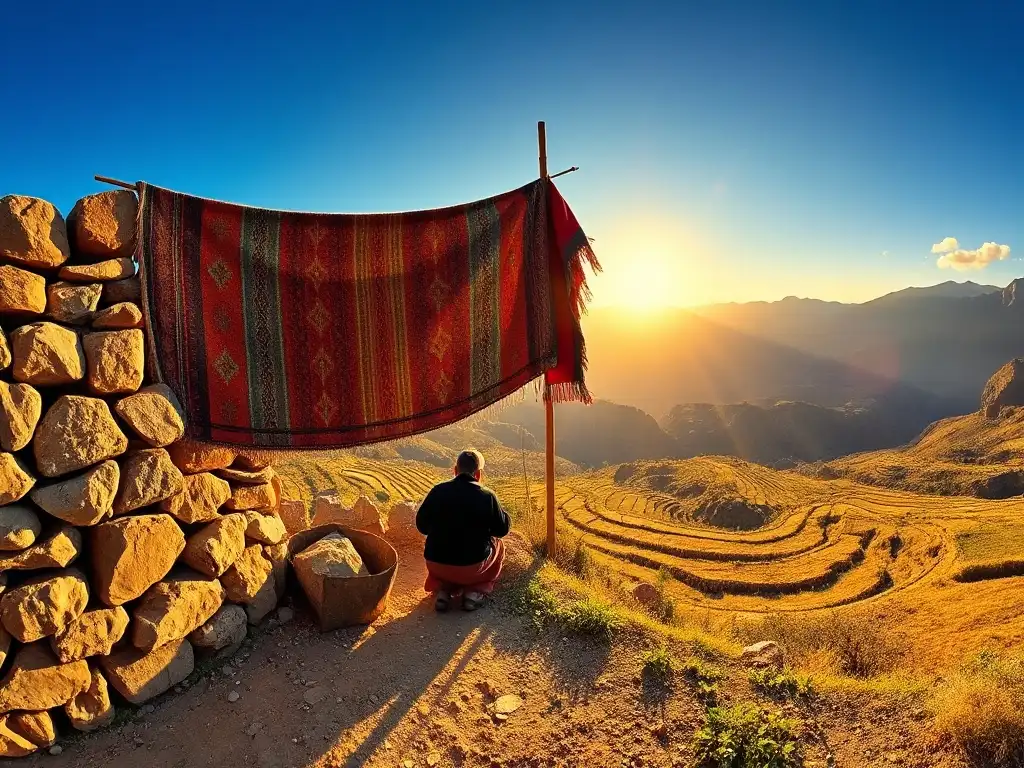
Step into a world lost to time, yet echoing powerfully in the present. Imagine the breathtaking ingenuity of the Incas, Moche, Nazca, and Tiahuanaco – civilizations that shaped the Andes long before the arrival of the Spanish. But their story doesn't end there. Discover the unyielding resilience of Andean culture in the face of colonialism, and explore the lasting impact of this tumultuous period. Uncover the secrets of Andean culture colonialism impact and prepare to be amazed by their enduring legacy. Let's delve into the fascinating story of survival and adaptation.
The arrival of the Spanish in the 16th century dramatically altered the trajectory of Andean civilizations. While the conquest is often portrayed as a complete subjugation, the reality is far more nuanced. This article explores the remarkable resilience of Andean culture in the face of Spanish colonialism, highlighting not only the devastating impact of the conquest but also the ingenious strategies employed by Andean peoples to preserve their traditions, beliefs, and social structures.
We will examine the vibrant tapestry of Andean life before the arrival of the Europeans, analyze the immediate effects of colonization, and demonstrate how Andean communities adapted and resisted, ultimately shaping a unique cultural landscape that persists to this day. Understanding this resilience is crucial to appreciating the richness and complexity of Andean culture and its enduring legacy. The impact of Andean culture colonialism is a multifaceted story of destruction, adaptation, and ultimately, survival.
Andean Cultural Heritage Before Colonialism
Before the Spanish conquest, the Andes were home to a diverse array of sophisticated societies. The Inca Empire, with its impressive infrastructure and centralized administration, is perhaps the most well-known, but numerous other powerful and influential civilizations thrived, including the Moche, Nazca, and Tiahuanaco. These cultures boasted intricate social structures, advanced agricultural techniques (like terracing), remarkable artistic achievements (textiles, ceramics, metalwork), and complex religious beliefs.
Consider, for example, the intricate Nazca Lines, vast geoglyphs etched into the desert floor, their purpose still debated but a testament to the ingenuity and advanced understanding of geometry of the Nazca people. Or the sophisticated irrigation systems developed by the Moche, enabling them to flourish in arid coastal regions. These achievements demonstrate a deep understanding of their environment and a remarkable capacity for collective action.
The Inca's sophisticated road system, connecting the vast empire, facilitated trade, communication, and the efficient movement of resources. These pre-colonial Andean societies possessed a rich and complex cultural heritage that was profoundly impacted by the arrival of the Spanish.
The Initial Impact of Spanish Colonialism on Andean Societies
The Spanish conquest brought about a catastrophic upheaval to Andean societies. The introduction of new diseases, like smallpox and measles, decimated the indigenous population, weakening their ability to resist Spanish rule. The Spanish imposed their own political and economic systems, dismantling existing social structures and replacing them with a hierarchical system that placed Spaniards at the top and indigenous peoples at the bottom. The encomienda system, which granted Spanish conquistadors control over indigenous labor, led to widespread exploitation and abuse.
The destruction of temples and the suppression of indigenous religions were also significant blows to Andean culture. Spanish missionaries actively sought to convert the indigenous population to Christianity, often destroying sacred sites and artifacts in the process. This cultural destruction was not merely an act of religious zeal; it was a deliberate strategy to undermine indigenous identity and consolidate Spanish power.
The initial impact was devastating, creating widespread social disruption, economic exploitation, and cultural loss. However, this initial wave of destruction did not extinguish the flame of Andean culture; rather, it ignited a resistance that would shape the future. The resilience of Andean culture in the face of this onslaught is a testament to the strength and adaptability of its people.
Cultural Disruption and Transformation Under Colonial Rule
The Spanish conquest profoundly impacted Andean culture, leading to significant disruption and transformation. The imposition of Catholicism aimed to eradicate indigenous belief systems, replacing them with a new religious order. Temples were destroyed, religious practices were suppressed, and the Inca worldview, with its intricate cosmology and sophisticated social structure, was actively undermined. This cultural upheaval extended beyond religion.
Traditional social structures based on ayllu (kinship-based communities) were dismantled, and the Spanish implemented a new hierarchical system centered around the encomienda system, which exploited indigenous labor. The introduction of European technologies, while offering some advancements, also led to the displacement of indigenous knowledge and practices in agriculture, architecture, and textile production. The forced relocation of populations to newly established colonial towns further fractured traditional communities and disrupted established social networks.
This period saw a deliberate attempt to homogenize the Andean population, suppressing diverse cultural expressions and imposing a uniform, albeit often superficial, version of Spanish culture. The effects of this cultural disruption are still felt today, shaping the complexities of modern Andean identities. The legacy of the colonial period is a crucial element in understanding the persistence and resilience of Andean culture in the face of immense adversity.
Strategies of Andean Resistance and Cultural Preservation
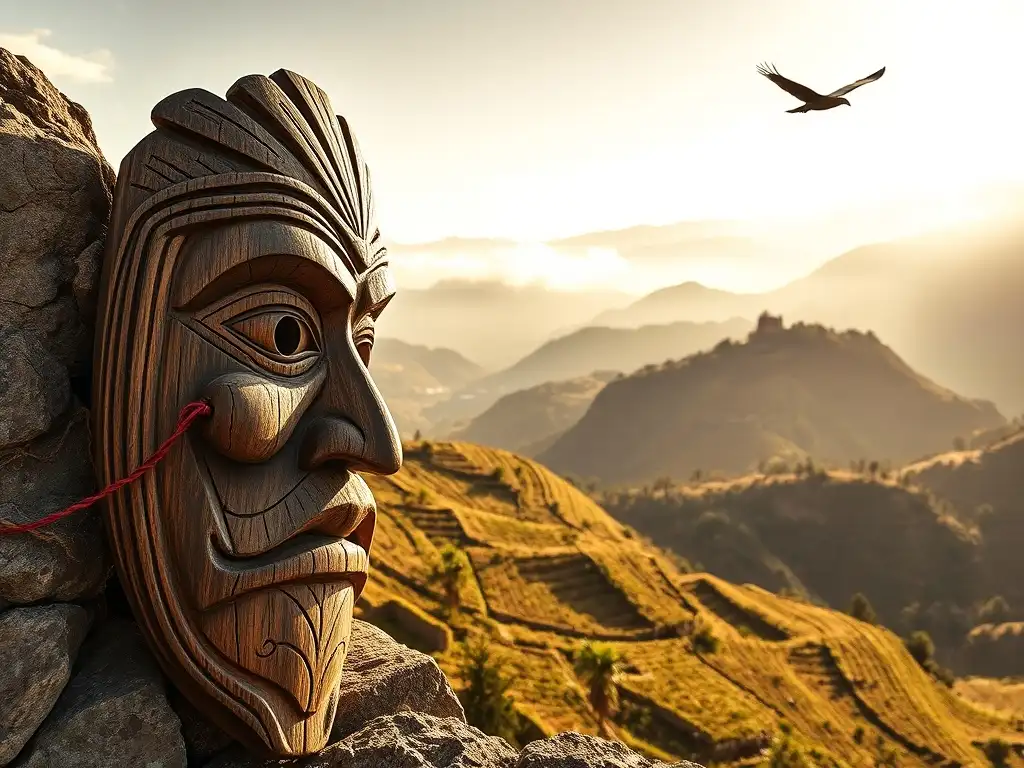
Despite the immense pressures of colonial rule, Andean peoples employed various strategies to resist cultural eradication and preserve their traditions. These strategies ranged from overt rebellion to subtle acts of cultural preservation woven into the fabric of daily life. The ability to adapt and subtly resist was essential for survival. Understanding these strategies is key to appreciating the enduring strength of Andean culture. The forms of resistance were diverse and often intertwined, reflecting the multifaceted nature of colonial oppression and the ingenuity of those who sought to maintain their cultural heritage.
Maintaining Traditional Andean Practices
Subtle resistance often manifested in the continued practice of traditional Andean customs, albeit sometimes in modified forms. Agricultural practices, while incorporating some new crops introduced by the Spanish, often retained indigenous techniques and knowledge of local ecosystems. Textile production, a cornerstone of Andean culture, continued to employ traditional designs and techniques, subtly incorporating Spanish influences to avoid direct confrontation.
Traditional ceremonies and rituals, often adapted to incorporate elements of Catholicism, were performed clandestinely or disguised to evade colonial authorities. This covert preservation of traditions was crucial in maintaining a sense of cultural continuity and identity during a period of profound upheaval. The persistence of these practices demonstrates the tenacity of Andean cultural values and the determination of communities to maintain their heritage.
Religious Syncretism and Adaptation
One of the most significant strategies for cultural preservation was religious syncretism. Indigenous Andean beliefs and practices were subtly integrated with elements of Catholicism, creating hybrid religious expressions that allowed for the continued veneration of traditional deities and spirits while outwardly complying with colonial religious mandates. This syncretism is evident in the veneration of the Virgin Mary, often associated with indigenous earth goddesses, or the incorporation of indigenous rituals into Catholic feast days.
This adaptation allowed for the preservation of core cultural values and beliefs while navigating the constraints imposed by colonial authorities. The resulting syncretic religious practices are a testament to the adaptability and resilience of Andean spirituality.
The Role of Andean Languages in Cultural Survival
The preservation of Andean languages played a vital role in maintaining cultural identity and transmitting traditional knowledge across generations. Despite attempts by the Spanish to suppress Quechua and other indigenous languages in favor of Spanish, these languages persisted, often serving as a means of communication and cultural transmission within communities. The use of indigenous languages in secret rituals, songs, and storytelling allowed for the continued preservation of cultural narratives and traditions beyond the reach of colonial control.
The enduring presence of Quechua and other Andean languages today is a powerful testament to the strength and resilience of Andean cultural identity and its ability to withstand centuries of colonial pressure. The continued use of these languages represents a crucial link to the past and a foundation for the future.
The Spanish conquest profoundly reshaped the Andean economic and social landscape, leaving a legacy that continues to impact the region today. The imposition of colonial rule led to a systematic dismantling of existing social structures and economic systems, replacing them with a model designed to benefit the Spanish crown and its colonial subjects. This transition was often violent and exploitative, resulting in widespread suffering and the disruption of traditional ways of life.
The effects were felt across all aspects of Andean society, from the everyday lives of individuals to the broader political and economic systems. The consequences were far-reaching and long-lasting, shaping the social and economic fabric of the Andes for centuries to come.
Understanding these repercussions is crucial to grasping the complexities of Andean history and the ongoing struggles for social justice and economic equity in the region. The enduring impact of colonialism is a critical component in understanding the present-day challenges faced by Andean communities.
Land Dispossession and Labor Systems
One of the most devastating consequences of Spanish colonialism was the systematic dispossession of Andean land. The encomienda system, initially intended to grant Spanish conquistadors control over indigenous labor in exchange for providing protection and religious instruction, quickly devolved into a system of forced labor and land appropriation. Indigenous communities, who had previously held communal ownership of land, were forced to work on Spanish-owned estates, often under brutal conditions.
This resulted in the destruction of traditional agricultural practices and the disruption of intricate irrigation systems that had sustained Andean civilizations for centuries. The mita, a form of mandatory labor service imposed by the Inca Empire, was repurposed and intensified by the Spanish, forcing indigenous populations to work in mines, particularly silver mines, under horrific conditions.
The loss of land and the imposition of forced labor crippled Andean economies and profoundly altered social structures. The long-term effects of this land dispossession continue to fuel social and economic inequalities in modern Andean societies.
Changes in Social Structures and Hierarchy
The Spanish conquest drastically altered the social hierarchy of the Andes. The Inca's sophisticated and centralized administrative system was replaced by a rigid caste system that placed Spaniards at the top, followed by criollos (Spaniards born in the Americas), mestizos (people of mixed indigenous and Spanish ancestry), and finally, indigenous populations at the bottom. This new social order legitimized the exploitation and subjugation of indigenous peoples, stripping them of their traditional authority and social standing.
Pre-colonial Andean societies, while possessing hierarchies, were not based on the same rigid racial and class distinctions imposed by the Spanish. The imposition of this new hierarchy fostered social divisions that persist to this day, contributing to ongoing inequalities and conflicts within Andean communities. The disruption of traditional leadership structures also weakened the ability of indigenous communities to resist colonial rule effectively.
Andean Culture's Enduring Legacy and Contemporary Relevance
Despite the devastating impact of colonialism, Andean culture demonstrated remarkable resilience. Traditional practices, beliefs, and artistic expressions persisted, often adapting and evolving in response to the changing circumstances. This enduring legacy speaks volumes about the strength and adaptability of Andean societies. The cultural heritage of the Andes remains a vital source of identity and pride for contemporary Andean communities, and its influence extends far beyond the geographical boundaries of the region. Understanding this resilience offers crucial insights into the dynamics of cultural survival and adaptation in the face of oppression.
The Persistence of Andean Art and Music
Andean art and music thrived despite colonial attempts to suppress indigenous traditions. Textiles, ceramics, and other art forms continued to be produced, often incorporating both traditional motifs and new influences. Musical traditions, passed down through generations, adapted to new instruments and contexts, but retained their core essence.
This persistence is a testament to the enduring power of cultural expression and its role in maintaining community identity and continuity. Many contemporary Andean artists continue to draw inspiration from pre-colonial traditions, blending them with modern styles to create unique and powerful works of art. The vibrant tapestry of Andean artistic expression serves as a powerful symbol of cultural resistance and resilience.
Revitalization of Indigenous Languages and Traditions
The revitalization of indigenous languages and traditions is a crucial aspect of Andean cultural resilience. While Spanish became the dominant language, many indigenous languages, such as Quechua and Aymara, survived and are experiencing a resurgence in recent decades. Efforts to preserve and promote these languages, along with traditional ceremonies, practices, and storytelling, are crucial to maintaining cultural identity and resisting assimilation.
The resurgence of these languages and traditions represents not only a cultural revival but also a political assertion of indigenous rights and self-determination. This revitalization process is deeply intertwined with broader movements for social justice and recognition of indigenous rights in the Andes.
Andean Identity and Self-Determination in the Modern Era
Andean identity is a complex and evolving concept, shaped by centuries of interaction between indigenous cultures and colonial and post-colonial influences. Contemporary Andean communities are actively engaged in processes of self-determination, asserting their rights to land, resources, and cultural expression. This involves reclaiming ancestral territories, revitalizing traditional practices, and advocating for greater political autonomy.
The ongoing struggle for self-determination is a direct consequence of the historical impact of colonialism, but also represents a powerful affirmation of Andean cultural identity and resilience. The pursuit of self-determination is a testament to the enduring spirit of Andean peoples and their commitment to preserving their unique cultural heritage.
Analyzing the Long-Term Effects of Colonialism on Andean Culture
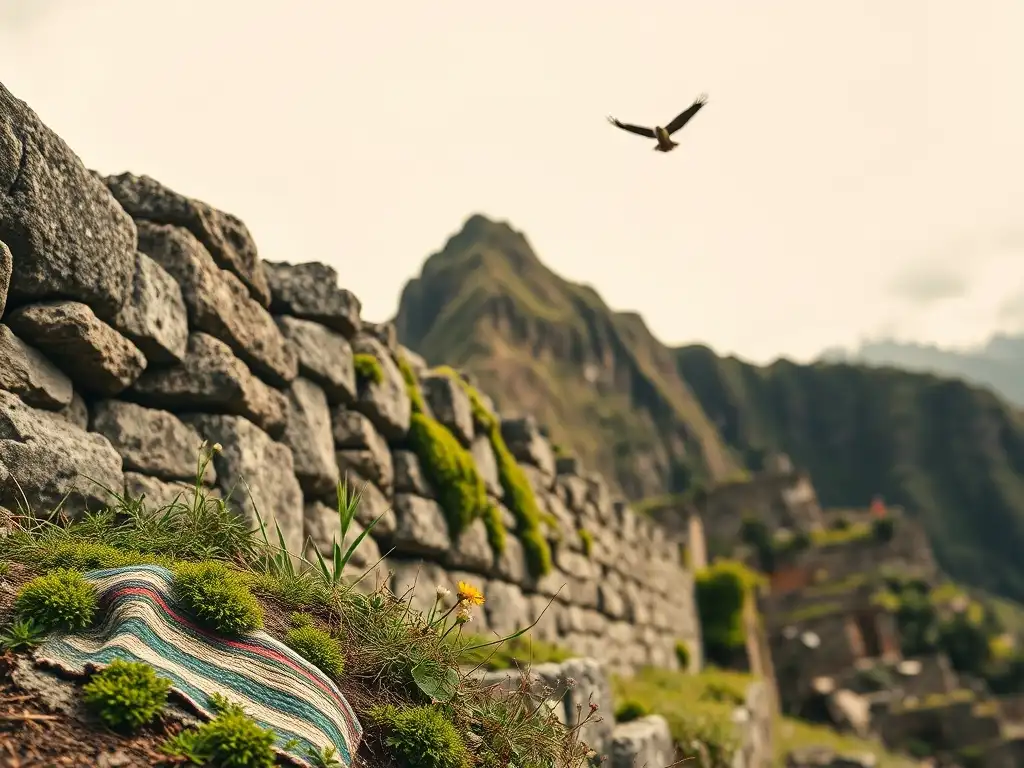
The Spanish conquest profoundly impacted Andean culture, leaving a legacy that continues to shape the region today. The imposition of Catholicism, for instance, led to the suppression of indigenous religious practices and beliefs. While many Andean deities were syncretized with Catholic saints, resulting in a blended religious landscape, the core spiritual beliefs and practices of many communities were significantly altered or lost. This religious transformation, coupled with the destruction of numerous sacred sites, represents a lasting wound on Andean cultural identity.
Beyond religion, the colonial administration implemented policies designed to dismantle traditional social structures. The mita, a system of forced labor, exploited the Andean population, disrupting established agricultural practices and social hierarchies. This resulted in significant demographic shifts and economic hardship, profoundly affecting the social fabric of Andean communities.
The introduction of new crops and livestock, while initially benefiting some, ultimately led to changes in land use and agricultural practices, altering traditional ecological knowledge and farming techniques. The effects of these policies are still visible in the uneven distribution of land and resources, and the persistent social and economic inequalities in modern Andean societies. Moreover, the colonial emphasis on European aesthetics and artistic styles led to a decline in the production of traditional Andean art forms, although a degree of adaptation and survival of these artistic traditions did occur.
The long-term effects of colonialism also manifest in linguistic changes. While Quechua and Aymara survived, they were marginalized in favor of Spanish, leading to a decline in fluency among many communities and the loss of certain dialects. This linguistic shift had far-reaching consequences, impacting not only communication but also the transmission of oral traditions, stories, and knowledge crucial to Andean cultural identity.
This erosion of language and oral tradition is a significant factor in the ongoing struggle to preserve and revive Andean cultural heritage. The impact continues to be felt in areas such as education, where indigenous languages often lack the same status and resources as Spanish.
Understanding the Complexities of Andean Cultural Resilience
Despite the devastating impact of colonialism, Andean culture demonstrated remarkable resilience. This resilience wasn't a passive endurance but rather an active process of adaptation, resistance, and reinvention. Indigenous communities employed various strategies to preserve their cultural heritage, often blending traditional practices with new elements introduced by the colonizers. Syncretism, the fusion of indigenous and Catholic beliefs and practices, became a powerful tool for cultural survival. For example, the veneration of certain Catholic saints often incorporated elements of pre-Columbian Andean deities and rituals, allowing the continuation of spiritual practices in a disguised form.
Furthermore, Andean communities maintained their social structures, albeit in modified forms, often adapting traditional governance systems to coexist with the colonial administration. While the Spanish attempted to impose centralized control, local communities often retained considerable autonomy, preserving aspects of their social organization and kinship ties. This ability to navigate the complexities of colonial rule while preserving core elements of their social fabric highlights the ingenuity and adaptability of Andean societies.
The continued use of Quechua and Aymara in many Andean communities, despite the dominance of Spanish, further illustrates this resilience. These languages, often used alongside Spanish, served as a vital link to cultural heritage and a means of maintaining a distinct identity. This linguistic persistence demonstrates the deep-rooted connection between language and cultural identity in Andean societies.
The resilience of Andean culture also manifested in the creative adaptation of artistic and craft traditions. While the demand for European-style art increased, many Andean artisans cleverly incorporated indigenous motifs and techniques into their work, creating a unique blend of styles. This allowed the continuation of traditional artistic practices while adapting to the changing economic and social landscape. This adaptation and innovation demonstrate a remarkable ability to survive and thrive even under oppressive conditions. The persistence of traditional weaving techniques, pottery styles, and musical forms across centuries is a testament to the enduring strength of Andean cultural traditions.
Conclusion: The Enduring Strength of Andean Culture Despite Colonial Impact
The impact of colonialism on Andean culture was undeniably profound and far-reaching. However, the story of the Andean peoples is not one of mere victimhood, but also one of remarkable resilience and adaptation. Despite the systematic efforts to suppress indigenous traditions and beliefs, Andean communities demonstrated an extraordinary capacity to preserve their cultural heritage, often through ingenious strategies of syncretism and subtle resistance.
The continued use of indigenous languages, the persistence of traditional social structures, and the creative adaptation of artistic and craft traditions all testify to the enduring strength of Andean culture. Understanding this resilience is crucial for appreciating the richness and complexity of Andean heritage and for recognizing the ongoing struggles of Andean communities to maintain their cultural identity in a world shaped by colonialism's lasting legacy.
The survival and evolution of Andean culture serves as a powerful testament to the human spirit's capacity to endure, adapt, and ultimately, prevail. The ongoing efforts to preserve and revitalize Andean languages, traditions, and artistic expressions are a continuation of this legacy of resilience, ensuring that the vibrant cultural heritage of the Andes continues to thrive.
- Andean Cultural Heritage Before Colonialism
- The Initial Impact of Spanish Colonialism on Andean Societies
- Cultural Disruption and Transformation Under Colonial Rule
- Strategies of Andean Resistance and Cultural Preservation
- Economic and Social Repercussions of Colonialism in the Andes
- Andean Culture's Enduring Legacy and Contemporary Relevance
- Analyzing the Long-Term Effects of Colonialism on Andean Culture
- Understanding the Complexities of Andean Cultural Resilience
- Conclusion: The Enduring Strength of Andean Culture Despite Colonial Impact
Frequently Asked Questions
How did Spanish colonialism impact Andean culture?
Spanish colonialism drastically altered Andean societies. The imposition of Catholicism, the destruction of indigenous belief systems, and the exploitation of labor profoundly impacted cultural practices and social structures. This led to significant loss but also remarkable adaptation and resistance.
What aspects of Andean culture survived colonial rule?
Despite immense pressure, many aspects of Andean culture persisted. Textile traditions, agricultural practices, and certain religious beliefs adapted and blended with introduced elements, showcasing the resilience of indigenous populations. Oral traditions also played a crucial role in preserving cultural memory.
How did Andean people resist colonial influence?
Andean resistance took many forms, including open rebellion, subtle acts of defiance, and the strategic adaptation of colonial systems to maintain cultural identity. The blending of indigenous and European elements often masked resistance, allowing cultural practices to continue in modified forms.
What is the lasting legacy of colonialism on Andean culture?
Colonialism left a complex and lasting legacy, characterized by both cultural loss and cultural hybridity. While many aspects of traditional life were disrupted, Andean culture demonstrated remarkable adaptability, leading to a unique blend of indigenous and European influences that persists to-day.
Where can I learn more about the impact of colonialism on Andean culture?
To learn more, explore academic resources such as journals and books on Andean history and anthropology. Museums and cultural centers also offer valuable insights through exhibits and educational programs focusing on colonial impact and indigenous resilience.
Final Reflection: Echoes of Resistance: Andean Culture's Enduring Legacy
The enduring strength of Andean culture in the face of brutal colonial subjugation serves as a powerful testament to the human spirit's capacity for resilience and adaptation. This isn't merely a historical footnote; it's a vital lesson for understanding how marginalized communities navigate oppression and maintain their unique identities in the face of overwhelming forces. The echoes of this struggle resonate deeply in contemporary social movements fighting for self-determination and cultural preservation worldwide.
The impact of colonialism on Andean culture continues to shape the social and political landscape of the region, influencing everything from language and religion to economic structures and social hierarchies. The scars of the past are undeniable, yet the vibrant tapestry of Andean traditions – its art, music, spirituality, and agricultural practices – persists as a testament to its inherent strength. The indigenous peoples of the Andes have not only survived, but they have thrived, adapting and transforming their culture in response to the challenges they have faced.
This quote encapsulates the remarkable ability of Andean communities to not only endure but to creatively reimagine their cultural heritage within a constantly evolving context.
Consider the profound implications of this narrative for your own life. How do you navigate challenges and maintain your sense of self in the face of adversity? What aspects of your own cultural heritage are you actively preserving and celebrating? Let the resilience of the Andean people inspire you to embrace your own strength, to champion your own cultural identity, and to actively work towards a future where all cultures are respected and celebrated. The fight for cultural preservation is ongoing, and your participation is crucial.
Embrace and Elevate Andean Resilience!
Thank you for exploring the enduring spirit of Andean culture and its remarkable historical journey. Your interest in these rich traditions shows a commitment to understanding and preserving the legacies that shape our world. Now, let's consider how you can make a difference!
Here are some ways you can celebrate and support Andean resilience:
- Deepen your understanding: Learn more about contemporary Andean communities and how they continue to thrive. Explore local libraries, museums, and reputable online resources to expand your knowledge.
- Share the story: Spread awareness of this rich cultural history by discussing it with friends, family, and colleagues, or by sharing information on social media. Help others understand the importance of preserving these traditions.
- Support Andean artisans: Purchase handcrafted goods and artwork directly from Andean artisans online or at local markets. This supports their economies and helps keep their cultural traditions alive.
How will you contribute to the preservation of Andean culture and share its story with the world?