
Smallpox and Steel: The Devastating Impact of Disease on the Inca Population

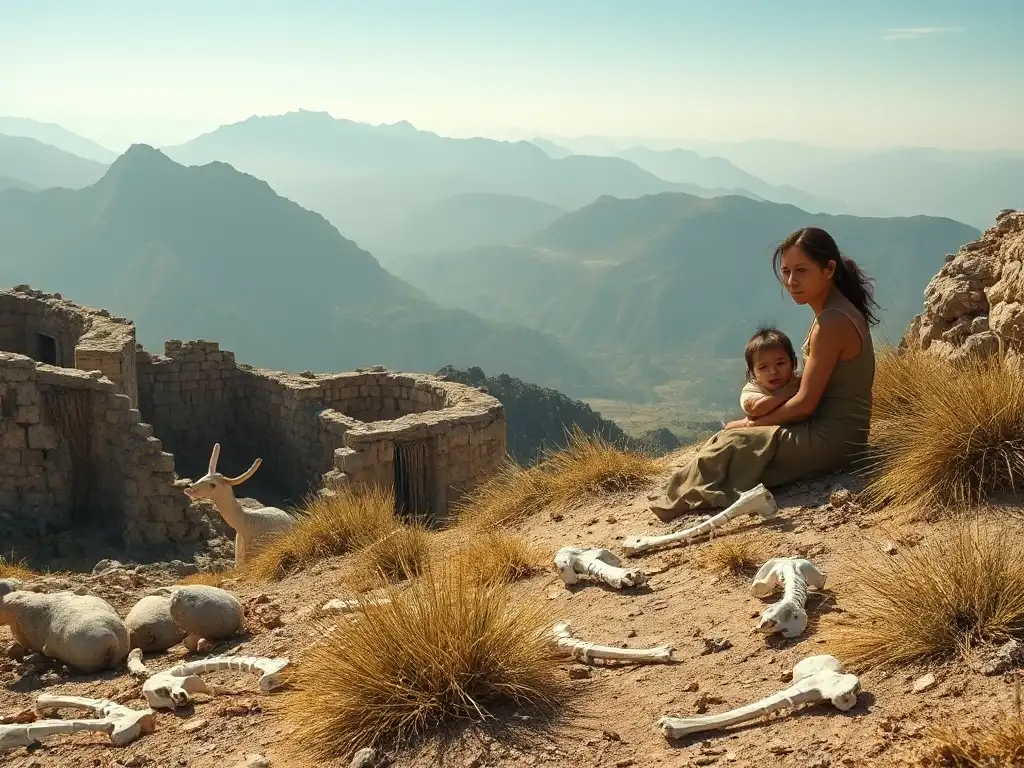
Step into a world lost to time, yet echoing with the grandeur of the Andean civilizations. Imagine empires stretching across the Andes, their intricate artistry and advanced technology shaping a landscape now steeped in mystery. But what if the story wasn't just about triumphs? What if a silent killer, Inca smallpox impact, played a devastating role in the fall of these magnificent societies? Discover the untold story of disease and conquest, and unlock the secrets of a civilization forever changed.
- The Devastating Toll of Disease: Inca Smallpox Impact and the Fall of an Empire
- Smallpox: The Biological Weapon of Conquest
- Steel and Disease: The Dual Edge of Conquest
- The Demographic Catastrophe: Long-Term Effects of Smallpox
- Inca Smallpox Impact: Examining the Legacy
-
Frequently Asked Questions
- What was the most significant disease that impacted the Inca Empire?
- How did smallpox spread amongst the Inca population?
- What was the impact of smallpox on the Inca infrastructure?
- Did other diseases besides smallpox affect the Inca?
- How did the Inca's lack of immunity contribute to the severity of the smallpox outbreak?
- Final Reflection: A Legacy of Loss and Resilience: The Enduring Impact of Smallpox on the Inca
- Uncover the Legacy of Resilience!
The Devastating Toll of Disease: Inca Smallpox Impact and the Fall of an Empire
The Spanish conquest of the Inca Empire is often depicted as a clash of armies, a David and Goliath story of superior weaponry overcoming a seemingly invincible civilization. However, a far more insidious and devastating factor contributed significantly to the Inca's downfall: disease. This article delves into the catastrophic impact of smallpox on the Inca population, exploring not only the sheer mortality rate but also the societal disruption and weakening of the empire that paved the way for Spanish victory.
We will examine the pre-Columbian health of the Andean population, the introduction of smallpox, and the devastating consequences that ultimately altered the course of history. Understanding the role of smallpox is crucial to a complete understanding of the Inca Empire's demise and the lasting impact on Andean societies. The keyword "Inca smallpox impact" will be explored throughout, highlighting the disease's devastating role in the fall of the Inca Empire.
The Arrival of a Silent Killer: Introduction of Smallpox to the Andes
The arrival of Europeans in the Americas marked a turning point, not only for the political landscape but also for the health of the indigenous populations. Among the diseases unwittingly carried by the conquistadors was smallpox ( Variola major), a highly contagious and often fatal viral infection. Unlike the Andes’ existing endemic diseases, smallpox presented an unprecedented threat.
The Inca population, having no prior exposure to this disease, lacked any natural immunity. This lack of immunity, coupled with the dense population centers and limited understanding of contagion, created a perfect storm for rapid and widespread transmission. The initial outbreak likely occurred shortly after the first contact with Europeans, spreading like wildfire throughout the empire.
The precise date and location of the initial outbreak remain subjects of ongoing scholarly debate, but its impact was undeniably profound. The scale of the devastation was almost unimaginable, crippling the Inca’s ability to resist the Spanish invaders.
Pre-Columbian Andean Health: A Baseline Before Contact
Before European contact, Andean populations, while not immune to disease, possessed a relatively stable health equilibrium. Existing illnesses, such as tuberculosis, parasitic infections, and endemic respiratory illnesses, were managed within the context of their environment and traditional healing practices. However, these endemic diseases were less devastating than the novel infectious diseases introduced by Europeans.
Recent archaeological and anthropological research sheds light on the relatively good health of many pre-Columbian Andean populations, particularly in areas with access to sufficient food and resources. This contrasts sharply with the catastrophic impact of introduced diseases like smallpox, which ravaged communities regardless of socioeconomic status. The absence of smallpox and other Old World diseases meant that the Andean immune systems were unprepared for the onslaught of these novel pathogens.
| Disease Type | Prevalence Before Contact | Impact After Contact |
|---|---|---|
| Endemic Respiratory Illnesses | Relatively common | Increased mortality due to smallpox weakening immune systems |
| Parasitic Infections | Present | Possibly exacerbated by malnutrition caused by disease and war |
| Tuberculosis | Present | Increased mortality rates |
| Smallpox | Absent | Catastrophic mortality and societal disruption |
The Introduction of Smallpox: A Catastrophic Turning Point
The introduction of smallpox into the Andean region proved to be a catastrophic turning point in the history of the Inca Empire. The disease spread rapidly, decimating entire communities and weakening the empire's infrastructure. Chroniclers of the time describe horrifying scenes of widespread death and suffering. The lack of immunity, combined with the high population density in Inca cities and the close-quarters living conditions, facilitated the rapid spread of the disease.
Beyond the immediate mortality, smallpox also had a significant indirect impact. The loss of life among the Inca’s leadership, skilled artisans, and farmers weakened the empire's ability to effectively resist the Spanish invaders. This created a power vacuum and societal chaos that the Spanish readily exploited. The devastation caused by smallpox significantly contributed to the Inca's vulnerability and ultimately facilitated the Spanish conquest.
The sheer scale of death brought about by the disease profoundly altered the demographic landscape of the Andes, a consequence that continues to resonate today. Further research is needed to fully quantify the precise impact of smallpox on the Inca population, but its role in the fall of the empire remains undeniable. The effects of this "silent killer" ultimately proved more devastating than any Spanish sword or cannon.
Smallpox: The Biological Weapon of Conquest
Smallpox, a disease tragically familiar to many ancient populations, played a significant role in the downfall of the Inca Empire. While Spanish conquistadors wielded steel and superior military tactics, the unwitting deployment of smallpox proved to be a devastating biological weapon, crippling the Inca's ability to resist the invasion. Understanding the impact of smallpox requires examining its characteristics, the vulnerability of the Inca population, and the catastrophic consequences that unfolded. The phrase "Inca smallpox impact" barely scratches the surface of this complex historical tragedy.
Understanding Smallpox: Symptoms and Transmission in the 16th Century
Smallpox in the 16th century presented a terrifying and often fatal illness. Initial symptoms included high fever, severe headache, backache, and malaise – symptoms easily mistaken for other common ailments. Within a few days, a characteristic rash appeared, beginning as small, flat red spots on the face, tongue, and mouth. These spots rapidly progressed to fluid-filled blisters (pustules), which eventually scabbed over before falling off, leaving behind deeply pitted scars – a hallmark of the disease. The incubation period varied, but typically lasted between 7 and 17 days.
Transmission was primarily through direct contact with infectious bodily fluids from an infected person, including saliva, pus from the pustules, and respiratory droplets. Indirect transmission could also occur through contaminated objects, such as bedding or clothing. The highly contagious nature of the disease, combined with the close-quarters living conditions common in Inca communities, facilitated its rapid spread. The lack of understanding of disease transmission contributed significantly to the catastrophic spread. Imagine the horror of a community watching their loved ones succumb to this relentless disease, with no understanding of how to halt its advance.
The Devastating Spread: How Smallpox Decimated the Inca Population
The arrival of smallpox in the Inca Empire is believed to have occurred shortly after the initial contact with the Spanish in the early 1520s. While precise figures are impossible to obtain, historical accounts and anthropological studies paint a grim picture. The disease swept through the densely populated Inca cities and rural communities, causing widespread panic and death. The lack of immunity among the Inca population was a crucial factor. Centuries of isolation had left the Inca vulnerable to Old World diseases to which they had no natural resistance.
The impact was not merely a matter of individual deaths; the social and political consequences were equally devastating. The loss of life among the ruling class, priests, and warriors significantly weakened the empire's ability to organize resistance against the Spanish. The disruption of agricultural practices and trade networks exacerbated the crisis, leading to widespread famine and social unrest. The empire's intricate societal structure, reliant on a complex system of labor and tribute, collapsed under the weight of the epidemic. The sheer scale of mortality profoundly altered the demographic landscape of the Inca Empire, paving the way for Spanish domination.
Inca Vulnerability: Lack of Immunity and its Consequences
The Inca Empire's susceptibility to smallpox stemmed from a lack of prior exposure to the disease. In contrast to the Old World populations, which had developed some level of immunity through centuries of co-evolution with various pathogens, the Inca population lacked the genetic adaptations necessary to combat smallpox. This lack of immunity meant that even a relatively small number of infected individuals could trigger a widespread and devastating outbreak. The high population density in Inca cities and the close proximity of individuals further accelerated the transmission rate.
The consequences were catastrophic. Not only did the disease kill a large percentage of the population, but it also decimated the workforce, disrupted social structures, and undermined the authority of the Inca government. The devastating impact of smallpox weakened the Inca's ability to resist Spanish colonization, making it a critical factor in the conquest of the empire. The study of the Inca smallpox impact underscores the profound consequences of disease as a weapon in historical conflicts. The legacy of this biological warfare continues to shape our understanding of the past and the vulnerabilities of isolated populations.
The arrival of smallpox in the Inca Empire had a devastating impact that went far beyond the immediate loss of life. The disease ravaged the population indiscriminately, striking down emperors, nobles, and commoners alike. This indiscriminate mortality dramatically disrupted the intricate social structures that had held the vast empire together for centuries. The carefully constructed hierarchy, with its complex system of tribute, labor (mita), and religious authority, crumbled under the weight of mass death. The loss of experienced leaders, skilled artisans, and agricultural workers created a vacuum of expertise, hindering the empire's ability to maintain essential services and infrastructure.
The sophisticated Inca system of record-keeping, likely relying on quipus (a system of knotted cords), was severely affected. The deaths of quipucamayocs (the keepers of these records) resulted in the loss of invaluable knowledge concerning agricultural cycles, lineage, and administrative data. This loss compounded the chaos, making it difficult to organize effective responses to the crisis.
The intricate network of tambos (roadside inns) vital for communication and trade across the empire was also crippled, as many workers succumbed to the disease, leaving the infrastructure understaffed and vulnerable. The disruption of communication further isolated communities, preventing the sharing of resources and hindering coordinated efforts to combat the epidemic.
Furthermore, the sudden loss of life created widespread social unrest and fear. The religious beliefs of the Inca, which emphasized the importance of maintaining balance and order in the cosmos, were challenged by the seemingly random and indiscriminate nature of the disease. The traditional explanations for illness and death proved inadequate in the face of this unprecedented catastrophe, leading to widespread panic and potentially contributing to social upheaval.
Existing tensions and power struggles within the empire may have been exacerbated by the crisis, further weakening the already fragile social fabric. The disruption of traditional social order and the loss of faith in established authorities created a fertile ground for the Spanish conquest. The resulting chaos and vulnerability significantly weakened the Inca's ability to resist the encroaching Spanish forces.
The smallpox epidemic acted as a catalyst, accelerating the decline and ultimate collapse of the Inca Empire, paving the way for Spanish domination. The scale of the social upheaval caused by smallpox is difficult to fully quantify, but its profound and lasting impact on Inca society is undeniable.
Steel and Disease: The Dual Edge of Conquest
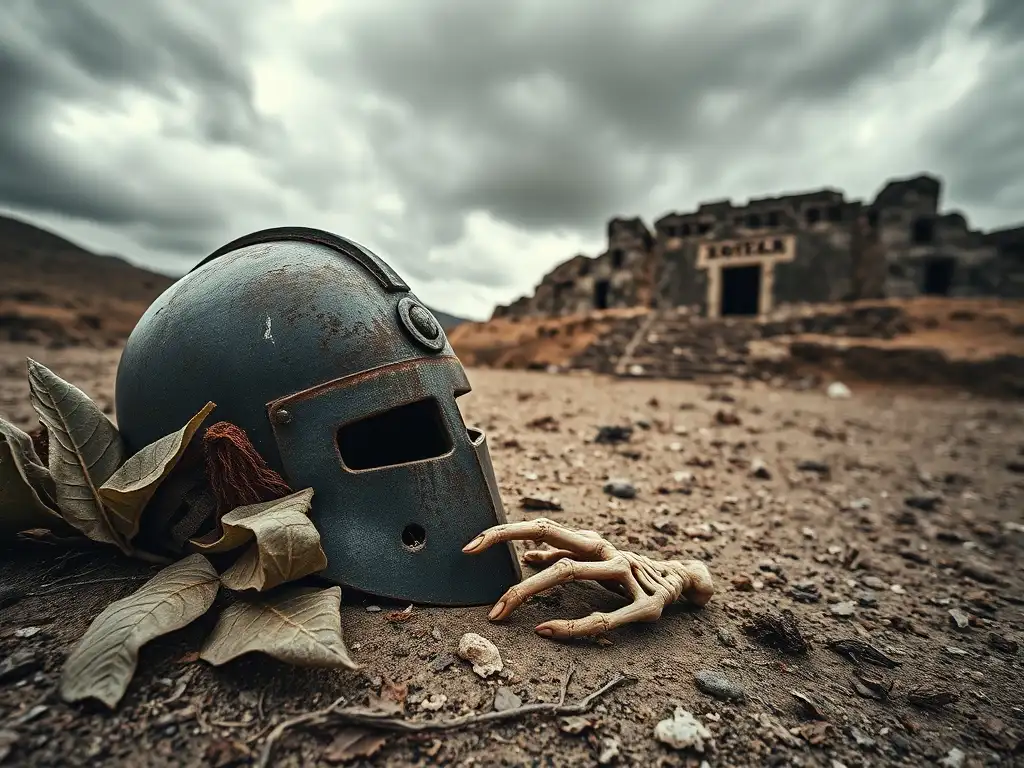
The Spanish conquest of the Inca Empire wasn't solely a military victory; it was a devastating combination of superior weaponry and the unwitting introduction of deadly diseases. While the Spanish conquistadors possessed advanced military technology, including steel weaponry and firearms, their impact on the Inca population was exponentially amplified by the introduction of Old World diseases to which the Inca had no immunity.
This section will explore the crucial role of disease in the downfall of the Inca Empire, examining the devastating effects of smallpox and other infectious agents. The impact of smallpox on the Inca population was catastrophic, decimating their numbers and crippling their ability to resist the Spanish advance.
This wasn't simply a matter of a few skirmishes; it was a biological warfare that paved the way for Spanish domination. The Inca smallpox impact reverberated throughout their society, leaving a legacy of devastation that continues to be studied today.
The Spanish Advantage: Military Technology vs Inca Warfare
The Spanish conquistadors, armed with steel swords, crossbows, and later firearms, possessed a significant military advantage over the Inca. Inca weaponry, primarily consisting of clubs, slings, and spears made of bronze or copper, proved less effective against the superior strength and reach of Spanish steel. However, the disparity in military technology alone doesn't fully explain the swiftness of the Spanish conquest.
The Inca army, while large and well-organized, was severely hampered by the rapid spread of disease, significantly reducing its fighting capacity and organizational strength. For example, during the siege of a particular Inca fortress [specific fortress name pending], the Inca forces were significantly weakened by a smallpox outbreak, allowing a smaller Spanish force to achieve victory. This highlights how disease acted as a crucial multiplier of the Spanish military advantage.
The strategic deployment of steel weapons was undoubtedly important, but the impact of smallpox on the Inca's ability to effectively utilize their own military strategies should not be underestimated. The combination proved devastatingly effective.
More Than Just Steel: The Role of Disease in the Spanish Conquest
The introduction of Old World diseases like smallpox, measles, influenza, and typhus had a far more profound impact on the Inca population than the Spanish military might. These diseases, to which the Inca lacked immunity, spread rapidly through the densely populated Inca cities and along their extensive road network. Smallpox, in particular, proved particularly lethal, characterized by high fever, rash, and often leading to blindness and death.
The Inca smallpox impact was not simply a matter of individual deaths; it devastated the social and political fabric of the empire. The death of so many people, including leaders and skilled artisans, severely disrupted the Inca's ability to govern, organize labor, and defend themselves. Estimates suggest that up to 90% of the Inca population perished due to disease in the decades following the arrival of the Spanish, a number that far surpasses any casualties inflicted directly by Spanish weaponry.
This highlights the crucial role of disease as a primary factor in the Spanish conquest. This wasn't just a matter of a few battles won; it was a systematic dismantling of the Inca's social structures and capabilities.
The Interplay Between Warfare and Disease: A Deadly Combination
The Spanish conquest of the Inca Empire wasn't simply a case of military superiority or disease alone; it was a complex interplay between the two. Spanish military tactics, while effective, were greatly aided by the debilitating effects of disease on the Inca population. The weakened Inca army was less able to mount effective resistance, and the loss of skilled leaders and workers further hampered their ability to organize and fight back.
The Inca smallpox impact is best understood in this context – as a catalyst that accelerated the empire's collapse. The Spanish, unwittingly, utilized biological warfare to a devastating effect. The decimation of the population through disease weakened the empire's defenses, making it easier for the relatively small Spanish army to conquer a vast and previously powerful empire.
This synergy between military might and biological warfare is a crucial aspect of understanding the historical context of the Inca's demise. The Inca's defeat was not simply a military loss but a profound demographic catastrophe.
The Demographic Catastrophe: Long-Term Effects of Smallpox
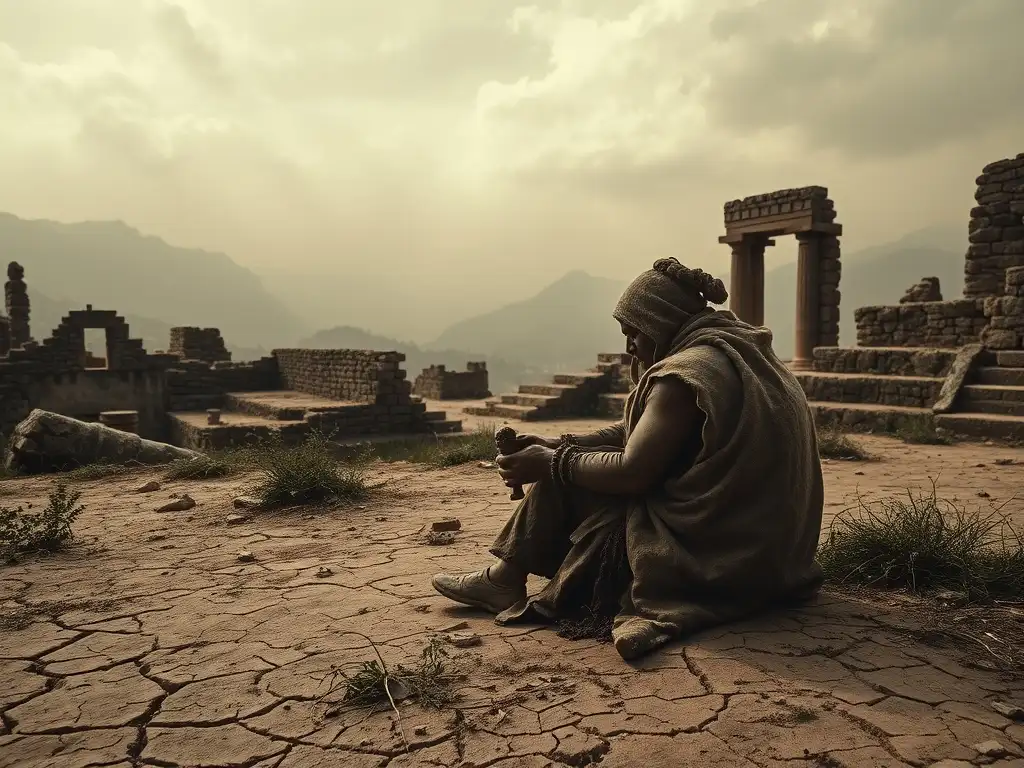
The arrival of smallpox in the Andes marked a turning point in the history of the Inca Empire, initiating a demographic collapse that profoundly shaped the subsequent Spanish conquest. While precise figures remain elusive due to the limitations of pre-Columbian record-keeping, the impact of this Old World disease on the Inca population was undeniably catastrophic. The Inca, lacking any immunity to the virus, suffered immensely.
The disease spread rapidly, decimating entire communities and leaving a void in the social fabric of the empire. This section will explore the long-term consequences of this devastating epidemic, focusing on the quantifiable losses, the cultural disruption, and the political instability it engendered. The devastating impact of smallpox on the Inca population is a crucial element in understanding the "Inca smallpox impact" and the ultimate fall of the empire.
Inca Population Decline: Quantifying the Loss of Life
Estimating the precise population decline caused by smallpox within the Inca Empire presents a significant challenge. Pre-Columbian census data is scarce and often unreliable. However, historical accounts and anthropological studies suggest a dramatic reduction in population. Some scholars estimate that the Inca population, possibly numbering in the millions before the arrival of Europeans, experienced a decline of as much as 90% within a few decades following the initial outbreaks. 1 This drastic reduction was not solely attributable to smallpox; other diseases like measles and influenza also played a role. However, smallpox, due to its highly contagious nature and severe mortality rate, is widely considered the most significant factor in this demographic catastrophe. The loss of life had far-reaching consequences, crippling the empire's capacity for resistance, labor, and governance. Further research is needed to refine these estimates and gain a more complete understanding of the precise scale of the population decline. More detailed analysis of archaeological evidence, combined with improved statistical modeling, could provide a more accurate picture of the "Inca smallpox impact" on population numbers.
The Cultural Impact: Loss of Knowledge and Tradition
Beyond the sheer loss of life, the smallpox epidemic dealt a severe blow to Inca culture and traditions. The sudden deaths of countless individuals, including skilled artisans, religious leaders, and knowledge keepers, resulted in an irreplaceable loss of accumulated knowledge and expertise. The intricate systems of agriculture, architecture, textile production, and religious practices, which had been passed down through generations, were severely disrupted.
The sudden absence of experienced practitioners led to a decline in the quality and quantity of traditional crafts and artistic expressions. The oral tradition, a cornerstone of Inca culture, also suffered, as the sudden deaths of storytellers and elders resulted in the loss of invaluable historical accounts and cultural narratives.
This cultural devastation, interwoven with the "Inca smallpox impact" on the population, represents a significant aspect of the empire's decline, leaving a lasting legacy on Andean societies. The long-term consequences of this cultural disruption are still being felt today.
The Political Vacuum: How Smallpox Facilitated Spanish Control
The devastating impact of smallpox on the Inca population created a power vacuum that significantly weakened the empire's ability to resist Spanish conquest. The disease not only reduced the population but also disrupted the established political structures and social hierarchies. The death of Huayna Capac and his heir, Huáscar, created a succession crisis that plunged the Inca into civil war, further weakening their defenses. This internal conflict, exacerbated by the decimated population and the disruption of communication networks, made the Inca Empire far more vulnerable to Spanish aggression. The weakened state of the Inca army and the loss of experienced leadership proved decisive in the Spanish conquest. The "Inca smallpox impact" can thus be seen as a crucial factor in the relatively swift and successful conquest of the vast Inca Empire. The disease acted as a catalyst, paving the way for Spanish domination and the subsequent colonization of the Andes.
1 Further research is needed to provide more precise estimates. Available data is currently insufficient for definitive quantification.
Inca Smallpox Impact: Examining the Legacy
The arrival of Old World diseases, particularly smallpox, played a devastating role in the conquest of the Inca Empire. While Spanish weaponry and military tactics certainly contributed to the empire's fall, the catastrophic impact of smallpox on the Inca population cannot be overstated. This section delves into the specifics of how smallpox ravaged the Inca, acting as a decisive factor in their defeat and leaving an enduring legacy on Andean societies.
Understanding the scale of this biological warfare is crucial to gaining a complete picture of the Spanish conquest. The keyword phrase "Inca smallpox impact" encapsulates the core of this devastating event.
Smallpox as a Decisive Factor in the Inca Empire's Demise
The introduction of smallpox to the Americas was a biological catastrophe. Inca society, lacking any prior immunity to this virulent disease, suffered immensely. Epidemics spread rapidly, decimating entire populations within a short period. Historians estimate that smallpox, along with other diseases like measles and influenza, killed millions of indigenous people, significantly weakening the Inca Empire's military strength and administrative capabilities. This demographic collapse created a power vacuum that the Spanish conquistadors expertly exploited.
The Inca's centralized societal structure, while effective in many ways, also proved to be a vulnerability. The close proximity of large populations in cities and along trade routes facilitated the rapid spread of smallpox. The empire's sophisticated road network, designed for efficient communication and trade, inadvertently became a conduit for the disease. Furthermore, the Inca's religious and political system, which revered the Sapa Inca as a divine figure, may have hindered effective public health measures.
Fear and superstition likely hampered efforts to contain the disease's spread. The Inca lacked the scientific understanding and medical technologies to combat such a devastating disease. Their sophisticated agricultural practices and infrastructure proved no match for the invisible enemy of smallpox.
The Enduring Effects of Disease on Andean Societies
The impact of smallpox extended far beyond the immediate loss of life. The disease profoundly altered the social, economic, and political landscape of Andean societies for generations. The decimated population led to labor shortages, disrupting agricultural production and infrastructure projects. The collapse of existing social structures created instability and vulnerability, making the indigenous population more susceptible to Spanish domination. The long-term consequences included a dramatic shift in demographics, cultural disruption, and the erosion of traditional practices. The loss of knowledge and skills associated with pre-Columbian Andean civilizations was also significant.
The introduction of Old World diseases fundamentally reshaped Andean societies. The demographic catastrophe created a power imbalance that facilitated Spanish colonization. The lingering effects of these diseases shaped the very fabric of Andean societies, impacting their population structure, economic stability, and cultural heritage. Even today, the legacy of these diseases is felt in the genetic makeup and cultural traditions of the region. The study of this "Inca smallpox impact" offers crucial insights into the complexities of colonization and its enduring consequences.
Lessons from the Past: Understanding the Impact of Epidemics
The devastation wrought by smallpox on the Inca Empire serves as a stark reminder of the devastating potential of infectious diseases. The event underscores the importance of public health infrastructure, disease surveillance, and preparedness in the face of emerging infectious agents. The experience highlights the vulnerability of populations lacking immunity to new pathogens, and the need for global cooperation in preventing the spread of disease.
The "Inca smallpox impact" offers a valuable case study for understanding the intricate interplay between disease, conquest, and societal collapse. Analyzing this historical event provides vital lessons that can inform contemporary strategies for mitigating the impact of future pandemics.
Understanding the past allows us to better prepare for the challenges of the future, particularly in the realm of global health security. The interconnectedness of the world today necessitates a proactive approach to public health, drawing lessons from historical events such as the devastating smallpox epidemic that crippled the Inca Empire.
Frequently Asked Questions
What was the most significant disease that impacted the Inca Empire?
Smallpox was the most devastating disease to affect the Inca Empire. Its rapid spread and high mortality rate significantly weakened the Inca, contributing to the Spanish conquest. The lack of immunity within the population proved catastrophic.
How did smallpox spread amongst the Inca population?
Smallpox was likely introduced by the Spanish conquistadors, who were either carriers themselves or unknowingly brought the disease with them. Its rapid transmission through close-contact living conditions decimated the population.
What was the impact of smallpox on the Inca infrastructure?
The massive loss of life due to smallpox crippled the Inca's ability to maintain their infrastructure and social order. The death of skilled workers and leaders disrupted construction, agriculture, and governance.
Did other diseases besides smallpox affect the Inca?
Yes, other diseases like measles, influenza, and typhus also played a role in the decline of the Inca population. However, smallpox was arguably the most impactful, due to its exceptionally high mortality rate and rapid spread.
How did the Inca's lack of immunity contribute to the severity of the smallpox outbreak?
The Inca population had no prior exposure to smallpox or similar diseases, leaving them completely vulnerable to its effects. This lack of immunity resulted in extremely high mortality rates and widespread devastation.
Final Reflection: A Legacy of Loss and Resilience: The Enduring Impact of Smallpox on the Inca
The decimation of the Inca Empire by smallpox remains a stark reminder of the devastating power of disease, a power that continues to shape global health disparities today. The vulnerability of pre-Columbian societies to Old World pathogens underscores the critical need for equitable access to healthcare and robust public health infrastructure worldwide. This imbalance, born from historical injustices, continues to fuel inequalities in health outcomes across the globe.
The story of the Inca and smallpox is not merely a historical account; it's a poignant testament to the fragility of human civilization and the enduring strength of the human spirit. The rapid collapse of a sophisticated empire, brought low by a microscopic invader, serves as a powerful cautionary tale. History does not repeat itself, but it often rhymes,
Mark Twain famously wrote, and the echoes of the Inca experience resonate in contemporary discussions surrounding pandemic preparedness and global health equity. The resilience shown by the Inca people in the face of unimaginable loss, however, also offers a powerful message of hope and adaptation.
Consider the impact of this devastating disease. Reflect on the fragility of our own systems in the face of unforeseen challenges. You have the power to advocate for global health initiatives, to support research into infectious diseases, and to champion equitable access to healthcare for all. Let the legacy of the Inca, a civilization brought to its knees by smallpox, inspire you to build a future where such devastating losses are prevented, and where the resilience of the human spirit triumphs over adversity.
Uncover the Legacy of Resilience!
Thank you for exploring the profound impact of disease on the Inca population. Your interest in history provides valuable insight into how past events shape our present. Let's delve even deeper!
Here are some ways to expand your knowledge:
- **Visit local museums** and online exhibitions focusing on indigenous cultures and their history to gain a richer understanding of their resilience and ingenuity.
- **Share your newfound knowledge** of the Inca civilization and the impact of disease with friends and family, or spark a discussion on social media.
- **Connect with others** who share your passion by joining a community group or online forum dedicated to Andean history.
Consider this question: How can studying past health crises help us better address modern challenges?