
Decoding the Andean Textile Code: A Guide to Understanding the Symbols

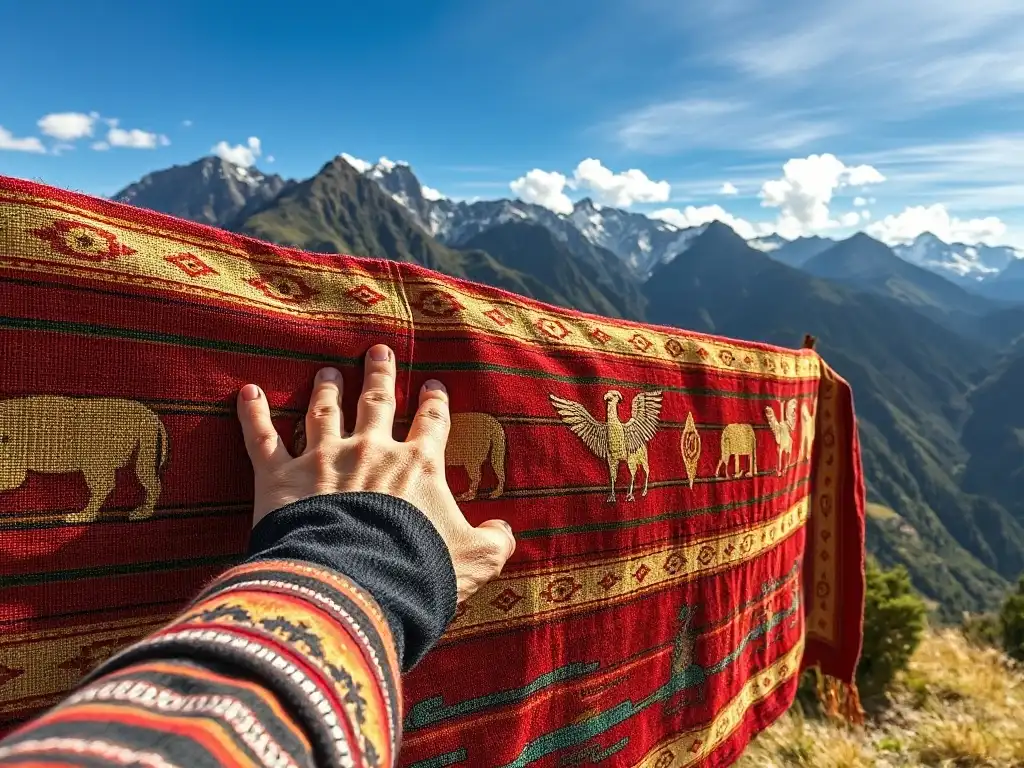
Unravel the mysteries woven into the very fabric of history. For centuries, the Andean textiles have whispered tales of gods, rituals, and daily life. But what do their vibrant colors and intricate designs truly mean? Dive into the captivating world of Andean textiles symbolism and meaning and discover the hidden language embedded within these remarkable artifacts. Prepare to be amazed by the sophisticated artistry and profound cultural significance of these ancient masterpieces.
- Decoding the Andean Textile Code: Understanding Andean Textiles Symbolism Meaning
- Key Motifs and Their Meanings in Andean Textiles
- Andean Textiles: A Language Beyond Words
- The Legacy of Andean Textile Symbolism
-
Frequently Asked Questions
- What is the significance of Andean textiles?
- How did Andean people create such intricate designs?
- What kind of symbols are commonly found in Andean textiles?
- What is the relationship between Andean textile symbolism and the Andean worldview?
- Where can I learn more about the symbolism and meaning of specific Andean textile designs?
- Final Reflection: Unraveling the Threads of Andean Heritage
- **Unravel the Mysteries of Andean Textiles! **
Decoding the Andean Textile Code: Understanding Andean Textiles Symbolism Meaning
The vibrant threads and intricate designs woven into Andean textiles are far more than just aesthetically pleasing decorations; they are powerful narratives, encapsulating centuries of history, beliefs, and social structures. This guide delves into the fascinating world of Andean textile symbolism, exploring the rich meanings embedded within these remarkable artifacts. We will uncover the complex code woven into the fabrics of ancient civilizations like the Inca, Moche, Nazca, and Tiahuanaco, revealing how these textiles served as potent vehicles for communication, storytelling, and the preservation of cultural identity.
Understanding Andean textiles symbolism meaning opens a window into the minds and lives of these sophisticated societies, offering invaluable insights into their worldview and social organization. This exploration will not only enhance our appreciation for the artistry but also deepen our understanding of the profound cultural significance of these enduring works.
Introduction to Andean Textile Art and its Significance
Andean textile art stands as a testament to the ingenuity and artistic prowess of the ancient Andean civilizations. For millennia, skilled artisans meticulously crafted textiles using a variety of techniques, including spinning, dyeing, and weaving, to produce breathtakingly intricate and durable fabrics. These textiles were not merely functional items; they held profound social, religious, and economic significance.
From clothing and blankets to ceremonial garments and burial shrouds, textiles played a central role in Andean life, reflecting social status, religious beliefs, and even historical events. The use of natural dyes derived from plants, minerals, and insects resulted in a vibrant palette of colors, each carrying its own symbolic meaning. The complexity of the designs and the precision of the weaving techniques demonstrate a deep understanding of mathematical principles and geometric patterns, further highlighting the sophisticated nature of Andean textile production.
Analyzing these textiles provides crucial data for understanding the social hierarchies, religious practices, and technological advancements of these remarkable cultures. The enduring legacy of Andean textile art is undeniable, continuing to inspire awe and fascination among researchers and art enthusiasts alike. The intricate designs and rich symbolism found within these textiles offer a unique window into the hearts and minds of the people who created them.
The Rich Tapestry of Andean Textile Symbolism
The symbolism embedded within Andean textiles is remarkably complex and multifaceted. Different colors, patterns, and motifs conveyed specific meanings, often relating to cosmology, mythology, and social structures. For example, certain colors were associated with specific deities or natural elements. Red, for instance, often represented blood, sacrifice, and fertility, while yellow signified gold, the sun, and power.
Geometric patterns, such as spirals, zigzags, and stepped frets, were frequently used to represent celestial bodies, mountains, and agricultural cycles. Animal motifs, including llamas, condors, and snakes, also held significant symbolic weight, often representing power, fertility, or shamanic practices. The intricate interplay of these various symbols within a single textile created a rich and layered narrative, offering a glimpse into the complex worldview of the Andean people.
Further research is needed to fully decode the symbolism of many Andean textiles, but existing scholarship reveals a fascinating system of visual communication that speaks volumes about the beliefs and values of these ancient societies. The meticulous attention to detail and the symbolic richness of these textiles underscore their importance as primary sources for understanding Andean culture and history. The legacy of these symbolic representations continues to influence contemporary Andean art and culture, underscoring the enduring power and relevance of these ancient traditions.
Key Motifs and Their Meanings in Andean Textiles
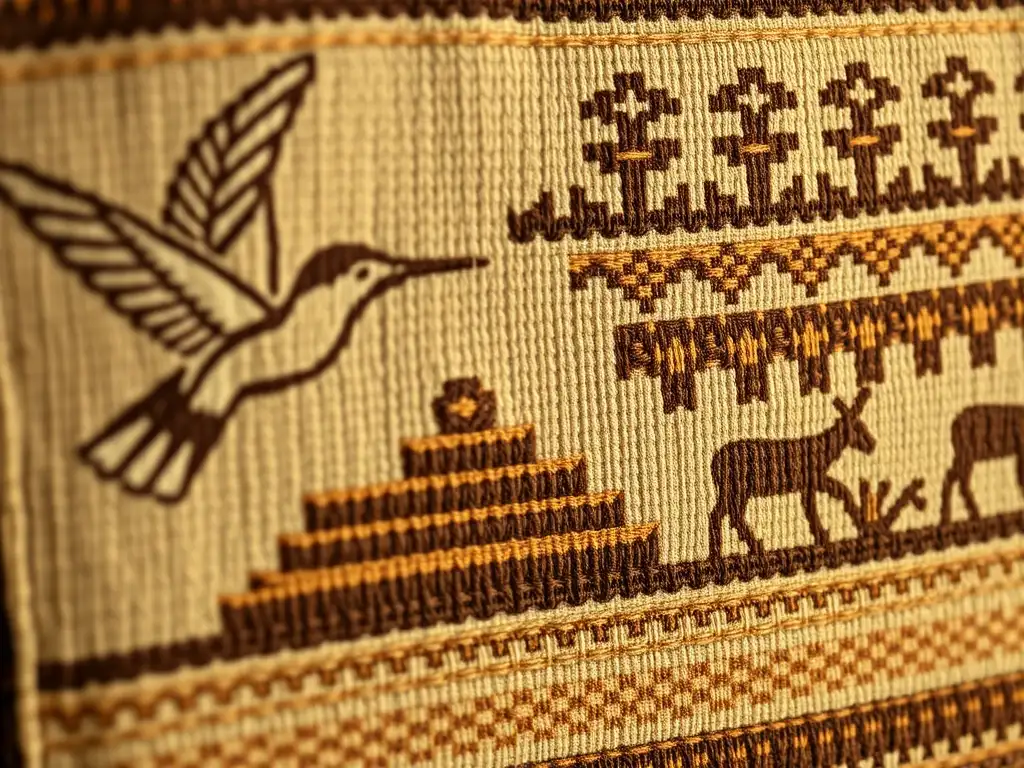
This section delves into the rich symbolism woven into the intricate textiles of the Andean civilizations. Understanding these motifs provides a crucial window into the worldview, beliefs, and social structures of these remarkable cultures. The analysis presented here focuses on recurring patterns and animal representations, offering insights into their potential meanings and significance. The study of Andean textiles symbolism meaning requires a nuanced approach, acknowledging the potential for regional variations and evolving interpretations over time.
Geometric Patterns: Exploring the Underlying Structures
Geometric patterns form a foundational element in Andean textile design. These seemingly simple structures often carry profound symbolic weight, reflecting cosmological beliefs and social hierarchies. The precision and complexity of these patterns demonstrate the advanced technical skills of Andean weavers and their deep understanding of symbolic representation. Their persistence across diverse Andean cultures suggests shared cultural beliefs and interconnected artistic traditions.
The Significance of the Step Pattern in Andean Weaving
The step pattern, a series of interconnected, ascending or descending steps, is a frequently encountered motif in Andean textiles. It's often interpreted as a representation of mountains, reflecting the Andean peoples' intimate connection with their mountainous landscape. The steps can also symbolize social hierarchy, with the number of steps potentially indicating rank or status within a community. Further research is needed to fully elucidate the variations in step pattern designs and their potential contextual meanings. [Specific information pending: Detailed analysis of step pattern variations across different Andean cultures and time periods].
Diamond Motifs and their Cosmological Associations
Diamond shapes, often arranged in intricate grids or repeating sequences, frequently appear in Andean textiles. These are widely believed to represent agricultural fertility and the cyclical nature of life, death, and rebirth. The diamond's four corners may symbolize the cardinal directions or the four elements. Some scholars suggest a link between diamond motifs and celestial bodies, reflecting Andean astronomical knowledge. The specific meaning likely varied depending on context and accompanying symbols.
The Meaning of Lines and Stripes in Textile Design
Lines and stripes, seemingly simple elements, hold significant symbolic meaning in Andean textile art. Horizontal lines might represent the earth or the horizon, while vertical lines could symbolize mountains or cosmic forces. The color and width of lines also contribute to their interpretation. For example, a broad red stripe might indicate power or authority, while thinner, lighter-colored stripes could signify different aspects of the natural world or social order. The precise meaning, however, is often dependent on the surrounding patterns and the overall context of the textile.
Animal Representations: Understanding the Andean Worldview
Animals feature prominently in Andean textile art, often serving as powerful symbols reflecting the Andean worldview and their relationship with the natural world. These representations are not merely decorative; they convey complex meanings related to power, fertility, and shamanic practices. The choice of animal, its depiction, and its placement within the textile all contribute to its overall symbolic significance.
The Condor: Symbol of Power and the Upper World
The condor, a majestic bird of the Andes, frequently appears in Andean textiles. Its powerful presence symbolizes power, authority, and connection to the upper world, often associated with the sun god Inti. The condor's depiction often reflects its status as a sacred creature, embodying strength, vision, and spiritual power. The detailed rendering of the condor's feathers and its overall posture often provides clues to the intended meaning.
The Serpent: Representing the Underworld and Fertility
Serpents are another prevalent motif, often associated with the underworld, fertility, and the cyclical nature of life. They represent the unseen forces of nature and the power of transformation. The serpent's connection to water and the earth makes it a powerful symbol of fertility and regeneration. The style of the serpent's depiction – whether stylized or realistic – can further refine its specific meaning within a given textile.
The Feline: Symbol of Strength and Shamanic Power
Felines, such as pumas and jaguars, symbolize strength, power, and shamanic abilities in Andean iconography. Their presence in textiles suggests a connection to the spirit world and the capacity for transformation. Their depiction, sometimes with human-like features, suggests their role as intermediaries between the human and supernatural realms. [Specific information pending: Further research is needed to understand the specific regional variations in feline representations].
Other Animal Motifs and their Interpretations
Beyond the condor, serpent, and feline, a wide array of animal motifs appear in Andean textiles, each carrying its own symbolic weight. Llamas, vicuñas, and other camelids represent wealth, prosperity, and connection to the Andean landscape. Birds, such as hummingbirds, symbolize speed, agility, and the beauty of the natural world.
The interpretation of these motifs requires careful consideration of their context and the overall design of the textile. Detailed studies of specific textiles are necessary to fully understand the nuances of these symbolic representations. The intricate relationship between Andean textiles symbolism meaning and the wider cultural context remains a rich area for ongoing research.
Andean textiles frequently feature human figures, offering invaluable insights into the social structures, beliefs, and rituals of these ancient societies. The style of representation, the clothing depicted, and the context within the overall textile design all contribute to a rich tapestry of meaning. For example, the size and prominence of a figure often indicate its social standing.
Larger, more elaborately adorned figures likely represent elite members of society, perhaps rulers, priests, or ancestors. Smaller figures, conversely, might depict commoners or individuals of lower social rank. The meticulous detail in the rendering of clothing and accessories provides further clues.
Specific headdresses, jewelry, and garments can signify specific roles or affiliations within the community. The use of color also plays a significant role; certain colors might be associated with particular deities or social groups, adding another layer of complexity to the interpretation. The careful study of these human figures allows for a deeper understanding of the power dynamics and social organization within Andean societies.
Representations of Ancestors and Deities in Textiles
The depiction of ancestors and deities in Andean textiles highlights the profound reverence these cultures held for their lineage and spiritual world. Ancestral figures are often depicted in a stylized manner, sometimes with exaggerated features or symbolic attributes that emphasize their spiritual significance. These representations are not merely portraits but rather powerful evocations of ancestral power and continuity.
Similarly, deities are depicted with specific iconography to identify their roles and attributes. For instance, a deity associated with fertility might be depicted with agricultural symbols or surrounded by representations of abundant harvests. The presence of these figures in textiles suggests their importance in everyday life, reminding the wearer and viewer of their connection to the spiritual realm and the continued influence of ancestral power.
The careful study of these representations provides insights into the Andean worldview and its complex relationship between the living and the dead, the human and the divine. Analyzing the specific attributes and contexts helps decipher the specific deity or ancestor represented, enriching our understanding of Andean religious beliefs. The textiles themselves often served as a conduit for communication with these spiritual beings, acting as mediating tools in rituals and ceremonies.
Depictions of Daily Life and Social Hierarchy
Beyond the representation of deities and ancestors, Andean textiles frequently depict scenes of daily life, providing a unique window into the social hierarchy and activities of these societies. These depictions range from scenes of farming and weaving to depictions of feasts and ceremonies. The level of detail in these scenes is remarkable, often showing the tools, clothing, and even the facial expressions of the individuals involved.
The careful observation of these scenes allows us to reconstruct aspects of daily life that might otherwise be lost to time. For instance, the depiction of a weaving scene provides valuable information about the tools and techniques used, while a scene of a feast offers insights into social interactions and the distribution of resources. Moreover, the positioning and size of individuals within these scenes often reflect their social standing.
Larger or more prominently placed figures likely represent individuals of higher social status, while smaller or less detailed figures might represent commoners. This subtle representation of social hierarchy within the textile's narrative emphasizes the textile's role as a visual record of social structures. The integration of these seemingly mundane scenes within the larger context of the textile's design underscores the importance of daily life within the broader Andean worldview.
The Role of Textiles in Andean Ritual Practices
Andean textiles played a crucial role in various ritual practices, serving as more than just decorative items. They were often used as offerings to deities, incorporated into burial ceremonies, and worn during important rituals. The specific designs and motifs on these textiles would have held particular significance within these contexts.
For instance, textiles with specific representations of deities or ancestral figures might have been used to invoke their power during ceremonies. The use of rare or expensive materials, such as dyed cotton or llama wool, further emphasized the sacred nature of the textile and its role in the ritual. Furthermore, the act of creating the textile itself could have been considered a ritualistic act, with the weaver acting as a conduit between the human and spiritual worlds.
The intricate weaving techniques, the careful selection of colors and materials, and the precise execution of the designs all point towards a deep understanding of the symbolic power of textiles. Studying the context of these textiles within archaeological discoveries, such as burial sites or ceremonial centers, allows for a richer understanding of their ritualistic significance. The textiles themselves become tangible links to the beliefs and practices of the Andean civilizations, providing invaluable insights into their spiritual world.
Andean Textiles: A Language Beyond Words
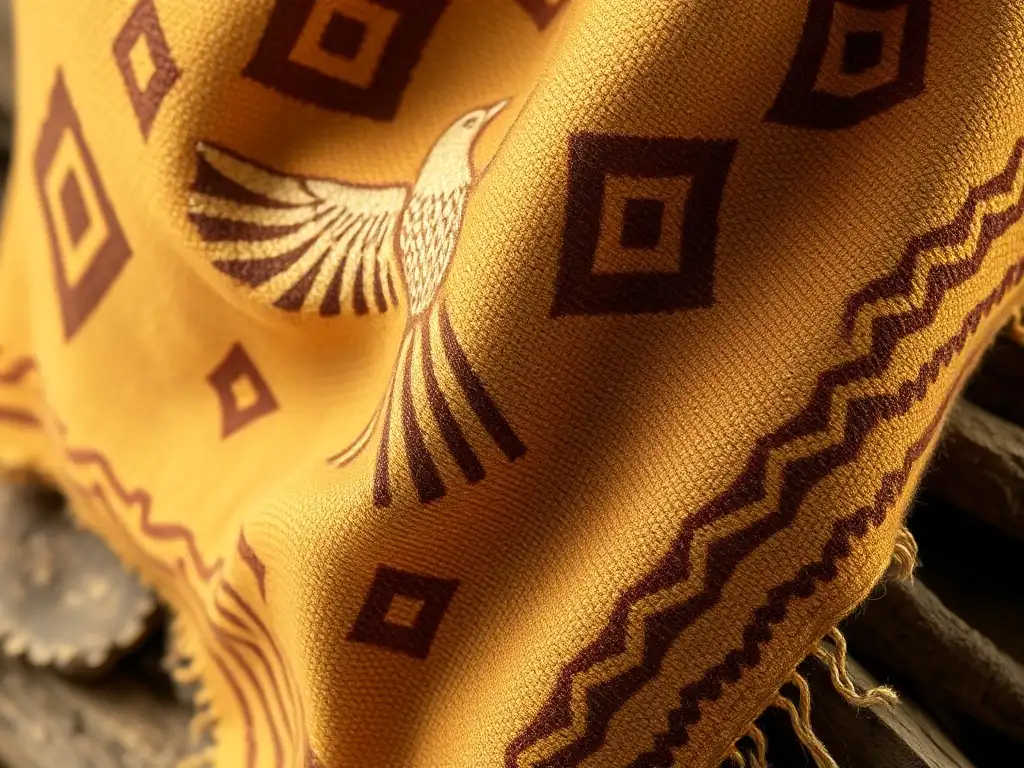
Andean textiles weren't merely clothing or decorative items; they were intricate carriers of information, a visual language woven into the very fabric of society. Understanding their symbolism unlocks a deeper appreciation for the complexity and sophistication of Andean cultures. The meaning embedded within these textiles reveals insights into social structures, religious beliefs, and daily life, offering a window into the worldview of these ancient civilizations.
This section delves into the intricate codes woven into these remarkable artifacts, exploring the rich tapestry of meaning behind their creation. Analyzing Andean textiles symbolism meaning requires a multifaceted approach, encompassing color, techniques, and materials.
The Use of Color in Communicating Meaning
The vibrant hues found in Andean textiles weren't randomly chosen; each color held specific symbolic weight, contributing to the overall narrative embedded within the piece. The significance of color varied across different Andean cultures and even within the same culture over time, reflecting shifts in beliefs and values. Understanding these nuances is crucial to interpreting the textile's message accurately.
The Significance of Specific Color Palettes
Certain color palettes recur frequently in Andean textiles, suggesting established conventions. For instance, red, often derived from cochineal insects, frequently symbolized blood, sacrifice, and power, particularly associated with elite status and ritual practices. Similarly, white represented purity and fertility, often linked to agricultural cycles and deities associated with abundance. Black, obtained from natural sources like certain plants, could signify the underworld or night, representing both mystery and potential.
The meticulous selection of colors wasn't arbitrary; it was a deliberate act of communication, conveying complex meanings through a carefully chosen palette. Further research is needed to fully document the specific symbolic associations of less common colors used in particular regions and time periods. [Specific information pending on less common color symbolism].
Color Combinations and their Symbolic Implications
The power of Andean textile symbolism isn't limited to individual colors; the combinations themselves held profound significance. For example, the juxtaposition of red and black might represent the duality of life and death, or the balance between the earthly and spiritual realms. Similarly, the combination of white and yellow could symbolize the union of fertility and the sun's life-giving energy. These carefully considered combinations created layered meanings, enriching the overall narrative woven into the textile.
Detailed studies of specific textile pieces reveal fascinating patterns in color combinations across different Andean cultures, showcasing the diversity and complexity of their symbolic systems. More research is needed to fully decode the multitude of color combinations and their contextual meanings. [Specific information pending on a broader range of color combinations and their meanings].
Techniques and Materials: Contributing to Textile Meaning
Beyond color, the techniques and materials used in Andean textile production significantly contributed to their symbolic meaning. The choice of weaving technique, the type of fiber used, and even the dyeing process carried inherent symbolic weight, adding further layers of complexity to the overall message.
The Role of Weaving Techniques in Shaping Symbolism
The intricate weaving techniques employed by Andean artisans were not merely functional; they were integral to the symbolic meaning of the textiles. Different weaving techniques, such as tapestry weaving, brocade, and resist dyeing, were associated with specific social groups or ritual contexts. For example, the use of highly complex and time-consuming techniques could signal high social status or religious significance. The precision and skill involved in these techniques underscored the value and importance of the textile itself.
Analyzing the weaving structures reveals not only the technological skill but also the cultural significance embedded within each piece. A detailed comparative study of weaving techniques across different Andean cultures would further illuminate this aspect of textile symbolism. [Specific information pending on a comparative study of weaving techniques and their symbolism].
The Use of Natural Fibers and Dyes
The choice of fibers and dyes further enriched the symbolic language of Andean textiles. The use of alpaca or llama wool, for instance, could signify wealth and status, while cotton might represent more common everyday use. The sourcing of natural dyes from plants, insects, or minerals added another layer of meaning, reflecting the connection between the textile and the natural world. For instance, the use of cochineal dye, requiring specialized knowledge and access to resources, could indicate a connection to specific rituals or social groups.
The deliberate selection of materials, therefore, wasn't merely practical; it was an integral part of the textile's symbolic narrative. Further research is needed to compile a comprehensive database of fibers and dyes used in Andean textiles and their cultural significance. [Specific information pending on a comprehensive database of Andean textile materials].
The Legacy of Andean Textile Symbolism
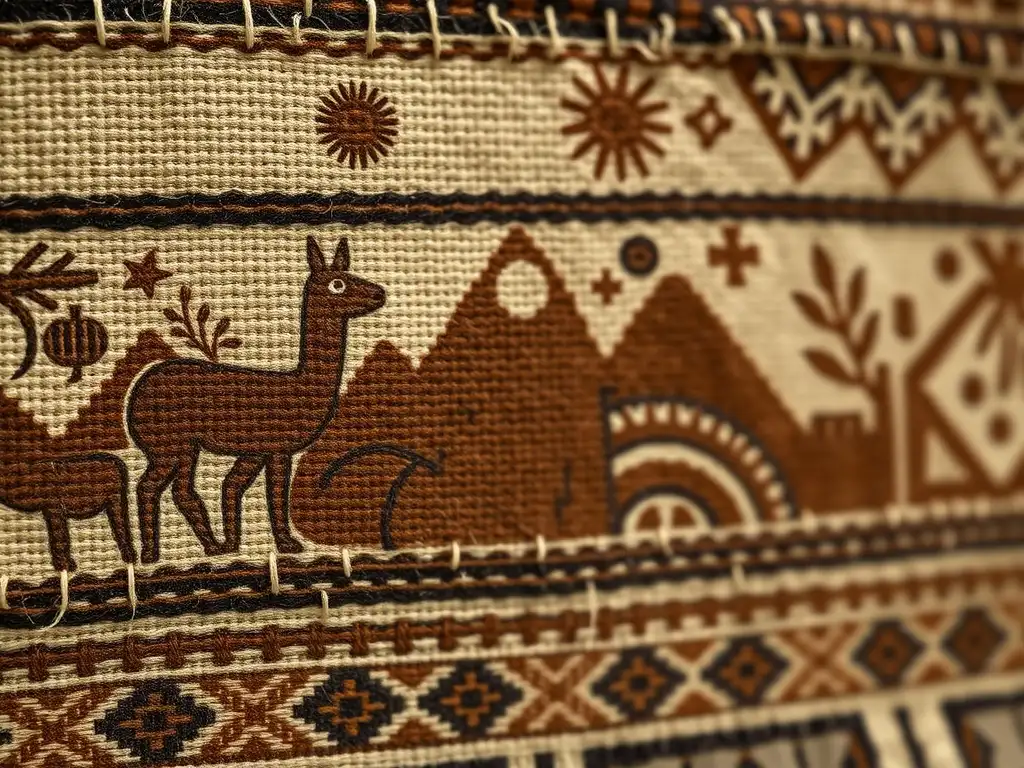
The legacy of Andean textile symbolism is a vast and intricate tapestry woven through millennia. From the earliest known examples discovered in pre-ceramic contexts to the vibrant textiles produced in the Andes today, the use of symbolic imagery in textile art provides invaluable insight into the beliefs, social structures, and daily lives of Andean cultures. This enduring tradition transcends mere decoration; it's a powerful form of communication, a visual language that speaks volumes about the rich history and complex cosmology of these societies.
Understanding the symbolism embedded within these textiles allows us to connect with the past on a deeper level, appreciating the ingenuity and artistic skill of Andean artisans while gaining a richer understanding of their worldview. The intricate designs weren't merely aesthetic choices; they were carefully chosen representations carrying significant weight within their societies. Analyzing the recurring motifs, color palettes, and weaving techniques reveals a wealth of information about the social hierarchy, religious practices, and agricultural cycles of these civilizations.
The continuity of certain motifs across different cultures and time periods further highlights the enduring power and importance of these visual codes in Andean societies. This section explores the enduring impact of these textile traditions and their continuing relevance to modern interpretations.
Preserving and Interpreting Ancient Textile Traditions
Preserving and accurately interpreting ancient Andean textile traditions requires a multidisciplinary approach. Archaeologists meticulously excavate sites, carefully documenting the context of textile discoveries to understand their original purpose and meaning within the broader societal context. Textile conservators employ specialized techniques to stabilize and preserve fragile artifacts, ensuring their longevity for future study and appreciation. Ethnographers study contemporary Andean communities, observing how textile traditions are maintained and adapted in modern settings.
This comparative study—combining ancient findings with living traditions—is crucial for understanding the evolution of Andean textile symbolism. For example, the study of khipus, complex knotted cords used for record-keeping, requires both archaeological investigation of recovered khipus and collaboration with Quechua communities who continue to use similar knotting techniques for various purposes. This interdisciplinary collaboration helps avoid misinterpretations and ensures a more nuanced understanding of the complex meanings embedded within Andean textiles.
Detailed records, high-resolution imagery, and advanced analytical techniques are all essential tools in this ongoing effort to preserve and understand the rich history encoded within these remarkable artifacts. Careful analysis of fiber types, dyes, and weaving techniques further contributes to this understanding, allowing researchers to pinpoint geographical origins and date textiles more accurately. The ongoing effort to preserve and understand Andean textiles is a testament to the enduring significance of these cultural treasures.
Modern Interpretations of Andean Textile Art
Modern interpretations of Andean textile art demonstrate a fascinating interplay between tradition and innovation. While many contemporary Andean artisans continue to utilize traditional techniques and symbolic motifs, they also incorporate new influences and perspectives. This creates a vibrant and evolving textile tradition, reflecting the dynamism of Andean cultures. For example, the use of modern dyes alongside traditional plant-based pigments showcases both a respect for heritage and an embrace of new technologies.
Contemporary artists are reimagining traditional designs, incorporating them into modern clothing, home decor, and other art forms. This contemporary engagement not only keeps ancient Andean textile traditions alive but also allows for new expressions and interpretations of their symbolic meaning. Furthermore, the growing interest in Andean textiles by international audiences has resulted in increased appreciation and study of these complex artistic expressions.
Museums and galleries worldwide are showcasing Andean textiles, further promoting their cultural significance and generating new avenues for research and interpretation. This global engagement not only contributes to economic opportunities for Andean artisans but also fosters a broader understanding and appreciation of the Andean textile legacy. The vibrant and evolving nature of Andean textile art underscores the enduring power and relevance of its symbolism in the 21st century.
The Enduring Influence of Andean Textile Symbolism on Contemporary Art
The enduring influence of Andean textile symbolism is evident in various contemporary art forms. Many contemporary artists draw inspiration from Andean textile designs, incorporating them into their work to explore themes of identity, history, and cultural heritage. This appropriation isn't simply imitation; it's a creative dialogue, a reinterpretation of ancient symbols within a modern context.
The use of vibrant colors, intricate patterns, and symbolic motifs found in Andean textiles inspires artists across different mediums, from painting and sculpture to fashion and digital art. The symbolic language of Andean textiles offers a rich source of inspiration for contemporary artists seeking to explore themes of cultural memory, identity, and the intersection of past and present. The geometric patterns, zoomorphic representations, and intricate weaving techniques continue to resonate with artists and designers today, offering a powerful visual vocabulary to convey complex ideas.
The ongoing relevance of Andean textile symbolism highlights its enduring power and its capacity to transcend time and cultural boundaries. The continuing exploration of this rich visual heritage promises exciting new developments in contemporary art and a deeper understanding of the enduring legacy of Andean civilizations.
Frequently Asked Questions
What is the significance of Andean textiles?
Andean textiles held immense cultural and religious significance. They were not merely clothing but also served as status symbols, storytelling mediums, and expressions of identity for various Andean cultures.
How did Andean people create such intricate designs?
The intricate designs were achieved through masterful weaving techniques, using natural dyes from plants and minerals. Specialized tools and a deep understanding of textile arts allowed for incredibly detailed and complex patterns.
What kind of symbols are commonly found in Andean textiles?
Common symbols include geometric shapes, zoomorphic figures (animals), anthropomorphic figures (humans), and plant motifs. These often represented spiritual beliefs, social structures, and daily life.
What is the relationship between Andean textile symbolism and the Andean worldview?
Andean textile symbolism reflects the cosmovision of the cultures that created them. The designs often represent a connection between the human world and the spiritual realm, mirroring beliefs about the cosmos and their place within it.
Where can I learn more about the symbolism and meaning of specific Andean textile designs?
Further research can be conducted through academic journals, museum collections, and books specializing in Andean textiles and archaeology. Many resources are available online and in libraries, focusing on specific cultures and their artistic expressions.
Final Reflection: Unraveling the Threads of Andean Heritage
The intricate tapestry of Andean textile symbolism continues to resonate today, a powerful testament to the enduring legacy of a rich and complex culture. These aren't merely fabrics; they are living archives, whispering stories of ancient beliefs, social structures, and cosmological understandings across centuries. Their vibrant colors and symbolic designs offer a window into a world that, while distant in time, remains surprisingly relevant in our own quest for meaning and connection.
The enduring influence of Andean textile art is undeniable, shaping not only the artistic landscape of South America but also impacting global perspectives on indigenous art and cultural preservation. Their intricate designs, imbued with deep spiritual significance, challenge our modern, often simplistic, view of textile production. They remind us of the profound connection between art, spirituality, and daily life. The textiles are not just beautiful objects; they are living documents that speak to the enduring spirit of the Andean people.
This quote encapsulates the power and enduring legacy of these remarkable creations, a legacy we must actively protect and understand.
Consider the intricate detail, the painstaking craftsmanship, the layers of meaning woven into each thread. You too can become a decoder of these ancient narratives. Take a moment to appreciate the artistry and symbolism present in the textiles you encounter, whether in museums, online, or even in contemporary designs inspired by this rich heritage.
Let the vibrant colors and symbolic patterns spark your imagination, encouraging you to delve deeper into the stories they tell and the enduring wisdom they impart. By understanding the Andean textile code, we not only appreciate a remarkable artistic tradition but also gain a deeper understanding of ourselves and our connection to the past.
**Unravel the Mysteries of Andean Textiles! **
Thank you for exploring the rich world of Andean textiles and their vibrant symbolism. By deciphering the intricate language woven into these fabrics, you've gained a deeper understanding of Andean cultures and history. Now, let's put your newfound knowledge to use!
- **Dive deeper:** Visit local museums or reputable online resources showcasing Andean textiles to fully appreciate their beauty and craftsmanship.
- **Share your insights:** Discuss your discoveries with friends, family, or participate in online communities dedicated to textile history and symbolism, where you can exchange perspectives with fellow enthusiasts.
- **Create your own piece:** Let the Andean symbols inspire you. Design a textile pattern incorporating elements that resonate with you, perhaps drawing inspiration from specific motifs or color palettes.
What aspects of Andean textile symbolism surprised you the most? How do you believe these ancient narratives can inform and inspire contemporary design?