
Inca Crafts and Artisans: Supporting the Empire's Needs

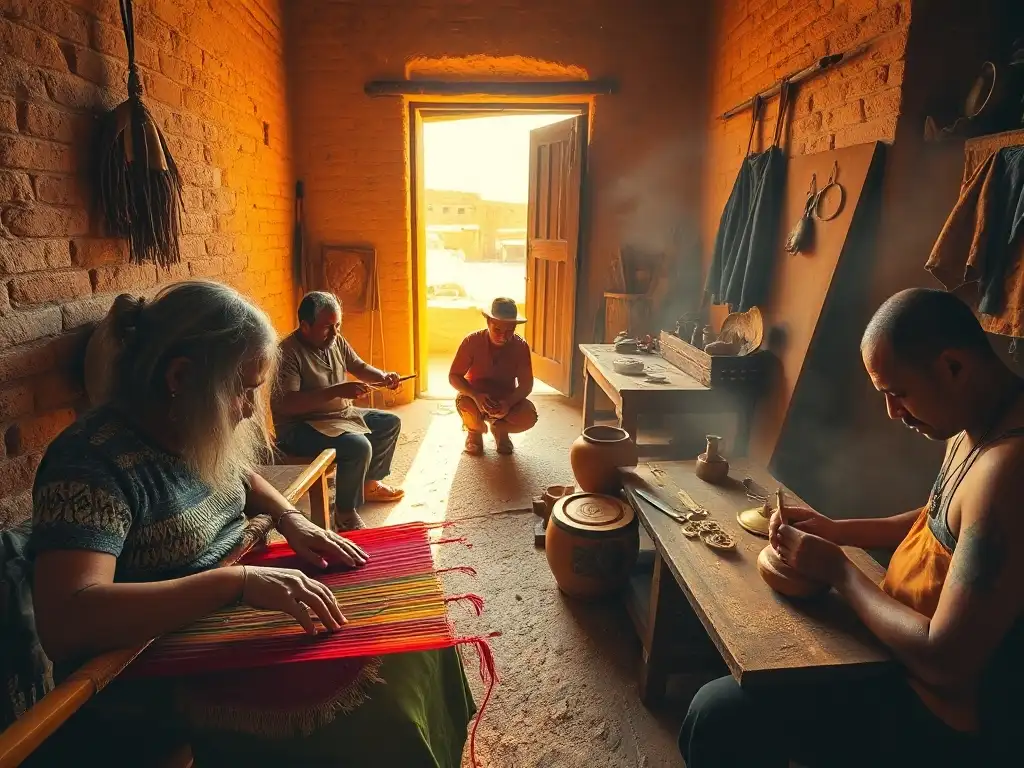
Step into a world lost to time, yet echoing with the skill and ingenuity of a vanished empire. Imagine the intricate artistry of the Andes, where civilizations like the Inca, Moche, and Nazca flourished. Discover the secrets behind their remarkable achievements, from breathtaking architecture to astonishing advancements in agriculture and technology. This journey begins with a deep dive into the fascinating world of Inca craft production techniques, revealing how these innovative methods supported the might of the Inca Empire. Prepare to be amazed—your exploration starts now.
The Inca Empire, a marvel of pre-Columbian South America, thrived not only on its sophisticated political and military organization but also on its remarkably efficient system of craft production. This intricate network of artisans, working under the strict control of the Inca state, played a pivotal role in supporting the empire’s vast needs, from constructing monumental architecture to producing finely crafted textiles and intricate metalwork.
Understanding Inca craft production techniques reveals crucial insights into the empire's economic strength, social organization, and overall capacity for expansion and control. This article delves into the specialized nature of Inca craftsmanship, its integration into the empire's social structure, and its contribution to the overall power and longevity of the Inca state.
We will explore how the mastery of diverse techniques, from weaving and pottery to metallurgy and stonework, fueled the empire's growth and ensured its stability for centuries. The detailed examination of these techniques offers a fascinating glimpse into the ingenuity and organizational prowess of the Inca civilization.
The Role of Craft Production in the Inca Empire
Craft production within the Inca Empire wasn't merely a matter of supplying goods; it was a strategically vital component of the empire's overall functioning. The Inca state exerted significant control over the production process, implementing a system of mita, a form of mandatory labor, to ensure a continuous supply of goods and services. Artisans, often organized into specialized workshops ( yanaconas), were assigned tasks based on their skills and the empire's immediate needs.
This centralized approach allowed for the efficient distribution of resources and the creation of standardized products. The scale of Inca craft production was immense, supplying not only the elite but also the vast population of the empire.
This centralized control extended beyond simple resource allocation. The Inca state actively regulated the quality and style of goods produced, ensuring uniformity and standardization across the vast empire. This standardization facilitated trade and the efficient provisioning of the military and administrative apparatus.
For example, the production of standardized pottery for storage and transport of goods streamlined logistics and contributed to the empire's effective functioning. The meticulous organization of craft production highlights the Inca's remarkable administrative capabilities and their understanding of the importance of efficient resource management in maintaining a vast and complex empire. The production of textiles, for example, followed precise patterns and techniques, creating a recognizable Inca style which bolstered the empire's identity and prestige.
Inca society was highly stratified, with craft specialization reflecting and reinforcing this social hierarchy. While the mita system involved all able-bodied individuals in some form of labor, skilled artisans held a privileged position. Their expertise was highly valued, and they often enjoyed greater social standing and potentially better living conditions than those engaged in agricultural labor. This specialization wasn't limited to a single craft; artisans often possessed skills in multiple related areas, allowing for flexibility and adaptability within the production system.
The production of intricate gold and silver objects, for example, required highly specialized skills in metallurgy, design, and craftsmanship. These artisans likely occupied a higher position within the social hierarchy due to the prestige associated with these luxury goods. Similarly, the creation of fine textiles, particularly those used for royal garments, required exceptional weaving skills and involved intricate designs and techniques demonstrating considerable artistic talent.
These skilled individuals likely also enjoyed a higher social standing, reflecting the significance of their contributions to the empire’s prestige and the emperor's power. The organization of craft production and the social standing of artisans provide valuable insights into the complex social and economic dynamics of the Inca Empire. The system, while demanding, was ultimately effective in supporting the empire’s needs and maintaining its stability.
Key Inca Craft Production Techniques
The Inca Empire's impressive achievements were underpinned by sophisticated craft production techniques, reflecting both artistic skill and practical ingenuity. These techniques, passed down through generations, ensured the creation of objects ranging from everyday necessities to elaborate ceremonial items. The Inca mastery of various materials—textiles, pottery, metals, and stone—is a testament to their advanced understanding of engineering and design principles. Their ability to adapt techniques to suit available resources and the specific needs of the empire showcases the remarkable adaptability of Inca artisans.
The consistent quality and standardization across vast distances within the empire further highlight the effectiveness of their organizational structures and training methods. The Inca emphasis on functionality alongside artistry is a key characteristic of their craft production, demonstrating a practical approach to even the most ornate pieces. The legacy of these techniques continues to inspire awe and admiration, representing a pinnacle of pre-Columbian craftsmanship.
Inca Textile Weaving: Art and Functionality
Inca textile weaving was a highly developed art form, characterized by intricate designs, vibrant colors, and exceptional technical skill. Artisans used a variety of fibers, including alpaca, llama, vicuña, and cotton, selecting materials based on their properties and intended use. The use of complex techniques like backstrap loom weaving allowed for the creation of incredibly detailed and durable textiles.
These textiles served a multitude of purposes, from clothing and blankets to ceremonial tapestries and intricate adornments. The quality of Inca textiles varied depending on the intended use and the social status of the recipient, with fine textiles reserved for the elite. The intricate designs often incorporated symbolic motifs reflecting Inca cosmology, mythology, and social structures.
The durability and artistry of Inca textiles are evident in the many surviving examples found in archaeological sites across the Andes, showcasing the sophistication of Inca weaving techniques. Studies of these textiles reveal a deep understanding of dyeing techniques and fiber manipulation, illustrating the high level of skill possessed by Inca weavers.
Inca Pottery and Ceramics: Everyday Life and Rituals
Inca pottery and ceramics played a vital role in both daily life and religious rituals. The production of pottery involved a range of techniques, including hand-building, molding, and the use of the potter's wheel (though less prevalent than hand techniques). A wide variety of forms were created, from simple cooking pots and storage jars to elaborate ceremonial vessels and figurines.
The use of different clays and firing techniques resulted in a diversity of textures and colors. Decorative motifs frequently featured geometric patterns, stylized animals, and representations of deities or mythical beings. The styles and designs of Inca pottery varied regionally, reflecting local traditions and preferences, while maintaining a consistent level of craftsmanship and technical skill across the empire.
The production of high-quality pottery was essential for various purposes, from food preparation and storage to the performance of religious ceremonies. Analysis of Inca pottery provides valuable insights into their daily lives, social structures, and religious beliefs.
Inca Metalworking: Gold, Silver, and Bronze
Inca metalworking was renowned for its exquisite craftsmanship and the use of precious metals such as gold, silver, and bronze. Artisans employed sophisticated techniques, including hammering, casting, and alloying, to create a wide range of objects, from intricate jewelry and ceremonial ornaments to sophisticated tools and weapons. Gold, often associated with the sun god Inti, was used extensively in religious artifacts, while silver was used for both utilitarian and ceremonial objects.
Bronze, an alloy of copper and tin, was also used for tools and weapons. The Inca's ability to work with these metals demonstrates an advanced understanding of metallurgy. The precision and artistry of Inca metalwork is evident in the fine detail and intricate designs found in many surviving pieces.
These metal objects served important social and religious functions, reflecting the Inca's sophisticated understanding of material culture and its symbolic significance. The techniques used in Inca metalworking were highly refined, demonstrating a mastery of metalworking technologies that was unparalleled in the pre-Columbian Andes.
Stone Carving and Architecture in the Inca Empire
Stone carving and architecture were integral to the Inca Empire, showcasing their exceptional skill in quarrying, shaping, and assembling massive stone blocks. The precision of Inca stonework is evident in the perfectly fitted stones of structures like Machu Picchu and Sacsayhuamán. Artisans utilized various tools, including stone hammers, chisels, and possibly copper or bronze implements, to shape the stones with remarkable accuracy. The ability to move and place these massive blocks, often without the use of mortar, demonstrates a sophisticated understanding of engineering and construction techniques.
The Inca's mastery of stone carving extended beyond architectural structures to include sculptures, fountains, and other decorative elements. The construction of monumental structures like Sacsayhuamán involved complex logistical challenges, highlighting the effectiveness of the Inca's organizational skills and mobilization of labor. The enduring legacy of Inca stonework stands as a testament to their architectural genius and engineering prowess.
The Organization of Inca Artisans
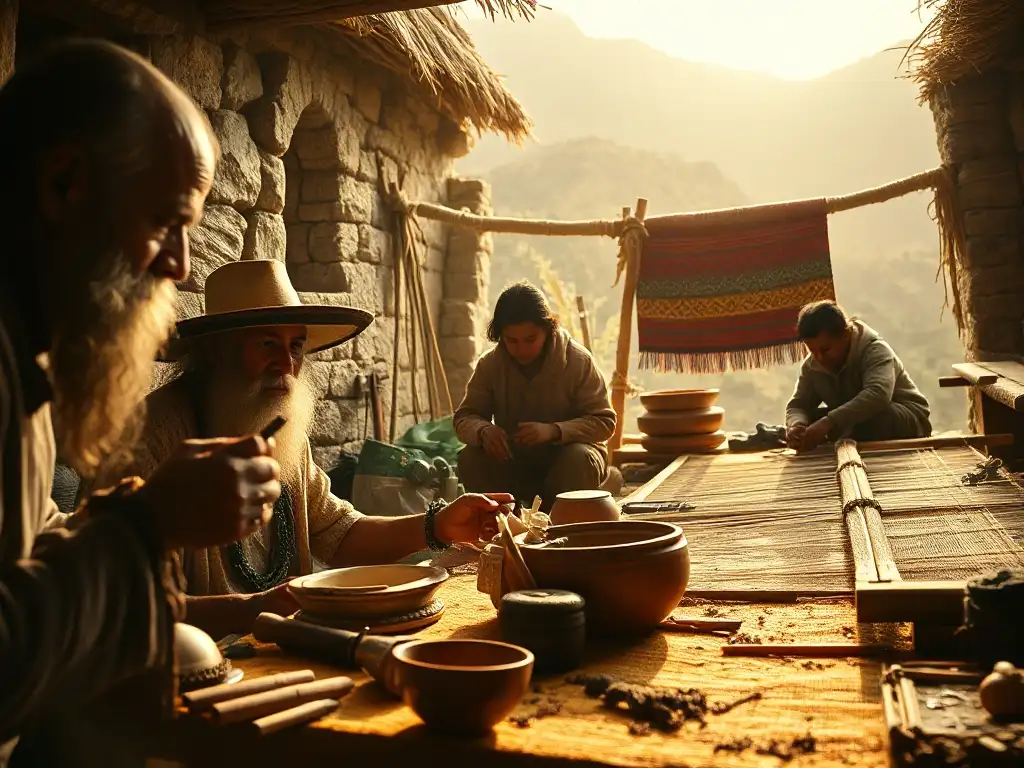
The impressive scale and quality of Inca craft production were facilitated by a highly organized system of artisan workshops and labor management. This system, integrated into the broader Inca administrative structure, ensured the consistent production of goods needed to support the empire. The organization of craft production involved specialized workshops and skilled artisans, ensuring the high quality of the finished products.
The efficient allocation of resources and the standardization of techniques contributed to the uniformity and quality found across the empire. This systematic approach to craft production was essential to the functionality and success of the Inca Empire, ensuring the availability of necessary goods and the creation of highly valued ceremonial objects. The organization of Inca artisans is a testament to their sophisticated administrative capabilities and their understanding of effective resource management.
Inca Workshops and Labor Management
Inca workshops were not just places of production; they were centers of skill development and knowledge transmission. They were strategically located throughout the empire, often near sources of raw materials. These workshops were overseen by skilled master artisans who trained apprentices, ensuring the continuity of traditional techniques. The organization of labor within these workshops involved specialized tasks and a hierarchical structure, reflecting the complexity of the production process.
Efficient management of resources, including raw materials and tools, was essential for the smooth functioning of these workshops. The workshops' location and organization facilitated not only production but also the efficient distribution of finished goods throughout the empire. Archaeological evidence suggests a high degree of specialization and organization within these workshops, showcasing the sophistication of Inca labor management.
The Mit'a System and Craft Production
The mit'a system, a form of obligatory labor service, played a crucial role in Inca craft production. While primarily associated with agricultural labor and public works, the mit'a also contributed significantly to craft production. Communities were assigned quotas of goods to produce, and artisans were often conscripted to work in imperial workshops or to fulfill specific production needs. This system ensured a steady supply of labor for craft production, supporting the empire's needs for both everyday goods and ceremonial items.
While the mit'a system could be demanding, it also provided a structured framework for training and skill development, contributing to the high quality of Inca crafts. The integration of the mit'a into craft production underscores the close relationship between the Inca state and its artisans. The system's effectiveness in mobilizing labor demonstrates the Inca's sophisticated administrative control and resource management.
The Status and Importance of Inca Artisans
Inca artisans held a significant position within Inca society, recognized for their specialized skills and their contribution to the empire's prosperity. While not necessarily members of the elite, skilled artisans enjoyed a level of respect and prestige commensurate with their abilities. The quality of their work reflected the power and prestige of the Inca state. Access to resources and specialized training were important factors determining an artisan's status.
The production of high-quality goods for the Inca elite further enhanced the status of skilled artisans. The role of artisans in creating ceremonial objects and items for religious rituals further elevated their importance within the society. The status and importance of Inca artisans highlight the value placed on craftsmanship and skill within the Inca Empire. Their contribution to the empire's cultural and material achievements ensured their place in Inca society.
Inca Craft Goods and Their Distribution
The Inca Empire boasted a sophisticated system for the production and distribution of craft goods. Artisans, often organized into specialized workshops ( tambos in some cases), produced a wide array of items, from intricately woven textiles and finely crafted pottery to sophisticated metalwork in gold, silver, and copper. These goods weren't simply produced for individual consumption; they were crucial to the functioning of the empire.
The state controlled much of the production, ensuring a steady supply of goods for the elite, the military, and religious institutions. Surplus goods were stored in state-controlled warehouses ( qollqas) located strategically throughout the empire, ready for redistribution during times of need or for use in ceremonies and tributes. This centralized system facilitated the movement of goods across vast distances, demonstrating the impressive logistical capabilities of the Inca.
The quality control within the Inca system was remarkably high, ensuring consistency and excellence in the final product. This centralized approach meant that standardized styles and techniques were prevalent across the empire, making it easier to identify Inca craftsmanship even today. The sheer volume of goods produced speaks to the scale of Inca craft production and its importance to the empire's success.
Trade and Exchange of Inca Crafts
While the Inca state controlled much of production, trade and exchange did still occur, albeit under strict regulation. Local communities often produced specialized goods that they then traded with other communities, supplementing the state-controlled system. This exchange wasn't based on a free market; rather, it was carefully managed through a system of reciprocal obligations and tribute payments.
For example, coastal communities might exchange fish and salt for highland agricultural products, facilitating a crucial economic balance. The state likely played a role in facilitating this exchange, ensuring the smooth flow of goods and preventing imbalances.
The extent of long-distance trade within the Inca empire remains a topic of ongoing research, but evidence suggests that goods did travel considerable distances, reflecting the empire's interconnected nature and efficient transportation networks. The presence of exotic materials in Inca artifacts demonstrates the reach of these trade networks, even if the precise mechanisms are not fully understood.
The Use of Crafts in Inca Rituals and Ceremonies
Inca religion permeated all aspects of life, and craft production was no exception. Many craft goods were specifically created for religious purposes. Elaborate textiles, often adorned with intricate designs and symbolic imagery, were used in ceremonies and worn by priests and other religious figures. Ceremonial pottery, often featuring intricate designs and representing deities or mythical beings, was used in rituals and offerings.
Gold and silver objects, including intricate masks and figurines, were particularly important in religious contexts, symbolizing the power and divinity of the Inca rulers and the gods. The creation of these objects was not simply a craft; it was a sacred act, performed with precision and care. The artisans involved in creating religious artifacts held a special position within society, reflecting the importance of their work.
Inca Crafts as Symbols of Power and Prestige
Inca craft goods served as potent symbols of power and prestige, reflecting the social hierarchy and the authority of the Inca rulers. The finest examples of Inca craftsmanship, particularly those made from gold and silver, were reserved for the elite and used to reinforce the Inca's control. The use of rare and precious materials, such as gold and feathers, was a clear indicator of status and power.
Intricately woven textiles, often featuring unique designs and colors, were also used to distinguish the elite from the common people. These items were not simply decorative; they were powerful symbols that reinforced the Inca's control and legitimacy. The distribution of these goods, controlled by the state, served as a means of rewarding loyalty and ensuring the cooperation of local elites.
The Legacy of Inca Craft Production
The Inca's impact on Andean craft production is undeniable. Their sophisticated techniques and organizational structures profoundly influenced the development of crafts in the region for centuries to come.
Influence of Inca Craft Techniques on Later Andean Societies
After the Spanish conquest, Inca craft traditions didn't simply vanish. Many techniques and styles persisted, often adapting and evolving to incorporate new materials and influences. The legacy of Inca weaving, pottery, and metalwork can be seen in the crafts produced by later Andean societies, demonstrating the enduring influence of Inca artisanship. Specific examples include the continued use of Inca-style weaving techniques in various communities throughout the Andes and the persistence of certain pottery styles. This continuity shows the resilience of Inca traditions and their adaptation to new historical contexts.
Preservation of Inca Crafts Today
Efforts to preserve Inca craft traditions are ongoing, with museums and cultural organizations playing a vital role in documenting and safeguarding these important aspects of Andean heritage. The careful preservation of Inca artifacts provides invaluable insights into the techniques and materials used by Inca artisans. This preservation work is essential for understanding Inca culture and its lasting influence on the region. Furthermore, the ongoing study of Inca craft techniques helps to inform modern conservation efforts, ensuring the survival of these precious artifacts for future generations.
Inca Craft Revival in Modern Andean Communities
There is a growing movement to revive Inca craft traditions in modern Andean communities. Artisans are rediscovering ancient techniques and materials, creating new works inspired by Inca designs and styles. This revival is not only a celebration of Andean heritage but also a means of economic empowerment for many communities.
The renewed interest in Inca crafts provides opportunities for artisans to connect with their cultural heritage and sustain their livelihoods. This revitalization of traditional crafts contributes to the preservation of cultural identity and the economic sustainability of Andean communities. The ongoing efforts to revive Inca craft traditions demonstrate the enduring power and relevance of Inca heritage in contemporary Andean society.
- The Role of Craft Production in the Inca Empire
- Inca Craft Specialization and Social Structure
- Key Inca Craft Production Techniques
- The Organization of Inca Artisans
- Inca Craft Goods and Their Distribution
- The Legacy of Inca Craft Production
Frequently Asked Questions
What were some of the key Inca craft production techniques?
Inca craft production relied heavily on specialized labor and standardized designs. Artisans used techniques like lost-wax casting for metals, complex weaving for textiles, and precise stonework for architecture.
How did Inca artisans acquire their skills?
Skills were often passed down through family lineages, creating a system of apprenticeship. The Inca state also likely played a role in organizing and regulating the training of artisans.
What types of crafts were most important to the Inca Empire?
Textiles were incredibly significant, alongside metalwork (gold, silver, copper) and stonework. These crafts served both practical and ceremonial purposes, reflecting Inca power and prestige.
How did Inca craft production support the empire's needs?
Crafts supported the empire by providing essential goods like clothing, tools, and weaponry. Luxury items also reinforced political power and maintained social hierarchies through tribute and offerings.
Were there regional variations in Inca craft production?
While there were standardized styles, regional variations existed in specific techniques and designs. Local traditions sometimes influenced the production of goods, resulting in subtle differences across the empire.
Final Reflection: The Enduring Legacy of Inca Craft
The intricate artistry of Inca craft production techniques remains a powerful testament to the ingenuity and societal structure of the Inca Empire, a legacy that continues to resonate in contemporary Andean communities and inspire innovative approaches to sustainable craft practices today. The sophisticated methods employed, from textile weaving to metalworking, weren't merely decorative; they were integral to the empire's economic, social, and religious life, reflecting a deep understanding of both material and spiritual worlds.
The enduring influence of Inca craft extends far beyond museum displays; it's woven into the very fabric of Andean identity. These techniques, passed down through generations, represent a profound connection to ancestral knowledge and a powerful symbol of cultural resilience. The hands remember what the mind forgets,
a saying often attributed to Andean artisans, perfectly encapsulates this enduring legacy. The survival and adaptation of these techniques in the face of colonization and globalization speaks volumes about their inherent value and the unwavering commitment of those who continue to practice them.
Consider the intricate details, the meticulous craftsmanship, the sheer artistry involved in each piece. Now, consider how you can apply this appreciation for skill and dedication to your own life. Embrace the spirit of craftsmanship in whatever you do, whether it's a personal project, a professional endeavor, or simply a mindful approach to daily tasks. Let the legacy of Inca artisans inspire you to strive for excellence, to value the process as much as the product, and to appreciate the enduring power of human creativity and ingenuity.
Unleash Your Creativity: Connect with Inca Craftsmanship!
Thank you for exploring the captivating world of Inca crafts and artisans. You've discovered the artistry that fueled a great empire, blending functionality and beauty seamlessly. Now, let's turn that inspiration into action!
- Support local artisans: Seek out craftspeople and makers in your community who share the spirit of Inca craftsmanship. Consider purchasing handcrafted items that reflect their unique cultural heritage, supporting both the artist and the preservation of traditional techniques.
- Try your hand at a new craft: Join a workshop or online course to learn traditional techniques inspired by Inca artistry. Discover the joy of creating your own artwork and connecting with this rich heritage.
- Share the beauty of Inca craftsmanship: Spread the word by sharing this article or highlighting the importance of supporting indigenous crafts on your social media platforms. Help preserve this vibrant cultural legacy for future generations.
What aspects of Inca craftsmanship most inspire you, and how can you incorporate these timeless techniques into your own creative endeavors?