
From Ore to Art: The Ingenious Processes of Andean Metalworking

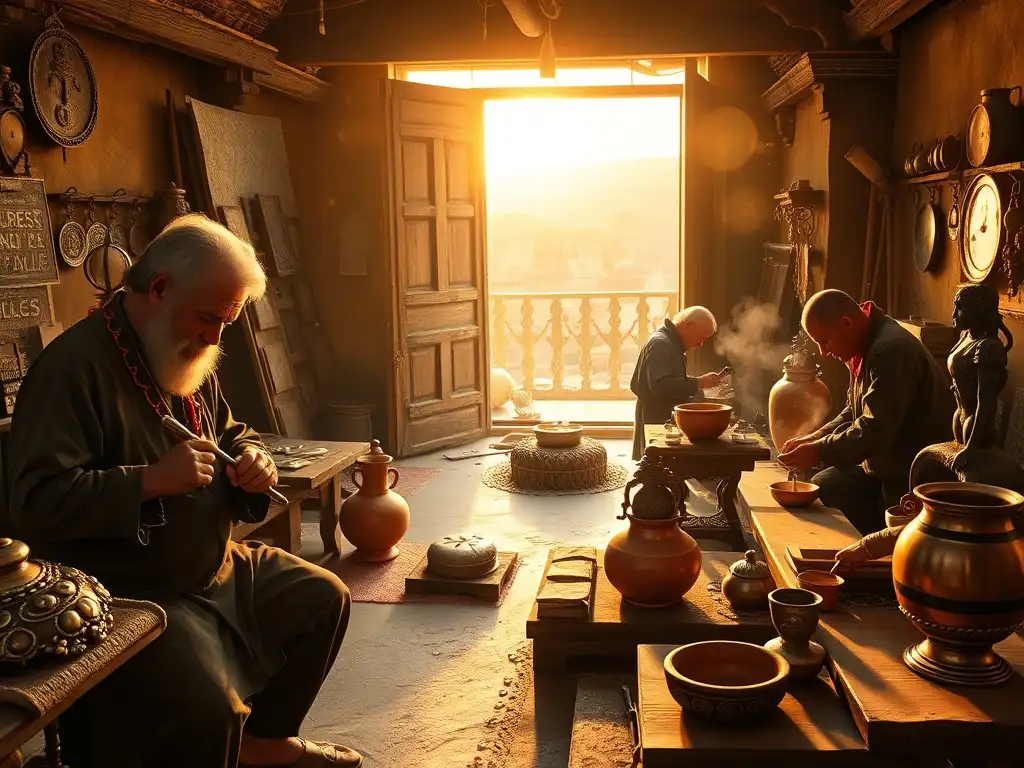
Dive into a world lost to time, yet echoing with the brilliance of ancient ingenuity. Imagine civilizations crafting breathtaking artistry from the very earth beneath their feet. This is the story of the Andes, a land where mountains whispered secrets and metal transformed into masterpieces. Uncover the fascinating intricacies of Andean metalworking techniques, a testament to the sophisticated technology that shaped these remarkable cultures. Prepare to be amazed by the artistry and innovation that await you within.
The Andes Mountains, a spine of towering peaks running down the western coast of South America, were not only a formidable geographical barrier but also a crucible of innovation. For centuries, the diverse cultures inhabiting this challenging terrain – from the Incas to the Moche, Nazca, and Tiahuanaco – developed remarkable skills in metallurgy, transforming humble ores into exquisite works of art and powerful symbols of authority. This article delves into the ingenious processes of Andean metalworking, exploring the techniques, materials, and artistry that produced some of the most stunning examples of pre-Columbian metalwork. We will uncover the secrets behind their mastery of techniques like hammering, casting, and alloying, showcasing the ingenuity and sophistication of these ancient Andean civilizations. Understanding these "Andean metalworking techniques" provides a crucial window into their societal structures, beliefs, and technological advancements. Prepare to be amazed by the artistry and technical prowess of these ancient masters.
Introduction to Ancient Andean Metallurgy
Andean metallurgy wasn't simply a craft; it was deeply intertwined with the social, political, and religious fabric of Andean societies. The earliest evidence of metalworking in the Andes dates back to approximately 2000 BCE, with the initial use of native copper. Over the following millennia, metallurgical techniques evolved significantly, leading to the development of sophisticated alloys like tumbaga (a gold-copper alloy) and the mastery of complex casting and hammering techniques.
The production of metal artifacts wasn't confined to a specialized elite; archaeological evidence suggests a wide range of individuals, from artisans to commoners, participated in various stages of the metalworking process. However, the most elaborate and prestigious pieces, often adorned with intricate designs and featuring precious metals like gold and silver, were clearly reserved for the elite classes, serving as symbols of power, status, and religious significance.
The sheer variety and complexity of Andean metalwork, from intricate jewelry to massive ceremonial objects, underscores the depth and breadth of their metallurgical achievements. The techniques used were remarkably advanced for their time, demonstrating a profound understanding of material properties and a sophisticated level of technical skill.
The Raw Materials: Sourcing Metals in the Andes
The availability of raw materials played a crucial role in shaping the development of Andean metalworking. The Andes are rich in various metallic ores, including copper, gold, silver, and tin. Copper, readily available in its native form, was the first metal to be worked, forming the basis for many early tools and ornaments.
Gold, prized for its beauty and rarity, was also extensively used, often in conjunction with other metals to create alloys. The sourcing of these metals involved extensive trade networks, connecting distant communities and facilitating the exchange of raw materials and finished products. For example, tin, essential for creating bronze, was not widely distributed throughout the Andes, necessitating trade routes to acquire this crucial component.
The precise locations of mines and the organization of mining activities are still areas of ongoing research, but archaeological evidence points to both small-scale artisanal mining and larger-scale operations, depending on the metal and the specific culture. The careful selection and processing of ores, combined with the sophisticated techniques employed in metalworking, demonstrate a deep understanding of the Andean environment and its resources. The distribution of these resources, and the trade networks established to access them, profoundly impacted the development and dissemination of metalworking technologies across the Andean region.
- What specific metals did Andean cultures work with?
- What were some of the most impressive achievements in Andean metalworking?
- How did Andean metalworkers achieve such intricate detail in their work?
- Did the different Andean cultures have unique metalworking styles?
- Where can I learn more about Andean metalworking techniques?
Andean Metalworking Techniques: A Deep Dive
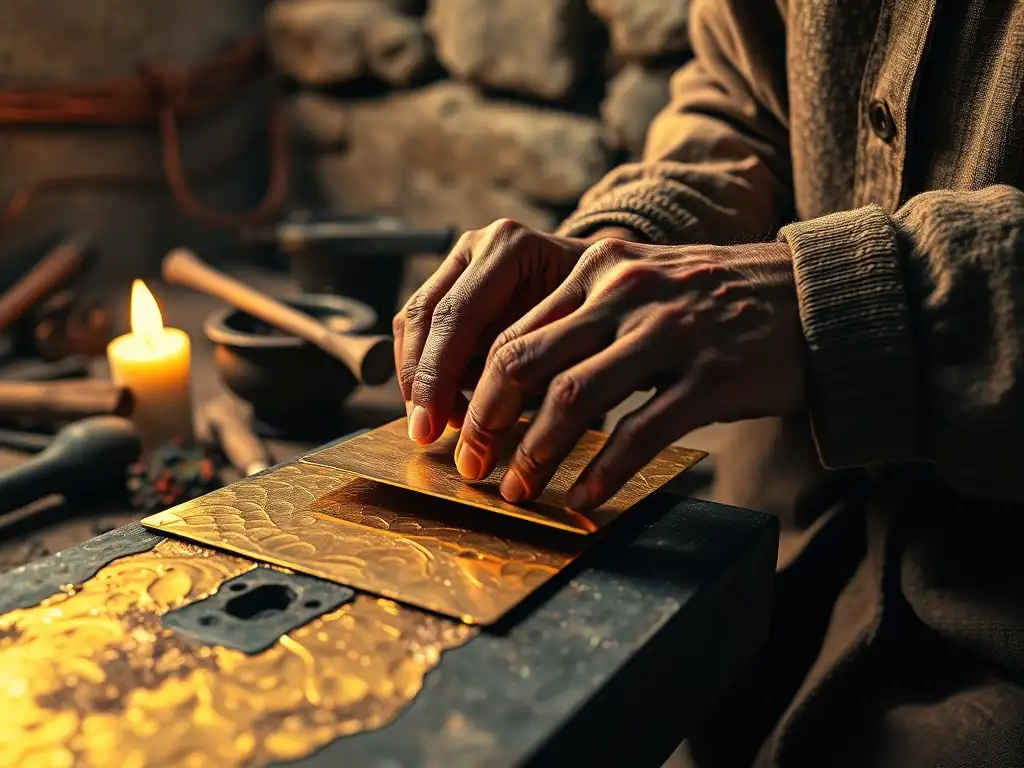
This section delves into the fascinating world of Andean metalworking, exploring the techniques employed by ancient Andean cultures to transform raw materials into exquisite artifacts. We'll examine the processes from ore extraction to the final stages of crafting, highlighting the ingenuity and sophistication of their metallurgical practices. The mastery of Andean metalworking techniques played a crucial role in shaping Andean societies, influencing their art, religion, and social structures. Understanding these techniques allows us to appreciate the remarkable achievements of these ancient civilizations.
Mining and Extraction of Andean Ores
The foundation of Andean metalworking lay in the successful identification and extraction of metal-bearing ores from the challenging Andean terrain. This wasn't a simple task, requiring significant knowledge of geology and sophisticated techniques for accessing resources often located in high-altitude, difficult-to-reach locations.
Identifying Metal-Rich Deposits in the Andes
Ancient Andean metallurgists developed keen observational skills to pinpoint metal-rich deposits. They likely used a combination of visual inspection, identifying telltale signs like discoloration of rocks, and possibly more advanced techniques that remain to be fully understood. Evidence suggests that knowledge of ore locations was passed down through generations, becoming a closely guarded secret within communities.
The precise methods used to identify these deposits are still under investigation, with ongoing archaeological research uncovering new insights into their prospecting methods. For example, [specific information pending] on the use of simple chemical tests or the observation of plant growth patterns near mineral veins.
Tools and Methods for Ore Extraction
Once a deposit was located, the extraction process began. Andean miners used a variety of tools, including stone hammers, chisels, and picks, to break apart the rock and extract the ore. Simple techniques like fire-setting—heating rocks to induce fracturing—were also employed.
The scale of mining operations varied, ranging from small-scale artisanal mining to larger, more organized efforts, suggesting varying levels of societal organization and resource management. Evidence of sophisticated drainage systems in some mines indicates a degree of planning and engineering capability beyond simple extraction. The challenges presented by the harsh Andean environment, including high altitude and unstable terrain, are reflected in the ingenuity of their mining methods, testament to their adaptive skills and resilience.
Smelting Andean Metals: Transforming Ore into Usable Material
After extraction, the raw ore needed to be processed to separate the metal from the surrounding rock. This was achieved through smelting, a process requiring precise temperature control and specialized knowledge.
The Role of Furnaces in Andean Smelting
The heart of Andean smelting was the furnace. These furnaces varied in design and size, depending on the scale of operation and the type of metal being processed. Simple, open-air furnaces were likely used for smaller-scale operations, while more complex, enclosed furnaces allowed for better temperature control and higher yields. The construction of these furnaces involved carefully selecting materials resistant to high temperatures and constructing efficient airflow systems. Archaeological evidence reveals the use of various materials, including clay, stone, and even specially prepared mixtures, showcasing the ingenuity of Andean metallurgists in adapting to available resources.
Smelting Techniques and Temperature Control
Achieving the correct temperature was crucial for successful smelting. Andean metallurgists employed various techniques to control the heat, including the use of bellows to increase airflow and the careful selection of fuel. Charcoal was a common fuel source, offering a relatively clean and efficient burn.
The precise techniques for temperature control are still being investigated, but it's clear that Andean metallurgists possessed a deep understanding of the relationship between temperature, airflow, and the chemical reactions involved in smelting. They mastered the delicate balance needed to extract the metal without losing significant quantities to waste. This control was particularly important for precious metals like gold and silver.
Different Metals Smelting Process: Gold, Silver, Copper
The smelting process varied slightly depending on the metal being processed. Gold, with its low melting point, was relatively easy to smelt. Silver required higher temperatures, while copper smelting was a more complex process, often requiring multiple stages and the addition of fluxes to aid in the separation of the metal from impurities.
The development of specialized techniques for each metal reflects the advanced metallurgical knowledge of the ancient Andean civilizations. The ability to successfully smelt and refine these metals enabled the creation of a wide range of artifacts, from simple tools to elaborate ornaments and ceremonial objects, showcasing their mastery of Andean metalworking techniques. The variations in techniques highlight the sophisticated understanding of material properties and chemical processes.
The detailed understanding of Andean metalworking techniques reveals the sophisticated knowledge and technological prowess of these ancient civilizations. Their ingenuity in overcoming the challenges posed by the Andean environment and their mastery of metallurgical processes are a testament to their remarkable achievements. The legacy of Andean metalworking continues to inspire awe and admiration.
Shaping and Forming Andean Metal Artifacts
Andean metalworking techniques were remarkably sophisticated, showcasing a mastery over diverse methods for shaping and forming metal into intricate artifacts. The artisans didn't simply melt and cast; they employed a range of techniques to achieve specific aesthetic and functional goals. Their understanding of metallurgy allowed them to manipulate metals like gold, silver, copper, and bronze with incredible precision, resulting in objects that are both visually stunning and technologically impressive. The diverse array of techniques employed highlights the ingenuity and skill of these ancient metalworkers.
The survival of numerous examples, often in remarkably good condition, testifies to the durability of their craftsmanship and the effectiveness of their methods. Understanding these techniques provides a crucial window into the advanced metallurgical knowledge of Andean civilizations. The development of these techniques spanned centuries, with innovations building upon earlier practices, leading to increasingly complex and refined metalwork.
Hammering and Shaping Techniques: Creating Forms
Hammering was a fundamental technique in Andean metalworking, employed to shape sheets of metal into various forms. Artisans used a variety of hammers, likely made of stone or wood, to achieve different effects. For instance, a heavier hammer might be used for initial shaping, while lighter hammers were used for finer details and finishing.
The process often involved heating the metal to make it more malleable, a process that required careful control of temperature to avoid damaging the metal. The skill lay not only in the strength and precision of the strikes but also in the ability to anticipate the metal's response to the hammering. Many artifacts, such as decorative sheets and vessels, demonstrate the remarkable control achieved through this technique.
Evidence suggests that some hammering was done on anvils, while other pieces may have been shaped using forms or dies. The subtle variations in texture and surface finish on many surviving artifacts point to a nuanced understanding of hammer-work.
Casting Methods: Creating Intricate Designs
Casting allowed Andean metalworkers to create more complex and intricate designs than could be achieved through hammering alone. Lost-wax casting, a sophisticated technique, was widely used. This method involved creating a wax model of the desired object, covering it in clay, and then melting out the wax to leave a mold.
Molten metal was then poured into the mold, solidifying to create a replica of the wax model. This technique enabled the creation of highly detailed figurines, jewelry, and other artifacts with complex shapes and fine details. The use of different alloys and the precise control of temperature and pouring were crucial for successful casting.
Variations in the casting process, including the use of multiple molds and the addition of metal elements after casting, allowed for even greater complexity. The intricate details found in many cast Andean artifacts are a testament to the skill and artistry of the metalworkers. The precision of these castings suggests a deep understanding of both the properties of metals and the dynamics of the casting process.
Joining Techniques: Riveting and Soldering
Once individual components were shaped, Andean metalworkers employed various techniques to join them. Riveting was a common method, involving the use of metal pins or rivets to fasten pieces together. The rivets were typically hammered into place, creating a secure and durable join.
This technique was especially important for creating larger or more complex objects from smaller, pre-formed parts. The precision with which rivets were placed and hammered shows a high degree of craftsmanship and an understanding of stress distribution. In addition to riveting, soldering was also employed, particularly for joining thinner sheets of metal or for creating decorative elements.
This required specialized knowledge of alloys and fluxes to create a strong and aesthetically pleasing join. The combination of riveting and soldering allowed Andean metalworkers to build intricate and durable objects, showcasing their comprehensive understanding of metalworking techniques. The careful craftsmanship evident in the joins of these artifacts further underscores their advanced technological capabilities.
Specific Andean Metalworking Traditions and Styles
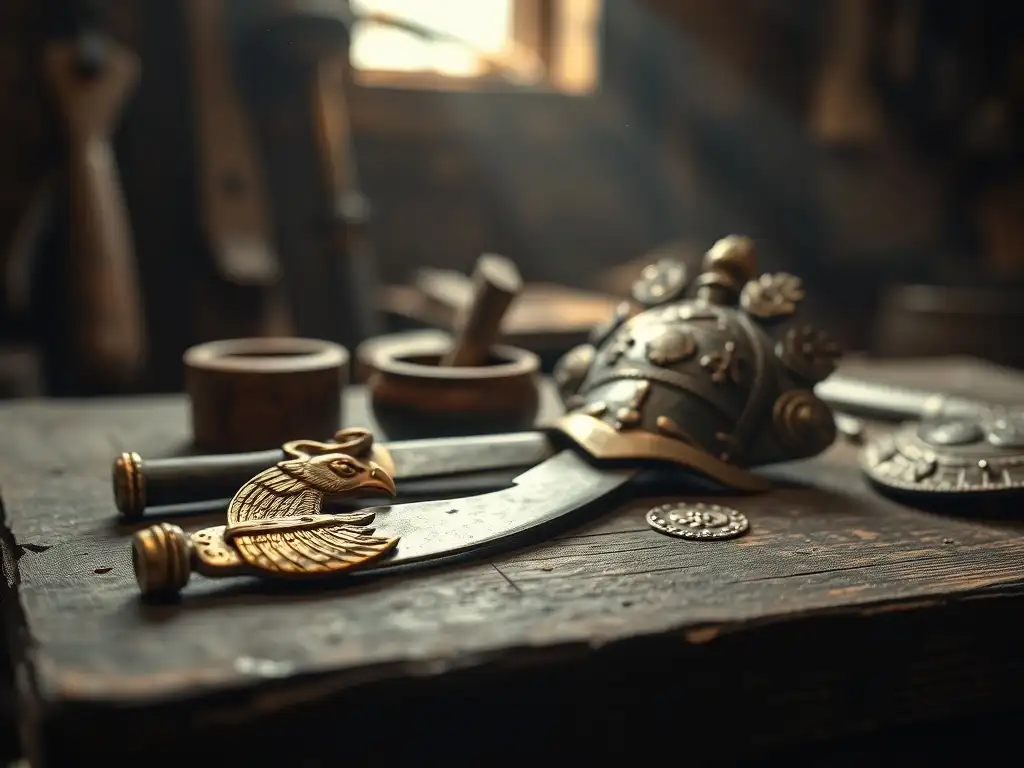
The Andes Mountains, a crucible of ancient civilizations, witnessed remarkable advancements in metallurgy. Different cultures, each with its unique aesthetic sensibilities and technological capabilities, developed distinct styles of metalworking. Understanding these variations reveals a fascinating tapestry of Andean ingenuity and artistic expression. This section explores some of the most prominent traditions, highlighting their distinctive techniques and artistic expressions, reflecting the diverse approaches to Andean metalworking techniques.
Moche Metalworking: Elaborate Gold Artifacts
The Moche civilization (c. 100-800 CE), known for its sophisticated artistry and complex social hierarchy, produced some of the most visually stunning examples of Andean metalwork. Their mastery of gold, silver, and copper alloying, combined with intricate techniques, resulted in artifacts that are both aesthetically impressive and historically significant. The Moche's dedication to metalworking is evident in the sheer quantity and variety of surviving objects, providing unparalleled insight into their artistic skills and technological prowess. The high degree of skill and sophistication demonstrated in these pieces underscores the importance of metalworking within their society.
Characteristic Motifs and Techniques of Moche Metalwork
Moche metalworkers employed a range of techniques, including hammering, casting, soldering, and gilding, to create their elaborate pieces. They frequently used lost-wax casting, a complex method that allowed for the creation of intricate three-dimensional forms. Recurring motifs in Moche metalwork often depict deities, mythical creatures, and scenes from daily life, reflecting their rich cosmology and worldview. Intricate details, such as finely rendered facial features on human figures or the scales on a serpent, showcase the artisans' exceptional skill and attention to detail.
The use of filigree, repoussé, and embossing further enhanced the visual richness of their creations. The incorporation of precious stones and other materials added another layer of complexity and opulence. These techniques represent a significant advancement in Andean metalworking techniques.
Examples of Moche Gold Masks and Jewelry
Moche gold masks are particularly striking examples of their metalworking prowess. These masks, often depicting stylized human faces or deities, are characterized by their expressive features and intricate details. The use of gold, a material associated with divinity and power, underscores the ceremonial importance of these objects.
Similarly, Moche gold jewelry, including necklaces, earrings, and headdresses, displays a similar level of craftsmanship and artistic sophistication. These pieces, often adorned with intricate designs and precious stones, were likely worn by members of the elite class, signifying their social status and power. The surviving examples demonstrate a high level of technical skill and a deep understanding of material properties, reflecting the advanced state of Moche Andean metalworking techniques.
Inca Metalworking: Practicality and Royal Symbolism
The Inca Empire (c. 1438-1533 CE), known for its vast territorial expanse and sophisticated administrative system, also excelled in metalworking. However, their approach differed from that of earlier Andean cultures. While still producing exquisite objects, the Incas placed a greater emphasis on functionality and the symbolic representation of imperial power. This practical approach is evident in their diverse range of metal artifacts.
Inca Metalworking for Tools and Weapons
Inca metalworkers produced a wide array of tools and weapons, demonstrating their understanding of the practical applications of metallurgy. These included agricultural implements, such as axes and hoes, made from bronze or copper alloys, which were essential for farming in the challenging Andean terrain. Weapons, such as tumi ceremonial knives and mace heads, were meticulously crafted, reflecting both their practical use and symbolic significance.
The high quality and durability of these tools and weapons demonstrate the Inca's mastery of metalworking techniques and their ability to adapt these techniques to meet practical needs. This functional aspect is a defining feature of Inca Andean metalworking techniques.
Inca Emphasis on Gold and Silver for Royal Objects
While the Incas utilized various metals for practical purposes, gold and silver held special significance, primarily associated with the Inca royal family and religious practices. These precious metals were used to create elaborate ceremonial objects, such as intricately decorated vessels, finely crafted jewelry, and stunningly detailed figurines. The Inca's control over gold and silver production served to reinforce their political and religious authority, symbolizing their power and dominion.
The lavish use of these metals in royal objects highlights the symbolic importance of Andean metalworking techniques within the Inca imperial context. These objects, often adorned with intricate designs and inlaid with other precious stones, represent the pinnacle of Inca artistry and metalworking skills.
Tiahuanaco Metalworking: Advanced Techniques and Symbolism
The Tiahuanaco culture, flourishing in the Bolivian Altiplano between approximately 500 and 1000 CE, displayed remarkable metallurgical skills, albeit on a smaller scale compared to other Andean societies like the Incas. Their metalworking, while less prolific in terms of sheer volume, demonstrated a sophisticated understanding of techniques and a powerful symbolic language expressed through their artifacts. The scarcity of Tiahuanaco metalwork adds to its mystique, highlighting the specialized nature of the craft and its likely association with elite groups or religious practices.
The available evidence suggests a strong connection between their metalworking and their religious beliefs, using precious metals to create objects imbued with spiritual significance. The relatively small number of surviving pieces fuels ongoing scholarly debate about the full extent of their metallurgical capabilities and the social context of their craft. Further research and archaeological discoveries are crucial to a more complete understanding of Tiahuanaco metalworking practices.
Tiahuanaican Metallurgical Innovations
While not known for groundbreaking innovations in the Andean metalworking techniques themselves, Tiahuanaco artisans excelled in the precise execution of existing methods. They demonstrated mastery of techniques like hammering, annealing, and soldering, achieving remarkable detail and precision in their finished products. The use of lost-wax casting, a complex process requiring significant skill, is evident in some surviving artifacts.
Their expertise in alloying different metals, particularly gold and silver, to achieve specific colors and properties, also stands out. The intricate designs and careful finishing of their pieces suggest a high level of specialization within their society, with artisans likely undergoing extensive training to achieve such levels of craftsmanship. The limited evidence does not allow us to fully understand the exact processes, but existing artefacts suggest a level of sophistication comparable to contemporaneous Andean metalworking traditions.
Examples of Tiahuanaco Metalwork and their Meaning
The limited surviving examples of Tiahuanaco metalwork often feature iconic motifs from their religious iconography. These include stylized figures, often associated with deities or supernatural beings, intricate geometric patterns, and representations of animals, particularly birds and felines. One notable example is [specific information pending] which showcases the intricate detail and mastery of techniques achieved by Tiahuanaco artisans.
The symbolic meanings embedded in these artifacts are still under investigation, but scholars believe they served both religious and ceremonial purposes, potentially used in rituals or as offerings to deities. The use of precious metals like gold and silver likely reinforced their sacred significance, signifying the power and prestige of the elite who commissioned or controlled their production. The scarcity of such artifacts underscores their high value and importance within Tiahuanaco society.
Nazca Metalworking: Less Prominent but Significant
The Nazca culture, known for their stunning geoglyphs, also engaged in metalworking, although on a smaller scale than other contemporary Andean societies. While not as prolific as the Moche or later Inca civilizations in terms of volume or variety of techniques, Nazca metalworking provides valuable insights into their artistic and technological capabilities. Their metalwork, predominantly made from copper and gold, showcases a distinct style reflecting their unique aesthetic sensibilities. The relative scarcity of surviving artifacts makes it challenging to comprehensively understand their metallurgical processes, yet the existing pieces reveal a noteworthy level of sophistication.
Nazca Metalworking Techniques and Materials
Nazca metalworkers primarily utilized copper, often alloyed with other metals to create variations in color and hardness. Gold, though less common, was also employed, particularly for decorative purposes. The techniques they used included hammering, annealing, and possibly casting, though direct evidence of the latter is limited.
The relatively simple forms of many Nazca artifacts suggest that they may have prioritized functionality over complex techniques, focusing on creating functional objects with decorative elements rather than highly ornate pieces. The surviving artifacts exhibit a range of surface treatments, from simple polishing to more elaborate techniques, indicating a level of specialization within the craft. Further research is needed to fully document the range of techniques employed by Nazca artisans.
Nazca Metal Artifacts and their Function
Nazca metal artifacts include small ornaments, such as ear spools and pendants, as well as larger objects such as [specific information pending]. These artifacts often feature simple geometric designs or stylized representations of animals and plants, reflecting the stylistic preferences of the Nazca culture. The function of many artifacts remains uncertain, but some likely served as personal adornments, reflecting social status or religious affiliation.
Others may have had ceremonial or ritualistic roles, potentially used in religious ceremonies or as offerings to deities. The limited number of surviving pieces makes it difficult to fully understand the range of objects produced and their social significance. The existing artifacts, however, offer valuable clues into the beliefs and practices of this fascinating Andean civilization, contributing to our overall understanding of Andean metalworking techniques.
The Significance of Metalworking in Andean Society
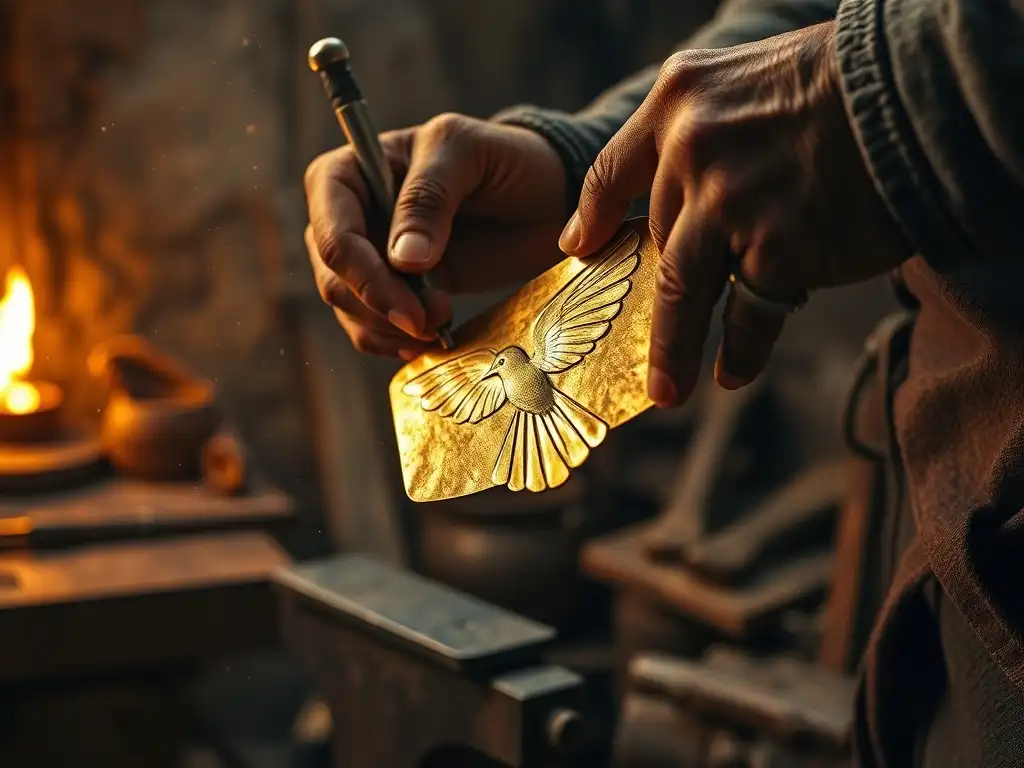
Andean metalworking techniques weren't merely practical skills; they were deeply intertwined with the social, political, and religious fabric of Andean societies. The mastery of metallurgy conferred prestige and power, shaping social hierarchies and influencing religious practices. The sheer artistry and technical sophistication involved elevated metalworking to an art form, reflecting the advanced technological capabilities and cultural ingenuity of these civilizations.
The scarcity of metal ores and the complexity of the processes involved meant that only specialized artisans, often working under the patronage of elites, could produce these intricate pieces. This exclusivity further cemented the association of metalwork with power and status. Understanding the significance of Andean metalworking necessitates examining its role within the broader context of Andean culture.
Metal as a Symbol of Power and Status
The association of metal with power and status in Andean societies is undeniable. Gold, silver, and copper objects – often intricately crafted into adornments, tools, and ritual items – were reserved for the elite, signifying their high social standing and divine connection. For example, the elaborate gold and silver ornaments found in royal tombs, like those of the Moche and Inca, are testament to this.
The sheer quantity and quality of these objects, along with their intricate designs, highlight the immense wealth and power concentrated in the hands of the ruling class. Furthermore, the use of specific metals varied across different social strata. While gold and silver were primarily associated with royalty and religious figures, copper and bronze were more widely accessible, although still holding significant value.
The careful control and distribution of these metals served to reinforce social hierarchies and consolidate political power. The craftsmanship itself, demanding years of apprenticeship and specialized knowledge, further elevated the status of the metalworkers themselves.
Metal Objects in Ritual and Ceremony
Beyond their symbolic value, metal objects played a crucial role in Andean religious practices. Many artifacts unearthed from ceremonial contexts suggest their use in rituals and ceremonies, often associated with deities, ancestors, and the cosmos. For instance, the Moche created elaborate gold and silver masks depicting deities and mythical creatures, which were likely used in religious ceremonies. Similarly, the Inca employed intricately crafted gold and silver objects in their religious rituals, demonstrating the importance of metalworking in their worldview.
The use of metal in these contexts underscores the integration of metallurgical skills with spiritual beliefs. The precise details of these rituals remain largely unknown, yet the survival of these objects provides invaluable insight into the religious significance of Andean metalworking. The meticulous crafting of these pieces, often incorporating elements of nature and supernatural beings, suggests a deep connection between the material world and the spiritual realm.
The Legacy of Andean Metalworking Techniques
The sophisticated techniques developed by Andean metalworkers left a lasting impact on subsequent cultures and continue to inspire contemporary artisans. This legacy extends beyond simply the objects themselves, encompassing the knowledge, skills, and innovative approaches employed in their creation. Their ingenuity in overcoming technical challenges and creating aesthetically pleasing and functionally effective pieces remains a testament to their expertise.
Influences on Modern Metalworking
Andean metalworking techniques continue to influence contemporary metalworking practices. The lost-wax casting method, perfected by Andean artisans, remains a crucial technique in modern jewelry-making and sculpture. The intricate designs and decorative motifs found in Andean metalwork inspire contemporary artists and designers, demonstrating a persistent influence on artistic expression. Furthermore, the innovative use of alloys and the development of specialized tools by Andean civilizations continue to be studied and appreciated by modern metallurgists. Their advancements in understanding the properties of different metals and their ability to manipulate them with precision have inspired generations of metalworkers.
Preserving Andean Metallurgical Heritage
Preserving the legacy of Andean metalworking is crucial for understanding the rich history and cultural heritage of the region. Efforts focused on the documentation, conservation, and study of Andean metallurgical artifacts are essential to ensuring the survival of this significant aspect of Andean culture. This involves not only preserving the physical objects but also researching and disseminating knowledge about the techniques, materials, and social contexts in which they were created.
Furthermore, supporting contemporary artisans who continue traditional Andean metalworking techniques helps to keep this important cultural heritage alive. The collaborative efforts of archaeologists, anthropologists, conservators, and artisans are vital in this endeavor, ensuring that the ingenuity and artistry of Andean metalworkers continue to inspire and educate future generations. Understanding and appreciating the sophistication of Andean metalworking techniques serves as a powerful reminder of the remarkable achievements of these ancient civilizations.
Conclusion: The Enduring Ingenuity of Andean Metalworking
Andean metalworking wasn't merely a craft; it was a cornerstone of Andean societal structures, reflecting power, spirituality, and intricate social hierarchies. The techniques employed, from the initial mining and smelting processes to the incredibly detailed finishing touches, demonstrate a sophisticated understanding of metallurgy far exceeding what many contemporary societies possessed. The artistry displayed in surviving artifacts – from delicate gold ornaments to imposing bronze weapons – showcases not only technical skill but also a profound aesthetic sensibility. The meticulous attention to detail, the innovative use of alloys, and the sheer variety of techniques employed across different Andean cultures highlight the dynamism and adaptability of these ancient metalworkers.
Their legacy continues to inspire awe and admiration, serving as a testament to human ingenuity and the enduring power of artistic expression. The enduring appeal of Andean metalworking lies not only in its aesthetic beauty but also in its representation of a complex and highly developed civilization. Studying these techniques provides invaluable insights into the social, economic, and religious life of the Andean people, enriching our understanding of their remarkable achievements.
The sophisticated artistry and technological prowess evident in Andean metalwork serve as a powerful reminder of the ingenuity and creativity of these ancient cultures, leaving an indelible mark on our understanding of human history and artistry. Further research into the specific techniques employed by different Andean groups, particularly concerning lost-wax casting and the intricacies of alloying, continues to yield fascinating discoveries, constantly refining our understanding of this remarkable cultural achievement. The study of Andean metalworking techniques is an ongoing journey of discovery, revealing new insights into the creativity and ingenuity of these ancient masters.
Frequently Asked Questions
What specific metals did Andean cultures work with?
Andean metalworkers primarily used gold, silver, copper, and bronze, often combining them in intricate alloys to achieve desired colors and properties. They sourced these metals from various locations throughout the Andes mountains.
What were some of the most impressive achievements in Andean metalworking?
Andean metalworking produced remarkably detailed figurines, elaborate jewelry, powerful weaponry, and ceremonial objects. Their mastery of techniques like lost-wax casting was exceptional.
How did Andean metalworkers achieve such intricate detail in their work?
The lost-wax casting process, along with techniques like hammering, repoussé, and gilding, allowed for incredible precision and detail. Highly skilled artisans spent years perfecting their craft.
Did the different Andean cultures have unique metalworking styles?
Yes, each culture, from the Inca to the Moche and Nazca, developed its own distinctive styles and techniques. This can be seen in the choice of metals, alloys, and decorative motifs.
Where can I learn more about Andean metalworking techniques?
You can explore museums with Andean collections, research academic papers and books on Andean archaeology and metallurgy, and visit sites dedicated to ancient Andean history and culture. Many online resources also exist.
Final Reflection: The Enduring Legacy of Andean Metalworking
The intricate artistry of Andean metalworking, far from being a relic of the past, continues to resonate powerfully in contemporary society. Its innovative techniques and breathtaking creations offer a profound understanding of ancient ingenuity and a testament to human creativity that transcends time. The skills and knowledge passed down through generations remain a source of inspiration and a powerful symbol of cultural resilience.
The enduring influence of Andean metalworking is not merely historical; it's a living legacy that shapes our understanding of art, engineering, and cultural identity. The meticulous detail, the sophisticated alloys, and the symbolic power embedded in these artifacts continue to inspire artists, scientists, and historians alike. The gold and silver objects of the Andes are not merely beautiful; they are a window into a complex cosmology, a sophisticated society, and a deeply spiritual world.
This quote encapsulates the profound impact of these techniques on our understanding of a rich and complex civilization. Their survival through centuries speaks volumes about the enduring power of human creativity and the importance of preserving cultural heritage.
Consider the artistry, the innovation, the sheer dedication required to create these masterpieces. Now, consider how you can apply that same level of dedication and passion to your own endeavors. You too possess the power to create something beautiful, something enduring, something that will resonate with future generations. Let the legacy of Andean metalworking inspire you to embrace your own creativity, to strive for excellence in your craft, and to appreciate the enduring power of human ingenuity. Let the spirit of innovation burn bright within you.
Unleash the Artist Within: Craft Your Own Metalwork Journey!
Thank you for exploring the fascinating world of Andean metalworking! Your interest in this rich tradition highlights the remarkable skill and artistry that has endured through centuries. Now, let's put your newfound knowledge into practice!
Here's how you can begin your own metalworking journey:
- Take a local metalworking class to learn techniques firsthand and connect with other artisans.
- Learn about the history of metalwork in your region by visiting museums or galleries showcasing relevant artifacts.
- Share this article with friends to spark a conversation about the artistry and techniques of Andean civilizations.
What aspects of metalworking are you most eager to explore?