
Inca Irrigation: Engineering Feats to Control Water and Land

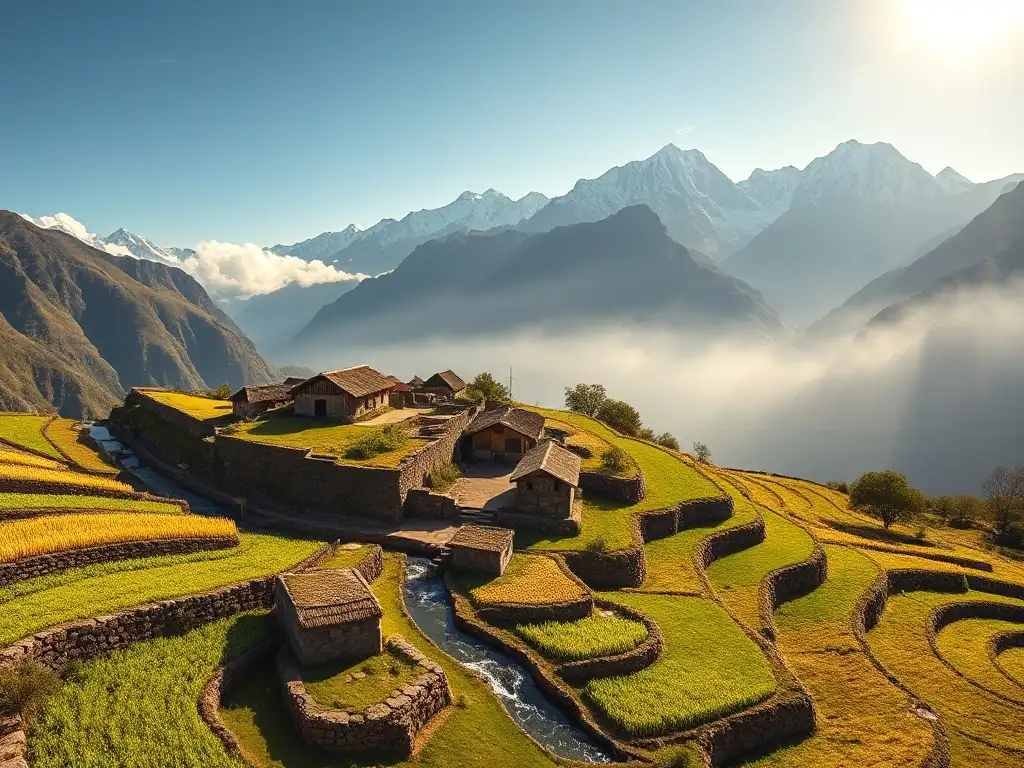
Step into a world lost to time, yet echoing with the ingenuity of a vanished empire. Prepare to be amazed by the Andean Civilizations, where innovations in engineering, art, and culture thrived. Did you know that the Inca irrigation systems were a marvel of their time, a testament to their mastery of water and land management? Discover the secrets behind this incredible feat and unlock the mysteries of the Inca Empire – explore the intricacies of their advanced technology and delve into a fascinating story of resilience and innovation. Journey with us to uncover the wonders that await.
- Inca Irrigation Systems: Engineering Feats to Control Water and Land
- The Importance of Water Management in the Inca Empire
- Inca Hydraulic Engineering: A Masterclass in Water Control
- Types of Inca Irrigation Systems
- The Social Organization of Inca Irrigation
-
Case Studies of Notable Inca Irrigation Projects
- Tipón: A Showcase of Inca Water Engineering and Landscape Integration
- Moray: Agricultural Experimentation and Circular Terraced Fields
- Ollantaytambo: Complex Irrigation Network and Agricultural Terraces
- Coporaque: Advanced Water Management in a Highland Environment
- Warivilca: A Multi-Tiered System of Canals and Reservoirs
- The Legacy of Inca Irrigation Systems
- Conclusion: The Ingenuity of Inca Water Control
- Frequently Asked Questions
- Final Reflection: The Enduring Legacy of Inca Ingenuity
- Unveil the Secrets of Inca Engineering!
Inca Irrigation Systems: Engineering Feats to Control Water and Land
The Inca Empire, renowned for its sophisticated social structures and impressive architectural achievements, also possessed a mastery of hydraulic engineering that allowed them to thrive in the diverse and often challenging Andean landscape. This article delves into the intricate world of Inca irrigation systems, exploring their design, construction, and profound impact on the empire's agricultural productivity and overall societal stability.
We will examine how these ingenious systems not only facilitated food production but also played a crucial role in Inca governance, demonstrating the close relationship between water management and political power within the empire. Understanding Inca irrigation provides a crucial lens through which to appreciate the advanced technological capabilities and sophisticated societal organization of this remarkable civilization.
The ingenuity of their irrigation techniques, adapted to the varied terrains and climates of the Andes, remains a testament to their engineering prowess and continues to inspire awe and admiration today. This exploration of Inca irrigation systems will highlight their significance within the broader context of Inca government and administration, revealing the intricate interplay between engineering, agriculture, and political power.
The Scale and Scope of Inca Irrigation Projects
The Inca irrigation systems were not merely small-scale endeavors; they were massive infrastructural projects that showcased the empire's organizational capacity and engineering skills. These systems varied considerably in scale, from relatively simple canals diverting water from streams to incredibly complex networks spanning vast distances and incorporating sophisticated techniques like subterranean aqueducts and sophisticated water distribution systems. Consider the intricate canal systems found in areas like the Urubamba Valley, where water was channeled across steep slopes and challenging terrain, showcasing a deep understanding of hydraulic principles and an ability to overcome significant engineering challenges.
The sheer volume of earth moved and the precision of the canal construction are remarkable, reflecting a highly organized workforce and a deep understanding of both hydrology and surveying. Archaeological evidence reveals the use of sophisticated tools and techniques, including the precise alignment of canals and the construction of durable structures to manage water flow.
These projects were not merely feats of engineering; they were statements of imperial power and control over vital resources. The scale of these projects underscores the importance of agriculture and water management within the Inca Empire's economy and social structure.
Technological Innovations in Inca Irrigation
Inca engineers employed a range of innovative techniques to manage water resources effectively, adapting their methods to the specific challenges posed by the Andean environment. These innovations included:
- Canals and Aqueducts: The construction of canals, often cut into rock faces or built using stone blocks, allowed water to be transported over long distances and across varied terrain. These were not simply ditches; they were carefully designed channels with graded slopes to ensure a consistent water flow. The use of aqueducts, particularly in areas with significant elevation changes, demonstrated a remarkable understanding of hydraulic principles.
- Subterranean Channels: In some regions, Inca engineers constructed subterranean channels to protect water from evaporation and freezing. These channels required advanced tunneling techniques and a thorough understanding of underground water flow. This demonstrates a sophisticated level of engineering knowledge and planning.
- Reservoirs and Storage Systems: The construction of reservoirs and storage systems allowed the Incas to regulate water supply during periods of drought or low rainfall. These structures, often built using stone and earth, helped to ensure a consistent supply of water for irrigation throughout the year.
- Water Control Structures: Various water control structures, such as weirs, spillways, and sluice gates, were used to regulate water flow and distribution within the irrigation systems. These structures allowed for precise control over the amount of water delivered to different fields, optimizing water use and crop yields.
The ingenuity of these technologies is particularly impressive given the limited tools and materials available to the Inca engineers. Their success demonstrates a deep understanding of both hydraulic engineering principles and the unique environmental challenges of the Andean region.
The Inca irrigation systems were not simply technological achievements; they were integral to the empire's social and political organization. Control over water resources was a source of power, and the construction and maintenance of these systems reinforced the authority of the Inca state. The large-scale organization required for such projects fostered a sense of collective identity and cooperation amongst the population.
The equitable distribution of water, facilitated by the irrigation systems, contributed to social stability and reduced the risk of conflict over scarce resources. The maintenance and management of these systems were often overseen by state officials, further strengthening the central government's control over the empire's resources and population. The close link between water management and political power within the Inca Empire highlights the importance of irrigation as a tool of governance and social control.
The success of their irrigation systems was intricately tied to the empire's overall stability and prosperity. The equitable distribution of water, a crucial element in the Inca social fabric, ensured food security and contributed to a relatively peaceful and productive society.
The Legacy of Inca Irrigation Today
The legacy of Inca irrigation continues to resonate in the Andes today. Many of their canals and other water management structures are still in use, a testament to their remarkable durability and engineering skill. The principles and techniques developed by the Inca continue to inform modern irrigation practices in the region.
The ingenuity of their solutions to the challenges of water management in a harsh environment serves as an inspiration for contemporary engineers and a reminder of the remarkable achievements of this ancient civilization. Studies of Inca irrigation techniques continue to provide valuable insights for sustainable water management strategies in modern-day contexts, particularly in arid and semi-arid regions globally. The enduring legacy of Inca ingenuity underscores the lasting value of understanding and preserving the knowledge and technologies of past civilizations.
The Importance of Water Management in the Inca Empire
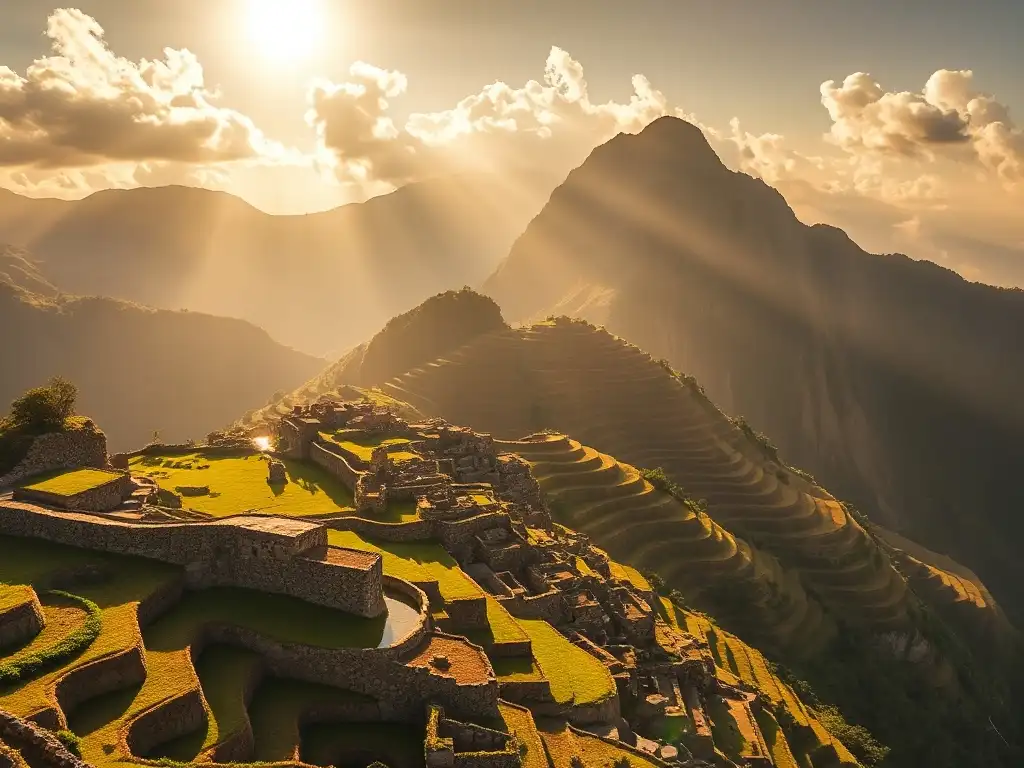
The Inca Empire, renowned for its sophisticated social structures and impressive architectural achievements, depended heavily on a robust and efficient water management system. Understanding the Inca's approach to irrigation is crucial to grasping the empire's economic prosperity, social stability, and overall power.
Their ability to harness and control water resources wasn't merely a feat of engineering; it was a cornerstone of their political and social organization, deeply intertwined with their worldview and religious beliefs. The sophisticated Inca irrigation systems, designed to overcome the challenges of the Andes' harsh environment, served as a powerful tool for consolidating control over vast territories and maintaining a large, productive population.
This intricate network of canals, aqueducts, and reservoirs speaks volumes about their advanced understanding of hydrology, their organizational capabilities, and their commitment to sustainable resource management. The impact of Inca irrigation systems extended far beyond mere agricultural production; it shaped the very fabric of Inca society.
The Arid Andean Landscape and the Need for Irrigation
The Andes Mountains present a formidable challenge for agriculture. The high altitude, steep slopes, and unpredictable rainfall create an arid and unforgiving environment. Many regions within the Inca Empire experienced significant variations in precipitation, with some areas receiving abundant rainfall during certain seasons while others faced prolonged droughts. This variability necessitated the development of sophisticated irrigation techniques to ensure a reliable water supply for crops.
The Inca weren't the first to practice irrigation in the Andes; earlier cultures, such as the Nazca and Moche, had already developed intricate systems. However, the Inca significantly expanded and refined these methods, creating a vast network that supported their sprawling empire. For example, the intricate canal systems along the Urubamba Valley, which provided water for the agricultural terraces surrounding Machu Picchu, demonstrate the scale and sophistication of their engineering prowess.
These systems weren't just simple ditches; they involved complex engineering solutions, including diverting rivers, building reservoirs, and constructing intricate networks of canals and channels to distribute water efficiently across diverse terrains. The need for irrigation was not just a practical necessity; it was a driving force behind the Inca's innovative engineering solutions and their ability to sustain a large population in a challenging environment. The success of their irrigation systems was directly linked to the empire's ability to produce surplus food, facilitating population growth and economic prosperity.
Water as a Vital Resource and a Symbol of Imperial Power
Beyond its practical applications, water held deep symbolic significance within Inca culture. It was viewed as a sacred resource, essential for life and closely tied to their religious beliefs. Control over water resources, therefore, translated into political and religious power. The Inca state actively managed and controlled the irrigation systems, ensuring equitable distribution of water among communities and reinforcing their authority.
This control extended beyond mere infrastructure management; it also encompassed the regulation of water usage, conflict resolution over water rights, and the maintenance of the complex infrastructure. The construction and maintenance of these impressive irrigation systems were often undertaken through mita, a form of labor tribute, which further strengthened the Inca's control over their subjects and provided a means of mobilizing labor for large-scale projects. The mita system, while demanding, ensured the continuous upkeep of the irrigation networks, demonstrating the importance placed on water management by the Inca leadership. The successful implementation of these large-scale projects not only boosted agricultural productivity but also served as a powerful symbol of the Inca Empire's might and organizational capabilities.
The ability to manage and control such a vital resource solidified the Inca's position as rulers and reinforced their legitimacy in the eyes of their subjects. The Inca irrigation systems were, therefore, much more than just engineering marvels; they were integral to the empire's political, social, and religious structures. They stand as a testament to the Inca's profound understanding of the relationship between water, power, and the very fabric of their society.
Inca Hydraulic Engineering: A Masterclass in Water Control
The Inca Empire, renowned for its sophisticated social and political organization, also demonstrated remarkable prowess in hydraulic engineering. Their mastery of water management was crucial to their agricultural success, enabling them to cultivate diverse crops across challenging Andean terrains. This sophisticated system, a testament to Inca ingenuity, wasn't merely about irrigation; it represented a complex interplay of engineering, social organization, and environmental understanding, all contributing to the empire's stability and prosperity.
The Inca irrigation systems were vital for the empire's food security and its overall success, showcasing a deep understanding of both hydrology and the environment. Understanding the intricacies of their water management techniques provides valuable insights into their advanced civilization.
Terraces and Agriculture: Maximizing Arable Land on Mountain Slopes
The steep slopes of the Andes presented a significant challenge to agriculture. The Inca ingeniously overcame this obstacle through the construction of extensive terrace systems. These weren't simply flat areas carved into hillsides; they were meticulously engineered agricultural platforms, often supported by retaining walls made of stone. These walls, built with precision and using dry-stone techniques, were not only structurally sound but also served to prevent soil erosion and regulate water flow.
The terraces themselves were carefully graded to create level surfaces, optimizing sunlight exposure and water distribution. This allowed the Incas to cultivate crops like maize, potatoes, and quinoa on land that would otherwise have been unusable. The scale of this undertaking was truly impressive, with some terraced areas covering vast expanses of mountainside. The effectiveness of the Inca approach to terracing is evident in the enduring legacy of these agricultural marvels, many of which remain visible today.
The meticulous planning and execution demonstrate a deep understanding of agricultural principles and a commitment to sustainable land management. Careful consideration of factors like sunlight, slope gradient, and soil type ensured optimal crop yields. Moreover, the terraces' construction created microclimates, further enhancing agricultural productivity.
Canals and Aqueducts: Transporting Water Across Varied Terrain
Beyond terracing, the Inca's mastery of water management extended to the construction of intricate canal and aqueduct systems. These networks, often carved into rock or built from stone, transported water over considerable distances, bridging valleys and traversing uneven terrain. The canals were designed with varying slopes to ensure a consistent water flow, and ingenious techniques were employed to deal with changes in elevation.
Siphons, channels that carried water over obstacles, were commonly used, and the Incas demonstrated a remarkable understanding of hydraulic principles in their design. The construction of these canals required immense labor and careful planning, reflecting the sophisticated organization of the Inca state. These systems were not only crucial for irrigation but also played a vital role in supplying water to urban centers and providing water for domestic use.
The precision and durability of these structures stand as a testament to Inca engineering skills and their understanding of water dynamics. The careful consideration of gradients and the use of durable materials ensured the long-term functionality of these critical water transport systems. [Specific details on canal lengths and water flow rates pending].
Reservoirs and Dams: Storing Water for Seasonal Use
The Inca irrigation systems also incorporated reservoirs and dams to store water for use during dry seasons. These structures, often built from stone and earth, were strategically located to collect rainwater and runoff. Their design took into account the local topography and rainfall patterns, ensuring efficient water storage and distribution. The reservoirs served as crucial buffers against seasonal variations in water availability, providing a reliable water supply for both agricultural and domestic purposes.
The construction of these reservoirs required a high level of engineering expertise, reflecting the sophisticated knowledge of the Inca engineers. The size and capacity of these reservoirs varied depending on local needs and conditions, demonstrating a pragmatic and adaptable approach to water management. The creation of these reservoirs and dams highlights the Inca’s understanding of water resource management and their ability to plan for long-term needs.
[Data on the size and capacity of specific Inca reservoirs pending]. This proactive approach to water storage guaranteed agricultural productivity and sustained the Inca civilization's economic and social stability. The careful planning and execution of these systems underscore the sophistication of Inca engineering and their profound understanding of environmental challenges.
Underground Channels and Water Diversion Techniques: Optimizing Water Distribution
The Inca mastery of water management extended beyond surface canals. Their sophisticated understanding of hydrology led them to develop intricate underground channel systems, often referred to as qanatos, for efficient water distribution and storage. These weren't simply tunnels; they were carefully planned networks, incorporating ingenious techniques to maximize water flow and minimize evaporation.
The construction involved extensive labor, requiring skilled engineers and laborers to excavate, support, and maintain these subterranean waterways. The precise methods used varied depending on the terrain and the availability of materials, but the core principle remained consistent: to bring water from distant sources to populated areas and agricultural fields with minimal loss.
Consider the challenges: navigating varied and sometimes treacherous terrain, ensuring a consistent water gradient for gravity-fed flow, and preventing collapses or leaks within the underground channels. The Incas overcame these obstacles by utilizing a combination of techniques. They employed skilled stonemasons to create precisely fitted stones, minimizing gaps and maximizing watertightness.
In areas prone to instability, they reinforced the channels with timber supports or strategically placed stones to prevent cave-ins. The gradient of the channels was carefully calculated to ensure a steady, controlled flow of water, avoiding both stagnant pools and excessively rapid currents. Regular maintenance was crucial; evidence suggests that the Incas had dedicated teams responsible for inspecting and repairing the qanatos to maintain their effectiveness.
The effectiveness of these underground channels is evident in the agricultural success of Inca society. By minimizing evaporation and protecting the water supply from contamination, the qanatos provided a reliable source of irrigation, even during periods of drought. The system’s ingenuity showcases the Incas' deep understanding of both engineering principles and the local environment.
Furthermore, the integration of these underground channels with surface canals and reservoirs demonstrates a comprehensive and integrated approach to water management, unlike anything seen in many contemporary societies. This sophisticated system wasn't just about practicality; it was a testament to their advanced knowledge of hydraulics and their commitment to efficient resource management, essential elements of their success as a civilization.
The precise locations and dimensions of many of these underground channels remain to be fully documented, but archaeological findings continue to reveal the extent of this remarkable feat of Inca engineering. The lasting impact of these systems serves as a powerful example of sustainable water management techniques applicable even today.
Types of Inca Irrigation Systems

The Inca Empire's mastery of Inca irrigation systems was crucial to its agricultural success and societal stability. Their sophisticated water management techniques allowed them to cultivate diverse crops across varied terrains, transforming arid landscapes into productive farmland. This wasn't a single, monolithic system, but rather a sophisticated portfolio of techniques adapted to local conditions. Understanding the diversity of these methods illuminates the ingenuity and planning involved in Inca agricultural engineering.
Gravity-Fed Irrigation: Utilizing Natural Slopes for Efficient Water Flow
Gravity-fed irrigation was a cornerstone of Inca agricultural practices. By skillfully harnessing the natural topography of the Andes, Inca engineers minimized the need for energy-intensive pumping mechanisms. This system relied on creating channels and canals that followed the contours of the land, using gravity to move water from higher elevations to lower-lying fields. The slope of the terrain dictated the flow rate, requiring careful planning and precise construction to ensure a consistent and adequate water supply.
The channels themselves were often lined with stones to prevent erosion and leakage, showcasing a remarkable understanding of hydraulic principles. The precision of their construction is evident in the remarkably well-preserved remnants found throughout the Andes even today. For example, the canals near Cusco demonstrate an astonishing accuracy in gradient, facilitating a steady and predictable flow of water to the agricultural plots.
This wasn't simply a matter of digging ditches; it was a carefully calculated engineering feat, reflecting an advanced understanding of surveying and hydraulics. The system's efficiency reduced labor costs and water waste, contributing significantly to the empire's agricultural productivity. Moreover, this method was remarkably adaptable, capable of serving small plots as well as large-scale agricultural projects.
Diversion Irrigation: Redirecting Rivers and Streams to Farmlands
In areas where rivers or streams flowed near agricultural lands, Inca engineers employed diversion irrigation. This involved constructing canals and channels to divert water from its natural course and redirect it towards the fields. This required a deep understanding of hydrology and the ability to predict water flow patterns, particularly during periods of both high and low rainfall. These diversions were not simple cuts in the riverbank; they were often sophisticated engineering works involving carefully constructed structures to regulate the flow of water and prevent erosion.
The scale of some of these diversion projects was immense. Some canals stretched for kilometers, traversing challenging terrain and bridging ravines. This required a highly organized workforce and a sophisticated understanding of engineering principles, including the use of aqueducts and tunnels to overcome obstacles.
The successful implementation of diversion irrigation highlights the Inca's capacity for large-scale, coordinated projects. The maintenance of these systems would have been a significant undertaking, requiring ongoing monitoring and repair, demonstrating a commitment to long-term agricultural sustainability. Evidence suggests a clear hierarchy in water distribution, with larger canals feeding into smaller ones, prioritizing water access to various agricultural areas.
Flood Irrigation: Controlled Inundation for Soil Enrichment and Crop Growth
Flood irrigation, while seemingly simple, represented a sophisticated approach to soil management and crop cultivation within the Inca irrigation systems. This method involved periodically flooding fields with water, allowing the water to soak into the soil and deposit nutrient-rich sediment. This process enriched the soil, improving its fertility and boosting crop yields. However, the success of this method depended on careful control of the water flow to prevent damage to crops or soil erosion. The Incas achieved this control through a network of carefully designed channels, weirs, and spillways that regulated the amount and duration of flooding.
The timing of the flooding was crucial, often coinciding with specific stages of crop growth. This required a detailed understanding of the agricultural calendar and the needs of different crops. This method was particularly effective in the fertile valleys where the Inca Empire flourished.
Furthermore, the controlled inundation also helped to control pests and weeds, contributing to healthier and more productive crops. While seemingly less complex than other Inca irrigation techniques, flood irrigation demonstrates an understanding of ecological principles and a commitment to sustainable agricultural practices. The careful management of water resources, even in this seemingly straightforward approach, speaks volumes about the Inca's advanced understanding of agriculture and water management.
Spring and Groundwater Irrigation: Tapping into Natural Water Sources
Inca engineers skillfully harnessed readily available water sources, primarily springs and groundwater, to supplement their sophisticated canal systems. This approach wasn't simply a backup plan; it was a crucial element of their overall water management strategy, demonstrating a deep understanding of local hydrology. Identifying and utilizing springs was a key aspect of their agricultural planning.
Settlements were often strategically located near reliable springs, ensuring a consistent water supply even during periods of lower rainfall. These springs weren't just passively used; the Incas meticulously channeled the water flow using carefully constructed stone conduits and aqueducts, guiding the water to precisely where it was needed in the fields. This minimized water loss and maximized efficiency.
The utilization of groundwater was equally impressive, showcasing a remarkable understanding of subsurface water flow. While the exact techniques employed remain a subject of ongoing research, archaeological evidence suggests the Incas dug wells and constructed subterranean channels to access groundwater reserves. These systems provided a crucial safety net during dry seasons or periods of drought, ensuring a reliable water supply even when surface water sources were depleted.
The depth and complexity of these underground systems varied depending on the local geology and the water table's depth. In some regions, these systems were remarkably extensive, indicating considerable engineering expertise and a sophisticated understanding of hydrogeology. The ability to tap into groundwater resources not only ensured agricultural productivity but also contributed to the overall resilience and sustainability of Inca settlements.
The strategic combination of surface and subsurface water management is a testament to the Incas' innovative and adaptable approach to irrigation. This integrated system, combining spring and groundwater irrigation with their more famous canal systems, ensured agricultural success across diverse environments.
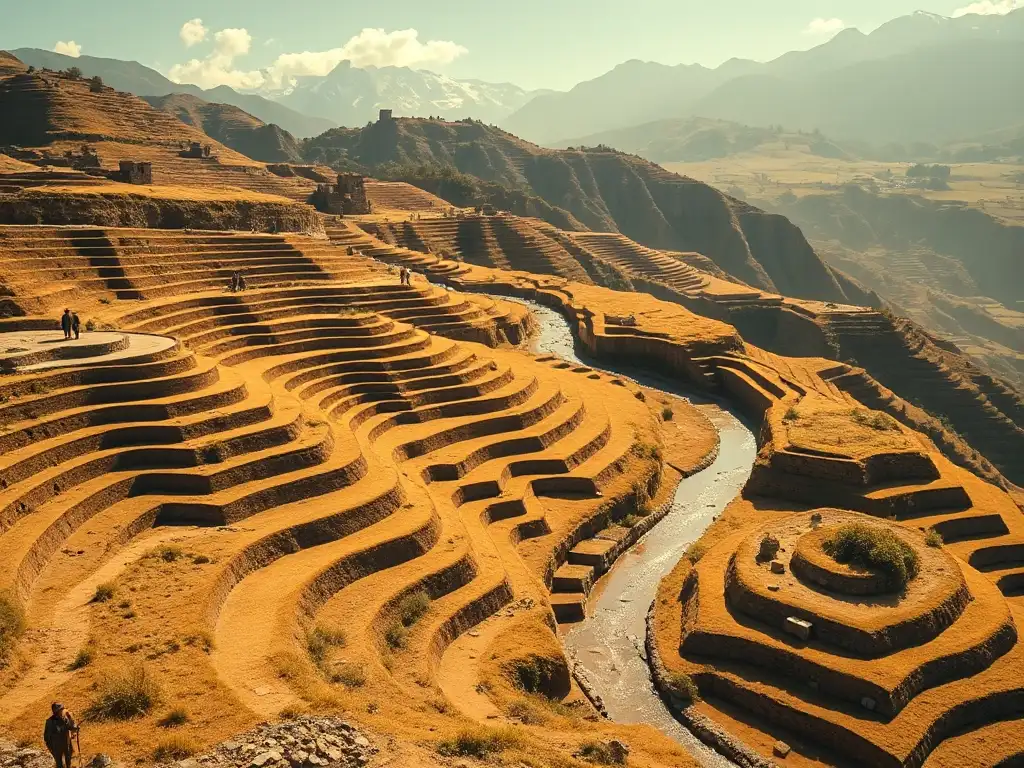
The success of Inca irrigation systems wasn't solely dependent on engineering prowess; it was intricately woven into the fabric of Inca society. A complex interplay of community participation, state regulation, and specialized labor ensured the efficient management and maintenance of these vital water networks. Understanding this social organization is crucial to appreciating the true scale and impact of Inca irrigation on their agricultural productivity and societal stability.
The sophisticated system of water management mirrored the hierarchical structure of the Inca Empire itself, with responsibilities clearly defined and enforced at every level. The keyword "Inca irrigation systems" is intrinsically linked to this social structure, as the systems wouldn't have functioned without it.
Community Labor and the System of Mit'a
The mit'a, a system of mandatory labor service, was fundamental to the construction and upkeep of Inca irrigation infrastructure. While often associated with mining and other large-scale projects, the mit'a played a crucial role in the agricultural sector, particularly in irrigation. Communities were assigned tasks based on their proximity to the canals and their agricultural needs.
This could involve anything from digging and maintaining canals, clearing debris, repairing breaches, to constructing new sections of the irrigation network. The labor wasn't entirely without reward; participation in the mit'a contributed to the collective well-being of the community, ensuring access to vital water resources for their crops. Records detailing the specific allocation of mit'a labor to irrigation projects are unfortunately scarce, but archaeological evidence strongly suggests its widespread implementation.
We can infer from the scale of the projects that considerable manpower was needed, underlining the importance of the mit'a system in Inca irrigation. Furthermore, the system fostered a sense of communal responsibility towards the shared water resources, contributing to their long-term sustainability.
The Role of the Inca State in Irrigation Infrastructure and Regulation
The Inca state exerted significant control over the planning, construction, and maintenance of irrigation systems. This centralized approach ensured a degree of standardization and efficiency across the empire, facilitating the large-scale agricultural production that underpinned Inca power. Central planners, likely utilizing sophisticated surveying techniques, designed the elaborate networks of canals and aqueducts that crisscrossed the Andean landscape.
The state also provided the necessary resources, including tools, materials, and skilled labor, often supplementing the community-based mit'a contributions. Beyond construction, the Inca state played a crucial role in regulating water distribution, ensuring fair access for all communities within the empire. This involved establishing clear guidelines for water usage, resolving disputes between communities, and implementing penalties for misuse or damage to irrigation infrastructure.
The state's active involvement in the management of Inca irrigation systems highlights its commitment to agricultural productivity and social stability, both central pillars of the Inca Empire. This centralized control ensured that water resources were utilized effectively, maximizing agricultural yields and minimizing conflicts.
Irrigation Officials and Their Responsibilities in Water Distribution
The effective functioning of Inca irrigation systems relied on a specialized bureaucracy responsible for overseeing water distribution and resolving conflicts related to water access. These officials, likely drawn from the ranks of the nobility or appointed based on their expertise, held significant power and influence within their respective regions. Their responsibilities included monitoring water levels, ensuring the equitable distribution of water among communities, maintaining the integrity of the irrigation canals, and addressing any disputes arising from water scarcity or overuse.
While specific titles and hierarchical structures varied across different regions of the empire, the presence of such officials is evidenced by archaeological findings and ethnohistorical accounts. For example, [specific information pending] regarding the organization and responsibilities of irrigation officials in various Inca provinces. The existence of these specialized officials demonstrates the Inca's sophisticated understanding of water management and their commitment to resolving potential conflicts related to this crucial resource.
This highlights the importance of efficient administration in maintaining the complex Inca irrigation systems. The roles of these individuals were crucial to the long-term sustainability and social harmony within the Inca Empire.
Case Studies of Notable Inca Irrigation Projects
This section delves into specific examples of Inca irrigation systems, showcasing the ingenuity and scale of their water management techniques. These projects weren't merely functional; they were integral to the Inca's social, economic, and religious life, demonstrating a sophisticated understanding of hydrology and landscape manipulation. The Inca's mastery of Inca irrigation systems allowed them to cultivate diverse crops across varied terrains, contributing significantly to the empire's stability and prosperity.
Tipón: A Showcase of Inca Water Engineering and Landscape Integration
Tipón, located near Cusco, is a breathtaking example of Inca water management integrating seamlessly with the surrounding landscape. The site boasts a remarkable network of canals, aqueducts, and fountains, all meticulously engineered to distribute water efficiently across terraced agricultural fields. The system's ingenuity lies not just in its scale but in its ability to harness gravity and manipulate water flow to irrigate different levels of the terraces. The water, channeled from a distant spring high in the Andes, cascades down a series of carefully constructed channels, creating a visually stunning and functionally effective irrigation system.
The precision of the stonework in the canals is remarkable, showcasing the Inca's advanced understanding of hydraulic engineering. The channels are lined with precisely fitted stones, minimizing water loss through seepage. Furthermore, the integration of the irrigation system with the landscape is aesthetically pleasing, blending seamlessly with the natural contours of the terrain.
This suggests that the design considered not just functionality but also aesthetics and harmony with the environment. The system's longevity, with parts still functional today, is a testament to the durability and foresight of Inca engineering. The Tipón irrigation system stands as a powerful symbol of Inca ingenuity and their deep connection to the land.
Moray: Agricultural Experimentation and Circular Terraced Fields
Moray, also near Cusco, presents a unique and intriguing example of Inca agricultural innovation. Unlike the linear terraces found in many other Inca sites, Moray features a series of concentric circular terraces. These terraces, descending in a spiral pattern, create a microclimate gradient, with temperature variations between the top and bottom levels potentially reaching as much as 15°C. This unique design is believed to have been used by the Inca for agricultural experimentation, allowing them to test the suitability of different crops to various altitudes and climates.
The Inca irrigation systems at Moray were crucial to this experimentation. Water was channeled to each terrace level, allowing the Inca to control the moisture levels and create optimal growing conditions for a wide range of crops. Evidence suggests that the Inca cultivated a variety of crops at Moray, including potatoes, maize, and quinoa, highlighting their sophisticated understanding of agriculture and their ability to adapt their farming techniques to diverse environmental conditions.
The site serves as a compelling illustration of the Inca's commitment to agricultural research and development, a crucial factor in the empire's success. The circular terraces at Moray are not only a striking visual spectacle but also a testament to the Inca's advanced agricultural knowledge and their innovative approach to water management.
Ollantaytambo: Complex Irrigation Network and Agricultural Terraces
Ollantaytambo, a significant Inca site in the Sacred Valley, is known for its impressive agricultural terraces that climb the steep mountain slopes. These terraces, supported by sophisticated retaining walls, are irrigated by a complex network of canals and channels. The Inca irrigation systems at Ollantaytambo are particularly remarkable due to the challenging terrain and the ingenuity required to bring water to the higher elevations.
The Inca engineers employed a combination of techniques, including gravity-fed canals, aqueducts, and strategically placed water distribution points, to ensure that water reached all parts of the terraced fields. The system's complexity and efficiency are a testament to their deep understanding of hydraulic engineering principles. The precise construction of the canals and the integration of the irrigation system with the agricultural terraces are impressive feats of engineering, showcasing the Inca's ability to adapt their techniques to challenging environments.
The Ollantaytambo irrigation system demonstrates the scale and sophistication of Inca water management, contributing significantly to the agricultural productivity of the region. The system's survival, at least in part, for centuries is a testament to the Inca's engineering prowess and their understanding of sustainable water resource management.
Coporaque: Advanced Water Management in a Highland Environment

Coporaque, a high-altitude community in the Colca Valley of Peru, stands as a testament to the Inca's mastery of irrigation in challenging terrains. Situated at a significant elevation, the valley presented unique obstacles—steep slopes, unpredictable rainfall, and the ever-present threat of frost. Yet, the Inca engineers overcame these challenges with a sophisticated system of canals, channels, and reservoirs that allowed for sustainable agriculture in this harsh environment. The ingenuity of their design is particularly evident in the way they harnessed the limited water resources available, skillfully diverting water from meltwater streams and strategically managing its flow across the uneven landscape.
This wasn't simply a matter of digging ditches; it involved a deep understanding of hydrology, topography, and the specific needs of the crops cultivated in the region. The system's effectiveness is highlighted by the fact that remnants of these Inca irrigation works are still visible today, a silent tribute to their remarkable engineering skills. Archaeological evidence suggests a complex network of canals meticulously constructed to optimize water distribution, minimizing water loss through evaporation and ensuring equitable access for the entire community. The terraces carved into the mountain slopes further demonstrate their understanding of water conservation and soil management, allowing for efficient farming on steep inclines.
The Coporaque system exemplifies the Inca's ability to adapt their irrigation techniques to diverse geographical contexts, showcasing their practical knowledge and innovative solutions in the face of environmental limitations. Their success in Coporaque underscores the critical role of irrigation in supporting the Inca Empire's vast agricultural production, even in regions considered marginal by modern standards. The system's longevity, even after centuries of neglect, is a further testament to its robust design and the Inca's profound understanding of water management principles.
Warivilca: A Multi-Tiered System of Canals and Reservoirs
The Warivilca irrigation system, situated in the Cusco region of Peru, represents another fascinating example of Inca engineering prowess. Unlike the relatively straightforward systems found in some areas, Warivilca showcases a multi-tiered approach, utilizing a complex network of canals and reservoirs spread across varying elevations. This layered system allowed for the efficient distribution of water across diverse agricultural terrains, catering to different crops with varying water requirements. The Inca engineers cleverly incorporated gravity into their design, allowing water to flow naturally from higher-elevation sources to lower-lying fields, minimizing the need for extensive pumping or other energy-intensive methods.
This sophisticated understanding of hydraulics speaks volumes about their advanced knowledge of fluid mechanics and their ability to manipulate the natural landscape to their advantage. The presence of multiple reservoirs within the system further demonstrates their capacity for water storage and management, enabling them to cope with seasonal variations in water availability and mitigate the risk of droughts. Archaeological studies have revealed the use of sophisticated techniques, such as the construction of carefully graded canals to maintain a consistent water flow and the use of strategically placed spillways to prevent flooding. The integration of these features into a single, cohesive system highlights the meticulous planning and execution that characterized Inca irrigation projects.
The Warivilca system is a compelling illustration of the Inca's ability to create complex, yet remarkably efficient, irrigation networks that could support a large and thriving population. The system's complexity and effectiveness serves as a powerful symbol of Inca ingenuity and their commitment to agricultural productivity. Further research on the Warivilca system could provide invaluable insights into Inca hydraulic engineering practices and their societal impact.
The Legacy of Inca Irrigation Systems
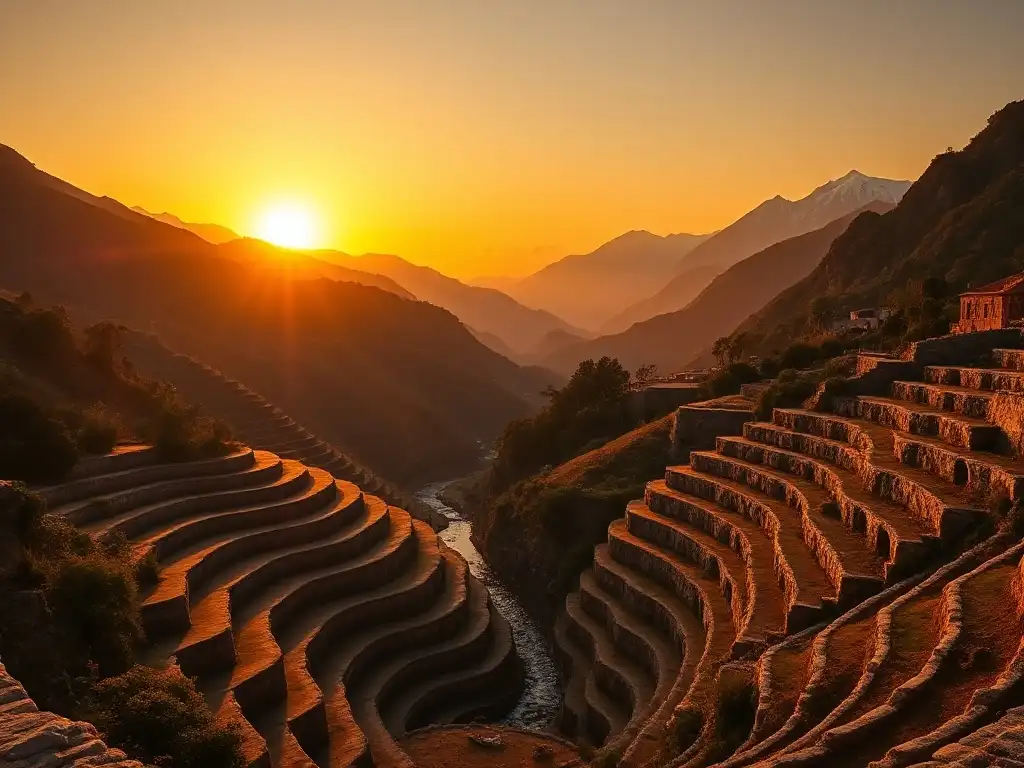
The Inca Empire's sophisticated irrigation systems stand as a testament to their engineering prowess and their understanding of sustainable resource management. These weren't merely canals; they were complex networks carefully designed to harness water from diverse sources, distribute it efficiently across vast agricultural lands, and ensure the survival of a large and densely populated empire.
The ingenuity behind Inca irrigation techniques, employing gravity-fed channels, sophisticated water diversion structures, and ingenious storage systems, continues to inspire awe and wonder. Understanding the legacy of Inca irrigation systems requires examining their lasting impacts on agricultural productivity, their influence on modern practices, and the lessons we can glean from their sustainable approach.
Impact on Agricultural Productivity and the Sustenance of the Inca Population
The Inca irrigation systems were instrumental in supporting a large and thriving population. By controlling water access, the Inca dramatically increased agricultural productivity, allowing them to cultivate diverse crops in varied terrains. This wasn't just about quantity; it was about control. The ability to irrigate lands previously unsuitable for farming expanded arable land significantly.
This, in turn, supported a surplus of food, which was crucial for feeding the population, sustaining the army, and facilitating the empire's expansion. Precise data on the exact increase in agricultural yields is difficult to obtain due to the limitations of historical records, but archaeological evidence suggests a substantial improvement. For example, the terraced fields along the steep Andean slopes, made possible by the irrigation channels, allowed for the cultivation of crops that would otherwise have been impossible. This efficient system minimized water waste and maximized crop yields, contributing to the empire's economic and political stability.
The system's success is reflected in the impressive population density supported by Inca agriculture, a testament to the effective implementation of their irrigation techniques. Historians and archaeologists continue to unearth further evidence of the profound impact of Inca irrigation on the empire's sustenance. The scale of these projects, particularly when considering the available technology of the time, remains impressive.
Influence on Modern Water Management Practices in Andean Agriculture
Even centuries later, the principles behind Inca irrigation systems continue to influence modern water management practices in the Andes. Farmers in the region still utilize many of the same techniques, adapting them to modern needs and challenges. The ingenuity of the Inca's gravity-fed channels, for instance, remains a highly efficient and sustainable method for water distribution, especially in areas with limited access to modern technologies.
Furthermore, many contemporary irrigation projects draw inspiration from Inca techniques, particularly in the design of terraces and water diversion structures. These traditional methods often prove more resilient to climate change and less energy-intensive than modern alternatives. Interestingly, there's a growing resurgence of interest in traditional Andean farming techniques, including water management strategies derived from Inca practices, as a response to concerns about climate change and water scarcity.
The resilience and adaptability of these ancient systems offer valuable lessons for sustainable water management in a changing world. Ongoing research explores the applicability of Inca irrigation principles to address current challenges in water resource management, highlighting the enduring relevance of Inca engineering.
Lessons Learned from Inca Engineering Innovation and Sustainable Practices
The Inca irrigation systems offer valuable lessons in sustainable engineering and resource management. Their approach prioritized efficiency, minimizing waste and maximizing the use of available resources. This contrasts sharply with many modern approaches, which often prioritize short-term gains over long-term sustainability. The Inca’s understanding of local hydrology and their ability to adapt their techniques to varying environments are particularly noteworthy.
They didn't impose a one-size-fits-all solution but rather tailored their designs to the specific characteristics of each region. This adaptability, combined with their emphasis on community involvement in the construction and maintenance of the systems, contributed to their long-term success. Moreover, the Inca’s integrated approach, combining irrigation with terracing and other agricultural innovations, created a resilient and productive agricultural system capable of supporting a large population.
Studying their methods offers valuable insights for modern engineers and policymakers seeking sustainable solutions to water management challenges, especially in regions facing increasing water scarcity and climate change impacts. The enduring legacy of Inca irrigation is not simply a historical curiosity; it's a valuable resource for building a more sustainable future. The emphasis on community participation and long-term sustainability remains highly relevant in today's context.
Conclusion: The Ingenuity of Inca Water Control
The Inca Empire's mastery of water management, particularly through their sophisticated irrigation systems, stands as a remarkable achievement in ancient engineering. Their success wasn't solely based on technical skill; it was a testament to their deep understanding of their environment, their sophisticated social organization, and their capacity for large-scale collaborative projects.
The Inca irrigation systems weren't simply a means of agricultural production; they were integral to the empire's political and economic power, facilitating population growth, food security, and social stability. The intricate network of canals, aqueducts, and reservoirs not only provided water for crops but also shaped the very landscape of the Andes, demonstrating an impressive level of environmental manipulation and control.
Analyzing these systems reveals not only the impressive technological capabilities of the Inca but also their profound understanding of hydrology and sustainable resource management. This knowledge, passed down through generations, allowed them to thrive in a challenging environment and build a powerful empire.
The Enduring Relevance of Inca Irrigation Systems in Modern Times
Even today, remnants of Inca irrigation systems continue to inspire and inform modern agricultural practices. The principles of water conservation and efficient distribution employed by the Inca are highly relevant in the face of contemporary challenges such as climate change and water scarcity. Studies of Inca agricultural techniques, including their sophisticated understanding of terracing and water channeling, offer valuable insights for sustainable agriculture in mountainous regions.
Researchers are actively studying the Inca's innovative approaches to water management to develop more efficient and environmentally friendly irrigation solutions for modern farming. The ingenuity of the Inca in creating resilient and adaptable water systems provides a blueprint for designing sustainable agricultural practices that can withstand environmental pressures and ensure food security for growing populations. Their legacy continues to shape our approach to water resource management, proving the enduring value of ancient knowledge and techniques.
A Testament to Inca Engineering Prowess and Environmental Adaptation
The Inca irrigation systems are not merely impressive feats of engineering; they represent a sophisticated integration of technology and environmental adaptation. The Inca meticulously surveyed the terrain, carefully selecting locations for canals and reservoirs based on topography, water availability, and soil conditions. They skillfully used materials readily available in their environment, like stone and clay, to construct durable and efficient infrastructure.
Their mastery of hydraulic engineering is evident in the precision and functionality of their canals, which were often built on steep slopes and across challenging terrain. Furthermore, the systems were not static; they were adapted and modified over time to respond to changing environmental conditions and agricultural needs, showcasing a remarkable flexibility and resilience. The Inca's ability to create such sophisticated and adaptable systems highlights their deep understanding of their environment and their capacity to integrate technology with ecological principles.
This understanding of the interconnectedness between technology and environment remains a valuable lesson for modern engineering and sustainable development. The ingenuity of the Inca irrigation systems serves as a powerful reminder of human adaptability and the enduring power of collaboration in addressing environmental challenges.
Frequently Asked Questions
What were Inca irrigation systems?
Inca irrigation systems were complex networks of canals, ditches, and aqueducts used to divert water from rivers and streams to agricultural lands. These systems were vital for sustaining their large population and empire.
How did the Inca build their irrigation systems?
The Inca employed sophisticated engineering techniques, including terracing and sophisticated water management strategies to build their irrigation systems. They used stone tools and human labor on a massive scale.
Why were Inca irrigation systems important?
Inca irrigation systems were crucial for supporting intensive agriculture in diverse terrains. They enabled the Inca to cultivate crops at high altitudes and in arid regions, ensuring food security.
What materials did the Inca use to build their irrigation systems?
The Inca primarily used stone and earth to construct their irrigation systems. They also employed channels lined with clay or plaster to prevent water leakage.
What happened to Inca irrigation systems after the Spanish conquest?
Following the Spanish conquest, many Inca irrigation systems fell into disrepair. However, some aspects of their innovative techniques continue to influence modern irrigation practices in the Andes.
Final Reflection: The Enduring Legacy of Inca Ingenuity
The intricate water management systems of the Inca remain a testament to their advanced engineering prowess, a feat of human ingenuity that continues to inspire awe and offer valuable lessons for sustainable practices in the face of modern challenges. Their sophisticated understanding of hydrology and their ability to harness scarce resources in such a demanding environment serves as a powerful example of human adaptation and resilience, a lesson particularly pertinent in our era of climate change and resource scarcity.
The impact of Inca irrigation extends far beyond the impressive archaeological remains; it echoes in the cultural landscape of the Andes, shaping agricultural practices and community structures to this day. Their innovative techniques, passed down through generations, continue to influence how communities interact with their environment. The Inca were not just builders of empires, but architects of sustainable landscapes, demonstrating a deep understanding of the delicate balance between human needs and ecological harmony.
This understanding, often overlooked in modern approaches to development, holds crucial lessons for us as we grapple with the consequences of unsustainable practices.
Consider the ingenuity of the Inca, their meticulous planning, and their deep respect for the land. You too can cultivate a deeper appreciation for sustainable resource management. Reflect on your own relationship with water and the environment. What steps can you take, in your daily life, to emulate the Inca's wisdom and contribute to a more sustainable future? Let the legacy of their remarkable irrigation systems inspire you to act, to conserve, and to build a world where ingenuity and environmental stewardship go hand in hand.
Unveil the Secrets of Inca Engineering!
Thank you for exploring the remarkable world of Inca irrigation with us! You've learned about their ingenious methods of water and land management—now it's time to apply that knowledge. Understanding these ancient techniques allows you to appreciate the Inca civilization's achievements and consider how we can adapt these principles for modern challenges.
Here's how you can continue your exploration of this fascinating topic:
- Dive Deeper: Research modern water conservation methods inspired by ancient techniques. Discover how you can implement sustainable practices in your own life or community.
- Engage with Others: Join online forums or community groups focused on sustainable agriculture and irrigation. Share your knowledge and learn from others passionate about preserving these invaluable techniques.
- Plan a Visit: Consider visiting sites in Peru or other parts of South America that showcase Inca agricultural systems. Experiencing these landscapes firsthand will deepen your understanding and appreciation.
What aspect of Inca irrigation most captivated you, and how do you see its principles being applied in the modern world?