
The Pulse of the Andes: Exploring the Energy of Local Craft Markets

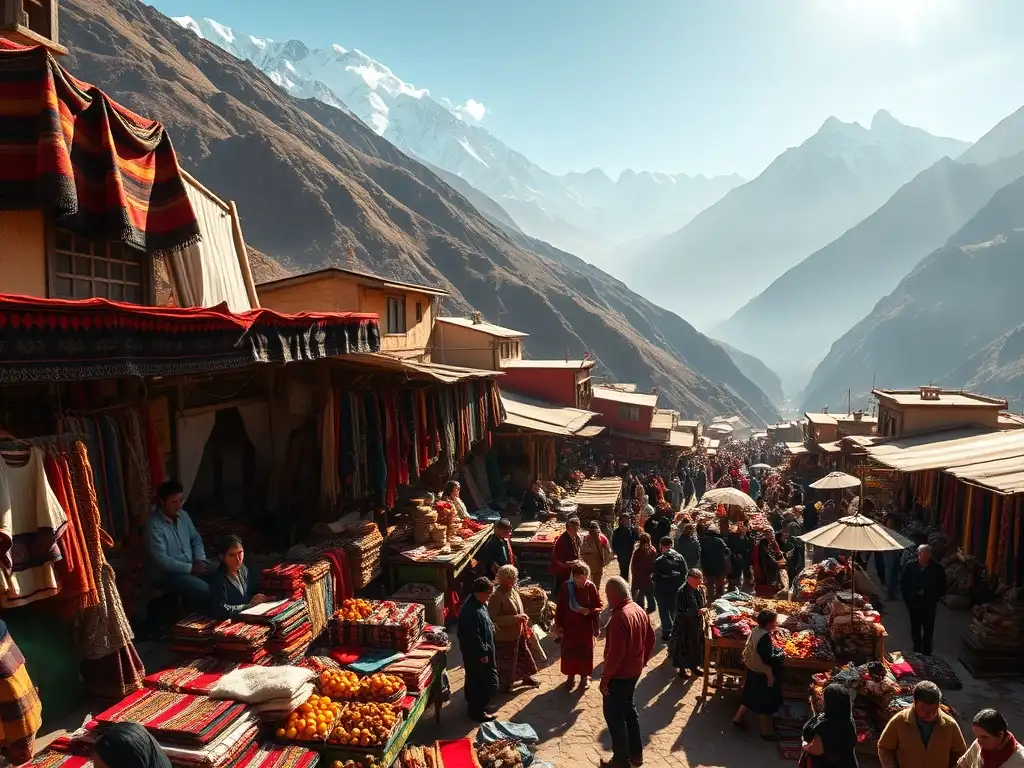
Step into a world lost to time, yet vibrantly alive. Imagine the bustling energy of Andean craft markets, echoing with the whispers of ancient civilizations. From the intricate artistry of the Incas to the enigmatic designs of the Nazca, discover the pulse of the Andes – a legacy woven into every thread, every carving, every breathtaking piece of history. Unravel the secrets behind the Andean craft market energy and prepare to be amazed. Let's explore...
The Andes Mountains, a spine of earth stretching along the western edge of South America, are not just a geographical feature; they are the heartbeat of a rich tapestry of cultures. For millennia, ingenious civilizations have thrived in this challenging yet rewarding landscape, leaving behind a legacy that continues to resonate today.
This legacy is palpable in the vibrant energy of Andean craft markets, places where ancient traditions meet modern artistry, creating a unique and unforgettable experience. This article delves into the captivating atmosphere of these markets, exploring the cultural significance of Andean handicrafts and the dynamic interplay between artisans, their creations, and the visitors who seek them out.
We'll explore what makes the energy of these markets so unique, focusing on the tangible and intangible elements that contribute to their vibrant atmosphere, and ultimately, how these markets contribute to the preservation of Andean cultural heritage. Understanding the "Andean craft market energy" requires appreciating the intricate connections between the past, present, and future of Andean civilization.
Discovering the Vibrant Soul of Andean Craft Markets
Stepping into an Andean craft market is like stepping back in time while simultaneously being thrust into the heart of a living, breathing culture. The air hums with a palpable energy – a blend of the rhythmic sounds of weaving looms, the hushed conversations of artisans, the excited chatter of bartering customers, and the vibrant colors of textiles, ceramics, and jewelry. It's a sensory experience that engages all your senses.
The aroma of natural dyes, the textures of hand-spun wool and intricately carved wood, the melodies of traditional Andean music subtly playing in the background—all contribute to this unique atmosphere. More than just a place to buy souvenirs, these markets are living museums, showcasing the skills and artistry passed down through generations. The artisans themselves are integral to this energy; their pride in their craft, their dedication to their traditions, and their willingness to share their knowledge with visitors are key components of the overall experience.
Many markets are located in picturesque settings, further enhancing the magical ambiance. The bustling activity, the genuine interactions, and the vibrant colors create an unforgettable sensory experience that truly captures the essence of Andean culture.
The Significance of Andean Handicrafts: More Than Just Beautiful Objects
Andean handicrafts are not merely decorative items; they are imbued with deep cultural and spiritual significance. Each piece tells a story, reflecting the beliefs, traditions, and history of the Andean people. For example, the intricate designs woven into textiles often depict mythical creatures, celestial events, or historical narratives.
Ceramics, frequently adorned with vibrant colors and symbolic imagery, may represent deities, ancestral figures, or scenes from daily life. The materials themselves—alpaca wool, vicuña fiber, clay, wood—are often sourced locally, highlighting the close relationship between the artisans and their environment. The creation of these handicrafts is often a communal activity, with knowledge and skills passed down within families and communities for generations.
This collective effort reinforces the social fabric of Andean society and contributes to the preservation of cultural heritage. Understanding this deeper meaning enhances the appreciation of these beautiful objects and the energy surrounding them in the craft markets. The intricate details, the symbolism, and the stories embedded within each piece elevate the experience beyond simple commerce.
Andean craft markets play a crucial role in the economic and social well-being of Andean communities. They provide a vital platform for artisans to sell their creations directly to consumers, bypassing intermediaries and receiving a fairer price for their work. This direct-to-consumer model empowers artisans, allowing them to maintain their livelihoods and sustain their traditions.
Moreover, these markets serve as important social hubs, fostering a sense of community and shared identity. Artisans often gather together, exchanging ideas, sharing techniques, and supporting each other. The markets also provide opportunities for cultural exchange, allowing visitors to interact with artisans and learn about their craft, fostering intercultural understanding and respect.
The economic impact extends beyond the artisans themselves, benefiting the wider community through increased tourism and related economic activities. The sustainable development of these markets is therefore crucial for the preservation of both cultural heritage and economic stability in the Andes. [Specific data on economic impact pending]
Experiencing the Energy: Tips for Visiting Andean Craft Markets
To fully immerse yourself in the energy of an Andean craft market, it's important to approach it with respect and an open mind. Engage with the artisans, ask questions about their craft, and appreciate the time and effort that goes into each piece. Be mindful of bartering customs, and always treat the artisans and their work with respect. Take your time to explore the market, allowing yourself to be captivated by the vibrant colors, textures, and sounds.
Remember that these markets are not just places to shop; they are living expressions of Andean culture. By engaging respectfully and thoughtfully, you contribute to the sustainability of these vibrant spaces and support the preservation of a rich cultural heritage. Remember to support ethical and sustainable practices, ensuring that your purchases contribute to the well-being of the artisans and their communities. [Specific tips and examples of ethical purchasing pending]
- Discovering the Vibrant Soul of Andean Craft Markets
- The Significance of Andean Handicrafts: More Than Just Beautiful Objects
- The Economic and Social Impact of Andean Craft Markets
- Experiencing the Energy: Tips for Visiting Andean Craft Markets
- What is the "energy" referred to in the article title, "The Pulse of the Andes: Exploring the Energy of Local Craft Markets"?
- How do Andean craft markets reflect the history and culture of the region?
- What kinds of crafts can one typically find in Andean craft markets?
- Are Andean craft markets sustainable and ethically sourced?
- Where can I find more information about visiting Andean craft markets?
Understanding the Essence of Andean Craft Market Energy
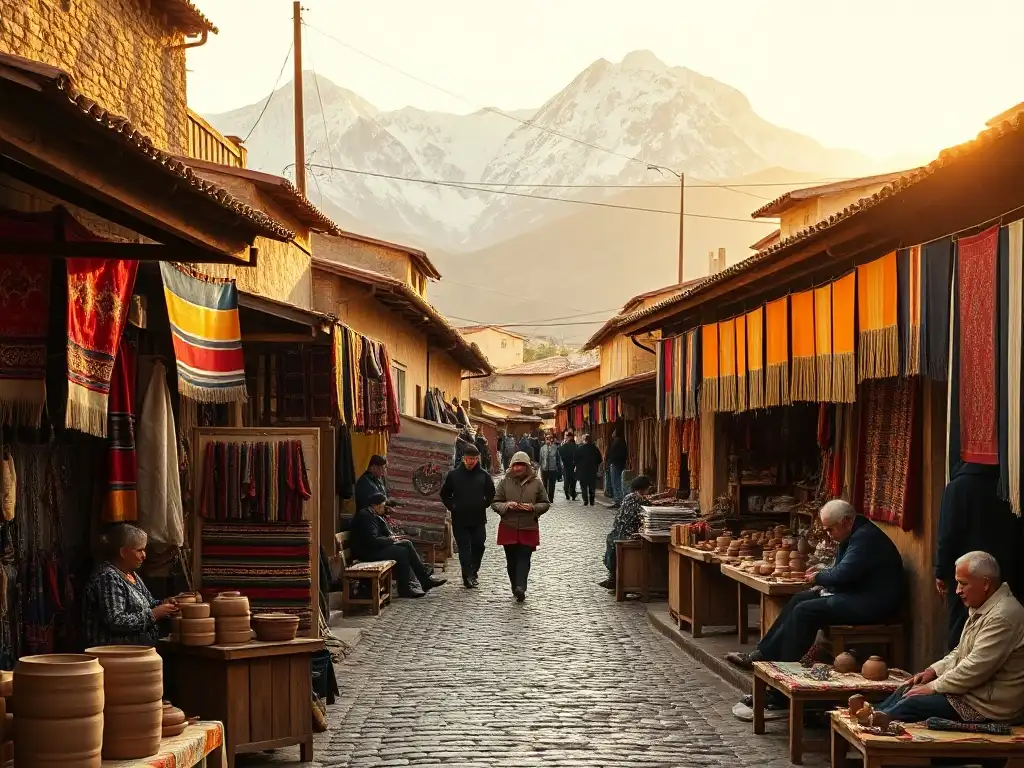
The phrase "Andean craft market energy" encapsulates a palpable, almost spiritual, atmosphere found in the bustling marketplaces of the Andes. It's more than just the vibrant colors and diverse goods; it's a complex interplay of history, culture, and human interaction that creates a truly unique experience. This energy is a powerful draw for tourists and researchers alike, offering a glimpse into the heart of Andean communities and their enduring traditions. Understanding this energy requires delving into the specific elements that contribute to its unique character.
It's a feeling that resonates deeply, leaving a lasting impression long after the market visit concludes. The intensity of this experience varies from market to market, influenced by factors such as location, size, and the specific communities involved. However, certain common threads weave through the tapestry of Andean market energy, providing a framework for understanding this captivating phenomenon.
The Unique Vibrations of Andean Artisanal Spaces
The atmosphere of an Andean craft market is far from sterile. It’s a sensory overload in the best possible way. The air hums with the sounds of bartering in Quechua or Spanish, the rhythmic clang of a blacksmith's hammer, the gentle weaving of textiles, and the lively chatter of vendors and customers alike. The visual spectacle is equally captivating: a riot of color from intricately woven textiles, brightly painted ceramics, and gleaming silver jewelry.
The smells are equally potent – the earthy scent of alpaca wool, the sweet aroma of freshly baked bread, and the subtle spice of local herbs. This multi-sensory experience is crucial to the overall energy; it's an immersive encounter that engages all the senses, creating a powerful and memorable experience. Furthermore, the physical layout of many markets often contributes to the atmosphere. Markets often spill out into plazas or along cobblestone streets, creating a sense of organic growth and community.
The arrangement of stalls, often clustered by craft type, further enhances the visual impact and creates a sense of place. The energy is infectious; the enthusiasm of the artisans is palpable, creating a positive feedback loop that elevates the overall experience. Even the sunlight, filtering through the high Andean air, seems to contribute to the unique ambiance.
What Fuels the Unique "Andean Market Vibe"?
Several key factors contribute to the distinctive "Andean market vibe." Firstly, the deep-rooted cultural significance of craft production is paramount. For many Andean communities, crafting isn't merely a means of income; it's a deeply ingrained tradition passed down through generations. This heritage imbues the crafts with a spiritual significance that transcends mere commercial value. Secondly, the direct interaction between artisans and buyers is central to the experience.
Unlike mass-produced goods, Andean handicrafts often carry the personal touch of the creator, fostering a connection between the maker and the consumer. This personal interaction is a significant element of the market's energy, providing an opportunity for cultural exchange and a deeper understanding of the craft's origins. Thirdly, the social aspect of the market is vital. These markets are often central community hubs, places where people gather, socialize, and share news.
This social interaction adds to the lively atmosphere, creating a dynamic and engaging environment. Finally, the sheer diversity of goods on offer contributes significantly to the market's vibrancy. From intricately detailed silver jewelry to vibrantly colored textiles and functional pottery, the variety of crafts available reflects the rich cultural heritage of the Andes, further enhancing the overall sensory experience and contributing to the unique and unforgettable "Andean craft market energy." Analyzing these elements provides a deeper understanding of the attraction these markets hold for both locals and visitors alike.
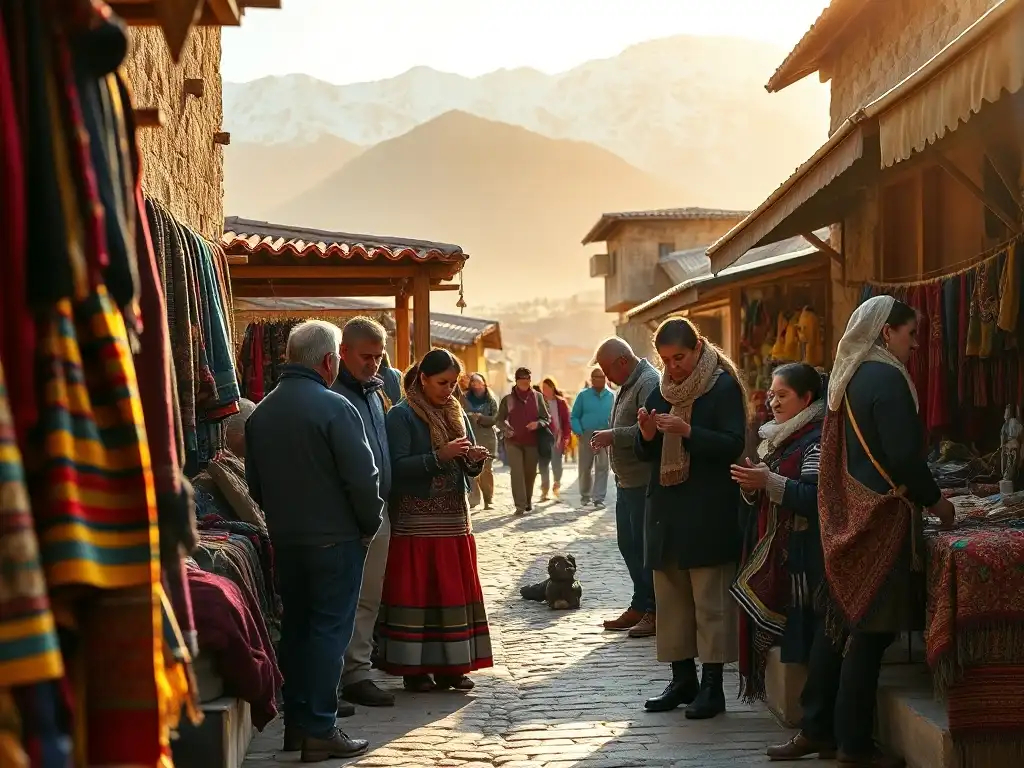
This section provides practical advice for navigating the vibrant Andean craft markets, ensuring a rewarding and authentic experience. Understanding the nuances of these markets—from recognizing genuine craftsmanship to negotiating prices fairly—will enhance your appreciation of Andean artistry and contribute to the sustainability of these vital cultural hubs. The unique Andean craft market energy is palpable, a blend of ancient traditions and modern entrepreneurial spirit. Let's explore how to best experience it.
Key Considerations for an Authentic Andean Market Experience
Visiting an Andean craft market is more than just shopping; it's an immersion into the heart of Andean culture. To fully appreciate the experience and ensure you're supporting local artisans, consider these vital factors:
- Timing is Everything: Many markets operate on specific days of the week or during special festivals. Researching beforehand is crucial to avoid disappointment. Larger cities might have daily markets, while smaller villages may only host events weekly or monthly. Consider the seasonal variations; some markets might be more vibrant during particular harvest periods.
- Location, Location, Location: The atmosphere and offerings can vary dramatically depending on the market's location. Markets in bustling city centers often offer a wider range of goods but might be more crowded and tourist-focused. Smaller, more remote markets offer a more intimate experience and may feature unique, locally made crafts not found elsewhere. The Andean craft market energy is often more intense in these smaller settings.
- Respectful Engagement: Remember you are a guest in the artisans' space. Engage politely, learn a few basic Quechua phrases (if applicable), and appreciate the time and skill involved in creating each piece. Avoid overly aggressive haggling or disrespectful behavior.
- Beyond the Souvenirs: Look beyond the typical tourist trinkets. Seek out unique, handcrafted items that reflect the artistry and cultural heritage of the region. Engage with the artisans to learn about their techniques and the stories behind their work. This adds another layer to the already powerful Andean craft market energy.
Identifying Genuine Andean Craftsmanship
Distinguishing authentic Andean craftsmanship from mass-produced imitations requires a keen eye and a little knowledge. Here’s how to tell the difference:
- Materials: Pay close attention to the materials used. Genuine Andean crafts often utilize natural, locally sourced materials like alpaca wool, vicuña fiber, hand-spun cotton, or sustainably harvested wood. Examine the quality and texture of the materials; genuine items will usually exhibit superior craftsmanship and durability.
- Handcrafted Details: Look for subtle imperfections and variations – these are hallmarks of handcrafted items. Mass-produced goods tend to be uniform and flawless. Examine stitching, weaving techniques, and the overall finish. Authentic pieces often display unique characteristics reflecting the artisan's individual style.
- Techniques: Familiarize yourself with traditional Andean weaving techniques, pottery styles, and metalworking processes. This knowledge will help you identify authentic pieces and appreciate the skill involved in their creation. The intricate detail and unique designs are key indicators of genuine Andean craft market energy.
| Feature | Authentic Andean Craft | Mass-Produced Imitation |
|---|---|---|
| Materials | Natural, locally sourced (alpaca, vicuña, cotton) | Synthetic materials, often of lower quality |
| Craftsmanship | Handcrafted, with variations and imperfections | Uniform, machine-made, flawless finish |
| Design | Unique, reflecting regional styles and traditions | Generic, often lacking cultural significance |
| Price | Generally higher, reflecting the artisan's skill | Significantly lower, reflecting mass production costs |
Understanding Price Points and Fair Trade in Andean Markets
Negotiating prices is customary in many Andean markets, but it's crucial to do so respectfully and fairly. Remember that the price reflects not only the materials but also the artisan's skill, time, and cultural heritage.
- Researching Prices: Before you start bargaining, get a sense of the general price range for similar items. This will help you negotiate effectively and avoid undervaluing the artisan's work.
- Respectful Haggling: Begin by offering a reasonable price, considering the item's quality and the artisan's apparent effort. Be prepared to compromise, but avoid excessively low offers that could be insulting.
- Fair Trade Practices: Support artisans who adhere to fair trade principles. These practices ensure that artisans receive a fair wage for their work, enabling them to support their families and communities. Look for fair trade certifications or inquire about the artisan's practices. Choosing fair trade supports the authentic Andean craft market energy and helps preserve these vital cultural traditions.
The vibrant Andean craft market energy is a powerful testament to the enduring spirit and artistic talent of Andean communities. By approaching these markets with respect, knowledge, and a commitment to fair trade, you can contribute to their sustainability while enriching your own experience.
Top Andean Craft Markets: Where to Feel the Energy
This section delves into the vibrant heart of Andean culture: its bustling craft markets. These aren't just places to buy souvenirs; they're pulsating centers of creativity, tradition, and the enduring spirit of Andean craftsmanship. The Andean craft market energy is palpable, a captivating blend of ancient techniques and modern artistry.
Each market offers a unique experience, reflecting the diverse cultural tapestry of the Andes. We'll explore some of the best, highlighting what makes each one special and what you can expect to find there. From intricate textiles to finely carved wood, these markets offer a tangible connection to the rich heritage of the region.
Cusco's San Blas Artisan Market: A Hub of Creativity
Nestled in the heart of Cusco, Peru, San Blas is more than just a market; it's an artist's colony. This charming neighborhood, known for its cobblestone streets and colonial architecture, is home to numerous workshops and studios where artisans create their masterpieces. The energy here is electric, a vibrant mix of creativity and commerce. You'll find a wide array of high-quality handcrafted goods, including:
- Intricately carved silver jewelry: Often incorporating traditional Andean designs and motifs.
- Stunning textiles: Featuring vibrant colors and intricate weaving techniques passed down through generations. Alpaca wool is a common material, prized for its softness and warmth.
- Ceramics: From delicate figurines to functional pottery, showcasing the skill and artistry of Andean potters.
- Paintings and wood carvings: Depicting scenes from Andean life, mythology, and landscapes.
The San Blas market is a great place to interact directly with the artisans, learning about their techniques and the stories behind their creations. It's a truly immersive experience, offering a deep dive into the heart of Andean artistry. You can expect to find unique, high-quality items, often at prices reflecting the skill and dedication involved in their creation. The Andean craft market energy in San Blas is distinctly sophisticated, reflecting the refined skills of its artisans.
Pisac Market, Sacred Valley: A Traditional Andean Gathering
Located in the breathtaking Sacred Valley of the Incas, the Pisac market offers a more traditional Andean experience. Unlike the more curated feel of San Blas, Pisac is a vibrant, bustling marketplace showcasing a wider range of goods and a more authentic interaction with local Andean culture. The Andean craft market energy here is raw and energetic, a sensory overload of sights, sounds, and smells. You'll find:
- A vast array of textiles: Including ponchos, chumpis (shawls), and other traditional clothing items.
- Colorful ceramics: Often featuring bold designs and geometric patterns.
- Hand-woven bags and belts: Made from various materials, including alpaca wool and leather.
- Locally grown produce and food: Offering a chance to sample traditional Andean cuisine.
This market provides a remarkable opportunity to witness traditional Andean practices firsthand. The atmosphere is lively and engaging, with vendors enthusiastically showcasing their wares. While bargaining is expected, remember to be respectful and appreciate the craftsmanship involved in each item. The sheer scale and variety of goods available make Pisac a truly unforgettable experience, offering a glimpse into the daily life and cultural richness of the Sacred Valley.
Otavalo Market, Ecuador: A Textile Paradise
While technically outside of Peru, the Otavalo Market in Ecuador deserves mention due to its renowned textile craftsmanship and the powerful Andean craft market energy it exudes. Held every Saturday, this massive market is a spectacle of color and commerce, attracting both locals and tourists from around the world. Otavalo is particularly famous for its:
- Exceptional textiles: Known for their vibrant colors, intricate designs, and high-quality materials. Many items are made from locally sourced wool and cotton.
- Handcrafted jewelry: Featuring intricate silverwork and colorful beads.
- Leather goods: Including belts, bags, and other accessories.
- Musical instruments: Such as panpipes and charangos.
The Otavalo market is a truly immersive experience, offering a chance to explore a wide range of Andean crafts and interact with artisans from various communities. The scale of the market is impressive, and the sheer variety of goods available can be overwhelming, but it's an unparalleled opportunity to experience the vibrant Andean craft market energy and find unique, high-quality souvenirs. The market's size and reputation make it a must-visit for any enthusiast of Andean culture and craftsmanship.
Chinchero Market: A Less Crowded, More Authentic Experience
Chinchero, a charming village nestled high in the Sacred Valley of the Incas, offers a craft market experience distinctly different from the bustling crowds of Cusco. While still vibrant and full of energy, Chinchero's market provides a more intimate and authentic interaction with local artisans. The atmosphere is less frenetic, allowing for deeper engagement with the creators and their stunning work. You'll find fewer souvenir-style items here and a greater emphasis on traditional techniques and designs passed down through generations.
This authenticity extends beyond the goods themselves. The market is deeply interwoven with the daily life of the community. You'll likely see women weaving intricate textiles while simultaneously attending to their children or engaging in conversation with neighbors. This active participation in the creation and selling of their crafts adds a profound layer of cultural immersion. Unlike larger markets, where vendors might primarily focus on sales, the artisans in Chinchero often welcome conversations about their craft, readily sharing their knowledge and passion. This personal connection significantly enhances the "Andean craft market energy," making it a truly memorable experience.
The textiles themselves are often breathtaking. The vibrant colors, intricate patterns, and high-quality materials reflect the deep-rooted traditions and the enduring spirit of Andean craftsmanship. You'll find a wider variety of traditional Andean clothing, including intricately embroidered ponchos, finely woven chumpis (shawls), and beautifully patterned llicllas (carrying cloths). These aren't mass-produced items; they represent hours, sometimes days, of painstaking handwork, imbued with the energy and spirit of the Andes.
The experience of purchasing a piece from a Chinchero artisan is not simply a transaction; it's a participation in a living cultural tradition. This direct connection to the source adds a unique and powerful dimension to the "Andean craft market energy" that permeates this special place. The quieter, more personal atmosphere allows you to truly appreciate the dedication and skill involved in creating these remarkable pieces.
Maximizing Your Experience and Supporting Local Artisans
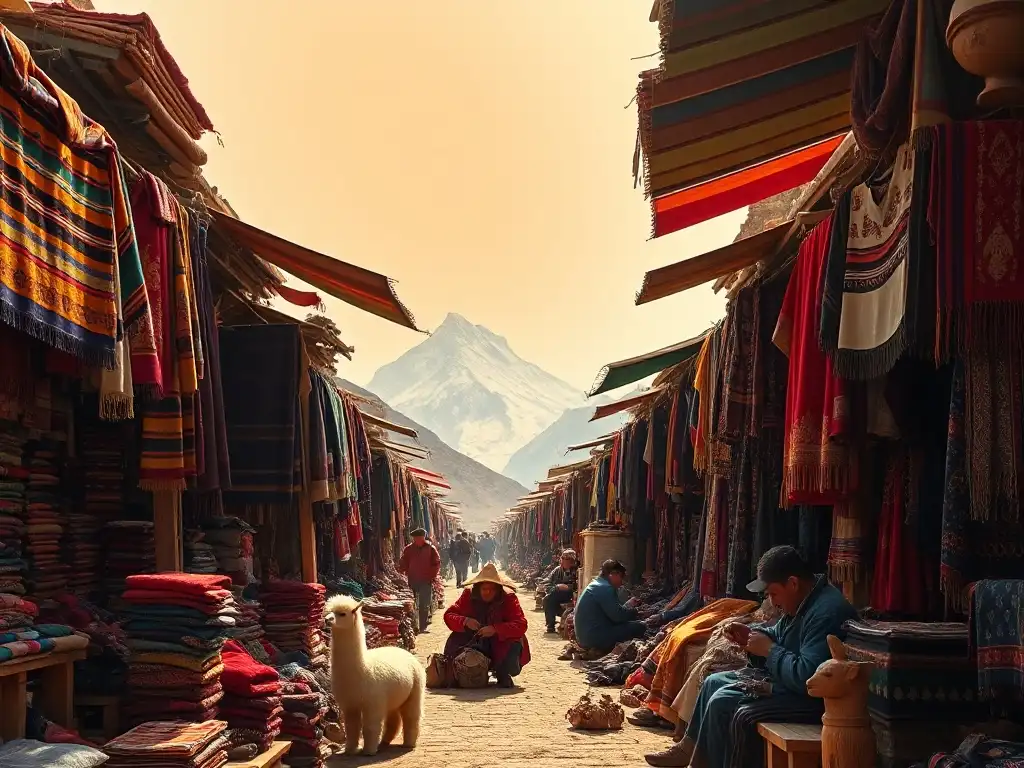
This section delves into the best practices for navigating Andean craft markets, ensuring a rewarding experience for both the visitor and the artisan. Understanding the nuances of these vibrant marketplaces allows you to fully appreciate the unique energy of the "Andean craft market" while contributing to the sustainable livelihoods of the local communities. The cultural exchange inherent in these interactions is as valuable as the handcrafted treasures acquired.
Tips for Respectful Engagement in Andean Markets
Engaging respectfully with artisans and their craft is paramount to a positive experience. Remember, you are entering a space deeply rooted in tradition and cultural heritage. Here are some key points to keep in mind:
- Learn basic Quechua phrases: Even a few words like "hola" (hello), "gracias" (thank you), and "por favor" (please) demonstrate respect and willingness to connect. This simple gesture can significantly enhance your interactions.
- Bargaining etiquette: Bargaining is customary in many Andean markets, but it's crucial to do so respectfully. Avoid aggressive haggling; instead, aim for a fair price that reflects both the artisan's skill and the value of the piece. A smile and friendly conversation can go a long way.
- Observe local customs: Pay attention to the way locals interact within the market. Observe their body language and follow their lead. Respect personal space and avoid intrusive photography without permission.
- Support local initiatives: Look for markets that directly support local communities and artisans. Many cooperatives and fair trade organizations work to ensure ethical practices and fair compensation for the creators.
- Be mindful of environmental impact: Choose sustainable products made from ethically sourced materials. Avoid items made from endangered species or materials that contribute to environmental damage. This promotes responsible tourism and supports environmentally conscious artisans.
The Importance of Direct Purchases and Fair Trade
Directly purchasing from artisans ensures that the majority of the profit goes to the creator, fostering sustainable economic development within the communities. This contrasts sharply with purchasing from intermediaries who often take a significant cut, leaving the artisans with minimal compensation for their hard work and artistry. The "Andean craft market energy" is directly tied to the economic well-being of those who create the goods.
The concept of fair trade is particularly relevant in Andean markets. Fair trade practices guarantee fair wages, safe working conditions, and environmental sustainability for artisans. By choosing fair trade products, you actively contribute to the well-being of the communities and encourage ethical production practices. Supporting fair trade directly impacts the "Andean craft market energy" by ensuring a sustainable and equitable system.
Consider this: A hand-woven alpaca sweater purchased directly from the weaver in a remote village provides significantly more economic benefit to the artisan and their family compared to a similar sweater purchased from a large retailer. This direct support strengthens the local economy and allows artisans to continue practicing their craft, preserving their cultural heritage for future generations. Choosing fair trade and direct purchase is not just about the product; it's about investing in the vibrant cultural legacy of the Andes. This conscious consumerism significantly contributes to the positive energy and sustainability of the Andean craft market.
Recommended Andean Craft Products: Taking the Energy Home
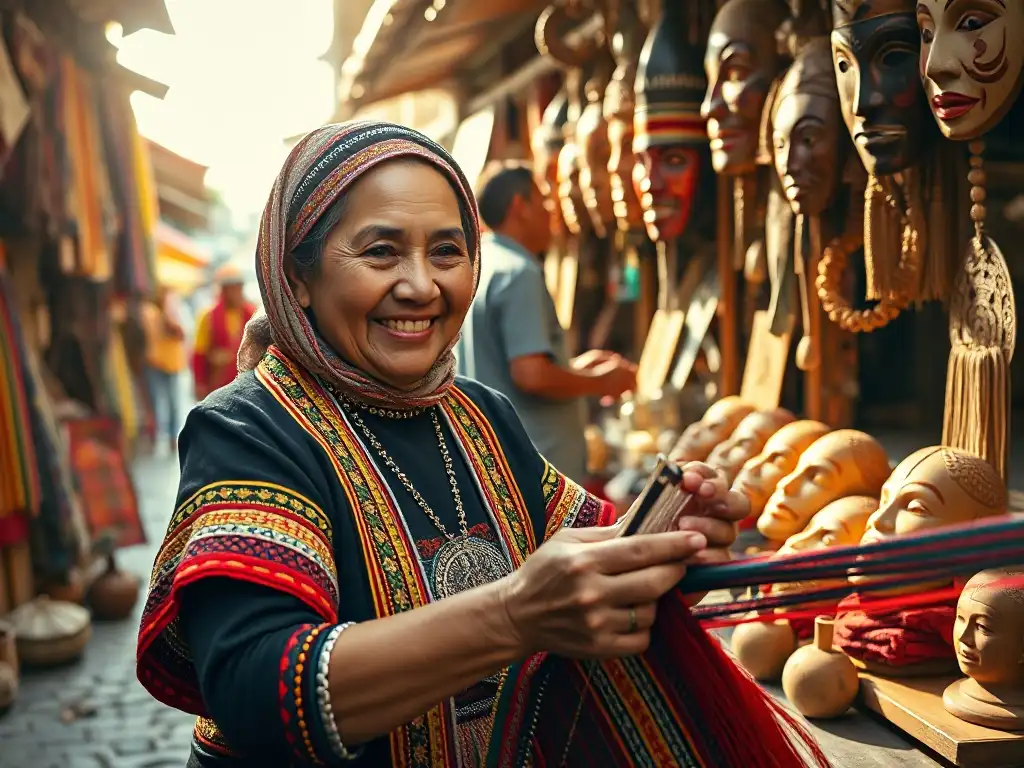
This section delves into the specific types of Andean crafts you can find in the vibrant local markets, allowing you to take a piece of that unique "Andean craft market energy" home with you. The energy isn't just about the bustling atmosphere; it's woven into the very fabric of these handcrafted items, each telling a story of tradition and skill passed down through generations.
From the intricate designs to the carefully selected materials, these products offer a tangible connection to the rich Andean heritage. Choosing a piece is more than just a purchase; it's an investment in preserving cultural traditions and supporting local artisans.
Exquisite Andean Textiles: From Tapestries to Clothing
Andean textiles are renowned worldwide for their vibrant colors, intricate designs, and the high-quality materials used. The energy in these textiles comes from the meticulous handwork involved, often employing ancient techniques passed down through families for centuries. You'll find everything from richly colored tapestries depicting Andean scenes and mythology, to exquisitely woven clothing, including ponchos, chumpis (shawls), and llicllas (traditional carrying cloths).
The patterns themselves often carry symbolic meaning, representing Andean cosmology, agricultural cycles, or significant historical events. For example, the k'antu design, a geometric pattern, is frequently found in textiles from the Cusco region and represents the Andean worldview of interconnectedness. The use of natural dyes, derived from plants and minerals found in the Andes, further adds to the unique character and energy of these textiles.
These dyes not only provide a stunning array of colors, but also contribute to the environmental sustainability of the craft. Many textiles are also made from alpaca or llama wool, known for its softness, warmth, and durability. Consider the weight and texture of the fabric when selecting a piece; a heavier tapestry might be suitable for wall decor, while a lighter shawl could be perfect for everyday use.
Unique Andean Pottery and Ceramics: Functional Art
Andean pottery and ceramics are another excellent way to capture the "Andean craft market energy." From simple, everyday utilitarian pieces to elaborate ceremonial vessels, these handcrafted items showcase the impressive skill and artistry of Andean potters. The energy is palpable in the unique forms, the intricate designs, and the textures of the clay itself. Many pieces are made using traditional techniques, such as coil building or wheel throwing, passed down through generations. The use of natural pigments in the decoration further adds to their character and uniqueness.
You'll find a wide variety of styles and designs, reflecting the diverse cultural traditions of the different Andean regions. For instance, the Moche culture is known for its incredibly detailed and lifelike pottery depicting scenes of daily life, mythology, and rituals. The Nazca culture, on the other hand, is famous for its geometric designs and the use of negative space in their pottery.
When selecting a piece, consider its functionality and aesthetic appeal. A beautifully decorated bowl could become a cherished item in your kitchen, while a smaller figurine might serve as a unique decorative accent. Remember to inquire about the clay type and firing techniques used; this information adds to the appreciation of the craftsmanship.
Jewelry and Accessories: Adornments with Meaning
Andean jewelry and accessories are more than just adornments; they are imbued with the "Andean craft market energy" and often carry deep symbolic meaning. Made from a variety of materials, including silver, gold, semi-precious stones, and even shells, these pieces are crafted with meticulous attention to detail. The designs often incorporate traditional motifs, representing Andean deities, animals, or natural elements. The energy is not only in the craftsmanship but also in the stories these pieces tell.
For example, silver jewelry frequently incorporates traditional designs such as the chakana (Andean cross), symbolizing the four directions and the harmony between the earthly and spiritual realms. The use of semi-precious stones, such as turquoise or lapis lazuli, adds another layer of meaning, with each stone believed to possess unique properties and energy. When selecting a piece of Andean jewelry, consider not only its aesthetic appeal but also its potential symbolic meaning.
A simple silver earring with a chakana design can be a powerful reminder of the Andean worldview, while a necklace with a vibrant stone can add a touch of Andean energy to your daily life. Remember to inquire about the origin of the materials and the techniques used in the crafting process to better appreciate the artistry and cultural significance of your purchase.
Conclusion: Embrace the Living Energy of Andean Markets
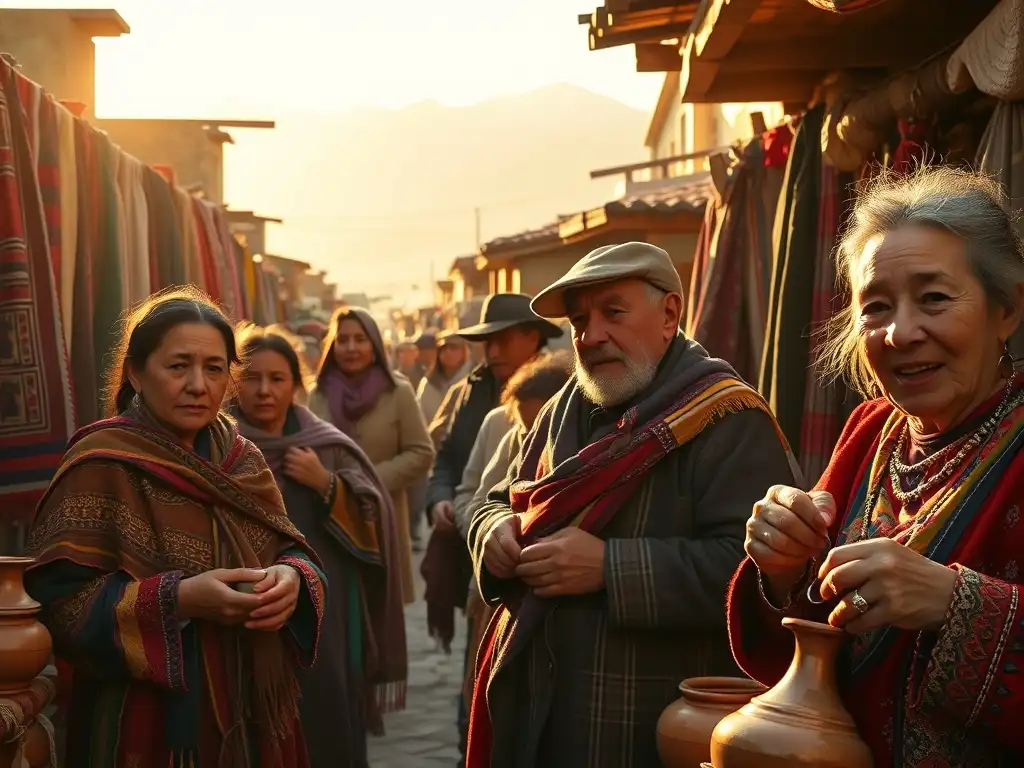
The vibrant energy of Andean craft markets isn't just about the goods on display; it's a palpable connection to a rich cultural heritage that spans millennia. From the intricate textiles reflecting ancient weaving techniques to the meticulously crafted pottery echoing ancestral designs, each item pulses with the history and artistry of the Andes. Understanding this energy, this Andean craft market energy, is key to appreciating the true value of these markets. It's more than just shopping; it's an immersive experience, a journey into the heart of Andean culture.
The Enduring Power of Andean Craft and Culture
The enduring power of Andean craft and culture is evident in the continued practice of traditional skills. Generations of artisans have passed down their knowledge, ensuring the survival of unique techniques and designs. This isn't simply a preservation effort; it's a dynamic process of adaptation and innovation. Modern artisans often incorporate contemporary elements into their work, creating a fascinating blend of tradition and modernity.
This fusion is a testament to the resilience and adaptability of Andean culture, a culture that continues to thrive and evolve. The energy you feel in these markets is a direct result of this vibrant, ongoing creative process. It's the energy of a living culture, passed down through generations and expressed through the skillful hands of dedicated artisans.
Consider, for example, the intricate detail in a hand-woven alpaca shawl. The vibrant colors, the complex patterns – these aren't simply aesthetic choices; they often carry symbolic meaning, reflecting Andean cosmology and beliefs. Similarly, the pottery, often adorned with intricate designs depicting mythical creatures or scenes from daily life, tells stories of Andean history and mythology. Even the simplest handcrafted item possesses a unique energy, a tangible link to the past. This energy is infectious, drawing visitors into a world of artistry and tradition.
The Andean craft market energy isn't limited to the physical objects themselves. It's also found in the interactions between artisans and buyers. The opportunity to connect directly with the creators of these beautiful items, to learn about their techniques and inspirations, adds another layer of depth and meaning to the experience. These interactions foster a deeper appreciation for the artistry and cultural significance of the goods, transforming a simple purchase into a meaningful exchange. It's a connection that transcends commerce, fostering a shared understanding and appreciation for the rich tapestry of Andean culture.
The future of Andean craft markets depends on continued support for these artisans and their traditions. By actively engaging with these markets, by purchasing handcrafted items, and by learning about the cultural significance of these goods, we contribute to the preservation of a vital part of human heritage. Embrace the energy, explore the artistry, and support the enduring power of Andean craft and culture.
It's an investment in a vibrant, living tradition that deserves to thrive for generations to come. The palpable Andean craft market energy is a testament to this enduring legacy, a legacy waiting to be discovered and cherished.
Frequently Asked Questions
What is the "energy" referred to in the article title, "The Pulse of the Andes: Exploring the Energy of Local Craft Markets"?
The "energy" refers to the vibrant atmosphere and creative spirit found in Andean craft markets. It encompasses the bustling activity, the skilled artisans, and the unique cultural heritage on display.
How do Andean craft markets reflect the history and culture of the region?
The markets showcase traditional techniques passed down through generations, reflecting the rich heritage of Andean civilizations like the Incas, Moche, and Nazca. The crafts themselves tell stories of ancient practices and beliefs.
What kinds of crafts can one typically find in Andean craft markets?
Markets offer a diverse range of crafts, including textiles, ceramics, jewelry, and wood carvings. Many items feature traditional Andean designs and symbols.
Are Andean craft markets sustainable and ethically sourced?
While some markets prioritize ethical and sustainable practices, it's crucial to be a discerning shopper. Look for artisans who use eco-friendly materials and fair trade practices.
Where can I find more information about visiting Andean craft markets?
Information on specific markets and their locations can be found through online travel guides and local tourism websites. Consider researching specific regions like Cusco or Arequipa in Peru for a wider range of options.
Final Reflection: The Enduring Spirit of Andean Craft Markets
The vibrant energy of Andean craft markets isn't just a fleeting tourist experience; it's a powerful testament to the enduring resilience and creativity of Andean communities. These markets, pulsating with color, sound, and the stories woven into each handcrafted item, represent a living legacy that continues to shape cultural identity and economic sustainability in the region. Their existence challenges the homogenizing forces of globalization, offering a vital counterpoint to mass-produced goods and the erosion of traditional skills.
The impact of these markets extends far beyond the immediate exchange of goods; they are spaces of social interaction, knowledge transmission, and cultural preservation. They are places where ancient techniques meet modern innovation, where generations connect, and where the spirit of the Andes finds vibrant expression. The hands that create are the hands that preserve,
a wise artisan once told me, and this sentiment perfectly encapsulates the profound significance of these markets. The enduring legacy of these spaces is a testament to the power of human connection and the importance of supporting sustainable practices.
Consider, for a moment, the stories embedded within each textile, each piece of pottery, each intricately carved piece of wood. These are not merely objects; they are vessels of history, culture, and individual expression. You, the reader, hold the power to amplify this legacy. By consciously choosing to support these markets—whether through direct purchase, responsible tourism, or advocacy for fair trade practices—you become a participant in the ongoing narrative of Andean craft, ensuring that the pulse of these vibrant communities continues to beat strong for generations to come.
Unleash Your Inner Explorer: Dive into Andean Craft Markets!
Thank you for exploring the vibrant world of Andean craft markets with us! You've discovered the rich culture, creativity, and community spirit these unique spaces offer. Now, let's deepen your exploration.
Here's how to connect more meaningfully with these markets:
- Visit a local craft market or plan a trip to the Andes to experience the art and authenticity firsthand. Consider exploring markets in Cusco, Peru, or Otavalo, Ecuador, for an immersive experience.
- Share your discoveries on social media using #AndeanCrafts to inspire others to appreciate these treasures. Showcasing your favorite pieces and the stories behind them will help spread awareness and appreciation.
- Engage with local artisans online or at community events to support their skills and learn from their stories. Directly supporting artisans ensures fair trade practices and helps preserve traditional crafts.
What unique experience or story from an artisan's craft broadened your cultural understanding? We'd love to hear your thoughts!