
Beyond the Textbook: New Narratives of Andean History

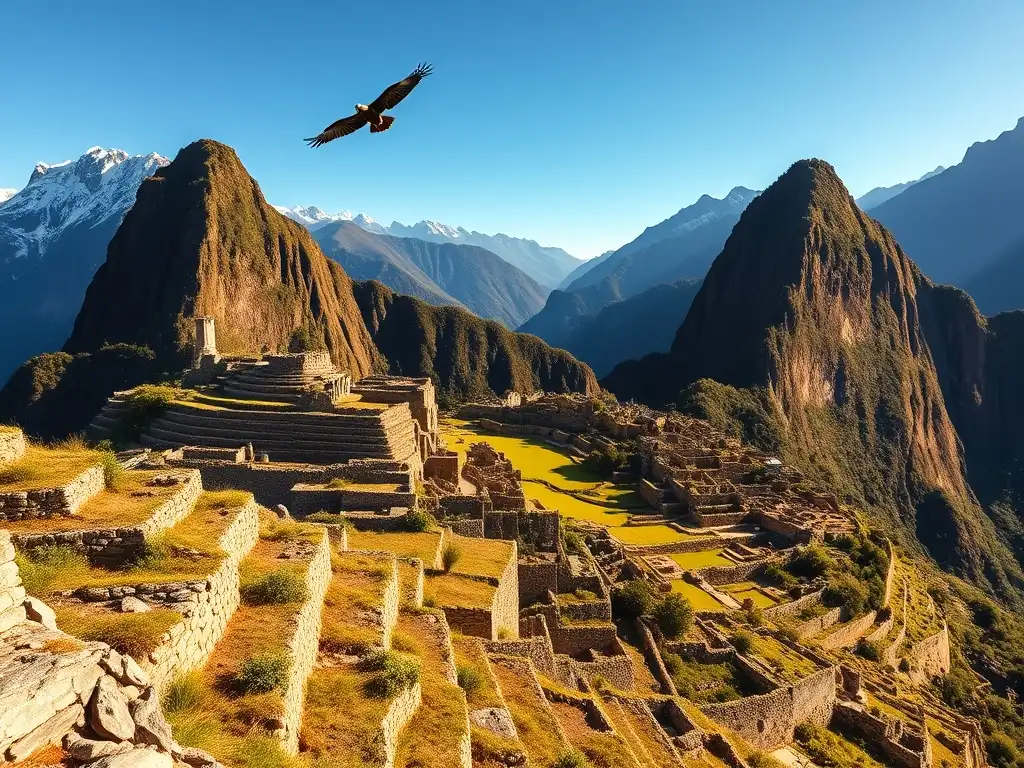
Step into a world lost to time, yet echoing with vibrant life. Forget the dry textbook accounts – prepare to be captivated by unveiled narratives of the Andean civilizations. Dive into the fascinating world of the Incas, Moche, Nazca, and Tiahuanaco, and discover a history far richer and more complex than you ever imagined. Our exploration of Andean civilizations history narratives will challenge your perceptions and leave you yearning to uncover more. Are you ready to journey with us?
The study of Andean civilizations has long been dominated by narratives shaped by colonial perspectives and limited archaeological findings. For centuries, the story of the Incas, Moche, Nazca, and Tiahuanaco, among others, has been filtered through a lens that often prioritized European interpretations and overlooked the complexities of indigenous voices and perspectives.
This article delves into the exciting evolution of Andean history narratives, exploring how modern scholarship is challenging established assumptions and revealing a far richer, more nuanced understanding of these fascinating cultures. We will examine how new archaeological discoveries, interdisciplinary approaches, and a renewed focus on indigenous knowledge are reshaping our comprehension of Andean societies, their achievements, and their lasting legacies.
This exploration aims to provide a more complete and accurate picture of Andean civilizations history, moving beyond the simplified accounts often found in textbooks and offering a more engaging and insightful perspective for readers interested in "Andean civilizations history narratives."
Re-evaluating the Traditional Andean Civilizations History
Traditional narratives of Andean civilizations often presented a linear progression, focusing heavily on the Inca Empire as the culmination of Andean development. This perspective frequently minimized the contributions and complexities of preceding cultures, often portraying them as merely precursors to the Inca. However, recent research highlights the significant achievements of pre-Inca societies.
For example, the intricate irrigation systems of the Nazca, their remarkable geoglyphs, and their sophisticated ceramic artistry demonstrate a high level of technological and artistic sophistication that existed long before the Inca rise to power. Similarly, the monumental architecture of Tiahuanaco and the elaborate metalworking of the Moche reveal advanced societal structures and technological capabilities. This reevaluation emphasizes the rich diversity and independent development of numerous Andean cultures, each with its unique innovations and contributions to the broader Andean world.
The understanding of "Andean civilizations history narratives" is thus enriched by acknowledging this diversity and rejecting the formerly dominant, linear, and often Eurocentric model. The intricate social structures, complex religious beliefs, and sophisticated technologies of these civilizations deserve individual and in-depth study, rather than being reduced to stepping stones towards the Inca Empire.
Challenging Eurocentric Perspectives in Andean History Narratives
For many years, the study of Andean civilizations suffered from a significant Eurocentric bias. Interpretations were often framed within a colonial narrative, emphasizing conquest and subjugation, while neglecting the indigenous perspectives and agency. This resulted in a skewed understanding of Andean societies, minimizing their resilience, adaptive capabilities, and internal complexities.
Modern scholarship is actively challenging this bias by incorporating indigenous voices, perspectives, and knowledge systems into the historical narrative. This involves engaging with oral traditions, analyzing indigenous art and iconography, and reconsidering archaeological evidence through a decolonized lens. By prioritizing indigenous perspectives, we gain a more accurate and complete understanding of Andean societies, their internal dynamics, and their interactions with other cultures.
This shift away from a purely Eurocentric approach is crucial for constructing a more equitable and representative history of Andean civilizations, offering a more accurate reflection of the "Andean civilizations history narratives" and providing a much-needed counterpoint to the often biased and incomplete accounts that have prevailed for centuries. The incorporation of indigenous knowledge systems is not merely an act of inclusivity; it is essential for achieving a truly comprehensive understanding of these remarkable civilizations and their place in history.
The Impact of Indigenous Voices on Andean History
The traditional narratives of Andean civilizations history have often been dominated by the perspectives of colonial and post-colonial scholars. However, a significant shift is occurring, with a growing emphasis on incorporating indigenous voices and perspectives to create a more complete and nuanced understanding of the past. This move towards decolonizing Andean history involves actively seeking out and amplifying the stories, traditions, and interpretations held within indigenous communities.
This isn't simply about adding a few footnotes; it's about fundamentally reshaping our understanding of power structures, social organization, and cultural practices. The shift acknowledges that indigenous communities possess a wealth of historical knowledge passed down through generations, often overlooked or dismissed in academic circles.
This knowledge offers crucial context and challenges previously held assumptions about Andean societies. By centering indigenous voices, we gain access to a richer tapestry of experiences, beliefs, and historical accounts, ultimately leading to a more accurate and representative history.
Incorporating Oral Traditions into Andean Historical Accounts
Oral traditions, a cornerstone of indigenous knowledge transmission, are invaluable sources of information for understanding Andean civilizations history. For centuries, stories, songs, and myths have been passed down through generations, preserving historical events, social structures, and cosmological beliefs. These oral traditions provide insights into aspects of Andean life that are rarely documented in written sources.
Historians are now developing sophisticated methodologies to analyze and interpret these oral accounts, carefully considering the context of their transmission and the potential for variation over time. This includes collaborating with indigenous communities to ensure accurate and respectful interpretations.
For example, the meticulous documentation and analysis of Quechua oral histories in the Andes have revealed fascinating details about pre-Columbian social organization, conflict resolution, and religious practices, significantly enriching our understanding of Andean societies. The challenge lies in balancing the rigorous application of historical methods with a deep respect for the cultural significance of these oral traditions.
Recovering Indigenous Knowledge and Worldviews
The recovery of indigenous knowledge and worldviews is crucial to understanding Andean civilizations history. For too long, Western epistemologies have dominated historical interpretations, imposing a framework that often failed to capture the complexity and diversity of Andean thought. By actively seeking out indigenous perspectives, we can gain a deeper understanding of how Andean people perceived their world, their relationship with the environment, and their social structures.
This involves studying indigenous cosmologies, agricultural practices, and medicinal knowledge, recognizing their deep historical roots and their enduring relevance. For instance, the intricate understanding of Andean agriculture, particularly terrace farming techniques, reveals a sophisticated knowledge of environmental management and sustainable practices that extend far beyond simple agricultural methods. This knowledge provides a powerful counter-narrative to Eurocentric perspectives that often minimized or overlooked the intellectual achievements of Andean civilizations.
New Archaeological Discoveries Reshaping Andean History
Recent archaeological discoveries are continuously reshaping our understanding of Andean civilizations history, challenging long-held assumptions and revealing new facets of these complex societies. These new findings necessitate a constant re-evaluation of existing historical narratives, forcing scholars to incorporate the latest evidence into their interpretations. The pace of discovery is accelerating, driven by technological advancements and a renewed focus on interdisciplinary collaboration.
These discoveries not only uncover new artifacts and settlements but also offer insights into daily life, social structures, and technological innovation within these societies, ultimately creating a more comprehensive and accurate picture of their past. This dynamic interplay between archaeological discovery and historical interpretation underscores the ever-evolving nature of our understanding of Andean civilizations.
Recent Finds at Caral and their Implications
The archaeological site of Caral in the Supe Valley of Peru has yielded remarkable discoveries that are significantly reshaping our understanding of early Andean civilization. Caral, dating back to approximately 5,000 years ago, predates many previously known Andean societies, challenging the established timelines and demonstrating a far earlier level of societal complexity than previously thought. The sophisticated architectural structures, including large pyramids and plazas, suggest a highly organized society with a complex social hierarchy and specialized labor.
The discovery of evidence of extensive trade networks and sophisticated agricultural practices further highlights the advanced nature of Caral's civilization. These findings have forced a re-evaluation of the origins of Andean civilization, pushing the timeline back considerably and challenging traditional narratives that emphasized later civilizations like the Inca. The implications of Caral's discovery are vast, forcing a rethinking of the developmental trajectory of Andean societies and the very definition of "civilization."
Technological Advances in Archaeological Research of Andean Cultures
Technological advances are revolutionizing the study of Andean civilizations history. New techniques in remote sensing, such as LiDAR (Light Detection and Ranging), allow archaeologists to map vast areas quickly and efficiently, uncovering hidden settlements and features previously inaccessible. Advances in DNA analysis offer unprecedented insights into migration patterns, kinship structures, and the genetic relationships between different Andean populations.
Improved dating methods provide more precise chronologies, refining our understanding of the timelines of various Andean cultures. Furthermore, advanced imaging techniques allow for the non-destructive analysis of artifacts, preserving delicate materials while revealing intricate details of their construction and use.
These technological advancements are not merely accelerating the pace of discovery; they are fundamentally transforming the way we approach the study of Andean civilizations, leading to a more precise and nuanced understanding of their past. The integration of these technologies with traditional archaeological methods is crucial for a holistic and comprehensive approach to Andean historical research.
Gender and Power Dynamics in Ancient Andean Societies

Moving Beyond Male-Centric Interpretations of Andean History
For many years, the narrative surrounding Andean civilizations heavily favored male perspectives. Traditional historical accounts often focused on the achievements of male rulers and warriors, overlooking the significant contributions of women. This male-centric lens distorted our understanding of Andean societies, minimizing the roles women played in political, economic, and religious spheres.
Recent scholarship, however, is actively challenging these biased interpretations, uncovering new evidence that reveals a more nuanced and complex reality. Archaeological findings, coupled with a more critical analysis of existing texts, are leading to a more inclusive understanding of gender dynamics in ancient Andean societies. This shift is crucial for a more accurate and complete picture of Andean history.
The rediscovery and re-evaluation of previously ignored artifacts and texts are vital in this process, shedding light on aspects of Andean life previously obscured. This reassessment is not simply about adding women to existing narratives; it's about fundamentally changing the way we understand power structures and social organization in these societies.
The Role of Women in Inca and Pre-Inca Societies
The roles of women in Inca and pre-Inca societies were far more diverse and influential than previously believed. While the specifics varied across different cultures and time periods, evidence suggests women held positions of power and authority, often involved in religious ceremonies, textile production (a highly valued skill), and agricultural practices. In the Inca Empire, for instance, the Mamacona, women dedicated to the service of the Sun God, held significant religious and social influence.
Their roles extended beyond mere religious duties; they often managed crucial resources and played a part in political decision-making. In pre-Inca societies, such as the Moche, female figures are prominently featured in their art, suggesting their important roles in both religious and secular life. The discovery of female mummies with elaborate burial goods further reinforces the importance and status these women held within their communities.
Furthermore, analyzing textile production—a primarily female domain—reveals complex social structures and economic networks in which women played central roles. These discoveries are rewriting our understanding of gender roles and power dynamics in Andean societies. The ongoing research into these areas continues to reveal the significant and often underestimated contributions of women to the development and success of these ancient cultures.
The Diversity of Andean Cultures: Beyond the Inca Empire
The Inca Empire, while undeniably significant, represents only a fraction of the rich tapestry of Andean civilizations. Focusing solely on the Inca obscures the remarkable diversity of cultures that thrived in the Andes long before, and even alongside, the Inca. To fully appreciate the Andean world, we must delve into the histories of other powerful societies, each with its own unique characteristics and contributions. A comprehensive understanding requires acknowledging the distinct identities and achievements of these diverse groups.
Ignoring these other cultures leads to a simplified and inaccurate representation of the Andean region's complex history. The richness and complexity of Andean history are diluted when the focus remains solely on the Inca, neglecting the contributions of other remarkable civilizations. This oversight prevents a true appreciation of the multifaceted nature of Andean societies and their cultural heritage.
Exploring the History of Moche, Nazca, and Tiahuanaco
The Moche, Nazca, and Tiahuanaco cultures, among others, each left behind a remarkable legacy. The Moche, known for their intricate pottery depicting daily life and elaborate rituals, offer insights into their complex social structures and religious beliefs. The Nazca, famous for their enigmatic geoglyphs visible only from the air, reveal sophisticated astronomical knowledge and engineering skills.
Tiahuanaco, with its monumental architecture and intricate stone carvings, showcases a powerful and highly organized society. Each of these cultures developed unique artistic styles, religious practices, and technological innovations, contributing significantly to the overall richness of Andean civilization. Studying these civilizations in detail allows us to appreciate the vast diversity of Andean cultures and avoid the pitfalls of a singular, Inca-centric narrative.
The unique contributions of these civilizations challenge the simplistic narrative often presented and highlight the regional differences in cultural development within the Andean region. Understanding these diverse societies is crucial for a complete appreciation of the Andean world.
Acknowledging Regional Variations in Andean Civilizations
The Andes are a vast and geographically diverse region, and the civilizations that flourished there reflected this diversity. The environmental conditions, from coastal deserts to high-altitude plains, shaped the development of distinct cultural practices and technological innovations. The Inca Empire, while powerful, didn't impose a uniform culture across its vast territory.
Regional variations persisted, with local traditions and customs often blending with Inca influence. Understanding these regional differences is crucial for avoiding oversimplifications and creating a more nuanced and accurate picture of Andean history. The variations in agricultural techniques, architectural styles, religious beliefs, and social structures across different Andean regions demonstrate the complexity and adaptability of these cultures.
Ignoring these regional variations leads to an incomplete and potentially misleading understanding of Andean civilizations. A nuanced approach recognizes the vibrant tapestry of local cultures and their interactions with larger empires, revealing a far richer and more complex history than a single, overarching narrative can provide.
The Legacy of Colonialism on the Interpretation of Andean History
The interpretation of Andean civilizations history has been profoundly shaped by the legacy of colonialism. For centuries, narratives surrounding these societies were largely dictated by European perspectives, often portraying them as primitive or backward in comparison to European advancements. This biased lens filtered down through generations of scholarship, subtly influencing how researchers framed their analyses and what aspects of Andean culture they prioritized.
The emphasis frequently fell on aspects that supported a narrative of European superiority, overlooking the sophisticated social structures, technological innovations, and intricate belief systems that characterized these societies. This skewed perspective created a distorted understanding of Andean history, minimizing the achievements and complexities of these remarkable civilizations. The consequences of this colonial bias are still being felt today, making it crucial to actively challenge and deconstruct these ingrained narratives.
The very act of writing history, even with the best intentions, is susceptible to bias, reflecting the socio-political context in which it's written. Therefore, understanding the historical power dynamics involved in the creation of existing narratives is paramount.
Deconstructing Colonial Narratives and Biases
Deconstructing colonial narratives requires a critical examination of primary sources, acknowledging the inherent biases embedded within them. Many historical accounts were written by conquistadors, missionaries, or colonial administrators, whose perspectives were invariably shaped by their own cultural backgrounds and political agendas. These accounts often presented a romanticized or demonized view of Andean societies, depending on the author's purpose.
For example, descriptions of Inca practices might be framed as "savage" or "superstitious" to justify conquest and colonization. It is essential to analyze these accounts within their specific historical context, considering the power dynamics at play and the potential motivations of the authors. By understanding the limitations and biases of these sources, historians can begin to construct a more nuanced and accurate understanding of Andean history.
This involves seeking out alternative perspectives, such as indigenous oral traditions and archaeological evidence, to counterbalance the dominant colonial narratives. The process requires meticulous scrutiny and a willingness to question established interpretations.
Reclaiming Andean Identity Through Historical Revision
Reclaiming Andean identity requires a conscious effort to center indigenous voices and perspectives in the historical narrative. For too long, the story of Andean civilizations has been told through a lens that marginalized indigenous experiences and knowledge. By actively seeking out and amplifying indigenous voices—through oral histories, archaeological interpretations informed by local knowledge, and the work of indigenous scholars—we can begin to rewrite the history of these societies from the inside out.
This process involves not only correcting inaccuracies and biases in existing narratives but also actively celebrating the richness and complexity of Andean cultures. The recovery of indigenous languages and cosmologies is also a crucial part of this process, allowing for a deeper understanding of Andean worldviews and social structures.
It's a collaborative effort that recognizes the inherent value and validity of indigenous knowledge systems. This active engagement with indigenous perspectives leads to a more complete and authentic representation of Andean history.
Modern Interpretations of Andean History: A Multidisciplinary Approach
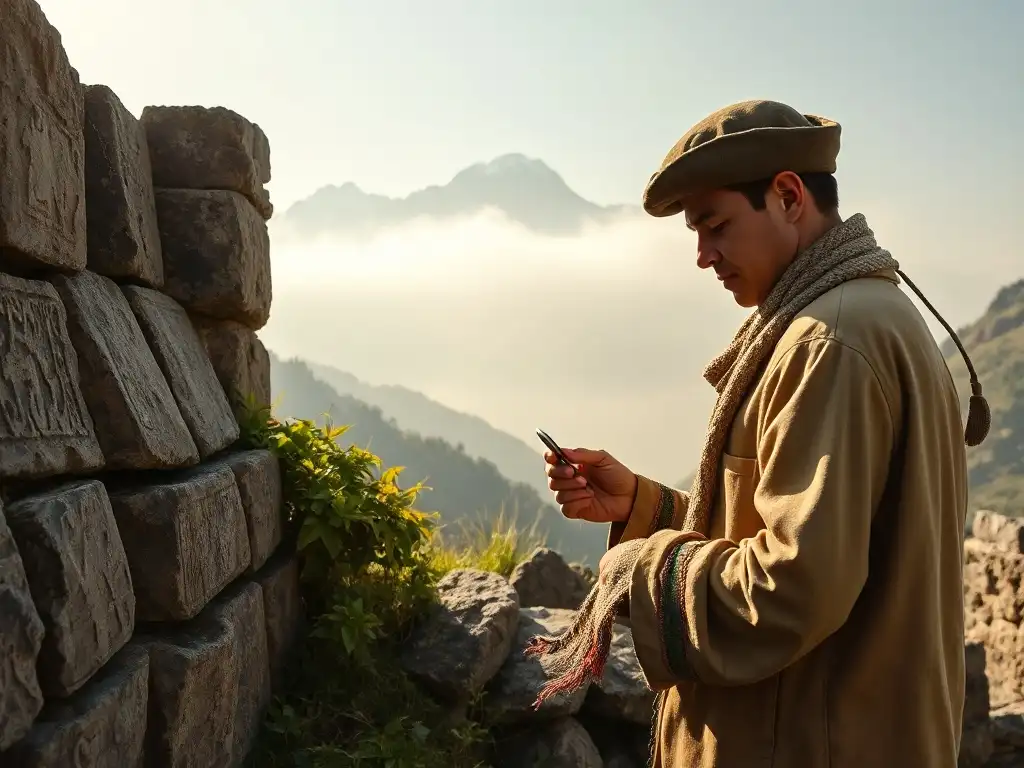
Modern interpretations of Andean civilizations history benefit significantly from a multidisciplinary approach. No longer are historians solely reliant on textual sources; instead, they collaborate with archaeologists, anthropologists, linguists, and other specialists to build a more comprehensive understanding of these societies. Archaeological excavations provide invaluable insights into material culture, social organization, and daily life. Linguistic studies shed light on language families, migration patterns, and cultural interactions.
Anthropological research contributes valuable perspectives on social structures, belief systems, and kinship networks. This collaborative effort allows researchers to weave together diverse lines of evidence, creating a richer and more nuanced picture of the past. The integration of these diverse perspectives moves beyond simplistic narratives and toward a more complex and holistic understanding of Andean civilizations.
Interdisciplinary Research in Andean Studies
Interdisciplinary research in Andean studies is characterized by its collaborative nature and the integration of diverse methodologies. Researchers from different disciplines work together, sharing their expertise and insights to address complex research questions. For instance, the study of ancient Andean agriculture might involve archaeologists analyzing irrigation systems, anthropologists studying farming practices, and botanists identifying cultivated plants. This combined approach provides a far more comprehensive understanding than any single discipline could offer alone.
Furthermore, the use of advanced technologies, such as Geographic Information Systems (GIS) and DNA analysis, adds another layer of sophistication to interdisciplinary research. This collaborative approach fosters innovation and allows for a more nuanced and complete understanding of the complexities of Andean civilizations. The synergy created by this multidisciplinary approach is crucial for moving beyond simplistic interpretations and embracing a more holistic understanding.
The Future of Andean Civilizations History Narratives
The future of Andean civilizations history narratives lies in continued collaboration, critical self-reflection, and a commitment to inclusivity. Historians must remain vigilant in challenging existing biases and actively seeking out diverse perspectives. This includes prioritizing the voices and knowledge of indigenous communities, ensuring that their stories are central to the narrative. Furthermore, advancements in technology and methodologies will continue to refine our understanding of the past, allowing for even more nuanced and detailed interpretations.
The ongoing integration of new discoveries and interdisciplinary perspectives will lead to a more dynamic and evolving understanding of Andean civilizations. Ultimately, the goal is to create narratives that are not only accurate and comprehensive but also respectful, inclusive, and empowering for all. The future of Andean history writing rests on a foundation of ethical scholarship and a genuine commitment to telling the complete story.
Analyzing the Impact of New Historical Narratives on Contemporary Andean Societies
New narratives of Andean history, moving beyond Eurocentric biases and incorporating Indigenous voices and perspectives, have profound impacts on contemporary Andean societies. These revised understandings challenge long-held assumptions and foster a more inclusive and nuanced view of the past. This, in turn, influences cultural identity, education systems, and political discourse.
The re-evaluation of historical events, for instance, allows for a deeper appreciation of the complexities of pre-Columbian societies and their resilience in the face of colonization. This re-contextualization directly contributes to a stronger sense of cultural pride and empowerment among Indigenous communities. The shift away from narratives that portray Indigenous cultures as passive recipients of European influence allows for a recognition of their agency, innovation, and sophisticated social structures.
This revised understanding is not simply an academic exercise; it has tangible consequences for how Andean societies perceive themselves and their place in the world today. The reclaiming of historical narratives is a powerful tool for self-determination and social justice.
The Importance of Cultural Heritage and Identity
The revision of Andean history significantly impacts cultural heritage and identity. For centuries, dominant narratives minimized or distorted the achievements and contributions of Andean civilizations. The rediscovery and reinterpretation of artifacts, oral traditions, and archaeological evidence challenge these outdated perspectives.
This process allows for a revitalization of cultural practices, languages, and artistic expressions that were suppressed or marginalized during colonial and post-colonial periods. The re-evaluation of historical sites, for example, often leads to a renewed appreciation of their significance and a greater commitment to their preservation. This is not merely about protecting physical structures; it is about safeguarding the intangible cultural heritage linked to these places, including stories, rituals, and traditional knowledge.
The strengthened sense of cultural pride fostered by accurate historical accounts empowers Indigenous communities to actively participate in shaping their own futures, reclaiming their narrative and resisting further cultural assimilation. This is crucial for the survival and flourishing of distinct Andean identities in the modern world. The accurate representation of Andean cultures in museums, educational materials, and public discourse is a vital component of this process, fostering respect and understanding beyond the Andean region itself.
Education and the Dissemination of Andean History
The dissemination of accurate and inclusive Andean history through education is paramount. Traditional educational systems often perpetuated biased and incomplete narratives, neglecting the contributions and perspectives of Indigenous peoples. The integration of new historical research into school curricula is essential to correct this imbalance. This requires not only updating textbooks and teaching materials but also training teachers to engage with diverse perspectives and methodologies.
Furthermore, the incorporation of Indigenous languages and oral traditions into educational settings is crucial for fostering a more holistic understanding of the past. Such an approach promotes critical thinking skills and encourages students to question dominant narratives. It also empowers Indigenous youth by providing them with a more accurate and empowering representation of their own history and heritage.
The development of educational resources that are accessible and engaging for a wide range of learners is crucial for widespread impact. The use of multimedia, interactive learning platforms, and community-based educational initiatives can help to reach diverse audiences and foster a deeper engagement with Andean history. By promoting a more inclusive and accurate understanding of the past, education can play a critical role in fostering social cohesion and reconciliation.
Conclusion: A More Inclusive and Nuanced Understanding of Andean History
The emergence of new narratives in Andean history represents a significant shift in scholarly understanding and its impact on contemporary societies. By incorporating Indigenous perspectives, challenging Eurocentric biases, and embracing interdisciplinary approaches, these new narratives offer a far more inclusive and nuanced understanding of the past.
This revised understanding is not just an academic pursuit; it has profound implications for cultural identity, education, and social justice. The ongoing process of uncovering and interpreting the complexities of Andean civilizations continues to enrich our understanding of human history and its enduring legacy.
The ongoing dialogue between scholars, Indigenous communities, and the broader public is crucial for ensuring that these new narratives are not only accurately represented but also effectively disseminated and integrated into society, promoting a more just and equitable future. The continued development and dissemination of these more complete and accurate accounts of Andean civilizations will continue to reshape our understanding of "Andean civilizations history narratives" for years to come, contributing to a more just and equitable future for the Andean region and beyond.
- Re-evaluating the Traditional Andean Civilizations History
- Challenging Eurocentric Perspectives in Andean History Narratives
- The Impact of Indigenous Voices on Andean History
- New Archaeological Discoveries Reshaping Andean History
- Gender and Power Dynamics in Ancient Andean Societies
- The Diversity of Andean Cultures: Beyond the Inca Empire
- The Legacy of Colonialism on the Interpretation of Andean History
- Modern Interpretations of Andean History: A Multidisciplinary Approach
- Analyzing the Impact of New Historical Narratives on Contemporary Andean Societies
- Conclusion: A More Inclusive and Nuanced Understanding of Andean History
- What makes these "new narratives" of Andean history different from traditional accounts?
- How do these new narratives challenge existing understandings of Andean societies?
- What specific advancements in technology or archaeology have informed these new narratives?
- Which Andean civilizations are particularly highlighted in these new narratives?
- Where can I learn more about these revised historical accounts of Andean civilizations?
Frequently Asked Questions
What makes these "new narratives" of Andean history different from traditional accounts?
Traditional accounts often focused on Inca dominance, overlooking the rich histories of preceding civilizations. These new narratives emphasize the complexity and diversity of Andean societies, highlighting the contributions of groups like the Moche and Nazca. They also incorporate more indigenous perspectives.
How do these new narratives challenge existing understandings of Andean societies?
They challenge the Eurocentric biases present in older interpretations by incorporating archaeological evidence and indigenous oral traditions. This leads to a more nuanced understanding of power structures, social organization, and cultural exchange. The focus shifts from a linear progression to a more complex interplay of cultures.
What specific advancements in technology or archaeology have informed these new narratives?
Advances in DNA analysis, radiocarbon dating, and high-resolution imaging have provided new insights into Andean societies' origins, migrations, and interactions. Improved archaeological excavation techniques have unearthed previously unknown settlements and artifacts, enriching our understanding.
Which Andean civilizations are particularly highlighted in these new narratives?
While the Inca remain important, the narratives give significant attention to pre-Inca civilizations, such as the Moche, Nazca, and Tiahuanaco. Their unique achievements in art, agriculture, and urban planning are now given greater prominence, showcasing a broader range of cultural achievements.
Where can I learn more about these revised historical accounts of Andean civilizations?
You can find more information through academic journals focusing on Andean archaeology and anthropology, as well as books and documentaries that incorporate recent research and indigenous perspectives. Many museums also feature updated exhibits reflecting these new historical interpretations.
Final Reflection: Reimagining the Andes: Past, Present, and Future
The narratives we inherit shape our understanding of the world, and the history of Andean civilizations is no exception. For too long, a Eurocentric lens has distorted the rich tapestry of Andean cultures, minimizing their agency and complexity. This article has sought to challenge those dominant narratives, highlighting the vibrant diversity and sophisticated achievements of Andean societies, from their intricate social structures to their remarkable engineering feats.
The ongoing impact of these revised narratives is profound. By acknowledging the indigenous perspectives and reclaiming the voices of those often silenced, we begin to build a more accurate and inclusive understanding of the past. This process is not merely academic; it has tangible consequences for present-day Andean communities, empowering them to reclaim their heritage and build a future rooted in their ancestral knowledge. History is not just what happened, but what is remembered, and how it is remembered.
This quote underscores the crucial role of re-examining historical narratives, ensuring that the stories of the Andes are told truthfully and completely.
Now, consider your own understanding of history. How have the dominant narratives you've encountered shaped your worldview? I urge you to actively seek out diverse perspectives and challenge the assumptions embedded within the stories you're told.
By embracing a more nuanced and inclusive understanding of the past, particularly the rich history of Andean civilizations, we can foster a more just and equitable future, one where the voices of all peoples are heard and celebrated. Let the legacy of the Andes inspire you to question, to learn, and to contribute to a more complete and compassionate understanding of our shared human story.
**Unveil the Rich Tapestry of Andean History! **
Thank you for exploring the fascinating world of Andean history with us! We hope you've found inspiration in the new perspectives on the lives and cultures of these remarkable civilizations. Now, let's put that inspiration into action!
Here are some ways to continue exploring and engaging with the rich history of the Andean region:
- **Join a local history group or online forum** to connect with others and share insights about Andean cultures and their stories.
- **Visit a local museum or cultural center** showcasing Andean artifacts to deepen your understanding and appreciation of their history.
- **Explore lesser-known narratives** by reading a book or watching a documentary that focuses on underrepresented voices and perspectives from Andean history.
We encourage you to connect with others who share your passion! Which aspect of Andean history has resonated most with you, and how will you delve deeper into it? We'd love to hear your thoughts!