
Lost Voices of the Andes: Chroniclers Who Bridged Worlds

Uncover the secrets whispered across millennia! Step into the captivating world of the Andean civilizations, where empires rose and fell, leaving behind a legacy of breathtaking artistry and ingenious engineering. But who truly documented this extraordinary journey? Our exploration begins with the Andean civilizations chroniclers, the unsung heroes who bridged the gap between ancient worlds and our own. Their stories – and the mysteries they hold – await you. Dare to delve deeper?
The Andes Mountains, a spine of towering peaks running down the western coast of South America, have borne witness to millennia of vibrant civilizations. From the sophisticated irrigation systems of the Nazca to the breathtaking architectural feats of the Inca, these Andean cultures left behind a legacy of ingenuity and artistry that continues to fascinate and inspire.
However, understanding these societies requires more than just deciphering their monumental structures and intricate artifacts; it demands engaging with the voices – often overlooked – of the chroniclers who bridged the gap between these ancient worlds and our own. This article explores the crucial role of these often unsung heroes, the Andean civilizations chroniclers, who documented, interpreted, and in some ways, shaped our understanding of these remarkable societies.
We will delve into their contributions, highlighting their challenges and the lasting impact of their work on our current understanding of Andean history and culture. Understanding these chroniclers is key to truly understanding the Andean civilizations themselves.
Introduction to Andean Civilizations Chroniclers
The study of Andean civilizations relies heavily on the accounts left by various chroniclers, individuals who, through different perspectives and methodologies, documented the lives, customs, and beliefs of these societies. These chroniclers weren't a monolithic group; their backgrounds, motivations, and approaches varied considerably. Some were indigenous individuals who recorded their own traditions and perspectives, while others were Spanish conquistadors and missionaries, whose accounts are often shaped by the biases of their time and their colonial context.
This diversity of voices, while sometimes presenting conflicting narratives, offers a rich and multifaceted picture of Andean life, allowing for a more nuanced and complete understanding of these complex societies. Analyzing these diverse perspectives is crucial to avoid perpetuating a single, potentially skewed narrative. The challenge lies in critically evaluating these sources, acknowledging their inherent biases, and piecing together a more holistic picture of the past.
This requires careful consideration of the author's background, the intended audience, and the historical context in which the work was produced. For example, a colonial chronicler's account of Inca religious practices might differ significantly from that of an indigenous informant, offering contrasting yet equally valuable insights.
The Role of Early Andean Historians
The role of early Andean historians extended far beyond simple record-keeping. They acted as interpreters, translating complex cultural practices and beliefs into a form accessible (at least to a certain extent) to a wider audience. Many chroniclers played a crucial role in preserving indigenous knowledge systems, often facing significant challenges in doing so. The arrival of the Spanish conquistadors brought about a period of upheaval and cultural disruption, threatening the very existence of indigenous traditions and languages.
Despite these obstacles, many chroniclers persevered, striving to document their heritage before it was lost forever. Their efforts, though often undertaken under duress or with limited resources, have proven invaluable to modern scholars. We can see this in the meticulous detail some chroniclers provided on Inca administrative systems, agricultural techniques, or religious rituals – information that would have otherwise been lost to time.
The preservation of these details allows modern researchers to reconstruct the complexities of Andean societies with greater accuracy. The work of these chroniclers thus represents not only a historical record but also a testament to the resilience and enduring spirit of Andean cultures. Their legacy continues to shape our understanding of these fascinating civilizations, offering a window into a world that otherwise might have remained largely unknown.
- Who were the main chroniclers of Andean civilizations?
- How reliable are the accounts of Andean chroniclers?
- What challenges did chroniclers face in documenting Andean civilizations?
- What specific topics did Andean chroniclers cover?
- Where can I find more information about Andean civilization chroniclers and their works?
Key Chroniclers of the Andean World

This section delves into the lives and works of key figures who documented the Andean civilizations, offering invaluable insights into their complex societies, cultures, and histories. Understanding these chroniclers is crucial to piecing together a complete picture of the pre-Columbian Andes and the impact of the Spanish conquest. Their writings, while sometimes biased or incomplete, remain essential primary sources for understanding these fascinating Andean civilizations. The perspectives offered vary greatly depending on the chronicler's background and motivations, providing a rich tapestry of information, albeit one that requires careful critical analysis.
Early Spanish Chroniclers and their Accounts of the Andes
Early Spanish chroniclers, often conquistadors or missionaries, played a significant role in recording information about the Andean world. Their accounts, however, are frequently colored by their own biases and the perspectives of the conquering power. Nevertheless, their detailed descriptions of Andean life, customs, and political structures provide invaluable information for modern scholars studying Andean civilizations. Analyzing their accounts requires a nuanced understanding of their historical context and potential biases.
Pedro Cieza de León: A Detailed Look at Andean Life
Pedro Cieza de León, a Spanish conquistador, is renowned for his meticulous observations of the Andes. His Crónica del Perú is a monumental work, offering detailed descriptions of the Inca Empire's geography, social structures, and daily life. Cieza de León's firsthand accounts provide rich detail on Inca infrastructure, agriculture, and religious practices.
He painstakingly recorded the physical environment, describing the varied landscapes from the coastal deserts to the high Andes, providing context for understanding the challenges and opportunities faced by Andean societies. His descriptions of Inca cities, such as Cusco, are particularly detailed, offering glimpses into urban planning and architectural achievements. For example, his descriptions of the intricate agricultural terraces are vital for understanding Inca ingenuity and resource management.
Juan de Betanzos: Focusing on Inca History and Genealogy
Juan de Betanzos, a Spaniard who married an Inca noblewoman, offers a unique perspective on Inca history. His work, often considered a crucial source for Inca genealogy and royal lineages, provides insights into the Inca's social hierarchy and political organization. Unlike purely military accounts, Betanzos's work incorporated oral traditions and Inca perspectives, albeit filtered through his own understanding.
His focus on the Inca royal family and their intricate kinship networks is especially valuable for understanding succession and power dynamics within the empire. The details he provides about Inca customs and rituals, particularly those surrounding royal ceremonies, offer a glimpse into the symbolic importance of the Inca leadership.
Indigenous Chroniclers and their Perspectives on Andean Societies
Indigenous chroniclers offer a counterpoint to the Spanish accounts, providing invaluable insights into Andean perspectives on the conquest and the changes it brought about. Their voices, often suppressed or marginalized, are crucial for understanding the complexities of the colonial encounter and the resilience of Andean cultures. Their works are not merely historical records; they are powerful expressions of cultural resistance and identity.
Felipe Guaman Poma de Ayala: A Critical Indigenous Voice
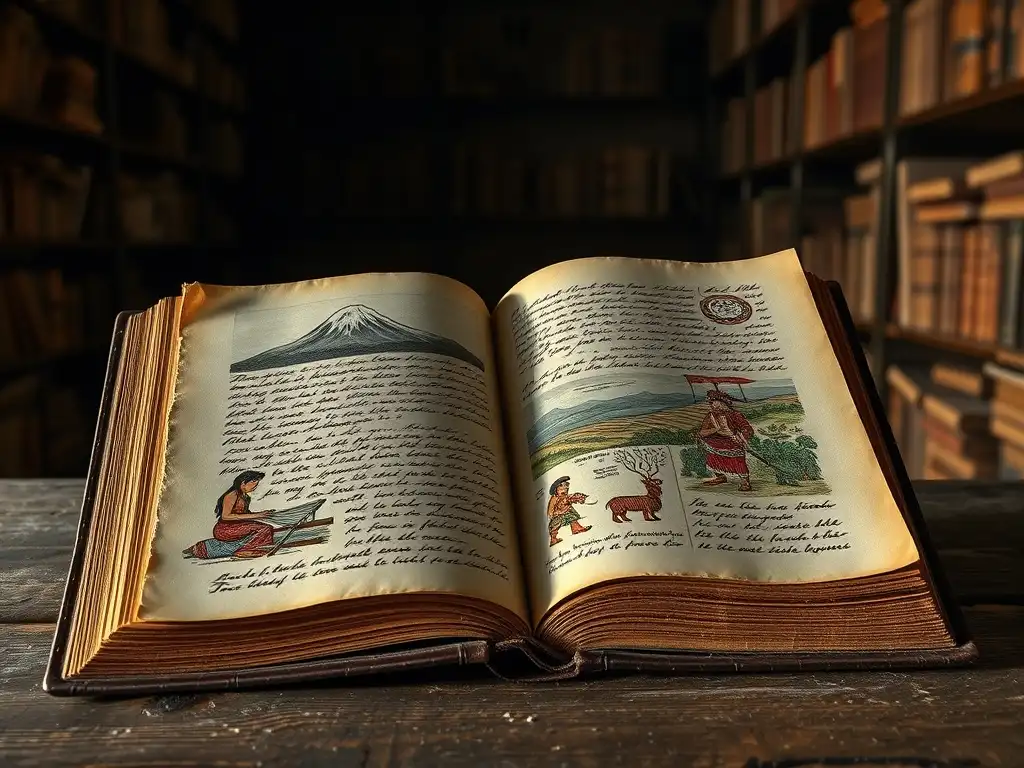
Felipe Guaman Poma de Ayala, a Quechua nobleman, created a unique and powerful document – a letter-book addressed to the King of Spain. His Nueva Crónica y Buen Gobierno is a masterpiece of indigenous resistance, combining illustrations and text to critique Spanish colonial rule and advocate for the rights of the Andean people. Poma de Ayala's work provides a scathing critique of the injustices inflicted upon the indigenous population, offering a powerful counter-narrative to the often-rosy portrayals of Spanish colonialism found in other chronicles.
His detailed illustrations, depicting Andean life before and after the conquest, are a vital element of his critique, visually demonstrating the devastating impact of Spanish rule on Andean societies. The sheer volume of detail contained within his work makes it a fundamental resource for understanding Andean civilizations and the complexities of colonial encounters.
Titu Cusi Yupanqui: An Inca Noble's Account of the Conquest
Titu Cusi Yupanqui, an Inca noble, wrote letters to the Spanish authorities, offering a unique perspective on the Inca resistance to Spanish rule. His writings provide valuable insights into the internal conflicts and political dynamics within the Inca Empire during and after the conquest. His correspondence offers a nuanced understanding of the Inca perspective on the conquest, revealing strategic considerations and political maneuvering in the face of overwhelming force.
His letters highlight the efforts of the Inca to negotiate and resist Spanish rule, demonstrating the ongoing struggle for autonomy and the preservation of Inca identity in the face of colonial oppression. Analyzing his letters allows for a more comprehensive understanding of the Inca response to the Spanish conquest, highlighting the resilience and agency of the Inca people.
Analyzing the Contributions of Andean Chroniclers
This section delves into the crucial role played by chroniclers in illuminating the complex tapestry of Andean civilizations. Their accounts, though often filtered through a colonial lens, remain invaluable primary sources for understanding pre-Columbian societies and their subsequent interactions with European colonizers. We will explore both the immense contributions and inherent limitations of these historical records, highlighting the need for critical analysis when interpreting their narratives.
The impact of these chroniclers on our understanding of Andean history cannot be overstated; their work offers a unique window into a world otherwise lost to time. Understanding their perspectives is key to unlocking a richer, more nuanced appreciation of Andean civilizations.
The Importance of Chroniclers in Understanding Pre-Columbian Andes
Chroniclers as Primary Sources for Andean History
Chroniclers provide irreplaceable primary sources for understanding Andean civilizations. Without their writings, our knowledge of Inca administration, Moche artistry, Nazca engineering, or Tiahuanaco cosmology would be significantly impoverished. These accounts, while sometimes fragmented or contradictory, offer direct glimpses into the daily lives, beliefs, and social structures of these societies. For instance, the detailed descriptions of Inca road systems and agricultural techniques found in the chronicles of [Specific chronicler name pending] provide invaluable insights into the sophisticated infrastructure and agricultural practices of the Inca Empire.
Similarly, accounts of religious ceremonies and rituals offer crucial information for reconstructing the spiritual lives of Andean peoples. These primary sources are essential building blocks for any accurate and comprehensive understanding of Andean history. Their value lies not only in the factual information they convey, but also in the insights they provide into the perspectives and biases of the chroniclers themselves.
Preserving Andean Traditions and Culture through Writing
Beyond simply recording historical events, Andean chroniclers played a vital role in preserving aspects of Andean traditions and culture that might otherwise have been lost. Many chroniclers, whether indigenous or Spanish, incorporated elements of Andean oral traditions, mythology, and local languages into their writings. This preservation effort is critical for understanding the continuity and evolution of Andean cultural practices across different eras.
For example, the incorporation of Quechua words and phrases in some chronicles allows linguists to reconstruct aspects of the language as it was spoken centuries ago. The detailed descriptions of Andean art and architecture also serve as essential guides for archaeologists and art historians. These chronicles act as a bridge, connecting the past with the present, and enabling us to appreciate the rich cultural heritage of the Andes.
Challenges and Biases in the Chroniclers' Accounts
While invaluable, the chronicles of Andean civilizations are not without their limitations. A critical approach is necessary to fully understand their significance and limitations.
The Influence of Colonial Context on Andean Narratives
The colonial context significantly shaped the narratives produced by chroniclers. Many chroniclers, particularly the Spanish, viewed Andean societies through a European lens, often interpreting Andean practices and beliefs within a framework of Christian morality and European social structures. This resulted in biases and misinterpretations that must be carefully considered when analyzing the accounts.
For example, descriptions of Inca religion were frequently framed within a Christian framework, leading to inaccurate or incomplete representations of Andean spirituality. The chroniclers' own positions within the colonial hierarchy also influenced their perspectives and the information they chose to record. Understanding these biases is crucial for interpreting the chronicles accurately and avoiding perpetuating inaccurate or misleading narratives about Andean civilizations.
Identifying and Interpreting Cultural Biases
Beyond the colonial context, recognizing the inherent cultural biases within the chronicles is equally crucial. The chroniclers' own cultural backgrounds and personal experiences inevitably shaped their interpretations of Andean societies. This is particularly true in cases where indigenous chroniclers attempted to reconcile their own cultural identities with the dominant colonial ideology.
For instance, [Specific example of a chronicler's bias pending] illustrates the complexities of navigating cultural differences and the challenges of representing one's own culture accurately within a foreign framework. Careful analysis of the language, tone, and perspectives expressed in the chronicles is essential for disentangling fact from interpretation and for constructing a more complete and nuanced understanding of Andean history. Identifying and acknowledging these biases is not about dismissing the chronicles, but rather about engaging with them critically and responsibly.
Specific Contributions of Andean Chroniclers to Our Understanding
The study of Andean civilizations is profoundly shaped by the accounts left behind by chroniclers, individuals who, often bridging cultural divides, documented the lives, beliefs, and practices of these fascinating societies. Their writings, though sometimes biased or filtered through a colonial lens, offer invaluable insights into a world otherwise lost to time. Understanding the nuances of these accounts is crucial for a complete understanding of Andean history, allowing us to move beyond simplistic narratives and appreciate the complexity of these cultures.
This section focuses on the specific contributions of these chroniclers, highlighting their impact on our understanding of Inca society and Andean religious beliefs. The careful analysis of their work unveils a richer, more textured picture of the Andean world.
Contributions to Understanding Inca Society and Governance
Chroniclers provide critical details about the intricate workings of Inca society, a civilization known for its sophisticated administrative systems and extensive empire. Their accounts are not just descriptive, but reveal the underlying principles that governed Inca life.
Insights into Inca Law and Administration
Inca law, as documented by chroniclers, was not a codified system like those of later European societies. Instead, it was a complex interplay of customs, traditions, and the authority of the Sapa Inca. Chroniclers describe the ayllu system, the basis of Inca social organization, highlighting its role in both agricultural production and social control.
We learn about the mit'a, the system of mandatory labor service, and how it contributed to the construction of infrastructure like roads and irrigation systems. The detailed descriptions of Inca administrative structures, including the use of curacas as local rulers and the network of messengers, reveal a highly organized and centralized state.
For example, [specific chronicler's name pending] provides a detailed account of [specific legal case or administrative action pending], illustrating the practical application of Inca law. Analyzing these accounts allows us to understand the mechanisms of power and control within the Inca empire, moving beyond simplified notions of a purely authoritarian regime.
Descriptions of Inca Social Structure and Customs
Chroniclers offer rich descriptions of Inca social stratification, from the Sapa Inca at the apex to the commoners at the base. They detail the roles and responsibilities of different social groups, including the elite, the priests, the artisans, and the farmers. These accounts provide insights into Inca customs, such as marriage practices, burial rites, and clothing styles. The chroniclers' observations also shed light on everyday life in Inca society, including agricultural techniques, food preparation, and forms of entertainment.
They often describe festivals and celebrations, offering valuable information on Inca religious practices and social cohesion. For instance, [specific chronicler's name pending] provides a vivid description of a [specific Inca festival or ceremony pending], highlighting the importance of community participation and the role of religious leaders. The combination of these detailed accounts allows for a more nuanced understanding of Inca social dynamics and their interplay with political structures.
Contributions to Understanding Andean Religious Beliefs
The Andean worldview, as depicted by chroniclers, was a complex system of beliefs and practices deeply interwoven with the natural world. Their accounts, while sometimes colored by their own religious perspectives, offer essential clues to understanding the spiritual life of these civilizations.
Chroniclers' Accounts of Andean Gods and Deities
Chroniclers provide valuable information about the Andean pantheon, describing the various gods and deities worshipped by different Andean groups. They often detail the attributes and powers of these deities, their roles in the cosmos, and their relationships with each other. While the interpretation of these accounts can be challenging due to the cultural differences and potential biases of the chroniclers, they nevertheless reveal the importance of religion in Andean society.
For example, the chroniclers' descriptions of Viracocha, the creator god, and Inti, the sun god, provide key insights into the cosmological beliefs of the Inca. The accounts of lesser deities and spirits reveal a complex religious landscape, reflecting the diversity of Andean beliefs and practices. The careful study of these accounts, combined with archaeological evidence, allows for a more comprehensive understanding of the Andean religious system.
The Significance of Rituals and Ceremonies in Andean Culture
Chroniclers' accounts of Andean rituals and ceremonies are invaluable for understanding the importance of religion in daily life. They describe various ceremonies, including those related to agriculture, warfare, and royal succession. These accounts highlight the use of specific objects, such as textiles, ceramics, and gold ornaments, in religious practices. The descriptions of human sacrifice, while disturbing, offer critical insights into the beliefs and practices of some Andean groups.
Analyzing these accounts in conjunction with archaeological discoveries provides a more complete picture of the role of religion in shaping Andean societies. For example, [specific chronicler's name pending] provides a detailed description of [specific Andean ritual or ceremony pending], illustrating the complexity and significance of these events in Andean life. These descriptions illuminate the deeply spiritual nature of Andean culture and its profound impact on their social and political structures.
Contributions to Understanding Andean Technology and Agriculture
Andean chroniclers played a pivotal role in transmitting knowledge about the sophisticated technologies and agricultural practices of the Andean civilizations. Their detailed observations, often embedded within broader narratives of conquest and cultural exchange, offer invaluable insights into the ingenuity and resourcefulness of these societies. These accounts, while sometimes filtered through the lens of European perspectives, provide crucial primary source material that allows modern scholars to reconstruct and interpret the past with greater accuracy.
Without these chronicles, our understanding of Andean technological achievements would be significantly impoverished. The meticulous descriptions of intricate irrigation systems, innovative farming techniques, and advanced metallurgical processes preserved in these texts are indispensable for understanding the complexities of Andean societies. Their work provides a bridge between the past and the present, allowing us to appreciate the remarkable achievements of these ancient cultures.
Descriptions of Andean Irrigation Systems
Chroniclers' accounts offer fascinating glimpses into the intricate water management systems employed by Andean civilizations. For instance, descriptions of the canales (canals) and acequias (irrigation ditches) reveal a deep understanding of hydraulic engineering. These weren't simply haphazard ditches; they were carefully planned and constructed networks that channeled water from rivers and streams to agricultural fields, often across significant distances and varying terrains.
Chronicles detailing the Nazca lines, for example, may indirectly illuminate their sophisticated understanding of water management, even if the primary purpose of the lines remains debated. The chroniclers often noted the scale and precision of these systems, highlighting the impressive organizational capabilities of Andean societies, capable of mobilizing large workforces to construct and maintain such complex infrastructure.
These detailed descriptions allow modern researchers to better understand the challenges faced by Andean engineers and the innovative solutions they developed. The precision of water distribution, as described in some chronicles, points to a sophisticated understanding of hydrology and land management.
Accounts of Andean Farming Practices
Beyond irrigation, chroniclers also documented the diverse farming practices of Andean communities. Their accounts reveal a deep knowledge of agricultural techniques tailored to the unique environmental conditions of the Andes. The chronicles often describe terracing, a technique used to create level fields on steep slopes, maximizing arable land and minimizing soil erosion.
They also detail the use of fertilizers, including guano (bird droppings), which provided essential nutrients to the soil. The cultivation of various crops, such as potatoes, maize, quinoa, and beans, is extensively documented, illustrating the agricultural diversification that ensured food security. The chroniclers often noted the cyclical nature of Andean agriculture, linked to the seasonal variations of the Andes.
This information provides invaluable context for understanding the close relationship between Andean societies and their environment. Furthermore, the accounts of crop storage techniques, including the use of qollqas (storage structures), reveal a sophisticated understanding of food preservation and resource management. These detailed descriptions of Andean farming practices contribute significantly to our understanding of the agricultural success and resilience of these ancient societies.
The Legacy of Andean Chroniclers
The legacy of Andean chroniclers is multifaceted and enduring. Their accounts, while often filtered through a colonial lens, provide invaluable primary source material for understanding pre-Columbian Andean societies. Without these written records, much of what we know about the Inca Empire, the Nazca Lines, and other fascinating aspects of Andean civilizations would remain shrouded in mystery.
These chroniclers, whether Spanish conquistadors, indigenous scribes, or mestizos, inadvertently became crucial bridges between two worlds, transmitting knowledge across centuries. Their work, while imperfect and sometimes biased, offers a unique glimpse into the complexity of Andean life, beliefs, and social structures. The sheer volume of information they preserved, ranging from detailed descriptions of Inca administration to accounts of religious rituals and agricultural practices, is a testament to their significant contribution to historical scholarship.
Analyzing their writings allows modern researchers to glean insights into the intricacies of Andean societies, offering a more nuanced understanding than would be possible without their contributions. Understanding their biases and perspectives is critical to interpreting their work accurately, a process that continues to shape Andean studies.
The Lasting Impact of the Chroniclers' Work on Andean Studies
The chroniclers' work has profoundly impacted Andean studies, serving as foundational texts for numerous academic disciplines. Archaeologists utilize their descriptions of settlements, fortifications, and artifacts to contextualize their discoveries. Anthropologists draw upon their accounts of social structures, kinship systems, and religious beliefs to develop comprehensive theories about Andean societies.
Linguists analyze the chroniclers' transcriptions of Quechua and other indigenous languages to reconstruct their evolution and understand their grammatical structures. The influence extends beyond the traditional humanities; historians, political scientists, and even economists find valuable data in chroniclers' records to study Andean governance, economic systems, and the impact of colonization. For instance, Garcilaso de la Vega's Royal Commentaries of the Incas remains a cornerstone text, offering invaluable insights into Inca history and culture, though always requiring careful consideration of his unique perspective as a mestizo.
Similarly, the accounts of Pedro Cieza de León provide detailed geographical descriptions and ethnographic observations that are still relevant today. Their lasting impact underscores the critical role of these chroniclers in shaping our understanding of Andean civilizations. The challenge remains in critically evaluating their perspectives, recognizing biases inherent in their positions and the context of their writing.
How Modern Research Builds upon the Foundations laid by the Chroniclers
Modern research in Andean studies builds directly upon the foundations laid by the chroniclers. However, scholars now approach these sources with a more critical and nuanced perspective. While acknowledging the historical significance of their work, researchers actively seek to corroborate their accounts with archaeological evidence, linguistic analysis, and other independent sources.
For example, ethnohistorical research complements chroniclers' accounts by exploring surviving indigenous traditions and oral histories. This multi-faceted approach ensures a more comprehensive and accurate understanding of Andean civilizations, mitigating the limitations of relying solely on colonial-era narratives. Furthermore, advancements in technology, such as GIS mapping and DNA analysis, are being used to verify or challenge the chroniclers' claims about population movements, migration patterns, and kinship structures.
Modern scholars also focus on recovering the voices of indigenous populations that were often marginalized or silenced in the chroniclers' accounts. By incorporating diverse perspectives and methodologies, modern Andean studies builds upon the legacy of the chroniclers while actively seeking to correct biases and fill gaps in the historical record. This dynamic process of investigation continues to refine and expand our knowledge of these remarkable civilizations.
Conclusion: The Continuing Relevance of Andean Chroniclers
Despite the inherent biases and limitations of colonial-era accounts, the work of Andean chroniclers remains profoundly relevant to modern scholarship. They provide invaluable primary source material that forms the bedrock of many studies. However, modern research emphasizes a critical and multi-faceted approach, integrating archaeological evidence, linguistic analysis, and other sources to create a more comprehensive and nuanced understanding of Andean civilizations.
The continuing relevance of these chroniclers lies in their ability to spark new questions and inspire innovative research methodologies. Their accounts serve as a starting point for further investigation, prompting scholars to delve deeper into the complexities of Andean history and culture.
By acknowledging the limitations while appreciating the historical value of their work, we can continue to build upon their legacy, ensuring that the "lost voices" of the Andes are heard and understood within the broader context of Andean civilizations. The ongoing engagement with these texts highlights the enduring power of historical sources and the importance of critical analysis in shaping our understanding of the past.
Frequently Asked Questions
Who were the main chroniclers of Andean civilizations?
Several key figures documented Andean civilizations, including Spanish conquistadors like Pedro Cieza de León and Garcilaso de la Vega, whose accounts, while sometimes biased, offer invaluable insights. Indigenous perspectives are harder to access directly, often filtered through colonial accounts.
How reliable are the accounts of Andean chroniclers?
The reliability varies greatly. Spanish chroniclers often presented a Eurocentric view, while indigenous accounts are scarce and often fragmented. Cross-referencing different sources and considering potential biases is crucial for a balanced understanding.
What challenges did chroniclers face in documenting Andean civilizations?
Chroniclers faced numerous challenges, including language barriers, cultural misunderstandings, and political pressures. Accessing accurate information and navigating complex social structures in a new world proved incredibly difficult.
What specific topics did Andean chroniclers cover?
Chroniclers documented various aspects, including political structures, religious beliefs, agricultural practices, and social hierarchies. Their writings also shed light on daily life, technology, and artistic expressions of the Andean peoples.
Where can I find more information about Andean civilization chroniclers and their works?
Many academic libraries and online archives house translated versions of chroniclers' works. Searching for specific chroniclers (e.g., "Pedro Cieza de León") or relevant keywords ("Andean civilizations" and "chronicles") will yield numerous resources.
Final Reflection: Echoes Across the Andes: A Legacy of Untold Stories
The meticulous records left by Andean chroniclers remain profoundly relevant today, offering invaluable insights into a complex and vibrant civilization often misunderstood or misrepresented. Their work challenges simplistic narratives and provides a crucial counterpoint to colonial perspectives, ensuring that the voices of the Indigenous population are not entirely silenced by the passage of time.
The enduring power of these chronicles lies not only in their historical accuracy but also in their capacity to foster empathy and understanding across cultures. Their words, painstakingly translated and interpreted, continue to shape our understanding of Andean societies, their beliefs, and their struggles. History is not merely what happened, but what is remembered, and how it is remembered.
This quote highlights the vital role these chroniclers played in shaping the narrative of their world, a narrative that continues to resonate in the present day. Their legacy reminds us of the importance of preserving diverse perspectives and challenging dominant narratives.
Consider the impact of these lost voices. How might our understanding of history, of power dynamics, and of cultural exchange be different if these chronicles had been lost to time? You, the reader, hold the power to continue this legacy. Seek out these invaluable texts, engage with their stories, and share their insights. Let the echoes of these Andean voices inspire you to seek out and amplify the marginalized narratives of our own time, ensuring that future generations have access to a more complete and nuanced understanding of our shared human history.
Thank you for exploring the fascinating narratives of the Andes. Your interest in these historical accounts reveals a rich tapestry of cultural exchange that shaped entire civilizations. Let's turn that interest into action.
- Delve deeper into Andean history by exploring our dedicated archives for exclusive content and resources.
- Share this article with friends and on social media to spread awareness of these incredible figures and their stories.
- Join our online community to discuss and celebrate the legacy of Andean civilizations.
Which Andean story resonates most with you, and how do you think these stories impact our understanding of the world today?