
Journey Through Time: Interactive Digital Resources for Andean History


Uncover the secrets of a lost world. Dive into the captivating realm of Andean civilizations, where towering empires thrived and intricate artistry flourished. From the ingenious irrigation systems of the Nazca to the monumental structures of the Incas, Andean civilizations digital resources unlock a treasure trove of interactive experiences. Prepare to be amazed as we unravel the mysteries of these remarkable cultures—a journey through time awaits!
Embark on a captivating journey through the rich tapestry of Andean civilizations—from the awe-inspiring Inca Empire to the enigmatic Nazca Lines and the masterful artistry of the Moche culture. This article explores the burgeoning world of digital resources dedicated to unlocking the secrets of these remarkable societies.
We delve into interactive tools, online courses, and virtual museums that bring the vibrant history, intricate art, and advanced technologies of the Andes to life, making the study of Andean civilizations more accessible and engaging than ever before. Whether you're a seasoned scholar, a curious student, or simply fascinated by the mysteries of the past, this guide provides a curated selection of digital resources designed to ignite your passion for Andean history and culture.
We'll examine the benefits of using these digital tools for learning and research, highlighting their unique strengths and potential to revolutionize our understanding of these captivating ancient cultures. Prepare to be amazed by the wealth of information readily available at your fingertips, transforming your exploration of Andean civilizations into a truly interactive and immersive experience.
Unveiling the Past: Exploring Andean Civilizations Through Digital Tools
The digital age has revolutionized how we access and interact with historical information. For the study of Andean civilizations, this transformation is particularly profound. No longer confined to dusty archives and physical museums, the intricate details of Andean life, from intricate textile designs to complex agricultural techniques, are now readily available online.
This accessibility opens doors for both casual learners and dedicated researchers, offering unprecedented opportunities for exploration and deeper understanding. The resources available range from high-resolution images of ancient artifacts to interactive 3D models of significant sites, providing a multi-sensory experience that far surpasses traditional methods. We will explore several examples of these digital tools, highlighting their unique features and educational value.
Interactive 3D Models and Virtual Tours: Stepping into the Past
Imagine walking through the majestic ruins of Machu Picchu without leaving your home, or exploring the intricate details of a Moche ceramic vessel from every angle. This is the power of interactive 3D models and virtual tours. Many websites and institutions now offer immersive experiences that allow users to explore ancient Andean sites and artifacts in unprecedented detail. These resources often include detailed annotations, historical context, and high-resolution imagery, providing a rich and engaging learning experience.
The level of detail and interactivity varies across different platforms, but the overall effect is consistently impressive, bringing the past vividly to life. Specific examples of such resources, including details on their functionality and accessibility, will be discussed further in subsequent sections. These tools are particularly beneficial for educators, offering engaging ways to illustrate complex historical concepts to students of all ages.
Online Courses and Educational Platforms: Structured Learning for Andean History Enthusiasts
For those seeking a more structured learning experience, numerous online courses and educational platforms offer comprehensive insights into Andean civilizations. These courses often incorporate a variety of learning materials, including video lectures, interactive quizzes, and downloadable readings, catering to diverse learning styles. The content covers a broad range of topics, from the political organization of the Inca Empire to the religious beliefs of the Nazca people. Some platforms even offer certification upon completion, providing a valuable credential for students and professionals alike.
The quality and depth of these online courses vary significantly, so careful selection based on the learner's needs and goals is crucial. We will provide a categorized list of reputable online courses and platforms dedicated to Andean history later in this article. The convenience and flexibility of online learning make it an ideal option for individuals with busy schedules or limited access to traditional educational resources.
Digital Archives and Databases: Accessing Primary Sources and Scholarly Research
Beyond interactive tools and structured courses, a wealth of primary source materials and scholarly research is now readily available online. Digital archives and databases provide access to a vast collection of documents, images, and other materials related to Andean civilizations. These resources are invaluable for researchers and students alike, offering a deeper understanding of the historical context and scholarly interpretations surrounding these ancient cultures.
The availability of these digital archives democratizes access to information previously restricted to physical libraries and institutions, fostering a more inclusive and collaborative research environment. We will detail specific examples of these valuable digital archives, including their search capabilities and the types of information they contain. Navigating these archives efficiently requires specific skills; therefore, we will also provide guidance on effective search strategies.
- Unveiling the Past: Exploring Andean Civilizations Through Digital Tools
- Interactive 3D Models and Virtual Tours: Stepping into the Past
- Online Courses and Educational Platforms: Structured Learning for Andean History Enthusiasts
- Digital Archives and Databases: Accessing Primary Sources and Scholarly Research
The Best Digital Resources for Exploring Andean History Online
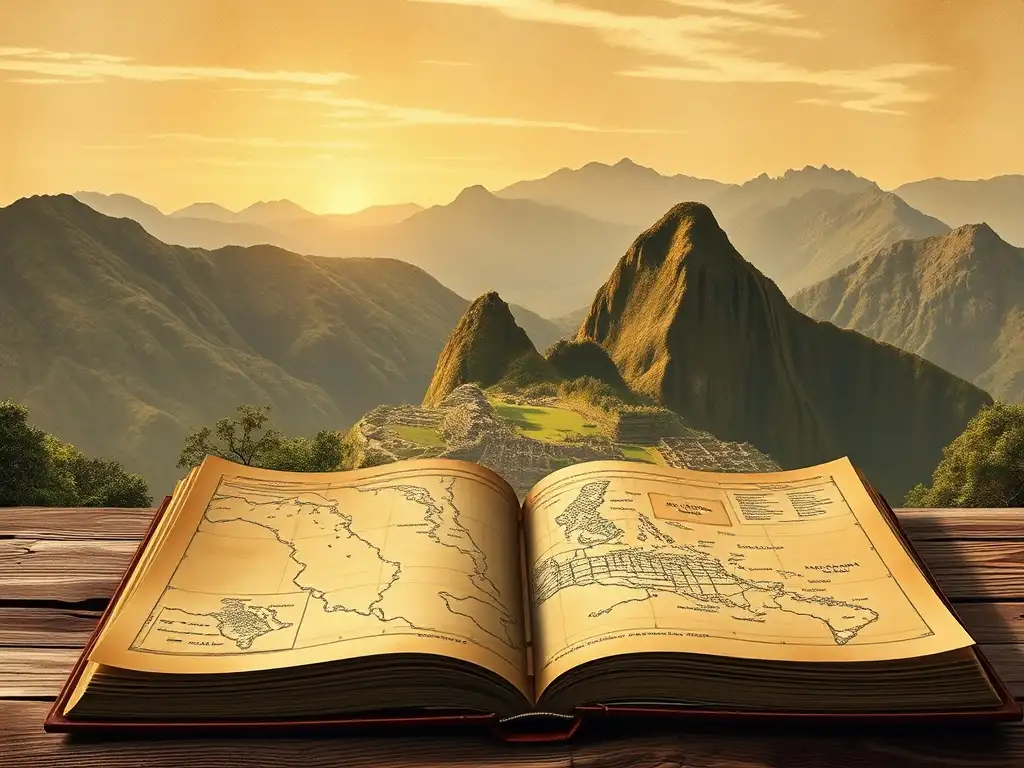
This section delves into the best online resources available for those eager to explore the fascinating world of Andean civilizations. We'll examine top-tier interactive courses, leading virtual museums, and other digital archives offering unparalleled access to Andean history, art, and culture. This curated list caters to diverse learning styles and interests, ensuring a rich and engaging experience for all enthusiasts of Andean civilizations digital resources.
Top Interactive Online Courses on Andean Civilizations
Engaging with interactive online courses provides a structured and in-depth approach to learning about Andean civilizations. These courses often combine video lectures, interactive exercises, and assessments to facilitate a comprehensive understanding of the subject matter. Below, we highlight two exemplary courses that stand out for their quality and accessibility.
"The Inca: Lords of the Andes" by The Great Courses - A Detailed Historical Account
This comprehensive course offers a detailed historical account of the Inca Empire, exploring its rise to power, societal structure, remarkable engineering feats, and eventual decline. The course utilizes high-quality video lectures delivered by renowned experts in the field, supplemented by captivating visuals and maps. Students gain a deep understanding of Inca history, politics, religion, and daily life, moving beyond simplistic narratives to uncover the complexities of this fascinating civilization.
The course’s structure allows for flexible learning, fitting easily into busy schedules. Expect to encounter detailed analyses of Inca textiles, agriculture, and urban planning, all enriched with primary source materials and scholarly interpretations. The course successfully blends academic rigor with an engaging presentation style, making it accessible to both students and casual enthusiasts of Andean civilizations digital resources.
"Andean Archaeology: From Villages to Empires" by FutureLearn - An Archaeological Perspective
Unlike the Great Courses offering, this FutureLearn course provides a more archaeological perspective on Andean civilizations. It traces the development of Andean societies from small villages to vast empires, focusing on the material culture and archaeological evidence that illuminates their history. The course incorporates a blend of textual materials, interactive quizzes, and peer-to-peer discussions, promoting active learning and community engagement. Expect to analyze archaeological finds, interpret ancient technologies, and understand the different methodologies employed in Andean archaeology.
The course is particularly insightful for understanding the evolution of Andean societies and the advancements in their technology and social structures. The interactive nature of the course allows for active participation and fosters a deeper understanding of the complexities of Andean archaeological discoveries. This course is ideal for those wanting a hands-on and collaborative learning experience within the realm of Andean civilizations digital resources.
Leading Virtual Museums and Digital Archives for Andean Artifacts
Beyond online courses, virtual museums and digital archives provide unparalleled access to Andean artifacts and cultural heritage. These digital platforms offer high-resolution images, detailed descriptions, and often, interactive features that enhance the learning experience. They allow for exploration at one's own pace and provide a vast repository of information for researchers and enthusiasts alike.
The Metropolitan Museum of Art's Andean Collection - A Global Perspective
The Metropolitan Museum of Art boasts a significant collection of Andean artifacts, representing diverse cultures and periods. Their online catalog offers high-resolution images and detailed descriptions of these objects, providing a global perspective on Andean art and culture. The digital collection allows for detailed examination of textiles, ceramics, goldwork, and other artifacts, revealing intricate details often missed in physical visits.
The museum's website also includes scholarly articles and essays, enriching the learning experience and providing deeper context for the artifacts. The diverse range of objects available online offers a comprehensive overview of Andean artistic traditions and their evolution over time. This online resource makes the Met's impressive collection accessible to a global audience, greatly expanding access to Andean civilizations digital resources.
The British Museum's Collection of Andean Objects - A Rich Historical Record
The British Museum's online collection of Andean objects offers another rich historical record, showcasing a diverse range of artifacts from various Andean cultures. Similar to the Met's online catalog, the British Museum provides high-quality images and detailed descriptions of its holdings, allowing for close examination of individual pieces. The collection is particularly valuable for its representation of different Andean cultures and periods, offering a comparative perspective on artistic styles and cultural practices.
The museum’s website also provides contextual information, linking the artifacts to their historical and cultural significance. The British Museum's commitment to making its collection accessible online significantly contributes to the global understanding and appreciation of Andean civilizations digital resources.
Must-Have Software & Apps for Andean History Research
Delving into the fascinating world of Andean civilizations requires more than just books and articles. Harnessing the power of digital tools significantly enhances research capabilities, allowing for deeper analysis and collaboration. This section highlights essential software and apps that can transform your Andean history research experience. From visualizing ancient settlements on detailed maps to efficiently managing your ever-growing bibliography, these resources are invaluable for both amateur enthusiasts and seasoned academics.
Choosing the right tools can streamline your workflow, boost productivity, and ultimately lead to richer insights into the complexities of Andean cultures. The digital age offers unprecedented opportunities to explore these captivating societies, and utilizing the right software is key to unlocking their secrets. Remember to always critically evaluate the information you find online and cross-reference it with multiple sources to ensure accuracy. This multi-faceted approach guarantees a more thorough and reliable understanding of Andean history.
QGIS for Advanced Spatial Analysis of Andean Landscapes
QGIS, a free and open-source Geographic Information System (GIS) software, is a powerful tool for anyone studying the geography and spatial distribution of Andean civilizations. Imagine overlaying ancient road networks onto modern satellite imagery to trace the Inca's impressive infrastructure. Or perhaps analyzing the agricultural patterns of the Nazca culture by mapping their irrigation canals and settlements. QGIS allows for precisely this type of spatial analysis.
Its user-friendly interface, coupled with its extensive functionalities, makes it accessible to researchers of all levels. You can import various data formats, including shapefiles, raster images, and even GPS data from field expeditions. The software's capabilities extend to creating thematic maps, performing spatial queries, and conducting statistical analysis on your geospatial data. For instance, you could analyze the proximity of settlements to water sources to understand settlement patterns.
By utilizing QGIS, researchers can gain valuable insights into the environmental factors that shaped Andean societies and their strategic choices regarding resource management and territorial control. The ability to visualize and analyze geographical data in this way is a significant advantage in understanding the complex interplay between geography and culture in the Andes. Furthermore, its open-source nature means constant updates and community support, ensuring you always have access to the latest features and problem-solving assistance. This makes QGIS an indispensable tool for any serious student of Andean geography and history.
Mendeley for Collaborative Research and Citation Management
Effective research is not just about discovery; it's also about organization and collaboration. Mendeley, a free reference manager and academic social networking site, excels in both areas. As you delve deeper into Andean civilizations, you'll accumulate a vast library of research papers, books, and other sources. Mendeley provides a centralized platform to store, organize, and annotate these resources. This prevents the chaos of scattered notes and misplaced files, streamlining your workflow and reducing research time.
Beyond individual organization, Mendeley shines in collaborative research. You can easily share your research library with colleagues, facilitating joint projects and discussions. This collaborative aspect is particularly valuable when studying complex topics like Andean societal structures or religious beliefs, where multiple perspectives and expertise are needed to build a comprehensive understanding. The ability to share annotations and highlight key passages strengthens collaborative efforts, ensuring everyone is on the same page.
Furthermore, Mendeley's integrated citation manager simplifies the often tedious process of creating bibliographies and in-text citations. It supports numerous citation styles, ensuring your work adheres to academic standards. This automated functionality frees up valuable time and reduces the risk of citation errors, allowing you to focus on the analysis and interpretation of the vast amount of information related to Andean civilizations. By facilitating both individual organization and collaborative research, Mendeley becomes an essential tool for navigating the complexities of Andean studies.
Maximizing Your Andean Civilizations Research With Digital Tools

This section explores how readily available digital tools can significantly enhance your understanding of Andean civilizations. We’ll move beyond simple online searches and delve into the sophisticated resources that allow for in-depth analysis and interpretation of Andean history, culture, and technology. The effective use of these digital resources can transform your research experience, providing access to previously inaccessible information and fostering a deeper appreciation for the intricacies of these fascinating societies. Mastering these tools will allow you to become a more effective researcher of Andean civilizations digital resources.
Leveraging Digital Resources for Deeper Understanding
The digital revolution has opened up unprecedented avenues for researching Andean civilizations. No longer are scholars limited to dusty archives and physical libraries. A wealth of information is now available online, ranging from high-resolution images of artifacts to interactive maps of ancient settlements. This accessibility democratizes access to knowledge, making it easier for both seasoned researchers and enthusiastic amateurs to explore the complexities of Andean history. The key is learning how to effectively utilize these varied resources and to critically evaluate the information presented.
Analyzing Andean Settlement Patterns with GIS Software
Geographic Information Systems (GIS) software offers unparalleled opportunities for analyzing Andean settlement patterns. By overlaying data on topography, climate, and resource availability, researchers can gain valuable insights into the factors that shaped the location and growth of Andean cities and villages. For example, using GIS, scholars have mapped the intricate network of roads and agricultural terraces constructed by the Inca, revealing the sophistication of their infrastructure and administrative systems. This allows for a more nuanced understanding of Inca imperial control and resource management.
Further analysis could reveal correlations between settlement density and access to water sources, or the strategic positioning of settlements relative to defensive features. The possibilities for uncovering patterns and building new hypotheses are truly immense. The effective use of GIS is crucial for any serious study of Andean spatial organization.
Interpreting Andean Art and Iconography Through Digital Databases
Digital databases of Andean art and iconography are invaluable for researchers seeking to interpret the symbolic language of these civilizations. High-resolution images allow for detailed analysis of intricate textile designs, ceramic motifs, and monumental sculptures. Many databases provide detailed descriptions, contextual information, and scholarly interpretations, facilitating comparative studies and the identification of recurring themes and patterns.
For example, researchers can compare representations of deities across different Andean cultures, charting changes in iconography over time and tracing the evolution of religious beliefs. By analyzing the stylistic variations in pottery from different regions, we can gain insights into regional identities and inter-cultural exchange. This digital access to a vast collection of Andean art allows for a more comprehensive and nuanced understanding of Andean cosmology, social structures, and artistic traditions.
Conclusion: Embracing Digital Tools for Andean History Exploration
The digital age has revolutionized the study of Andean civilizations. The effective use of online resources, from GIS software to digital databases of art and artifacts, allows for a more comprehensive, detailed, and nuanced understanding of these remarkable societies. By embracing these tools and developing critical evaluation skills, researchers can unlock new insights and contribute to the ongoing expansion of our knowledge of Andean history and culture. The potential for future discoveries and interpretations is limitless.
The Expanding Horizon of Andean Studies Through Digital Platforms
The field of Andean studies is constantly evolving, and digital platforms play a pivotal role in this dynamic landscape. New databases are constantly being created, new software tools are being developed, and new methodologies are being employed. This continuous innovation ensures that our understanding of Andean civilizations is not static, but rather a vibrant and evolving field of study.
The integration of digital technologies into Andean research promises to unveil even more fascinating details about these ancient societies, making the future of Andean studies truly exciting and full of possibilities. This ongoing development underlines the importance of staying abreast of the latest digital tools and methodologies to maximize research potential in the field of Andean civilizations digital resources.
Frequently Asked Questions
What digital resources are available for learning about Andean civilizations?
This article offers a journey through time, providing access to interactive digital resources focusing on the Incas, Moche, Nazca, and Tiahuanaco. Explore high-resolution images, 3D models, and interactive maps to deepen your understanding.
Are these resources suitable for students?
Absolutely! The resources are designed to be engaging and educational, catering to various learning styles and age groups. They're perfect for classroom use or independent study.
What aspects of Andean civilizations are covered in these digital resources?
The resources cover a wide range of topics, including history, culture, art, and technology. You'll find information on daily life, religious practices, agricultural techniques, and architectural marvels.
How can I access these Andean civilizations digital resources?
Access is provided through this website. You'll find links and descriptions to various digital archives and databases, along with interactive elements within the article itself.
Are these resources free to use?
Access to many of the linked resources is free, although some may require registration or subscriptions. The article itself, however, is freely available to all users.
Final Reflection: Weaving the Past into the Present Through Digital Threads
The accessibility of interactive digital resources is revolutionizing our understanding of Andean civilizations, offering unprecedented opportunities for engagement and learning. No longer confined to dusty textbooks and static museum displays, the rich tapestry of Andean history is now readily available, vibrant and dynamic, for anyone with an internet connection. This democratization of knowledge is not merely a technological advancement; it's a fundamental shift in how we connect with the past and appreciate the enduring legacy of these remarkable cultures.
The impact of these digital tools extends far beyond the classroom, influencing how we perceive and interpret Andean history in our daily lives. The ability to explore ancient sites virtually, manipulate 3D models of artifacts, and interact with digital reconstructions of Inca cities fosters a deeper, more visceral understanding than traditional methods ever could. This immersive experience challenges preconceived notions and encourages critical thinking, fostering a more nuanced and empathetic appreciation for the complexities of Andean societies. The past is never dead. It's not even past.
– William Faulkner. This quote resonates deeply as these digital resources bring the past vividly to life, making it relevant and engaging for a new generation.
Consider the potential these resources hold. You, the reader, now possess the tools to embark on your own journey through time, to explore the intricacies of Andean civilizations at your own pace and in your own way. Embrace this opportunity to delve deeper, to question, to learn, and to share your discoveries with others. Let the interactive digital landscapes of the Andes inspire you, not just as a student of history, but as a citizen of the world, connected to a rich and vibrant past that continues to shape our present.
**Unveil the Richness of Andean History Today! **
Thank you for joining us on this exploration of Andean history. We hope you found the experience insightful and inspiring! Now, let's continue your journey of discovery.
Here are a few ways you can further immerse yourself in the vibrant history of the Andes:
- **Explore our digital resources:** Our website, [andeancivilizations.com](https://andeancivilizations.com), offers interactive maps, timelines, and videos to bring Andean history to life.
- **Share your passion:** Connect with other history enthusiasts on social media—share your favorite discoveries and tag us! We love to see what resonates with you.
- **Join our community:** Participate in our webinars and discussions to engage with experts and fellow history lovers. Your perspectives are valuable to us.
What aspect of Andean history intrigues you most? Share your thoughts in the comments below!