
Andean Heritage Preservation: Modern Efforts to Protect Ancient Sites

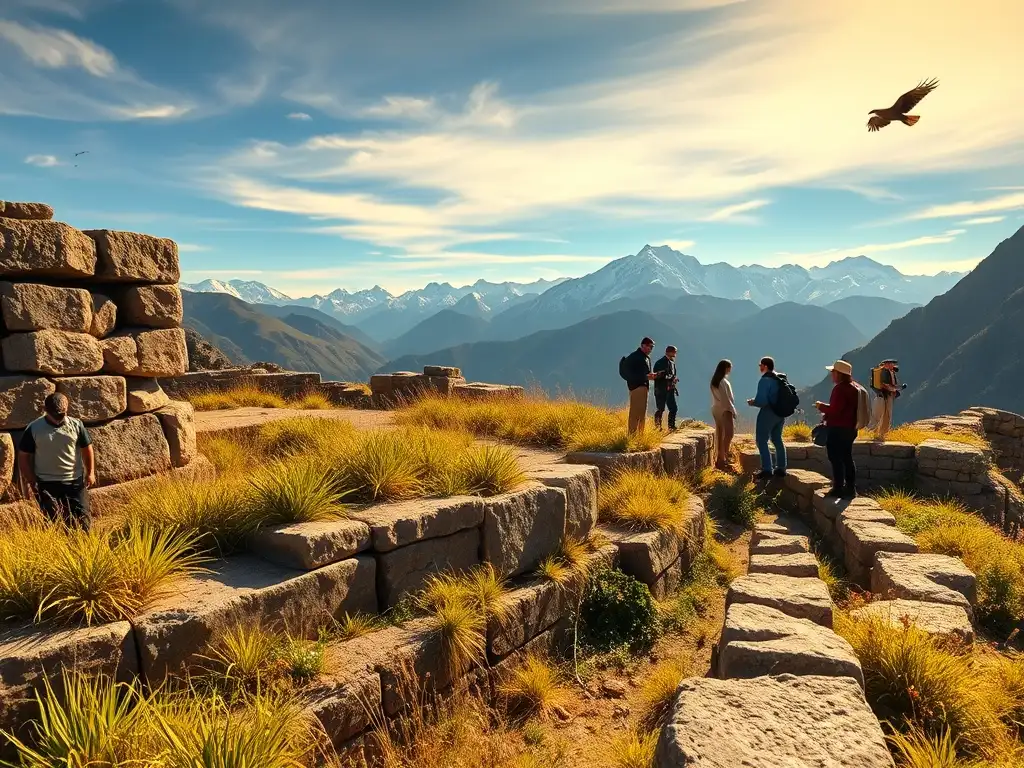
Uncover the mysteries of a lost world. For centuries, the breathtaking achievements of the Andean civilizations – from the Incas to the Nazca – have captivated imaginations. But how are we safeguarding this incredible legacy today? Dive into the crucial issue of Andean archaeological site preservation, and discover the cutting-edge efforts underway to protect these irreplaceable treasures for future generations. The story is far more complex than you might imagine... Let's explore.
The Andes Mountains, a spine of towering peaks running down the western coast of South America, are home to a rich tapestry of ancient civilizations. For millennia, cultures like the Inca, Moche, Nazca, and Tiahuanaco flourished in this challenging yet fertile landscape, leaving behind a breathtaking legacy of architectural marvels, intricate artwork, and sophisticated technologies. However, the passage of time, coupled with the impacts of climate change, looting, and unsustainable development, poses significant threats to the preservation of these invaluable Andean archaeological sites.
This article explores the multifaceted modern efforts underway to protect this irreplaceable heritage, focusing on the crucial challenges and innovative strategies employed to safeguard these ancient wonders for future generations. Understanding these preservation initiatives is paramount to appreciating the ongoing commitment to understanding and protecting the legacy of Andean civilization, a key aspect of Andean archaeological site preservation.
The Challenges Facing Andean Archaeological Sites
Preserving Andean archaeological sites presents a unique set of difficulties. The high altitude, unpredictable weather patterns, and seismic activity inherent to the Andean region contribute to the deterioration of ancient structures. Furthermore, the sheer scale and geographic dispersion of these sites make comprehensive monitoring and protection a monumental task. The vulnerability to looting remains a significant concern; the illicit trade in artifacts continues to threaten the integrity of many sites.
Finally, the increasing pressure of population growth and the expansion of infrastructure often clash with the need to protect these fragile environments. These challenges are interconnected and require a multi-pronged approach to effective preservation. For example, the impact of tourism, while potentially beneficial for local economies, can also accelerate site degradation if not managed sustainably. Balancing the needs of local communities with the imperative to protect these sites is a complex and ongoing process.
Technological Advancements in Site Preservation
Modern technology plays a crucial role in Andean archaeological site preservation. Techniques like LiDAR (Light Detection and Ranging) allow for the creation of highly detailed three-dimensional models of sites, even those obscured by vegetation or difficult terrain. This allows archaeologists to map and monitor sites remotely, identifying areas at risk and tracking changes over time. Ground-penetrating radar (GPR) helps locate buried structures and artifacts without the need for extensive excavation, minimizing damage to the site.
Furthermore, advanced materials science is contributing to the development of new conservation techniques for preserving fragile artifacts and structures, mitigating the effects of weathering and decay. The use of drones for aerial photography and monitoring also provides a non-invasive way to assess the condition of sites and detect any signs of damage or illegal activity. These technological advancements are revolutionizing our ability to protect these invaluable resources.
Community Involvement and Sustainable Tourism
Successful Andean archaeological site preservation relies heavily on the active involvement of local communities. Many of these sites are situated within or adjacent to communities whose livelihoods are intertwined with the sites' history and cultural significance. Empowering these communities through education, job creation related to site management and tourism, and collaborative decision-making processes is essential.
Sustainable tourism strategies, which prioritize the protection of the site over profit maximization, are crucial. This includes limiting visitor numbers, providing guided tours that educate visitors about the site's significance and fragility, and investing revenues generated from tourism back into the preservation efforts. By fostering a sense of ownership and responsibility among local communities, we can ensure the long-term protection of these sites.
International Collaboration and Legal Frameworks
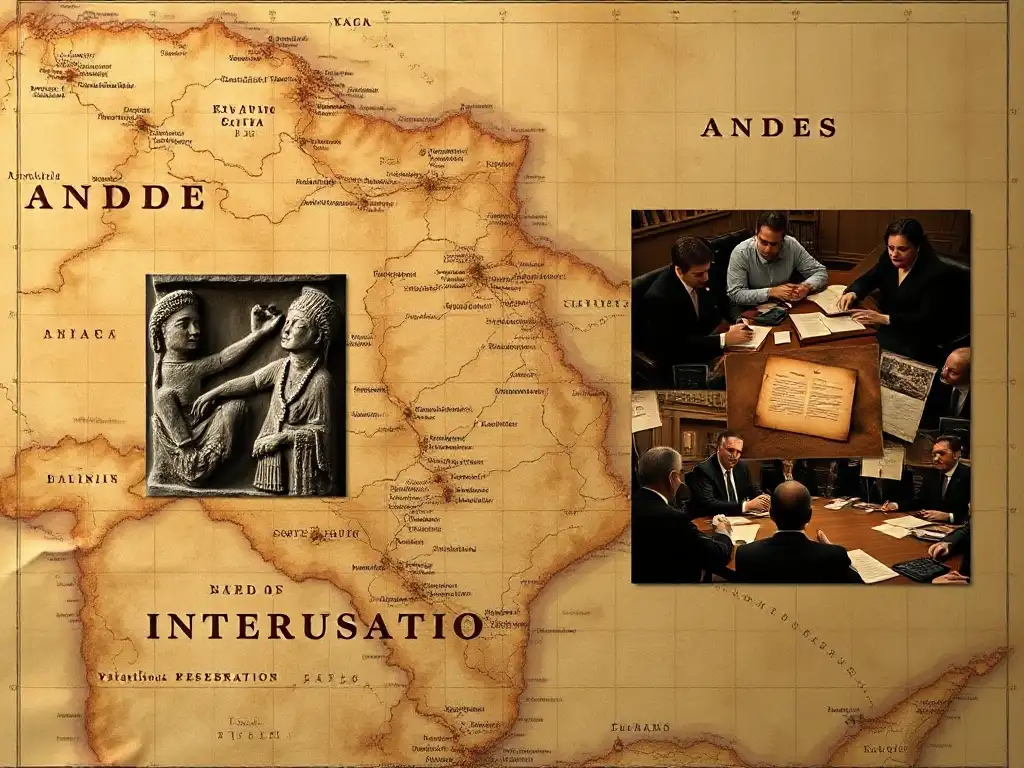
The preservation of Andean archaeological heritage necessitates international collaboration. The illicit trafficking of artifacts often transcends national borders, requiring coordinated efforts between governments and international organizations to combat this illegal activity. Strengthening legal frameworks, both nationally and internationally, is crucial to deter looting and prosecute offenders. Sharing best practices and expertise in conservation techniques among different countries also contributes to more effective preservation strategies. International funding and support for research and conservation projects are also essential, given the significant financial resources required for these undertakings. The collaborative nature of this effort highlights the global significance of Andean cultural heritage.
Future Directions in Andean Archaeological Site Preservation
Looking ahead, continued investment in research and technological innovation remains critical. Further development and application of non-invasive monitoring techniques, coupled with improved understanding of the environmental factors affecting site degradation, will be essential in refining preservation strategies. The integration of climate change adaptation measures into preservation plans is also crucial, given the increasing vulnerability of these sites to extreme weather events.
Finally, promoting public awareness about the importance of Andean archaeological heritage through education and outreach programs is vital to fostering a culture of respect and responsibility towards these irreplaceable treasures. The future of Andean archaeological site preservation hinges on a sustained and collaborative commitment from governments, researchers, local communities, and the international community alike. The preservation of this heritage is not merely an academic pursuit; it is a responsibility shared by all who value the richness and diversity of human history.
- The Challenges Facing Andean Archaeological Sites
- Technological Advancements in Site Preservation
- Community Involvement and Sustainable Tourism
- International Collaboration and Legal Frameworks
- Future Directions in Andean Archaeological Site Preservation
- What challenges does Andean archaeological site preservation face?
- How are modern technologies used in Andean site preservation?
- What role do local communities play in Andean site preservation?
- What are some examples of successful Andean archaeological site preservation projects?
- How can I contribute to Andean archaeological site preservation?
The Significance of Andean Archaeological Sites
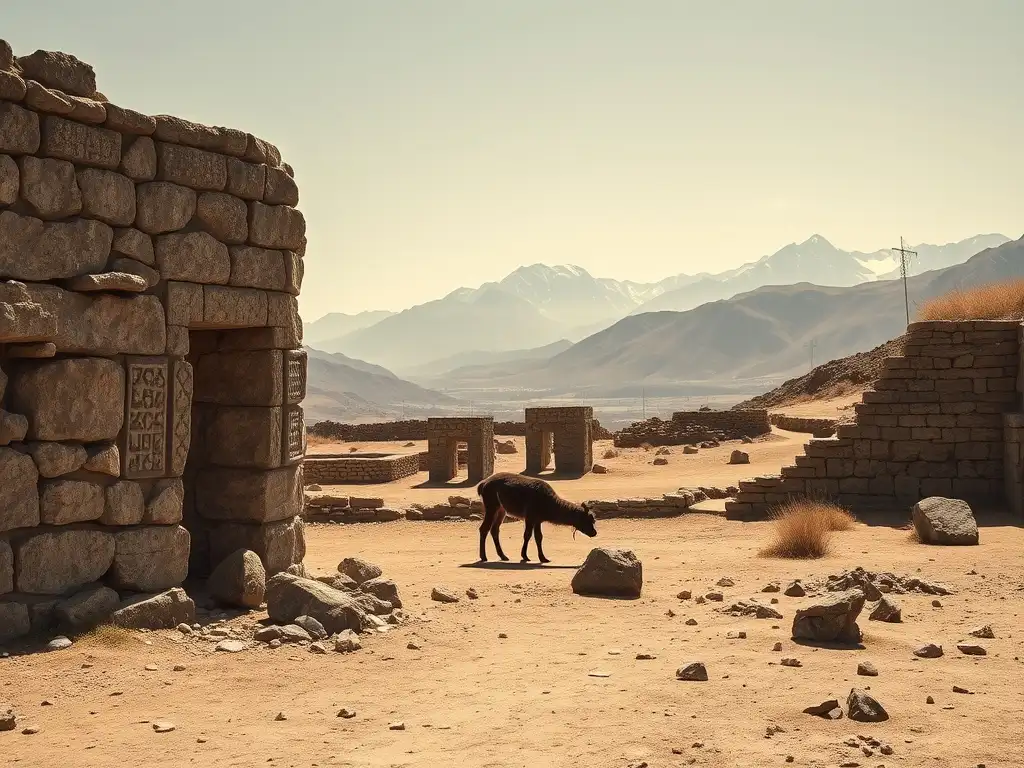
The preservation of Andean archaeological sites is paramount not only for understanding the past but also for shaping a sustainable future. These sites represent a tangible link to incredibly sophisticated civilizations that thrived for millennia in the challenging Andean environment. Their significance transcends mere historical interest; they are living testaments to human ingenuity, resilience, and cultural adaptation. Understanding their importance requires a multifaceted approach, encompassing cultural, scientific, and economic dimensions. The loss of these sites represents an irreplaceable loss to humanity's collective heritage. Effective Andean archaeological site preservation strategies must account for this profound significance.
Understanding the Cultural Value of Andean Heritage
Andean heritage encompasses a vast tapestry of traditions, beliefs, and artistic expressions. Archaeological sites are not just collections of stones and artifacts; they are repositories of cultural memory, embodying the spiritual and cosmological beliefs of past societies. For example, the intricate Nazca Lines, though their precise purpose remains debated, hold immense cultural significance for modern Peruvians and are a source of national pride.
Similarly, the monumental structures of Machu Picchu, beyond their architectural marvel, represent a deep connection to Inca history and mythology. Preserving these sites means safeguarding the cultural identity and ancestral legacy of Andean communities, fostering a sense of belonging and continuity across generations. The ongoing efforts to document and interpret these sites, through meticulous archaeological excavation and responsible tourism initiatives, are crucial for maintaining this vital link to the past.
Without preservation, the cultural narratives woven into the fabric of these landscapes risk being lost forever. This loss extends beyond specific sites; it impacts the very identity and cultural richness of Andean societies today.
Threats to Andean Archaeological Sites: Natural and Human Factors
Andean archaeological sites face a complex array of threats, both natural and human-induced. Natural hazards, such as earthquakes, landslides, and erosion, constantly challenge the integrity of these fragile monuments. The harsh Andean climate, with its extremes of temperature and precipitation, further accelerates the deterioration process. For instance, the high altitude and fluctuating weather patterns in the Andes pose significant challenges to the preservation of sites like Tiahuanaco.
However, human activities often exacerbate these natural threats. Unsustainable tourism practices, looting, and illegal trafficking of artifacts are major concerns. Furthermore, unplanned development, including infrastructure projects and agricultural expansion, often encroaches upon and damages these delicate environments. The construction of roads and other infrastructure near archaeological sites can lead to soil erosion and damage to delicate structures.
The impact of climate change, particularly increased rainfall and more frequent extreme weather events, further intensifies these challenges, requiring innovative and proactive preservation strategies. A comprehensive understanding of these threats is crucial for developing effective conservation plans. The interplay between natural and human factors necessitates a holistic approach to Andean archaeological site preservation, prioritizing both mitigation and preventative measures.
Modern Strategies for Andean Archaeological Site Preservation
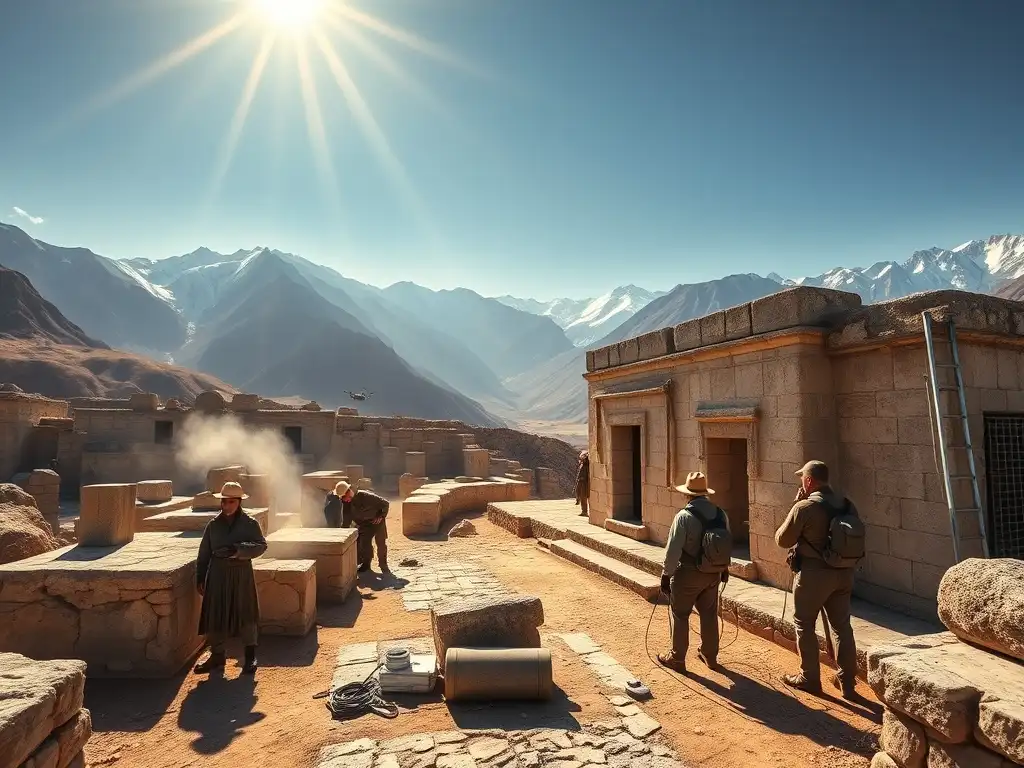
This section delves into the multifaceted approaches currently employed to safeguard the invaluable Andean archaeological heritage. Effective preservation necessitates a blend of scientific innovation, community engagement, and technological advancements, all working in concert to combat the threats facing these fragile sites. The challenges are significant, ranging from the effects of climate change and looting to the pressures of tourism and urbanization.
However, the commitment to preserving these sites for future generations is unwavering, leading to the development of increasingly sophisticated and effective strategies. The following subsections explore key elements of this crucial endeavor, focusing on the critical need for Andean archaeological site preservation.
Innovative Techniques in Archaeological Conservation
Preserving Andean archaeological sites requires a nuanced understanding of the materials and the environmental conditions. Traditional methods are often insufficient to address the specific challenges posed by the unique Andean climate and the deterioration of materials over centuries. Therefore, innovative techniques are increasingly crucial for Andean archaeological site preservation.
For example, the use of bio-cleaning methods is gaining traction. These methods utilize microorganisms to gently remove biological growth, such as lichen and moss, that can damage fragile artifacts and structures. This approach minimizes the use of harsh chemicals, reducing the risk of further damage. Similarly, the application of nanomaterials offers promising avenues for consolidating weakened stonework and protecting surfaces from environmental degradation. These nanoparticles can penetrate porous materials, strengthening them from within and providing a protective barrier against weathering.
Furthermore, the development of new conservation materials specifically tailored to the Andean context is essential. Traditional consolidants may not be suitable for the unique types of stone and clay used in Andean constructions. Research into bio-based and environmentally friendly materials is ongoing, aiming to provide long-term protection without compromising the integrity of the archaeological remains.
The implementation of these techniques requires highly specialized training and expertise, highlighting the importance of investing in the education and development of Andean conservation professionals. Careful documentation of all conservation processes is also critical, ensuring transparency and allowing for future analysis and improvement of techniques.
Community Involvement in Site Protection
The success of Andean archaeological site preservation hinges critically on the active participation of local communities. These communities are often the custodians of traditional knowledge and practices related to the sites, possessing invaluable insights into their history and significance. Their involvement is not merely beneficial; it is essential for the long-term viability of preservation efforts.
This involves a shift from top-down approaches to more participatory models. Empowering local communities through education and training programs enhances their understanding of the importance of preservation and equips them with the skills to actively contribute to protection efforts. This might involve training community members in basic site monitoring, such as identifying potential threats like erosion or vandalism. Furthermore, involving communities in tourism management can help to ensure sustainable practices that benefit both the community and the sites. This could include the development of community-based tourism initiatives, where local guides share their knowledge and the revenue generated directly supports preservation efforts and community development. The creation of collaborative management plans, where local communities work alongside archaeologists and government agencies, ensures that preservation strategies are relevant, effective, and sustainable. This collaborative approach fosters a sense of ownership and responsibility, strengthening the commitment to protecting the invaluable Andean heritage for future generations.
The Role of Technology in Monitoring and Preservation
Technology plays an increasingly significant role in Andean archaeological site preservation, providing tools for monitoring, documentation, and analysis. This technological integration is crucial for efficient and effective protection strategies. Several advanced technologies are currently employed or show great promise for future applications.
For instance, remote sensing techniques, such as aerial photography and LiDAR scanning, allow for the non-invasive mapping and monitoring of large areas. This enables archaeologists to identify previously unknown sites, assess the extent of damage, and track changes over time. Similarly, the use of Geographic Information Systems (GIS) facilitates the spatial analysis of data, allowing for the creation of detailed maps and models of sites. This information is invaluable for planning conservation interventions and managing tourism sustainably.
Furthermore, the development of digital archives allows for the preservation and dissemination of information about Andean sites. High-resolution 3D models and virtual reconstructions can be created, providing access to these sites for researchers and the public without causing further damage. This also facilitates the creation of educational resources, promoting understanding and appreciation of Andean heritage.
The application of predictive modeling, using climate data and other environmental factors, allows for the anticipation of potential threats and the development of proactive strategies to mitigate risk. This proactive approach is vital for addressing the challenges posed by climate change and other environmental factors. The continuous development and implementation of these technologies are crucial for enhancing the effectiveness and efficiency of Andean archaeological site preservation.
Challenges in Preserving Andean Archaeological Heritage
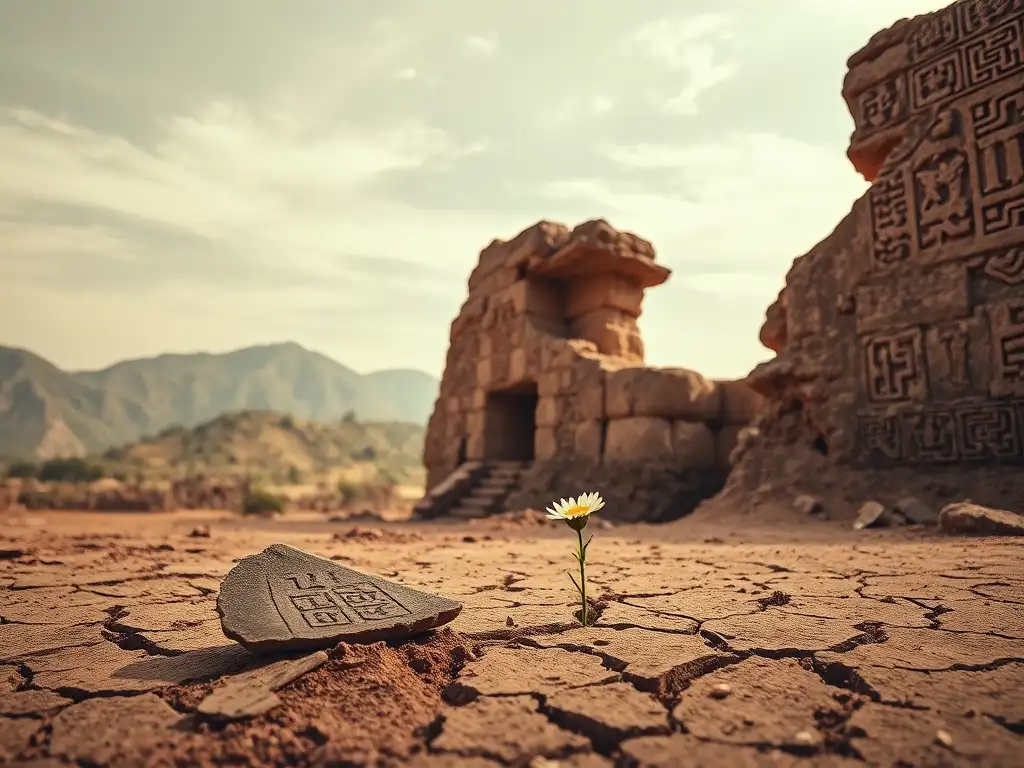
The preservation of Andean archaeological sites presents a complex tapestry of interwoven challenges. These sites, repositories of invaluable knowledge about past civilizations, face threats from both natural forces and human activities. Effective preservation requires a multi-faceted approach that addresses these issues proactively and strategically. Successful Andean archaeological site preservation hinges on collaboration between governments, local communities, researchers, and international organizations. This section will delve into three critical areas: balancing tourism and conservation, securing adequate funding, and combating illegal activities.
Balancing Tourism and Conservation
Andean archaeological sites, with their breathtaking landscapes and captivating history, attract a significant influx of tourists. While tourism can generate revenue for preservation efforts, it also poses a substantial threat to the fragile sites themselves. The sheer volume of visitors can cause physical damage through erosion, trampling, and accidental contact with artifacts. Furthermore, the construction of tourist infrastructure, if not carefully planned, can negatively impact the surrounding environment and the integrity of the archaeological remains.
For instance, Machu Picchu, a UNESCO World Heritage site, faces the constant challenge of managing the large number of daily visitors. Careful planning, including regulated access, controlled pathways, and visitor education programs, are crucial to mitigate the negative impact of tourism. Similarly, smaller, less-known sites are vulnerable. The delicate Nazca Lines, for example, require stringent measures to prevent damage from unauthorized access and environmental factors.
Sustainable tourism practices, which prioritize preservation alongside visitor experience, are paramount. This means implementing strict regulations, educating visitors about responsible behavior, and investing in non-invasive monitoring technologies. Finding this balance is crucial for the long-term survival of these invaluable sites. The delicate ecosystem surrounding many sites also needs careful consideration, avoiding any disruptive construction or practices.
Funding and Resource Allocation for Preservation Projects
Securing adequate funding is a persistent and significant hurdle in Andean archaeological site preservation. Many sites are located in remote areas with limited infrastructure, making access and maintenance costly. Furthermore, the specialized skills required for conservation, restoration, and research demand significant financial investment. The allocation of funds often involves competing priorities within national budgets, with preservation projects sometimes falling behind more immediately pressing concerns.
A detailed breakdown of funding sources is needed to fully understand the financial landscape. [Specific information pending] on the proportion of funding allocated to preservation from governmental sources, international organizations, private donations, and tourism revenue. Transparency in the allocation and utilization of these funds is essential to ensure accountability and maximize impact.
Innovative funding mechanisms, such as public-private partnerships and crowdfunding initiatives, could prove beneficial in supplementing existing resources. Prioritizing projects based on a comprehensive risk assessment, focusing on the most vulnerable sites, is a crucial step towards effective resource allocation. This assessment would consider factors such as the site's condition, vulnerability to natural disasters, and the potential impact of human activities.
Addressing Illegal Excavation and Looting
Illegal excavation and looting pose a severe and ongoing threat to the integrity of Andean archaeological sites. These activities not only destroy valuable artifacts and context but also impede scientific research and our understanding of the past. The illicit trade in antiquities fuels this destructive practice, with artifacts often ending up in private collections or museums across the globe. Combating this requires a multi-pronged approach involving law enforcement, community engagement, and international cooperation.
Strengthening legal frameworks and increasing penalties for illegal excavation is crucial. This includes enhancing border controls to prevent the smuggling of artifacts and implementing stricter regulations on the acquisition and sale of antiquities. Simultaneously, fostering a sense of ownership and responsibility within local communities is vital. Education programs can raise awareness about the importance of preserving cultural heritage and the consequences of looting.
Moreover, engaging local communities in preservation efforts can empower them to act as guardians of their cultural past. International collaboration is essential to track stolen artifacts, facilitate repatriation, and share best practices in combating looting. This collaborative effort is key for Andean archaeological site preservation and protecting the irreplaceable heritage for future generations. 🕵️♂️
Case Studies: Successful Andean Archaeological Site Preservation Initiatives
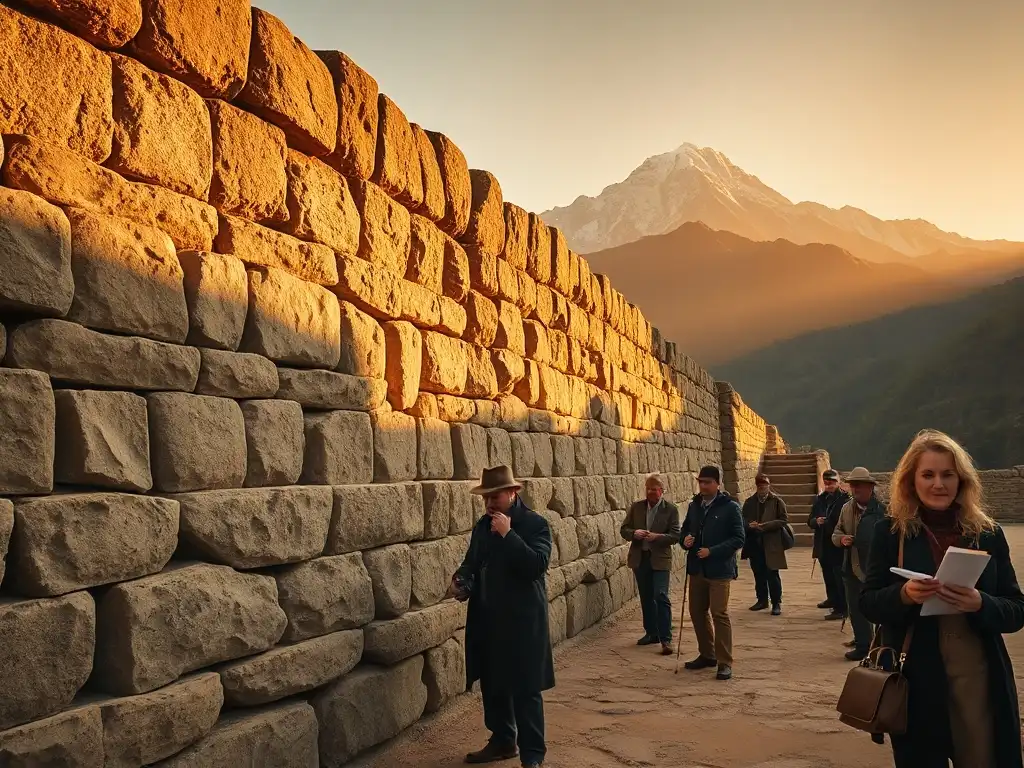
This section examines specific examples of successful Andean archaeological site preservation initiatives, highlighting the strategies employed and the resulting impact on the sites and surrounding communities. These case studies illustrate the diverse approaches needed for effective Andean archaeological site preservation and offer valuable lessons for future projects. Understanding these successes is crucial for developing comprehensive and sustainable preservation strategies across the Andean region. The keyword "Andean archaeological site preservation" is central to this analysis.
Machu Picchu: Sustainable Tourism and Site Management
Machu Picchu's success in balancing tourism with preservation is a testament to careful planning and adaptive management. The site, a UNESCO World Heritage site, faces immense pressure from the sheer volume of visitors. However, initiatives have been implemented to mitigate this pressure and ensure the long-term protection of the site's integrity.
The implementation of a ticketing system that limits daily visitor numbers is a crucial component of this strategy. This controlled access minimizes the physical impact of foot traffic on the fragile structures and Inca trails. Furthermore, rigorous monitoring of environmental factors, including erosion and vegetation growth, allows for proactive interventions to address potential damage.
Another key element is the development of alternative tourism pathways, diverting foot traffic away from the most sensitive areas. This includes the creation of well-maintained trails and the promotion of less-visited sections of the site. Coupled with this, educational programs for tourists promote responsible behavior and raise awareness of the site's significance. The success of Machu Picchu’s preservation efforts underscores the importance of sustainable tourism management in Andean archaeological site preservation.
Chan Chan: Collaborative Efforts and Community Engagement
Chan Chan, the vast adobe city of the Chimú civilization, presents unique challenges for preservation due to the fragility of its adobe structures and the proximity to a growing urban population. The successful preservation efforts here demonstrate the effectiveness of collaborative partnerships and community engagement.
The involvement of local communities is pivotal to Chan Chan's long-term preservation. By actively engaging the community, local residents become stakeholders in the preservation process, fostering a sense of ownership and responsibility. This collaborative approach includes training local residents in conservation techniques, providing employment opportunities related to site maintenance and tourism, and incorporating traditional knowledge into preservation strategies.
Furthermore, the successful preservation efforts at Chan Chan highlight the importance of integrating modern conservation techniques with traditional methods. This blend of approaches ensures the preservation of the site's authenticity while employing the most effective methods for long-term stability. This holistic approach to Andean archaeological site preservation emphasizes the importance of community collaboration and the integration of modern and traditional practices. The success of Chan Chan demonstrates that effective preservation requires a multifaceted approach that goes beyond technical interventions.
Lessons Learned from Successful Preservation Projects
Analyzing the successes of Machu Picchu and Chan Chan reveals several crucial lessons applicable to other Andean archaeological sites. These lessons underscore the need for a holistic approach to Andean archaeological site preservation that considers multiple factors:
- Sustainable Tourism Management: Carefully managing visitor numbers, creating alternative pathways, and educating tourists are essential for minimizing damage and ensuring the long-term viability of the site.
- Community Engagement: Engaging local communities as active partners in the preservation process fosters a sense of ownership and ensures the long-term sustainability of preservation efforts.
- Integration of Traditional and Modern Techniques: Combining traditional knowledge with modern conservation technologies ensures both authenticity and effectiveness.
- Proactive Monitoring and Maintenance: Regular monitoring of environmental factors and proactive maintenance are crucial to prevent damage and address potential threats.
- Long-term Funding and Planning: Sustainable funding mechanisms and long-term planning are essential for ensuring the continued success of preservation initiatives. Failure to secure adequate and sustained funding can jeopardize even the most well-conceived plans.
These lessons provide a framework for developing effective and sustainable preservation strategies for other Andean archaeological sites, contributing significantly to the broader goal of Andean archaeological site preservation. The future of these invaluable cultural heritage sites depends on the continued application and refinement of these learned best practices. Careful attention to these factors will ensure the preservation of these sites for future generations, enriching our understanding of Andean civilizations and their enduring legacy.
The Future of Andean Archaeological Site Preservation
The preservation of Andean archaeological sites is a complex and multifaceted challenge, demanding innovative strategies and collaborative efforts. The future hinges on a sustainable approach that balances the imperative to protect these invaluable remnants of the past with the needs of present and future generations. Successful preservation requires a holistic strategy incorporating sustainable tourism, comprehensive education programs, and strong international collaborations. This section delves into key elements shaping the future of Andean archaeological site preservation, focusing on "Andean archaeological site preservation" strategies and their impact.
Sustainable Tourism and Heritage Management
Sustainable tourism represents a crucial element in the long-term preservation of Andean archaeological sites. Instead of viewing tourism as a purely extractive industry, a shift towards sustainable practices is vital. This involves implementing responsible tourism strategies that minimize environmental impact and maximize economic benefits for local communities. Several models exist, such as community-based tourism initiatives where local people are actively involved in managing and guiding tours, directly benefiting from the revenue generated. This approach fosters a sense of ownership and responsibility for the sites among local populations, encouraging active participation in their preservation.
Careful planning and management of visitor flow are also crucial. This includes limiting the number of daily visitors to sensitive areas, establishing designated walkways, and implementing strict regulations against touching or removing artifacts. Furthermore, investing in high-quality visitor centers and interpretive exhibits can enhance the visitor experience while simultaneously educating them about the importance of preservation.
For example, Machu Picchu's visitor management system, while imperfect, demonstrates a commitment to limiting damage from mass tourism. However, improvements are still needed to balance access and preservation, and more detailed data on the effectiveness of such measures are needed for other sites. A comprehensive study comparing different sustainable tourism models across various Andean sites would be beneficial for improving overall preservation efforts.
The Importance of Education and Awareness
Education and public awareness campaigns are indispensable for long-term preservation. Without a deep understanding and appreciation of Andean heritage, the public's support for conservation efforts is limited. This necessitates implementing comprehensive educational programs targeting different demographics, from school children to adult communities. These programs should not only impart knowledge about the history and significance of the sites but also emphasize the importance of responsible behavior when visiting these areas.
Furthermore, engaging local communities in educational initiatives is paramount. By involving them in the preservation process, a sense of collective ownership is fostered, leading to greater commitment to protecting these invaluable sites. This can involve training local guides, incorporating Andean heritage into school curricula, and organizing community events that celebrate and highlight the significance of their cultural heritage.
Effective communication strategies, including the use of multimedia tools and social media campaigns, can significantly boost public awareness and engagement. Data on the effectiveness of different educational approaches would help optimize future strategies and tailor them to specific communities and sites. For instance, [Specific data on the impact of educational programs in a particular Andean community is pending].
Collaborative Efforts for Long-Term Preservation
Effective Andean archaeological site preservation necessitates strong collaborative efforts among various stakeholders, including government agencies, academic institutions, non-governmental organizations (NGOs), and local communities. A collaborative approach ensures a holistic and sustainable strategy that addresses the diverse challenges involved in preservation. This involves sharing resources, expertise, and responsibilities, creating a synergy that is greater than the sum of its parts.
International collaborations are also critical, particularly for sites that transcend national boundaries or require specialized expertise. The sharing of best practices, technologies, and funding opportunities can significantly enhance preservation efforts. For example, [Specific example of an international collaboration for Andean site preservation pending]. A comprehensive database documenting successful collaborative projects and their outcomes would prove invaluable for future initiatives.
Furthermore, a standardized framework for collaborative agreements is needed to ensure transparency, accountability, and equitable distribution of benefits among participating organizations and communities. The successful long-term preservation of these significant sites depends on building strong and lasting partnerships. This requires clear communication, shared goals, and a commitment to working together towards a common objective: protecting Andean heritage for generations to come.
Frequently Asked Questions
What challenges does Andean archaeological site preservation face?
Andean archaeological site preservation faces numerous challenges, including natural erosion, looting and vandalism, and the impact of tourism. Addressing these issues requires a multi-faceted approach.
How are modern technologies used in Andean site preservation?
Modern technologies like LiDAR scanning, drone photography, and GIS mapping are vital tools. These technologies help create detailed site records and monitor changes over time, improving preservation efforts.
What role do local communities play in Andean site preservation?
Community involvement is crucial. Local communities often possess invaluable traditional knowledge and can be key partners in protecting and interpreting sites for future generations. Their participation ensures sustainability.
What are some examples of successful Andean archaeological site preservation projects?
Successful projects often involve collaborative partnerships between governments, NGOs, and local communities. Examples include initiatives focusing on sustainable tourism, site stabilization, and community-based monitoring programs.
How can I contribute to Andean archaeological site preservation?
You can support preservation efforts by responsible tourism, donating to relevant organizations, and educating others about the importance of protecting these invaluable cultural heritage sites. Even raising awareness helps.
Final Reflection: Weaving the Threads of Andean Heritage
The preservation of Andean archaeological sites is not merely a historical endeavor; it is a vital act of cultural continuity, safeguarding irreplaceable legacies for future generations. The intricate tapestry of Inca civilization, the enigmatic geoglyphs of Nazca, and the breathtaking mountaintop citadels—these are not just stones and earth; they are living testaments to human ingenuity, resilience, and spiritual connection to the land. Their continued existence is crucial for understanding our shared human history and fostering a deeper appreciation for diverse cultural expressions.
The impact of modern preservation efforts extends far beyond the physical protection of these sites. They are becoming increasingly important spaces for education, tourism, and community engagement, fostering a sense of pride and ownership among local populations. The past is never dead. It's not even past.
- William Faulkner. This quote resonates deeply, as the preservation of Andean heritage ensures that the stories, knowledge, and traditions embedded within these ancient sites continue to inform and inspire us, shaping our present and future. The ongoing dialogue between archaeologists, local communities, and governments is essential for ensuring a sustainable and respectful approach to preservation.
Consider the profound legacy of the Andes, its intricate history, and the ongoing efforts to protect it. You too can play a part in this vital work. By supporting responsible tourism, advocating for sustainable development in these regions, and educating yourself and others about the importance of Andean heritage, you contribute to the ongoing preservation of these invaluable sites. Let us work together to ensure that the echoes of the past continue to resonate for centuries to come, enriching the lives of present and future generations.
**Join the Movement to Preserve Our Andean Heritage! **
Thank you for your interest in protecting the invaluable ancient sites of the Andes. Your passion for these rich cultural legacies is deeply appreciated, and we invite you to join us in making a real difference. Here are some ways you can help preserve this vital heritage:
- **Become a Local Advocate:** Join a community group dedicated to protecting Andean heritage sites in your area and actively participate in their initiatives. Your local knowledge and commitment will be invaluable.
- **Share Your Passion:** Spread the word about Andean preservation! Engage with your network through social media, conversations, or even presentations to raise awareness and inspire others to join the cause.
- **Deepen Your Understanding:** Explore online resources, documentaries, and books to learn more about Andean civilizations and the challenges they face. This knowledge will empower you to be a more effective advocate for their preservation.
We are eager to hear your ideas. **What innovative approach would you suggest to further protect these irreplaceable Andean cultural sites? **