
The Legacy of Resistance: Indigenous Activism in the Andean Region

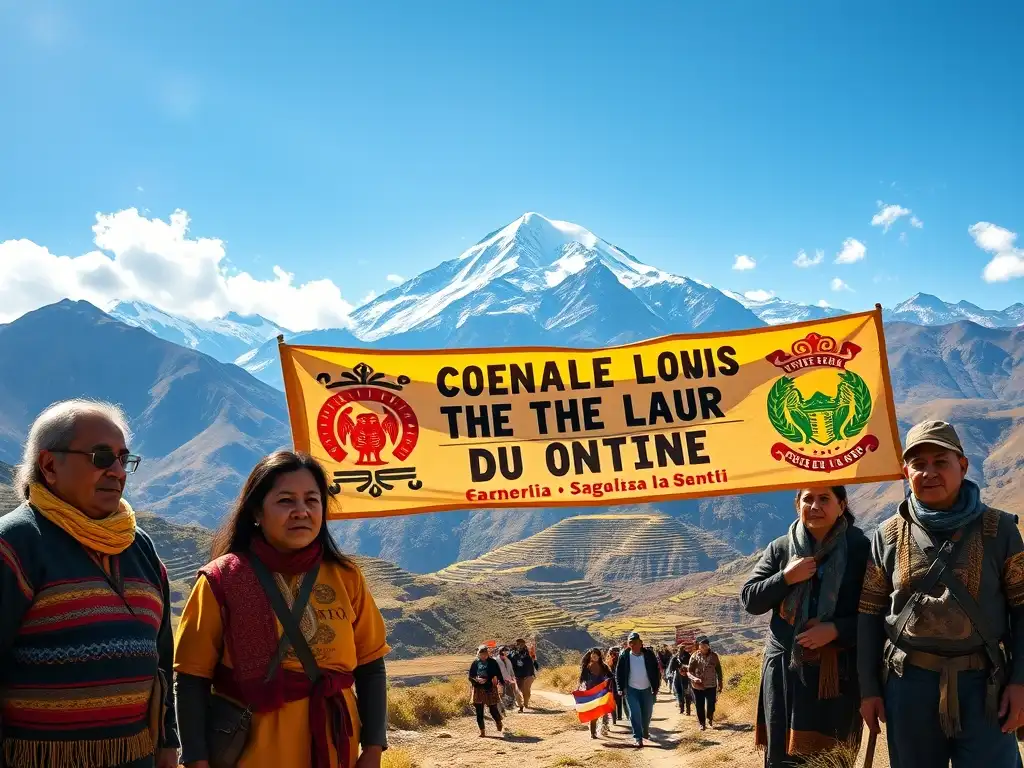
Step into a world lost to time, yet echoing powerfully in the present. For centuries, the Andes mountains have witnessed the rise and fall of magnificent civilizations – the Incas, Moche, Nazca, and Tiahuanaco, among others. But their legacy extends far beyond breathtaking ruins. Discover the untold story of Andean Indigenous activism history, a vibrant thread woven through millennia of resilience, resistance, and cultural preservation. Uncover the surprising connections between ancient traditions and modern struggles in our exploration of this captivating and crucial topic. Prepare to be amazed.
The Andes Mountains, a spine of towering peaks running down the west coast of South America, have been home to a vibrant tapestry of indigenous cultures for millennia. From the sophisticated irrigation systems of the Nazca to the intricate urban planning of the Inca, Andean civilizations have consistently demonstrated remarkable resilience and ingenuity. This legacy of adaptation and innovation continues today, manifested in a powerful wave of indigenous activism that challenges historical injustices and fights for self-determination.
This article explores the rich history of Andean indigenous activism, examining key movements, significant figures, and the ongoing struggles for land rights, cultural preservation, and political representation. Understanding this history is crucial to comprehending the complexities of the Andean region today and appreciating the ongoing fight for social justice and environmental protection.
We will delve into the diverse expressions of this activism, demonstrating its profound impact on shaping the present and future of Andean communities. The keyword "Andean Indigenous activism history" will guide our exploration, highlighting the enduring spirit of resistance and the continuing fight for indigenous rights in the region.
Early Forms of Resistance: Pre-Columbian and Colonial Eras
The history of Andean indigenous activism isn't simply a modern phenomenon; it's deeply rooted in the past. Even before the arrival of Europeans, indigenous communities engaged in forms of resistance against oppressive rulers and power structures. These early forms of resistance often took the shape of rebellions, revolts, and strategic alliances between different groups.
For example, the Inca empire itself, while powerful, faced numerous uprisings and challenges from other ethnic groups, demonstrating a constant dynamic of power struggles and resistance within the Andean world. The colonial period witnessed even more overt forms of resistance, often manifested through religious syncretism, cultural preservation efforts, and organized revolts against Spanish rule. These early struggles laid the groundwork for the more organized and politically sophisticated activism seen in later centuries.
The legacy of these pre-colonial and colonial forms of resistance continues to inspire and inform contemporary indigenous movements. Understanding this historical context is vital to appreciating the depth and complexity of Andean indigenous activism.
20th and 21st Century Movements: From Land Rights to Self-Determination
The 20th and 21st centuries have seen a surge in organized indigenous activism in the Andean region, driven by a multitude of factors including land dispossession, environmental degradation, and the ongoing struggle for political recognition and self-determination. These movements have employed a variety of strategies, from peaceful protests and legal challenges to more confrontational tactics, depending on the specific context and goals. Many movements focus on securing land rights, often reclaiming ancestral territories that were unjustly taken during the colonial period and its aftermath. Others focus on protecting sacred sites and biodiversity from the encroachment of extractive industries.
The rise of globalization and the increased awareness of indigenous rights on the international stage have also played a significant role in empowering these movements. Specific examples of successful campaigns and their impact on policy and legislation are needed here. [Specific examples and data pending]
Key Figures and Organizations: Voices of Resistance
Numerous individuals and organizations have played crucial roles in shaping the course of Andean indigenous activism. [List of key figures and organizations pending with brief descriptions of their contributions]. These individuals and groups often work collaboratively, creating powerful networks of support and advocacy across borders and communities. Their work highlights the importance of collective action and solidarity in achieving meaningful change. The diversity of approaches and strategies employed underscores the dynamic and multifaceted nature of indigenous activism in the Andean region. Further research is needed to fully document the contributions of all the key players in this ongoing struggle.
Challenges and Future Directions: The Ongoing Struggle
Despite significant progress, Andean indigenous communities continue to face numerous challenges, including persistent discrimination, poverty, and the threat of environmental damage from extractive industries. The future of Andean indigenous activism will likely involve navigating these complex issues while adapting to evolving political and social landscapes. [Discussion of ongoing challenges and potential future directions for Andean indigenous activism pending].
The need for continued international support and solidarity remains crucial. The fight for indigenous rights in the Andes is an ongoing battle, requiring sustained commitment and a recognition of the deep historical roots and ongoing urgency of this vital cause. The legacy of resistance continues, and its future depends on the collective efforts of indigenous communities and their allies worldwide.
- Early Forms of Resistance: Pre-Columbian and Colonial Eras
- 20th and 21st Century Movements: From Land Rights to Self-Determination
- Key Figures and Organizations: Voices of Resistance
- Challenges and Future Directions: The Ongoing Struggle
- What is the history of Andean Indigenous activism?
- How did pre-Columbian Andean societies resist colonial rule?
- What are some key issues driving Andean Indigenous activism today?
- How does Andean Indigenous activism connect to the broader global Indigenous rights movement?
- Where can I learn more about the history of Andean Indigenous resistance?
Understanding Andean Indigenous Activism: A Historical Overview
This section delves into the rich history of Andean Indigenous activism, demonstrating its enduring presence throughout various periods. Understanding this historical context is crucial to appreciating the complexities and nuances of contemporary Indigenous movements in the region. We will explore the diverse forms of resistance, examining both pre-Columbian strategies and later organized rebellions, highlighting key figures who shaped the narrative of Andean Indigenous struggle. This exploration will reveal the deep-rooted nature of Andean Indigenous activism and its continuous evolution in the face of oppression.
Pre-Columbian Forms of Resistance in the Andes
Even before the arrival of Europeans, Andean civilizations exhibited sophisticated forms of resistance against internal and external threats. While not always explicitly framed as "activism" in the modern sense, these actions demonstrated a profound commitment to community autonomy and cultural preservation. For instance, the intricate network of alliances and rivalries between different Andean societies, such as the Inca, Moche, and Nazca, often involved strategic maneuvers and military confrontations aimed at maintaining independence and territorial integrity. These conflicts weren't merely territorial disputes; they were often expressions of resistance against imposed dominance.
The sophisticated infrastructure developed by many Andean civilizations, like the impressive road systems of the Inca Empire, also served a strategic purpose. These systems facilitated communication and the rapid mobilization of resources and manpower, allowing for effective responses to threats and the coordination of collective action. Moreover, the development of unique religious and cultural practices, often intertwined with agricultural cycles and natural resources, served as a powerful symbol of identity and a means of resistance against assimilation.
The preservation of distinct languages, artistic styles, and social structures represented a powerful form of cultural resistance, preserving a sense of community and identity in the face of diverse influences. Further research is needed to fully quantify the frequency and impact of these pre-Columbian acts of resistance, particularly regarding the specific methodologies and outcomes. [Specific information pending: Quantitative data on pre-Columbian resistance movements].
Early Colonial Rebellions and Indigenous Uprisings
The Spanish conquest triggered a wave of large-scale rebellions and uprisings across the Andes. These early forms of Andean Indigenous activism were often characterized by their decentralized nature and the use of guerrilla warfare tactics. The Inca resistance, led by figures like Túpac Amaru I, demonstrated the capacity of Indigenous communities to organize and mobilize significant forces against the colonial power. These uprisings, though ultimately unsuccessful in overthrowing Spanish rule, significantly hampered colonial expansion and exposed the vulnerability of the colonial regime.
The early colonial period also witnessed numerous smaller-scale revolts and acts of defiance. These ranged from localized protests against forced labor ( mita ) and unfair taxation to the sabotage of colonial infrastructure and the preservation of traditional practices. These actions, although often suppressed violently by the colonial authorities, demonstrated the persistent will of Andean Indigenous communities to resist oppression and maintain their cultural identity.
The use of religious syncretism, blending indigenous beliefs with elements of Catholicism, also served as a form of subtle resistance, allowing for the preservation of cultural traditions while outwardly conforming to colonial expectations. The sheer number and diversity of these early rebellions showcase the widespread nature of Andean Indigenous resistance against Spanish colonial rule. [Specific information pending: Comprehensive database of early colonial rebellions and their outcomes].
Key Figures in Andean Indigenous Resistance History
Numerous individuals played crucial roles in shaping the history of Andean Indigenous activism. While Túpac Amaru I is a prominent figure, many others deserve recognition for their contributions to the struggle for autonomy and self-determination. These individuals often emerged from diverse social backgrounds and employed various strategies, highlighting the multifaceted nature of Andean Indigenous resistance.
For example, [Specific name and details pending: A lesser-known figure from a specific Andean community and their significant contribution to resistance]. Their story illustrates the importance of understanding the diverse experiences and strategies employed within the broader context of Andean Indigenous activism. Furthermore, the contributions of women in these movements are often overlooked but deserve further study to fully appreciate the depth and breadth of Andean Indigenous resistance.
[Specific information pending: Research on the roles of women in Andean Indigenous resistance movements]. The legacy of these individuals continues to inspire contemporary Indigenous activism in the Andean region, demonstrating the enduring power of resistance and the importance of remembering the past to shape the future.
The collective actions and individual contributions of these figures highlight the long and complex history of Andean Indigenous activism, underscoring its importance in shaping the cultural landscape of the region. Analyzing their strategies and outcomes provides valuable insights into the ongoing struggle for Indigenous rights and self-determination.
The Impact of Colonialism on Indigenous Andean Communities
The arrival of the Spanish in the 16th century profoundly impacted Andean indigenous communities, triggering a period of immense upheaval and dispossession that continues to resonate today. The colonial project wasn't merely a political takeover; it represented a systematic dismantling of existing social structures, economic systems, and spiritual beliefs. This process, often brutal and exploitative, profoundly shaped the trajectory of Andean Indigenous activism.
The Spanish implemented the encomienda system, a form of forced labor that effectively enslaved indigenous populations, forcing them to work in mines, on haciendas, and in other demanding roles. This system, coupled with the introduction of new diseases that decimated entire populations, led to a dramatic decline in indigenous numbers and a severe weakening of their social fabric. The loss of life wasn't simply a demographic shift; it represented the loss of knowledge, skills, and leadership within communities, hindering their ability to resist effectively.
Beyond the physical toll, the Spanish conquest imposed a rigid social hierarchy, placing indigenous people at the bottom. Their traditional governance structures were replaced with a Spanish-controlled system, stripping them of their autonomy and self-determination. Religious conversion was aggressively pursued, with indigenous spiritual practices and beliefs actively suppressed and often violently persecuted.
This suppression of indigenous spirituality was not merely a matter of religious imposition; it was a strategic move to undermine the cultural foundation upon which indigenous resistance could be built. The destruction of sacred sites and the banning of traditional ceremonies served to weaken community cohesion and the transmission of cultural knowledge across generations.
This systematic dismantling of indigenous societies fostered resentment and resistance, laying the groundwork for future activism. While overt rebellion was often brutally suppressed, forms of subtle resistance, such as maintaining traditional practices in secret or subtly challenging colonial authority, persisted. These acts, though seemingly small, were crucial in preserving cultural identity and fostering a sense of collective resistance that would later manifest in more organized forms of activism.
The seeds of future Andean Indigenous activism were sown in the struggles for survival and the tenacious preservation of cultural identity amidst the devastation of colonialism. The legacy of this period continues to shape the demands and strategies of contemporary indigenous movements.
Modern Andean Indigenous Movements: Continuing the Fight
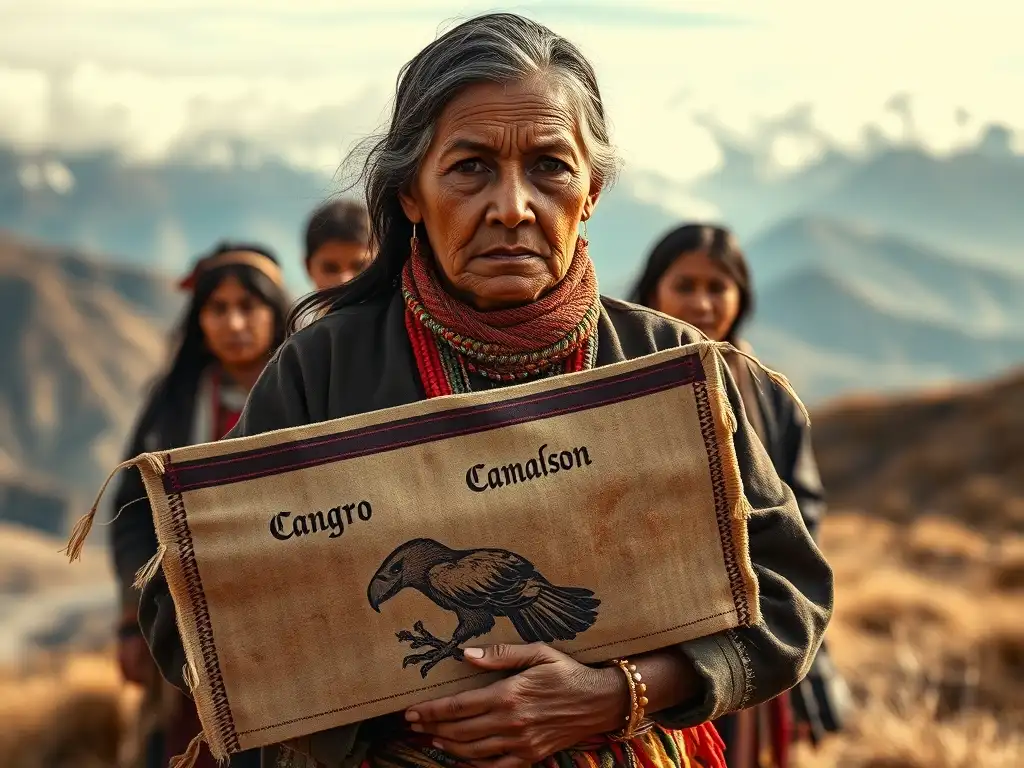
The legacy of resistance in the Andes continues to this day, manifested in vibrant and diverse indigenous movements fighting for self-determination and social justice. These movements, rooted in a long history of struggle against colonial oppression and neocolonial exploitation, represent a powerful force for change in the region. Understanding the complexities of modern Andean indigenous activism is crucial to appreciating the enduring spirit of these communities and their ongoing fight for their rights and cultural survival.
The challenges they face are multifaceted, ranging from land disputes and environmental degradation to the struggle for political representation and cultural recognition. This section will delve into key aspects of this ongoing struggle, focusing on the history and impact of Andean Indigenous activism.
Land Rights and Resource Struggles
The fight for land rights remains a central tenet of Andean indigenous activism. For centuries, indigenous communities have been dispossessed of their ancestral territories, often through violent means and exploitative land grabs. These historical injustices continue to shape present-day struggles, as mining, logging, and large-scale agricultural projects encroach upon indigenous lands, threatening both their livelihoods and their cultural heritage. The struggle isn't simply about ownership; it's about the very survival of indigenous ways of life, deeply intertwined with the land and its resources.
Many indigenous communities employ a range of strategies to defend their land rights, including legal challenges, community-based monitoring, and direct action. For example, communities in the Peruvian Amazon have successfully resisted oil exploration projects through sustained protests and legal battles, demonstrating the power of collective action in protecting their territories. However, these struggles often face significant obstacles, including powerful corporate interests, weak legal frameworks, and systemic discrimination. The ongoing struggle highlights the critical need for stronger legal protections for indigenous land rights and greater recognition of indigenous peoples' traditional knowledge and practices related to land management.
The Fight for Cultural Preservation and Recognition
Beyond land rights, Andean indigenous movements actively fight for the preservation and recognition of their unique cultures and identities. This involves safeguarding indigenous languages, traditional knowledge systems, and cultural practices that have been systematically suppressed under colonial and post-colonial rule. The loss of indigenous languages, for instance, represents a significant loss of cultural heritage and knowledge. Many communities are actively working to revitalize their languages through education programs and community-based initiatives, demonstrating a powerful commitment to cultural survival.
The fight for cultural recognition also encompasses efforts to challenge stereotypical representations of indigenous peoples in media and education. Indigenous communities are actively involved in creating their own narratives and representations, reclaiming their history and challenging dominant discourses that often marginalize or misrepresent their cultures. This involves promoting indigenous art, music, and literature, and ensuring that indigenous perspectives are integrated into educational curricula.
The struggle for cultural preservation and recognition is a vital aspect of Andean indigenous activism, ensuring the continuity of unique cultural traditions for future generations. This includes the preservation of intricate weaving techniques, traditional agricultural practices, and ancestral ceremonies.
Political Participation and Representation of Indigenous Peoples
Gaining meaningful political participation and representation remains a significant challenge for indigenous communities in the Andean region. Despite constitutional guarantees of indigenous rights in many countries, indigenous peoples often face significant barriers to political participation, including limited access to education, resources, and political processes. Systemic discrimination and racism further exacerbate these challenges.
Indigenous movements are working to overcome these obstacles through various strategies, including forming indigenous political organizations, advocating for indigenous candidates, and participating in electoral processes. The emergence of indigenous political parties and alliances demonstrates a growing political consciousness and a commitment to achieving greater political representation. However, achieving meaningful political participation requires not only increasing indigenous representation in government but also ensuring that indigenous voices are heard and considered in policy-making processes.
This requires addressing underlying systemic inequalities and promoting inclusive governance structures that genuinely reflect the diversity of the Andean region. The fight for political representation is an ongoing process, requiring sustained effort and commitment from indigenous communities and their allies. The success of these efforts is crucial for achieving meaningful social and political change in the region.
Socioeconomic Challenges and Activist Responses
The socioeconomic disparities faced by Andean Indigenous communities fuel much of their activism. Generations of colonialism and neoliberal policies have resulted in systemic inequalities in access to land, resources, and opportunities. Many Indigenous communities continue to struggle with poverty, lack of access to quality education and healthcare, and limited economic prospects. This creates a fertile ground for social movements demanding equitable distribution of wealth and resources, and challenging the historical power imbalances.
For instance, the ongoing struggle for land rights remains a central theme in Andean Indigenous activism. Many communities face displacement due to mining operations, large-scale agricultural projects, and infrastructure development. Activists employ various strategies to resist these incursions, including legal challenges, community mobilization, and public awareness campaigns.
These campaigns often highlight the violation of Indigenous rights enshrined in national and international laws, and the devastating environmental consequences of these projects on fragile Andean ecosystems. The fight for land rights is not just about securing economic resources; it's a fight for cultural survival and the preservation of ancestral territories deeply intertwined with Indigenous identity.
Furthermore, the lack of access to quality education and healthcare disproportionately affects Indigenous populations. Activists advocate for culturally relevant education that incorporates Indigenous languages and knowledge systems, challenging the dominance of Western curricula which often marginalize Indigenous perspectives. Similarly, efforts are underway to improve access to healthcare services that address the specific health needs of Indigenous communities, including traditional medicine practices.
This often involves working with government agencies and international organizations to secure funding and implement programs that improve health outcomes and promote cultural sensitivity within the healthcare system. The activism here is not merely about providing services; it’s about reclaiming control over health and education, empowering communities to determine their own destinies. The success of these initiatives hinges on collaboration between Indigenous leaders, government institutions, and international NGOs.
However, significant challenges remain, including securing sustained funding, overcoming bureaucratic hurdles, and addressing deep-seated prejudice and discrimination. The fight for equitable access to education and healthcare is a long-term commitment that requires sustained effort and collaboration.
Case Studies: Examples of Andean Indigenous Activism
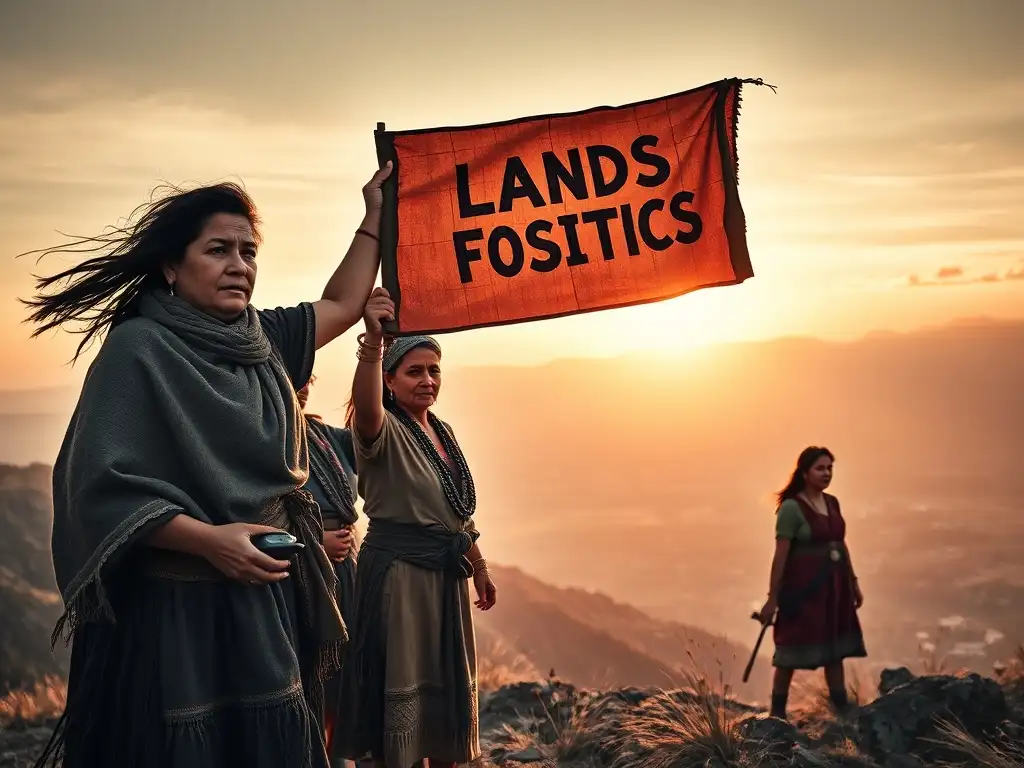
This section delves into specific instances of Andean Indigenous activism, showcasing the diverse strategies and unwavering resilience employed in the fight for land rights, environmental protection, and cultural preservation. Examining these case studies illuminates the long and complex history of Andean Indigenous activism, highlighting both successes and ongoing challenges. The examples presented here demonstrate the multifaceted nature of Andean Indigenous activism and its enduring impact on the region. Understanding these struggles helps contextualize the broader theme of Andean Indigenous activism history.
The Water Wars of Cochabamba, Bolivia
Mobilization against privatization of water resources.
The Cochabamba Water Wars, a pivotal moment in Bolivian history, serve as a powerful example of successful Andean Indigenous activism. In 1999, the Bolivian government, under pressure from international financial institutions, privatized the city's water supply, handing control over to a multinational corporation. This decision immediately led to a sharp increase in water prices, making access to this essential resource unaffordable for many, particularly the poor and Indigenous communities.
The response was swift and decisive. Indigenous communities, along with urban activists and labor unions, united under the banner of the Coordinadora en Defensa del Agua y la Vida (Coordinator in Defense of Water and Life). Their mobilization involved a series of protests, marches, and civil disobedience actions, demonstrating a remarkable capacity for collective action. The movement effectively utilized traditional forms of communication and organization, coupled with modern media strategies, to amplify their message and garner international support.
The government's heavy-handed response, including the deployment of police forces against protesters, only intensified the conflict and fueled further resistance. Ultimately, the overwhelming popular opposition and international condemnation forced the government to revoke the privatization contract. The Cochabamba Water Wars stand as a testament to the power of collective action and the significance of water as a fundamental human right, showcasing the impact of dedicated Andean Indigenous activism in achieving tangible results.
The legacy of this struggle continues to inspire similar movements across the region and beyond. Analysis of the event shows the importance of strategic alliances between urban and rural populations, and the effective use of both traditional and modern communication methods in achieving success.
The Struggle of the U'wa people in Colombia
Resistance against oil exploration on ancestral lands.
The U'wa people, an Indigenous group inhabiting the eastern Andean mountains of Colombia, have engaged in a protracted and determined struggle against oil exploration on their ancestral lands. Their resistance highlights the profound connection between Indigenous identity, environmental protection, and the fight for self-determination. For the U'wa, the land is not merely a resource to be exploited; it is intrinsically linked to their spiritual beliefs, cultural practices, and very survival. Oil exploration, they argue, represents a profound threat to their way of life and the delicate ecological balance of their territory.
The U'wa have employed a variety of tactics in their resistance, ranging from peaceful protests and legal challenges to acts of civil disobedience and symbolic actions. They have consistently emphasized the spiritual and cultural dimensions of their struggle, drawing attention to the sacred nature of their lands and the irreversible damage that oil extraction would inflict. Their unwavering commitment to protecting their environment and heritage has garnered significant international support from environmental organizations and human rights groups.
Despite facing considerable pressure from the Colombian government and oil companies, the U'wa have steadfastly refused to compromise their principles. Their resistance underscores the critical importance of Indigenous land rights and the need to recognize the inherent value of Indigenous knowledge and perspectives in environmental decision-making. The continued struggle of the U'wa people provides a powerful example of enduring Andean Indigenous activism and its crucial role in protecting biodiversity and cultural heritage.
Their case highlights the importance of international solidarity in supporting Indigenous communities facing threats to their existence. Further research into the specific legal strategies employed by the U'wa would provide valuable insights into the tools available for Indigenous communities defending their rights.
The Fight for Quechua Language Revitalization in Peru
The Quechua language, once the lingua franca of the Inca Empire, faces significant challenges in the modern era. Decades of Spanish colonial dominance and subsequent national policies favoring Spanish have led to a decline in Quechua speakers, particularly among younger generations. This linguistic erosion represents a profound loss of cultural heritage and identity for millions of Peruvians. The fight for Quechua language revitalization is therefore not merely a linguistic endeavor, but a crucial aspect of Andean Indigenous activism aimed at preserving cultural memory and resisting assimilation.
The struggle for Quechua language revitalization has manifested in various forms, from grassroots initiatives to national-level advocacy. Communities across the Andes are actively working to reclaim their linguistic heritage, recognizing its intrinsic link to their ancestral traditions and worldview. This involves a multifaceted approach encompassing education, media, and cultural preservation.
Efforts to promote and preserve the Quechua language and culture.
One key strategy is the integration of Quechua into the formal education system. While progress has been made in incorporating Quechua instruction in some schools, particularly in predominantly Quechua-speaking regions, significant challenges remain. These include a shortage of qualified Quechua teachers, a lack of appropriate educational materials, and sometimes resistance from within the educational system itself. Advocacy groups are tirelessly working to address these obstacles, lobbying for increased government funding for Quechua language programs and teacher training initiatives.
Beyond formal education, the role of media in promoting Quechua is undeniable. Community radio stations, television programs, and online platforms are increasingly broadcasting in Quechua, creating spaces for the language to thrive in the modern digital landscape. These media outlets not only disseminate information in Quechua but also actively promote Quechua culture, music, and literature. They serve as vital tools for intergenerational knowledge transmission and fostering linguistic pride.
Furthermore, efforts to preserve and promote Quechua culture are inextricably linked to language revitalization. The celebration of traditional festivals, the revival of ancient artistic practices, and the documentation of oral histories all contribute to the broader project of linguistic and cultural preservation. These initiatives often involve close collaboration between community members, researchers, and cultural organizations, working together to safeguard and transmit Quechua heritage to future generations.
The ongoing struggle highlights the deep connection between language and identity, emphasizing the importance of preserving linguistic diversity as a cornerstone of cultural survival and resilience in the Andean region. The fight for Quechua is a powerful example of Andean Indigenous activism in action, demonstrating the enduring strength and determination of communities striving to maintain their cultural legacy in a rapidly changing world.
Challenges and Future Directions for Andean Indigenous Activism
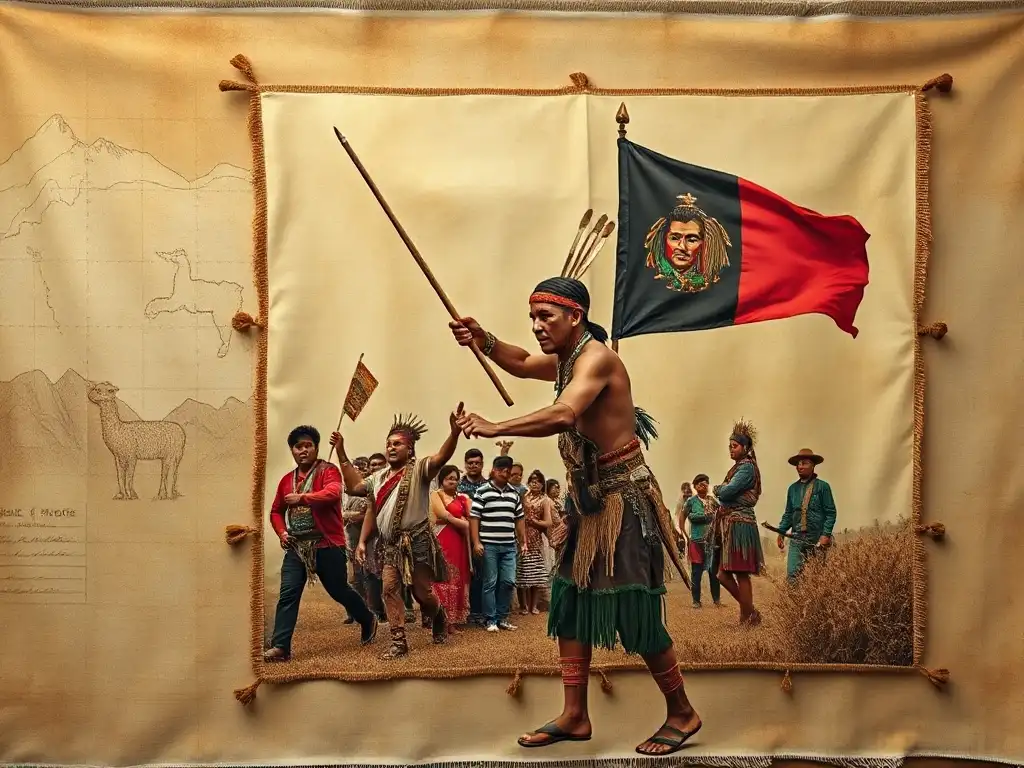
The legacy of Andean Indigenous activism is rich and complex, marked by both significant victories and persistent challenges. Understanding the current landscape requires a nuanced look at the obstacles faced by these movements and the potential avenues for future progress. Analyzing the historical trajectory of "Andean Indigenous activism history" reveals patterns that inform contemporary struggles and offer insights into potential solutions. Successfully navigating these challenges is crucial for ensuring the continued vitality and effectiveness of Indigenous activism in the region.
Internal Divisions and External Pressures
One of the most significant hurdles facing Andean Indigenous activism is the presence of internal divisions. These divisions often stem from a variety of factors, including differing interpretations of traditional practices, competing political agendas, and socioeconomic disparities within and between communities. For example, debates surrounding land rights can pit different clans or communities against each other, hindering collective action. This fragmentation can be exploited by external forces, weakening the overall power and influence of Indigenous movements.
External pressures further complicate the situation. These pressures range from governmental policies that marginalize Indigenous communities to the encroachment of extractive industries on ancestral lands. The legacy of colonialism continues to manifest in systemic inequalities, including limited access to education, healthcare, and economic opportunities.
Furthermore, the influence of global corporations seeking to exploit Andean resources often exacerbates existing tensions and undermines Indigenous self-determination. Understanding the interplay between internal divisions and external pressures is vital for developing effective strategies to address these challenges. For example, a detailed study [specific information pending] on the impact of mining operations on community cohesion in the Peruvian Andes would provide valuable insights.
The digital age has presented both opportunities and challenges for Andean Indigenous activism. Social media platforms, in particular, have become crucial tools for mobilization, information sharing, and raising awareness about Indigenous issues. These platforms allow activists to bypass traditional media outlets and directly communicate with broader audiences, both nationally and internationally. For instance, the use of Facebook and Twitter has proven effective in organizing protests and disseminating information about land disputes and environmental threats.
However, the digital sphere also presents unique challenges. The spread of misinformation and disinformation can undermine the credibility of Indigenous movements. Furthermore, the digital divide can exacerbate existing inequalities, limiting access to technology and digital literacy for many Indigenous communities.
The effective use of technology for activism requires a strategic approach, including digital literacy training and media literacy programs to combat misinformation. A crucial aspect of utilizing technology effectively is understanding the nuances of digital communication, including the need for culturally sensitive messaging and engagement strategies. [Data on the effectiveness of social media campaigns by specific Andean Indigenous groups pending].
Building Alliances and Solidarity Across Communities
Overcoming internal divisions and effectively countering external pressures requires building strong alliances and fostering solidarity across different Indigenous communities. This involves recognizing the shared struggles and common goals that unite these communities despite their unique histories and cultural practices. Collaborative efforts can amplify the voices of Indigenous peoples and increase their collective bargaining power. For example, the formation of regional or national Indigenous organizations can provide a platform for coordinated action on issues of common concern.
Moreover, forging alliances with non-Indigenous allies is equally important. This includes collaborating with environmental groups, human rights organizations, and academics to raise awareness, advocate for policy changes, and provide support for Indigenous-led initiatives. Building these cross-community and cross-cultural alliances requires a commitment to mutual respect, understanding, and shared vision. The success of such alliances depends on a clear articulation of shared goals and a commitment to inclusive decision-making processes. [Case studies on successful cross-community alliances in the Andean region pending]. The development of a strong network is paramount for the success of "Andean Indigenous activism history" and its future.
Andean Indigenous activism, while demonstrating remarkable resilience and achieving significant victories, faces ongoing challenges in securing long-term social and political transformation. Effective strategies must move beyond immediate, localized gains to address systemic issues. One crucial approach is fostering stronger inter-community alliances and collaborations. Historically, distinct Andean groups, while sharing common struggles, have often operated independently.
Building unified fronts, capable of coordinating actions and advocating for shared goals on a national and even international scale, is paramount. This necessitates overcoming historical rivalries and fostering a sense of shared identity and purpose, focusing on common objectives that transcend specific localized concerns. For example, collaborative efforts focused on land rights, environmental protection, or the revitalization of Indigenous languages could forge powerful alliances.
Another vital strategy involves leveraging technological advancements. Modern communication tools, such as social media and online platforms, offer unprecedented opportunities to disseminate information, mobilize support, and raise awareness of Andean Indigenous issues globally. However, digital literacy programs are essential to ensure equitable access and effective utilization of these tools.
Furthermore, the strategic use of data and research can strengthen advocacy efforts. Documenting human rights violations, quantifying the impact of discriminatory policies, and providing empirical evidence of the effectiveness of Indigenous-led initiatives can bolster arguments and influence policy decisions. This data-driven approach can empower activists to engage more effectively with governmental bodies and international organizations.
Finally, investing in education and leadership development within Andean communities is crucial. Empowering future generations with the skills and knowledge to navigate complex political landscapes and effectively advocate for their rights is essential for the long-term sustainability of Andean Indigenous activism. This includes fostering critical thinking, negotiation skills, and an understanding of legal and political systems.
The Future of Indigenous Activism in the Andes
The future of Andean Indigenous activism hinges on several key factors. The continued strength and resilience of Indigenous communities will be crucial. Maintaining cultural identity, language preservation, and the transmission of traditional knowledge are all essential for sustaining the movement's vitality.
Furthermore, successfully navigating the complexities of globalization and economic development will be vital. This requires a nuanced approach that balances the preservation of traditional ways of life with the adoption of strategies that can enhance economic opportunities and improve living standards within communities. For instance, promoting sustainable tourism initiatives that respect and celebrate Indigenous cultures while providing economic benefits could be a powerful tool.
The role of external allies and international support will also be significant. International organizations, NGOs, and academic institutions can play a vital role in providing resources, raising awareness, and advocating for the rights of Andean Indigenous peoples on a global stage. However, it's crucial that this support is provided in a manner that respects the autonomy and self-determination of Indigenous communities, avoiding paternalistic or neo-colonial approaches.
The relationship between Indigenous activism and the state will also shape the future trajectory of the movement. Constructive dialogue, respectful engagement, and the implementation of policies that recognize and protect Indigenous rights are essential for fostering a more equitable and just society.
Ultimately, the success of Andean Indigenous activism will depend on the ability of communities to adapt to evolving circumstances while maintaining their cultural integrity and continuing their unwavering commitment to defending their rights and preserving their heritage for future generations. The ongoing struggle for self-determination and the pursuit of a more just and equitable future for Andean Indigenous peoples represents a powerful and enduring legacy of resistance.
Frequently Asked Questions
What is the history of Andean Indigenous activism?
Andean Indigenous activism has a long and complex history, dating back to pre-Columbian times. Resistance against Spanish colonization and later republican governments shaped early forms of activism. Modern movements continue this legacy, fighting for land rights, self-determination, and cultural preservation.
How did pre-Columbian Andean societies resist colonial rule?
Pre-Columbian societies employed various forms of resistance, including armed rebellion, religious syncretism, and subtle acts of defiance. These tactics aimed to preserve their cultures and challenge the authority of the colonizers. Maintaining traditional practices was a powerful form of resistance.
What are some key issues driving Andean Indigenous activism today?
Contemporary activism focuses on issues such as land rights, environmental protection, cultural preservation, and political representation. Indigenous communities face ongoing challenges related to resource extraction, discrimination, and marginalization. Self-determination remains a central goal.
How does Andean Indigenous activism connect to the broader global Indigenous rights movement?
Andean Indigenous activism is deeply intertwined with the global movement, sharing similar struggles and strategies. International collaboration and solidarity networks play a crucial role in amplifying their voices and advocating for policy changes at a global level. Shared experiences strengthen the movement.
Where can I learn more about the history of Andean Indigenous resistance?
Numerous academic resources, including books, articles, and documentaries, detail the history of Andean Indigenous activism. Museums and cultural centers often host exhibitions showcasing this rich history. Online databases and archives also provide valuable information.
Final Reflection: Echoes of Resistance, Seeds of Change
The fight for Indigenous rights in the Andean region is not a relic of the past; it is a vibrant, ongoing struggle that continues to shape the present and future of the region. The stories of resilience and resistance detailed in this article serve as a powerful testament to the enduring spirit of Andean communities and their unwavering commitment to self-determination. This legacy, far from being static, actively informs contemporary movements and challenges us to confront ongoing injustices.
The impact of Andean Indigenous activism resonates deeply, shaping not only political landscapes but also cultural identities and global understandings of social justice. The echoes of past struggles are heard in the contemporary movements advocating for land rights, environmental protection, and cultural preservation. These struggles are interconnected, highlighting the enduring relevance of Indigenous perspectives in a rapidly changing world. The struggle for land is the struggle for life itself,
a sentiment echoed across generations of Andean activists, underscores the fundamental connection between Indigenous rights and the very survival of their cultures and communities.
Consider the narratives presented within this article. Reflect on the unwavering courage of those who fought – and continue to fight – for their rights. Let their stories inspire you to become an active participant in the ongoing conversation surrounding Indigenous rights and social justice. Learn more, engage in respectful dialogue, and support organizations working to amplify the voices and protect the rights of Indigenous communities in the Andean region and beyond. The future of these communities, and indeed the future of a more just and equitable world, depends on our collective action.
Celebrate and Honor Indigenous Voices Today!
Thank you for exploring the powerful narrative of Indigenous activism in the Andean region. Understanding this legacy of resistance reveals a vital part of our shared history and the ongoing struggle for justice and recognition. Now, let's work together to make a difference.
Here are some impactful ways you can get involved:
- Support local Indigenous groups and initiatives by volunteering your time or donating to their causes. Amplifying their voices is crucial.
- Share this article on social media to raise awareness and encourage others to learn more about Indigenous activism.
- Attend cultural events and workshops to deepen your understanding and build meaningful relationships with Indigenous communities.
How will you contribute to the ongoing fight for Indigenous rights in your community?