
The Chosen Women: Unveiling the Secrets of the Acllas in Inca Religious Life

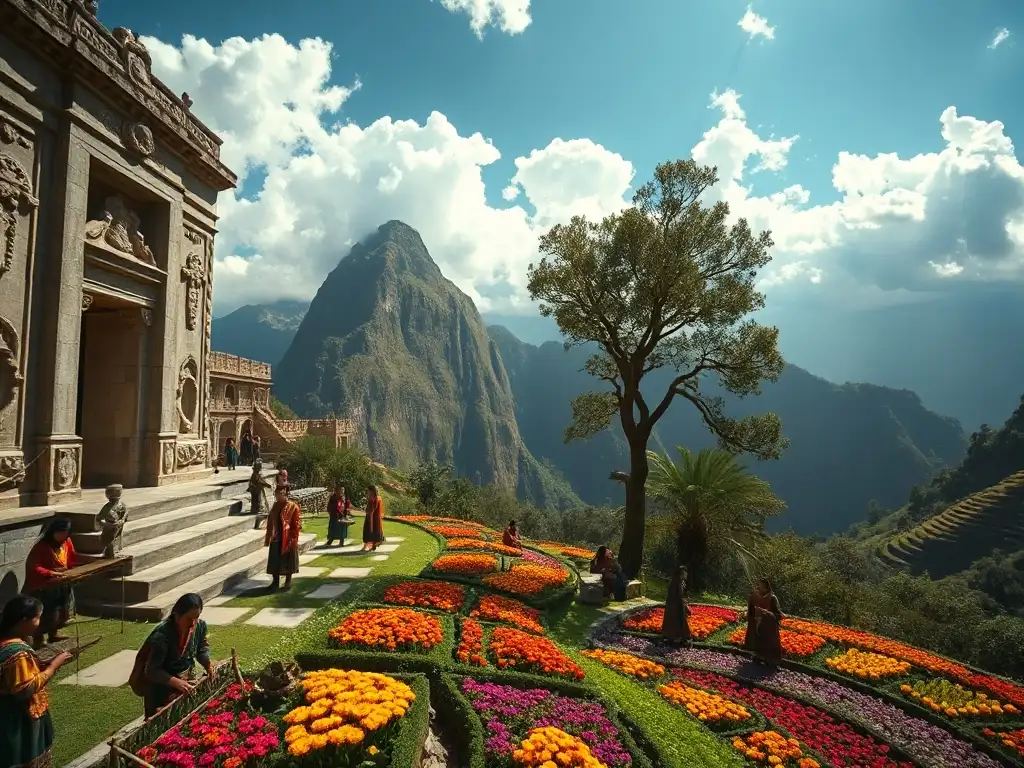
Step into a world lost to time, yet echoing with whispers of power and mystery. The Andean Civilizations website unveils the fascinating tapestry of ancient cultures, from the breathtaking artistry of the Nazca lines to the sophisticated engineering of Tiahuanaco. But today, we delve into the enigmatic heart of the Inca Empire, exploring a topic shrouded in secrecy for centuries: the Inca Acllas' religious role. Their lives, their influence, their very purpose…prepare to uncover the untold story of these chosen women and their profound impact on Inca religious life. Dare to explore further?
The Inca Empire, a civilization renowned for its intricate social structures and profound religious beliefs, held a unique group of women known as the acllas in high esteem. These women, selected for their beauty, intelligence, and skill, played a crucial, multifaceted role within Inca religious life, far beyond simple ornamentation. This article delves into the fascinating world of the acllas, exploring their selection process, their lives within the acllahuasi (houses of the chosen women), and their significant contributions to the Inca religious landscape.
Understanding the acllas’ role offers invaluable insight into the complexities of Inca spirituality, revealing a society where women held positions of power and influence, significantly shaping religious practices and beliefs. We will examine the evidence available – archaeological findings, colonial accounts, and anthropological interpretations – to paint a comprehensive picture of the acllas’ religious significance, specifically addressing their role in Inca religious rituals and ceremonies.
This exploration aims to illuminate the often-overlooked aspects of the Inca religion and provide a more nuanced understanding of the Inca civilization’s complex social and spiritual dynamics. The keyword "Inca Acllas religious role" will be explored throughout, highlighting the various facets of their religious duties and influence.
Introduction to the Acllas: The Chosen Women of the Inca
The acllas, often translated as "chosen women," were a select group of women from across the Inca Empire. Their selection was not arbitrary; rather, it was a rigorous process that considered various factors. Girls, often as young as eight years old, were chosen based on their physical beauty, perceived intelligence, and potential for skill in weaving, pottery, or other crafts.
This selection process demonstrates the Inca's emphasis on both physical attractiveness and intellectual capacity within their religious sphere. The acllas were not merely decorative figures; their roles were crucial to the functioning of Inca religious life and the production of essential goods for the Inca elite and religious institutions. The dedication of these women to religious service signifies a significant investment by the Inca state in maintaining and propagating their religious beliefs and practices.
Furthermore, the selection process itself highlights the Inca's sophisticated social organization and their ability to identify and cultivate talent within their vast empire. The selection of the acllas was a significant event within their communities, signifying both honor and responsibility for the chosen girls and their families.
The Acllahuasi: Inca Houses of the Chosen Women
The acllas resided in specialized complexes known as acllahuasi, strategically located throughout the Inca Empire. These were not simply living quarters; they functioned as centers for religious production and ritual activity. These buildings, often impressive in scale and architectural design, reflect the importance placed upon the acllas and their contribution to Inca society.
The acllahuasi were typically located near important religious sites or administrative centers, highlighting their connection to both religious and political power structures. The layout and organization of these complexes varied somewhat depending on their location and size, but common features included workshops for textile production, pottery, and other crafts, as well as areas for religious ceremonies and communal living. The existence of these dedicated spaces underscores the institutionalized nature of the acllas’ role within Inca society.
Architectural Significance of the Acllahuasi
The architectural design of the acllahuasi itself speaks volumes about the importance of the acllas and their activities. The structures were often built with high-quality materials, showcasing the Inca’s mastery of stonework and other building techniques. Many acllahuasi featured intricate designs, including sophisticated drainage systems, carefully planned layouts for workshops and living quarters, and evidence of elaborate religious iconography.
The architectural details suggest not only a practical function but also a symbolic significance, reflecting the sacred nature of the women's roles and the importance of their work in maintaining the religious fabric of the Inca Empire. The scale and complexity of some acllahuasi indicate a significant investment of resources, further emphasizing the high value placed on the acllas and their contributions. Analysis of the architectural remains provides crucial insights into the daily routines and religious practices of the acllas.
Life within the Walls of the Acllahuasi
Life within the acllahuasi was structured and disciplined. The acllas dedicated their lives to religious service, producing textiles, pottery, and other goods for religious ceremonies and the Inca elite. They participated in religious rituals, offering prayers and performing sacred dances.
While their lives were undoubtedly structured, evidence suggests that the acllas also enjoyed a degree of social interaction and community within the acllahuasi. They were not isolated from society; rather, they were an integral part of the religious and social structure of the Inca Empire. Their production of sacred textiles and other religious artifacts played a vital role in maintaining Inca religious traditions and demonstrating the power and prestige of the Inca state.
While the details of their daily lives remain partially obscured by the passage of time, archaeological findings and historical accounts shed light on the significance of their role within the Inca religious system. The lives of the acllas offer a complex and nuanced perspective on gender roles and religious practices within the Inca Empire, demonstrating the multifaceted contributions of women to the Inca civilization.
Selection and Recruitment of Acllas: Identifying the Inca Chosen Women
The selection of Acllas, the chosen women of the Inca Empire, was a process imbued with both religious significance and social implications. These women, often selected from the most beautiful and virtuous girls within the Inca empire, were considered sacred and dedicated their lives to religious service.
Their recruitment wasn't random; it was a carefully orchestrated process overseen by Inca officials, ensuring the selection of individuals deemed worthy of serving the gods and the Inca elite. The system was designed to integrate the Acllas seamlessly into the intricate fabric of Inca religious life, underscoring their crucial role within the empire's spiritual infrastructure.
The selection process was a testament to the Inca's deep-seated belief in the power and influence of religious devotion, highlighting the importance of the Acllas within their spiritual worldview. The selection process also served as a mechanism to consolidate Inca power and control, demonstrating the emperor's authority and influence over even the most personal aspects of Inca life.
Criteria for Choosing Inca Acllas
While precise records detailing the specific criteria for Acllas selection are scarce, historical accounts suggest a multifaceted assessment. Physical beauty was certainly a factor; the Acllas were often described as exceptionally attractive. However, virtue, intelligence, and a demonstrated commitment to Inca values were equally important. Girls from all social classes could be chosen, though those from noble families may have had a slight advantage.
Furthermore, the girls chosen needed to display a certain level of skill and dexterity, which would be useful in fulfilling the Acllas' various roles, particularly their textile production and religious service. The selection process was undoubtedly rigorous, reflecting the high esteem and sacred nature of the Acllas' role within Inca society. The selection was a blend of physical attractiveness and virtuous character, ensuring that the women chosen embodied the ideals of Inca culture and religious piety.
The Aclla's Journey to the Acllahuasi
Once selected, the Acllas were taken to the Acllahuasi, a convent-like institution where they lived a life dedicated to religious service. These institutions were strategically located throughout the Inca empire, often in proximity to major religious sites. Leaving their families and former lives behind, the Acllas embarked on a transformative journey, entering a world of religious devotion and specialized training.
The transition from their previous lives to their new roles as Acllas would have been significant, requiring adaptation and a commitment to the strict rules and regulations of the Acllahuasi. The journey to the Acllahuasi signified not only a change of location but a complete transformation of identity and purpose, marking the beginning of their sacred service to the Inca gods and the Inca state.
The Religious Roles of the Inca Acllas
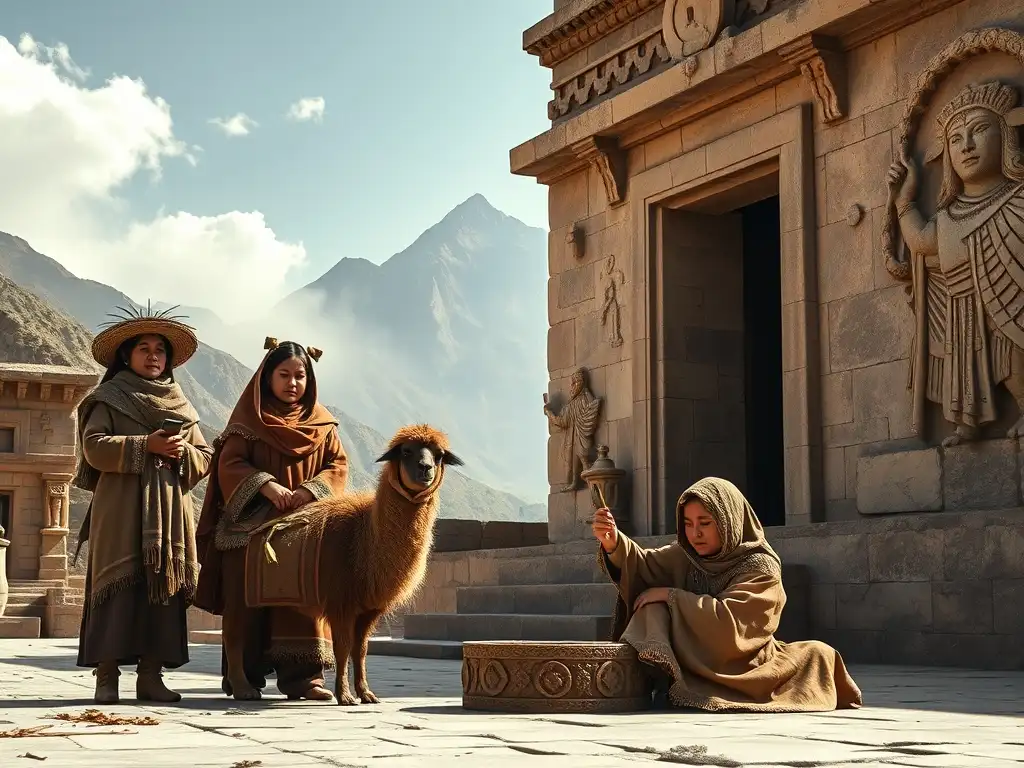
The Acllas played multifaceted roles within Inca religion, far exceeding simple ceremonial participation. Their responsibilities covered a wide range of religious activities, emphasizing their importance in maintaining the spiritual well-being of the empire. They were not merely passive participants but active agents in the performance of religious rituals, acting as intermediaries between the divine and the human realm.
Their involvement extended beyond the performance of rituals to include the creation of sacred objects and the preservation of religious knowledge. The Acllas' diverse contributions were essential to the functioning of Inca religious institutions and the maintenance of the empire's spiritual order. Their dedication and expertise were integral to the strength and stability of Inca religious practice and belief.
Acllas' Service to Inti: Sun God Rituals
The Acllas held a particularly significant role in the worship of Inti, the Inca sun god. They participated in elaborate ceremonies honoring Inti, often preparing offerings, performing dances, and engaging in other rituals designed to appease and honor the sun god. Their involvement in Inti's worship highlighted their connection to the most powerful deity in the Inca pantheon, reinforcing their elevated religious status.
The reverence and devotion shown by the Acllas towards Inti were crucial in maintaining the sun god's favor and ensuring the prosperity of the Inca empire. The Acllas' devotion to Inti was not just a matter of religious duty; it was a demonstration of their commitment to the empire's well-being and the continuation of Inca traditions.
Acllas and the Cult of the Inca Royalty
The Acllas were not only involved in the worship of Inti but also played a vital role in the cult of Inca royalty. They participated in ceremonies honoring the Inca emperor and other members of the royal family, performing rituals and preparing offerings that reaffirmed the emperor's divine status and power. Their association with the Inca elite further cemented their elevated social standing and spiritual importance.
The Acllas' participation in the ceremonies surrounding the Inca royalty highlighted their role as intermediaries between the divine and the human realm, serving as a link between the celestial and terrestrial worlds. Their presence in these ceremonies was a testament to the deep connection between religion and political power in the Inca empire.
Acllas' Role in Inca Sacrifices and Offerings
While the nature and extent of Acllas' involvement in Inca sacrifices remain a subject of debate among scholars, some evidence suggests that they played a role in preparing offerings and participating in certain sacrificial rituals. This involvement, however, was likely limited and carefully controlled, reflecting the sacred nature of both the Acllas and the sacrificial practices themselves. Their participation, if any, was likely carefully regulated and held immense religious significance, reflecting the sacred nature of their involvement. Further research is needed to fully understand their exact role in these ceremonies. [Specific information pending]
Acllas as Weavers of Sacred Textiles
The Acllas were renowned for their exceptional skills in weaving, producing high-quality textiles used in religious ceremonies and for adorning Inca royalty. Their textiles were not mere garments; they were considered sacred objects imbued with spiritual power. The intricate designs and high-quality materials used reflected the Acllas' dedication and skill, further emphasizing their importance within Inca society.
The creation of sacred textiles was an integral part of the Acllas' religious duties, highlighting their role in maintaining the spiritual fabric of the Inca empire. The Acllas' weaving skills were not simply a craft; they were a sacred art form, contributing significantly to the religious and cultural life of the Inca empire. Their textiles served as tangible expressions of their devotion and skill, leaving behind a lasting legacy of artistry and religious significance.
The Acllas, or chosen women, held a position of significant social and political importance within the Inca Empire. Far from being mere religious figures, they represented a crucial element in the Inca state's structure, reflecting the empire's power and ideology. Their selection process, which involved choosing girls from all social classes, albeit primarily from the nobility, underscored the Inca's claim to legitimacy and control over all aspects of Andean society. The Acllas' influence extended beyond religious spheres, impacting the economy, social hierarchy, and even the political landscape.
Their dedication to religious service and production of textiles and other goods contributed directly to the Inca state's wealth and stability. The sheer number of Acllas across the empire, housed in their Acllahuasi (women's houses), demonstrated the scale of their influence and the resources dedicated to this institution. This widespread presence solidified their role as integral components of the Inca social fabric.
Acllas as Symbols of Inca Power
The Acllas served as potent symbols of Inca power and authority. Their presence in Acllahuasi throughout the empire visually represented the reach and control of the Inca ruler. The selection of girls from various social strata, and even the occasional capture of women from conquered territories, underscored the Inca emperor's dominion over the entire population.
The elaborate textiles and other craftwork produced by the Acllas were often used to adorn Inca royalty and temples, further emphasizing the Acllas' connection to power. Moreover, the meticulous control exerted over their lives—from their education to their marriage prospects—highlighted the Inca's ability to manage and regulate even the most intimate aspects of society. The Acllas, in essence, embodied the Inca's capacity for centralized control and ideological dominance.
Acllas' Role in Inca State Diplomacy
The Acllas played a surprising role in Inca state diplomacy. Highly skilled artisans, they produced exquisite textiles and ceramics that were used as gifts in diplomatic exchanges with other Andean groups or even distant allies. These carefully crafted items served not only as material expressions of Inca wealth and power but also as symbols of prestige and cultural exchange.
The Acllas' involvement in diplomacy extended beyond material gifts; their presence at certain ceremonies or festivals could also signify the Inca emperor's goodwill and strengthen political alliances. The strategic deployment of Acllas and their crafts in diplomatic endeavors highlights their value as ambassadors of Inca culture and power, extending the empire's influence far beyond its geographical borders. This subtle yet powerful role showcases the multifaceted nature of their contributions to the Inca state.
Acllas and the Inca Marriage System
The Inca marriage system intricately involved the Acllas. While many Acllas remained celibate and dedicated their lives to religious service, some were selected as wives for Inca officials or members of the elite. This selection process wasn't arbitrary; it was a deliberate strategy to consolidate power and maintain social order. Marrying an Aclla conferred prestige and legitimacy upon the husband, cementing his position within the Inca hierarchy.
These marriages also served to strengthen alliances and ensure the loyalty of powerful families. The controlled nature of these unions demonstrates how the Inca state manipulated even marriage to maintain its grip on power and social structure. The Acllas, therefore, played a crucial role in reinforcing the Inca political system through selective marital unions.
Daily Life of the Acllas: Beyond Religious Duties
While their religious roles were central, the Acllas' daily lives encompassed far more than just religious duties. Their existence was structured and regimented, reflecting the Inca emphasis on order and efficiency. Their activities extended to crucial aspects of the Inca economy and social life. This comprehensive approach to their lives speaks volumes about the Inca's understanding of the importance of integrating their religious and secular spheres. Their contributions weren't limited to the spiritual realm; they were integral to the fabric of Inca society.
Education and Training of Acllas
From a young age, Acllas underwent rigorous education and training. They received instruction in religious practices, textile production, and other crafts vital to the Inca economy. This education was designed to cultivate their skills and ensure their proficiency in their assigned roles.
The level of skill and artistry demonstrated in surviving Acllas textiles suggests a high standard of training and a dedication to excellence. The curriculum likely varied depending on the Acllahuasi and its specific functions, suggesting a level of specialization in training. This structured education program underscores the Inca's investment in these women and their contributions to the empire.
The Acllas' Routine and Activities
The daily routine of the Acllas was likely structured and highly organized. Their days would have been filled with prayers, religious ceremonies, textile production, and other crafts. Evidence suggests a strong emphasis on communal living and shared responsibilities within the Acllahuasi. The rhythm of their lives was deeply intertwined with the agricultural cycles and the religious calendar, highlighting the close relationship between religion and daily life in Inca society. While the specific details of their daily activities remain somewhat elusive, the general structure of their lives points to a highly disciplined and productive community.
Acllas' Material Culture and Crafts
The Acllas' material culture is a significant source of information about their lives and roles. Their exquisite textiles, ceramics, and other crafts are highly valued by archaeologists and historians. These objects not only demonstrate their exceptional skills but also offer insights into the materials and techniques used in Inca craftsmanship.
The sophisticated designs and the high quality of their work reflect the importance placed on their contributions to the Inca economy and religious life. Analysis of their artifacts provides crucial evidence about Inca technology, trade networks, and artistic traditions, offering a valuable window into the daily lives and contributions of these remarkable women. The surviving examples of their work stand as a testament to their skill and dedication.
The Legacy of the Acllas: Their Influence on Inca Society
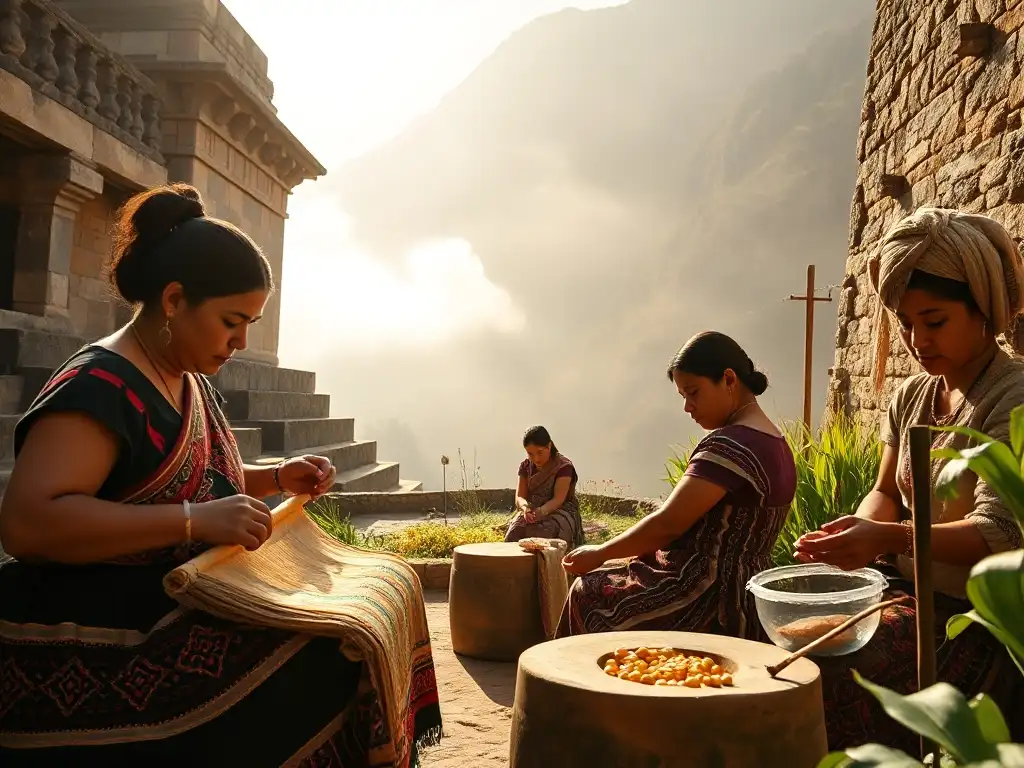
The Acllas, or "chosen women," held a unique and significant position within Inca society, extending far beyond their religious duties. Their influence permeated various aspects of Inca life, leaving an indelible mark on its social fabric. Their highly skilled textile production, for instance, contributed significantly to the Inca economy and the prestige of the empire.
The intricate weavings and clothing produced by the Acllas were not merely utilitarian; they were often imbued with religious significance, serving as offerings to deities or adorning important figures during ceremonies. Furthermore, their expertise in other crafts, such as pottery and agriculture, further enhanced their societal importance. The Acllas weren't simply passive recipients of religious training; they were active contributors to the economic and social well-being of the Inca Empire.
Their contributions demonstrate a complex interplay between religious devotion and practical skill, highlighting the multifaceted roles women played within this powerful civilization. The legacy of the Acllas speaks to the value placed on women's contributions in Inca society, even within a highly structured and hierarchical system. The high regard for their skills and the quality of their work is evidenced by the surviving artifacts and historical accounts.
The Acllas' Impact on Inca Religious Practices
The Acllas' impact on Inca religious practices was profound and multifaceted. They served as vital intermediaries between the Inca people and their deities. Their role extended beyond mere participation in rituals; they actively shaped the religious landscape through their production of sacred textiles, pottery, and other ceremonial objects.
Their involvement in the preparation and presentation of offerings ensured the proper conduct of religious ceremonies, maintaining the delicate balance between the human and divine realms. The meticulous care and precision they employed in their crafts suggest a deep understanding of religious symbolism and ritual protocols. Their participation wasn't simply a matter of following established procedures; their expertise and dedication ensured the ritual's effectiveness and the continued favor of the gods.
The Acllas were not passive participants but active agents in shaping the religious practices of the Inca Empire. Their influence is evident in the meticulous detail and artistry of religious artifacts from the period.
The Acllas' Role in Preserving Inca Traditions
The Acllas played a crucial role in preserving and transmitting Inca traditions, acting as custodians of cultural knowledge and practices. Their secluded environment within the Acllahuasi (houses of the chosen women) fostered the preservation of oral histories, songs, and rituals. They were responsible for passing down these traditions to subsequent generations, ensuring the continuity of Inca cultural heritage.
Their knowledge extended beyond religious practices; they also played a role in preserving agricultural techniques, medicinal knowledge, and artistic skills. This preservation was crucial for maintaining the social cohesion and identity of the Inca Empire. The Acllahuasi functioned not merely as religious centers but as repositories of cultural knowledge, ensuring that the rich tapestry of Inca traditions would endure.
This role demonstrates the importance of women in ensuring the cultural survival of the Inca civilization. The enduring legacy of Inca traditions is, in part, a testament to the Acllas' dedication and effectiveness in preserving them.
The Decline of the Acllas Under Spanish Rule
The arrival of the Spanish conquistadors marked a devastating turning point for the Acllas and the Inca religious system. The Spanish, driven by their own religious agenda and a desire to dismantle indigenous power structures, systematically targeted the Acllahuasi. The Acllas, once revered members of society, were subjected to violence, exploitation, and forced conversion to Christianity.
Their traditional roles were abolished, and the Acllahuasi were often repurposed for other uses. The destruction of the Acllahuasi and the dismantling of the Acllas' social structure represent a profound loss of cultural heritage. The Spanish conquest effectively erased a significant part of Inca religious life and the contributions of the Acllas.
The decline of the Acllas underscores the devastating impact of colonization on indigenous cultures and the lasting consequences of the disruption of traditional social structures. Detailed records of the precise methods of their suppression and the consequences for Inca religious life require further research.
Comparing Acllas to Other Religious Figures in the Inca World
The Acllas occupied a unique niche within the Inca religious hierarchy. While distinct from other religious figures, they were integral to the functioning of the Inca religious system. Comparing them to the Willaq Umu (high priest) highlights their differences.
The Role of Willaq Umu: High Priest of the Sun
The Willaq Umu, the highest-ranking priest, held significant political and religious power. Unlike the Acllas, who were primarily involved in ritualistic practices and craft production, the Willaq Umu held a position of authority, advising the Sapa Inca on matters of state and religion. Their roles, while both integral to Inca religion, were distinct in scope and influence.
The Willaq Umu held direct authority over religious matters and wielded considerable political influence, whereas the Acllas primarily served in a supportive and specialized capacity. The difference in power and responsibility is a key distinction. While both figures were essential to Inca religious life, their functions and social standing were quite different.
The Relationship Between Acllas and Other Religious Officials
The relationship between the Acllas and other religious officials was one of collaboration and mutual respect. While the Acllas did not hold positions of authority comparable to the Willaq Umu or other high-ranking priests, their specialized skills and knowledge were highly valued. They worked alongside priests and other religious personnel in the preparation of rituals, the creation of sacred objects, and the maintenance of religious sites. Their contributions were essential to the proper functioning of the Inca religious system.
The Acllas' relationship with other religious figures was characterized by a division of labor, with each group contributing their unique skills and expertise to the overall religious framework. This collaborative relationship reflects the structured and sophisticated nature of Inca religious practices. Further research could shed light on the specific interactions and hierarchies within this collaborative structure.
Conclusion: The Enduring Mystery of the Inca Acllas
The Inca acllas, or "chosen women," remain a captivating enigma in the study of Andean civilizations. While historical accounts offer glimpses into their lives and roles, much remains shrouded in the mists of time. Their multifaceted contributions, ranging from textile production and religious service to agricultural work and potentially even political influence, highlight the complexity of their position within Inca society.
The limited surviving evidence necessitates a cautious approach to interpretation, acknowledging the potential biases and gaps in our understanding. Further research, particularly the careful analysis of newly discovered archaeological sites and a more nuanced interpretation of existing colonial chronicles, is crucial to unraveling the complete story of these remarkable women.
Their legacy extends beyond the confines of the Inca Empire, offering valuable insights into the roles of women in pre-Columbian societies and challenging Eurocentric perspectives on gender and power. The enduring mystery of the acllas serves as a constant reminder of the richness and complexity of Inca culture, and the importance of continued scholarly investigation.
Reflecting on the Significance of the Acllas
The significance of the acllas within the Inca religious landscape cannot be overstated. They served as a vital link between the earthly and spiritual realms, acting as intermediaries between the Inca rulers and the gods. Their dedication to religious service, coupled with their expertise in textile production—a craft deeply intertwined with Inca religious practices—reinforced their importance in maintaining cosmological order.
The textiles they created were not merely utilitarian objects; they were imbued with spiritual meaning, used in ceremonies and adorning sacred spaces. Their role in maintaining the huacas (sacred places) and participating in religious rituals underscores their central position within the Inca religious system. Reflecting on their significance requires considering the broader context of Inca cosmology and the integral role that women played in sustaining the empire's spiritual and social fabric.
Their lives were dedicated to the service of the Inca state and its religious beliefs, highlighting a unique form of religious devotion and social organization. Their story is a testament to the power of religious belief in shaping individual lives and the structure of a complex society.
The Importance of Studying the Inca Acllas
Studying the Inca acllas is of paramount importance for several reasons. Firstly, it allows us to challenge and expand upon existing narratives of Inca society, which often prioritize the roles of male leaders and warriors. The acllas provide a crucial lens through which to understand the contributions and agency of women within this complex civilization.
Secondly, their story offers valuable insights into Inca religious practices and beliefs, shedding light on the multifaceted nature of their spiritual world and the importance of ritual and ceremony in maintaining social order. Thirdly, their experiences as selected women, separated from their families and trained in specialized skills, offer valuable perspectives on Inca social structures and power dynamics. Finally, their story helps to further the understanding of the broader Andean region's history, particularly the roles of women in pre-Columbian societies.
The study of the acllas is not merely an academic exercise; it is a crucial step in constructing a more complete and nuanced understanding of Inca civilization and its place within the wider tapestry of Andean history. This understanding is vital for challenging preconceived notions and promoting a more inclusive and accurate representation of the past. Their story deserves to be told, not only for its historical significance, but for its enduring relevance in contemporary discussions of gender, religion, and power.
- Introduction to the Acllas: The Chosen Women of the Inca
- The Acllahuasi: Inca Houses of the Chosen Women
- Selection and Recruitment of Acllas: Identifying the Inca Chosen Women
- The Religious Roles of the Inca Acllas
- Acllas' Social and Political Importance
- Daily Life of the Acllas: Beyond Religious Duties
- The Legacy of the Acllas: Their Influence on Inca Society
- Comparing Acllas to Other Religious Figures in the Inca World
- Conclusion: The Enduring Mystery of the Inca Acllas
- What was the primary role of the acllas in Inca society?
- How were women selected to become acllas?
- What types of activities were acllas involved in besides religious duties?
- What was the significance of the textiles produced by the acllas?
- Did the acllas have any social standing or power within Inca society?
Frequently Asked Questions
What was the primary role of the acllas in Inca society?
The acllas, or Chosen Women, held a vital religious role within Inca society. They served as priestesses, textile producers, and were responsible for maintaining temples and producing goods for religious ceremonies. Their lives were dedicated to the Inca state and its religious practices.
How were women selected to become acllas?
Women were selected for the aclla system based on beauty, skill, and virtue, often chosen from across the Inca Empire. The selection process was rigorous, and only the most exceptional women were chosen to serve. This ensured that the acllas represented the ideal Inca woman.
What types of activities were acllas involved in besides religious duties?
Beyond religious duties, acllas were skilled artisans, producing fine textiles, ceramics, and other goods. They also managed agricultural projects and were responsible for maintaining temples and religious sites.
What was the significance of the textiles produced by the acllas?
Textiles produced by the acllas held immense religious and symbolic importance. These high-quality textiles were often used in religious ceremonies, royal attire, and adorned sacred spaces, demonstrating the acllas' crucial role in Inca religious life.
While not holding political power in the traditional sense, acllas held a position of high prestige and respect. Their dedicated service to the Inca state and its religious practices granted them a unique and influential social status within Inca society.
Final Reflection: The Enduring Legacy of the Acllas
The role of the Acllas in Inca society remains a potent symbol of the complex interplay between religion, power, and gender, a dynamic still relevant in our understanding of religious institutions today. Their carefully cultivated lives, dedicated to religious service and textile production, challenge modern assumptions about women's roles in pre-industrial societies and offer a nuanced perspective on the power structures within the Inca Empire. The meticulous detail surrounding their lives, even in fragmented historical accounts, speaks volumes about their importance to the Inca worldview.
The Acllas' story continues to resonate because it forces us to confront our own biases about gender and spirituality. Their lives, often romanticized or misinterpreted, reveal a far more complex reality than simple subservience. They were not merely passive participants in religious rituals; they held positions of influence and prestige within their communities, contributing significantly to the Inca's spiritual and material well-being. The women of the sun were the heart of the Inca religion, the keepers of its sacred traditions.
– (Hypothetical quote, reflecting the potential significance of Acllas). Their legacy challenges us to reconsider how we interpret historical narratives and to acknowledge the often-hidden contributions of women throughout history.
Consider the Acllas' story as you navigate your own life. What seemingly marginalized groups or individuals in your own community hold unexpected power or influence? How can we, like the Inca, recognize and value the contributions of those often overlooked?
Let the legacy of the Acllas inspire you to seek out the hidden stories and to appreciate the multifaceted roles women have played – and continue to play – in shaping our world. Their story is not just a historical footnote; it's a call to deeper understanding and a testament to the enduring power of faith, dedication, and the often-unsung contributions of women.
Thank you for exploring the fascinating world of the Acllas with us! We hope you gained valuable insights into their vital role in Inca religious life. To further your understanding, we encourage you to continue your exploration!
Here are a few suggestions to deepen your knowledge:
- **Dive Deeper:** Expand your understanding of Inca history by researching other significant figures in Inca culture, such as the Sapa Inca or powerful religious leaders. This will provide a richer context for understanding the Acllas' role.
- **Share Your Thoughts:** Join our community and share your perspectives! How do you believe the legacy of the Acllas continues to influence contemporary Andean cultures? Leave a comment below.
- **Engage with Us:** Stay updated on the latest articles and discussions about Andean civilizations by following us on social media.
What other aspects of Inca life captivate you, and why? Let's discuss!