
Sacred Spaces, Sacred Sounds: The Acoustics of Andean Ritual Sites

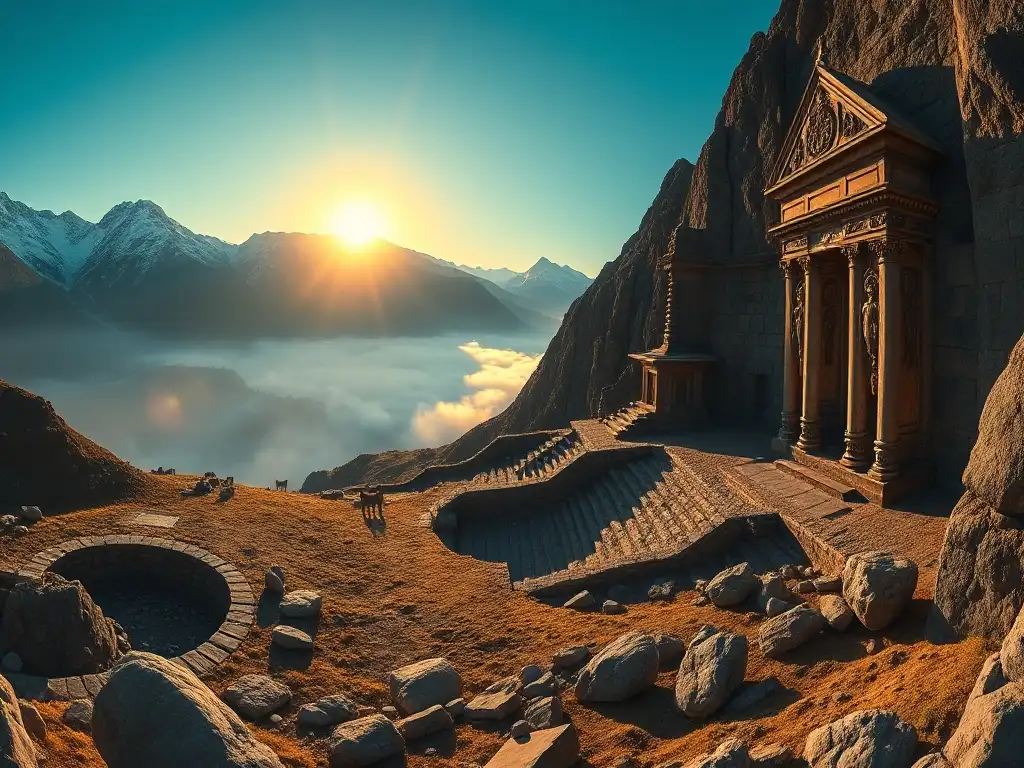
Welcome to Andean Civilizations, where the echoes of a lost world whisper secrets of ingenuity and spirituality. Journey with us through the breathtaking landscapes and captivating cultures of the Andes, from the Incas to the Nazca. But first, prepare to be amazed: did you know the acoustics of Andean ritual sites played a crucial role in their religious practices? Discover how these ancient spaces were meticulously designed to amplify and manipulate sound, creating a truly sacred sonic experience. Unravel the mysteries within, and delve into the fascinating world of Andean music and dance—the journey begins now.
- Sacred Spaces, Sacred Sounds: Exploring Andean Ritual Site Acoustics
- The Significance of Sound in Ancient Andean Rituals
- Understanding Andean Ritual Site Architecture and Acoustics
- Case Studies: Acoustic Properties of Key Andean Ritual Sites
- Andean Instruments and Their Acoustic Impact on Ritual Spaces
- The Legacy of Andean Ritual Site Acoustics
-
Frequently Asked Questions
- What makes Andean ritual sites acoustically significant?
- How did the ancient Andean cultures utilize acoustics in their rituals?
- Are there specific examples of Andean sites known for their unique acoustics?
- What types of sounds would have been important in Andean ritual contexts?
- How does studying the acoustics of Andean ritual sites contribute to our understanding of these cultures?
- Final Reflection: Resonances of the Past, Echoes of the Future
- Unleash the Power of Andean Acoustics!
Sacred Spaces, Sacred Sounds: Exploring Andean Ritual Site Acoustics
The Andes Mountains, a spine of towering peaks running down the western coast of South America, are not just a geographical feature; they are a cradle of civilization, home to a rich tapestry of ancient cultures. For millennia, these cultures—including the Incas, Moche, Nazca, and Tiahuanaco—developed sophisticated societies marked by intricate social structures, breathtaking artistry, and a profound connection to the spiritual world.
This article delves into the fascinating intersection of Andean spirituality and acoustics, exploring how the design and construction of ritual sites were carefully considered to enhance the power and impact of religious ceremonies. We will examine the evidence suggesting that the acoustics of these sites were not accidental but rather intentionally crafted to create a resonant and awe-inspiring soundscape, deeply intertwined with the ritualistic practices and beliefs of these ancient Andean peoples.
Understanding the acoustics of these sites allows us to gain deeper insights into the spiritual lives and technological prowess of these remarkable civilizations, enriching our appreciation for their enduring legacy. The exploration of "Andean ritual site acoustics" reveals a fascinating interplay of architecture, sound, and spirituality.
The Inca's Architectural Acoustics: A Symphony in Stone
Inca architecture, renowned for its precision and grandeur, often incorporated acoustic elements into the design of their sacred spaces. Temples, plazas, and other ritual sites were not merely functional structures; they were carefully engineered spaces intended to amplify and manipulate sound.
While precise data on specific acoustic measurements is limited due to the age and condition of many sites, architectural features like strategically placed niches, stepped terraces, and the use of specific building materials suggest a deliberate attempt to control sound propagation. For example, the echoes and reverberations within certain Inca structures may have been used to create a sense of mystery and power, enhancing the impact of religious rituals and pronouncements.
Further research is needed to fully quantify these acoustic effects, but preliminary findings suggest a sophisticated understanding of acoustics far surpassing what was previously assumed. The careful placement of stones and the orientation of structures relative to natural features likely played a significant role in shaping the acoustic environment.
The Moche and Nazca: Whispers from the Desert
The arid coastal regions of Peru were home to the Moche and Nazca cultures, both of which left behind impressive architectural remains. While less is currently known about the deliberate acoustic design of their ritual sites compared to the Inca, certain features suggest an awareness of sound manipulation. The Moche's monumental pyramids and ceremonial platforms, often situated in relation to natural acoustic elements like canyons and hills, could have amplified sounds during rituals, creating a powerful and immersive experience.
Similarly, the Nazca lines, though primarily known for their enigmatic geoglyphs, may have played a role in the acoustic landscape. The vast open plains could have functioned as natural resonating chambers, shaping the sounds produced during ceremonies.
More research, including acoustic modeling and field studies, is crucial to fully understand the role of acoustics in Moche and Nazca religious practices. Archaeological excavations and advanced acoustic analysis techniques are needed to provide more definitive answers.
Tiahuanaco and the Sounds of the Altiplano
The Tiahuanaco culture, flourishing on the high-altitude Altiplano, created impressive monumental structures, including the famous Kalasasaya Temple. The vast scale and precise construction of these sites suggest a possible intentionality in their acoustic properties. The sheer size of the structures, coupled with the unique characteristics of the Altiplano's atmosphere, may have created distinctive acoustic effects. [Specific information pending] on the acoustic properties of the Tiahuanaco structures.
However, preliminary observations suggest that the large open spaces and the stone construction may have contributed to the amplification and resonance of sound. The potential relationship between the acoustic character of these spaces and the religious practices of the Tiahuanaco people remains a significant area for future research. This research could involve advanced acoustic modelling and on-site measurements to fully understand the sonic environment of these remarkable sites.
Future Research and the Importance of Acoustic Archaeology
The study of Andean ritual site acoustics is a relatively young field, but its potential to deepen our understanding of these ancient civilizations is immense. Further research, incorporating advanced acoustic measurement techniques, digital modeling, and interdisciplinary collaboration between archaeologists, acousticians, and ethnomusicologists, is essential. By combining traditional archaeological methods with cutting-edge acoustic analysis, we can unlock the secrets embedded within the stones and decipher the subtle nuances of sound in these sacred spaces.
This work is not just about understanding the past; it's about developing new methodologies for the study of ancient technologies and the deeper appreciation of human history and culture. The sounds of the past can speak volumes, if we only know how to listen. 🗣️
The Significance of Sound in Ancient Andean Rituals
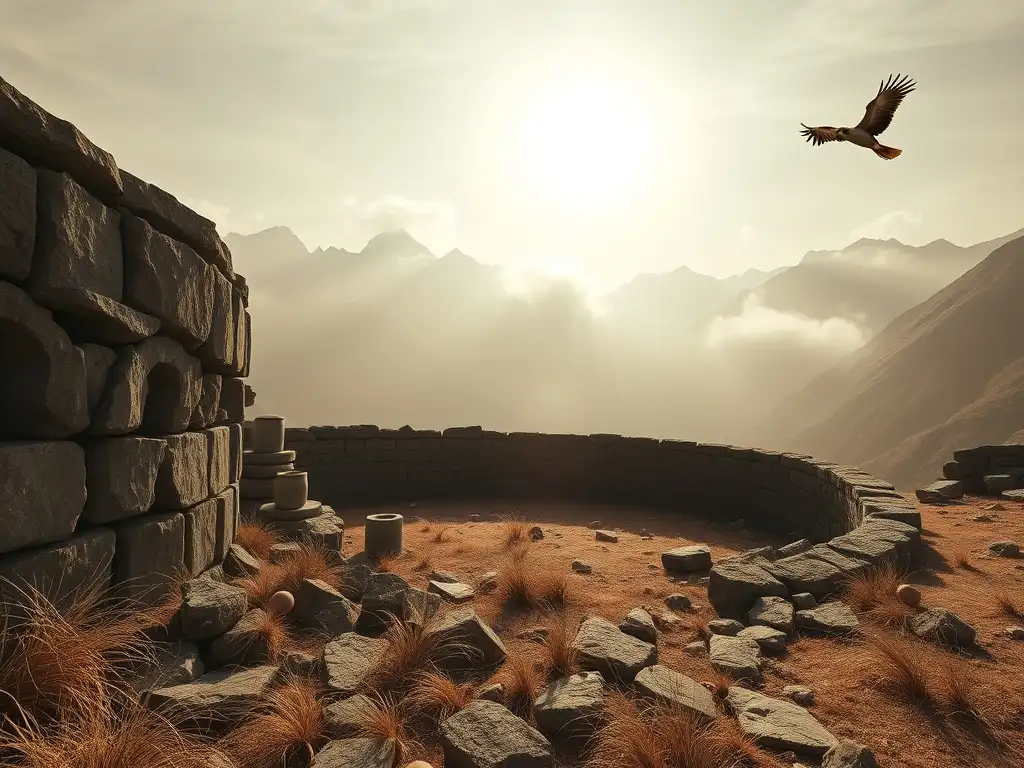
The study of Andean ritual site acoustics reveals a fascinating interplay between architecture, sound, and religious practice. Ancient Andean cultures, far from being technologically primitive, demonstrated a sophisticated understanding of how to manipulate sound within their sacred spaces. This wasn't simply a matter of aesthetics; the strategic placement of structures, the use of specific materials, and the very shape of the landscapes themselves were all carefully considered to enhance and direct the acoustic experience of rituals.
Understanding this deliberate manipulation of sound is crucial to interpreting the spiritual and social functions of these sites. The precise way sound resonated within these spaces was integral to the effectiveness of ceremonies and the overall Andean worldview. This intentional shaping of sound environments suggests a deep connection between the physical world and the spiritual realm, a connection manifested and strengthened through carefully orchestrated auditory experiences.
The reverberations, echoes, and unique acoustic properties of these sites weren't accidental; they were integral components of the rituals themselves, amplifying the power and impact of the ceremonies. Analysis of these sites reveals a meticulous attention to detail, highlighting the importance of acoustics in shaping the religious landscape of ancient Andean societies.
The Role of Music and Sound in Andean Cosmology
Andean cosmology, deeply intertwined with nature and the spiritual world, viewed sound as a powerful force capable of bridging the gap between the human and divine realms. Music, in particular, wasn't merely entertainment; it was a fundamental element of religious practices, ceremonies, and social life. The sounds produced during rituals—from the rhythmic beating of drums and the haunting melodies of panpipes to the chanting of prayers—were believed to directly influence the spiritual world, affecting the deities and the balance of the cosmos.
Specific instruments, such as the pututo (a long shell trumpet) and the antara (a panpipe instrument), were associated with particular deities and ceremonies, further highlighting the symbolic importance of sound. The soundscape of these rituals wasn't chaotic; it was carefully orchestrated to create a specific auditory experience, designed to invoke specific emotions, and to connect participants with the supernatural.
Evidence from archaeological findings, such as the discovery of musical instruments in burial sites and the depiction of musical scenes in ceramics, supports the crucial role of music in Andean religious life. The careful consideration of acoustics in ritual sites underscores the integral part sound played within the Andean worldview, reinforcing the power of music to achieve spiritual harmony and communion.
Sound as a Medium for Connecting with the Divine
The acoustic properties of Andean ritual sites facilitated a direct connection between the participants and the divine. The amplification of sound within these spaces, achieved through architectural design and the strategic placement of structures, created an atmosphere conducive to altered states of consciousness and heightened spiritual awareness. Imagine the powerful effect of a pututo blast echoing through a mountain pass, or the resonant chanting of priests reverberating within a carefully constructed temple.
These sounds, amplified and manipulated by the very architecture of the site, were not simply heard; they were felt, creating an immersive and transformative experience. This carefully designed auditory environment fostered a sense of awe and reverence, increasing the efficacy of the rituals and strengthening the connection between the participants and the spiritual world. The physical act of creating and experiencing these sounds became an integral part of the ritual itself, acting as a conduit for communication with the supernatural.
This understanding of sound as a powerful tool for spiritual connection is further emphasized by the careful selection of materials and the precise construction of these ritual spaces, demonstrating the sophisticated level of acoustic engineering employed by Andean cultures in their pursuit of spiritual communion. The intentional manipulation of sound within these sacred spaces demonstrates a profound understanding of acoustics' role in shaping religious experience and facilitating contact with the divine.
Understanding Andean Ritual Site Architecture and Acoustics
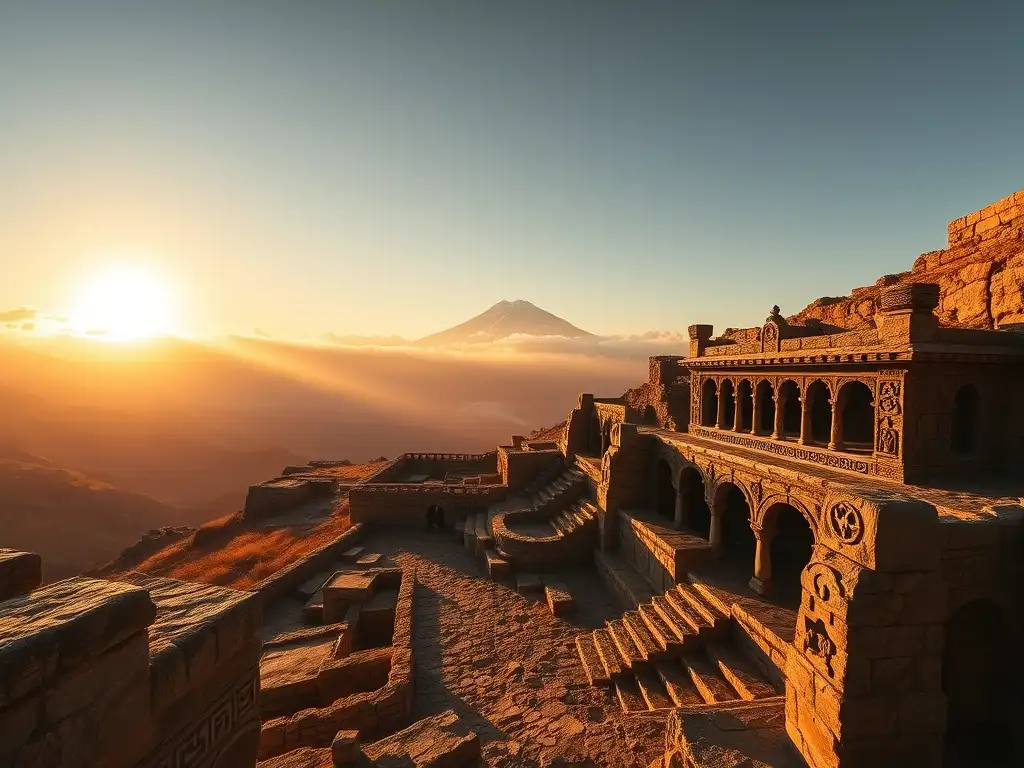
This section delves into the intricate relationship between the architecture of Andean ritual sites and their acoustic properties. We'll explore how deliberate design choices enhanced the ceremonial experience, the role of natural acoustics in site selection, and the impact of building materials on sound propagation. Understanding these factors provides crucial insight into the significance of sound in Andean religious practices and the sophisticated understanding of acoustics possessed by these ancient cultures. The study of Andean ritual site acoustics reveals a level of planning and precision rarely considered in discussions of pre-Columbian civilizations.
Architectural Design for Sound Enhancement in Andean Ceremonies
Many Andean ritual sites exhibit architectural features specifically designed to manipulate and enhance sound. Consider, for example, the use of plazas and open-air spaces. These weren't merely functional areas; their size and shape, often carefully integrated with surrounding topography, acted as natural resonating chambers.
The careful placement of structures, such as temples or platforms, within these plazas further amplified sounds, creating a powerful and immersive auditory experience for participants. This wasn't accidental; evidence suggests that Andean builders possessed a keen understanding of acoustics, using principles of reverberation and reflection to project sound across large distances and create a sense of awe and reverence.
Specific examples of architectural sound enhancement remain a subject of ongoing research, but preliminary findings suggest that features like stepped platforms, niches in walls, and even the orientation of structures relative to prevailing winds played a role in directing and amplifying sound. Furthermore, the use of specific materials, as discussed in the following section, contributed to the overall acoustic profile of these spaces.
The intentional manipulation of sound within these sites highlights the importance of auditory experience in Andean religious practices, enriching the ceremonies and enhancing their spiritual impact. The controlled environment fostered by this design likely contributed to the effectiveness of rituals and their impact on participants.
Natural Acoustics and the Selection of Ritual Locations
The choice of location for Andean ritual sites wasn't arbitrary. Natural acoustics played a significant role in site selection. Many sites are situated in locations with naturally favorable acoustic properties, such as enclosed valleys or areas with specific geological formations that enhance sound resonance. This careful selection maximized the impact of ceremonial sounds, creating an environment conducive to spiritual experience. The use of natural amphitheaters, for instance, allowed sound to be projected effectively to a large audience, enhancing the communal aspect of religious ceremonies.
Evidence suggests that the builders considered factors such as wind patterns, ground composition, and the presence of natural obstacles when selecting sites. These natural elements were integrated into the overall design, shaping the acoustic characteristics of the ritual space. The influence of these environmental factors on the auditory landscape of Andean ceremonies underscores the profound connection between the built environment and the spiritual practices of these cultures. Further research into specific site selection criteria is needed to fully understand the nuanced relationship between the natural environment and the acoustic design of Andean ritual spaces.
Materials and Their Influence on Sound Propagation
The materials used in the construction of Andean ritual sites also significantly impacted their acoustic properties. The choice of stone, for example, varied depending on both its availability and its acoustic characteristics. Some stones are known for their ability to resonate, while others absorb sound more effectively. The careful selection and placement of these materials allowed builders to fine-tune the acoustics of the space, creating the desired auditory environment.
Furthermore, the use of different materials in different parts of a structure could have created distinct acoustic zones. For example, a hard, resonant stone might be used for platforms intended to amplify ritual chants, while a more absorbent material might be used for quieter, more intimate areas. This sophisticated approach to material selection demonstrates a deep understanding of how materials influence sound propagation.
The integration of materials was not merely a practical matter; it was a deliberate design choice aimed at creating a multi-sensory experience, where sound played a vital role in the effectiveness of Andean rituals. Further investigation into the specific acoustic properties of materials used in different sites is needed to fully understand their impact on the ceremonial sound environment. Analysis of surviving structures and detailed acoustic modeling could reveal the precise acoustic goals of these builders and the extent of their understanding of sound engineering.
Case Studies: Acoustic Properties of Key Andean Ritual Sites
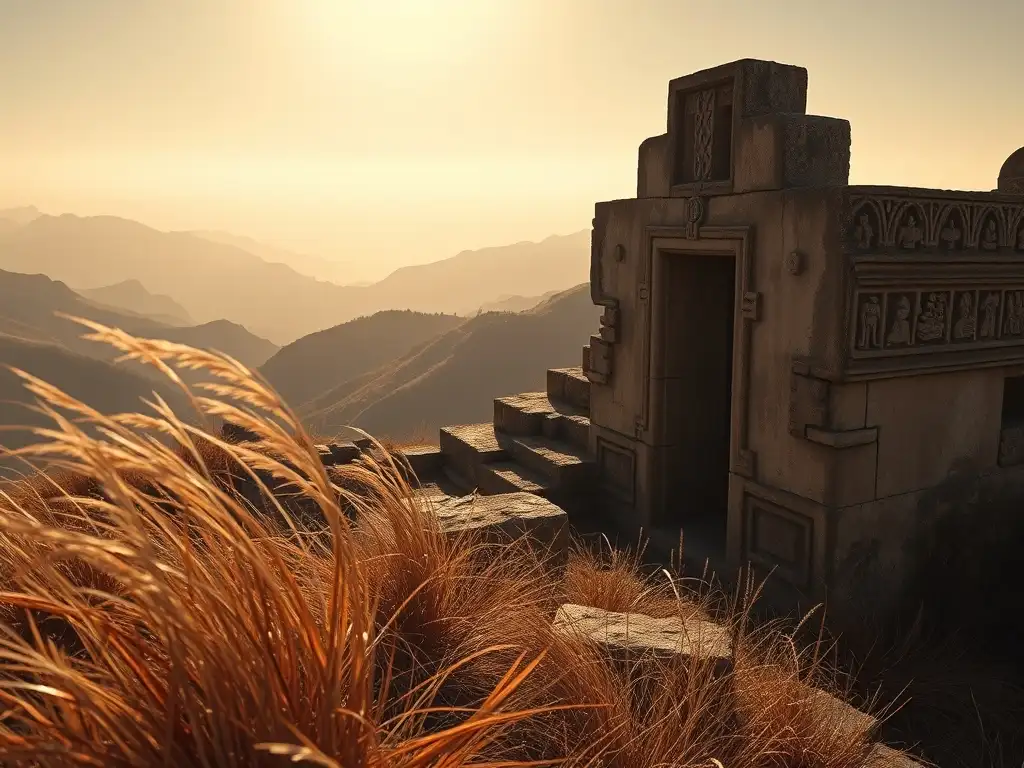
This section delves into the specific acoustic properties of several significant Andean ritual sites, examining how their design might have intentionally manipulated sound to enhance ritual experiences. We will explore the unique soundscapes of these locations and analyze the potential purposes of sound within their respective ritual practices. Understanding the interplay between architecture and acoustics provides crucial insight into the spiritual and social lives of these ancient Andean cultures.
The analysis focuses on the deliberate manipulation of sound, highlighting the sophisticated understanding of acoustics possessed by these civilizations. This exploration contributes to a deeper understanding of “Andean ritual site acoustics.”
Chavín de Huántar: Soundscapes and Ritual Practices
Chavín de Huántar, a pre-Inca archaeological site in the Andes of Peru, is renowned for its complex architecture and intricate iconography. Its acoustic properties, however, remain a subject of ongoing research and fascination. The site's labyrinthine design, featuring numerous galleries, plazas, and underground chambers, suggests a deliberate manipulation of sound.
Analyzing the Acoustic Characteristics of Chavín de Huántar
Researchers have conducted acoustic studies within Chavín de Huántar, focusing on the reverberation time, sound transmission, and focusing effects within different structures. Preliminary findings suggest that certain chambers exhibit unusually long reverberation times, potentially creating a resonant, almost ethereal soundscape. The use of stone and the specific dimensions of these spaces may have played a crucial role in shaping the acoustic environment. Further research is needed to fully understand the complex interplay of these factors.
For example, [specific data on reverberation times in various chambers pending]. The unique geometry of some spaces, such as the Lanzón chamber, may have focused sound waves, creating a dramatic auditory experience for participants in rituals. This deliberate manipulation of acoustics suggests a sophisticated understanding of sound and its potential to amplify spiritual experiences.
The Purpose of Sound in Rituals at Chavín de Huántar
The integration of acoustics into the design of Chavín de Huántar strongly suggests that sound played a significant role in its ritual practices. The resonant chambers could have been used to enhance the power of chants, musical instruments, or other vocalizations, creating a powerful and immersive experience. The echoes and reverberations within these spaces might have been interpreted as divine communication or a manifestation of supernatural forces.
The potential use of specific frequencies or rhythms within these spaces remains a topic for further research. It is hypothesized that the sounds generated within these structures were not merely incidental, but rather integral to the religious and social fabric of Chavín society. The controlled manipulation of sound suggests a deep understanding of its symbolic and ritualistic significance within their culture.
Machu Picchu: Investigating the Sound Environment
Machu Picchu, the iconic Inca citadel nestled high in the Andes Mountains, presents another fascinating case study in Andean ritual site acoustics. While less overtly designed for sound manipulation than Chavín de Huántar, its unique setting and architectural features still impact the sound environment.
Acoustic Mapping and Sound Reflection at Machu Picchu
Acoustic mapping of Machu Picchu is challenging due to the site's size, elevation, and the presence of surrounding natural elements. However, studies have begun to analyze sound reflection and propagation within the citadel’s structures. Preliminary findings suggest that the plazas and terraces may have acted as natural amphitheaters, enhancing the audibility of sounds produced during ceremonies.
The interplay between natural acoustics and the architectural design is a key element to understand. For example, the placement of specific buildings, such as the Temple of the Sun, relative to others may have been carefully considered to optimize sound transmission and create a focused auditory experience during important rituals. [Detailed acoustic maps and data pending further research].
How Sound Amplifies the Ritual Experience in Machu Picchu
The natural acoustics of Machu Picchu's location, combined with its architectural features, likely amplified the sensory experience of rituals. The sounds of chants, instruments (such as the pututo or antara), and possibly even the natural sounds of the surrounding environment (birdsong, wind) would have been shaped by the topography and the buildings themselves. This carefully crafted soundscape would have contributed to the overall atmosphere of awe and reverence associated with the site. The combination of visual grandeur and carefully designed acoustics likely created a powerful and unforgettable experience for participants in Inca rituals.
The integration of sound into the ritual experience at Machu Picchu underscores the importance of multi-sensory engagement in ancient Andean religious practices. The impact of the surrounding environment on the overall acoustic experience should be further studied. Understanding this interplay offers a richer understanding of the cultural significance of the site.
Tiwanaku: Unique Acoustic Features and Ritual Use
Tiwanaku, a pre-Columbian city located near Lake Titicaca in modern-day Bolivia, stands as a testament to the sophisticated engineering and spiritual practices of its inhabitants. Its monumental architecture, including the iconic Gate of the Sun and the Kalasasaya Temple, presents a fascinating case study in Andean ritual site acoustics. Researchers have begun to uncover evidence suggesting that the layout and construction of Tiwanaku's structures were carefully designed to manipulate and amplify sound, creating a powerful and resonant acoustic environment ideally suited for ritualistic purposes. The precise mechanisms employed remain a subject of ongoing investigation, but several key aspects are becoming clearer.
The massive stone blocks, meticulously fitted together, likely contributed to the overall resonance of the structures. The size and shape of plazas and courtyards further enhanced acoustic effects, allowing sounds to travel and reverberate in predictable patterns. This deliberate manipulation of sound suggests a profound understanding of acoustics far exceeding what was previously assumed for this era.
The very placement of structures within the landscape, taking advantage of natural acoustic phenomena, underscores the careful planning involved in creating this sacred space. The interplay between natural and human-engineered acoustics at Tiwanaku created an atmosphere conducive to ritual, enhancing the experience and potentially facilitating communication with the spiritual realm. Further research, including acoustic modeling and on-site sound recordings, is necessary to fully understand the complex acoustic properties of this remarkable site.
The Role of Natural Echoes and Reverberation in Tiwanaku
The natural geography surrounding Tiwanaku significantly contributed to its unique acoustic environment. The proximity to Lake Titicaca, with its relatively flat and expansive surface, likely played a crucial role in creating natural echoes and reverberations. Sounds produced within the city would have been reflected off the lake's surface, amplifying their intensity and creating a sense of spaciousness and awe.
Moreover, the surrounding mountains likely further shaped the acoustic landscape, causing sounds to bounce and refract in unpredictable yet potentially meaningful ways. The careful placement of structures within this natural acoustic environment suggests a deep understanding of how to harness these natural phenomena to enhance the impact of ritual performances. For instance, specific locations within the city may have been chosen precisely for their ability to amplify certain sounds or create specific acoustic effects, enhancing the overall spiritual experience.
The interaction between the natural acoustics and the human-made structures at Tiwanaku formed a complex and dynamic soundscape, integral to the city's ritualistic practices. This highlights the sophisticated understanding of the natural world and its ability to enhance spiritual experiences possessed by the Tiwanaku people. The precise ways in which these natural echoes and reverberations were used remains a subject of ongoing study.
Sound as a Tool for Communication with Ancestors in Tiwanaku
Many scholars believe that the manipulation of sound in Tiwanaku served a crucial role in facilitating communication with ancestors and the spiritual realm. The resonant acoustic properties of the site might have been used to create a sense of heightened awareness and altered states of consciousness, conducive to spiritual experiences. The amplification of ritual chants and musical instruments, through the city's unique acoustic properties, could have created a powerful and immersive soundscape, blurring the boundaries between the physical and spiritual worlds.
The rhythmic and repetitive nature of many Andean rituals, coupled with the acoustic reinforcement provided by Tiwanaku's architecture, may have induced a trance-like state in participants, facilitating communication with the spirit world. The use of specific instruments, potentially with particular acoustic properties, may have played a significant role in these rituals. While definitive evidence is lacking, the deliberate manipulation of sound strongly suggests a connection between acoustics and spiritual practices in Tiwanaku.
The acoustic environment may have been designed to enhance the efficacy of rituals aimed at communicating with ancestors and deities, reinforcing the power and authority of the ruling elite. Further research into the types of instruments and vocalizations used in Tiwanaku rituals is necessary to further illuminate this aspect of their culture. The investigation of the specific acoustic characteristics of these sounds and their interaction with the architecture of Tiwanaku is crucial for a complete understanding of their ritualistic practices.
Andean Instruments and Their Acoustic Impact on Ritual Spaces
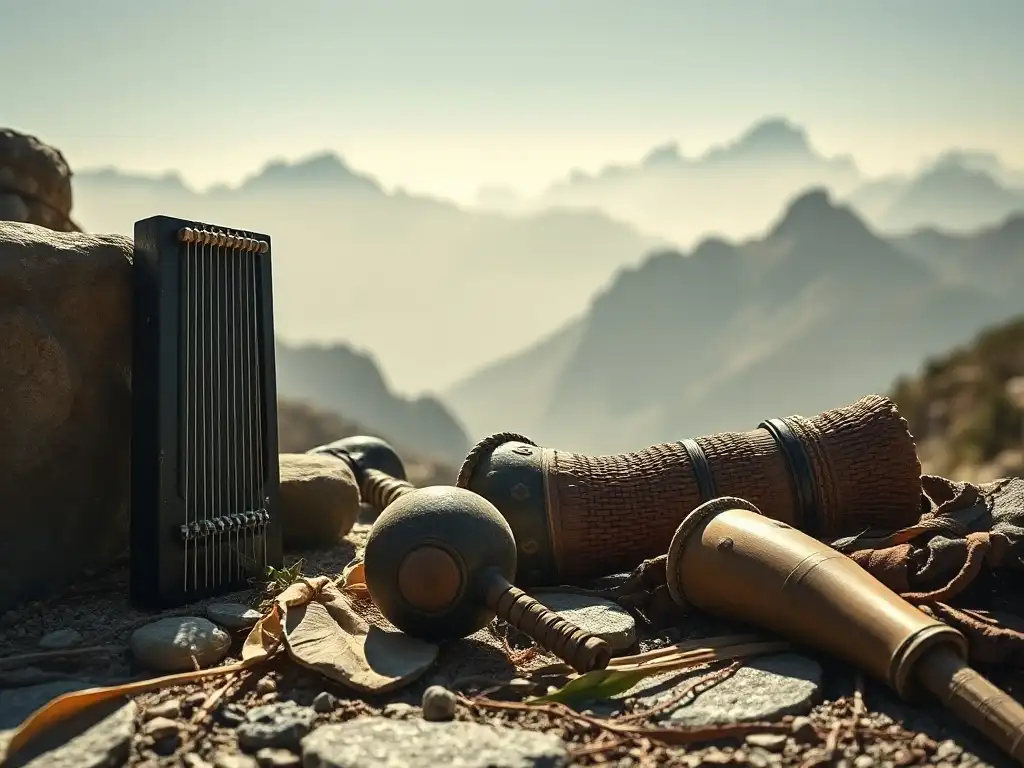
This section delves into the specific acoustic properties of Andean instruments and how their use shaped the sonic environment of ritual spaces. Understanding the interplay between instrument design, material, and the architecture of these sites is crucial to appreciating the full impact of Andean ceremonies. The careful selection and deployment of instruments weren't merely a matter of musical preference; they were integral to the ritual's efficacy and spiritual resonance.
The acoustics of these spaces, often characterized by natural amplification and reverberation, played a vital role in enhancing the perceived power and otherworldliness of the ceremonies. Analyzing these aspects reveals a sophisticated understanding of sound manipulation and its importance in Andean religious practices.
The Use of Wind Instruments in Andean Sacred Ceremonies
Wind instruments, such as the antara (panpipes) and pututo (shell trumpet), held significant ceremonial importance in various Andean cultures. The antara, with its multiple pipes producing a range of melodic notes, created a complex soundscape capable of evoking both ethereal and powerful emotions. The precise tuning and arrangement of the pipes likely reflected cosmological beliefs and the specific deities being invoked.
The pututo, on the other hand, with its deep, resonant tones, was often used to announce important events or to communicate with the supernatural realm. Its powerful sound, amplified by the natural acoustics of mountain valleys or ceremonial plazas, could carry over considerable distances, effectively projecting the ritual's significance far beyond the immediate location. The use of these instruments wasn't arbitrary; their sounds were carefully chosen to enhance the emotional and spiritual impact of the ceremonies.
The acoustic properties of these instruments were intrinsically linked to the materials used in their construction. For example, the specific type of reed used in the antara could influence the timbre and pitch, while the size and shape of the pututo shell directly impacted its resonance. Archaeological evidence suggests careful selection of these materials, indicating a deep understanding of the relationship between material properties and acoustic output. The careful crafting of these instruments is a testament to the advanced understanding of acoustics within Andean cultures.
Percussion Instruments and Their Resonance in Ritual Sites
Percussion instruments played a crucial role in shaping the rhythmic and energetic core of Andean rituals. Instruments like the tinku (a type of drum), bombo (bass drum), and various rattles and shakers contributed to the overall sonic texture of ceremonies. The tinku, often made from animal hides stretched over wooden frames, produced a deep, resonant sound.
The bombo, typically larger and made of wood, generated powerful, low-frequency vibrations. These low frequencies, when combined with the higher frequencies of other instruments and the natural acoustics of the ritual sites, created a rich sonic tapestry that could induce a state of altered consciousness or heightened spiritual awareness.
The rhythmic complexity generated by these percussion instruments also played a significant role in the structure and flow of the rituals. The interplay between different rhythmic patterns and tempos could create a sense of dynamism and energy, mirroring the spiritual power being invoked. Studies of surviving Andean instruments reveal meticulous craftsmanship, with variations in size, material, and design impacting the instruments' acoustic properties and thus their contribution to the overall sonic environment. The resonance of these instruments within specific ritual spaces was clearly understood and utilized to enhance the ritual's impact.
The Interplay Between Instruments and Site Acoustics
The relationship between Andean instruments and the acoustic properties of ritual sites was far from coincidental. Many sites, particularly those located in mountainous regions, exhibit natural acoustic phenomena such as reverberation and amplification. These natural acoustic characteristics were carefully considered when selecting and using instruments. The design of the sites themselves, often with carefully positioned platforms, walls, and open spaces, may have been deliberately designed to enhance the sonic effects of the instruments. This suggests a sophisticated understanding of acoustic principles and their use in shaping religious experience.
Evidence suggests that the locations of ritual activities were not random. Certain sites, due to their natural acoustic properties, were better suited for specific types of ceremonies or invocations. The natural amplification provided by certain rock formations or valleys could enhance the power and reach of the instruments' sounds.
This careful selection of locations, combined with the specific choice and arrangement of instruments, demonstrates a remarkable level of acoustic sophistication within Andean cultures. Further research into the architectural features of these sites and the specific acoustic properties of different instruments is needed to fully understand the complexities of this interplay. The study of Andean ritual site acoustics offers a fascinating insight into the intersection of music, architecture, and spirituality in ancient Andean societies.
The Legacy of Andean Ritual Site Acoustics
The study of Andean ritual site acoustics offers a fascinating glimpse into the sophisticated understanding of sound and its role in religious and social life possessed by ancient Andean civilizations. These weren't simply places of worship; they were meticulously designed spaces where sound played a crucial, and often deliberately manipulated, part in ritual practices. Understanding the acoustics of these sites requires analyzing architectural features, the materials used in construction, and the likely soundscapes experienced by participants in ceremonies.
The legacy of this acoustic knowledge is still felt today, influencing both modern Andean music and our understanding of ancient Andean culture. The careful analysis of surviving structures and the application of modern acoustic techniques allow us to reconstruct, at least partially, the sonic experience of these ancient rituals. This exploration of "Andean ritual site acoustics" unveils a deeply interwoven relationship between architecture, sound, and spirituality.
Preservation and Study of Andean Acoustic Heritage
Preserving and studying the acoustic heritage of Andean civilizations faces significant challenges. Many sites are threatened by erosion, looting, and the encroachment of modern development. Documentation efforts are crucial, requiring detailed acoustic surveys using specialized equipment to measure reverberation times, sound propagation patterns, and the impact of various architectural features on sound.
This involves not only advanced technology but also collaboration with local communities who possess invaluable traditional knowledge about the sites and their significance. For example, meticulous recordings of the ambient soundscapes at different times of day and year are vital to understand how natural elements interacted with the built environment to create the soundscape experienced by participants in Andean rituals.
The challenge is compounded by the fragmented nature of surviving evidence. While some sites, such as certain Inca structures, are relatively well-preserved, others are severely damaged or incomplete. This necessitates the use of advanced digital modeling techniques to reconstruct the likely acoustic properties of these sites based on available evidence.
The integration of archaeological data with acoustic modeling allows researchers to create virtual reconstructions, allowing for a more comprehensive understanding of the sonic environment of the ritual sites. The ultimate goal is not merely to document existing sites, but to contribute to their preservation and to ensure the transmission of this valuable cultural heritage to future generations. This process requires a multidisciplinary approach, combining expertise in archaeology, acoustics, anthropology, and digital technologies.
Modern Insights into Ancient Andean Sound Practices
Modern acoustic analysis of Andean ritual sites reveals sophisticated manipulation of sound. Researchers have identified architectural features, such as strategically placed niches and carefully designed plazas, that appear to have been designed to enhance specific sounds or create unique acoustic effects.
For instance, the use of resonant materials and specific geometric configurations likely amplified the voices of priests or the sounds of ritual instruments, creating a powerful and immersive experience for participants. The analysis often unveils a complex interplay of natural and artificial acoustics, with natural features like mountains and valleys influencing the propagation of sound within and around the site.
Furthermore, studies suggest that the ancient Andean peoples possessed a deep understanding of psychoacoustics—the way sound affects the human mind and body. The design of ritual spaces may have been intended to induce specific emotional or spiritual states in participants through carefully controlled sonic environments. For example, the reverberation characteristics of a particular space might have been designed to create a sense of awe or reverence, while the use of specific instruments might have evoked feelings of joy or sorrow.
The combination of acoustic analysis with ethnomusicological research – the study of music within its cultural context – is crucial to fully interpret the significance of these sounds. This interdisciplinary approach offers a fuller understanding of the intended effects of the acoustic design of these sites.
The Ongoing Significance of Sound in Andean Culture
The legacy of Andean ritual site acoustics continues to resonate in contemporary Andean culture. Traditional Andean music, with its complex rhythms and intricate instrumentation, often reflects the acoustic properties of the ancient sites. Many traditional instruments, such as the pututu (a conch shell trumpet) or the antara (panpipes), were likely used in ancient rituals and their sounds still evoke a sense of connection to the past. The use of sound in contemporary Andean ceremonies, whether religious or secular, also reflects this enduring connection.
Moreover, the growing interest in Andean ritual site acoustics has led to renewed efforts to preserve and understand these sites. This includes not only scientific research but also community-based initiatives that involve local populations in the preservation and interpretation of their acoustic heritage. The ongoing research into Andean ritual site acoustics provides valuable insights into the ancient Andean worldview and their sophisticated understanding of the power of sound.
The continued exploration of "Andean ritual site acoustics" is essential for appreciating the rich cultural heritage of these civilizations and understanding their enduring impact on contemporary Andean culture. The study enriches our understanding of the deep connection between sound, space, and spirituality within Andean culture, highlighting the sophisticated techniques employed in the design and use of ritual spaces.
Frequently Asked Questions
What makes Andean ritual sites acoustically significant?
Many Andean ritual sites exhibit remarkable acoustic properties. Their designs often amplify or focus sounds, creating a powerful and resonant environment ideal for ritual ceremonies and communication. This suggests a deliberate integration of acoustics into their construction.
How did the ancient Andean cultures utilize acoustics in their rituals?
The precise ways acoustics were used remain a topic of study, but evidence suggests they were integral to rituals. Sound may have been used to connect with the spiritual world, enhance the impact of ceremonies, or aid in communication across vast distances.
Are there specific examples of Andean sites known for their unique acoustics?
Yes, several sites show evidence of deliberate acoustic design. For example, research suggests that structures at Sacsayhuamán and other Inca sites were built to amplify and direct sound. Further research is ongoing to discover more examples.
What types of sounds would have been important in Andean ritual contexts?
The sounds used likely varied widely depending on the specific ritual and culture. However, instruments like flutes, drums, and singing would have played significant roles, and the sounds of nature may also have been incorporated.
How does studying the acoustics of Andean ritual sites contribute to our understanding of these cultures?
Studying the acoustics provides valuable insights into Andean worldview and spiritual practices. Understanding how sound was used in ritual contexts reveals crucial aspects of their beliefs, social structures, and relationship with their environment.
Final Reflection: Resonances of the Past, Echoes of the Future
The meticulous study of Andean ritual site acoustics reveals not just ancient engineering prowess, but a profound connection between sound, spirituality, and the very landscape itself. This understanding, far from being a historical curiosity, offers crucial insights into the enduring power of place and the ways in which sound shapes our experience of the sacred. The echoes of ancient rituals continue to resonate, reminding us of the deep human need to connect with something larger than ourselves.
The impact of these findings extends beyond the academic realm. Understanding the deliberate acoustic design of these sites illuminates the sophisticated understanding of sound held by Andean cultures, challenging Eurocentric narratives of technological advancement. The mountains themselves speak, not just through their silence, but through the very air that vibrates within their canyons.
This quote encapsulates the profound relationship between the physical environment and the spiritual experiences it fostered, a relationship that continues to inspire awe and wonder. The legacy of these sites serves as a powerful reminder of the importance of preserving cultural heritage and respecting the enduring wisdom of indigenous traditions.
Consider, for a moment, the power of sound in your own life. How does music, or even the quiet hum of nature, affect your mood, your sense of peace, or your connection to the spiritual?
Take the time to listen more deeply, to appreciate the subtle nuances of sound in your surroundings, and to recognize the potential for sound to create sacred space in your own life. Let the resonances of the Andean past inspire you to cultivate a more mindful and harmonious relationship with the world around you, and to protect the sacred spaces – both physical and spiritual – that enrich our lives.
Unleash the Power of Andean Acoustics!
Thank you for exploring the fascinating world of Andean ritual sites and their unique acoustics with us! You've gained valuable insights into how sound shapes spiritual experiences. Now, let's put that knowledge to practical use!
- Experience Andean culture firsthand: Attend a local festival, workshop, or performance to immerse yourself in the sounds that are integral to this rich heritage. Seek out opportunities to experience these sounds in a meaningful way.
- Craft your own sacred soundscape: Experiment at home with different sounds and music. Consider incorporating traditional Andean instruments or natural sounds like flowing water or wind chimes to create a calming and spiritually enriching atmosphere.
- Share your discoveries: Tell your friends and family about the fascinating world of Andean acoustics and the significance of sound in different cultures. You could even start a blog or discussion group to share your insights and learn from others.
What steps will you take today to deepen your understanding of the sacred sounds around you?