
The Precision of Tiahuanaco's Masonry: A Testament to Advanced Engineering

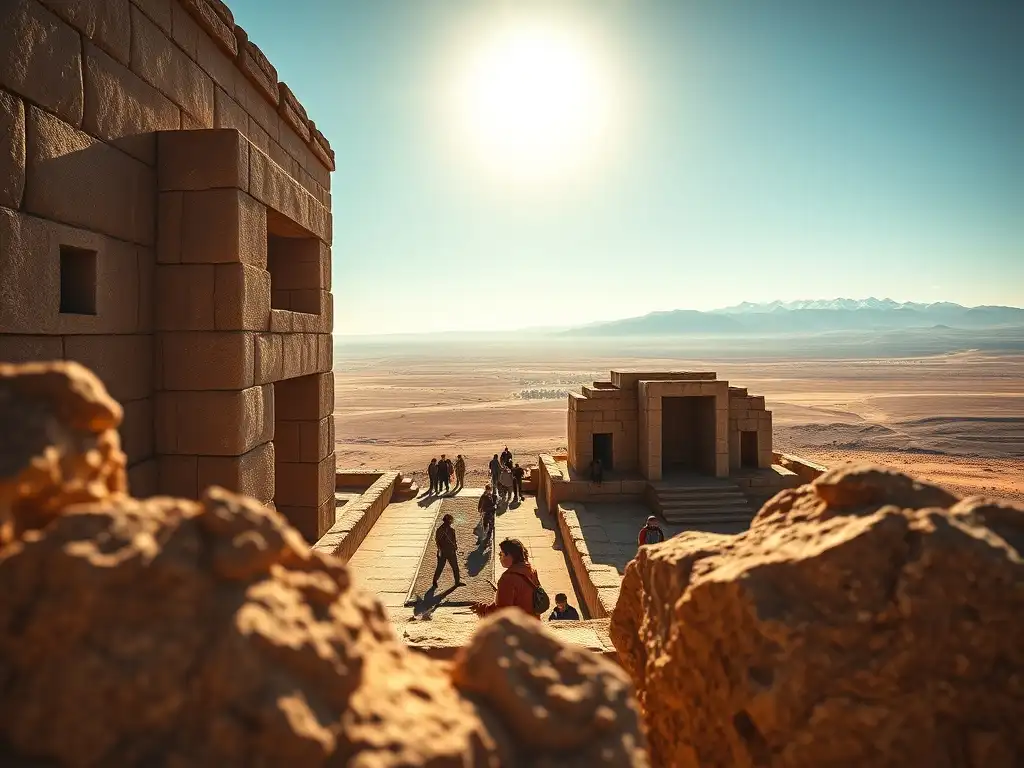
Step into a world lost to time, yet echoing with the whispers of a sophisticated past. Imagine colossal stone structures defying gravity, a testament to the ingenuity of the Andean civilizations. This is the legacy of Tiahuanaco, and here, you'll uncover the secrets behind their astonishing stonework engineering techniques. Prepare to be amazed as we delve into the precision and power of a civilization that continues to inspire awe. Are you ready to unravel the mysteries?
- Tiahuanaco Stonework Engineering Techniques: Precision in Ancient Andean Masonry
- Unveiling Tiahuanaco's Advanced Masonry Techniques
- Exploring Tiahuanaco's Engineering Feats in Detail
- Tiahuanaco's Stonework Compared to Other Ancient Civilizations
- The Legacy of Tiahuanaco's Stone Engineering
-
Frequently Asked Questions
- What makes Tiahuanaco's stonework so remarkable?
- What techniques did the Tiahuanaco people use to achieve such precision?
- How did the Tiahuanaco people transport such massive stones?
- What is the significance of Tiahuanaco's stonework in the context of Andean engineering?
- What are some examples of Tiahuanaco's impressive stonework?
- Final Reflection: Echoes of Tiahuanaco's Legacy in Modern Engineering
- Unveil the Secrets of Ancient Engineering!
Tiahuanaco Stonework Engineering Techniques: Precision in Ancient Andean Masonry
The city of Tiahuanaco, located on the shores of Lake Titicaca in modern-day Bolivia, stands as a testament to the ingenuity and advanced engineering capabilities of the pre-Columbian Andean civilizations. This remarkable archaeological site, flourishing between 500 and 1000 CE, showcases an unparalleled mastery of stonework, leaving researchers and visitors alike in awe of its precision and scale.
Understanding the engineering techniques employed in Tiahuanaco's construction offers a fascinating glimpse into the sophisticated knowledge and organizational prowess of this ancient society. This article will delve into the intricacies of Tiahuanaco's stonework, exploring the methods used to achieve such remarkable precision and examining the lasting impact of this ancient Andean engineering marvel.
We will investigate the techniques used in the construction of its iconic structures, examining the challenges overcome and the innovation displayed, ultimately illuminating the remarkable skill of the Tiahuanaco builders and their enduring legacy. The precision evident in Tiahuanaco's stonework serves as a powerful example of the advanced engineering capabilities present in pre-Columbian South America, significantly impacting our understanding of ancient Andean technology.
Introduction to Tiahuanaco's Architectural Marvels
Tiahuanaco's architecture is characterized by its monumental structures, meticulously crafted from massive blocks of andesite, a hard volcanic rock. The precision with which these blocks were cut, transported, and fitted together is astonishing. Many stones exhibit incredibly tight joints, with minimal mortar used, if any. This precision is not merely aesthetic; it reflects a deep understanding of engineering principles, including:
- Quarrying and Transportation: The sourcing of andesite blocks from distant quarries presented a significant logistical challenge. The methods used to extract, transport, and precisely position these massive blocks across considerable distances remain a subject of ongoing research and debate. Evidence suggests the use of sophisticated ramps and possibly advanced rope and pulley systems. 🤔
- Stone Cutting and Shaping: The remarkable accuracy of the stone cuts reveals a high level of skill and the use of specialized tools. While the exact tools employed are unknown, evidence suggests that the Tiahuanaco artisans used copper and possibly other materials to create incredibly precise cuts and shapes. The smoothness and uniformity of many surfaces suggests a sophisticated understanding of abrasive techniques.
- Assembly and Fitting: The incredibly tight fit of the stones in Tiahuanaco's structures showcases an advanced understanding of geometry and engineering tolerances. Many joints are so precise that a knife blade cannot be inserted between the stones. This level of precision suggests a meticulous planning process and a high degree of skill among the builders.
The Enigma of Tiahuanaco's Stone Structures
The most iconic structures of Tiahuanaco, such as the Kalasasaya and the Gate of the Sun, exemplify the advanced engineering techniques employed. The Kalasasaya, for example, is a massive platform constructed from huge andesite blocks, many weighing several tons. The precision of the stonework in this structure is particularly striking, with blocks fitted together with minimal space between them. The Gate of the Sun, a monolithic gateway adorned with intricate carvings, further demonstrates the sophisticated skills of Tiahuanaco's artisans. The precision of its carvings and the perfect alignment of its stones are truly remarkable.
The challenges faced by the Tiahuanaco engineers were immense. The sheer weight and size of the stones, combined with the need for precise placement, required a level of organization and expertise rarely seen in other ancient cultures. The lack of widespread use of the wheel and the challenging terrain further complicate our understanding of their construction methods. Further research is needed to fully unravel the secrets behind these remarkable achievements.
The ongoing study of Tiahuanaco's stonework continues to reveal new insights into the ingenuity and advanced engineering capabilities of this fascinating ancient civilization. The precision and scale of their constructions remain a testament to the remarkable capabilities of the Tiahuanaco people and their lasting contribution to Andean engineering. 🧱
Unveiling Tiahuanaco's Advanced Masonry Techniques
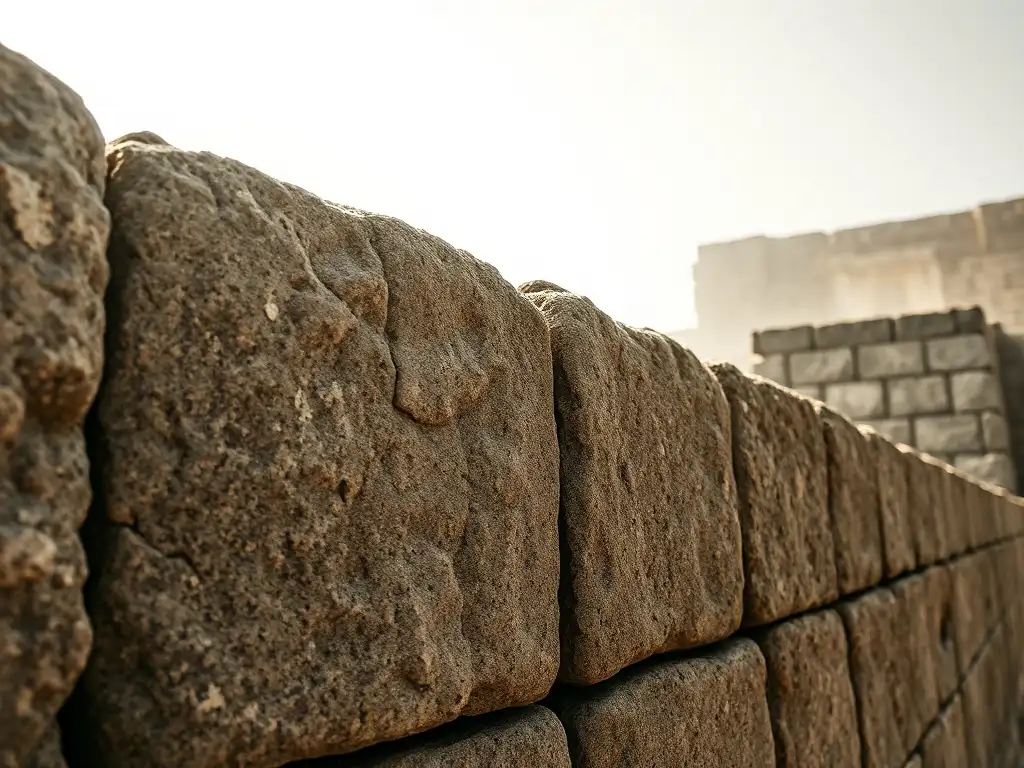
This section delves into the sophisticated engineering techniques employed in the construction of Tiahuanaco, a city renowned for its impressive stonework. The precise fitting of massive stones, the selection of durable materials, and the mastery of stone-cutting techniques all point to a level of technological advancement that continues to fascinate archaeologists and engineers today.
Understanding these techniques provides invaluable insight into the ingenuity and organizational capabilities of the Tiahuanaco culture, solidifying their place as masters of Tiahuanaco stonework engineering techniques. The sheer scale and precision of the structures are a testament to their advanced understanding of engineering principles and their ability to mobilize significant labor forces.
The Mastery of Stone Cutting and Shaping at Tiahuanaco
The creation of Tiahuanaco's monumental structures began with the extraction and processing of massive blocks of andesite, a hard volcanic rock. The precision with which these stones were shaped is truly remarkable. Evidence suggests that the Tiahuanaco people employed a combination of techniques, likely including the use of dolerite hammers and chisels, possibly aided by abrasive materials like sand or quartz.
The smoothness and accuracy of the cuts on many stones indicate a high degree of skill and meticulous craftsmanship. Archaeological findings have unearthed discarded stone tools, providing tangible evidence of the methods used. These tools, often made from harder materials than the andesite itself, reveal a sophisticated understanding of metallurgy and toolmaking, further enhancing our appreciation of the Tiahuanaco stonework engineering techniques.
Analysis of the tool marks on the stones themselves allows researchers to reconstruct the sequence of steps involved in shaping them, providing a glimpse into the daily lives and expertise of these skilled artisans. Furthermore, the consistent quality of the cut stones across various structures suggests a standardized process and possibly specialized workshops dedicated to this crucial aspect of construction.
Precise Stone Fitting and Assembly: A hallmark of Tiahuanaco construction
The hallmark of Tiahuanaco's construction is the incredibly precise fitting of the massive stones. Many blocks interlock with such accuracy that even a knife blade cannot be inserted between them. This level of precision requires not only skilled stone cutting but also a sophisticated understanding of geometry and engineering principles.
The absence of mortar in many structures further highlights the ingenuity of the Tiahuanaco builders. Instead, they relied on the precise shaping of the stones to create incredibly stable structures. This technique, requiring exceptionally accurate measurements and planning, minimized the need for binding agents, showcasing an advanced understanding of load-bearing and structural integrity.
The remarkable tolerances achieved in the stone fitting exemplify the high level of planning and coordination involved in the construction projects. This level of precision in Tiahuanaco stonework engineering techniques is still a challenge for modern engineers using sophisticated tools and technology. One can only imagine the level of skill and planning required to achieve such results with the limited technology available to the Tiahuanaco people.
The Use of Andesite and Other Materials in Tiahuanaco Building
The choice of andesite for many of Tiahuanaco's structures was a strategic one. Andesite, while challenging to work with, possesses exceptional durability and weather resistance, ensuring the longevity of the buildings. The quarries from which this stone was sourced are located some distance from the city, highlighting the logistical capabilities of the Tiahuanaco people. The transportation of these massive blocks, some weighing many tons, required significant organization and manpower.
In addition to andesite, other materials were also incorporated into Tiahuanaco's constructions, including red sandstone and clay. The selection and use of these diverse materials demonstrate a nuanced understanding of material properties and their suitability for various construction purposes. The strategic use of different materials likely reflected considerations of aesthetics, availability, and functionality.
This careful selection, combined with the precision of the stonework, resulted in structures that have withstood the test of time, a testament to the sophisticated Tiahuanaco stonework engineering techniques. The detailed analysis of these materials and their placement within the structures further contributes to our understanding of the Tiahuanaco's building practices and their overall technological advancements. Further research into the quarrying techniques and transportation methods employed would enhance our understanding of the logistical challenges overcome by the Tiahuanaco civilization.
Exploring Tiahuanaco's Engineering Feats in Detail
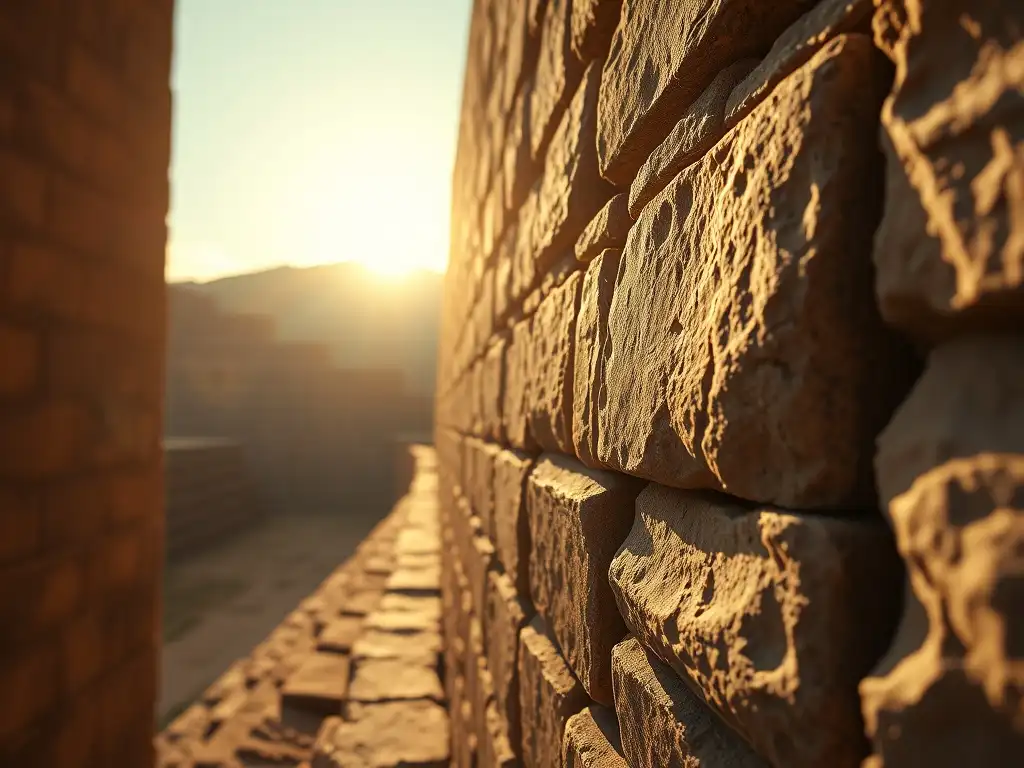
This section delves into the remarkable engineering achievements of the Tiahuanaco civilization, focusing on the precision and ingenuity demonstrated in their stonework. The mastery displayed in the construction of Tiahuanaco's monumental structures remains a source of fascination and ongoing research, challenging our understanding of ancient engineering capabilities. The sophistication of their techniques, evident in the precise measurements, intricate carvings, and massive scale of their projects, highlights the advanced knowledge and organizational prowess of this Andean civilization. Understanding these techniques provides crucial insight into the social, economic, and technological aspects of Tiahuanaco society.
The Precise Measurement and Alignment of Tiahuanaco's Megalithic Blocks
The hallmark of Tiahuanaco stonework is the astonishing precision in the cutting, shaping, and placement of its megalithic blocks. These massive stones, some weighing many tons, were fitted together with incredible accuracy, leaving minimal gaps between them. This level of precision suggests the use of advanced surveying and measuring instruments, far beyond what was previously attributed to pre-Columbian civilizations. Archaeological evidence points towards the use of sophisticated tools and techniques, likely including rudimentary forms of leveling instruments and possibly even a basic understanding of geometry.
Analyzing the blocks reveals a remarkable consistency in dimensions and angles. For example, the famous Gateway of the Sun showcases perfectly fitted stones with intricate carvings, demonstrating a level of craftsmanship rarely seen in other ancient cultures. The intricate designs and the seamless joining of the stones highlight a deep understanding of stone manipulation and a high degree of skill among the Tiahuanaco masons.
Further research is needed to fully understand the tools and techniques employed, but preliminary findings suggest a remarkable level of sophistication in their methods. The precision in the alignment of these blocks also speaks to an advanced understanding of astronomy and possibly even a sophisticated calendar system, as some alignments seem to correspond to celestial events. Further investigation into this aspect of Tiahuanaco stonework engineering techniques is crucial for a complete understanding of their achievements.
Understanding the Transportation and Handling of Massive Stones at Tiahuanaco
The transportation and handling of the massive stones used in Tiahuanaco's construction presents another significant engineering challenge. How did the Tiahuanaco people move these enormous blocks, often over considerable distances, without the benefit of modern machinery? Several theories exist, including the use of ramps, rollers, levers, and possibly even water-based transport systems. However, the exact methods remain a subject of debate and ongoing research.
Evidence suggests a complex logistical operation was involved, requiring a highly organized workforce and a deep understanding of engineering principles. The sheer scale of the undertaking implies a significant level of social and political organization within Tiahuanaco society, with resources and manpower mobilized on a massive scale. The absence of readily available wheeled vehicles in the region suggests that ingenuity and human power played a significant role in the transportation process.
It's likely that a combination of techniques was employed, adapted to the specific challenges posed by the terrain and the size of the stones. This aspect of Tiahuanaco stonework engineering techniques requires further study, particularly concerning the organization and workforce management involved in such a massive undertaking. The potential use of inclined planes and systems of ropes and pulleys should be further investigated.
The Role of Tiahuanaco's Stonework in Temples and Monuments
The precise stonework wasn't merely an aesthetic choice; it played a crucial role in the construction of Tiahuanaco's temples and monuments. The precise fitting of the blocks ensured structural integrity, resistance to seismic activity, and long-term durability. This is particularly evident in the surviving structures, which stand as a testament to the lasting quality of their construction techniques. The monumental structures, such as the Kalasasaya complex and the Akapana pyramid, demonstrate the interplay between engineering skill and religious significance.
The meticulous craftsmanship evident in the stonework likely held symbolic meaning, reflecting the worldview and beliefs of the Tiahuanaco people. The precise alignment of stones, the intricate carvings, and the monumental scale of the structures all contributed to the sacred character of these sites. The stonework itself became an integral part of the religious and ceremonial functions performed within these temples and monuments.
The precision of the stonework in Tiahuanaco's architecture highlights the close relationship between engineering prowess and religious beliefs, showcasing the sophisticated integration of technology and spirituality within Tiahuanaco culture. Further research is needed to fully appreciate the symbolic and ritualistic aspects embedded within the Tiahuanaco stonework engineering techniques. The precise arrangement and symbolic meaning of carvings within the stones remain an area of active investigation.
Tiahuanaco's Stonework Compared to Other Ancient Civilizations
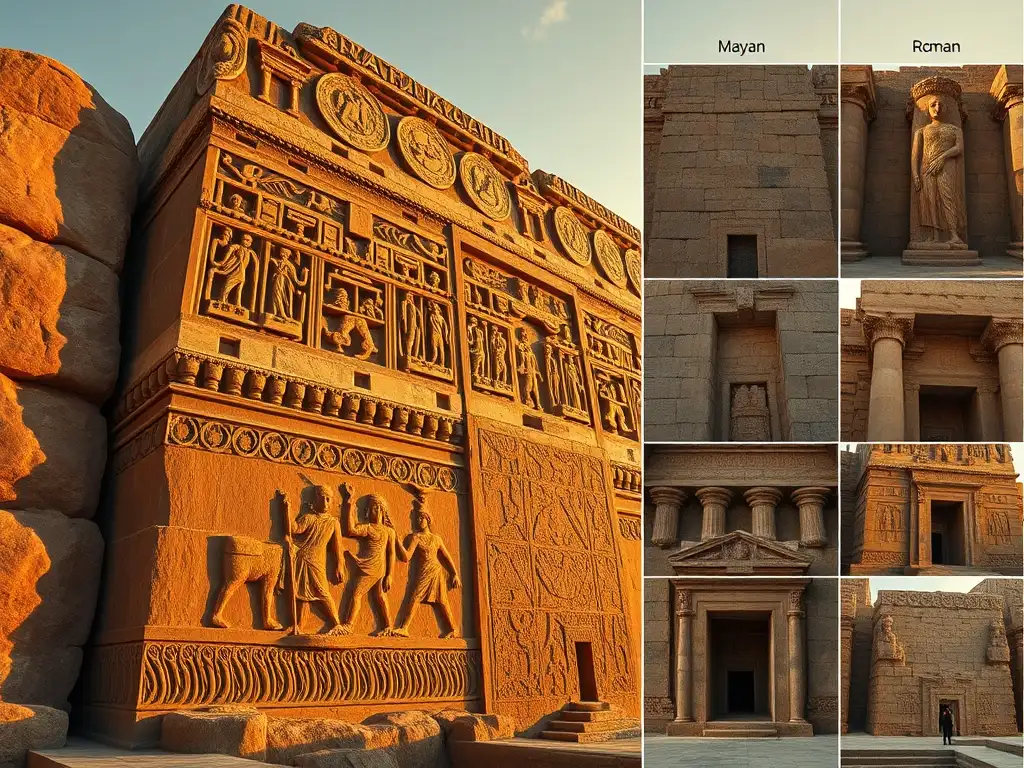
This section delves into a comparative analysis of Tiahuanaco's remarkable stonework, contrasting its techniques and precision with those employed by other ancient civilizations, particularly within the Andean region. Understanding these differences highlights the unique engineering prowess of Tiahuanaco's builders.
Contrasting Tiahuanaco's Stone Masonry with other Andean Cultures
While many Andean cultures demonstrated impressive architectural skills, Tiahuanaco's stonework stands out for its unparalleled precision and scale. The Incas, for example, are renowned for their masterful dry-stone construction, evident in Machu Picchu's intricate walls. However, even their finely fitted stones often show minor gaps or inconsistencies compared to the almost imperceptible joints found in Tiahuanaco's structures.
The Incas primarily used smaller, more manageable stones, while Tiahuanaco's builders utilized massive blocks of red sandstone, some weighing many tons, demanding far greater engineering and logistical capabilities. The precision of the Tiahuanaco Tiahuanaco stonework engineering techniques is arguably unmatched in the Andean region.
The Moche and Nazca civilizations, known for their sophisticated artistry and irrigation systems, employed different building techniques. Their structures, while impressive in their own right, generally lacked the monumental scale and precision of Tiahuanaco's constructions. The Moche, for example, often used adobe bricks, a less durable material than the sandstone favored by the Tiahuanaco builders.
This material difference, combined with distinct architectural styles, further distinguishes Tiahuanaco's engineering achievements. Analyzing the techniques used in these different cultures reveals the unique challenges and solutions employed in each civilization's approach to construction. The Tiahuanaco mastery of stone manipulation, as evidenced in the meticulous joining of massive blocks, surpasses the sophistication seen in other contemporary Andean cultures.
The Unique Approach to Construction at Tiahuanaco
Tiahuanaco's unique approach to construction is evident in several key aspects of their stonework. The sheer size of the stones used is one striking feature. These massive blocks, often perfectly hewn and fitted together without mortar, required an advanced understanding of quarrying, transportation, and precision cutting.
Evidence suggests the use of sophisticated tools and techniques, possibly involving copper or bronze implements, to achieve such accuracy. The precision of the cuts and the minimal gaps between stones point to a high level of planning and expertise. The absence of mortar further emphasizes the builders' mastery of dry-stone construction, a technique requiring exceptional skill and precision.
Furthermore, the Tiahuanaco builders demonstrated an advanced understanding of structural engineering principles. The intricate interlocking patterns of their stonework, designed to withstand seismic activity common in the region, showcase their sophisticated knowledge of weight distribution and stress management. This sophisticated understanding of structural mechanics, combined with their mastery of stone manipulation, contributed to the longevity and stability of their monumental structures, many of which have withstood the test of time remarkably well.
The precise fitting of these massive blocks, often with incredibly tight tolerances, is a testament to the advanced engineering capabilities of the Tiahuanaco civilization and its unique approach to large-scale stone construction. The meticulous nature of the work hints at a highly organized and skilled workforce, capable of executing complex engineering projects on a scale rarely seen in other contemporary societies.
Further research is needed to fully understand the tools and methods employed, but the evidence clearly points to a level of engineering sophistication that remains impressive even by modern standards. The legacy of Tiahuanaco's stonework continues to inspire awe and wonder, serving as a powerful reminder of the ingenuity and skill of ancient Andean civilizations.
The Legacy of Tiahuanaco's Stone Engineering
The precise stonework of Tiahuanaco continues to inspire awe and wonder centuries after its construction. Its impact extends far beyond its physical presence, leaving an undeniable mark on subsequent Andean civilizations and fueling ongoing research into its remarkable engineering feats. The sheer scale of the project, coupled with the intricate precision of its execution, points to a sophisticated understanding of engineering principles far surpassing what was previously believed possible for the time period.
Understanding Tiahuanaco's stonework engineering techniques provides crucial insights into the capabilities and societal organization of this advanced civilization. The mastery displayed in the construction of structures like the Kalasasaya complex and the Puerta del Sol is a testament to their advanced knowledge of quarrying, transportation, and stone manipulation. This legacy of precise engineering significantly influenced later architectural styles, most notably that of the Inca Empire.
Influence of Tiahuanaco Masonry on Inca Architecture
The Inca Empire, which rose to prominence centuries after the decline of Tiahuanaco, undeniably inherited and adapted elements of Tiahuanaco's architectural style. While the Inca developed their own unique aesthetic, the influence of Tiahuanaco's precise masonry is evident in several aspects of their construction techniques. For instance, the Inca's use of precisely cut and fitted stones, particularly in their monumental constructions like Sacsayhuamán, echoes the meticulous craftsmanship seen in Tiahuanaco's Kalasasaya.
The Inca's impressive ability to create massive stone structures, often without the use of mortar, suggests a direct lineage from the sophisticated techniques employed at Tiahuanaco. This is not merely a stylistic resemblance; it represents a direct transmission of knowledge and expertise. Archaeological evidence, such as similarities in stone-cutting tools and construction methods, strengthens this connection.
Furthermore, the Inca's adoption of a similar system of standardized stone sizes and shapes further highlights the influence of Tiahuanaco's architectural legacy. The meticulous planning and execution evident in both Tiahuanaco's and the Inca's monumental architecture suggests a shared understanding of advanced engineering principles and a common cultural heritage. The legacy of Tiahuanaco’s precise stonework is, therefore, not just an aesthetic echo but a demonstrable influence on the subsequent development of Andean architecture.
Current Research and New Insights into Tiahuanaco Engineering
Modern research continues to unveil new and fascinating insights into the engineering marvels of Tiahuanaco. Recent studies employing advanced techniques like 3D laser scanning and geophysical surveys are providing unprecedented detail about the city's layout, construction methods, and the overall scale of the engineering undertaking. These technologies allow researchers to create highly accurate digital models of Tiahuanaco's structures, revealing subtle details previously inaccessible through traditional archaeological methods.
For example, recent analyses have shed light on the precise angles and orientations of stones, suggesting a sophisticated understanding of astronomical phenomena and possibly even advanced surveying techniques. Furthermore, research into the quarrying sites has revealed the impressive logistical challenges overcome in transporting massive blocks of stone over significant distances. This research highlights the level of organization and planning required for such a monumental undertaking, emphasizing the advanced societal structure of Tiahuanaco.
Ongoing geochemical analyses of the stones are also helping to pinpoint the exact sources of the materials used in construction, providing valuable information about the trade networks and resource management strategies of the civilization. The combination of these advanced techniques and interdisciplinary approaches is leading to a more nuanced and complete understanding of Tiahuanaco's remarkable achievements in stonework engineering, continually refining our appreciation for the sophistication of this ancient civilization. The ongoing research promises to further illuminate the intricacies of Tiahuanaco stonework engineering techniques and their enduring legacy.
Frequently Asked Questions
What makes Tiahuanaco's stonework so remarkable?
Tiahuanaco's stonework is renowned for its unparalleled precision and massive scale. The fit of the stones is so precise that even a knife blade cannot fit between them, a testament to their advanced engineering.
What techniques did the Tiahuanaco people use to achieve such precision?
The exact techniques remain a subject of debate, but evidence suggests they employed advanced quarrying, transport, and fitting methods. Sophisticated tools and a deep understanding of stone properties were crucial.
How did the Tiahuanaco people transport such massive stones?
Moving the enormous stones over long distances required innovative engineering solutions. Theories involve the use of inclined planes, rollers, and possibly even rafts or sledges.
What is the significance of Tiahuanaco's stonework in the context of Andean engineering?
Tiahuanaco's stonework represents a peak of Andean engineering achievement. It showcases a level of precision and scale unmatched by other contemporary civilizations in the region and demonstrates their sophisticated understanding of mathematics and geometry.
What are some examples of Tiahuanaco's impressive stonework?
The Gate of the Sun and the Kalasasaya Temple are prime examples. The intricate carvings and the perfect joining of massive blocks in these structures highlight their mastery of stonework.
Final Reflection: Echoes of Tiahuanaco's Legacy in Modern Engineering
The precision of Tiahuanaco's stonework remains a testament to the ingenuity of its builders, a feat of engineering that continues to challenge and inspire us today. Its perfectly fitted blocks, defying modern understanding of construction techniques, serve as a powerful reminder of the advanced capabilities of pre-Columbian civilizations and the enduring power of human innovation. This precision wasn't merely aesthetic; it speaks to a deep understanding of structural integrity and a mastery of materials that resonates even in our technologically advanced era.
The enduring mystery surrounding Tiahuanaco's construction methods continues to fuel debate and research, shaping our understanding of ancient civilizations and their impact on the world. The sheer scale and precision of the work force us to reconsider our assumptions about technological progress, reminding us that advanced engineering wasn't solely a product of the industrial revolution. The past is never dead. It's not even past.
- William Faulkner. This quote perfectly encapsulates the continuing relevance of Tiahuanaco's legacy, its echoes reverberating through the halls of modern engineering and archaeology.
Consider the implications of this ancient knowledge. How can we, in our pursuit of sustainable and innovative building practices, learn from the resourcefulness and precision demonstrated at Tiahuanaco? You, the reader, are now challenged to explore this further. Examine the structures around you, consider the materials used, and ask yourself: what ancient wisdom can inform our modern approach to construction? Let the legacy of Tiahuanaco inspire you to seek innovative solutions, to value precision, and to appreciate the enduring power of human ingenuity across time.
Unveil the Secrets of Ancient Engineering!
Thank you for exploring the fascinating world of Tiahuanaco's incredible masonry. You've discovered the genius behind one of history's most advanced engineering feats! Now, let's build on that inspiration and delve further into this rich subject.
Here are some engaging next steps:
- Dive Deeper: Explore our additional articles on ancient Andean engineering to broaden your understanding of these civilizations' impact on the world.
- Join the Conversation: Share this article with friends and on social media to spark discussions about the remarkable achievements of the Andean civilizations.
- Get Involved: Participate in online forums and communities dedicated to archaeology and history to connect with fellow enthusiasts and researchers.
What aspect of Tiahuanaco's engineering legacy most amazes you, and how do you think it informs our understanding of ancient technologies today?