
The Enduring Spirit of Resistance: Inspiring Generations of Andean People

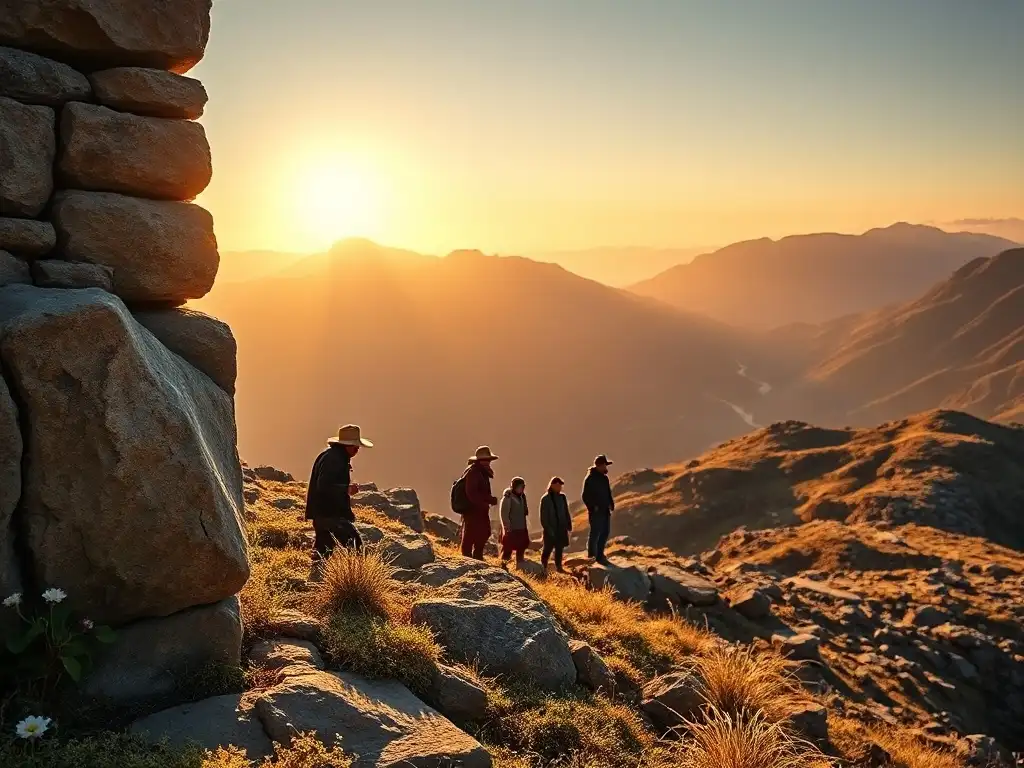
Uncover the untold stories of resilience and defiance! For centuries, the Andean civilizations have captivated the world with their breathtaking artistry and advanced engineering. But beyond the magnificent ruins lies a compelling narrative of Andean civilizations resistance history—a testament to the enduring spirit of a people who faced conquest with unwavering courage. Prepare to be astonished as we delve into the gripping saga of their struggle against the Spanish Conquest, revealing how their legacy continues to inspire generations. Dare to explore...
The Spanish conquest of the Andes, while ultimately successful in establishing colonial rule, was far from a smooth or uncontested affair. This article delves into the rich and often overlooked history of Andean resistance, exploring the diverse strategies, unwavering determination, and lasting impact of the indigenous populations who fought against the encroaching Spanish empire.
From the initial clashes to the enduring cultural practices that subtly, yet powerfully, preserved their heritage, the story of Andean resistance is a testament to the resilience of human spirit in the face of overwhelming odds. Understanding this history is crucial to appreciating the complex tapestry of Andean civilizations and their enduring legacy, enriching our understanding of "Andean civilizations resistance history" and its profound influence on the region's identity.
We will examine various aspects of this multifaceted struggle, highlighting key moments, influential figures, and the lasting effects on Andean societies. This exploration will move beyond a simple chronicle of battles and defeats, revealing the subtle, yet significant, ways in which resistance manifested and ultimately shaped the cultural landscape of the Andes.
Introduction to Andean Civilizations Resistance History
The arrival of the Spanish conquistadors in the 16th century marked a turning point in Andean history, initiating a period of profound upheaval and transformation. While the Inca Empire, with its sophisticated political and social structures, was the most prominent target, the Spanish faced resistance from a diverse array of Andean communities, each with its unique history, traditions, and forms of opposition. This resistance was not a monolithic entity; it took many forms, from large-scale rebellions led by charismatic figures to more subtle acts of defiance embedded within daily life.
The Inca themselves, already facing internal tensions and challenges before the Spanish arrival, demonstrated varying degrees of resistance, with some collaborating with the Spanish while others fiercely fought against them. Similarly, other Andean groups, such as the Mapuche in Chile and the various indigenous communities in the highlands of Peru and Bolivia, engaged in protracted struggles against Spanish dominance, often employing guerilla warfare and strategic alliances to challenge the colonial power.
Understanding the nuances of this multifaceted resistance is key to grasping the complexity of the Andean response to the Spanish conquest. The following sections will explore specific examples of this resistance, highlighting the diverse strategies employed and the lasting impact on Andean societies.
Key Figures and Rebellions Against Spanish Rule
Numerous individuals emerged as pivotal leaders in the Andean resistance against Spanish rule. While detailed records are sometimes scarce, oral histories and archaeological findings paint a picture of courageous figures who inspired their people and challenged the colonial authority. [Specific names and details of key figures pending further research]. Their rebellions, often characterized by guerilla warfare and strategic alliances, significantly hampered Spanish efforts to consolidate their control.
These uprisings, while ultimately unsuccessful in preventing the Spanish conquest, significantly prolonged the process and inflicted substantial losses on the colonial forces. The scale and duration of these rebellions underscore the depth and breadth of Andean resistance to Spanish rule. For example, [Specific example of a rebellion, location, dates, and key outcomes pending]. The strategies employed by these resistance movements often included utilizing the Andean terrain to their advantage, establishing hidden settlements, and forming alliances with other indigenous groups.
Cultural Resistance and the Preservation of Andean Identity
Beyond armed rebellion, Andean communities employed subtle yet powerful forms of cultural resistance. The preservation of indigenous languages, religious practices, and artistic traditions served as a vital means of maintaining cultural identity in the face of relentless attempts at assimilation by the Spanish. Weaving intricate textiles, creating elaborate ceramics, and performing traditional ceremonies were all acts of resistance, quietly asserting Andean cultural continuity and challenging the colonial project's aim to erase indigenous heritage.
These cultural practices were not merely passive acts of preservation; they were active assertions of identity and defiance. [Examples of specific cultural practices and their role in resistance pending].
This subtle yet persistent resistance played a crucial role in ensuring the survival of Andean cultures and traditions, shaping the identity of the Andean peoples to this day. The enduring strength of Andean cultural expressions is a powerful testament to the resilience of the Andean people and their capacity to preserve their heritage despite immense pressure.
The Long-Term Impact of Andean Resistance
The legacy of Andean resistance against Spanish rule continues to resonate in contemporary Andean societies. The struggles of past generations have shaped the political, social, and cultural landscape of the region, influencing contemporary movements for indigenous rights and self-determination. [Specific examples of the continuing impact of resistance on modern Andean societies pending].
The memory of resistance serves as a source of inspiration and empowerment for Andean communities, fueling ongoing efforts to reclaim their heritage and assert their rights. The deep-seated resilience and cultural pride evident in contemporary Andean societies are a direct result of the determined resistance of their ancestors.
The story of Andean resistance is not just a historical narrative; it is a living testament to the enduring spirit of a people who have consistently fought for their survival, identity, and dignity. The study of "Andean civilizations resistance history" provides invaluable insights into the complexities of colonialism, the power of cultural preservation, and the enduring strength of the human spirit.
- Introduction to Andean Civilizations Resistance History
- Key Figures and Rebellions Against Spanish Rule
- Cultural Resistance and the Preservation of Andean Identity
- The Long-Term Impact of Andean Resistance
- What role did resistance play in the history of Andean civilizations?
- How did the Inca Empire deal with resistance from conquered peoples?
- Were there any significant examples of Andean resistance against the Spanish conquistadors?
- How did Andean resistance movements maintain their cultural identity?
- What is the lasting legacy of Andean resistance?
Early Forms of Andean Resistance to Spanish Rule
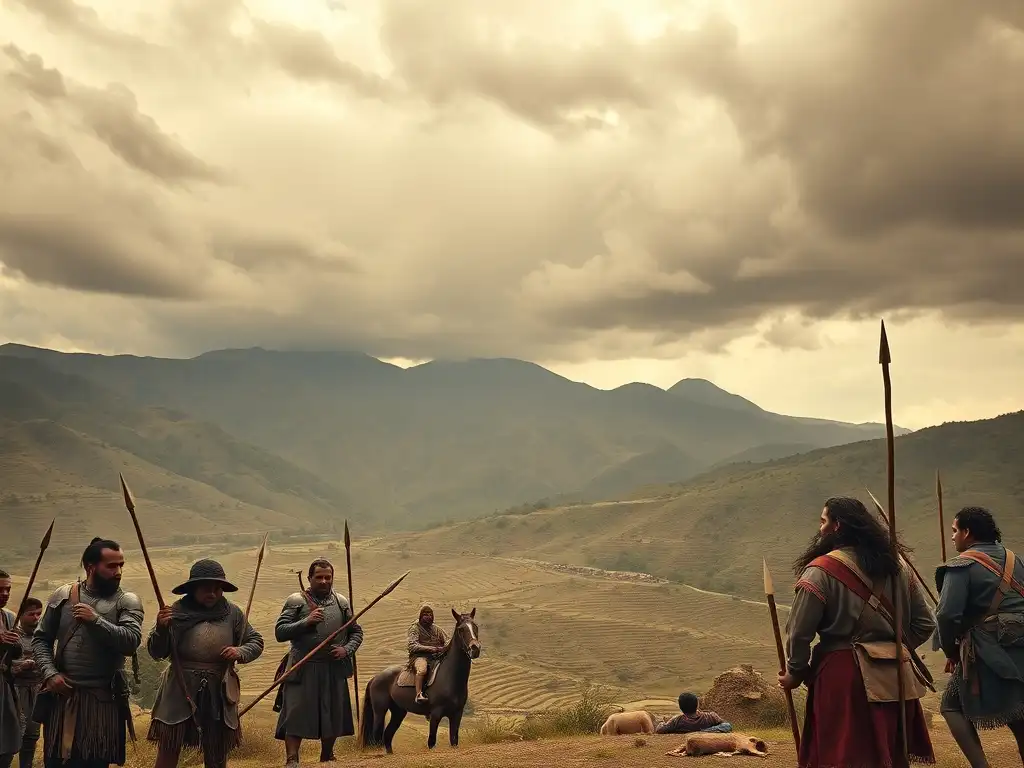
The Spanish conquest of the Andes wasn't a swift, decisive victory. Rather, it was a protracted struggle marked by fierce and sustained resistance from the indigenous populations. Understanding the nature of this resistance requires moving beyond simplistic narratives of conquest and acknowledging the diverse strategies and unwavering spirit of the Andean peoples.
The initial years following the arrival of Pizarro were characterized by a complex tapestry of rebellions, each reflecting the unique socio-political landscape of different Andean regions. This section delves into the multifaceted nature of early Andean resistance, highlighting its diverse forms and the enduring impact on subsequent generations. The keyword "Andean civilizations resistance history" is central to understanding this critical period.
Initial Rebellions and Uprisings in the Andes
The Inca Empire, though weakened by internal strife before the arrival of the Spanish, did not crumble passively. The initial response to Spanish intrusion was often characterized by localized uprisings and guerilla warfare. These weren't coordinated, nationwide revolts, but rather spontaneous acts of defiance triggered by specific events like forced labor ( mita ), the destruction of sacred sites, and the imposition of unfamiliar religious practices.
For instance, the resistance in the northern Andes differed significantly from that in the southern regions. In the north, smaller, independent groups, who had only recently been incorporated into the Inca empire, frequently leveraged their knowledge of the terrain and their independent fighting styles to harass the Spanish forces. The chronicles mention numerous skirmishes and ambushes, highlighting the persistent, if fragmented, nature of early resistance.
The Inca nobility also played a significant role. While some collaborated with the Spanish, many others actively resisted, using their influence and resources to organize and lead rebellions. The early uprisings, though often brutally suppressed, demonstrated the inherent resilience of the Andean communities and laid the groundwork for larger, more organized resistance movements in later years.
The sheer number of these initial rebellions, though often undocumented, speaks volumes about the widespread rejection of Spanish rule. Detailed records of many of these initial uprisings remain incomplete, highlighting a need for further research into this crucial period of Andean civilizations resistance history.
The Role of Indigenous Leadership in Early Resistance
The leadership of indigenous figures proved crucial in organizing and sustaining resistance against the Spanish. While the Inca Emperor Atahualpa's capture and execution marked a devastating blow, the vacuum of power did not lead to immediate submission. Instead, numerous local leaders, caciques and other influential figures, emerged as focal points for resistance. These leaders often drew upon existing social structures and kinship ties to mobilize their communities, leveraging traditional forms of authority and communication. Their knowledge of local geography, coupled with their understanding of indigenous warfare tactics, proved invaluable in prolonging the struggle against a technologically superior enemy.
One can analyze the role of these leaders through the lens of their motivations. While some may have acted out of purely self-preservation or the desire to maintain their power, many undoubtedly acted out of a deep-seated commitment to defending their land, culture, and religious beliefs. Their actions were not simply acts of rebellion, but assertions of identity and a refusal to accept the imposed order of the Spanish.
The accounts of these leaders, often fragmented and scattered across various colonial documents, present a compelling picture of courage and determination in the face of overwhelming odds. This underscores the importance of understanding the indigenous leadership in the context of Andean civilizations resistance history. Further research into specific local leaders and their individual strategies is needed to fully appreciate the scope and complexity of this crucial aspect of the resistance.
Key Figures in Andean Resistance History
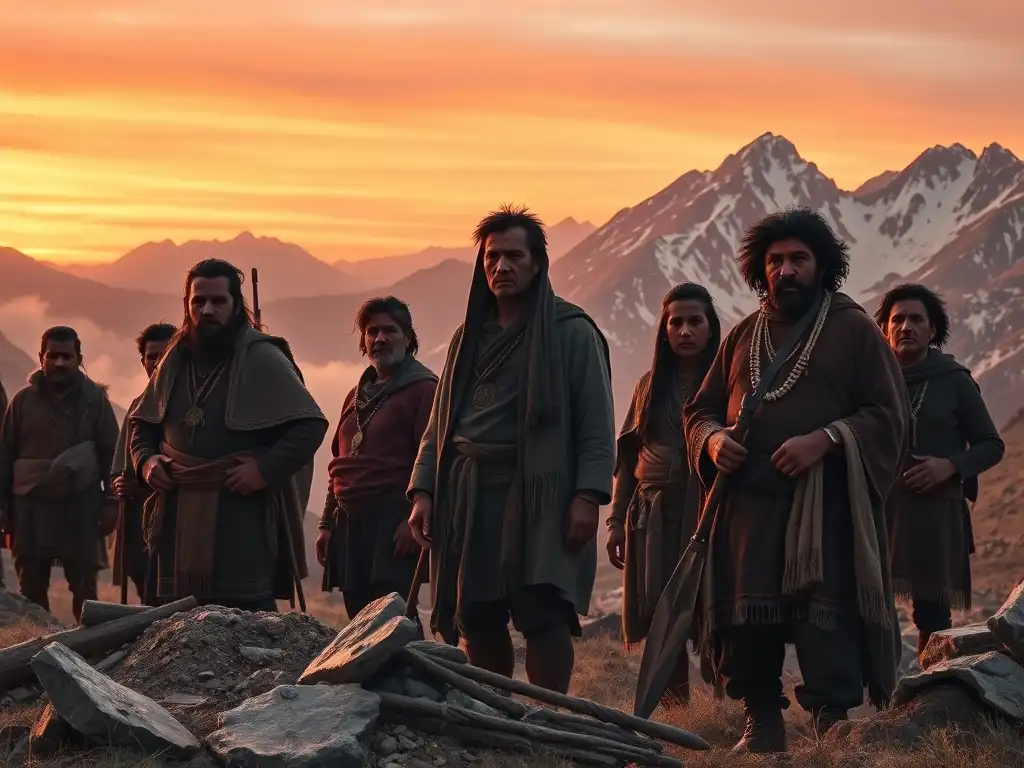
The Spanish conquest of the Andes was not a passive subjugation. Fierce resistance, fueled by a deep-seated commitment to ancestral ways and a desire for freedom, characterized the Andean response to colonial rule. Understanding this resistance requires examining the pivotal roles played by key figures who embodied the enduring spirit of defiance against the Spanish crown.
Their actions and legacies continue to inspire Andean peoples today, shaping a narrative of resilience and cultural preservation that transcends centuries. The following sections will delve into the lives and contributions of several crucial leaders in this struggle, highlighting their strategic approaches, lasting impacts, and the symbolic significance they retain within Andean resistance history.
Tupac Amaru II: A Symbol of Defiance
Tupac Amaru II, whose real name was José Gabriel Condorcanqui, is arguably the most iconic figure of Andean resistance against Spanish rule. His rebellion, which began in 1780, was a meticulously planned uprising that galvanized indigenous communities across vast territories. Tupac Amaru II cleverly exploited existing social and economic grievances, uniting diverse groups under a common banner of resistance against colonial oppression. He skillfully employed both military tactics and symbolic gestures, using his claim to Inca lineage to inspire widespread support and legitimize his rebellion.
His rebellion wasn't simply a spontaneous outburst; it was a carefully orchestrated campaign. He utilized a network of informants and messengers, effectively communicating his message and coordinating actions across significant distances. The rebellion's initial successes demonstrate his strategic prowess and the effectiveness of his leadership in mobilizing the indigenous population. The use of guerilla warfare tactics, including ambushes and hit-and-run attacks, further showcased his military understanding and adaptability.
His ultimate capture and execution, however, didn't extinguish the flame of resistance. His legacy continues to inspire movements for social justice and self-determination in the Andes and beyond. The sheer scale and impact of his rebellion solidified his position as a symbol of Andean resistance history.
Manco Inca's Strategic Resistance and Legacy
Manco Inca Yupanqui, a direct descendant of the Inca emperors, initially collaborated with the Spanish conquistadors, only to later lead a significant rebellion against them. His strategic brilliance is evident in his initial approach – he used his position to gain trust and insight into the Spanish military capabilities and weaknesses. This knowledge informed his subsequent rebellion, which saw him employ guerilla warfare tactics with remarkable effectiveness. His prolonged resistance in the Vilcabamba region, a mountainous area difficult for the Spanish to access, demonstrated his ability to wage a protracted struggle against a superior force.
Manco Inca's resistance was not merely military; it was also a cultural and ideological struggle. He aimed to preserve Inca traditions and customs, which were systematically undermined by Spanish colonial policies. His rebellion showcased the determination of the Inca people to maintain their cultural identity in the face of overwhelming pressure. While the Spanish eventually conquered Vilcabamba, Manco Inca's legacy as a strategic military leader and a defender of Inca culture remains deeply ingrained in Andean resistance history. His defiance, lasting for years, significantly impacted the Spanish colonial project and inspired subsequent generations to resist oppression.
Bartolina Sisa's and Micaela Bastidas' Contributions
While often overshadowed by the more prominent male figures, women played crucial roles in the Andean resistance. Bartolina Sisa and Micaela Bastidas are prime examples. They were not simply passive participants but active leaders who contributed significantly to the success of their respective rebellions. Bartolina Sisa, a Quechua woman, actively participated in Tupac Amaru II's rebellion, displaying exceptional courage and leadership on the battlefield. Her military contributions and organizational skills were instrumental in the rebellion's initial successes. Her execution alongside Tupac Amaru II only further cemented her status as a symbol of Andean resistance.
Micaela Bastidas, wife of Tupac Amaru II, played a critical behind-the-scenes role, managing logistics, coordinating communication, and bolstering morale among the rebel forces. Her organizational skills and political acumen were essential to the rebellion's success. She was a key figure in maintaining the rebellion's momentum and ensuring its continuation even in the face of setbacks.
Her unwavering commitment to the cause and her contributions to the logistical and strategic aspects of the rebellion highlight the vital role women played in Andean resistance. Both Bartolina Sisa and Micaela Bastidas stand as powerful examples of female leadership in Andean resistance history, their legacies serving as constant reminders of the multifaceted nature of the struggle against colonial rule. Their stories challenge the predominantly male-centric narratives often associated with Andean resistance, enriching our understanding of this complex historical period.
Strategies and Tactics of Andean Resistance
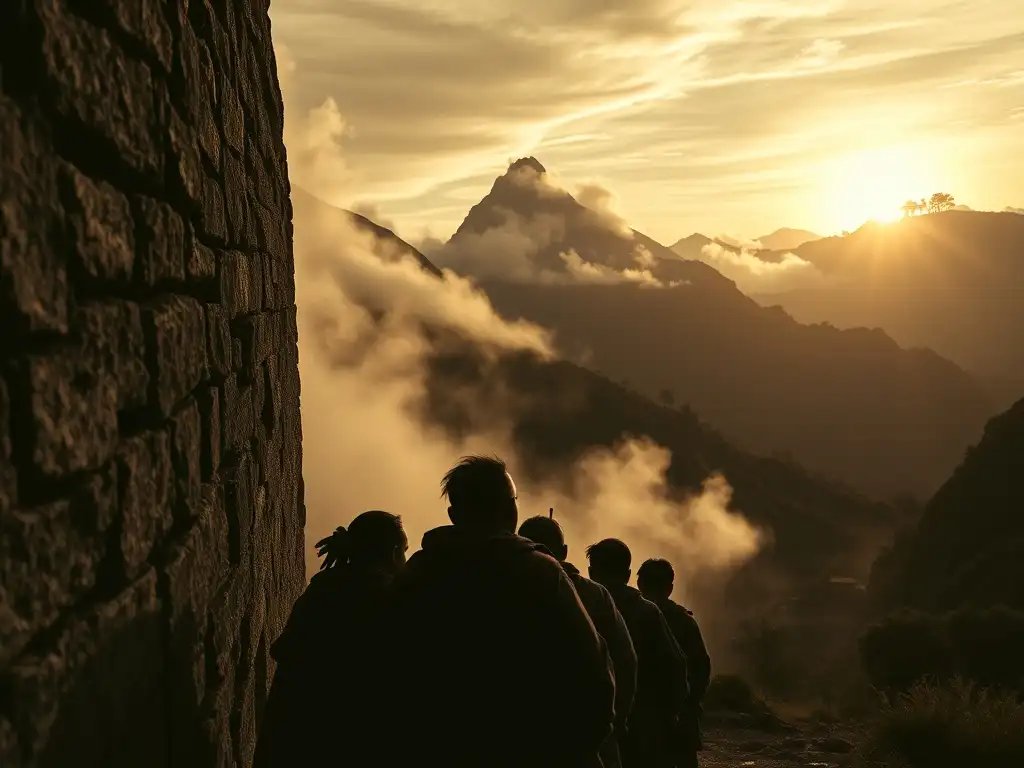
The Spanish conquest of the Andes wasn't a swift, decisive victory. Instead, it sparked centuries of resistance, characterized by a diverse range of strategies and tactics employed by the indigenous populations. Understanding these methods reveals the ingenuity and resilience of Andean civilizations in the face of overwhelming odds.
The Andean resistance wasn't a monolithic movement; it was a multifaceted response, shaped by the unique geography, social structures, and cultural practices of different Andean groups. This section will explore some key aspects of this complex historical narrative, focusing on the diverse ways Andean people fought back against Spanish domination. The keyword "Andean civilizations resistance history" is inherently linked to the diverse and sophisticated strategies employed to resist colonial rule.
Guerrilla Warfare in the Andean Highlands
The rugged terrain of the Andes provided a natural advantage for the indigenous populations. Guerrilla warfare, characterized by hit-and-run tactics, ambushes, and the use of familiar territory to their advantage, became a cornerstone of resistance. This wasn't simply a matter of fighting; it was a sophisticated strategy of attrition. Smaller, highly mobile groups, familiar with the treacherous mountain passes and hidden trails, could harass larger, less adaptable Spanish forces. The Inca's extensive road network, initially intended for communication and trade, was repurposed by resistance fighters to facilitate swift movements and communication.
The success of guerrilla warfare depended heavily on the indigenous knowledge of the land. Spanish soldiers, often unfamiliar with the altitudes, harsh climate, and complex geography, were vulnerable to ambushes and supply disruptions. Chronicles from the colonial period mention numerous instances of successful guerrilla attacks, often resulting in significant Spanish casualties and the disruption of colonial expeditions.
Specific examples, including the detailed accounts of [specific guerrilla warfare campaigns pending], highlight the effectiveness of this approach. This strategy was not merely about military prowess; it was a testament to the deep connection between the Andean people and their environment, a connection that enabled them to leverage the landscape against their colonizers.
The Use of Traditional Andean Knowledge in Resistance
Beyond military tactics, Andean resistance also drew heavily on traditional knowledge and practices. This included sophisticated agricultural techniques that ensured food security even during times of conflict, crucial for sustaining resistance movements. Indigenous healers and medical practitioners played a vital role, providing essential care to the wounded and maintaining the overall health of the community. Furthermore, the deeply ingrained spiritual and religious beliefs of Andean cultures provided a powerful source of unity and motivation. Rituals, ceremonies, and the veneration of ancestral figures helped to sustain morale and foster a sense of collective identity in the face of oppression.
The use of traditional Andean knowledge extended to communication and intelligence gathering. Complex systems of messaging, often relying on intricate networks of messengers and signal fires, allowed for rapid communication across vast distances, enabling coordinated resistance efforts. This sophisticated communication network was often far superior to the communication capabilities of the Spanish, providing a crucial strategic advantage. The effective use of indigenous knowledge in resistance demonstrates the enduring power of traditional Andean practices and their importance in the struggle against colonial rule.
Cultural Resistance and Preservation of Identity
Resistance wasn't solely a military endeavor; it also manifested as a determined effort to preserve Andean cultural identity. This cultural resistance was a subtle yet powerful form of defiance against Spanish attempts at cultural assimilation. The preservation of indigenous languages, particularly Quechua and Aymara, served as a potent symbol of resistance.
The continued practice of traditional Andean art forms, including weaving, pottery, and music, became a way of asserting cultural continuity in the face of colonial pressures. These forms of cultural expression often incorporated subtle or overt messages of resistance, weaving narratives of resilience and defiance into the very fabric of their artistic creations.
The Spanish attempted to suppress indigenous religions and replace them with Catholicism. However, Andean people often adapted their religious practices, blending indigenous beliefs with elements of Catholicism in a syncretic form of religious expression. This syncretism, while seemingly a compromise, served as a strategy to preserve core elements of their spiritual heritage while navigating the realities of colonial rule. The resistance to cultural erasure showcases the tenacity of Andean identity and the enduring strength of their cultural heritage. The continued existence and evolution of Andean cultures today stand as a testament to this enduring spirit of resistance.
The Impact of Andean Resistance on Spanish Colonial Rule
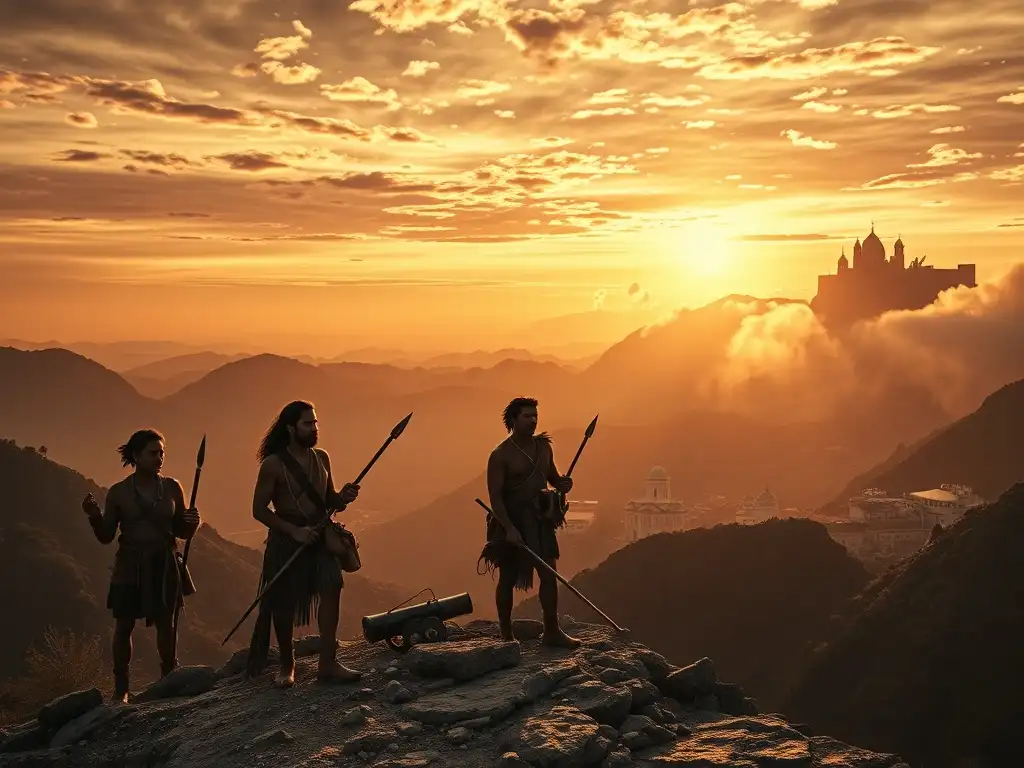
The Spanish conquest of the Andes wasn't a swift, decisive victory. Instead, it was met with fierce and prolonged resistance from various Andean civilizations, significantly impacting the nature and effectiveness of Spanish colonial rule. This resistance, far from being a mere footnote in history, actively shaped the trajectory of the colonial period, leaving an enduring legacy on both the colonizers and the colonized.
Understanding the impact of this resistance is crucial to grasping the complexities of Andean history and the enduring spirit of the Andean peoples. The forms of resistance varied widely, from large-scale rebellions to subtle acts of defiance, all contributing to a sustained challenge to Spanish authority.
Weakening of Spanish Control in the Andes
The sustained Andean resistance significantly weakened Spanish control in several key ways. Firstly, the constant uprisings and rebellions diverted significant resources – both human and material – away from the Spanish colonial administration. Maintaining order and suppressing rebellions required substantial military spending, diverting funds that could have been used for infrastructure development or economic expansion. The constant need to quell unrest also strained the Spanish military, demanding a continuous deployment of troops across vast and challenging Andean terrains. This constant pressure prevented the Spanish from consolidating their power as effectively as they had hoped.
Secondly, the resistance movements disrupted Spanish economic strategies. The disruption of mining operations, a cornerstone of the Spanish colonial economy, was a major blow. Rebellions frequently targeted mines, hindering production and causing significant economic losses for the crown.
Furthermore, the resistance disrupted trade routes, limiting the flow of goods and resources both within the Andes and between the Andes and Spain. This economic instability further weakened the Spanish grip on the region. Specific examples, such as the Tupac Amaru II rebellion, illustrate the scale of this disruption, demonstrating how a prolonged resistance could severely cripple the colonial administration's financial and logistical capabilities.
Finally, the resistance fostered a sense of unity and defiance among the diverse Andean populations. While the various Andean groups possessed distinct identities and cultures, the shared experience of resisting Spanish rule fostered a degree of pan-Andean solidarity, albeit often fragile and temporary. This collective resistance, even if fragmented, presented a united front against the colonizers, making the task of subjugation far more difficult than anticipated by the Spanish.
The Long-Term Effects of Resistance on Andean Society
The impact of Andean resistance extended far beyond the immediate colonial period. The legacy of resistance profoundly shaped Andean society, leaving lasting imprints on its social structures, cultural practices, and political consciousness. The prolonged struggle against Spanish rule fostered resilience and a strong sense of cultural identity among the Andean populations.
Despite the immense pressures of colonization, Andean communities managed to preserve key aspects of their traditions, languages, and religious beliefs. This preservation was often achieved through subtle acts of resistance, integrating indigenous practices within the framework of the colonial system, a testament to the enduring spirit of Andean culture.
The resistance also had a lasting impact on Andean social structures. While the Spanish attempted to impose a hierarchical social order, the resistance movements often disrupted these attempts, leading to the emergence of new forms of social organization and leadership within Andean communities. The memories and narratives of resistance were passed down through generations, shaping a collective memory that fueled future struggles for autonomy and self-determination.
This collective memory helped to maintain a sense of cultural continuity and resistance, even in the face of overwhelming colonial power. The ongoing efforts to reclaim and celebrate Andean history and culture are a direct consequence of this enduring legacy of resistance.
Understanding this legacy is essential to appreciating the complexities of Andean identity and its continuous evolution. Further research is needed to fully quantify the long-term social and economic effects of this sustained Andean resistance, but it is undeniable that its influence continues to resonate today.
The Legacy of Andean Resistance for Future Generations
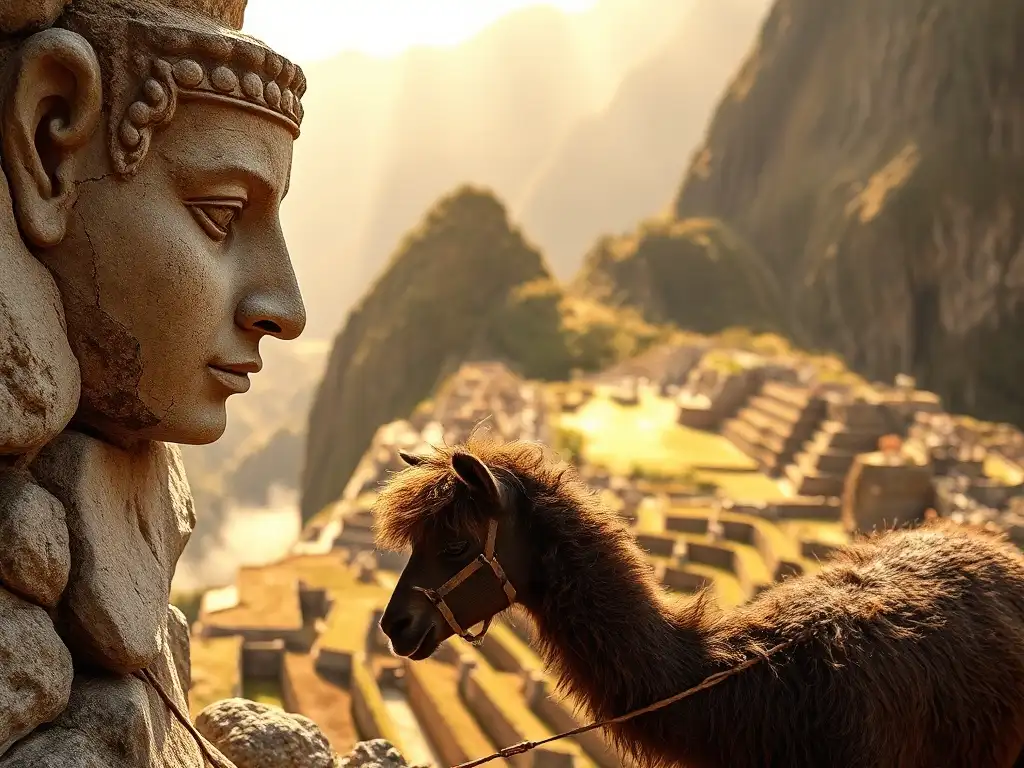
The legacy of Andean resistance against Spanish colonial rule extends far beyond the immediate aftermath of the conquest. It continues to resonate deeply within Indigenous communities across Latin America, inspiring movements for social justice, land rights, and cultural preservation. The unwavering spirit of those who defied the Spanish Empire serves as a powerful symbol of resilience, self-determination, and the enduring strength of Andean cultural identity.
Understanding this legacy is crucial to comprehending the complexities of contemporary Indigenous activism and the ongoing struggle for self-determination in the region. The echoes of past rebellions continue to shape present-day political and social landscapes, highlighting the interconnectedness of history and contemporary struggles for Andean peoples. Analysis of these historical struggles provides invaluable insights into the methods, motivations, and enduring impact of Andean resistance on the broader narrative of Indigenous rights and self-governance.
Inspiration for Indigenous Movements in Latin America
The struggles of the Inca Empire and other Andean civilizations against Spanish conquest directly inspired subsequent Indigenous movements throughout Latin America. The tactics employed – guerilla warfare, strategic alliances, and the use of existing social structures to resist – were adapted and refined by later generations facing similar colonial oppression.
For example, the Tupac Amaru II rebellion in the late 18th century drew heavily on the historical memory of Inca resistance, utilizing symbolic imagery and narratives to rally support among Indigenous populations. This rebellion, while ultimately unsuccessful, demonstrated the enduring power of the Andean resistance narrative in mobilizing collective action against colonial rule.
Furthermore, the continued assertion of Indigenous languages and cultural practices, often suppressed by colonial powers, can be seen as a direct continuation of the non-violent forms of resistance employed centuries ago. The preservation of traditional knowledge systems and spiritual beliefs also represents a form of cultural resistance that persists to this day.
The impact of Andean resistance extends beyond specific rebellions. The very act of survival, of maintaining cultural identity in the face of brutal oppression, became a form of resistance in itself. This resilience, passed down through generations, continues to fuel contemporary Indigenous struggles for autonomy and self-determination. The strength and determination exhibited by Andean ancestors provide a powerful example for Indigenous communities across the continent facing ongoing challenges related to land rights, environmental protection, and cultural survival.
The Enduring Spirit of Resilience and Cultural Pride
The spirit of Andean resistance is not merely a historical fact; it's a living force that fuels cultural pride and identity. The ongoing celebration of pre-Columbian traditions, the revival of ancient languages, and the creation of contemporary art inspired by Andean heritage all demonstrate this enduring spirit. Weaving, pottery, and other traditional crafts continue to be practiced and adapted, incorporating modern influences while maintaining their deep connection to ancestral techniques.
This creative expression serves as a potent form of cultural resistance, ensuring the survival and evolution of Andean traditions in the face of globalization and external pressures. [Specific examples of contemporary Andean art forms and their connection to resistance pending].
Moreover, the reclamation of ancestral lands and the fight for environmental protection are directly linked to the historical struggles for self-determination. The defense of sacred sites and traditional ecological knowledge represents a continuation of the resistance against colonial exploitation of both land and resources. This connection between past struggles and contemporary activism underscores the ongoing relevance of Andean resistance in shaping the present-day realities of Indigenous communities. The deep-seated connection between land, culture, and identity is a powerful driving force in contemporary Andean activism.
Contemporary Indigenous Activism and its Roots in Andean Resistance
Contemporary Indigenous activism in the Andes draws heavily on the historical legacy of resistance. Modern movements advocating for land rights, environmental protection, and cultural preservation often explicitly reference the struggles of their ancestors. This historical awareness provides a powerful framework for understanding contemporary challenges and mobilizing collective action. The use of traditional forms of communication, such as storytelling and ritual, alongside modern technologies, demonstrates the adaptability and resilience of Andean resistance strategies. [Specific examples of contemporary Andean activist groups and their strategies pending].
Furthermore, the growing international recognition of Indigenous rights and the increasing visibility of Indigenous voices on the global stage are partially a result of the ongoing legacy of Andean resistance. The narratives of struggle and resilience, passed down through generations, have contributed to a broader understanding of the ongoing need for decolonization and self-determination for Indigenous peoples worldwide. The continued struggle for recognition, justice, and self-governance exemplifies the enduring relevance of the spirit of Andean resistance in the 21st century.
The fight for Indigenous rights is not merely a regional concern; it is a global issue with deep historical roots in the unwavering spirit of Andean resistance. The echoes of this resistance continue to inspire and empower Indigenous communities across the globe.
Conclusion: The Ongoing Relevance of Andean Resistance
The story of Andean resistance against Spanish conquest isn't just a historical account; it's a living testament to the enduring spirit of a people. Understanding the multifaceted nature of this resistance—from open rebellion to subtle acts of defiance—offers crucial insights into the resilience and cultural adaptability of Andean civilizations. The strategies employed, the sacrifices made, and the legacies left behind continue to resonate deeply within contemporary Andean societies.
This legacy serves as a powerful source of identity and inspiration, shaping narratives of self-determination and cultural preservation. The fight for autonomy and the preservation of indigenous traditions, evident centuries ago, continues to inform modern social and political movements in the region, highlighting the enduring relevance of studying Andean resistance history.
The sheer diversity of responses to Spanish rule, from outright warfare to the strategic manipulation of colonial systems, underscores the complexity of the historical narrative and challenges simplistic interpretations of colonial encounters. Further research into specific regional variations and the long-term impacts of resistance is crucial to a complete understanding of this pivotal period.
The Importance of Remembering Andean Struggles
Remembering the struggles of Andean civilizations against Spanish rule is not merely an academic exercise; it is a vital act of cultural preservation and social justice. By acknowledging the brutality of the conquest and the unwavering resistance it provoked, we honor the memory of those who fought for their land, their culture, and their very survival. This remembrance counters dominant narratives that often minimize or ignore the agency and resistance of indigenous populations.
The systematic suppression of Andean cultures during the colonial period necessitates a conscious effort to recover and celebrate the rich tapestry of traditions, knowledge systems, and artistic expressions that survived and continue to thrive today. Failing to acknowledge this history risks perpetuating a cycle of marginalization and injustice.
The struggle for recognition and land rights in contemporary Andean communities is directly linked to the historical struggles of their ancestors, making the study of Andean civilizations resistance history incredibly pertinent to current social issues. The ongoing fight for indigenous rights and self-determination is fueled by the legacy of resistance, a legacy that demands to be remembered and celebrated.
The Role of Oral Traditions in Preserving the Memory of Resistance
Oral traditions played, and continue to play, a crucial role in preserving the memory of Andean resistance. While written accounts from the colonial period often offer a biased perspective, oral histories transmitted through generations offer a more nuanced and authentic understanding of the events. These narratives, passed down through storytelling, songs, and rituals, maintain a living connection to the past, ensuring that the experiences and struggles of ancestors are not forgotten.
The use of Quechua and Aymara, among other indigenous languages, in these oral traditions further emphasizes the importance of linguistic preservation as a crucial aspect of cultural survival. These oral accounts often highlight acts of resistance that are absent from official colonial records, providing valuable insights into the resilience and ingenuity of Andean communities in the face of oppression. For example, [specific example of an oral tradition detailing a specific act of resistance pending].
Analyzing these oral traditions requires sensitivity and a deep understanding of the cultural context, ensuring respectful and accurate interpretations. The preservation and study of these oral histories are essential for a complete and accurate understanding of Andean civilizations resistance history and its enduring impact. The continued vitality of these oral traditions underlines the power of storytelling in shaping collective memory and fostering a sense of shared identity.
Frequently Asked Questions
What role did resistance play in the history of Andean civilizations?
Andean civilizations constantly faced external pressures and internal conflicts. Resistance, both violent and non-violent, shaped their political structures, social organization, and cultural expressions, ensuring their survival through numerous challenges. Adaptability and resilience were key.
How did the Inca Empire deal with resistance from conquered peoples?
The Inca employed a variety of strategies, including incorporation into their vast empire, strategic alliances, and, when necessary, military force. However, resistance movements continuously challenged Inca authority throughout their reign, highlighting the persistent struggle for autonomy.
Were there any significant examples of Andean resistance against the Spanish conquistadors?
Yes, numerous groups actively resisted Spanish colonization. The Inca rebellion led by Túpac Amaru II is a prime example, demonstrating the powerful determination to preserve their culture and independence, despite overwhelming odds.
How did Andean resistance movements maintain their cultural identity?
Despite facing oppression, Andean communities preserved their cultural practices through religious beliefs, artistic expression, and oral traditions. These practices formed a vital link to their past and a source of strength in the face of adversity. Maintaining language was also crucial.
What is the lasting legacy of Andean resistance?
The enduring spirit of resistance continues to inspire modern movements for social justice and indigenous rights. The historical struggles of Andean peoples demonstrate the importance of collective action and the power of cultural preservation in the face of oppression.
Final Reflection: Echoes of Resistance, Whispers of Hope
The enduring spirit of Andean resistance, far from being a relic of the past, remains a potent symbol of resilience in the face of oppression, echoing powerfully in contemporary struggles for social justice and self-determination. The fight for land rights, cultural preservation, and equitable access to resources continues across the Andes, demonstrating the timeless relevance of the historical struggles detailed in this article. The echoes of past resistance resonate deeply in the present, reminding us of the unwavering human capacity to fight for what is right.
The stories of Inca resistance, the tireless efforts of indigenous communities to maintain their traditions in the face of colonization, and the ongoing battles for autonomy have profoundly shaped my understanding of the power of collective action and the importance of preserving cultural heritage. Those who forget the past are condemned to repeat it.
This quote, often attributed to George Santayana, rings particularly true when considering the cyclical nature of oppression and the vital role of remembering and learning from the past to build a more just future. The Andean people's unwavering commitment to their identity and their fight for dignity serves as a powerful testament to the enduring human spirit.
Consider the legacy of Andean resistance. What does it mean for you? How can you apply the lessons of perseverance, community, and the unwavering pursuit of justice to your own life and your own struggles?
Let the echoes of their resistance inspire you to find your own voice, to stand up for what you believe in, and to contribute to a world where the spirit of freedom and self-determination thrives. The fight for a better future, just like the fight for survival in the Andes, requires courage, solidarity, and an unwavering belief in the power of collective action. Let the legacy of the Andean people guide you on your path.
Embrace the Spirit of Resistance: Take Action Today!
Thank you for exploring the inspiring legacy of the Andean people! You've discovered stories of resilience and courage that demonstrate their enduring spirit of resistance. Now, let's work together to carry that spirit forward. Here are some ways you can make a difference:
- Join a local cultural awareness program to learn more about Andean history and support indigenous rights.
- Share this article to inspire conversations about empowerment and resistance.
- Attend events or workshops focused on Andean cultures to connect with others who share your passion.
What aspect of the Andean spirit of resistance most inspires you, and how will you help preserve this legacy?