
The Mysteries of Inca Shamanism and Ritual Practices

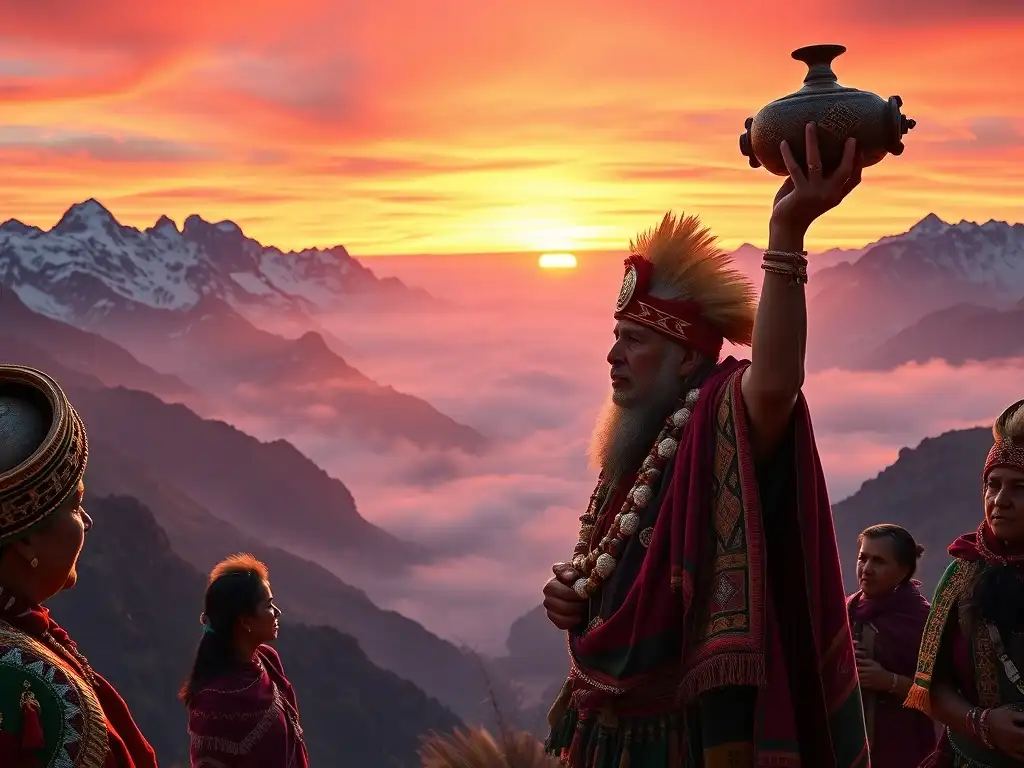
Step into a world lost to time, where the towering Andes held secrets whispered only to the wind. Journey with us into the heart of the Inca Empire, a land of breathtaking landscapes and even more breathtaking mysteries. Unravel the enigmatic power of Inca shamanism rituals, a practice that intertwined the spiritual and physical realms in ways we are only beginning to understand. Prepare to be captivated by the vibrant tapestry of Andean civilizations and the enduring legacy they left behind. Dare to explore the unknown...
- Unveiling the Mysteries of Inca Shamanism and Ritual Practices
- Core Elements of Inca Shamanistic Practices
- Key Inca Rituals and Ceremonies
- The Tools and Techniques of Inca Shamanism
- The Legacy of Inca Shamanism Today
- The Impact of Inca Shamanism on Daily Life
- Challenges in Understanding Inca Shamanism
- Frequently Asked Questions
- Final Reflection: Echoes of the Andes: Shamanism's Enduring Legacy
- Unveil the Secrets of Inca Shamanism!
Unveiling the Mysteries of Inca Shamanism and Ritual Practices
The Inca Empire, a civilization that flourished in the Andes Mountains from the 15th to the 16th centuries, left behind a rich tapestry of intricate traditions and beliefs. Central to their worldview was a complex system of shamanistic practices and rituals deeply intertwined with their cosmology, agriculture, and social structure. This exploration delves into the fascinating world of Inca shamanism, examining the roles of shamans, their rituals, and the spiritual beliefs that underpinned their society.
Understanding Inca shamanism provides crucial insight into the heart of the Inca Empire, revealing a sophisticated understanding of the natural world and a profound connection to the spiritual realm. This article will unravel the mysteries surrounding Inca shamanism rituals, exploring their significance and impact on Inca society and culture.
We will delve into the specific practices employed by Inca shamans, examining their tools, techniques, and the profound impact these rituals had on the daily lives and beliefs of the Inca people. The keyword "Inca shamanism rituals" will be explored through various aspects of the Inca spiritual world, providing a comprehensive understanding of this captivating subject.
The Role of Shamanism in Inca Society
Inca society was deeply hierarchical, with the Sapa Inca at its apex. However, shamans, or paqos, held a position of significant influence, acting as intermediaries between the human and spiritual worlds. Their role extended beyond simple healing; they were vital for ensuring agricultural success, predicting the future, and maintaining cosmic balance. The paqos were responsible for performing elaborate rituals aimed at appeasing the gods, ensuring bountiful harvests, and protecting the community from harm.
Their expertise was highly valued, and they often enjoyed considerable social status and respect within their communities. The effectiveness of a paqo was often judged by their ability to interpret dreams, predict weather patterns, and successfully conduct healing ceremonies. Many rituals involved the use of coca leaves, hallucinogenic plants like San Pedro cactus, and intricate ceremonies involving offerings to the gods. The Inca believed that maintaining a harmonious relationship with the spiritual realm was crucial for the well-being of the entire empire.
Detailed records of their practices are scarce due to the destruction of many Inca texts by Spanish conquistadors; however, we can piece together a picture from surviving accounts and archaeological findings. For instance, the discovery of specific artifacts in sacred sites offers clues to the tools and substances used in their rituals, providing a glimpse into the complexities of Inca shamanic practices. The influence of Inca shamanism extended to all aspects of life, highlighting its central role in shaping Inca culture and society.
Understanding Inca Spirituality and Beliefs
Inca spirituality was deeply interconnected with the natural world. They worshipped a pantheon of gods and goddesses representing various aspects of nature, including the sun god, Inti; the moon goddess, Mama Killa; and the earth goddess, Pachamama. These deities were believed to hold immense power over the fertility of the land, the weather, and the overall prosperity of the empire. The paqos played a crucial role in maintaining this connection, acting as conduits between the human and divine realms.
Their understanding of the cosmos and their ability to interpret natural phenomena were essential to their practice. Inca beliefs also incorporated ancestor veneration, with rituals performed to honor deceased relatives and seek their guidance. This reverence for ancestors underscores the importance of lineage and community within Inca society. The Inca worldview was animistic, with the belief that spirits inhabited both animate and inanimate objects.
This belief system influenced their daily lives, shaping their interactions with the environment and their understanding of the world around them. Understanding the Inca spiritual beliefs is fundamental to comprehending the significance of their shamanistic practices and rituals. The intricate relationship between the spiritual and physical realms formed the foundation of Inca culture, influencing everything from agriculture and governance to art and architecture. Further research into Inca texts and archaeological findings continues to shed light on the nuances of their complex spiritual world.
Core Elements of Inca Shamanistic Practices
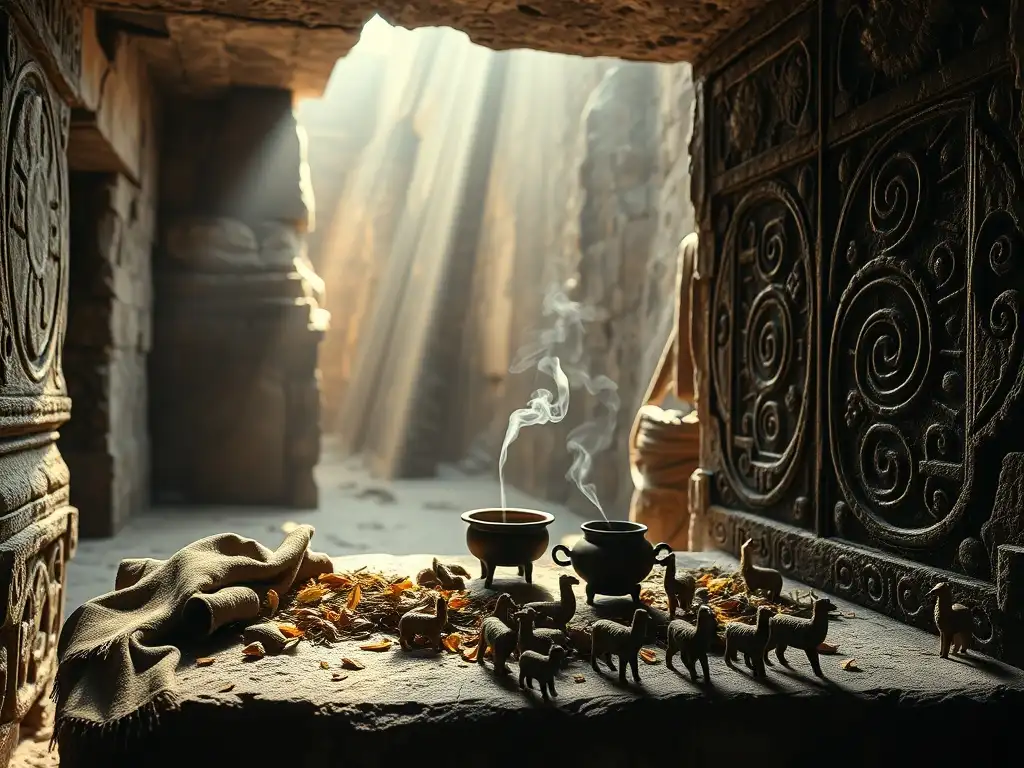
This section delves into the fundamental aspects of Inca shamanistic practices, exploring the intricate interplay between spiritual beliefs, ritualistic actions, and the natural world. Understanding these core elements is crucial to appreciating the complexity and significance of Inca religion. We will examine the importance of sacred sites, the influence of their unique cosmovision, and the role of entheogens in their ceremonies. The term "Inca shamanism rituals" itself encapsulates the deeply intertwined nature of these components.
The Significance of Sacred Sites in Inca Rituals
Sacred sites held immense importance in Inca shamanistic rituals. These weren't merely picturesque locations; they were considered portals connecting the human realm with the supernatural. Mountains, caves, springs, and even specific trees were imbued with spiritual power, believed to be inhabited by deities or apus (mountain spirits). Many rituals involved pilgrimages to these locations, often involving arduous journeys across challenging terrain. The journey itself was considered a ritualistic act, a process of purification and spiritual preparation.
For instance, the mountain of Machu Picchu, while famously an Inca city, was also a significant sacred site. Its location, high in the Andes, and its architectural design, aligning with celestial bodies, underscore its spiritual significance. Archaeological evidence suggests that rituals, including offerings and possibly shamanistic ceremonies, were performed at various points within the city.
These practices were not isolated incidents; rather, they were integral to the Inca worldview, shaping their daily lives and societal structure. The selection and preparation of these sites were carefully considered, reflecting a deep understanding of the landscape's spiritual energy. The precise methods and rituals performed at these locations are still being researched, with ongoing archaeological finds steadily revealing more about the specific practices of Inca shamanism rituals.
Inca Cosmovision and its Influence on Shamanism
The Inca cosmovision, their understanding of the universe, profoundly shaped their shamanistic practices. Their worldview was deeply interconnected, viewing the cosmos as a harmonious whole composed of three distinct realms: the hanan pacha (upper world), the kay pacha (middle world—the human realm), and the ukhu pacha (underworld). Shamans, acting as intermediaries, played a crucial role in maintaining balance and communication between these realms.
The Inca shamanism rituals weren't performed in isolation; they were intricately woven into the fabric of daily life. Agricultural cycles, royal ceremonies, and even individual illnesses were all seen through the lens of this interconnected cosmos. Shamans, through their rituals and abilities, were believed to influence events in the other realms, affecting harvests, weather patterns, and even the health of the Inca ruler.
This cosmovision provided the framework for understanding the purpose and significance of the rituals, framing them not just as spiritual exercises but as essential actions for maintaining cosmic balance. Further research into Inca texts and iconography is needed to fully grasp the nuances of this sophisticated belief system and its impact on shamanistic practice.
The Use of Entheogens in Inca Ceremonies
The use of entheogens (psychoactive substances) in Inca ceremonies is a complex and often debated topic. While direct evidence is limited, archaeological findings and ethnohistorical accounts suggest the use of plants like coca and San Pedro cactus played a significant role in shamanistic rituals. These substances weren't simply recreational drugs; they were believed to facilitate communication with the spirit world, allowing shamans to achieve altered states of consciousness and gain insight into the future or divine will.
The ingestion of these substances was usually part of a broader ritual context, involving specific preparations, prayers, and offerings. The shaman's role wasn't simply to consume the entheogen but to skillfully guide the experience, interpreting the visions and communicating their significance to the community. The use of entheogens in Inca shamanism rituals highlights the sophisticated understanding of their psychoactive properties and their integration into the larger religious framework.
Further research is crucial to better understand the specific types of plants used, the methods of preparation, and the precise role these substances played in different rituals. The careful analysis of archaeological contexts associated with these plants is essential for gaining a more complete picture of their use within Inca shamanistic practices.
Key Inca Rituals and Ceremonies
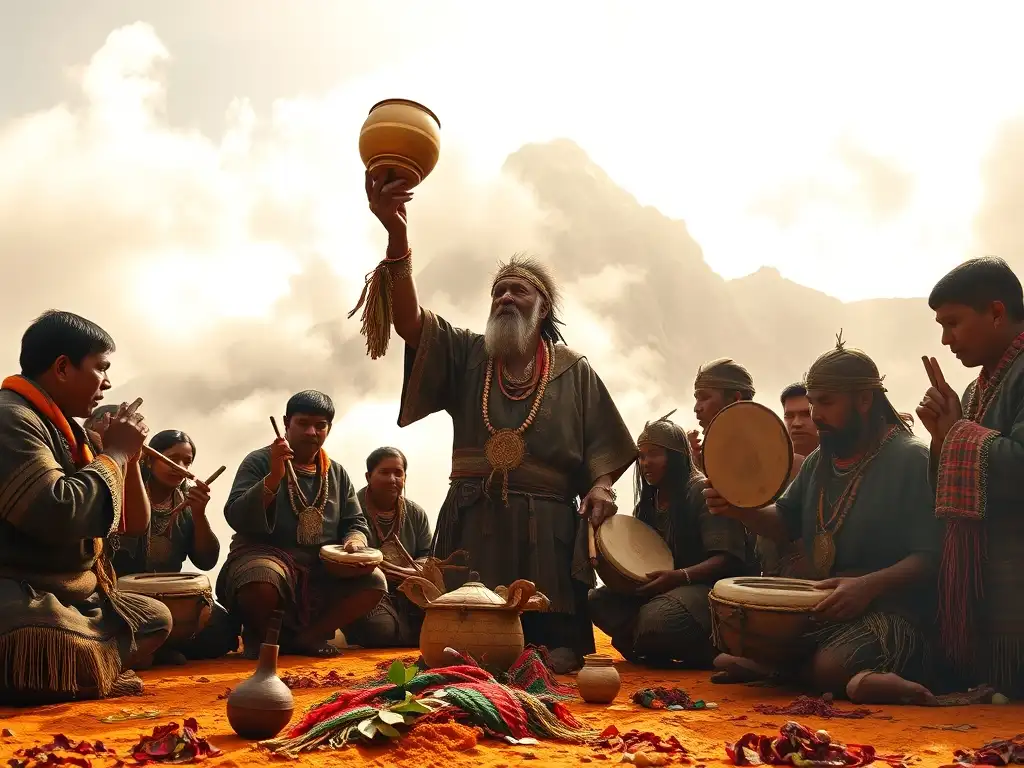
The Inca Empire, renowned for its sophisticated engineering and expansive territory, also possessed a complex religious system deeply intertwined with its social and political structures. Inca shamanism rituals played a pivotal role in this system, shaping daily life and influencing major events. Understanding these rituals provides valuable insight into the Inca worldview and their intricate understanding of the cosmos.
This section will delve into two significant Inca ceremonies: Inti Raymi and Capac Raymi, exploring their significance and the shamanic practices involved. These rituals, rich in symbolism and deeply ingrained in Inca culture, help us better comprehend the vibrant tapestry of Inca religious life and its enduring legacy. The study of Inca shamanism rituals reveals a society deeply connected to its environment and the spiritual forces it believed governed the world.
Inti Raymi: The Festival of the Sun
The Importance of the Sun God in Inca Religion
Inti, the sun god, held paramount importance in Inca cosmology. He was considered the supreme deity, the source of life, and the ultimate ruler of the cosmos. Inca religion revolved around appeasing Inti and ensuring his continued favor, believing that his benevolence guaranteed prosperity, bountiful harvests, and societal stability. The Inca emperors, considered direct descendants of the sun god, played a crucial role in these rituals, acting as intermediaries between the divine and the earthly realm.
The sun's daily journey across the sky mirrored the emperor's authority and the cyclical nature of life, death, and rebirth. This profound belief system permeated all aspects of Inca life, influencing everything from agriculture and architecture to warfare and governance. The intricate astronomical observations made by Inca priests, focused on tracking the sun's movements, further highlighted the central role of Inti in their religious practices.
Rituals Performed During Inti Raymi
Inti Raymi, celebrated at the winter solstice (around June 24th), was the most important festival in the Inca calendar. It was a grand spectacle involving elaborate processions, sacrifices (including llamas and other animals), and offerings of gold, silver, and other precious objects to the sun god. Shamans, wielding their knowledge of herbal remedies and spiritual practices, played a vital role in these ceremonies. They performed rituals aimed at ensuring the sun's continued strength and the fertility of the land.
These rituals often involved divination, using coca leaves or other methods to interpret the will of the gods. The festival included elaborate dances, music, and feasting, reflecting the joy and reverence associated with honoring Inti. Specific rituals varied from region to region, reflecting the diverse cultural expressions within the vast Inca Empire.
The careful preparations for Inti Raymi, which lasted for weeks, underscore the significance of this festival in the Inca worldview. The meticulous planning and execution of the various rituals showcased the deep-rooted religious devotion of the Inca people. The grandeur of Inti Raymi highlights the central role of ritual in maintaining social order and cosmic balance within the Inca Empire.
Capac Raymi: The Ceremony of Royal Initiation
The Significance of Royal Lineage in Inca Society
The Inca empire was structured around a rigid hierarchy with the Sapa Inca, the emperor, at its apex. The concept of royal lineage was paramount, with the emperor believed to be a direct descendant of the sun god, thus possessing divine authority. Maintaining this lineage and ensuring a smooth succession were crucial for the stability of the empire.
The Capac Raymi ceremony was designed to solidify this divine right and transmit power and authority to the heir apparent. This ritual was not merely a coronation; it was a sacred process that reaffirmed the cosmic order and the emperor's connection to the divine realm. The legitimacy of the Inca ruler was directly tied to his perceived divine ancestry, and the rituals surrounding his ascension were paramount to maintaining this perceived link.
Initiation Rituals and Symbolism
Capac Raymi involved a series of elaborate rituals designed to transform the chosen heir into the Sapa Inca. These rituals often included symbolic acts representing the transfer of power and the acceptance of the heir's divine mandate. Shamans played a key role, guiding the heir through purification rites and conferring upon him the sacred symbols and regalia of his new position.
The use of specific colors, textiles, and artifacts carried powerful symbolic meanings related to the Inca cosmology and the sun god. The ceremony also involved the participation of nobles and priests, signifying the unity and support of the Inca elite. The precise details of these rituals remain partially shrouded in mystery, with much of our understanding derived from archaeological findings and the limited written accounts left by Spanish chroniclers.
Further research and analysis are needed to fully unveil the complexities of Capac Raymi and its implications for understanding Inca social and religious structures. The symbolism embedded within the ceremony provided a powerful means of reinforcing the Inca ideology and strengthening the emperor's authority.
The Role of the Yachaq (Inca Shaman)
The Yachaq, often translated as "healer" or "wise one," held a pivotal role within Inca society. Unlike many modern conceptions of shamanism, the Yachaq wasn't simply a religious figure; they were integral to the political and social fabric of the empire. Their expertise extended far beyond spiritual matters, encompassing medicine, divination, and even political advisement.
The Inca believed that the Yachaq possessed a unique ability to communicate with the unseen world, accessing knowledge and power unavailable to ordinary individuals. This communication wasn't limited to the spirit world; it included the understanding of natural phenomena, agricultural cycles, and the intricate web of life within the Andean ecosystem. The Yachaq’s profound understanding of these interconnected systems allowed them to interpret omens, predict harvests, and guide the Inca in their daily lives.
Their pronouncements carried significant weight, influencing decisions ranging from agricultural practices to military campaigns. The Inca viewed the Yachaq as essential intermediaries between the human and spiritual realms, ensuring the continued prosperity and well-being of the empire. Their influence permeated every aspect of Inca life, from the mundane to the most significant ceremonies and rituals.
Training and Selection of Inca Shamans
The path to becoming a Yachaq was rigorous and demanding, requiring years of dedicated study and apprenticeship. While some inherited their position through lineage, demonstrating inherent abilities was crucial. Selection often involved rigorous testing and observation, evaluating candidates' capacity for trance states, interpreting dreams, and healing abilities. The training process emphasized a holistic understanding of the world, blending spiritual practices with extensive knowledge of herbal medicine, astronomy, and the intricacies of Andean geography.
Aspiring Yachaqs underwent intense physical and mental discipline, often involving prolonged periods of fasting, meditation, and ritual cleansing. They learned to interpret natural signs, such as the flight of birds or the patterns of stars, which were believed to convey messages from the gods. Detailed records of their training methods are unfortunately scarce, leaving many aspects shrouded in mystery.
However, archaeological evidence, such as the discovery of specialized tools and medicinal plants in Inca sites, provides glimpses into their rigorous training regimen. The emphasis on both spiritual and practical knowledge reflects the Yachaq's multifaceted role in Inca society. Their training ensured they were not only spiritually adept but also capable of addressing the practical needs of their communities.
The Yachaq's Role in Healing and Divination
The Yachaq’s healing practices were deeply intertwined with their spiritual abilities. They utilized a combination of herbal remedies, physical manipulation, and spiritual rituals to treat illnesses. Their knowledge of medicinal plants was extensive, and they employed a wide range of techniques, including massage, acupuncture-like practices, and the administration of herbal concoctions. Illness was often viewed as a spiritual imbalance, requiring both physical and spiritual healing.
The Yachaq would perform rituals to restore harmony, using chants, prayers, and offerings to appease displeased spirits or deities. Divination played a significant role in their healing process. They used various techniques, such as interpreting dreams, reading coca leaves, and observing natural phenomena, to diagnose illnesses and predict their outcomes. The Yachaq's ability to discern the underlying spiritual causes of ailments was considered vital to effective treatment.
For example, a recurring illness might be attributed to the displeasure of a particular deity, requiring specific rituals and offerings to restore balance and health. The Yachaq’s role extended beyond individual healing; they also played a crucial role in maintaining the overall health and well-being of the community, performing rituals to ensure successful harvests and protect against disease. Their deep understanding of the interplay between the spiritual and physical realms made them indispensable figures in Inca society.
The Tools and Techniques of Inca Shamanism
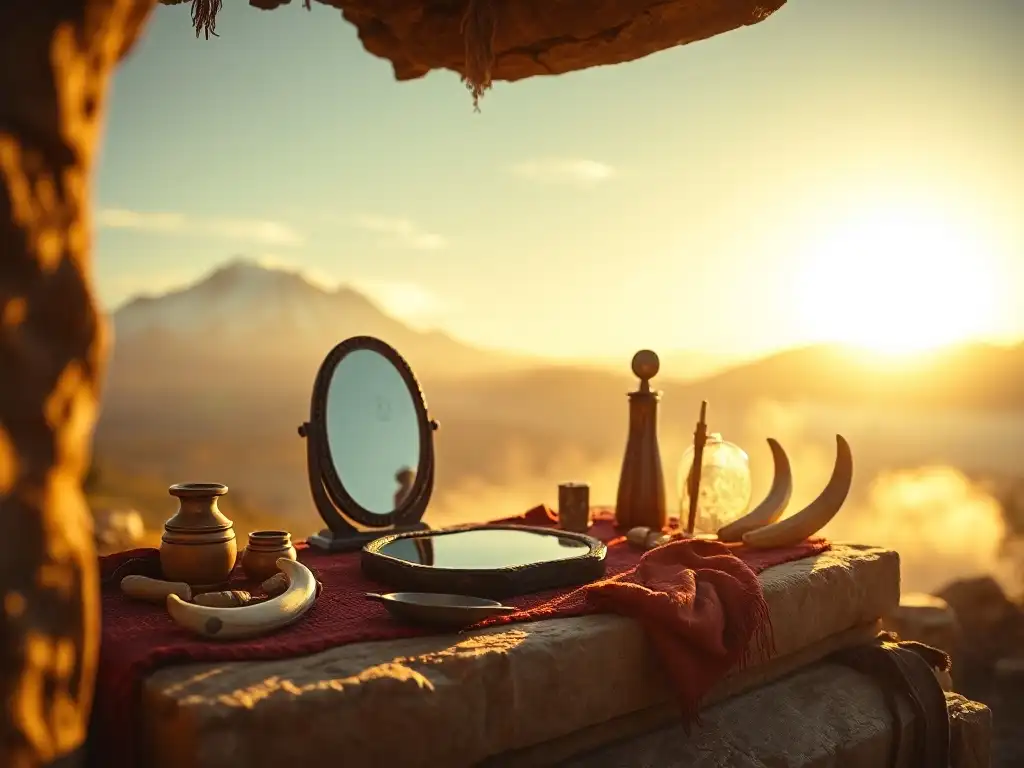
This section delves into the practical aspects of Inca shamanism, exploring the tools and techniques employed by these spiritual leaders to connect with the supernatural world and guide their communities. Understanding these methods provides crucial insight into the beliefs and practices that shaped Inca society. The effectiveness of these techniques was deeply intertwined with the Inca worldview, emphasizing the interconnectedness of the spiritual and physical realms.
The Use of Coca Leaves in Inca Rituals
Coca leaves ( Erythroxylum coca) held immense significance in Inca culture, far exceeding their recreational use. In shamanistic rituals, coca served as a vital tool for achieving altered states of consciousness, facilitating communication with the spirit world. Shamans chewed coca leaves, often in conjunction with other substances, to enhance their visionary abilities and access divine guidance.
The act of chewing coca wasn't merely a physical process; it was a ritualistic one, laden with symbolic meaning and spiritual power. The leaves themselves were seen as gifts from the gods, connecting the shaman to the divine realm and providing access to otherwise unattainable knowledge. Archaeological evidence consistently reveals coca remains in burial sites and ritual contexts, underscoring its crucial role in shamanic practices.
The precise methods of coca leaf preparation and consumption during rituals, however, remain partially shrouded in mystery, with ongoing research attempting to uncover more detailed information. For example, the specific types of coca leaves used and the manner in which they were combined with other substances might have varied depending on the ritual's purpose and the shaman’s specific needs. Further research into the chemical composition of coca and its effects on the human brain could illuminate the neurochemical underpinnings of the altered states of consciousness achieved through this practice.
Sacred Objects and Their Significance
Inca shamanism relied heavily on the use of sacred objects, each imbued with spiritual power and carrying specific symbolic meanings. These artifacts acted as conduits, facilitating communication between the shaman and the spirit world. Examples include intricately carved wooden idols representing deities or ancestral spirits, intricately woven textiles depicting cosmological themes, and finely crafted gold and silver ornaments representing the sun and other celestial bodies.
The huacas, or sacred places, often contained these objects, enhancing their power and linking them to the earth’s life force. The creation and use of these objects were not haphazard; they were meticulously crafted through specialized techniques and often involved complex rituals. The materials themselves – gold, silver, feathers, precious stones – were not simply aesthetically pleasing; they held inherent spiritual significance, reflecting the Inca worldview that valued such materials as embodiments of divine energy.
The careful preservation of these sacred objects throughout centuries suggests their enduring importance to Inca spiritual practices and their enduring power as symbols of continuity and connection to the past. Further research into the iconography and symbolism embedded within these objects is key to unlocking a deeper understanding of Inca cosmology and religious beliefs.
Inca Divination Techniques and Practices
Inca shamans employed various divination techniques to foresee the future, interpret divine messages, and guide their communities. These methods ranged from interpreting the flight patterns of birds (ornithomancy) and the behavior of llamas (animal divination) to examining the entrails of sacrificial animals (extispicy). The interpretation of dreams and visions also played a crucial role.
These techniques were not merely superstitious practices; they were integral to Inca governance and decision-making, from determining the best time for planting crops to planning military campaigns. The shaman’s ability to interpret these signs was seen as essential for maintaining harmony between the human and spiritual worlds. The accuracy of the divination was not simply a matter of chance; it was believed to be dependent on the shaman's spiritual purity, their ability to connect with the divine, and their mastery of the relevant techniques.
Unfortunately, detailed descriptions of the specific methodologies used in these divination practices are scarce in the surviving historical records. Therefore, further interdisciplinary research, combining archaeological findings with anthropological interpretations, is critical to enriching our understanding of these crucial aspects of Inca shamanism and its role in shaping Inca society. The potential for uncovering more detailed information through careful analysis of archaeological sites and the continued study of surviving texts is significant.
The Legacy of Inca Shamanism Today
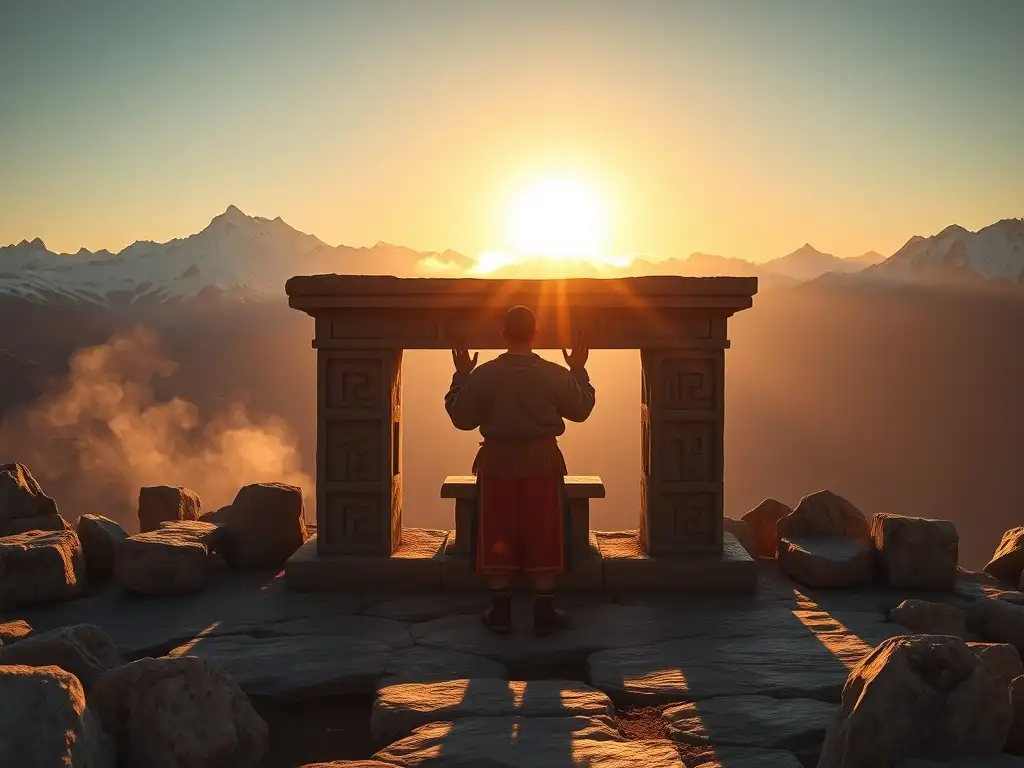
The echoes of Inca shamanism resonate even today, influencing various aspects of Andean life and inspiring renewed interest in its intricate practices. While the Spanish conquest brutally suppressed many aspects of Inca religion, certain traditions persisted, adapting and evolving within the framework of syncretism – the blending of indigenous beliefs with introduced Catholicism. Understanding this legacy requires acknowledging both the historical suppression and the enduring resilience of these spiritual practices.
The continuing fascination with Inca shamanism highlights its enduring power and the ongoing search for meaning in its rich symbolism. This enduring legacy is not simply a historical curiosity; it's a living testament to the depth and complexity of Inca spiritual life. The study of Inca shamanism rituals reveals much about the Inca worldview and its profound impact on subsequent Andean cultures.
Modern Interpretations of Inca Rituals
Modern interpretations of Inca rituals often involve a careful reconstruction based on archaeological evidence, colonial chronicles, and surviving indigenous traditions. Scholars meticulously analyze iconography found on ceramics, textiles, and stone carvings to decipher the meaning behind rituals and ceremonies. For example, the frequent depiction of llamas and condors in Inca art suggests their significant role in shamanic practices, possibly representing intermediaries between the human and spiritual realms.
Furthermore, the study of Inca huacas (sacred places) provides valuable insights into the locations where rituals were performed and the landscape's spiritual significance. These interpretations aren't always straightforward; different researchers may offer varying perspectives based on their methodologies and the available evidence. The ongoing debate and refinement of these interpretations underscore the dynamic nature of historical research and the challenge of fully understanding ancient belief systems.
The careful reconstruction of Inca shamanism rituals necessitates a multidisciplinary approach, combining archaeological analysis with anthropological studies and ethnohistorical research. This meticulous process allows for a more nuanced understanding of the complexity and significance of Inca spiritual practices.
The Influence of Inca Spirituality on Andean Culture
The influence of Inca spirituality, including its shamanic practices, permeates contemporary Andean culture in subtle yet profound ways. Many Andean communities continue to incorporate elements of traditional beliefs into their daily lives. This includes the veneration of apus (mountain spirits), the use of medicinal plants with spiritual significance, and the continuation of certain ritualistic practices, albeit often modified to accommodate the realities of modern life.
The enduring presence of these traditions underscores the resilience of Inca spiritual heritage. For instance, the practice of pago a la tierra (payment to the earth), a form of offering to appease the land spirits, remains prevalent in many rural communities. This demonstrates the continuous connection between Andean peoples and their ancestral spiritual landscape, a connection deeply rooted in Inca shamanic traditions.
The vibrant tapestry of Andean culture today is intricately woven with threads of Inca spirituality, highlighting the enduring legacy of its shamanic practices and their adaptation to modern contexts. Furthermore, the growing interest in Andean spirituality among tourists and researchers has led to a renewed appreciation for the richness and complexity of Inca beliefs and practices, contributing to their preservation and study.
Preserving the Traditions of Inca Shamanism
Preserving the traditions of Inca shamanism presents a complex challenge, requiring a delicate balance between respecting indigenous knowledge and avoiding cultural appropriation. Efforts to preserve these traditions often involve collaborations between archaeologists, anthropologists, and indigenous communities themselves. These collaborations ensure that the interpretation and dissemination of knowledge are respectful and ethically sound.
The documentation of oral histories, the careful preservation of archaeological sites, and the support of indigenous initiatives aimed at preserving cultural heritage are crucial steps in this ongoing process. Many communities actively work to maintain their spiritual traditions, often integrating them into tourism initiatives to generate economic opportunities while protecting their cultural legacy. However, the commercialization of these traditions poses a significant risk, necessitating careful monitoring to ensure authenticity and prevent exploitation.
Striking a balance between preserving Inca shamanism rituals for future generations and preventing their misuse requires a continuous, mindful, and collaborative effort. The task demands sensitivity, respect, and a genuine commitment to honoring the rich spiritual heritage of the Inca people.
The Impact of Inca Shamanism on Daily Life
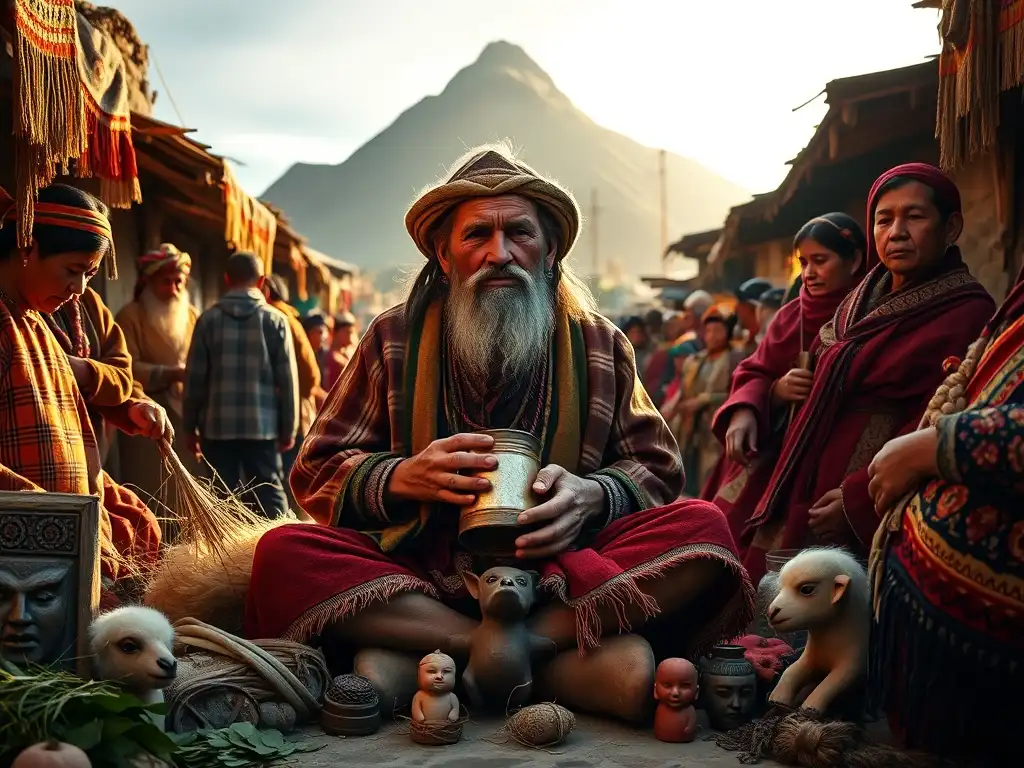
Inca shamanism wasn't confined to grand temples or elaborate ceremonies; it deeply permeated the fabric of daily life. The spiritual world wasn't separate from the physical; rather, it was interwoven into every aspect of Inca existence, influencing decisions from planting crops to resolving disputes. This pervasive influence is evident in various aspects of Inca society, shaping their worldview and daily routines. Understanding this pervasive influence is key to comprehending the true depth and significance of Inca shamanism rituals.
Shamanistic Practices in Agriculture
Agriculture formed the backbone of Inca society, and shamanistic practices were integral to successful harvests. Shamans played a crucial role in ensuring the fertility of the land and the abundance of crops. Before planting, rituals involving offerings to Pachamama (Mother Earth) and other deities were performed to appease the spirits and ensure a bountiful yield. These rituals often included coca leaf offerings, incantations, and specific agricultural techniques guided by the shaman's understanding of the spiritual world.
Failure of crops was frequently attributed to neglecting these rituals or angering the spirits, highlighting the profound importance placed on shamanistic practices in agriculture. Evidence suggests the use of specific plants and preparations, possibly hallucinogens, to enhance communication with the spirit world during these agricultural rituals. Detailed accounts of these practices, however, remain scarce, leaving room for further research and interpretation of existing archaeological findings.
Inca shamanism wasn't merely about individual spiritual well-being; it played a vital role in maintaining social order and political stability. Shamans acted as intermediaries between the human and spiritual realms, interpreting divine will and providing guidance to the Sapa Inca (emperor) and other leaders. Their pronouncements on matters of state, war, or natural disasters held immense weight, shaping political decisions and influencing social dynamics. This influence extended beyond the ruling class.
Shamans often resolved conflicts within communities, mediating disputes and offering spiritual counsel. Their authority stemmed from their perceived ability to communicate with the gods and spirits, enabling them to settle disagreements and maintain social harmony. The intricate relationship between Inca shamanism rituals and the social hierarchy is evidenced by the elaborate ceremonies and offerings performed for the Sapa Inca, underscoring the shaman's role in legitimizing the emperor's power.
The Connection Between Inca Shamanism and Art
Inca art serves as a powerful window into their spiritual beliefs, reflecting the profound influence of shamanism. Textiles, pottery, and metalwork often depict shamanistic figures, deities, and symbolic representations of the spiritual world. These artistic expressions were not merely decorative; they were imbued with spiritual significance, serving as tools for ritual practices or representations of divine power.
For example, intricate textile designs often included motifs associated with specific deities or shamanistic practices, suggesting their use in ceremonial contexts. Similarly, the elaborate headdresses and adornments worn by shamans during rituals were carefully crafted works of art, reflecting their elevated status and spiritual power. Analyzing Inca art through the lens of shamanism allows us to gain a deeper understanding of their religious beliefs and the role of ritual practices in shaping their cultural identity.
Further research focusing on the iconography present in different art forms could reveal even more nuanced connections between Inca shamanism rituals and artistic expression. The detailed study of these artifacts offers invaluable insights into the intricacies of Inca spirituality and its profound impact on their artistic creations.
Challenges in Understanding Inca Shamanism
Understanding Inca shamanism and its ritual practices presents significant challenges to modern researchers. The absence of a comprehensive written record in the Inca language, Quechua, prior to Spanish colonization significantly hinders our ability to fully grasp the nuances of their spiritual world. Furthermore, the Inca worldview, steeped in complex cosmology and intricate social structures, differs substantially from our own, making direct interpretation difficult.
We must contend with the limitations imposed by the surviving archaeological evidence, which, while rich, often requires careful interpretation and avoids simplistic conclusions. The very nature of shamanic practices, often secretive and passed down orally within lineages, adds another layer of complexity. This section explores some of these key obstacles.
Deciphering Inca Religious Texts
The Spanish conquest effectively obliterated much of the Inca religious knowledge. While some information survived through oral traditions and later chronicles written by Spanish conquistadors and missionaries, these sources often reflect a biased, Eurocentric perspective. The chroniclers, lacking a deep understanding of Inca beliefs, frequently interpreted rituals and practices through the lens of their own Catholic faith.
For example, the quipus, complex knotted cords used for record-keeping, remain largely undeciphered, although recent research suggests they may have encoded some religious information. The limited decipherment reveals numerical data, but the symbolic meaning remains elusive, hindering our understanding of Inca religious calendars and ceremonies. Furthermore, the surviving texts often lack the context necessary for accurate interpretation, leading to conflicting interpretations amongst scholars.
The process of deciphering what little remains is painstaking, requiring rigorous cross-referencing with archaeological evidence and careful consideration of linguistic nuances. The task is further complicated by the potential for deliberate obfuscation within the Inca religious system itself, as certain knowledge might have been restricted to specific initiates or lineages. Therefore, a complete understanding of Inca religious texts and their implications for shamanic practices remains a significant ongoing challenge.
Reconstructing Lost Inca Rituals
Reconstructing Inca rituals relies heavily on interpreting archaeological findings, such as the remains of ceremonial sites, artifacts, and human remains. Analysis of these sites, like Machu Picchu or Sacsayhuamán, reveals clues about the spatial arrangement of rituals, the use of specific objects, and the potential social dynamics involved. However, the interpretation of these findings is often debated.
For example, the presence of specific artifacts like intricately carved stones or gold ornaments within a burial site can suggest a particular ritualistic context, but the precise nature of the ritual remains speculative. The discovery of mummies with associated offerings provides further insight into burial rites and potential shamanic practices associated with death and the afterlife. However, the limited survival of organic materials restricts our understanding of perishable items used in rituals, such as textiles, flowers, and food offerings.
Moreover, the absence of detailed written accounts makes it difficult to definitively link specific artifacts or sites to particular shamanic rituals. The reconstruction process, therefore, necessitates a multidisciplinary approach, combining archaeological data with anthropological insights, ethnographic parallels from other Andean cultures, and careful consideration of the potential for symbolic interpretation.
The Influence of Colonialism on Inca Beliefs
The Spanish conquest had a profound and lasting impact on Inca religious practices, leading to the suppression of indigenous beliefs and the imposition of Catholicism. This forced syncretism resulted in a blending of Inca and Christian elements, making it difficult to disentangle the original practices from later adaptations. Many Inca rituals were either banned outright or subtly altered to accommodate Christian doctrines.
For instance, certain Inca deities might have been assimilated into the Catholic pantheon, while others were demonized and associated with paganism. This colonial interference obscures our understanding of the original forms of Inca shamanism, making it challenging to distinguish between authentic Inca practices and those influenced by later syncretic beliefs. The destruction of Inca religious sites and artifacts further exacerbated the loss of knowledge, leaving gaps in our understanding of their religious landscape.
The process of reclaiming and reinterpreting Inca shamanism requires a critical awareness of this colonial legacy and a careful consideration of the ways in which indigenous beliefs were adapted, suppressed, or transformed in the face of colonial oppression. Understanding the impact of colonialism is crucial for a nuanced and accurate understanding of Inca shamanism rituals. The ongoing process of decolonizing scholarship is essential to reclaim the accurate narrative of Inca spiritual practices.
Frequently Asked Questions
What were the key roles of Inca shamans?
Inca shamans, or paqos, held significant religious authority. They were healers, diviners, and intermediaries between the human and spirit worlds, conducting rituals and ceremonies to maintain cosmic balance.
What were some common Inca shamanic rituals?
Rituals often involved offerings to deities, ceremonial dances, and the use of sacred objects like coca leaves and hallucinogenic plants to induce altered states of consciousness and connect with the spirit world. These practices aimed to ensure good harvests, healing, and overall societal wellbeing.
How did Inca shamanism relate to Inca cosmology?
Inca shamanism was deeply intertwined with their cosmology. Shamans facilitated communication with the apus (mountain spirits) and other powerful entities within the Andean worldview, maintaining harmony between the human and spiritual realms, reflecting the central role of nature in their beliefs.
What evidence exists to support our understanding of Inca shamanism?
Archaeological discoveries, such as mummy bundles containing ritual objects and depictions of shamanic practices in textiles and pottery, provide valuable insights. Ethnohistoric accounts, though sometimes biased, offer further information about their beliefs and practices.
Were Inca shamanic practices solely religious, or did they have practical applications?
Inca shamanism had both religious and practical applications. Shamanic practices were used for healing illnesses, predicting the future, and ensuring successful harvests, highlighting the intertwining of the spiritual and material aspects of life in Inca society.
Final Reflection: Echoes of the Andes: Shamanism's Enduring Legacy
The intricate rituals and profound spiritual beliefs of Inca shamanism, once confined to the high Andes, continue to resonate deeply within contemporary society. Their enduring power lies not just in historical significance, but in the universal human yearning for connection with the spiritual realm and the natural world. The echoes of their practices, though muted by time, offer valuable insights into our own search for meaning and purpose.
The exploration of Inca shamanism reveals a sophisticated understanding of the interconnectedness of all things, a perspective increasingly relevant in our fragmented modern world. Their deep respect for Pachamama, Mother Earth, serves as a potent reminder of our responsibility to protect and cherish the environment. The earth is what we all have in common.
– Wendell Berry. This simple yet profound statement encapsulates the core message of Inca shamanic practices, highlighting the urgent need for a renewed appreciation of our planet and its delicate ecosystems. Their rituals, far from being mere historical curiosities, offer a powerful model for sustainable living and harmonious coexistence with nature.
Consider the profound wisdom embedded within these ancient practices. How can we, in our own lives, cultivate a deeper connection with the natural world? How can we integrate a sense of reverence and respect for the earth into our daily routines? Embrace the lessons of Inca shamanism – not as a historical relic, but as a living testament to the enduring power of spiritual connection and environmental stewardship. Let the echoes of the Andes inspire you to live a more mindful, connected, and meaningful life.
Unveil the Secrets of Inca Shamanism!
Thank you for exploring the fascinating world of Inca shamanism and ritual practices with us! You've discovered the powerful connection between ancient wisdom and modern spirituality. Now, let's integrate that knowledge into your life.
Here are some practical steps to deepen your understanding:
- Find a place in nature, such as a park or quiet forest, and practice mindfulness. Connect with the natural world as the Inca shamans did, cultivating a sense of spiritual grounding.
- Participate in a workshop or class focused on traditional Andean shamanic practices. Share your insights and learn from others' journeys.
- Share this article with friends and family, or post it on social media to inspire others to explore Inca culture and its rich spiritual heritage.
What aspect of Inca shamanism most inspires you, and how will you apply its teachings to your daily life?