
The Legacy of the Chavin: Online Resources on Early Andean Culture

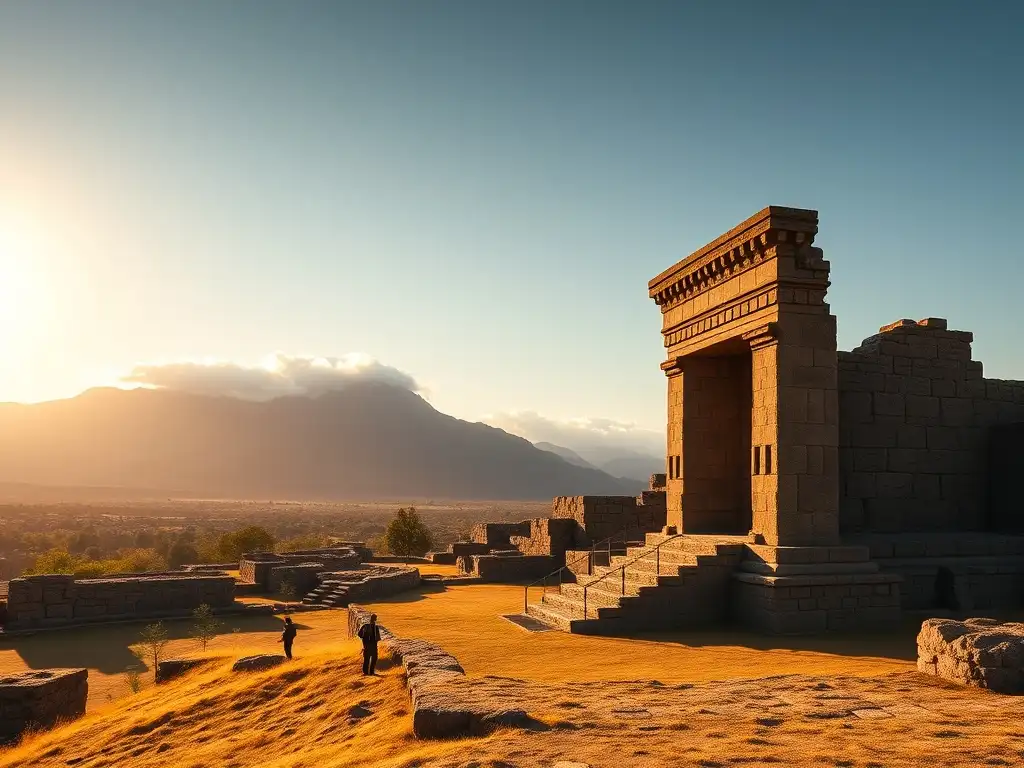
Unravel the mysteries of a civilization that shaped the Andes long before the Incas. Journey back in time to discover the enigmatic Chavin culture, a society whose influence resonates through millennia. Intrigued by their sophisticated art, innovative technology, and complex social structures? Dive into our curated collection of Chavin culture online resources and unlock the secrets of this remarkable early Andean civilization. Prepare to be amazed.
- The Legacy of the Chavin: Unearthing Early Andean Culture Through Online Resources
-
Best Online Resources for Learning About Chavin Culture
- Option 1: Academic Databases and Journals for In-Depth Chavin Research
- Option 2: Virtual Museum Tours and Digital Archives Exploring Chavin Artifacts
- Option 3: Online Courses and Lectures on Early Andean Societies
- Option 4: Interactive Maps and Geographic Information Systems (GIS) for Chavin Sites
- Option 5: Documentaries and Video Essays on the Chavin Civilization
- Maximizing Your Chavin Culture Online Learning Experience
- Frequently Asked Questions
- Final Reflection: Echoes of the Chavin: A Digital Legacy for Future Generations
- Uncover the Wonders of Andean Culture!
The Legacy of the Chavin: Unearthing Early Andean Culture Through Online Resources
The Chavín culture, flourishing in the Andes Mountains of Peru from approximately 900 to 200 BCE, represents a pivotal moment in the development of Andean civilizations. Its impact reverberates through subsequent cultures, leaving an indelible mark on art, religion, and societal structures.
This article serves as a comprehensive guide to online resources dedicated to exploring the fascinating world of the Chavín, providing a pathway for anyone interested in delving into the intricacies of this formative Andean society. We will examine the key characteristics of Chavín culture, discuss the benefits of online learning in this field, and point towards valuable digital tools and platforms that offer in-depth insights into this remarkable civilization.
Understanding the Chavín is key to understanding the broader tapestry of Andean history, and the readily available online resources make this exploration more accessible than ever before. We will explore how these online resources not only provide information but also foster a deeper appreciation for the ingenuity and complexity of early Andean societies.
Introduction to Chavin Culture and Its Importance
The Chavín culture is renowned for its distinctive artistic style, characterized by intricate carvings depicting stylized jaguars, snakes, and other zoomorphic figures. These motifs, often found on ceremonial objects and architecture, suggest a complex religious system centered around shamanistic practices and a reverence for nature. The Chavín de Huántar site, located in the central Andes, stands as a testament to the culture's sophisticated understanding of architecture and engineering.
Its monumental structures, including intricate underground passages and plazas, highlight the culture's ability to mobilize significant labor and resources. The influence of Chavín iconography and artistic conventions is clearly visible in subsequent Andean cultures, indicating a widespread cultural diffusion that shaped the development of later civilizations like the Moche and Nazca. This makes understanding Chavín culture crucial for comprehending the broader trajectory of Andean history.
The intricate designs, often featuring a blend of human and animal forms, suggest a sophisticated cosmology and a deeply symbolic worldview that continues to intrigue and inspire researchers today. Further research is needed to fully understand the societal structures and daily life of Chavín people, but ongoing archaeological excavations and scholarly analyses continually shed new light on this enigmatic culture.
Why Study Chavin Culture Online?
The digital age offers unprecedented access to information about the Chavín culture, surpassing the limitations of traditional research methods. Online resources provide a wealth of information, including high-resolution images of artifacts, detailed scholarly articles, interactive maps of archaeological sites, and virtual tours of museums showcasing Chavín objects. This accessibility democratizes access to knowledge, allowing anyone with an internet connection to engage with Chavín culture.
Furthermore, online platforms facilitate collaborative learning, fostering discussions and knowledge sharing among enthusiasts and scholars alike. The dynamic nature of online resources also ensures that information is continuously updated as new discoveries are made and interpretations evolve. Studying Chavín culture online offers flexibility and convenience, allowing individuals to learn at their own pace and tailor their studies to their specific interests.
The availability of diverse resources, ranging from introductory articles to specialized academic publications, caters to various levels of expertise, making it an ideal starting point for beginners and a valuable tool for seasoned researchers. The ability to access this wealth of information from anywhere in the world truly revolutionizes the study of Andean civilizations and makes understanding the Chavín culture more accessible than ever before.
Best Online Resources for Learning About Chavin Culture
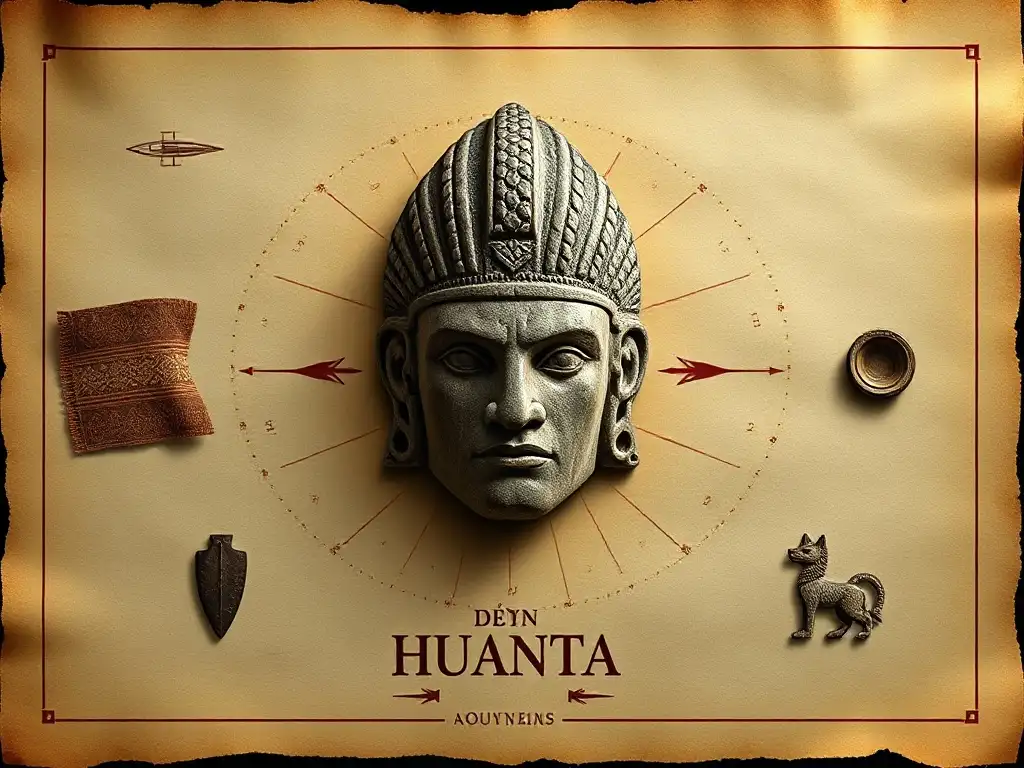
This section explores the best online resources available for delving into the fascinating world of Chavin culture. We'll examine various options, from rigorous academic databases to engaging virtual museum tours, catering to different learning styles and levels of expertise. Remember, understanding Chavin culture requires exploring its art, architecture, religion, and societal structures – all of which are accessible through these online avenues. This comprehensive guide to Chavin culture online resources aims to provide a starting point for your research journey.
Option 1: Academic Databases and Journals for In-Depth Chavin Research
For those seeking a deep dive into the scholarly interpretations of Chavin civilization, academic databases and journals offer unparalleled access to peer-reviewed research. This approach provides a rigorous and nuanced understanding of Chavin culture, going beyond surface-level information.
Accessing Scholarly Articles on Chavin Civilization
Navigating academic databases can sometimes feel overwhelming. However, with a structured approach, you can efficiently find relevant research on Chavin culture. Start by using precise keywords like "Chavín de Huántar," "Chavín iconography," "Chavín ceramics," or "Chavín religion" in your searches. Refining your search parameters by date range, publication type, and language can further streamline your results. Remember to critically evaluate the sources you find, considering the author's expertise and the publication's reputation.
JSTOR: A Gateway to Peer-Reviewed Research on Chavin Art and Architecture
JSTOR is a well-known digital library containing a vast archive of academic journals, books, and primary sources. Its collection includes numerous articles focusing on Chavin art, architecture, and societal organization. Searching JSTOR for "Chavin" yields a wide array of results, allowing you to explore different aspects of the culture in depth. You’ll find detailed analyses of Chavin temple complexes, intricate carvings, and the unique artistic style that characterizes the civilization. Expect to find articles discussing the stylistic innovations and the influence of Chavin art on subsequent Andean cultures.
Latin American Antiquity and its Specific Focus on Chavin Iconography
Journals specializing in Latin American archaeology, such as Latin American Antiquity, often feature articles dedicated to Chavin culture. These publications frequently contain in-depth analyses of Chavin iconography, exploring the symbolism embedded within their art. Researchers have dedicated considerable effort to deciphering the meaning behind the iconic Chavin imagery, including the feline and serpent motifs, which are often interpreted as representations of deities or supernatural forces. These interpretations are constantly evolving as new discoveries are made and new theories are proposed.
Benefits of Academic Research for Understanding Chavin Culture
Academic research offers several key advantages: it provides rigorous, peer-reviewed information; it allows for in-depth analysis of specific aspects of Chavin culture; it presents diverse perspectives and interpretations from leading experts; and it fosters critical thinking and a nuanced understanding of the subject matter. The depth of analysis available in academic sources significantly enhances the understanding of the complexities of Chavin society, its beliefs, and its artistic achievements.
Pricing and Access Information for Academic Databases
Access to academic databases like JSTOR often requires subscriptions, which may be available through university libraries or research institutions. Some databases offer free access to a limited number of articles, while others require payment or institutional affiliation. Check the database's website for specific pricing and access information. Many public libraries also offer access to such databases, providing a cost-effective alternative for independent researchers.
Option 2: Virtual Museum Tours and Digital Archives Exploring Chavin Artifacts
For a more visually engaging approach to learning about Chavin culture, virtual museum tours and digital archives offer an immersive experience. Exploring Chavin artifacts online provides a unique opportunity to examine these ancient objects up close, even without physical access to museums.
The Metropolitan Museum of Art's Andean Collection: Examining Chavin Ceramics
The Metropolitan Museum of Art in New York City boasts a significant Andean collection, including numerous examples of Chavin ceramics. Their online collection allows you to browse high-resolution images of these artifacts, often accompanied by detailed descriptions and contextual information. You can examine the intricate designs, the unique styles, and the materials used in creating these pieces, gaining insight into Chavin artistic techniques and cultural practices.
The British Museum's Online Exhibits Featuring Chavin Stone Carvings
The British Museum also offers online access to its impressive collection, including significant Chavin stone carvings. Their website provides detailed information about the artifacts, their provenance, and their historical significance. Exploring these online exhibits provides a valuable opportunity to observe the mastery of Chavin artisans and to appreciate the complexity of their artistic expressions. The carvings often depict mythological beings and scenes, offering glimpses into Chavin religious beliefs and cosmology.
Google Arts & Culture: Chavin Culture Exploration Through Digital Media
Google Arts & Culture provides a centralized platform for accessing digital collections from museums and archives worldwide. Searching for "Chavin culture" on this platform reveals a wealth of resources, including virtual tours, high-resolution images, and interactive exhibits. This platform offers a convenient and user-friendly way to explore various aspects of Chavin culture from diverse sources. The platform often includes interactive elements such as 360° views and zoom capabilities, enhancing the immersive experience.
Advantages of Virtual Tours for Visual Learning
Virtual museum tours offer several advantages: they provide access to artifacts that might be geographically inaccessible; they offer high-resolution images and detailed descriptions of the objects; they often include interactive elements that enhance engagement; and they are a convenient and flexible way to learn. Visual learning is particularly effective for understanding the artistic nuances of Chavin culture.
Cost and Accessibility of Virtual Museum Resources
Most virtual museum tours and digital archives are freely accessible online. However, some institutions may require registration or membership for full access to their digital collections. The accessibility of these resources varies depending on the institution and the specific collection. Nonetheless, a significant amount of Chavin-related material is readily available online for free.
Option 3: Online Courses and Lectures on Early Andean Societies
Exploring the Chavín culture requires delving into the broader context of early Andean societies. Fortunately, several online platforms offer comprehensive courses and lectures that include dedicated modules or sections on Chavín. These resources provide structured learning experiences, often incorporating primary source materials and expert analysis, offering a deeper understanding than simply reading articles or watching documentaries. The quality and depth of information vary, however, so careful selection is crucial.
Consider factors like instructor credentials, student reviews, and the course curriculum before enrolling. The best resources will blend academic rigor with engaging presentation, bringing the vibrant Chavín world to life. Many courses also offer opportunities for interaction with fellow learners and instructors, fostering a collaborative learning environment.
Coursera's Andean Archaeology Course: Chavin Culture Module
Many Coursera courses on Andean archaeology incorporate modules specifically dedicated to the Chavín culture. These modules typically cover topics such as Chavín art, architecture, religious beliefs, and societal organization. Expect to find detailed analyses of iconic Chavín artifacts, such as the Lanzón monolith, and discussions of the culture's influence on subsequent Andean civilizations.
The specific content varies depending on the course, but you can expect high-quality video lectures from leading experts in the field, accompanied by readings and assignments designed to reinforce learning. Look for courses with high student ratings and reviews that specifically mention the quality of the Chavín-related modules. Some courses might even offer opportunities for interaction with the instructors and other students.
edX: Exploring the Foundations of Andean Civilization with Chavin Studies
edX, another leading online learning platform, also offers courses relevant to the study of Chavín culture. These courses often focus on broader themes of Andean civilization, but include significant sections dedicated to the Chavín period. Expect to encounter detailed discussions of Chavín iconography, its social structure, and its role in the development of Andean religious practices.
The availability of specific Chavín-focused modules can vary depending on the course and instructor, so careful course selection is important. Check the course syllabus to ensure sufficient coverage of Chavín topics. Many edX courses provide downloadable course materials, allowing for continued study even after the course concludes.
Yale University's Online Lecture Series on Chavin Religion
While not always structured as formal courses, some universities, like Yale, offer online access to lecture series delivered by their renowned professors. These lectures might cover specific aspects of Chavín religion, providing in-depth analysis of Chavín iconography and its religious significance. These lectures often offer a high level of academic rigor, providing insight into the latest research and interpretations of Chavín religious practices. The benefit of these lecture series lies in the expertise of the presenters and the depth of their analysis. However, they often lack the interactive elements and structured learning paths found in formal online courses.
The Value of Structured Learning through Online Courses
Online courses offer several advantages over other methods of learning about Chavín culture. The structured learning environment, with its clear objectives, assignments, and assessments, promotes focused and effective learning. The combination of video lectures, readings, and interactive elements makes the learning process engaging and helps retain information more effectively.
Furthermore, access to expert instructors and peer interaction enhances understanding and encourages critical thinking. The flexibility of online courses also allows for learning at one's own pace and convenience, accommodating diverse learning styles and schedules. The structured nature of online courses, particularly those with assignments and assessments, provides a framework for deep learning and retention.
Enrollment Fees and Course Durations for Chavin Studies
The cost and duration of online courses on Chavín culture vary greatly. Some courses are offered for free, while others require enrollment fees ranging from [specific information pending] dollars. Course durations also vary, with some lasting only a few weeks, while others extend over several months.
Factors influencing cost and duration include the course's length, the level of instructor interaction, and the inclusion of additional resources such as downloadable materials. It's crucial to carefully review the course details before enrolling to ensure the course aligns with your budget and time constraints. Always check for any potential additional costs, such as exam fees or access to supplementary materials.
Option 4: Interactive Maps and Geographic Information Systems (GIS) for Chavin Sites

Understanding the Chavín culture requires considering its geographical context. The development and expansion of Chavín civilization were inextricably linked to its environment and its interaction with neighboring groups. Interactive maps and Geographic Information Systems (GIS) offer powerful tools for exploring this geographical dimension. These resources allow for visualization of Chavín sites, trade routes, and the spread of Chavín influence across the Andes. By using these tools, one can gain a far deeper appreciation for the cultural and political dynamics of the Chavín period.
Locating Chavin de Huantar: An Interactive Exploration
Many online resources provide interactive maps that pinpoint the location of Chavín de Huantar, the principal site of the Chavín culture. These maps often integrate additional information, such as satellite imagery, archaeological findings, and historical context. This allows users to explore the site virtually, gaining a better understanding of its layout and its significance within the broader Andean landscape. Interactive features, such as zoom functions and 3D models, can significantly enhance the learning experience, enabling users to visualize the site's scale and complexity. Some maps might even include virtual tours or guided explorations, providing a more immersive experience.
Using GIS to Understand the Distribution of Chavin Influence
Geographic Information Systems (GIS) offer powerful tools for analyzing the spatial distribution of Chavín influence. By mapping the locations of Chavín artifacts, architectural styles, and religious iconography, researchers can reconstruct the extent of Chavín cultural impact across the Andes. Online GIS platforms often provide access to these datasets, allowing users to create their own maps and analyze the spatial patterns of Chavín expansion. This approach provides valuable insights into the political, economic, and religious dynamics that shaped the Chavín world. By overlaying different datasets, users can identify correlations and patterns, enriching their understanding of Chavín's reach and influence.
Exploring the Geography of Chavin Trade Routes
The Chavín culture was actively engaged in trade networks that extended across the Andes. Interactive maps and GIS can help visualize these trade routes, showing the movement of goods and the connections between different regions. By analyzing the geographical distribution of traded goods, researchers can gain insights into the economic and political relationships that existed between Chavín and other Andean societies.
Online platforms might allow users to reconstruct these trade routes, identifying key locations and understanding the challenges and opportunities presented by the Andean geography. This provides a deeper appreciation for the logistical complexities of trade in the Andean region during the Chavín period.
Interactive Tools for Visualizing Chavin Cultural Expansion
Several online tools allow for the visualization of Chavín cultural expansion over time. These tools often use interactive maps to show the gradual spread of Chavín influence across different regions. Users can explore this expansion chronologically, observing the patterns of cultural diffusion and the factors that contributed to Chavín's growth and eventual decline.
Interactive timelines and other visual aids can further enhance the understanding of this process. The ability to visualize this expansion helps contextualize the archaeological findings and provides a more holistic understanding of the Chavín civilization's trajectory. This dynamic approach makes the learning process more engaging and effective.
Accessibility and Application of Online GIS Resources
The accessibility of online GIS resources varies. Some platforms offer free access to basic mapping tools and datasets, while others require subscriptions or specialized software. The technical skills required to effectively utilize GIS also vary depending on the complexity of the analysis being undertaken. However, many platforms offer user-friendly interfaces and tutorials, making GIS accessible to a wider audience.
The application of GIS in studying the Chavín culture is significant, offering powerful tools for exploring the spatial dimensions of this ancient civilization. The ability to visualize and analyze spatial data provides invaluable insights into the culture's development, expansion, and interactions with its environment and neighboring societies. The potential for further research and analysis using these tools is vast.
Option 5: Documentaries and Video Essays on the Chavin Civilization
Documentaries and video essays offer a dynamic and engaging way to learn about the Chavin culture. These visual mediums can bring the past to life, showcasing archaeological sites, artifacts, and interpretations of Chavin society in a way that static text often cannot. The combination of visuals, narration, and expert commentary creates a more immersive learning experience, making complex topics more accessible and memorable.
Furthermore, documentaries often incorporate dramatic recreations and animations, which can help viewers visualize daily life, religious practices, and the overall societal structure of the Chavin civilization. This multi-sensory approach caters to diverse learning styles, making it a valuable resource for students, enthusiasts, and anyone interested in exploring the intricacies of early Andean culture. The availability of both free and paid options provides accessibility for a wide range of audiences.
PBS Documentaries on Andean History and the Chavin Period
The Public Broadcasting Service (PBS) has a long-standing commitment to producing high-quality documentaries on historical and cultural topics. Their archives often include episodes focusing on Andean civilizations, with some segments specifically dedicated to the Chavin period. These documentaries typically feature interviews with leading archaeologists and historians, providing viewers with up-to-date research and scholarly interpretations.
The production quality is usually excellent, and the narratives are carefully crafted to engage viewers while maintaining academic rigor. While finding specific Chavin-focused documentaries might require some searching through their extensive catalog, the payoff is often worth the effort. Searching their online archives using keywords like "Chavin," "Andean civilization," or "Pre-Columbian Peru" will yield the most relevant results.
YouTube Channels Dedicated to Archaeological Discoveries: Chavin Focus
YouTube has emerged as a significant platform for sharing educational content, including videos related to archaeology and ancient civilizations. Many channels are dedicated to showcasing archaeological discoveries and research findings, offering valuable insights into the Chavin culture. While the quality and accuracy of information can vary across channels, those with a strong track record and a focus on scholarly research provide reliable resources.
Look for channels that cite their sources, feature interviews with archaeologists, and present information in a clear and unbiased manner. Searching YouTube for terms such as "Chavin archaeology," "Chavin artifacts," or "Chavin de Huantar" will bring up a range of videos, from short explainers to longer documentary-style pieces. Remember to critically evaluate the credibility of the sources before accepting the information presented.
The Advantages of Visual Media in Learning about Chavin Culture
Visual media, such as documentaries and video essays, offer several advantages when it comes to learning about the Chavin culture. Firstly, they provide a more engaging and immersive learning experience than traditional text-based resources. The use of images, animations, and video footage can help viewers visualize the Chavin world and better understand the context of the artifacts and archaeological findings. Secondly, visual media can make complex information more accessible and easier to understand.
Narrated explanations and visual demonstrations can clarify intricate details about Chavin art, architecture, and religious practices. Thirdly, documentaries often feature interviews with experts, providing viewers with up-to-date research and insights from leading scholars. This direct access to scholarly perspectives adds credibility and depth to the information presented. Finally, the combination of visual and auditory elements caters to different learning styles, making this type of resource beneficial for a wider range of learners.
Recommended Video Resources for Chavin Studies
While a definitive list requires further research to confirm current availability and accuracy, a good starting point for finding recommended video resources would be to search academic databases, online libraries, and educational platforms specializing in archaeology and ancient civilizations. Keywords such as "Chavin culture documentary," "Chavin archaeology video," or "Andean prehistory video lectures" can be helpful. Additionally, checking the filmographies of prominent archaeologists specializing in the Chavin culture could lead to valuable resources.
Remember to always cross-reference information from multiple sources to ensure accuracy and completeness. The best resources will be those that cite their sources, present information clearly and concisely, and are made by credible academic institutions or experts in the field. This approach ensures a reliable and enriching learning experience.
Maximizing Your Chavin Culture Online Learning Experience
This section focuses on optimizing your exploration of Chavin culture using readily available online resources. The Chavin civilization, flourishing in the Andes from roughly 900 to 200 BCE, left an undeniable mark on subsequent Andean cultures. Understanding their sophisticated religious beliefs, artistic innovations, and societal structures requires a multifaceted approach to online research. This section provides practical advice to enhance your learning experience and ensures you gain a comprehensive understanding of this fascinating early Andean culture.
Tips for Effective Online Research on Chavin Culture
Effective research on Chavin culture online requires a strategic approach. Begin by identifying reputable sources. Look for scholarly articles from academic journals, publications by established museums (like the Metropolitan Museum of Art or the Field Museum), and websites of universities with recognized archaeology departments. Be wary of less credible sources; always cross-reference information from multiple sources to verify accuracy.
When using search engines, employ specific keywords. Instead of simply searching "Chavin," try more precise phrases like "Chavin iconography," "Chavin religious practices," or "Chavin social organization." This will yield more focused and relevant results. Utilize advanced search operators like quotation marks (" ") to search for exact phrases and the minus sign (-) to exclude irrelevant terms. For instance, searching for "Chavin art" -“modern art” will help you avoid results unrelated to the ancient civilization.
Remember to critically evaluate the information you find. Consider the author's expertise, the publication date (older information might require updating), and the overall objectivity of the source. Note any potential biases or limitations in the research presented. Documenting your sources meticulously is crucial for academic integrity and allows you to easily revisit information later. Maintaining a detailed bibliography is a vital aspect of responsible online research.
Combining Different Resource Types for a Comprehensive Understanding
A truly comprehensive understanding of Chavin culture requires integrating various online resource types. Don't limit yourself to text-based articles. Explore virtual museum tours and online databases of Chavin artifacts. These offer a visual dimension that enhances understanding, allowing you to examine intricate details of their pottery, textiles, and monumental architecture firsthand—virtually, of course.
Interactive maps and timelines can also greatly aid comprehension, placing Chavin within its broader historical and geographical context. Consider using podcasts and online lectures; these auditory resources can provide alternative perspectives and engaging narratives, supplementing your reading. The combination of visual, textual, and auditory resources offers a richer, more nuanced understanding of Chavin culture than relying on a single type of resource.
For example, studying the Lanzón monolith solely through textual descriptions pales in comparison to viewing high-resolution images and 3D models available online. Combining this with podcasts discussing the monolith's religious significance creates a far more impactful learning experience. Remember to actively engage with the resources; take notes, create outlines, and summarize key concepts to solidify your understanding.
The Future of Online Andean Archaeology Education
The digital landscape is constantly evolving, promising even more immersive and accessible educational resources on Chavin culture and Andean civilizations in general. We can anticipate the rise of advanced virtual reality (VR) and augmented reality (AR) experiences that allow users to virtually explore Chavin sites and interact with digital reconstructions of their artifacts. Furthermore, the increasing availability of high-resolution digital imaging and 3D modeling technologies will lead to far more detailed and accurate representations of Chavin art and architecture.
Expect to see more sophisticated online courses and interactive learning platforms. These platforms will likely incorporate gamification elements and personalized learning pathways, catering to diverse learning styles and preferences. The integration of artificial intelligence (AI) could also personalize learning experiences, providing tailored feedback and adaptive assessments. The future of online education concerning Chavin culture and Andean archaeology promises a more engaging, accessible, and deeply enriching experience for learners worldwide. The potential for virtual fieldwork and collaborative research projects also holds exciting possibilities for future online learning.
Frequently Asked Questions
What is the Chavín culture, and why is it important?
The Chavín culture (c. 900 – 200 BCE) represents a pivotal stage in the development of Andean civilizations. It's important because its artistic style, religious beliefs, and technological innovations profoundly influenced later cultures across the Andes. Their influence spread through cultural exchange, not necessarily conquest.
Where was the Chavín culture located?
The Chavín culture was centered in the north-central Andes of modern-day Peru, specifically around the Chavín de Huántar archaeological site. Their influence, however, extended far beyond this central location.
What are some key characteristics of Chavín art and architecture?
Chavín art is easily recognizable by its unique style, featuring fierce feline and serpent motifs, often depicted in a highly stylized, abstract manner. Their architecture incorporated massive stone structures and intricate carvings.
What are some reliable online resources to learn more about the Chavín?
Many academic journals and museum websites offer detailed information. Search for terms like "Chavín de Huántar," "Chavín art," and "Early Andean cultures" to find relevant articles, images, and virtual tours. Reputable museums often have online exhibits.
How did the Chavín culture influence later Andean civilizations?
The Chavín's religious iconography, artistic motifs, and technological advancements were widely adopted and adapted by subsequent Andean cultures, including the Moche and the Inca. This pan-Andean influence is a testament to their cultural significance.
Final Reflection: Echoes of the Chavin: A Digital Legacy for Future Generations
The meticulous documentation and accessibility of Chavin culture online represent a powerful shift in how we engage with the past. This digital archive not only preserves a fascinating and influential civilization but also democratizes access to knowledge that was once confined to academic circles. The potential for further discovery and understanding, fueled by this readily available information, is truly immense.
The impact of the Chavin on subsequent Andean cultures is undeniable, a ripple effect felt through centuries of artistic expression, religious practices, and societal structures. Their legacy continues to resonate, shaping our understanding of early Andean civilizations and their complex relationship with the environment. The past is never dead. It's not even past.
– William Faulkner. This quote rings true when considering the enduring influence of the Chavin, whose sophisticated artistry and innovative societal organization continue to inspire awe and scholarly inquiry, now amplified by the digital age.
You, the reader, now hold the key to unlocking a deeper understanding of this remarkable civilization. Explore the online resources highlighted in this article, delve into the intricacies of Chavin art and architecture, and allow yourself to be transported back in time. Let the echoes of the Chavin inspire your own curiosity and appreciation for the rich tapestry of human history, and consider how you can contribute to the preservation and dissemination of knowledge about cultures both past and present.
Uncover the Wonders of Andean Culture!
Thank you for exploring the rich legacy of the Chavín culture! Your interest in early Andean civilizations helps us all better understand these fascinating societies. Now let's turn that knowledge into action!
Here's how you can begin your journey of discovery:
- **Explore** the wealth of resources on our website to learn more about the Chavín and other Andean cultures.
- **Engage** with our community by sharing your favorite discoveries on social media using the hashtag #AndeanLegacy. Let's start a conversation!
- Consider **visiting** local museums or galleries showcasing Andean art and artifacts to experience the culture firsthand.
We'd love to hear from you: What aspect of Andean culture most fascinates you, and how do you plan to learn more about it?