
Andean Metallurgy: The Intersection of Art, Science, and Culture

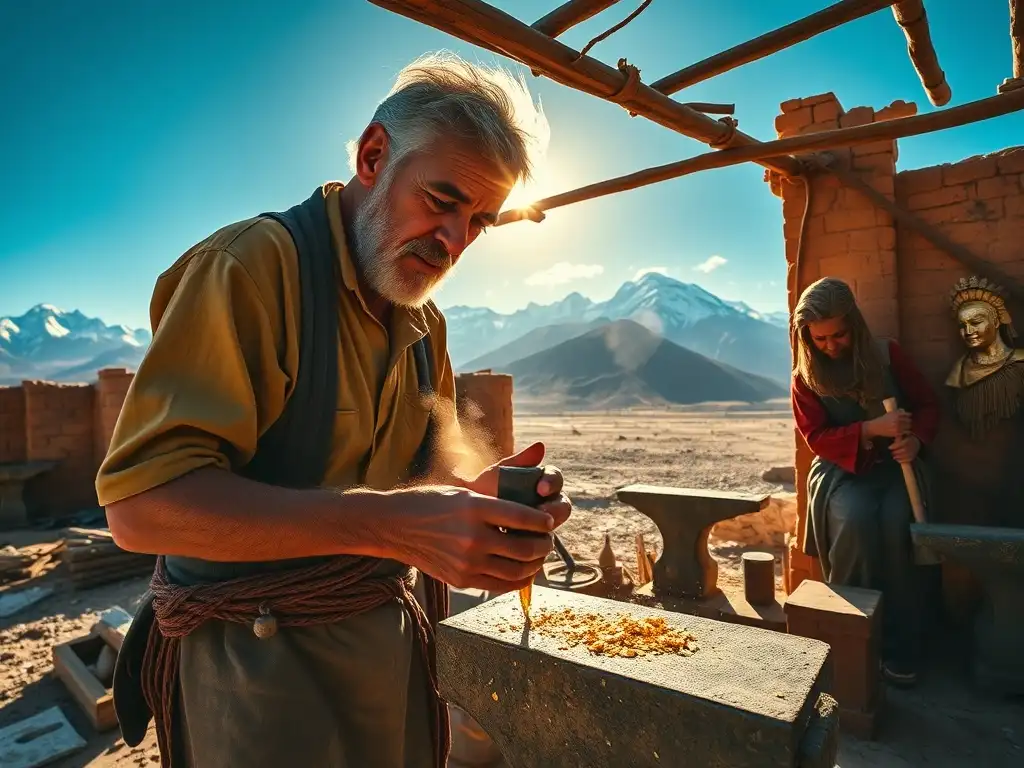
Step into a world lost to time, yet echoing with innovation and artistry. Prepare to be amazed by the ingenuity of the ancient Andean civilizations – from the Incas to the Nazca. This journey into their fascinating world begins with a deep dive into Andean metalworking techniques, a realm where artistry met scientific precision, forging a legacy that continues to captivate us today. Discover the secrets behind their breathtaking creations and unravel the mysteries of their advanced metallurgical prowess—the story is far more intricate than you might imagine. Dare to explore?
The Andes Mountains, a spine of towering peaks stretching along the western coast of South America, were home to a remarkable series of pre-Columbian civilizations. These cultures, including the Incas, Moche, Nazca, and Tiahuanaco, weren't just masters of agriculture, architecture, and intricate textiles; they were also pioneers in metallurgy, developing sophisticated techniques that continue to amaze and inspire researchers today. This article delves into the fascinating world of Andean metalworking, exploring the intersection of artistic expression, scientific innovation, and cultural significance that defined their metallurgical achievements.
We'll examine the specific techniques employed, the materials used, and the profound impact these advancements had on Andean societies, showcasing how their mastery of Andean metalworking techniques significantly shaped their identities and legacies. Prepare to be captivated by the ingenuity and artistry of these ancient metalworkers.
Materials and Sourcing: The Foundation of Andean Metalworking
Andean metallurgy relied on a diverse range of metallic ores found within the Andes themselves. Gold, silver, copper, and bronze – alloys of copper and tin – were the most commonly used metals. The sourcing of these ores was crucial, often involving extensive networks of trade and exchange across significant geographical distances.
For example, tin, a vital component of bronze, was not readily available in all regions, necessitating complex trade routes to secure this essential ingredient. The meticulous selection and preparation of these raw materials formed the bedrock of their sophisticated metalworking techniques. Evidence suggests a deep understanding of geological formations and mineral deposits, highlighting the advanced knowledge possessed by Andean metallurgists.
Detailed archaeological studies have revealed specific mining sites and processing techniques, demonstrating a sophisticated understanding of both extraction and refinement. The quality and consistency of the ores directly impacted the final product, emphasizing the critical role of material sourcing in achieving the high standards of Andean metalwork.
Techniques and Processes: From Ore to Ornament
The transformation of raw ores into intricate artifacts involved a series of complex and refined techniques. These included:
- Smelting: Heating ores to high temperatures to extract the pure metal. Andean metallurgists utilized various types of furnaces, often employing sophisticated air-blowing systems to achieve the necessary temperatures.
- Alloying: Combining different metals to create alloys with desired properties. The precise ratios of copper and tin used in bronze production, for example, were carefully controlled to achieve specific colors and hardness.
- Casting: Pouring molten metal into molds to create specific shapes. Andean cultures developed intricate lost-wax casting techniques, allowing for the creation of incredibly detailed and complex forms.
- Hammering and Repoussé: Shaping metal through repeated hammering and striking techniques, often from the reverse side to create three-dimensional forms. Repoussé was particularly important in creating detailed relief work.
- Inlay and Overlay: Decorating metal objects by embedding or layering different metals to create intricate patterns and designs. This technique showcases the exceptional skill and artistry of Andean metalworkers.
- Gilding: Applying a thin layer of gold to other metals to enhance their appearance. This technique was frequently employed to embellish silver and copper objects.
The Cultural Significance of Andean Metallurgy
Andean metalworking was far more than a mere technological achievement; it was deeply intertwined with the cultural and religious beliefs of these societies. Metal objects, particularly gold and silver items, held significant symbolic meaning, frequently associated with power, divinity, and status. Elaborate gold and silver ornaments adorned elite individuals, signifying their social standing and connection to the supernatural realm.
The intricate designs and motifs found on these artifacts often depicted mythological figures, celestial bodies, and other culturally significant symbols. The creation and use of these objects served to reinforce social hierarchies and express complex religious beliefs. The artistry and technical proficiency displayed in Andean metalwork stand as a testament to their cultural richness and sophisticated worldview.
The sheer number and variety of surviving artifacts demonstrate the widespread prevalence and importance of metalworking in Andean life. Moreover, the continuity and evolution of techniques across different cultures and time periods highlight the enduring significance of this craft within Andean societies. The legacy of Andean metalworking continues to resonate today, inspiring awe and admiration for the ingenuity and artistry of these ancient civilizations.
Andean Metalworking Techniques: A Legacy of Innovation
The legacy of Andean metalworking extends far beyond the impressive array of surviving artifacts. Their innovative techniques, materials, and artistic expressions continue to inspire contemporary artists and scientists. The precise control over alloying, the mastery of casting, and the intricate designs demonstrate an advanced understanding of material science and artistic expression. Studying these techniques provides invaluable insights into the scientific and technological capabilities of these ancient societies, challenging preconceived notions about their technological achievements.
The detailed understanding of Andean metalworking techniques contributes to a richer and more nuanced appreciation of the Andean civilizations, highlighting their creativity, ingenuity, and significant contributions to the history of metallurgy. Their impact is evident not only in the artistic masterpieces they created but also in the enduring legacy of their knowledge and skills. 🌎
- Materials and Sourcing: The Foundation of Andean Metalworking
- Techniques and Processes: From Ore to Ornament
- The Cultural Significance of Andean Metallurgy
- Andean Metalworking Techniques: A Legacy of Innovation
The Origins of Andean Metalworking
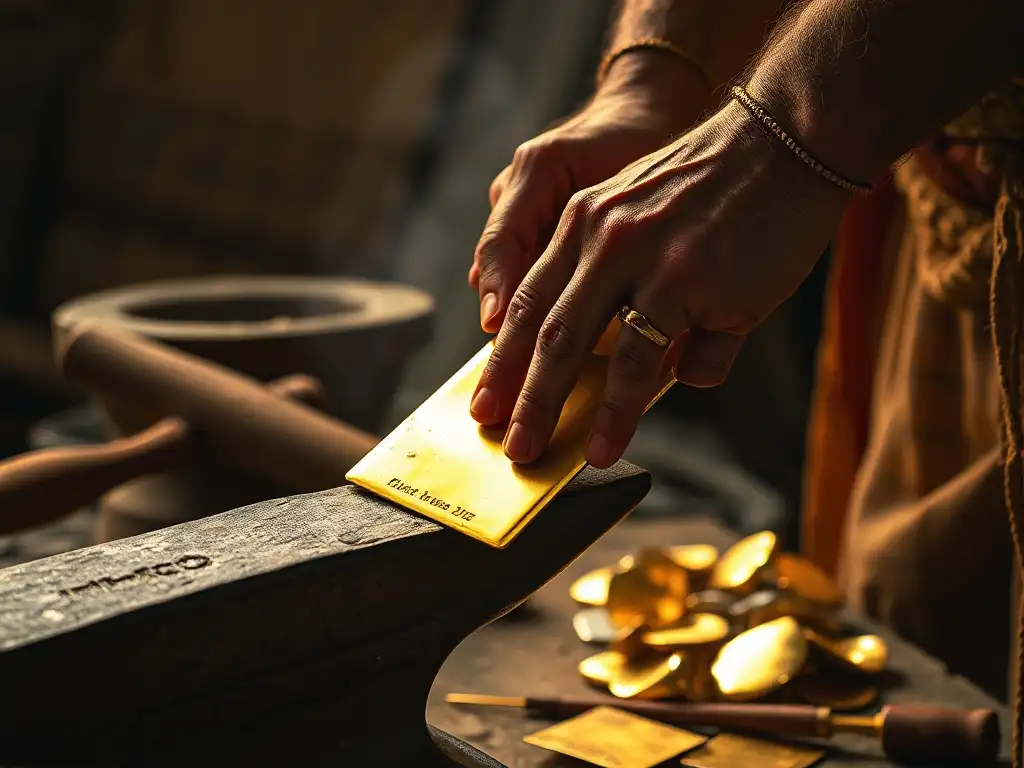
The origins of Andean metalworking are shrouded in some mystery, but archaeological evidence points to a fascinating evolution of techniques and artistry. The story begins not with a sudden burst of innovation, but a gradual process of experimentation and refinement spanning centuries. Understanding the Andean metalworking techniques requires appreciating this long trajectory.
Early attempts were rudimentary, reflecting a nascent understanding of the properties of metals and the processes required to manipulate them. However, even these initial efforts laid the foundation for the sophisticated metalwork that would characterize later Andean cultures. The transition from stone tools to metal tools represented a significant technological leap, impacting various aspects of Andean life, from agriculture to warfare.
Early Uses of Metals in the Andes
The earliest evidence of metal use in the Andes dates back to around 2000 BCE, with the appearance of native copper objects in the central Andes. These initial artifacts were primarily simple tools and ornaments, hammered from naturally occurring copper nuggets. The process was relatively straightforward, involving heating the copper to make it more malleable and then shaping it through repeated hammering. This period represents a crucial step in the development of Andean metalworking techniques, showcasing the initial experimentation with metal manipulation.
Evidence suggests that these early metalworkers likely learned through observation and trial-and-error, gradually refining their techniques over time. The limited availability of native copper initially restricted metalworking to a small scale, with production likely concentrated in specific regions with access to copper deposits. The scarcity of the material also contributed to its value as a prestigious material used for ceremonial objects.
The Development of Andean Metal Craftsmanship
Over time, Andean metalworkers developed increasingly sophisticated techniques. The discovery of alloying—the combining of different metals to create new materials with improved properties—marked a major turning point. By combining copper with tin or arsenic, they were able to produce bronze, a harder and more durable material than pure copper.
This innovation significantly expanded the possibilities of metalworking, allowing for the creation of more complex and intricate objects. The development of bronze-working led to the production of sophisticated tools, weapons, and ornaments. The craftsmanship evident in these objects demonstrates a growing understanding of metallurgical processes and a remarkable level of artistic skill.
This period also saw the emergence of specialized workshops and the development of a more formal division of labor. The increasing complexity of metalworking suggests a growing social organization and the development of specialized knowledge passed down through generations of artisans. The production of elaborate gold and silver objects further showcases the advanced Andean metalworking techniques achieved during this era.
Unique Characteristics of Andean Metallurgy
What truly sets Andean metallurgy apart is its unique combination of technical skill and artistic expression. Andean metalworkers were not simply technicians; they were artists who imbued their creations with symbolic meaning and cultural significance. The use of diverse techniques, such as hammering, casting, repoussé (hammering from the back to create relief), and filigree (creating delicate patterns from thin wires), showcases a remarkable range of skills.
Furthermore, the use of different metals—gold, silver, copper, bronze, and their alloys—allowed for a wide variety of colors and textures. This diversity is evident in the elaborate ornaments, ceremonial objects, and tools produced by Andean cultures. The incorporation of precious metals like gold and silver into their work reflects the cultural value placed on these materials and their association with power, wealth, and divinity.
The intricate designs and motifs found in Andean metalwork often depict religious figures, mythological creatures, and scenes from daily life, providing valuable insights into Andean cosmology and worldview. The sophisticated Andean metalworking techniques are a testament to the ingenuity and artistic talent of these ancient civilizations. Further research is needed to fully understand the specific techniques employed in different regions and periods, but the existing evidence clearly demonstrates the remarkable achievements of Andean metalworkers.
Andean Metalworking Techniques: A Detailed Exploration
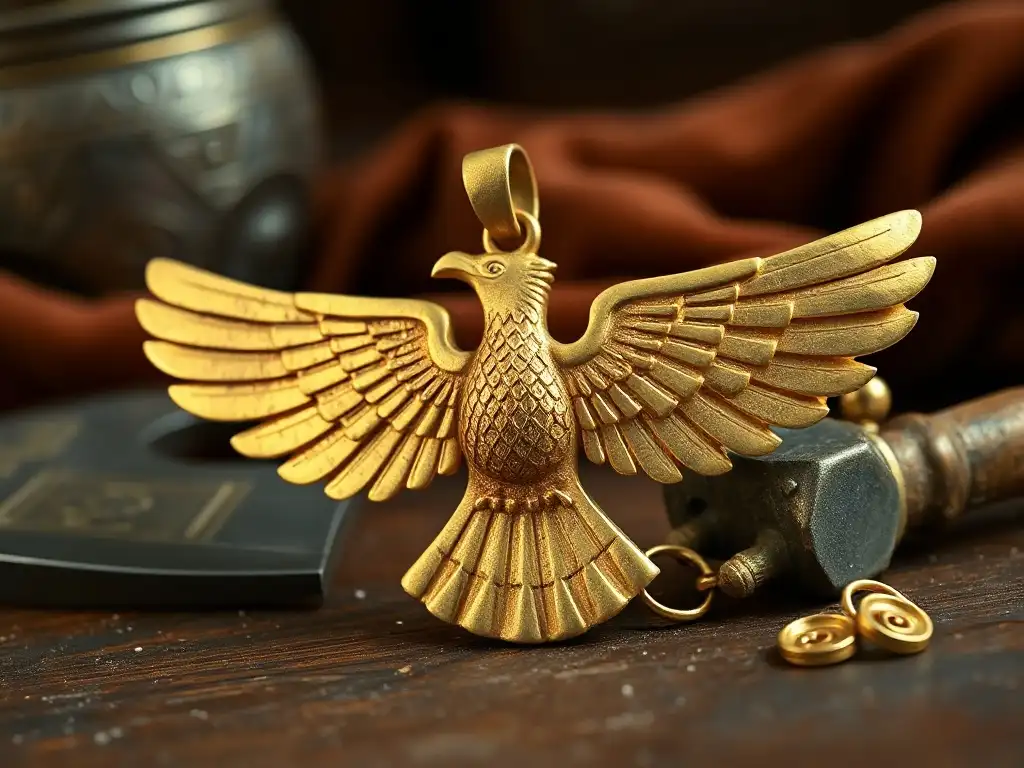
This section delves into the sophisticated techniques employed by Andean civilizations in their mastery of metalworking, showcasing their advanced understanding of metallurgy and its profound cultural significance. The skill and artistry involved in Andean metalworking are evident in the surviving artifacts, which range from intricate jewelry to imposing ceremonial objects. Understanding these techniques provides crucial insight into the social structures, religious beliefs, and technological prowess of these remarkable societies. The term "Andean metalworking techniques" encompasses a broad range of processes, reflecting both regional variations and technological advancements over centuries.
Smelting and Alloying Processes in the Andes
Andean metallurgists demonstrated remarkable proficiency in smelting various metals, primarily copper, gold, silver, and tin. The smelting process, involving heating ores to extract the pure metal, varied depending on the ore's composition and the available fuel. Archaeological evidence suggests the use of both low-temperature and high-temperature furnaces, often constructed from clay or stone. The ingenuity of Andean engineers is apparent in their ability to control the temperature and airflow within these furnaces, achieving consistently high-quality metal.
The creation of alloys, particularly bronze (a copper-tin alloy), was another significant achievement. The precise proportions of copper and tin were carefully controlled to achieve specific properties, such as hardness and malleability. Analysis of Andean bronze artifacts reveals a sophisticated understanding of alloying, indicating a level of metallurgical knowledge comparable to that of other ancient civilizations.
For example, the Moche culture is known for its exceptional bronzework, demonstrating a mastery of alloy composition and casting techniques. The precise ratios of copper and tin used varied across different regions and time periods, reflecting both local resource availability and stylistic preferences. Further research into the specific chemical compositions of these alloys could reveal more about regional variations in Andean metalworking practices.
Cold Hammering and Annealing Techniques
Beyond smelting and alloying, Andean metalworkers employed advanced shaping techniques, most notably cold hammering and annealing. Cold hammering involved repeatedly striking the metal with hammers to shape it into the desired form. This required considerable skill and precision, as excessive force could easily damage or fracture the metal. The process was often complemented by annealing, a heat treatment process that softens the metal, making it more malleable and less prone to cracking. This cyclical process of hammering and annealing allowed Andean artisans to create incredibly intricate and detailed objects.
The mastery of cold hammering and annealing is especially evident in the creation of thin sheets of gold and silver, often used for decorative purposes. The ability to create such thin, yet durable, sheets speaks volumes about the skill and patience of Andean metalworkers. Furthermore, the precision required to create intricate designs through cold hammering is truly remarkable.
The creation of complex motifs, such as those found in Inca goldwork, necessitates a high level of dexterity and a deep understanding of the metal's properties. Unfortunately, the exact techniques used for annealing—the temperatures and durations—remain partially unknown and require further investigation through metallurgical analysis of surviving artifacts.
Gilding and Plating Methods in Andean Metallurgy
Gilding, the application of a thin layer of gold to a base metal, and plating, a similar process using other metals like silver, were highly developed techniques in Andean metallurgy. These techniques enhanced the aesthetic appeal of objects and often held symbolic significance. The methods employed for gilding and plating varied, but often involved applying a thin sheet of gold or silver to the surface of the base metal, followed by hammering or other techniques to secure it.
The use of mercury amalgamation in gilding is well-documented. This process involved mixing gold with mercury to create an amalgam, which could then be applied to the surface of the object. The mercury would then be evaporated, leaving behind a thin layer of gold. However, this process was potentially hazardous, highlighting the risks taken by Andean artisans to achieve aesthetically stunning results.
The precision and control demonstrated in gilding and plating are noteworthy, as the resulting layers are often remarkably thin and evenly distributed, showcasing an advanced understanding of surface treatment techniques. Variations in techniques across different Andean cultures and time periods warrant further research to fully understand the evolution and geographical distribution of these sophisticated metalworking practices. The enduring legacy of these techniques is evident in the exquisite beauty and enduring quality of surviving Andean metalwork.
Advanced Casting Methods Used by Andean Cultures
Andean metalworkers demonstrated a mastery of casting techniques far surpassing those of many contemporaneous cultures. Their advancements weren't simply about replicating forms; they involved sophisticated processes that allowed for intricate designs and large-scale production. This wasn't a monolithic achievement; different cultures, like the Moche and Incas, refined and adapted techniques, leading to regional variations in style and approach.
The sheer scale of some of their castings—especially in the production of ceremonial objects—speaks volumes about their organizational abilities and technological prowess. For example, the creation of large, intricately decorated gold sheets required a deep understanding of alloying, mold-making, and heat control.
One key innovation was the development of lost-wax casting, also known as cire perdue. This method allowed for the creation of highly detailed and complex objects. The process involved creating a wax model of the desired object, covering it in a clay mold, melting out the wax, and then pouring molten metal into the resulting cavity.
The precision required to create the wax models and the control needed over the heating and cooling processes speaks to a high level of technical skill. The use of multiple molds for a single piece, as evidenced in some Moche artifacts, further highlights the sophistication of their casting techniques. This allowed for the creation of larger pieces that would have been impossible with a single mold.
Beyond lost-wax casting, Andean metalworkers employed other advanced techniques. They were skilled in sand casting, which involved creating molds from sand and clay mixtures. While seemingly simpler than lost-wax, sand casting demanded precise control over the sand's consistency and the temperature of the molten metal to prevent cracking or deformation.
Evidence suggests they also used investment casting, a variation of lost-wax casting, involving a more durable investment material around the wax model. This could have allowed for more intricate details and repeated use of the molds, maximizing efficiency in production. The mastery of these varied casting methods allowed for the creation of a diverse range of objects, from small figurines to large ceremonial vessels and tools.
The application of these techniques demonstrates a deep understanding of material properties and a commitment to refining metallurgical processes. The sheer volume and variety of surviving artifacts showcasing these techniques stand as a testament to the enduring skill and ingenuity of Andean metalworkers. Further research into specific examples from different Andean cultures is needed to fully understand the nuances of their regional variations in casting.
The Role of Andean Metallurgy in Society and Culture
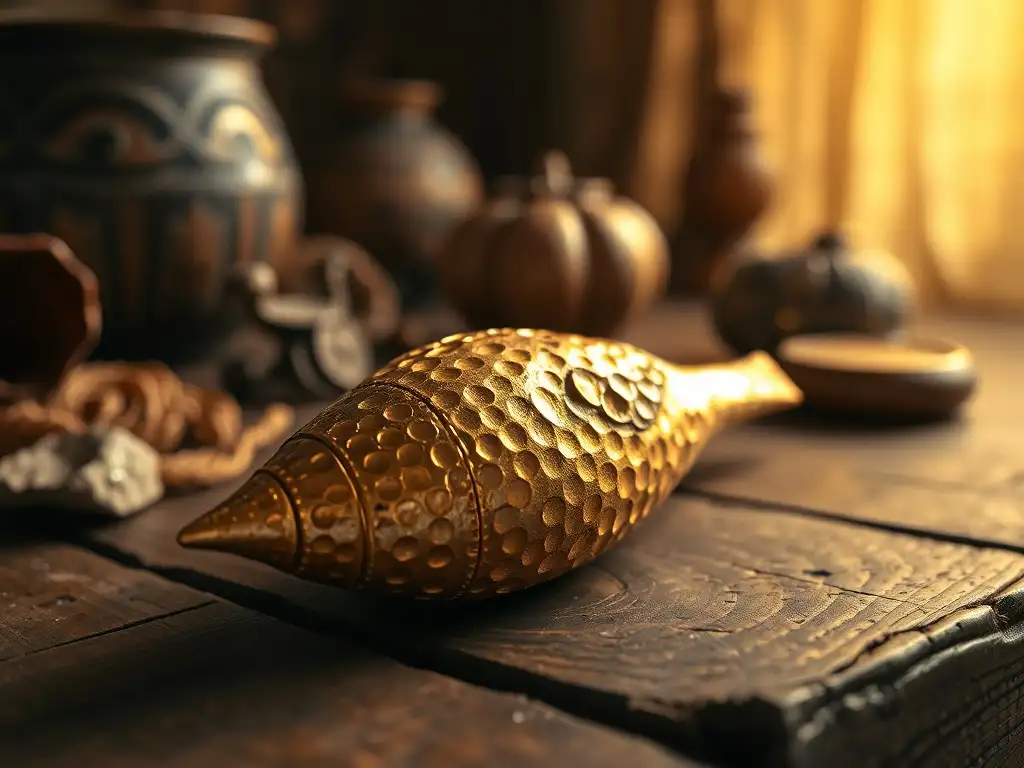
Andean metallurgy wasn't merely a technological achievement; it was deeply intertwined with the social fabric and cultural expressions of the Andean civilizations. The mastery of metalworking profoundly impacted social structures, religious practices, and artistic endeavors, leaving an indelible mark on the region's history. Understanding the role of Andean metalworking techniques reveals a sophisticated society where metal held immense symbolic and practical significance. The techniques themselves, passed down through generations, represent a remarkable feat of human ingenuity and a testament to the Andean peoples' resourcefulness and creativity.
The sheer artistry and complexity of many pieces demonstrate a level of skill that continues to amaze and inspire researchers today. The distribution and types of metal objects discovered across various Andean sites further illuminate the intricate connections between metalworking and the broader societal context. Analysis of these artifacts reveals much about trade networks, political power dynamics, and religious beliefs.
Metal Objects as Symbols of Status and Power
The possession of metal objects, particularly those crafted from gold, silver, and copper alloys, served as a powerful indicator of social status and political power within Andean societies. Elaborate gold ornaments, such as crowns, necklaces, and ear spools, were often reserved for elites, signifying their high rank and divine connection.
The intricate craftsmanship and use of precious metals further emphasized the wearer's privileged position. For instance, the discovery of numerous gold tumbaga (a gold-copper alloy) artifacts in royal tombs underscores their importance as symbols of regal authority.
The scale and complexity of these pieces, some weighing several kilograms, highlight the significant investment of resources and labor involved in their creation, further reinforcing their status as markers of power. Furthermore, the stylistic variations in metalwork across different regions and time periods suggest the existence of distinct workshops and lineages of master artisans, whose services were likely highly valued and controlled by the ruling class.
Religious and Ritualistic Uses of Metals
Beyond their societal value, metals played a significant role in Andean religious practices and rituals. Metal objects were frequently used in ceremonies, often associated with deities and the supernatural world. For example, intricately crafted gold and silver figurines of deities and animals were found in ceremonial contexts, suggesting their use in rituals aimed at appeasing the gods or ensuring successful harvests.
The use of specific metals in certain rituals might also have held symbolic meaning. Gold, with its association with the sun and its brilliance, was likely linked to solar deities and concepts of power and immortality. Silver, on the other hand, may have been associated with the moon or other celestial bodies.
The careful placement of metal artifacts in tombs suggests beliefs about the afterlife and the continued importance of these objects in the spiritual realm. Further research into the chemical composition of ritual objects could provide additional insights into the symbolic significance of specific alloys and their connection to Andean cosmology.
Metalworking as an Art Form in Andean Civilizations
Andean metalworking wasn't simply a craft; it was a sophisticated art form. The artisans demonstrated remarkable skill in techniques such as hammering, casting, soldering, and repoussé (a metalworking technique where a design is hammered into the back of the metal sheet to create a raised image on the front). These techniques, combined with a deep understanding of metallurgy, allowed them to create incredibly detailed and lifelike representations of animals, deities, and other symbolic figures.
The sheer variety of forms and styles across different Andean cultures showcases the remarkable creativity and innovation of the metalworkers. Consider the intricate detail in Moche goldwork, the monumental scale of some Tiahuanaco artifacts, or the delicate precision of Nazca copper alloys. Each civilization developed its unique aesthetic, reflecting its own artistic traditions and cultural values.
The artistry of Andean metalworking is a testament to the skill and imagination of these ancient artisans, whose legacy continues to inspire awe and admiration today. The development of these techniques represents a significant contribution to the history of human ingenuity and artistic expression. Further study of these techniques could lead to a better understanding of the social organization of Andean workshops and the transmission of knowledge across generations.
Andean Metalworking Across Different Cultures
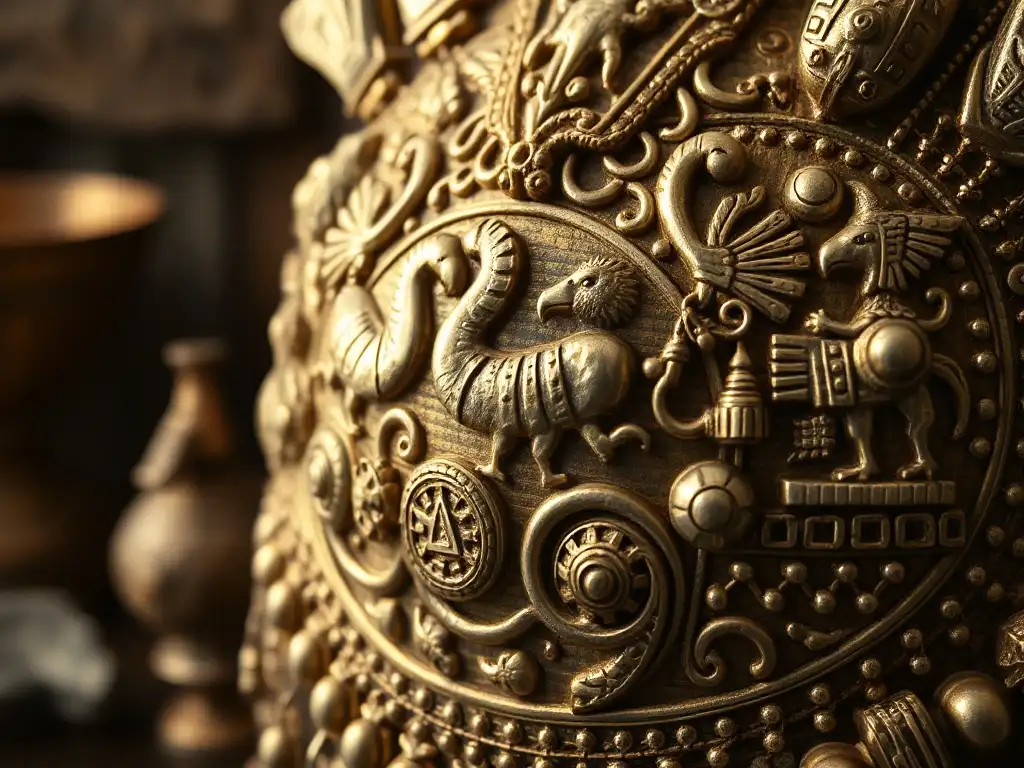
This section delves into the diverse and sophisticated metalworking techniques employed by various Andean cultures. While sharing some common threads, each civilization developed unique styles and approaches, reflecting their individual artistic sensibilities and technological capabilities. Understanding these variations provides crucial insight into the complexity of Andean societies and their mastery of metallurgy.
The development of Andean metalworking techniques wasn't a uniform process; rather, it was a dynamic interplay of innovation, cultural exchange, and adaptation to available resources. We will explore the unique approaches of the Moche, Inca, and Tiahuanaco civilizations, highlighting their distinct contributions to the rich legacy of Andean metalworking.
The Metal Artistry of the Moche Civilization
The Moche (100-800 CE), known for their intricate pottery and impressive architecture, were also master metalworkers. Their artistry is characterized by a remarkable realism and attention to detail. Unlike some other Andean cultures that primarily used gold and silver, the Moche also extensively worked with copper and alloys, often creating complex objects with multi-colored surfaces achieved through a combination of techniques.
The Moche's metalworking techniques included hammering, casting (using the lost-wax method), and repoussé (a process of shaping metal from the back). They created a wide range of objects, from elaborate headdresses and ceremonial masks to delicate jewelry and functional tools. Their expertise in alloying allowed them to create a variety of colors and textures, adding depth and complexity to their creations. For example, they frequently used a copper-arsenic alloy to achieve a distinctive golden hue.
Many examples of Moche metalwork depict scenes from their mythology and daily life, providing invaluable insights into their beliefs and social structures. The detailed rendering of human figures, animals, and plants showcases their remarkable skill and artistic vision. The use of intricate designs and the high level of craftsmanship reflect the significant social and religious importance attributed to metal objects within Moche society. The preservation of many of these artifacts allows modern researchers to study and appreciate the sophistication of Moche metalworking.
Inca Metalworking: Imperial Craftsmanship
The Inca Empire (1438-1533 CE) inherited and refined existing Andean metalworking traditions, establishing highly organized workshops and employing specialized artisans. Inca metalwork is characterized by its grandeur and imperial style, often featuring large-scale objects and intricate designs reflecting the power and prestige of the Inca rulers. Gold, silver, and copper were the most commonly used metals, frequently combined in complex alloys to achieve specific colors and effects.
Inca metalworkers mastered various techniques, including hammering, casting, gilding, and inlaying. They produced a wide variety of objects, including ceremonial vessels, jewelry, weaponry, and agricultural tools. The use of gold and silver, especially in royal contexts, symbolized the Inca's power and control over resources. The Inca's sophisticated metallurgical knowledge allowed them to create incredibly thin sheets of gold and silver, a testament to their advanced techniques and expertise in hammering and annealing.
The Inca's organizational prowess is reflected in the standardized production of certain objects, suggesting a degree of mass production for certain items. However, their workshops also produced highly individualized and unique pieces, particularly for the elite. The Inca state controlled the production and distribution of precious metals, emphasizing the metalworking craft's central role in the imperial system.
The level of detail and precision found in Inca metalwork is truly remarkable, demonstrating the high skill level of the artisans and the importance of metalwork within Inca society. This level of control over materials and production stands as a testament to the advanced organization and sophistication of the Inca state.
Tiahuanaco Metal Techniques and Styles
The Tiahuanaco culture (500-1000 CE), situated in the high Andes of Bolivia, developed distinctive metalworking techniques, characterized by a unique style and the use of relatively limited materials compared to other Andean cultures. While they didn't produce the sheer volume of metalwork as the Inca or Moche, their pieces are striking for their elegance and symbolic significance. Their expertise lay particularly in the use of copper and bronze, often creating meticulously crafted objects with symbolic designs.
Tiahuanaco metalworkers employed techniques such as casting, hammering, and repoussé. They favoured geometric patterns and stylized representations of animals and humans, reflecting their distinct artistic conventions. Their artifacts often feature intricate details and high levels of craftsmanship, showcasing their technical skills and aesthetic preferences. The relatively small number of surviving Tiahuanaco metal artifacts suggests that these objects held a special status within their society, possibly reserved for religious or ceremonial use.
Further research is needed to fully understand the role and significance of metalworking within Tiahuanaco society. The scarcity of surviving artifacts, however, doesn't diminish the importance of their unique artistic contributions to the broader tapestry of Andean metallurgy. The precision and symbolic weight embedded in their metalwork underscore their place within the rich history of Andean metalworking techniques.
The Legacy of Andean Metalworking in Contemporary Art
The intricate artistry and technical prowess displayed in ancient Andean metalworking continue to inspire contemporary artists. Many modern artisans draw directly from the techniques and aesthetics of their ancestors, creating stunning pieces that blend tradition with innovation. This resurgence isn't merely a nostalgic revival; it's a dynamic engagement with a cultural heritage that remains profoundly relevant. We see this influence in jewelry design, sculpture, and even installations, where the shimmering allure of gold and silver, combined with the sophisticated techniques of hammering, repoussé, and casting, are reinterpreted for modern audiences.
The use of pre-Columbian motifs – such as the iconic feline imagery frequently found in Moche goldwork or the stylized birds characteristic of Nazca artifacts – is a common thread in contemporary Andean art. These motifs, imbued with centuries of cultural significance, are reimagined in new contexts, reflecting both a deep respect for the past and a creative exploration of the present.
For example, contemporary jewelry makers often incorporate these ancient designs into their pieces, subtly blending the timeless elegance of the past with modern sensibilities in material and form. The result is a captivating fusion of ancient heritage and contemporary design, appealing to a global audience fascinated by the artistry and history of the Andes.
Furthermore, the study of ancient Andean metalworking techniques has directly informed contemporary conservation efforts. Understanding the methods used by ancient artisans allows experts to better preserve and restore existing artifacts. This detailed knowledge, gained through meticulous research and analysis, ensures that these invaluable cultural treasures can be appreciated and studied for generations to come.
The legacy of Andean metalworking thus extends beyond mere aesthetic appreciation; it plays a crucial role in safeguarding the cultural heritage of the region for future generations. The precise understanding of alloying techniques, for example, allows for more accurate and effective restoration of damaged pieces, preserving not only the visual aspects but also the historical and scientific value of the artifacts.
This interweaving of past and present is a testament to the enduring power of Andean metalworking. The techniques themselves, once viewed solely through a historical lens, are now seen as vital tools for the preservation and appreciation of a rich cultural legacy.
Significance of Andean Metalworking Techniques
Andean metalworking techniques represent a remarkable achievement in ancient technology, showcasing a sophisticated understanding of metallurgy far exceeding expectations for the time period. The skill and artistry involved in transforming raw materials into intricate objects of both practical and ceremonial use highlight the ingenuity and cultural depth of Andean civilizations. The development and refinement of these techniques were not merely technological advancements; they were deeply intertwined with social structures, religious beliefs, and artistic expression, shaping the very fabric of Andean societies.
Understanding these techniques allows us to appreciate the complex interplay between technological innovation, cultural identity, and societal organization in the Andes. The mastery of Andean metalworking, particularly evident in the production of gold, silver, copper, and bronze artifacts, underscores the significant role metallurgy played in defining Andean power structures and shaping their legacy.
Analyzing the techniques themselves provides crucial insights into the resource management strategies, trade networks, and social hierarchies that characterized these ancient cultures. The precision and artistry displayed in these artifacts continue to inspire awe and admiration, solidifying their position as a testament to human ingenuity and creativity.
Technological Innovation in Ancient Andean Metallurgy
The technological innovation in ancient Andean metallurgy is truly astounding. Consider the sophisticated techniques employed in alloying different metals. The Incas, for example, weren't simply melting copper and tin together; they developed precise ratios to create bronze with specific properties, ranging from hardness to malleability, depending on the intended application. This wasn't a matter of trial and error; evidence suggests a deep understanding of metallurgical processes, including heat treatment and annealing, allowing for fine control over the final product.
Furthermore, the development of advanced casting techniques, such as lost-wax casting, allowed for the creation of incredibly intricate and detailed objects. This method involved creating a wax model, covering it in clay, melting out the wax, and then pouring molten metal into the resulting mold. The precision required to produce objects with such fine detail is a testament to the skill and expertise of Andean artisans. Beyond casting, techniques like hammering, repoussé (hammering from the back to create relief), and chasing (smoothing and refining the surface) were refined to extraordinary levels, allowing for the creation of breathtakingly detailed artwork.
The use of different tools, including specialized hammers, anvils, and crucibles, further underscores the advanced nature of Andean metalworking. The discovery of ancient workshops and metallurgical sites provides tangible evidence of these processes, offering a glimpse into the daily lives and working environments of Andean metalworkers. These sites frequently reveal specialized tools and the remnants of metalworking processes, providing invaluable insights into the techniques employed.
The Impact of Andean Metal Craft on Global Metalworking
The impact of Andean metal craft extends far beyond the Andes themselves. While the specific techniques might not have been directly transmitted, the sheer artistry and sophistication of Andean metalworking undoubtedly influenced later metallurgical traditions across the globe. The innovative techniques employed in casting, alloying, and finishing metals provided a standard of excellence that inspired generations of metalworkers.
The aesthetic principles embedded in Andean metalwork, with its emphasis on intricate detail, symbolic imagery, and the use of precious metals, shaped artistic sensibilities in other cultures. While direct lines of influence are difficult to definitively trace, the overall advancement in metallurgical practices in the Americas undoubtedly stimulated innovation elsewhere. The sheer scale of production and the level of sophistication achieved by Andean civilizations served as a benchmark for later metalworkers, challenging them to push the boundaries of their own techniques.
Furthermore, the discovery and study of Andean metallurgical artifacts continue to inspire contemporary artists and craftspeople, demonstrating the enduring legacy of Andean metalworking traditions. The unique aesthetic and technical achievements of Andean metalworkers remain a source of inspiration and a testament to the enduring power of human creativity.
Preserving the Knowledge of Andean Metalworking
Preserving the knowledge of Andean metalworking techniques is crucial for understanding the rich cultural heritage of the Andes and for appreciating the ingenuity of ancient civilizations. This involves a multi-pronged approach, including archaeological research, ethnographic studies, and the active participation of contemporary artisans. Archaeological excavations continue to unearth new artifacts and metallurgical sites, providing invaluable insights into ancient practices. Careful analysis of these artifacts, using advanced scientific techniques, allows researchers to reconstruct the metallurgical processes employed and to better understand the materials used.
Ethnographic studies focusing on contemporary Andean communities that maintain traditional metalworking skills are equally important. These studies document the knowledge and practices that have been passed down through generations, offering a valuable link to the past. Moreover, supporting and promoting contemporary Andean metalworkers is essential for preserving this living heritage.
By providing opportunities for these artisans to practice and share their skills, we can ensure that these traditions are passed on to future generations. Finally, educational initiatives, including museum exhibitions, workshops, and publications, are crucial in raising awareness of the significance of Andean metalworking and in promoting its appreciation among a wider audience. The preservation of this knowledge is not merely an academic pursuit; it is a vital step in recognizing and celebrating the remarkable achievements of Andean civilizations and ensuring their legacy continues to inspire.
Frequently Asked Questions
What unique metalworking techniques did Andean civilizations employ?
Andean metalworkers were masters of lost-wax casting, a complex process allowing for intricate designs. They also excelled in hammering and repoussé, shaping thin sheets of metal into detailed forms, and alloying different metals to achieve desired colors and properties.
How did the Incas contribute to Andean metalworking?
The Inca Empire inherited and refined existing techniques, creating large-scale workshops producing items for the elite. Their work often featured gold and silver, reflecting their imperial power and sophisticated artistry. Alloying remained a crucial technique.
What were some common metals used by Andean civilizations?
Andean metalworkers primarily used gold, silver, copper, and bronze. They also utilized less common metals like platinum and tin for specific purposes, demonstrating their advanced metallurgical knowledge.
What was the purpose of Andean metalwork?
Metalwork served religious, ceremonial, and elite purposes. Objects ranged from ornate jewelry and ritual vessels to tools and weapons, reflecting the importance of metal in Andean societies.
How did the environment impact Andean metalworking techniques?
The availability of ores significantly influenced which metals were used and the scale of production. Geographical limitations also affected the development of specific techniques and the distribution of finished metalwork across different regions.
Final Reflection: Echoes of the Andes: A Legacy Forged in Metal
The intricate artistry of Andean metallurgy continues to resonate today, a testament to the ingenuity and cultural depth of ancient civilizations. Its sophisticated techniques, far from being relics of a bygone era, offer invaluable insights into the development of scientific understanding and artistic expression across cultures, challenging our modern assumptions about technological advancement and its relationship to societal progress. The precision and artistry displayed in these ancient artifacts remain astonishing, prompting ongoing research and inspiring contemporary artists alike.
The enduring power of Andean metalworking lies not only in its technical brilliance but also in its profound cultural significance. These objects – from delicate adornments to imposing ceremonial items – served as powerful symbols of status, spirituality, and social cohesion. They were integral to the fabric of Andean societies, shaping their beliefs, rituals, and interactions with the world. The metalworker was not merely a craftsman, but a shaman, a conduit between the earthly and spiritual realms.
This understanding underscores the holistic nature of Andean culture, where art, science, and spirituality were inextricably intertwined. The legacy of this integrated approach continues to inspire us to consider the interconnectedness of different aspects of human endeavor.
Consider the echoes of this ancient skill in your own life. How can we, in our modern world, strive to emulate the innovative spirit and artistic vision of the Andean metalworkers? Let the intricate designs and masterful techniques inspire you to explore the intersection of creativity and practicality in your own pursuits. Embrace the challenge of innovative thinking, and remember the enduring power of art to connect us across time and cultures. Let the legacy of Andean metallurgy serve as a reminder of the boundless potential of human ingenuity and the enduring beauty of cultural expression.
Unveil the Richness of Andean Metallurgy!
Thank you for exploring the fascinating world of Andean metallurgy! Your interest demonstrates a growing understanding of the remarkable interplay between art, science, and culture in this ancient tradition. Now, let's delve even deeper.
- **Learn more** about the techniques and materials used by ancient Andean civilizations by visiting our comprehensive guide on metallurgy here .
- **Share** your newfound knowledge! Discuss Andean metallurgy with friends, family, or in online forums to spark engaging conversations and inspire others.
- Consider **creating** your own artwork inspired by Andean techniques. Experiment with readily available materials—it's a fun and rewarding way to connect with the artistry of ancient artisans!
What aspect of Andean metallurgy captivates you most, and how do you envision its influence on contemporary art or technology? We'd love to hear your thoughts!