
Quechua's Enigmatic Origins: Unraveling the Roots of an Andean Language

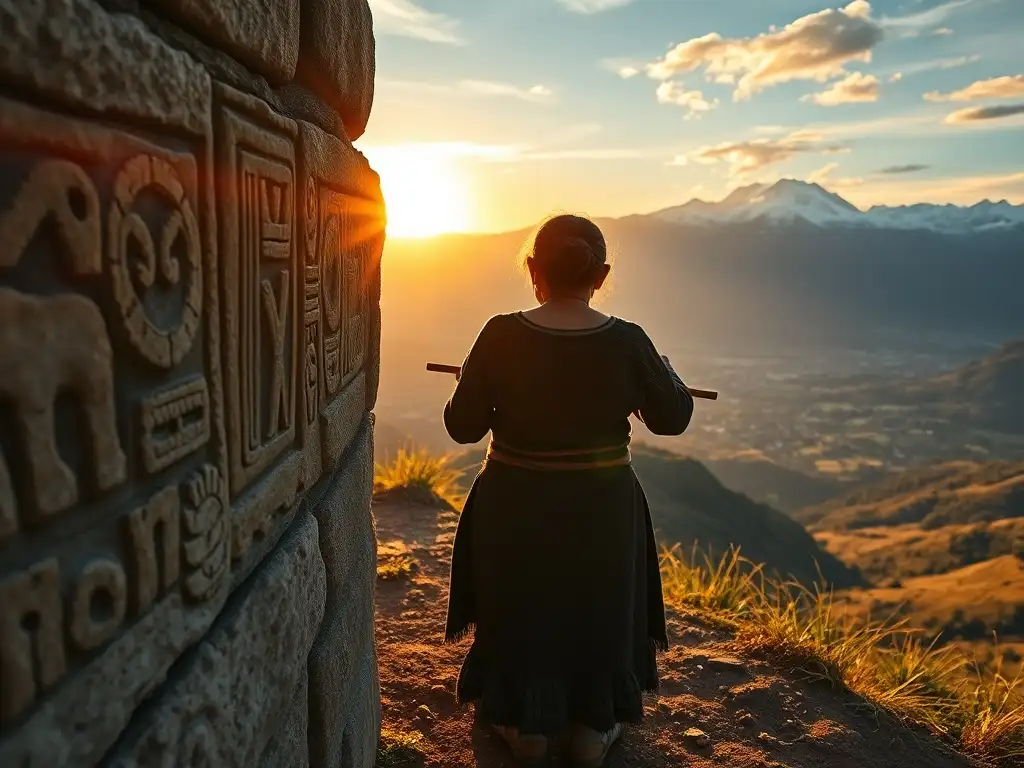
Welcome, explorer! Prepare to journey into the heart of the Andes, a land steeped in mystery and marvel. For centuries, the echoes of ancient empires have resonated through these towering peaks, leaving behind a legacy of breathtaking artistry and complex societies. But what secrets lie hidden within the very words spoken by these ancient peoples? Delve into the enigmatic origins of the Quechua language, a linguistic puzzle that holds the key to understanding the vibrant tapestry of Andean civilization. Discover the clues and unravel the mystery – your exploration begins now.
The Quechua language, a vibrant tapestry woven through the Andes Mountains for centuries, presents a captivating linguistic puzzle. Its enduring presence, encompassing numerous dialects spoken by millions across South America, begs the question: where did this influential language family originate?
This exploration delves into the fascinating history of Quechua, examining its potential roots, its relationship to other Andean languages, and the ongoing scholarly debate surrounding its enigmatic origins. We will journey through time, exploring the pre-Incan linguistic landscape and the evidence that sheds light on the complex evolution of this remarkable language, crucial to understanding the rich cultural heritage of the Andean civilizations.
Understanding Quechua's origins is key to appreciating the depth and complexity of Andean history and its enduring impact on the region's cultural identity. This investigation promises to unveil some of the secrets held within the intricate structure and vast vocabulary of Quechua, offering a deeper understanding of the "Quechua language origins".
Tracing the Ancestry of the Quechua Language Family
Pinpointing the exact origins of Quechua remains a challenge for linguists. While the language's current widespread use is largely associated with the Inca Empire's expansion, its roots extend far deeper into the Andean past. The Quechua language family itself is comprised of numerous dialects, exhibiting variations in vocabulary and pronunciation across different regions.
This diversity suggests a long history of independent development and adaptation within distinct Andean communities. Scholars propose several hypotheses regarding Quechua's ancestry, with some suggesting a connection to other language families in South America. The lack of extensive written records from the pre-Inca period complicates the process, forcing researchers to rely on comparative linguistics, analyzing similarities and differences between Quechua and its potential relatives to reconstruct its family tree.
The process is painstaking, involving meticulous comparison of phonetic structures, grammatical patterns, and vocabulary. The ongoing research utilizes advanced computational methods to analyze vast linguistic datasets, helping to refine our understanding of Quechua’s phylogenetic relationships. The quest to definitively trace Quechua's ancestry continues, promising further revelations as research progresses.
Pre-Incan Linguistic Landscape of the Andes
Before the Inca Empire's rise, the Andes were a mosaic of diverse languages and cultures. The linguistic landscape was far from uniform, with numerous language families flourishing across the varied geographical regions. Evidence from archaeological findings, such as inscriptions and pottery fragments, along with the analysis of surviving oral traditions, suggests a rich and complex interplay between different linguistic groups.
Understanding this pre-Incan linguistic context is crucial for interpreting the spread and evolution of Quechua. While the exact relationships between Quechua and its pre-Inca neighbors remain debated, it's clear that the language interacted significantly with other languages, resulting in linguistic borrowing and adaptation. This process of linguistic exchange is evidenced by the presence of loanwords in Quechua from other Andean languages, highlighting the dynamic linguistic environment of the time.
Further research, including detailed analysis of ancient texts and a more comprehensive understanding of pre-Columbian social structures, is needed to paint a more complete picture of the pre-Inca linguistic landscape and its influence on Quechua's development. The puzzle of Quechua's origins is inextricably linked to understanding this complex pre-Inca linguistic tapestry.
Theories on the Proto-Quechua Language
The origins of the Quechua language remain a subject of ongoing scholarly debate. Several theories attempt to explain its development and relationship to other language families. One prominent hypothesis suggests a common ancestor, a Proto-Quechua language, predating the Inca Empire.
Linguistic analysis focusing on shared vocabulary, grammar, and phonological features across various Quechua dialects supports this idea. However, pinpointing the exact geographical location and timeframe of this Proto-Quechua remains challenging due to limited written records from the pre-Inca period. Archaeological findings, while providing valuable contextual information, often lack direct linguistic evidence.
Further research, especially incorporating advanced computational linguistic tools and comparative analysis with other Andean language families, is essential to refine our understanding of Proto-Quechua. This includes investigating potential links to other indigenous languages spoken in the Andes, which could shed light on the broader linguistic landscape of the region and the possible migration patterns of Quechua-speaking groups. The absence of a clear consensus underscores the complexity of tracing the roots of this significant Andean language.
Quechua Language Diversification and Dialects
The Quechua language family is not monolithic; rather, it comprises a significant number of dialects, reflecting its long history and geographical spread across the Andean region. This diversification is a testament to the language’s resilience and adaptability over centuries. The variations among these dialects are substantial, ranging from subtle differences in pronunciation and vocabulary to more significant grammatical distinctions.
This linguistic diversity is not simply a matter of regional accents; it reflects the complex social, political, and geographical factors that have shaped the evolution of Quechua. The level of mutual intelligibility between different Quechua dialects varies considerably. Speakers of closely related dialects may find communication relatively easy, while those from geographically distant regions might experience greater difficulty understanding each other.
This linguistic fragmentation poses challenges for standardization efforts and educational initiatives aimed at preserving and promoting the Quechua language. However, the diversity also represents a rich tapestry of cultural expression and linguistic history.
The Spread of Quechua Across the Andean Region
The expansion of the Quechua language across the vast Andean region is inextricably linked to the rise and expansion of the Inca Empire. As the Inca state consolidated its power, Quechua, the language of the ruling class, gradually became a lingua franca, facilitating communication and administration across the empire's diverse populations. However, the process was not solely a top-down imposition. Existing linguistic and cultural interactions likely played a significant role in the spread of Quechua.
Trade routes, migration patterns, and intermarriage between Inca and conquered peoples all contributed to the adoption and adaptation of Quechua in different regions. The empire's extensive road network also facilitated the movement of people and ideas, further accelerating the language's dissemination. Even after the Spanish conquest, Quechua maintained its vitality in many areas, continuing to evolve and adapt to new social and political contexts.
Regional Variations in Quechua Vocabulary
The geographical diversity of the Andes has resulted in significant regional variations in Quechua vocabulary. Words for common flora and fauna, for example, often differ significantly between dialects spoken in different ecological zones. A word for a specific type of potato might be unique to a particular high-altitude valley, while terms for different camelids (llama, alpaca, vicuña, guanaco) might vary depending on the local species and their significance to the community.
These variations reflect the close relationship between language and environment, with Quechua adapting to the specific needs and experiences of its speakers in different regions. Moreover, cultural practices and social structures also influence vocabulary. Terms related to agriculture, kinship systems, and religious beliefs can vary considerably, reflecting the rich cultural diversity within the Quechua-speaking world.
Phonological Differences Among Quechua Dialects
Beyond vocabulary, significant phonological differences exist among Quechua dialects. These variations involve pronunciation, syllable structure, and the inventory of sounds (phonemes). For example, certain consonants or vowels might be present in one dialect but absent in another. The stress patterns in words can also vary, impacting the rhythm and intonation of speech.
These phonological differences can sometimes lead to significant challenges in mutual intelligibility between speakers of different dialects. The variations are not random; they often reflect historical sound changes and linguistic contact with other languages. Detailed phonological studies are crucial for understanding the historical relationships between different Quechua dialects and for developing effective language preservation and revitalization programs. These differences highlight the intricate linguistic tapestry woven across the Andean landscape, emphasizing the need for nuanced approaches in documenting and understanding Quechua's rich linguistic heritage.
Quechua and its Relationship with Other Andean Languages
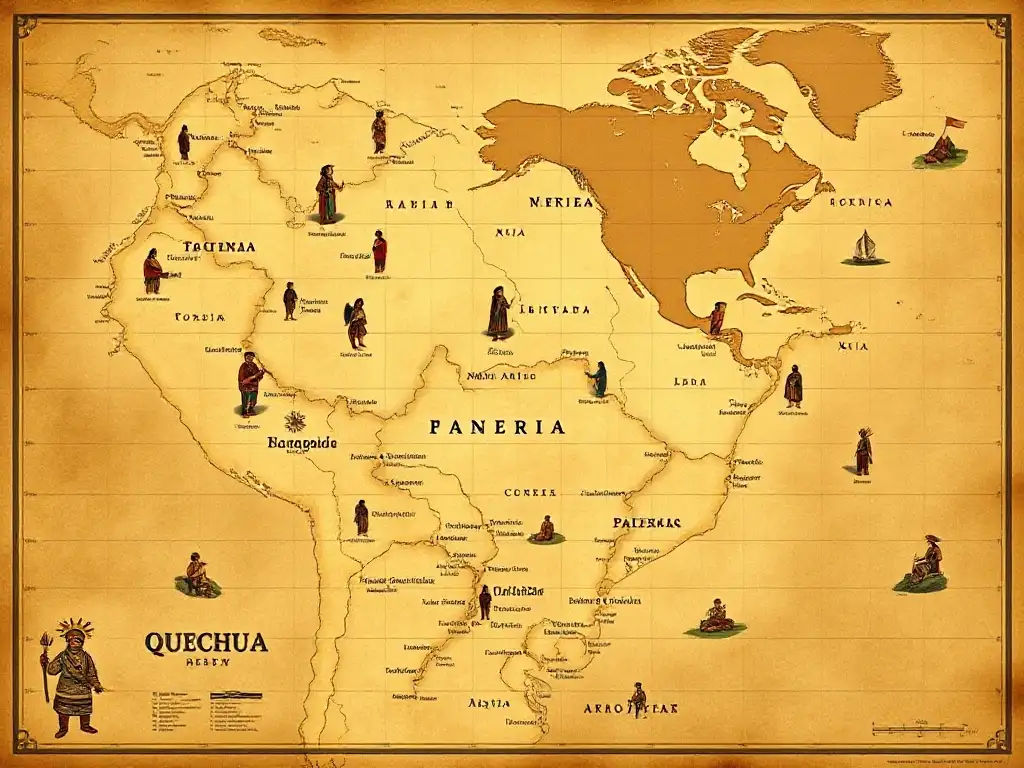
Quechua's position within the Andean linguistic landscape is complex and fascinating. While it's the most widely spoken indigenous language family in the Andes, its relationship with other language families remains a subject of ongoing linguistic research. Scholars continue to debate the precise connections and the extent of shared ancestry. The lack of extensive written records for many pre-Columbian Andean languages adds another layer of difficulty to this research.
However, careful comparative analysis of vocabulary, grammar, and phonology provides crucial insights into potential relationships. Understanding these relationships helps us paint a richer picture of the cultural exchange and migrations that shaped the Andean region. The intricate interplay between languages reflects the complex history of the region, a history of both cooperation and conflict between different groups. This linguistic diversity underscores the richness and resilience of Andean cultures.
Similarities and Differences with Aymara
Aymara, another prominent Andean language, is often compared with Quechua due to their geographic proximity and shared presence in the Andes. While both languages exhibit a significant number of differences in their grammatical structures and vocabulary, some scholars suggest a possible distant genetic relationship. These similarities are often subtle, requiring in-depth analysis to discern. For instance, certain morphological patterns or shared root words might point to a common ancestor, although the exact nature of the relationship remains a topic of debate among linguists.
Conversely, their distinct phonological systems and grammatical structures clearly indicate significant independent development over millennia. The differences are as crucial to understanding their evolutionary trajectories as the similarities are to tracing potential ancestral links. Further research into deeper linguistic structures and the study of ancient dialects is needed to fully elucidate the relationship between Quechua and Aymara.
Exploring Connections with Puquina
Puquina, an extinct language once spoken in the southern Andes, presents another intriguing case for Quechua's linguistic connections. While less is known about Puquina due to its extinct status, some researchers have suggested potential links with Quechua, based on limited surviving textual fragments and archaeological evidence. These suggested connections remain highly speculative, however, as the available data are fragmented and insufficient for definitive conclusions.
The challenge lies in the scarcity of reliable data about Puquina, making it difficult to conduct robust comparative studies. More research into the surviving Puquina texts and archaeological context is crucial before any firm conclusions can be drawn about its relationship with Quechua or other Andean languages. The mystery surrounding Puquina adds another layer of complexity to the study of Andean linguistic history.
The Inca Empire's Role in Quechua's Expansion
The Inca Empire's rise to power significantly impacted the trajectory of the Quechua language. The Inca's administrative prowess and their strategic use of language played a pivotal role in shaping the linguistic landscape of the Andes. This period witnessed the unprecedented expansion of Quechua, transforming it from a regional language into the dominant language across a vast empire. This linguistic dominance was not imposed by force alone, but rather through a combination of political strategy, administrative efficiency, and cultural influence. The Inca's sophisticated system of communication and governance facilitated the spread of Quechua throughout the empire.
Quechua as the Lingua Franca of the Inca Empire
The Inca Empire's remarkable administrative efficiency relied heavily on the use of Quechua as a lingua franca. While the empire encompassed diverse linguistic groups, Quechua served as a common language for communication between different regions and ethnicities. This facilitated trade, administration, and cultural exchange across the vast expanse of the empire.
The strategic implementation of Quechua as a common language ensured smoother interactions between different parts of the empire and streamlined administrative processes. The adoption of Quechua wasn’t always uniform or immediate; resistance and adaptation varied across different regions and communities. Yet, its widespread adoption as a lingua franca undeniably contributed to its dominance in the Andes.
Impact of Inca Administration on Quechua Language
The Inca administration's influence on the Quechua language was multifaceted. The standardization of administrative practices and the creation of a centralized bureaucracy led to a degree of standardization in Quechua itself. While regional variations persisted, the empire's centralized administration promoted a degree of linguistic uniformity, particularly in official contexts.
This standardization, however, wasn't necessarily a top-down imposition but rather a natural outcome of increased interaction and communication facilitated by the empire. The impact extended beyond standardization; the empire's extensive road network and communication systems fostered the spread of Quechua dialects and vocabulary, further enriching the language and contributing to its continued evolution. The Inca's influence on the language is a testament to the power of centralized governance in shaping linguistic landscapes.
Quechua's Evolution After the Spanish Conquest
The arrival of the Spanish in the 16th century dramatically altered the trajectory of the Quechua language. Prior to the conquest, various Quechua dialects existed, exhibiting significant regional variations. The imposition of Spanish as the official language led to a decline in the use of Quechua, particularly in urban centers and among the elite.
However, Quechua's resilience is remarkable. It persisted in rural communities, maintaining its vitality despite centuries of suppression. This survival is largely attributable to the strong cultural ties associated with the language, its deep embedding in indigenous identities and traditions, and its continued use in everyday life, particularly in agriculture and social interactions.
The colonial period saw a standardization effort, albeit imposed and often incomplete, leading to the emergence of a more uniform, albeit still diverse, Quechua linguistic landscape. This standardization, driven largely by religious institutions and educational initiatives (though often with a Spanish-centric bias), impacted the language's grammar and vocabulary, influencing the dialects spoken today. The process was uneven, however, resulting in a complex interplay between standardization pressures and the preservation of local linguistic features.
Quechua Under Spanish Colonial Rule
Spanish colonial rule profoundly impacted Quechua. While the Spanish crown initially attempted to suppress indigenous languages, including Quechua, its practical application varied across different regions and time periods. In some areas, Quechua continued to be used extensively in daily life, even in interactions with Spanish officials, especially in rural settings where Spanish penetration was limited.
The Church, while promoting Spanish, also utilized Quechua for religious instruction and the dissemination of Christian doctrine, leading to a unique blend of indigenous and European linguistic elements. This resulted in the creation of Quechua-Spanish dictionaries and religious texts in Quechua, preserving aspects of the language but also potentially introducing new vocabulary and grammatical structures influenced by Spanish.
The colonial period also witnessed the rise of bilingualism, with many Quechua speakers becoming proficient in Spanish, but maintaining their native language for interpersonal and cultural communication. The extent of this bilingualism varied greatly, shaping the later evolution of Quechua dialects and their ongoing interaction with Spanish.
Modern Quechua: Challenges and Revitalization Efforts
Today, Quechua faces ongoing challenges, including the continued dominance of Spanish and the pressures of globalization. However, there are significant and growing efforts towards Quechua revitalization and language maintenance. These efforts range from community-based initiatives focused on education and the promotion of Quechua in local contexts, to governmental programs aimed at incorporating Quechua into official settings.
The rise of Quechua-language media, including radio stations, television programs, and online platforms, has played a crucial role in expanding the language’s reach and fostering a sense of pride and identity among Quechua speakers. Educational programs, though often facing resource constraints, are increasingly incorporating Quechua instruction at various levels, from early childhood to higher education.
While challenges remain, the commitment to Quechua revitalization demonstrates a powerful assertion of cultural identity and a determination to preserve this ancient Andean language for future generations. The success of these initiatives varies across different regions, highlighting the complex social and political factors influencing language maintenance and revitalization efforts.
Linguistic Analysis of Quechua's Roots
Determining the precise origins of Quechua remains a complex and fascinating challenge for linguists. While a definitive answer remains elusive, several approaches offer valuable insights. Comparative linguistics, historical linguistics, and archaeological evidence all contribute to our understanding of Quechua's family tree and its connections to other language families in the Andes.
The ongoing research combines traditional linguistic methods with modern computational tools, leading to a deeper understanding of Quechua's development and its place within the broader linguistic landscape of South America. The lack of extensive written records from pre-Columbian times makes this task particularly demanding, relying heavily on inference and comparisons with related languages.
Evidence from Comparative Linguistics
Comparative linguistics plays a crucial role in unraveling Quechua's origins. By comparing Quechua's vocabulary, grammar, and phonology with other languages in the Andes and beyond, linguists seek to identify cognates – words or grammatical structures with shared ancestry. This process involves meticulous analysis of sound changes and grammatical developments over time.
The identification of cognates suggests potential linguistic relationships and allows researchers to reconstruct proto-languages – hypothetical ancestor languages from which existing languages evolved. The findings from comparative studies have led to various hypotheses about Quechua's relationship to other language families, though these hypotheses often remain subject to debate and further investigation. The ongoing refinement of comparative methods and the availability of increasingly sophisticated computational tools continue to improve the accuracy and scope of these studies.
Insights from Historical Linguistics
Historical linguistics complements comparative linguistics by analyzing the internal development of Quechua over time. This involves tracing the evolution of Quechua dialects, studying the changes in vocabulary, grammar, and pronunciation across different periods, and reconstructing the historical stages of the language. This approach often relies on limited historical records, such as colonial-era texts and contemporary dialects, to trace the evolution of the language.
By analyzing these records and comparing them with modern Quechua dialects, linguists can gain a better understanding of the language's internal development and its relationship to its earlier forms. This historical perspective sheds light on the processes that have shaped Quechua's structure and vocabulary, offering valuable insights into its long and complex history. The challenges inherent in working with limited historical data necessitate careful interpretation and the incorporation of findings from other disciplines, such as archaeology and anthropology.
Theories on the Geographical Origins of Quechua
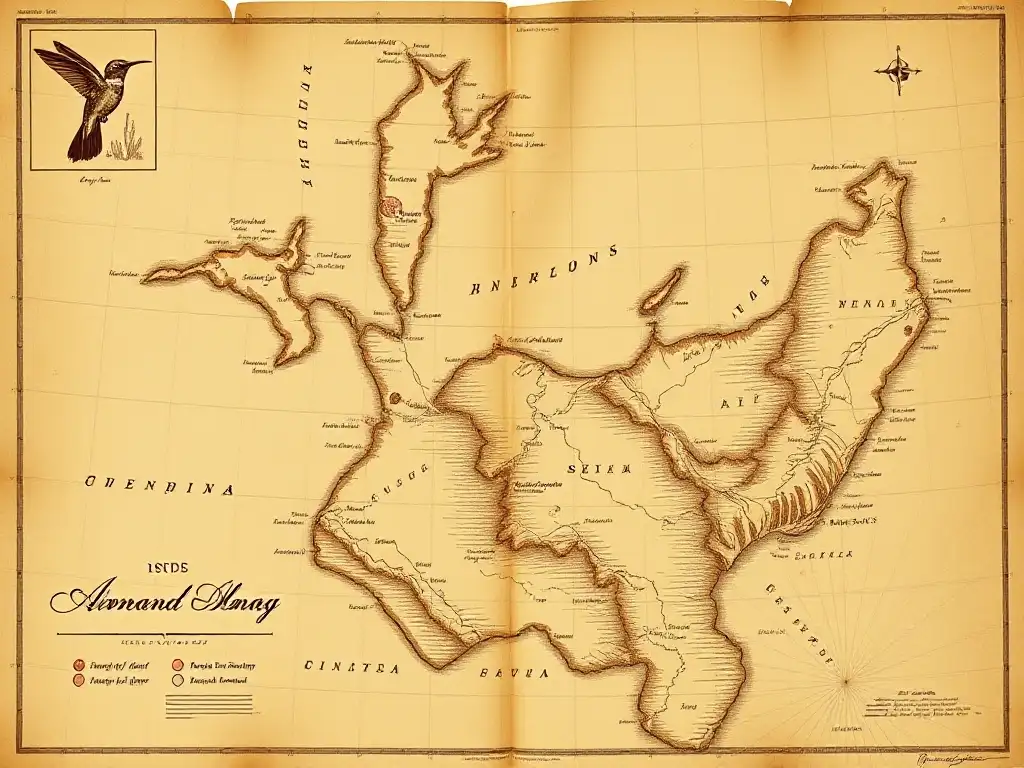
The origins of the Quechua language, spoken by millions across the Andes, remain a captivating puzzle for linguists. Several compelling theories attempt to pinpoint its geographical birthplace, each supported by varying linguistic and archaeological evidence. Understanding these competing hypotheses is crucial to appreciating the complexity of Quechua's history and its profound impact on Andean cultures.
The debate centers around two primary geographical locations: the coastal regions and the highlands of the Andes. The lack of definitive written records from the early periods of Quechua's development significantly complicates the task of tracing its origins. Reconstructing the language's prehistory necessitates careful analysis of its vocabulary, grammar, and its relationship to other language families.
The Coastal Origin Hypothesis
This theory proposes that Proto-Quechua, the ancestral language from which all Quechua dialects evolved, originated in the coastal regions of Peru. Proponents suggest that the significant maritime vocabulary found in Quechua dialects supports this hypothesis. Terms related to fishing, seafaring, and coastal ecology are often cited as evidence. Furthermore, some scholars argue that the spread of Quechua inland could be linked to the expansion of coastal societies and their influence on the highland cultures.
However, this theory faces challenges. The limited evidence of early coastal settlements that might be linked to the Proto-Quechua speakers needs further investigation. Moreover, the distribution of Quechua dialects today is predominantly in the highlands, making a coastal origin seem less likely to some researchers. More archaeological research focusing on coastal settlements and their linguistic affiliations is required to solidify or refute this theory.
The Highland Origin Hypothesis
In contrast to the coastal origin hypothesis, this theory posits that Proto-Quechua originated in the Andes highlands. Several factors lend credence to this perspective. The majority of Quechua speakers today reside in the highlands, suggesting that this region might have been the language's center of dispersion. Additionally, many Quechua words related to agriculture, herding, and highland ecology support this view.
The rich agricultural practices and the complex social structures of the Andean highlands could have provided a fertile ground for the development and diversification of the language. However, the precise location within the highlands remains debated, with different regions being proposed as potential cradles of Proto-Quechua. Further research into the linguistic relationships between various Quechua dialects and their geographical distribution could help refine this hypothesis.
Unresolved Questions in Quechua Language Origin Research
Despite decades of research, significant questions concerning Quechua's origins remain unanswered. The lack of a comprehensive understanding of the pre-Inca linguistic landscape of the Andes hinders accurate reconstruction of Quechua's early development. The complex interplay of linguistic borrowing and language contact throughout its history further complicates the process. Many researchers believe that a more interdisciplinary approach, integrating linguistic analysis with archaeological findings and anthropological insights, is crucial to achieve breakthroughs.
Areas for Future Linguistic Research
Future research needs to focus on several key areas to advance our understanding of Quechua's origins. A thorough comparative study of Quechua dialects, including less-studied varieties, is essential. This requires meticulous fieldwork, documentation of endangered dialects, and advanced computational linguistic techniques to identify deeper linguistic relationships.
Furthermore, more detailed investigation into the pre-Columbian linguistic map of the Andes is necessary. This might involve analyzing the limited existing written records, deciphering iconography on artifacts, and using advanced statistical methods to analyze linguistic distributions across different archaeological sites. The application of cutting-edge techniques in computational linguistics and phylogenetics could potentially reveal previously hidden connections between Quechua and other language families.
The Ongoing Debate Among Linguists
The debate surrounding Quechua's origins continues to engage linguists worldwide. While both the coastal and highland origin hypotheses have their proponents and supporting evidence, neither enjoys universal acceptance. The lack of conclusive evidence means that the discussion remains open and dynamic.
The ongoing research and the discovery of new data continue to reshape our understanding of this fascinating language. This ongoing debate reflects the inherent complexity of tracing the origins of any language, particularly one with such a rich and long history as Quechua. The quest to unravel Quechua's enigmatic past is an ongoing journey, pushing the boundaries of linguistic research and offering valuable insights into the cultural history of the Andes.
Preserving the Legacy of Quechua Language Origins
The preservation of the Quechua language and its rich history is paramount to understanding the Andean civilizations. The Quechua language, with its diverse dialects spoken across a vast geographical area, represents a significant cultural heritage. Its survival hinges on active efforts to document, teach, and promote its use. Losing Quechua would mean losing a vital piece of Andean cultural identity, a treasure trove of knowledge passed down through generations.
This loss extends beyond mere linguistics; it encompasses a loss of traditional stories, songs, and practices deeply embedded within the language itself. The intricate relationship between the language and the Andean worldview is irreplaceable. Failure to preserve Quechua would be a profound loss to the world's linguistic and cultural diversity. The ongoing efforts to revitalize and protect Quechua are not merely academic exercises; they are crucial for maintaining the cultural continuity of the Andean communities.
The Importance of Cultural Heritage Preservation
Cultural heritage preservation is not simply about archiving old documents or preserving historical sites; it's about safeguarding the living traditions that connect people to their past and shape their future. The Quechua language, a vibrant expression of Andean culture, embodies this principle. Its preservation ensures that indigenous knowledge systems, unique perspectives, and traditional ways of life continue to flourish.
The loss of a language often leads to the erosion of cultural practices and beliefs associated with it. Therefore, preserving Quechua is crucial for maintaining the intellectual and spiritual heritage of the Andean communities. This preservation also contributes to global linguistic diversity, enriching our collective understanding of human communication and cultural expression.
The ongoing research into Quechua's origins directly contributes to this broader effort, enriching our understanding of language evolution and cultural transmission. Protecting Quechua is thus an act of safeguarding not just a language, but a rich tapestry of cultural practices and beliefs.
Efforts to Document and Promote Quechua
Numerous organizations and individuals are actively involved in documenting and promoting Quechua. These efforts include creating dictionaries and grammars, developing educational materials for schools, and establishing language immersion programs. Researchers are working to decipher ancient texts and analyze the evolution of the language over time.
Community-based initiatives are empowering Quechua speakers to reclaim their linguistic heritage. Technological advancements are also playing a role, with digital resources and online platforms being used to disseminate Quechua language and culture. For example, the development of Quechua language apps and online courses has broadened access to learning materials, encouraging wider adoption and use.
Furthermore, the incorporation of Quechua into media, such as radio broadcasts and television programs, helps to normalize its use in daily life and combat the dominance of other languages. These varied approaches reflect a concerted effort to ensure the Quechua language thrives for generations to come. The success of these initiatives is crucial to the survival and continued flourishing of this vital aspect of Andean cultural heritage.
Conclusion: The Enduring Mystery of Quechua's Beginnings
Despite significant advancements in linguistic research, the precise origins of the Quechua language remain shrouded in mystery. While various theories exist, none provide a definitive answer to the question of its origins and the processes that shaped its diverse dialects. The ongoing research into Quechua's linguistic relationships, combined with archaeological and anthropological evidence, continues to refine our understanding, however, a complete picture remains elusive.
The complex interplay of migration patterns, cultural exchange, and linguistic evolution over centuries make pinpointing the exact birthplace and timeline of Quechua a challenging endeavor. Nevertheless, the journey of unraveling Quechua's enigmatic past is a testament to the enduring power of language and its central role in shaping cultural identity.
The quest to understand Quechua's origins continues, promising further insights into the rich tapestry of Andean history and the fascinating evolution of human language. The mystery itself serves as a powerful reminder of the enduring legacy of this ancient language and the vital importance of its preservation for future generations.
- Tracing the Ancestry of the Quechua Language Family
- Pre-Incan Linguistic Landscape of the Andes
- Theories on the Proto-Quechua Language
- Quechua Language Diversification and Dialects
- Quechua and its Relationship with Other Andean Languages
- The Inca Empire's Role in Quechua's Expansion
- Quechua's Evolution After the Spanish Conquest
- Linguistic Analysis of Quechua's Roots
- Theories on the Geographical Origins of Quechua
- Unresolved Questions in Quechua Language Origin Research
- Preserving the Legacy of Quechua Language Origins
- Conclusion: The Enduring Mystery of Quechua's Beginnings
Frequently Asked Questions
What is the Quechua language?
Quechua is a family of related languages spoken by millions across the Andes region of South America. It was the lingua franca of the Inca Empire and remains an important language today. Its origins are still debated.
Where did the Quechua language originate?
The precise origin of Quechua remains a mystery, although linguistic evidence suggests a region in the central Andes. Several theories exist, and ongoing research continues to refine our understanding. No single definitive location has been established.
When did the Quechua language emerge?
Dating the Quechua language's emergence is challenging. Estimates range from several centuries before the Inca Empire to potentially much earlier. Further research, including archaeological and linguistic analysis, is needed to pinpoint a more precise timeline.
How did Quechua spread throughout the Andes?
The Inca Empire's expansion played a crucial role in the spread of Quechua. Its adoption as an administrative language facilitated communication across a vast territory. However, Quechua dialects existed prior to Inca rule, suggesting earlier dissemination processes.
What are some of the key characteristics of the Quechua language?
Quechua languages exhibit agglutinative morphology, meaning multiple grammatical elements are attached to a single word. They are also characterized by a rich system of verb conjugations and diverse dialects reflecting regional variations. Their tonal aspects vary depending on the specific Quechua dialect.
Final Reflection: Echoes of the Andes: A Legacy in Language
The enduring mystery surrounding the origins of the Quechua language remains a powerful testament to the resilience and adaptability of Andean cultures. Understanding its complex history is not merely an academic exercise; it's a crucial step in appreciating the rich tapestry of human experience and the profound impact of linguistic diversity on shaping our world. The threads of Quechua's past continue to weave themselves into the present, influencing everything from cultural identity to political discourse in the Andes.
The journey to trace Quechua's roots has been a deeply humbling experience, revealing the limitations of our current understanding while simultaneously highlighting the incredible richness of oral traditions and archaeological evidence. The sheer longevity of this language, its adaptation to diverse environments, and its continued use by millions underscore its significance. A language is not merely a tool for communication; it is the embodiment of a culture, its history, and its soul.
This quote perfectly encapsulates the profound connection between Quechua and the Andean people, a connection that transcends mere linguistics and delves into the very heart of their identity.
Now, consider the implications of this journey. What does the enduring presence of Quechua tell us about the power of language to connect generations, to preserve cultural heritage, and to resist the forces of assimilation? I invite you to reflect on the importance of linguistic diversity and to consider how we can actively support the preservation and revitalization of indigenous languages worldwide. Let the echoes of the Andes resonate within you, inspiring a deeper appreciation for the intricate stories woven into the fabric of human communication.
Unleash the Secrets of the Quechua Language!
Thank you for exploring the fascinating world of Quechua with us! We hope you've been inspired by the rich culture and history interwoven with this Andean language. Now, let's put that knowledge into practice!
Here are some ways to continue your journey:
- Expand your Quechua knowledge: Begin learning basic phrases through online courses or language-learning apps to further immerse yourself in this beautiful language.
- Connect with others: Join online or in-person communities focused on Andean cultures. Sharing experiences and insights with others will deepen your understanding.
- Share your passion: Write a blog post or tell your friends about something you discovered that surprised you. Let's spread appreciation for the Quechua language and its heritage.
What aspect of Quechua history or usage intrigues you most, and why? Your insights could spark valuable discussions!