
The Andean Cosmovision Reflected in Rituals: A Journey Through Beliefs

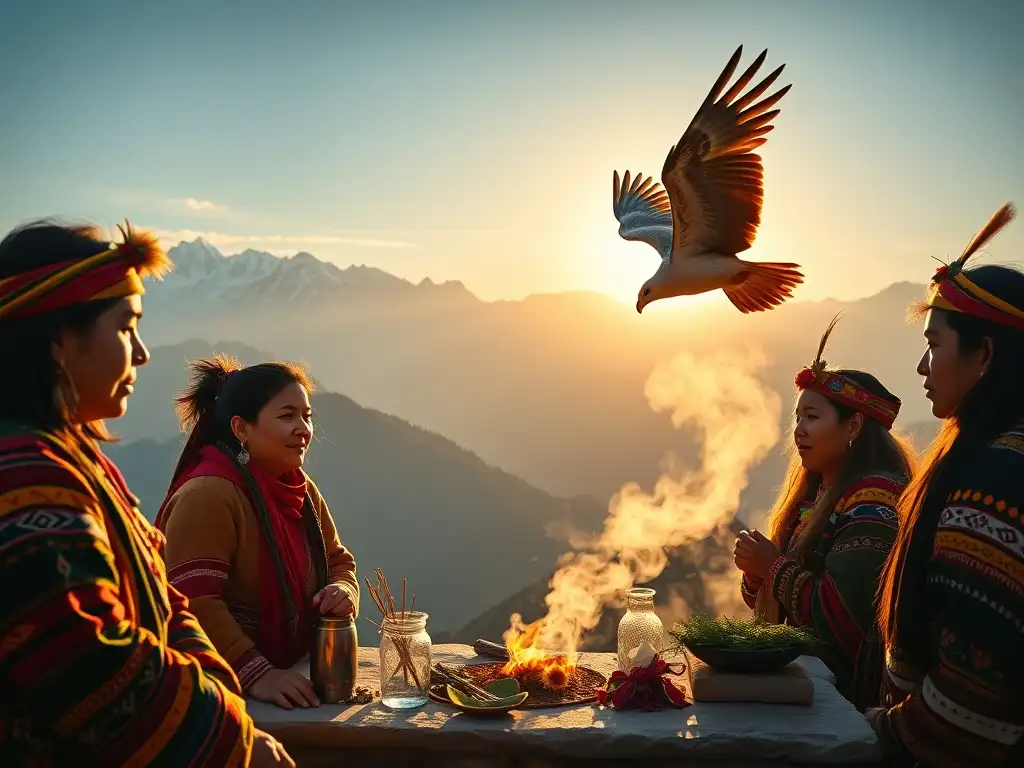
Step into a world lost to time, yet echoing with vibrant life. Imagine a civilization where the mountains whispered secrets to the sun, and the very fabric of existence was woven into breathtaking rituals. Andean Civilizations invites you to unravel the mysteries of the Andes, starting with a deep dive into the fascinating world of Andean rituals and beliefs. Discover how these ancient practices shaped their understanding of the cosmos and continue to resonate today. Prepare to be captivated by a story far grander than you ever imagined.
The Andes Mountains, a majestic spine running down the western coast of South America, were not merely a geographical feature for the ancient civilizations that thrived there; they were the very embodiment of their worldview, their cosmovision. This intricate system of beliefs profoundly shaped every aspect of Andean life, from daily routines to elaborate rituals and ceremonies. This article delves into the fascinating world of Andean rituals and beliefs, exploring how their spiritual understanding of the universe manifested in their practices.
We'll examine the key elements of their cosmovision and how these beliefs were expressed through offerings, ceremonies, and daily life, revealing the deep connection between the Andean people and their environment. Understanding Andean rituals provides a window into the rich tapestry of their spiritual life and offers a profound insight into the complexities of their society.
We will explore the rituals of several prominent Andean cultures, including the Inca, Moche, Nazca, and Tiahuanaco, highlighting their unique characteristics and common threads. Prepare for a journey through time, uncovering the mysteries and significance of these powerful expressions of faith.
The Sacred Landscape: Mountains, Rivers, and the Pachamama
The Andean cosmovision was deeply intertwined with the natural world. Mountains, considered sacred apus (powerful deities), were revered as intermediaries between the earthly and spiritual realms. Rivers, too, held immense significance, often seen as veins of life carrying vital energy throughout the landscape.
The Pachamama, or Mother Earth, was the central figure in this cosmology, a life-giving force that demanded respect and reciprocity. Andean rituals were frequently performed to appease the Pachamama, ensuring bountiful harvests and the overall well-being of the community. These rituals involved offerings of coca leaves, food, and other precious items, placed at sacred sites or buried in the earth as a gesture of gratitude and respect.
Detailed accounts from Spanish chronicles, though sometimes biased, provide glimpses into the elaborate nature of these offerings, revealing a society deeply connected to the rhythms of nature and the cycles of life and death. The intricate understanding of the Andean landscape, its energies, and its deities formed the bedrock of their religious practices.
Rituals of the Inca Empire: A Centralized System of Worship
The Inca Empire, at its zenith, developed a highly centralized system of religious practice. While local traditions persisted, the Inca imposed their own deities and rituals, often incorporating elements from conquered populations. The Inti, the sun god, became the supreme deity, with elaborate temples and festivals dedicated to his worship. The Capac Inca, the emperor, played a crucial role as the intermediary between the divine and the human world.
His role in performing key rituals, such as the Capacocha (child sacrifice), highlights the immense power vested in the Inca leadership and the importance of maintaining cosmic balance. [Specific details on Inca ritualistic calendar and associated festivals pending]. The Inca’s sophisticated understanding of astronomy and their ability to predict agricultural cycles are reflected in the timing and nature of their rituals, emphasizing the intricate relationship between their religious beliefs and their practical needs.
The Moche's Fertile Offerings: A Focus on Agriculture and Warfare
The Moche civilization, known for its stunning pottery depicting ritual scenes, placed a strong emphasis on agriculture and warfare. Their rituals often reflected this duality, with offerings related to both fertility and military victory. The depiction of human sacrifice in Moche art suggests that these practices played a significant role in their religious beliefs.
[Specific examples of Moche rituals and the artifacts that depict them pending]. The elaborate tombs and elaborate burial practices of the Moche elite suggest a complex system of beliefs surrounding death and the afterlife. The artistry of their pottery, which often shows scenes of rituals, provides invaluable insights into their religious practices and their understanding of the cosmos.
Nazca Lines and the Ritual Landscape: Unveiling Celestial Mysteries
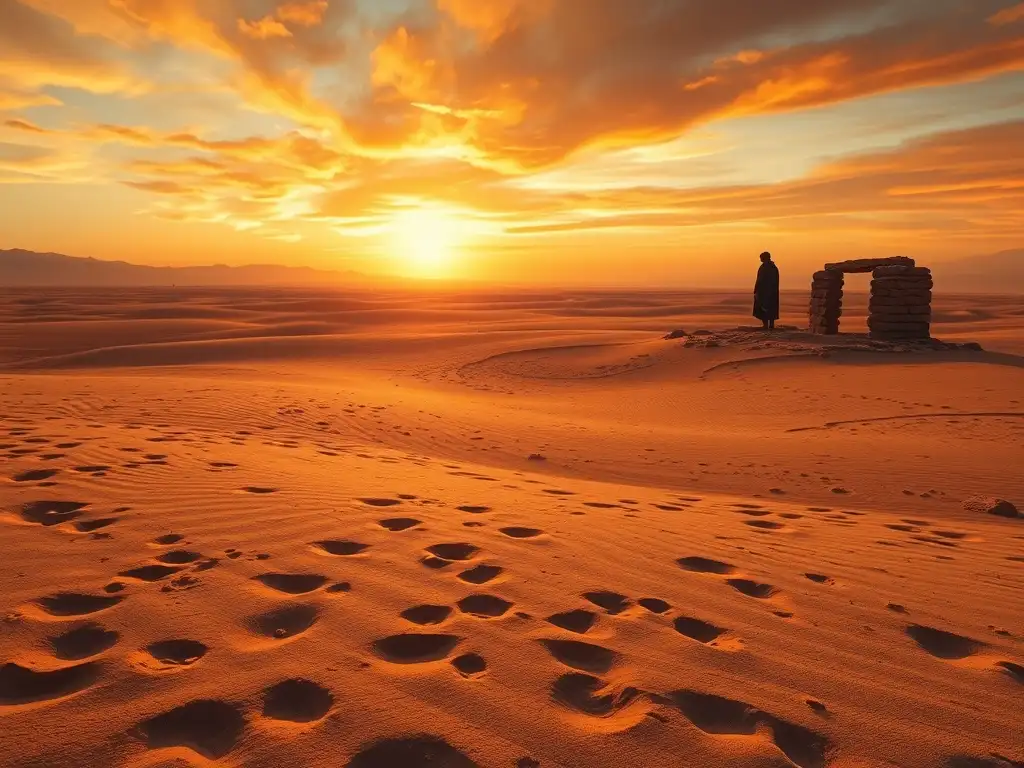
The Nazca Lines, giant geoglyphs etched into the desert landscape, remain a source of fascination and debate. While their exact purpose is still uncertain, many scholars believe they served a ritualistic function, possibly connected to astronomical observations and water management. The lines' alignment with celestial events suggests a sophisticated understanding of astronomy and its role in their religious practices.
[Further research on the ritualistic significance of the Nazca lines pending]. The Nazca culture's intricate irrigation systems and their ability to cultivate crops in the arid desert demonstrate their deep connection to the land and their reverence for its life-giving properties.
Tiahuanaco's Monumental Architecture: A Center for Cosmic Order
The monumental architecture of Tiahuanaco, with its precisely cut stones and elaborate structures, suggests a highly organized society with a complex religious system. [Specific examples of Tiahuanaco rituals and their connection to their architecture pending]. The site's location and its orientation towards celestial events suggest a significant astronomical component to their rituals.
The iconic Gate of the Sun, with its intricate carvings, is often interpreted as a representation of their cosmological beliefs. Tiahuanaco's influence extended across a wide region, suggesting that their religious beliefs and practices played a key role in shaping the cultural landscape of the Andes. The scale of their architectural achievements underscores the importance of their religious beliefs in mobilizing resources and coordinating labor.
- The Sacred Landscape: Mountains, Rivers, and the Pachamama
- Rituals of the Inca Empire: A Centralized System of Worship
- The Moche's Fertile Offerings: A Focus on Agriculture and Warfare
- Nazca Lines and the Ritual Landscape: Unveiling Celestial Mysteries
- Tiahuanaco's Monumental Architecture: A Center for Cosmic Order
Understanding the Core of Andean Religious Practices
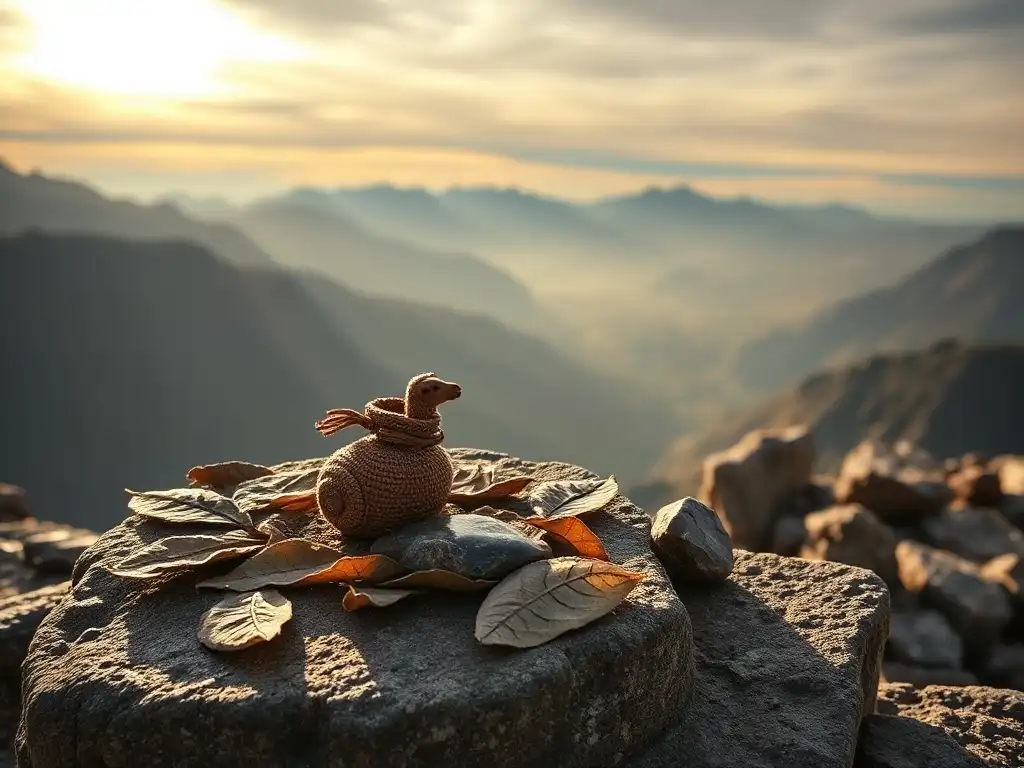
This section delves into the fundamental principles underpinning Andean religious practices, providing a framework for understanding the intricate web of rituals and beliefs that shaped Andean societies. We'll explore the interconnectedness of the Andean worldview, key cosmological concepts, and the crucial role rituals played in maintaining harmony within their cosmos. Understanding these core tenets is paramount to appreciating the significance of the various rituals performed by different Andean cultures. The term "Andean rituals and beliefs" itself encapsulates the holistic nature of their spiritual life, where every aspect of existence was intertwined with the sacred.
The Interconnectedness of the Andean World: A Foundation for Rituals
The Andean worldview wasn't compartmentalized; rather, it emphasized a profound interconnectedness between the human, animal, and spiritual realms. This holistic perspective is crucial to understanding their rituals. Everything—mountains, rivers, plants, animals, and humans—was considered part of a single, vibrant entity, a living cosmos.
This interconnectedness fostered a deep respect for nature and a belief in the reciprocal relationship between humans and the supernatural. For example, the harvest was not simply a result of human labor but a gift from the Pachamama, the Earth Mother, requiring reciprocal offerings and thanks. This interconnectedness manifested in rituals designed to maintain balance and harmony within this complex system.
Failure to do so could disrupt the delicate equilibrium, leading to misfortune or natural disasters. The very act of performing a ritual reinforced this interconnectedness, symbolically connecting the community to the wider cosmos. The success of agricultural cycles, for instance, was directly linked to the proper execution of agricultural rituals, demonstrating the practical implications of this belief system.
Key Concepts in Andean Cosmovision: Pacha, Apu, and Pachamama
Several key concepts underpinned the Andean cosmovision, shaping their understanding of the world and informing their rituals. Pacha refers to the entire cosmos, encompassing the three worlds: the upper world ( Hanan Pacha), the human world ( Kay Pacha), and the underworld ( Ukhu Pacha). These weren't separate entities but interconnected layers of reality, constantly interacting.
Apu, meaning "lord" or "master," referred to powerful mountain spirits, considered intermediaries between the human and spiritual realms. They were revered as protectors and providers, and rituals were often performed to appease or honor them, ensuring their continued benevolence. Finally, Pachamama, the Earth Mother, represented the fertile earth, the source of life and sustenance.
She demanded respect and reciprocity; offerings were made to ensure her continued generosity and prevent her wrath. Understanding these three concepts— Pacha, Apu, and Pachamama—is essential to grasping the depth and complexity of Andean rituals and beliefs. The interconnectedness of these three concepts is vital; for example, offerings to the Pachamama could also be a way of showing respect to the Apu that oversaw a particular region, further highlighting the interconnectedness of the Andean world.
The Role of Rituals in Maintaining Cosmic Balance
Andean rituals weren't merely symbolic acts; they were vital mechanisms for maintaining cosmic balance and ensuring the well-being of the community. Rituals served various purposes, from ensuring bountiful harvests and successful hunts to appeasing angry spirits and preventing illness. They were performed throughout the agricultural cycle, marking key moments like planting, harvesting, and the solstices. These rituals involved offerings of food, drink, coca leaves, and other precious items, representing a reciprocal exchange between humans and the supernatural.
The meticulous performance of these rituals was crucial; any deviation could disrupt the cosmic order and invite misfortune. The intricate details of each ritual, from the specific offerings to the precise timing and location, reflected a deep understanding of the Andean cosmovision and its underlying principles. The effectiveness of the ritual was directly linked to the community's collective participation and devotion, demonstrating the social and communal aspect of Andean spirituality.
The meticulous nature of these rituals underscores their importance in maintaining the delicate balance within their worldview – a balance that was essential for their survival and prosperity. The failure to perform these rituals correctly was believed to have serious consequences, leading to famine, disease, or other calamities. This reinforces the crucial role Andean rituals played in their daily lives and their understanding of the world.
Major Andean Rituals and Their Significance
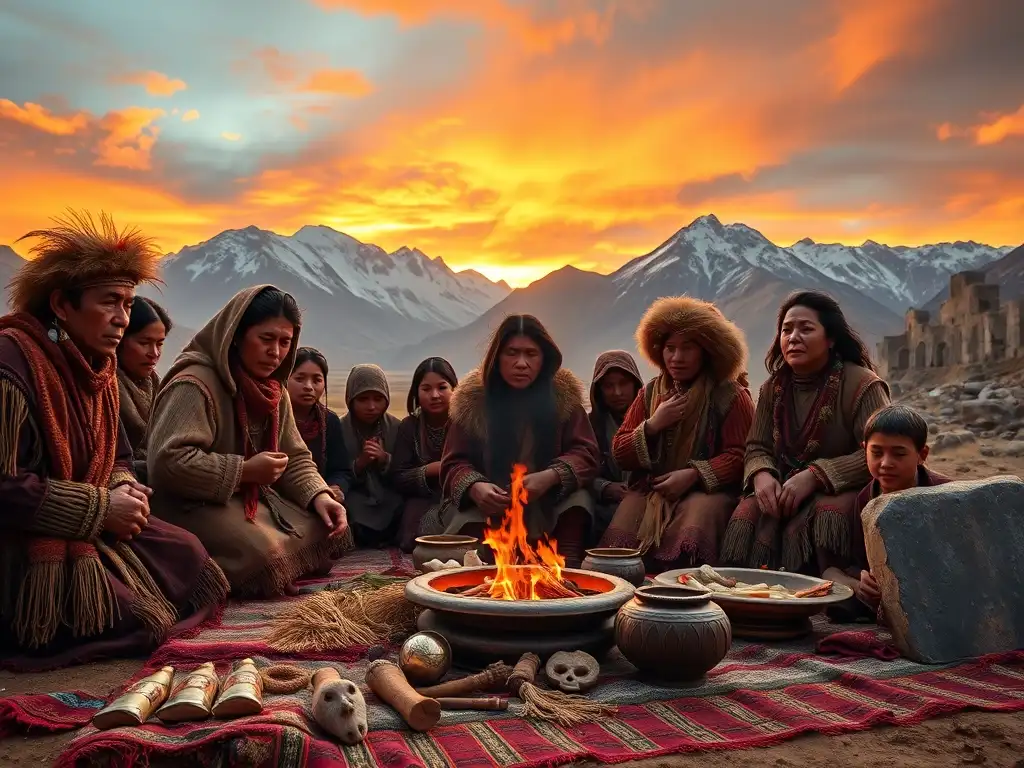
The Andean worldview, or cosmovisión, profoundly influenced the daily lives and rituals of its inhabitants. Understanding Andean rituals requires appreciating their intricate connection to the natural world, the cyclical nature of time, and the profound respect for ancestors. These rituals weren't merely symbolic actions; they were vital practices for maintaining balance and harmony within the cosmos, ensuring prosperity, and strengthening community bonds.
The intensity and diversity of these rituals varied across different Andean cultures—Inca, Moche, Nazca, and Tiahuanaco, among others—reflecting unique regional adaptations and beliefs, yet sharing underlying common threads emphasizing reciprocity and respect for the interconnectedness of all things. This section will delve into some of the most significant ritual practices, exploring their meaning and cultural importance within the context of Andean beliefs. The study of Andean rituals and beliefs offers a fascinating glimpse into a complex and deeply spiritual civilization.
Agricultural Rituals: Honoring the Cycle of Life
Agriculture formed the backbone of Andean societies, making agricultural rituals central to their spiritual life. The success of the harvest directly impacted the survival and prosperity of the communities. Consequently, rituals aimed at ensuring bountiful harvests and appeasing the forces of nature were of paramount importance. These rituals reflected a deep understanding of the agricultural cycle and a profound respect for Pachamama, Mother Earth, the source of all life and sustenance.
The Importance of the Harvest in Andean Beliefs
The harvest was not merely an economic event; it was a sacred occasion, marking a crucial moment in the cyclical relationship between humans and nature. The abundance of the harvest was seen as a direct consequence of respecting the natural order and maintaining harmony with Pachamama. Failure to do so could result in crop failure, famine, and societal disruption. Celebrations involved communal feasting, offerings, and dances, reinforcing social bonds and expressing gratitude for the earth's generosity.
Detailed records, unfortunately, are scarce for many pre-Inca cultures, making precise reconstructions of their harvest rituals challenging. However, archaeological evidence, such as the discovery of agricultural implements and ritual offerings alongside crops, provides valuable insights into these practices. We can infer, for instance, that the precise timing and specific rituals varied based on the crops cultivated and the specific ecological niche.
Pago a la Tierra: Offering to Mother Earth
Pago a la Tierra, or "payment to the earth," is a ritual still practiced in many Andean communities today, reflecting the enduring legacy of ancient traditions. This ritual involves making offerings to Pachamama to express gratitude for her bounty and to ensure continued fertility. Offerings typically include coca leaves, alcohol (often chicha), food, and other valuable items, placed in carefully selected locations, often at the base of mountains or in fertile fields.
The act of offering is not simply a material exchange; it is a symbolic act of reciprocity, acknowledging the earth's generosity and seeking its continued favor. The specific items offered and the manner of presentation can vary regionally, reflecting local customs and beliefs.
The process often involves prayers and chants, solidifying the spiritual connection between the community and the earth. Anthropological studies have documented variations in Pago a la Tierra across different Andean communities, highlighting the rich diversity of this ancient practice.
Rites of Passage: Marking Life's Transitions
Andean societies formalized life's key transitions—birth, adulthood, and death—through elaborate rituals. These ceremonies not only marked significant personal milestones but also served to integrate individuals into the community and maintain the continuity of social order. The rituals surrounding these transitions highlighted the cyclical nature of life and the importance of honoring ancestral spirits.
Birth and Naming Ceremonies in Andean Culture
The birth of a child was a momentous occasion, signifying the continuation of the lineage and the expansion of the community. Naming ceremonies often involved ritual cleansing, the presentation of offerings to the ancestors and Pachamama, and the bestowal of a name reflecting the child's place within the family and community. The name itself often held symbolic meaning, reflecting the child's characteristics or the circumstances of their birth.
While specific details vary across different Andean cultures and historical periods, the underlying theme of integration into the community and the recognition of the child's connection to the spiritual world remained consistent. [Specific details on Inca naming ceremonies pending]
Initiation Rituals and the Journey to Adulthood
The transition to adulthood was a significant event, marking the individual's increasing responsibility within the community. Initiation rituals varied in complexity, but often involved trials, tests of endurance, and the acquisition of specific skills. These rituals served as a passage from childhood dependence to adult participation in communal life. These rites, often involving symbolic representations of death and rebirth, signified the individual's transformation and integration into the adult world. [Further research is required to detail regional variations in initiation rituals].
Death Rituals and Ancestor Veneration
Death was not seen as an end but rather a transition to another realm. Andean cultures placed great emphasis on ancestor veneration, believing that the spirits of the deceased continued to influence the living. Elaborate burial practices, including mummification and the inclusion of grave goods, reflect the importance of ensuring a smooth transition for the deceased and maintaining their connection to the living world. These rituals reinforced the cyclical nature of life and death and highlighted the enduring bonds between generations.
The mummies themselves often played a central role in community life, acting as intermediaries between the living and the spirit world. The specific practices surrounding death varied significantly across different Andean cultures and reflected the unique beliefs and cosmological perspectives of each group. The study of these rituals provides invaluable insight into Andean concepts of the afterlife and the enduring influence of ancestral spirits.
Healing Rituals: Seeking Balance and Well-being
Andean cultures placed immense importance on maintaining a harmonious balance between the individual, their community, and the natural world. Illness, therefore, wasn't simply a physical ailment but a disruption of this delicate equilibrium, often attributed to an imbalance of energies or the influence of malevolent spirits. Healing rituals aimed to restore this balance, employing a combination of herbal remedies, physical manipulations, and spiritual practices.
These rituals weren't solely focused on curing the physical body; they also addressed the emotional and spiritual well-being of the individual, recognizing the interconnectedness of mind, body, and spirit. The effectiveness of these rituals stemmed from the deep-seated belief in the power of the Andean cosmovision to influence health and well-being. The holistic approach to healing emphasized preventative measures as much as curative ones, highlighting the importance of living in harmony with nature and respecting the sacredness of life.
The Role of Shamans and Healers in Andean Society
Shamans and healers, often referred to as paqos or yatiri, played a crucial role in Andean society. They were not merely medical practitioners but spiritual leaders, acting as intermediaries between the human world and the spirit world. Their expertise encompassed a vast range of knowledge, from herbal medicine and bone-setting to divination and spiritual cleansing.
Shamans possessed a deep understanding of the Andean cosmovision, enabling them to diagnose illnesses and prescribe treatments that addressed both the physical and spiritual dimensions of the ailment. Their role extended beyond healing; they were also consulted on matters of community well-being, providing guidance and support during times of crisis. The respect and reverence afforded to these figures underscored their importance in maintaining the social and spiritual fabric of Andean communities.
Their knowledge, passed down through generations, ensured the continuity of traditional healing practices. Their authority often stemmed from their ability to interpret dreams, read coca leaves, and communicate with spirits.
Traditional Andean Healing Practices and Their Spiritual Basis
Traditional Andean healing practices were deeply rooted in the spiritual beliefs of the culture. The use of medicinal plants, for instance, wasn't merely about their pharmacological properties but also their symbolic significance within the Andean cosmovision. Each plant held a unique spiritual energy, believed to possess the power to influence the body's energetic balance.
Techniques like massage and bone-setting were often combined with spiritual cleansing rituals, aiming to remove negative energies and restore harmony. The use of coca leaves, for divination and as a sacred offering, was integral to many healing practices. The act of chewing coca leaves was not simply a stimulant but a ritualistic act aimed at connecting with the spiritual realm and seeking guidance from the ancestors.
These practices weren't isolated events but integrated parts of a broader worldview, emphasizing the interconnectedness of all living things and the importance of respecting the spiritual forces that shape human experience. The spiritual basis of these practices ensured their continued relevance and effectiveness within the Andean communities.
Rituals Dedicated to the Apus: Honoring Sacred Mountains
The Apus, or sacred mountains, were central figures in the Andean cosmovision, considered to be powerful deities who exerted influence over the weather, agriculture, and the overall well-being of the communities living in their shadow. Rituals dedicated to the Apus were essential for maintaining a harmonious relationship with these powerful entities. These rituals involved a range of offerings, prayers, and ceremonies, designed to appease the Apus and secure their favor. The frequency and intensity of these rituals varied depending on the significance of the Apu and the needs of the community.
Regular offerings were made to ensure a bountiful harvest and protection from natural disasters. More elaborate ceremonies were conducted during times of crisis or to mark important events in the community's life cycle. The act of honoring the Apus was a fundamental aspect of Andean spirituality, reflecting the deep respect and reverence for the natural world.
The Significance of Mountain Worship in Andean Spirituality
Mountain worship in Andean spirituality is not merely a form of nature worship but a deeply rooted expression of the Andean cosmovision. The Apus are not simply geographical features but living entities, considered to be powerful deities who shape the lives of those who live in their presence. The mountains are seen as the dwelling places of powerful spirits and ancestors, and their veneration reflects the interconnectedness of the human and spiritual realms.
The rituals dedicated to the Apus are not simply acts of appeasement but ways of establishing a reciprocal relationship with these powerful forces. The offerings given to the Apus are not merely gifts but expressions of gratitude and respect, acknowledging their influence on the lives of the community.
This deep-seated reverence for the mountains is a cornerstone of Andean spirituality, shaping their worldview and influencing their daily lives. This relationship extends beyond simple worship and into the everyday lives of the people, influencing decisions and shaping their understanding of the world.
Offerings to Apu Ausangate: A Sacred Mountain Ritual
Apu Ausangate, one of the most revered mountains in the Andes, is the subject of numerous rituals and offerings. The rituals often involve treks to high-altitude shrines, where offerings of coca leaves, alcohol, and other goods are presented to the Apu. These offerings are not simply material gifts but symbolic expressions of gratitude and respect, aimed at maintaining a harmonious relationship between the community and the mountain spirit.
The ceremonies are often accompanied by prayers and chants, invoking the Apu's protection and blessing. The rituals surrounding Apu Ausangate are a powerful example of the deep-seated connection between Andean communities and their sacred mountains, showcasing the integral role of mountain worship in their religious and cultural practices.
The vibrant colors of the textiles and offerings, combined with the dramatic Andean landscape, create a truly awe-inspiring spectacle. The significance of these rituals extends far beyond the immediate community, reflecting a broader understanding of the interconnectedness of all things within the Andean cosmovision.
The Symbolism Behind Andean Rituals
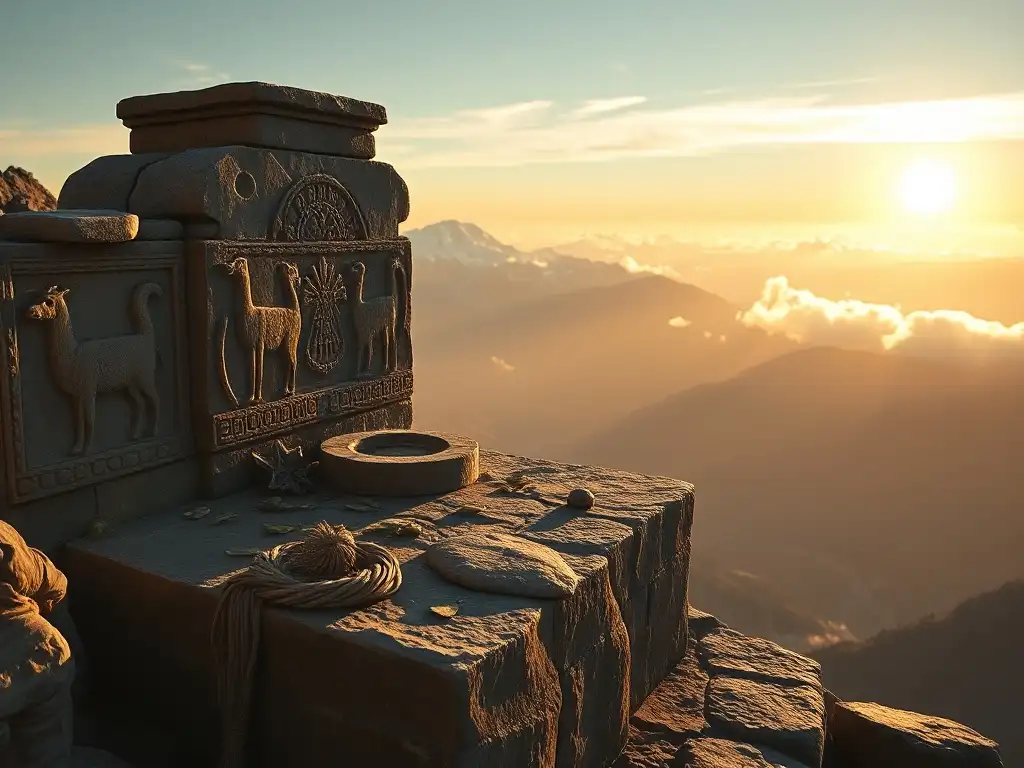
Andean rituals and beliefs were deeply intertwined with a complex cosmovision, a worldview that saw the universe as a dynamic interplay between the earthly and spiritual realms. Understanding the symbolism embedded within these rituals is key to comprehending the Andean worldview. These ceremonies weren't merely performances; they were active engagements with the cosmos, designed to maintain balance, ensure fertility, and appease powerful deities. The symbolism employed was often multifaceted, drawing on natural elements, celestial bodies, and ancestral figures.
For example, the color red, frequently appearing in textiles and pigments used in rituals, represented blood, fertility, and the connection to Pachamama, the Earth Mother. Conversely, white symbolized purity and the celestial realm. These symbolic associations, deeply embedded in Andean culture, were meticulously woven into every aspect of their ritualistic practices. The careful selection and placement of objects, the rhythmic movements of dance, and the evocative sounds of music all contributed to the powerful symbolism of these ceremonies.
Analyzing these elements reveals a profound understanding of the Andean relationship with their environment and the spiritual forces they believed shaped their existence. The careful observation of astronomical events, such as solstices and equinoxes, further underscores the importance of celestial cycles within their religious practices. The alignment of structures like Machu Picchu with these events is a testament to their sophisticated understanding of cosmology and its integration into their daily lives and rituals. This intricate system of beliefs and practices ensured the continuity of their culture and their connection to the ancestral past.
The Use of Sacred Objects in Ritualistic Practices
The use of sacred objects was central to Andean rituals and beliefs. These objects, imbued with spiritual significance, acted as conduits between the human and divine worlds. Their careful selection, preparation, and use were integral to the success and efficacy of the rituals. The choice of materials, often sourced from specific locations or possessing unique properties, further heightened their sacred power.
Coca Leaves, Textiles, and Chicha: Examples of Sacred Objects
- Coca Leaves: Coca leaves ( Erythroxylum coca) held immense cultural and religious significance. Chewing coca leaves was a common practice, believed to enhance endurance, alleviate hunger, and facilitate communication with the spiritual realm. They were offered to deities and ancestors during rituals, acting as a form of appeasement and communion. The precise way coca leaves were prepared and offered varied depending on the specific ritual and the deity being addressed. Detailed accounts from chroniclers and archaeological findings reveal the complexity of these practices.
- Textiles: Textiles were not merely functional items; they were powerful symbols of Andean identity and spirituality. Intricately woven designs often depicted mythological figures, celestial events, or scenes from Andean cosmology. The use of specific colors and materials further enhanced their symbolic meaning. Textiles were frequently offered as gifts to deities or used to adorn sacred spaces, underscoring their vital role in ritualistic practices. The craftsmanship involved in creating these textiles, passed down through generations, represented a significant investment of time, skill, and spiritual intention.
- Chicha: Chicha, an alcoholic beverage made from fermented maize, was another essential element in many Andean ceremonies. Its preparation and consumption were often accompanied by specific rituals and prayers, transforming it from a simple drink into a sacred offering. The fermentation process itself was imbued with symbolic meaning, representing transformation and regeneration. The type of maize used and the specific methods of preparation varied across different Andean cultures, reflecting regional variations in beliefs and practices.
The Importance of Music and Dance in Andean Ceremonies
Music and dance were integral components of Andean rituals and beliefs, serving as powerful tools for communication with the spiritual world and maintaining cosmic balance. The rhythmic movements of dance and the evocative sounds of music were believed to create a sacred space, facilitating interaction with deities and ancestors. The performances were not merely aesthetic displays; they were carefully choreographed expressions of Andean cosmology and religious convictions.
The Use of Panpipes, Drums and Specific Dance Forms
- Panpipes (Antaras): The haunting melodies of panpipes, often played in ensembles, were believed to evoke the sounds of nature and the voices of the spirits. Different musical styles and melodies were associated with specific deities and rituals. The construction of the instruments themselves was a carefully considered process, with the materials and craftsmanship imbued with spiritual significance.
- Drums (Tunkas): Drums, with their powerful rhythms, were used to create a sense of urgency and intensity during rituals. Their deep sounds were believed to resonate with the earth and communicate with the underworld. The size and design of the drums varied, reflecting regional differences and the specific purpose of the ritual.
- Specific Dance Forms: Andean dances were not merely recreational activities; they were highly formalized performances with intricate steps and gestures that conveyed specific meanings. Certain dances were associated with particular deities or agricultural cycles, expressing the deep connection between the Andean people and their environment. Many of these dance forms continue to be practiced today, preserving a vital link to the ancient traditions. The precise movements and costumes used in these dances often held symbolic meaning, reflecting elements of Andean cosmology and mythology. The preservation of these traditions demonstrates the enduring power of Andean rituals and beliefs.
The Significance of Andean Colors and Patterns in Rituals
Andean rituals were not simply actions; they were vibrant expressions of a deeply complex cosmovision, intricately woven into the fabric of daily life. A crucial element of this expression was the deliberate and symbolic use of color and pattern. These weren't arbitrary choices but rather powerful visual languages conveying meaning, status, and connection to the spiritual world.
The careful selection of colors and the precise arrangement of geometric designs on textiles, ceramics, and even body paint served to reinforce the ritual's purpose and communicate its significance to both participants and onlookers. The understanding of these visual codes is key to unlocking a deeper appreciation of Andean beliefs and practices. Careful analysis reveals a system rich in symbolism, reflecting the Andean worldview's emphasis on duality, balance, and the interconnectedness of the natural and supernatural realms.
The use of color and pattern wasn't simply decorative; it was a fundamental aspect of the ritual itself, imbuing it with spiritual potency. For example, the specific arrangement of colors on a ceremonial textile could be linked to a particular deity, agricultural cycle, or even a specific time of year.
Red, Yellow, Green and Geometric Patterns: Their Meanings
The Andean palette was rich and meaningful. Red, often associated with blood, fertility, and the earth's life-giving energy, frequently appeared in rituals related to agriculture and ancestor veneration. Yellow, the color of the sun, represented power, authority, and divinity, often associated with the Inca emperors and their divine lineage. Green, signifying growth, renewal, and the bounty of the land, played a vital role in agricultural rituals, emphasizing the connection between human life and the cyclical nature of the natural world. These primary colors, and others, were frequently combined in specific patterns to create even more nuanced meanings.
Geometric patterns, particularly those featuring zigzags, stepped frets, and spirals, were ubiquitous in Andean textiles and ceramics used in rituals. These weren't merely aesthetic choices; they held profound cosmological significance. Zigzags, for instance, often represented lightning, signifying the power and energy of the gods.
Stepped frets, with their tiered structure, could symbolize the Andean landscape itself, with its terraced agriculture and towering mountains. Spirals, representing the cyclical nature of life, death, and rebirth, were commonly associated with fertility and the continuous flow of cosmic energy. The combination of specific colors within these geometric patterns further amplified their meaning, creating a complex visual language that conveyed intricate layers of meaning.
For example, a red zigzag pattern on a ceremonial cloth might symbolize the life-giving power of the earth, channeled through the energy of the storm. Understanding these visual codes is essential to interpreting the full significance of Andean rituals and their profound connection to the Andean cosmovision. The precise arrangement of these colors and patterns wasn't arbitrary; it was a carefully crafted visual narrative, reflecting the Andean belief in the interconnectedness of all things.
The Evolution and Continuity of Andean Rituals
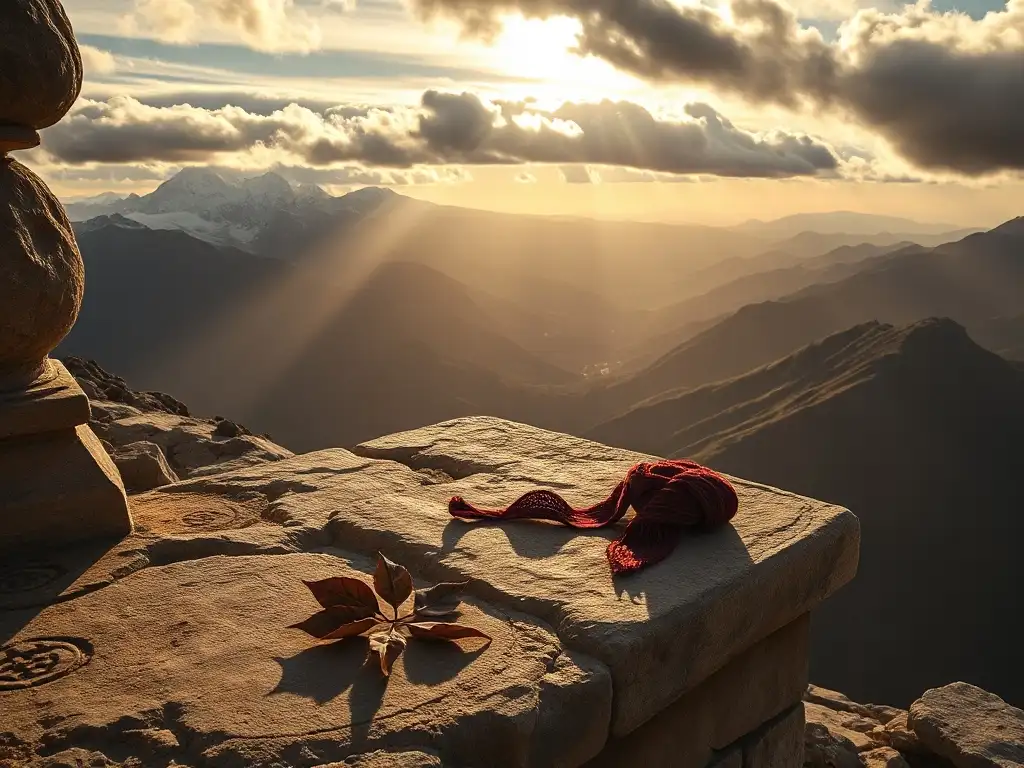
From Ancient Practices to Contemporary Adaptations
Andean rituals and beliefs, deeply rooted in a complex cosmovision, haven't remained static throughout history. While many ancient practices have faded, their essence persists, adapting and transforming across generations. The continuity is striking; consider the pago a la tierra (payment to the earth), a fundamental ritual involving offerings to Pachamama (Mother Earth).
Evidence suggests this practice existed in various forms across different Andean cultures, from the pre-Inca societies to the Inca Empire and beyond. Ancient pottery shards often depict offerings of food and drink, mirroring contemporary practices where coca leaves, chicha (a fermented corn beverage), and other items are presented to appease and honor Pachamama. The core belief – the reciprocal relationship between humanity and the natural world – remains constant, albeit expressed through different forms depending on the specific community and time period.
This adaptation highlights the resilience of the Andean worldview in the face of societal shifts and external influences. The specific offerings might vary—perhaps a modern pago includes cigarettes or small trinkets alongside traditional items—but the underlying principle of maintaining balance and harmony within the cosmos endures. This flexible yet persistent nature is key to understanding the enduring power of Andean rituals and beliefs.
The Impact of Colonialism on Andean Religious Expressions
The arrival of the Spanish conquistadors in the 16th century significantly impacted Andean religious expressions. The imposition of Catholicism led to a systematic suppression of indigenous beliefs and practices, with many rituals declared heretical and violently persecuted. However, Andean people demonstrated remarkable ingenuity in syncretizing their traditional beliefs with the imposed Catholicism. This wasn't a passive acceptance; rather, it was a strategic process of cultural survival.
For example, the veneration of the Virgin Mary often incorporated elements of Pachamama worship, with the Virgin becoming a powerful mediating figure between the indigenous worldview and the imposed Christian one. Many Catholic festivals and saints' days were overlaid onto existing Andean celebrations, seamlessly blending indigenous rituals with Christian symbolism. This syncretism is evident in the vibrant celebrations found across the Andes today, where indigenous and Catholic elements intertwine organically.
The process, however, was not without its costs. Many ancient practices were lost or severely altered, causing a decline in the understanding of certain aspects of the original Andean cosmovision. The forced conversion resulted in a significant loss of knowledge and a disruption in the transmission of oral traditions.
The Resilience of Andean Beliefs and Rituals in Modern Times
Despite centuries of oppression and cultural clashes, Andean beliefs and rituals exhibit remarkable resilience. In recent decades, there's been a significant resurgence of indigenous identities and a renewed interest in traditional practices. This revival is not simply a nostalgic return to the past; it's a dynamic process of reclaiming cultural heritage and adapting ancient wisdom to contemporary contexts.
Many communities are actively working to revitalize traditional rituals, preserving ancient knowledge and transmitting it to younger generations. This includes the careful documentation of oral traditions, the revival of traditional crafts associated with rituals, and the increased visibility of Andean spirituality in public life. The growing recognition of the importance of indigenous knowledge systems and the growing international interest in Andean culture have contributed to this resurgence.
Furthermore, the blending of ancient practices with modern activism has created new forms of ritual expressions, allowing communities to address contemporary challenges within the framework of their ancestral beliefs. The continued practice of pago a la tierra, for instance, now often incorporates concerns about environmental protection and sustainable living, demonstrating the adaptability and ongoing relevance of Andean rituals and beliefs in the 21st century. The enduring strength of these traditions underscores their deep-seated significance in the lives of Andean people.
Conclusion: The Enduring Legacy of Andean Rituals and Beliefs
The study of Andean rituals and beliefs offers a profound insight into the intricate relationship between humanity and the cosmos, a worldview that continues to resonate even today. Understanding these ancient practices allows us to appreciate the depth and complexity of Andean spirituality, a system deeply intertwined with the natural world and the cyclical rhythms of life and death. The legacy of these rituals is not merely historical; it's a living tradition that continues to shape the cultural identity of Andean communities.
The persistence of certain practices, adapted and transformed over centuries, highlights the resilience and adaptability of Andean cosmovision. The enduring power of these beliefs underscores their importance in understanding the rich tapestry of Andean culture. Further research into specific regional variations and the impact of globalization on these traditions is crucial for a more complete understanding.
The Importance of Preserving and Understanding Andean Traditions
Preserving and understanding Andean traditions is not simply an academic exercise; it's a vital step in safeguarding cultural heritage and promoting intercultural dialogue. The loss of these practices would represent a significant loss to humanity's collective knowledge and understanding of diverse spiritual systems. Active participation in preserving these rituals involves supporting community-led initiatives, promoting ethical tourism practices that respect local customs, and fostering academic research that accurately reflects the complexity and nuance of these beliefs.
This includes careful documentation of rituals, oral histories, and material culture, ensuring that these invaluable aspects of Andean heritage are not lost to time. The documentation should be done in collaboration with Andean communities to avoid misrepresentation and ensure proper respect for sacred traditions.
Understanding the context of these rituals is paramount; their significance extends beyond mere spectacle and lies within the deep spiritual and social fabric of Andean societies. The ongoing efforts to protect sacred sites and promote cultural exchange are crucial to the survival and appreciation of this rich legacy.
The Deep Connection between Andean Spirituality and the Natural World
Andean spirituality is characterized by a profound connection to the natural world. Mountains, rivers, and celestial bodies were not merely geographical features but were considered sacred entities, imbued with spiritual power and agency. Rituals often involved offerings to apus (mountain spirits), pachamama (Mother Earth), and other deities, demonstrating a deep respect for the interconnectedness of all living things.
Agricultural cycles, weather patterns, and the overall well-being of the community were intimately linked to the spiritual realm. For example, the coca leaf, a ubiquitous element in Andean rituals, is not just a stimulant but a sacred plant with spiritual significance, used in offerings and ceremonies to connect with the spirit world. The intricate understanding of the environment, reflected in agricultural practices and water management systems, demonstrates the sophisticated integration of spirituality and practical knowledge.
This holistic worldview emphasizes the responsibility of humans to maintain harmony with the natural world, a concept that holds relevance in today's environmentally challenged world. The deep connection between Andean spirituality and the natural world offers valuable lessons for sustainable living and environmental stewardship.
The Value of Andean Cosmovision in a Global Context
The Andean cosmovision, with its emphasis on community, reciprocity, and respect for the natural world, offers valuable insights for a globalized world grappling with environmental degradation, social inequality, and spiritual fragmentation. The emphasis on ayni (reciprocity) and mita (community labor) highlights the importance of cooperation and collective responsibility, principles that can be applied to address contemporary challenges. The holistic worldview of Andean spirituality, which integrates the spiritual and material realms, offers a counterpoint to the often fragmented nature of modern life.
The Andean understanding of time as cyclical, rather than linear, provides a different perspective on progress and development. This perspective emphasizes the importance of respecting tradition while adapting to change, a valuable lesson in navigating a rapidly evolving world.
The study of Andean cosmovision can enrich our understanding of diverse spiritual systems and contribute to a more inclusive and sustainable future. The wisdom embedded within this ancient worldview holds the potential to inspire new ways of thinking about our relationship with nature, community, and the cosmos.
Frequently Asked Questions
What is the Andean Cosmovision?
The Andean Cosmovision is a complex worldview that views the world as interconnected and interdependent. It emphasizes the relationship between humans, nature, and the supernatural, shaping their rituals and beliefs. It's a holistic understanding of the universe.
What role did rituals play in Andean societies?
Rituals were central to Andean life, serving various purposes like maintaining balance in the cosmos, ensuring successful harvests, and honoring deities. They were also crucial for social cohesion and political power. These practices were deeply ingrained in daily life.
How did the Andean people interact with their environment through rituals?
Andean rituals often involved appeasing natural forces, such as mountains and rivers, considered sacred entities. They performed ceremonies to request favorable weather conditions and abundant resources, reflecting a deep connection with their environment. This interaction was vital for survival.
What were some common themes in Andean rituals and beliefs?
Common themes included ancestor veneration, the importance of reciprocity (ayni), and the concept of Pachamama (Mother Earth). These beliefs permeated all aspects of their society, from agriculture to warfare.
How did Andean religious beliefs differ from other ancient civilizations?
While sharing some similarities with other cultures, Andean beliefs were unique in their emphasis on the interconnectedness of all things, their deep reverence for Pachamama, and the integration of religious practices into daily life. Their cosmology was highly specific and localized.
Final Reflection: Weaving the Threads of Andean Cosmovision
The enduring legacy of the Andean cosmovision continues to resonate in contemporary society, reminding us of the profound interconnectedness between humanity and the natural world. Its intricate tapestry of beliefs and rituals, woven through millennia, offers a powerful counterpoint to the often-fragmented worldview of the modern age. Understanding this ancient wisdom holds the key to fostering a more holistic and sustainable relationship with our planet and ourselves.
The profound impact of the Andean cosmovision extends far beyond the Andes themselves, influencing artistic expression, spiritual practices, and even environmental activism. Its emphasis on reciprocity, respect for Pachamama (Mother Earth), and the interconnectedness of all living things offers a compelling alternative to anthropocentric perspectives. The mountains are not just rocks; they are living beings, with spirits and stories to tell.
This sentiment, echoing through generations, underscores the deep spiritual connection that underpins Andean life and provides a valuable lesson for a world grappling with ecological crises.
Consider the ways in which the principles of reciprocity and respect for nature, so central to the Andean cosmovision, can enrich your own life. How can you cultivate a deeper connection with the natural world around you? How can you integrate a sense of interconnectedness into your daily interactions and decisions? Let the wisdom of the Andes inspire you to live more consciously, respectfully, and in harmony with all that surrounds you. Embrace the opportunity to weave the threads of this ancient wisdom into the fabric of your own life, creating a more vibrant and meaningful existence.
**Embrace the Spirit of the Andes Today! **
Thank you for exploring the rich tapestry of Andean cosmovision and its profound rituals. You've discovered the deep connection between culture and belief—now, deepen your understanding.
Here are some ways to continue your journey:
- **Dive Deeper:** Attend a local Andean festival or workshop to immerse yourself in these vibrant traditions. Many communities offer opportunities to participate in ceremonies and learn traditional crafts.
- **Share Your Insights:** Discuss what fascinated you most about Andean beliefs and rituals with friends, family, or online. Sharing your experience can spark interesting conversations and help others appreciate this rich culture.
- **Join a Community:** Connect with others interested in Andean culture through online forums or local groups. Exchanging ideas and experiences with like-minded individuals can enrich your understanding and appreciation.
Which aspect of Andean rituals resonated most with you, and how might it influence your own perspectives or practices?