
The Dawn of Andean Art: Early Artistic Expressions Before the Inca Empire

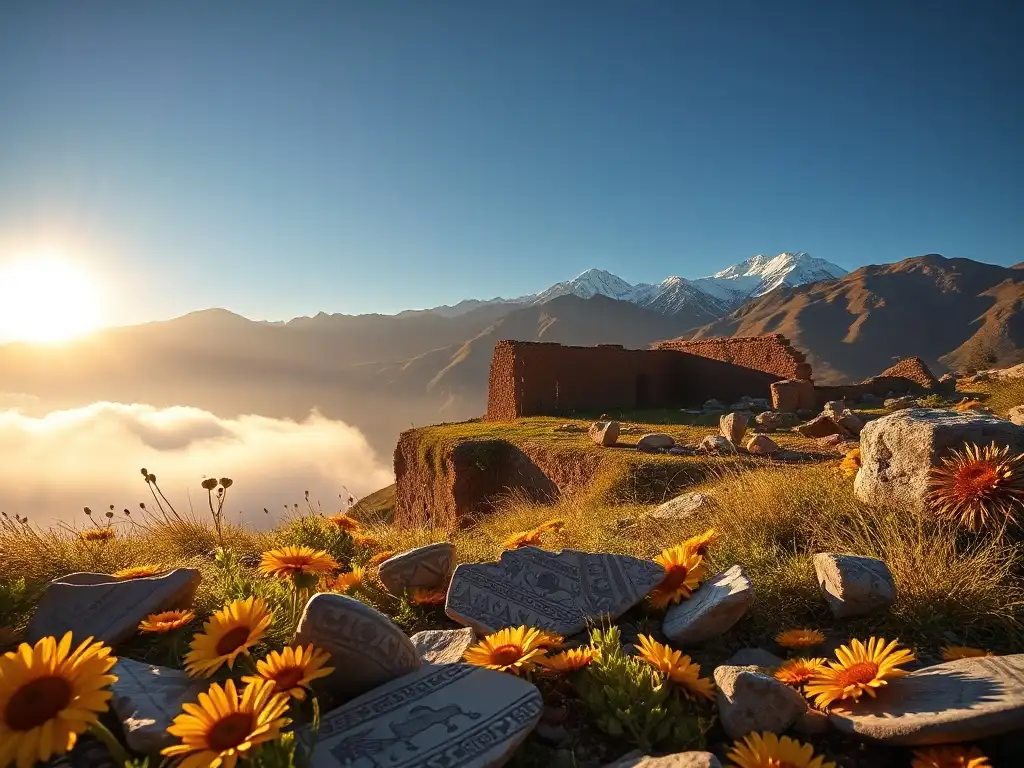
Step into a world lost to time, yet echoing with vibrant artistry. Before the Inca Empire rose to dominance, a tapestry of extraordinary cultures flourished in the Andes. Discover the breathtaking artistry of the pre-Inca era – from the enigmatic Nazca lines to the masterful ceramics of the Moche – and unlock the secrets of Andean art history pre-Inca. Prepare to be amazed by the ingenuity and sophistication of these ancient civilizations; their legacy awaits.
The Andes Mountains, a colossal spine running down the western coast of South America, nurtured a vibrant tapestry of pre-Inca cultures. For centuries before the Inca Empire's rise, diverse societies flourished, each leaving behind a unique artistic legacy that reflects their beliefs, social structures, and interaction with their challenging environment.
This article delves into the fascinating world of Andean art history pre-Inca, exploring the artistic expressions of these remarkable civilizations, revealing a complexity and sophistication that predates the Inca by millennia. We will examine the diverse styles, techniques, and meanings behind the art, uncovering the stories etched into ceramics, textiles, and monumental architecture, long before the Inca Empire unified the region.
Understanding this pre-Inca artistic heritage is crucial to fully appreciating the richness and depth of Andean cultural history. The journey through this rich artistic landscape will highlight the ingenuity and creativity of these early Andean peoples, demonstrating that the Inca legacy built upon a foundation of already impressive artistic achievements.
Ceramic Traditions: Shaping Stories in Clay
Pre-Inca Andean societies developed remarkably sophisticated ceramic techniques. Different cultures employed distinct styles and decorative motifs. The Chavín culture (900-200 BCE), for example, is renowned for its distinctive pottery, often featuring stylized feline and serpent imagery, reflecting their complex religious beliefs. These ceramics were not merely functional vessels; they were imbued with symbolic meaning, acting as powerful tools for communicating religious narratives and social status.
The intricate designs, often achieved through meticulous carving and painting, showcase a high level of artistic skill and cultural sophistication. Detailed studies of Chavín ceramics reveal a remarkably consistent style across vast geographical areas, suggesting a degree of cultural exchange and centralized influence. Further research is needed to fully understand the extent of this network and its impact on artistic development in the region.
Textile Arts: Weaving Narratives into Fabric
Beyond ceramics, textile production was another cornerstone of Andean artistic expression. The use of cotton and camelid fibers (llama, alpaca, and vicuña) allowed for the creation of incredibly durable and intricately woven textiles. Early examples, dating back to pre-ceramic periods, reveal a mastery of weaving techniques that would continue to evolve and flourish in subsequent centuries.
The use of vibrant natural dyes, derived from plants and minerals, produced a striking array of colors, further enhancing the visual impact of these textiles. Many pre-Inca textiles incorporated complex designs and symbolic motifs that conveyed religious and social information.
The intricate patterns, often geometric or zoomorphic, suggest a highly structured social order and a sophisticated understanding of textile production as a means of expressing cultural identity. Unfortunately, the perishable nature of many textiles means that our understanding of their full scope and variety is still incomplete; ongoing archaeological work continues to reveal new examples.
Monumental Architecture: Shaping the Landscape
The artistic expression of many pre-Inca societies extended beyond portable objects to monumental architecture. Sites like the monumental structures of Tiwanaku (c. 300-1000 CE) display an impressive command of stonework and engineering skills. The precise cutting and fitting of massive stone blocks, without the use of metal tools, demonstrates a remarkable understanding of construction techniques and a sophisticated social organization capable of mobilizing large-scale labor.
The monumental architecture of Tiwanaku not only served practical purposes but also played a significant role in religious and ceremonial activities, acting as a powerful symbol of social power and cultural identity. The scale and complexity of these structures stand as a testament to the advanced technological capabilities and social organization of pre-Inca societies. The precise methods used for constructing these structures remain partially mysterious, highlighting the continuing need for research and investigation.
Metalwork: Crafting Symbols of Power
The development of metalworking techniques marks another significant artistic achievement in the pre-Inca Andes. Societies like the Moche (100-800 CE) were skilled in working with gold, silver, and copper, creating intricate ornaments, tools, and ceremonial objects. Moche metalwork is often characterized by its highly naturalistic depictions of animals and humans, showcasing a remarkable level of detail and artistic skill. These metal objects often held significant religious or ceremonial value, reflecting the importance of metal in the social and political life of the Moche.
The meticulous craftsmanship involved in their production underscores the high status of the metalworkers within their society. Further analysis of Moche metalwork can provide valuable insights into their belief systems and social structures. The techniques employed, and the materials used, speak volumes about their technological prowess and artistic sophistication.
- Ceramic Traditions: Shaping Stories in Clay
- Textile Arts: Weaving Narratives into Fabric
- Monumental Architecture: Shaping the Landscape
- Metalwork: Crafting Symbols of Power
Introduction to Pre-Inca Andean Art History
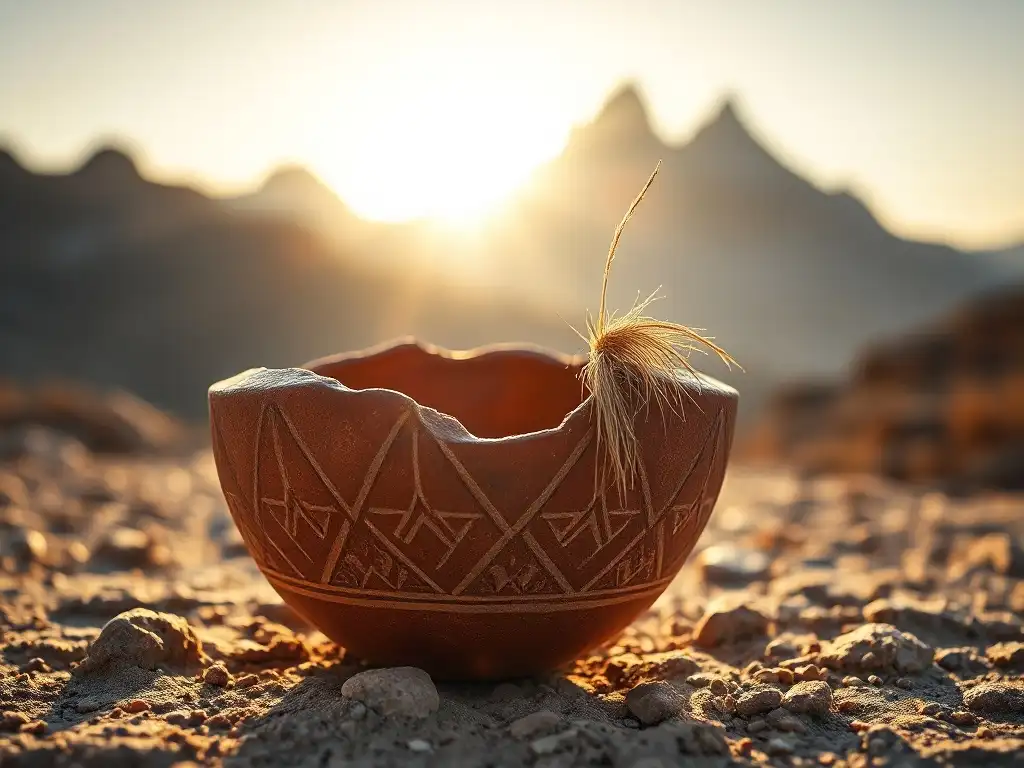
This section delves into the fascinating world of Andean art before the rise of the Inca Empire. Understanding this period is crucial for a complete appreciation of Andean art history preInca. We'll explore the diverse artistic expressions of various pre-Inca cultures, highlighting their unique styles, techniques, and the societal contexts that shaped them.
While the Inca Empire undoubtedly left a significant mark on Andean artistic traditions, the foundations were laid centuries earlier by a rich tapestry of cultures, each contributing its own vibrant thread to the overall narrative. This exploration will reveal the ingenuity and artistry of these early Andean societies, challenging simplistic narratives and offering a nuanced perspective on the development of Andean artistic heritage. We will examine the evidence—from ceramics and textiles to monumental architecture and metalwork—revealing the sophisticated techniques and symbolic meanings embedded within these remarkable creations.
Unveiling the Artistic Heritage of the Andes
The Andes Mountains, a spine of towering peaks stretching along the western edge of South America, nurtured a remarkable diversity of cultures long before the Inca. Each group, from the coastal Moche to the high-altitude Tiahuanaco, developed its own distinct artistic style, reflecting their unique environments and beliefs. The study of pre-Inca Andean art reveals a complex interplay of influences, innovations, and continuities.
For instance, the intricate textile work of the Paracas culture, known for their elaborate mummy bundles and vibrant colors, foreshadowed later textile traditions. Similarly, the Moche's mastery of ceramics, showcasing detailed depictions of their daily lives and mythology, laid the groundwork for subsequent ceramic styles. This artistic continuity and innovation demonstrate a sophisticated understanding of artistic principles and techniques passed down through generations.
Analyzing these diverse artistic expressions helps us understand the social structures, religious beliefs, and technological capabilities of these pre-Inca societies. Detailed studies of pottery styles, for example, have revealed significant insights into trade networks and social hierarchies within these ancient communities. The artistry wasn't merely decorative; it was deeply intertwined with the fabric of Andean life.
The Importance of Studying Pre-Inca Art
Studying pre-Inca Andean art is not simply an academic pursuit; it is essential for a comprehensive understanding of Andean art history preInca. By exploring the artistic achievements of these earlier cultures, we gain a deeper appreciation for the complexity and richness of Andean artistic traditions. Ignoring this foundational period risks a skewed and incomplete understanding of later developments, including the Inca Empire's artistic legacy. Furthermore, understanding the pre-Inca artistic heritage allows us to appreciate the evolution of Andean artistic styles and techniques over time.
We can trace the development of particular motifs, technologies, and aesthetic preferences, revealing the long-term cultural processes that shaped Andean art. The study of pre-Inca art also provides valuable insights into the social, political, and religious lives of these ancient societies. Artistic representations often reveal crucial information about daily life, rituals, beliefs, and social structures that might otherwise be lost to time.
The detailed depictions on Moche pottery, for example, offer a unique window into their social organization, warfare, and religious practices. In short, studying pre-Inca Andean art is crucial for a truly holistic and nuanced understanding of Andean civilization's artistic achievements and their lasting influence. It allows us to appreciate the full spectrum of creativity and innovation that characterized Andean societies before the Inca, providing a more complete and accurate narrative of Andean art history.
Early Artistic Manifestations in the Andean Region
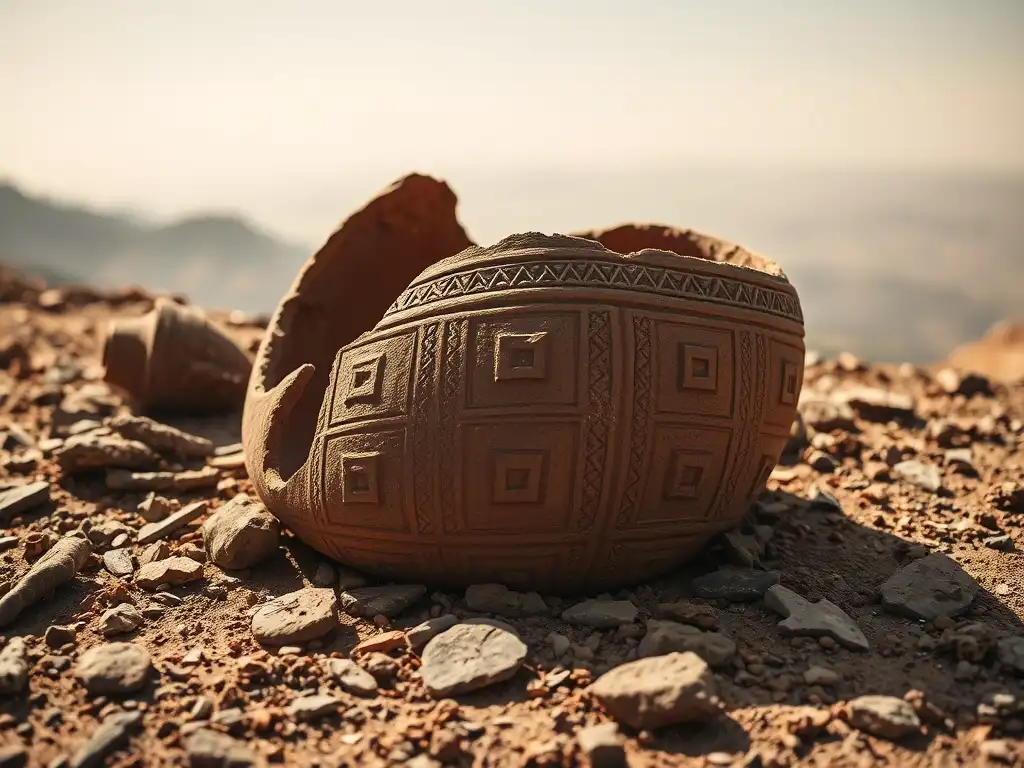
This section delves into the fascinating world of Andean art predating the Inca Empire, exploring the diverse artistic expressions that flourished across various cultures and regions. We will examine the initial forms of visual representation and the significant role art played in shaping early Andean societies. Understanding this pre-Inca artistic heritage is crucial to appreciating the rich tapestry of Andean art history preInca and its lasting impact on later civilizations, including the Inca.
The analysis will focus on identifying common threads and unique characteristics within the artistic styles, materials, and techniques employed. This exploration will reveal the ingenuity and sophistication of these early Andean artists, long before the rise of the Inca Empire.
Initial Forms of Visual Expression in the Andes
The earliest forms of Andean visual expression are often found in the context of ritual and ceremonial practices. Evidence suggests that the use of pigments for body painting and rock art emerged very early in the Andean region. These early forms of artistic expression were not merely decorative; they served important social and religious functions.
For instance, the use of ochre pigments in rock paintings, common across numerous sites, suggests a connection to fertility rituals and shamanistic practices. The abstract designs and geometric patterns frequently depicted hint at a sophisticated understanding of cosmology and the natural world. Further research is needed to fully understand the symbolism inherent in these early rock art traditions. However, the sheer diversity of styles and techniques already identified across the region points to a complex and vibrant artistic landscape.
Analyzing the available evidence, including the surviving fragments of textiles and pottery shards, paints a picture of gradual artistic development. The earliest examples are relatively simple, often featuring basic geometric shapes and limited color palettes. However, as time progressed, we see a growing complexity in design, the incorporation of more vibrant colors, and the emergence of more representational styles. This evolution reflects a growing sophistication in artistic techniques and an increasing understanding of the expressive potential of art.
The Role of Art in Early Andean Societies
Art in pre-Inca Andean societies was deeply intertwined with daily life and social structures. It played a vital role in expressing social status, religious beliefs, and narratives of the past. Artistic production wasn't limited to a specialized class; instead, it was likely a shared activity within communities, with varying levels of expertise and skill.
The creation and use of textiles, for example, were integral to Andean life. Textiles served as clothing, bedding, and ceremonial objects. The intricate weaving techniques, complex designs, and use of high-quality materials reflect not only artistic skill but also social status and power. Elaborate textiles, often adorned with intricate iconography, were likely worn by elites and used in important ceremonies. Their preservation, often in burial contexts, highlights their enduring significance.
Similarly, pottery served both practical and symbolic purposes. Early pottery forms, while relatively simple in design, often exhibit careful craftsmanship and attention to detail. As societies developed, pottery became increasingly sophisticated, with the emergence of diverse forms, decorative techniques, and complex iconography. The styles and decorations on pottery often reflect regional variations, suggesting a strong connection between art and identity.
The use of specific colors, shapes, and designs may have indicated social status, clan affiliation, or religious beliefs. Further detailed stylistic analysis is needed to fully delineate the social and ritual functions of these ceramic traditions. The study of Andean art history preInca, therefore, requires a multifaceted approach, combining archaeological findings with anthropological insights to fully understand the role art played in shaping these early societies.
Regional Artistic Developments Before the Inca
This section delves into the diverse artistic expressions that flourished across the Andes long before the Inca Empire's rise, showcasing the unique styles and techniques developed in both coastal and highland regions. Understanding this pre-Inca Andean art history is crucial to appreciating the full scope of Andean artistic achievement. We'll explore key cultural groups and their contributions, highlighting the ingenuity and sophistication of their artistic endeavors. The keyword "Andean art history preInca" is central to this exploration.
The Coastal Artistic Traditions
The coastal regions of Peru, with their rich resources and vibrant societies, fostered unique artistic traditions. The proximity to the sea heavily influenced artistic motifs and materials, resulting in a fascinating array of styles and techniques.
Art of the Valdivia Culture: Early Ceramic Expressions
The Valdivia culture (3500-1800 BCE), considered one of the earliest known ceramic-producing societies in the Americas, produced remarkably sophisticated pottery. Their figurines, often depicting female figures, are characterized by their delicate modeling and simple, yet elegant, forms. These early examples of Andean art show a deep understanding of clay manipulation and firing techniques, laying the groundwork for future ceramic traditions.
The stylistic innovations of Valdivia artists are a testament to their early artistic prowess and understanding of their environment. Further research is needed to fully understand the symbolic meaning behind the recurring female figurines. [Specific information pending on symbolic interpretations of Valdivia figurines].
The Moche Culture and its Exquisite Pottery
The Moche culture (100-800 CE) is renowned for its incredibly detailed and lifelike pottery. Their mastery of ceramic techniques allowed them to create intricate vessels depicting scenes of daily life, mythology, and ritual practices. The use of vibrant colors and finely-detailed modeling set Moche pottery apart. Examples include depictions of warriors, priests, and elaborate ceremonies. These vessels offer invaluable insights into Moche society, beliefs, and artistic skill. The precision and realism in their work are unparalleled in pre-Columbian Andean art. The Moche's artistic achievements represent a pinnacle of pre-Inca coastal artistic expression.
The Nazca Culture: Geoglyphs and Textile Art
The Nazca culture (100 BCE – 800 CE) is famous for its massive geoglyphs etched into the desert landscape. These enormous figures, visible only from the air, remain a source of ongoing research and speculation concerning their purpose and creation. However, the Nazca's artistic talents extend far beyond these enigmatic earthworks.
Their textile art is equally impressive, characterized by intricate designs and vibrant colors achieved through sophisticated weaving techniques. The textiles often feature stylized animals, plants, and geometric patterns, demonstrating a sophisticated understanding of textile production and artistic expression. The Nazca's artistic legacy encompasses a wide range of media, reflecting their diverse artistic skills and cultural beliefs.
The Highland Artistic Traditions
The highland regions of the Andes, characterized by their challenging terrain and diverse ecosystems, also saw the emergence of remarkable artistic traditions. These cultures often utilized stone and metalwork, reflecting the availability of resources and the importance of monumental architecture in their societies.
Chavín Art: Religious Iconography and Stone Carvings
The Chavín culture (900-200 BCE) is associated with a powerful religious ideology reflected in its art. Chavín art is characterized by its distinctive stylistic features, including stylized feline and serpent motifs, often depicted in stone carvings and ceramics. The use of intricate designs and symbolic representations points to a complex religious system and a sophisticated artistic tradition. The iconic Chavín style influenced subsequent Andean cultures, highlighting its importance in pre-Inca Andean art history. Further research is needed to fully decipher the iconography and its religious significance. [Specific information pending on the precise meaning of Chavín iconography].
The Tiahuanaco Culture: Monumental Architecture and Sculpture
The Tiahuanaco culture (500-1000 CE) is known for its monumental architecture, including the iconic city of Tiahuanaco itself. The massive stone structures and intricate carvings demonstrate a remarkable understanding of engineering and artistry. The Tiahuanaco's artistic expression extended to sculpture, with finely crafted stone figures often depicting stylized human and animal forms. Their monumental architecture and precise stonework are a testament to their advanced engineering and artistic capabilities. The style and scale of their works are unique within the Andean art history preInca period.
The Wari Culture: Urban Planning and Tapestry
The Wari culture (600-1000 CE) demonstrated sophisticated urban planning, creating large, well-organized cities. While their monumental architecture may not be as immediately striking as Tiahuanaco's, their artistic achievements are equally significant. The Wari are particularly known for their finely woven tapestries, often featuring intricate designs and vibrant colors. These tapestries, often found in tombs and elite contexts, are considered important indicators of Wari social status and artistic skill. Their artistry in textiles provides crucial insights into their worldview and social organization, adding another layer to the rich tapestry of pre-Inca Andean art.
Materials and Techniques in Pre-Inca Art
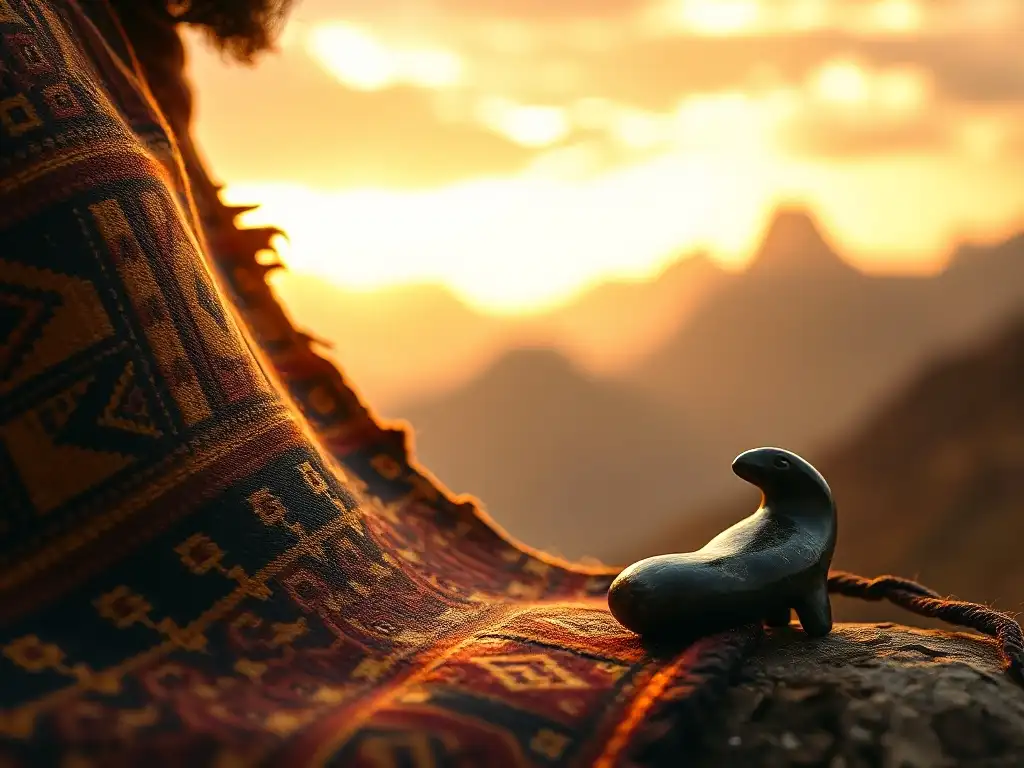
This section delves into the diverse materials and techniques employed by Andean artists before the Inca Empire, showcasing the ingenuity and artistic prowess of these pre-Columbian cultures. Understanding these foundational methods is crucial to appreciating the complexity and beauty of Andean art history pre-Inca. We will explore the mastery of clay, textiles, and metals, highlighting the unique characteristics of each medium and the cultural significance embedded within the resulting artwork. The variety and sophistication of these techniques demonstrate a rich artistic tradition that significantly predates the Inca.
The Use of Clay in Andean Ceramics
Andean ceramics represent a significant aspect of Andean art history pre-Inca, showcasing a remarkable evolution in techniques and styles across different cultures and time periods. The use of clay, readily available throughout the Andes, allowed for the creation of a vast array of objects, from everyday utilitarian vessels to elaborate ceremonial pieces.
Early Andean ceramic traditions often involved simple hand-building techniques, followed by the development of more sophisticated methods like the use of the potter's wheel, though its adoption varied regionally. The Chavín culture (900-200 BCE), for instance, is renowned for its intricately carved and painted ceramics, often depicting stylized jaguars, serpents, and other mythical creatures. These designs, characterized by their complex iconography, reflect the religious and cosmological beliefs of the Chavín people.
Later cultures, such as the Moche (100-800 CE), further refined ceramic techniques. They mastered the use of molds to create highly detailed and realistically rendered vessels, often depicting scenes of daily life, warfare, or religious rituals. The Moche's mastery of slip painting and polychromy added vibrant colors and intricate details to their pottery, creating truly stunning works of art. Their skill extended to creating large, impressive vessels, as well as smaller, more delicate pieces, demonstrating versatility and artistic control.
The Nazca culture (100 BCE – 600 CE) is known for its distinctive style of painted ceramics, featuring intricate geometric patterns and stylized figures. Their ceramic technology involved a high level of precision and control over the firing process to achieve a durable and visually striking product. The prevalence of specific motifs and colors within Nazca pottery suggests a complex system of social and religious symbolism.
Textile Art: Weaving Techniques and Patterns
Textile production in the Andes represents a remarkable feat of artistry and technological innovation. Pre-Inca Andean textile art employed a wide range of weaving techniques, creating extraordinarily intricate and durable fabrics. The use of natural dyes derived from plants and minerals produced a vibrant palette of colors, further enhancing the aesthetic appeal of these textiles.
The Paracas culture (700-100 BCE), for example, is celebrated for its exquisitely embroidered textiles, often featuring elaborate depictions of mythical creatures, human figures, and complex geometric patterns. The Paracas utilized a variety of advanced weaving techniques, including tapestry and embroidery, to achieve incredible levels of detail and visual complexity. Their mastery of these techniques reflects not only their artistic talent, but also their advanced understanding of textile production.
Different Andean cultures utilized different weaving techniques and patterns, creating a tapestry of regional styles. The use of specific motifs and colors often carried symbolic significance, reflecting the social structures, religious beliefs, and cosmological views of each culture. This rich diversity in textile production emphasizes the importance of textiles in Andean societies, extending beyond mere clothing to encompass ritual and ceremonial practices.
Metalwork and Lapidary Art
Pre-Inca Andean metalworking and lapidary art demonstrate a sophisticated understanding of metallurgy and stone carving. These crafts were not only functional but also held significant religious and symbolic meaning. Access to various metals and stones influenced the style and techniques of these crafts across different regions.
The use of gold, silver, copper, and bronze varied across different cultures. The Moche, for instance, were highly skilled metalworkers, creating intricate gold and silver objects, often featuring representations of deities and animals. Their techniques included hammering, casting, and repoussé, resulting in finely crafted ornaments, jewelry, and ceremonial objects.
Lapidary art, the art of cutting and polishing stones, was also highly developed. The use of obsidian, turquoise, and other precious stones for the creation of tools, ornaments, and ritual objects demonstrates a sophisticated understanding of material properties and artistic skill. The meticulous craftsmanship evident in these objects showcases a high level of artistic refinement and technical proficiency.
The precision and artistry evident in both metalworking and lapidary art across various Pre-Inca cultures highlight the advanced technological capabilities and the deep cultural significance embedded in these crafts. The surviving examples of these crafts serve as a testament to the artistic ingenuity and skill of Andean civilizations before the Inca Empire, providing invaluable insights into their beliefs, social structures, and artistic traditions.
Stone Carving and Architectural Decoration
Stone carving held immense significance in Andean art history pre-Inca, serving not only as a medium for artistic expression but also as a crucial element in architectural decoration. The mastery of stonework varied across different cultures and time periods, reflecting distinct artistic styles and technological advancements.
The pre-Inca Andean peoples demonstrated an impressive ability to extract, transport, and shape massive stone blocks, a feat of engineering and artistry that continues to inspire awe today. This skill is particularly evident in monumental structures like those found at Tiahuanaco, where precisely cut stones were meticulously fitted together without mortar, showcasing an advanced understanding of geometry and construction techniques.
The intricate carvings adorning these structures, often depicting stylized figures, geometric patterns, and zoomorphic motifs, provide valuable insights into the religious beliefs and social structures of these early Andean societies. The precise execution of these carvings, often employing techniques like low-relief carving and incising, speaks to the high level of skill and craftsmanship possessed by Andean stone carvers.
Further examination reveals a fascinating evolution in stone carving techniques throughout the pre-Inca period. Early examples often feature simpler, more geometric designs, while later periods witness a greater complexity and sophistication in both the subject matter and the execution. This development reflects not only advancements in tool technology but also a burgeoning artistic imagination and a growing desire to express increasingly intricate ideas through stone.
The use of different types of stone, such as andesite, basalt, and diorite, also contributed to the unique visual characteristics of the carvings, with each stone type offering distinct possibilities for texture, color, and durability. The selection of stone was clearly a deliberate artistic choice, reflecting not only practical considerations but also symbolic meaning associated with the specific material. For instance, the use of specific colored stones might have held particular significance within a particular culture's cosmology or religious beliefs.
Unfortunately, the precise symbolic meaning of many of these choices remains a subject of ongoing research and debate among Andean art historians. Detailed studies of these carvings and their context continue to illuminate our understanding of pre-Inca Andean societies, revealing a rich tapestry of beliefs, practices, and artistic traditions.
Decoding the Symbolism in Pre-Inca Art
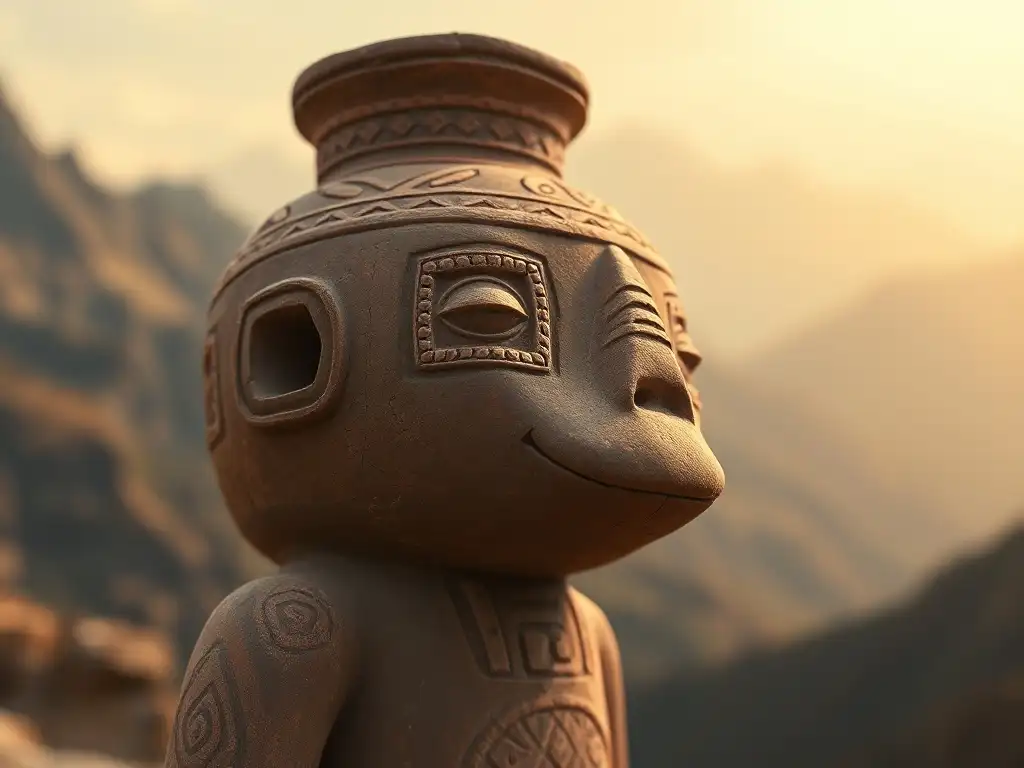
The vibrant tapestry of Andean art history pre-Inca is far more than aesthetically pleasing; it's a rich repository of symbolic language reflecting the spiritual beliefs, social structures, and environmental realities of these fascinating cultures. Understanding the symbolism embedded within these artifacts provides a crucial window into the minds and lives of these ancient peoples. This section delves into the key motifs and patterns that recur across various pre-Inca artistic expressions, offering a glimpse into their complex worldview.
From the intricate religious iconography to the stylized representations of nature, each element holds a significant meaning, allowing us to piece together a more complete picture of Andean pre-Inca societies. The study of Andean art history pre-Inca, therefore, requires a multi-faceted approach, combining artistic analysis with anthropological and archaeological insights.
Religious Motifs and Deities
Religious beliefs formed the cornerstone of Andean societies, and their art reflects this profoundly. Many pre-Inca cultures, such as the Chavín and Paracas, depicted deities and supernatural beings in their ceramics, textiles, and stone carvings. These representations often feature anthropomorphic figures with feline or other animalistic traits, highlighting the close relationship between the human and animal worlds in their cosmology. For example, the Chavín culture's iconic deity, often depicted with a fierce expression and fangs, is believed to represent a powerful, transformative force.
The stylistic conventions varied considerably across different cultures. The Nazca, known for their monumental geoglyphs, also created intricate ceramics featuring stylized deities and mythological creatures. These artistic choices weren't arbitrary; they served to reinforce religious beliefs, communicate social hierarchies, and perhaps even guide ritual practices. Further research is needed to fully understand the specific meaning of individual motifs within different regional contexts. [Specific information pending on regional variations in deity representations].
We can analyze the frequency of certain motifs to infer their relative importance within the religious system. For instance, the prevalence of feline imagery in Chavín art suggests the lion's significance in their pantheon. Conversely, the absence of such motifs in later Paracas art might indicate a shift in religious beliefs over time. This comparative analysis helps us to trace the evolution of religious ideas across different Andean cultures and periods.
Representations of Nature and Animals
The Andean landscape profoundly influenced the artistic expressions of its inhabitants. Mountains, rivers, and the diverse fauna of the region frequently appear in pre-Inca art. These representations are not merely naturalistic depictions; they often carry symbolic weight, reflecting the vital role of nature in their lives and beliefs. For example, the condor, a powerful bird of prey, frequently appears as a symbol of power and authority.
Animals were not only integral to their environment but also held deep spiritual significance. Camelids, such as llamas and alpacas, were essential to their economy and played important roles in their mythology. The meticulous detail and expressive poses in which these animals are depicted in textiles and pottery suggest a profound connection between humans and animals.
The representation of plants also reveals important insights. Certain plants, such as coca and maize, are frequently found in artistic representations, emphasizing their economic and spiritual importance. The intricate depictions of these plants in textiles and ceramics showcase the advanced botanical knowledge of these ancient societies. Their artistry not only documents the natural world but also reveals their deep understanding and respect for the environment that sustained them.
Geometric Patterns and Symbolic Language
Beyond representational art, pre-Inca cultures also utilized complex geometric patterns and abstract designs. These patterns, often woven into textiles or carved into pottery, are not merely decorative; they represent a sophisticated system of symbolic language. The repetition of specific shapes, colors, and arrangements suggests a deeper meaning, possibly conveying social status, clan affiliations, or even calendrical information.
The use of color also carries symbolic significance. Certain colors, such as red and black, seem to recur frequently, potentially representing different concepts or aspects of their worldview. [Specific information pending on color symbolism in different pre-Inca cultures]. The intricate weave structures in textiles, for instance, also reveal a high level of technical skill and could have been used to encode further information.
Understanding this geometric language requires a multidisciplinary approach, combining art historical analysis with anthropological and linguistic insights. While much remains to be deciphered, the complexity and sophistication of these patterns point to a rich and nuanced symbolic system that warrants further investigation. The study of Andean art history pre-Inca is an ongoing process of discovery, revealing new layers of meaning with each new artifact uncovered and analyzed.
The Legacy of Pre-Inca Art
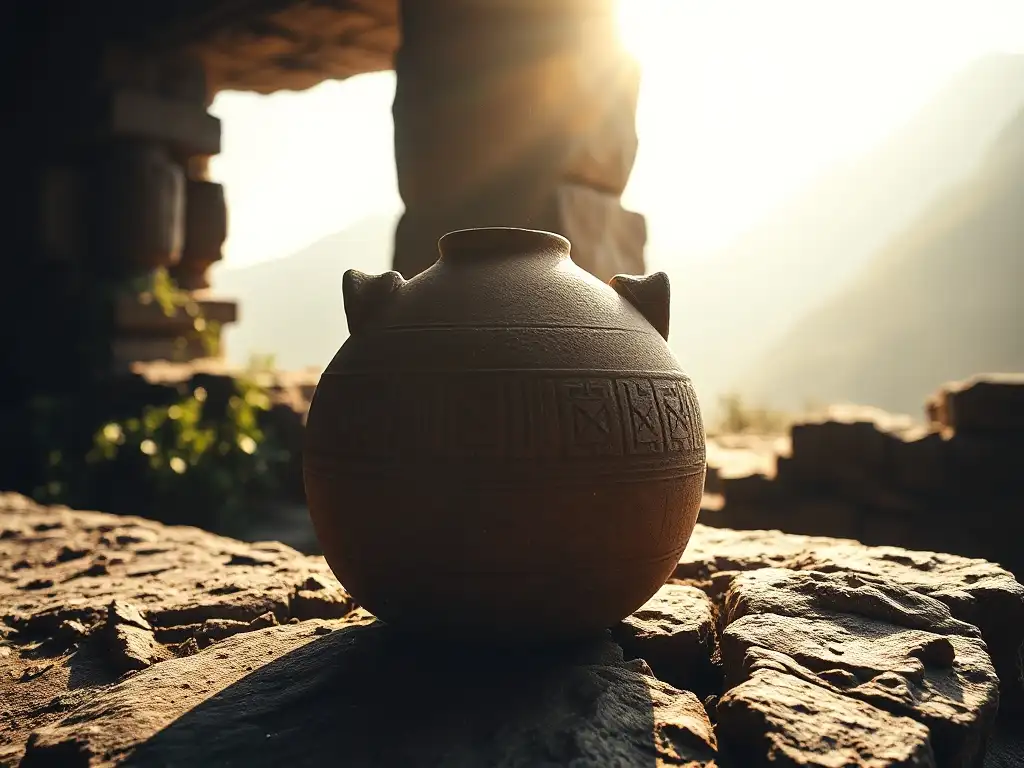
This section delves into the profound and lasting impact of pre-Inca Andean art on subsequent cultural developments, particularly within the Inca Empire and beyond. Understanding this legacy is crucial to appreciating the full scope of Andean art history preInca. We'll explore how earlier artistic styles, techniques, and motifs were adopted, adapted, and reinterpreted by later Andean civilizations.
Influence on Later Andean Cultures
The Inca Empire, while undeniably powerful and influential, did not emerge in a vacuum. Its artistic achievements built upon a rich foundation laid by preceding cultures. For example, the intricate textile traditions of the Wari and Tiwanaku civilizations, characterized by complex weaving techniques and symbolic designs, directly influenced Inca textile production.
Inca artisans undoubtedly learned from and adapted these techniques, incorporating them into their own imperial aesthetic. The use of vibrant colors, geometric patterns, and representations of animals and deities, prevalent in pre-Inca pottery and metalwork, can be seen echoed in Inca art, albeit with modifications reflecting the imperial style.
The continuity is particularly evident in the symbolic language employed. Many motifs, such as the khipu (knotted string record-keeping system) and representations of specific animals, retained their significance across different cultural periods. While the Inca may have given these symbols new interpretations within their imperial ideology, the underlying imagery and symbolism point to a direct lineage from earlier traditions. This is not merely a case of imitation, but rather a process of cultural assimilation and transformation, where pre-existing artistic elements were re-contextualized and integrated into the Inca worldview.
The Enduring Relevance of Early Andean Art
The artistic expressions of pre-Inca Andean cultures continue to resonate today, not only as historical artifacts but also as sources of inspiration and cultural identity. These early works offer invaluable insights into the beliefs, values, and daily life of the people who created them. The rich tapestry of artistic styles across different regions reveals a surprising degree of both diversity and interconnectedness, highlighting the complex social and political landscape of the Andean highlands prior to the Inca expansion.
The enduring appeal of this art also lies in its aesthetic qualities. The sophisticated craftsmanship, the vibrant colors, and the intricate designs continue to captivate audiences worldwide. From the delicate ceramics of the Nazca to the monumental stone sculptures of Tiahuanaco, these artistic achievements stand as testaments to the ingenuity and creativity of Andean peoples. Their enduring legacy is palpable, influencing contemporary Andean art and inspiring new generations of artists to explore the rich heritage of their ancestors. The study of Andean art history preInca provides a critical understanding of this continuous artistic dialogue.
Current Research and Conservation Efforts
The preservation and study of pre-Inca Andean art are ongoing processes. Archaeologists and art historians continue to uncover new sites and artifacts, expanding our understanding of these ancient cultures. Advanced technologies, such as 3D scanning and digital imaging, are being employed to document and preserve fragile artifacts, allowing for detailed analysis without causing further damage. Furthermore, significant efforts are dedicated to the ethical repatriation of artifacts to their countries of origin and the protection of archaeological sites from looting and environmental damage.
These conservation efforts are not simply about preserving objects; they are about safeguarding cultural heritage and promoting a deeper understanding of Andean art history preInca. By engaging in responsible research and conservation, we ensure that the rich legacy of these ancient civilizations will continue to inspire and educate future generations. The ongoing work underscores the importance of protecting these invaluable treasures for the benefit of humanity and the Andean communities themselves.
This active engagement with the past ensures that the artistic achievements of pre-Inca cultures remain accessible and appreciated for years to come. The future of Andean art history preInca depends on such continuing dedication.
Conclusion: A Rich Tapestry of Pre-Inca Artistic Achievements
The preceding sections have explored the diverse and fascinating artistic expressions that flourished in the Andes long before the Inca Empire. From the intricate textiles of the Paracas culture to the monumental architecture of the Tiahuanaco, the Andean world teemed with creative energy, resulting in a rich tapestry of artistic achievements. This pre-Inca artistic legacy is not merely a collection of artifacts; it's a powerful testament to the ingenuity, spirituality, and societal structures of these remarkable civilizations.
Understanding this pre-Inca Andean art history is crucial to grasping the full complexity and depth of Andean cultural development. The innovations and artistic styles we've examined laid the groundwork for later Andean artistic traditions, including those of the Inca Empire itself. The influence of pre-Inca styles can be observed in later pottery, textiles, and metalwork, highlighting the continuity and evolution of artistic practices across centuries.
Analyzing these earlier styles provides invaluable context for understanding the later, more widely known Inca art. The study of Andean art history pre-Inca offers a unique lens through which to appreciate the dynamism and resilience of Andean societies.
Reflecting on the Artistic Diversity of the Andes
The Andes weren't a monolithic entity; rather, a multitude of distinct cultures, each with its unique artistic voice, thrived in this geographically diverse region. The variations in artistic styles reflect not only differences in materials and techniques but also differences in religious beliefs, social structures, and environmental adaptations. For example, the arid coastal regions, like those inhabited by the Nazca, fostered a unique artistic tradition centered around intricate geoglyphs and finely crafted ceramics depicting stylized figures and intricate designs.
In contrast, the high-altitude cultures, such as the Tiahuanaco, developed monumental architecture and sophisticated stone carving techniques reflecting their adaptation to a challenging environment and their complex societal organization. This diversity underscores the importance of studying each culture individually to fully appreciate the breadth and depth of Andean artistic achievement. The common thread, however, is the remarkable skill and innovation demonstrated across all these diverse artistic expressions.
Further research is needed to fully understand the interactions and influences between these different cultural groups, potentially revealing even more intricate connections and exchanges of artistic ideas. The geographical and environmental factors, combined with the unique cultural developments, created a vibrant and incredibly diverse artistic landscape.
The Importance of Preserving the Andean Artistic Heritage
The preservation of Andean artistic heritage is not merely an academic pursuit; it's a vital task for ensuring the continuity of cultural memory and understanding. These artifacts are tangible links to the past, providing invaluable insights into the lives, beliefs, and societies of past Andean peoples. Unfortunately, many sites and artifacts face threats from looting, environmental degradation, and the pressures of modernization.
The ongoing efforts to protect and conserve these precious remnants of Andean artistic expression are paramount. This includes not only physical preservation but also the documentation and dissemination of knowledge about pre-Inca Andean art through museums, research institutions, and educational initiatives. By actively preserving and studying these artistic achievements, we honor the legacy of Andean cultures and contribute to a deeper understanding of human creativity and cultural evolution.
The responsibility for safeguarding this irreplaceable heritage rests upon us, ensuring that future generations can appreciate and learn from the rich artistic legacy of the Andes. Increased funding for archaeological research and conservation efforts, combined with stricter regulations against looting and illegal trafficking of artifacts, are crucial steps towards achieving this goal. 🌎 The task is significant but vital for the preservation of this incredible cultural legacy.
Frequently Asked Questions
What is the focus of "Andean art history pre-Inca"?
This area of study explores the artistic achievements of Andean cultures before the Inca Empire, including the Moche, Nazca, and Tiahuanaco, among others. It examines their unique styles, techniques, and the cultural contexts of their art.
How does pre-Inca Andean art differ from Inca art?
While both share some Andean stylistic elements, pre-Inca art displays a greater diversity of regional styles. Inca art, while impressive, often shows more uniformity across its vast empire. Pre-Inca art shows greater experimentation.
What are some key characteristics of pre-Inca Andean art?
Pre-Inca art is characterized by its sophisticated techniques, including metalworking, pottery, textile production, and monumental architecture. Styles varied greatly depending on the specific culture and region.
Which pre-Inca cultures are most significant in terms of artistic production?
The Moche, Nazca, and Tiahuanaco cultures stand out for their remarkable artistic output. The Moche are known for their pottery depicting daily life and mythology, while the Nazca are famous for their geoglyphs and intricate textiles. Tiahuanaco is renowned for its monumental architecture and stone carving.
Where can I learn more about pre-Inca Andean art?
You can explore museums with collections of Andean artifacts, such as the Larco Museum in Lima, Peru. Academic journals and books on Andean archaeology and art history offer in-depth information. Many online resources also provide valuable insights.
Final Reflection: Echoes of a Lost World: The Enduring Legacy of Pre-Inca Andean Art
The vibrant tapestry of Pre-Inca Andean art, far from being a relic of a bygone era, continues to resonate powerfully in contemporary society. Its intricate designs, symbolic narratives, and masterful craftsmanship offer a profound understanding of human creativity and resilience, challenging our modern perspectives on art, culture, and societal development. The echoes of these ancient expressions still reverberate, influencing artistic movements and reminding us of the rich diversity of human experience.
The enduring power of Pre-Inca Andean art lies not just in its aesthetic beauty, but in its ability to connect us to a past that shaped the present. These artistic expressions offer a window into the beliefs, rituals, and social structures of complex societies that flourished long before the Inca Empire. They speak to a deep connection with the natural world, a sophisticated understanding of mathematics and geometry, and a remarkable capacity for innovation. Art washes away from the soul the dust of everyday life.
– Pablo Picasso. This quote, though not directly referencing Andean art, perfectly encapsulates the cleansing and enriching power of engaging with these ancient masterpieces, allowing us to transcend the mundane and connect with something profoundly human.
Consider the intricate details, the bold colors, the symbolic weight carried within each piece. You, the reader, are now invited to reflect on the implications of this rich artistic heritage. How does understanding Pre-Inca Andean art broaden your perspective on history, culture, and the human spirit? What connections can you draw between these ancient expressions and contemporary artistic movements? Let the legacy of these masterful creations inspire you to seek out beauty, to appreciate the diversity of human expression, and to recognize the enduring power of art to transcend time and connect us across cultures.
**Unveil the Secrets of Andean Art! **
Thank you for exploring the rich tapestry of Andean artistic expression! We hope you've discovered the profound significance of these early creations and how they laid the groundwork for the vibrant culture that thrived before the Inca Empire.
Now, let's deepen your connection with this fascinating history:
- **Visit local galleries and museums** showcasing pre-Inca art to experience these masterpieces firsthand and appreciate their intricate craftsmanship.
- **Connect with fellow enthusiasts** by joining online communities and social media groups dedicated to Andean history. Share your insights and learn from others.
- **Create your own artwork inspired by Andean traditions**, perhaps using traditional materials or techniques to honor the region's artistic legacy.
Which aspect of Andean art most captivates you, and how will you integrate it into your life?