
Nazca Pottery and Textiles: A Comparative Study of Artistic Expression

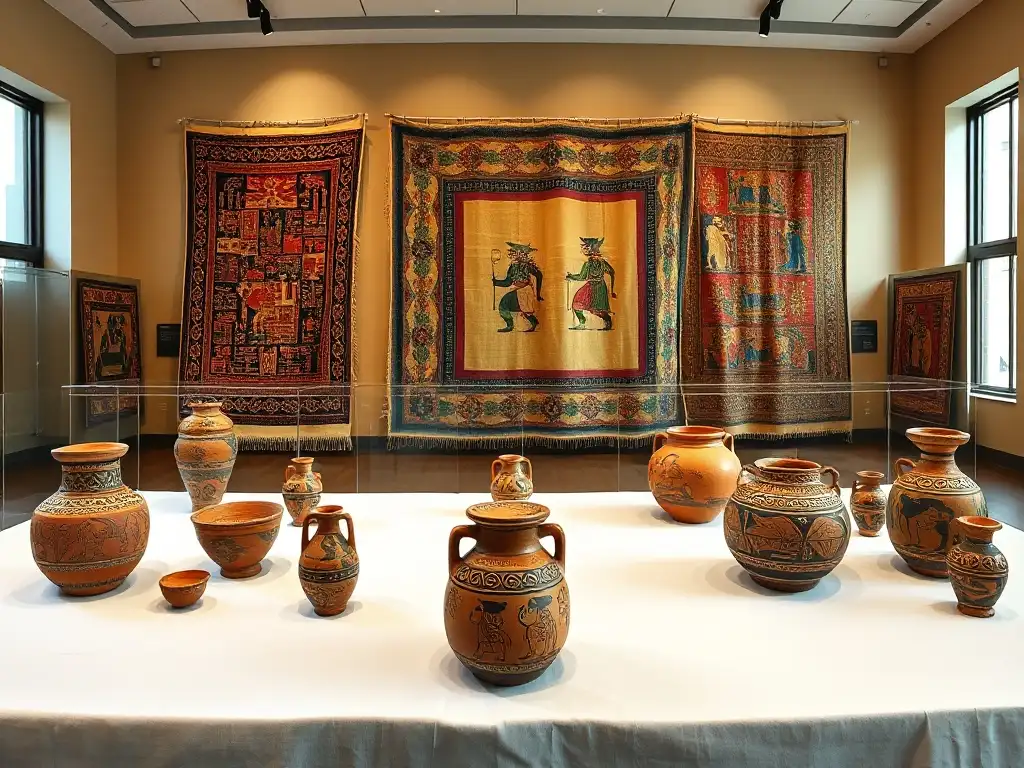
Dive into the mesmerizing world of the Andean civilizations! Prepare to be captivated by the intricate artistry and advanced engineering of cultures like the Incas, Moche, and Tiahuanaco. But first, let's unravel the mysteries surrounding the Nazca people. What secrets do their exquisite pottery and textiles hold? This journey begins with a fascinating Nazca pottery textile comparison, revealing surprising connections between these seemingly disparate art forms. Dare to explore the vibrant tapestry of Andean history – your adventure starts now!
The Nazca civilization, flourishing along Peru's southern coast between 100 BCE and 800 CE, left behind a remarkable legacy of artistic expression. This article delves into a comparative study of their pottery and textiles, two distinct yet interconnected art forms that offer invaluable insights into their societal structures, religious beliefs, and daily lives.
We'll explore the techniques, motifs, and stylistic choices employed in both mediums, highlighting the similarities and differences that reveal the nuances of Nazca artistic creativity and its enduring impact on Andean art history. By examining the interplay between these two crafts, we aim to provide a richer understanding of the Nazca worldview and its material manifestations, ultimately enriching our appreciation of this fascinating ancient culture.
This comparative analysis will focus on the key characteristics of Nazca pottery and textiles, revealing how these seemingly disparate art forms were interwoven into the fabric of Nazca society. The study will utilize existing scholarship and archaeological evidence to illuminate the artistic choices and techniques used.
Nazca Pottery: Techniques and Styles
Nazca pottery is renowned for its vibrant colors and intricate designs. Potters employed a highly skilled process, starting with the careful selection and preparation of clay. This was followed by meticulous shaping and firing techniques, resulting in durable vessels of varying shapes and sizes. The most striking feature, however, is the polychrome painting.
Artists used a variety of pigments, many derived from natural minerals, to create stunning scenes depicting deities, mythical creatures, and everyday life. The application of paint was incredibly precise, with fine lines and details demonstrating a high level of technical mastery. Common motifs include stylized plants, animals (such as hummingbirds and monkeys), and complex geometric patterns. The use of negative space is also noteworthy, contributing to the overall visual impact of the designs.
Furthermore, the vessels themselves often exhibit remarkable craftsmanship, with some showcasing intricate mold-made elements or sophisticated forms. The diversity of shapes, from simple bowls to complex effigy vessels, reveals the varied functions of pottery within Nazca society. Some were used for everyday purposes, while others held clear ritual significance.
Nazca Textiles: Weaving Techniques and Iconography
Nazca textiles, often found in burial contexts, represent another pinnacle of their artistic achievement. Woven from cotton and camelid fibers, these textiles exhibit a remarkable range of weaving techniques, including plain weave, tapestry, and embroidery. The colors, similarly vibrant to their pottery counterparts, were achieved through the use of natural dyes.
The iconography displayed on Nazca textiles is closely linked to that found on their pottery, further emphasizing the interconnectedness of these art forms. We find similar depictions of deities, mythical beings, and stylized flora and fauna, although the textile medium allows for different artistic approaches. The use of intricate patterns and complex designs demonstrates a high level of skill and planning.
The textiles also reveal a fascinating understanding of textile technology, with various techniques used to create texture and visual depth. Moreover, the variety in textile types, from simple cloths to elaborate garments, indicates their varied uses in daily life and ritual practices. The careful preservation of some textiles allows for detailed analysis of their construction and design, offering a unique glimpse into Nazca craftsmanship.
Comparing Nazca Pottery and Textiles: Similarities and Differences
While both Nazca pottery and textiles share a common artistic vocabulary and stylistic features, significant differences also exist. For example, the scale and complexity of designs often differ between the two mediums. Pottery lends itself to larger, more expansive scenes, while textiles often feature smaller, more intricately woven patterns. The three-dimensionality of pottery also allows for a greater range of forms and shapes compared to the flat surface of textiles.
However, both mediums utilize similar color palettes and iconographic motifs, suggesting a shared aesthetic sensibility and cultural context. The repetition of certain motifs across both media strengthens the argument for a holistic artistic vision within Nazca society. Further research is needed to fully understand the relationship between the workshops and artisans who produced these objects, as well as the social and economic roles they played within the community. 🕵️♀️
Conclusion: Interpreting Nazca Artistic Expression
The comparative study of Nazca pottery and textiles reveals a sophisticated and complex artistic tradition. The similarities in iconography and color palettes suggest a unified artistic vision, while the differences in technique and scale highlight the unique characteristics of each medium. Both art forms offer invaluable insights into the beliefs, practices, and social structures of the Nazca civilization, enriching our understanding of this remarkable ancient culture.
Further research, including more detailed chemical analysis of pigments and a broader survey of surviving artifacts, could potentially reveal even more about the intricacies of Nazca artistic expression and its place within the wider context of Andean art. The ongoing study of these artifacts provides a powerful testament to the enduring legacy of the Nazca people and their remarkable contributions to art history. 🎉
- Nazca Pottery: Techniques and Styles
- Nazca Textiles: Weaving Techniques and Iconography
- Comparing Nazca Pottery and Textiles: Similarities and Differences
- Conclusion: Interpreting Nazca Artistic Expression
- What is the main focus of this comparative study?
- How do Nazca pottery and textiles differ in terms of materials?
- What are some common artistic motifs found in both Nazca pottery and textiles?
- How do the techniques used in Nazca pottery and textile production compare?
- What can the comparison of Nazca pottery and textiles reveal about Nazca culture?
Introduction to Nazca Art: Pottery and Textiles
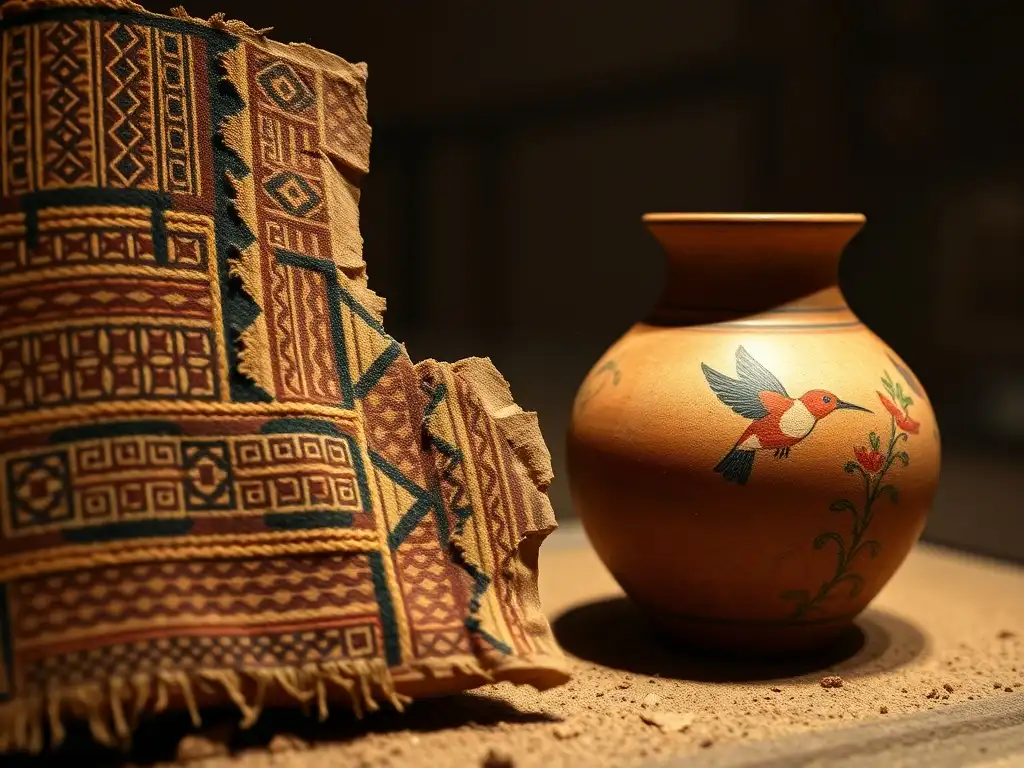
This section delves into the captivating world of Nazca artistic expression, focusing on a comparative analysis of their pottery and textiles. The Nazca civilization, flourishing along the southern coast of Peru from approximately 100 BCE to 800 CE, left behind a remarkable legacy of artistic achievements. Their mastery of both pottery and textile production provides invaluable insights into their social structures, religious beliefs, and daily life.
This comparative study will explore the techniques, styles, and iconography employed in these two distinct yet interconnected art forms, ultimately highlighting the sophisticated artistic capabilities of the Nazca people and their enduring contribution to Andean art. We will analyze how these crafts reflect the Nazca worldview and their unique position within the broader spectrum of Andean civilizations.
Understanding the nuances of Nazca pottery and textiles allows us to appreciate the complexity and artistry of this fascinating culture, revealing a society deeply connected to its environment and rich in symbolic representation. The keyword "Nazca pottery textile comparison" will be explored throughout this section, aiming to provide a comprehensive understanding of the subject.
Unveiling the Artistic Heritage of the Nazca Culture
The Nazca people were renowned for their intricate and vibrant artistic creations. Their pottery, characterized by its slender, elegant forms and stunning polychrome designs, stands as a testament to their advanced ceramic techniques. The artisans skillfully employed a slip-and-paint technique, applying multiple layers of colored clay slips to create detailed and complex images.
These images often depict stylized figures, both human and animal, alongside geometric patterns and fantastical creatures. Common motifs include deities, mythical beings, and scenes of daily life, offering valuable glimpses into their cosmology and societal organization. The vibrant colors, often including red, yellow, white, and black, were achieved through the use of locally sourced pigments, showcasing the Nazca's understanding of their natural environment and their ability to harness its resources for artistic expression.
The precision and detail in these pieces are truly remarkable, demonstrating a high level of skill and artistry. The production of Nazca pottery was likely a specialized craft, possibly undertaken by skilled artisans within specific workshops or communities.
Furthermore, Nazca textiles represent another peak of their artistic prowess. These textiles, primarily created from cotton and camelid fibers (alpaca and llama), showcase equally intricate designs and vibrant colors. Unlike the pottery, which is primarily found in tombs and ceremonial contexts, the textiles offer a wider range of uses, from clothing and ceremonial garments to household items.
This broader usage suggests a more widespread involvement in textile production compared to pottery, potentially involving a larger segment of the Nazca population. The techniques used in Nazca textile production, including weaving, embroidery, and dyeing, were sophisticated and varied, resulting in a remarkable diversity of styles and patterns. Many of these patterns mirror those found on their pottery, strengthening the connection between these two art forms and hinting at shared cultural values and beliefs.
The Significance of Nazca Art in Andean History
The artistic legacy of the Nazca civilization holds significant importance within the broader context of Andean history. Their unique style and technical mastery distinguish them from other contemporary Andean cultures, highlighting their innovative approaches to pottery and textile production. The Nazca's artistic achievements demonstrate a high level of societal organization and specialization, suggesting a complex social structure capable of supporting specialized craftspeople and providing them with the necessary resources.
The consistent iconography found across both pottery and textiles points towards a shared cultural identity and a unified belief system. This consistent visual language serves as a powerful tool for understanding their worldview, religious practices, and social structures. The longevity and evolution of their artistic styles, observable across the different phases of the Nazca culture, also provide valuable insights into the dynamic nature of their society and its adaptation to changing circumstances.
The careful study of Nazca art allows scholars to piece together a more complete picture of their society, challenging previous assumptions and expanding our understanding of the Andean world. The impact of Nazca artistic innovation can be seen in the subsequent development of Andean art, demonstrating their lasting influence on later cultures.
Overview of Nazca Pottery and Textile Techniques
The creation of Nazca pottery involved a multi-stage process, beginning with the preparation of the clay. The clay, carefully selected and refined, was then shaped using various techniques, including coiling and molding. After shaping, the pottery was meticulously smoothed and polished before undergoing firing. The firing process, likely achieved using kilns, played a crucial role in setting the color and durability of the finished product.
Finally, the application of slip and paint, often in multiple layers, added the vibrant polychrome designs that are characteristic of Nazca pottery. The precision in applying these thin layers of colored slip required considerable skill and patience. Analysis of the pigments used suggests a deep understanding of local resources and their chemical properties.
Nazca textile production, while equally impressive, involved different techniques. The fibers, primarily cotton and camelid wool, were first prepared through a process of spinning and plying. Different weaving techniques, including plain weave, tapestry weave, and gauze weave, were employed to create various textures and effects. The dyes, extracted from plants and minerals, were applied to the fibers before or after weaving, depending on the desired effect.
Intricate designs were achieved using a variety of techniques, including embroidery and supplementary weft weaving. The production of these textiles, given their complexity and the range of techniques employed, likely involved specialized artisans and potentially a division of labor within the production process. The remarkable preservation of some Nazca textiles provides invaluable evidence of their technical mastery and artistic innovation. The combination of these techniques demonstrates a sophisticated understanding of textile production and a high level of artistic skill.
Nazca Pottery: Techniques, Motifs, and Symbolism
This section delves into the fascinating world of Nazca pottery, exploring the techniques employed, the recurring motifs, and the symbolic meaning embedded within these captivating artifacts. The Nazca people, renowned for their intricate geoglyphs, also demonstrated exceptional skill in ceramic artistry, creating pieces that offer invaluable insights into their beliefs and daily life. Analyzing Nazca pottery provides a unique window into their sophisticated understanding of material science, artistic expression, and spiritual world. The comparison with Nazca textiles, explored elsewhere in this article, further illuminates the interconnectedness of their artistic traditions.
Ceramic Production Methods in Nazca Society
Nazca potters employed a remarkably advanced ceramic production process. The creation of these intricately decorated vessels involved several key steps. First, clay, often sourced locally, was carefully prepared, likely involving the addition of tempering materials such as sand or crushed rock to improve its workability and durability. This mixture would then be shaped using various techniques, including coiling, where long strands of clay were spirally built up, or molding, where pre-formed molds were used to create standardized shapes.
After shaping, the vessels underwent a crucial stage: smoothing and surface preparation. Potters meticulously smoothed the surface of the clay, ensuring a flawless base for the subsequent decoration. This often involved burnishing, a technique of polishing the surface with a smooth stone to create a sheen. The level of skill involved in achieving such smoothness is evident in the exquisite finish of many surviving pieces.
Finally, the vessels were fired in kilns, reaching high temperatures to harden the clay. The exact nature of Nazca kilns remains a subject of ongoing archaeological research, but evidence suggests that they were efficient enough to consistently produce high-quality ceramics. The firing process was crucial in determining the final color and texture of the pottery. The variations in firing techniques likely contributed to the diverse range of colors and finishes observed in Nazca ceramics. This sophisticated process highlights the advanced technological capabilities of Nazca society.
Characteristics of Nazca Pottery: Shapes and Styles
Nazca pottery exhibits a remarkable diversity in shapes and styles. While some vessels followed standardized forms, such as the ubiquitous stirrup-spout jars, others showcase creative innovation and experimentation. Stirrup-spout jars, characterized by their distinctive spout resembling a stirrup, were used for a variety of purposes, from storing liquids to performing ritual ceremonies. Their prevalence reflects their importance in Nazca culture.
Beyond the stirrup-spout jars, Nazca potters produced a wide array of other forms, including bowls, plates, cups, and effigy vessels. Effigy vessels, shaped in the form of human figures or animals, represent a particularly striking example of artistic ingenuity. These vessels often incorporated intricate details, capturing the essence of the depicted subject with remarkable accuracy.
The variety in shapes and sizes suggests a sophisticated understanding of functionality and aesthetics, catering to various needs and stylistic preferences within the society. The careful observation of these forms allows for a deeper understanding of their daily routines and the importance of certain objects in their lives.
Iconography in Nazca Ceramics: Deities, Animals, and Mythical Beings
The iconography adorning Nazca pottery is exceptionally rich and complex, offering valuable insights into their religious beliefs and worldview. The vibrant polychromy—the use of multiple colors—is a defining feature of Nazca ceramic art. Intricate scenes depicting deities, animals, and mythical beings are rendered with remarkable detail and precision.
Common motifs include stylized representations of deities, often depicted with elaborate headdresses and regalia. These figures likely represented important figures in their pantheon, reflecting the hierarchical structure of their society and their beliefs about the supernatural world. Animal representations are equally prominent, with a wide array of species depicted, including birds, reptiles, and mammals. These depictions often seem symbolic, suggesting a deeper meaning beyond mere representation. For example, certain birds might represent specific deities or embody particular qualities valued by the Nazca people.
Furthermore, many designs incorporate mythical beings, creatures that blend elements of different animals or humans, often imbued with supernatural powers. These fantastical creations likely played a significant role in Nazca mythology and religious rituals. The careful study of these motifs, considering their context and recurrence across different vessels, allows researchers to piece together a more complete understanding of Nazca cosmology and belief systems.
The vibrant colors and intricate details contribute to the overall impact of these captivating images, leaving a lasting impression on the viewer. The study of Nazca pottery iconography remains an ongoing process, with new discoveries and interpretations constantly enriching our understanding of this fascinating culture.
The Use of Color and Decoration in Nazca Pottery
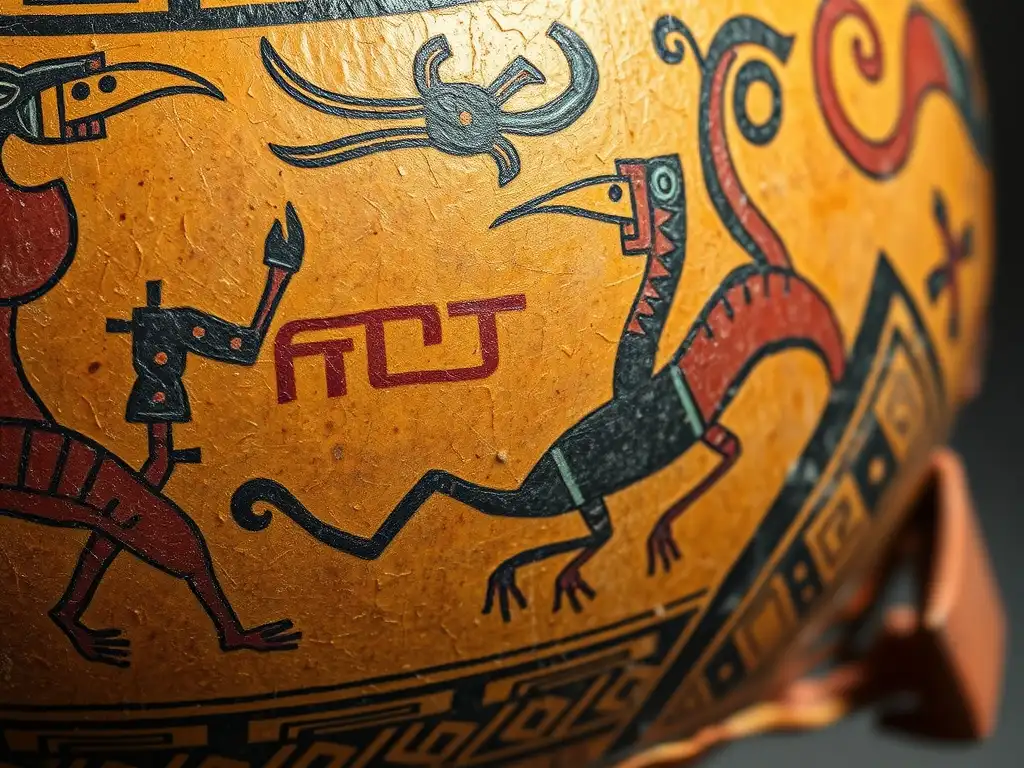
The vibrant use of color is arguably the most striking feature of Nazca pottery. Potters skillfully employed a range of pigments derived from natural sources, achieving a remarkable spectrum of hues. These included reds, yellows, browns, blacks, and whites, often combined to create intricate patterns and designs. The preparation of these pigments was a complex process, involving grinding minerals and mixing them with a binding agent, likely a gum or clay.
The application of color wasn't a haphazard process; instead, it was meticulously planned and executed. Potters frequently used a technique known as negative painting, where the background was painted and the design was left unpainted, resulting in a striking contrast. This technique, combined with the use of fine lines and detailed motifs, demonstrates a high level of artistic skill and sophistication. Furthermore, the colors weren't just decorative; they likely held symbolic meaning, with specific colors associated with particular deities, events, or social status.
For example, red might represent blood or fertility, while yellow could signify the sun or royalty. Further research is needed to fully understand the complex symbolism encoded in the color choices of Nazca pottery. The durability of these colors, considering the arid climate of the Nazca region, is a testament to the potters' mastery of their craft. Analyzing the chemical composition of the pigments could provide further insights into the techniques and materials used by these ancient artisans.
Examples of Nazca Polychrome Bowls and Double-Spout-and-Bridge Vessels
Nazca pottery showcases a remarkable diversity of forms and styles. Among the most iconic are the polychrome bowls and the distinctive double-spout-and-bridge vessels. Polychrome bowls, as the name suggests, are characterized by their use of multiple colors, often in complex and vibrant designs. These bowls range in size and shape, but many feature a shallow, wide bowl with a slightly curved rim.
The motifs depicted on these bowls are incredibly varied, ranging from stylized plants and animals to human figures and complex geometric patterns. One particularly striking example features a scene of a shamanistic ritual, with figures depicted in elaborate costumes and engaging in what appears to be a ritualistic dance. The precision and detail in these depictions are truly astounding, demonstrating the advanced artistic skills of the Nazca potters.
The double-spout-and-bridge vessels are equally remarkable, representing a unique and iconic form of Nazca pottery. These vessels are characterized by their two spouts, connected by a bridge-like structure, often decorated with intricate designs. The functional purpose of these vessels remains a subject of debate among scholars, with some suggesting they were used for ceremonial purposes, while others propose they were used for serving beverages.
Regardless of their function, their aesthetic appeal is undeniable. Many of these vessels feature elaborate depictions of stylized animals, such as birds and felines, often rendered with a high degree of realism and detail. The use of negative painting and the skillful blending of colors further enhances the visual impact of these unique vessels.
The creation of these complex forms, requiring advanced ceramic techniques, speaks to the highly developed technological capabilities of the Nazca civilization. The intricate details and symbolic representations on both polychrome bowls and double-spout-and-bridge vessels provide invaluable insight into the cosmology, beliefs, and social structures of the Nazca people. Further investigation into these artifacts is crucial for a deeper understanding of their cultural significance within the larger context of Nazca society.
Nazca Textiles: Weaving, Materials, and Designs
This section delves into the remarkable artistry of Nazca textiles, exploring their production techniques, the materials employed, and the recurring motifs that characterize these ancient Andean masterpieces. Understanding these aspects provides crucial insight into the social, economic, and religious life of the Nazca people. The comparison of these textiles with Nazca pottery, another significant artistic expression, reveals fascinating parallels and subtle differences in aesthetic preferences and symbolic language.
This comparative analysis enhances our understanding of Nazca artistic expression as a whole, highlighting the sophisticated craftsmanship and symbolic richness of their culture. The keyword "Nazca pottery textile comparison" is strategically integrated throughout this section.
Textile Production and Weaving Techniques of the Nazca People
The Nazca people were master weavers, employing sophisticated techniques to create incredibly detailed and vibrant textiles. Evidence suggests a high degree of specialization in textile production, with different individuals or groups likely responsible for various stages of the process, from shearing and spinning the fibers to weaving and finishing the cloth. Their most common weaving technique was backstrap loom weaving, a method still practiced in some Andean communities today.
This technique, using a simple loom consisting of a warp held taut by a backstrap, allowed for the creation of intricately patterned fabrics. The precision and control demonstrated in Nazca textiles indicate a high level of skill and experience passed down through generations. Analysis of surviving textiles reveals a range of weaving structures, including plain weave, tapestry weave, and brocade, demonstrating a remarkable mastery of diverse textile techniques.
The complexity of some designs suggests a significant investment of time and labor, indicating the high value placed on these textiles within Nazca society. The intricate detail achievable with these techniques is a key point of comparison when considering the similar level of detail found in Nazca pottery.
Materials Used in Nazca Textiles: Wool, Cotton, and Dyes
The primary materials used in Nazca textile production were wool from camelids (llamas and alpacas) and cotton. The choice of material often depended on the intended use of the textile. Wool, prized for its warmth and durability, was commonly used for clothing and blankets. Cotton, known for its softness and absorbency, was favored for lighter garments and ceremonial textiles.
The vibrant colors achieved in Nazca textiles were the result of carefully selected and expertly applied natural dyes. These dyes were derived from various plants, minerals, and insects found in the Nazca region. For instance, cochineal insects yielded a rich crimson, while various plants provided yellows, browns, and greens.
The skillful application of these dyes, often in intricate patterns, is a testament to the Nazca's deep understanding of both botany and textile production. The longevity of the colors, even after centuries, speaks to the quality of the dyes and the expertise of the artisans. This mastery of dye application provides a strong point of comparison with the vibrant pigments used in Nazca pottery, showcasing a shared appreciation for intense and varied colors.
Common Motifs and Patterns in Nazca Textiles
Nazca textiles are renowned for their striking designs and recurring motifs. Many patterns feature stylized representations of animals, plants, and mythical creatures, reflecting the importance of these elements in Nazca cosmology and religion. Common motifs include:
- Birds: Various species of birds, often depicted in flight, are frequently found in Nazca textiles, possibly symbolizing freedom, power, or spiritual connection.
- Geometric designs: Complex geometric patterns, including triangles, zigzags, and stepped fret patterns, are also prevalent, often interwoven with figurative motifs.
- Anthropomorphic figures: Stylized human figures, sometimes depicted in ceremonial attire, are featured in some textiles, perhaps representing deities or important figures within Nazca society.
- Mythological creatures: Hybrid creatures, combining features of different animals or human and animal characteristics, appear in certain textiles, likely representing supernatural beings or symbolic concepts.
The vibrant colors and intricate details of these motifs are comparable to the designs found on Nazca pottery, demonstrating a consistent artistic language across different media. The repetition of certain motifs across both textiles and pottery suggests a deep cultural significance and a shared visual vocabulary within Nazca society. Further research and analysis are needed to fully decipher the meaning and symbolism embedded within these captivating designs, furthering our understanding of "Nazca pottery textile comparison".
The detailed study of these motifs provides a valuable insight into the beliefs, values, and worldview of the Nazca people. The striking similarities between textile and pottery motifs highlight the interconnectedness of artistic expression across different media.
The Role of Textiles in Nazca Society: Ritual and Status
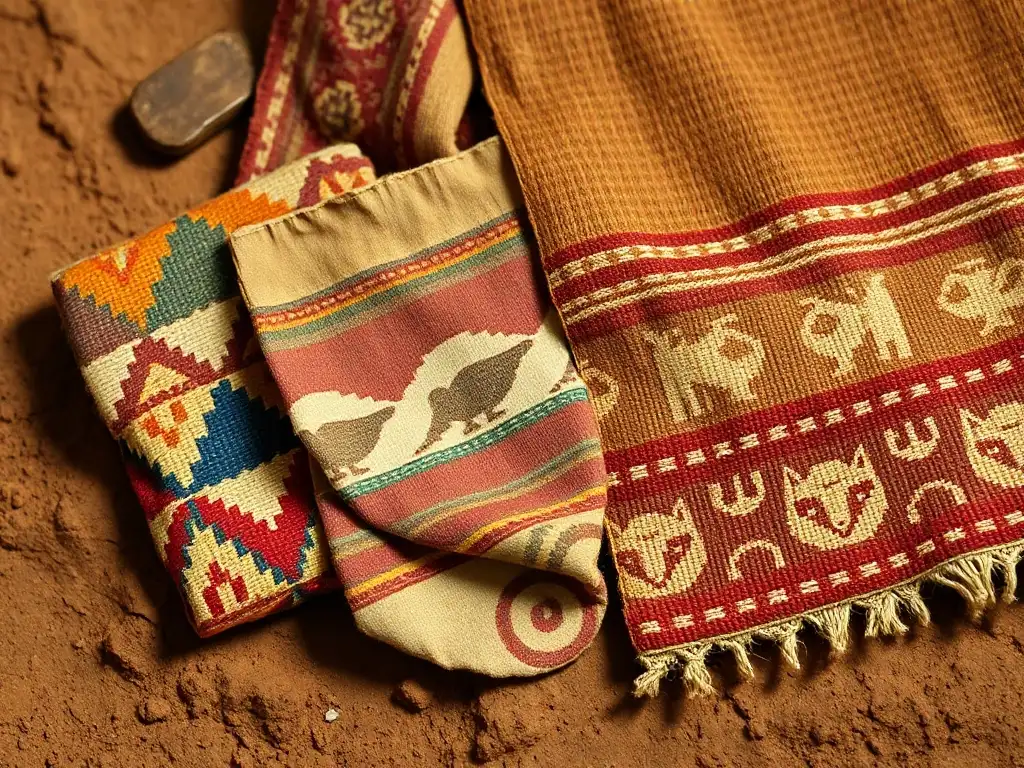
Textiles in Nazca society weren't merely functional items; they held profound significance in ritual practices and served as powerful indicators of social status. The intricate weaving techniques and the use of rare, vibrant dyes suggest a high level of skill and artistry, likely reserved for specialized craftspeople. These individuals, perhaps belonging to priestly classes or elite families, may have held considerable social power.
The production and distribution of textiles could have been a crucial aspect of the Nazca economic system, with elaborate textiles serving as valuable trade goods or offerings in religious ceremonies. The discovery of textiles in elite tombs further supports this theory, suggesting that fine textiles were associated with high social standing and were perhaps even considered burial goods to ensure a comfortable afterlife. The use of specific motifs, colors, and weaving techniques on textiles might have signified membership in particular clans or groups within Nazca society, thus highlighting the complex social structures of this civilization.
Furthermore, the sheer labor intensity involved in creating these textiles indicates a significant investment of time and resources, further emphasizing their importance. The preservation of many examples of Nazca textiles, despite the arid climate, is a testament to the care with which they were made and treated, underscoring their value within the society. Analysis of textile fragments found in various contexts—from tombs to ceremonial sites—reveals a nuanced understanding of the complex social and ritual roles textiles played in Nazca life.
Examples of Nazca Feathered Textiles and Embroidered Mantles
Among the most striking examples of Nazca textile artistry are the feathered textiles and embroidered mantles. These pieces showcase an astonishing mastery of weaving techniques and demonstrate a keen understanding of color and design. Feathered textiles, often incorporating brightly colored parrot, hummingbird, and other bird feathers, were likely used for ceremonial purposes. The meticulous arrangement of feathers, often combined with intricate embroidery, creates stunning visual effects. The process of creating these textiles would have been labor-intensive, requiring the collection of numerous feathers and careful application to the woven base.
The survival of these delicate pieces through centuries highlights the high quality of the materials and craftsmanship involved. Embroidered mantles, on the other hand, display a different approach to textile artistry. These garments feature elaborate embroidery, often depicting stylized figures, geometric patterns, and mythical creatures. The use of diverse colors and textures adds depth and complexity to the designs.
The precision of the embroidery indicates a high level of skill and patience on the part of the artisans. The combination of embroidery and fine weaving shows the Nazca's expertise in various textile production methods. Analysis of these examples reveals not only the artistic skill of the Nazca but also provides valuable insights into their religious beliefs and cosmological worldview, as the motifs and iconography frequently relate to their mythology. The discovery of these textiles in various contexts, such as tombs and ceremonial sites, further emphasizes their importance in Nazca society and their use in both ritual and daily life.
Nazca Pottery Textile Comparison: A Detailed Analysis
This section delves into a comparative analysis of Nazca pottery and textiles, focusing on their material properties, production techniques, and shared iconography. Understanding these similarities and differences provides crucial insight into the artistic expression and worldview of the Nazca civilization. The comparison aims to highlight the distinct approaches to artistic creation while revealing underlying cultural cohesiveness reflected in their shared motifs. This detailed examination contributes to a deeper understanding of "Nazca pottery textile comparison".
Contrasting Materiality: Clay vs. Fiber
Nazca pottery and textiles, while both serving artistic and potentially ritualistic purposes, employed fundamentally different materials. Pottery relied on readily available clay, meticulously prepared and shaped. The clay's plasticity allowed for a wide range of forms, from simple bowls to complex, anthropomorphic vessels. The final product's durability was contingent upon firing techniques, with variations in temperature and duration resulting in differing levels of hardness and color. The rich palette of Nazca pottery, achieved through the use of pigments and slip, is a testament to their mastery of ceramic technology.
Textiles, conversely, utilized natural fibers, primarily cotton and camelid wool (llama and alpaca). The choice of fiber impacted the texture and drape of the finished product. Cotton, softer and more absorbent, was likely preferred for clothing and finer textiles. Camelid wool, offering greater warmth and durability, may have been used for blankets, tapestries, and other utilitarian items. The fiber's preparation, spinning, and weaving demanded a different set of skills, showcasing the expertise of Nazca textile artisans. The remarkable vibrancy of Nazca textiles was achieved through the skillful application of natural dyes, often derived from plants and minerals.
Differences in Production Processes: Forming vs. Weaving
The creation of Nazca pottery and textiles involved distinct processes, reflecting specialized skill sets within the society. Pottery production began with the careful selection and preparation of clay. This involved removing impurities, mixing the clay with temper (e.g., sand or crushed rock) to improve its workability, and shaping it using various techniques, including coiling, molding, and paddle-and-anvil. Subsequent stages included smoothing, decorating, and firing. The intricate painted designs often required multiple firings to achieve the desired color intensity and durability.
Textile production, on the other hand, involved a complex sequence of steps, beginning with fiber preparation. This included harvesting, cleaning, carding, and spinning the fibers into yarn. Weaving techniques varied, from simple plain weave to more complex tapestry and brocade techniques.
The use of different types of looms—likely backstrap looms—would have influenced the size and complexity of the textiles produced. The application of natural dyes, often requiring multiple steps and careful control of temperature and mordants, added another layer of complexity to the process. The precision and artistry involved in creating intricate patterns and designs on textiles were impressive feats of skill.
Despite the contrasting materials and production processes, Nazca pottery and textiles share striking similarities in iconography, suggesting a unified cultural understanding of symbolic representation. Both mediums frequently depict stylized representations of humans, animals (particularly birds and felines), and plant life. Recurring motifs include stylized figures with exaggerated features, geometric patterns, and representations of mythical beings. These shared motifs suggest a common symbolic language, reflecting a shared worldview and possibly a unified system of beliefs.
The presence of similar figures and symbols across both pottery and textiles points to a possible interconnectedness between the artisans who created them. The consistent use of certain colors and patterns across different media further strengthens this hypothesis. For example, the prevalence of red and black in both pottery and textile designs may have held specific cultural significance within the Nazca civilization.
Further research into the specific meanings of these symbols is needed, but the consistency across different media suggests they played a central role in Nazca culture and belief systems. The study of these shared motifs is crucial for understanding the broader cultural context of "Nazca pottery textile comparison" and its implications for our understanding of Nazca society.
Comparative Analysis of Color Palettes and Techniques
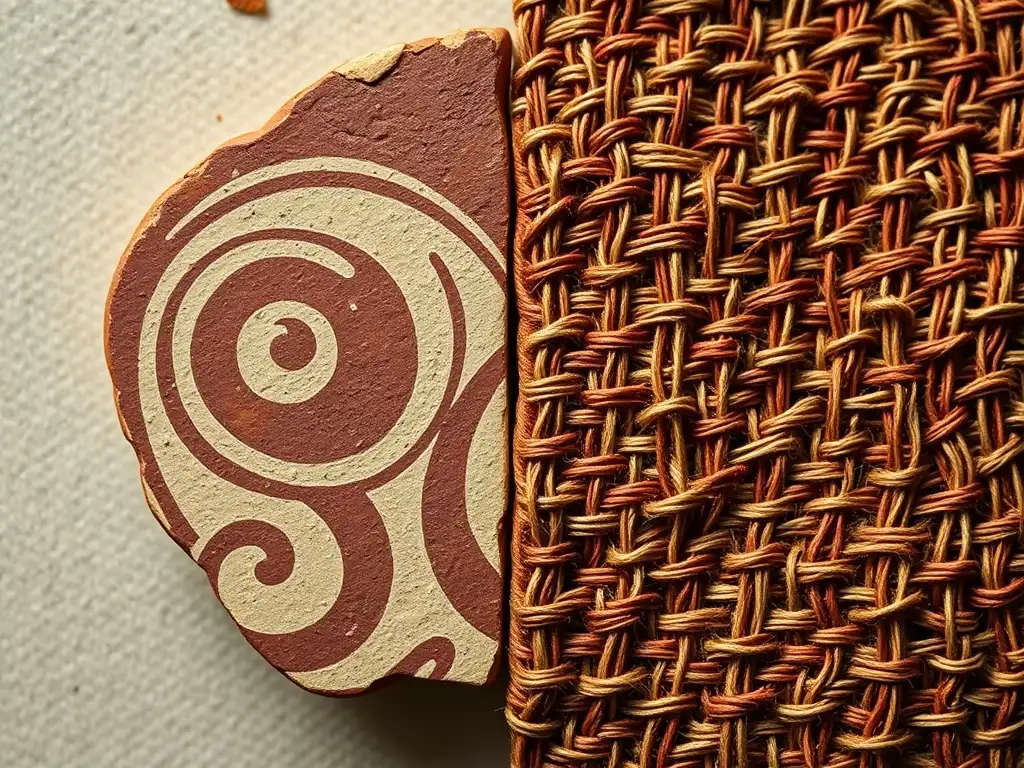
The vibrant color palettes employed in both Nazca pottery and textiles are striking, yet distinct in their application. Pottery often showcases bolder, more saturated hues. Think of the deep reds, oranges, and yellows used to depict mythical creatures and stylized landscapes.
These intense colors were achieved through the use of mineral pigments, meticulously ground and mixed with a binding agent, often a gum derived from local plants. The application process involved careful layering and polishing to achieve a luminous finish that has, remarkably, endured for centuries. The precise techniques used in achieving these colors remain a subject of ongoing research, with experts continually uncovering new details about the sophisticated understanding of chemistry and pigment preparation held by Nazca artisans.
In contrast, Nazca textiles, while also employing a rich range of colors, tend towards a more subdued palette. Subtle variations in shades, created through complex weaving techniques, are more prevalent than the bold contrasts seen in the pottery.
Earth tones – browns, creams, and muted yellows – are frequently incorporated, often in combination with more vibrant blues, greens, and reds. These colors were likely obtained from a different range of natural sources, and the weaving techniques themselves – including the incorporation of multiple threads and varying dye concentrations – contributed to the creation of subtle shading and textural effects.
The precision and complexity of the textile work are testament to the artisans' mastery of their craft, showcasing a different but equally impressive level of artistry compared to the pottery. The subtle gradations of color in textiles, achieved through meticulous weaving, stand in beautiful contrast to the bolder, more direct application of color in pottery.
Examples of Feline Motifs in Both Pottery and Textiles
Feline motifs are a recurring theme in both Nazca pottery and textiles, offering fascinating insights into the cultural significance of these animals. In pottery, felines are often depicted in dynamic poses, sometimes engaged in combat or hunting scenes, vividly rendered with the aforementioned bold colors and sharp lines. These depictions frequently emphasize the animal's power and agility, highlighting features like sharp claws, piercing eyes, and flowing manes.
The feline imagery on pottery often appears as part of a larger narrative, integrated within scenes that may also include humans, birds, or other mythical creatures. One notable example is a large jar depicting a jaguar-like feline dominating a scene, possibly symbolizing a deity or a powerful force in the Nazca worldview. The stylistic choices in the pottery, including the use of exaggerated features and dynamic compositions, contribute to the overall impression of power and mystery.
Textiles, on the other hand, often present feline motifs in a more stylized and abstract manner. While recognizable as felines, the depictions are less realistic, often incorporating geometric patterns and symbolic elements alongside the animal form. Instead of focusing on anatomical detail, the textiles emphasize the feline's symbolic qualities, integrating them within complex designs that might include other animals, geometric shapes, or stylized plants.
The use of different colors and weaving techniques within the feline motif itself contributes to the texture and visual complexity of the textile. One can imagine how the interplay of light and shadow across the woven surface would have further enhanced the visual impact of these subtle, yet powerful images.
The subtle integration of feline motifs within the overall textile design showcases a different approach to artistic expression, one that emphasizes symbolism and abstraction over realistic representation. The difference in style reflects the distinct characteristics of the two mediums and the different ways in which the Nazca artists chose to express their cultural beliefs and values.
Artistic Expression in Nazca Pottery and Textiles
This section delves into the unique artistic expressions found in Nazca pottery and textiles, focusing on their similarities and differences. The Nazca, a pre-Columbian culture flourishing in present-day southern Peru (circa 100-800 CE), left behind a remarkable legacy of artistic achievements. Their pottery and textiles, often intricately decorated, offer invaluable insights into their beliefs, social structures, and daily lives.
A comparative study reveals both striking parallels and subtle distinctions in their artistic approaches, reflecting the multifaceted nature of Nazca culture and its capacity for sophisticated artistic production. The "Nazca pottery textile comparison" reveals a fascinating interplay between these two art forms.
The Symbolic Language of Nazca Art
Nazca art is renowned for its complex iconography, employing a rich symbolic language across both pottery and textiles. While specific meanings remain debated amongst scholars, recurring motifs provide clues to their cultural significance. For example, the frequent depiction of stylized humans, animals (especially birds and felines), and mythical creatures suggests a deep connection to the natural world and the spiritual realm.
In pottery, these figures are often portrayed in dynamic poses, vividly rendered with contrasting colors and fine lines. The use of negative space is particularly noteworthy, enhancing the overall visual impact. Consider the iconic Nazca "stirrup-spout" vessels: their elegant forms and intricate designs, often featuring elaborate scenes of hunting, ritual activities, or mythological narratives, are testament to the artists' skill and creativity.
Textiles, on the other hand, offer a different perspective on symbolic representation. The smaller scale and often more fragmented nature of textile fragments necessitate a more detailed analysis. However, recurring motifs, such as geometric patterns, stylized birds, and anthropomorphic figures, echo the themes present in the pottery, suggesting a shared symbolic vocabulary across both mediums. The use of vibrant dyes, often derived from natural sources, further enhances the visual appeal and symbolic power of these textiles. The careful arrangement of these motifs within the textile's structure also adds another layer of meaning, suggesting a complex system of visual communication.
The Function of Art in Nazca Society
The function of Nazca art extended beyond mere aesthetic appeal; it played a crucial role in various aspects of Nazca society. Pottery, for instance, served both practical and ceremonial purposes. Everyday vessels were often decorated with simpler designs, while elaborate ceremonial pieces, such as those depicting deities or mythological scenes, were likely used in rituals and offerings. The sheer quantity of pottery produced suggests a widespread appreciation for this art form, permeating various social strata.
Textiles, too, fulfilled a diverse range of functions. While some textiles were undoubtedly used for clothing and domestic purposes, others served more specialized roles. Elaborate textiles, often adorned with intricate designs and rare dyes, likely held significant symbolic value and were perhaps associated with elite status or religious practices.
The discovery of textiles in tombs further supports their importance in funerary rituals. The meticulous craftsmanship evident in many textiles suggests a high level of skill and specialization within Nazca society, implying a dedicated class of artisans responsible for their creation. The intricate weaving techniques, including various types of tapestry and embroidery, demonstrate a profound understanding of textile production and a commitment to artistic excellence.
How Nazca Art Reflects their Worldview
Nazca art offers a window into the worldview of this fascinating civilization. The recurring themes of nature, mythology, and ritual practices reveal a society deeply connected to its environment and spiritual beliefs. The emphasis on stylized representations of animals, particularly birds, suggests a possible connection to shamanic practices and beliefs about the spiritual world. The frequent depiction of supernatural beings and mythical creatures further underscores the importance of the supernatural in Nazca cosmology.
The vibrant colors and dynamic compositions of Nazca art reflect a culture that celebrated life and the power of nature. The precision and detail in both pottery and textiles demonstrate a commitment to artistry and craftsmanship, highlighting the value placed on skill and creativity within Nazca society. By studying the iconography and stylistic choices in Nazca art, we gain a deeper understanding of their beliefs, values, and social structures.
The “Nazca pottery textile comparison” helps to illuminate the holistic nature of their worldview, revealing a consistent artistic language that transcended the specific medium. Further research and analysis, particularly incorporating new archaeological discoveries, are needed to fully understand the nuances of Nazca art and its profound significance.
The Importance of Nazca Art in Understanding Andean Culture
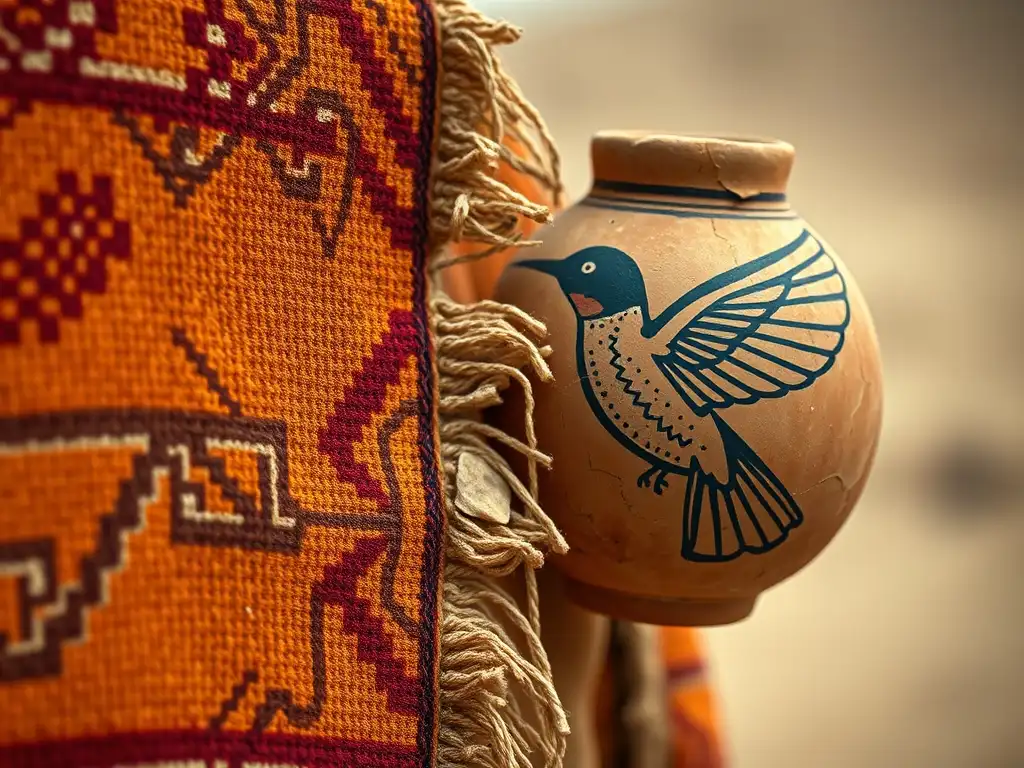
Nazca art, encompassing both their stunning pottery and intricate textiles, provides invaluable insight into the social structures, religious beliefs, and daily life of this fascinating Andean civilization. The vibrant colors and intricate designs found on Nazca pottery, for example, often depict scenes of daily life, religious ceremonies, and mythical creatures. These depictions offer a window into their worldview, revealing their complex understanding of the natural world and their relationship with the supernatural.
The detailed representations of plants, animals, and human figures are not merely decorative; they are symbolic, conveying rich layers of meaning that scholars continue to decipher. Furthermore, the stylistic consistency across numerous pottery pieces suggests a degree of social organization and shared cultural values. Analysis of the materials used, the techniques employed, and the distribution of these artifacts across different sites further illuminates aspects of their societal organization, trade networks, and economic practices.
The sheer volume and diversity of surviving Nazca pottery speaks to the art form's central role in their culture, highlighting its importance in both ritual and everyday life. The careful craftsmanship evident in even the smallest pieces underscores the high value placed upon artistic expression within the Nazca society. Studying Nazca pottery allows us to understand not just their artistic capabilities, but also their social dynamics, religious beliefs, and overall cultural identity.
The textiles, similarly, offer a compelling narrative. The intricate weaving techniques, often incorporating vibrant colors and complex patterns, reveal a sophisticated understanding of textile production. The motifs found on Nazca textiles often mirror those seen on their pottery, reinforcing the interconnectedness of these art forms and their role in conveying cultural messages.
The use of specific fibers and dyes suggests knowledge of local flora and fauna, and their application in specific patterns may indicate social status or ritual significance. The discovery of textiles in burial contexts provides additional insights into their funerary practices and beliefs about the afterlife.
The preservation of these fragile textiles, often found in arid environments, is a testament to both the craftsmanship of the Nazca weavers and the fortuitous conditions that have allowed these pieces to survive for centuries. By studying both the pottery and the textiles together, we gain a more complete understanding of the Nazca worldview and their place within the broader Andean cultural landscape.
The Impact of Nazca Art on Later Moche and Inca Cultures
The artistic innovations of the Nazca civilization left an undeniable mark on subsequent Andean cultures, particularly the Moche and the Inca. While the Moche developed their own distinct artistic style, certain stylistic elements and techniques clearly demonstrate the influence of Nazca predecessors. For example, the Moche's mastery of ceramic modeling and their use of vibrant colors echo the Nazca tradition of intricate pottery decoration.
Although the Moche favored more naturalistic depictions compared to the often stylized Nazca imagery, the underlying emphasis on detailed representation and the use of specific colors to convey meaning suggest a clear lineage. The Moche’s renowned portrait vessels, while unique in their representation of individuals, likely benefited from advancements in ceramic techniques pioneered by the Nazca. This continuity suggests a cultural exchange or, at the very least, an admiration for Nazca artistic achievements.
The Inca, who emerged much later, also show evidence of Nazca influence, albeit more indirectly. While the Inca's imperial style differed greatly from the Nazca's, certain weaving techniques and color palettes suggest a possible connection. The Inca's sophisticated textile production, renowned for its intricate designs and high-quality materials, may have been influenced by the advanced weaving traditions established by the Nazca.
The Inca's use of vibrant colors and complex patterns, although expressed in their own distinctive style, may reflect a broader Andean artistic heritage that includes the Nazca legacy. Furthermore, the Inca's reverence for ancient sites and artifacts suggests a possible continuation of cultural traditions that originated in earlier civilizations, including the Nazca.
While direct evidence of stylistic borrowing may be difficult to definitively establish, the shared artistic principles and techniques across these Andean cultures point to a broader artistic continuum, with the Nazca playing a significant role in shaping the trajectory of Andean artistic expression. The enduring legacy of Nazca art is evident in the artistic achievements of later Andean cultures, demonstrating the lasting impact of their creative genius.
Conclusion: The Enduring Legacy of Nazca Art
This comparative study of Nazca pottery and textiles reveals a sophisticated and interconnected artistic tradition. The vibrant colors, intricate designs, and innovative techniques employed in both mediums demonstrate a high level of skill and artistry. Analyzing these creations allows us to glimpse into the worldview, social structures, and daily lives of the Nazca people, offering a unique window into a fascinating ancient civilization.
The enduring legacy of Nazca art is not just a matter of aesthetic appreciation; it represents a significant contribution to the broader understanding of pre-Columbian Andean cultures and artistic expression. The intricate details, bold color palettes, and innovative techniques continue to inspire artists and researchers alike, highlighting the timeless appeal and cultural significance of Nazca pottery and textiles. The distinctive style, characterized by its unique iconography and masterful execution, continues to resonate with contemporary audiences, demonstrating the lasting impact of Nazca artistic achievements.
The Lasting Influence of Nazca Pottery and Textiles
The influence of Nazca pottery and textiles extends far beyond their geographical origin. Their unique style, characterized by its intricate designs and vibrant colors, has captivated art historians and enthusiasts for centuries. The motifs frequently depicted—such as stylized animals, plants, and geometric patterns—continue to inspire contemporary artists and designers.
The techniques employed by Nazca artisans, such as the use of negative space and complex weaving patterns, are still studied and admired today. Moreover, the survival of numerous examples, often remarkably well-preserved, has allowed for detailed analysis and comparison, enriching our understanding of their production methods and cultural significance. The enduring appeal of Nazca art is a testament to the skill and ingenuity of the artisans who created these pieces, and their lasting impact on artistic traditions is undeniable.
Their legacy continues to inspire new interpretations and adaptations, demonstrating the powerful and enduring nature of their artistic contribution. Even today, one can see echoes of Nazca aesthetics in modern textile designs and ceramic art.
The Importance of Studying Nazca Art for Contemporary Understanding
Studying Nazca art offers invaluable insights into a complex and fascinating civilization. By examining the iconography, techniques, and materials used in the creation of their pottery and textiles, we can gain a deeper understanding of their social structures, beliefs, and daily lives. For example, the recurring motifs of stylized animals and plants might represent shamanic practices or agricultural cycles.
The careful analysis of color palettes can provide clues about the availability of resources and the importance of certain pigments. Furthermore, the study of Nazca art helps us understand the broader context of Andean art history, highlighting the connections and influences between different cultures. This comparative approach allows for a more nuanced appreciation of the unique contributions of the Nazca civilization and its lasting impact on subsequent cultures.
The continued research and study of Nazca art are crucial for a more complete and accurate picture of their society and their place within the larger Andean cultural landscape. The detailed analysis of their artistic output offers a unique perspective on their worldview and their relationship with the natural world.
Future Research Directions in Nazca Art
Future research on Nazca pottery and textiles should focus on several key areas. Further technological analysis, employing techniques like X-ray fluorescence spectroscopy, could reveal more precise information about the pigments and materials used. This would enhance our understanding of their sourcing strategies and artistic techniques. Furthermore, a deeper investigation into the social context of art production is needed.
Who were the artisans? What was their social status? How did the production of pottery and textiles relate to broader economic and political structures? Detailed studies of burial contexts and associated grave goods could shed light on these questions.
Finally, comparative studies with other contemporary Andean cultures, such as the Paracas and Moche, could help us better understand the unique characteristics and the broader influences shaping Nazca artistic expression. By addressing these research questions, we can continue to deepen our understanding of Nazca civilization and its remarkable artistic achievements. The possibilities for new discoveries and insights into Nazca pottery and textiles remain substantial, promising a rich field for future research and scholarly investigation. The application of innovative technologies and interdisciplinary approaches will undoubtedly further illuminate the complexities and subtleties of this captivating ancient art form.
Frequently Asked Questions
What is the main focus of this comparative study?
This study focuses on the artistic expression found in both Nazca pottery and textiles. It explores similarities and differences in techniques, styles, and iconography. The goal is to understand the cultural significance of these art forms.
How do Nazca pottery and textiles differ in terms of materials?
Pottery utilized clay, pigments, and sometimes slip. Textiles, conversely, were created using cotton, camelid fibers (alpaca, llama), and various natural dyes. These differences influenced the artistic techniques employed.
What are some common artistic motifs found in both Nazca pottery and textiles?
Both art forms frequently feature anthropomorphic and zoomorphic figures, along with geometric designs and stylized plants. However, the scale and level of detail often vary between the two mediums.
How do the techniques used in Nazca pottery and textile production compare?
Pottery production involved wheel-throwing or molding, followed by painting or incision. Textile creation relied on spinning, weaving, and dyeing techniques, sometimes incorporating intricate embroidery or tapestry.
What can the comparison of Nazca pottery and textiles reveal about Nazca culture?
By comparing these art forms, we gain insights into Nazca beliefs, social structures, and daily life. The imagery and techniques used reflect their worldview and artistic skills, providing valuable clues to their culture.
Final Reflection: Echoes of a Lost Civilization
The vibrant artistry of the Nazca people, as expressed through their pottery and textiles, continues to resonate powerfully today, a testament to the enduring human need for creative expression and the ability of art to transcend time. Their intricate designs and masterful techniques offer a window into a sophisticated society, a civilization that thrived centuries ago yet leaves behind a legacy that continues to inspire awe and wonder. The meticulous detail and symbolic richness of these artifacts challenge our understanding of ancient cultures and their complex belief systems.
The impact of Nazca art extends far beyond the dusty plains of Peru; its influence can be seen in contemporary art, fashion, and design. The bold colors, geometric patterns, and stylized figures have captivated artists and designers for generations, proving the timeless appeal of their aesthetic. Art washes away from the soul the dust of everyday life.
- Pablo Picasso. This quote perfectly encapsulates the enduring power of Nazca art to connect us to something larger than ourselves, something profoundly human and deeply moving. It reminds us that even across vast stretches of time and cultural differences, the fundamental human drive to create and express remains constant.
Consider the intricate detail, the vibrant hues, the stories woven into each piece. You, too, possess the capacity for creative expression, a unique voice waiting to be heard. Take a moment to reflect on the ways you express yourself, the mediums you use to share your vision with the world. Let the legacy of the Nazca inspire you to embrace your own creative spirit, to find your own voice, and to leave your own mark on the world, a vibrant testament to the enduring power of human ingenuity and imagination.
Unveil the Artistry of the Nazca: Take Action Today!
Thank you for exploring the fascinating world of Nazca pottery and textiles! Your interest in their unique artistic expressions highlights the importance of preserving cultural heritage and celebrating creativity. Let's delve deeper into the rich tapestry of Andean art.
Here are a few ways you can connect more deeply with this vibrant culture:
- Visit a local museum showcasing Andean art or attend an exhibition to experience Nazca pieces firsthand and engage with experts. You might be surprised by what you discover!
- Join an online community dedicated to Andean civilizations to share your insights and learn from other enthusiasts worldwide. The exchange of ideas can be incredibly enriching.
- Consider exploring your own artistic potential by experimenting with pottery or textile techniques inspired by the Nazca style. You might be amazed at what you create!
**What aspect of Nazca art most captivates you, and how will you share your newfound appreciation with others? **