
The Inca Expansion into the Amazon: Myths and Realities

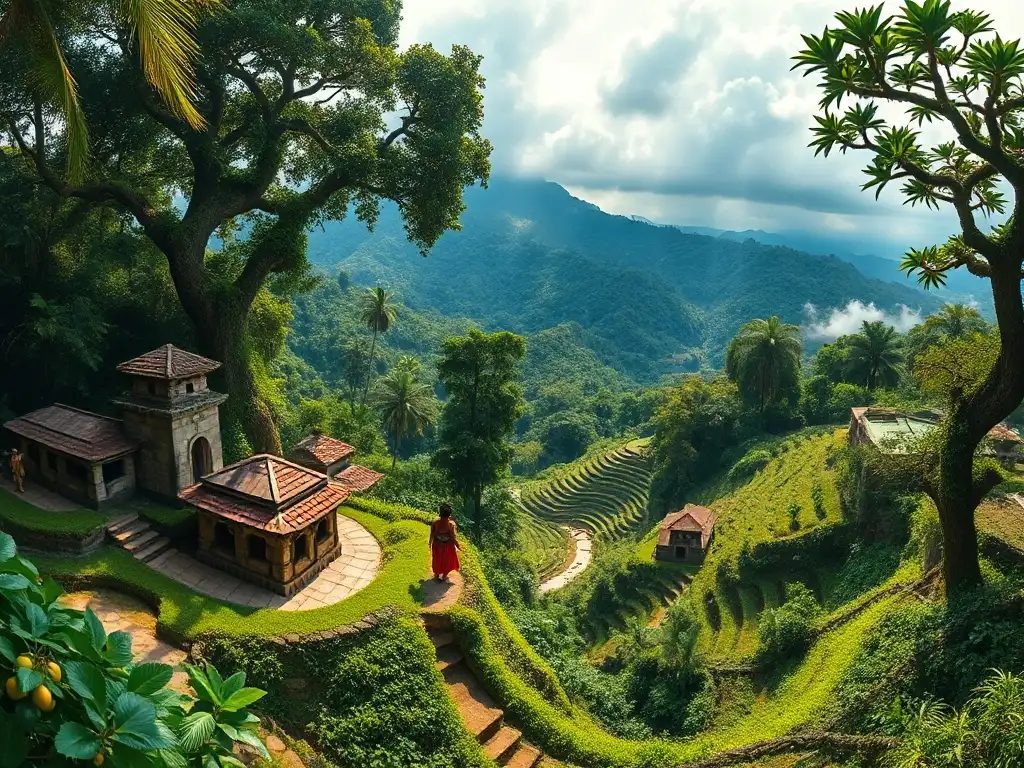
Step into a world lost to time, where empires rose and fell amidst breathtaking landscapes. Discover the untold stories of the Andes, a region teeming with mysteries and marvels. We delve into the captivating history of the Andean civilizations, from the intricate artistry of the Nazca to the sophisticated engineering of the Tiahuanaco. But our journey begins with a particularly intriguing enigma: the Inca Amazon expansion history. Were the Incas truly masters of the Amazon rainforest, or is this a myth shrouded in time? Explore the evidence and uncover the truth— your adventure begins now.
The Inca Empire, renowned for its sophisticated engineering, intricate social structures, and vast territorial reach across the Andes Mountains, also held ambitions—and achieved some success—in expanding its influence into the Amazon Basin. This expansion, however, remains shrouded in a mix of historical fact and enduring myth. This article delves into the complexities of Inca involvement in the Amazon, separating verifiable historical accounts from popular misconceptions that often exaggerate the extent and nature of their presence.
We will explore the historical evidence supporting the Inca's presence in the Amazon, examining their strategies, motivations, and the lasting impact of their interactions with the diverse Amazonian populations. Understanding this complex history requires careful consideration of archaeological findings, ethnohistorical accounts, and a critical approach to often-romanticized narratives.
By examining both the realities and the myths surrounding the Inca Amazon expansion, we gain a more nuanced and accurate understanding of this crucial period in Andean history, clarifying the true extent of Inca influence and its impact on the Amazonian landscape and its indigenous inhabitants. This exploration is crucial for a complete picture of the Inca Empire and its legacy.
Understanding the Inca Empire's Reach: Beyond the Andes
The Inca Empire's expansion wasn't solely confined to the high Andes. While their iconic cities like Machu Picchu are situated in the mountainous regions, evidence suggests significant efforts to extend their control and influence eastward into the Amazon rainforest. This expansion, however, differed significantly from their conquests in the Andes.
The challenging terrain, dense vegetation, and the presence of numerous, independent indigenous groups presented unique obstacles. Instead of the large-scale, centralized control seen in the Andes, the Inca presence in the Amazon appears to have been more focused on establishing strategic outposts, controlling vital resources (like rubber and exotic birds), and forging alliances or extracting tribute from existing Amazonian societies. Archaeological discoveries, such as the remains of Inca-style structures and artifacts found in various Amazonian locations, provide tangible evidence of their presence.
However, the scale and nature of Inca control remain subject to ongoing debate among scholars, highlighting the need for further research and analysis. The Inca approach clearly shifted from their characteristic Andean strategies of conquest and integration to a more nuanced and adaptable approach in the Amazon. This involved a complex interplay of diplomacy, trade, and limited military intervention, depending on the specific circumstances and the nature of their interactions with the local population.
Debunking Myths: Popular Beliefs About Inca Amazonian Conquest
Many popular narratives depict the Inca as conquering the entire Amazon Basin, imposing their culture and social structures on diverse indigenous groups. This portrayal, however, is largely a misconception. While the Inca undoubtedly had a presence in the Amazon, the notion of a complete, unified conquest is inaccurate.
The Amazon's vast and complex environment presented significant challenges, hindering the Inca's ability to establish the same level of control they exerted in the Andes. The dense rainforest, diverse indigenous populations, and logistical difficulties of navigating the terrain limited the extent of their influence. Furthermore, historical accounts and archaeological evidence suggest a more nuanced reality, with varying degrees of Inca interaction ranging from strategic alliances to limited military campaigns, and even instances of resistance and conflict.
The reality was a mosaic of interactions rather than a monolithic conquest. The often-told stories of complete domination should be viewed with a critical eye, recognizing the complexity and diversity of the Amazonian landscape and its inhabitants.
The Myth of Total Inca Domination in the Amazon
The persistent myth of total Inca domination in the Amazon significantly distorts our understanding of the historical interactions between the Inca and Amazonian societies. The sheer scale and diversity of the Amazon Basin make such a claim untenable. While Inca presence is evident in certain areas, supported by archaeological findings and ethnohistorical accounts, these findings don't support the narrative of complete control.
Archaeological evidence suggests a range of interactions, from trading networks and alliances to instances of conflict and even potential Inca retreat in the face of resistance from indigenous groups. The Inca's impact on the Amazon was undoubtedly significant, but its nature was far more nuanced and localized than often portrayed. The idea of a unified, centrally governed Inca Amazonian province is a simplification that overlooks the complex political and social realities of the region.
It's crucial to approach historical narratives critically, recognizing the limitations of available data and the complexities of intercultural interactions in this challenging environment. Further research and a more nuanced interpretation of existing evidence are essential for a more accurate and complete understanding of the Inca's role in Amazonian history.
The Reality: Limited Inca Control in the Amazonian Lowlands
The popular image of the Inca Empire as a vast, tightly controlled entity extending seamlessly into the Amazon rainforest needs significant qualification. While Inca influence undeniably reached the eastern slopes of the Andes and into the rainforest fringes, the extent of their effective control and administration remains a subject of ongoing debate among historians and archaeologists.
The challenges presented by the Amazonian environment – dense jungle, unpredictable waterways, diverse and often resistant indigenous populations – significantly hampered Inca expansion and control. Their sophisticated system of roads, chasquis (runners), and administrative structures, so effective in the highlands, proved far less adaptable to the Amazon's unique geography and ecology.
Unlike the relatively centralized control exerted over the Andean highlands, Inca presence in the Amazonian lowlands was often characterized by a more tenuous and less direct form of influence. Instead of imposing a fully integrated administrative system, the Inca often relied on establishing alliances with local groups, extracting tribute (often in the form of exotic goods like feathers and medicinal plants), and creating strategically placed outposts.
These outposts served as points of contact and control, but they didn't necessarily represent the complete subjugation of the surrounding populations. Archaeological evidence suggests a pattern of selective integration, with some groups cooperating with the Inca while others maintained a degree of autonomy or even outright resistance.
The logistical difficulties of sustaining a large-scale military presence and administrative network in the Amazonian rainforest further limited Inca control. The lack of easily navigable roads, the prevalence of disease, and the difficulty of transporting supplies and reinforcements across the challenging terrain all contributed to the relatively dispersed nature of Inca presence in the region. This is in stark contrast to their administrative capabilities in the Andes, where well-maintained roads and efficient communication networks facilitated effective governance.
The Inca's renowned ability to integrate diverse populations also faced its limits in the Amazon, where the sheer ecological and cultural diversity posed unique challenges. The Inca state's strength lay in its capacity for organization and control within a relatively defined geographic area, a capacity that proved less effective in the far more complex and less predictable Amazonian environment.
Therefore, while the Inca certainly exerted influence in the Amazon, the narrative of complete domination and control needs critical reassessment based on the available evidence. The reality is far more nuanced and complex.
- Understanding the Inca Empire's Reach: Beyond the Andes
- Debunking Myths: Popular Beliefs About Inca Amazonian Conquest
- The Myth of Total Inca Domination in the Amazon
- The Reality: Limited Inca Control in the Amazonian Lowlands
- What is the main focus of the article "The Inca Expansion into the Amazon: Myths and Realities"?
- Did the Inca Empire have a significant presence in the Amazon rainforest?
- What are some of the myths surrounding Inca Amazonian expansion?
- What kind of evidence is used to understand Inca presence in the Amazon?
- How does the article challenge previous understandings of Inca expansion?
Exploring the Realities of Inca Amazon Expansion History
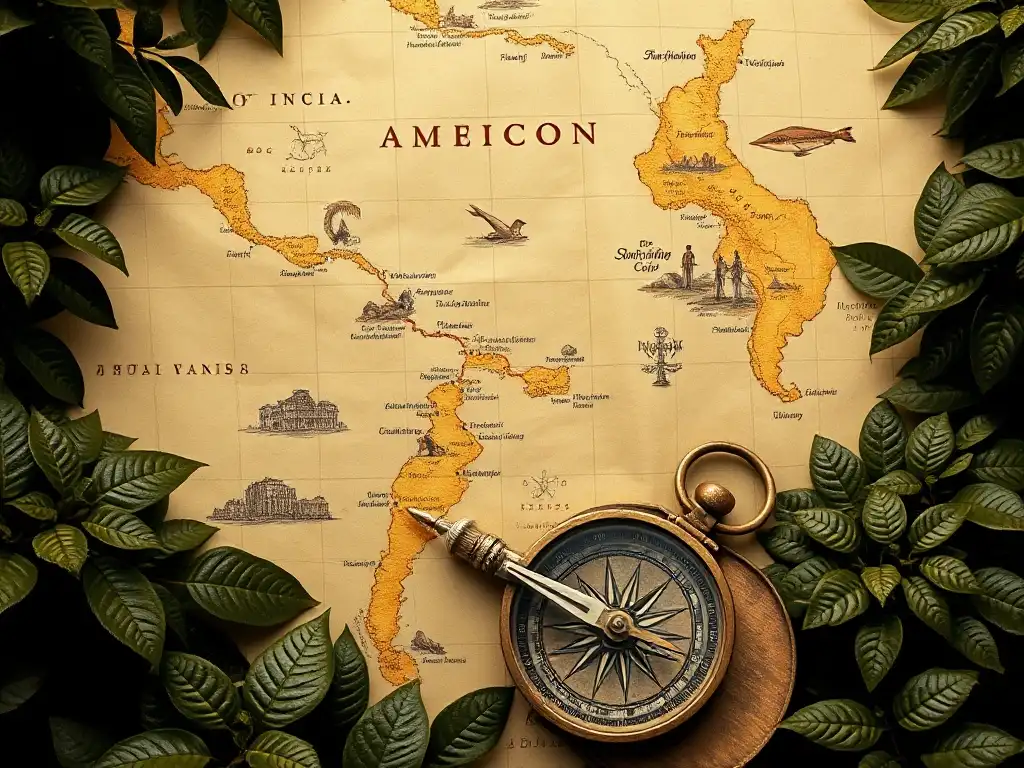
The Inca Amazon expansion, a topic often shrouded in myth and legend, presents a complex picture when examined through the lens of historical evidence. While the extent of Inca influence in the Amazon remains a subject of ongoing research and debate, archaeological findings and ethnohistorical accounts offer valuable insights into the realities of their presence and activities in this challenging environment. Understanding the Inca's motivations, strategies, and ultimate impact on the Amazonian landscape is crucial to appreciating the full scope of their empire's reach and influence.
This section dives deep into the realities of the Inca Amazon expansion, challenging popular misconceptions and presenting a more nuanced understanding of their presence in the Amazon basin. The keyword "Inca Amazon expansion history" is central to this exploration.
Reasons Behind the Inca's Interest in the Amazon Region
The Inca expansion into the Amazon wasn't a random act of conquest. Several factors contributed to their interest in this region, far different from the highlands they traditionally inhabited. One key driver was the acquisition of valuable resources not readily available in the Andes. The Amazon, with its diverse flora and fauna, offered a wealth of materials crucial for Inca society.
Another significant factor was the strategic importance of controlling trade routes that traversed the eastern slopes of the Andes. These routes connected the highlands with the Amazonian lowlands and beyond, offering access to new markets and alliances. Furthermore, the Inca state likely saw the Amazon as a potential source of manpower and tribute, further bolstering their already vast empire.
The allure of exotic goods, such as rare feathers and medicinal plants, also played a crucial role in stimulating Inca interest in the Amazon. Their expansion wasn't solely driven by a thirst for conquest; it was a calculated move towards economic and strategic advantage. The complex interplay of these factors shaped the Inca's approach to the Amazonian region, revealing a more sophisticated understanding of their ambitions than often portrayed.
Trade Routes and Resource Acquisition in the Amazon
The Inca's presence in the Amazon wasn't solely about military conquest; it was intricately linked to establishing and controlling trade routes. These routes, often following river systems, facilitated the movement of goods between the Andes and the Amazon basin. Archaeological evidence suggests the existence of strategically placed settlements and waystations along these routes, providing resting places for travelers and facilitating the exchange of goods.
The resources acquired from the Amazon included a wide variety of items: timber for construction, medicinal plants for healing, exotic feathers for adornment, and potentially even gold, though the extent of gold extraction in the Amazon remains debated. The Inca established a sophisticated system of resource management, integrating Amazonian resources into their economy. This system, however, was not without its challenges, as the Amazonian environment presented unique obstacles compared to the Andes.
The movement of goods and people across the varied terrain of the Amazon required adaptation and ingenuity on the part of the Inca. The establishment of these trade routes wasn't merely about economic gain; it also served to solidify Inca control and influence over the region, extending their power beyond the Andean highlands.
The Search for Exotic Goods: Feathers, Medicinal Plants, and Gold
The allure of exotic goods significantly fueled Inca expansion into the Amazon. Specific items, highly valued for their symbolic and practical significance, played a pivotal role in this expansion. Feathers, particularly those of brilliantly colored birds found only in the Amazon, were highly prized for ceremonial headdresses and other decorative purposes. These feathers held immense symbolic value, representing power and prestige within Inca society.
The acquisition of these rare feathers required establishing trade networks and possibly even direct expeditions into the Amazonian rainforest. Similarly, medicinal plants, with their unique healing properties, were highly sought after. The Amazon's biodiversity provided access to a vast array of plants not found in the Andes, fueling the Inca's interest in exploring and controlling the region. Finally, while the evidence is less conclusive, the possibility of obtaining gold from the Amazon also likely played a role in Inca expansion.
While not as abundant as in other regions of the empire, the presence of gold in the Amazon could have added to the region's allure and strategic importance. The pursuit of these exotic goods highlights the multifaceted nature of Inca expansion, revealing a complex interplay of economic, symbolic, and strategic motivations. The search for these goods wasn't merely about material wealth; it was about reinforcing Inca power, prestige, and control within a vast and diverse empire.
Inca Military Campaigns in the Amazon: Strategies and Challenges
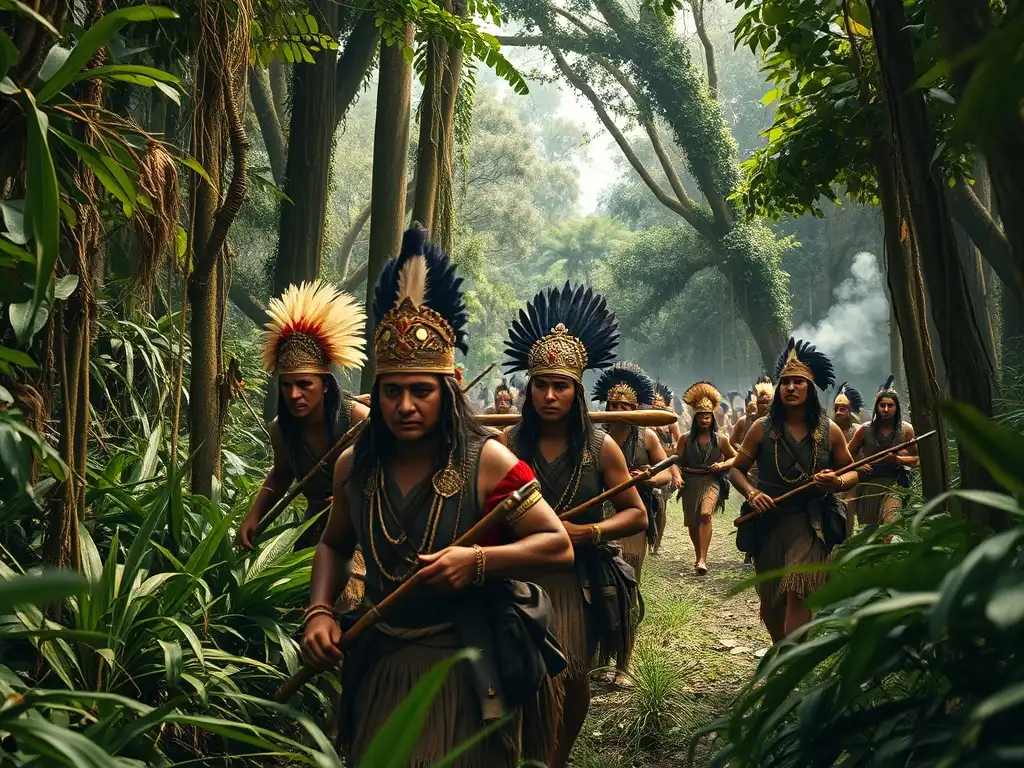
The Inca expansion into the Amazon rainforest presented unique challenges unlike those encountered in the Andes highlands. Their traditional military strategies, honed in high-altitude warfare, needed significant adaptation. The dense jungle drastically limited the effectiveness of their cavalry and the open formations they favored. Instead, the Inca likely employed smaller, more mobile units capable of navigating the treacherous terrain. These units would have relied heavily on guerilla tactics, ambushes, and the element of surprise to overcome the superior numbers of the Amazonian tribes.
Evidence suggests that the Inca utilized a combination of force and diplomacy. While military campaigns were undoubtedly undertaken, the Inca also likely sought to establish alliances and integrate some Amazonian tribes into their empire through tributary systems and strategic marriages. This approach was crucial given the logistical difficulties of maintaining a large army deep within the rainforest.
The supply lines were extremely vulnerable, requiring innovative solutions for transporting food, weapons, and other necessities. The Inca likely established strategically placed supply depots and relied on river transport whenever possible, but even then, maintaining these supply lines would have been a constant struggle against the elements and potential ambushes. The lack of easily defensible positions also hampered Inca military operations, forcing them to adapt their traditional fortress-building techniques to the rainforest environment.
Furthermore, the unfamiliar diseases present in the Amazon posed a significant threat to the Inca armies, further complicating their campaigns. Archaeological evidence of Inca military presence in the Amazon is still relatively scarce, making it difficult to fully understand the precise nature and extent of their military operations. Further research is needed to clarify the specifics of their campaigns and their successes and failures.
The Difficult Terrain and Resistance of Amazonian Tribes
The Amazon rainforest presented a formidable obstacle to Inca expansion. The dense vegetation, treacherous rivers, and unpredictable weather conditions made movement and communication extremely difficult. The Inca, accustomed to the relatively open terrain of the Andes, faced unprecedented challenges in navigating this dense environment. Their sophisticated road system, which had facilitated their conquests in the Andes, was largely ineffective in the Amazon. The construction of roads and bridges through the rainforest would have required immense resources and labor, and even then, these structures would have been vulnerable to the effects of the climate and potential sabotage by hostile tribes.
The indigenous Amazonian tribes offered fierce resistance to Inca encroachment. Unlike the relatively centralized political structures of the Andean societies, the Amazonian tribes were often organized into smaller, more dispersed groups, each with its own territory and leadership. This decentralized structure made it difficult for the Inca to effectively subdue them.
Furthermore, the Amazonian tribes possessed a deep knowledge of the rainforest environment, enabling them to utilize guerilla warfare tactics effectively. They could easily disappear into the dense vegetation, launching surprise attacks and ambushes against the Inca army. Their familiarity with the terrain and their understanding of the natural resources provided them with a significant advantage.
Reports from Spanish chroniclers, while often biased, support the narrative of fierce resistance from Amazonian tribes, highlighting the difficulties faced by the Inca in their attempts to control this region. The challenges of conquering and controlling the Amazon ultimately limited the extent of Inca expansion in this region, highlighting the significance of environmental and cultural factors in shaping the empire's boundaries. The resilience of the Amazonian tribes played a crucial role in limiting Inca influence and creating a frontier zone where the Inca presence was ultimately less dominant than in the Andes.
The Inca Presence in the Amazon: Evidence and Archaeological Findings
The Inca Amazon expansion history is a complex and often debated topic. While popular imagination paints a picture of a vast, unified Inca empire stretching seamlessly into the Amazon basin, the archaeological reality is more nuanced. The extent of Inca control and influence in the Amazon remains a subject of ongoing research and scholarly discussion. The available evidence suggests a less complete conquest than previously believed, with a pattern of strategically placed outposts, rather than full-scale colonization. This section will examine the existing archaeological and historical evidence to paint a clearer picture of Inca presence in the Amazon.
Inca Outposts and Settlements in the Amazonian Fringe
The Inca presence in the Amazon wasn't a uniform blanket. Instead, evidence points towards a series of strategically located settlements and outposts concentrated along the eastern foothills of the Andes, acting as buffer zones and control points for resource extraction and trade. These weren't large-scale cities like Cusco or Machu Picchu, but rather smaller, more dispersed settlements designed to exert control over key routes and resources. Archaeological surveys have uncovered several such sites, characterized by distinctive Inca architectural styles—precise stonework, characteristic building layouts, and the presence of Inca ceramics.
These findings suggest a deliberate effort to establish a presence in the region, but not necessarily to fully integrate it into the Inca administrative system. The scale of these settlements varied significantly, reflecting the different strategic importance of each location. Some were likely simple military posts, while others served as administrative centers for managing local populations or controlling trade routes.
Archaeological Evidence of Inca Influence in the Amazon
Beyond the direct evidence of Inca settlements, there is substantial archaeological evidence pointing to Inca influence extending deeper into the Amazon basin. This influence isn't necessarily expressed through large-scale settlements, but rather through the adoption of Inca technologies, styles, and practices by local Amazonian groups. For example, the discovery of Inca-style pottery and metalwork in sites far from known Inca settlements suggests trade networks and cultural exchange.
Further research is needed to fully understand the nature and extent of this interaction. Was it a result of peaceful trade, or did it involve some level of coercive control by the Inca? The distribution of these artifacts can also help to reconstruct the network of Inca interaction with these Amazonian communities.
The presence of Inca-style textiles, for example, might indicate a degree of economic control and the extraction of valuable resources. This is an area of ongoing research, with new discoveries constantly refining our understanding of the Inca's impact on the Amazon.
Inca Roads and Infrastructure Extending Towards the Amazon
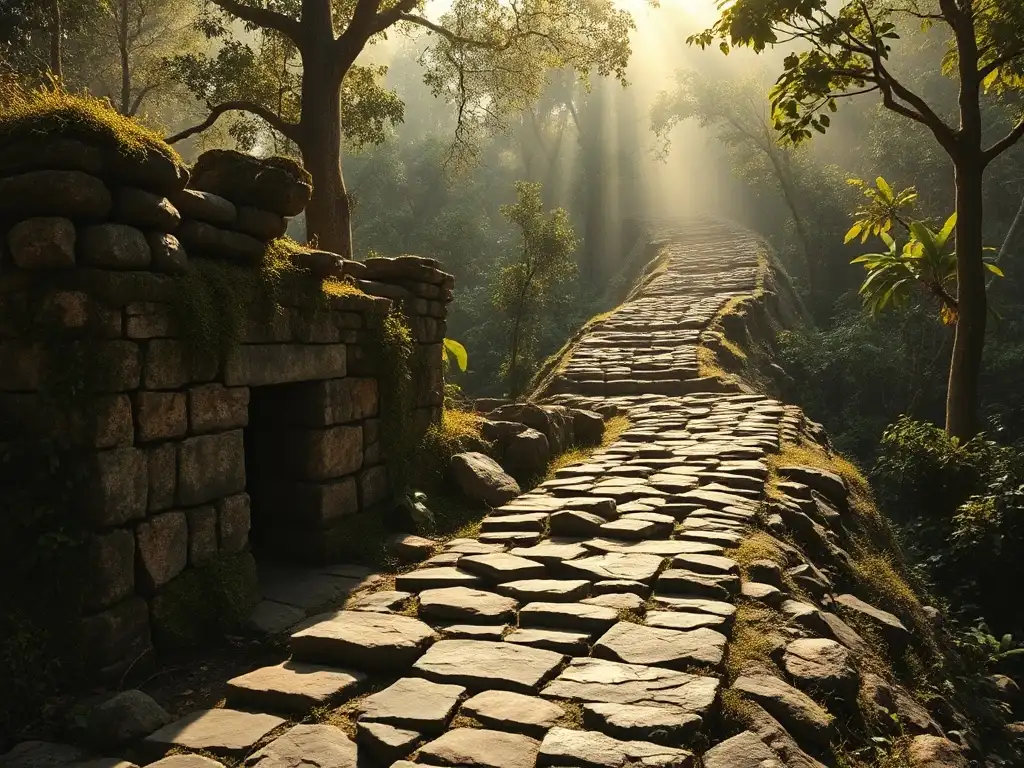
The Inca road system, a marvel of ancient engineering, played a vital role in their imperial control. While the main arteries of the Inca road network were primarily focused on the Andean highlands, several branches extended eastward towards the Amazon basin. These roads, though less well-preserved than their highland counterparts, are nonetheless crucial evidence of Inca efforts to connect the Amazonian region with the rest of their empire.
The construction of roads, even on a smaller scale, would have required significant resources and manpower, indicating a considerable investment in maintaining a presence in the Amazon. The discovery of these roads, combined with the evidence of settlements and cultural exchange, provides a more complete picture of Inca activity in the Amazon. Further research into the construction techniques and materials used in these roads could reveal important details about the Inca's logistical capabilities and their strategies for controlling the Amazonian territories.
The study of the road network also allows us to better understand the challenges faced by the Inca in extending their influence into the challenging Amazonian terrain and the strategies they employed to overcome these challenges. The limited extent of the road network compared to the highland regions may also reflect the different strategic importance that the Inca placed on the Amazon compared to the Andes.
The Impact of Inca Expansion on Amazonian Societies
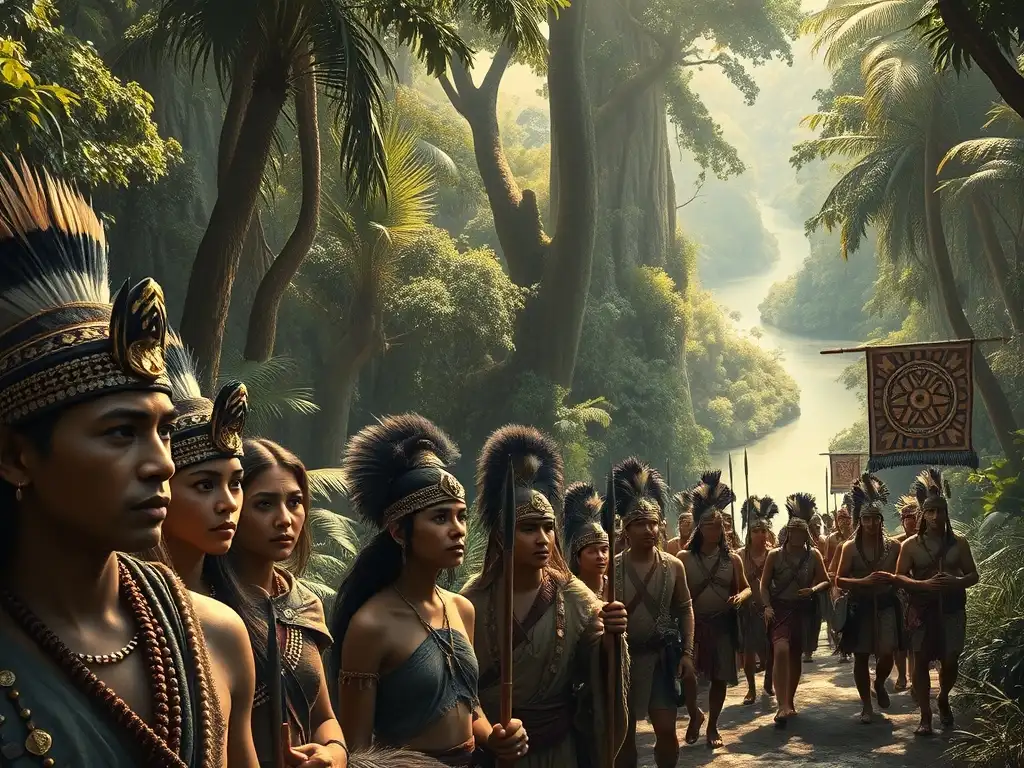
The Inca expansion into the Amazon, while less documented than their conquests in the Andes highlands, profoundly impacted the diverse Amazonian societies they encountered. The nature of this impact remains a subject of ongoing research, with ongoing debates about the degree of Inca control and the extent of cultural exchange. However, several key areas reveal significant alterations in the social, political, and economic landscape of the Amazon basin following Inca incursions. Understanding the Inca Amazon expansion history requires a nuanced view, acknowledging both the imposition of Inca power and the resilience and adaptability of Amazonian peoples.
Cultural Exchange and Interaction Between Incas and Amazonians
The Inca expansion wasn't solely a military endeavor; it involved a degree of cultural exchange, albeit often asymmetrical. Inca administrators and soldiers introduced elements of Inca culture, including religious practices, agricultural techniques (like terracing, though less applicable to the Amazon's terrain), and potentially aspects of their administrative system. However, the nature of this interaction varied considerably depending on the specific Amazonian group and the length of Inca presence in a given area.
Some evidence suggests the adoption of certain Inca technologies, particularly in pottery styles and metalworking, though this adaptation often blended with pre-existing Amazonian traditions. The extent of religious syncretism – the blending of Inca and Amazonian deities and rituals – is still debated, but it's likely that local beliefs were not entirely supplanted. Furthermore, the Inca likely adopted certain Amazonian agricultural practices and knowledge of local plants and resources, enriching their own understanding of the environment.
It's crucial to avoid a simplistic narrative of unidirectional cultural dominance; instead, a more accurate portrayal recognizes a complex interplay of assimilation, resistance, and adaptation. Further research, particularly archaeological excavations focusing on the exchange of goods and artifacts, is needed to fully understand the depth and extent of this cultural exchange.
Changes in Amazonian Tribal Structures and Alliances
The arrival of the Inca dramatically altered the pre-existing power dynamics among Amazonian tribes. The Inca imposed their hierarchical system, establishing tributary relationships and integrating some Amazonian groups into their administrative structure. This often led to the consolidation of power under Inca-appointed leaders or the manipulation of existing tribal alliances to serve Inca interests. Some tribes may have benefited from Inca protection or access to resources, while others faced subjugation, displacement, or even forced labor.
The Inca's arrival created new lines of conflict and alliances. Tribes previously neutral or even allied might find themselves pitted against each other due to Inca policies. The Inca's ability to leverage existing rivalries among Amazonian groups was a key component of their strategy for control.
The limited evidence suggests that while the Inca exerted considerable influence, they did not completely eradicate pre-existing social structures in all areas. The Inca Amazon expansion history is also a history of resistance and adaptation by Amazonian societies. More studies on the social organization of Amazonian groups before, during, and after Inca contact are needed to fully grasp the transformations in their political landscapes.
The Long-Term Effects of Inca Contact in the Amazon
The long-term impact of Inca contact on Amazonian societies is complex and multifaceted. While the Inca presence was relatively brief compared to the overall history of Amazonian civilizations, its effects were far-reaching. The introduction of new diseases, though the precise scale is uncertain, undoubtedly had a significant impact on Amazonian populations. The Inca's restructuring of power dynamics left a lasting mark on inter-tribal relationships, influencing the political landscape long after the Spanish conquest.
The legacy of Inca influence is discernible in some archaeological findings, such as changes in pottery styles and agricultural practices. However, the extent of long-term cultural and genetic impact remains a topic of ongoing research. The post-Inca period saw a return to more localized forms of governance in many areas, but the experience of Inca rule undoubtedly shaped the trajectory of Amazonian societies.
The Inca Amazon expansion history is not simply a story of conquest but also of adaptation, resistance, and the ongoing evolution of Amazonian cultures. Further research, including genetic studies and detailed archaeological surveys, is crucial to fully comprehend the lasting legacy of Inca presence in the Amazon.
Analyzing the Inca Amazon Expansion: A Complex Historical Process
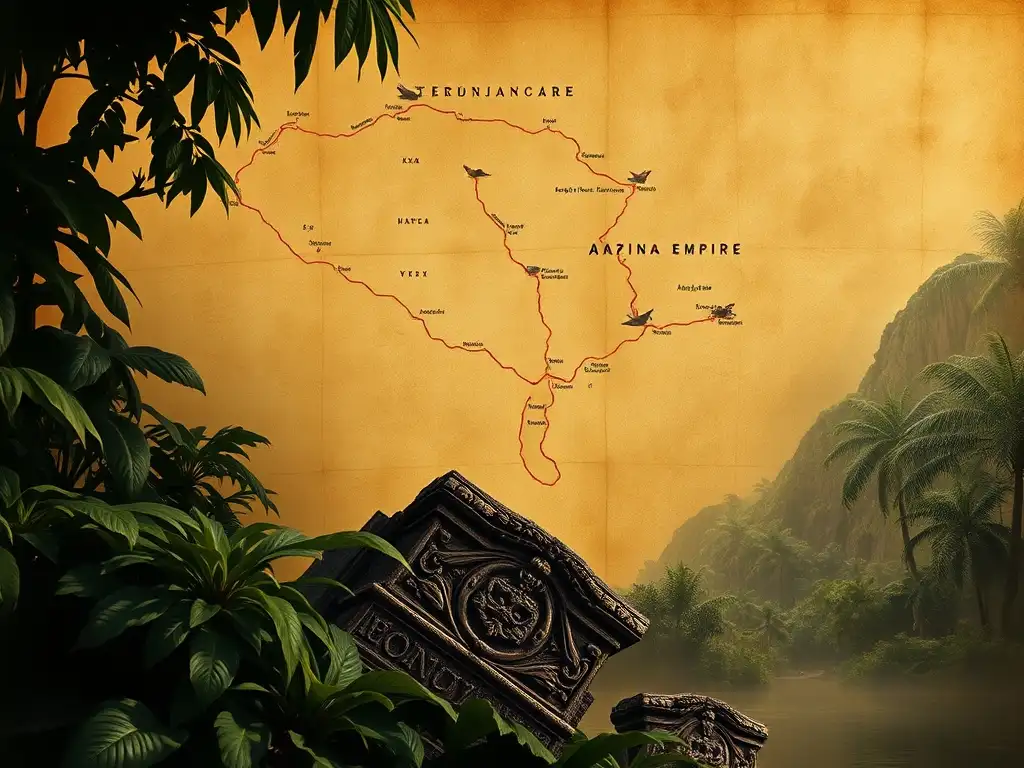
The Inca Amazon expansion, a topic frequently romanticized and often misunderstood, presents a fascinating case study in the limitations of even the most powerful empires. The narrative of a swift, comprehensive conquest of the Amazon basin by the Inca is largely a myth.
The reality is far more nuanced, revealing a complex interplay of political maneuvering, adaptation, and ultimately, the inherent challenges posed by the Amazonian environment itself. Understanding this requires moving beyond simplistic narratives of conquest and exploring the intricate details of Inca interaction with Amazonian societies.
This analysis will delve into the gradual and limited nature of Inca influence, the constraints imposed by the challenging Amazonian terrain and its inhabitants, and finally, the significant role played by pre-existing Amazonian populations in shaping the historical record. Keywords like "Inca Amazon expansion history," "Inca Amazonian influence," and "Amazonian resistance to Inca" will help contextualize this complex process within the broader scope of Inca imperial history.
The Inca Expansion: A Gradual and Limited Process in the Amazon
Contrary to popular belief, the Inca expansion into the Amazon was not a rapid, all-encompassing military campaign. Archaeological evidence suggests a far more gradual and limited process, characterized by strategic alliances, controlled settlements, and ultimately, a relatively shallow penetration into the rainforest. The Inca presence was concentrated along the eastern slopes of the Andes, in areas with relatively easier access and resources.
This contrasts sharply with the image of a vast Inca empire stretching seamlessly across the Amazon. Instead, the Inca presence was punctuated by isolated settlements and strategically placed outposts, reflecting a pragmatic approach to resource management and control. The dense jungle, diverse ecology, and unfamiliar diseases presented significant obstacles that slowed and limited Inca expansion.
The sheer scale and difficulty of maintaining supply lines and communication across the vast Amazonian expanse also played a crucial role in limiting Inca influence. Furthermore, the political landscape of the Amazon was not a vacuum, but rather a complex tapestry of various indigenous groups with their own power structures, alliances, and resistance strategies.
The Limits of Inca Power and Influence in the Jungle
The Inca empire, despite its impressive organizational capabilities, faced significant limitations in its attempt to control the Amazon. The vastness and inhospitable nature of the rainforest posed insurmountable logistical challenges. The Inca road system, a marvel of engineering in the Andes, proved largely ineffective in the Amazonian environment. The dense vegetation, unpredictable rivers, and lack of easily navigable pathways hampered transportation, communication, and the effective deployment of military forces.
Moreover, the unfamiliar diseases prevalent in the Amazon decimated Inca populations, further weakening their capacity for expansion and control. The climate, characterized by extreme humidity and high temperatures, also posed a significant challenge to the Inca, who were not acclimated to such conditions. This combination of environmental and logistical constraints severely hampered Inca efforts to establish a truly substantial and lasting presence throughout the Amazon basin. The extent of Inca control was, therefore, far more limited than often portrayed.
The Role of Local Amazonian Peoples in Shaping History
The narrative of Inca expansion into the Amazon must acknowledge the active participation and resistance of local Amazonian populations. These groups were not passive recipients of Inca rule but rather actively engaged in shaping the historical trajectory. While some groups might have formed alliances with the Inca for mutual benefit, others fiercely resisted Inca encroachment, employing guerilla warfare tactics and exploiting the terrain to their advantage.
The impact of these interactions is evident in the archaeological record, which reveals a complex blend of Inca and indigenous influences in material culture and settlement patterns. The survival and continuity of indigenous Amazonian cultures after the collapse of the Inca Empire demonstrates their resilience and ability to adapt to changing circumstances. Therefore, a complete understanding of the Inca Amazon expansion necessitates a focus on the agency and contributions of the indigenous populations, whose experiences and actions played a critical role in shaping the history of this region.
Ignoring their perspective would be a significant oversight. Further research into specific Amazonian groups and their interactions with the Inca is crucial for a more complete and accurate historical picture.
Conclusion: Reassessing the Inca Amazonian Narrative
The Inca expansion into the Amazon remains a complex and fascinating subject, far from the simplistic narratives often presented. While the Inca undoubtedly exerted influence in the Amazon basin, the extent and nature of this influence require careful consideration, moving beyond the myth of a straightforward military conquest. The reality is likely far more nuanced, involving a complex interplay of diplomatic relations, trade networks, and localized adaptations.
Understanding this complexity is crucial to accurately portraying the Inca Empire's reach and the diverse societies it encountered. The narrative of a unified, monolithic Inca state imposing its will uniformly across the Amazon is an oversimplification that obscures the rich tapestry of human interaction and cultural exchange. The keyword "Inca Amazon expansion history" itself needs to be approached with a critical eye, acknowledging the multifaceted nature of this historical process.
Challenging the Traditional View of Inca Expansion
Traditional accounts often depict the Inca expansion as a purely military endeavor, emphasizing conquest and subjugation. However, recent archaeological findings and anthropological studies are challenging this perspective. The Inca Empire's success wasn't solely based on military might; it also relied on sophisticated strategies of incorporation and negotiation.
Evidence suggests that the Inca often formed alliances with existing Amazonian groups, integrating them into their administrative system through diplomacy and strategic marriages. This integration wasn't always peaceful, of course, but it wasn't always purely forceful either. The Inca likely adapted their methods to the specific circumstances and political landscapes they encountered in the diverse Amazonian regions.
For instance, the Inca may have employed different strategies in densely populated areas compared to sparsely inhabited regions, indicating a flexible approach to governance and expansion rather than a rigid, uniform policy. This highlights the need for a more nuanced understanding of the Inca's interaction with the Amazonian populations, moving away from simplistic narratives of conquest and towards a more complex picture of negotiation, adaptation, and integration.
The Importance of Understanding the Nuances of Inca History
Understanding the nuances of Inca Amazon expansion history is vital for several reasons. Firstly, it allows for a more accurate and comprehensive understanding of the Inca Empire itself. A focus solely on military achievements overlooks the intricate social, economic, and political mechanisms that underpinned the empire's success.
Secondly, it promotes a more respectful and accurate representation of the Amazonian populations who interacted with the Inca. Ignoring the agency and resilience of these groups perpetuates a colonialist narrative that silences their voices and minimizes their contributions to the historical record. Thirdly, understanding the complexities of Inca expansion in the Amazon offers valuable insights into broader themes of colonialism, empire building, and cultural exchange.
By analyzing the methods employed by the Inca, we can gain a deeper understanding of the processes that shape intercultural interactions and the consequences of imperial expansion. This nuanced approach allows us to avoid generalizations and appreciate the diversity of experiences within both the Inca Empire and the Amazonian region. The Inca Amazon expansion history is not a simple story of conquest, but a complex and multifaceted narrative of interaction, adaptation, and exchange.
Future Studies and the Inca-Amazonian Interaction
Future research into the Inca Amazon expansion should focus on several key areas. A greater emphasis on interdisciplinary approaches, combining archaeological evidence with ethnohistorical accounts and linguistic analysis, is crucial. This will allow for a more holistic understanding of the interactions between the Inca and Amazonian societies.
Further investigation into the material culture of the Amazonian populations, including their technologies, agricultural practices, and social structures, is needed to better understand their relationship with the Inca. Detailed analysis of Inca administrative records, if they exist, could shed light on the economic and political integration of Amazonian regions into the imperial system. Moreover, more research is needed to explore the long-term consequences of Inca influence on Amazonian societies, assessing the lasting impacts on their social structures, cultural practices, and environmental landscapes.
🗺️ By addressing these research gaps, we can move towards a more accurate and comprehensive understanding of the complex history of the Inca and their interaction with the Amazon. Understanding the Inca Amazon expansion history requires a commitment to rigorous research and a willingness to challenge existing assumptions.
Frequently Asked Questions
What is the main focus of the article "The Inca Expansion into the Amazon: Myths and Realities"?
The article explores the extent and nature of Inca expansion into the Amazon rainforest, separating historical fact from popular myths and misconceptions. It examines archaeological evidence and challenges existing narratives.
Did the Inca Empire have a significant presence in the Amazon rainforest?
While the Inca presence in the Amazon was less extensive than in the Andes, archaeological evidence suggests they established settlements and exerted influence over certain areas. The scale of their impact is still debated.
What are some of the myths surrounding Inca Amazonian expansion?
Common myths include the belief of a vast, fully controlled Inca empire extending deep into the Amazon, and overestimating the Inca's ability to completely subdue the Amazonian populations. These are challenged by recent research.
What kind of evidence is used to understand Inca presence in the Amazon?
Archaeological findings like settlements, roads, and fortifications, combined with ethnohistorical accounts and analysis of Inca administrative structures, are vital in reconstructing the Inca's Amazonian presence.
How does the article challenge previous understandings of Inca expansion?
The article challenges the traditional narrative of a unified, highly centralized Inca empire by presenting a more nuanced picture of their Amazonian activities, emphasizing the complexities of interactions with local populations and the limitations of Inca control.
Final Reflection: Unraveling the Inca's Amazonian Enigma
The Inca expansion into the Amazon, far from being a footnote in history, represents a crucial lens through which we can understand the complexities of pre-Columbian societies and the enduring power of adaptation. The myths surrounding this expansion, often romanticized or minimized, obscure a far more nuanced reality: a story of ingenuity, resilience, and ultimately, a profound interaction with a vastly different environment. Understanding this interaction is vital for comprehending not only Inca history, but also the broader implications of human interaction with diverse ecosystems.
The Inca's ambitious venture into the Amazon continues to resonate today, challenging our preconceived notions of empire building and the limits of human potential. Their sophisticated agricultural techniques, adapted to the unique challenges of the rainforest, stand as a testament to their ingenuity. Their integration, or perhaps more accurately, their negotiation with existing Amazonian populations, reveals a complex social dynamic that deserves further study. The past is never dead. It's not even past.
– William Faulkner. This quote perfectly encapsulates the enduring relevance of understanding the Inca's Amazonian endeavors; their story continues to shape our understanding of the past and informs our approach to the present.
Consider, for a moment, the ingenuity required to thrive in such a demanding environment. The Inca's story is not just about conquest, but about adaptation, innovation, and the enduring human capacity to shape and be shaped by the world around us. Let the legacy of the Inca in the Amazon inspire you to explore the complexities of your own world, to question assumptions, and to appreciate the intricate tapestry of human history. Embrace the challenge of unraveling the mysteries of the past, for in doing so, we illuminate the path towards a more informed and empathetic future.
Uncover the Truth: Dive into the Wonders of Inca Expansion
Thank you for exploring the fascinating journey of the Inca expansion into the Amazon with us! We hope you gained valuable insights that challenge common myths and shed light on the realities of this remarkable civilization. Now, let's delve deeper into the vibrant history of the Andes.
Here's how you can continue exploring this captivating topic:
- **Expand your knowledge:** Read our detailed articles or watch documentaries about Inca culture and its impact on the Amazonian ecosystems.
- **Share your discoveries:** Discuss your newfound knowledge with friends, fellow history enthusiasts, or in the comment section below.
- **Contribute your perspective:** Share your thoughts on how the Inca expansion has shaped modern perceptions of indigenous South American cultures by writing a short piece for us.
What surprising connections did you discover between the Inca expansion and today's cultural landscape? We'd love to hear your insights!