
Unresolved Mysteries of Moche Religion: Questions Still to Be Answered

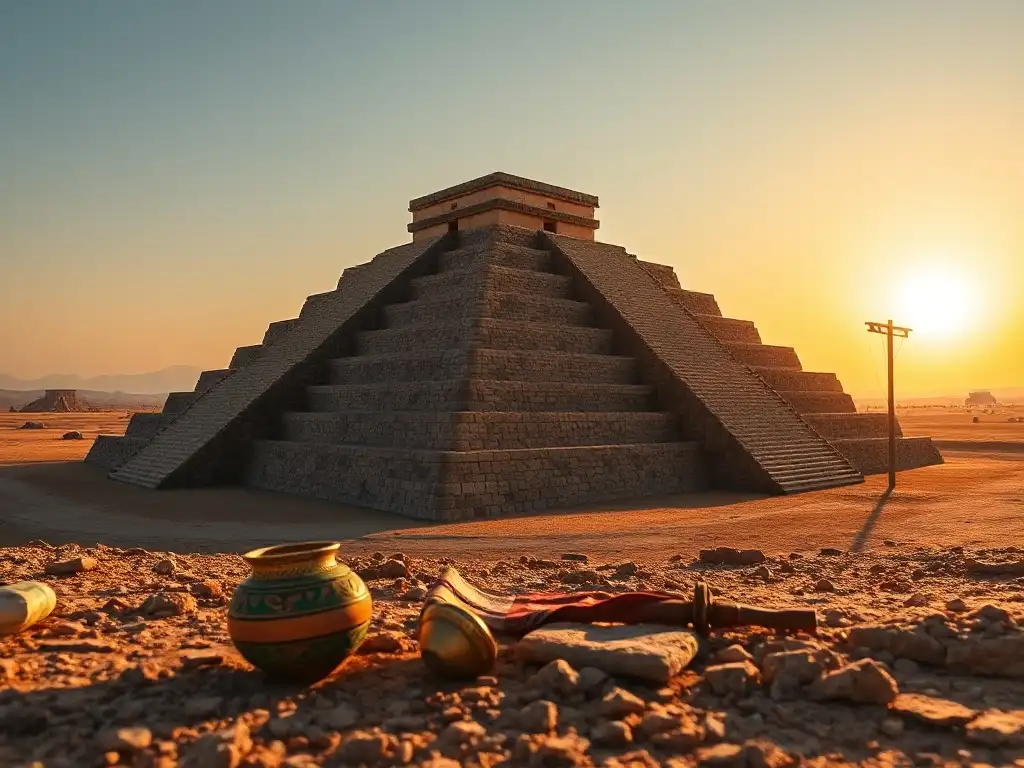
Step into a world lost to time, yet echoing with the whispers of a vibrant past. Andean Civilizations unveils the secrets of ancient empires, from the awe-inspiring Incas to the enigmatic Nazca. But today, we delve into the heart of a captivating puzzle: the Moche religious mysteries. Prepare to be captivated by rituals, beliefs, and artifacts that continue to defy explanation, leaving historians and archaeologists alike searching for answers. Dare to explore the enigma—the mysteries await.
The Moche civilization, flourishing along the northern coast of Peru from approximately 100 CE to 800 CE, left behind a remarkable legacy of intricate artistry, sophisticated engineering, and a deeply complex religious system. While their stunning pottery, monumental architecture, and elaborate burial practices offer glimpses into their worldview, many aspects of Moche religion remain shrouded in mystery. This article delves into some of the most enduring unresolved questions surrounding Moche religious beliefs and practices, exploring the evidence and the ongoing debates among scholars.
Understanding these mysteries is crucial to gaining a more complete picture of this fascinating and influential Andean culture. We will examine the evidence, analyze interpretations, and highlight the areas where further research is needed to unravel the secrets of Moche spirituality. The keyword "Moche religious mysteries" will be explored throughout, revealing the ongoing fascination and scholarly efforts to decode these enigmatic aspects of their civilization.
The Role of Sacrifice in Moche Religion
The Moche are renowned for their elaborate sacrificial practices, evidenced by numerous archaeological discoveries. Human sacrifice, often involving individuals of high social standing, is a prominent feature in Moche iconography and burial sites. However, the precise reasons and significance of these sacrifices remain debated.
Were they offerings to appease deities? Were they tied to specific rituals or calendrical events? Were they related to maintaining cosmic balance or ensuring successful harvests?
The intricately decorated grave goods found alongside sacrificed individuals suggest a complex ritualistic context, but the exact nature of the ceremonies and their underlying beliefs remains elusive. Some theories propose that sacrifice was a means of strengthening the power of the elite, while others suggest it was connected to ensuring the fertility of the land and the well-being of the community. Further research, including detailed analysis of skeletal remains and contextual artifacts, is crucial to shed more light on this controversial aspect of Moche religion.
The Identity and Nature of Moche Deities
The Moche pantheon is depicted in their art, showcasing a diverse range of supernatural beings. However, the precise identity and functions of these deities are often difficult to ascertain. While some figures, such as the Decapitator or the Ai Apaec, are relatively well-known, their roles within the broader religious system are still subject to interpretation.
Many representations are ambiguous, leaving room for multiple interpretations. The iconography is rich with symbolism, but the lack of written texts poses a significant challenge to decipher the meaning behind the images. Were these deities associated with specific natural forces, like the sea, the sun, or the earth?
Did they represent aspects of the human experience, like war, fertility, or death? Detailed comparative analysis of Moche iconography, combined with insights from other contemporary Andean cultures, could contribute to a more comprehensive understanding of their divine figures. The complex interplay between human and divine realms remains one of the most compelling “Moche religious mysteries”.
The Significance of Moche Ceremonial Centers
The Moche constructed large-scale ceremonial centers, such as the Huaca del Sol and Huaca de la Luna, which served as focal points for religious activities. These sites contain evidence of elaborate rituals, including the offering of sacrifices and the creation of monumental structures. However, the specific purposes of these centers and the nature of the ceremonies conducted within them remain largely unclear.
Were these centers solely religious sites, or did they also serve administrative or political functions? How did the layout and architecture of these sites reflect the Moche worldview? The sheer scale of these constructions suggests the mobilization of significant resources and labor, implying a high level of social organization and religious authority.
Further archaeological investigation, including detailed mapping and analysis of the artifacts recovered from these sites, is necessary to better understand the significance of these monumental structures within the larger context of Moche religious practices. Uncovering more about the daily life and activities at these centers could unlock further answers to the enigmatic "Moche religious mysteries".
Interpreting Moche Iconography: A Challenge for Scholars
The rich and complex iconography found in Moche pottery, textiles, and metalwork presents a significant challenge for researchers attempting to understand their religious beliefs. The imagery is often symbolic and highly stylized, making direct interpretations difficult. Scholars often debate the meaning of specific motifs and their relationship to the broader religious system.
For example, the frequent depiction of violent scenes, including warfare and sacrifice, raises questions about the role of violence in Moche religion and its relationship to their worldview. The recurring themes of fertility and regeneration suggest a strong connection to the agricultural cycle and the life-giving forces of nature. A multidisciplinary approach, combining art historical analysis, anthropological insights, and archaeological evidence, is crucial to unlock the secrets embedded within Moche visual culture and to solve the many lingering "Moche religious mysteries".
- The Role of Sacrifice in Moche Religion
- The Identity and Nature of Moche Deities
- The Significance of Moche Ceremonial Centers
- Interpreting Moche Iconography: A Challenge for Scholars
The Enigmatic World of Moche Beliefs: An Introduction
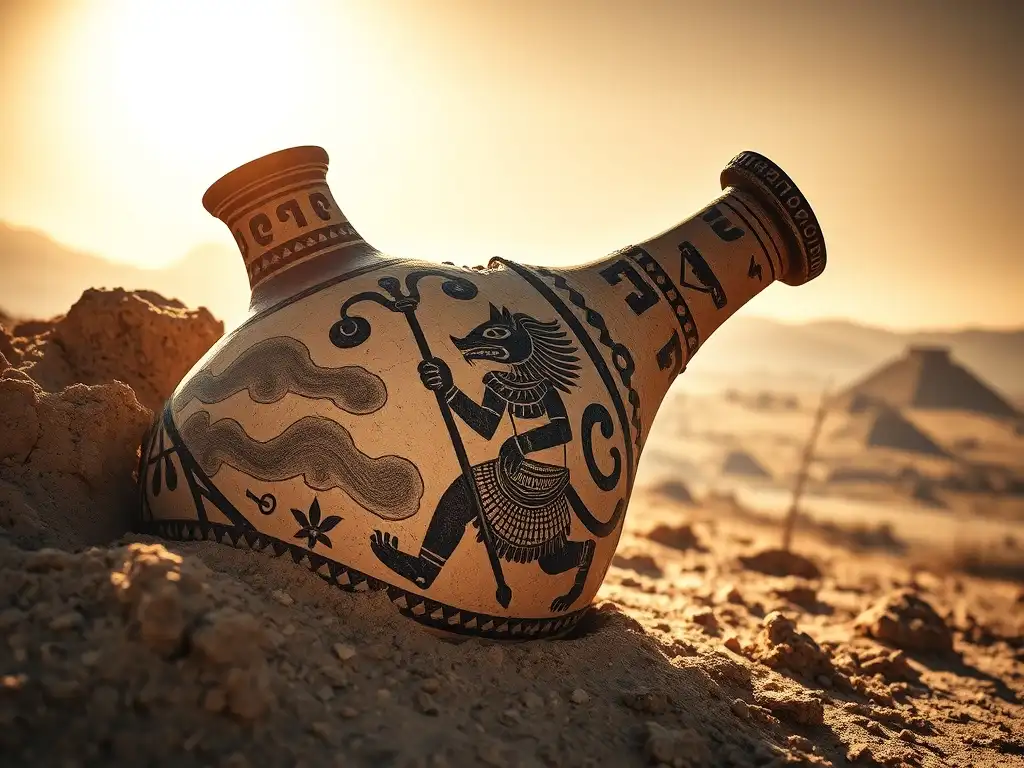
The Moche civilization, flourishing along the northern coast of Peru from approximately 100 to 800 CE, left behind a rich archaeological record brimming with intricate artistry and complex social structures. However, a significant veil of mystery shrouds their religious beliefs and practices. While the Moche's artistic prowess is undeniable, evident in their stunning ceramics, metalwork, and monumental architecture, the precise meaning and function of many religious artifacts and rituals remain open to scholarly debate.
This lack of a deciphered written language presents a formidable challenge in understanding their spiritual world, making the study of Moche religious mysteries a fascinating and ongoing endeavor. Many aspects of their religious worldview are inferred from iconography, burial practices, and the arrangement of ceremonial sites, leaving ample room for interpretation and the formulation of competing hypotheses. The complexity of Moche religious mysteries continues to captivate researchers and enthusiasts alike, fueling further investigations into this captivating pre-Columbian culture.
The quest to unravel the secrets embedded within their art and architecture offers a compelling glimpse into the beliefs and rituals that shaped this remarkable society. Understanding these mysteries is crucial to gaining a complete picture of Moche society and its place within the broader tapestry of Andean civilizations.
Understanding the Moche Religious Landscape
The Moche religious landscape, as revealed by archaeological evidence, appears to have been polytheistic, with a pantheon of deities represented in various forms. The most prominent deities seem to be linked to nature, particularly the sea, the moon, and agricultural fertility. This is supported by the prevalence of imagery depicting marine life, celestial bodies, and agricultural activities in their art. For example, the frequent depiction of the "Decapitated Priest" in Moche ceramics suggests a ritualistic sacrifice possibly tied to ensuring agricultural bounty.
The intricate details and symbolic representations in these ceramics offer clues, but the precise narrative remains elusive. Furthermore, the construction of large-scale irrigation systems speaks to the Moche's profound connection to water and its vital role in their religious and agricultural practices. The sheer scale of these projects suggests a highly organized society with a strong belief system underpinning their communal efforts. However, the exact nature of their religious hierarchy, the roles of priests and shamans, and the specific rituals associated with each deity remain largely unknown.
The study of Moche religious mysteries is further complicated by the lack of textual sources, relying heavily on visual interpretations of artifacts. Detailed analysis of ceramic styles, iconography, and burial contexts provides glimpses into the complexities of their religious beliefs, yet much remains to be deciphered. Further research, combining archaeological findings with anthropological interpretations, is crucial in building a more comprehensive understanding of this fascinating aspect of Moche culture.
The Challenge of Deciphering Moche Rituals
Deciphering Moche rituals represents a significant challenge for researchers. The absence of a written language necessitates relying on interpretations of iconography found in their exquisite ceramics and other artifacts. The Moche frequently depicted scenes of ritual sacrifice, warfare, and elaborate ceremonies, but the precise meaning and context of these representations remain debated. For example, the depiction of human sacrifice, often featuring individuals adorned with elaborate headdresses and jewelry, raises questions about the social and religious significance of such practices. Were these sacrifices intended to appease the gods, to commemorate significant events, or to solidify political power?
Similarly, the meaning of the various symbols and iconographic elements remains largely enigmatic. While some patterns might represent specific deities or events, their precise interpretation is complex and open to various interpretations. The Moche's mastery of metallurgy is also relevant to understanding their rituals. The production of elaborate gold and silver ornaments for elite burials suggests a connection between wealth, power, and religious practices.
These artifacts, often found alongside human remains, provide valuable insights into burial rituals and the social status of the deceased. However, the full significance of these offerings and their relationship to the afterlife remains largely speculative. The complexity of Moche religious mysteries underscores the need for a multidisciplinary approach to research, involving archaeologists, anthropologists, art historians, and other specialists working collaboratively to piece together the puzzle of their unique religious world. The ongoing investigation of Moche religious mysteries promises further exciting discoveries and a richer understanding of this fascinating civilization.
Key Moche Religious Mysteries That Persist
The Moche civilization, flourishing along the northern coast of Peru from approximately 100 to 800 CE, left behind a rich archaeological record brimming with enigmatic religious practices. Despite decades of research, many aspects of their faith remain shrouded in mystery, fueling ongoing debate among scholars. Understanding the Moche's complex religious beliefs is crucial to grasping their societal structure, artistic expressions, and overall worldview.
This section delves into some of the most enduring puzzles surrounding Moche religion, focusing on the persistent questions that challenge our current interpretations. The study of "Moche religious mysteries" continues to be a vibrant field of research, constantly evolving as new evidence emerges.
The Role of Sacrifice in Moche Society: Unanswered Questions
The Moche are renowned for their elaborate sacrificial practices, vividly depicted in their intricate pottery and monumental architecture. However, the precise reasons behind these sacrifices and their societal implications remain subjects of intense scholarly discussion. While evidence suggests that both human and animal sacrifices were common, the specific rituals, the selection of victims, and the intended effects of these acts remain largely unclear. Did sacrifices serve to appease deities, ensure successful harvests, or maintain political power? The answers to these questions remain elusive.
Decoding the Iconography of Moche Sacrificial Scenes
Moche pottery often portrays scenes of sacrifice with remarkable detail. These depictions, however, are not always straightforward. The iconography is complex, filled with symbolic elements that require careful interpretation. For example, the recurring motif of a captive bound and presented before a high-ranking individual could represent a variety of scenarios, from ritual sacrifice to a symbolic offering of subjugation.
Further research is needed to decipher the nuanced meanings within these complex visual narratives. The subtle differences in posture, clothing, and accompanying objects in various scenes could hold clues to the specific contexts and purposes of different sacrificial events. Careful stylistic analysis, combined with contextual archaeological data, is vital for a more comprehensive understanding.
The Purpose and Scale of Moche Human Sacrifice
The discovery of numerous Moche burial sites containing human remains provides compelling evidence of human sacrifice. However, the scale of this practice and its social impact remain debated. Was human sacrifice a rare event reserved for exceptional circumstances, or was it a more widespread practice integrated into the fabric of Moche society?
Determining the frequency of human sacrifice is challenging, as the archaeological record might not represent a fully accurate picture. Furthermore, identifying the social status of the sacrificed individuals—were they prisoners of war, criminals, or members of the elite?—is key to understanding the role of sacrifice within the Moche power structure. More sophisticated archaeological techniques and rigorous statistical analysis of existing data could shed light on these crucial aspects.
The Complex Pantheon of Moche Deities: Still Unclear
The Moche pantheon of deities is diverse and often depicted in dynamic and evocative ways. However, the precise identities and roles of these deities, and their relationships to each other, are not fully understood. The lack of decipherable writing system presents a significant challenge in interpreting the religious beliefs of the Moche. We rely heavily on iconography and archaeological context to piece together a picture of their spiritual world.
The Significance of the Decapitator God in Moche Religion
One of the most striking and frequently depicted Moche deities is the so-called "Decapitator God," often portrayed wielding a ceremonial knife and standing over a defeated foe. The exact nature and significance of this deity remain a subject of ongoing scholarly debate. Was this deity a symbol of power, war, or perhaps a more complex representation of life and death?
The iconography associated with the Decapitator God, such as the presence of specific animals or symbols, provides valuable clues but requires further detailed analysis. Further research comparing the depiction of the Decapitator God across different Moche sites and time periods may reveal changes in its symbolism and significance over time.
Identifying Moche Animal Deities and Their Attributes
Many Moche deities are represented in zoomorphic or anthropomorphic forms, incorporating animal attributes and characteristics. Identifying these animal deities and understanding their specific roles within the Moche pantheon is crucial for a complete understanding of their religious beliefs. For example, the frequent depiction of felines, birds of prey, and marine animals suggests their importance in the Moche worldview.
However, the precise attributes and meanings associated with each animal remain a focus of ongoing research. A systematic cataloging of all the animal representations in Moche art, along with a careful analysis of their context, is necessary to create a more complete picture of the Moche zoomorphic pantheon.
Moche Deities' Hierarchical Structure
Determining the hierarchical structure of the Moche pantheon is another significant challenge. Did a single supreme deity preside over the others, or was the pantheon more egalitarian? The relative prominence of different deities in Moche art and architecture might offer clues, but this requires a careful analysis of the frequency and context of their depictions.
Furthermore, the identification of potential relationships between deities, perhaps through shared iconography or contextual associations, is crucial for establishing a coherent framework for understanding the structure of Moche religious beliefs. A detailed study examining the spatial distribution of different deity representations in Moche sites could reveal patterns that reflect a potential hierarchy.
The Meaning of Moche Shamanic Practices: Ongoing Debates
The Moche people, renowned for their intricate artwork and sophisticated social structures, left behind a rich tapestry of religious practices shrouded in mystery. Among the most perplexing aspects of Moche religion are their shamanic rituals. Archaeological evidence suggests a complex system of beliefs and practices revolving around altered states of consciousness, likely facilitated by the use of hallucinogenic substances.
However, the precise meaning and function of these practices remain a subject of ongoing scholarly debate. Many theories attempt to explain the significance of these rituals, ranging from divination and healing to communication with the spirit world and ensuring agricultural fertility. The lack of written records, a common challenge in the study of pre-Columbian Andean cultures, necessitates reliance on careful interpretation of iconography, artifacts, and the layout of ceremonial sites.
Researchers painstakingly analyze depictions of shamans in Moche pottery and murals, hoping to decipher their gestures, attire, and the objects they wield, searching for clues to unlock the secrets of these enigmatic practices. The ambiguity inherent in the visual record, however, often leads to multiple, often conflicting interpretations.
The Use of Hallucinogens in Moche Religious Rites
Evidence strongly suggests the Moche utilized hallucinogenic plants, such as San Pedro cactus and possibly other species, in their religious ceremonies. The effects of these substances, capable of inducing vivid hallucinations and altered perceptions, likely played a crucial role in the shamanic experiences. Depictions on Moche pottery frequently show individuals in trance-like states, often surrounded by supernatural beings or engaged in seemingly otherworldly interactions.
These visual narratives offer tantalizing glimpses into the potential effects of hallucinogens on Moche religious practices, suggesting that altered consciousness was integral to their spiritual world. The precise methods of ingestion and the social context of these rituals are still unclear, but ongoing research, including chemical analysis of ancient artifacts, continues to shed light on this fascinating aspect of Moche religious life.
The careful study of these archaeological findings allows researchers to reconstruct a more complete picture of the role of hallucinogens in shaping Moche religious beliefs and practices. Furthermore, cross-cultural comparisons with other Andean cultures that utilized similar substances can offer valuable insights into the broader significance of these rituals within the Andean context.
Interpretations of Moche Shamanic Transformations
Moche iconography often portrays shamans undergoing dramatic transformations, sometimes depicted as merging with animals or acquiring supernatural powers. These transformations, often interpreted as journeys to the spirit world or symbolic representations of power and authority, are central to understanding Moche shamanism.
Some researchers suggest that these transformations reflect a belief in shape-shifting abilities, while others argue that they symbolize the shaman's access to supernatural realms and their ability to mediate between the human and divine worlds. The recurring motifs of jaguars, birds of prey, and other powerful animals highlight the importance of animal symbolism in Moche shamanic beliefs, suggesting a close connection between the human and animal realms.
The interpretation of these visual narratives relies heavily on a nuanced understanding of Moche cosmology and symbolic language, an area where ongoing research continues to refine our understanding. The complex interplay of iconographic details and their potential symbolic meanings necessitates a multidisciplinary approach, combining archaeological analysis with anthropological and historical perspectives.
Moche Shamanic Symbols and Motifs
The Moche artistic repertoire is rich with symbolic motifs that appear repeatedly in contexts associated with shamanic practices. These symbols, often depicted on pottery, textiles, and metalwork, provide crucial clues to deciphering the beliefs and practices of Moche shamans. Recurring symbols include stylized representations of animals, celestial bodies, and abstract designs that likely held specific religious significance.
Some of these symbols appear to be associated with specific deities or supernatural entities, suggesting a complex pantheon of Moche gods and spirits. The precise meanings of these symbols remain a subject of ongoing research, but scholars attempt to decipher them by analyzing their context, distribution, and associations with other artifacts and iconographic elements.
The detailed study of these symbols, combined with careful consideration of their placement within larger artistic compositions, is essential for understanding the complex worldview of the Moche people and the role of shamans within their society. The challenge lies in distinguishing between purely decorative elements and those with profound religious meaning.
The Function of Moche Temples and Ceremonial Centers: Unknown Details
The Moche constructed impressive temples and ceremonial centers, often located on prominent hillsides or along river valleys. These structures, known as huacas, served as focal points for religious rituals and community gatherings. However, the precise functions and significance of these sites remain largely unknown.
Although archaeologists have uncovered evidence of ritual activities, such as human sacrifice and offerings, the full extent of their religious and social roles remains unclear. Many questions surround the daily life of these sites, the organization of religious ceremonies, and the social hierarchy associated with their construction and use.
The scale and complexity of some of these sites hint at a highly organized and centralized religious system, but the details of how this system functioned remain a subject of much speculation. The lack of written documentation continues to hamper our understanding, forcing researchers to rely on careful analysis of architectural features, artifact assemblages, and the spatial organization of these sites.
The Layout and Purpose of Huacas in Moche Culture
The layout and design of Moche huacas vary significantly, reflecting a complex interplay of religious beliefs and practical considerations. Some huacas are massive adobe platforms, while others are intricately decorated structures with multiple chambers and courtyards. The arrangement of rooms, the presence of special features such as altars or burial chambers, and the types of artifacts found within these sites all offer clues to their functions.
Archaeologists are still piecing together the puzzle of how these different types of huacas fit together within the broader religious landscape of Moche society. The spatial relationships between different structures, the placement of ritual objects, and the evidence of human activity within these sites all contribute to a better understanding of their significance. Detailed analysis of the construction techniques and materials used in the buildings themselves can also reveal important information about the social organization and labor practices of the Moche.
The Relationship Between Moche Temples and Religious Festivals
The relationship between Moche temples and religious festivals remains largely speculative. While it's plausible that huacas served as venues for large-scale religious celebrations, the precise nature of these festivals and their connection to the calendar or agricultural cycles remains unknown. The evidence suggests that these events were likely significant social occasions, bringing together people from across the Moche territory.
However, the details of the rituals performed, the social roles of participants, and the broader social and political implications of these festivals are still largely unknown. Ongoing research involving the analysis of skeletal remains found near huacas may help shed light on the demographic makeup of participants in these rituals, offering further insights into the social dynamics of Moche religious life. The study of associated artifacts, such as pottery and textiles, could also provide further clues to the specific nature of these festivals and their significance within the Moche worldview.
Moche Temple Architecture and Rituals
The architecture of Moche temples reveals a sophisticated understanding of engineering and construction techniques. The use of adobe bricks, intricate designs, and the integration of natural features into the temple complexes all suggest a high level of planning and organization. Moreover, the architectural features themselves may have played a symbolic or ritual role, reflecting particular beliefs or practices.
For instance, the orientation of buildings, the use of specific materials, or the presence of particular decorative elements could have had symbolic significance related to the cosmos, the environment, or Moche mythology. The analysis of architectural remains, combined with the study of associated artifacts and the spatial organization of the sites, is crucial for deciphering the complex interplay between architecture and ritual in Moche society. The careful consideration of these architectural elements allows researchers to reconstruct a more comprehensive picture of the religious beliefs and practices of this fascinating ancient civilization.
Investigating Moche Religious Practices: Current Research and Future Directions
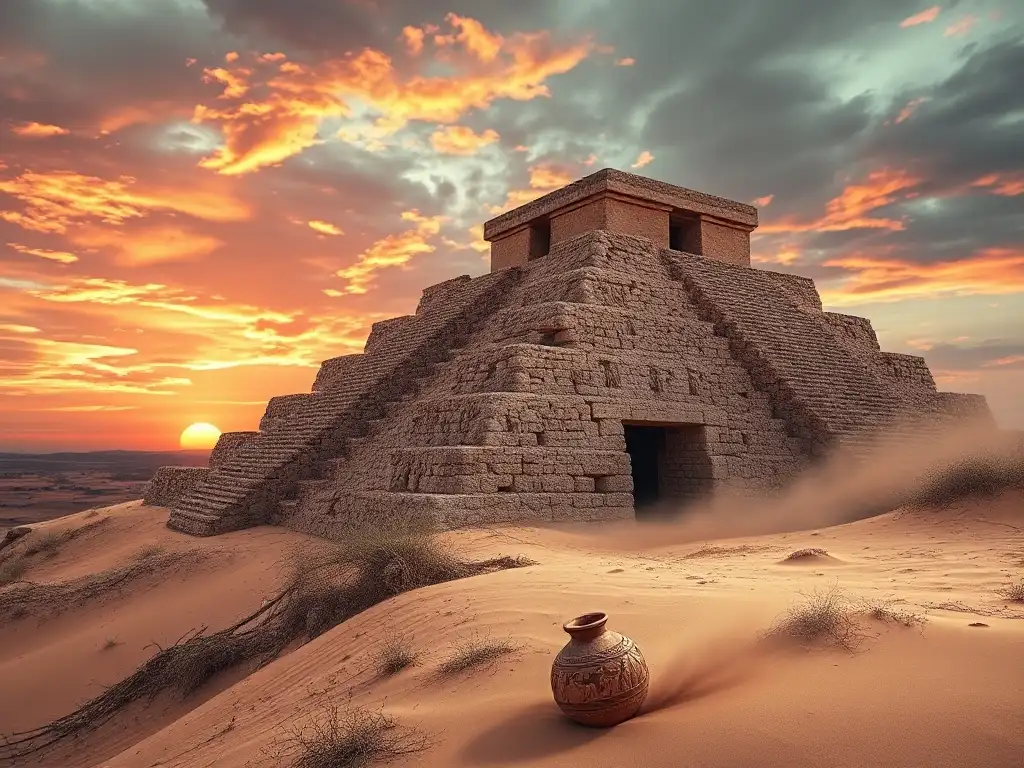
The study of Moche religion remains a captivating, yet challenging, field of Andean archaeology. While significant progress has been made in understanding their complex belief system, numerous Moche religious mysteries persist, fueling ongoing research and debate amongst scholars. This section explores current research methodologies and highlights promising avenues for future investigation, focusing specifically on how we can better understand the Moche worldview through analysis of material culture and iconography. Unlocking these Moche religious mysteries requires a multi-faceted approach, combining meticulous archaeological excavation with insightful iconographic analysis.
Archaeological Evidence and the Search for Moche Religious Understanding
New Archaeological Discoveries and Their Implications
Recent excavations at [Specific Site Name Pending] have yielded intriguing new data relevant to Moche religious practices. The discovery of [Specific artifact type and brief description pending, e.g., a previously unknown type of ceremonial vessel depicting a previously unseen deity] suggests a more nuanced understanding of Moche cosmology than previously assumed. Further analysis of the chemical composition of pigments used in the artifact, alongside radiocarbon dating, will help refine our understanding of the temporal context of this discovery and its place within the broader development of Moche religious beliefs.
These findings, when combined with data from other sites, could potentially reshape our understanding of Moche religious hierarchies and ritual practices. The potential for new discoveries at sites like [Specific Site Name 2 Pending] and [Specific Site Name 3 Pending] is immense, promising to reveal even more facets of Moche religious life.
Analysis of Moche Grave Goods and Religious Artifacts
The careful examination of Moche grave goods provides invaluable insights into their religious beliefs. The systematic analysis of grave contents, including the type, quantity, and arrangement of artifacts, reveals intricate patterns that reflect social status, ritual practices, and beliefs about the afterlife.
For instance, the presence of specific types of pottery, such as the iconic stirrup-spout vessels, often associated with depictions of deities and mythological creatures, suggests a strong link between these objects and religious rituals. Furthermore, the analysis of human remains found in association with these grave goods can provide additional insights into the individuals' roles within Moche society and their relationship to the religious sphere.
Detailed studies of the skeletal remains, including isotopic analysis, can reveal dietary habits and geographic origins, potentially shedding light on the mobility of religious specialists and the exchange of religious ideas across the Moche territory. The meticulous documentation and analysis of these grave goods remain crucial in piecing together the complex puzzle of Moche religious practices.
Iconographic Analysis: A Key to Unlocking Moche Religious Secrets
Deciphering Moche Art and Its Religious Narratives
Moche art, renowned for its exquisite detail and expressive power, serves as a primary source for understanding their religious beliefs. The intricate imagery found on pottery, textiles, and metalwork depicts a pantheon of deities, mythological creatures, and scenes of ritual activities. Deciphering the meaning of these images requires a multidisciplinary approach, combining art historical analysis with anthropological interpretations.
For example, the recurring motif of the "Decapitated Priest" suggests a complex ritual practice potentially related to sacrifice and renewal, although the precise significance remains a subject of ongoing debate. Careful analysis of the stylistic variations within these iconographic representations across different Moche periods could help to trace the evolution of Moche religious beliefs and practices over time. Further research into the symbolic meaning of different colors, patterns, and compositions within Moche art is needed to fully understand their religious narratives.
Cross-cultural Comparisons and Moche Religious Iconography
Comparing Moche religious iconography with that of contemporaneous and preceding Andean cultures can provide valuable insights into the diffusion and transformation of religious ideas. For instance, the similarities and differences between Moche iconography and that of the Nazca culture, located geographically nearby, can help us understand the extent of cultural exchange and the unique aspects of Moche religious beliefs. Cross-cultural comparisons with other Andean cultures, such as the Paracas and the Wari, could reveal broader patterns in Andean religious thought and practice.
By examining shared motifs and variations, we can identify both common threads and unique elements within the Moche religious system, ultimately enriching our understanding of its place within the broader context of Andean civilization. This comparative approach is essential to fully appreciate the complexity and originality of Moche religious thought.
The Importance of Interdisciplinary Approaches in Moche Religion Research
Understanding the complexities of Moche religion requires a multifaceted approach that transcends the limitations of a single discipline. The sheer volume of archaeological evidence—from elaborate tombs filled with exquisite artifacts to monumental architecture showcasing intricate iconography—demands collaboration between specialists from various fields. A narrow focus, say, solely on archaeological findings, risks misinterpreting the significance of certain artifacts or ritual practices.
For instance, the discovery of a particular type of pottery in a specific context might be interpreted differently when considered alongside anthropological insights into social structures or art historical analyses of the stylistic choices made by the artisans. A truly comprehensive understanding of Moche religious beliefs requires a synthesis of diverse perspectives.
The interdisciplinary approach isn't just about combining data; it's about fostering a dialogue that allows researchers to challenge assumptions and develop nuanced interpretations of the available evidence. This collaborative spirit is crucial for unraveling the intricacies of Moche religious practices and beliefs.
Combining Archaeology, Anthropology, and Art History
The synergy between archaeology, anthropology, and art history is particularly fruitful in Moche studies. Archaeologists provide the foundational data—the physical remains of temples, tombs, and settlements—that offer clues to ritual practices and social hierarchies. Anthropologists contribute by applying theoretical frameworks to interpret social structures, kinship systems, and power dynamics within Moche society.
These frameworks help contextualize the archaeological findings, explaining the purpose and meaning of certain rituals or artifacts. Art history, meanwhile, illuminates the stylistic choices and iconographic patterns in Moche art, providing valuable insights into religious beliefs and cosmological concepts. For instance, the recurring motifs of decapitation and sacrifice in Moche pottery might be analyzed archaeologically for their material properties, anthropologically for their social implications, and art historically for their symbolic significance.
The combined analysis sheds far more light on the practice than any single approach could achieve. This integrated approach allows researchers to piece together a more complete and nuanced picture of Moche religious life. The interplay between these disciplines is essential for a thorough understanding of Moche religious beliefs and practices.
The Role of Ethnographic Data in Understanding Moche Beliefs
While the Moche civilization vanished centuries ago, ethnographic data from later Andean cultures can offer valuable comparative insights. Although direct parallels are problematic due to cultural evolution and the vast time span, observing analogous religious practices in later Andean societies can illuminate potential interpretations of Moche rituals and beliefs. For example, studying the religious practices of contemporary Andean communities can help researchers understand the potential significance of certain Moche artifacts or ritual contexts.
This approach, however, requires careful consideration and must avoid simplistic analogies. The similarities should be interpreted cautiously, acknowledging the significant differences between the Moche and later Andean cultures. Nevertheless, ethnographic parallels can provide a useful framework for interpreting ambiguous archaeological evidence and formulating hypotheses about Moche religious beliefs that can then be tested through further archaeological investigation.
The use of ethnographic data, therefore, acts as a valuable tool to enhance and contextualize the interpretation of Moche religious mysteries, enriching our understanding of their beliefs and practices. This comparative approach helps to fill some of the gaps in our knowledge and offers new perspectives on the enigmatic world of Moche religion.
Conclusion: The Ongoing Quest to Unravel Moche Religious Mysteries
The study of Moche religion remains a captivating and challenging endeavor. Despite significant archaeological discoveries, many aspects of their beliefs and practices continue to elude definitive explanation. The enigmatic nature of their iconography, the complexity of their rituals, and the sheer volume of unanswered questions fuel ongoing research and stimulate further investigation into the fascinating world of Moche religious mysteries.
The lack of a deciphered writing system presents a considerable hurdle, forcing researchers to rely heavily on careful analysis of material culture—ceramics, textiles, architecture—to piece together a coherent narrative. This reliance on interpreting visual representations necessitates a degree of interpretation and, consequently, a spectrum of differing scholarly opinions. The very ambiguity inherent in the Moche religious worldview is what makes it so endlessly intriguing and worthy of sustained scholarly attention.
The mysteries surrounding Moche religion are not merely historical puzzles; they represent a unique window into a complex and sophisticated civilization that continues to fascinate and challenge our understanding of the past. The pursuit of answers to these enduring questions remains a vital aspect of Andean archaeology, constantly refining our understanding of the Moche and their place within the broader tapestry of pre-Columbian South America.
The Enduring Fascination with Moche Religious Beliefs
The enduring fascination with Moche religious beliefs stems from several factors. Firstly, the exquisite artistry of Moche ceramics provides a rich visual record of their religious worldview. Depictions of deities, rituals, and mythical creatures are incredibly detailed and evocative, sparking the imagination and prompting numerous interpretations. The recurring themes of sacrifice, warfare, and shamanistic practices are particularly compelling, hinting at a complex cosmology that remains partially obscured.
Secondly, the sheer scale and sophistication of Moche religious sites, such as the Huaca del Sol and Huaca de la Luna, underscore the importance of religion in their society. The monumental architecture and elaborate artwork suggest a highly organized and centralized religious system capable of mobilizing considerable resources. Thirdly, the enigmatic nature of many aspects of Moche religion, such as the significance of certain iconographic motifs or the purpose of specific rituals, fuels speculation and further research.
These unanswered questions challenge our assumptions and encourage new perspectives on pre-Columbian Andean societies. The enduring appeal of the Moche religious mysteries is a testament to the power of the past to continue to captivate and inspire us, even centuries after their civilization flourished. The search for answers continues to attract researchers and enthusiasts alike, ensuring that the Moche will remain a prominent subject of study for many years to come.
Future Avenues for Research in Moche Religion
Future research into Moche religion should prioritize several key areas. Firstly, advanced imaging techniques, such as 3D scanning and multispectral imaging, can provide more detailed analyses of existing artifacts, potentially revealing hidden details or enhancing our understanding of existing iconography. Secondly, interdisciplinary collaborations between archaeologists, anthropologists, and art historians are crucial for a holistic approach to interpreting Moche religious practices. Bringing together diverse perspectives can lead to innovative interpretations and a more nuanced understanding of their complex beliefs.
Thirdly, a renewed focus on ethnoarchaeological studies, comparing Moche practices with those of later Andean cultures, may reveal valuable insights into the evolution of their religious traditions. This comparative approach can shed light on the continuity and change in religious beliefs across different periods. Finally, further excavations at key Moche sites, coupled with rigorous scientific analysis of recovered artifacts, are essential for expanding our knowledge base.
The careful documentation of contextual data and the use of advanced dating techniques are paramount in reconstructing a more complete picture of Moche religious life. By pursuing these avenues of research, we can hope to shed more light on the enduring Moche religious mysteries and gain a deeper appreciation for the richness and complexity of this remarkable ancient civilization. The potential for new discoveries and innovative interpretations promises continued fascination with the Moche and their enduring legacy.
Frequently Asked Questions
What were the most important deities in Moche religion?
The Moche pantheon was complex, but key figures included Ai Apaec, a fearsome deity often depicted in violent scenes, and a variety of fertility deities associated with agriculture and the sea. Specific roles and relationships between deities are still debated.
How did the Moche express their religious beliefs through art?
Moche religious beliefs are vividly expressed through their elaborate ceramics, showing ritual scenes, sacrifices, and deities. Monumental architecture and metalwork also played a significant role in religious expression.
What is the significance of Moche human sacrifice?
Evidence suggests Moche practiced human sacrifice, likely connected to appeasing deities, ensuring agricultural fertility, or marking important events. The exact rituals and motivations remain under investigation.
What role did warfare play in Moche religion?
While the exact connection is debated, Moche art depicts warfare alongside religious imagery, suggesting a possible link between military power and religious authority. Some scholars believe war captives were sacrificed to honor deities.
How did Moche religious beliefs influence their society?
Moche religion likely permeated all aspects of their society, impacting their social hierarchy, agricultural practices, and artistic expressions. The elite class likely played a significant role in religious rituals and ceremonies.
Final Reflection: Echoes of the Moche: Unanswered Prayers and Enduring Questions
The enigmatic legacy of the Moche civilization continues to resonate today, a testament to the enduring power of unanswered questions. Their sophisticated artistry, complex social structures, and deeply spiritual beliefs remain partially obscured, leaving us with a tantalizing glimpse into a world both familiar and utterly alien. The mysteries surrounding their religious practices are not merely historical curiosities; they are a mirror reflecting our own persistent search for meaning and understanding in the face of the unknown.
The Moche's dedication to their deities, evident in their breathtaking ceramics and monumental architecture, speaks to a profound human need for connection with something larger than ourselves. Their rituals, often depicted in graphic detail, challenge our modern sensibilities while simultaneously offering a window into the human experience across millennia. The past is never dead. It's not even past,
wrote William Faulkner, and the unresolved mysteries of the Moche serve as a potent reminder of this timeless truth. Their beliefs, though expressed in a vastly different cultural context, grapple with the same fundamental questions that continue to occupy our minds: the nature of life and death, the meaning of sacrifice, and the search for spiritual fulfillment.
Consider the implications of these unanswered questions. What can we learn from a culture so different from our own? How can we use their story to better understand our own relationship with spirituality and the unknown? You, the reader, are now part of this ongoing conversation. Engage with the remaining mysteries; explore the available evidence; and perhaps, through your own curiosity and investigation, you will contribute to unraveling the fascinating tapestry of Moche religious life. Let the echoes of their faith inspire your own journey of discovery.
Uncover the Untold Secrets of Moche Religion!
Thank you for exploring the fascinating world of Moche religion with us! We hope you've discovered intriguing insights and sparked your curiosity. Now, let's build on that knowledge and continue your exploration of this ancient civilization!
Here are some ways to delve further:
- **Share your thoughts:** Discuss your theories on Moche religious practices by commenting below or on our social media pages. Let's build a community of learning!
- **Expand your knowledge:** Explore our extensive collection of articles on Andean civilizations to broaden your understanding and discover connections with other cultures. You might find surprising links to other ancient societies.
- **Become a researcher:** Consider creating your own project or blog post about a specific aspect of Moche religion that captivated you. What unique perspective can you offer on this ancient mystery?
Which aspects of Moche religion intrigue you the most, and how do you think further research might reshape our understanding of their civilization?