
The Legacy of Resistance: How Andean Rebellions Shaped Modern Identities

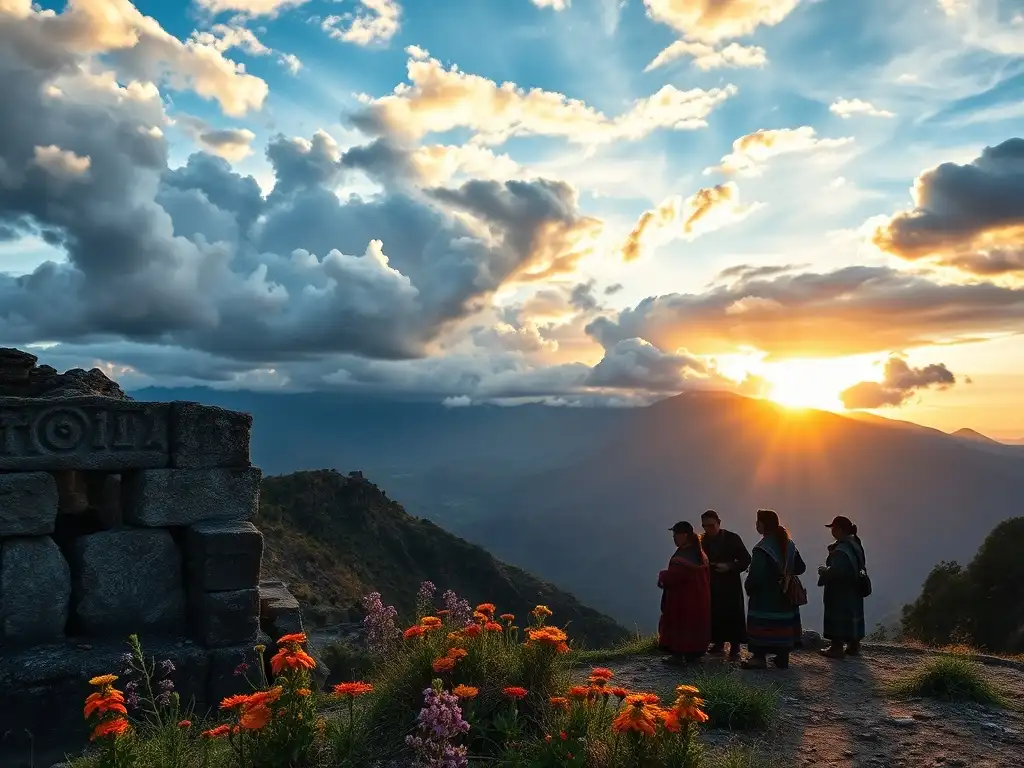
Uncover the hidden threads connecting ancient defiance to modern identity. For centuries, the Andes echoed with the cries of rebellion against the Spanish Conquest. But how did these fierce struggles against oppression shape the very fabric of Andean culture? Dive into the fascinating story of Andean rebellions' impact on identity, and discover how the legacy of resistance continues to resonate in the vibrant tapestry of today's Andean societies. Prepare to be captivated by the untold stories of resilience and transformation.
The Spanish conquest of the Andes, while resulting in immense devastation and cultural upheaval, did not quell the spirit of resistance among the indigenous populations. For centuries, Andean communities engaged in a complex tapestry of rebellions, both large-scale and localized, that profoundly shaped the development of modern Andean identities. These uprisings, far from being isolated incidents, represent a continuous struggle for autonomy, cultural preservation, and the reclamation of ancestral lands and traditions.
This article will explore the multifaceted impact of these Andean rebellions on the formation of modern identities, demonstrating how the legacy of resistance continues to resonate in contemporary Andean societies. We will examine key rebellions, analyze their strategies and motivations, and delve into their lasting influence on cultural practices, social structures, and political consciousness.
Understanding this history is crucial to grasping the complex and layered realities of Andean identity today. The enduring impact of these struggles is not merely historical; it is a vital element of the ongoing narrative of Andean self-determination.
Tupac Amaru II and the Great Rebellion of 1780-1783
The rebellion led by José Gabriel Condorcanqui, better known as Túpac Amaru II, stands as a pivotal moment in Andean resistance. This rebellion, spanning from 1780 to 1783, was not simply a fight against Spanish oppression; it was a meticulously planned uprising that aimed to restore indigenous authority and challenge the colonial system at its core.
Túpac Amaru II, a descendant of the last Inca emperor, skillfully mobilized diverse Andean communities, exploiting existing social tensions and grievances against the encomienda system and other exploitative colonial policies. His rebellion, while ultimately unsuccessful in its goal of complete independence, triggered a wave of similar uprisings throughout the Andes, demonstrating the widespread dissatisfaction with Spanish rule and the enduring strength of indigenous resistance.
The brutality of the Spanish response, including the execution of Túpac Amaru II and his family, only served to further galvanize resistance and solidify his legacy as a symbol of Andean defiance. The rebellion's impact extended beyond its immediate consequences, inspiring future generations of activists and shaping the collective memory of Andean resistance.
The Role of Indigenous Leadership in Shaping Resistance
The success and longevity of Andean rebellions were significantly influenced by the leadership of indigenous figures. These leaders, often possessing a deep understanding of local social dynamics and wielding considerable influence within their communities, played a crucial role in mobilizing support and coordinating resistance efforts. Many were individuals who held traditional authority, such as curacas (local chiefs), or those who gained prominence through their charisma and ability to articulate the grievances of the oppressed.
Their understanding of indigenous customs, traditions, and social structures allowed them to effectively organize and inspire their followers. Their leadership was essential in navigating the complex social and political landscape of the colonial Andes, forging alliances, and adapting strategies to overcome the superior military power of the Spanish. The strategies employed by these leaders, ranging from guerilla warfare to diplomatic negotiations, highlight the adaptability and resourcefulness of Andean resistance.
The Enduring Legacy: Resistance and Modern Andean Identity
The legacy of Andean rebellions is not confined to the historical record; it continues to shape modern Andean identities in profound ways. The memory of these struggles is actively preserved through oral traditions, cultural practices, and artistic expressions. The names of key figures like Túpac Amaru II remain potent symbols of resistance and indigenous pride.
Moreover, the ongoing struggle for indigenous rights and self-determination in the Andes is directly linked to the historical legacy of rebellion. Contemporary movements advocating for land rights, cultural preservation, and political autonomy draw inspiration and legitimacy from the centuries-long history of Andean resistance.
The fight for recognition and equality is a direct descendant of the battles fought by generations past, demonstrating how the legacy of rebellion continues to inspire and empower Andean communities today. The enduring impact of these rebellions underscores the importance of understanding this history to fully appreciate the complexities of modern Andean identity and the continuous struggle for self-determination.
Analyzing the Impact on Cultural Preservation
The Andean rebellions were not only political struggles; they were also crucial in the preservation of indigenous culture. Despite the systematic efforts of the Spanish to suppress indigenous traditions and beliefs, these rebellions provided a crucial space for the continued practice and transmission of cultural knowledge. Rebellion leaders often used indigenous symbols, rituals, and languages to unite and inspire their followers.
Furthermore, the relative autonomy enjoyed by some communities during periods of rebellion allowed for the clandestine continuation of many cultural practices that would have otherwise been eradicated. This cultural resilience, fostered in the crucible of resistance, is reflected in the rich tapestry of Andean cultures that persist to this day. The survival and evolution of these cultural elements are a testament to the enduring power of Andean resistance and its contribution to the preservation of a distinct cultural heritage.
- Tupac Amaru II and the Great Rebellion of 1780-1783
- The Role of Indigenous Leadership in Shaping Resistance
- The Enduring Legacy: Resistance and Modern Andean Identity
- Analyzing the Impact on Cultural Preservation
- What role did Andean rebellions play in shaping modern identities?
- How did the Incas' rule influence the nature of Andean rebellions?
- Were all Andean rebellions solely focused on overthrowing the Inca Empire?
- What lasting impact did these rebellions have on Andean art and culture?
- How does the study of Andean rebellions contribute to our understanding of modern indigenous identities?
Understanding Andean Resistance to Colonial Rule
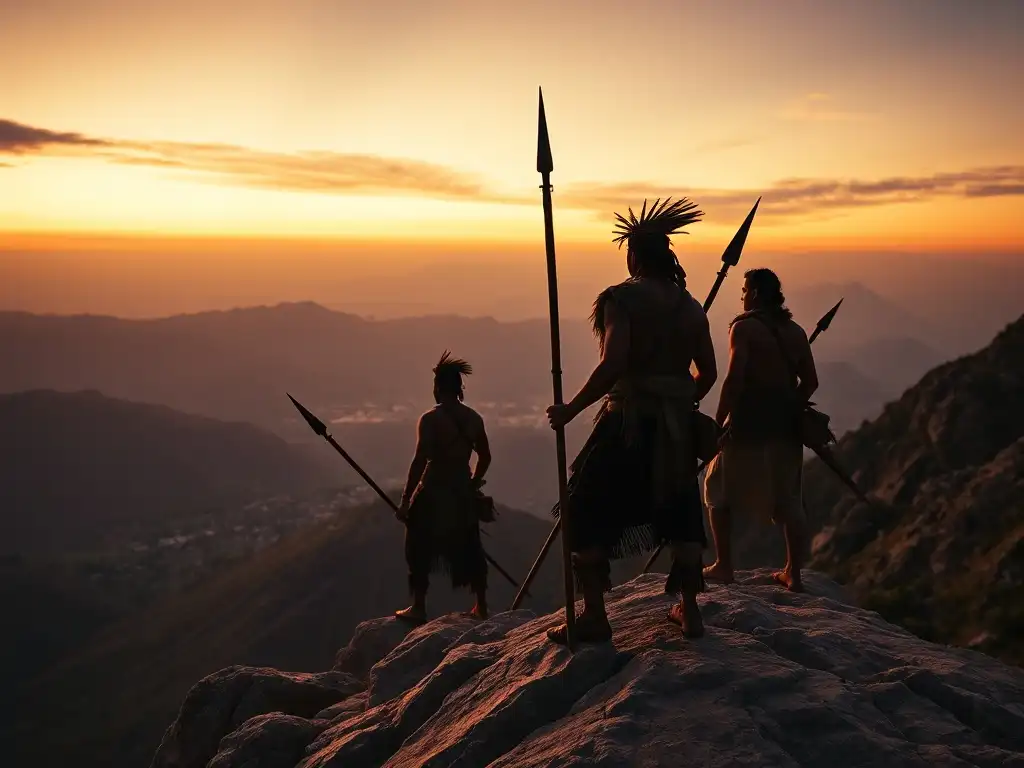
This section delves into the complex tapestry of Andean resistance against Spanish colonial rule, exploring its roots, the impact of colonization, and the evolution of rebellion strategies. Understanding the nature of this resistance is crucial to grasping the profound impact it had on shaping modern Andean identities. The legacy of these struggles continues to resonate in contemporary social and political landscapes. We will examine how pre-colonial societal structures influenced the forms of resistance, how Spanish policies fueled unrest, and how these uprisings evolved from subtle acts of defiance to large-scale rebellions.
Pre-colonial Andean societies, while diverse, possessed characteristics that significantly influenced their responses to Spanish domination. The Inca Empire, for instance, though imposing a centralized authority, also incorporated existing social structures and power dynamics from conquered regions. This created a complex web of loyalties and potential alliances that the Spanish were slow to fully understand.
The ayllu, the communal land tenure system, provided a crucial framework for collective action and resistance. The strong kinship ties and reciprocal obligations within the ayllu facilitated organized opposition to colonial policies that threatened their traditional way of life and access to resources. Furthermore, pre-existing religious beliefs and practices provided a framework for resistance, often intertwining spiritual rebellion with material acts of defiance.
Many uprisings incorporated indigenous religious rituals and symbolism, demonstrating a powerful connection between spiritual identity and the fight against colonial oppression. The legacy of these pre-colonial social structures is clearly visible in the forms of resistance that emerged during the colonial period.
The Impact of Spanish Colonization on Indigenous Populations
The Spanish conquest profoundly altered Andean life, laying the groundwork for widespread rebellion. The encomienda system, which granted Spanish conquistadors control over indigenous labor and resources, created a system of brutal exploitation. Forced labor in mines and on haciendas (large agricultural estates) resulted in the deaths of millions of indigenous people. The introduction of new diseases decimated the population, further weakening Andean societies.
The destruction of traditional social structures, the suppression of indigenous religions, and the imposition of Spanish language and culture all contributed to a growing sense of resentment and resistance. The imposition of tribute and the forced conversion to Catholicism were deeply resented, fueling widespread discontent and providing fertile ground for organized rebellion. The Spanish Crown's attempts to control all aspects of Andean life, from economic production to spiritual practices, fostered a climate of resistance that would endure for centuries.
Initial Forms of Resistance: From Passive to Active Rebellion
Andean resistance to Spanish rule took many forms, evolving from subtle acts of defiance to large-scale armed uprisings. Early resistance often manifested as passive resistance, including subtle forms of sabotage, the withholding of labor, and the strategic misrepresentation of information to the Spanish authorities. These methods, while seemingly passive, were crucial in undermining Spanish control and preserving aspects of indigenous culture. As colonial oppression intensified, however, resistance became increasingly active.
The Tupac Amaru rebellion in the late 18th century, for example, was a large-scale uprising that challenged Spanish authority directly. This rebellion, and many others, utilized guerilla warfare tactics, leveraging Andean geography to their advantage. The use of familiar terrain and knowledge of local resources allowed indigenous fighters to effectively resist the technologically superior Spanish forces.
These rebellions, even if ultimately unsuccessful, significantly shaped Andean identities by fostering a sense of collective agency and resistance against colonial oppression. The memory of these struggles became a powerful symbol of resilience and cultural preservation, impacting the development of modern Andean identities. The study of these initial forms of resistance is vital to understanding the complexities of Andean rebellions and their lasting impact.
Major Andean Rebellions and Their Impact
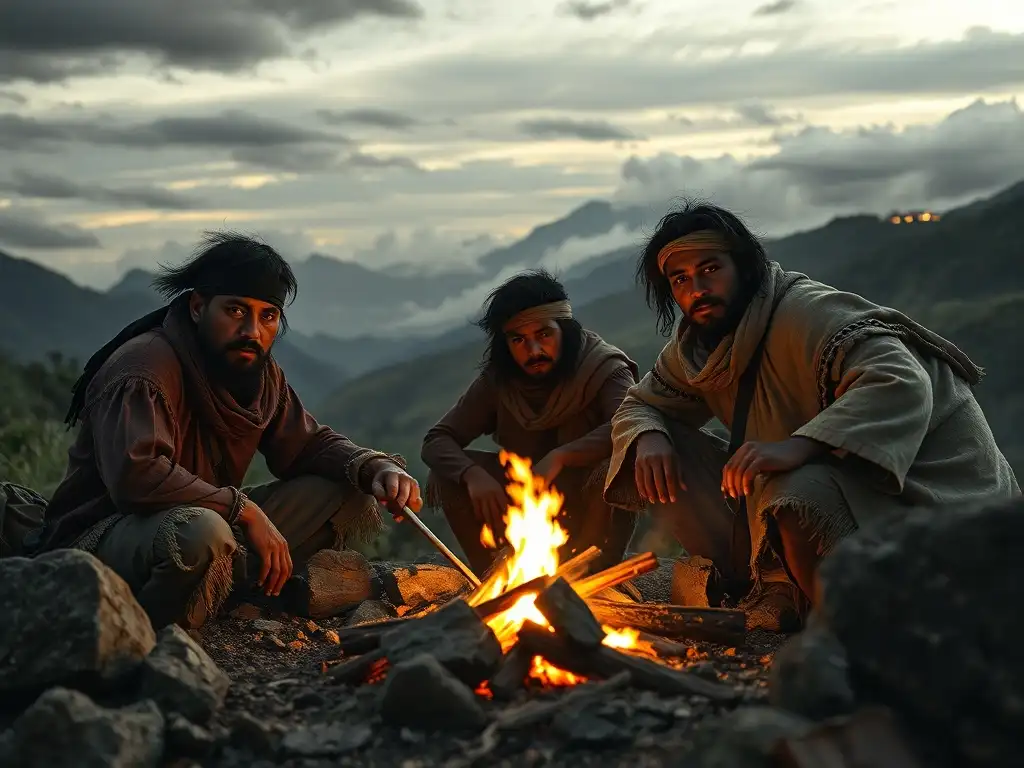
This section delves into the significant Andean rebellions against Spanish colonial rule, analyzing their causes, key figures, and lasting impact on the formation of modern Andean identities. Understanding these uprisings is crucial to grasping the complex interplay between indigenous resistance and the enduring legacy of colonialism in the region. The analysis will focus on two pivotal movements: the Tupac Amaru II Rebellion and the Tupac Katari Rebellion, showcasing their unique characteristics while highlighting common threads of resistance against oppression.
The impact of these rebellions on the development of Andean identity is profound, shaping cultural expressions, political consciousness, and social structures that persist to this day. The keyword "Andean rebellions impact on identity" is central to this exploration.
The Tupac Amaru II Rebellion: A Turning Point in Andean History
The Tupac Amaru II Rebellion, erupting in 1780, stands as a watershed moment in Andean history. It was a large-scale indigenous uprising against the Spanish colonial regime, fueled by decades of accumulated grievances and exploitative policies. The rebellion's scale and intensity shook the foundations of Spanish power in the region, leaving an indelible mark on the collective memory and identity of Andean communities. The rebellion's legacy continues to resonate in modern discussions of indigenous rights and self-determination.
Causes of the Tupac Amaru II Uprising
Several factors contributed to the eruption of the Tupac Amaru II Rebellion. Decades of harsh colonial policies, including the repartimiento system (forced labor), crippling taxation, and the suppression of indigenous culture and religion, created widespread resentment and desperation among the Andean population. The growing economic disparity between the Spanish elite and the indigenous population further fueled the flames of discontent.
Specific grievances included the abuses of power by colonial officials, the unjust application of legal systems, and the systematic erosion of indigenous land rights. The rebellion was not a spontaneous event but rather the culmination of years of simmering discontent, meticulously documented by historians.
Key Figures and Events of the Rebellion
José Gabriel Condorcanqui, who adopted the name Tupac Amaru II to invoke the memory of the last Inca emperor, emerged as the charismatic leader of the rebellion. His lineage and rhetorical skills helped mobilize a diverse coalition of indigenous communities. Key events included the capture and execution of the corregidor (colonial governor) Antonio de Arriaga, which ignited the rebellion across large swathes of southern Peru and Bolivia.
The rebellion saw significant military victories initially, but the Spanish eventually managed to suppress it through overwhelming force. The strategic use of alliances and communication networks were crucial to the rebellion's early successes, demonstrating the sophisticated organizational capacity of the movement.
The Brutal Suppression and its Aftermath
The Spanish response to the Tupac Amaru II Rebellion was brutal and merciless. The rebellion's leaders were captured, tortured, and publicly executed, serving as a warning to others. Thousands of indigenous people were killed, and many communities were decimated. Despite its ultimate failure, the rebellion significantly impacted the Spanish colonial regime, forcing it to reassess its policies and leading to some reforms, albeit insufficient to address the root causes of the unrest. The long-term consequences included a deeper sense of collective Andean identity forged through shared struggle and resistance against colonial domination.
The Tupac Katari Rebellion: Expanding the Scope of Resistance
The Tupac Katari Rebellion, occurring between 1780 and 1781, was a simultaneous but distinct indigenous uprising that took place primarily in what is now Bolivia. Led by Julián Apaza, who adopted the name Tupac Katari, this rebellion targeted the Spanish colonial authorities in the region of Alto Peru (present-day Bolivia). While sharing similarities with the Tupac Amaru II Rebellion, the Tupac Katari movement had its own specific characteristics and regional focus.
Similarities and Differences with the Tupac Amaru II Movement
Both the Tupac Amaru II and Tupac Katari Rebellions shared common goals of overthrowing Spanish colonial rule and restoring indigenous autonomy. Both movements drew support from a broad spectrum of indigenous communities and relied on guerrilla warfare tactics. However, they differed in their leadership, regional focus, and specific grievances. The Tupac Katari rebellion placed a stronger emphasis on the Aymara population and their distinct cultural identity, while the Tupac Amaru II rebellion, while encompassing many indigenous groups, had a more Quechua-centric focus. Their coordination, or lack thereof, remains a subject of historical debate.
The Role of Aymara Leadership in the Uprising
The Tupac Katari Rebellion stands out for the prominent role of Aymara leadership in shaping the movement's ideology and strategies. Julián Apaza, a skilled military strategist and charismatic leader, effectively mobilized Aymara communities against Spanish rule. The rebellion highlighted the distinct Aymara identity and its resistance to colonial assimilation, contributing significantly to the development of a separate Aymara consciousness alongside the larger Andean identity. The rebellion's impact on Aymara cultural preservation and political organization is undeniable.
Legacy of the Katari Rebellion in Bolivia
The Tupac Katari Rebellion, despite its ultimate defeat, left a lasting impact on Bolivian history and identity. It solidified Aymara resistance to Spanish colonial rule and contributed to the formation of a distinct Bolivian national identity deeply rooted in indigenous heritage and struggle. The memory of Tupac Katari continues to inspire indigenous movements in Bolivia and serves as a powerful symbol of resistance against oppression. The rebellion's legacy is interwoven with ongoing struggles for social justice and indigenous rights in the country.
The rebellion of Juan Santos Atahualpa, beginning around 1742 in the Peruvian Amazon, stands as a significant example of Andean resistance against Spanish colonial rule. While often overshadowed by larger-scale uprisings, its impact on the region and the enduring legacy of its leader are undeniable. Santos Atahualpa, claiming descent from the Inca emperors, masterfully utilized indigenous knowledge and alliances to build a formidable force.
He tapped into deep-seated resentment towards Spanish oppression, skillfully weaving together religious and political grievances to motivate his followers. The rebellion wasn't simply a violent revolt; it was a complex socio-political movement that aimed to reclaim indigenous autonomy and redefine power dynamics within the Amazonian landscape.
This uprising, while ultimately unsuccessful in achieving complete independence, significantly impacted the region's political and social fabric. The rebellion’s success in creating a substantial indigenous state, albeit temporarily, demonstrated the potential for sustained resistance, inspiring future generations to challenge colonial authority.
The Unique Characteristics of this Uprising
Several factors contributed to the unique nature of Juan Santos Atahualpa's rebellion. Unlike many other uprisings that focused on reclaiming specific territories or resources, Santos Atahualpa's movement presented a more holistic challenge to Spanish authority. His claims of Inca lineage resonated deeply with indigenous populations, providing a powerful unifying symbol. Furthermore, the rebellion's location in the remote Amazon rainforest provided a strategic advantage.
The dense jungle offered natural protection from Spanish forces, allowing the rebels to establish a relatively secure base of operations and conduct hit-and-run attacks. This guerilla warfare tactic proved highly effective in wearing down the colonial army and delaying a decisive confrontation. The rebellion also demonstrated a sophisticated understanding of alliance-building, uniting diverse indigenous groups under a common banner of resistance.
This ability to transcend tribal divisions was crucial to the rebellion's initial successes and longevity. The use of religious syncretism, blending indigenous spiritual beliefs with elements of Christianity, further solidified the movement's appeal and strengthened its ideological foundation. This clever strategy helped to mobilize support amongst individuals who might otherwise have remained hesitant to openly defy the colonial regime.
The Impact on the Amazonian Region
The rebellion significantly disrupted Spanish colonial control over the Amazonian region. The protracted conflict diverted significant resources and manpower away from other areas, forcing the Spanish crown to acknowledge the growing threat to its authority. The success of the rebels in establishing a relatively independent state, even for a limited time, demonstrated the vulnerability of Spanish control in the remote regions of the empire.
The rebellion also fostered a sense of indigenous empowerment and self-reliance. The years of resistance, though ultimately unsuccessful in achieving long-term autonomy, instilled a lasting sense of pride and defiance in the region's population. This legacy of resistance would later influence subsequent indigenous movements, shaping future narratives of self-determination and challenging the narrative of passive acceptance of colonial rule.
The economic impact was also considerable. The disruption of trade routes and the diversion of resources towards suppressing the rebellion affected the Spanish colonial economy in the Amazon.
Long-term Effects on Colonial Control
The long-term effects of Juan Santos Atahualpa's rebellion were far-reaching. While the rebellion was ultimately crushed, it forced the Spanish crown to reassess its strategies for controlling the Amazonian region. The rebellion highlighted the limitations of military power in suppressing indigenous resistance, particularly in remote and geographically challenging terrains.
This led to a shift in colonial policies, including increased efforts to integrate indigenous populations into the colonial system through various means, such as missionary work and the implementation of more carefully structured systems of tribute and labor. The rebellion also fostered a deeper understanding among the Spanish of the complexities of indigenous societies and the power of cultural and religious identity in motivating resistance. The lasting impact of the rebellion can be seen in the continued struggles for indigenous rights and self-determination in the Amazon region.
The memory of Santos Atahualpa and his rebellion remains a powerful symbol of indigenous resistance and resilience, shaping the cultural and political landscape of the region to this day. The rebellion serves as a potent reminder of the enduring power of indigenous agency in the face of colonial oppression and its lasting influence on the formation of modern Andean identities.
How Andean Rebellions Forged Modern Identities
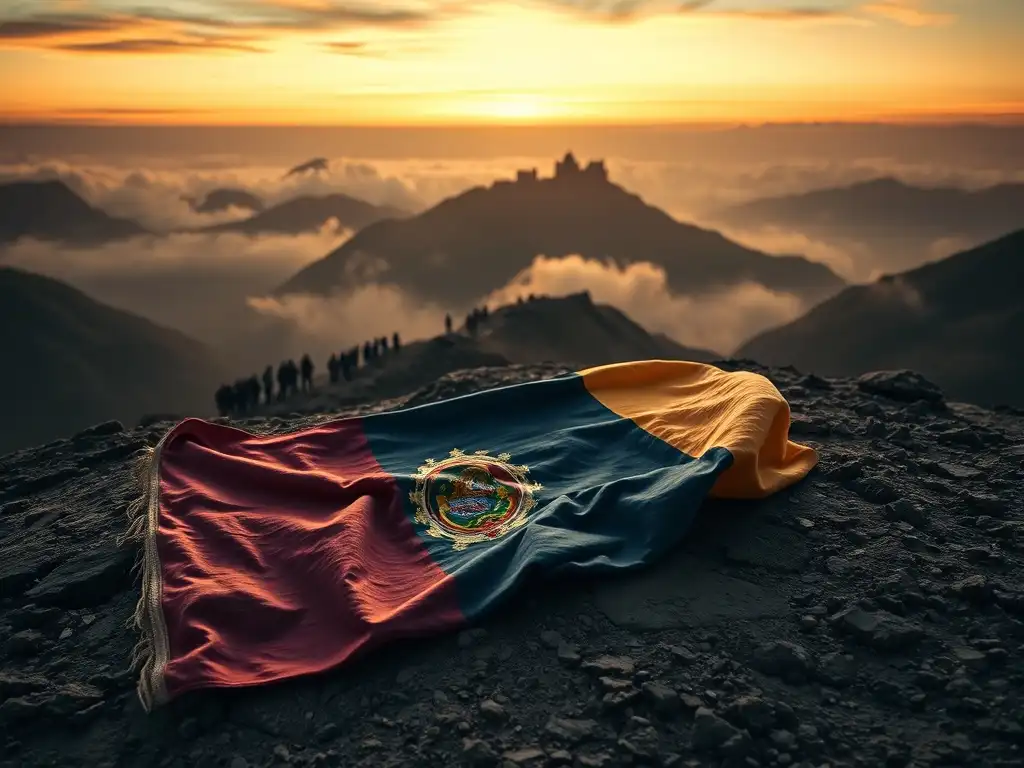
The Spanish conquest of the Andes dramatically reshaped the region, but it did not extinguish the spirit of resistance. Numerous rebellions, large and small, spanning centuries, profoundly impacted the formation of modern Andean identities. These uprisings, far from being isolated incidents, served as crucial catalysts in the ongoing process of cultural preservation, the negotiation of power dynamics, and the construction of national narratives.
Examining the legacy of these Andean rebellions reveals a complex interplay between indigenous resilience, colonial oppression, and the forging of new, hybrid identities. The impact of these struggles reverberates even today, shaping how Andean peoples understand their past, present, and future. Understanding the "Andean rebellions impact on identity" requires exploring the multifaceted ways resistance shaped collective memory, cultural heritage, and the very definition of nationhood in the region.
The Role of Rebellion in Shaping Collective Memory
Andean rebellions played a pivotal role in shaping collective memory, transmitting stories of resistance across generations. Oral traditions, songs, and myths preserved accounts of heroic figures and crucial battles, defying the colonial attempts to erase indigenous histories.
The Tupac Amaru II rebellion (1780-1783), for example, became a powerful symbol of indigenous defiance, its memory carefully cultivated and passed down through generations despite colonial efforts to suppress it. These narratives, often passed down through family lineages and community gatherings, provided a counter-narrative to the official, often sanitized, version of history imposed by the Spanish colonial regime.
The continued relevance of these narratives highlights the enduring power of collective memory in shaping Andean identities, fostering a sense of shared history and cultural continuity in the face of oppression. The meticulous preservation of these oral histories, frequently incorporating coded language to evade colonial censorship, demonstrates the ingenuity and determination of Andean communities to maintain their cultural heritage.
Reclaiming Indigenous Heritage Through Resistance Narratives
Rebellions provided a crucial space for reclaiming and reasserting indigenous heritage. The act of rebellion itself was a powerful statement of cultural assertion, a refusal to accept the imposed cultural dominance of the colonizers. Through resistance, Andean communities actively resisted the suppression of their languages, religious practices, and social structures.
The use of indigenous languages and symbols in rebellions, even in the face of brutal repression, served as a potent affirmation of cultural identity. This active resistance to cultural assimilation was not merely passive survival; it was a conscious effort to preserve and transmit cultural values and traditions to future generations. For instance, the continued use of Quechua and Aymara in many Andean communities today stands as a testament to this enduring legacy of resistance.
The Construction of National Identities in the Andes Post-Colonialism
The legacy of Andean rebellions significantly influenced the construction of national identities in the post-colonial Andes. The struggle for independence from Spain did not erase the memories of earlier indigenous uprisings; instead, these earlier struggles became integral parts of the new national narratives. Post-colonial nation-building often selectively incorporated elements of these rebellions, constructing national heroes and myths that incorporated both indigenous and creole perspectives.
This process, however, was not without its complexities and contradictions, often leading to the marginalization or erasure of certain aspects of the historical record. The complexities of this process are particularly evident in the diverse national narratives that emerged across the Andean region.
The Influence of Rebellions on Peruvian Identity
In Peru, the memory of Tupac Amaru II and other rebel leaders became central to the construction of a national identity that sought to reconcile indigenous and creole legacies. However, the incorporation of these figures into the national narrative was often selective, highlighting aspects that supported a particular vision of Peruvian nationhood while downplaying others. This selective memory-making process continues to shape discussions of Peruvian identity, with ongoing debates about the appropriate balance between indigenous and creole contributions. The ongoing struggle for indigenous rights in Peru reflects the persistent influence of the historical struggles for autonomy and self-determination.
The Impact on Bolivian National Consciousness
Bolivia's national identity is profoundly shaped by its history of indigenous resistance. The country's predominantly indigenous population has played a significant role in shaping its political and cultural landscape. The memory of rebellions, including those led by figures like Túpac Katari, continues to resonate strongly within Bolivian society, informing contemporary social and political movements. The recent political rise of indigenous leaders in Bolivia reflects the ongoing significance of these historical struggles in shaping the country's political and cultural landscape. The country's official recognition of Aymara and Quechua languages exemplifies this lasting impact.
The Role of Rebellions in Ecuadorian Identity
In Ecuador, the legacy of indigenous resistance is interwoven with the country's struggle for independence and subsequent nation-building. While the specifics may differ from Peru and Bolivia, the impact of these rebellions on the formation of Ecuadorian national identity is undeniable. The ongoing struggle for indigenous rights and recognition in Ecuador demonstrates the continued relevance of this historical legacy in shaping contemporary social and political dynamics.
Further research is needed to fully elucidate the specific ways in which these rebellions shaped Ecuadorian national consciousness, particularly the role of specific individuals and events. [Specific information pending on the most influential rebellions and their impact on Ecuadorian identity].
The echoes of Andean rebellions against Spanish rule resonate powerfully in contemporary social movements across the region. The strategies of resistance employed centuries ago – from coordinated uprisings to the subtle subversion of colonial power structures – continue to inspire modern activists fighting for social justice, land rights, and indigenous self-determination. The Tupac Amaru II rebellion, for example, with its sophisticated organizational structure and broad-based popular support, serves as a powerful historical precedent for contemporary indigenous movements advocating for autonomy and cultural preservation.
The rebellion's focus on challenging the economic and political structures imposed by the Spanish crown provides a direct parallel to modern struggles against neocolonialism and economic inequality. The legacy of Túpac Amaru II's leadership, characterized by a blend of charismatic appeal and strategic political maneuvering, continues to inform the leadership styles of many contemporary indigenous activists.
Furthermore, the enduring symbolism of figures like Túpac Katari and his wife Bartolina Sisa, who led significant rebellions in the altiplano region, remains a potent source of inspiration. Their resistance against colonial oppression, often characterized by fierce determination and unwavering commitment to their people, continues to fuel contemporary movements advocating for the rights of marginalized communities. Their stories, passed down through oral traditions and incorporated into modern narratives, serve as reminders of the enduring power of collective action and the importance of resisting injustice.
The imagery and symbolism associated with these figures are frequently appropriated by modern social movements, signifying a continuity of struggle and a commitment to carrying forward the legacy of rebellion. The use of traditional Andean symbols and imagery in contemporary protests and demonstrations emphasizes the deep historical roots of these struggles and links them directly to the past.
The analysis of Andean rebellions also reveals the importance of understanding the complex interplay of class, ethnicity, and gender in shaping resistance movements. The participation of diverse social groups in these uprisings – from indigenous communities to mestizos and even some criollos – demonstrates the potential for broad-based alliances against oppressive systems. This historical understanding informs modern strategies of coalition-building and alliance-formation within social movements.
Modern activists recognize the need to forge alliances across different social groups to achieve common goals, learning from the successes and failures of past alliances forged during the Andean rebellions. Understanding the internal dynamics and power struggles within these historical rebellions provides valuable lessons for contemporary movements navigating internal conflicts and differing priorities. This historical perspective helps to avoid repeating past mistakes and to build more effective and sustainable movements.
The Enduring Impact of Andean Resistance
The Andean rebellions against Spanish rule, while ultimately unsuccessful in preventing the conquest, left an indelible mark on the cultural landscape of the Andes. Their impact resonates even today, shaping modern Andean identities in profound and multifaceted ways. The legacy of resistance is not merely a historical footnote; it's a living force woven into the fabric of contemporary Andean societies.
Understanding this legacy requires acknowledging the complex interplay between the violent suppression of rebellions and the persistent efforts to maintain cultural and political autonomy. The echoes of these struggles continue to inform contemporary movements for social justice and self-determination. Analyzing this impact requires a nuanced approach, acknowledging both the trauma inflicted and the resilience demonstrated by Andean peoples.
The Ongoing Struggle for Indigenous Rights and Recognition
The fight for indigenous rights and recognition in modern Andean nations is directly linked to the historical struggles against Spanish colonialism. The rebellions, though brutally suppressed, demonstrated a tenacious refusal to accept subjugation. This spirit of resistance continues to fuel contemporary movements advocating for land rights, cultural preservation, and political participation.
For example, the ongoing fight for autonomy in regions with strong indigenous populations directly reflects the desire for self-governance that fueled past rebellions. The demand for recognition of indigenous languages and traditional practices also finds its roots in the attempts by Andean communities to maintain their cultural integrity during and after the colonial period. These contemporary struggles are not isolated events; they are the continuation of a centuries-long fight for self-determination, fueled by the legacy of past rebellions.
The very act of maintaining indigenous traditions, languages, and social structures in the face of overwhelming colonial pressure is itself an act of resistance, echoing the spirit of those who fought against the Spanish. This ongoing struggle highlights the enduring power of the Andean rebellions' impact on identity.
Andean Rebellions as a Source of Inspiration for Future Generations
The stories of Andean rebellions serve as powerful narratives of resilience and resistance, inspiring future generations to fight for social justice and equality. These narratives, often passed down orally through generations, provide a crucial link to the past, fostering a sense of shared history and collective identity. The heroic figures of these rebellions – Túpac Amaru II, for instance – become symbols of defiance and inspiration, embodying the unwavering spirit of the Andean people.
This legacy is not just symbolic; it provides a framework for understanding contemporary struggles. Modern social movements often draw upon the imagery and lessons of these past rebellions to mobilize support and articulate their demands. The narratives of resistance offer a powerful counter-narrative to the often-dominant colonial histories, providing a more complete and accurate representation of Andean history and identity.
The continued celebration of these historical figures and events demonstrates the ongoing relevance and power of these rebellions as sources of inspiration. The legacy of these struggles continues to shape narratives of national identity, particularly in relation to indigenous populations.
The Complex Relationship between Colonial Legacy and Modern Andean Identity
The impact of Andean rebellions on modern identity is not simply a story of triumph or defeat; it's a complex and nuanced relationship shaped by the enduring colonial legacy. While the rebellions failed to prevent the Spanish conquest, their legacy continues to shape Andean identity in profound ways. The very act of resisting colonization, even in the face of overwhelming odds, instilled a sense of cultural pride and resilience that persists today.
However, the colonial period also left a deep scar on Andean societies, resulting in systemic inequalities and social injustices that continue to affect modern Andean communities. The lasting effects of colonialism, such as the suppression of indigenous languages and cultures, are intertwined with the legacy of resistance. Understanding the complexities of this relationship is crucial to fully grasping the impact of the Andean rebellions on modern identity.
It requires acknowledging both the trauma of colonization and the enduring strength of Andean resistance. The modern Andean identity is a complex tapestry woven from threads of both oppression and resilience, a legacy shaped by the ongoing struggle to overcome the lasting effects of colonialism and celebrate the enduring spirit of rebellion.
The Reinterpretation of History and the Ongoing Quest for Justice
The Spanish conquest narrative, for centuries, presented a sanitized version of events, often minimizing or ignoring the scale and impact of Andean resistance. This dominant narrative, perpetuated through colonial education systems and official historical accounts, portrayed the conquest as a relatively swift and inevitable triumph, glossing over the brutal realities of warfare, enslavement, and cultural destruction. However, the persistent memory of rebellion, passed down through generations via oral traditions, songs, and fragmented written records, challenged this official story. The very act of remembering and recounting these acts of defiance became a form of resistance in itself.
In recent decades, there's been a significant shift in historical scholarship, driven largely by indigenous scholars and activists. This reinterpretation centers on reclaiming agency and highlighting the strategic brilliance and resilience of Andean communities. Researchers are meticulously excavating archaeological sites, unearthing new evidence of resistance tactics, analyzing indigenous accounts, and giving voice to marginalized perspectives. This renewed focus has revealed the complex and protracted nature of the conflict, showcasing not just isolated uprisings but sustained efforts to maintain cultural identity and autonomy in the face of overwhelming odds.
The ongoing quest for justice is inextricably linked to this historical reinterpretation. For many indigenous communities, the legacy of the Spanish conquest continues to manifest in systemic inequalities, land dispossession, and cultural marginalization. The acknowledgment of past injustices—the brutal suppression of rebellions, the theft of ancestral lands, and the destruction of cultural heritage—is a crucial first step towards reconciliation and redress.
The demand for justice isn't merely about assigning blame; it's about securing land rights, gaining access to education and healthcare, and fostering meaningful self-determination. The fight for recognition of indigenous rights and the pursuit of restorative justice are directly linked to the ongoing struggle to shape a more accurate and just understanding of Andean history, one that fully acknowledges the enduring impact of Andean rebellions on modern identities.
This process, while challenging, is essential for building a more equitable and inclusive future. The re-evaluation of historical narratives is not just an academic exercise; it is a vital component of the ongoing struggle for social justice and the affirmation of indigenous identities in the Andes.
Frequently Asked Questions
What role did Andean rebellions play in shaping modern identities?
Andean rebellions significantly impacted modern identities by fostering a sense of shared resistance against oppression. These uprisings helped forge a collective indigenous identity and fueled ongoing struggles for self-determination. The legacy of these rebellions continues to inspire activism today.
How did the Incas' rule influence the nature of Andean rebellions?
The Incas' expansive empire and centralized authority, while bringing some unity, also created conditions ripe for rebellion. Resistance often took the form of local uprisings against Inca control and exploitation, reflecting diverse regional identities. These rebellions were often fueled by resentment towards Inca policies.
Were all Andean rebellions solely focused on overthrowing the Inca Empire?
No, Andean rebellions were diverse in their motivations. While some aimed to overthrow Inca rule, others focused on resisting colonial oppression following the Spanish conquest. These uprisings frequently involved local power struggles and resistance to specific policies, rather than unified nationwide revolts.
What lasting impact did these rebellions have on Andean art and culture?
Andean rebellions are reflected in artistic expressions that depict resistance and defiance. Symbols and narratives of rebellion became integrated into cultural practices, shaping artistic styles and storytelling traditions. These forms of expression helped preserve the memory of resistance across generations.
How does the study of Andean rebellions contribute to our understanding of modern indigenous identities?
Studying Andean rebellions provides crucial insights into the formation of indigenous identities. These historical events highlight the ongoing struggle for autonomy, land rights, and cultural preservation. Examining resistance reveals how indigenous peoples actively shaped their own destinies in the face of oppression.
Final Reflection: Echoes of Rebellion, Shaping Modern Identities
The legacy of Andean rebellions isn't confined to history books; it actively shapes the political and social landscapes of the region today. The struggles for autonomy, justice, and cultural preservation, fought across centuries, continue to resonate in the ongoing fight for indigenous rights, equitable resource distribution, and the preservation of unique cultural heritage. These rebellions, far from being relics of the past, are living narratives that inform present-day realities.
The enduring impact of these uprisings on Andean identity is profound and multifaceted. From the echoes of Inca resistance to the more recent struggles against colonial and neo-colonial forces, a powerful sense of collective identity, resilience, and a determination to self-determination has been forged. This shared experience, passed down through generations, fuels contemporary movements advocating for social justice and environmental protection. The past is never dead. It's not even past.
- William Faulkner. This quote perfectly encapsulates the enduring power of these historical events to shape the present and future of Andean communities.
Consider the ways in which these historical struggles resonate within your own life. How do narratives of resistance and resilience inspire you? What role can you play in continuing the fight for social justice and cultural preservation, both within your own community and on a global scale? Let the echoes of Andean rebellions inspire you to become an active participant in building a more just and equitable future, one where the voices of the marginalized are heard and their rights are respected.
Embrace Your Heritage and Inspire Change!
Thank you for joining us on this journey exploring the profound impact of Andean rebellions on modern identities. We hope you've gained valuable insights into how these legacies continue to shape and inspire communities today. Now, let's move forward—here's how you can honor this rich history:
- Explore your roots: Delve into your own cultural heritage or connect with local indigenous communities to learn about their struggles and achievements. Understanding their past helps us appreciate the present.
- Share the knowledge: Discuss this important history with friends and family, fostering a deeper appreciation for Andean culture and its resilience.
- Get involved: Support organizations dedicated to indigenous rights and cultural preservation; every contribution, no matter how small, makes a difference.
Which aspect of the Andean legacy resonates most strongly with you, and how will you ensure its continuation for future generations?